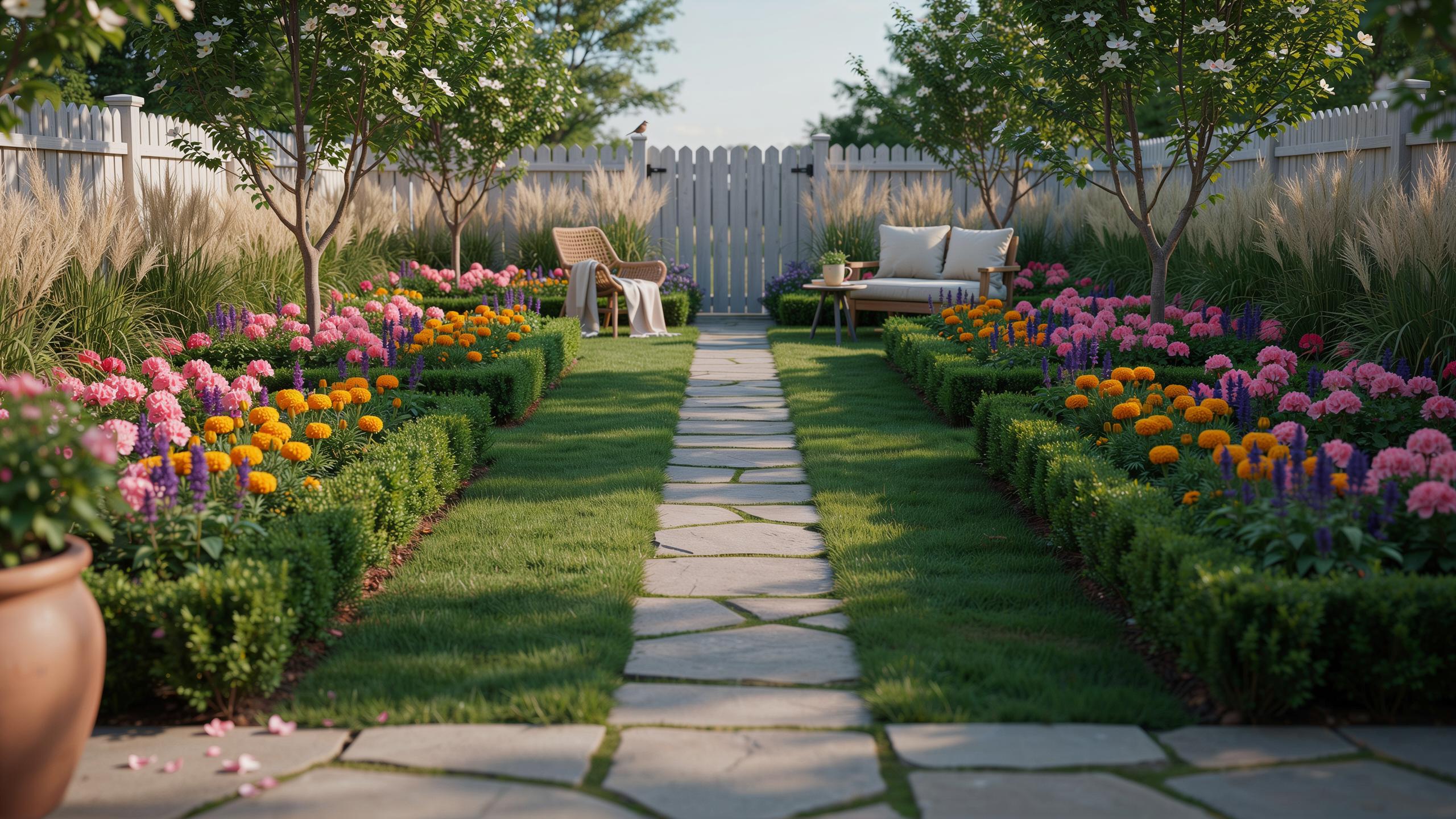
What Is A Symmetrical Garden Design Layout And Why Does It Feel So Restful
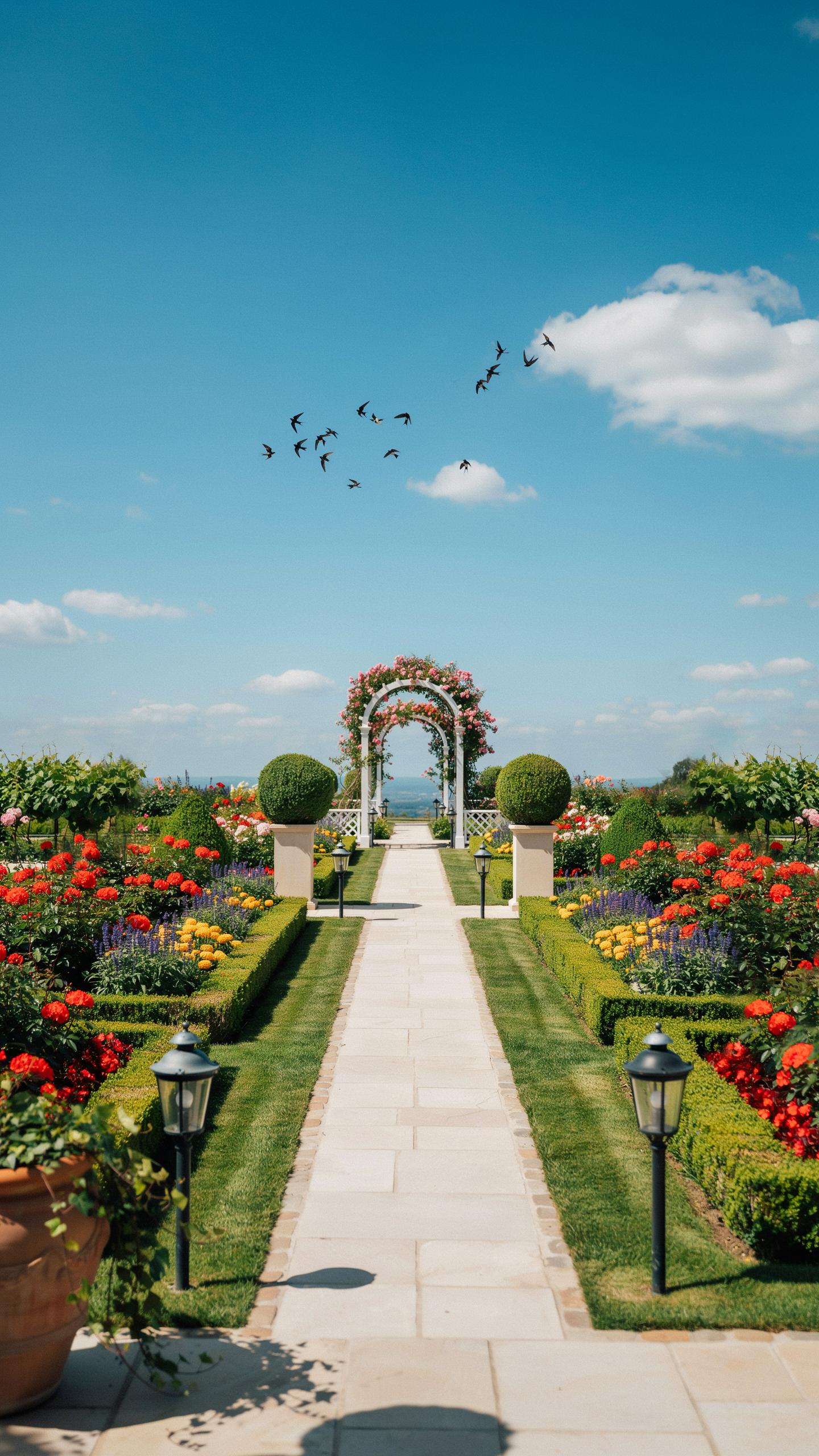
The Core Principle Of Balance In Garden Symmetry
Symmetrical garden design layout centers on a formal axis. Designers place identical elements on opposite sides of a central line. This technique creates a mirror image. It draws from the French Formal and Italian Renaissance styles. These movements used geometry to impose order on nature. You achieve balance by matching planting beds, pathways, and hardscape features. It relies on strict proportions to guide the eye.
Hardscape and softscape must work together to maintain this equilibrium. You use structural hedges or stone walls to define the boundaries. Linear paths provide the backbone for the entire space. This structure ensures that no single plant dominates the view. Tactical placement of focal points like fountains or statues anchors the design. Modern designers use these historical methods to build stable and predictable outdoor environments.
How Visual Order Translates Into A Sense Of Calm Outdoors
Visual order reduces the cognitive load on the brain. A symmetrical layout provides immediate clarity. Your eyes do not have to hunt for a resting place or decipher complex patterns. Simplified geometry allows the mind to relax. This predictability creates a feeling of safety and permanence. Historical garden masters used this effect to create retreats for the elite.
Symmetry mimics the bilateral balance found in the human body. People naturally prefer structured environments because they feel managed and intentional. Clean lines eliminate visual clutter that often causes stress. By removing chaos, the garden becomes a controlled sanctuary. The repetitive nature of the planting reinforces this stability. You gain a sense of control over your surroundings through precise alignment and clear spatial boundaries.

The History Behind The Formal Garden Plan And Its Enduring Appeal
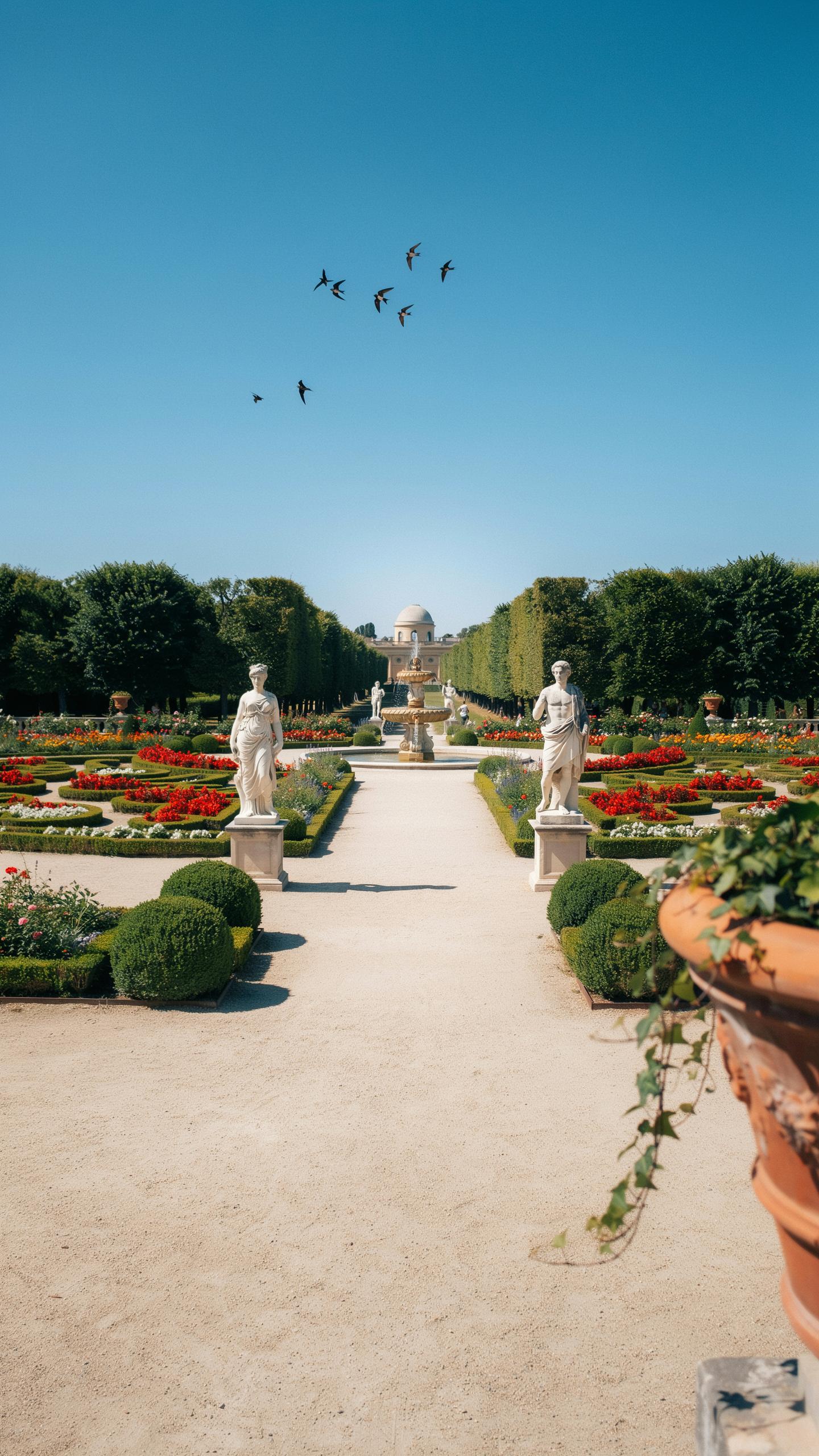
Ancient Origins Of Formal Garden Planning From Persia To Renaissance Europe
Persian designers created the first symmetrical garden layouts. They built the Charbagh, a quadrilateral garden divided by water channels. This design represented order and life in harsh desert climates. These gardens used geometric lines to control natural resources. Every plant and path had a specific place. This strict structure provided a sense of safety and predictability for the owners.
European designers adopted these principles during the Renaissance. Italian villas used terracing and central axes to align the home with the landscape. French designers later took this symmetry to a larger scale at Versailles. They used parterres and forced perspectives to show human mastery over nature. These historical layouts prove that a balanced plan works in any climate or culture.
A landscape should be a place where one can find peace. When lines are balanced and the scale is intimate, a garden becomes the soul’s favorite room.
Why The Formal Garden Plan Has Remained A Timeless Design Choice
Symmetry works because the human brain craves order. People perceive balanced layouts as calm and relaxing. A symmetrical garden design layout eliminates visual clutter. It creates clear focal points that draw the eye through the space. This structure reduces mental fatigue by making the environment easy to navigate. It turns a chaotic outdoor area into a functional living room.

Modern homeowners choose formal plans for their practical benefits. A balanced layout simplifies maintenance and material selection. You can mirror plantings and hardscape elements to save design time. This approach also maximizes small spaces by using clean lines and defined borders. It provides a permanent framework that look good in every season. This reliability ensures the design stays relevant as trends change.
How The English Garden Landscape Plan Shaped Modern Symmetrical Layouts
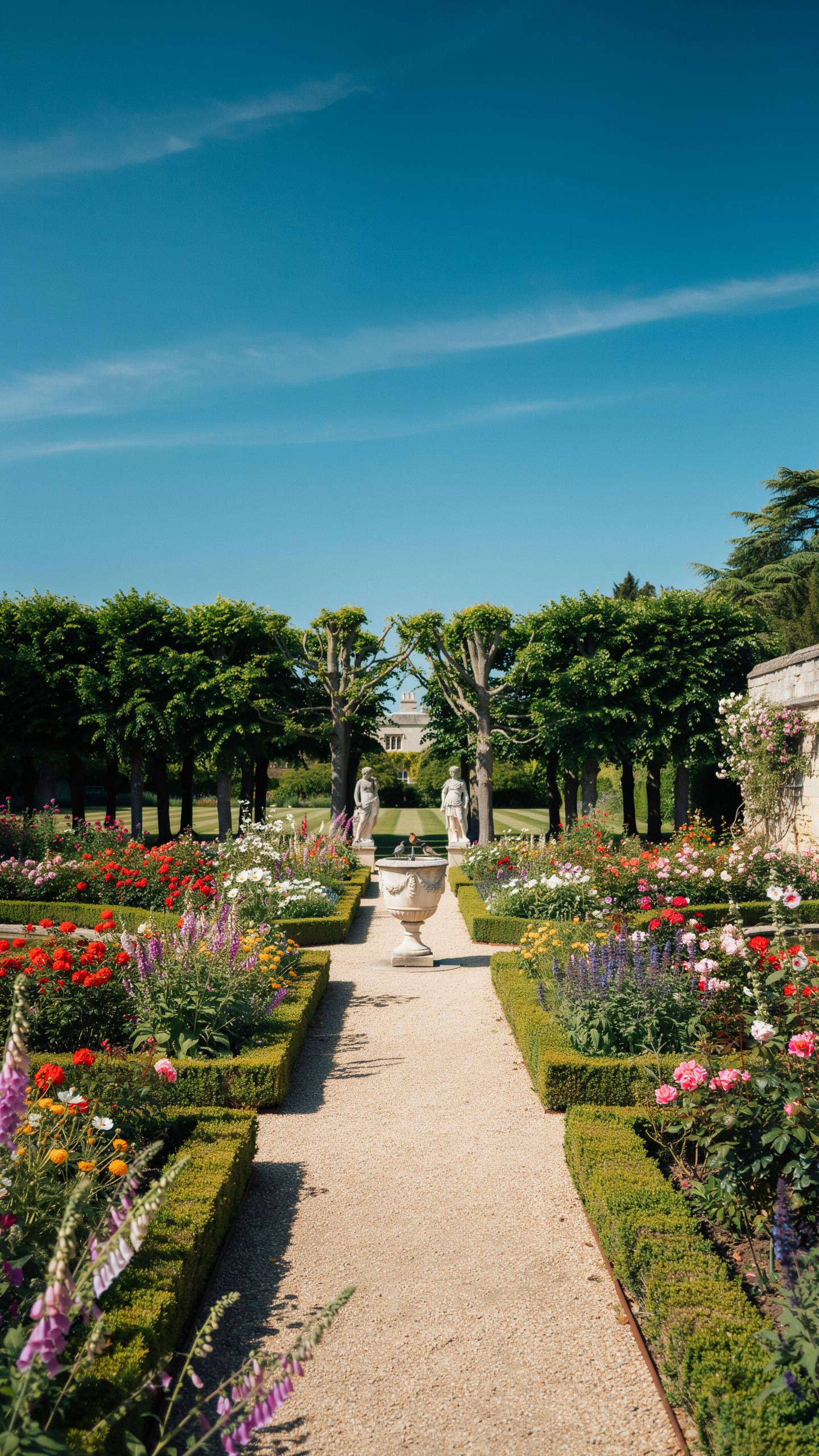
Key Characteristics Of The English Landscape Garden Tradition
The 18th-century English landscape movement rejected the rigid geometry of French formal gardens. Architects like Capability Brown used rolling turf and serpentine water features to mimic nature. This style prioritized the viewshed over intricate patterns. Designers placed trees in clusters to create depth. They used ha-has to keep livestock away without using visible fences. This approach created a seamless transition between the house and the horizon.
Modern symmetrical layouts borrow the clean lines and open spaces of this tradition. While the original English style looked wild, it followed strict mathematical proportions. Designers placed focal points like temples or statues at specific visual intervals. These placements created a sense of balance. Modern homeowners use these principles to organize large outdoor areas. You can use large lawns and grouped plantings to maintain structural order without excessive clutter.
Blending English Garden Sensibility With Structured Symmetry For Todays Homes
Contemporary designers combine English naturalism with formal symmetry to create functional spaces. You start by establishing a central axis from the main door. Use soft, billowy plantings like lavender or grasses within a rigid boxwood frame. This mix provides the structure of a symmetrical garden design layout while keeping the atmosphere relaxed. It bridges the gap between old-world estate planning and the needs of a modern suburban property.

Tactical placement of paths defines how you move through the space. Use straight gravel walkways to divide the garden into equal mirrored halves. Fill these sections with loose, perennial flowers to soften the hard edges. This technique ensures the garden looks organized from an aerial view but feels wild at ground level. It maximizes small footprints by using sightlines to trick the eye. Symmetry provides the bones while the English style provides the comfort.
Drawing Inspiration From The Victorian Garden Plan For Cozy Outdoor Living
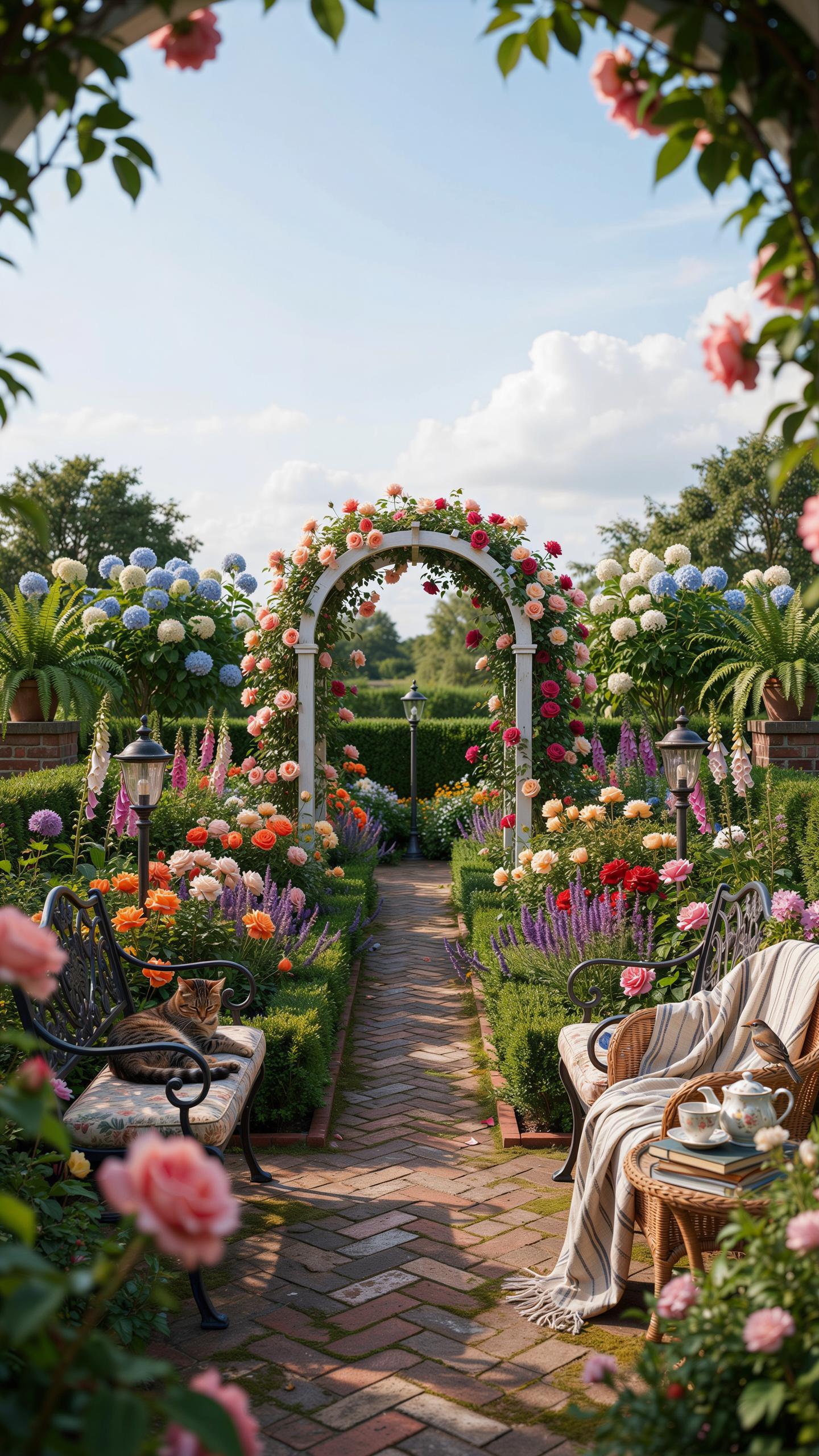
Signature Elements Of The Victorian Garden And How They Promote Relaxation
Victorian gardens prioritize structure through geometric shapes and enclosure. These designs use cast iron benches and stone basins to create focal points. A clear central axis directs the eye and simplifies the landscape. This order reduces visual clutter. It makes the outdoor space feel private and secure. High brick walls or dense hedges block outside noise. These elements turn a yard into a quiet room.
Balance is the primary tool for creating calm in this style. Victorian designers used matched pairs of shrubs to frame views. This repetition creates a predictable environment for the brain. Predictability lowers stress levels for occupants. Large specimen trees provide shade and a sense of permanence. These gardens work because they feel stable. A well-ordered plan allows the mind to rest without searching for a place to sit.
Adapting Victorian Bedding Schemes And Pathways To A Symmetrical Modern Layout
Modern symmetrical garden design layout uses Victorian bedding techniques for high impact. You must place flower beds in mirrored patterns along a central walk. Use low boxwood hedges to define these shapes clearly. This keeps the garden tidy throughout the year. Use hardy perennials instead of high-maintenance annuals to save time. This approach maintains the formal aesthetic while reducing the labor required for upkeep.

Pathways must serve as the backbone of the entire symmetrical garden design layout. Victorian plans used gravel or clay pavers to create firm walking surfaces. You should use wide paths to allow two people to walk side by side. Straight lines communicate directness and purpose. Curved paths must maintain perfect symmetry on both sides of the axis. Clean edges reinforce the sense of control. This structure makes small spaces feel much larger.
Building Your Garden Planning Layout Axes Focal Points And Proportions
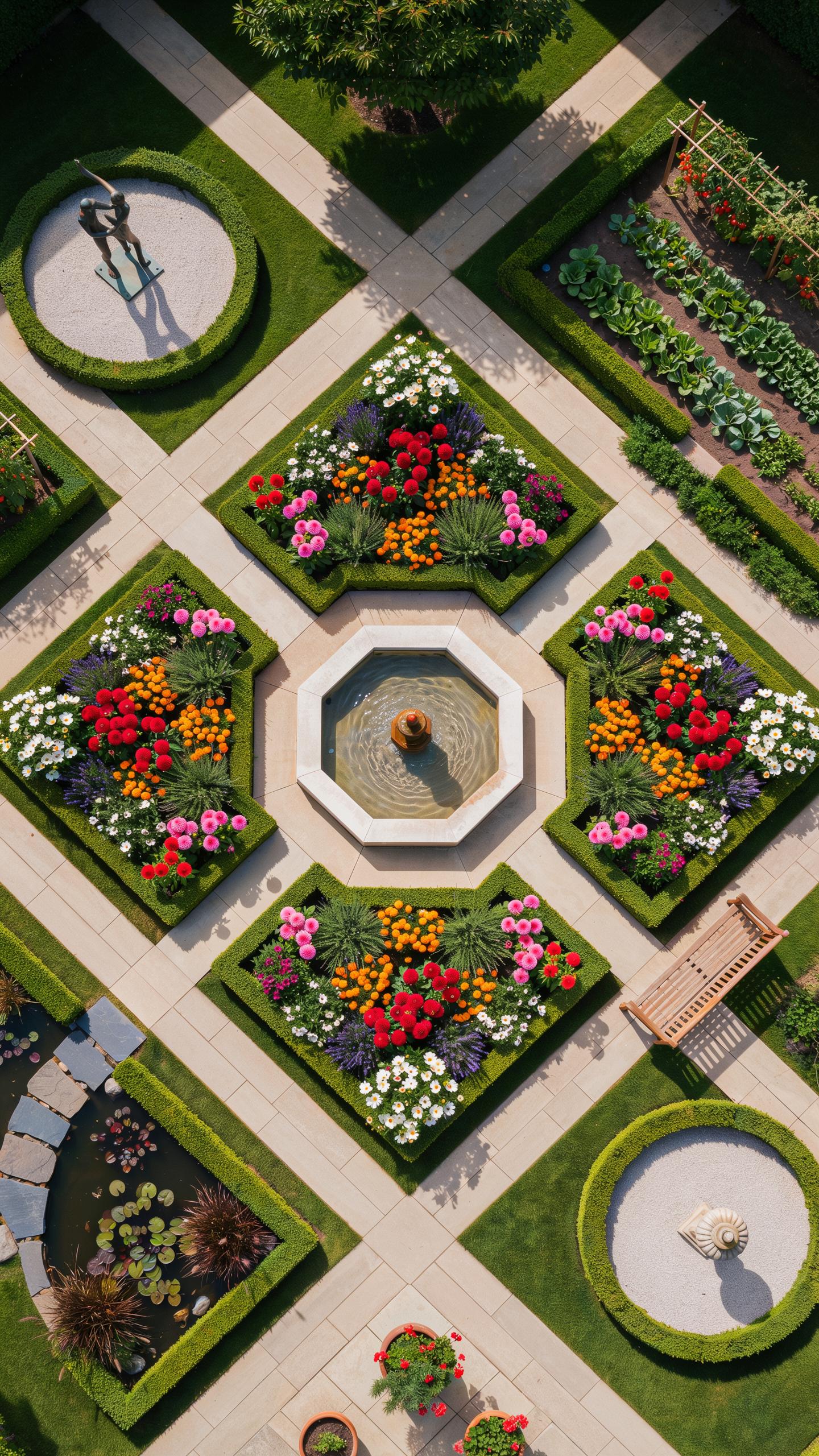
How To Establish A Central Axis As The Backbone Of Your Garden Plan
A central axis acts as the primary sightline in a symmetrical garden design layout. This invisible line starts at a doorway or gate and cuts through the center of the space. It dictates the placement of every plant and hardscape element. You must define this line before digging. A clear axis provides order and guides the eye through the entire landscape.
Properly executed axes use geometric precision to create balance. You often use paths or rectangular lawns to reinforce this line physically. Symmetrical gardens rely on the mirrored relationship between the left and right sides of this spine. Without a strong axis, the garden lacks structure and feels disorganized. Use a string line to ensure your measurements stay exact during the installation phase.
Essential Tips For Choosing Focal Points That Anchor A Symmetrical Layout
Focal points demand attention and terminate the sightlines created by your axes. These objects provide a visual reward at the end of a path or in the center of a courtyard. A single, bold object works better than several small ones. Choose items that match the scale of your yard. Large statues overwhelm small gardens, while tiny pots get lost in big spaces.
- Water Features: Use stone basins or tiered fountains to provide a vertical element and soothing sound. Place them at the junction of two axes to create a powerful central anchor.
- Classical Statuary: Select stone or lead figures that reflect Renaissance or Neoclassical styles. These pieces add historical weight and serve as a permanent structural marker regardless of the current season.
- Specimen Plants: Deploy clipped topiary like boxwood or shaped yew to act as living sculpture. These plants maintain their form year-round and anchor the corners of your symmetrical garden design layout.
- Architectural Seating: Install a high-quality timber or stone bench at the end of the primary axis. This provides a functional destination and invites people to sit and view the garden symmetry.
- Ornate Planters: Position large terracotta or cast-iron urns on pedestals to elevate the visual plane. Use these to frame entrances or to mark the exact midpoint of a long rectangular garden bed.

Materials must remain consistent to ensure the design feels cohesive. If you use stone for the central fountain, use the same stone for your path edging. Consistency prevents the layout from looking busy or cluttered. Always check that the focal point is perfectly centered on the axis. Even a small misalignment will ruin the optical illusion of perfect balance and order.
Practical Garden Layout Design Paths Borders And Planting Beds
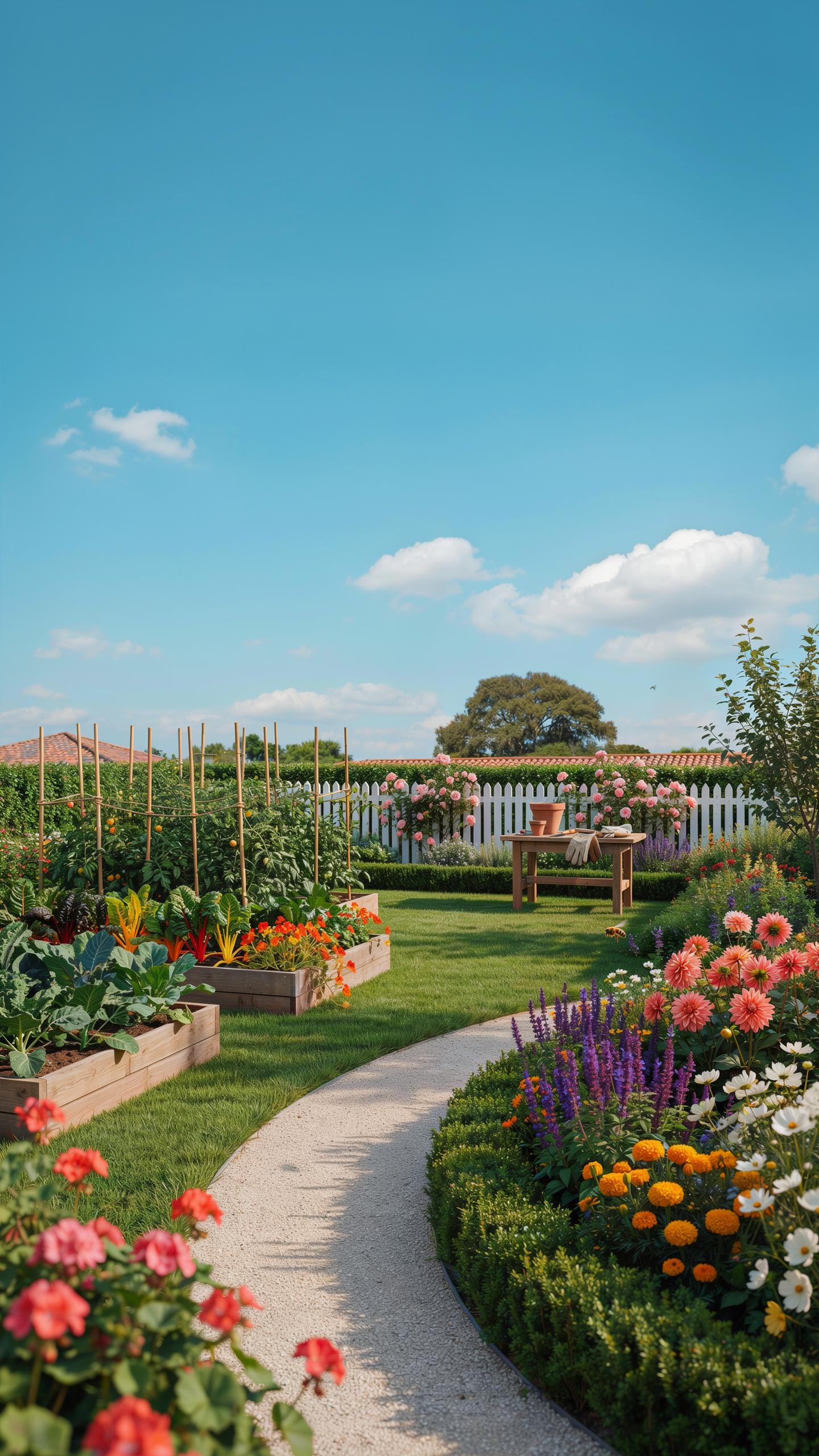
Designing Mirrored Pathways And Borders That Guide The Eye And The Foot
Mirrored pathways create the primary axis of a symmetrical garden design layout. Use a central walkway to divide the space into two equal halves. This layout draws the eye toward a focal point at the end of the corridor. Materials like gravel or brick must match on both sides to maintain visual weight. Proper width ensures two people can walk comfortably side by side.
Edges and borders define the physical limits of each mirrored section. Use low boxwood hedges or metal edging to keep these lines sharp. Straight borders reinforce the formal structure found in French and Italian Renaissance gardens. Curved borders work only if the arc on the left perfectly matches the arc on the right. Consistency in material and height prevents the design from looking lopsided.
Selecting Planting Bed Shapes That Reinforce A Balanced Garden Layout Design
Planting bed shapes must echo the overall footprint of the garden. Rectangular beds provide a classic look that maximizes planting space. Circular beds work well around a central statue or fountain. You must ensure that every bed on one side has a twin on the opposite side. This repetition creates the balance necessary for a truly symmetrical garden design layout.

The scale of the beds must stay proportional to the open space. Small beds in a large yard feel lost and weaken the symmetry. Large beds in a tiny area feel cramped. Measure the ground plane carefully before digging. Use stakes and string to mark out the shapes. Accurate measurements prevent errors that ruin the mirror effect. Maintain the same soil level across all beds.
Plant Selection And Placement In A Symmetrical Garden Design
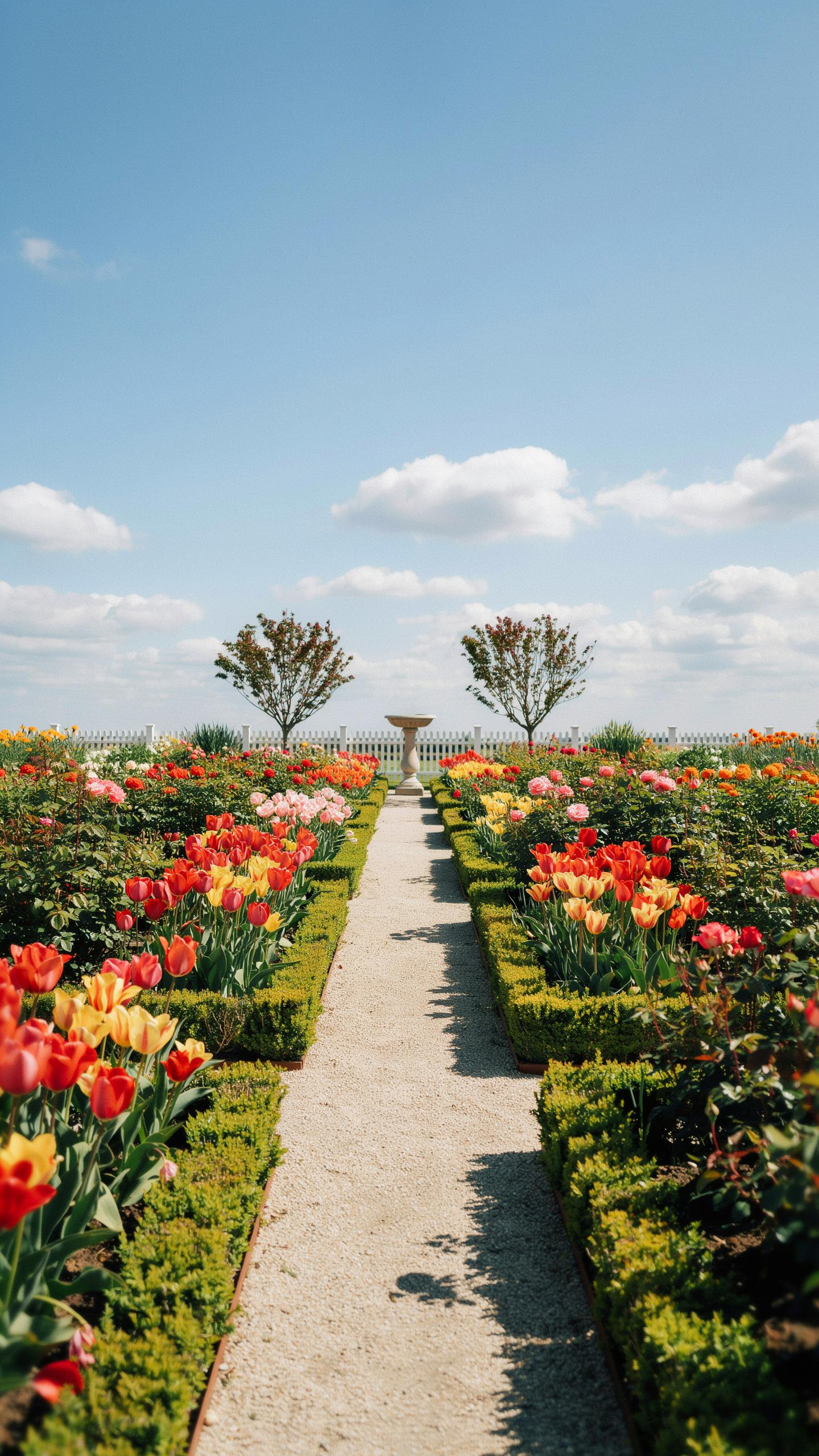
Best Plant Pairs And Repeated Plantings For A Cohesive Symmetrical Look
Successful symmetrical garden design layout relies on identical plant pairs to anchor the visual field. You must select species with consistent growth habits to maintain the mirror image over time. Professional designers use repetition to create a sense of rhythm and order. This technique forces the eye to move through the space in a predictable pattern. Choosing the right species prevents lopsided growth from ruining the geometry.
- Buxus Sempervirens: These evergreen shrubs provide the primary structural foundation for formal symmetry. You can shear them into sharp spheres or cubes to mark entry points and path corners. They maintain their shape and density throughout all four seasons without losing their foliage.
- Taxus Baccata: This slow growing conifer works best for tall vertical accents or dark green backdrops. It survives heavy pruning and handles shade better than most structural plants. Use matching pairs of Yew to create immediate height and permanent visual weight on both sides of a focal point.
- Lavandula Angustifolia: Use English lavender to line symmetrical pathways with low hedges. This plant provides consistent texture and height along both edges of a walk. The uniform gray green foliage ensures the line remains clean and unbroken during the growing season while adding scent.
- Carpinus Betulus: Use Hornbeam for pleached hedging or high screens to define the garden boundaries. It holds its brown leaves through winter to provide year round privacy and structure. This species offers a manageable way to introduce tall architectural walls into a balanced landscape design.
- Standard Rose Trees: Grafted standard roses offer immediate elevation and floral symmetry at eye level. Plant them in identical pots or matching beds to create a repeating vertical element. They provide a predictable bloom cycle that reinforces the organized feel of a cozy and traditional garden space.
Repetition builds the framework that makes a garden feel secure and grounded. You should plant in groups of two or four to ensure every element has a direct counterpart. This doubling creates a subconscious sense of balance for the observer. Use identical containers for these pairs to reinforce the symmetrical theme. Always source your plants from the same nursery batch to ensure matching sizes and health levels.
Balancing Seasonal Color And Evergreen Structure In Your Planting Scheme
A professional layout requires a permanent evergreen skeleton to hold the design during winter. Use boxwood or yew to create the primary lines and shapes of your geometry. These plants act as the walls and furniture of your outdoor room. Without this green structure, your garden will lose its symmetrical integrity when perennials die back. Always prioritize the framework before adding any seasonal variety or temporary flowers.

Integrate seasonal color within the established evergreen borders to soften the rigid lines. Use mass plantings of single colors to maintain the formal look while adding visual interest. Blue or white flowers often enhance the calm atmosphere of a symmetrical space. Ensure that both sides of the center line receive the same flower species and color palette. This approach keeps the garden vibrant without sacrificing the clean and organized tactical layout.
Exploring Garden Design Plans And Layout Ideas For Small And Large Spaces
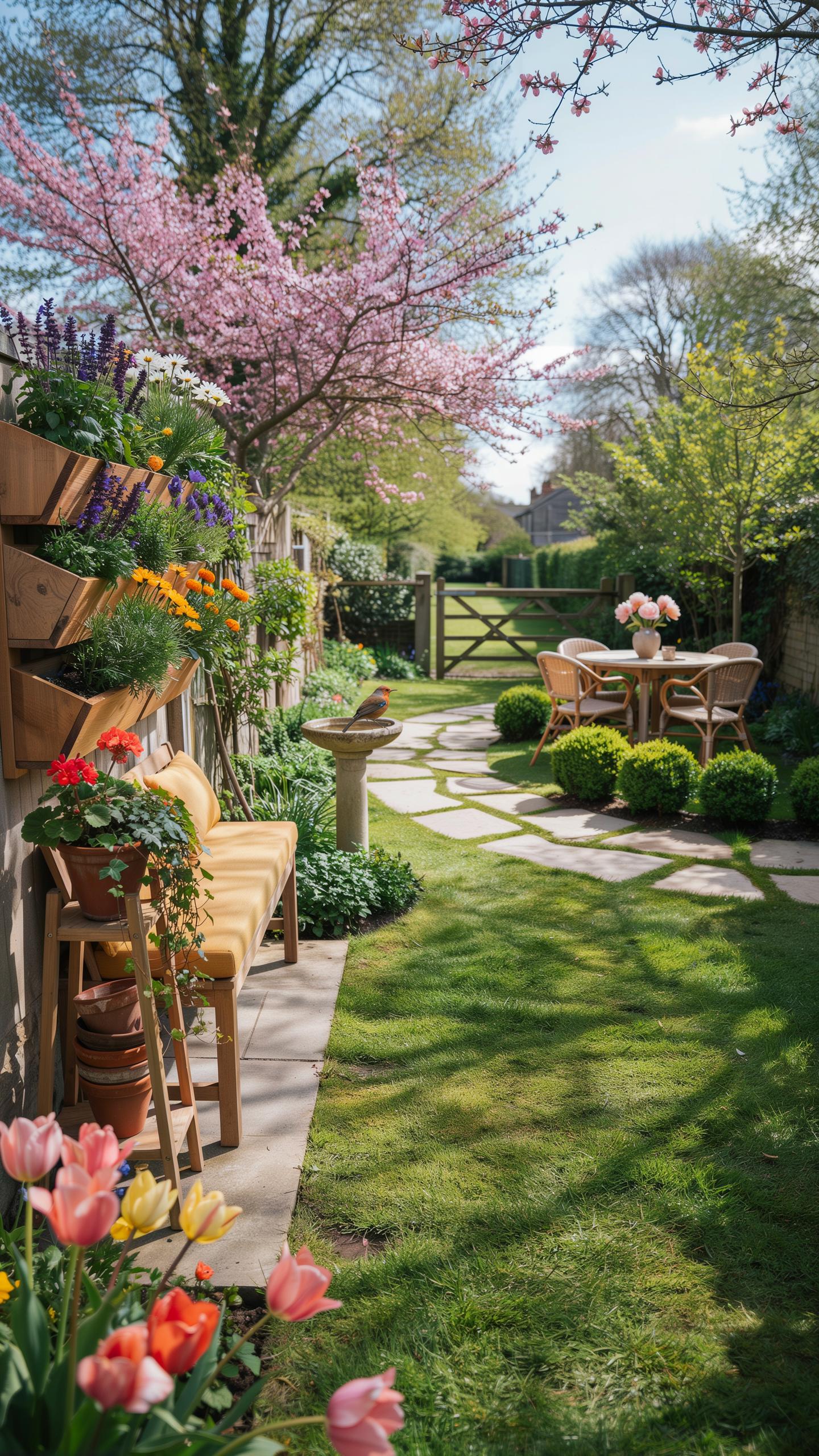
Scaling Garden Design Plans To Suit Compact Urban Gardens And Courtyards
Compact symmetrical garden design layout relies on a strong central axis to create the illusion of depth. You must identify the primary view from the main window or door. Align your central path or focal point directly with this sightline. Use mirrored planting beds on either side to pull the eye forward. This technique forces order in tight urban footprints and eliminates visual clutter.
Choose materials that match the scale of the area. Large pavers in a small courtyard reduce the number of grout lines. This makes the floor look like one solid piece. Select narrow upright plants like Italian Cypress or pleated Hornbeam to provide height without horizontal bulk. Use a single water feature or a stone sculpture at the end of the axis to anchor the entire small space.
Expanding Your Garden Design Layout Across Larger Properties Without Losing Intimacy
Large properties often feel cold if you apply one giant symmetrical pattern. Break the land into distinct outdoor rooms using the French Parterre method. Each room maintains its own internal symmetry through hedges or low walls. Connect these rooms with wide axial paths that lead to the next focal point. This creates a series of manageable and private experiences instead of one vast empty lawn.

Use transition zones to maintain a sense of coziness. Place a pair of heavy stone piers or matched specimen trees at the entrance of each garden section. This physical narrowing tells the brain the space is changing. It creates a sense of enclosure. Proper scaling ensures the symmetry remains visible from a distance. Use larger plant groupings to match the bigger landscape while keeping the mirrored layout strict and clean.
Landscape Ideas Plan Adding Water Features Seating And Hardscape To Complete The Look
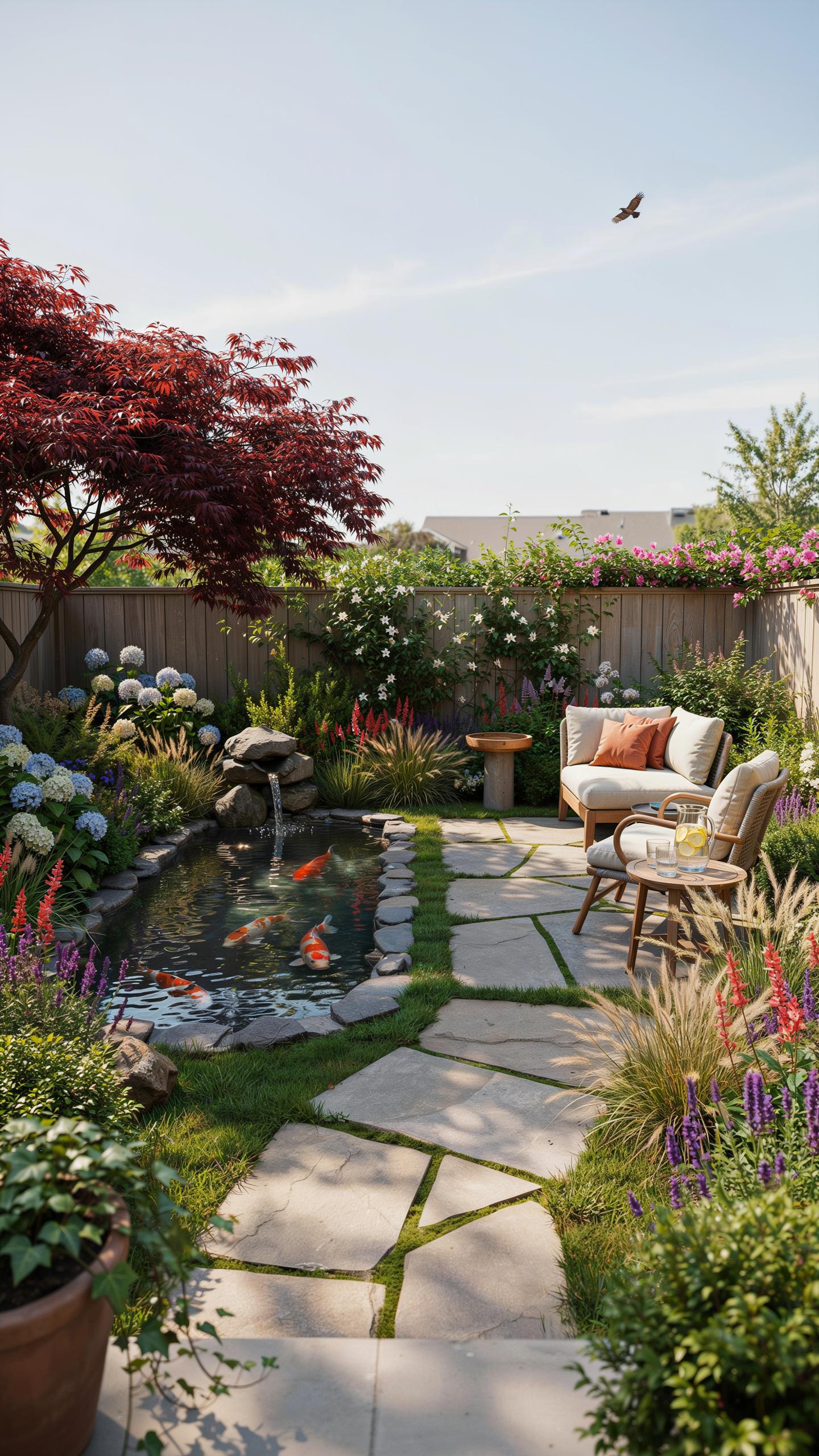
How Centrally Placed Water Features Reinforce Garden Symmetry And Encourage Relaxation
A central water feature serves as the primary anchor for a symmetrical garden design layout. This approach dates back to Persian charbagh gardens and French formal estates. Placing a fountain or stone basin at the exact intersection of two axes creates an immediate focal point. It draws the eye to the center and balances the surrounding quadrants. This geometry forces the viewer to perceive order and stability.
Sound plays a tactical role in creating a relaxed atmosphere. The consistent white noise of falling water masks neighborhood sounds and lowers the heart rate. A circular pool or square stone trough provides a clear geometric contrast to soft perimeter planting. Ensure the water feature scale matches the total garden footprint. Oversized basins disrupt the visual balance and ruin the intended sense of mathematical harmony.
Choosing Seating Areas And Hardscape Materials That Complement Your Landscape Ideas Plan
Hardscape materials define the skeletal structure of a symmetrical layout. Use natural stone like bluestone, limestone, or gravel to reinforce clean lines. These materials provide a stable base for movement and furniture placement. For a cohesive look, match the stone color to the exterior of the home. Standardized paver sizes ensure the pattern remains predictable and orderly across the entire ground plane of the garden.
Strategic seating placement maintains the mirror image requirement of formal design. Position two identical benches or chairs opposite each other across a central path or water feature. This creates a balanced visual weight that keeps the layout stable. Choose furniture with simple silhouettes and neutral tones to avoid distracting from the plant architecture. This dual seating arrangement encourages conversation and maximizes the functional square footage of the outdoor space.
Frequently Asked Questions

What exactly is a symmetrical garden design layout and why does it feel so relaxing?
A symmetrical garden design layout is a balanced arrangement where features are mirrored on either side of a central axis. This structure creates a sense of order and visual harmony that is incredibly soothing to the human brain. By minimizing visual clutter and providing predictable patterns, a balanced landscape allows you to relax fully, turning your outdoor area into a peaceful sanctuary perfect for quiet morning coffees or unwinding after work.
How can I implement a symmetrical garden design layout in a small backyard?
To achieve a balanced look in limited space, start by identifying a central focal point, such as a birdbath or a small bistro set. From there, place matching planters, identical shrubs, or twin pathways on either side of that center line. Using repetitive colors and shapes helps the eye move smoothly across the space. This strategic approach ensures your small garden feels organized, cozy, and intentional rather than cramped or chaotic.
Is it possible to create a high-end symmetrical look on a tight budget?
Absolutely! You don’t need expensive masonry to achieve luxury. Instead, use affordable materials like gravel paths, reclaimed brick edging, or simple wooden trellises to establish your lines. Selecting fast-growing evergreen hedges or purchasing smaller “twin” plants and letting them grow together over time is a cost-effective way to build symmetry. With a bit of pruning and consistent maintenance, even a DIY project can yield a sophisticated and inviting garden retreat.