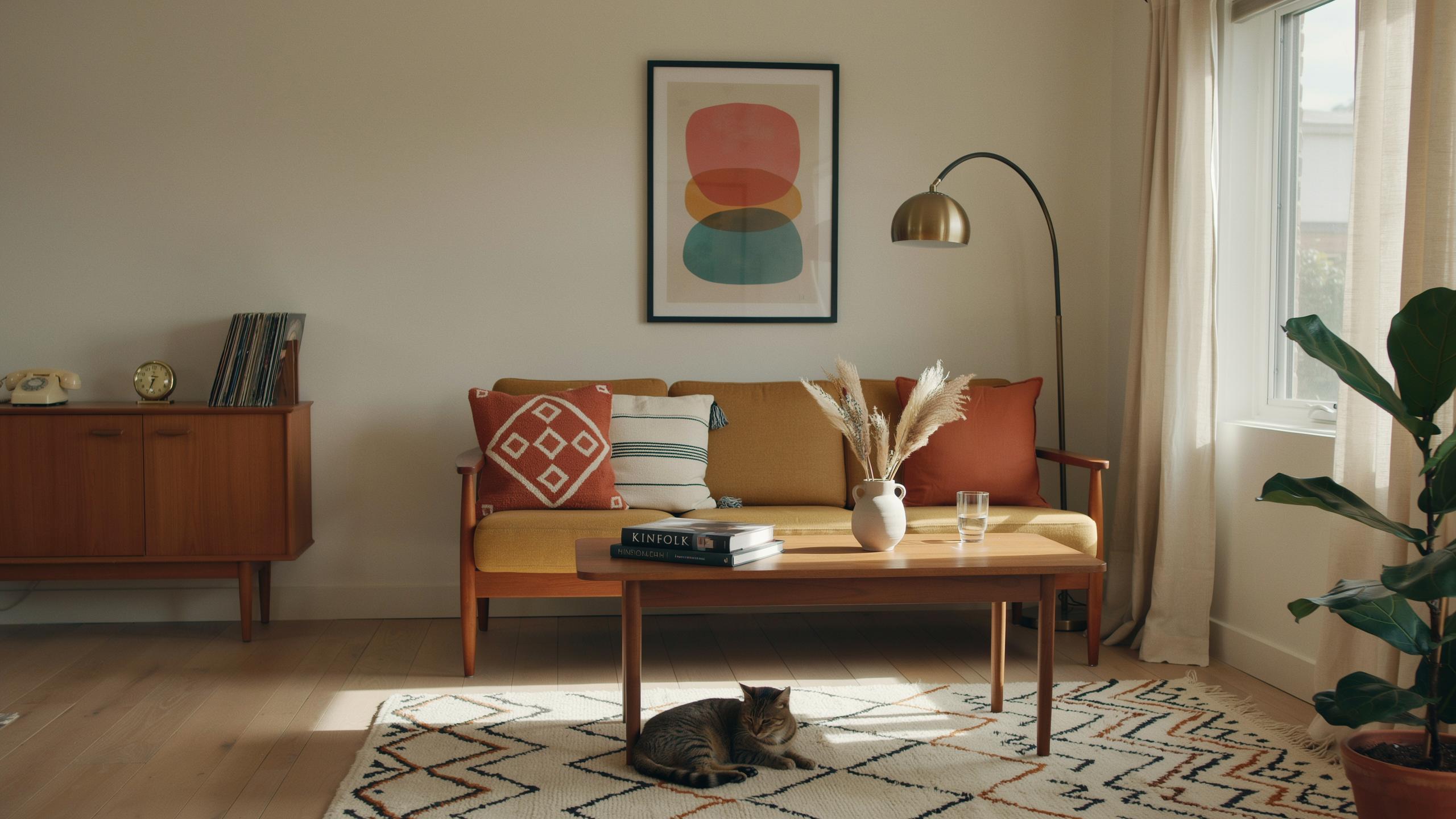
Defining The Retro Modern Aesthetic In TodayS Interiors
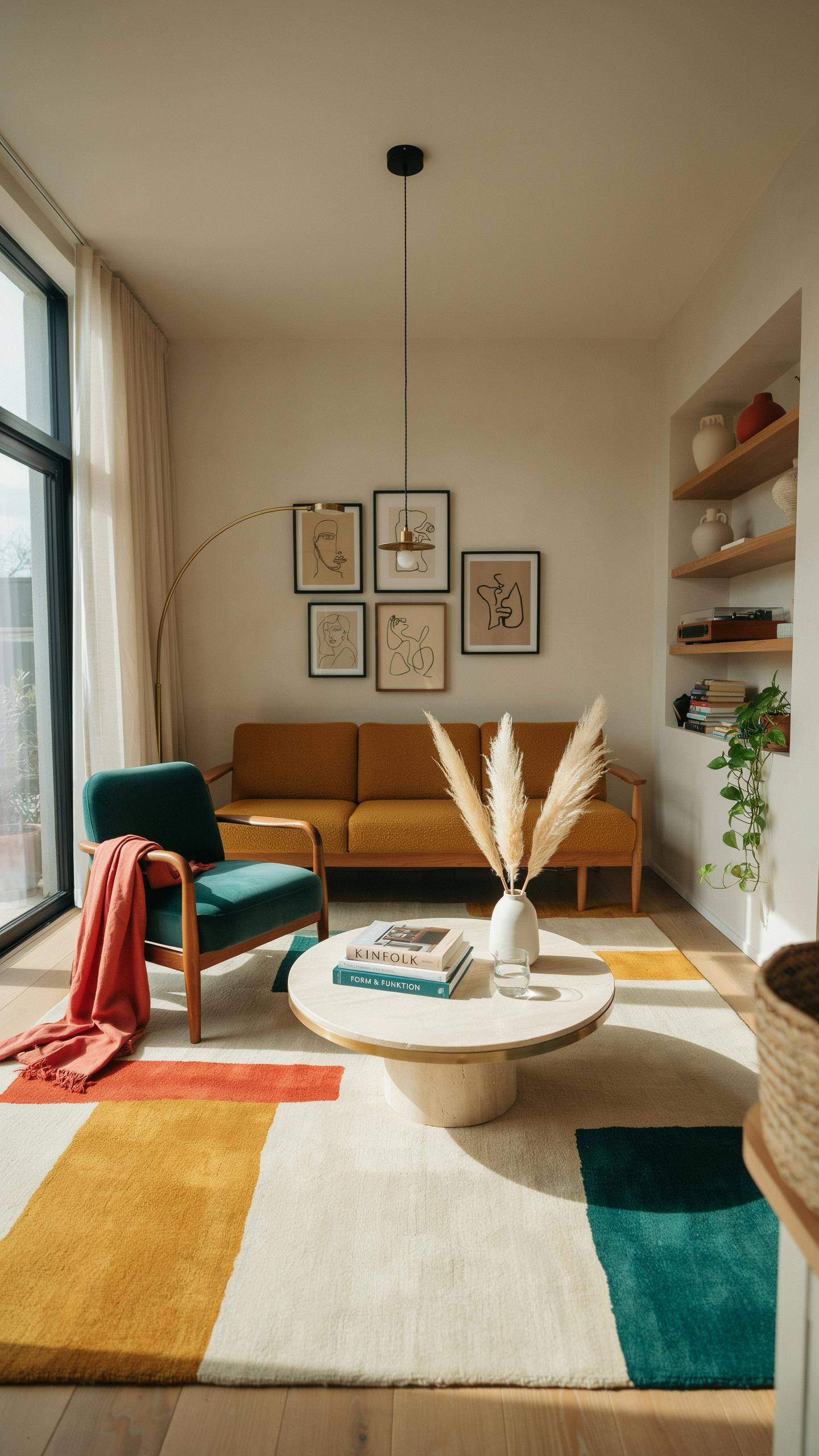
Understanding The Blend Of Eras
Retro modern design pulls directly from mid-20th-century furniture, color palettes, and architectural elements, then strips away excess ornamentation. The approach keeps clean lines and purposeful shapes from that era while removing dated construction methods. Contemporary homes benefit because this blend delivers visual interest without sacrificing functionality. You get nostalgia grounded in practical living standards that actually work for modern families, appliances, and technology integration.
The key tension that makes retro modern work is simplicity meeting personality. Mid-century designers obsessed over proportion and negative space, rejecting Victorian clutter. Today’s minimalism echoes that philosophy but adds texture through vintage materials and carefully chosen accent pieces. This balance prevents spaces from feeling cold or sterile. Your home reads as intentional rather than incomplete.
Key Design Philosophies To Follow
Form follows function is the non-negotiable rule driving retro modern spaces. Every object earns its place through utility or genuine aesthetic contribution. Geometric shapes dominate: tapered legs, clean angles, and structured silhouettes. Molded plastics, teak wood, and metal frames appear regularly because they solved real problems in the 1950s and 1960s. These materials still perform well today, making them legitimate choices rather than nostalgic gimmicks.
Uncluttered layouts force discipline into your decision-making process. You cannot hide mistakes behind decorative excess. Each furniture piece and accent must justify its existence. Playful material combinations create visual depth without adding clutter. A polished brass table lamp beside a sculptural ceramic vase demonstrates how retro modern embraces controlled variety. The result feels curated and confident instead of random or overdone.

Curating A Retro Style Home With Authentic Structural Details
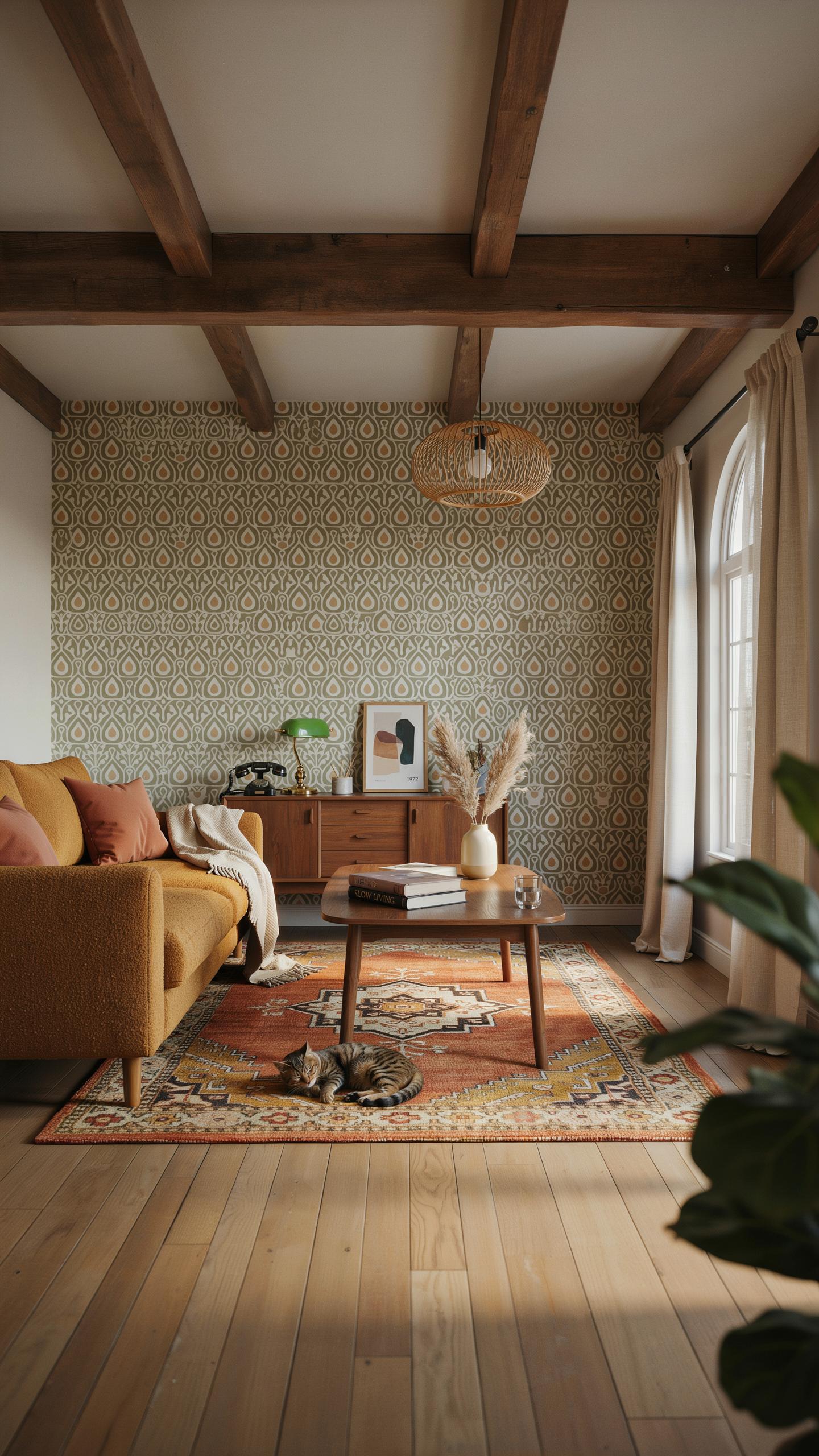
Exposed Wood Elements And Architectural Lines
Exposed ceiling beams serve a dual function in retro modern design. They anchor the space visually while revealing the structural framework that builders typically hide. Wide plank wood paneling and substantial window frames establish the honest material aesthetic that defines mid-century residential architecture and remains effective today.
Natural wood elements command attention without competing for focus. Ceiling beams in walnut or oak tones work across various color schemes. Large window panes frame views deliberately, creating visual depth that expands compact rooms. These structural features require no decoration to perform their design function.
Integrating Vintage Architectural Hardwares
Hardware selection determines whether a space reads as intentional or arbitrary. Brass door handles with starburst backplates reference atomic design motifs popular during the 1950s and 1960s. Brushed copper switch plates and cabinet pulls ground the retro aesthetic through functional details that occupants interact with daily, reinforcing the design narrative.
Authentic hardware ages differently than modern alternatives, developing patina that signals genuine material use. These elements cost minimally compared to structural changes yet impact perceived quality substantially. Installing period appropriate hardware transforms standard doors, drawers, and light switches into design statements that anchor rooms in specific design history and improve overall spatial coherence.
Selecting The Perfect Cool Sofa For Your Living Area
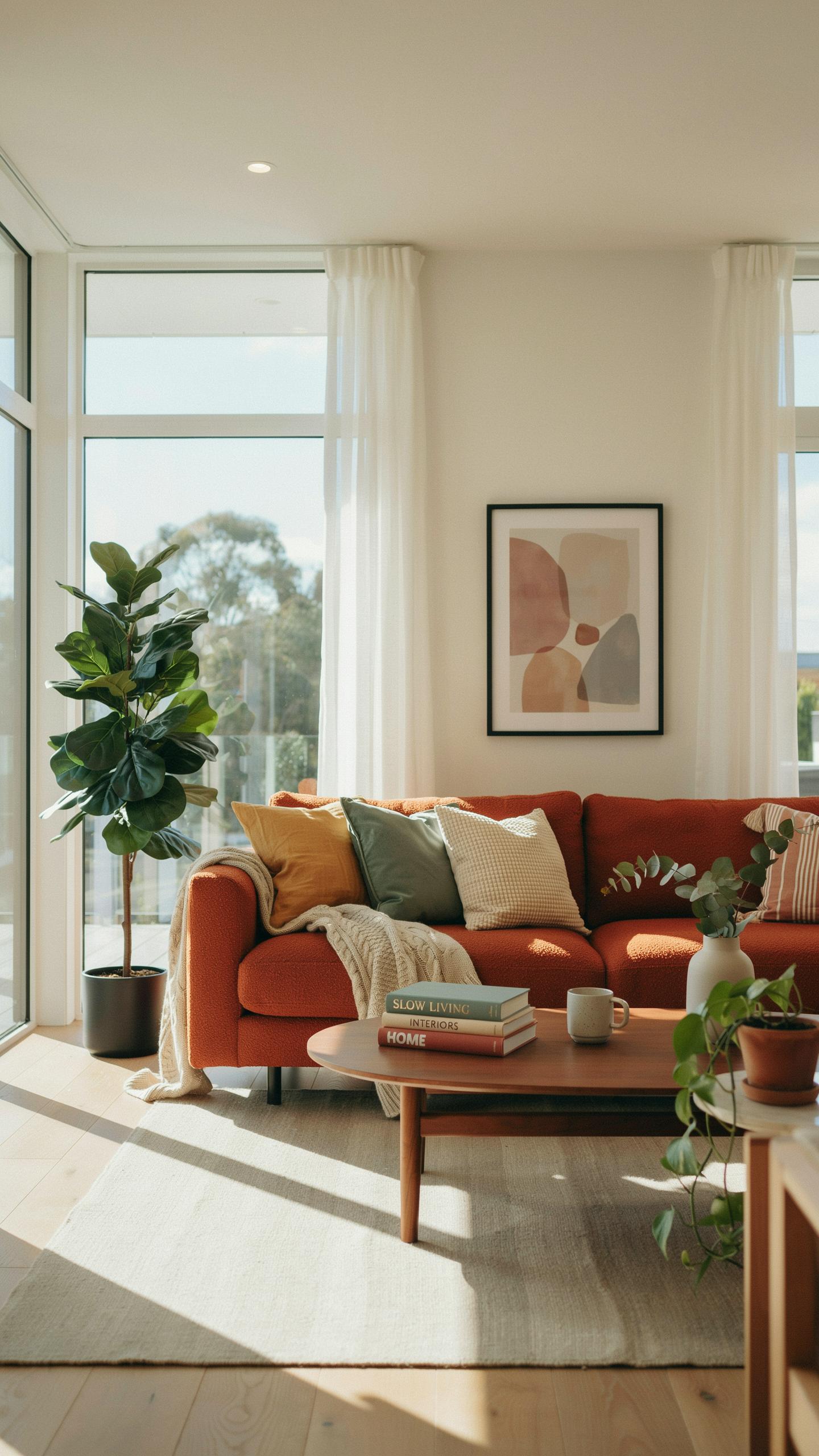
The Iconic Appeal Of The Tuxedo And Chesterfield Shapes
The Tuxedo sofa emerged in mid-century design as a response to minimalist aesthetics. Its clean lines and squared-off arms create visual weight without bulk. This shape works because it anchors a room through structured geometry. The low profile keeps sightlines open, making spaces feel larger.
The Chesterfield shape originated in 18th-century England but became central to retro modern interiors during the 1960s and 1970s. Button tufting on Chesterfield sofas serves both functional and visual purposes. The tufting distributes wear evenly across the cushioning while creating intentional surface texture. Both shapes demand quality construction because their form leaves nowhere to hide poor craftsmanship.
Be faithful to your own taste, because nothing you really like is ever out of style.
Crucial Fabric And Texture Considerations
Fabric choice determines how well your sofa functions in a retro modern space. The wrong material undermines the design intent, while the right textile reinforces authenticity. Durability matters as much as appearance because these statement pieces see constant use. Your fabric selection should prioritize tactile depth and color retention over time.
- Rich Cotton Or Mohair Velvet: Delivers deep color saturation and a luxurious hand feel. Velvet resists fading better than lighter fabrics and suits jewel tones common in retro modern design.
- Heavyweight Textured Boucle: Offers visible texture that adds visual interest and tactile warmth. Boucle’s loop construction hides minor wear patterns while maintaining its structured appearance.
- Classic Woven Tweed: Provides earthy tones or vibrant color options depending on fiber dye choices. Tweed’s tight weave makes it practical for high-traffic living areas while maintaining mid-century credentials.
- Linen Blends: Balance natural fiber aesthetics with improved durability compared to pure linen. Blends resist wrinkling and maintain crispness that complements geometric sofa shapes.
- Leather In Cognac Or Chocolate: Works for retro modern spaces seeking a premium feel. Leather develops patina naturally and ages visibly, adding character over years of use.
Performance metrics matter more than marketing language when choosing fabric. Test samples under your home’s actual lighting conditions. Verify thread count and fiber weight specifications rather than trusting vendor descriptions alone. Your sofa investment demands materials that perform for 10-15 years without premature degradation.
Mastering The Principles Of Retro Interior Design
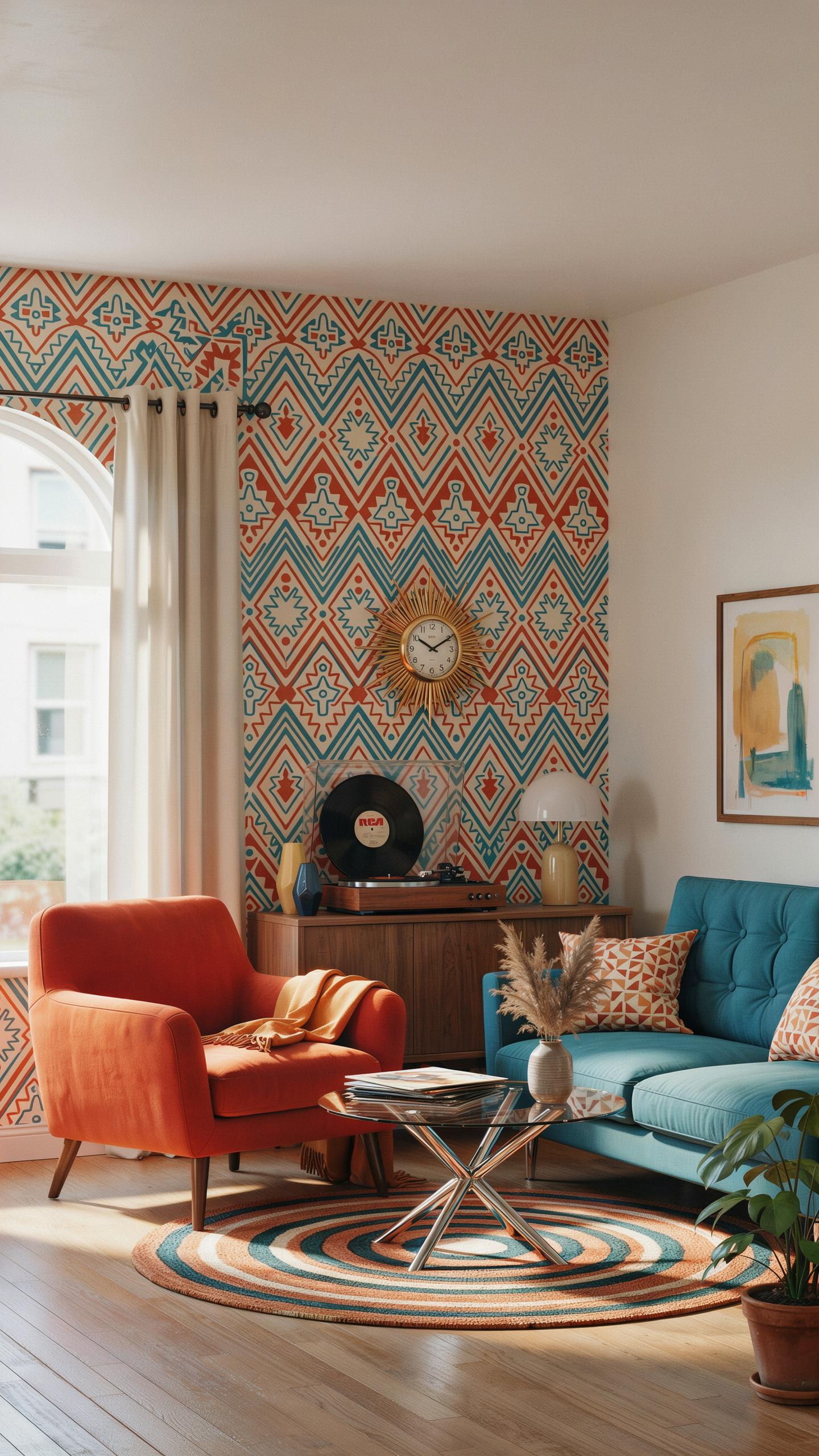
Achieving Spatial Balance And Flow
Open floor plans work because they eliminate visual barriers and allow light to travel unobstructed. Low-slung furniture sits closer to the ground, creating horizontal lines that expand perceived space. This approach removes unnecessary walls and heavy pieces that fragment rooms. The result is rooms that feel larger and more functional.
Retro modern design rejects ornamental clutter in favor of purposeful objects. Each piece earns its place through form or function. Remove decorative items that don’t serve a tactical purpose. Maintain clear sightlines across your space to maximize the sense of openness and improve movement flow.
Mixing Matte And Polished Surfaces
Walnut wood provides warmth and grounding through its matte finish and rich grain. Chrome and polished metal accents create sharp contrast and reflect light throughout the room. This material combination defines mid-century spaces and prevents the design from feeling flat or one-dimensional. The interplay between these finishes creates visual interest without adding bulk.
Pair matte walnut furniture with polished chrome legs, handles, and light fixtures. This strategy works on tables, cabinets, and shelving units. The contrast directs attention and breaks up large surfaces. Apply this principle consistently across your retro modern accents to maintain cohesion while building depth.
Essential Items To Decor Living Room Spaces Stylistically
Statement Coffee Tables And Side Units
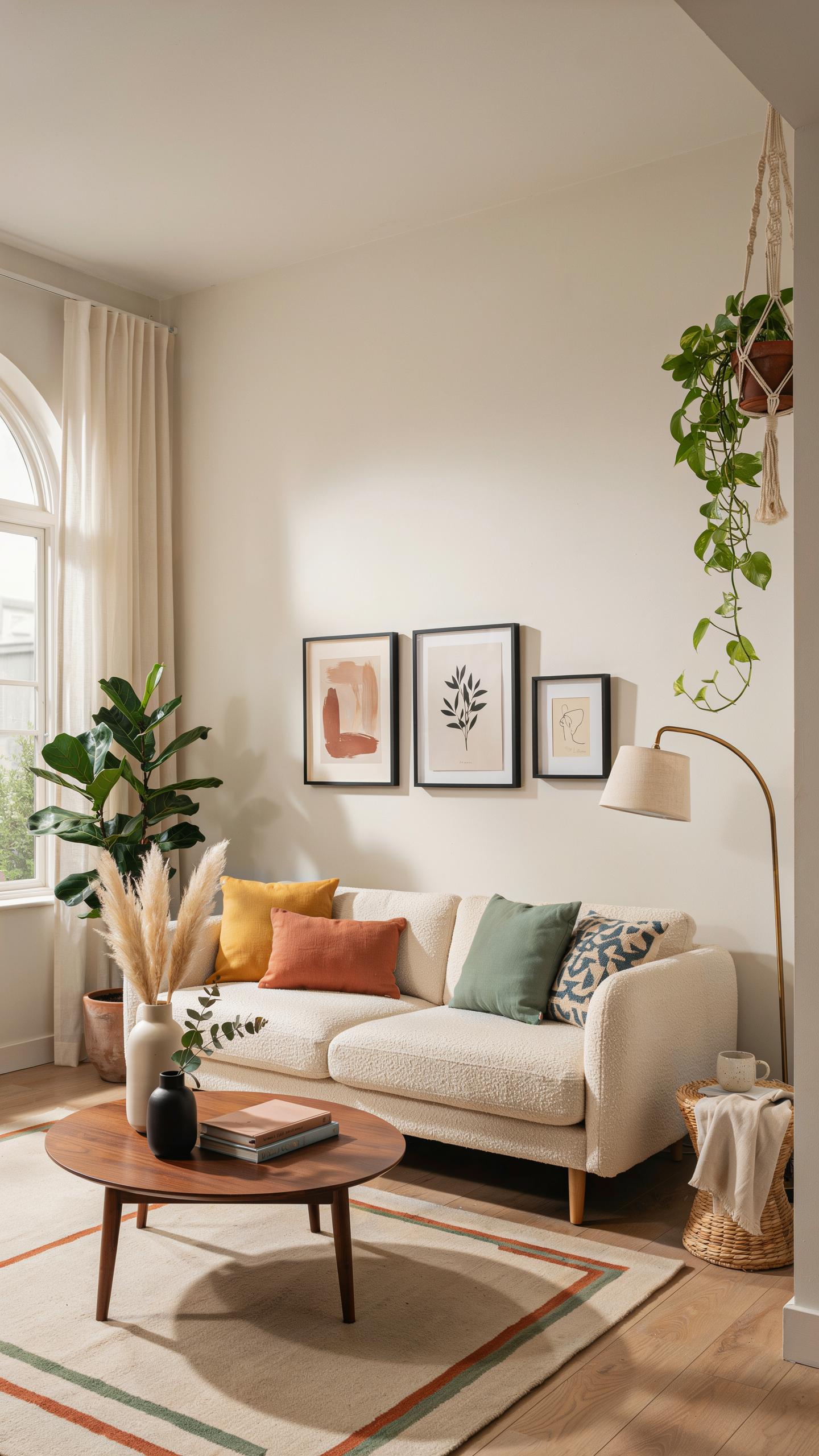
Pebble-shaped tables emerged from mid-century design’s focus on organic forms. Wood credenzas derive from 1950s-1960s furniture lines that combined storage with clean lines. Nesting stools offer functional flexibility while occupying minimal floor space. These pieces work because they serve dual purposes: storage and visual interest without cluttering the room.
Sculptural appeal matters in retro modern spaces because it eliminates the need for separate decorative objects. A well-designed credenza holds items while functioning as a room anchor. Pebble tables and nesting stools create visual rhythm through their geometric or curved forms. Choose materials like walnut, teak, or oak to align with authentic mid-century construction standards.
Choosing Mid Century Inspired Lighting Fixtures
Articulated task lamps deliver concentrated light where you need it while acting as sculptural elements. Spherical ceiling fixtures distribute ambient glow evenly across the room. Both styles originated during the 1950s-1960s when designers merged function with form. These fixtures illuminate your space while contributing to the overall retro modern aesthetic without requiring additional decor.
Placement determines effectiveness in retro modern rooms. Position articulated lamps near seating areas or reading zones. Hang spherical fixtures centrally to provide baseline ambient light. Metal finishes like brass, chrome, or matte black complement wood furniture typical of the era. This approach reduces visual clutter while maintaining design cohesion.
Creating A Dynamic And Inviting Retro Living Room
Zoning With Bold Shag And Geometric Rugs
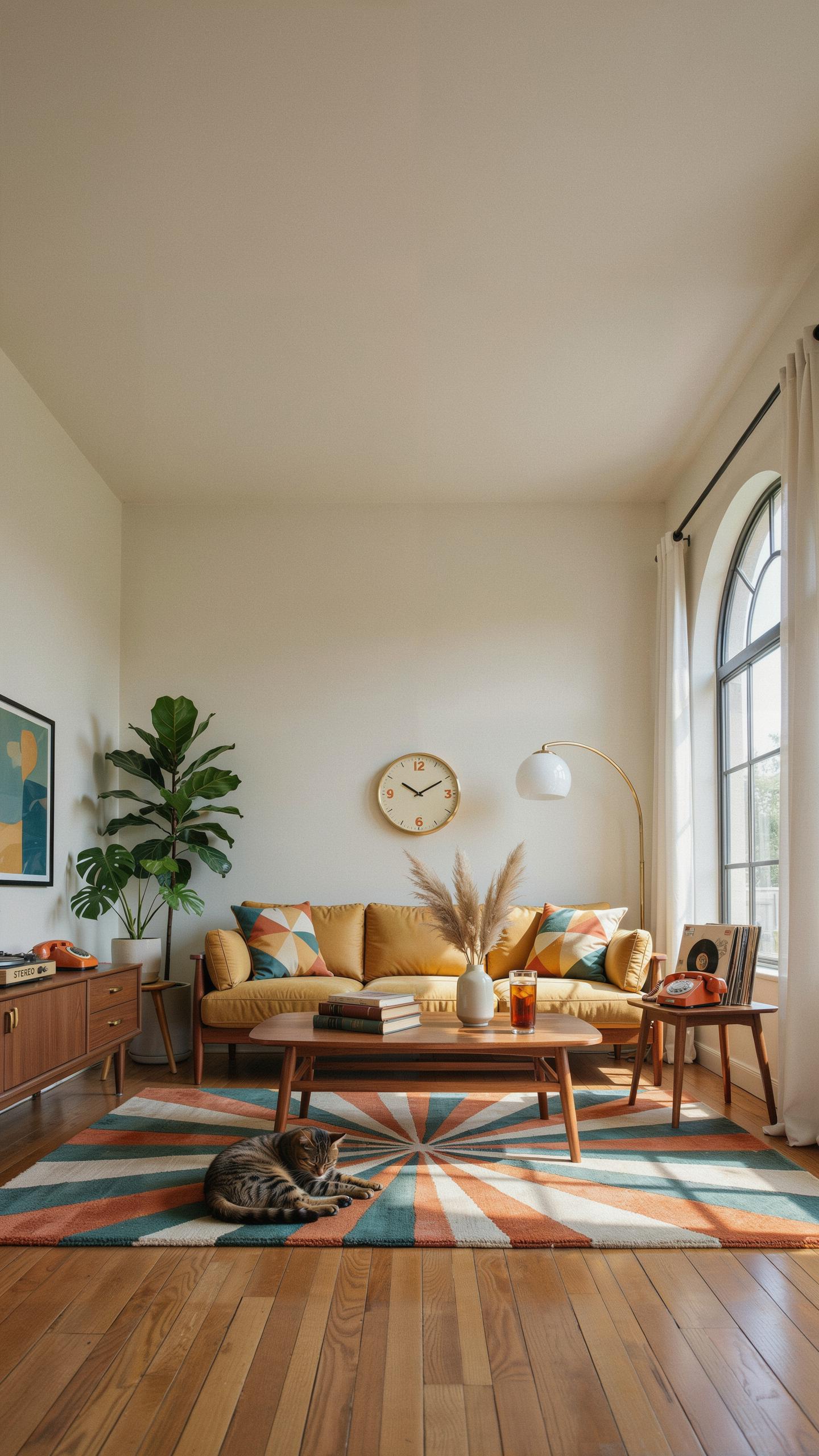
Area rugs in retro living rooms do concrete work. They define conversation zones, anchor furniture groupings, and break up open floor plans. Geometric patterns from the 1960s and 1970s remain functionally effective at drawing the eye and establishing boundaries. Shag textiles provide texture contrast against smooth mid-century furniture while serving practical sound absorption.
Sizing matters more than style. A rug should extend under front furniture legs to visually connect seating areas. Thick pile heights, typically 1.5 to 3 inches in authentic shag, create tactile separation between zones without requiring walls. Bold patterns in warm oranges, teal, or burnt sienna read clearly and tie color schemes together across the room.
Styling Open Shelving And Room Dividers
Teak and walnut shelving units function as both storage and space dividers in retro layouts. These materials were standard in mid-century design and remain structurally sound today. Open shelving allows sightlines to flow while still creating visual interruption. Position units perpendicular to walls or in room centers to define zones without closing off natural light or air movement.
Curated display items serve tactical purposes on these shelves. Vintage ceramics, glassware, and trailing houseplants like pothos or philodendron break up shelf lines and add visual interest at eye level. The combination of solid objects and living plants creates rhythm while keeping spaces open. This approach maintains the retro aesthetic while avoiding the cluttered feeling of completely closed room dividers.
Injecting Energy With Mid Century Modern Colorful Accents
Navigating Iconic Period Color Palettes
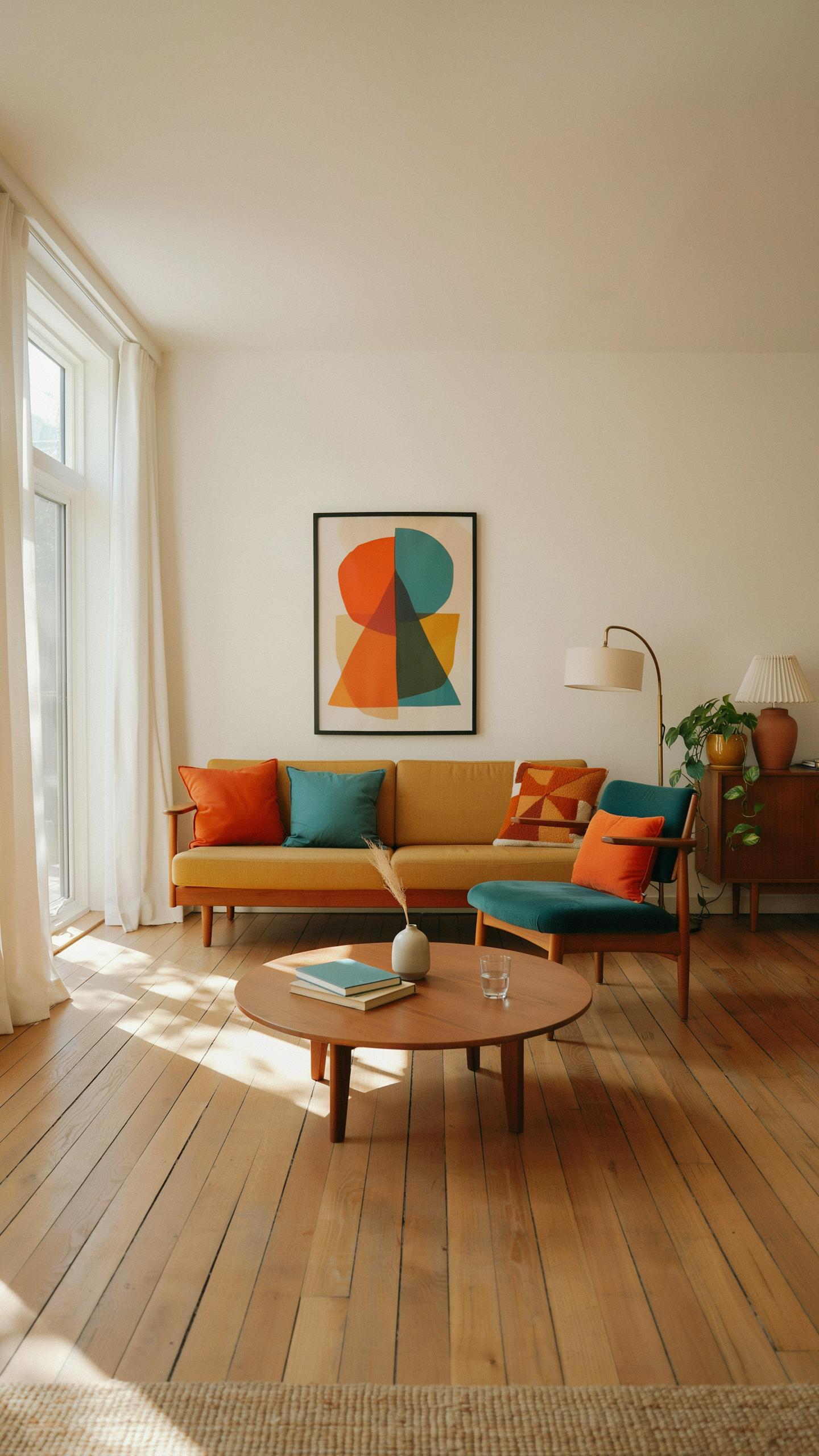
Mid century modern design drew from post war optimism and industrial materials. Chartreuse, avocado green, mustard yellow, and warm terracotta dominated the 1950s and 1960s. These colors reflected technological advancement and affordable manufacturing. They appeared in furniture, ceramics, and wall treatments. Designers used these hues intentionally to create visual impact. The palette emerged from both artistic movements and practical production capabilities of the era.
Apply these period colors through targeted accents rather than full room coverage. Reissue mid century furniture lines offer authentic color options. Vintage accessories like ceramic vases, throw pillows, and wall art deliver these tones affordably. Paint a single accent wall in mustard or avocado to anchor a room. Use terracotta in planters or decorative objects. These colors work best when repeated in two to three locations for visual cohesion.
Balancing Bright Hues With Neutral Backdrops
Intense retro colors demand neutral foundation walls to prevent visual fatigue. Sandy beige, warm gray, and soft cream plaster serve as effective base layers. These neutrals allow colorful accents to command attention without overwhelming the space. The contrast creates breathing room for the eye. Neutral walls also extend the lifespan of your design by adapting to future accent changes.

Layer bright colors against these neutral backgrounds using modular furniture and removable accents. A mustard yellow sofa against cream walls creates strong focal points without permanent commitment. Terracotta throw pillows on a gray sectional deliver color impact on demand. Swap accessories seasonally to refresh the space without repainting. This approach maintains design flexibility while preserving the mid century modern aesthetic.
Designing A Vibrant Home Interior Design Colorful And Chic
Essential Accessories To Bring Color Into Your Space
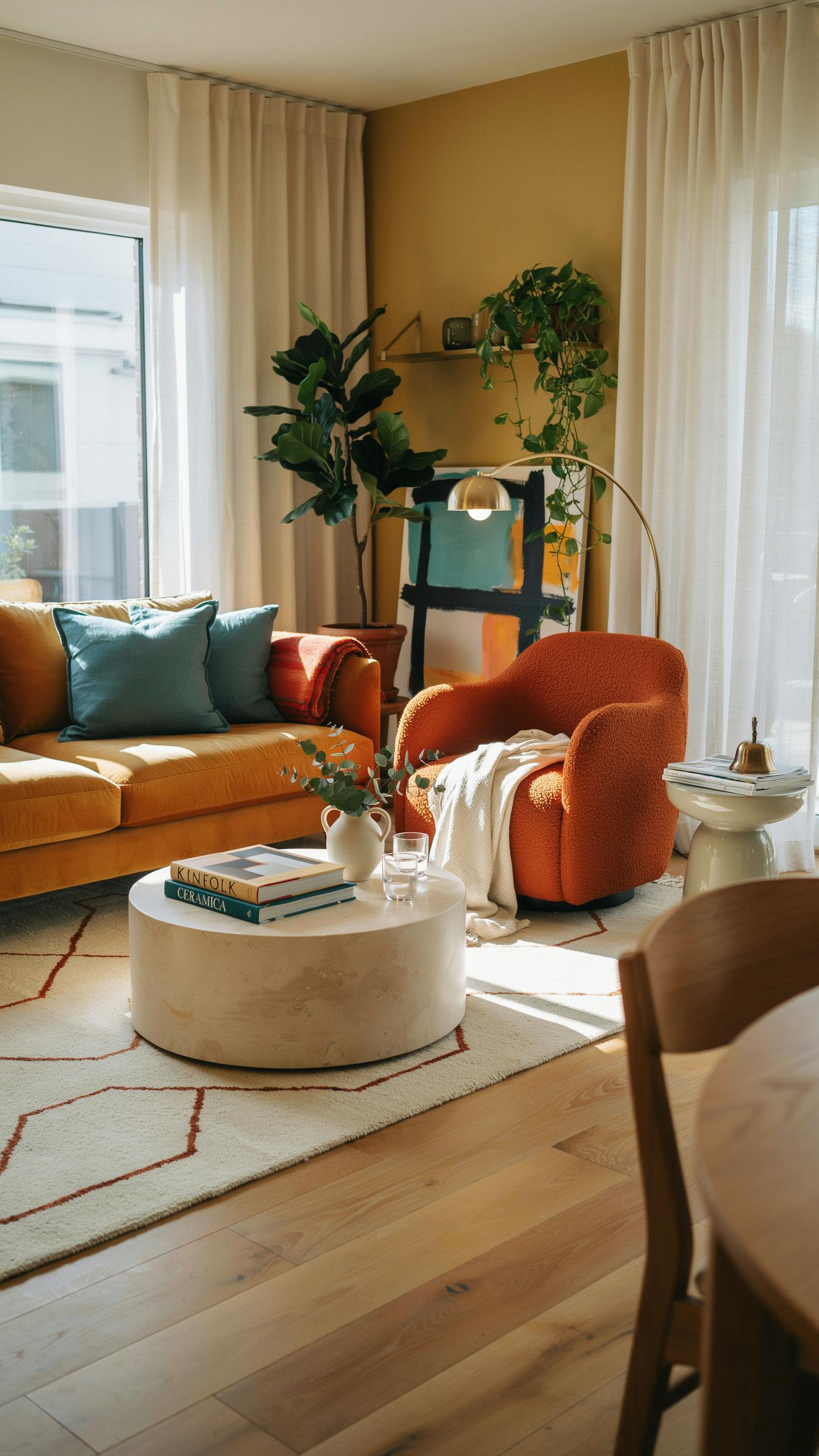
Colored accessories anchor a retro modern palette without requiring permanent changes. These pieces work fast. They layer over neutral bases and shift the visual weight of any room. Strategic placement creates focal points that guide the eye through your space.
- Abstract glass vases in amber or teal tones: These vessels reference mid-century studio glass production. Amber catches warm light and reads as vintage. Teal grounds contemporary spaces with period-accurate color without dating the room.
- Geometric throw pillows featuring bold block patterns: Block patterns reference 1950s and 1960s textile design. Place them on sofas or chairs for instant visual impact. Mix scales and proportions for authentic retro modern balance.
- Retro style ceramic dinnerware and tabletop accessories: Ceramic dinnerware from the mid-century era features functional forms with minimal ornamentation. Starburst patterns and solid colors dominated the period. These pieces perform double duty as decor and functional tableware.
- Enamelware bowls and serving dishes: Enamel coatings appear on authentic retro kitchenware. These items layer color into open shelving or countertops. They’re durable and actually usable for storage or display.
- Colored glassware and drinkware sets: Stacked vintage glasses in coordinating hues create visual rhythm. Amber, smoke gray, and avocado green appeared throughout the period. These work on open shelves or in glass cabinets.
Accessories allow testing before committing to larger investments. Swap items seasonally to refresh the space. This approach costs far less than repainting or replacing furniture.
Integrating Colorful Wall Art And Graphics
Screenprints and woodcut prints deliver graphic impact with historical accuracy. The 1950s and 1960s embraced bold typography and high contrast imagery. These prints still command attention on walls today.
Minimalist geometric canvas paintings add depth without clutter. Choose compositions with clear shapes like circles, triangles, or nested squares. Place them strategically above furniture to anchor seating areas. Paintings in two or three colors maintain the retro modern aesthetic while keeping the visual field clean and organized.
Smart And Cool Apartment Decor For Compact Spaces
Utilizing Wall Mounted Modular Shelving
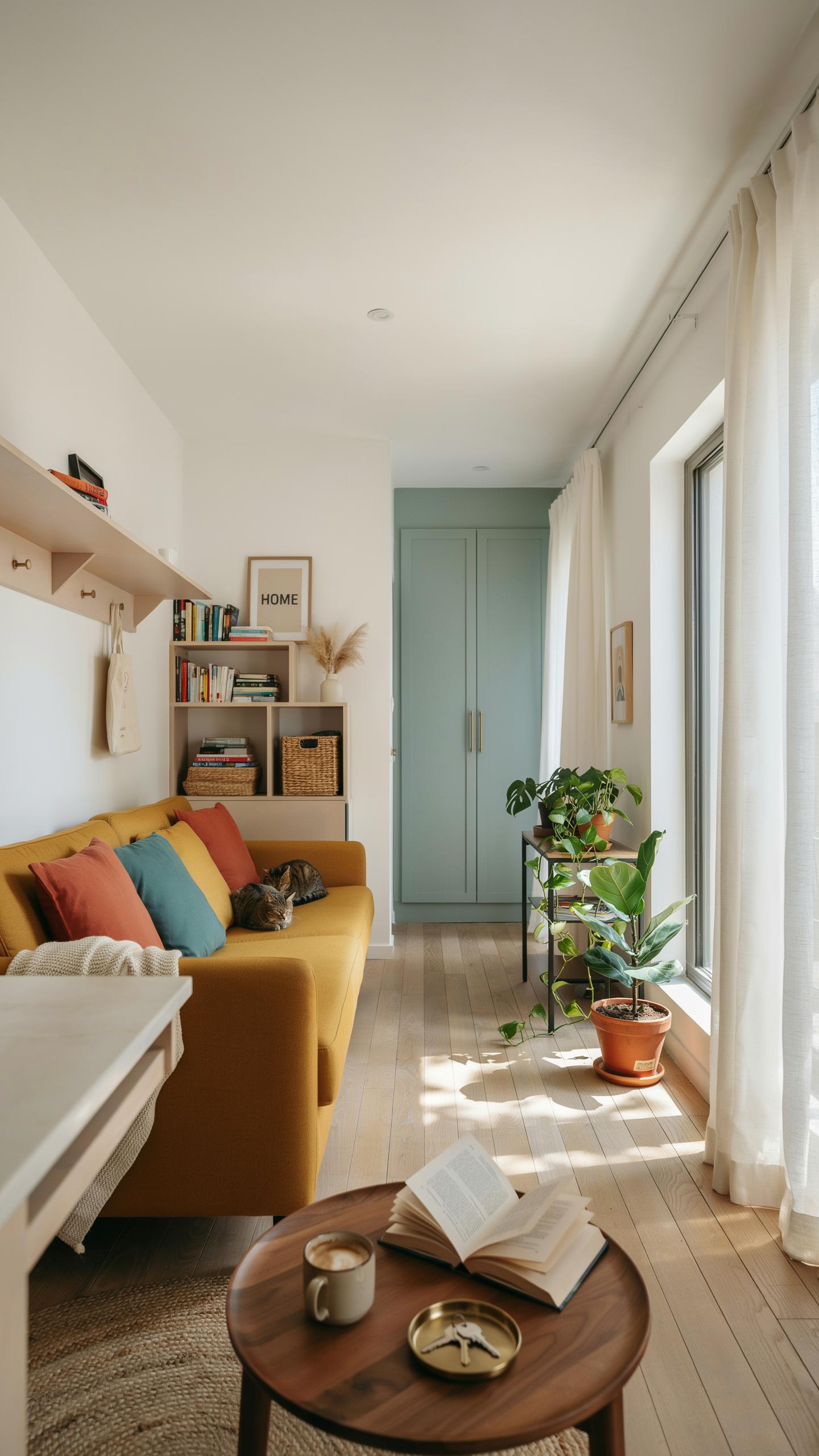
Danish modern design principles established modular shelving as a practical solution for small apartments. Wall-mounted systems keep floor space clear while displaying books, plants, and decorative objects vertically. These shelves originated from mid-century Scandinavian design, where space efficiency drove innovation. The concept eliminates bulky bookcases that consume valuable square footage in tight layouts.
Modular shelving works because you control what displays and what stores. Install units at varying heights to create visual interest without clutter. Metal frames paired with wooden shelves combine function with retro modern aesthetics. This approach lets you organize without sacrificing the open feel apartments require.
The Functional Beauty Of Multi Purpose Furniture
Drop-leaf tables and storage benches serve dual roles in compact living. These pieces originated from practical design solutions when homes offered limited room for dedicated dining areas. Folding mechanisms allow tables to shrink when unused, while storage benches provide seating and hidden compartments simultaneously. This efficiency defined mid-century furniture design philosophy.
Nestable stools stack neatly in closets or under tables when guests leave. Look for designs with tapered legs and simple lines that match retro modern aesthetics. Wood construction in teak or walnut provides durability and authentic period accuracy. Multi-purpose furniture eliminates the need for separate pieces, making small spaces function like larger homes.
How To Sustainably Source Retro Modern Home Style Accents
Scouting Vintage Shops And Estate Sales
Finding authentic retro modern pieces requires systematic searching. Estate sales offer furniture from the mid-century period when original designs were manufactured. Specialized antique dealers curate inventory by design era and movement. Regular visits build relationships with shop owners who alert you to incoming stock. This approach yields genuine pieces with documented provenance and structural integrity.
Estate sales and vintage shops stock pieces already in circulation, eliminating manufacturing waste. Original retro modern furniture from the 1950s through 1970s was built with quality materials and construction methods designed for durability. Purchasing existing inventory extends product life cycles and prevents landfill placement. You acquire functional items that have proven their longevity through decades of use.
What To Look For In High Quality Reproductions
New retro modern reproductions require inspection before purchase. Solid wood construction outperforms veneers applied to particle board. Verify joinery through dovetails, mortise and tenon joints, or dowels instead of staples or glue alone. Check textile content labels for natural fibers like wool or cotton rather than synthetics. Frame construction should feel rigid without flex or movement when pressure is applied.
Quality reproductions use finishing techniques consistent with original manufacturing standards. Authentic stains and lacquers age predictably and resist water damage better than cheaper alternatives. Upholstery stitching should be tight and even with consistent spacing. Hardware like drawer pulls and hinges require solid metal construction rated for repeated use. These details indicate pieces engineered for longevity rather than disposability.
Frequently Asked Questions

What exactly defines the retro modern look in interior design?
The retro modern look is a sophisticated blend of mid-century aesthetics and contemporary minimalism. It focuses on clean lines, organic shapes, and a mix of natural materials like wood with industrial elements like chrome. To achieve this balance, focus on selecting retro modern home style accents that pair vintage silhouettes—such as tapered legs or geometric patterns—with a neutral, updated color palette to ensure the space feels fresh rather than dated.
How can I incorporate these accents into my existing contemporary rooms?
Integration is all about balance and contrast. Start by introducing one or two statement pieces, such as a sunburst clock or a velvet swivel chair, into your current layout. Distribute your retro modern home style accents evenly so they feel intentional. Pair sleek, modern surfaces with textured vintage-inspired textiles or bold ceramic vases to create a layered aesthetic that honors the past while remaining functional for a busy, modern lifestyle.
Is it possible to achieve this high-end look on a limited budget?
Absolutely! You do not need to spend a fortune to capture this specific charm. Scour local thrift stores, flea markets, and online marketplaces for authentic second-hand treasures that feature classic mid-century lines. Often, a quick coat of polish or new upholstery can revitalize an affordable find. Focus on high-impact, smaller decorative items like brass lamps or abstract wall art to bring stylish vintage vibes into your home without overspending.