What Are Hanging Garden Wall Panels And Why Are They Trending
The Rise Of Vertical Wall Garden Design In Modern Landscaping
Modern urban development limits horizontal ground space. Architects now use vertical surfaces to reintroduce nature into concrete environments. This shift follows the biophilic design movement. Designers prioritize human connection to nature within built structures. Hanging garden wall panels offer a modular solution for this need. These systems allow for high-density planting on previously unusable surfaces like facades and interior partitions.
Commercial and residential sectors adopt these panels to improve air quality and thermal insulation. Vegetation absorbs sound and reduces the heat island effect in cities. Modular panels simplify the installation process compared to early custom-built living walls. Rapid urbanization drives this trend as developers seek green certifications. These panels provide a repeatable and scalable method to meet environmental standards while maximizing the utility of every square foot.
How Hanging Garden Wall Panels Differ From Traditional Planters
Traditional planters rely on gravity and floor space. They often use heavy soil that adds significant weight to a structure. Hanging garden wall panels utilize specialized mounting hardware and lightweight growth media. Many systems use pocketed geotextiles or rigid recycled plastics instead of clay pots. This design distributes weight evenly across a vertical surface. It prevents the structural strain caused by grouping heavy separate containers.
Maintenance and irrigation also function differently in panel systems. Traditional pots require individual watering and lack efficient drainage. Hanging panels often feature integrated drip irrigation lines. Water flows from the top layer down through the internal matrix. This creates a self-contained ecosystem that reduces water waste. These panels eliminate the clutter of multiple pots. They turn a collection of individual plants into a single unified architectural feature.

Best Plant Wall Ideas Outdoor Spaces Will Actually Love
Choosing The Right Plant Combinations For Outdoor Wall Panels
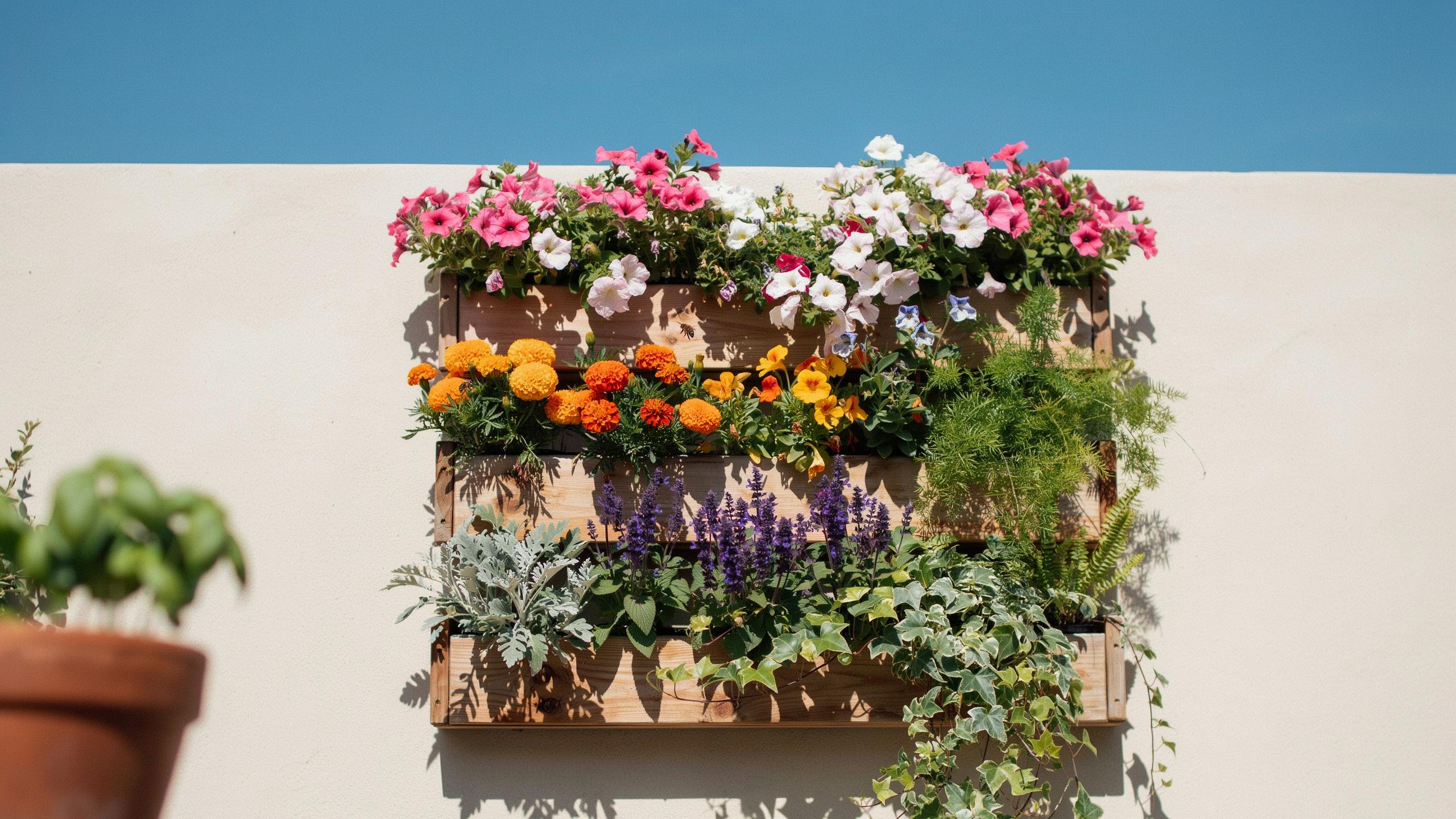
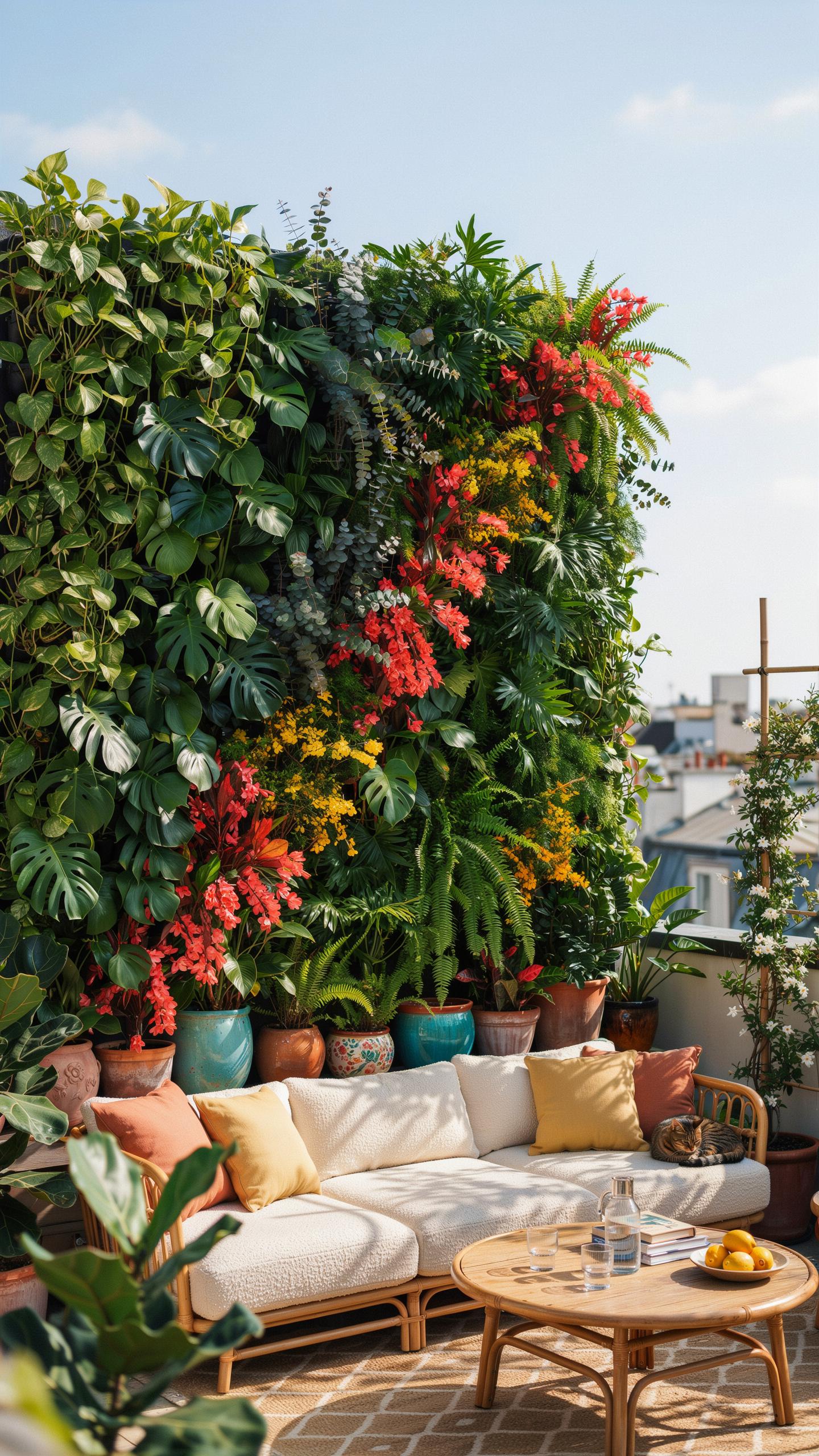
Outdoor hanging garden wall panels fail when owners ignore light and growth rates. You must group plants with identical water and sun needs. Professional designs often follow the thriller, filler, and spiller method. Place upright species at the top to provide height. Use spreading plants in the middle to cover the structure. Trailing vines should occupy the bottom to create a natural curtain.
Match your plant selections to the specific microclimate of your wall. South facing walls require heat tolerant succulents or Mediterranean herbs like rosemary. Shaded north facing walls need ferns or hostas that thrive in cool damp spots. Avoid mixing thirsty plants with desert species in the same irrigation zone. This prevents root rot in some plants while others die from extreme thirst.
Seasonal Plant Swaps To Keep Your Wall Garden Looking Fresh Year Round
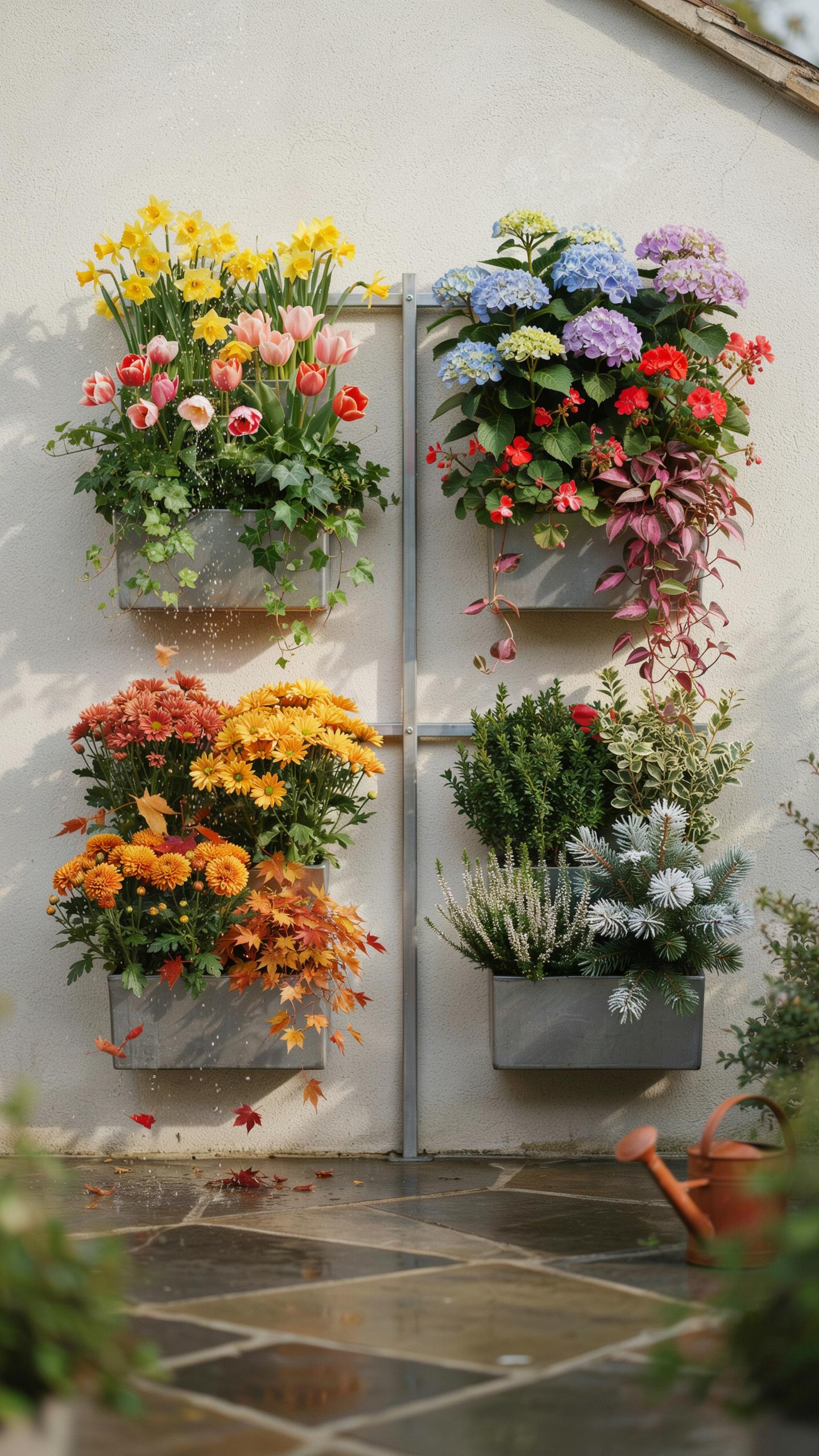
Most vertical garden systems use modular pots or pockets to allow for easy changes. Do not try to keep summer annuals alive through a frost. Replace spent summer flowers with cold hardy pansies or ornamental cabbage in the fall. These species maintain structure when temperatures drop. Removing dead biomass prevents pests and diseases from overwintering in your panel hardware or growing medium.
Spring requires a strategic reset to maximize the growing season. Extract winter greens and replace them with fast growing perennials or early succulents. Check the integrity of your mounting brackets during every swap. Use this transition time to inspect the irrigation lines for clogs or mineral buildup. Consistent rotation ensures the wall remains a dense green barrier rather than a patchy collection of brown stems.
How To Create A Stunning Plant Wall Outdoor On Any Budget
Affordable Materials That Still Deliver A High End Look
Industrial cattle panels and steel cattle grids provide the most durable foundation for a low cost. These metal structures support heavy climbing plants without sagging. You can mount these directly to masonry using standoff bolts for a modern architectural shadow effect. Cedar wood slats also work well. Cedar resists rot naturally and greys beautifully over time. It mimics high-end Scandinavian design styles at a fraction of the cost.
Quality felt pockets offer a smart alternative to plastic pots. Breathable geotextile fabric promotes air flow and prevents root rot. This material is light and easy to install on any vertical surface. Use black or charcoal grey fabric to hide the structure behind the foliage. Darker colors create a depth that makes the greenery stand out. Proper drainage remains the most critical factor for long term success with these budget materials.
To plant a garden is to believe in tomorrow, and vertical greenery brings that timeless hope right to your doorstep.
When To Invest Vs. When To DIY Your Outdoor Plant Wall
Build your own support frames if you have basic power tools. Manual labor saves roughly sixty percent of the total project cost. Basic carpentry techniques allow for custom sizing that pre-made kits cannot match. Focus your DIY efforts on the mounting hardware and the structural backing. Simple wooden trellises or wire tension systems are easy to assemble. They provide a clean look that works in any outdoor space.
Invest your money in high-quality irrigation components and professional-grade soil. Smart timers and pressure-compensated drippers prevent plant death and water waste. Cheap plastic connectors fail under constant sun exposure and cause leaks. Buy premium slow-release fertilizers to ensure consistent growth throughout the season. Professional growing mediums manage moisture better than standard dirt. Spending on these hidden systems guarantees your wall stays alive and looks expensive for many years.
Planter Wall Designs That Double As Outdoor Art
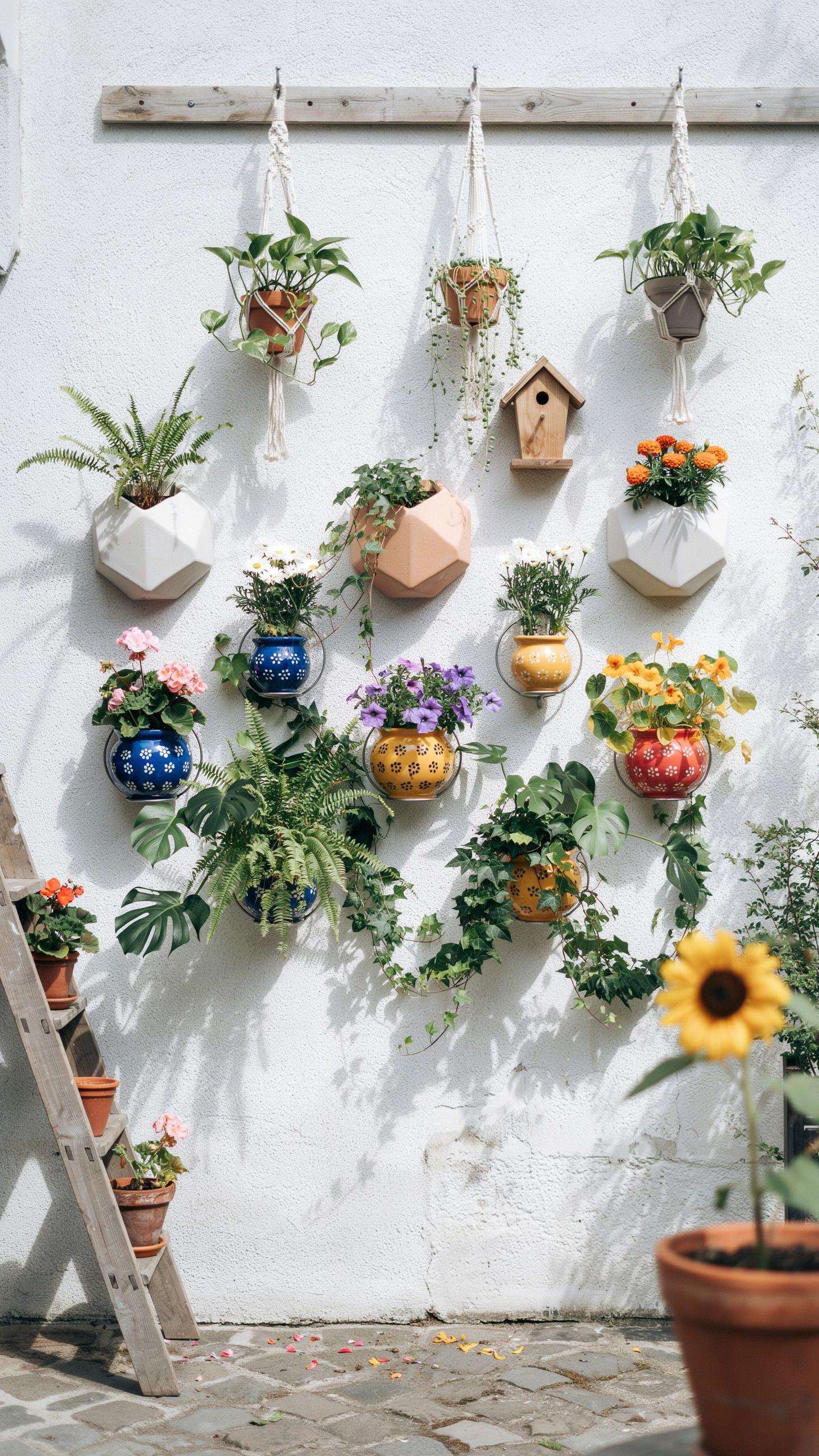
Geometric And Modular Planter Wall Configurations For Modern Homes
Modern geometric layouts rely on mathematical precision to maximize vertical space. These systems use rigid materials like powder-coated steel or high-density polymers. You arrange square, hexagonal, or diamond-shaped modules to create structured patterns. This approach follows the principles of the Bauhaus movement by prioritizing function and clean lines. It works best for homeowners who want organized, low-maintenance greenery.
Modular configurations allow for rapid scalability and easy irrigation management. You can swap individual units without disturbing the entire wall surface. This flexibility helps when you need to replace dead plants or change seasonal colors. Strategic placement of these units creates a three-dimensional effect on flat surfaces. Use these metal or plastic grids to hide unattractive concrete walls while adding structural interest.
Rustic And Natural Planter Wall Styles That Blend With Garden Landscapes
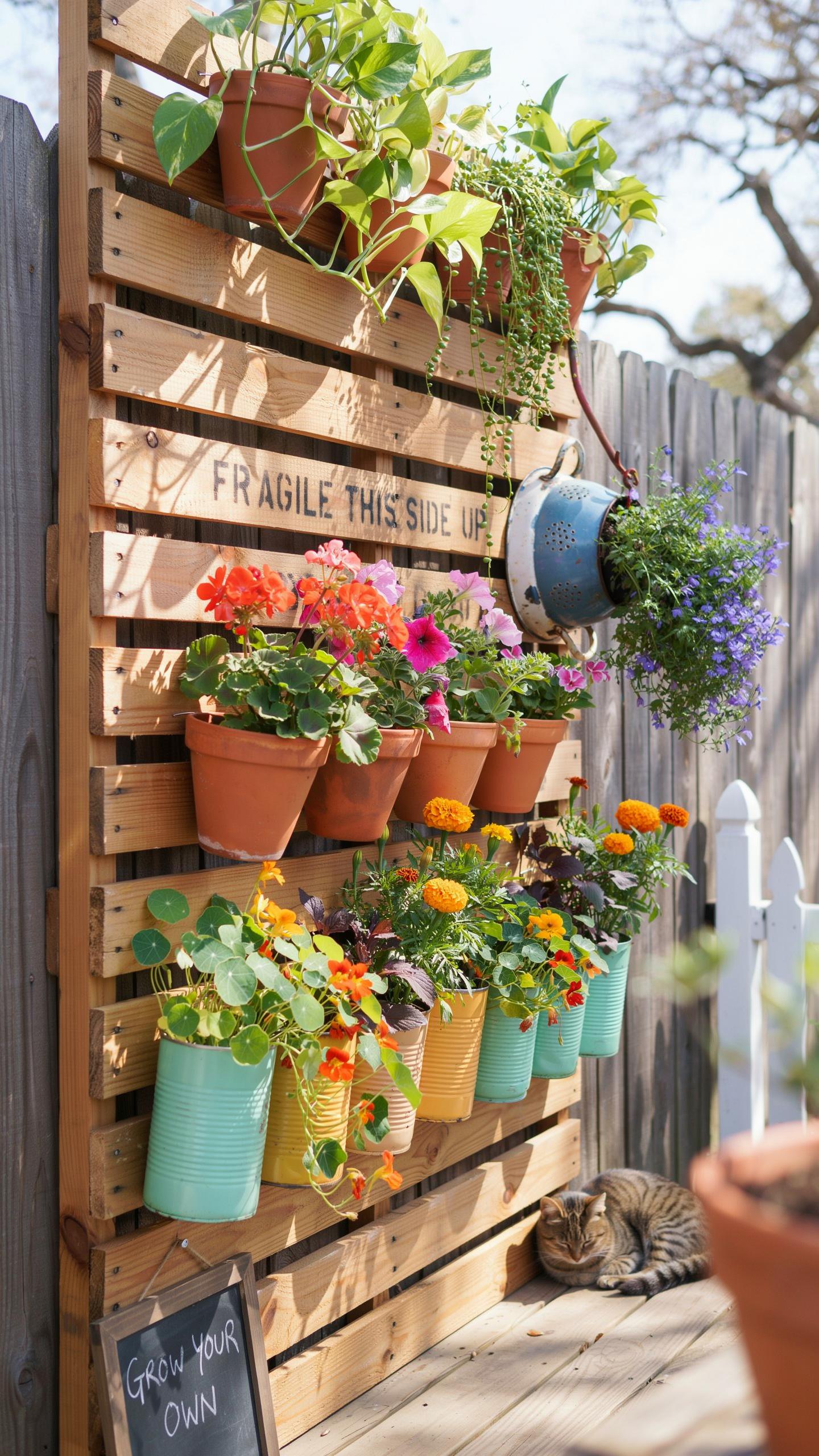
Rustic planter walls focus on organic materials like reclaimed wood and weathered stone. This style draws inspiration from traditional dry-stone walling and European cottage gardens. Builders often use cedar or redwood because these woods resist rot naturally. You integrate these panels into existing fences to soften hard boundaries. Rough textures help new plants blend into the surrounding environment rather than looking forced.
Natural designs prioritize the harmony between the structure and the plant life. Use terracotta pots or wooden crates to hold your succulents and ferns. These materials age over time and develop a patina that adds character to the garden. Copper accents or iron hardware enhance the aged look without compromising the wall strength. Proper drainage prevents the wood from warping and ensures the system lasts for decades.
Top Outdoor Wall Planter Ideas DIY Enthusiasts Can Build This Weekend
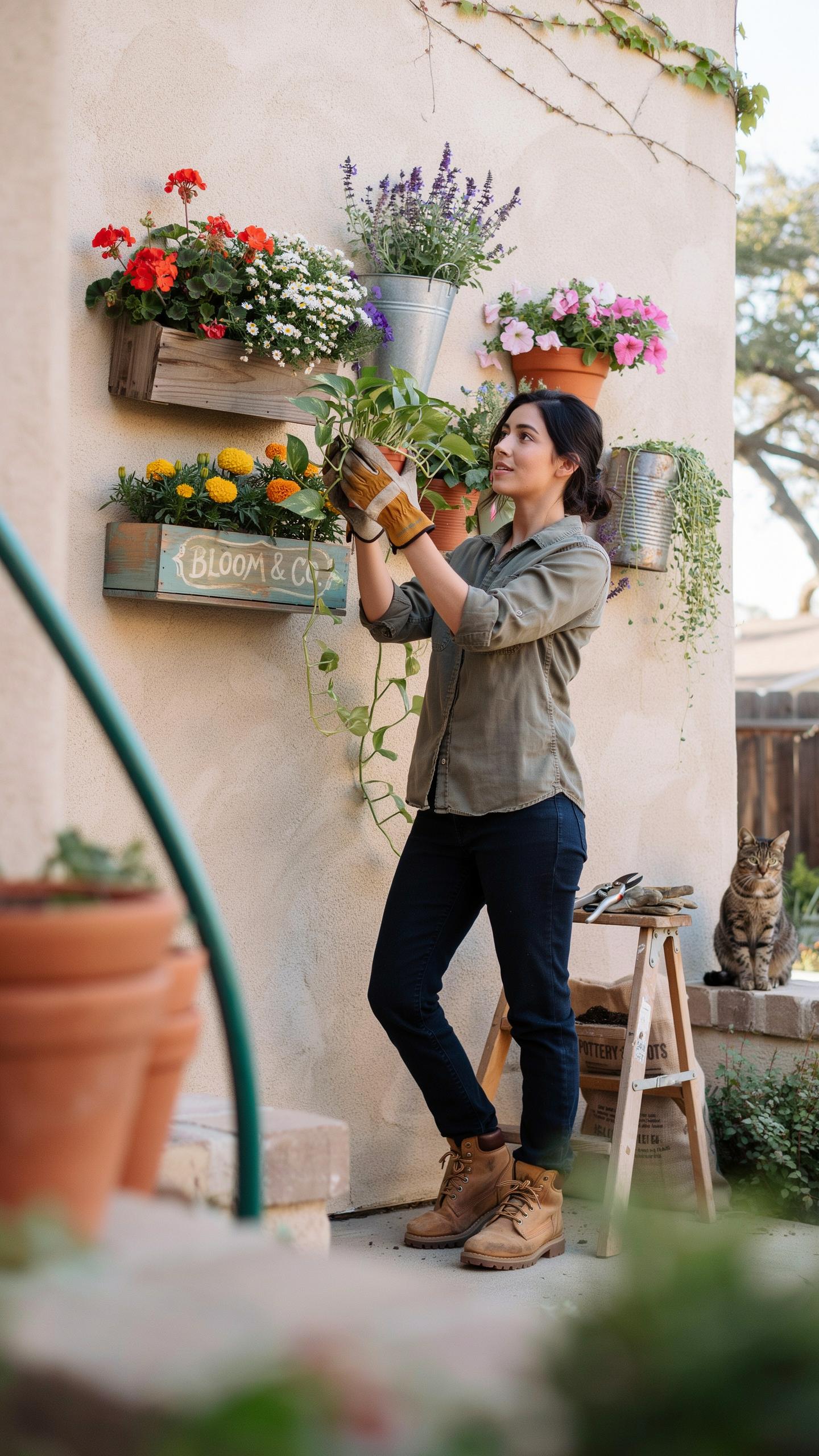
Step By Step Guide To Building A Pallet Based Hanging Wall Planter
Reclaimed wooden pallets offer a structural frame for hanging garden wall panels. Professional builders select heat-treated pallets marked with the HT stamp to avoid chemical leaching. You must inspect the wood for structural integrity and remove any loose nails. Proper preparation ensures the vertical garden supports the weight of wet soil and mature plants without collapsing or rotting prematurely.
- Landscape Fabric Lining: Staple heavy-duty landscape fabric to the back and bottom of each horizontal pallet slat. This creates secure pockets that hold soil in place while allowing excess water to drain. Ensure the fabric is taut to prevent bulging when you add the growing medium.
- Cleat Mounting System: Use a French cleat system to attach the pallet to the wall. This hardware distributes the weight evenly across the mounting surface. High-grade stainless steel screws prevent rust and ensure the panel remains secure during heavy rain or high winds.
- Soil Selection: Fill the internal pockets with a high-quality potting mix containing perlite or vermiculite. These materials reduce the total weight of the panel and improve aeration for root systems. Avoid standard garden soil because it compacts too tightly and hinders drainage in vertical structures.
- Irrigation Integration: Install a simple drip irrigation line along the top of the pallet before planting. Gravity pulls the moisture down through each level of the hanging wall. This method prevents water waste and ensures every plant receives consistent hydration without manual daily watering.
- Vegetation Placement: Position trailing plants like ivy or creeping thyme at the bottom to cover the wood. Place upright herbs or succulents in the middle and top sections. Planting densely from the start minimizes soil erosion and creates an immediate visual impact for the vertical garden.
Mounting the assembly requires finding the studs in your exterior wall. Use a level and a drill to secure the bracket at chest height for easy maintenance. Once you hang the pallet, water the plants thoroughly to settle the soil into the fabric pockets. Monitor the moisture levels daily during the first week to ensure the drainage holes function correctly.
Using Repurposed Materials For A Sustainable DIY Outdoor Wall Planter
Sustainable design focuses on redirecting functional waste into productive gardening systems. Professional landscapers often use galvanized metal gutters or cedar scrap wood to build modular wall units. These materials resist rot and provide a modern aesthetic that fits urban environments. Repurposing these items reduces your environmental footprint while creating a durable system for growing vegetables or decorative flowers in tight spaces.
Check the compatibility of your selected materials with the local climate before installation. Metal containers heat up quickly in direct sun and may scorch sensitive roots. Wood requires a waterproof seal or liner to prevent decay from constant moisture contact. Matching the right material to the specific needs of your plants ensures the long-term success of your hanging garden wall panels without frequent repairs.
Plants On Wall Outdoor The Best Species To Use On Hanging Panels
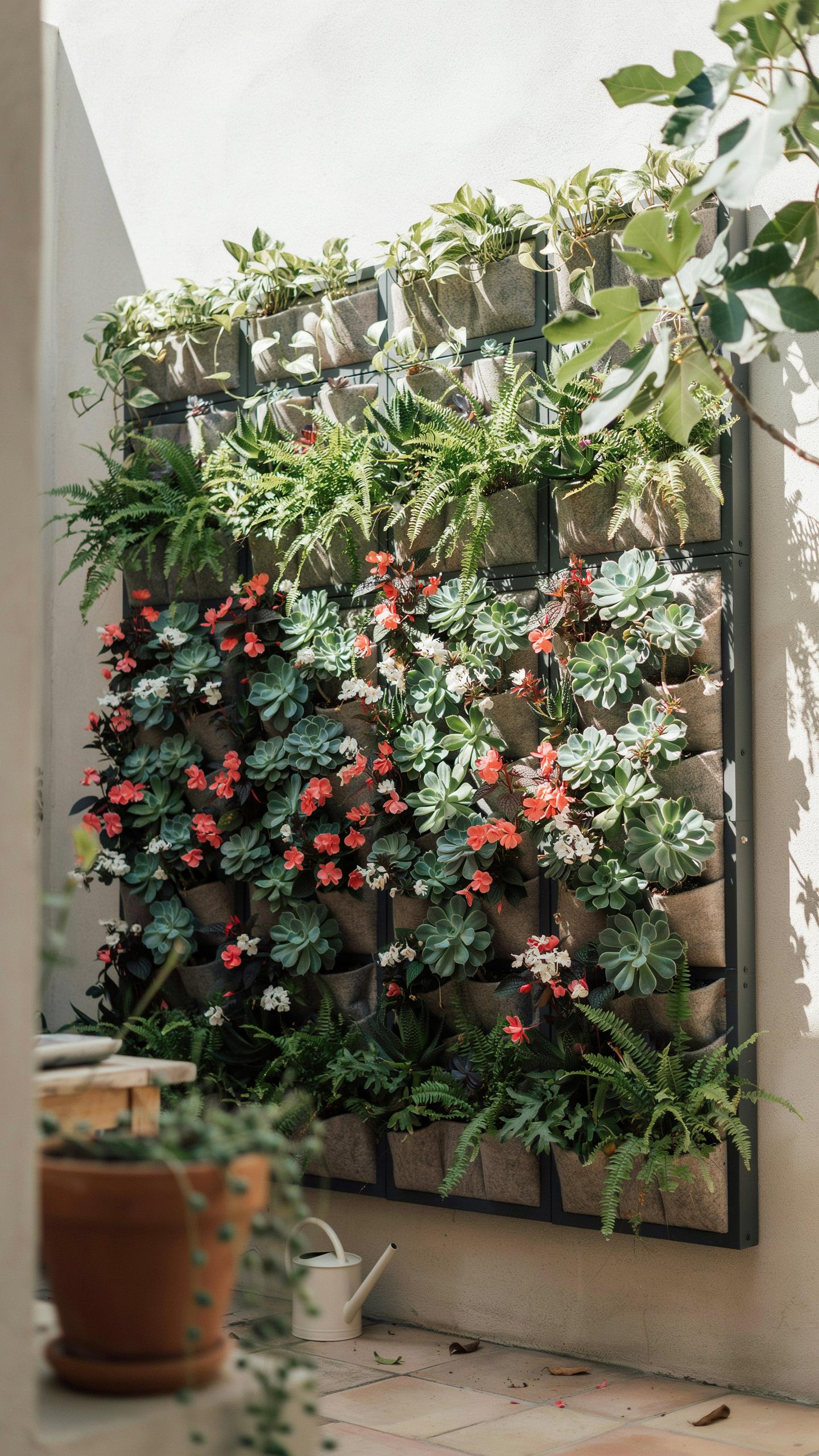
Trailing And Cascading Plants That Thrive On Vertical Outdoor Surfaces
Trailing plants provide the necessary coverage to hide the structural elements of hanging garden wall panels. Creeping Jenny and Ivy are top choices for these systems. They grow downward quickly and create a dense green curtain. This growth habit shields the panel material from sun damage and helps regulate temperature. You must ensure the support structure can handle the weight of wet foliage.
Strategic placement of these species ensures visual continuity across the vertical plane. Trailing plants soften the hard edges of metal or plastic mounting hardware. Use species like Lobelia or Bacopa for seasonal color without compromising the vertical flow. These plants require consistent moisture because gravity pulls water away from the root zone. Frequent pruning maintains the desired shape and prevents the bottom of the panel from becoming sparse.
Drought Tolerant And Low Maintenance Plants For Busy Gardeners
Vertical gardens dry out faster than traditional ground beds due to increased air exposure. Succulents and hardy perennials are the best tactical choice for high-heat environments. These plants store water in their leaves and stems to survive dry spells. Selecting species with low water requirements reduces the need for complex irrigation systems. This approach lowers long-term maintenance costs and prevents structural rot from overwatering.
- Sedum: These stonecrops are incredibly resilient and thrive in shallow pockets of soil. They offer various colors and textures that remain consistent throughout the year. Sedum resists most pests and requires almost no supplemental feeding.
- Sempervivum: Commonly known as Hens and Chicks, these plants form tight rosettes that grip vertical surfaces well. They handle extreme temperature swings and direct sunlight without wilting. Their small root systems make them perfect for compact hanging modules.
- Agave Desmettiana: This smaller agave variety provides a strong architectural look to any outdoor wall. It survives long periods without water and handles intense heat. Use it as a focal point in the center of your panel layout.
- Lavender: This hardy herb thrives in well-drained vertical containers with full sun exposure. It provides a tactile element and a pleasant scent to the garden area. Lavender requires minimal water once the root system establishes itself in the panel.
- Ice Plant: This succulent groundcover works well as a vertical filler because of its rapid spread. It produces bright flowers that attract pollinators to the wall. The waxy leaves prevent moisture loss even during the peak of summer.
Effective design requires grouping plants with identical water needs to prevent localized failure. Placing drought-tolerant species at the top of the panel is a smart move. The top sections dry out the fastest due to wind and sun. Using these hardy varieties ensures the most exposed areas of your hanging garden remain lush. This strategy keeps your living wall looking professional with minimal weekly intervention.
Indoor Wall Planter Ideas To Bring The Garden Inside Your Home
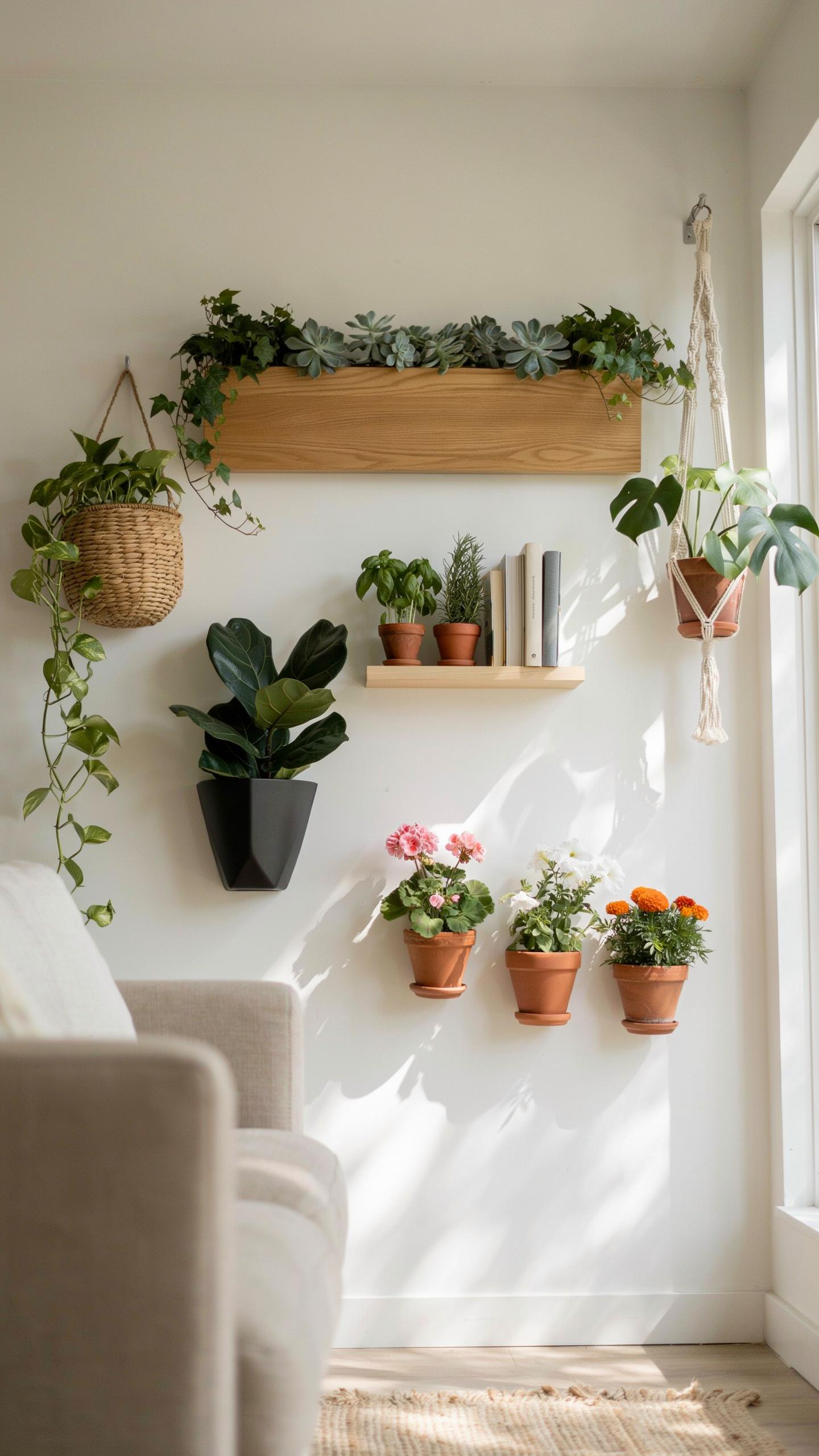
Best Indoor Plants For Hanging Wall Panel Arrangements
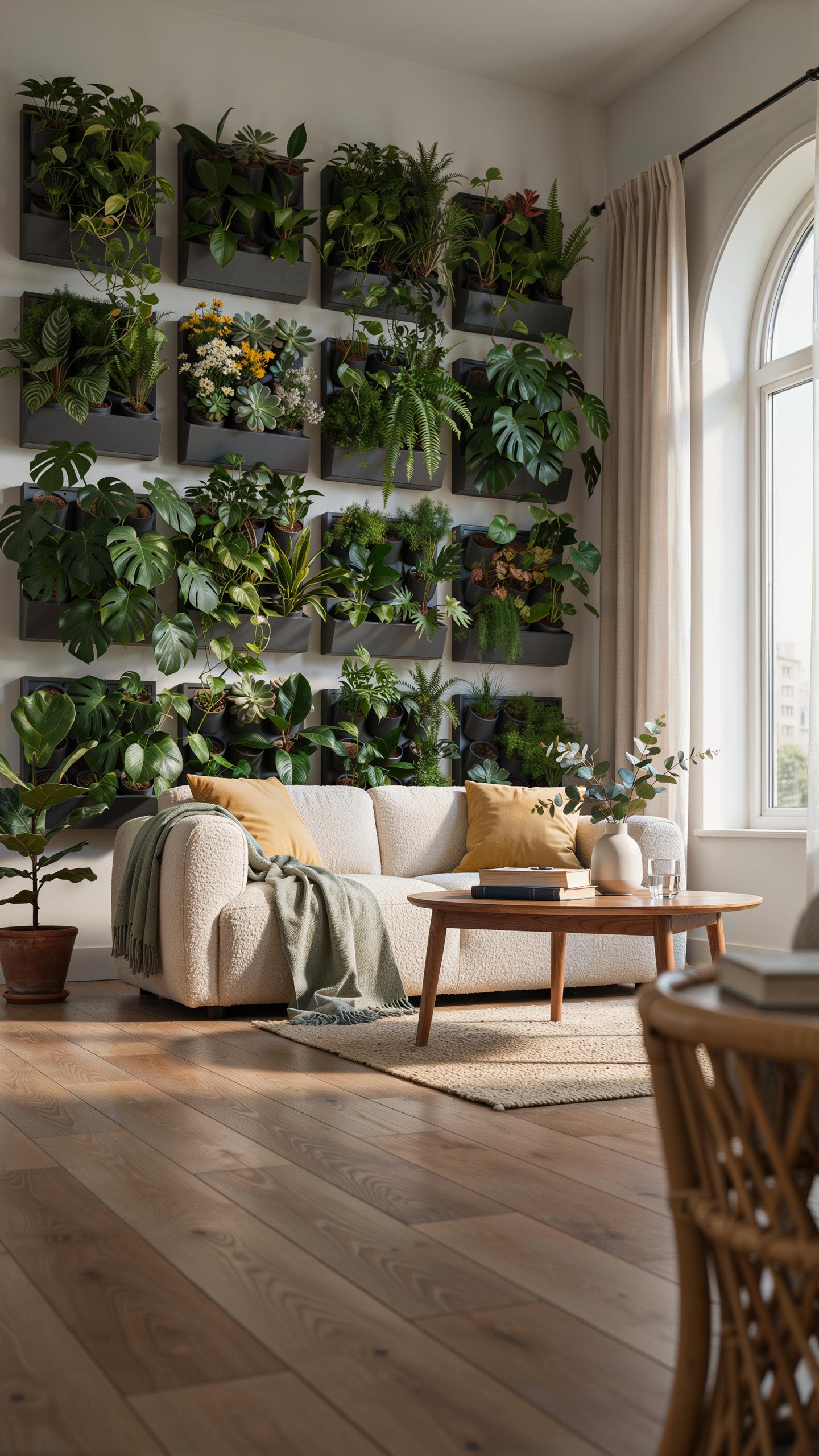
Indoor environments limit light and airflow. Select plants that thrive in these specific conditions. Pothos and heartleaf philodendron work best for vertical panels. These species handle low light and trail downward to cover the structure. Snake plants and ZZ plants offer vertical structure. They require very little water. These choices survive the dry air common in modern temperature controlled homes.
Focus on root depth and growth rate. Choose species with shallow root systems for thin wall panels. Modular felt pockets suit ferns like the Boston fern or bird nest fern. These plants love the high humidity found in kitchens or bathrooms. Avoid fast growing vines that require daily pruning. Focus on slow growing succulents for bright spots. These plants keep your wall looking clean and organized.
How To Manage Moisture And Drainage For Indoor Wall Planters
Water damage ruins interior walls. You must install a waterproof backing between the panel and the drywall. Use high density polyethylene sheets or rigid plastic boards. These materials stop moisture from seeping into your home structure. Integrated drip trays at the bottom of the panel catch excess runoff. This prevents puddles on your floor and protects your baseboards from mold growth.
Drainage dictates plant health. Use a porous growing medium like coconut coir or perlite blends. These materials hold less weight than traditional soil. They also allow roots to breathe in tight vertical spaces. Recirculating irrigation systems work best for large indoor walls. These systems use a pump to move water from a hidden basin. Manual watering requires precise spouts to avoid splashing and uneven saturation levels.
Planter Wall Outdoor Placement Finding The Perfect Spot In Your Garden
Sun Exposure, Wind, And Wall Material Considerations For Outdoor Placement
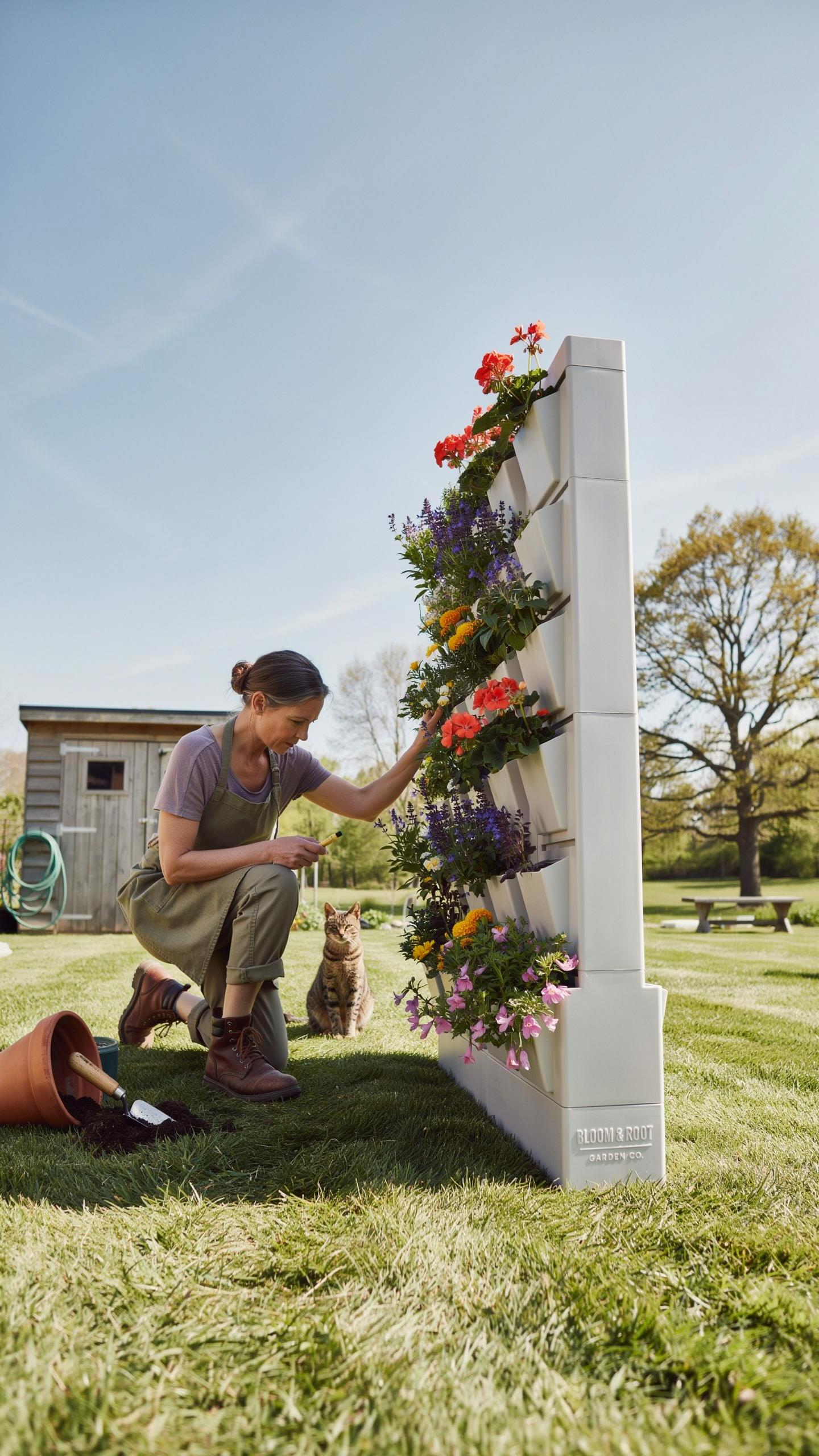
Sun exposure determines plant survival and panel longevity. Most hanging garden wall panels face south to maximize light. However, extreme heat can dry out soil pockets rapidly. You must match your plant species to the specific solar radiation level of your chosen wall. Wood panels require UV sealing to prevent warping. Plastic and metal options may absorb heat, potentially scorching delicate root systems.
Wind creates significant physical stress on vertical structures. High gusts turn large panels into sails, pulling anchors from the substrate. Place panels in sheltered areas to reduce evaporation and structural fatigue. Masonry and concrete walls provide the best thermal mass and stability. Avoid mounting heavy systems on thin plywood or aging fences. Ensure the surface can support the combined weight of saturated soil and mature foliage.
How To Anchor And Secure Hanging Garden Wall Panels Safely
Selecting the correct fastener is the most critical step in installation. Use stainless steel or galvanized hardware to prevent rust streaks and structural failure. For brick or concrete, use sleeve anchors or masonry screws. These provide the necessary shear strength for heavy loads. Always locate the structural studs when mounting to wood-framed walls. Never rely on drywall or thin siding to hold the weight of a garden.
Leveling ensures even water distribution across all planting cells. Use a spirit level during the bracket installation phase. If the panel tilts, water will pool in one corner and leave other plants dry. Distribute the weight evenly by using multiple mounting points across the panel width. Security cables provide extra protection in high-wind zones. Regularly check hardware for tightness as seasonal temperature changes cause materials to expand and contract.
Wall Garden Ideas Outdoor Inspiring Themes And Layout Styles
Herb And Edible Garden Wall Panels For Functional Outdoor Spaces
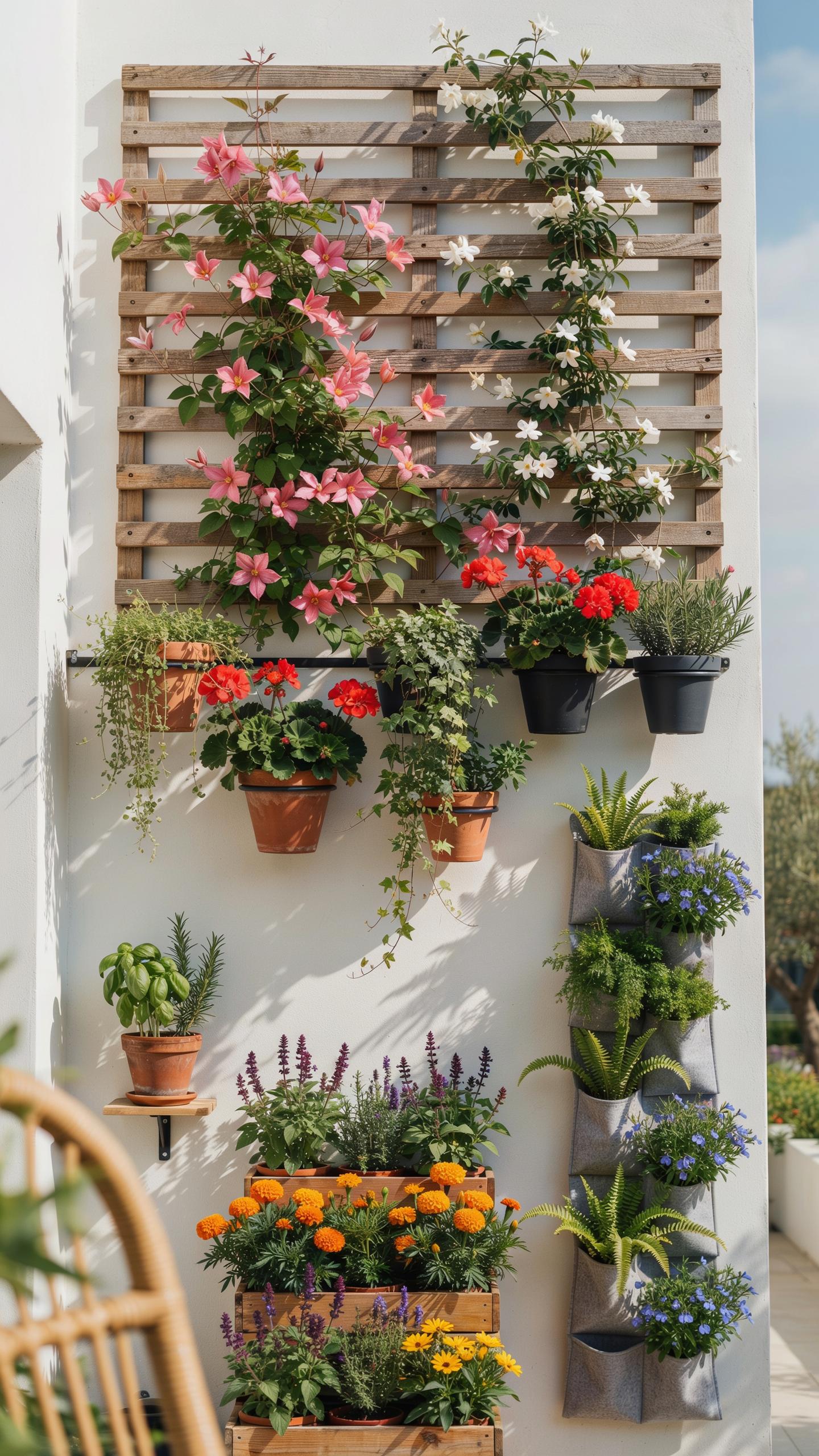
Edible hanging garden wall panels maximize small footprints for food production. You must select containers with a depth of at least six inches to support root systems. Use lightweight soil mixes to reduce the load on your structural mounting points. Position these panels in areas receiving six hours of direct sunlight. This setup ensures your kitchen herbs stay productive throughout the growing season.
Irrigation is the most critical factor for edible wall success. Install a dedicated drip line to provide consistent moisture without washing away nutrients. Group plants with similar water needs together to prevent root rot or dehydration. Use stainless steel or food-grade plastic hardware to avoid chemical leaching into your crops. Proper drainage prevents stagnant water from damaging your exterior walls or the plant roots.
Tropical, Cottage, And Minimalist Wall Garden Themes To Try This Season
Tropical themes require high density planting to create a lush appearance. Use large leaf varieties like ferns and bromeliads to cover the panel structure entirely. These plants thrive in humid environments and filtered light. Ensure your mounting system can handle the weight of saturated organic matter. This style works best in shaded zones where traditional sun loving plants often fail to grow.
Minimalist and cottage styles offer distinct aesthetic choices for different architectures. Minimalist layouts use monochromatic palettes and geometric grids to emphasize clean lines. Cottage styles prioritize a mix of flowering perennials and spilling vines for a relaxed look. Select weather resistant materials like powder coated steel for modern frames. Use treated timber for rustic cottage panels to ensure the wood survives constant moisture exposure.
Caring For Your Hanging Garden Wall Panels Through Every Season
Watering, Fertilizing, And Pruning Routines For Long Lasting Wall Panels
Vertical gardens dry out faster than traditional ground plots. Check soil moisture daily by touching the growing medium. Use automated drip irrigation for consistent delivery. Gravity pulls water downward so monitor the bottom layers for over-saturation. Plants at the top need more frequent cycles. Use a pressure sprayer to clean dust off leaves. This helps the plants breathe and prevents spider mites.
Apply liquid fertilizer every two weeks during the growing season. Vertical systems have limited soil volume and exhaust nutrients quickly. Use balanced water-soluble formulas to avoid salt buildup in the felt or plastic pockets. Prune aggressive growers to keep light reaching smaller plants. Remove dead foliage immediately to stop rot. Good airflow prevents fungal growth on the wall surface. Tight spacing requires active management.
How To Winterize And Protect Outdoor Wall Panels From Harsh Weather
Cold weather kills roots in exposed containers. Stop all fertilization eight weeks before the first frost. This slows new growth that cannot survive freezing temperatures. Wrap the entire panel in burlap or frost blankets to trap ground heat. For extreme climates, move modular panels into a garage or shed. Ensure the structure stays dry to prevent ice expansion from cracking the frame materials.
Reduce watering frequency as evaporation slows down in winter. Keep the roots slightly moist but never soggy. Dormant plants rot if they sit in standing water. Inspect all mounting hardware for rust or loosening caused by wind. Apply a fresh coat of sealant to wooden frames if they show wear. Clear snow off the top of the panels to prevent weight damage. Prepare for spring by cleaning empty pockets.
Frequently Asked Questions

What exactly are hanging garden wall panels and how do they work?
Hanging garden wall panels are modular systems designed to hold various plants vertically against a flat surface. These structures allow you to maximize your greenery in small spaces like balconies or interior hallways. Most panels feature built-in pockets or slots for soil, turning a plain, empty wall into a flourishing masterpiece. They are an ideal solution for urban gardeners who want to enjoy nature without sacrificing precious floor space in their homes.
How do I properly install hanging garden wall panels in my home?
To install hanging garden wall panels, first identify a wall that can support the weight of wet soil and foliage. Use a level to mark your mounting points and secure the frame using heavy-duty wall anchors or screws. Once the structure is stable, insert your chosen plants directly into the pockets. Ensure you have a waterproof barrier behind the panel to protect your drywall from moisture and potential water damage during your regular watering routine.
Are these vertical garden systems affordable for those on a tight budget?
Absolutely, as there are many cost-effective ways to embrace this trend without overspending. While high-end professional systems can be pricey, you can find affordable felt or plastic hanging garden wall panels at most local hardware stores. For an even more budget-friendly approach, consider a DIY project using repurposed wooden pallets or recycled pocket organizers. These accessible options allow anyone to create a stunning, lush vertical landscape regardless of their available decorating budget.