What Is A Vertical Garden Watering Timer And Why Do You Need One
Understanding The Role Of A Water Timer In A Vertical Garden Setup
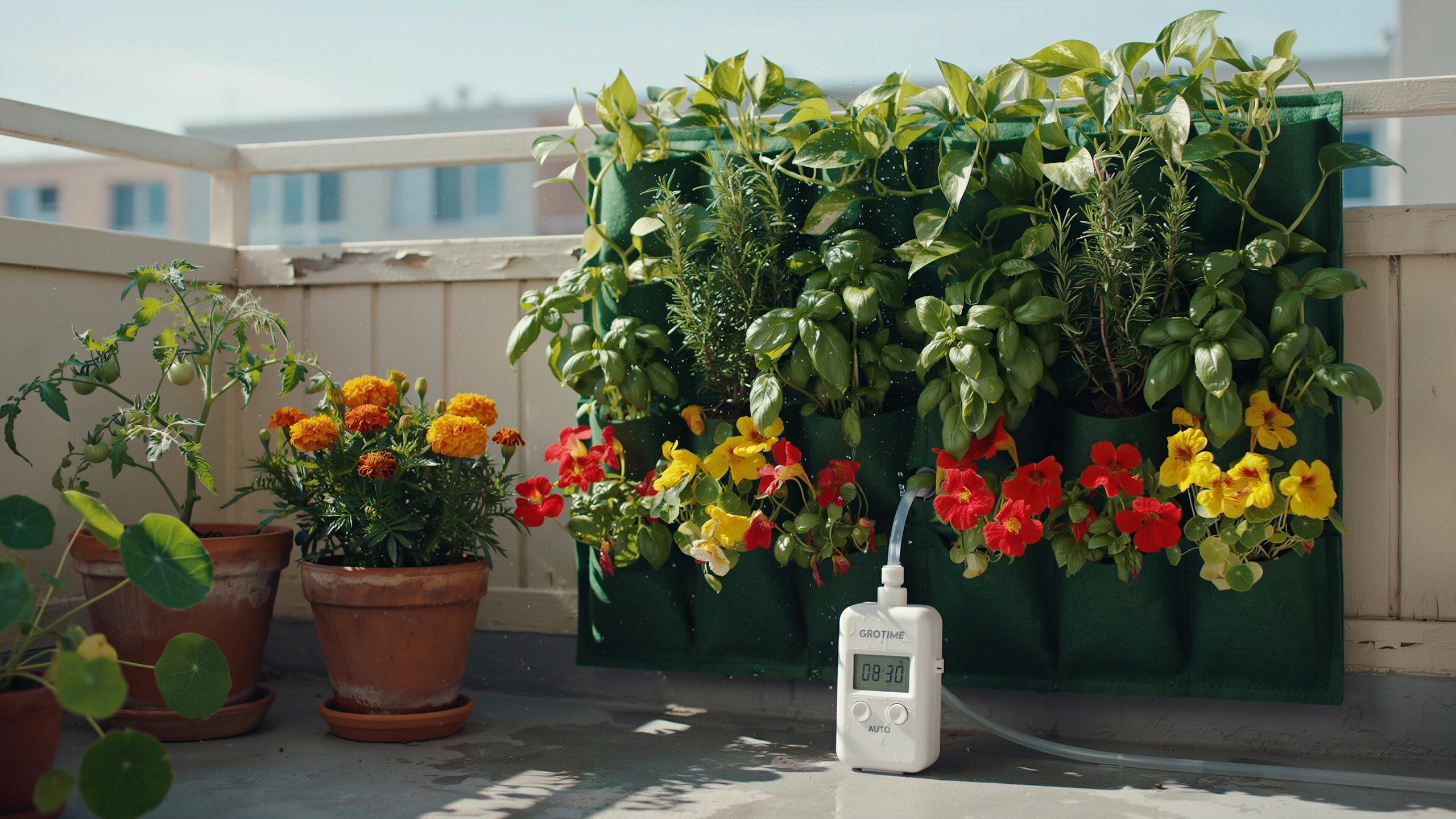
A vertical garden watering timer is a mechanical or electronic device that controls water flow to your plants. It attaches directly to your water source or pump. This tool acts as the brain of your irrigation system. It ensures your vertical wall receives moisture without manual intervention. Gravity drains water quickly in vertical setups. A timer manages this rapid drainage by providing precise control.
Most budget timers use a simple ball valve or solenoid mechanism to start and stop flow. You program the duration and frequency based on your plant needs. This automation is critical for high density planting where hand watering is inefficient. Timers eliminate the risk of human error or forgetfulness. They keep your system operational during your absence. This device is the foundation of any low maintenance garden.
How Consistent Watering Schedules Improve Plant Health And Reduce Water Waste
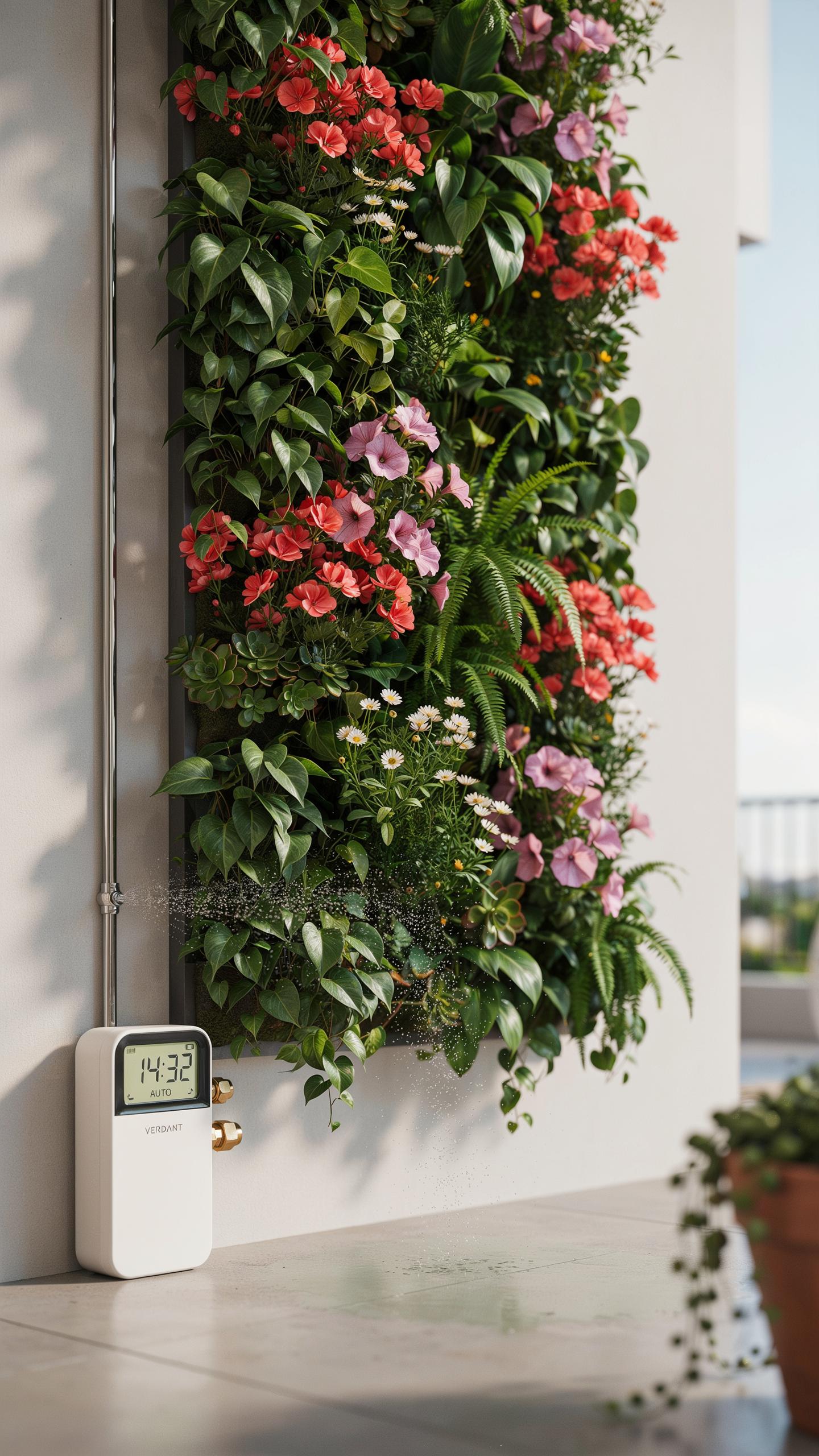
Consistent schedules prevent the stress of drought and overwatering cycles. Vertical containers hold less soil than traditional ground plots. This small soil volume dries out fast in direct sun. A timer delivers small amounts of water at optimal times like early morning. Regular intervals keep root zones moist and stable. This stability promotes faster growth and prevents plant loss in shallow pockets.
Timed irrigation significantly reduces waste by targeting the root zone directly. Standard hoses often lead to runoff and evaporation. A timer paired with drip lines ensures water penetrates the growing medium before it can escape. You stop wasting gallons on the ground or surrounding air. Precise timing saves money on utility bills and preserves local water resources. Automation turns a high maintenance hobby into a sustainable system.

Types Of Garden Irrigation Timer Options Available On A Budget
Mechanical Timer For Irrigation: A Reliable And Low Cost Entry Point
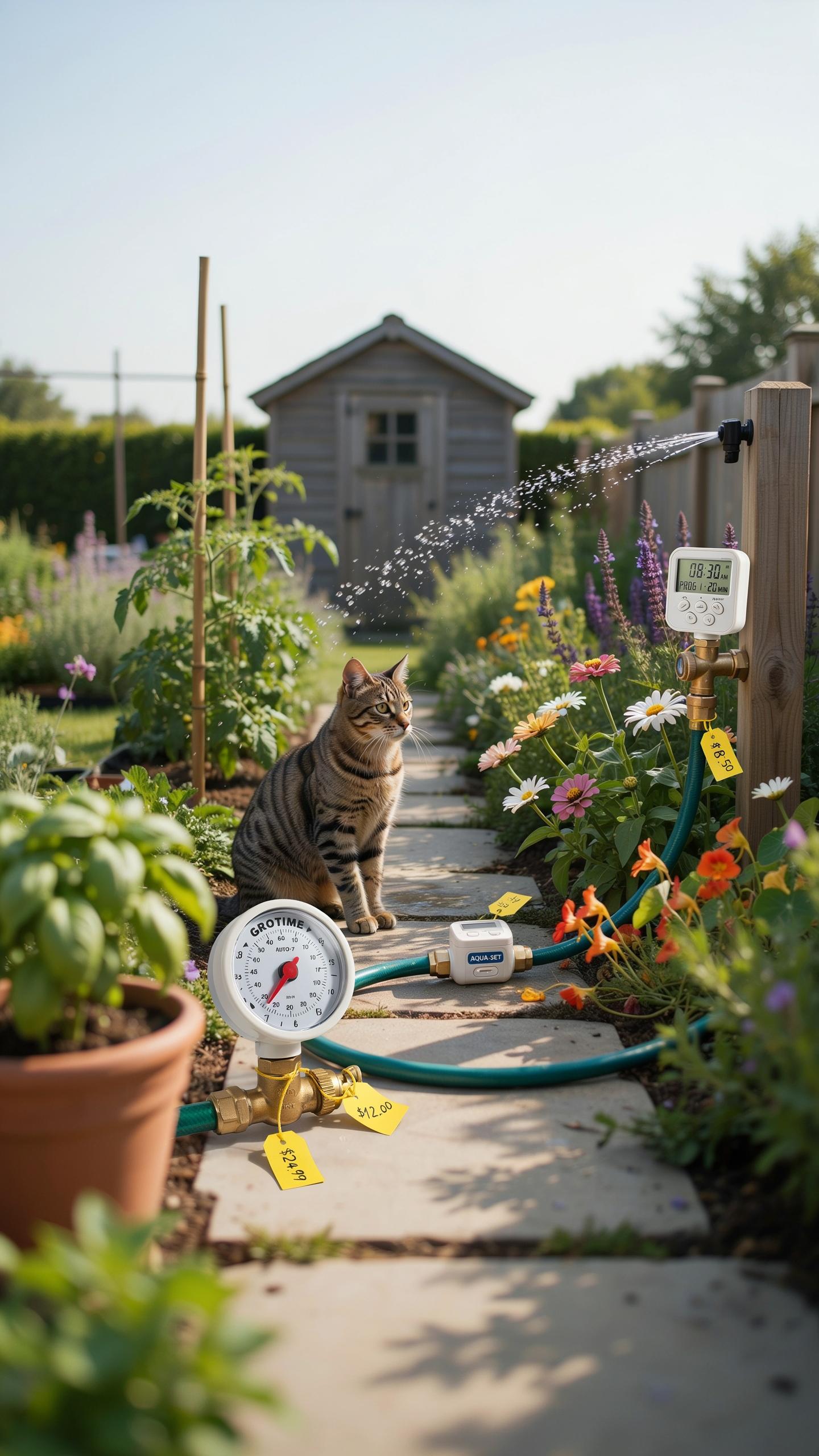
Mechanical timers use a spring-loaded clockwork mechanism similar to an egg timer. They require no batteries or electrical wiring to operate. You manually turn the dial to the desired watering duration. The valve opens immediately and closes automatically when the time elapses. This design eliminates the risk of dead batteries ruining your vertical garden. These units handle standard garden hose pressure effectively.
These timers offer the lowest price point for vertical garden watering timer systems. They provide a simple solution for gardeners who stay home often. You must manually start every watering cycle. This limitation makes them unsuitable for long vacations. However, the heavy-duty plastic construction resists UV damage and water leaks well. Use these for small wall planters where you prefer tactile control over automated scheduling.
To nurture a garden is to feed not just the body, but the soul, and even the simplest tool can help life climb toward the sun. With a bit of ingenuity, anyone can tend the seeds of tomorrow without ever breaking the bank.
Digital Irrigation Timer Features That Are Worth Paying A Little More For
Digital timers use integrated circuits and solenoid valves to automate watering schedules. You program specific times and days for irrigation to occur. This automation is vital for vertical gardens because small soil volumes dry out rapidly. Most budget digital models run on two AA or AAA batteries for a full season. The LCD screen allows for precise interval settings that mechanical versions cannot match.

Higher quality digital units include rain delay buttons and manual override features. Rain delays prevent water waste and root rot during wet weather. Some models offer multiple start times per day. This allows you to pulse water your vertical garden in short bursts. Frequent short cycles prevent runoff and ensure even saturation of the growing medium. Investing in a digital interface provides the consistency required for plant survival.
How A Home Garden Irrigation Timer System Works In A Vertical Space
Connecting Your Timer To A Vertical Garden Frame Without Professional Help
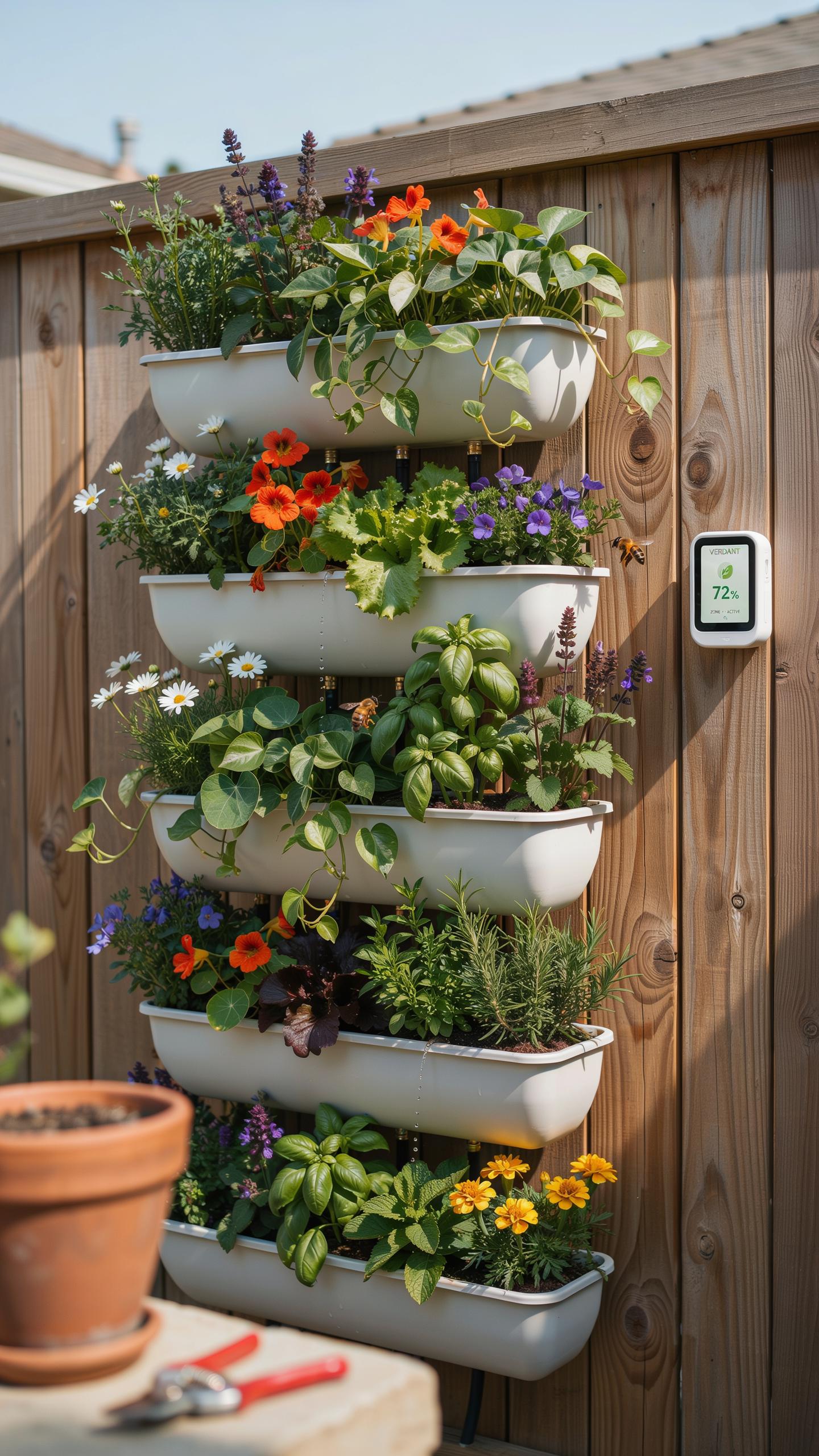
Mount the vertical garden watering timer directly to your outdoor faucet or hose bib. Hand tighten the connection to avoid stripping the plastic threads. Attach a backflow preventer to stop contaminated water from entering your home supply. Connect your main distribution line to the timer outlet using a compression fitting. This setup creates a secure link between your water source and the frame.
Run the poly tubing along the vertical support structure of your garden. Use zip ties or mounting clips to secure the line every twelve inches. Ensure the tubing does not kink or pinch against the metal or wood frame. Gravity pulls water downward so keep the main line level at the top of the system. This placement allows for even distribution to every individual planter or pocket.
Water Pressure Flow Rate And Timing Intervals Explained For Beginners
Standard home water pressure often exceeds the limits of drip irrigation components. Install a pressure regulator after the timer to maintain twenty-five pounds per square inch. This prevents emitters from popping off the tubing under high tension. Flow rate determines how much water reaches each plant per hour. Calculate the total number of emitters to ensure your faucet provides enough volume for the entire vertical wall.
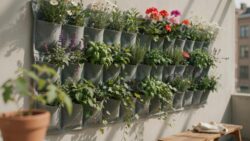
Vertical gardens dry out faster than traditional ground beds because of air exposure. Set your timer for short bursts of water multiple times per day rather than one long soak. This method prevents runoff and ensures the growing medium absorbs moisture effectively. Start with three-minute intervals every six hours during peak heat. Adjust these settings based on soil dampness and plant health to avoid root rot or dehydration.
Setting Up A Drip Irrigation System For Your Vertical Garden
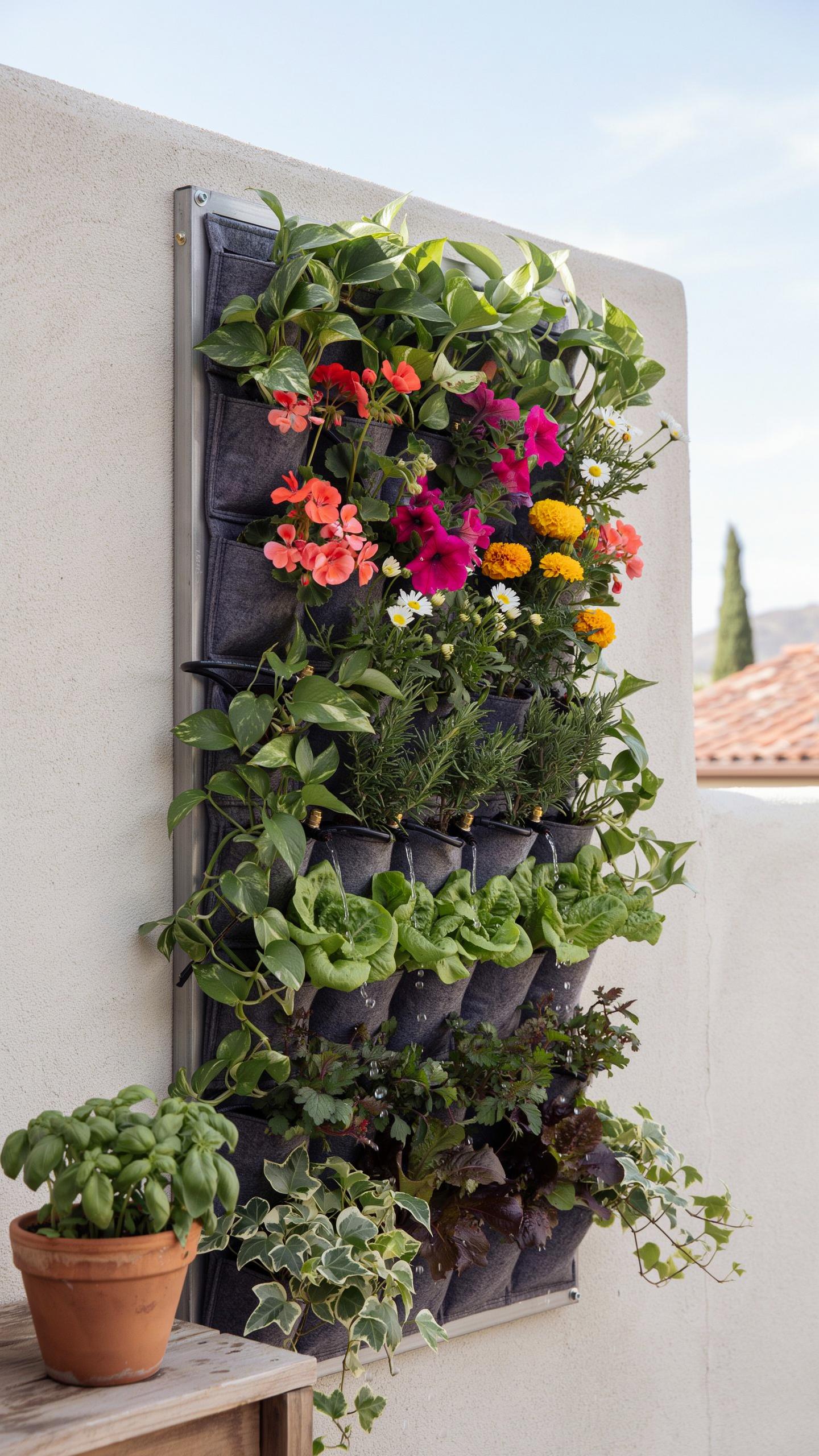
Why Drip Irrigation Is The Most Efficient Watering Method For Vertical Gardens
Vertical gardens lose water faster than ground beds due to gravity and air exposure. Drip irrigation solves this by delivering water directly to the root zone at a controlled rate. This method prevents the soil from drying out unevenly between levels. It stops water from splashing onto leaves which reduces the risk of fungal diseases. You keep the foliage dry while ensuring the bottom plants get moisture.
Gravity pulls water downward through the vertical structure causing top-down drainage issues. A vertical garden watering timer manages this flow by pulsing water in short cycles. This technique allows dry soil time to absorb liquid before it drains out the bottom. You eliminate water waste and surface runoff entirely. Precision delivery ensures every plant receives the exact amount of hydration needed to thrive in a cramped vertical space.
Essential Components You Need To Build A Budget Drip Irrigation System
You can build a reliable system using standard off the shelf parts found at any local hardware store. The core of your setup relies on a mainline to transport water and emitters to distribute it. A budget system avoids complex sensors and focuses on mechanical reliability. You must choose durable materials that withstand constant UV exposure and water pressure without leaking or cracking over time.
- Battery Operated Timer: This device attaches directly to your outdoor faucet to automate the watering schedule. It allows you to set specific start times and durations. A basic digital model provides enough flexibility for most vertical setups without requiring a power outlet.
- Polyethylene Mainline Tubing: Half inch poly tubing serves as the primary artery for your water delivery system. It is flexible enough to bend around corners but rigid enough to hold its shape. This material is inexpensive and resists degradation from sunlight during the peak summer months.
- Pressure Regulator: This component lowers the high pressure from your home water line to a level safe for drip emitters. Most drip systems operate best between twenty and thirty pounds per square inch. Without it your fittings will blow apart and waste significant amounts of water.
- Adjustable Emitters: These small nozzles insert into the tubing to release water at a specific rate. You can turn the heads to increase or decrease flow for different plant types. They ensure the top pots do not flood while the bottom containers stay bone dry.
- Backflow Preventer: This safety valve stops irrigation water from siphoning back into your clean home drinking water supply. It is a critical plumbing component for health and safety. Most city building codes require this part on any permanent or semi permanent outdoor irrigation hookup.

Assemble these parts starting from the water source and working toward the farthest plant. Use a hole punch tool to insert emitters into the mainline at each pot level. Secure the tubing to your vertical frame using plastic zip ties or specialized mounting clips. Once you seal the end of the line with a flush cap your system is ready for the vertical garden watering timer.
Using An Adjustable Irrigation Timer To Match Your Plants Needs
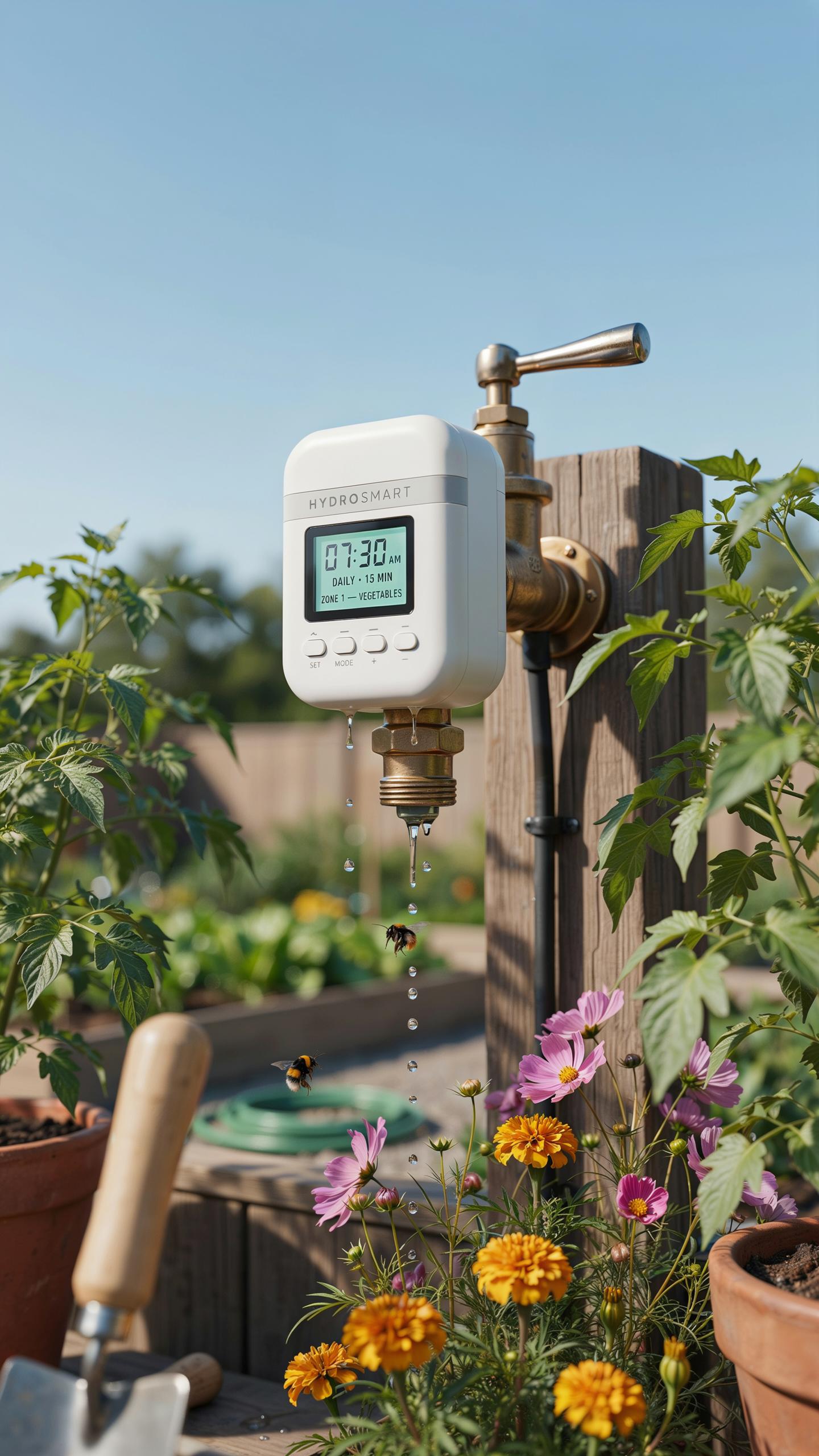
How To Program Watering Frequency Based On Plant Type And Season
Vertical gardens lose moisture faster than traditional ground plots. Gravity pulls water downward quickly while air hits the roots from all sides. To compensate, set your vertical garden watering timer for shorter intervals multiple times a day. Leafy greens need frequent sips during peak daylight. Succulents require less often but deeper soaking. Adjust your timer based on the specific water demands of each species.
Seasonal changes require immediate timer updates. Summer heat evaporates water before plants can drink it. Increase watering frequency to three times daily during July and August. In winter, plants grow slower and use less water. Reduce your timer to a weekly schedule to prevent root rot. Monitor the soil moisture manually twice a month to ensure your programmed schedule matches the actual weather conditions.
Avoiding Overwatering And Underwatering With Adjustable Timer Settings
Overwatering kills more vertical plants than drought does. Standing water at the bottom of a wall causes fungus and rot. Use the delay feature on your vertical garden watering timer during rain. Many modern budget timers allow for a 24 or 48 hour pause. This prevents the system from adding water to already saturated roots. Ensure the bottom row of plants has extra drainage holes.

Underwatering causes leaf scorch and stunted growth in vertical systems. Use a digital timer for precise minute control. Mechanical dials often lack the accuracy needed for shallow vertical containers. If you see wilting in the afternoon, add a five minute cycle at noon. This mid day cooling helps the plants survive high temperatures. Check your battery levels every month to ensure the timer does not fail during a heatwave.
Building A Complete Garden Watering System On A Tight Budget
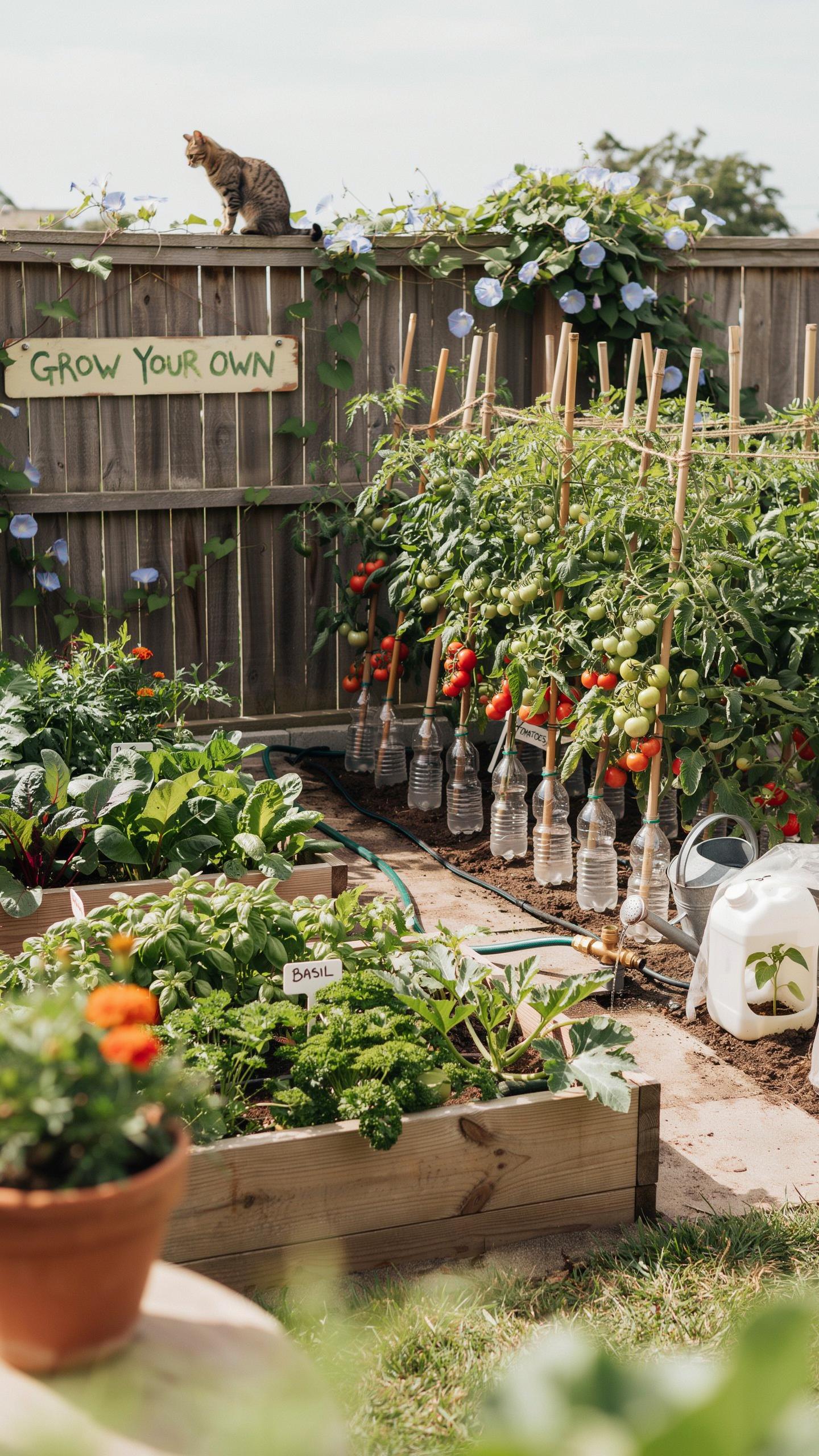
Comparing Budget Brands And What To Look For When Shopping For A Timer
Budget brands like Orbit, Rain Point, and LinkTap provide entry level solutions for vertical growth. Orbit dominated the retail hardware space for decades with simple mechanical and digital dials. Newer brands like Rain Point offer Wi-Fi connectivity at lower price points than professional brands like Hunter or Rain Bird. Focus on the internal valve material and the waterproof rating when you shop.
Prioritize timers with a high IP65 rating to ensure the electronics survive outdoor exposure. Look for a manual override button that allows watering without breaking the programmed cycle. Avoid timers that lack a built in mesh filter because sediment will clog your vertical drippers quickly. Choose a model with a removable battery tray to make maintenance easier once your plants cover the wall.
Budget Friendly Tips For Extending The Life Of Your Garden Watering System
Proper care keeps cheap plastic components functioning for multiple seasons regardless of the brand. Sun exposure degrades plastic timers through ultraviolet radiation. UV damage makes the housing brittle and leads to internal leaks near the threaded joints. You must protect the timer from direct sunlight and freezing temperatures to ensure the diaphragm operates correctly over several years of use.
- Install a Pressure Regulator: Most vertical systems use thin tubing that cannot handle high residential water pressure. A cheap regulator prevents the timer valves from blowing out and protects your vertical emitters from popping off during a cycle.
- Remove During Winter: Water expands when it freezes and cracks the internal plastic valves of your timer. Always disconnect the unit and drain all internal water before the first frost. Store the device in a climate controlled area until the spring.
- Replace Batteries Annually: Old batteries leak acid and ruin the electrical contacts inside the timer housing. Use high quality alkaline batteries and swap them out at the start of every growing season. This prevents the valve from failing in the open position.
- Clean the Mesh Filter: Debris in the water line will eventually jam the valve or clog your emitters. Unscrew the intake swivel and wash the metal mesh screen every few months. This simple step maintains consistent flow rates across your entire vertical wall.
- Apply Silicone Grease: Use a small amount of food grade silicone grease on the rubber O-rings and hose gaskets. This prevents the seals from drying out and cracking over time. A tight seal stops leaks that waste water and lower system pressure.

Inspect the entire line for leaks weekly to ensure your vertical garden receives uniform hydration. Small holes in poly tubing reduce the pressure available to the top rows of your garden. You can patch these holes with cheap couplers instead of replacing the entire line. Consistent maintenance routines prevent expensive failures and keep your budget hardware running like a professional grade installation.
Common Mistakes To Avoid With A Garden Irrigation Timer
Installation Errors That Can Lead To Leaks, Clogs, Or Uneven Water Distribution
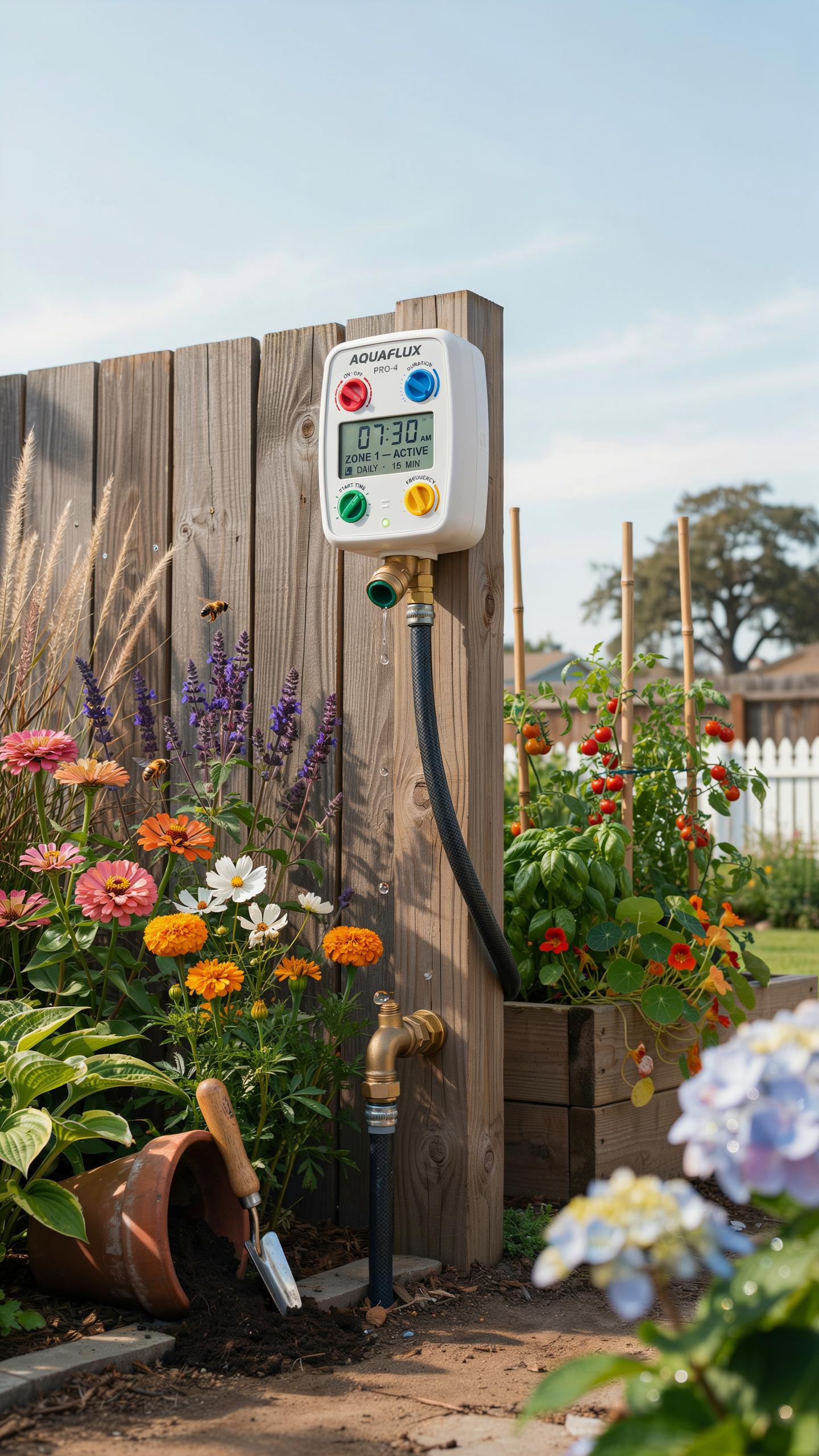
Poor installation ruins the efficiency of a vertical garden watering timer. Many users skip the pressure regulator. High water pressure blows connectors off the tubing or causes emitters to pop. Without a filter, sediment enters the lines and clogs small drip holes. You must place the timer at the highest point of the system. This prevents backflow and ensures gravity does not work against the device.
Thread damage is a frequent issue during assembly. Do not over tighten plastic fittings or you will crack the casing. Use plumbers tape on metal connections to stop leaks before they start. Inspect every vertical level for consistent pressure. Water often pools at the bottom while the top layers stay dry. Adjust your flow valves to balance the output across all rows of your garden.
Programming Mistakes That Waste Water And Stress Your Vertical Garden Plants
Incorrect scheduling kills plants and wastes money. Gardeners often set the vertical garden watering timer for one long session. This causes runoff because vertical soil volumes are small. Roots cannot soak up water that moves too fast. Instead, program multiple short cycles throughout the day. This pulsing method keeps the growing medium moist without saturating the roots or wasting water on the floor.

Failure to adjust for seasons is a major tactical error. Plants need less water in cool months and more during summer heat. Check your battery levels every month to prevent system failure. A dead battery stops the watering cycle and kills your crop in days. Always test the manual override feature. This ensures the valves open and close properly before you leave the system unattended for long periods.
Real Results What To Expect After Installing Your Vertical Garden Watering Timer
How Automated Watering Affects Plant Growth, Yield, And Overall Garden Health
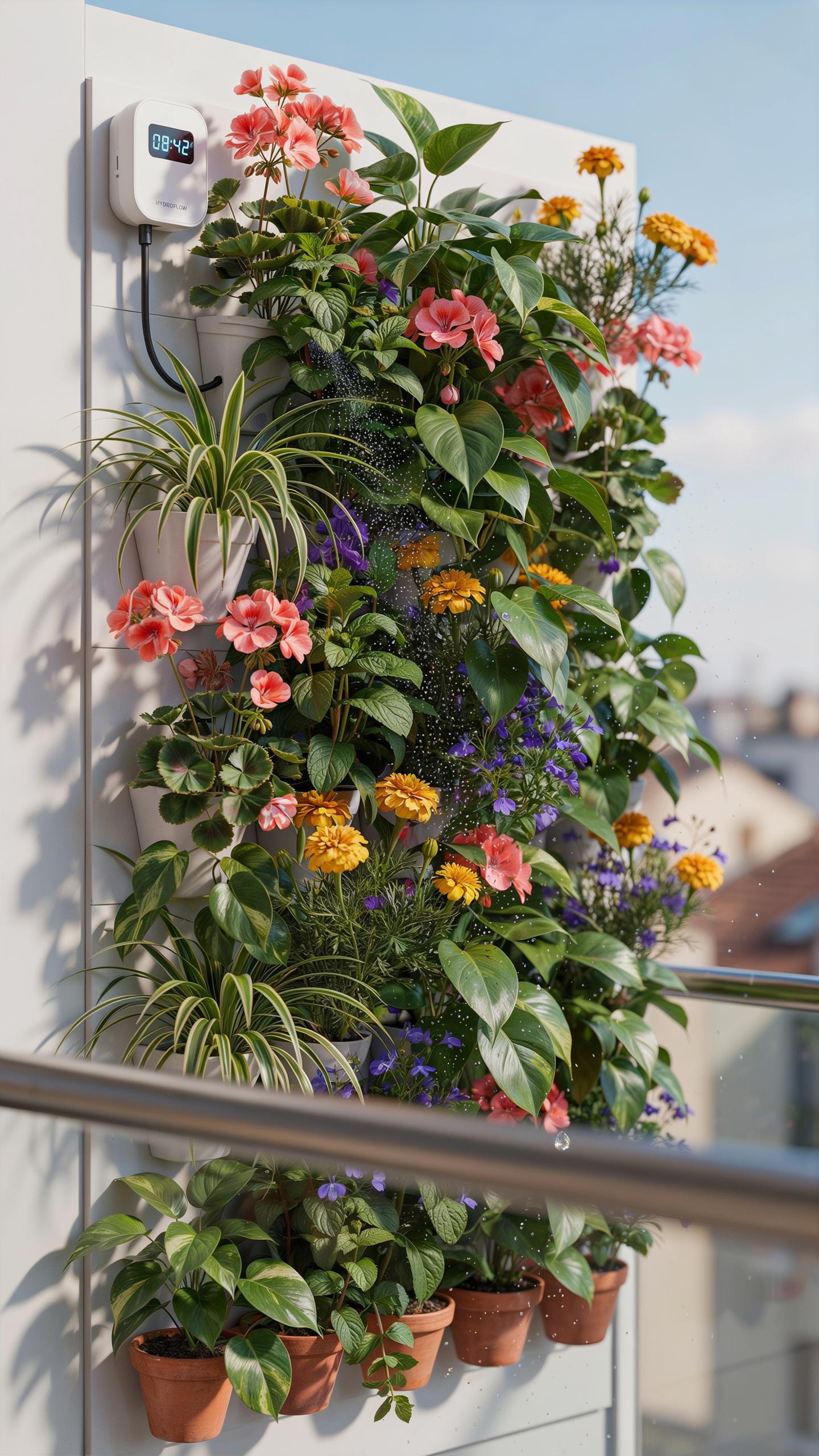
A vertical garden watering timer eliminates human error and ensures soil moisture remains constant. Plants in vertical systems have limited soil volume. They dry out faster than plants in the ground. Consistent hydration prevents physiological stress and root death. You will see faster growth cycles and larger leaf surface areas. Stable water delivery allows the root system to focus on nutrient uptake instead of basic survival.
Healthier plants resist pests and diseases more effectively. Irregular watering weakens plant cell walls and invites fungal infections. Automation ensures water reaches the roots without wetting the foliage excessively. This reduces the risk of powdery mildew and leaf rot. You can expect higher yields in edible crops like lettuce and strawberries. Controlled irrigation prevents fruit splitting and bitter flavors caused by sudden water fluctuations and dry spells.
When To Upgrade Your Setup As Your Vertical Garden Grows Over Time
Your basic timer may reach its limit as you add more tiers or containers. Monitor your system flow rate. If the furthermost plants receive less water, your pump or pressure regulator needs an upgrade. A standard battery-operated timer works for small setups. Large installations require multi-zone controllers. These allow you to set different schedules for sun-loving plants and shade-tolerant varieties. Upgrading ensures every plant gets exact hydration.

Environmental changes also dictate when you should move to advanced hardware. Simple timers lack sensors. They water your plants even during heavy rain or high humidity. Upgrade to a smart controller with weather-sensing capabilities to save water and prevent root rot. If you notice salt buildup on your planters, integrate a localized filtration or fertigation system into your timer loop. Scalability depends on your ability to monitor performance and adjust hardware accordingly.
Frequently Asked Questions

What is a vertical garden watering timer and why do I need one for my plants?
A vertical garden watering timer is a smart device that attaches to your outdoor faucet or interior reservoir to automate hydration. Because vertical planters have small soil volumes that dry out quickly, consistency is vital. Using a timer ensures your greens receive precise amounts of water at optimal times, preventing wilted leaves and root rot while giving you the freedom to step away from your daily gardening chores.
How do I set up a simple automated irrigation system for my wall planter?
Setting up a vertical garden watering timer is surprisingly straightforward. Start by attaching a battery-operated timer to your water source, then connect a length of supply tubing that runs along your planter rows. Insert small drip emitters into the tubing for each plant pocket. Finally, program the interface to run for short bursts, such as five minutes twice daily, to keep the vertical soil columns perfectly moist without messy runoff.
Can I really install an automatic watering system on a tight budget?
Absolutely! You don’t need a professional irrigation contractor to achieve great results. Many highly-rated digital timers are available for under thirty dollars, and basic drip kits are very affordable. By focusing on a simple gravity-fed system or a single-zone battery unit, you can create a high-functioning setup for the price of a few new plants. It is a one-time investment that saves money by preventing expensive plant loss.