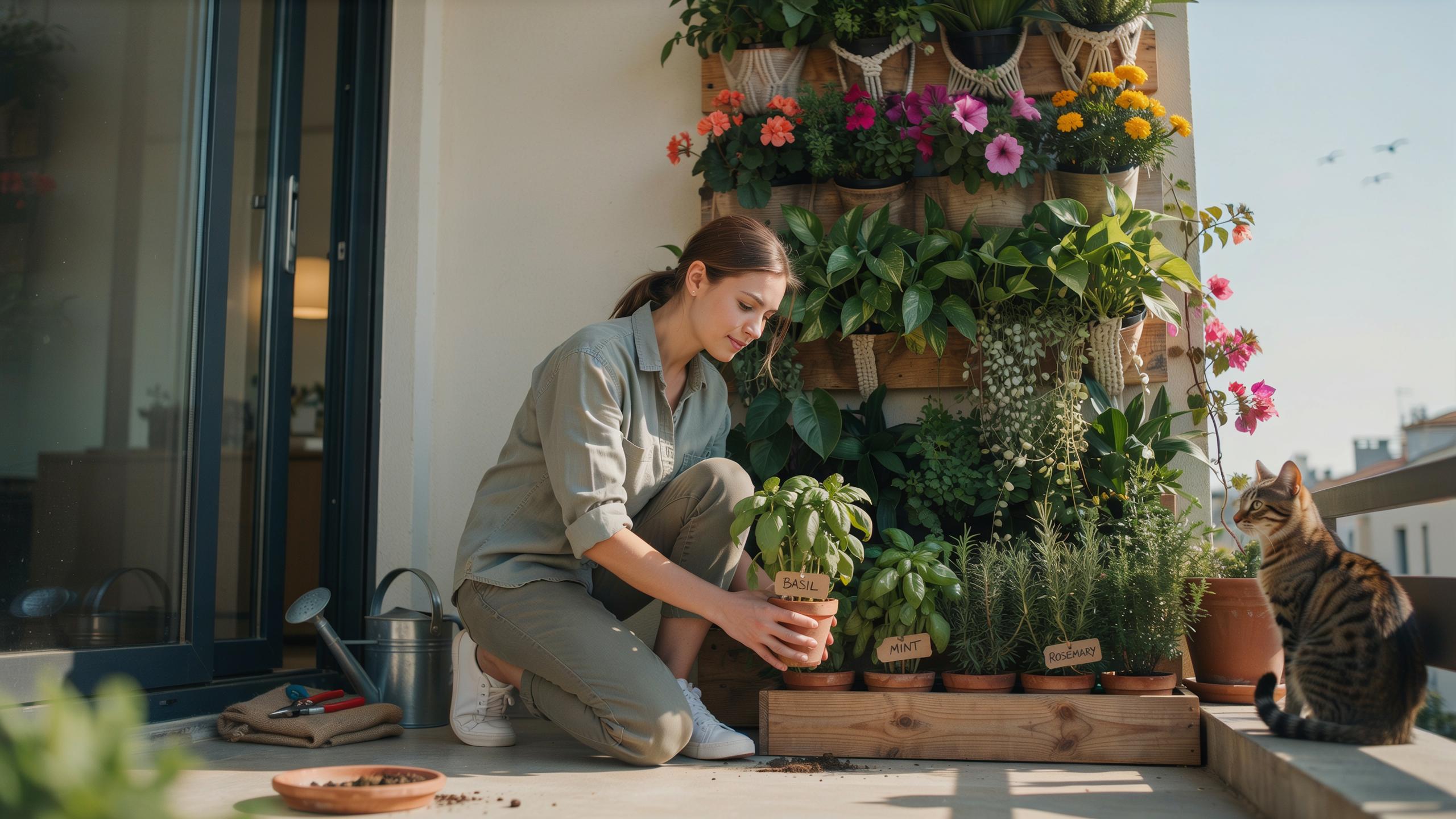
Understanding The Basics Of Vertical Gardening Before You Plant
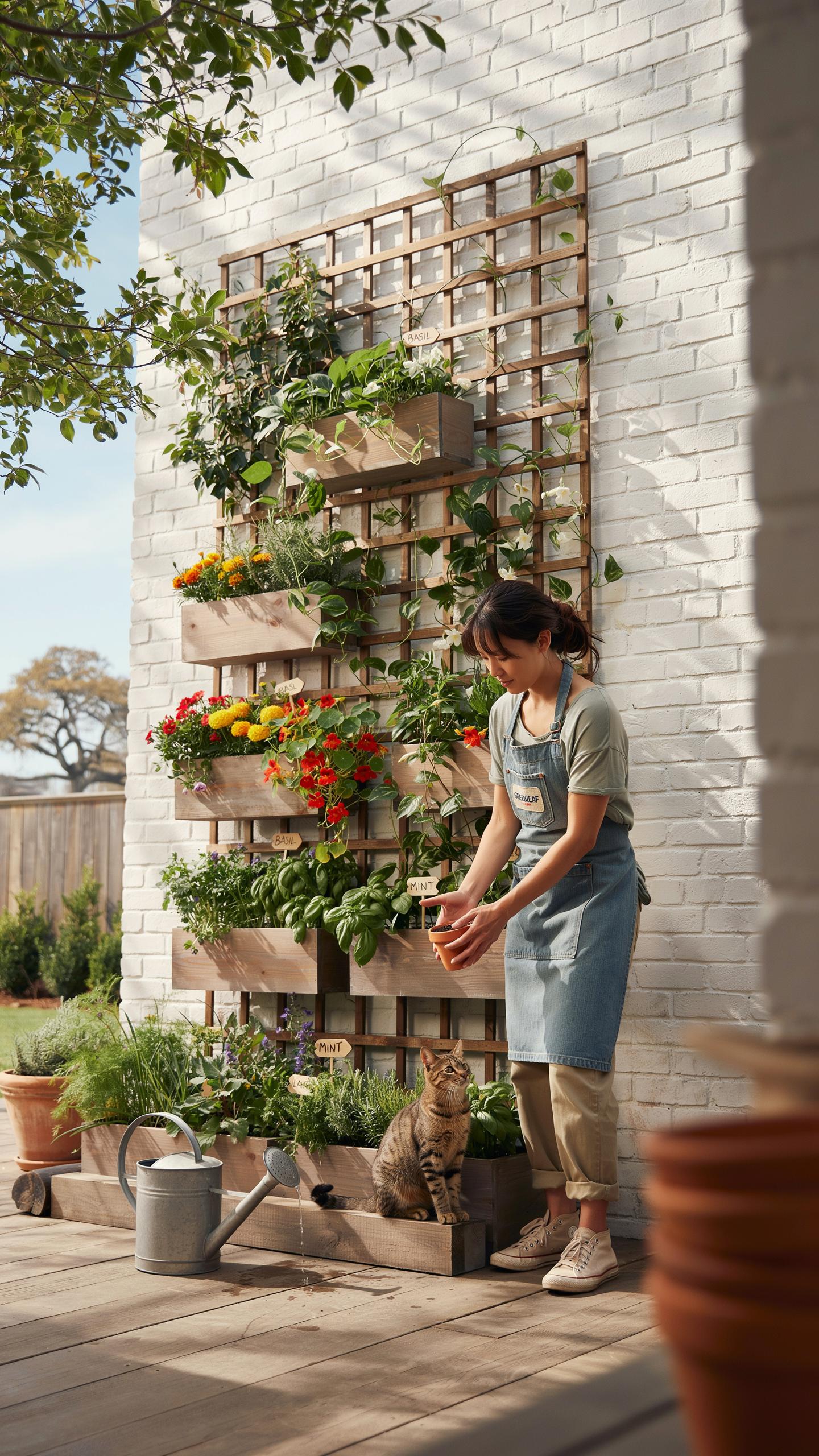
What Vertical Gardening Actually Means And Why It Matters For Homeowners
Vertical gardening is the practice of growing plants on an upright plane rather than the ground. This method uses structures like trellises, living walls, or modular pockets to support plant life. Homeowners use this technique to maximize production in limited spaces. Modern systems trace back to Patrick Blanc who refined the hydroponic vertical garden model. These systems allow for dense planting in urban environments.
This approach solves critical spatial constraints for small properties. It provides natural insulation by creating a thermal buffer against exterior walls. Shifting growth upward reduces back strain and keeps crops away from ground pests. Strategic vertical garden plant selection ensures these systems remain lightweight and sustainable. Proper planning prevents structural damage to the home while increasing the total biomass of the property through efficient land use.
How Growing Conditions Like Light Airflow And Wall Orientation Shape Your Plant Choices
Environmental factors dictate the success of your vertical installation. North-facing walls receive minimal direct sunlight and require shade-tolerant species. South-facing walls experience intense heat and rapid evaporation. You must match your vertical garden plant selection to these thermal realities. High-elevation planters dry out faster because they face more wind. Airflow is necessary to prevent fungal growth, but extreme wind stunts delicate leaves.
Gravity also affects hydration and nutrient delivery in vertical systems. Water settles at the bottom of the structure and leaves the top dry. You should place drought-resistant plants at the peak and moisture-loving plants at the base. Wall materials like brick or concrete absorb heat and radiate it back to the roots. Understanding these microclimates prevents crop failure. Assess your specific site conditions before buying any hardware or seeds.

Building Your Vertical Garden Plants List Based On Your Space And Climate
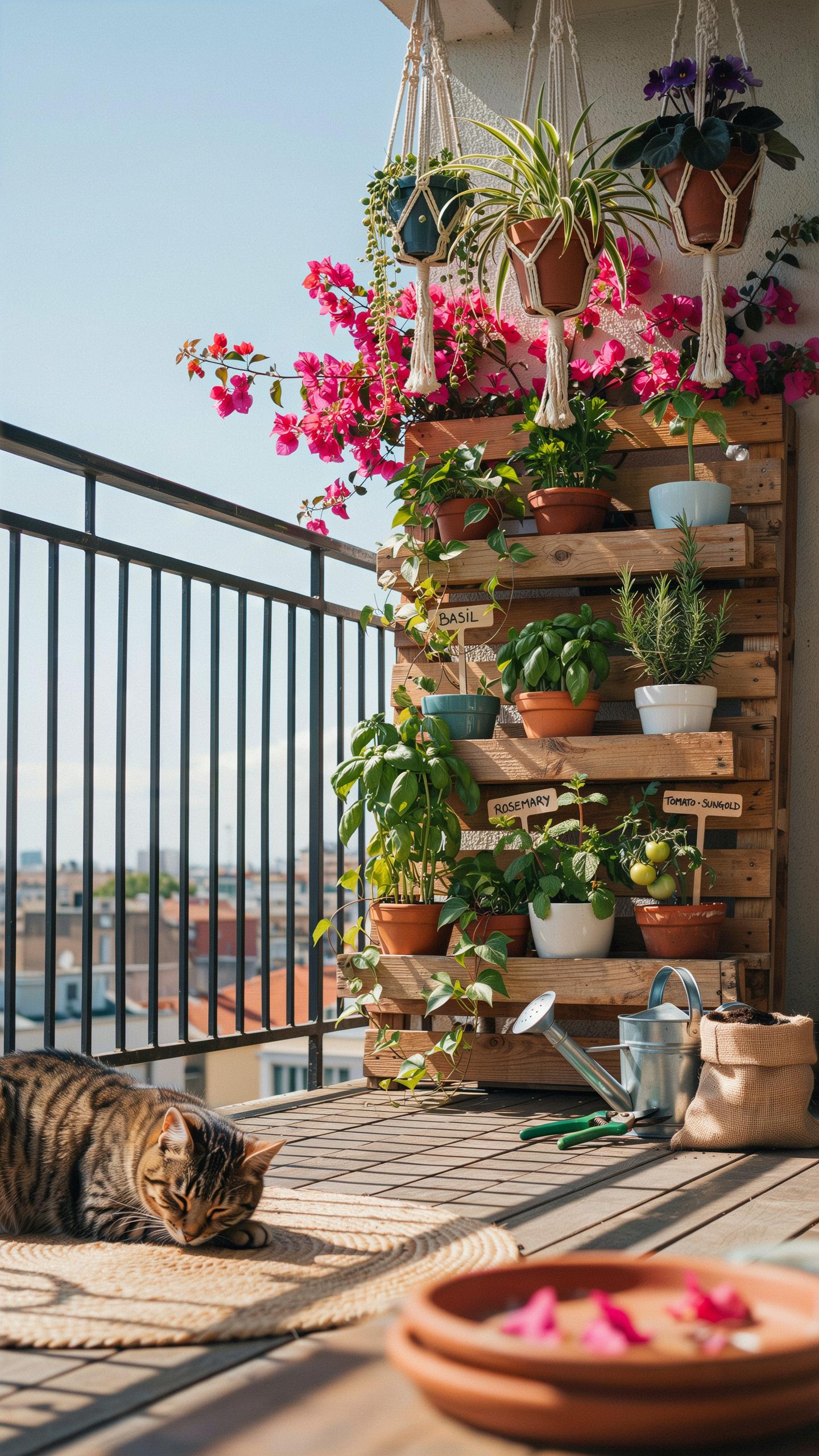
Assessing Wall Space Weight Limits And Sun Exposure
Vertical garden plant selection depends on your structure. Check your wall for load bearing capacity first. Wet soil and hardware add significant weight. Use a moisture barrier to prevent rot on the mounting surface. Felt systems weigh less than plastic modules. Choose your system based on the strength of your anchor points. Measure your square footage to determine how many plants you need.
Sunlight dictates survival. Track sun movement across your wall for one full day. South facing walls receive intense heat and light. North facing walls stay cool and shady. Determine if you have full sun or deep shade before buying. High light areas require drought tolerant species. Shady spots need plants that handle dampness. Match your plant light requirements to the actual data from your site.
Why Local Climate Zones Drive Your Plant Decisions
Your USDA hardiness zone is the primary limiter for plant survival. Vertical gardens expose roots to air temperatures more than ground gardens do. This exposure increases the risk of freezing in winter. Select plants rated two zones colder than your actual location for safety. Native species handle local humidity and temperature swings better than exotic imports. Local climate data ensures your Garden stays alive year round.

Wind exposure affects moisture levels on high walls. Tall buildings create wind tunnels that dry out foliage fast. High wind areas need tough plants with waxy leaves. Arid climates require irrigation systems with timers to prevent dehydration. Tropical zones must have high airflow to stop fungal growth. Your vertical garden plant selection must reflect these environmental realities. Ignore your local climate and your investment will likely fail within one season.
Best Plants For Vertical Garden Structures That Thrive With Minimal Fuss
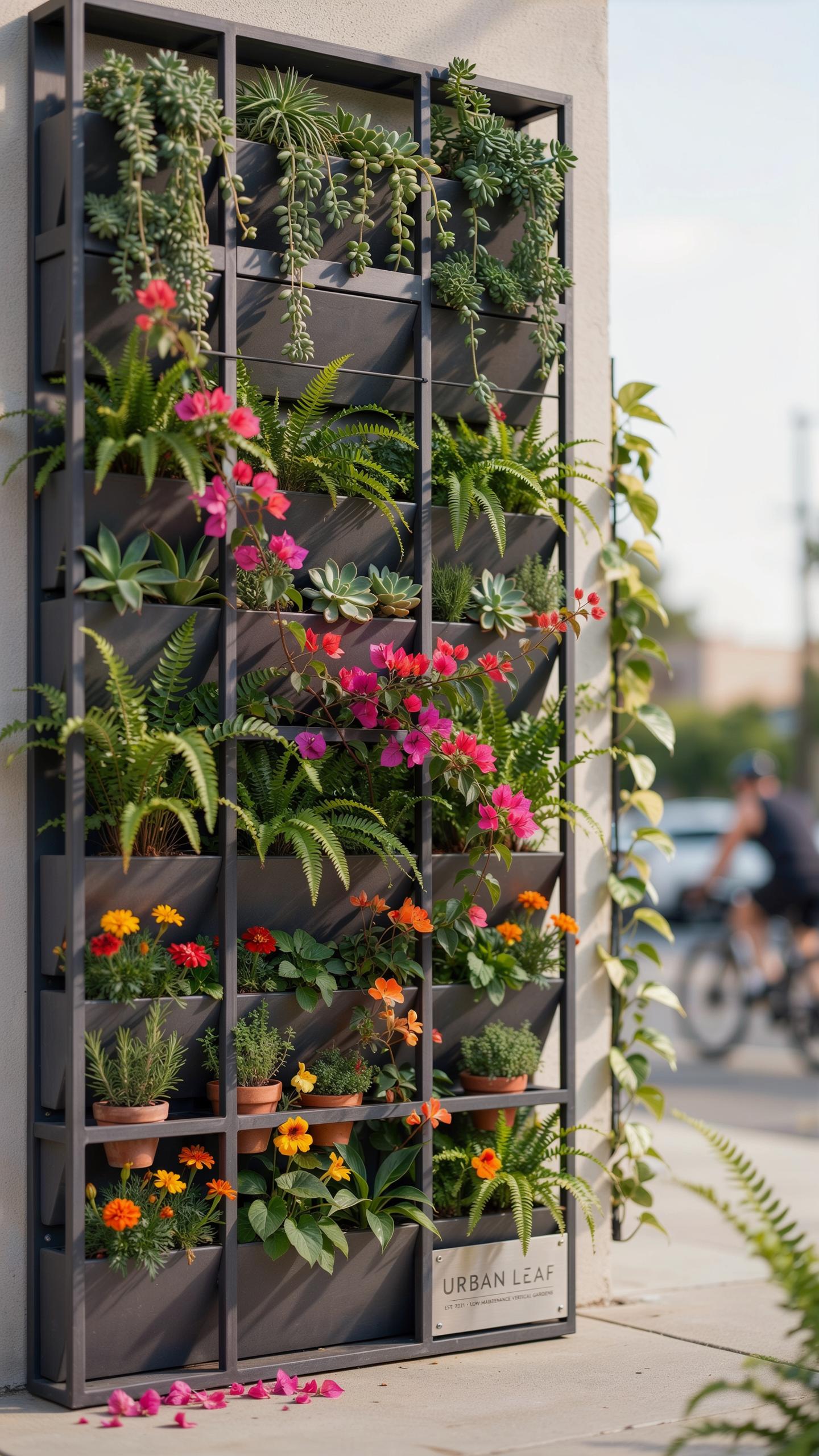
Top Foliage And Flowering Plants That Perform Consistently Well In Vertical Systems
Successful vertical garden plant selection relies on species that tolerate rapid drainage and restricted root zones. You must choose plants that maintain high visual density without excessive pruning. Modern living walls utilize felt pockets or plastic modules that favor drought-tolerant or epiphytic species. These selections ensure the structure remains covered and healthy through seasonal changes. Focus on aggressive growers that do not become woodier with age.
- Pothos (Epipremnum aureum): This vine is the gold standard for vertical systems. It thrives in low light and handles irregular watering schedules. The trailing habit quickly hides structural hardware and provides a thick green curtain that requires almost no specialized care for long term survival.
- Philodendron Cordatum: Known for its heart shaped leaves, this plant adapts well to medium light levels. It grows rapidly and creates a lush texture that fills gaps between planting modules. It is highly resistant to common indoor pests and maintains its deep green color in diverse environments.
- Spider Plant (Chlorophytum comosum): These plants produce arching leaves and baby plantlets that add depth to vertical frames. They handle varied temperatures and help purify the air. Their thick roots store water well, making them resilient if the irrigation system fails for a short period of time.
- Heuchera (Coral Bells): For outdoor vertical walls, these provide significant color without flowers. They come in shades of purple, red, and lime green. Their mounding growth habit covers the edges of planters perfectly. They are cold hardy and thrive in partial shade or full sun areas.
- Sword Fern (Nephrolepis exaltata): This plant is ideal for high humidity zones or shaded outdoor walls. It creates massive volume and architectural interest. Its stiff fronds stand out from the wall to give the installation a three dimensional appearance that looks more natural and established.
Flowering options require more maintenance but provide necessary visual accents. Use species like Petunias or Pelargoniums for seasonal color bursts in sunny locations. These plants demand more frequent fertilization to maintain bloom production in small containers. Monitor soil moisture closely as flowering species wilt faster than foliage plants. Rotate these plants out as they exhaust their bloom cycle to keep the wall looking fresh and professional.
Why Shallow Root Plants Are The Smartest Default Choice For Any Vertical Frame
Vertical structures offer limited depth for root expansion. Most systems range from three to six inches of planting depth. Deep rooted species will quickly become root bound in these confined spaces. This leads to stunted growth and eventual plant death. Shallow root plants evolved to thrive in thin soil layers or on rock faces. They adapt perfectly to the artificial environment of a wall.
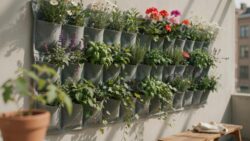
Selecting plants with compact root systems reduces the mechanical load on your wall. Heavy soil and large root balls put unnecessary stress on mounting brackets and fasteners. Shallow root varieties require less growing medium to survive. This keeps the entire system lighter and easier to maintain long term. You will spend less time repotting and more time enjoying the aesthetic results of your strategic plant choices.
Exploring Vertical Gardening Ideas That Match Different Homeowner Lifestyles
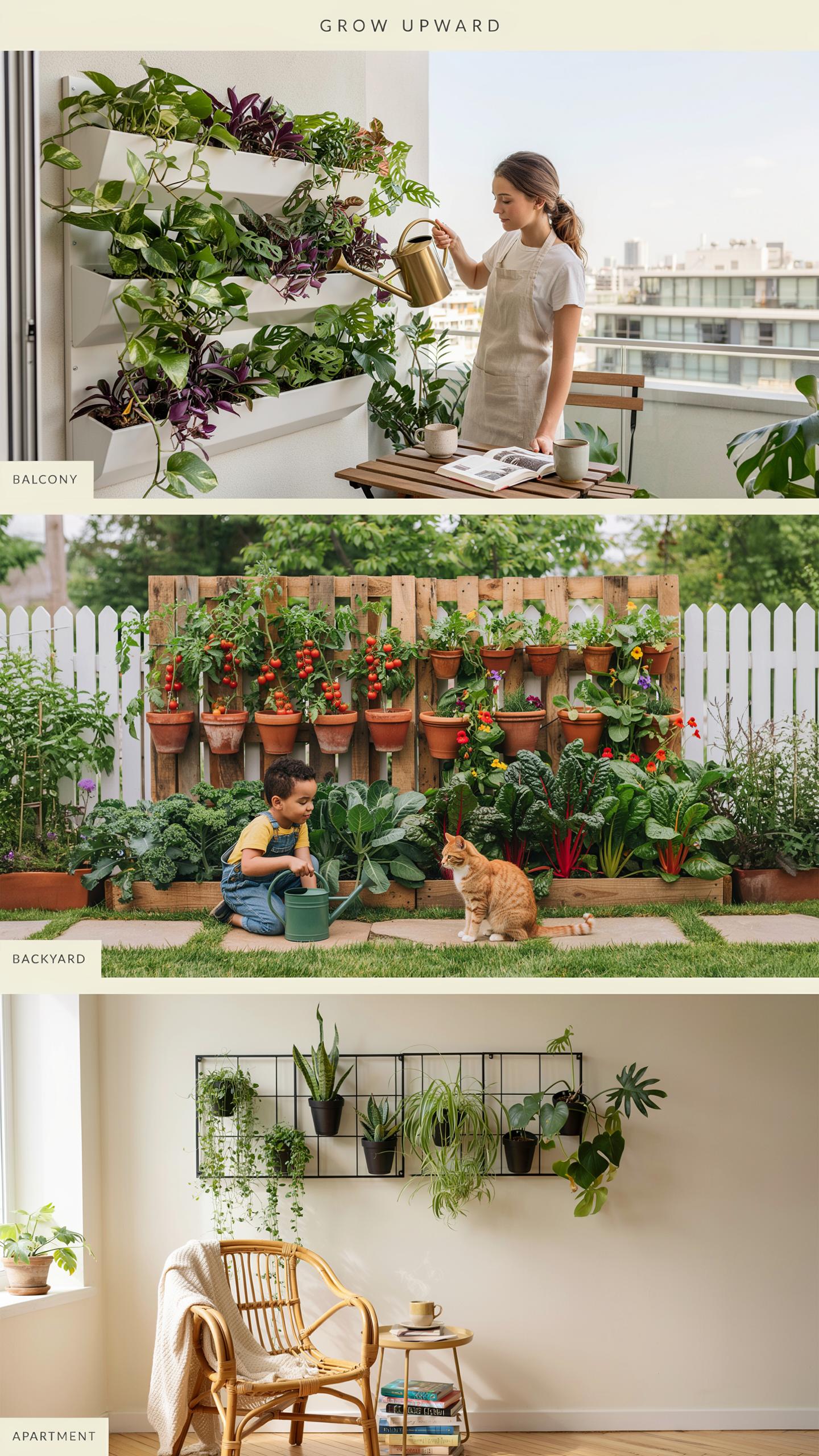
Low Maintenance Vertical Gardening Ideas For Busy Homeowners Who Still Want Greenery
Busy homeowners must prioritize self-watering systems and hardy plant species. Use modular pocket systems made from UV-rated recycled plastics to prevent soil desiccation. Select succulents like sedum or rosette-forming echeveria for high-light areas. These plants store water in thick leaves and survive long periods of neglect. Automated drip irrigation lines eliminate the need for manual watering. This setup ensures plant health without a daily time commitment.
Focus on slow-growing perennials to reduce pruning frequency. Philodendrons and pothos offer high durability for indoor or shaded vertical walls. These species adapt to varied light levels and resist common pests. Avoid fast-growing vines that require constant structural support or trimming. Use high-quality potting mixes with perlite to improve drainage and prevent root rot. This strategic approach keeps the vertical garden functional and aesthetic with minimal monthly effort.
Choose plants that lean toward the sun together, for even the smallest wall can hold the lush memories of a summer garden. A little green goes a long way toward making a house feel like a home.
Creative Vertical Gardening Ideas That Double As Privacy Screens Or Decorative Features
Vertical gardens function as living fences to block sightlines and reduce ambient noise. Use free-standing trellis systems with dense climbing plants like star jasmine or ivy. These plants provide evergreen coverage and create a thick biological barrier. Homeowners can mount these structures on casters for mobile privacy. This method replaces static wood fences with dynamic natural textures. It effectively hides neighbors or unsightly utility equipment from view.
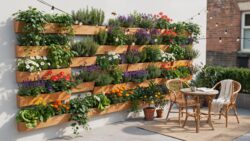
Incorporate architectural elements like corten steel frames or cedar wood slats to enhance visual appeal. Modernist design often uses these materials to contrast with soft foliage. Arrange plants by color or leaf size to create organic patterns on the wall. Trailing varieties like creeping fig or silver falls dichondra provide a flowing aesthetic. These features increase property value and turn empty vertical space into a primary focal point for the home.
Selecting Plants For Vertical Garden Walls Based On Indoor Vs Outdoor Placement
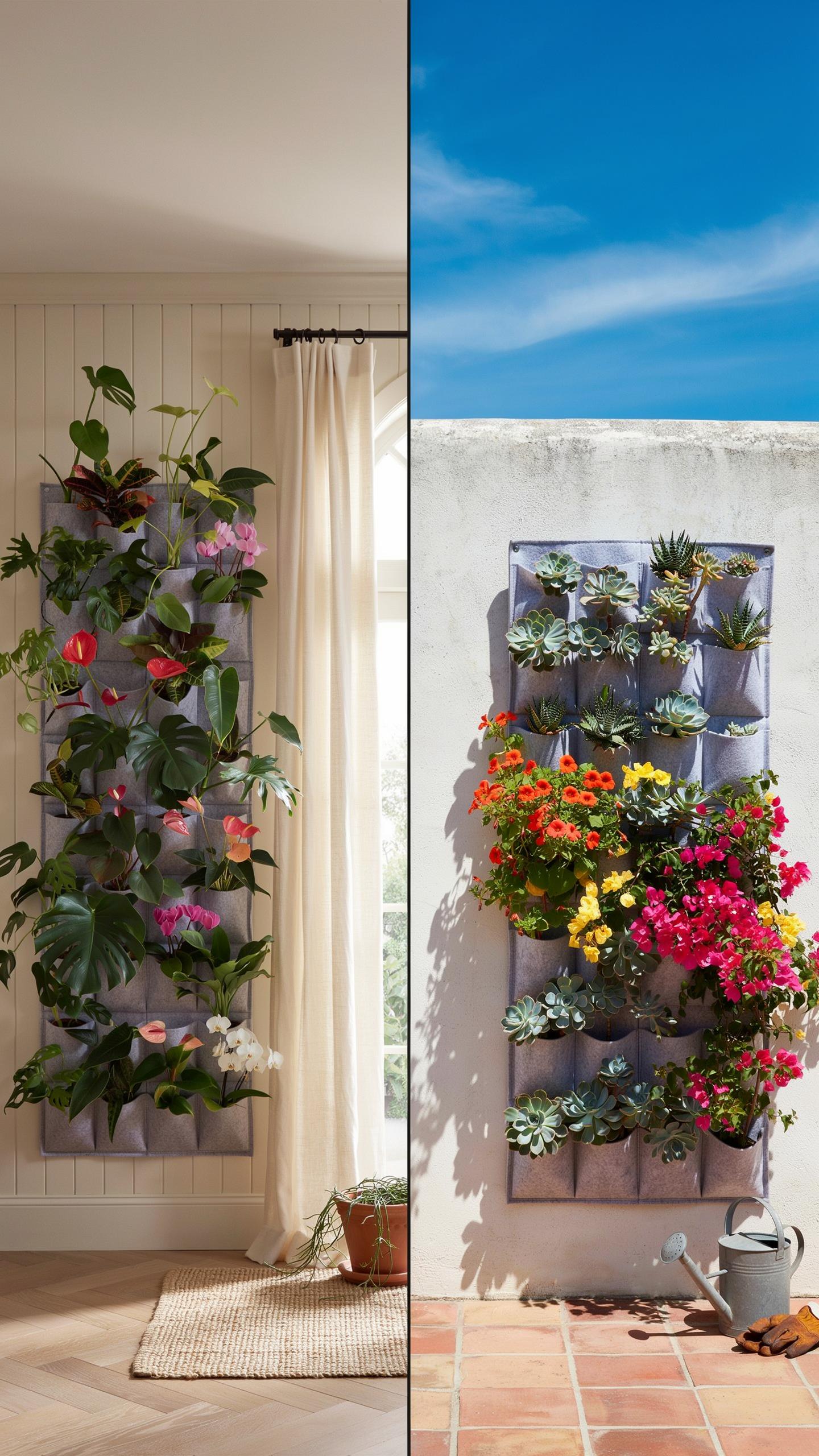
Which Plants For Vertical Garden Setups Work Best In Indoor, Low Light Environments
Indoor vertical garden plant selection requires species adapted to low light. Most homes provide less than five hundred foot-candles of light. Tropical understory plants thrive in these conditions. They evolve under dense forest canopies. These plants handle consistent temperatures and minimal airflow. Many indoor choices use broad leaves to capture limited photons. Selecting the wrong species leads to leggy growth and eventual root rot.
Chlorophytum and Epipremnum are the standard for indoor walls. These plants tolerate neglect and low light levels. They also adapt well to felt pocket systems or hydroponic setups. Avoid flowering species unless you install dedicated grow lights. Greenery with high chlorophyll density stays healthy in dark corners. Focus on foliage texture rather than color variety. This approach ensures your vertical wall stays dense and vibrant all year.
How Humidity, Temperature Swings, And Indoor Air Quality Affect Your Plant Survival Rate
Indoor environments create specific stressors for vertical gardens. Air conditioning strips moisture from the room. This low humidity causes brown leaf tips on ferns and calatheas. Heating vents create hot drafts that shock plant tissues. You must balance the ambient air moisture with proper root hydration. Stagnant air also encourages pests like spider mites. Use small fans to move air around the wall.
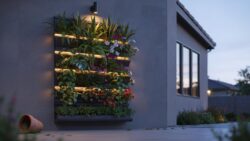
Outdoor walls face different tactical challenges. Temperature swings happen fast outside. Direct sun cooks the soil in narrow vertical containers. Wind increases the rate of transpiration. You must choose plants that handle these rapid changes. Outdoor vertical garden plant selection depends on your specific climate zone. Use hardy succulents or native grasses for exterior walls. These plants survive frost and heat waves without constant human intervention.
Choosing Vertical Garden Plants Outdoor Varieties That Handle Weather And Elements
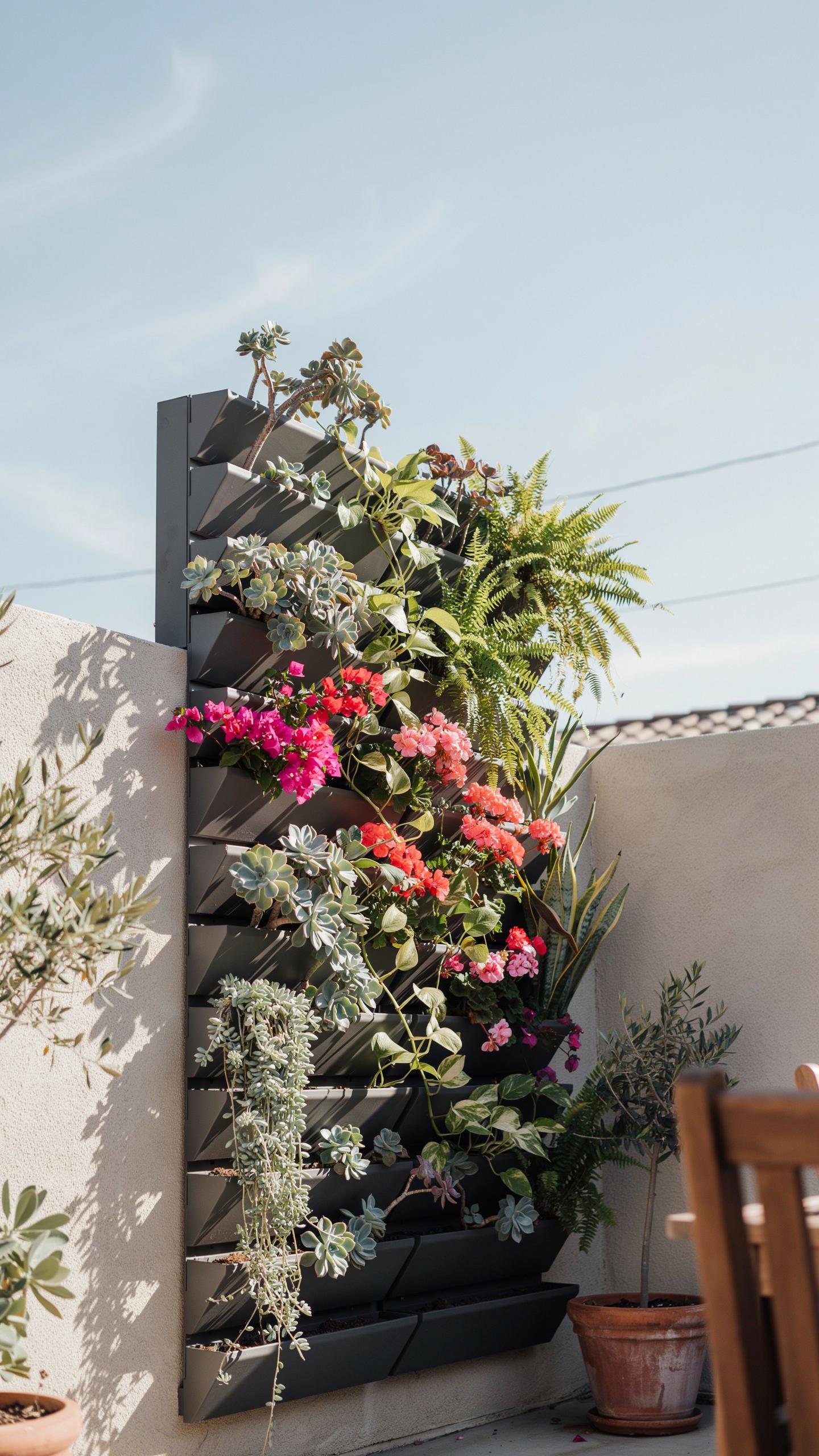
Hardy Perennials And Climbing Plants That Withstand Wind Rain And Direct Sun Outdoors
Outdoor vertical gardens face high evaporation rates and physical stress from wind. You must select plants with deep root systems or specialized climbing mechanisms. Woody perennials and vining species provide the structural foundation needed for permanent installations. These plants survive temperature Fluctuations better than soft-stemmed annuals. Use self-clinging climbers for masonry walls to reduce the need for heavy external support structures.
Strategic placement dictates plant survival in exposed environments. High-altitude or coastal gardens require plants with small, waxy leaves to minimize water loss. Wind-resistant varieties prevent leaf tatter and stem breakage during storms. Focus on species that tolerate rapid drainage while maintaining grip on their support systems. A vertical garden acts as a living heat sink. Choose sun-tolerant varieties that thrive in high thermal mass areas.
Seasonal Plant Rotation Strategies To Keep Your Outdoor Vertical Garden Looking Full Year Round
A static plant list leads to bare patches during winter dormancy. You must plan a staggered growth cycle to maintain coverage. Use a permanent evergreen skeleton as your structural base. This ensures the wall never looks empty. Integrate pocket-based systems that allow for modular swaps. This tactic lets you replace spent summer annuals with cold-hardy varieties without disturbing the main root network.
- Evergreen Foundation: Use species like Hedera helix or Trachelospermum jasminoides to provide year-round green coverage. These plants maintain foliage through frost and serve as a reliable backdrop for seasonal color.
- Short-Term Annuals: Insert petunias or lobelia during spring and summer months for immediate visual impact. These varieties grow fast and fill gaps quickly but require replacement once the first frost arrives in autumn.
- Cold-Weather Crops: Replace summer blooms with ornamental kale or pansies during late fall. These plants withstand freezing temperatures and keep the vertical layout looking intentional and lush through the winter months.
- Early Spring Bulbs: Pack small bulbs like crocus or grape hyacinth into the upper pockets of the system. They provide the first signs of growth in late winter while other plants are still dormant.
- Succulent Reserves: Utilize Sedum varieties for areas with extreme sun exposure and minimal soil depth. These plants store water in their leaves and remain functional across multiple seasons with very little maintenance.

Effective rotation requires tracking local frost dates and light shifts. Sunlight hits vertical surfaces at different angles as seasons change. A spot that is full sun in July might be deep shade in December. Adjust your plant placement to account for these shifts. Maintaining a nursery of back-up plants in pots allows for instant repairs. This professional approach keeps the vertical garden dense and healthy.
How To Design A Vertical Garden Layout Around Your Plant Selection
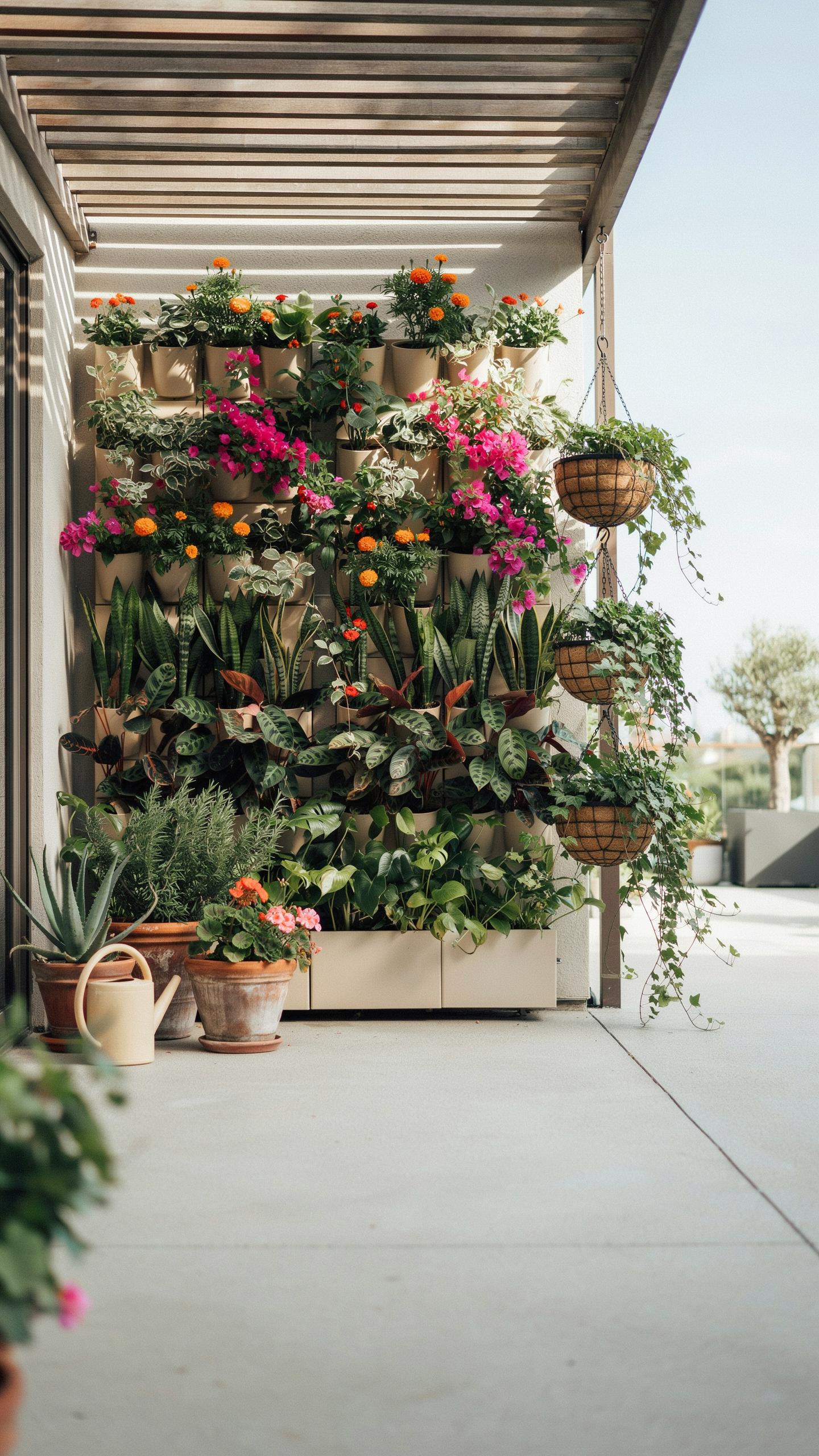
How To Map Plant Height Spread And Root Depth When Designing Your Vertical Layout
Vertical garden plant selection requires precise spatial planning. You must place taller species at the bottom or sides to prevent them from shading smaller neighbors. Large leaves block sunlight and reduce air circulation. Proper spacing prevents fungal growth and pest infestations. Measuring the expected mature spread ensures plants do not compete for physical space. This strategy maximizes photosynthesis across the entire vertical surface throughout the growing season.
Root depth determines your pocket or container size. Shallow-rooted succulents and lettuce thrive in thin felt pockets. Larger perennials need deep basins to support their weight and nutrient uptake. If you put deep-root plants in shallow spots, they will stunt and die. Match the container volume to the specific root architecture of each species. This alignment prevents structural failure of the wall and ensures long-term plant health and stability.
Pairing Plants By Water And Nutrient Needs To Simplify Long Term Vertical Garden Care
Efficient vertical garden plant selection relies on grouping species by water demand. Gravity pulls water downward through the system. Place thirstier plants like ferns or leafy greens at the bottom where moisture accumulates. Put drought-tolerant herbs or succulents at the top where the soil dries fastest. This arrangement prevents overwatering the top and underwatering the bottom. It reduces your daily maintenance time and prevents root rot in sensitive species.

Nutrient requirements must also match within each irrigation zone. Heavy feeders like tomatoes require high nitrogen levels. If you pair them with low-need plants, the latter will suffer from nutrient burn. Use consistent soil mixes and fertilizer schedules for each section. This tactical grouping allows you to automate your feeding system effectively. Smart pairing ensures every plant receives the correct chemical balance without manual intervention for each individual pot.
Creating A Vertical Garden Design Plan That Balances Aesthetics And Plant Health
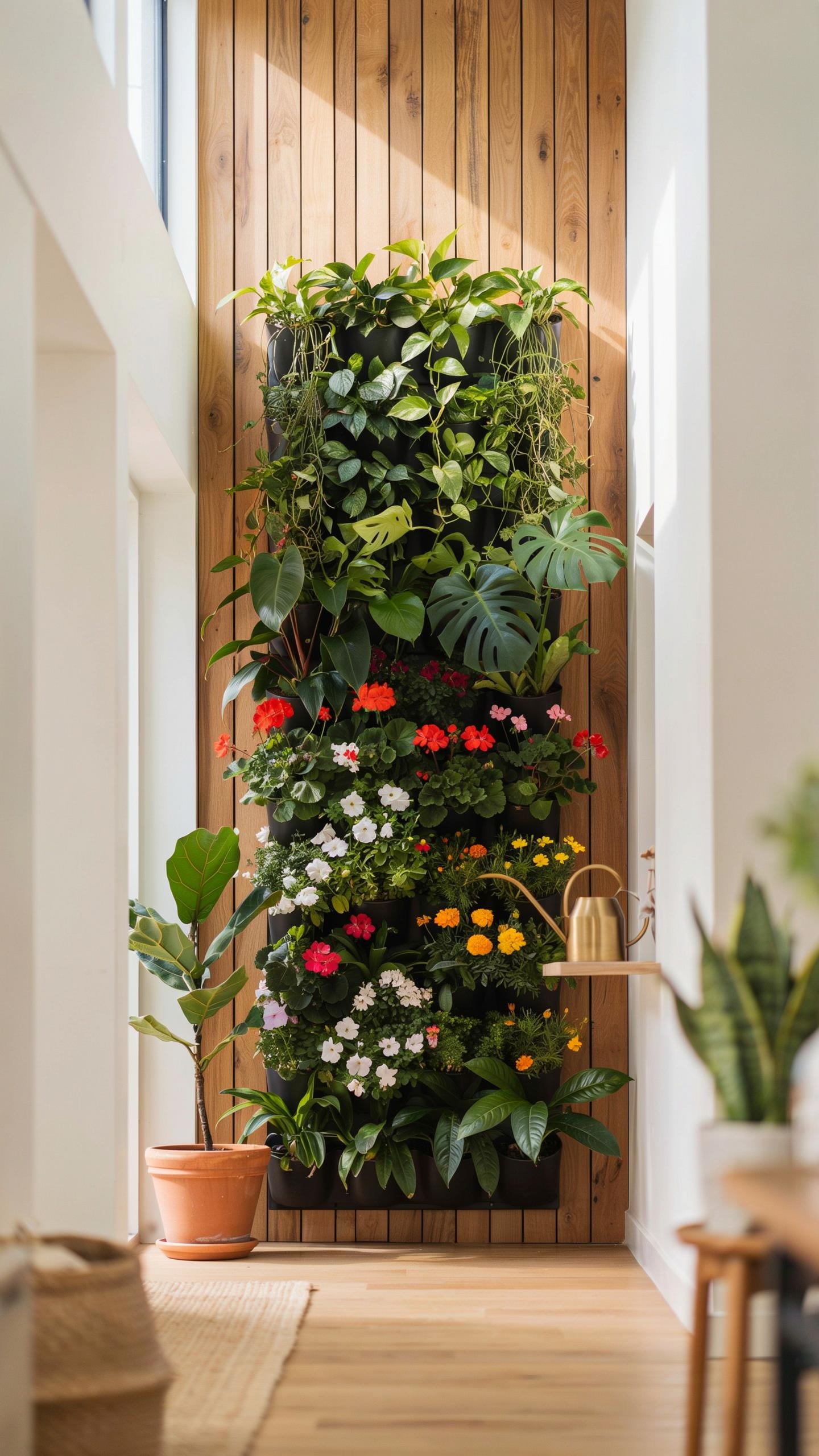
How Color, Texture, And Plant Density Work Together In A Strong Vertical Garden Design Plan
Vertical garden plant selection dictates visual impact through color depth and leaf shape. Strategic designers group plants with similar light needs to prevent patchy growth. Darker foliage creates depth while lime greens pull the eye forward. High density planting covers hardware immediately but requires aggressive pruning. Spacing plants correctly ensures airflow and stops fungal diseases from spreading across the wall.
Texture adds a tactile layer to the vertical plane. Fine leaves soften the appearance of hard structures like concrete or wood. Large waxy leaves reflect light and make small spaces feel bigger. Your plan must balance fast growers with slow varieties to maintain a consistent look. Overcrowding leads to resource competition and root binding. Proper density keeps the system healthy and visually striking for years.
Structural Considerations In Your Vertical Garden Plans That Directly Impact Plant Longevity
Weight distribution is the primary technical hurdle for any vertical system. Saturated soil and mature plants put immense stress on wall anchors. You must calculate the maximum load before choosing your mounting hardware. Waterproofing the backing protects the building from rot and mold growth. Every design plan should include a moisture barrier between the plant modules and the supporting structure.
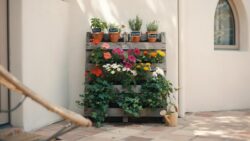
Irrigation plumbing demands precise placement to avoid dry zones or drowning. Gravity pulls water down through the system during every cycle. Lower levels often receive more water than the top rows. You must select drought tolerant species for the summit and water loving plants for the base. Proper drainage prevents stagnant water from killing roots. Solid engineering ensures the plants survive beyond the initial installation phase.
Common Vertical Garden Plant Selection Mistakes And How To Avoid Them
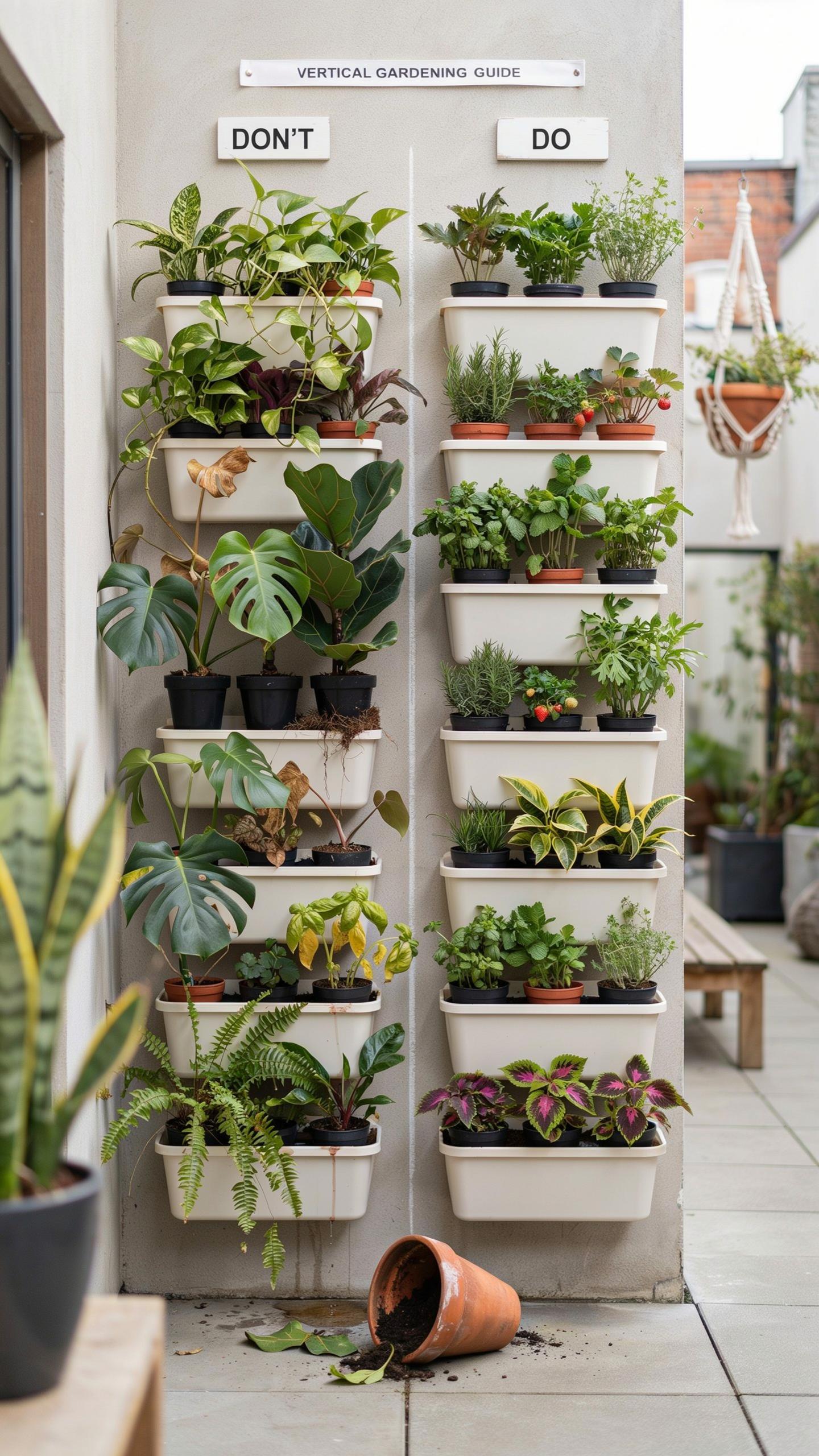
Why Overplanting And Ignoring Root Space Are The Most Common Vertical Garden Errors
Most homeowners crowd plants to achieve an instant lush look. This error ignores the biological reality of root competition. Tight spacing restricts air flow and dries out the growing medium quickly. Disease spreads faster in cramped conditions. You must calculate the mature spread of each plant before installation. Space them according to their full size to ensure long term survival and health.
Root space is the primary limiting factor in vertical systems. Small pockets or felt layers hold very little soil volume. Selection mistakes happen when you pick species with aggressive taproots for shallow containers. These roots soon circle the pot or pierce the backing material. This causes structural damage and eventually kills the plant. Match your plant selection strictly to the depth of your chosen vertical hardware.
How To Audit And Refresh Your Plant Selection As Your Vertical Garden Matures Over Time
Plants grow at different rates and change the environment of the wall. Fast growing species often shade out smaller neighbors. You must audit your garden every six months to identify these shifts. Check for woody stems or leggy growth that indicates a lack of light. Prune back dominant plants to restore balance. Replace any species that fail to adapt to the changing microclimate.
A mature vertical garden requires a dynamic selection strategy. Some plants reach their peak and decline after two years. Remove spent specimens and refresh the soil or substrate before replanting. Use this time to introduce species that better handle the established shade patterns of the wall. Consistent auditing prevents a total system failure. Move plants to different levels if their water or light needs change during the seasons.
Frequently Asked Questions

Which types of plants are easiest for a beginner starting a vertical garden?
For those new to vertical gardening, low-maintenance species like pothos, philodendron, and succulents are excellent starting points. These varieties are resilient and adapt well to the unique drainage patterns of upright structures. Focusing on hardy, trailing plants ensures your initial vertical garden plant selection remains lush and vibrant without requiring constant pruning or specialized care, making your first experience both successful and visually rewarding.
How do I match plants with similar watering needs in one vertical structure?
Successful irrigation starts with grouping “hydro-zones.” When finalizing your vertical garden plant selection, place moisture-loving ferns at the bottom where water naturally collects due to gravity. Position drought-tolerant herbs or succulents at the top tiers where the soil dries out fastest. This strategic placement creates a balanced ecosystem, ensuring that every plant receives the appropriate hydration level without the risk of root rot or dehydration.
Can I create a high-impact vertical garden on a limited budget?
Absolutely! You can achieve a stunning look by purchasing “plug plants” or starting from seeds rather than buying mature specimens. Many affordable herbs like mint, basil, and parsley thrive in vertical pockets and offer both beauty and utility. By prioritizing fast-growing, inexpensive greenery, you can master vertical garden plant selection and create a professional-looking living wall that enhances your home’s aesthetic without overspending on premium nursery stock.