What Is A Garden Design Mood Board And Why Every Gardener Needs One
Defining The Mood Board In The Context Of Outdoor And Garden Planning
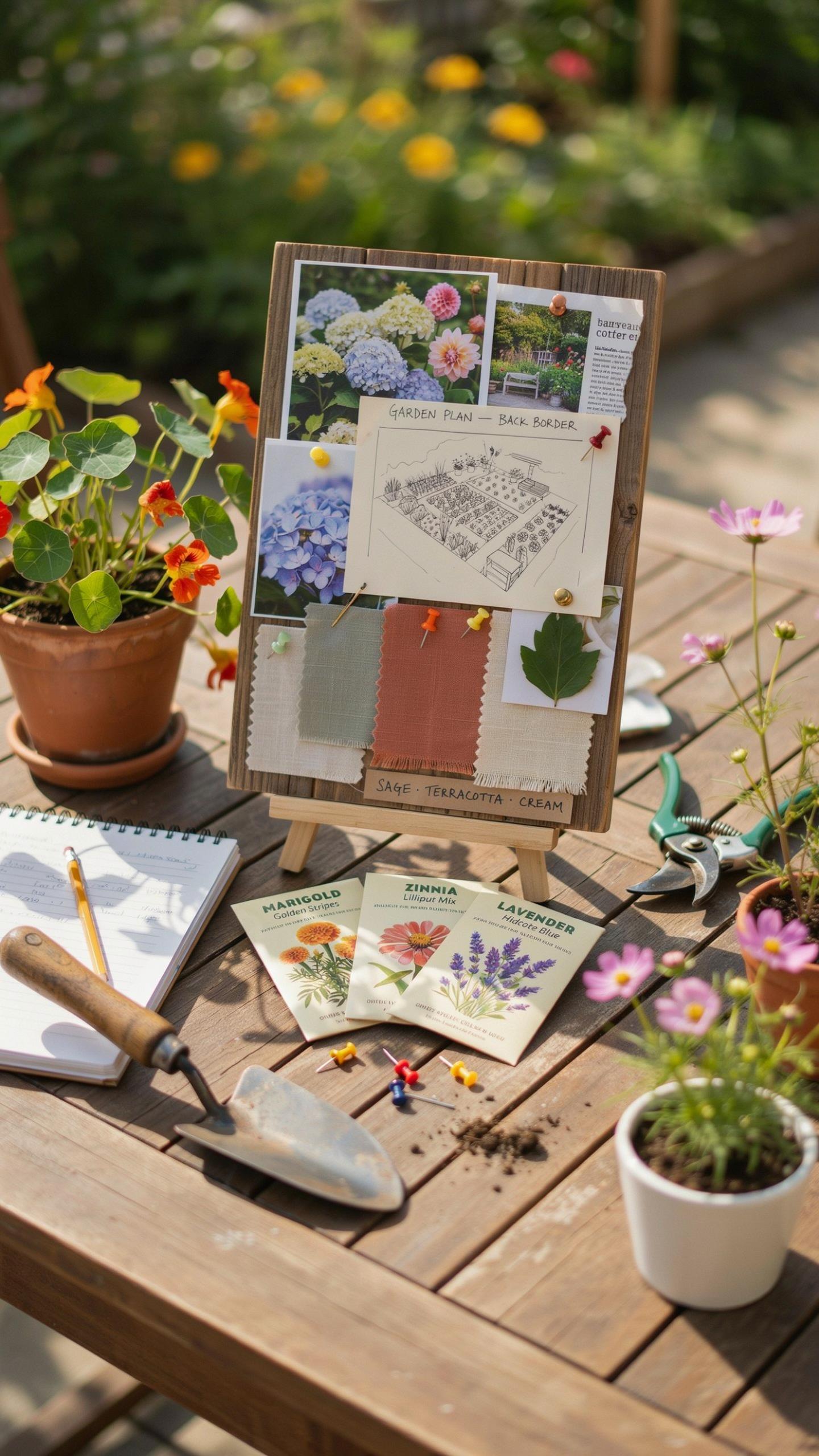
A garden design mood board is a visual organization tool used to align textures, plants, and hardscape materials. It acts as a static reference point for aesthetic and functional goals. Designers use these boards to combine disparate elements like limestone paving, English perennials, and modern steel edging. This process ensures that every chosen component works toward a single, unified vision before any physical labor starts.
The board translates abstract ideas into a concrete plan. It captures specific colors, light requirements, and structural forms that define a landscape style. Whether your focus is Japanese Zen or Mediterranean formal, the board holds the standard for every purchase. Professionals rely on this method to prevent theme drift. It serves as the primary blueprint for the atmospheric quality of the outdoor space throughout the entire build.
How A Visual Reference Board Saves Time, Money, And Design Mistakes
Mood boards prevent expensive procurement errors by vetting material compatibility early. Purchasing the wrong stone or incompatible plants creates immediate financial waste and labor delays. By seeing materials side by side on a board, you identify clashes in tone or scale immediately. This pre-construction audit keeps the project within the original budget. It forces you to make hard decisions on paper rather than on the job site.
Tactical planning via a board streamlines the communication with contractors and nurseries. You stop relying on vague descriptions and start using specific visual targets. This clarity eliminates guesswork during the installation phase. It also prevents the common mistake of over-planting or choosing invasive species that do not fit the layout. A board provides a disciplined framework that ensures the final result matches the initial strategic intent.
The Core Elements That Make A Great Mood Board For Landscape Design
Textures, Color Palettes, And Natural Materials That Anchor Your Vision
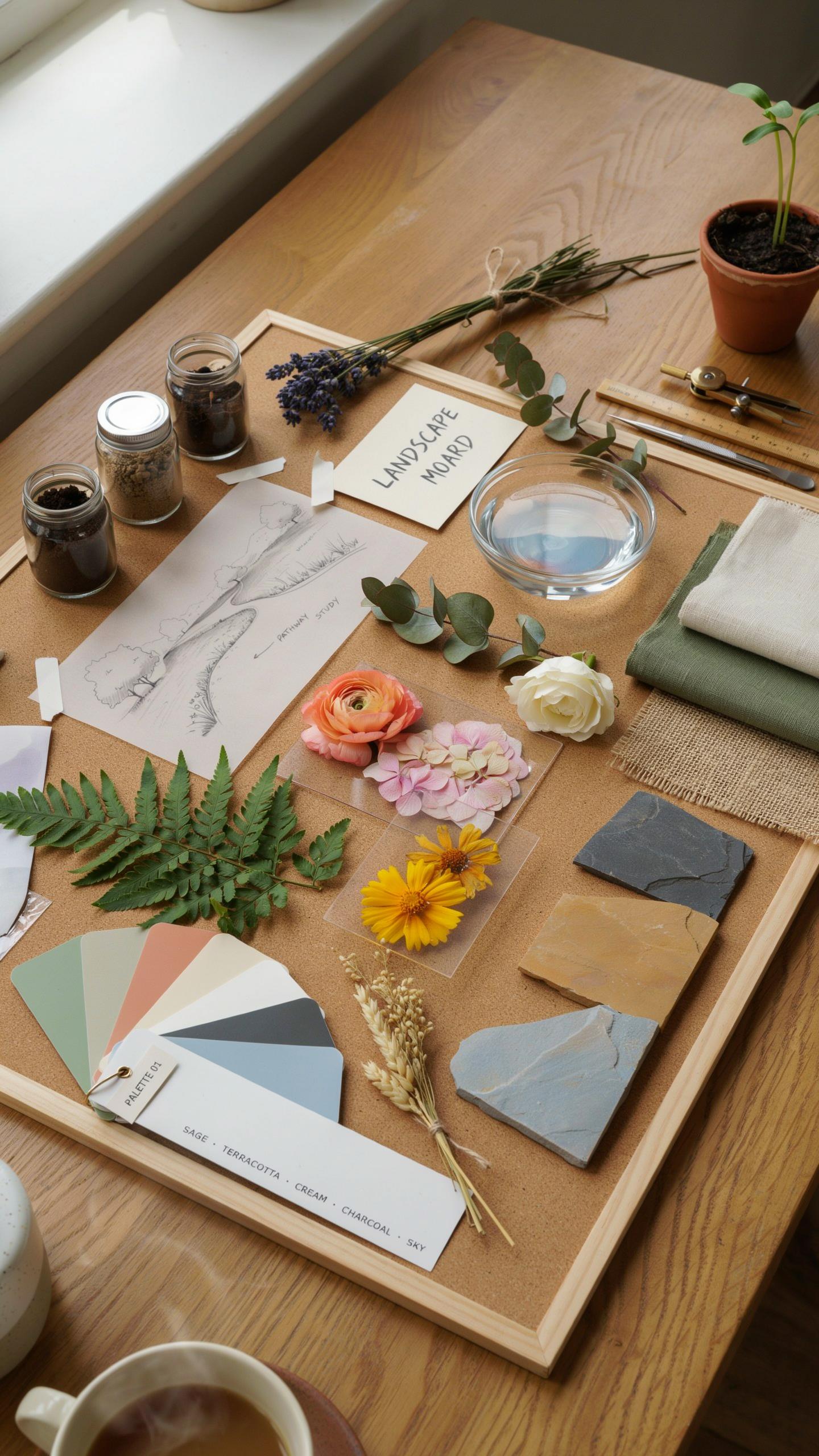
Effective garden design mood boards rely on tactile contrast. You must select materials that ground the space. Use raw stone, weathered wood, or gravel to set the foundation. These choices dictate the sensory experience of the path and patio. Natural materials provide a neutral backdrop for seasonal changes. Focus on stones like slate or limestone to ensure the board reflects realistic weight and durability.
Color palettes must remain cohesive. Select three primary tones to avoid visual clutter. Use the 60-30-10 rule for balance. Sixty percent should be a base neutral like earth tones or slate gray. Thirty percent covers the secondary foliage color. The final ten percent adds a sharp accent for flowers or furniture. Digital or physical swatches help you test how these colors react under natural sunlight.
Combining Plant Imagery, Hardscape Samples, And Lighting Inspiration Effectively
Layering plants with hardscape images prevents a flat design. You need to show how soft greenery interacts with rigid structures. High-contrast photos show the relationship between vertical walls and low shrubs. This layering demonstrates the scale of the mature garden. Do not just pick pretty plants. Pick species that thrive in your climate. Use images that highlight specific leaf shapes and growth habits.
Lighting creates the final layer of the mood board. It defines how the space functions after sunset. Include photos of path lights, uplighting for trees, and ambient wall fixtures. This allows you to plan wire runs during the construction phase. Well-placed lighting images show the movement of people through the garden. This strategy ensures the design is safe and usable during the night hours.
How To Build A Landscape Mood Board Design Step By Step
Gathering Inspiration From Nature, Architecture, And Seasonal Garden Themes
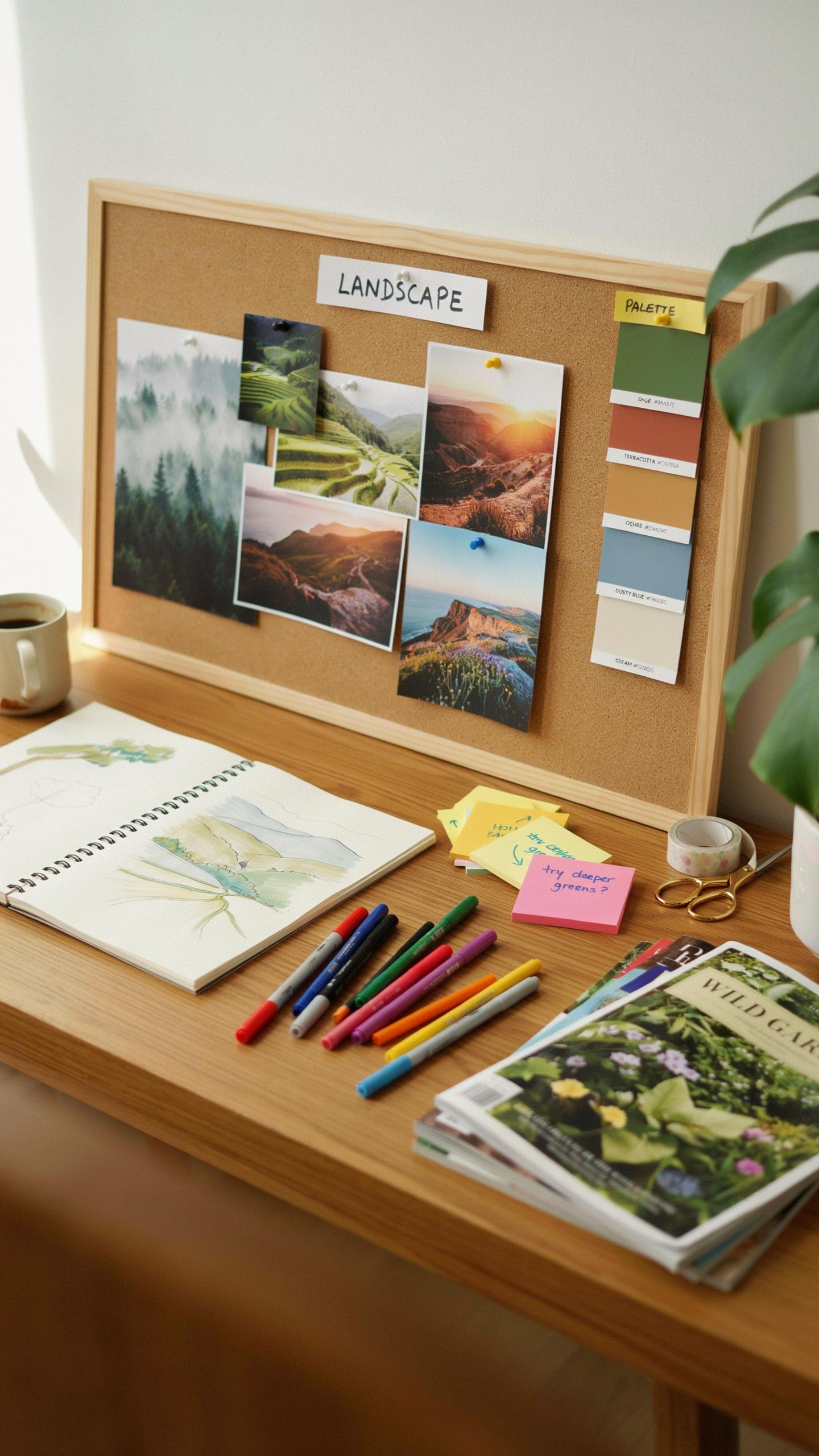
Start by identifying the architectural style of your home. A Victorian house requires different textures than a modern glass structure. Look at the local geology to choose stone that fits the region. Native rock ensures the design looks natural rather than forced. Study the sun patterns on your land. Light affects how colors look at different times of the day.
Analyze seasonal changes before selecting plant imagery. Deciduous trees provide structure in winter while perennials offer summer color. Research specific design movements like the English Cottage style or Japanese Zen gardens. These provide historical frameworks for your palette. Collect images of hardscape materials like gravel, brick, or timber. Physical textures are just as important as plant life for a cohesive look.
Step By Step Process For Assembling Your Landscape Mood Board Design
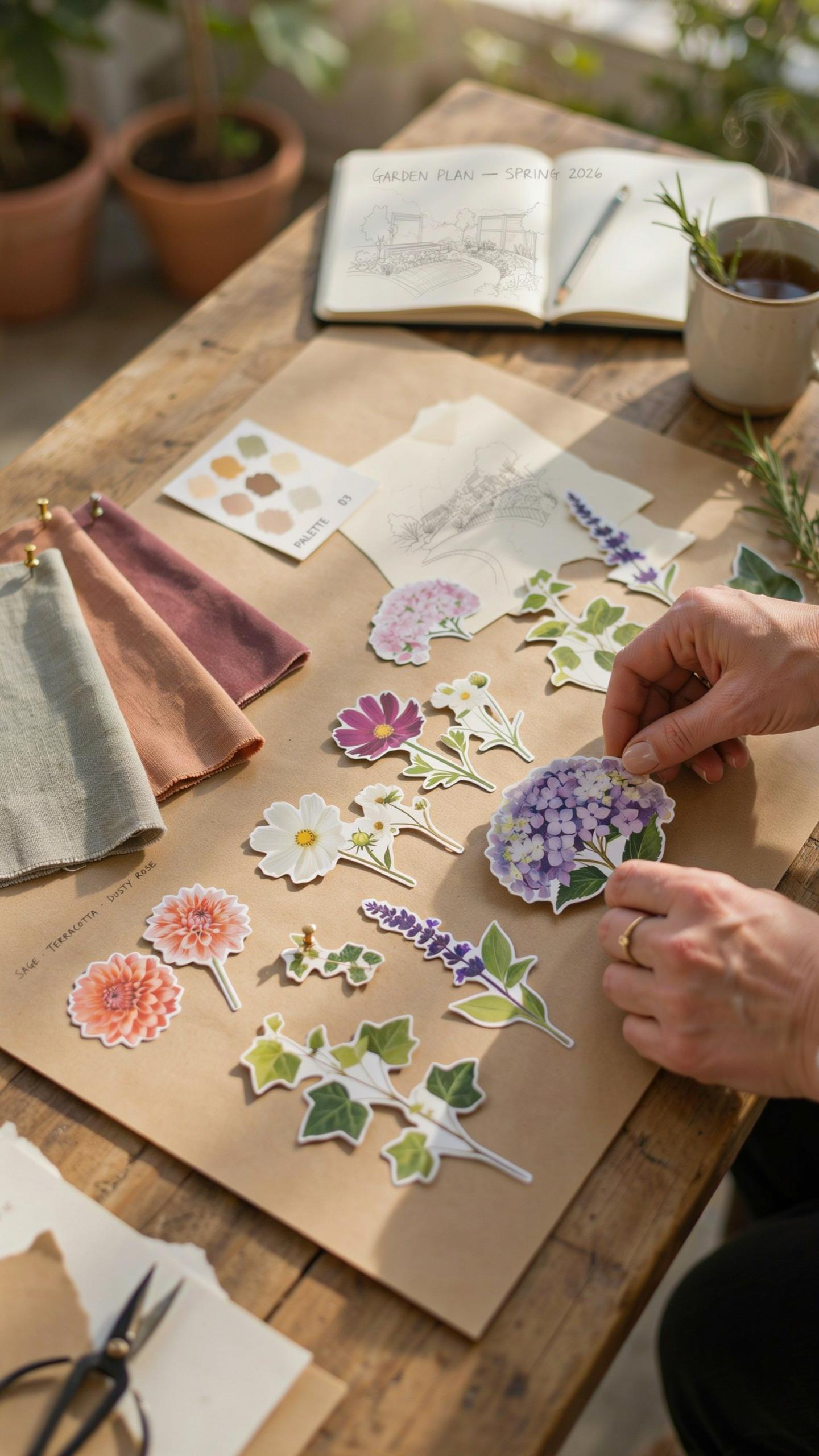
Begin with a digital or physical canvas to organize your visual data. Place your primary inspiration image in the center. This serves as the anchor for all other choices. Group your materials by category such as plants, hardscape, and lighting. This organization helps you see if the elements clash. Maintain a consistent color scale to ensure the final layout remains professional.
- Foundation Images: Select one or two photos that capture the overall desired atmosphere. These images should show a completed garden that uses the scale and density you want to achieve. They guide every future plant and material choice you make.
- Color Palette: Define a specific set of four to five colors based on foliage and blooms. Use actual hexadecimal codes for digital boards or paint swatches for physical ones. This prevents tone drift during the sourcing phase of the project.
- Hardscape Samples: Include specific materials like weathered steel, reclaimed brick, or crushed granite. These provide the structural “bones” of the landscape. Seeing these textures next to plant photos ensures the masonry does not overwhelm the soft greenery in the final build.
- Planting Textures: Focus on leaf shapes and growth habits rather than just flowers. Mix fine textures like grasses with bold leaves like hostas. This creates visual depth. Ensure the species selected are hardy for your specific climate zone to keep the board realistic.
- Functional Elements: Add images of gates, benches, or water features that match the established style. These items provide the scale and utility for the space. Choosing these now prevents the common mistake of buying furniture that does not fit the garden’s established aesthetic.
Refine the board by removing any images that do not serve the core theme. Tighten the selection until every piece works together. A cluttered board leads to a cluttered garden. Use the finished board to communicate with contractors or nurseries. It acts as a visual contract that keeps the project on track. Periodically refer back to it to avoid impulsive purchases.
Timeless Styles To Explore On Your Landscape Mood Board
Cottage, Formal, And Mediterranean Garden Aesthetics That Stand The Test Of Time
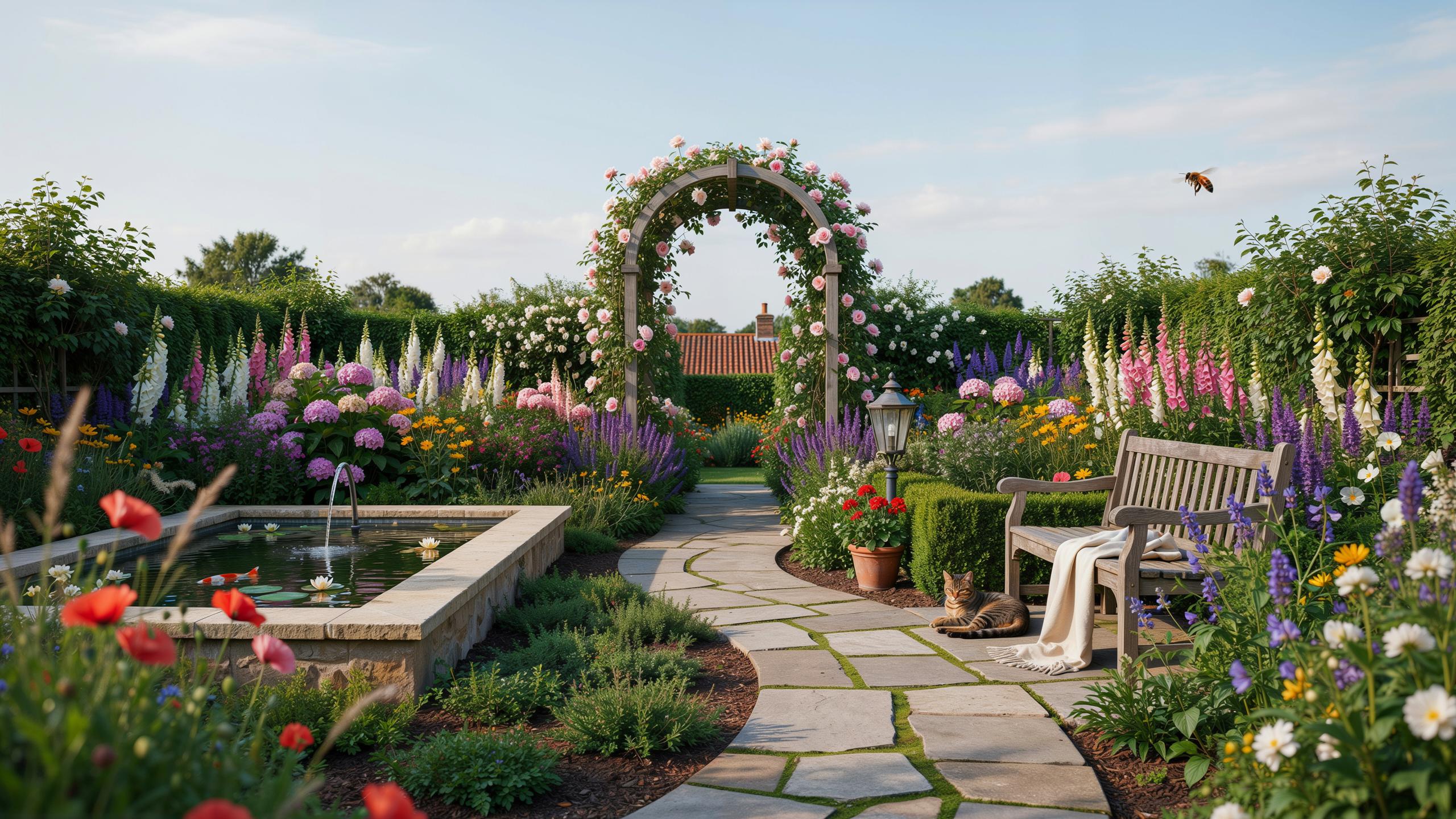
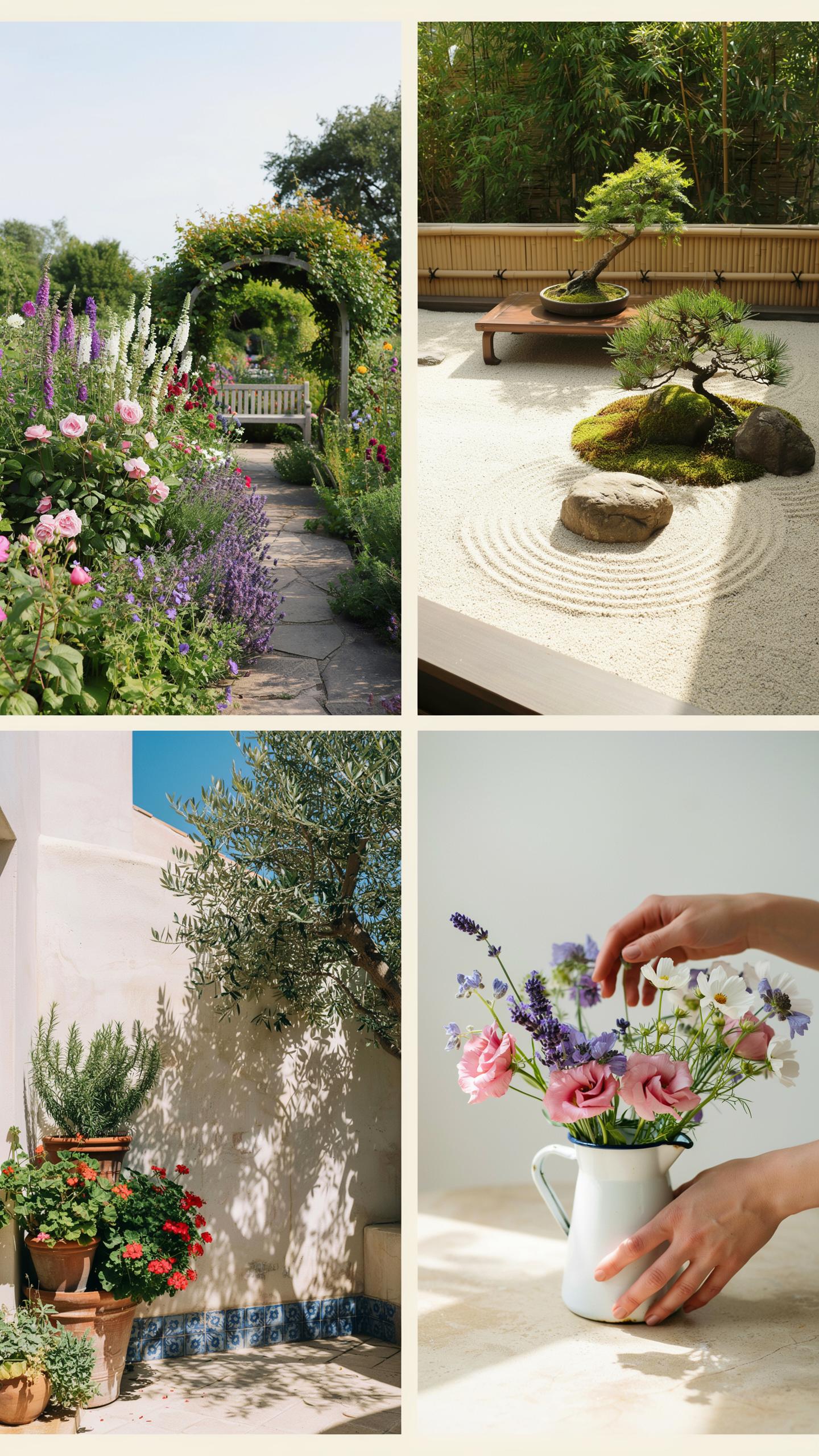
Cottage gardens prioritize high-density planting and functional diversity. This style originated from laborers who needed food and herbs in small spaces. Use traditional perennials like foxgloves and hollyhocks to create a lush look. Soften structural lines with self-seeding plants. Your mood board should feature weathered wood and brick paths. These materials provide a rustic foundation for the chaotic growth. Focus on a relaxed and informal layout.
Formal gardens rely on symmetry and clear geometry. Inspired by French and Italian Renaissance designs, they use sharp lines to control the landscape. Incorporate clipped hedges like boxwood or yew to define borders. All elements must balance across a central axis. Mediterranean styles use gravel, stone, and drought-tolerant plants like lavender and olive trees. These gardens handle heat well and require less water. Focus on terracotta textures and warm tones.
Japanese Zen And Naturalistic Wild Garden Styles For Enduring Outdoor Appeal
Japanese Zen gardens focus on symbolism and minimalism. Use rocks, gravel, and sand to represent water and mountains. This style creates a space for quiet thought. Incorporate evergreen shrubs and moss for year-round green. Avoid bright flowers that distract from the structural forms. Use stone lanterns and bamboo water features for tactical focal points. Your plans must emphasize the negative space between objects to maintain a clean aesthetic.

Naturalistic wild gardens mimic local ecosystems. This style supports biodiversity by using native plants. It reduces maintenance because these plants adapt to the local soil and weather. Use ornamental grasses to add movememt and texture. Avoid straight lines and strict pruning. This approach creates a habitat for birds and pollinators. Focus on sustainable materials like reclaimed stone. Your mood board should reflect the seasonal changes of a living woodland or meadow.
Incorporating Biophilic Design Mood Board Principles Into Your Garden
Understanding Biophilic Design And Its Role In Human Well Being Outdoors
Biophilic design connects people with nature. This movement relies on the innate human biological bond with natural systems. Scientists prove that exposure to nature lowers cortisol levels and heart rates. Incorporating these principles into your garden design mood board ensures a space that restores mental energy. You must focus on habitat restoration and native ecosystems to create a truly functional and healing outdoor environment.
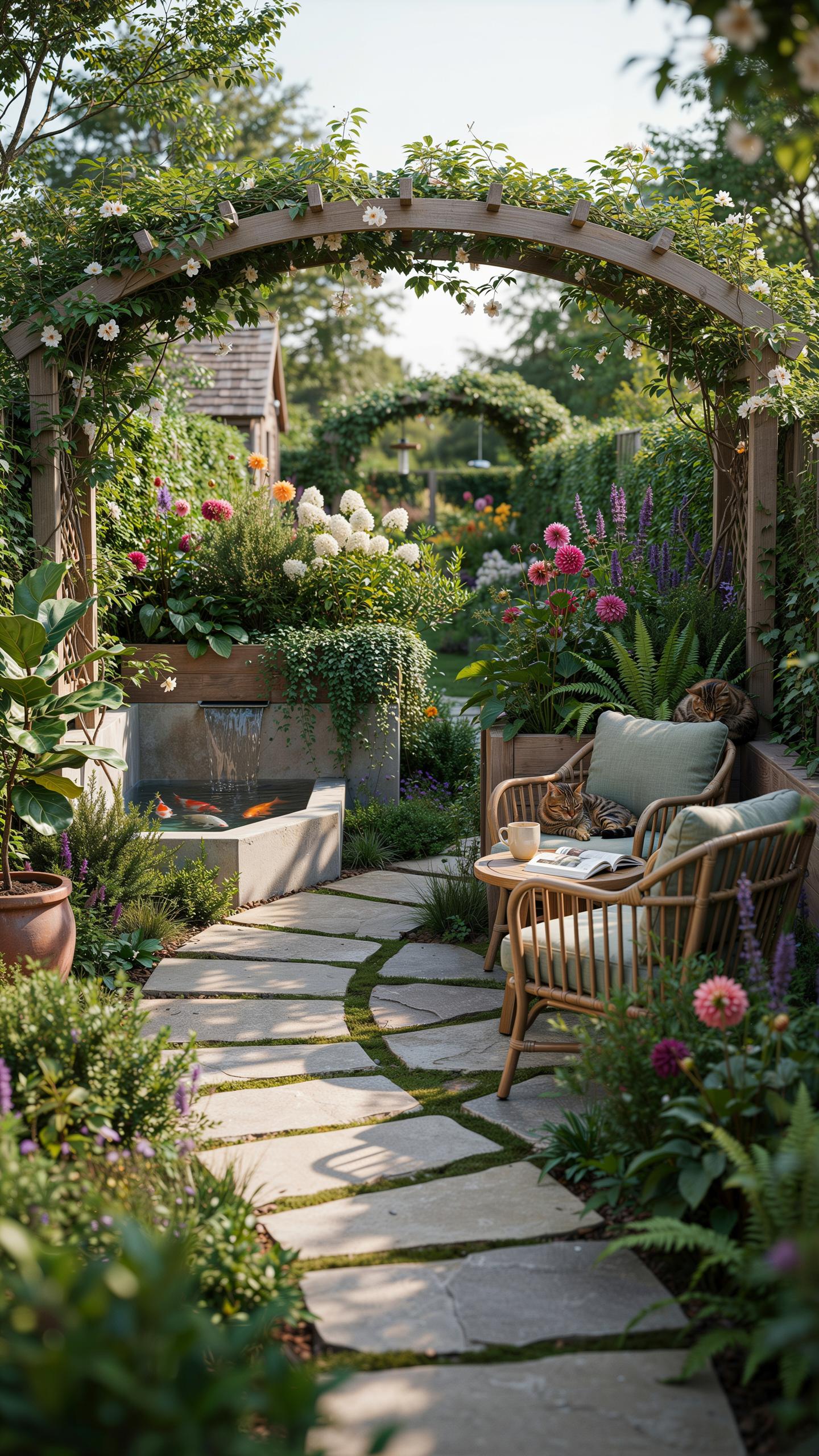
Strategic biophilic planning uses environmental features to trigger positive biological responses. You must move beyond simple planting. Focus on thermal airflow and the presence of water to improve the microclimate. These elements reduce stress and increase productivity for garden users. A successful layout mimics the complexity of wild landscapes while providing clear views. This approach creates a sense of safety and belonging within the structured garden space.
A garden should feel like it has always been there, a gentle retreat where the soul finds rest amidst the whispering leaves of the past.
How To Reflect Biophilic Principles Through Sensory Elements On Your Mood Board
Your garden design mood board should prioritize non-visual sensory inputs. Visuals matter but tactile textures and natural sounds carry more weight in biophilic theory. Select materials like weathered wood and rough stone to encourage physical contact. Include images of water features that produce low-frequency sound. This creates an immersive experience. You want to evoke the feeling of a natural forest or a flowing stream through specific material choices.
Map out seasonal changes to show the passage of time on your board. Biophilia requires a connection to natural cycles. Use photos of deciduous trees and flowering perennials to mark different seasons. This strategy keeps the design dynamic rather than static. Highlighting ephemeral features like dew or shadows provides a realistic preview of the space. Tactical designers use these layers to build deep ecological connections for the final garden installation.
Curating The Perfect Garden Mood Board For Every Season

Choosing Seasonal Color Stories And Plant Pairings That Work Year Round
Strategic plant selection ensures the garden design mood board remains functional across four seasons. You must bridge the gap between peak summer blooms and winter dormancy. Establish a base of evergreens like Taxus baccata or Buxus to provide structural continuity. These permanent green anchors prevent the board from looking empty during colder months. Use hardware and stone samples to verify color compatibility with these green hues.
Pair these anchors with seasonal transitions to maintain visual interest. Integrate perennials like Echinacea for summer color and Rudbeckia for autumn warmth. Include images of seed heads or ornamental grasses such as Miscanthus to demonstrate winter texture. Tactical pairing requires matching plant bloom times with specific foliage changes. This approach creates a cohesive narrative that evolves without losing its core design identity throughout the entire calendar year.
How Seasonal Shifts In Light And Foliage Should Influence Your Garden Mood Board
Light quality changes significantly from the high-contrast glare of summer to the soft blue tones of winter. Your mood board must account for these shifts by testing material swatches under different lighting conditions. Polished surfaces reflect intense summer sun but can look cold in December. Choose matte stones or weathered woods that maintain their character regardless of the sun angle. Light dictates how colors appear to the eye.
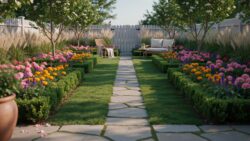
Foliage density also impacts the layout and spatial feel of the garden. Deciduous trees offer shade in summer but reveal architectural branch structures in winter. Your board should include photos of these plants in both states to visualize the change in volume. Use physical samples of bark and gravel to ground the design. This ensures the garden feels intentional even when the lush greenery of spring has disappeared.
Digital Vs Physical Mood Board Design Which Works Best For Garden Planning
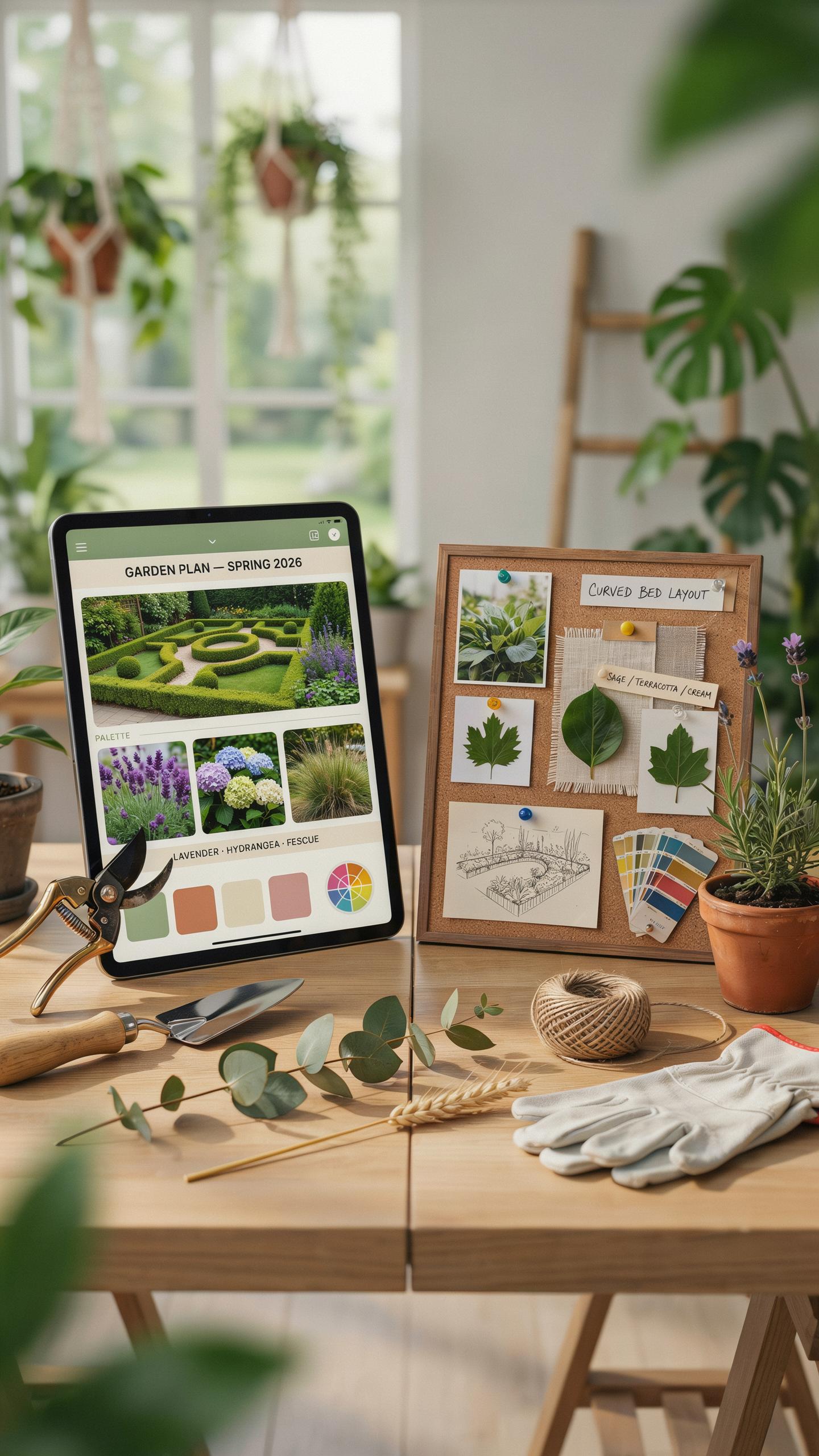
Top Digital Tools And Platforms Used For Mood Board Design In Landscape Projects
Digital tools allow for rapid iteration and precise scaling in garden planning. These platforms handle high-resolution imagery and technical data better than physical boards. Designers use them to catalog specific plant species, hardscape materials, and lighting fixtures. Speed is the primary advantage here. You can swap elements in seconds without wasting materials. This efficiency helps refine a garden design mood board quickly.
- Pinterest: This tool serves as the largest visual database for landscape inspiration. It allows users to categorize plants and hardscape styles into specific boards for easy reference during the initial phase.
- Morpholio Board: Pro designers use this app to layer photos, sketches, and plant palettes. It includes a smart tool that creates cut sheets for materials and furniture used in the design layout.
- Canva: This platform offers a simple interface for organizing textures and color swatches. It works well for presenting a clean visual narrative to clients or contractors without requiring advanced graphic design skills.
- Adobe Photoshop: This software provides the highest level of control for realistic renderings. It allows you to overlay garden features onto actual photos of your current site to test scale and shadows.
- SketchUp: This 3D modeling tool helps visualize spatial relationships in the landscape. It turns a flat mood board into a realistic environment to check how sunlight affects different garden zones throughout the day.
Digital boards also integrate well with procurement and sourcing workflows. Most professional software links directly to plant nurseries or stone suppliers. This bridge between vision and reality prevents design errors. You can share digital files instantly with contractors to ensure total alignment on the project scope. Digital workflows save time and reduce costs by catching layout mistakes before the first shovel hits the dirt.
The Unique Advantages Of A Tactile Physical Mood Board For Outdoor Design
Physical mood boards offer a sensory experience that screens cannot replicate. Handling real stone samples, timber offcuts, and soil types provides a true sense of texture. These materials change appearance under natural light. You must see how a specific limestone reflects the sun or how a cedar plank feels when wet. These tactical details define the success of a high-end outdoor living space.
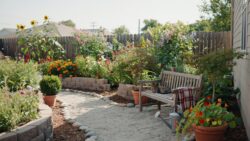
A physical board serves as a constant reference point on the job site. You can hold material samples against existing walls or foliage to check for color harmony. This method is rooted in traditional landscape architecture. It ensures that the hardscape materials actually work with the local environment. Using real samples eliminates the risk of screen calibration errors. You see the exact color and finish you will buy.
Working With A Professional On Your Landscape Design Mood Board
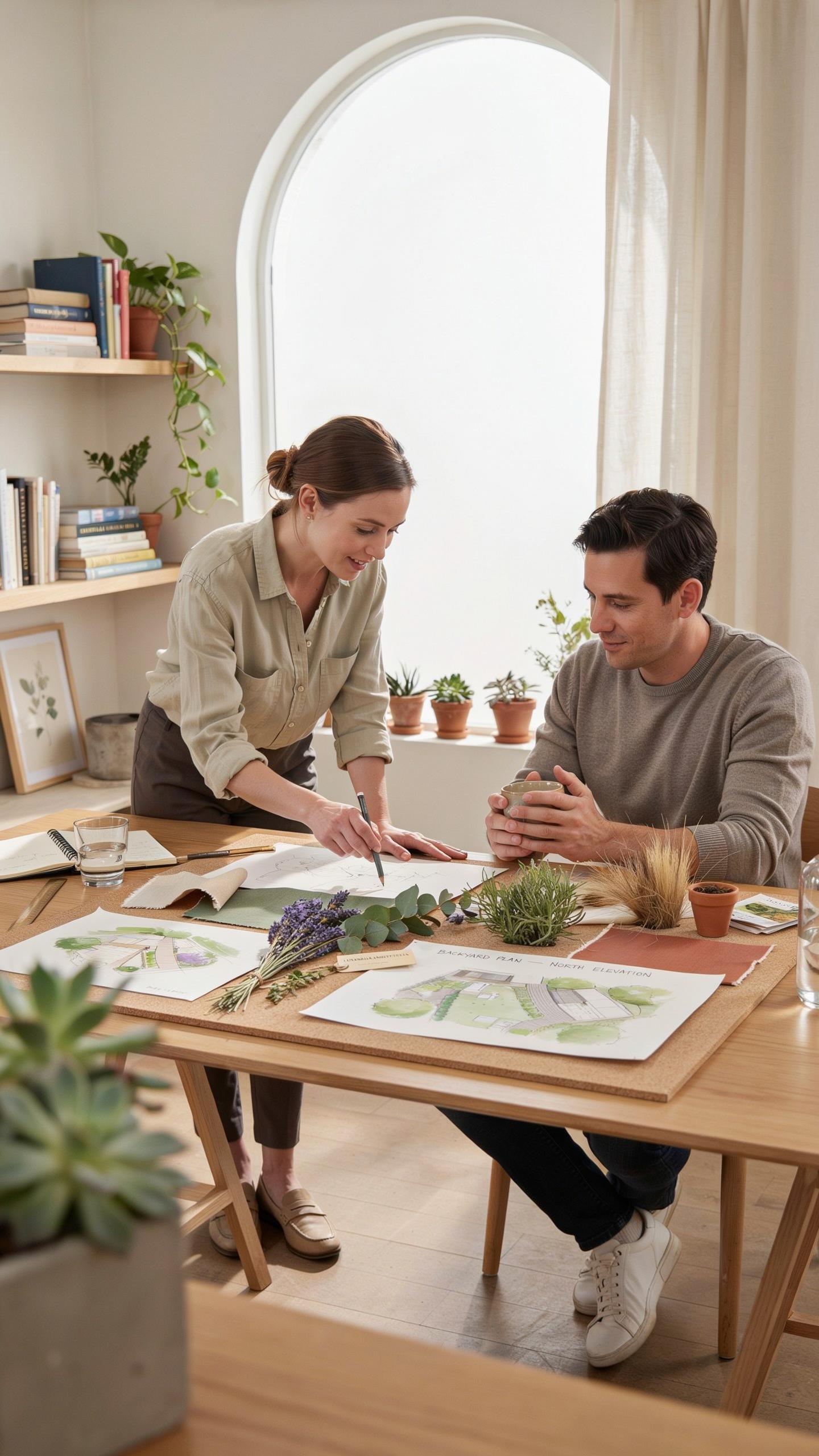
When To Bring In A Landscape Designer And How A Mood Board Guides The Conversation
Hire a landscape designer once you identify structural site challenges. Professionals handle drainage issues, soil stability, and complex grading that DIY efforts often miss. Bring your garden design mood board to the first consultation. This tool prevents expensive misunderstandings by showing specific color palettes and material preferences. It establishes a clear visual baseline. The designer uses your board to determine if your aesthetic goals match the site limitations.
A mood board shifts the conversation from abstract ideas to concrete goals. Instead of saying you want a modern look, you show images of poured concrete and linear plantings. This clarity saves time and billable hours. The designer analyzes your board to spot patterns in your taste. They then translate these patterns into a functional master plan. Your board acts as a guardrail throughout the entire design and construction process.
How Professionals Use A Moodboard Landscape Approach To Align Client Vision And Budget
Professionals use the moodboard landscape method to quantify project costs early. They map your chosen materials to current market prices. If your board features imported stone but your budget is tight, the designer suggests local alternatives with a similar texture. This process aligns expectations before any ground breaks. It ensures the final build stays within financial limits. Designers use these boards to prevent scope creep and expensive mid-project changes.
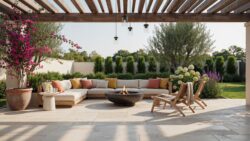
The mood board serves as a technical filter for material selection. Designers evaluate the durability and maintenance needs of every item on your board. They explain how certain plant species or hardscape finishes perform in your local climate. This expertise prevents you from choosing materials that fail within two years. Use the board to finalize the material palette. Once you approve the board, the designer creates accurate construction documents and vendor orders.
Common Mistakes To Avoid When Creating Your Garden Landscape Design Mood Board
Why Overcrowding Your Mood Board With Too Many Styles Dilutes Your Design Intent
Mixing too many design styles creates a weak visual identity. A board that combines Japanese Zen minimalism with English Cottage maximalism creates immediate conflict. These styles use different materials and philosophies. Zen focuses on negative space and stone. Cottage gardens prioritize dense planting and color. Forcing them together leads to a messy final result. It confuses the builder and prevents a clear budget.
Professional designers use one or two core themes to maintain focus. Clarity ensures that every material choice supports a single goal. A board with too many ideas lacks a clear hierarchy. This makes it impossible to select the right hardscape or plants later. Stick to a primary movement like Mid-Century Modern or Mediterranean. Eliminate any image that does not strictly follow that specific aesthetic or functional requirement.
Ignoring Site Conditions, Climate, And Scale When Building Your Garden Vision Board
A mood board fails if it ignores real-world constraints. Most people choose images based on beauty rather than biology. You cannot use tropical ferns in an arid desert climate. You must research your USDA Hardiness Zone before pinning plant photos. Using the wrong plants leads to high costs and dead landscapes. Your board must reflect the sunlight, soil, and water levels of your specific location.
Scale is another critical factor often missed in the early stages. Huge stone fountains do not work in small urban yards. They create a cramped feeling and block natural light. Your vision board should prioritize materials that fit your actual square footage. Check local building codes for fence heights and setbacks. Accurate planning prevents expensive changes during the construction phase. Match your board to the reality of your site.
Frequently Asked Questions

What exactly is a garden design mood board and why should I create one?
A garden design mood board is a visual collage that captures the aesthetic direction of your outdoor space through images, textures, and color swatches. For beginners, it serves as a vital North Star, helping you visualize how flagstone paths, specific blooms, and garden furniture harmonize before you spend a dime. It prevents impulse buys and ensures every addition contributes to a cohesive, timeless sanctuary that reflects your personal style.
How do I choose the right elements to include on my mood board?
Start by gathering inspiration from nature, architecture, and magazines. To build an effective garden design mood board, organize your selections into categories: hardscaping materials, a defined color palette, and seasonal planting textures. Focus on “evergreen” elements like boxwoods or brick paths that provide year-round structure. Incorporating these tactile and visual references helps you identify patterns in your preferences, making it much easier to communicate your vision to contractors or nurseries.
Can I build an inspiring garden board if I am on a tight budget?
Absolutely! You do not need expensive software to curate a stunning vision for your yard. Use free digital tools like Pinterest or Canva to assemble your ideas, or go old-school with physical clippings from seed catalogs and hardware store paint chips. A budget-friendly approach focuses on “finds” like reclaimed wood or native plants, proving that a thoughtful plan is more important than a large bank account when designing your dream landscape.