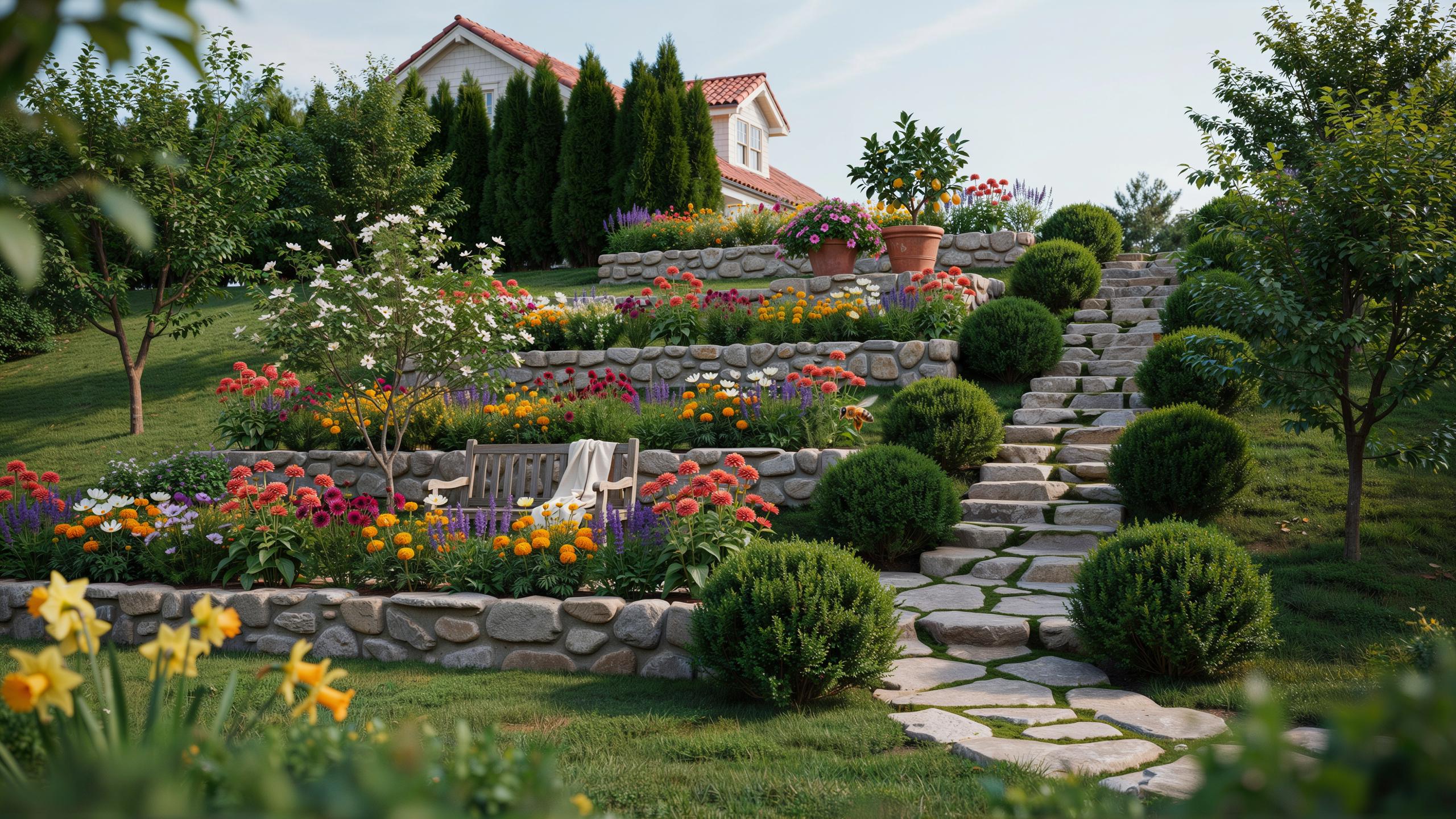
Understanding Sloped Garden Landscaping And What Makes It Unique
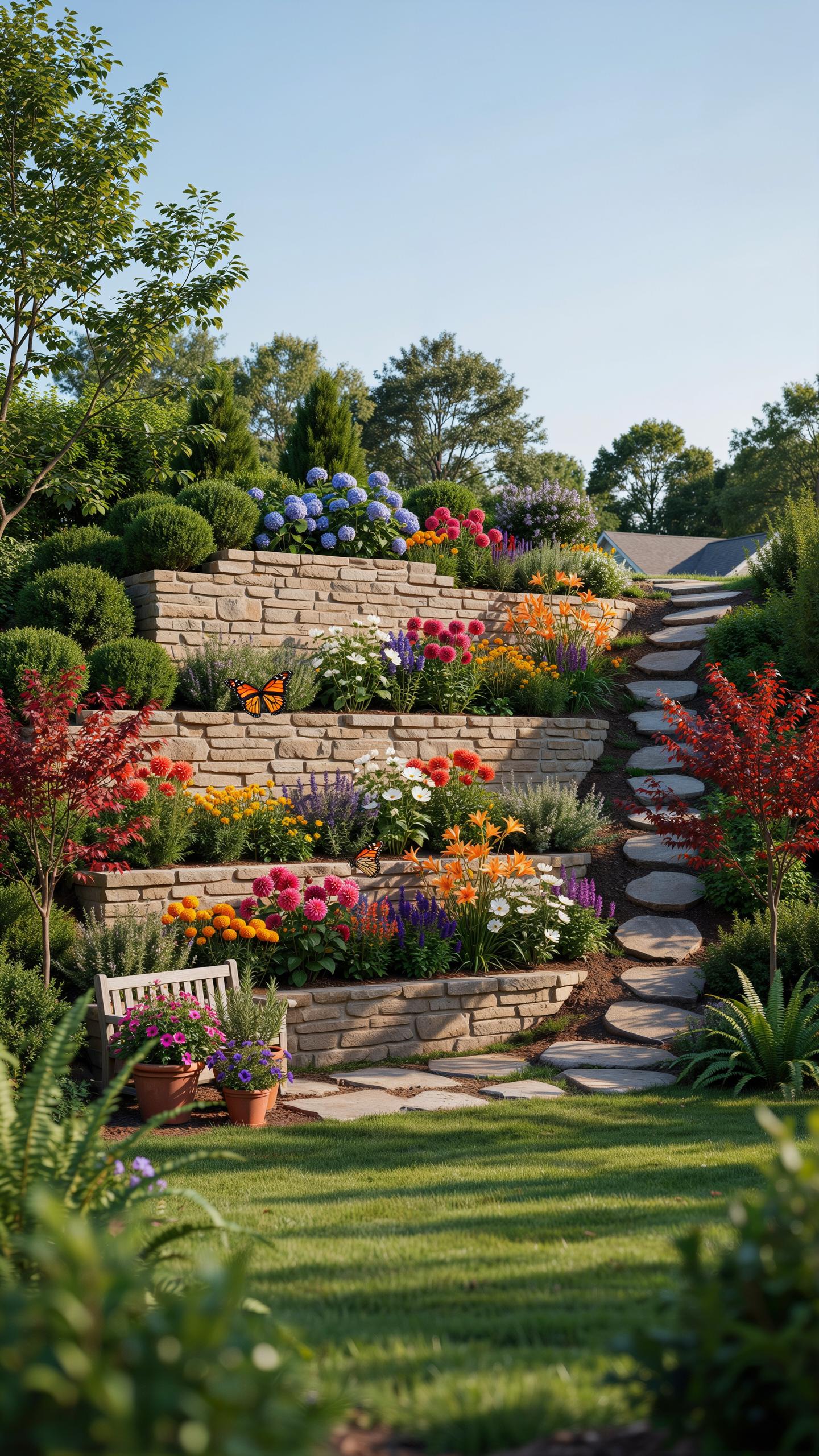
Why Sloped Lots Present Both Challenges And Opportunities For Homeowners
Slopes complicate yard use because gravity pulls soil and water downward. This causes erosion and prevents standard plant growth. However, elevation adds visual depth that flat lots lack. You can create distinct outdoor rooms at different heights. This verticality allows for unique drainage systems and dramatic focal points. Strategic design turns a difficult hill into a functional asset for your entire property layout.
Effective garden design for sloped lots uses the natural grade to manage water runoff. You must stabilize the ground to prevent mudslides or foundation damage. Proper grading creates usable flat space for patios or paths. Designers use the height to hide equipment or highlight specific views. Mastering the incline improves curb appeal and property value. It requires more planning but offers superior aesthetic rewards compared to flat ground.
How Slope Gradient Affects Your Garden Design Decisions
The steepness of the grade dictates your choice of materials and construction methods. A gentle slope requires simple ground covers or minor grading. A steep pitch often needs structural retaining walls or deep terracing. You must measure the rise and run before buying materials. This data tells you if you need professional engineering or if you can use basic DIY timber and stone techniques.
Gradient also determines how you move through the space. Steep slopes require stairs or switchback paths for safety and comfort. Hardscape materials must provide traction and resist shifting under the weight of the soil. Heavy rain moves faster on steeper angles, so you must install robust drainage pipes or gravel pits. Use the angle to guide water away from buildings. Your budget increases as the slope becomes more vertical.

Landscape Ideas For Hillside Sloped Yard That Add Structure And Style
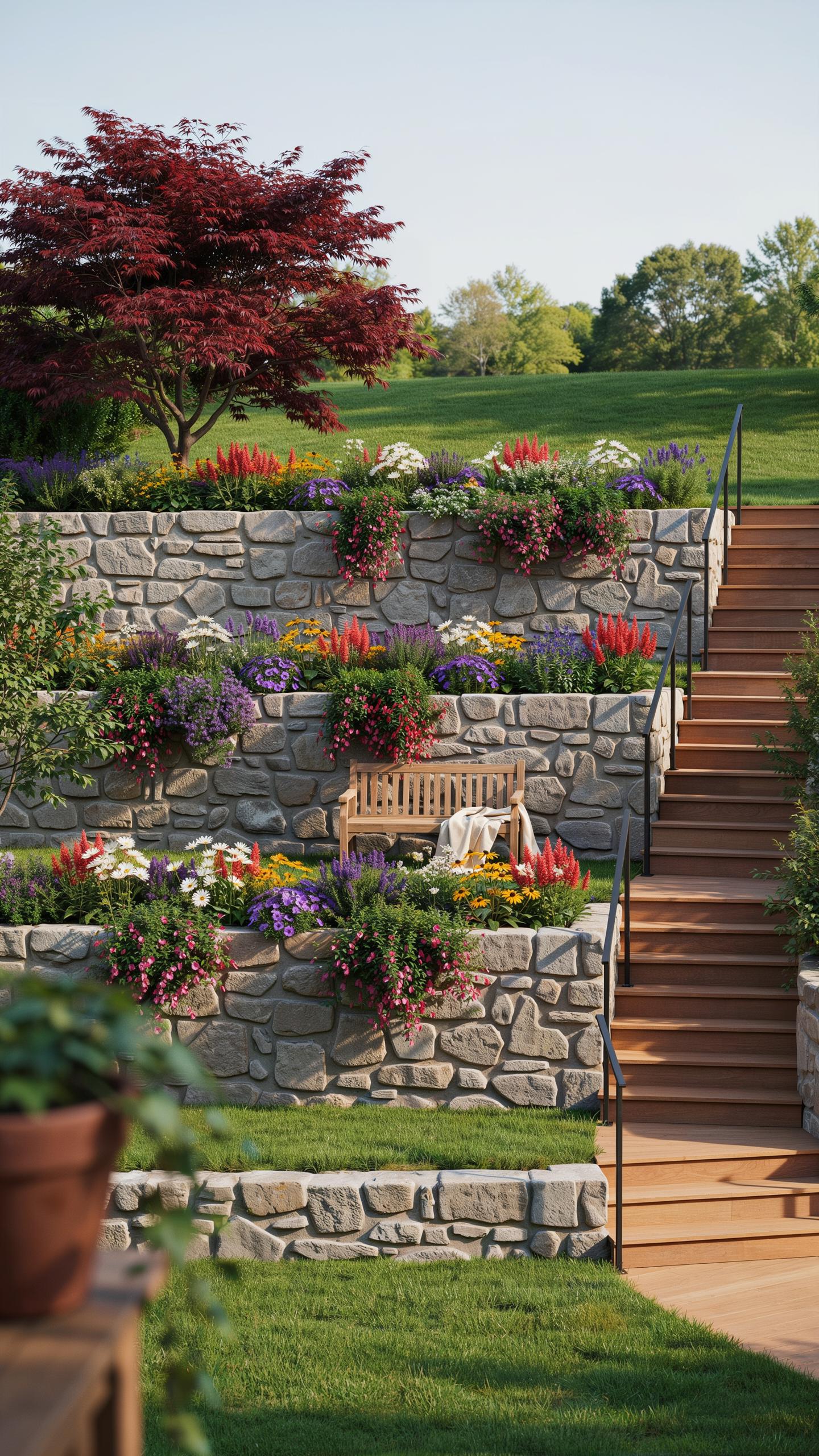
Using Retaining Walls To Define Levels And Prevent Soil Erosion
Retaining walls provide the primary structural foundation for steep grades. These structures hold back soil mass to create flat, usable planes. Engineers recommend gravity walls for heights under three feet. Anything taller often requires reinforced masonry or geogrid tie backs. Concrete blocks, natural stone, and timber are standard materials. Each choice affects drainage and longevity. Correct placement stops runoff and prevents topsoil loss during heavy rain.
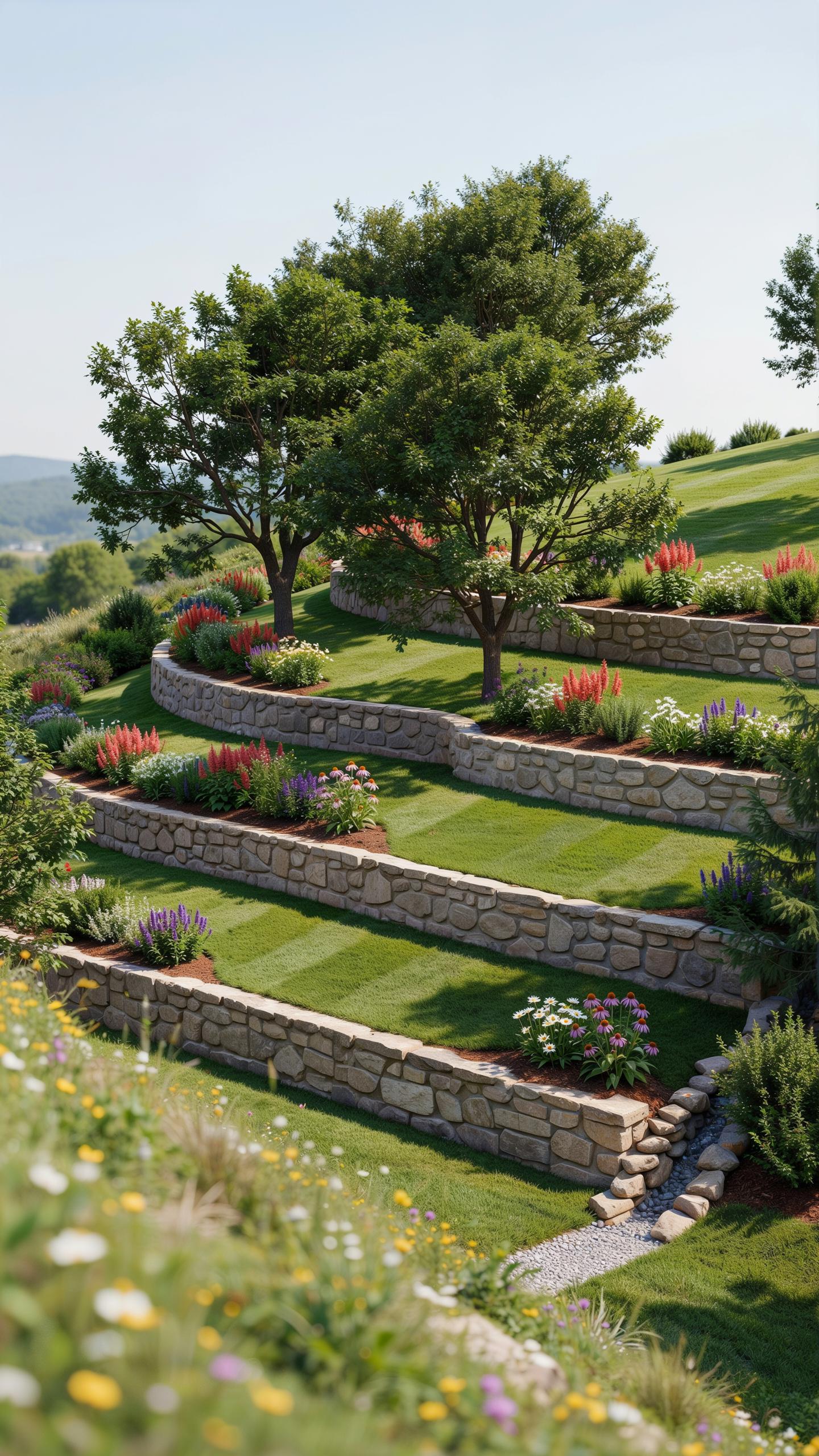
Stone walls drain better than solid concrete because water seeps through the joints. Professionals install perforated pipes and gravel behind these walls to manage hydrostatic pressure. This prevents the wall from bowing or collapsing over time. Terracing a slope into multiple short walls is safer than building one massive barrier. This method breaks the fall of water and creates several distinct planting beds for varied vegetation.
Incorporating Pathways And Steps To Connect Garden Zones On A Hill
Safe movement depends on well designed paths and stairs. Sloped yards require clear transitions between different elevations. Designers use the ratio of twice the riser height plus the tread depth to ensure comfortable climbing. Steps made from flagstone or timber offer traction and durability. Straight paths provide quick access while winding paths reduce the perceived steepness. Proper lighting along these routes ensures safety during night use.

Paths must incorporate a slight cross slope to shed water. Standing water erodes path base materials and creates slip hazards. Use permeable materials like gravel or spaced pavers to allow infiltration. Landings provide necessary rest points on long inclines. These flat areas also serve as visual anchors for the garden. Strong connections turn a difficult hill into a series of reachable destinations. Quality construction prevents shifting and maintains long-term structural integrity.
Steep Hillside Landscaping Solutions That Are Both Functional And Beautiful
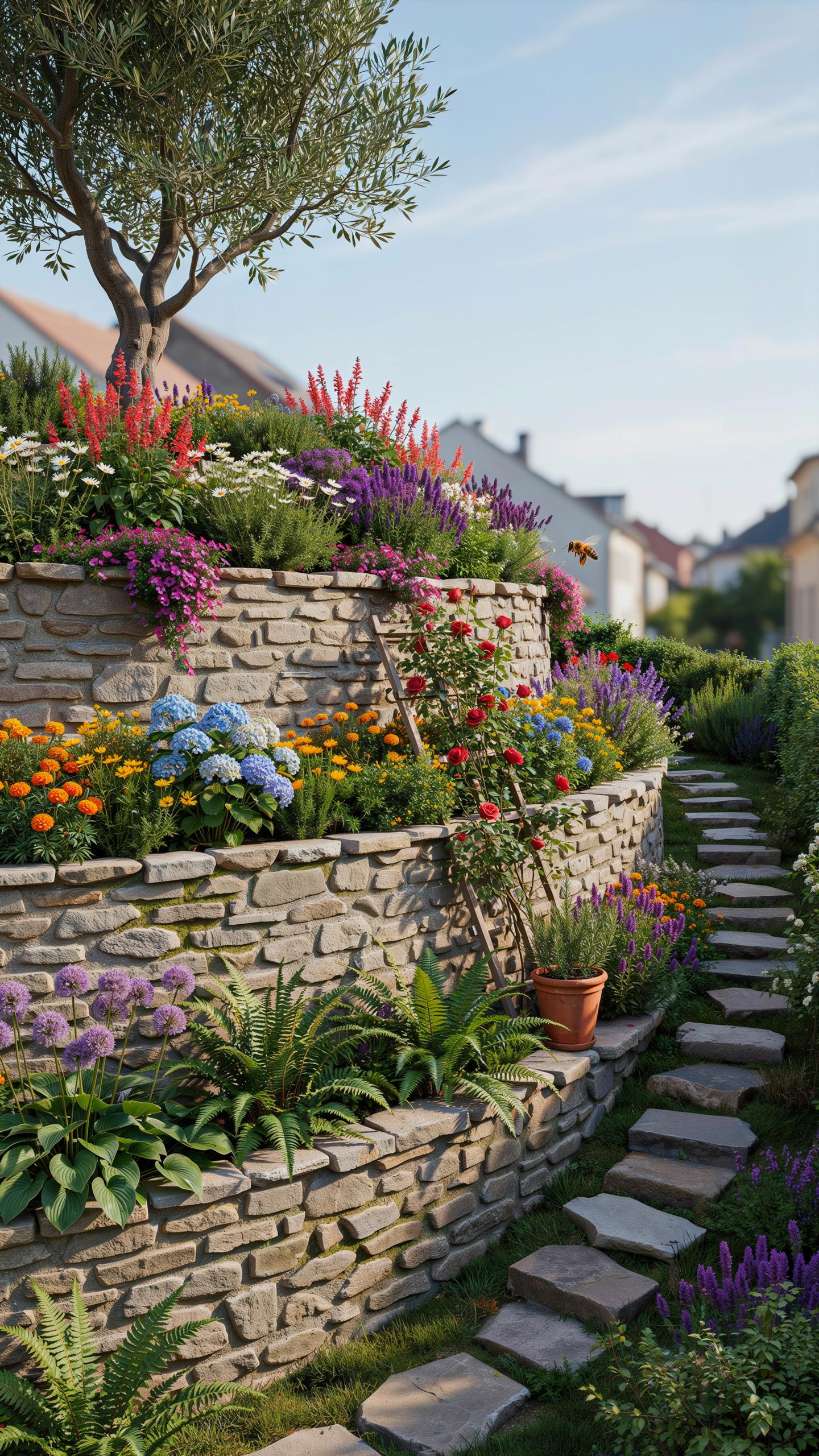
Ground Cover Plants That Stabilize Steep Slopes Without Heavy Maintenance
Roots hold soil in place. Steep slopes suffer from erosion during heavy rain. Woody ground covers create a living net that anchors the topsoil. Creeping juniper and low-growing shrubs provide year-round stability. These plants require little water once they take root. They eliminate the need for dangerous mowing on inclines. Choose species that spread quickly to cover bare dirt.
Dense foliage blocks sunlight from reaching the soil surface. This prevents weed seeds from germinating. You save time on maintenance because you do not have to pull weeds on a hill. Select plants like Vinca minor or pachysandra for shaded areas. Use stonecrop or ice plant for sunny spots. These choices thrive in poor soil conditions. They provide a practical alternative to expensive retaining walls.
How Rock Gardens Work Naturally With Steep Hillside Terrain
Rock gardens mimic natural mountain scree slopes. Large boulders act as gravity-driven anchors for the hillside. Dig these rocks one-third of the way into the ground. This prevents them from sliding down the hill. Use local stone to ensure the design looks integrated and permanent. Angular rocks lock together better than rounded river stones. This technique provides structural support without poured concrete.

Strategic rock placement creates small pockets for soil. These pockets hold moisture better than open slopes. Use alpine plants that thrive in well-drained conditions. The rocks also absorb heat during the day and release it at night. This regulates the soil temperature for plant roots. Gaps between stones allow water to seep into the ground slowly. This reduces runoff and protects your lower property.
Steep Hill Landscaping Techniques That Prevent Erosion And Water Runoff
Understanding How Water Moves Across A Slope And Why It Matters For Your Garden
Gravity dictates that water finds the fastest path to the lowest point. On a steep slope, water gains velocity quickly. High-speed runoff strips away topsoil and nutrients. This leaves your garden beds barren and unstable. You must identify the natural fall line of your property before planting. Ignoring water flow leads to foundation damage and plant loss. Proper planning stops water from carving destructive deep channels.
Water does more than move dirt. It can oversaturate the bottom of a hill while leaving the top dry. This creates inconsistent growing conditions. Slowing the water down allows it to soak into the soil. Infiltrated water feeds roots and stabilizes the ground. Strategically placed plants or physical barriers break up the flow. You want to turn a rapid rush of water into a controlled and slow crawl.
Practical Drainage Solutions Designed Specifically For Steep Hill Gardens
Standard flat lot drainage fails on steep hills. You need systems that capture and redirect high volumes of water. Proper drainage protects your hardscaping and prevents landslides. Use a mix of mechanical and natural solutions to manage heavy rain. These methods focus on breaking the momentum of the water. You should prioritize durability and long-term stability when selecting materials for these drainage structures on your sloped lot.
- French Drains: Dig a trench filled with perforated pipe and gravel to redirect subsurface water. This system pulls water away from walls and sends it toward a safe exit point. It prevents hydrostatic pressure from building up behind your retaining structures and causing total wall failure.
- Dry Creek Beds: Line a natural drainage path with river rocks and boulders to slow surface runoff. This mimics a natural stream and prevents soil erosion during heavy storms. The rocks break the water’s speed and help it seep back into the ground safely.
- Terracing: Cut level steps into the slope using wood or stone walls to create flat planting zones. Terraces act as a series of dams that stop water from gaining speed down the hill. This technique has been used for centuries to turn vertical land into productive garden space.
- Catch Basins: Install buried boxes with grates at the lowest points of the slope to collect excess water. These basins connect to underground pipes that lead water to the street or a rain garden. They prevent puddling and soil saturation at the base of your hill.
- Riprap Slopes: Place large, angular stones along steep banks where plants cannot easily take root. The irregular shaped rocks interlock and stay in place during heavy rain. This method is highly effective for stabilizing severe grades and preventing massive soil loss during the winter months.

Vegetation plays a critical role alongside these mechanical systems. Deep-rooted groundcovers and native grasses hold the soil together like a net. Use woody shrubs to add further structural integrity to the hillside. Combined with gravel trenches and stone paths, plants ensure your drainage system looks natural. Monitor your garden during a storm to see where these systems need adjustment. Maintenance is the key to preventing long-term erosion issues.
Backyard Hill Landscaping Ideas That Create Usable Outdoor Living Spaces
Building A Flat Terrace Or Seating Area Into A Sloped Backyard
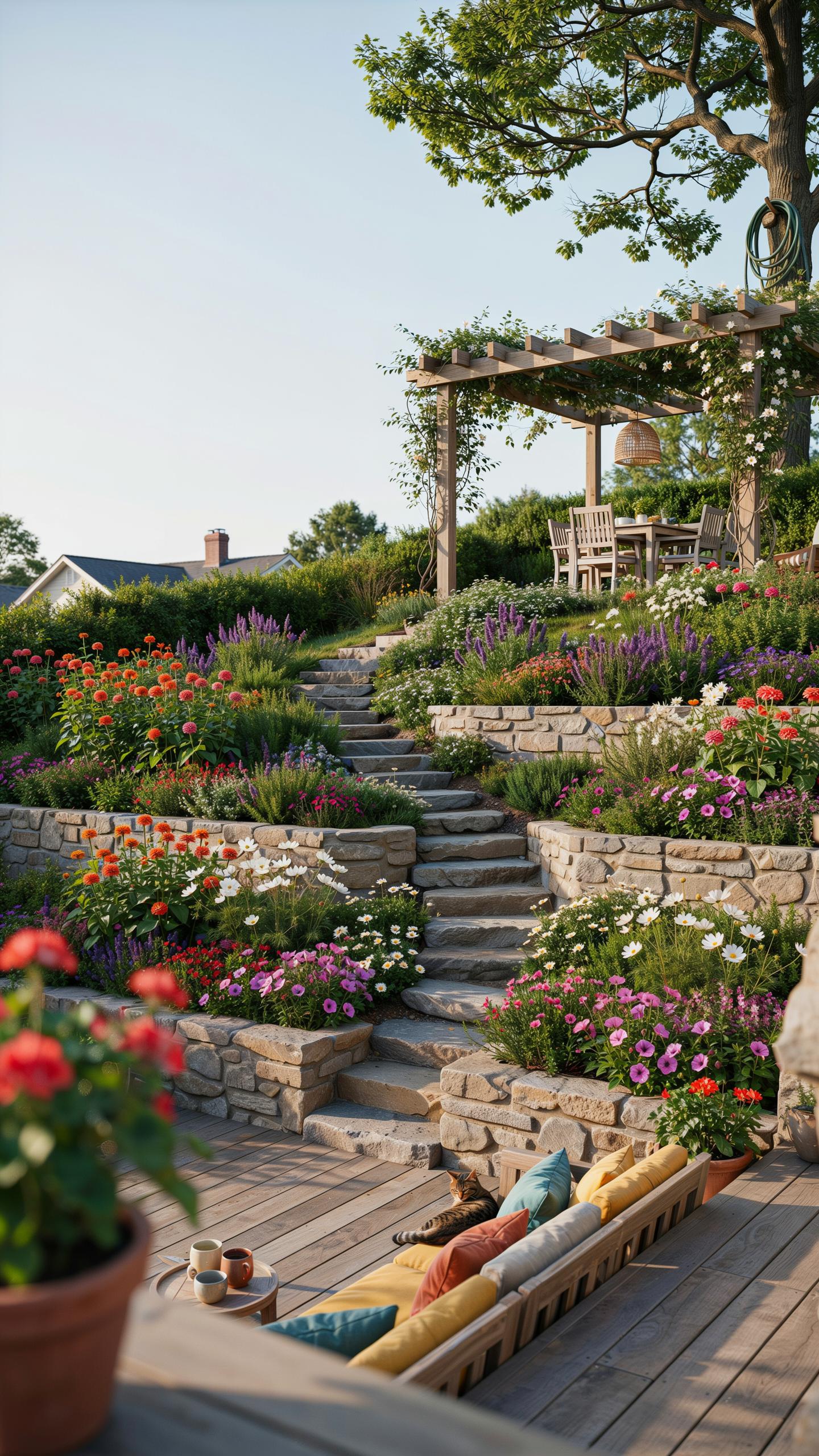
Cut and fill techniques transform unusable inclines into functional living zones. You must remove soil from the high side and move it to the low side. This process creates a level plane for furniture and foot traffic. Retaining walls are mandatory to hold the earth in place. Choose stone or concrete blocks for long term structural integrity. Proper drainage prevents water from pooling against the wall.
Excavation requires precision to ensure the surface stays flat over time. Compact the subgrade soil before adding a gravel base. This prevented settling and cracks in your paving materials. Use a slight pitch of one percent to direct rainwater away from your home foundation. Select heavy materials like flagstone or pavers for the floor. These materials provide a stable grip and withstand seasonal freeze-thaw cycles without shifting.
How To Add A Fire Pit, Deck, Or Pergola On Uneven Sloped Terrain
Decks offer the most cost effective way to bridge steep drops. Use pressure treated posts anchored in deep concrete footings to support the structure. This eliminates the need for massive earth moving projects. Elevated decks allow air to flow underneath the wood. Position your fire pit on a dedicated stone pad away from the house. Ensure the area has a clear overhead space for heat and smoke ventilation.

Pergolas add vertical interest and provide shade on exposed hillsides. Secure the pergola posts directly into the deck frame or separate ground footings. Use level transit tools to align the top beams perfectly. On sloped ground, you can tier these structures at different heights. This creates separate zones for cooking and lounging. Always check local building codes for railing height requirements on any raised platform or staircase.
Garden Slope Ideas For Hillside Landscaping In A Steep Backyard Setting
Layering Plants By Height To Create Natural Visual Flow Down A Slope
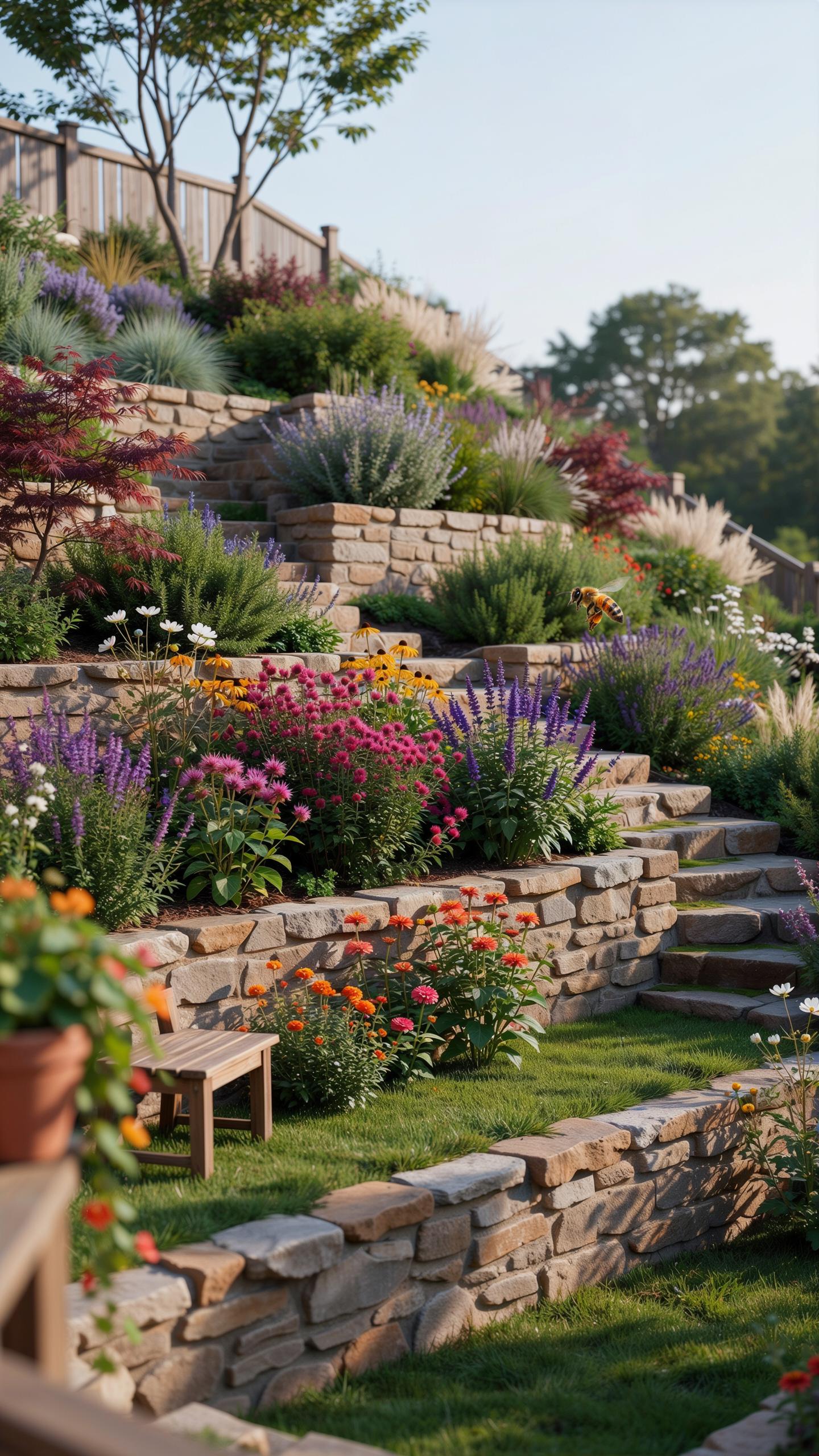
Successful hillside planting requires a tiered approach to manage sightlines and soil stability. Place the tallest trees or large shrubs at the highest point of the slope. These plants act as structural anchors. They draw the eye upward and provide a backdrop for the entire design. Position medium shrubs in the center to transition the height. Use low groundcovers at the base to finish the look.
This vertical arrangement prevents a flat appearance and mimics natural forest edges. Correct layering also serves a tactical purpose for water management. Large root systems at the top slow down initial runoff. Smaller plants at the bottom filter the remaining moisture. This sequence protects the soil from erosion during heavy rain. It ensures every level of the slope receives the right amount of water without washing away.
Mixing Ornamental Grasses, Shrubs, And Perennials For Year Round Color
Effective garden design for sloped lots uses diverse plant types to maintain visual interest across four seasons. Ornamental grasses provide movement and tan hues during winter months. Deciduous shrubs offer spring blooms and summer structure. Evergreen varieties ensure the hill does not look barren when temperatures drop. Perennials fill the gaps with bursts of color. This mix creates a resilient ecosystem that resists pests and diseases.

Select plants with varying bloom times to avoid seasonal gaps. Strategic placement of evergreens maintains the structural skeleton of the hillside. Use grasses to soften the edges of hardscaping and rock walls. These plants require different maintenance levels but work together to cover the soil. Dense planting reduces weed growth and minimizes the need for dangerous slope mowing. This combination keeps the landscape functional and visually consistent throughout the year.
Small Sloped Garden Ideas That Maximize Every Square Foot Of Space
Vertical Planting And Raised Beds As Smart Solutions For Compact Sloped Gardens
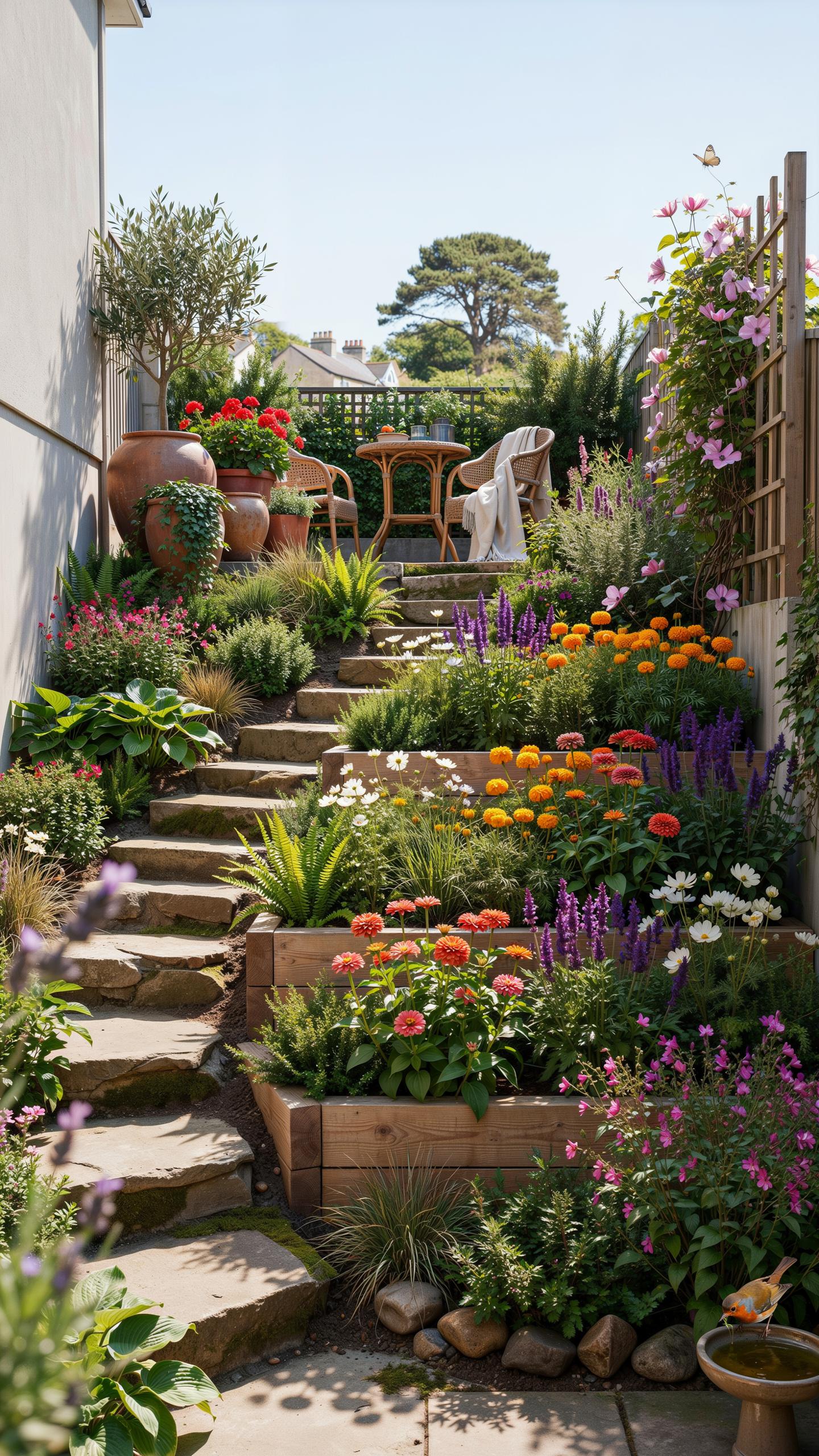
Vertical planting utilizes the Z-axis to multiply growing surface area on tight inclines. Install timber or stone raised beds to create flat planting pockets. This method stops soil erosion and manages water runoff effectively. Tiered beds allow for better soil depth control than standard hillside planting. You gain more usable square footage by stacking these growing zones upward rather than sprawling across the lot.
Raised beds provide structural integrity to a small slope. They act as mini retaining walls that prevent gravity from stripping nutrients. Use rot-resistant cedar or pressure-treated lumber for longevity. Position the tallest beds at the back of the slope to ensure every plant receives adequate sunlight. This configuration improves drainage and simplifies maintenance tasks like weeding and pruning. It turns a steep grade into a productive asset.
Choosing The Right Focal Points To Make A Small Hillside Garden Feel Larger
Strategic focal points draw the eye through the space to create an illusion of depth. Place a singular bold element like a stone monolith or a water feature at the highest visible point. This vertical anchor forces the viewer to look up and out. It breaks the visual monotony of a steep incline. Proper placement defines the garden boundaries while making the perimeter feel more distant.

Use architectural plants with distinct forms to define the garden transition zones. Large-leafed species or structured evergreens serve as anchors that guide the gaze. Avoid cluttering the small slope with too many small decorative items. One large, well-placed object creates a clearer sense of scale than several small pieces. Clear sightlines toward a specific destination point make a cramped hillside feel like an expansive landscape.
Planting On A Slope The Right Way To Ensure Long Term Garden Health
How To Prepare And Amend Soil Properly Before Planting On A Hillside
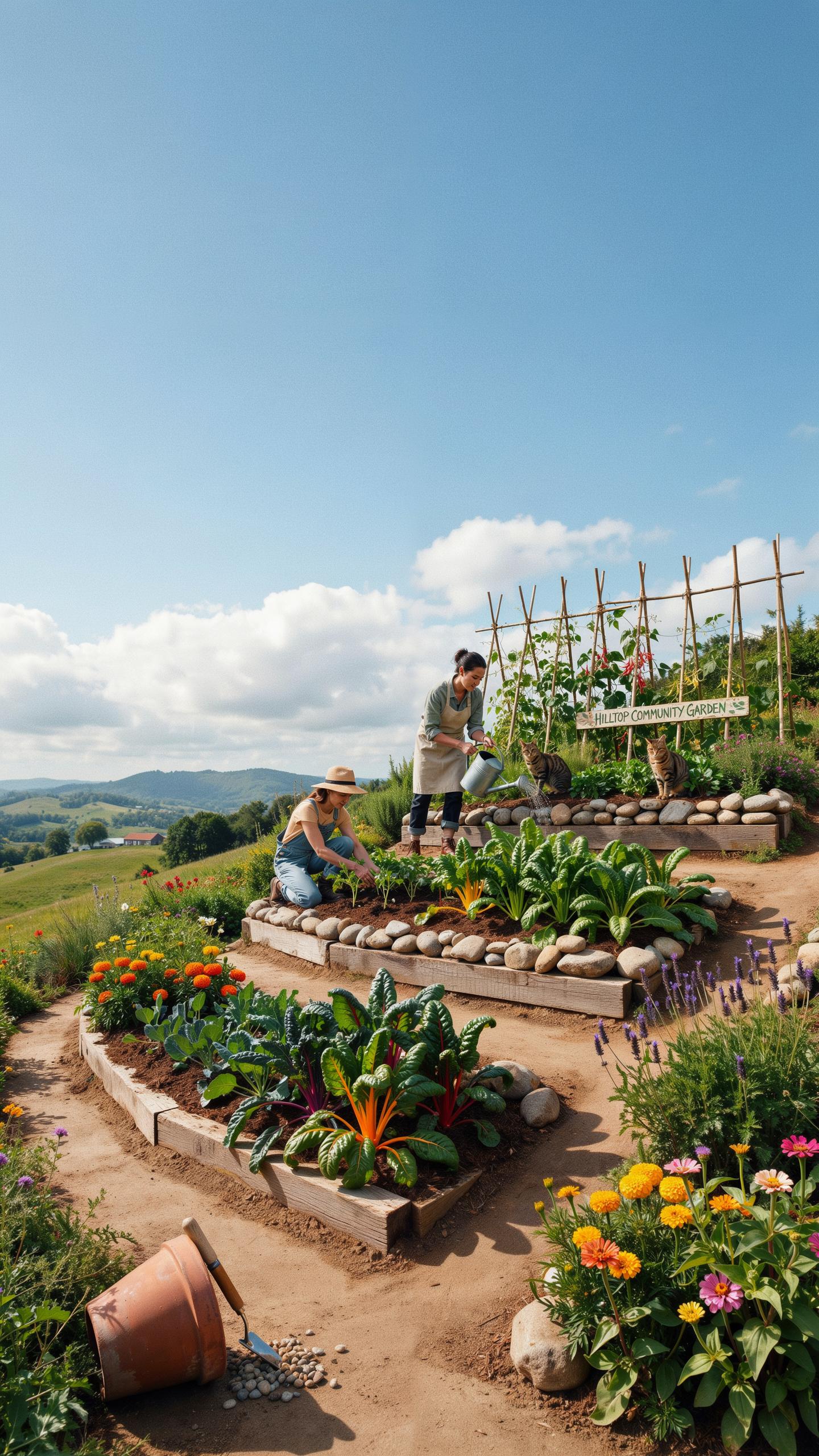
Slope soil often suffers from high drainage and nutrient loss. You must test the soil pH and composition before you dig. Add organic matter like compost or aged manure to improve water retention. This creates a stable base for root systems to take hold quickly. Do not leave bare earth exposed during this phase or rain will wash your amendments away.
Install temporary erosion blankets or straw wattles across the contour of the hill. These tools hold the soil and amendments in place while plants establish. Use a staggered planting pattern rather than straight rows to disrupt water flow path. This tactical layout forces runoff to slow down and soak into the root zones. Focus on building soil structure to prevent future landslides or steady topsoil erosion.
The Best Plants For Slope Stability Including Native Shrubs And Deep Rooted Perennials
Selection hinges on root architecture and environmental toughness. You need a mix of taproots that anchor deep into the subsoil and fibrous roots that knit the surface together. Native species survive best because they handle local weather swings without extra irrigation. This combination creates a biological net that secures the hillside. Choose plants that groundcover quickly to shield the soil from heavy rain impact.
- Creeping Juniper: This hardy evergreen prostrates across the ground to provide immediate surface coverage. Its dense needle structure softens rain impact while the woody root system grips the top layers of soil tightly to prevent surface slumping.
- Switchgrass: This native grass features massive fibrous root systems that can reach several feet deep into the earth. It thrives in various soil types and acts as a vertical anchor that holds the slope face together during heavy storms.
- Fragrant Sumac: This deciduous shrub spreads via underground runners to create a thick colony. It is an excellent choice for steep banks because it grows fast and survives in poor, rocky soils where other more delicate plants would fail.
- Little Bluestem: This bunchgrass is prized for its deep taproots and drought tolerance. It provides structural interest throughout the year while its root network stabilizes the soil profile against wind and water erosion in exposed, sunny areas.
- Oakleaf Hydrangea: This native shrub offers large root masses and broad leaves that provide excellent soil protection. It works well on shaded slopes and helps manage moisture levels by absorbing significant groundwater through its expansive and sturdy woody base.

Diversify your plant palette to avoid monoculture failure. If one species dies, others will maintain the integrity of the slope. Space plants according to their mature width to ensure full coverage within two growing seasons. Use mulch like shredded bark or wood chips that interlock to prevent the cover from washing downhill. Tight spacing and correct species selection turn a hazardous incline into a permanent asset.
Landscaping Terrace Sloped Yard Designs That Add Drama And Dimension
How To Design And Build Garden Terraces That Complement Your Home’S Architecture
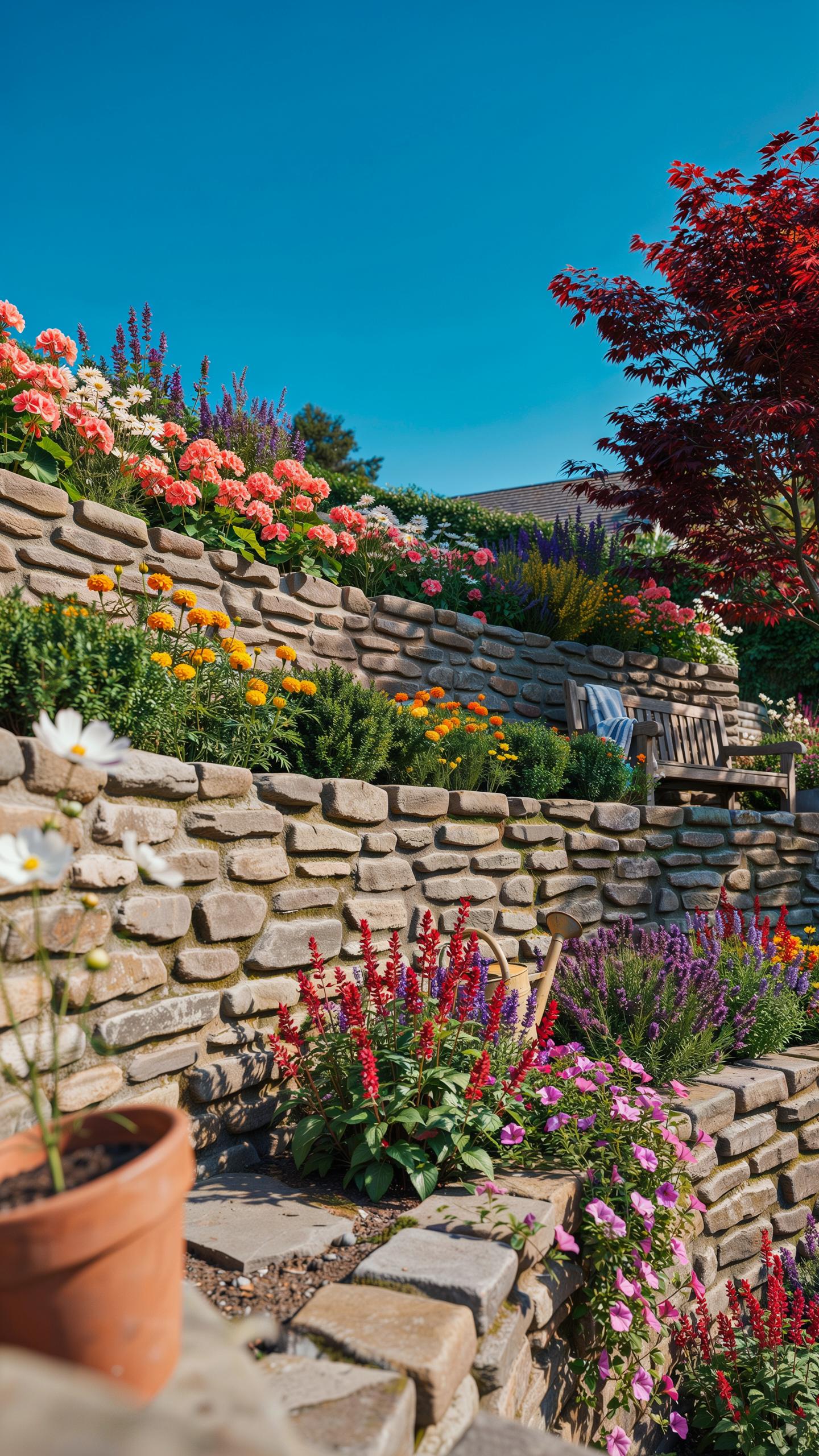
Align the terrace footprint with the structural lines of your house. Use the golden ratio or existing window placements to dictate wall height and length. This creates a visual connection between the building and the land. Formal homes require symmetrical layouts with clean right angles. Modernist styles benefit from offset planes. Ensure the terrace scale matches the house massing so the garden does not overwhelm or vanish.
Plan for functional circulation between levels by placing stairs at main entry points. Consistent proportions in riser height and tread depth ensure safety and comfort. Effective garden design for sloped lots uses level changes to define outdoor rooms. These zones act as transitions between the indoor floor plan and the natural site. Use drainage systems like perforated pipes behind every wall to prevent water pressure from damaging the foundation.
Step by step, a hillside garden invites the soul to climb toward a higher beauty where every terrace tells a story of the earth.
Materials To Use For Terrace Walls Including Natural Stone, Brick, And Timber
Select materials based on regional availability and structural load requirements. Natural stone like granite or limestone offers the longest lifespan and fits traditional or rustic aesthetics. Dry stack techniques allow for natural drainage and movement. Brick provides a refined finish that matches colonial or victorian architecture. It requires a concrete footing and weep holes to handle soil moisture. Choose materials that mimic your home’s exterior finish for a cohesive look.
Timber remains the most cost-effective option for low-rise terraces. Pressure-treated beams or cedar resist rot and provide a softer visual profile. Use deadmen anchors to secure timber walls into the hillside. Large boulders create a rugged look and work well for steep, informal slopes. Always backfill with gravel to ensure rapid water runoff. Proper material selection prevents wall failure and reduces long-term maintenance costs on your sloped property.
Finishing Touches And Maintenance Tips For A Long Lasting Sloped Garden Design
Lighting, Mulching, And Irrigation Strategies Tailored For Sloped Garden Lots
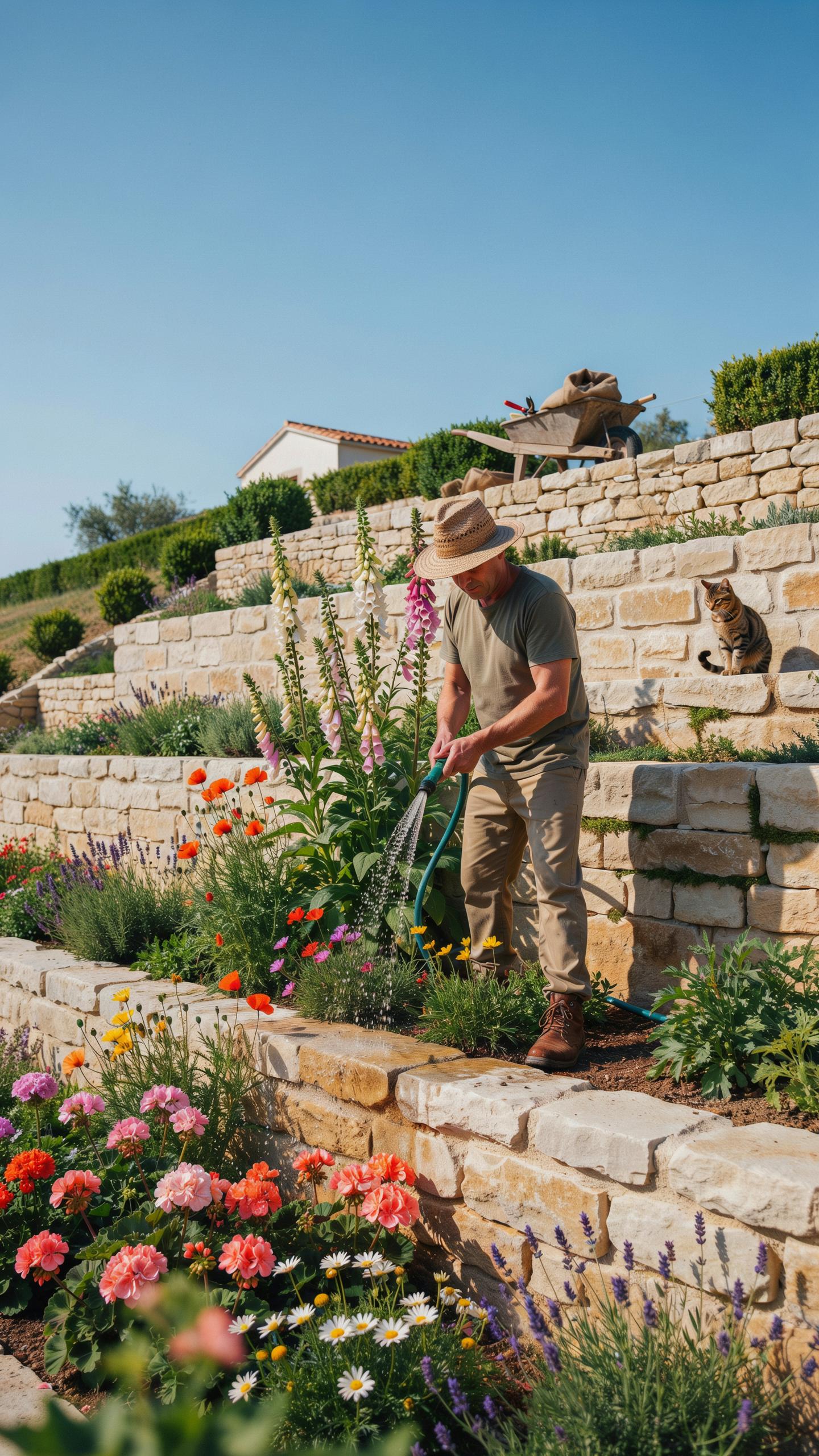
Sloped terrain requires specific utility management to prevent waste and damage. Install low-voltage LED path lights to define elevation changes and prevent falls. Strategic uplighting on retaining walls creates depth and highlights structural integrity. Avoid heavy floodlights that cause glare on uneven ground. Focus on precision placement to mark stairs and steep drops. Proper illumination ensures the garden remains functional and safe after dark.
Water management on inclines depends on slow delivery. Use drip irrigation lines with pressure-compensating emitters to ensure equal water distribution from top to bottom. Surface runoff carries loose soil away, so apply heavy wood chips or shredded bark. These materials interlock and stay in place better than light pebbles. Mulching retains moisture and prevents the soil erosion common on steep hillsides during heavy rain.
Seasonal Maintenance Practices That Keep Your Hillside Garden Thriving All Year
Spring maintenance requires a thorough inspection of all drainage systems and retaining structures. Clear debris from swales and French drains to prevent water backup. Check for soil displacement or wall shifting after the winter thaw. Secure any loosened stones or timber before the heavy rains start. Re-apply mulch to bare spots to maintain a protective layer over vulnerable roots and stabilize the soil profile.
Winter preparation focuses on plant stability and structural protection. Cut back perennial stalks to reduce wind resistance on high-exposure slopes. Prune woody shrubs to prevent heavy snow loads from snapping branches or pulling plants out of the ground. Apply a dormant spray to protect against pests if necessary. Monitor the base of the slope for silt buildup and remove it to keep drainage paths clear and functional.
Frequently Asked Questions

Why is gardening on a slope more challenging than a flat yard?
Gardening on an incline presents unique hurdles like soil erosion and rapid water runoff, which can leave plants parched. However, effective garden design for sloped lots turns these challenges into stunning visual assets. By understanding your land’s natural grade, you can select specific deep-rooted plants that anchor the soil, preventing washouts while creating a lush, multi-dimensional landscape that adds incredible curb appeal and character to your property.
How can I effectively create level planting areas on a steep hill?
The best approach is terracing, which involves building a series of low retaining walls to create flat “steps” for planting. This essential technique in garden design for sloped lots helps manage drainage and makes maintenance much easier. You can use natural stone, timber, or concrete blocks to hold the earth. Once your levels are established, you’ll have stable ground for colorful flower beds, vegetable patches, or even a cozy seating nook.
Are there budget-friendly ways to landscape a slope without expensive masonry?
Absolutely! You don’t always need costly retaining walls to elevate your lot. Consider “softscaping” by planting a dense mix of native groundcovers, ornamental grasses, and shrubs that naturally stabilize the hillside with their root systems. Using biodegradable erosion control blankets and building simple timber swales can also manage water flow affordably. This naturalistic approach creates a charming, wild-garden aesthetic that is both cost-effective and environmentally friendly for any sloped property.