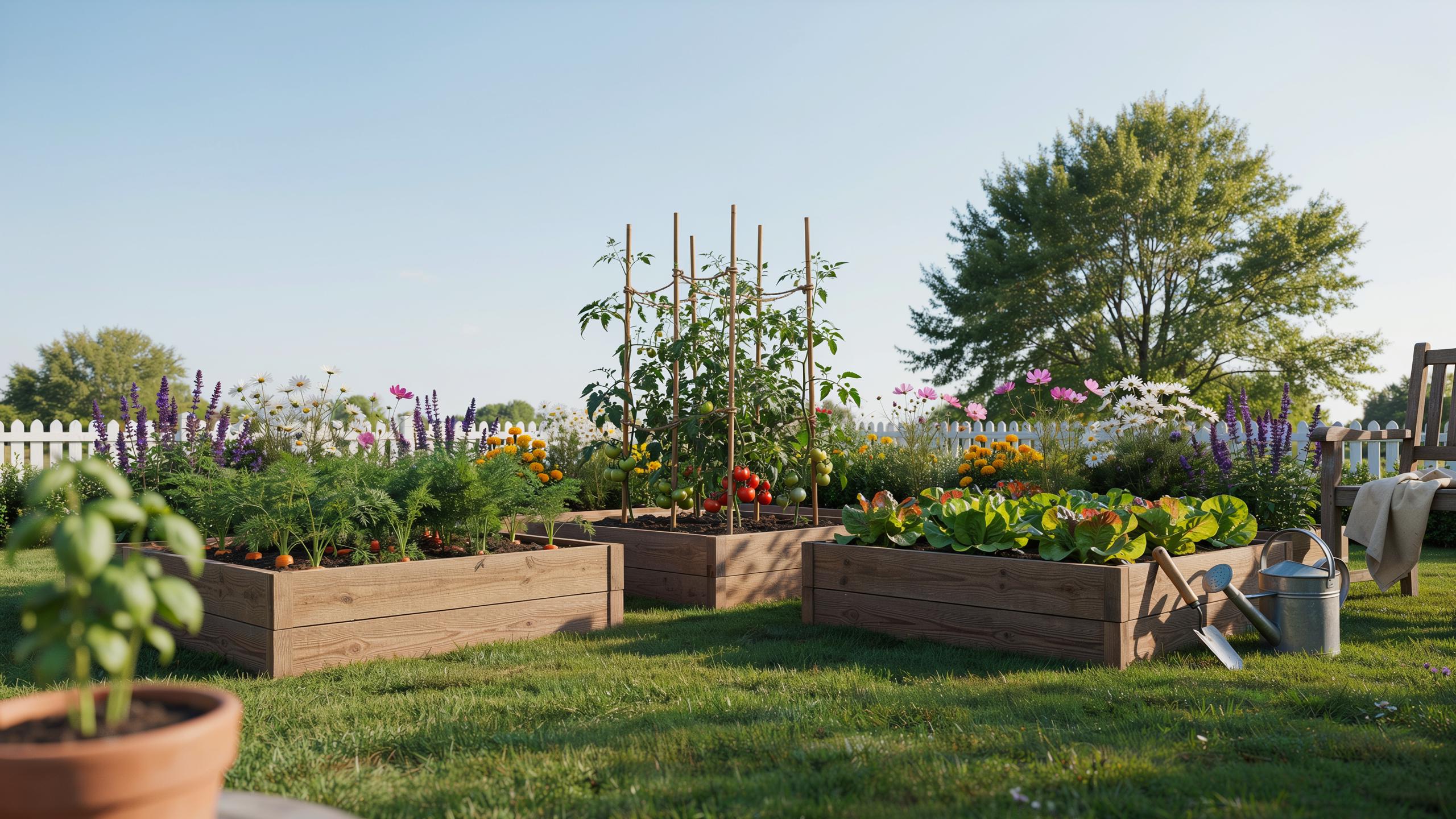
Why A Raised Bed Vegetable Garden Layout Changes Everything
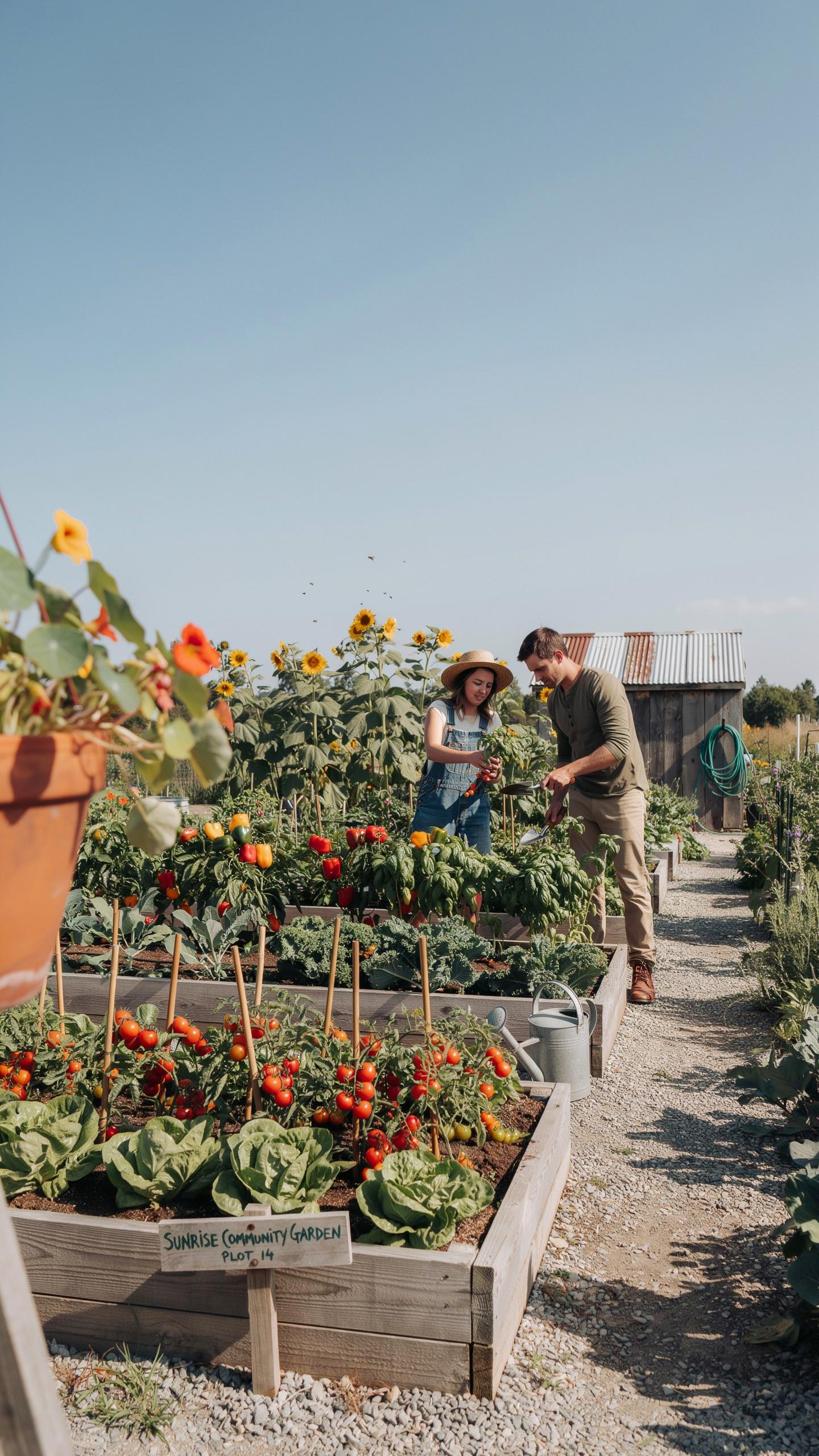
The Core Benefits Of Growing Vegetables In Raised Beds
Raised beds solve the problem of poor site soil. You control the growing medium from day one. This setup prevents soil compaction because you never step on the planting area. Roots spread easily in loose soil. You get better drainage than in-ground rows. The soil warms up faster in the spring. This extends your growing season. You start planting earlier and harvest later into the fall.
Physical strain decreases with raised beds. Higher walls reduce the need for deep bending and kneeling. This makes maintenance faster and easier. You spend less time weeding because the defined boundaries keep grass out. Concentrated nutrient management saves money. You only fertilize the specific area where plants grow. This efficiency reduces runoff and waste. You maximize your time and resources with a structured system.
How Layout Planning Directly Impacts Your Harvest Yields
Layout planning determines your total caloric output. You must calculate bed width to ensure you can reach the center from either side. This prevents damaged stems and squashed roots. Proper spacing between beds allows for equipment movement. If you map the sunlight correctly, you avoid shading out small crops with tall ones. A strategic plan ensures every square inch produces food throughout the year.
Succession planting requires a strict layout. You must know where the next crop goes before the first one finishes. Tall structures like trellises must sit on the north side. This prevents them from blocking the sun. Good airflow is a result of smart spacing. It reduces fungus and pest issues. You get more vegetables per square foot when you organize by height and harvest time. Planning eliminates empty space.
Veggie Garden Ideas Layout Choosing The Right Style For Your Space
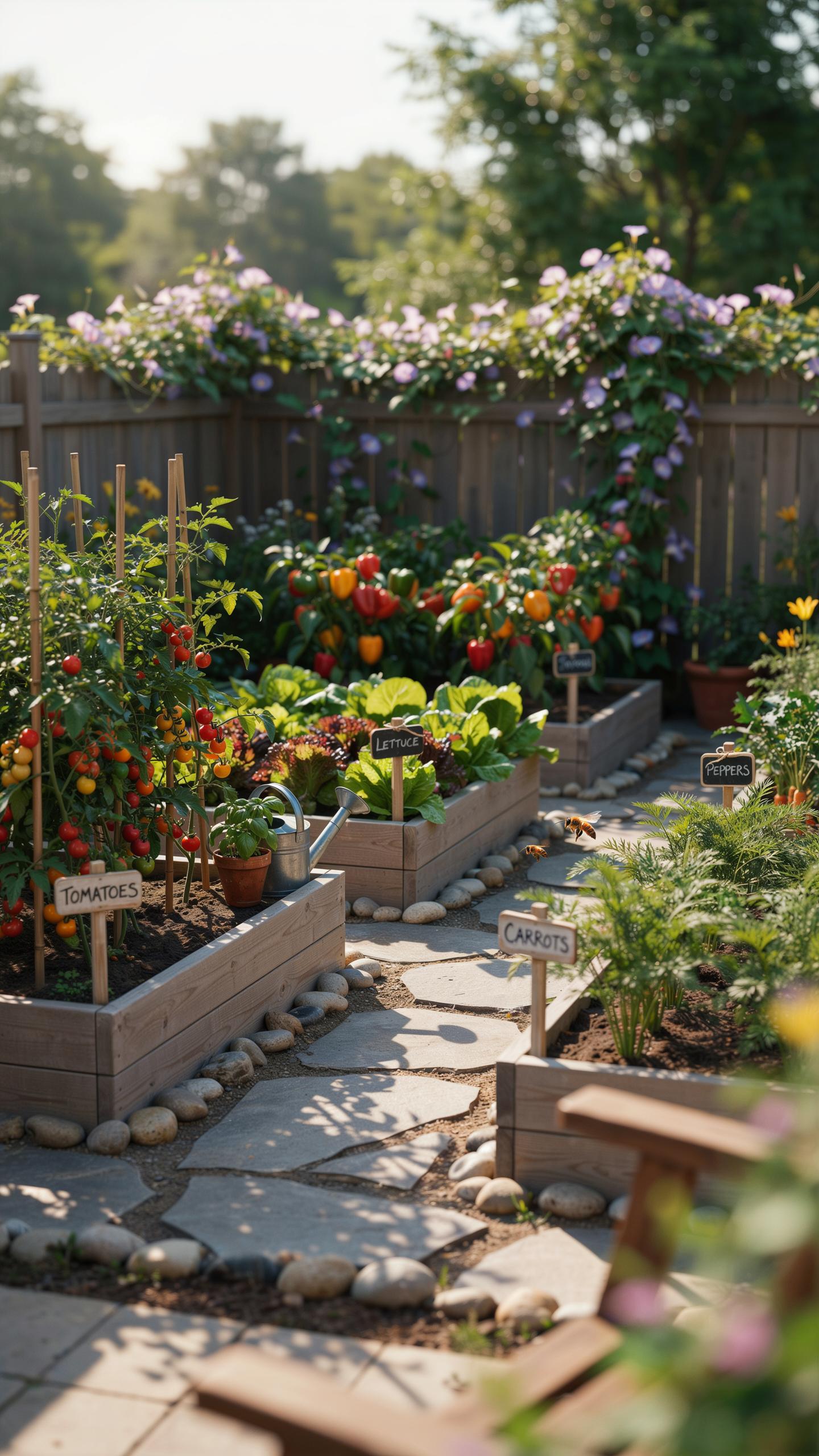
Popular Raised Bed Layout Styles: Grid, Row, And Keyhole Designs
Grid layouts maximize space by placing beds in parallel lines with narrow paths. You use this style for high-yield production in rectangular areas. It allows for easy installation of irrigation lines and standardized bed sizes. You can reach the center of each bed from either side without stepping on the soil. This prevents soil compaction and keeps your planting medium light and airy.
Keyhole designs offer a different strategic advantage by reducing path space. A central circular or square bed features a small notch for access. This design movement originated in mid-century African subsistence farming to conserve water and manage compost locally. It creates a dense planting area that holds moisture better than scattered beds. Row layouts mimic traditional large-scale farming and work best for mechanical equipment or long harvests.
How To Match A Layout Style To Your Yard S Shape And Size
Your yard dimensions dictate your layout efficiency. Small square lots require the grid method to save every inch of usable dirt. Measure your perimeter before you build any frames. Standard four-foot widths ensure you can reach the middle without straining your back. If you have an irregular or sloped yard, follow the natural contours of the land. This prevents erosion and stops water from pooling.
Large open spaces benefit from long row layouts that simplify mower access between beds. Ensure paths are at least three feet wide for wheelbarrows and tools. If your space is tight or circular, the keyhole design uses the least amount of wood and hardware. Always orient your beds north to south. This positioning ensures all plants receive equal sunlight throughout the day. Poor orientation leads to tall plants shading out smaller crops.
Garden Bed Layout Understanding Size Shape And Spacing
Ideal Raised Bed Dimensions For Easy Reach And Maximum Growing Area
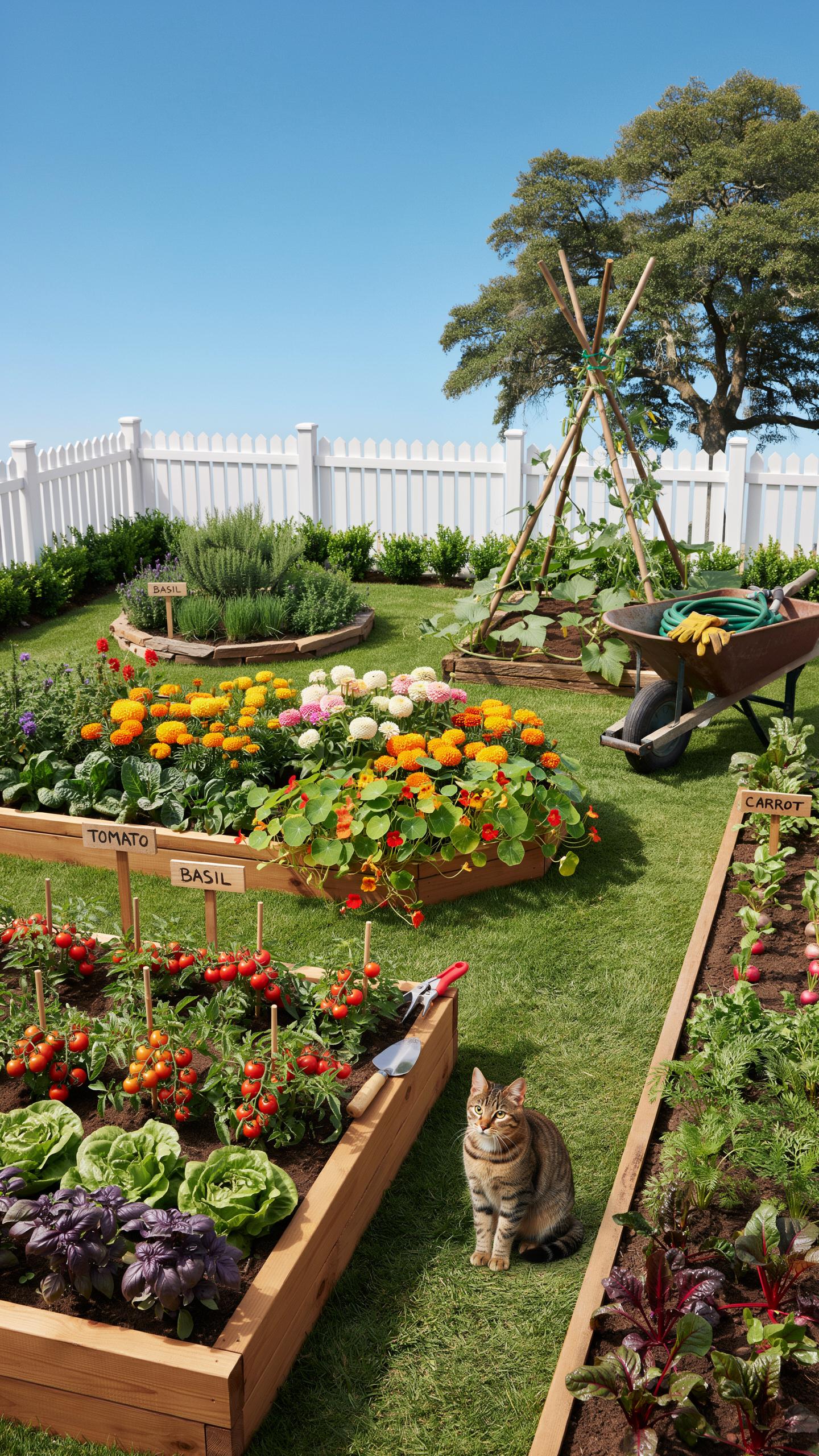
Standard raised bed widths must not exceed four feet. This dimension allows the average adult to reach the center from either side without stepping on the soil. Compaction destroys soil structure and reduces crop yields. If you place a bed against a wall, limit the width to two feet. This ensures you can manage every plant without straining your back or crushing your crops.
The height of the bed dictates drainage and ergonomics. A minimum height of six inches provides enough space for most root systems. However, twelve to eighteen inches is the professional standard for better drainage and easier access. Use rot-resistant timber or galvanized steel to maintain these dimensions over time. Proper sizing ensures you maximize every square foot of growing space while maintaining a healthy soil environment.
Why Proper Spacing Between Beds Matters For Airflow And Access
Pathways between beds must be at least two feet wide for basic foot traffic. If you plan to use a wheelbarrow, increase this width to three feet. Narrow paths create bottlenecks and make harvesting difficult. Wide paths allow you to move tools and organic matter efficiently. Proper spacing also ensures you can kneel and work comfortably without damaging plants in the adjacent garden beds.
Airflow is a critical factor in disease prevention for vegetable gardens. Tight spacing creates stagnant air pockets that harbor fungal pathogens and pests. Wide paths encourage consistent wind movement through the foliage. This movement dries leaves quickly and reduces the risk of powdery mildew and blight. Tactical spacing decisions protect your investment by keeping plants healthy and making the entire garden layout easy to navigate.
Vegetable Garden Boxes Layout Building And Arranging Your Beds
Best Materials For Constructing Durable Raised Garden Boxes
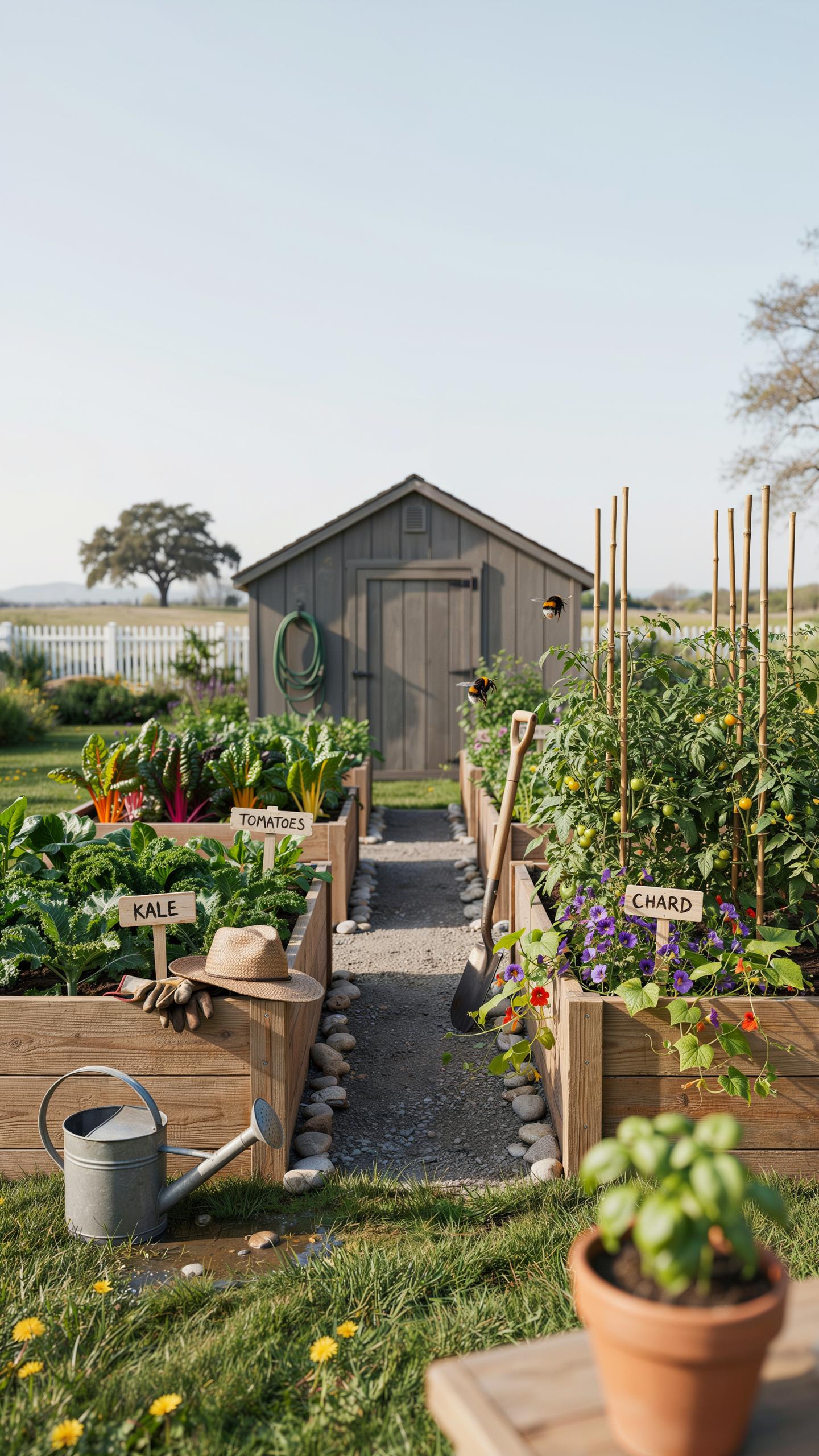
Selecting the right material determines the lifespan of your raised bed vegetable garden layout. You must balance durability against cost and soil safety. Raw wood remains the standard for most home systems. However, modern masonry and metal options provide longer service lives in humid climates. Avoid using older pressure treated lumber from before 2003 because it contains harmful arsenic. Stick to naturally rot resistant species or safe modern alternatives.
- Cedar: This wood contains natural oils that repel insects and resist rot for up to fifteen years. It is a premium choice for gardeners who want longevity without chemical treatments. High initial costs are offset by the material’s ability to withstand severe weather changes without warping.
- Redwood: Similar to cedar, redwood offers extreme durability and a high resistance to decay. It is widely used on the West Coast for permanent garden structures. Ensure the wood is sustainably harvested to maintain ecological standards while building your long term vegetable garden footprint.
- Galvanized Steel: Modern metal beds use a zinc coating to prevent rust and can last for decades. These units are lightweight and easy to assemble in various geometric shapes. They reflect sunlight effectively, which helps keep the soil at a more consistent temperature during hot summer months.
- Douglas Fir: This is a cost effective option for those on a strict budget. While it lacks the natural oils of cedar, it still provides a sturdy frame for five to seven years. You can extend its life by lining the inner walls with food safe pond liners.
- Concrete Masonry Units: These blocks create permanent, immovable structures that will not rot or rust. They provide excellent thermal mass, which helps stabilize soil temperatures during early spring and late fall. Use capped blocks to prevent moisture from pooling inside the hollow cores of the stones.
Construction techniques also impact the structural integrity of your boxes. Use stainless steel or galvanized screws to prevent hardware failure from rust. Reinforce corners with internal brackets or wooden stakes to manage the outward pressure of wet soil. Proper assembly ensures your beds stay level and square over several growing seasons. Always verify that your chosen material does not leach chemicals into the food chain.
How To Arrange Multiple Garden Boxes For Flow And Functionality
Arranging multiple beds requires a focus on human ergonomics and efficient irrigation. Place your boxes in a parallel or grid pattern to simplify path maintenance and water line installation. You must leave at least three feet of space between each bed. This width allows for comfortable walking and easy passage for wheelbarrows. Tight spaces lead to poor airflow and difficult harvesting during the peak growing season.
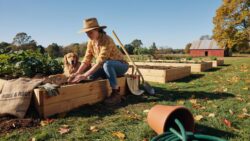
Orient your layout to maximize sunlight exposure for every plant. Run the long side of the beds from north to south. This prevents tall crops like tomatoes or corn from shading smaller plants in adjacent boxes. Group your beds based on water needs to streamline your irrigation zones. A logical arrangement reduces the time you spend on daily chores. Strategic spacing also minimizes soil compaction by keeping all foot traffic on designated paths.
Garden Layout Vegetable Matching Plants To Sunlight And Soil Zones
How To Map Sun Exposure Across Your Yard Before Planting
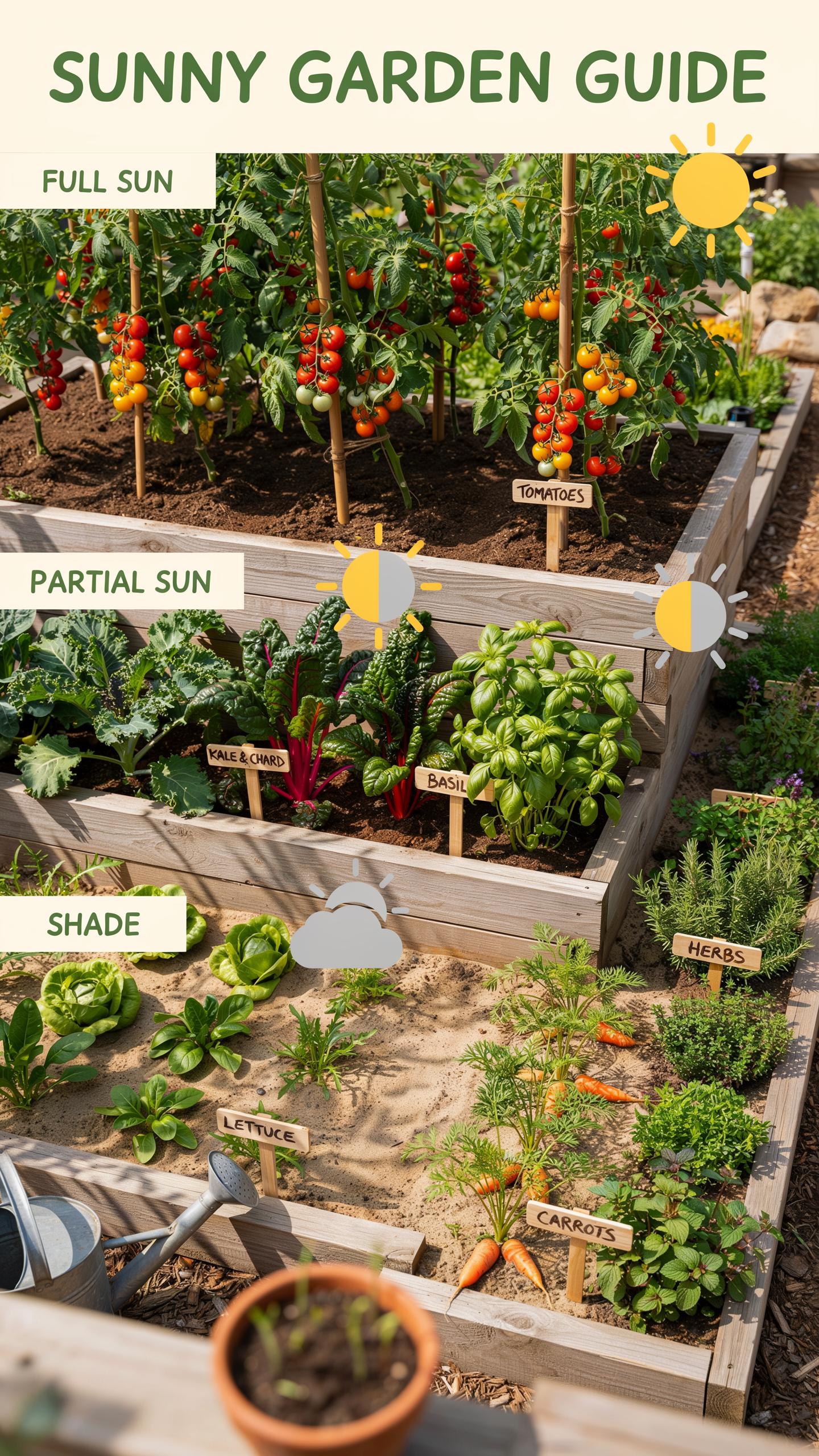
Sunlight dictates the success of your raised bed vegetable garden layout. Most fruiting crops like tomatoes and peppers require at least eight hours of direct light. Leafy greens and herbs survives on six hours. You must track the sun at three intervals during the day. Observe your yard at nine in the morning, noon, and four in the afternoon. Log where shadows fall from fences and trees.
Modern gardeners use sun charts or digital apps to track solar movement. These tools account for seasonal shifts in the sun angle. A spot that looks sunny in winter might be shaded by leafy trees in summer. Morning sun is cooler and dries dew to prevent fungal disease. Afternoon sun provides the heat necessary for rapid growth. Position your tallest beds on the north side to prevent them from shading smaller plants.
Tailoring Soil Mixes In Each Bed To Suit Different Vegetable Families
Each raised bed serves as an isolated environment for specific soil chemistry. Root crops like carrots and radishes need loose sandy loam to grow straight. Heavy feeders like broccoli and cabbage require high nitrogen levels and dense organic matter. You can customize the ratio of compost, peat moss, and vermiculite in each box. This precision is impossible in traditional ground rows where soil types remain uniform across the plot.
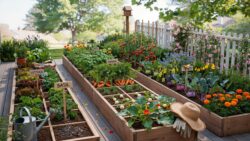
Adjusting soil pH per bed improves nutrient uptake for specific plant families. Blueberries need acidic soil with a pH between four and five. Most vegetables prefer a neutral range of six to seven. You should test each bed annually to monitor nutrient depletion. Rotating crop families between beds prevents soil-borne diseases and balances mineral usage. Dedicated mixes allow you to control drainage and moisture retention based on the specific thirst of your crops.
Raised Garden Planting Layout Companion Planting For Better Yields
What Companion Planting Is And Why It Works In Raised Beds
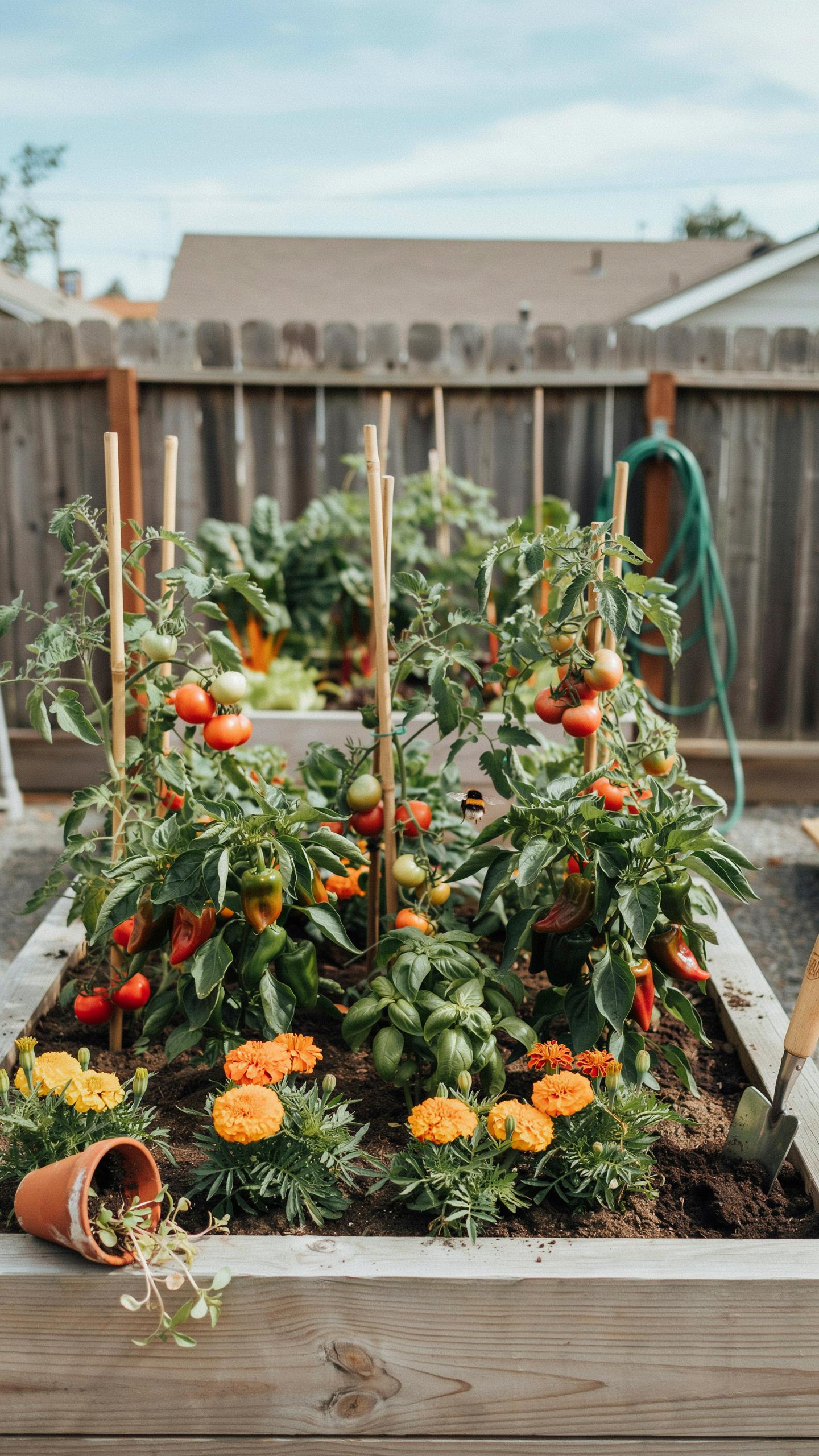
Companion planting is a strategic placement technique used to enhance growth and maximize space. It relies on symbiotic relationships between different plant species. In a raised bed vegetable garden layout, this method manages the limited soil volume efficiently. Plants work together to provide physical support, shade, or natural pest management. Scientific studies show that certain plant pairings improve nutrient uptake and soil health.
Efficiency is the primary goal for any raised bed gardener. You pack plants closer together than in traditional row gardens. This proximity allows root systems to interact and share resources. Tall plants provide windbreaks or trellis nodes for climbing varieties. Shallow-rooted crops occupy surface soil while deep-rooted plants tap lower levels. This vertical and horizontal layering prevents wasted space and suppresses weed growth through natural competition.
Proven Companion Planting Combinations To Use In Your Layout
Successful layouts utilize pairs that have been tested for decades in organic agriculture. These combinations focus on nitrogen fixation, pest distraction, and microclimate creation. By grouping compatible species, you reduce the need for synthetic fertilizers and chemical pesticides. This approach creates a self-sustaining ecosystem within the frame of your raised bed. Use these proven pairs to secure your seasonal harvest.
- Tomatoes and Basil: Planting basil near tomatoes improves the flavor of the fruit and repels thrips. The aromatic oils in basil confuse pests that seek out tomato foliage. This pair also shares similar water and light requirements, making them easy to manage together in one bed.
- Carrots and Onions: Onions have a strong scent that deters carrot rust flies. Conversely, the carrot foliage provides a living mulch that keeps the soil cool for the onion bulbs. These two crops occupy different soil depths, so they never compete for physical space or nutrients.
- Corn and Beans: Beans climb the sturdy corn stalks, which eliminates the need for expensive external trellising. As legumes, beans fix nitrogen into the soil through their root nodules. This process feeds the corn, which is a heavy nitrogen feeder, ensuring both plants reach full maturity quickly.
- Lettuce and Tall Flowers: Tall flowers like sunflowers or marigolds provide critical dappled shade during the heat of the day. This shade prevents lettuce from bolting or turning bitter when temperatures rise. Marigolds also release chemicals from their roots that kill harmful nematodes in the soil.
- Cucumbers and Radishes: Radishes act as a trap crop for cucumber beetles which can destroy vine crops. Sowing radishes early in the season protects the young cucumber seedlings as they establish. Once the cucumbers take over the trellis, you can harvest the radishes to make room for the spreading vines.
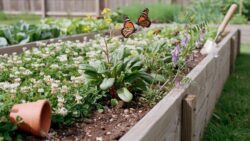
Organizing your layout around these pairs increases the total output per square foot. You must plan the timing of each planting to ensure companions grow at the same rate. Monitor the height of each species to prevent unwanted shading of sun-loving vegetables. Proper spacing ensures adequate airflow which prevents fungal diseases in crowded beds. Execution of these combinations transforms a standard garden into a high-yield production zone.
Raised Vegetable Garden Layout Pathways Access And Ergonomics
Designing Pathways That Keep Your Garden Practical And Navigable
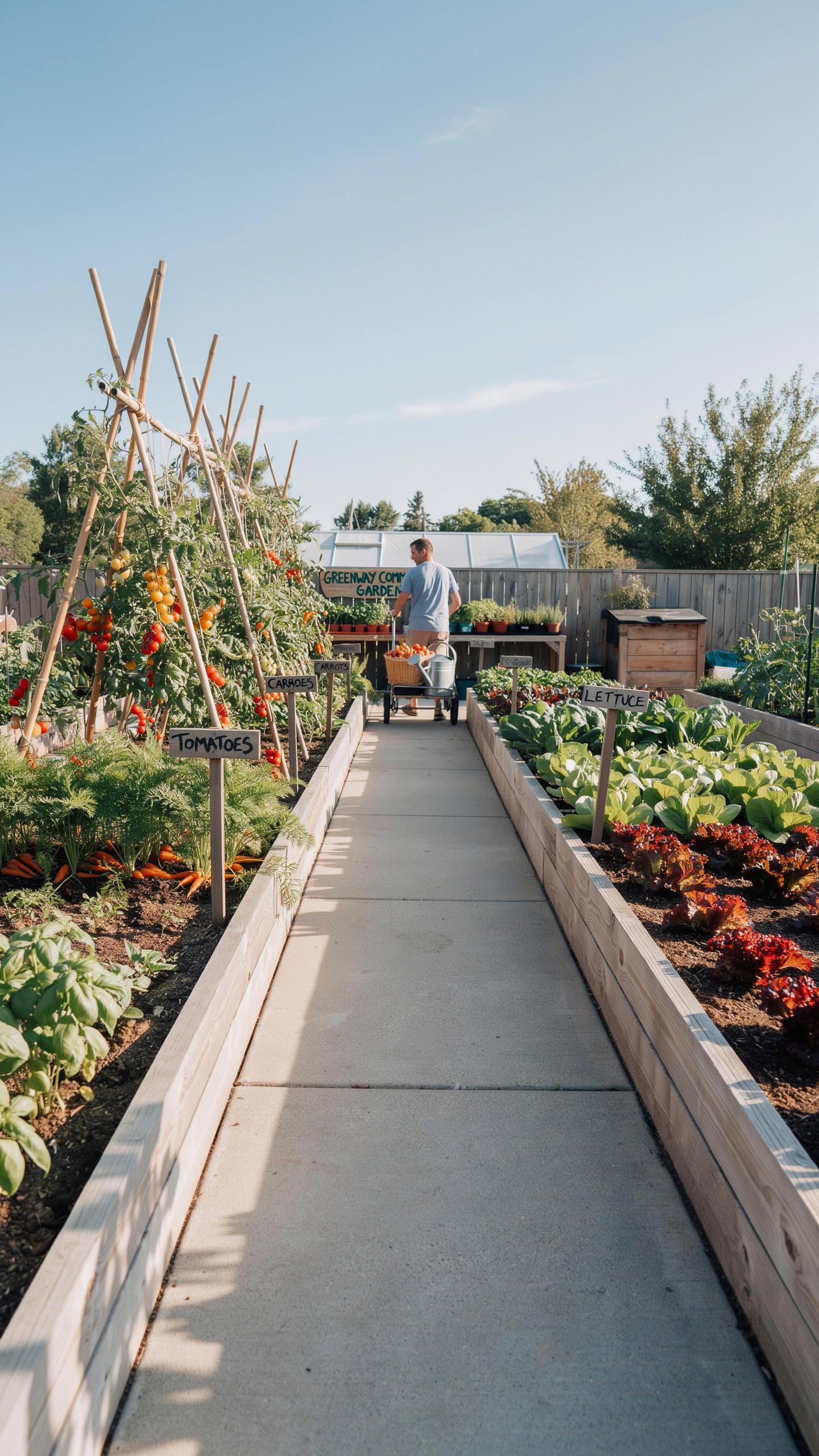
Pathways dictate the efficiency of your garden operations. You must size them based on your equipment. Main thoroughfares require a width of 36 inches to accommodate a standard wheelbarrow or garden cart. Surface materials like crushed gravel or wood chips provide stable footing and prevent soil compaction. Avoid grass paths because they require constant mowing and compete for nutrients with your vegetables.
Strategic spacing prevents your garden from becoming a bottleneck during harvest. Secondary paths between individual beds can be narrower at 24 inches for foot traffic. Hardscaping techniques from the English cottage garden tradition emphasize clear borders to keep mulch from migrating into growing areas. Use timber or stone edges to define these lines. This separation keeps the work area clean and ensures easy access to every plant.
Ergonomic Bed Height Considerations For Comfort And Accessibility
Bed height determines your physical strain during maintenance. Standard raised beds are 6 to 12 inches tall. This height works for healthy adults but requires significant bending. Higher beds measuring 18 to 24 inches reduce back fatigue and allow gardeners to sit on the edge. Choose your height based on personal mobility needs and the root depth requirements of your specific vegetable crops.
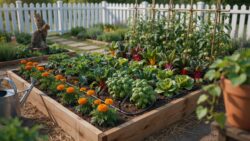
Accessibility movements like Universal Design emphasize specific dimensions for inclusive gardening. Raised beds should never be wider than 4 feet. This limit allows you to reach the center from either side without stepping on the soil. Stepping into the bed compacts the earth and destroys the soil structure. Proper height and width combinations turn a high-maintenance plot into a sustainable and comfortable workspace for years.
Vegetable Raised Beds Layout Seasonal Rotation And Long Term Planning
How Crop Rotation Across Raised Beds Protects Soil Health Over Time
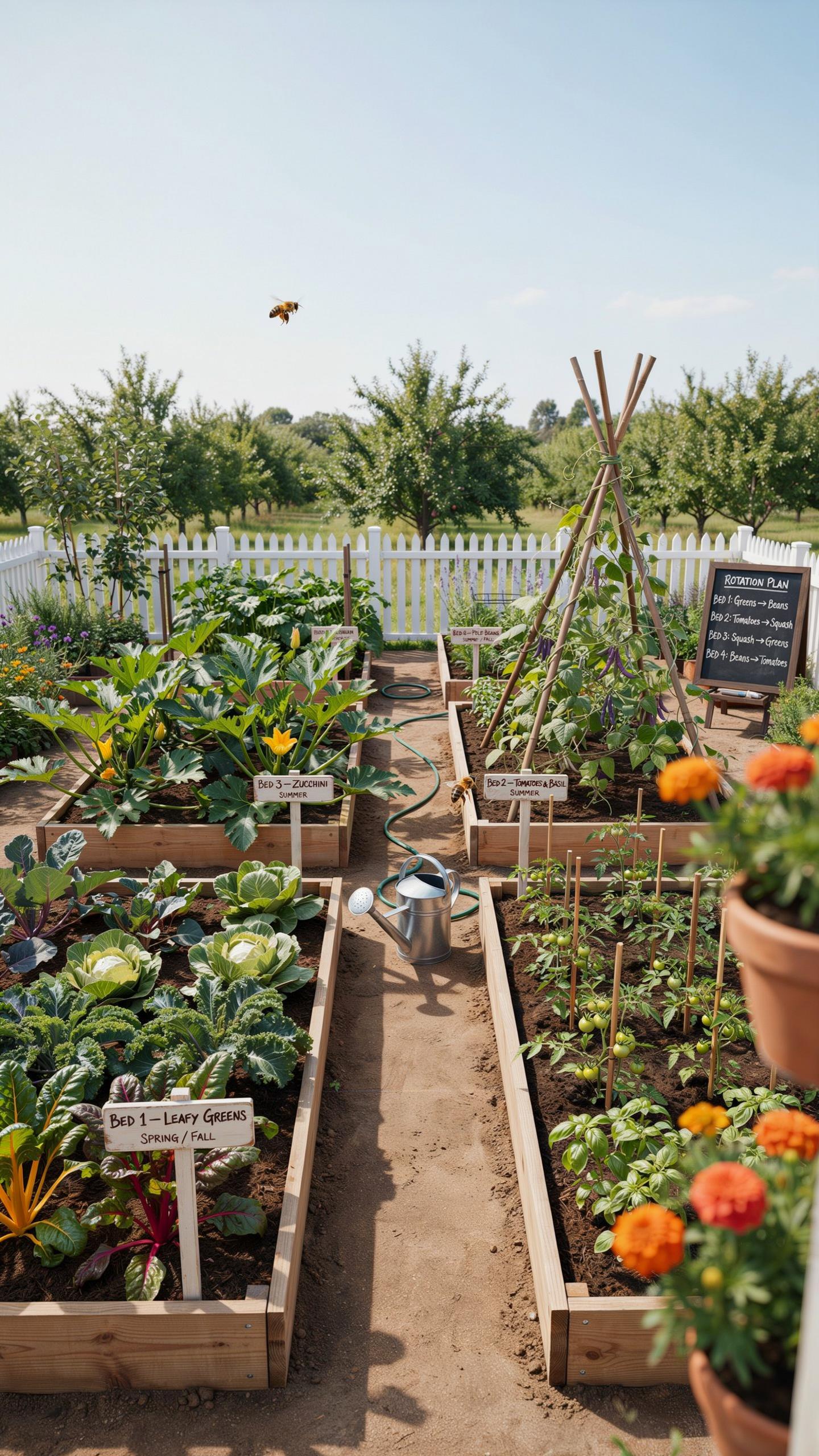
Crop rotation prevents soil-borne diseases and nutrient depletion. You must group plants by botanical family. Brassicas like broccoli use different nutrients than nightshades like tomatoes. Moving these families between beds every year breaks pest life cycles. Soil pathogens often target specific root structures. Rotating crops starves these pests. This tactic reduces your reliance on synthetic fertilizers and toxic pesticides.
Correct rotation improves soil structure and nitrogen levels. Legumes like peas fix nitrogen into the earth. Follow these with heavy feeders like kale or corn to utilize that fuel. Never plant the same family in the single bed two years straight. Use a four-year cycle for maximum safety. This long-term strategy maintains high yields. It ensures your raised bed garden remains fertile for decades.
To plant a garden is to believe in tomorrow, framing the earth in simple beds that turn a backyard into a sanctuary of living art.
Planning A Four Season Layout To Keep Your Beds Productive Year Round
A productive layout requires a strict planting calendar. Active growers use succession planting to eliminate empty space. As soon as you harvest spring lettuce, transplant summer peppers into the gap. This keeps the root systems active and the soil shaded. Use quick-growing radishes between slower crops to maximize every inch. You must plan harvest dates to avoid gaps in your food production.
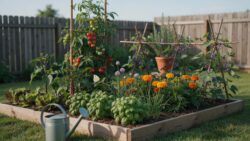
Extend your growing season with physical infrastructure. Install hoops for row covers directly onto bed frames for winter harvests. Cold-hardy greens like spinach survive freezing temperatures with simple protection. Choose varieties specifically bred for short days and low light. Proper timing ensures you harvest food in December. Continuous production prevents weeds from invading bare dirt. Smart planning turns three seasons of growth into four.
Veggie Garden Planning Layout Watering Systems And Irrigation Design
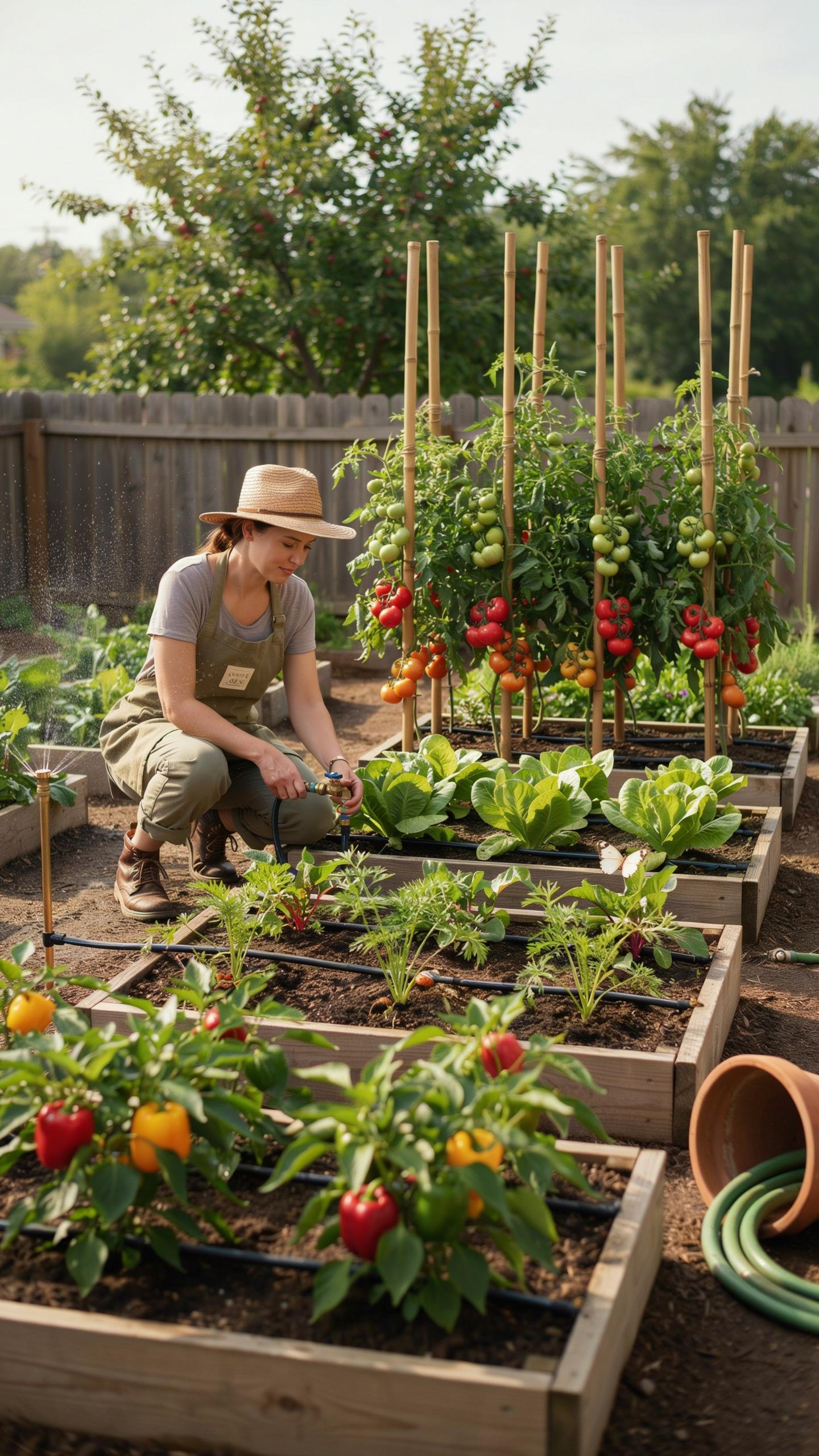
Drip Irrigation Vs. Soaker Hoses: Which Works Best For Raised Beds
Drip irrigation offers superior control for raised bed vegetable garden layout efficiency. This system uses emitters to deliver water directly to the base of specific plants. You reduce water waste by avoiding paths and empty soil spaces. It prevents fungal diseases by keeping foliage dry during the watering cycle. Drip systems handle varying water pressures well. They remain the professional standard for high-yield food production.
Soaker hoses provide a cheaper but less precise alternative for garden beds. These porous pipes leak water along their entire length. They work best for densely planted crops like carrots or salad greens. However, soaker hoses often distribute water unevenly on sloped ground. They degrade faster than drip lines when exposed to sunlight. Choose drip systems for long-term durability and choose soaker hoses for quick, low-budget seasonal setups.
How To Integrate Your Irrigation Plan Into The Overall Garden Layout
Plan your water lines before you build your raised beds. Run main supply lines underground to keep pathways clear of trip hazards. Use PVC or heavy-duty poly pipe for these primary headers. Install a shut-off valve for every individual bed. This allows you to stop water to empty beds without affecting the rest of the garden. Trenching early prevents you from digging up established plants later.
Group plants with similar water needs in the same irrigation zone. Place thirsty crops like tomatoes and cucumbers on one circuit. Keep drought-tolerant herbs on a separate line. Align your emitters with your planting grid to ensure every root zone receives moisture. Check your layout for sharp bends that could kink hoses. Efficient irrigation design follows the physical geometry of your beds to ensure total crop coverage.
Raised Veggie Garden Layout Aesthetic Touches For A Beautiful Outdoor Space
Using Edging, Trellises, And Borders To Elevate Your Garden’S Visual Appeal
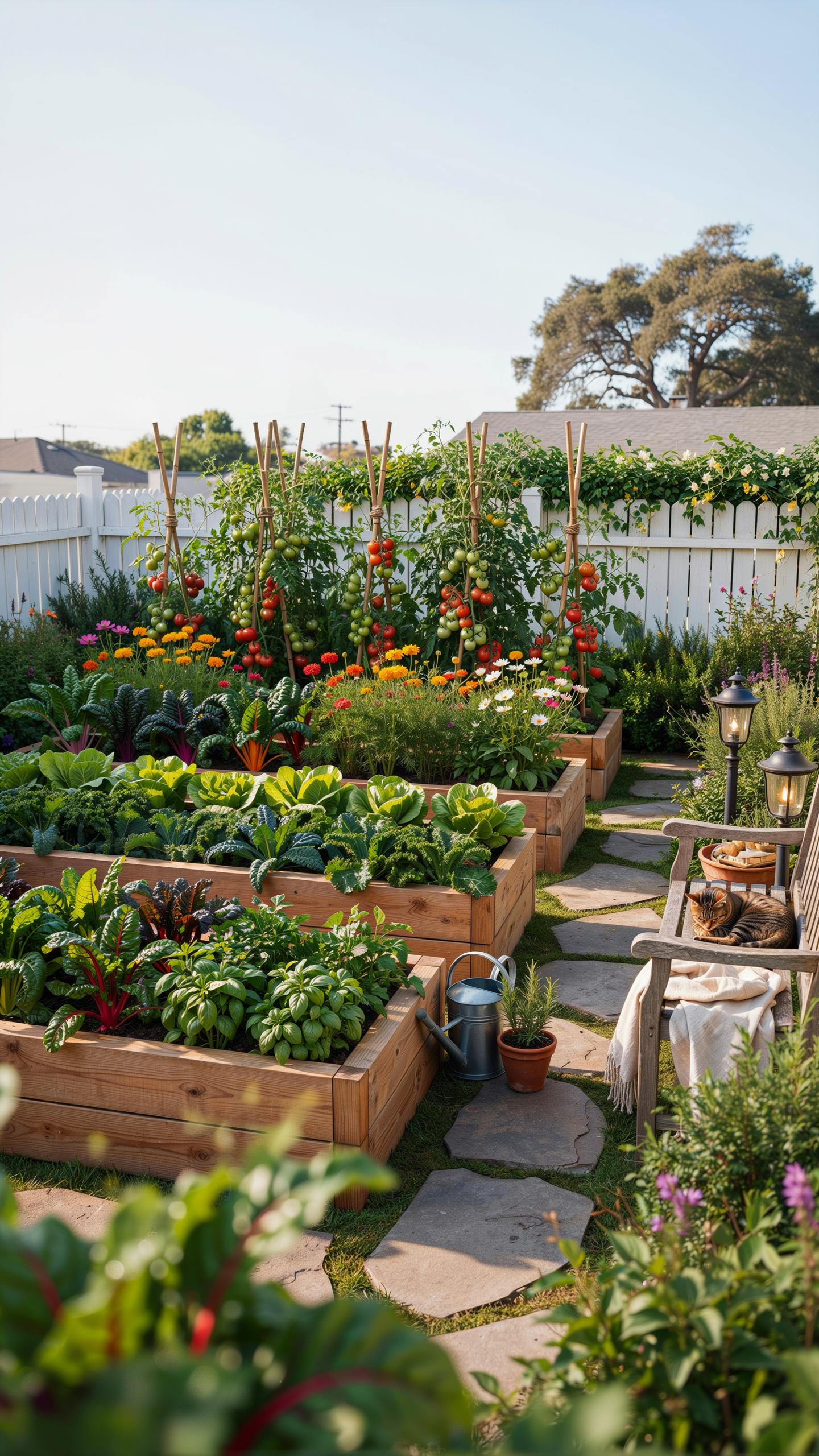
Structural elements provide the necessary framework for a clean raised bed vegetable garden layout. Use cattle panels or cedar A-frames to create vertical interest and maximize square footage. These structures support heavy climbers like squash and pole beans while keeping paths clear. Verticality draws the eye upward and breaks the flat plane of a standard backyard. Smart placement creates a professional and organized look.
Define the garden perimeter with durable materials like stone, brick, or pressure-treated timber. Clean lines separate the growing area from the lawn. This boundary prevents grass encroachment and simplifies maintenance. Choose edging that matches existing architecture to create a unified design. High-contrast borders highlight the symmetry of your beds. Proper edging keeps the space functional and enhances the overall value of the property.
Blending Edible Plants With Ornamentals For A Garden That Looks As Good As It Grows
The French Potager movement proves that utility and beauty can coexist in one layout. Integrate marigolds and nasturtiums along the bed corners. These flowers provide color and act as a natural pest deterrent. Use the varied textures of kale and chard to complement soft floral foliage. Strategic interplanting creates a dense and lush appearance. It optimizes space while supporting a diverse and healthy ecosystem.
Mix perennial herbs like rosemary and lavender at the ends of your raised beds. These woody plants offer year-round structure when annual vegetables die back in winter. Combine purple basil with green lettuces to create visual patterns and contrast. This method mimics natural landscapes rather than industrial rows. A well-planned edible landscape requires less exterior decoration. Focus on plant variety to build a productive and attractive garden.
Frequently Asked Questions

What is the best way to start a vegetable garden for the first time?
Starting with a raised bed vegetable garden layout is the most beginner-friendly approach because it offers superior control over soil quality and drainage. Simply choose a sunny spot, build or buy a basic frame, and fill it with a nutrient-rich mix of compost and topsoil. This structured setup prevents soil compaction and makes it much easier to manage weeds, ensuring your very first harvesting season is a rewarding success.
How should I arrange different plants within my raised bed for maximum efficiency?
To optimize your raised bed vegetable garden layout, practice companion planting and vertical layering. Place taller crops like tomatoes or trellised cucumbers on the north side so they don’t shade smaller greens. Group plants with similar water and light requirements together to simplify maintenance. Using a square foot gardening technique within your layout helps maximize your yield while keeping the display looking organized, lush, and visually appealing throughout the summer.
Is it possible to build an attractive and functional garden bed on a tight budget?
Absolutely! You can create a beautiful outdoor space without spending a fortune by using reclaimed materials like untreated cedar scraps, heat-treated pallets, or even recycled bricks. Focusing on a simple rectangular design reduces material waste and keeps costs low. Selecting affordable, high-yield seeds rather than expensive nursery starts further stretches your budget, proving that a productive and stylish backyard oasis is accessible to every homeowner regardless of their financial constraints.