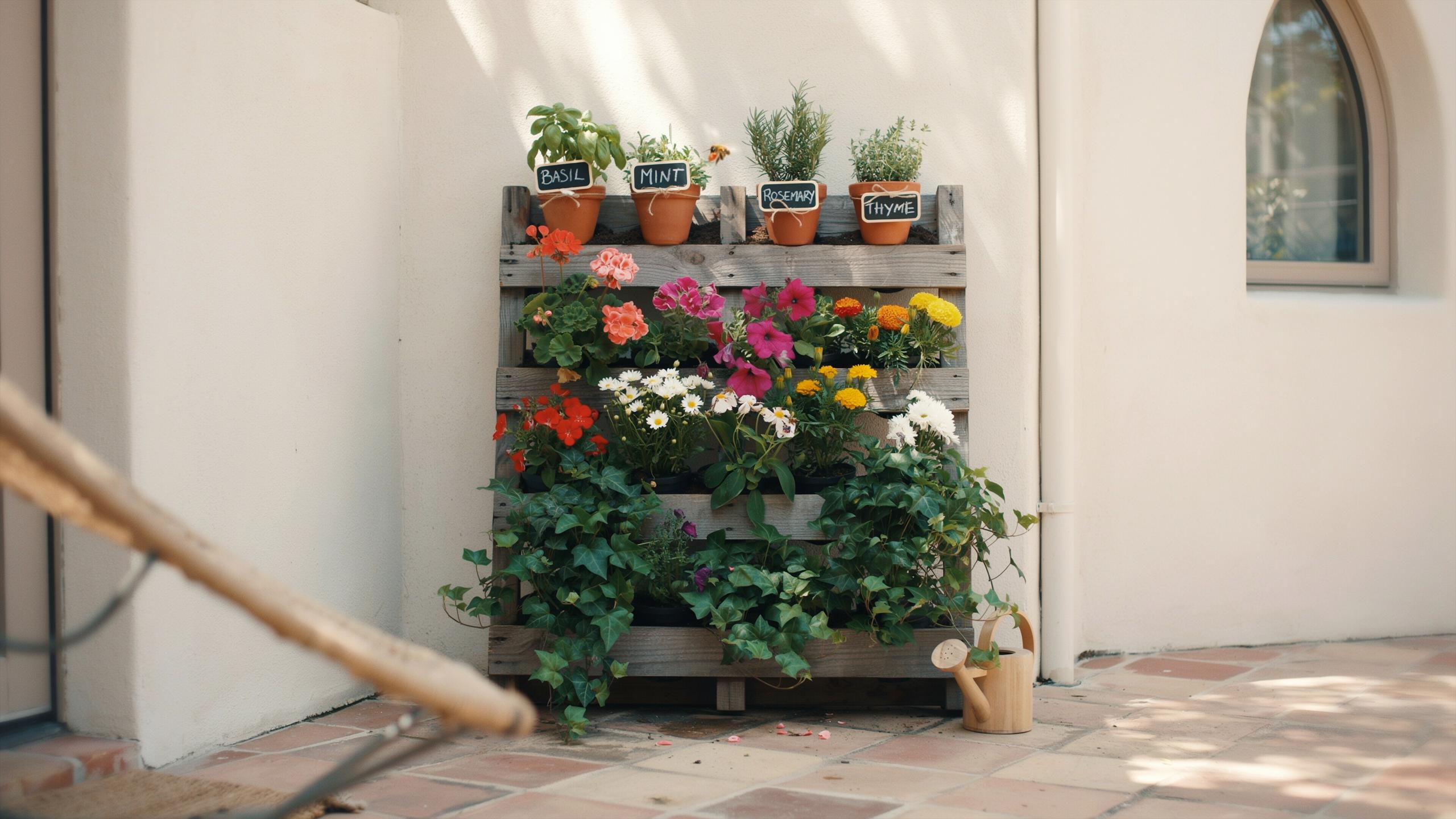
What Is A Pallet Vertical Garden And Why Is It So Popular Right Now
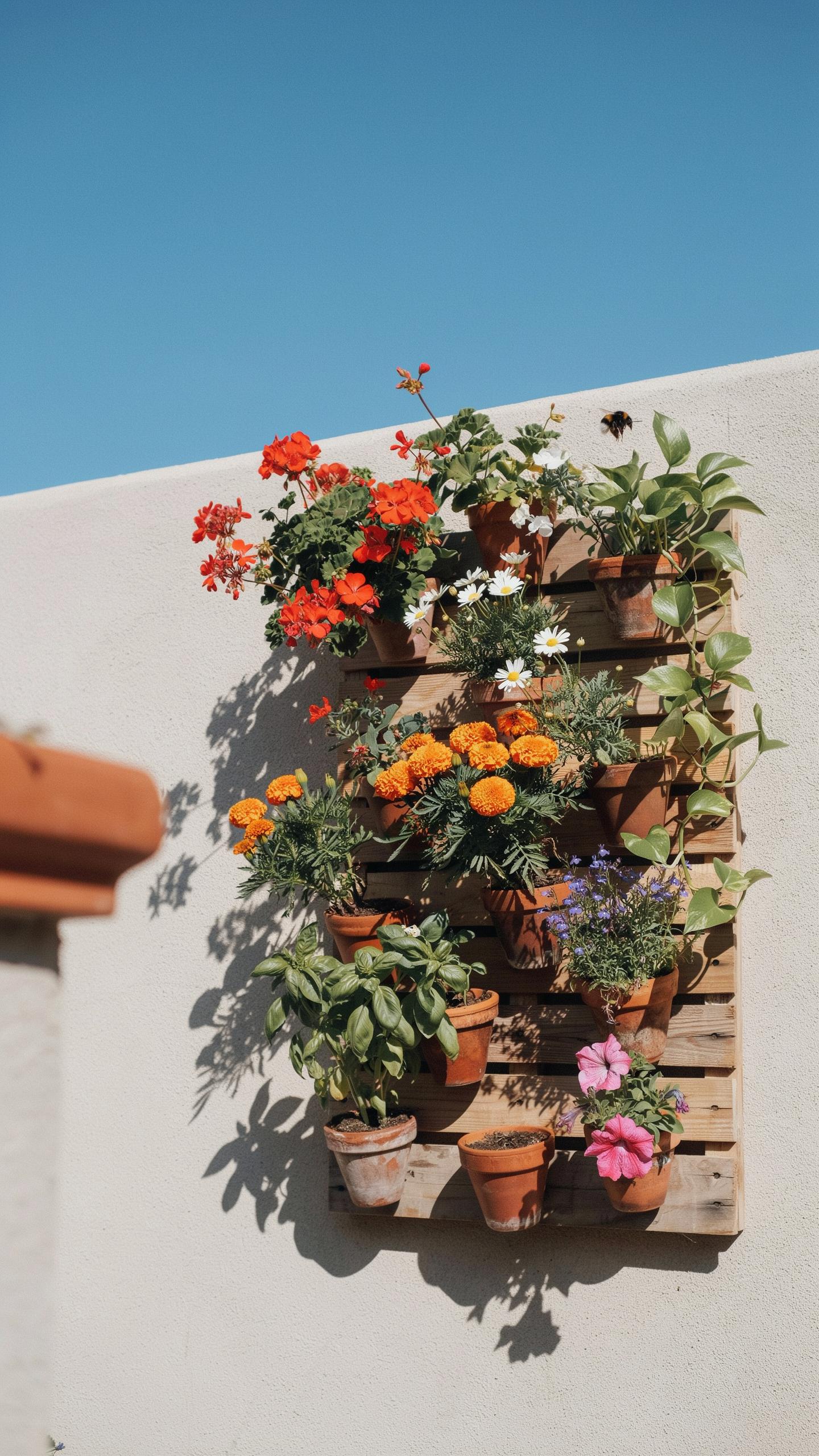
The Rise Of Urban Gardening And The Appeal Of Pallet Vertical Garden Diy Solutions
Urban populations now face limited ground space for traditional gardening. This constraint forces growers to utilize vertical planes. Vertical garden pallet project solutions solve this issue by turning walls into productive zones. Modern city dwellers prize these structures for their ability to provide fresh herbs and greens in tight quarters. You maximize square footage by growing upward instead of outward.
The DIY movement fuels the popularity of pallet gardens through low entry costs. Most people can source discarded pallets for free or at very low prices. This accessibility democratizes gardening for those on a strict budget. Enthusiasts value the rugged aesthetic and the pride of building a functional system from scratch. This trend aligns with sustainability goals by keeping wood waste out of landfills.
Why Wood Pallets Are An Ideal Base For A Space Saving Garden Structure
Wood pallets provide a rigid and standardized frame for plant support. Their slatted design allows for easy attachment of landscape fabric and soil pockets. Manufacturers build these units to hold heavy industrial loads. This structural integrity ensures the garden can handle the weight of wet soil and mature plants. A standard pallet offers a flat profile that mounts easily against existing fences or masonry.
The internal cavities of a pallet create natural planting rows. You can easily modify these spaces to fit specific crop needs. Wood is also a breathable material that prevents heat buildup better than plastic pots. This thermal regulation protects sensitive root systems from temperature spikes. Strategic gardeners choose heat-treated pallets for safety. These units offer a durable foundation that resists rot while remaining affordable for any homeowner.

Understanding Wood Pallets Before You Start Your Pallet Garden Project
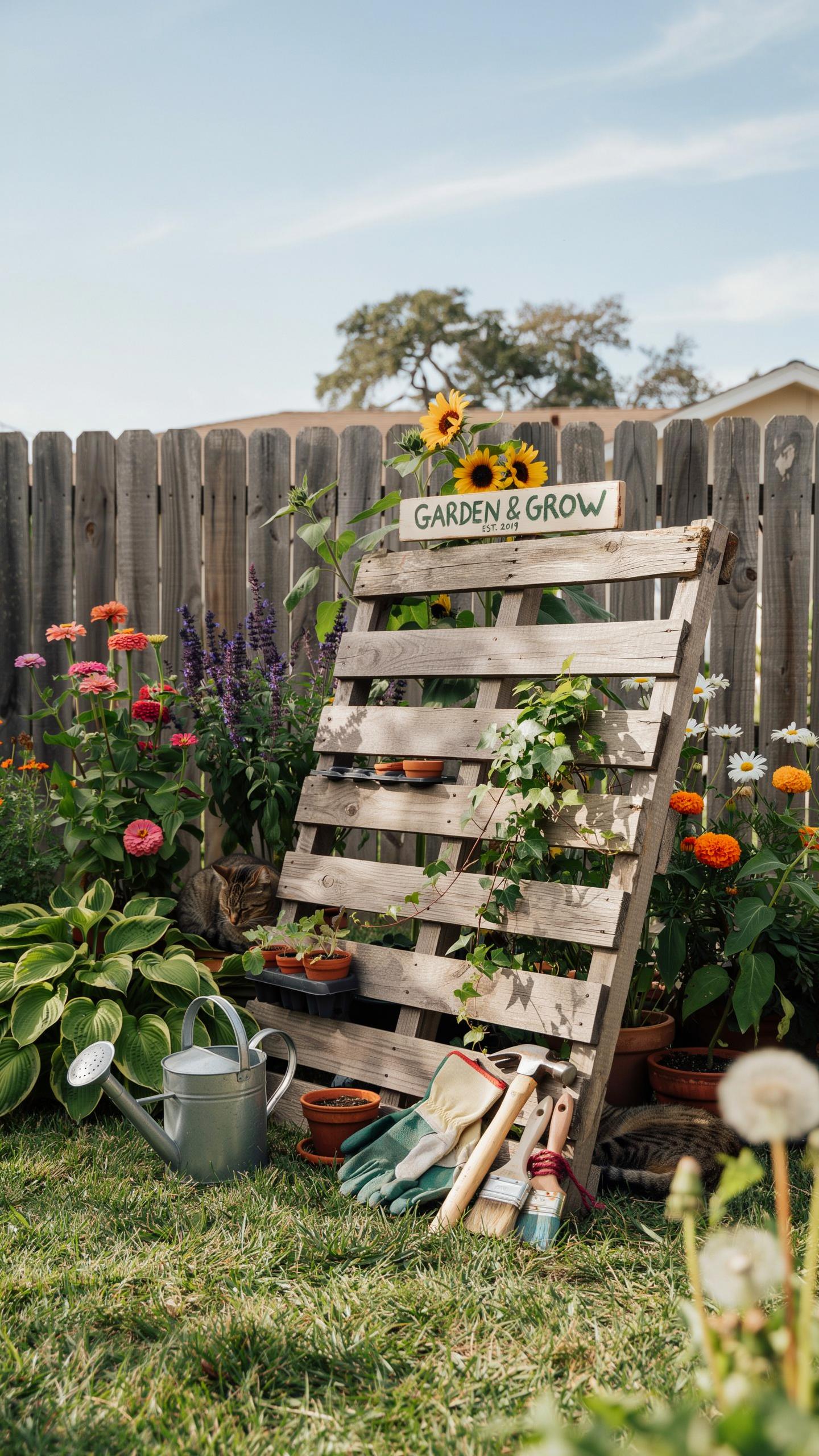
How To Identify Safe And Untreated Pallets For Your Pallet Garden
Source only clean pallets with visible stamps to ensure safety. Avoid wood with large oil stains or colorful spills. These marks indicate chemical leaks that ruin soil quality. Check for structural integrity to confirm the wood can hold heavy wet dirt. New pallets from local hardware stores often provide the cleanest options. Inspect every board for hidden rot or insect holes before transport.
Search for the IPPC logo on the side of the pallet frame. This logo confirms the wood meets international shipping standards. Look for a two-letter country code to verify its origin. Stay away from pallets without any markings at all. Unmarked wood often comes from local delivery loops where chemical treatments are not regulated. Select pallets made from solid wood rather than composite or particle board materials.
What The HT And MB Stamps On Pallets Actually Mean For Your Garden Safety
Locate the HT stamp on the wood surface immediately. This acronym stands for Heat Treated. It means the kiln heated the wood to a core temperature of fifty-six degrees Celsius. This process kills pests without using toxic chemicals. Pallets with the HT mark are safe for growing vegetables or herbs. This treatment ensures the wood remains stable and clean for long term outdoor use.

Avoid all pallets marked with the MB stamp. This code represents Methyl Bromide which is a toxic pesticide. This chemical prevents bugs but poses serious health risks to humans. It survives in the wood fibers and leaches into your garden soil. Never use MB pallets for any project involving edible plants. Stick to HT or DB marked wood to ensure your vertical garden remains chemical free and safe.
Essential Materials And Tools Needed For A Diy Vertical Garden Wall
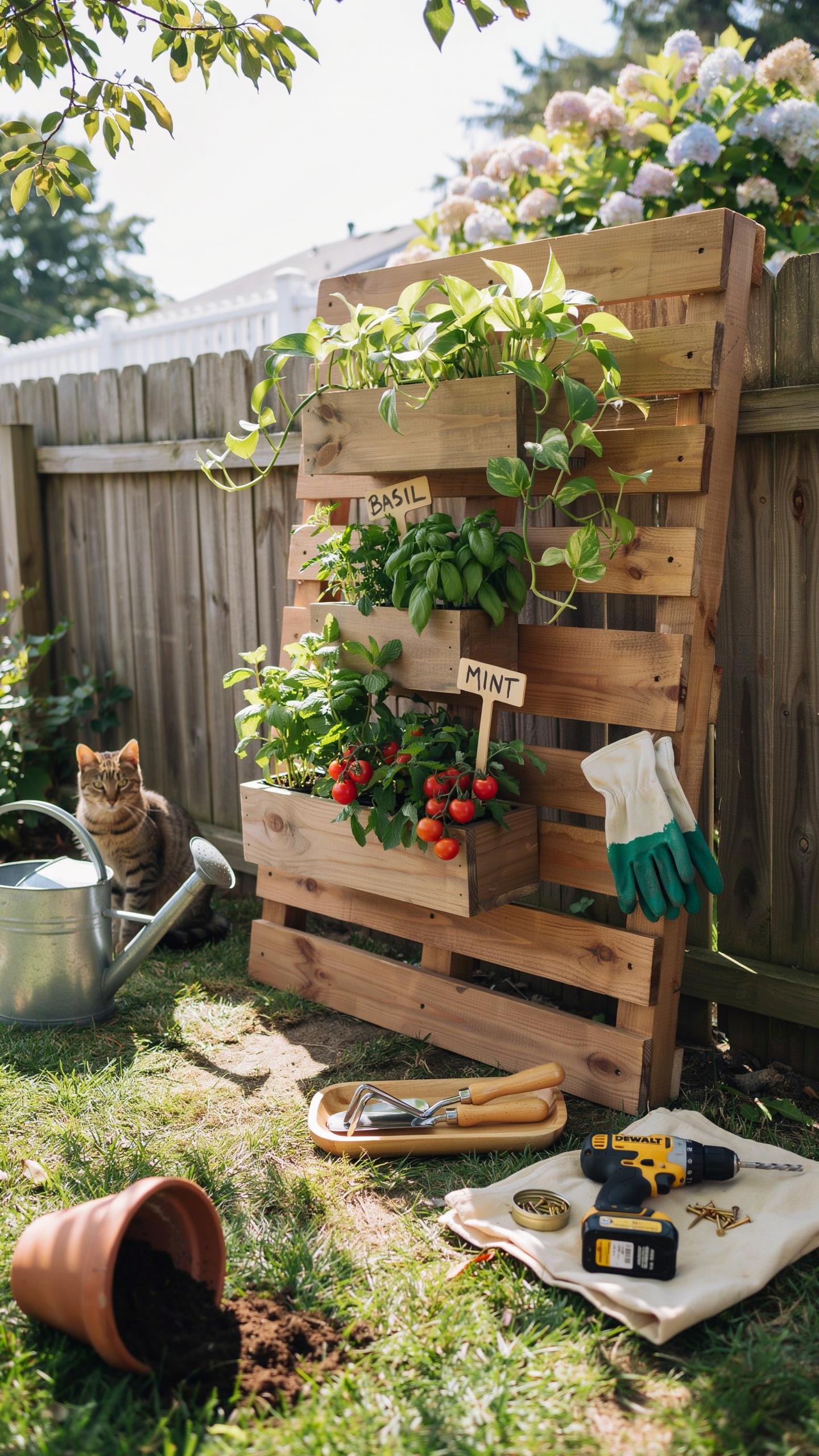
The Core Supplies You Need To Build A Sturdy And Long Lasting Vertical Garden Wall Diy How To Build
The structural integrity of a vertical garden pallet project depends on the quality of the wood. You must source heat-treated pallets marked with the HT stamp. Avoid chemically treated wood marked with MB for health safety. Standard pallets measure 48 by 40 inches and provide a grid for planting. Select pallets with minimal splintering and no missing slats to ensure a solid foundation for your green wall.
- Heat-Treated Pallet: Select a pallet with the HT stamp. This ensures the wood was heated to kill pests without toxic chemicals. It is safe for growing edible plants and herbs.
- Power Sander and Sandpaper: Use a 60-grit or 80-grit paper to remove rough patches and splinters. This prevents injury and creates a smooth surface for painting or staining. A smooth finish helps water shed effectively.
- Claw Hammer and Crowbar: These tools are necessary for removing broken boards or adjusting slat spacing. Many pallets require minor repairs before they can hold soil. Use them to pry up damaged wood and pull rusted nails.
- Galvanized Nails or Screws: Use rust-resistant hardware to assemble the backing and pocket supports. Standard steel nails will corrode quickly when exposed to moisture and soil. Galvanized options extend the life of your vertical structure.
- Power Drill: A drill is required for driving screws and creating drainage holes in the bottom slats. It allows for a faster build and tighter joints than manual tools. Use a wood bit sized for your specific hardware.
Preparation requires removing all debris and securing loose boards. Inspect the pallet for protruding nails that pose a safety risk. Use a pry bar to remove unnecessary slats on the back to reduce weight. Sand the entire surface to allow for better adhesion of wood sealant. A properly prepped pallet resists rot and maintains its shape under the weight of wet soil and plants.
To plant a garden is to believe in tomorrow, especially when turning something old into a living tapestry for your home.
Choosing The Right Soil, Liner, And Fixings For A Healthy Pallet Garden Setup
Landscape fabric serves as the primary containment layer for your soil. You must use high-quality, heavy-duty weed barrier to prevent shedding. Use a staple gun to attach the fabric to the back and bottom of the pallet. Space staples every two inches to handle the pressure of the dirt. This creates a secure envelope that allows water to drain while holding soil in place.
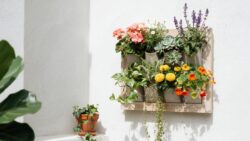
Choose a lightweight potting mix rather than heavy garden soil to reduce strain on the structure. Mix in perlite or vermiculite to improve aeration and moisture retention. If mounting the pallet to a wall, use heavy-duty steel brackets or French cleats. These fixings must be rated for at least one hundred pounds to account for water weight. Secure the brackets directly into wall studs for maximum safety.
Step By Step Guide To Building Your Vertical Garden Pallet From Scratch
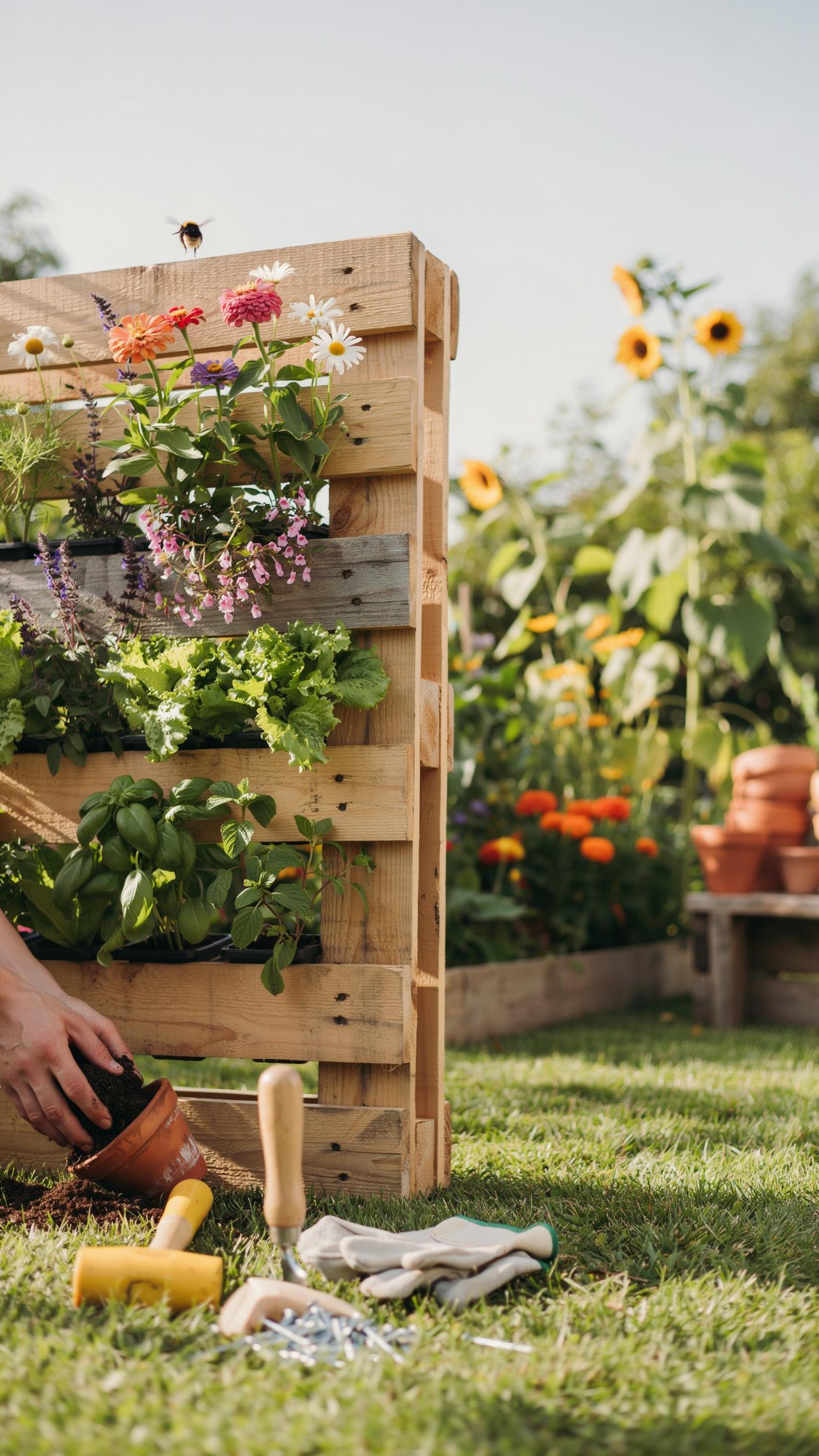
How To Clean, Sand, And Prepare Your Pallet Before Planting
Scrub the pallet with a stiff brush and oxygen bleach to remove mold or chemical traces. Look for the Heat Treated stamp on the wood. This mark confirms the wood is safe for food crops. Avoid pallets marked with Methyl Bromide because they release toxic vapors. Inspect the structure for protruding nails or splinters. Pull out any rusted fasteners with a hammer claw immediately.
Sand the entire surface with sixty-grit sandpaper to remove rough spots. Focus on the front slats where plants will sit. Smooth wood prevents skin injuries and allows paint or sealant to bond better. Wipe away all dust with a damp cloth before moving forward. Apply a non-toxic wood sealer if the pallet will stay outside. This step prevents rot and extends the lifespan of your structure.
How To Secure The Liner, Fill With Soil, And Mount Your Pallet Gardens Vertical Structure Safely
Lay the pallet flat and cover the back and sides with heavy landscape fabric. Staple the fabric every two inches along the wooden frame. Pull the material tight to prevent sagging under the weight of wet soil. Double the layers on the bottom to stop dirt from leaking. This fabric barrier allows water to drain but keeps the growing medium inside the wooden channels.
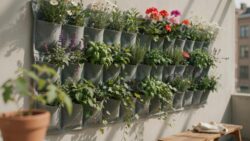
Pour potting soil into the slats while the pallet is still horizontal. Pack the soil firmly but do not crush it. Leave two inches of space at the top of each row for watering. Mount the pallet to a load-bearing wall using galvanized lag bolts. Professional installers use French cleats for better weight distribution. Ensure the fasteners hit studs to prevent the garden from falling under heavy loads.
Best Plants To Grow In A Pallet Garden Ideas Vertical Layout
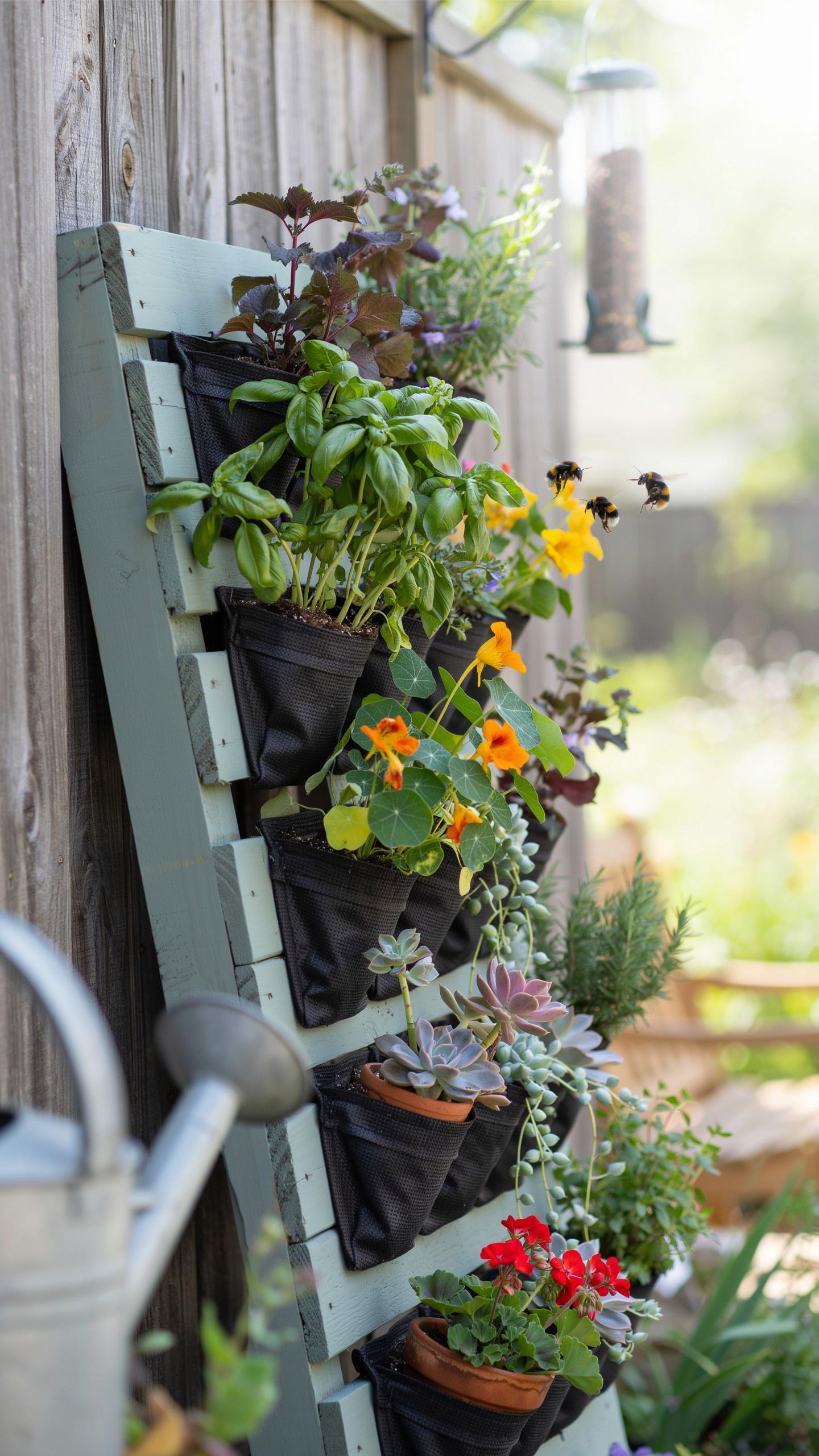
Herbs, Succulents, And Flowers That Thrive In A Vertical Pallet Garden Environment
Effective vertical pallet gardening requires plants with shallow root systems and compact growth habits. Herbs like basil, thyme, and mint adapt well to the narrow pockets created by landscape fabric. These species tolerate the fast drainage common in vertical setups. Succulents such as sedum and sempervivum offer excellent drought resistance. Their low water needs prevent the bottom rows from becoming waterlogged during routine maintenance cycles.
Flowers provide aesthetic appeal and attract pollinators to your vertical structure. Petunias and pansies thrive in the restricted soil volume of a pallet slat. These plants cascade over the edges to hide the structural wood. Ensure you choose dwarf varieties to prevent the vegetation from becoming too heavy for the wall mounts. Proper plant selection reduces soil erosion and keeps the weight of the pallet within safe structural limits.
How To Match Plant Selection To Sunlight And Climate Conditions In Your Pallets Garden
Sunlight exposure determines your pallet garden success more than any other factor. Southern facing pallets receive intense heat and direct light throughout the day. Place heat tolerant herbs like rosemary or succulents in these high light areas. Shady spots require leafy greens like spinach or ferns that do not bolt under low light. Match your plant water requirements to the specific microclimate created by your home walls.
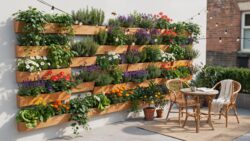
Climate conditions affect the moisture retention of your pallet soil. Wind dries out vertical containers faster than ground beds. Use moisture retaining crystals or thick organic mulch if your pallet sits in a breezy corridor. Group plants with identical water needs in the same pallet to avoid overwatering sensitive species. Monitor the vertical temperature gradient as the top layers dry out significantly faster than the lower sections.
Indoor Vs Outdoor Pallet Gardens Vertical Design Considerations
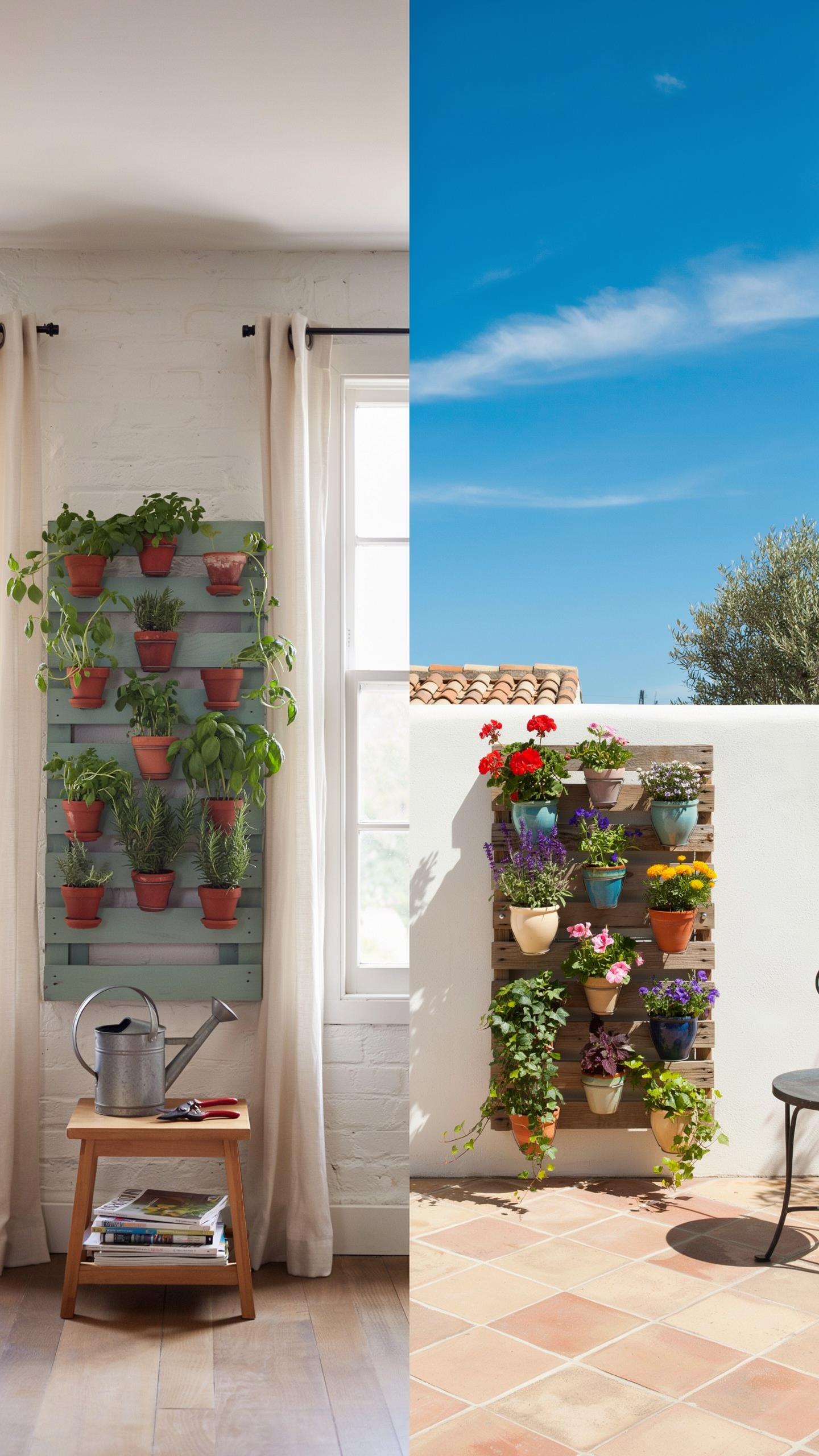
How To Adapt Your Diy Vertical Garden Wall For Indoor Living Spaces And Low Light Conditions
Indoor pallet gardens require strict moisture control to protect your home. Line the pallet pockets with thick plastic pond liners to prevent water leaks. Staple the liner securely and add a layer of landscape fabric. This keeps soil in place while allowing roots to breathe. Choose heartier plants like pothos or snake plants. These species thrive in lower light levels common in most rooms.
Standard pallets take up significant floor space. Mount the unit directly to wall studs for safety and a smaller footprint. Use heavy duty French cleats to distribute the weight. If natural light is insufficient, install full spectrum LED grow lights above the structure. Position these lights twelve to eighteen inches from the foliage. This setup ensures your vertical garden stays healthy without sunlight.
Weather Proofing And Maintenance Tips For An Outdoor Vertical Garden Pallet Setup
Outdoor pallets face harsh sun and heavy rain. Apply a non toxic wood sealant to prevent rot and UV damage. Raw pine decays quickly when exposed to moisture and soil. Reapply this sealant every two years to maintain structural integrity. Use stainless steel fasteners to avoid rust streaks on your siding. These materials ensure your garden wall survives changing seasons and temperature swings.
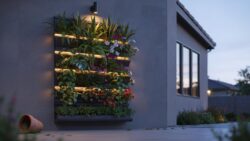
Proper drainage is the most critical factor for outdoor units. Drill small holes in the bottom of each pallet shelf. This prevents water from pooling and drowning the roots during rainstorms. Check soil moisture daily during summer months because vertical containers dry out fast. Consider installing a simple drip irrigation system. This saves time and provides consistent hydration to every level of the vertical garden.
Creative Design Styles And Aesthetic Ideas For Your Pallet Vertical Garden
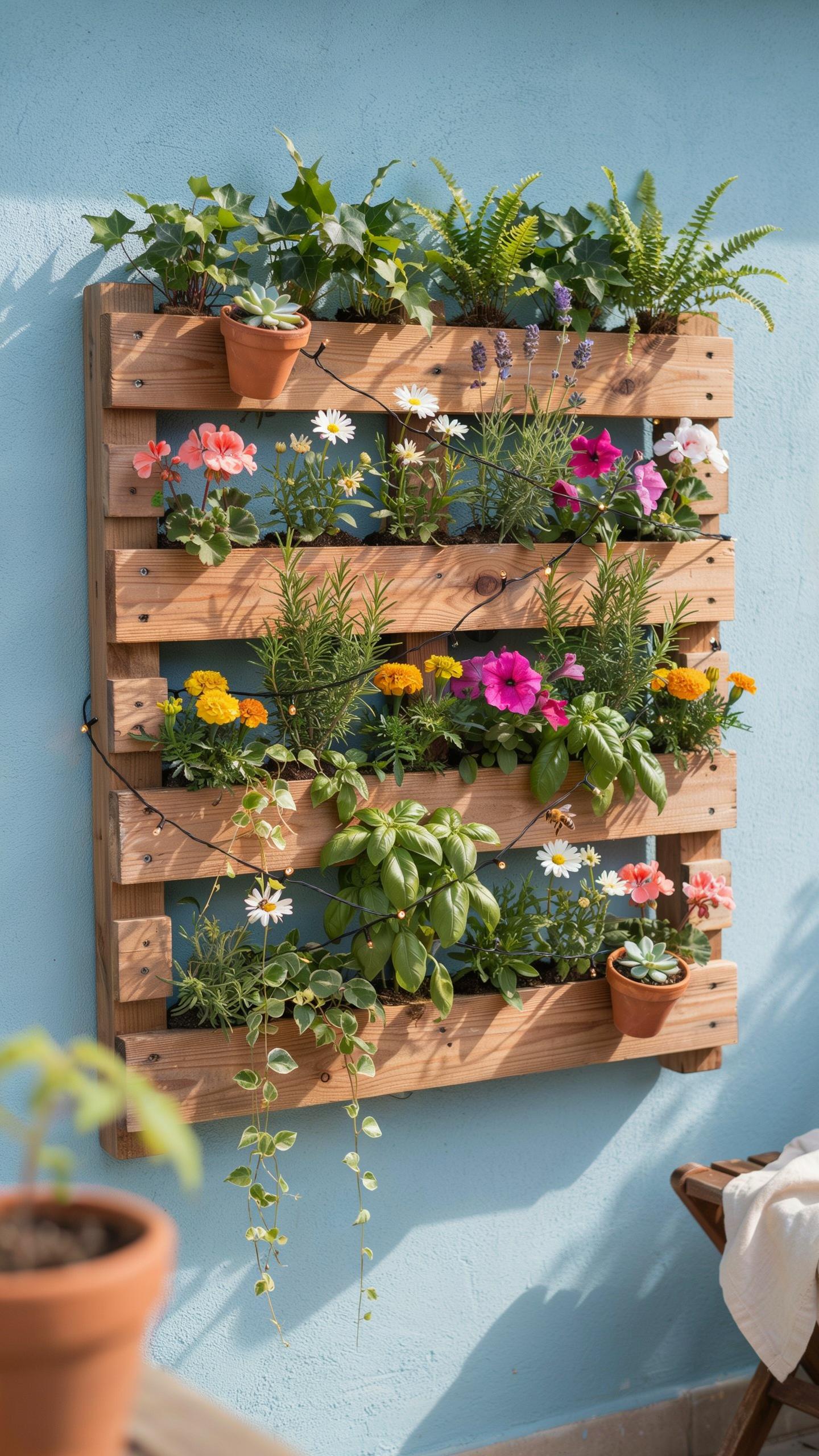
Rustic, Bohemian, And Modern Styles That Work Beautifully With A Pallet Garden Framework
Rustic design relies on the raw state of the pallet wood. Keep the weathered texture and original stamps visible for an industrial feel. Use iron hardware to secure the structure to your wall. This style fits best in traditional gardens or farmhouses. It focuses on the history of the timber. You should use clear sealants to protect the wood without hiding its natural defects.
Modern styles require clean lines and uniform colors. Sand the wood smooth and apply matte black or charcoal paint. This hides the cheap nature of the pallet and makes it look like custom furniture. Position the slats symmetrically to create a grid. Bohemian styles use bright colors and mismatched pots. Hang macrame plant holders from the frame. This adds a soft layer to the hard wood structure.
How To Use Color, Texture, And Plant Variety To Create Visual Depth In Your Vertical Garden
Visual depth comes from layering plants with different leaf shapes. Place trailing vines like ivy at the bottom to soften the frame. Use upright plants like snake plants in the middle rows to create height. Put bushy herbs like rosemary at the top. This arrangement prevents the pallet from looking flat. Different shades of green create contrast. Dark leaves set a background for bright lime foliage.
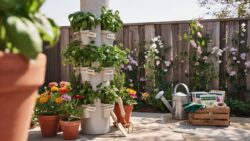
Texture changes how light hits your garden. Mix glossy leaves with fuzzy or matte textures to add interest. Fine-textured ferns contrast well against broad-leafed succulents. Use color strategically by grouping similar hues together. This creates a focal point for the eye. Avoid random placement of different colors. It makes the garden look messy. Organized layers make a small vertical space feel much larger and more professional.
Watering And Fertilizing Strategies To Keep Your Pallets Garden Thriving
How Gravity Affects Watering In A Vertical Garden Pallet And How To Water Evenly
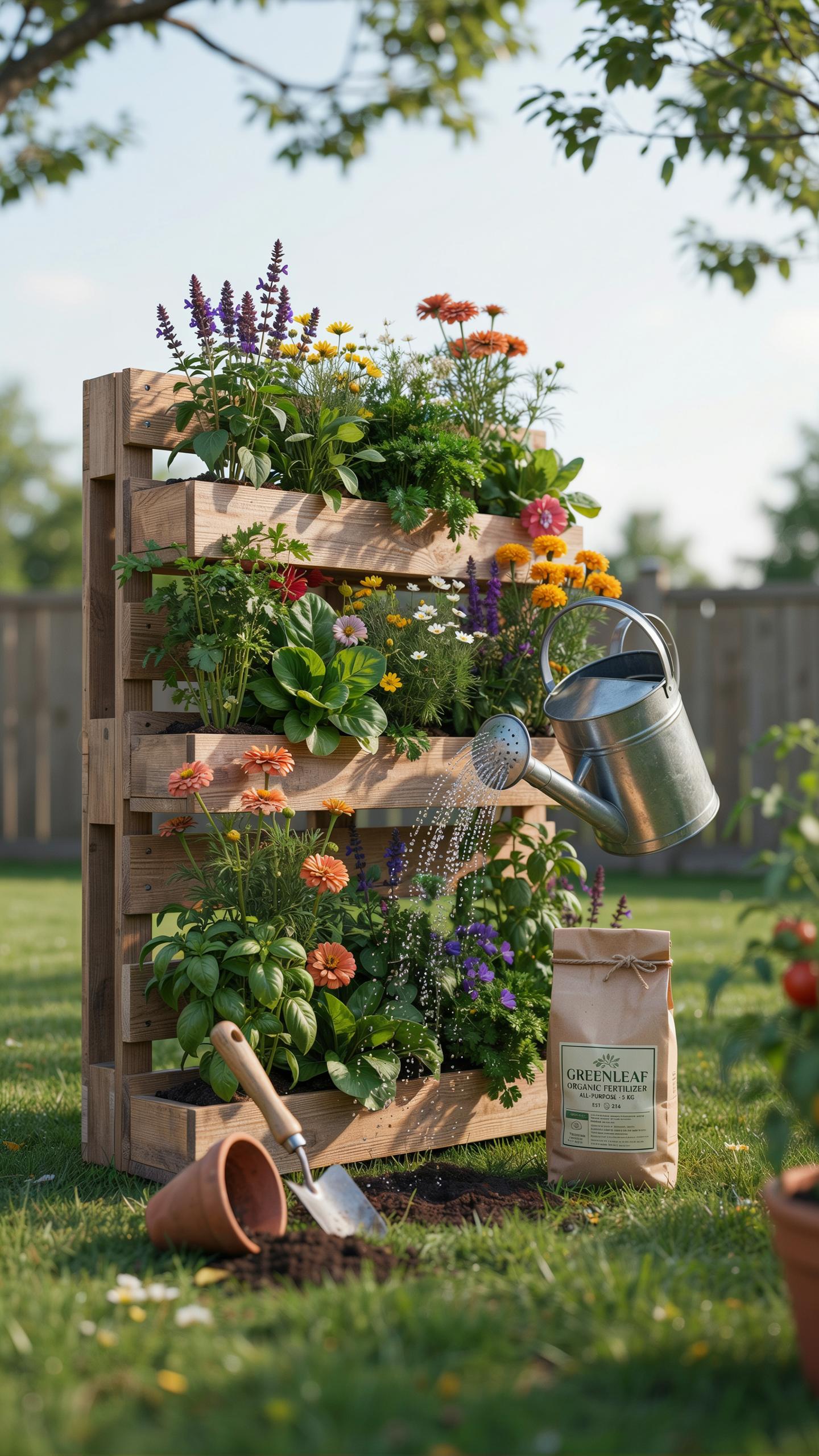
Gravity pulls water downward through the pallet layers. This action causes the bottom sections to stay saturated while the top sections dry out quickly. Standard top-down watering leads to uneven growth and root rot in lower plants. You must recognize that the vertical orientation creates distinct microclimates within a single pallet. Strategic water placement is the only way to ensure uniform health across the entire structure.
Install a dedicated irrigation system to solve this imbalance. Use a drip line or a perforated soaker hose tucked behind the landscape fabric. Place water emitters at every tier to bypass the gravity gradient. This method delivers moisture directly to the roots without washing away topsoil. Manual watering requires extra attention to the top rows and light misting for the bottom rows to maintain a consistent balance.
Organic Fertilizing Approaches That Support Healthy Root Growth In Confined Pallet Spaces
Pallet pockets hold very little soil compared to traditional garden beds. This restricted volume means plants exhaust available nutrients rapidly. You cannot rely on slow-release synthetic pellets that might burn roots in tight quarters. Organic liquid fertilizers provide immediate bioavailability and support the microbial life necessary for a healthy ecosystem. Concentrated organic matter keeps the soil structure loose and prevents the compaction often seen in vertical containers.
- Compost Tea: Steep high-quality compost in water to create a nutrient-dense liquid. This solution introduces beneficial bacteria and fungi directly to the root zone. It improves plant immunity and helps the shallow soil retain moisture more effectively over time.
- Fish Emulsion: Use this nitrogen-rich liquid for leafy greens and herbs. It provides a rapid boost for vegetative growth without the risk of chemical buildup. Dilute it strictly according to instructions to avoid over-stimulating the small soil pockets in your pallet.
- Liquid Seaweed: Apply seaweed extract to help plants manage the stress of vertical living. This supplement contains trace minerals and hormones that strengthen cell walls. It is particularly effective for plants facing high wind or intense sun exposure on a wall.
- Worm Castings: Mix worm gold into the soil during planting or top-dress the pockets periodically. These castings provide a gentle, long-term source of nutrients that will not leach out instantly during watering. They improve the soil texture in the narrow pallet slats.
- Blood Meal: Incorporate this high-nitrogen organic powder if your plants show yellowing leaves. It acts faster than most dry amendments to correct deficiencies in high-density vertical plantings. Apply small amounts during the peak growing season to maintain vibrant green foliage throughout the structure.
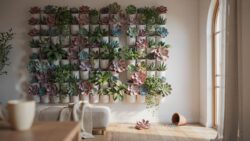
Consistent feeding schedules prevent the boom-and-bust cycle typical of small-container gardening. Apply diluted organic fertilizers every two weeks during the growing season. This frequency compensates for the nutrients lost through frequent drainage. Always water the soil before applying liquid fertilizers to prevent root shock. Proper nutrient management ensures that your vertical garden maintains its aesthetic appeal and structural integrity by keeping the root systems robust.
Common Mistakes To Avoid When Starting A Pallet Garden Ideas Vertical Build
Structural And Weight Errors That Can Cause A Vertical Garden Wall Diy Project To Fail
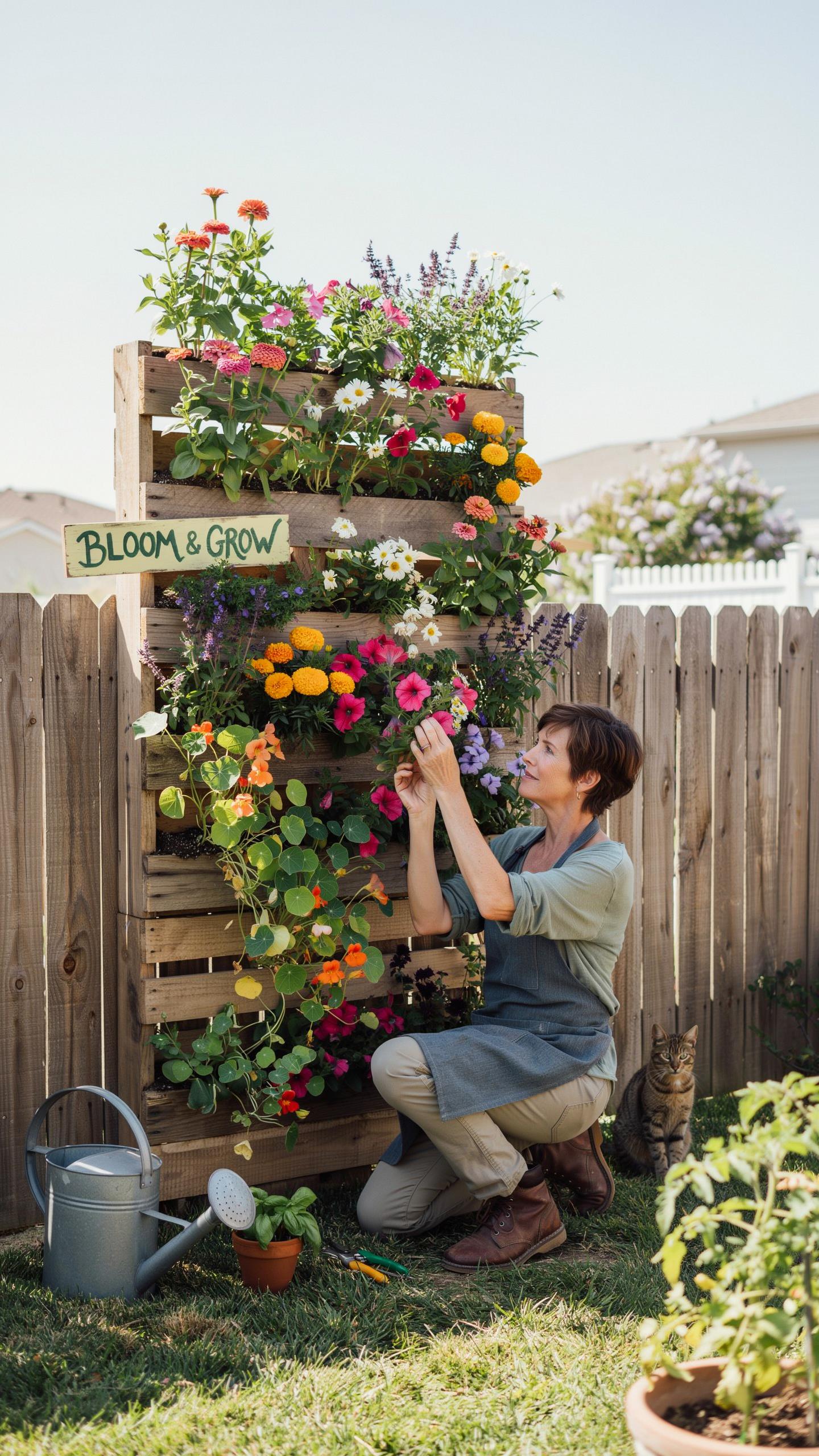
Most builders underestimate the final weight of a saturated pallet. Dry wood and empty landscape fabric are light. Add wet soil and mature plants to create a massive load. This weight can pull fasteners out of siding or cause the wood to split. You must secure the structure into wall studs or solid masonry. Use exterior grade screws instead of nails to prevent the frame from pulling apart.
Cheap landscape fabric often rips under the pressure of soil gravity. This causes soil to spill and roots to dry out. Use heavy duty landscaping fabric or plastic liners to contain the medium. Avoid pallets with the MB stamp because they contain methyl bromide. Look for the HT stamp which means heat treated. This ensures the wood is safe for food crops and will not leech toxins into your plants.
Plant Overcrowding And Soil Mistakes That Limit Growth In A Pallet Vertical Garden Diy Project
Vertical pockets provide very small soil volumes for root systems. Many gardeners pack too many plants into one horizontal slat. This leads to rapid nutrient depletion and water stress. Competing roots will kill off smaller plants within weeks. Space your seedlings according to their mature size. Use high quality potting mix rather than garden soil. Native ground soil is too heavy and lacks the necessary drainage for pallet cells.
Improper watering kills most vertical gardens. Water moves downward through gravity so the bottom layers often stay soaked while the tops dry out. You must check the moisture levels at every level of the pallet. Install a simple drip irrigation line at the top to ensure even distribution. Without a consistent water schedule the small amount of soil will bake in the sun. This heat causes rapid root death in shallow pallet structures.
How A Vertical Garden Pallet Project Adds Real Value And Coziness To Your Home
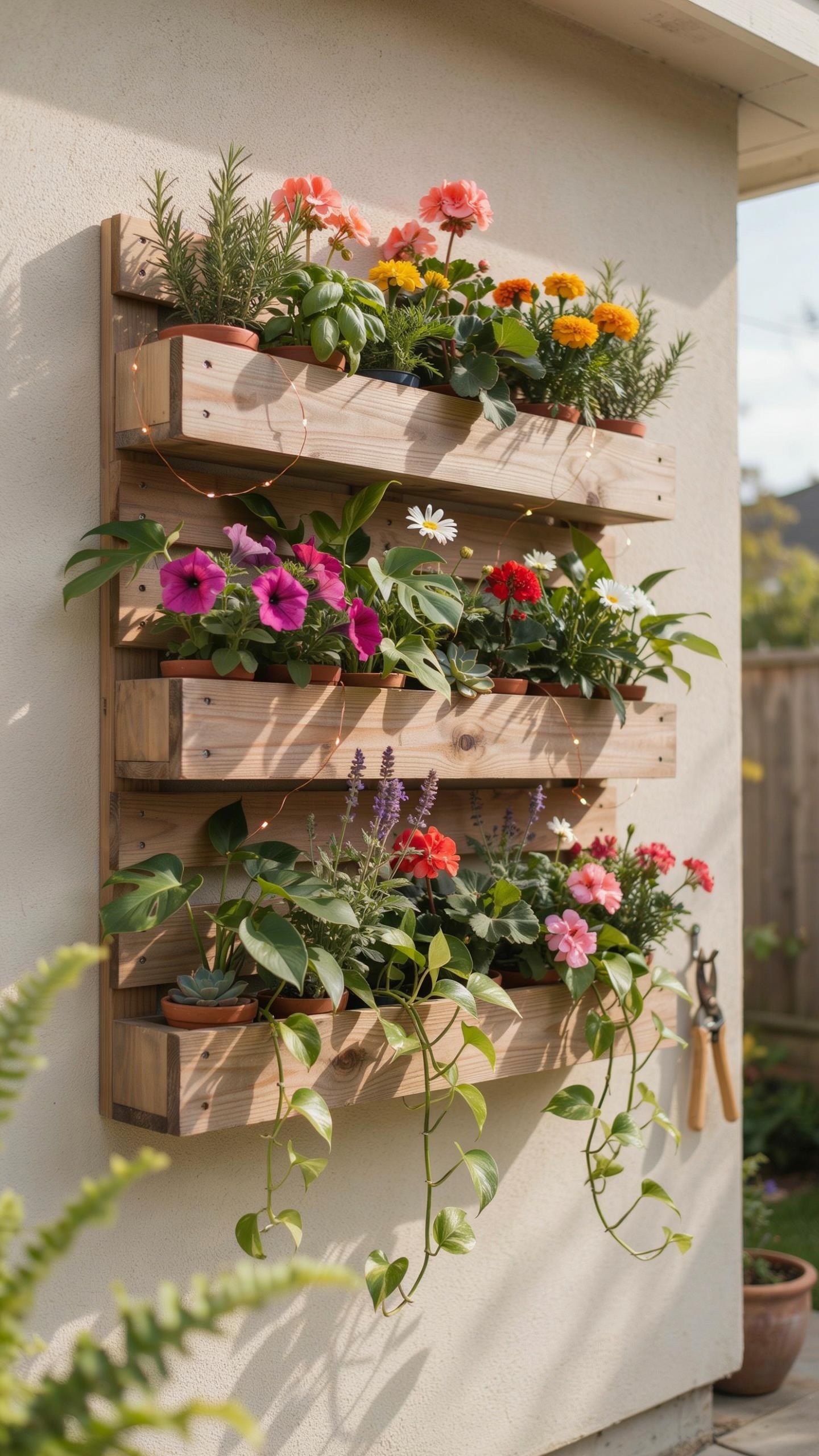
The Psychological And Air Quality Benefits Of Living With An Indoor Pallet Garden
Indoor plants improve mental health and cognitive function. Research shows that proximity to greenery reduces cortisol levels and lowers blood pressure. A vertical garden pallet project maximizes foliage in small footprints. This concentrated bio-density helps filter common household toxins like formaldehyde and benzene. Plants release moisture through transpiration. This natural process regulates humidity levels and improves respiratory comfort in dry climates.
Integrating a pallet garden provides a tactile link to nature. Active gardening reduces stress and improves focus in home offices. Using heat-treated pallets ensures the wood is safe for indoor air quality. Avoid chemically treated pallets labeled with MB to prevent toxic off-gassing. A well-maintained pallet wall acts as a living sound barrier. This setup absorbs high-frequency noises to create a quiet and productive living environment.
How A Well Designed Pallets Garden Can Boost Curb Appeal And Outdoor Living Comfort
A vertical pallet garden serves as a functional design element for porches and patios. It creates a privacy screen without the high cost of custom fencing. This structure hides unsightly walls or utility boxes. Vertical planting increases the perceived value of a home by showcasing efficient use of space. Buyers respond positively to sustainable landscaping features that offer immediate edible or aesthetic returns.
Outdoor comfort relies on temperature control and wind management. Dense vertical foliage provides natural cooling through evaporative effects. This reduces the radiant heat absorbed by exterior walls during summer months. Positioning pallet gardens strategically can also break up harsh wind currents. This makes outdoor seating areas more comfortable for year-round use. These projects transform dead vertical space into productive assets that enhance the overall home experience.
Frequently Asked Questions

What are the best plants for a beginner starting a vertical garden pallet project?
For those new to a vertical garden pallet project, start with hardy, low-maintenance plants. Herbs like rosemary, mint, and oregano are excellent choices because they thrive in confined spaces. If you prefer a decorative look, succulents and trailing ivy add a beautiful, lush texture. These varieties are forgiving for beginners and quickly transform a wooden pallet into a vibrant living wall that brings a cozy, organic feel to any small space.
How do I properly prep and waterproof a pallet for planting?
Before beginning your vertical garden pallet project, sand down any rough edges to avoid splinters. It is vital to use heat-treated pallets—marked with “HT”—rather than chemically treated ones. To protect your walls and ensure longevity, line the interior sections with heavy-duty landscape fabric and a waterproof plastic backing. This keeps the soil contained and prevents moisture from rotting the wood or damaging your home’s exterior, ensuring your garden stays healthy.
Is a pallet garden an affordable option for people living in small apartments?
Absolutely. One of the greatest benefits of this project is that it is incredibly budget-friendly. Most wooden pallets can be sourced for free from local hardware stores or small businesses. Aside from the pallet, your only costs are soil, landscape fabric, and your choice of plants. This makes it an accessible way to introduce greenery into a cramped balcony or patio without the high price tag of commercial tiered planters.