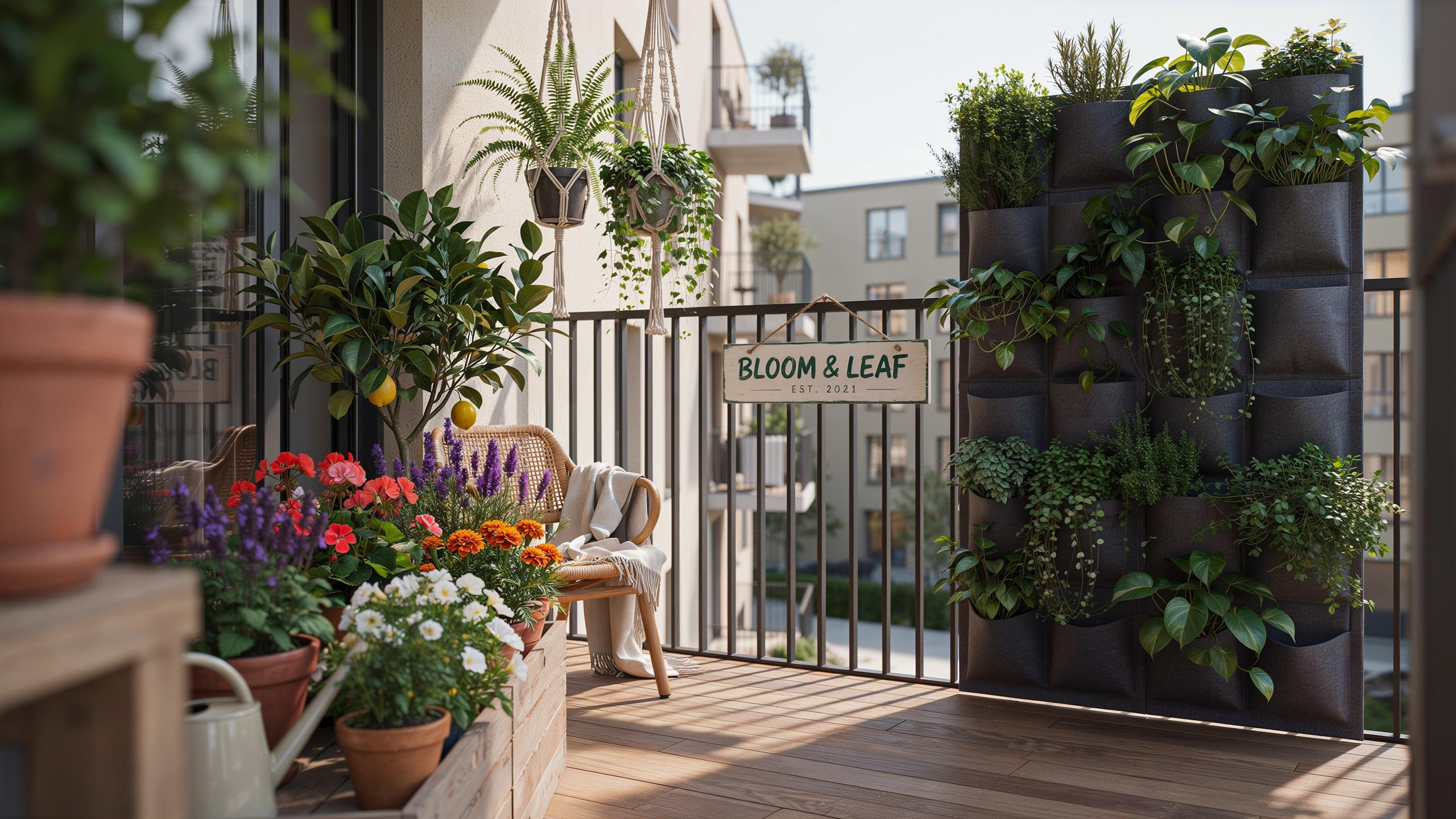
What Is Vertical Gardening And Why It Works Perfectly For Balconies
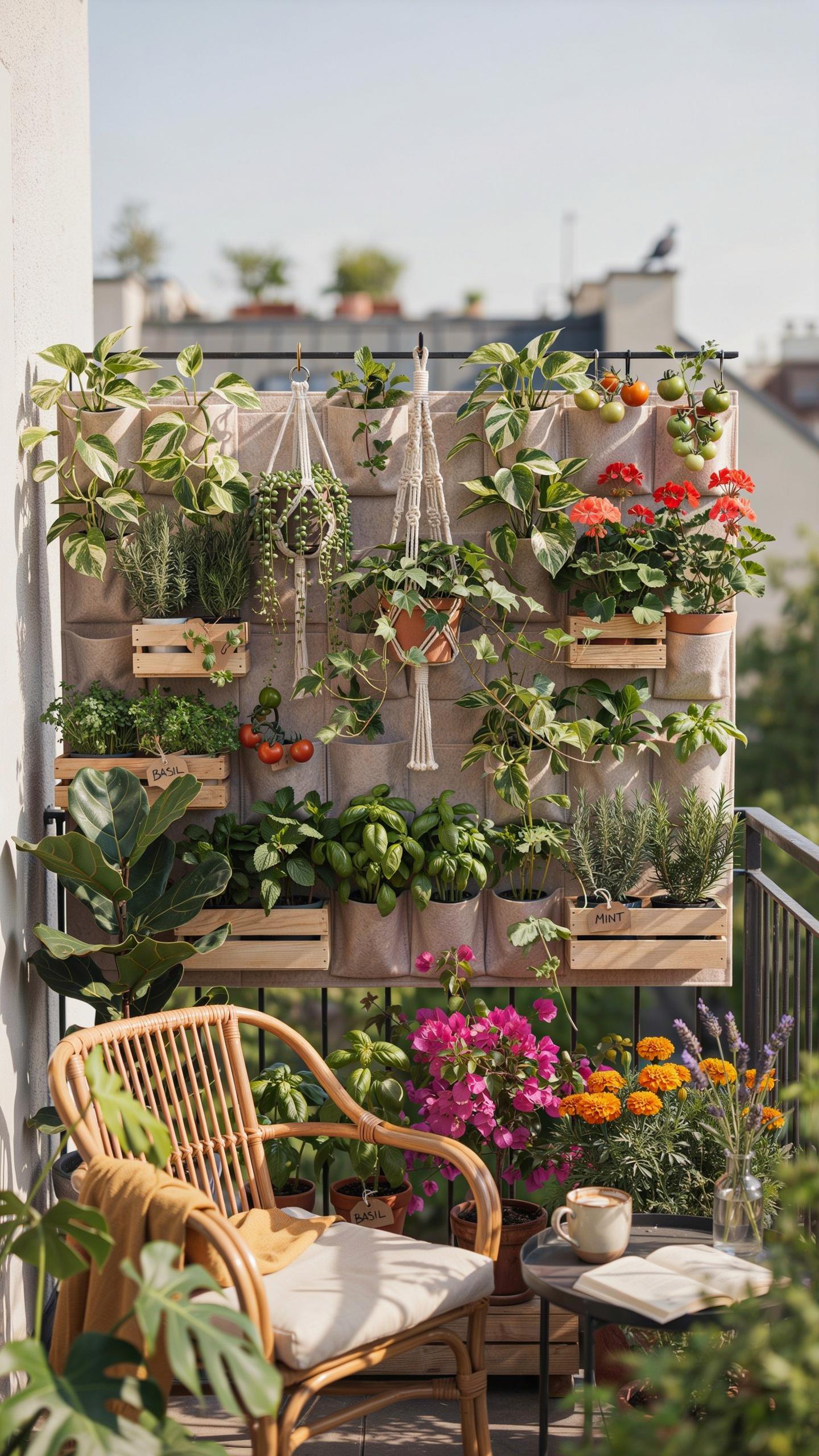
Understanding The Core Concept Of Vertical Gardening
Vertical gardening uses upright space to grow plants instead of traditional ground plots. This method shifts the planting axis from horizontal to vertical using structures like trellises, modular panels, or felt pockets. It relies on hydroponic systems or specialized soil containers attached to walls or freestanding frames. Professional designers use this technique to maximize biomass in restricted areas. It turns flat walls into productive ecosystems.
The approach focuses on gravity-fed irrigation and light exposure optimization. By stacking plants, you create a dense layer of vegetation that protects building surfaces. Modern systems often use lightweight materials like recycled plastics or powder-coated steel to manage load-bearing limits. This agricultural strategy provides high yields of food or foliage without requiring large land footprints. It solves the problem of limited ground access in urban environments effectively.
Why Balconies Are Ideal Spaces For A Vertical Garden Setup
Balconies provide the structural support and environmental conditions necessary for vertical growth. Most modern balconies feature concrete or metal railings that act as anchor points for planters. These spaces often sit high above ground level, which reduces pest pressure from soil-dwelling insects. The proximity to building glass can also create a microclimate that traps heat. This extra warmth extends the growing season for many plant species.
Strategic vertical placement utilizes the specific light patterns found on apartment ledges. You can position sun-loving plants at the top of the structure while shade-tolerant varieties sit below. This layering mirrors natural forest structures and improves water efficiency as runoff drips down to lower tiers. Vertical setups also provide privacy and wind protection for the outdoor living area. They transform dead wall space into functional assets that increase property value.

Top Balcony Plant Wall Ideas To Inspire Your Green Space
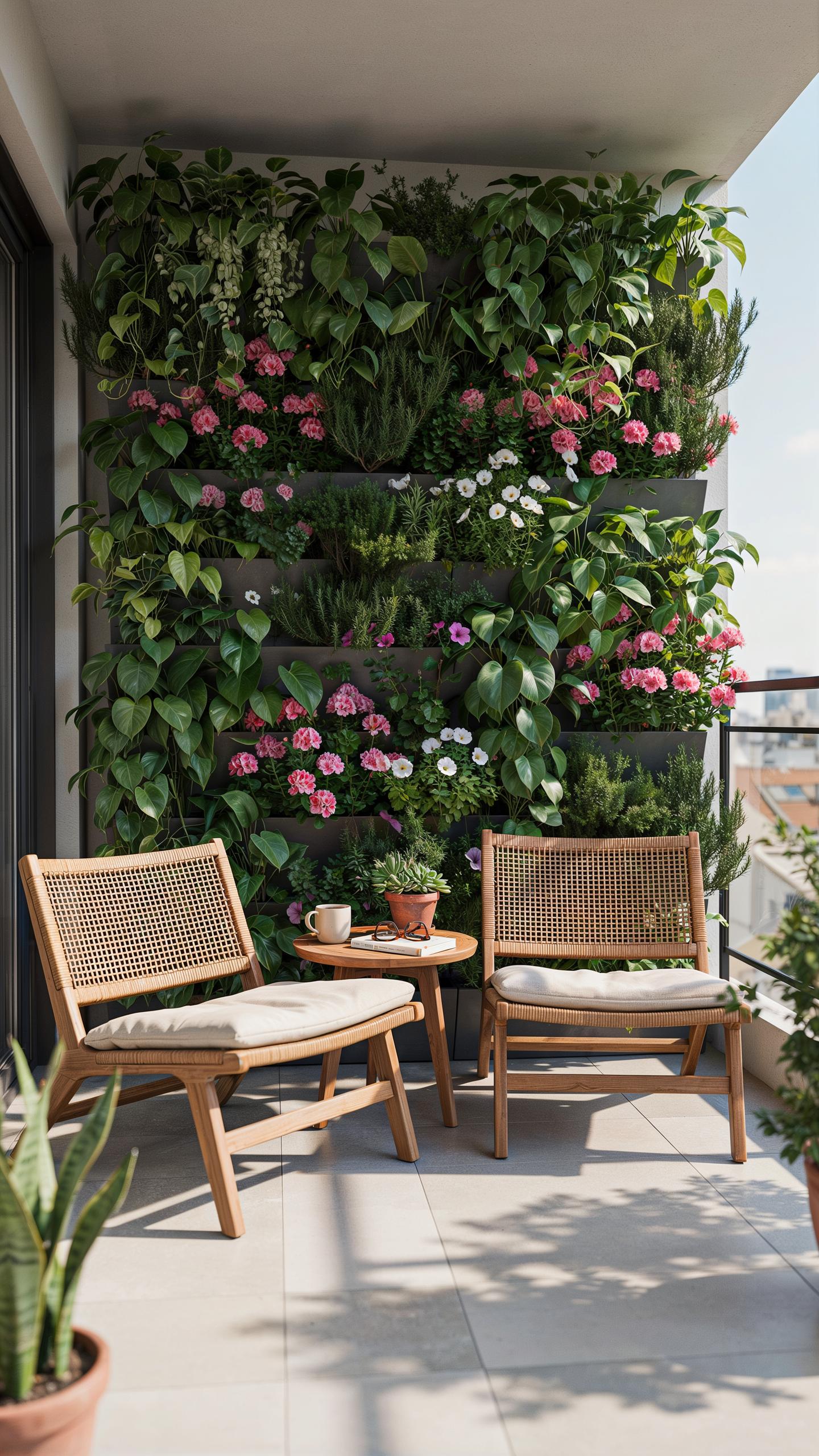
Living Wall Panels: A Lush And Structured Balcony Plant Wall Approach
Living wall panels provide a high end solution for urban spaces. These modular systems use plastic or metal frames to hold plants in place. They often feature built in irrigation lines to save time. Most panels attach directly to the masonry or siding of your balcony. This method mimics the vertical forest concept seen in modern city architecture. It creates a dense and solid layer of green.
Smart planning is vital for these heavy installations. You must calculate the weight of the water and soil before mounting. Choose plants with similar light and water needs for each panel. This ensures uniform growth across the entire surface. Professional grade panels prevent moisture from rotting the wall behind them. They use vapor barriers to protect your property. This system lasts longer than cheaper fabric alternatives found in retail stores.
DIY Pallet And Pocket Planter Designs For A Creative Balcony Wall
DIY pallet gardens offer a low cost way to recycle materials. These designs use heat treated wood pallets to hold soil and plants. You must check the stamp on the wood for safety. Look for the HT mark to ensure no toxic chemicals are present. Hardware stores sell landscape fabric to line the internal slats. This fabric keeps the dirt in place while allowing water to drain out properly.

Pocket planters provide a lightweight option for small rails. These units use durable felt or canvas materials to house individual plants. They are perfect for growing herbs or shallow root vegetables. Breathable fabric improves root health by preventing heat buildup. You can hang these bags using simple hooks or zip ties. They require more frequent watering because the thin material dries out fast. Move them easily to follow the sun.
Best Plants To Grow In A Vertical Garden For Balcony Environments
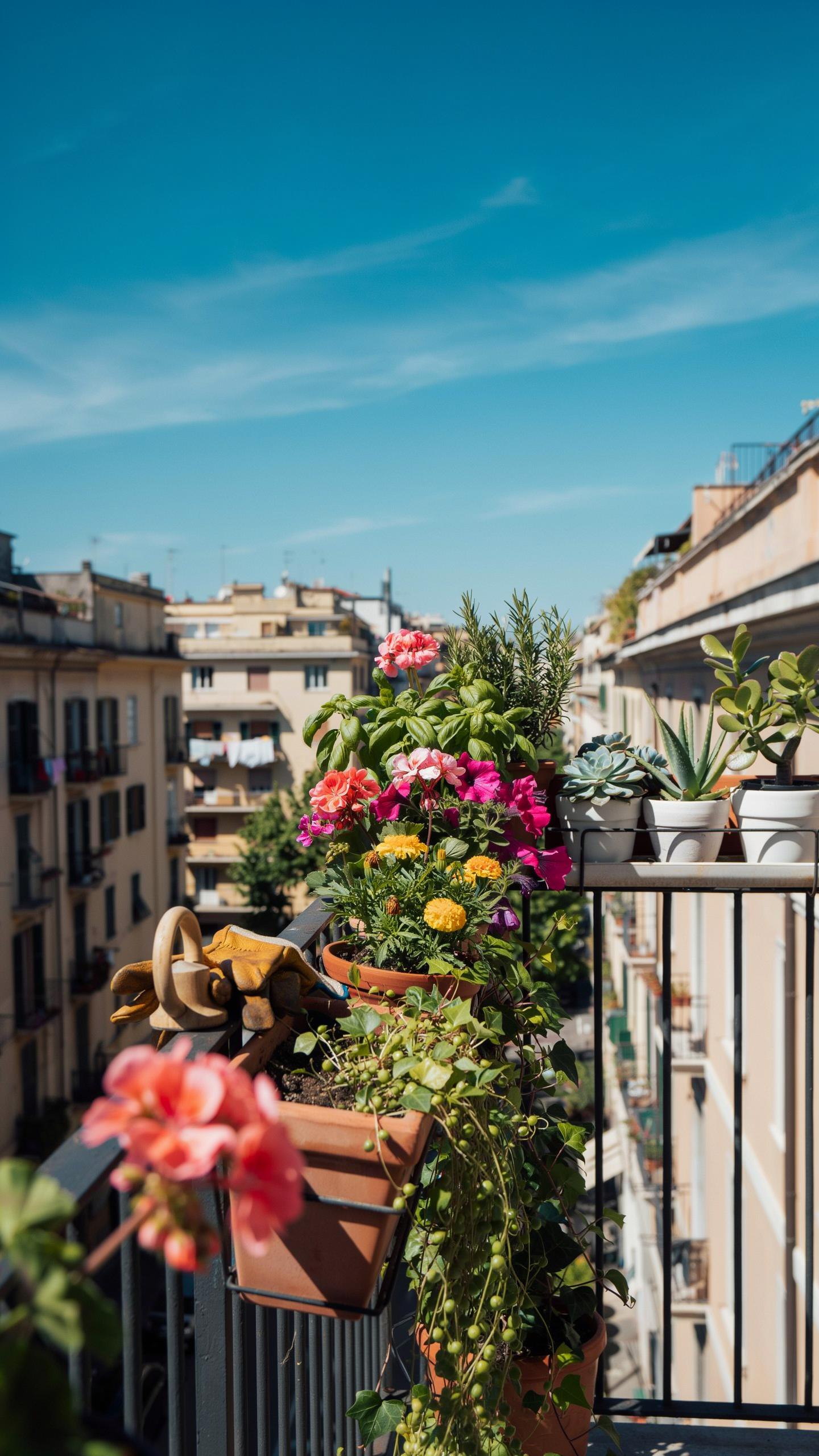
Sun Loving Plants That Thrive In An Outdoor Vertical Garden For Balcony
High-rise balconies often face intense solar radiation and wind. You must select plants with high transpiration efficiency and heat tolerance. Succulents like Sedum and Echeveria store water in fleshy leaves to survive dry spells. These species thrive in shallow pockets typical of felt-based vertical systems. They require minimal maintenance and do not wilt under direct midday sun exposure found on south-facing balconies.
Culinary herbs provide utility alongside aesthetics. Rosemary and thyme grow well in vertical structures because they prefer sharp drainage. These woody perennials tolerate high heat and air movement. You must position these at the top of your vertical garden. They handle the fastest drying cycles in the system. Sun-loving annuals like Petunias also provide fast coverage. They fill gaps quickly during the peak summer growing season.
Shade Tolerant And Low Maintenance Plants For A Sheltered Balcony Garden Wall
North-facing balconies or those covered by deep overhangs require plants adapted to low light. These environments lose less water to evaporation than sunny spots. You must prioritize foliage plants with high chlorophyll density in their leaves. Ferns and tropical understory plants are the standard choice for these microclimates. They maintain a consistent green appearance without the need for deadheading or frequent fertilization cycles.
- Pothos: This vine is nearly indestructible in vertical setups. It handles low light and irregular watering schedules effectively. Its trailing habit hides the structural hardware of your wall quickly. You can easily propagate it to fill empty pockets over time.
- Bird’s Nest Fern: This plant excels in humid, shaded environments. It features wide, light green fronds that create a bold architectural look. It grows well in pockets with consistent moisture. It does not require much soil volume to maintain its structural integrity.
- English Ivy: This hardy climber thrives in cool, shaded corners. It covers large vertical surface areas with minimal intervention. It tolerates wind better than most soft-stemmed tropicals. Use it to create a dense green backdrop for more colorful shade-tolerant species.
- Peace Lily: These plants signal their water needs clearly by drooping. They remove common airborne toxins and thrive in low-light conditions. The white spathes provide a visual break from solid green foliage. They prefer the bottom rows where moisture levels stay highest.
- Heuchera: Also known as Coral Bells, these provide vibrant leaf colors without needing sun. They come in shades of purple, red, and silver. They are cold-hardy and maintain their color throughout most seasons. Their compact root balls fit perfectly into standard modular vertical planters.

Select species with similar water requirements to ensure system balance. Mixing thirsty plants with drought-tolerant varieties leads to localized root rot or dehydration. You should group shade plants by their growth rate. Fast-growing vines can easily smother slower-growing tropicals if you do not prune them. Regular maintenance ensures the vertical structure remains hidden while the foliage remains healthy and dense for years.
How To Plan A Vertical Garden Small Balcony Layout That Maximizes Space
Measuring And Mapping Your Small Balcony Before Installation
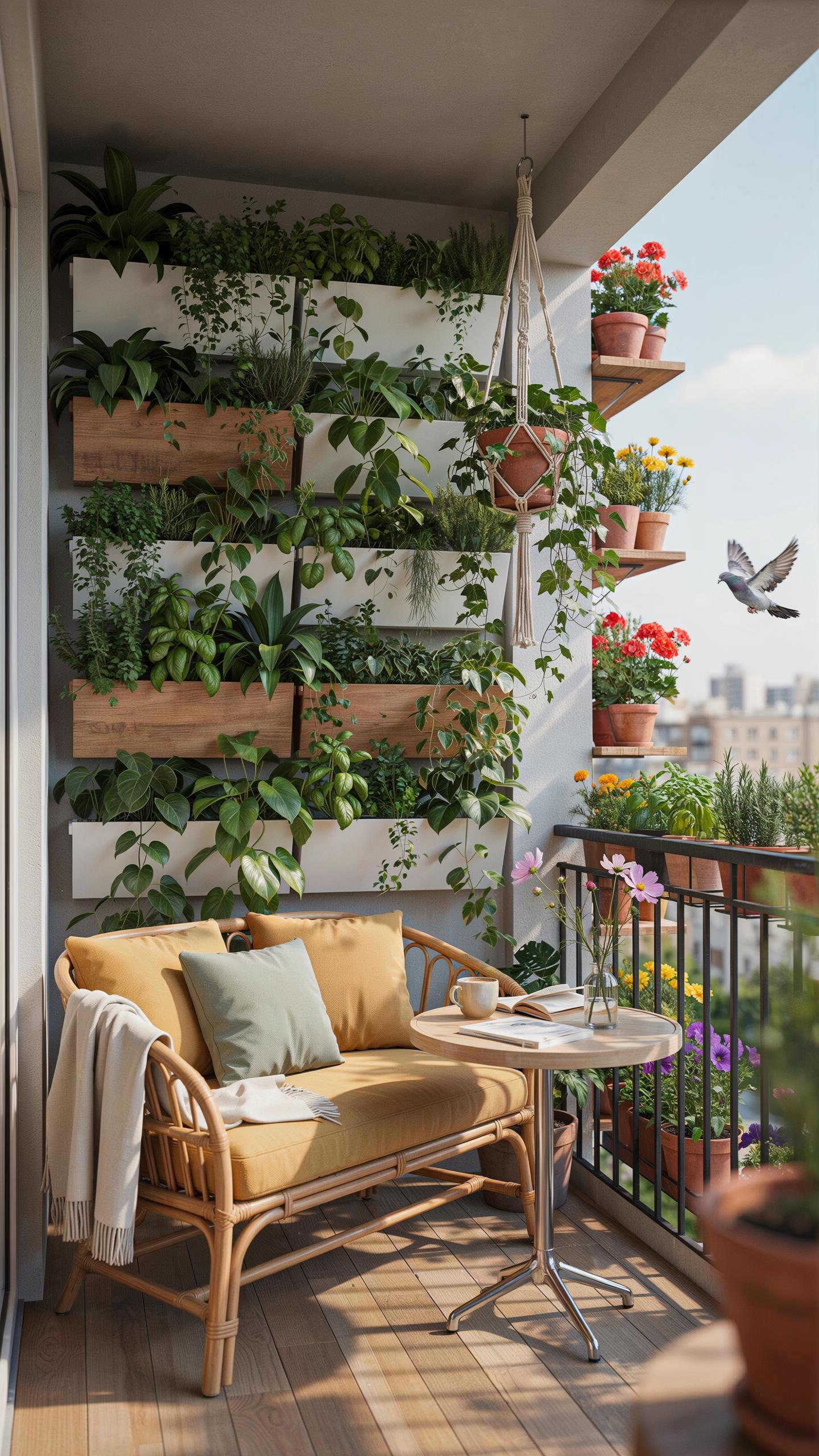
Accurate measurements prevent costly errors and structural hazards. Use a metal tape measure to record the width, depth, and height of your balcony. Note the location of fixed obstacles like railings, doors, and drainage outlets. Calculate the load-bearing capacity of your floor and walls. Building codes often limit weight per square foot on residential balconies. You must verify these limits before buying heavy planters.
Sunlight patterns dictate your plant selection. Track how many hours of direct light hit specific spots throughout the day. South facing balconies receive intense heat while north facing areas stay in shadow. Use a compass to confirm orientation. Mark light transitions on a rough sketch of your floor plan. This data ensures you place high light plants in the sun and shade lovers in protected corners.
Choosing The Right Structure And Layering Strategy For A Compact Space
Select a vertical system based on your wall material and wind exposure. Freestanding tiers work well for renters who cannot drill into masonry. Wall mounted pockets or trellises save the most floor space but require secure anchors. Ensure your choice allows for proper air circulation behind the foliage. Stagnant air leads to fungal growth and pest infestations. Choose durable materials like powder coated steel or cedar wood.
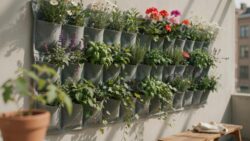
Layering optimizes productivity in small footprints. Place heavy, water hungry plants at the bottom of your vertical garden. This stabilizes the structure and catches runoff from higher levels. Put drought tolerant species at the top where evaporation happens fastest. Group plants with similar water needs together to simplify irrigation. This tactical arrangement reduces maintenance time and prevents root rot. Proper layering turns a narrow wall into a functional ecosystem.
Vertical Garden Apartment Solutions For Urban Dwellers
Navigating Building Rules And Weight Restrictions For A Vertical Garden Apartment Setup
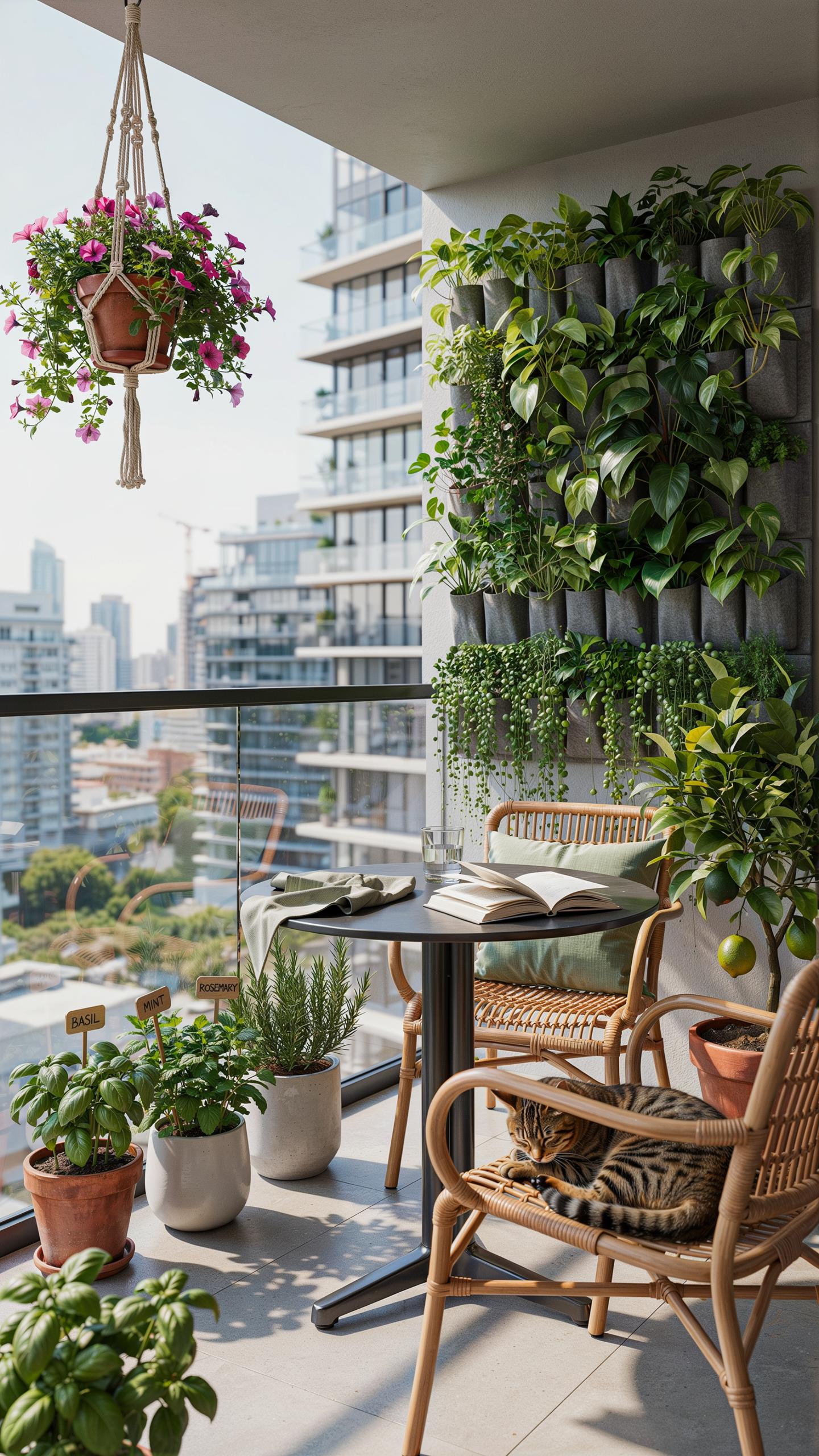
Check your lease or HOA bylaws before you install any hardware. Most urban buildings have strict rules about drilling into exterior facades. Penetrating the building envelope can cause water damage or structural issues. Use tension poles or freestanding frames if your contract bans permanent changes. These options keep you compliant while maximizing your vertical space for plants without risking your security deposit.
Weight limits determine your equipment choices. A wet vertical garden weighs three times more than a dry one. Calculate the load capacity of your balcony floor before adding heavy pots or large soil volumes. Focused engineers design modern balconies to hold specific weights per square foot. Use lightweight growing media like perlite or coco coir. These materials reduce the total stress on your structure compared to traditional topsoil.
Lightweight And Modular Systems Designed For Apartment Garden Conditions
Modular wall planters offer the best flexibility for tight spaces. These systems use interlocking plastic or fabric pockets that hang on a rail. You can add or remove units as your garden grows. Recycled felt pockets provide excellent aeration for roots and weigh very little. Choose UV-stabilized materials to prevent the sun from breaking down your plastic components over time. Durable materials ensure your system lasts several seasons.
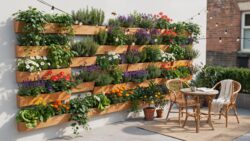
Smart irrigation solves the problem of runoff in shared living spaces. Drip systems deliver water directly to the roots without spilling onto the neighbors below. You can connect these to a simple battery-powered timer for consistency. Use a drainage tray at the bottom of your vertical stack to catch excess moisture. This prevents staining on the concrete and keeps the area dry. Proper drainage management is vital for maintaining a clean urban balcony environment.
Making The Most Of A Tiny Balcony With A Vertical Garden Design
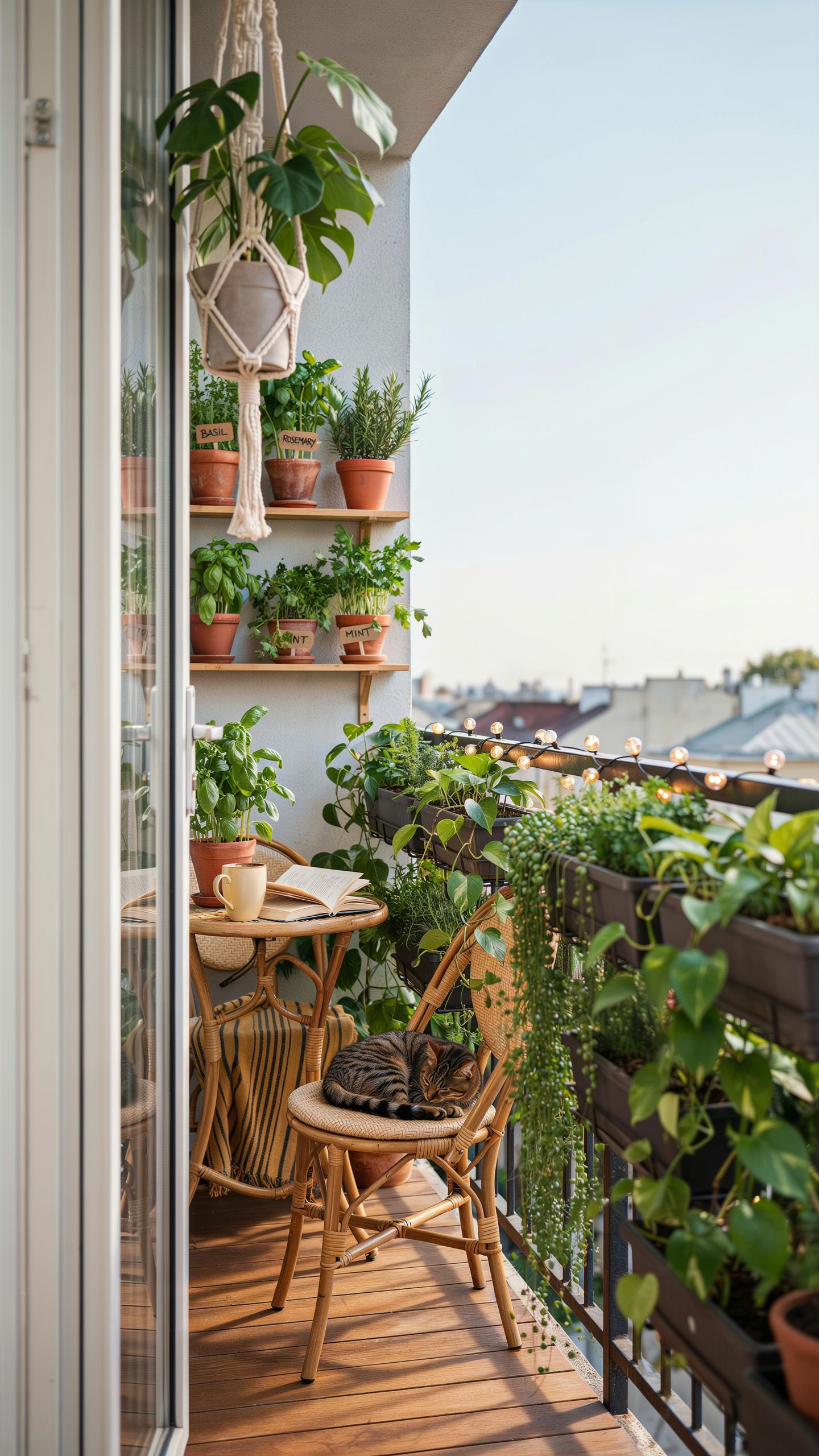
Space Smart Strategies To Green Up A Tiny Balcony Without Clutter
Maximize square footage by removing pots from the floor. Use wall-mounted rail systems or tension poles to secure planters. Vertical space provides more surface area for foliage than horizontal floors. Tight spaces require narrow profiles to maintain clear walking paths. Choose slim troughs or pockets rather than round pots. These methods keep the ground clear for movement and cleaning.
Adopt the French Intensive method for planting density to create a lush look in small areas. Place heavy climbing vines like jasmine or ivy against the back wall. Use lightweight materials like felt pockets or recycled plastics to reduce structural load. Drip irrigation tubing keeps the setup tidy and prevents water spills on the floor. Smart planning ensures the balcony feels open rather than cramped.
Combining Seating And Greenery To Create A Functional Tiny Balcony Retreat
Integrate living walls directly behind seating to save space. Bench seating with built-in planters serves two purposes. A planter box can act as a backrest for a wooden settee. This technique uses the footprint of the furniture for the garden too. Modular furniture allows you to shift layouts quickly. High-density planting provides natural shade and privacy for the seating area.
Select plants that offer sensory benefits without taking up physical room. Herbs like mint and basil provide scent and food in a small space. Use trellis panels attached to the sides of chairs to guide growth upward. This creates a green canopy overhead. Durable hardwoods like teak or acacia resist rot from moisture near plants. Efficient design turns a small slab into a usable outdoor room.
Watering Feeding And Maintaining Your Balcony Garden Wall Year Round
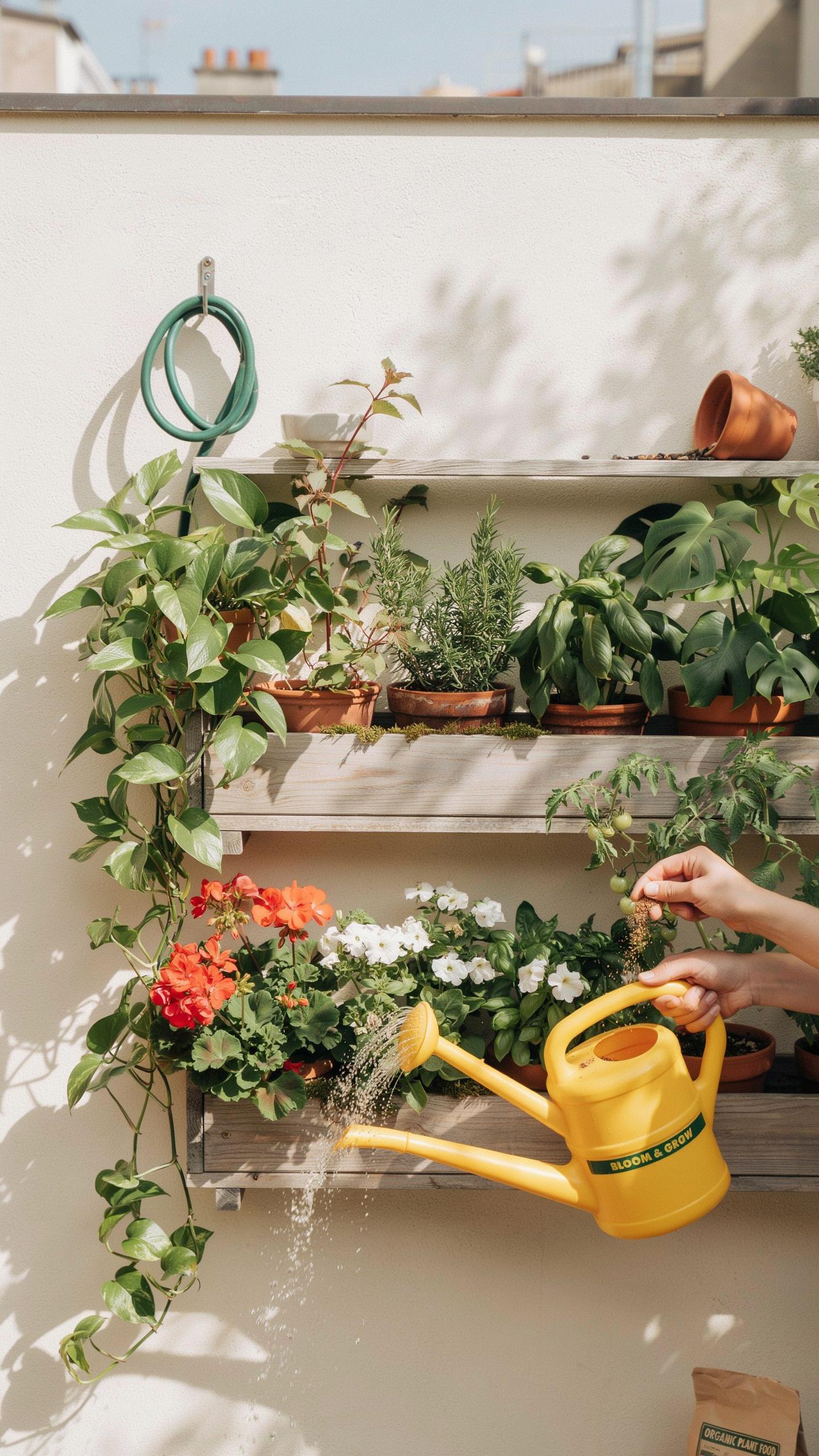
Irrigation Options For A Vertical Balcony Garden Wall From Drip Systems To Self Watering Pockets
Vertical gardens lose moisture faster than traditional ground plots due to wind exposure and limited soil volume. Drip irrigation systems offer the most reliable solution for high-density walls. These systems use a network of thin tubing and emitters to deliver water directly to the roots. This method reduces evaporation and prevents water waste. You can connect these systems to a standard outdoor tap or a pressurized water tank.
Self-watering pockets provide a low-tech alternative for smaller balcony setups. These containers feature a built-in reservoir at the base that allows plants to wick up moisture as needed. This system reduces the frequency of manual watering. It also prevents the common issue of over-saturation in lower tiers. Use these for leafy greens or ferns that require consistent soil moisture levels throughout the day.
Essential Maintenance Tips To Keep Your Vertical Garden Healthy Each Season
Maintaining a vertical garden requires a rigorous schedule to prevent systemic failure. Nutrient leaching occurs rapidly in vertical systems because water moves through the growing medium quickly. You must replenish minerals using liquid fertilizers or slow-release granules. Regular pruning is also mandatory to maintain airflow between plants. Proper air circulation prevents fungal growth and pest infestations that can quickly destroy a concentrated living wall.
- Monitor Nutrient Levels: Apply a balanced liquid fertilizer every two weeks during the growing season. Vertical containers hold little soil, so plants consume available nutrients rapidly. Water-soluble formulas ensure immediate uptake by root systems.
- Prune For Airflow: Remove dead or overgrown foliage every month to permit light and air to reach the inner sections. Density creates traps for moisture and heat. Professional growers use this tactic to stop the spread of powdery mildew.
- Check For Pests: Inspect the undersides of leaves for mites and aphids weekly. Vertical gardens act as isolated ecosystems where pests can multiply without natural predators. Early detection allows for organic treatments like neem oil before the colony spreads.
- Flush The System: Run clear water through the entire system once a month to remove salt buildup. Fertilizers leave mineral deposits in the soil and irrigation lines. Flushing prevents chemical burns on roots and keeps the drippers from clogging over time.
- Inspect Structure Hardware: Tighten all wall mounts and check the integrity of brackets every season. Water and soil add significant weight to the balcony structure. Regular checks prevent hardware fatigue and ensure the garden remains safely anchored to the building.
Seasonal transitions require specific tactical shifts in your maintenance routine. Winter brings dormancy for many species and requires a sharp reduction in watering frequency. You must also insulate irrigation pipes to prevent cracking during freezes. Spring serves as the primary window for repotting root-bound plants and refreshing the growing medium. Consistent monitoring of soil pH levels ensures your selected plants thrive in their specific vertical microclimate.
Materials And Structures That Build The Best Balcony Plant Wall
Comparing Trellis, Modular Panels, And Fabric Pocket Systems For A Balcony Plant Wall
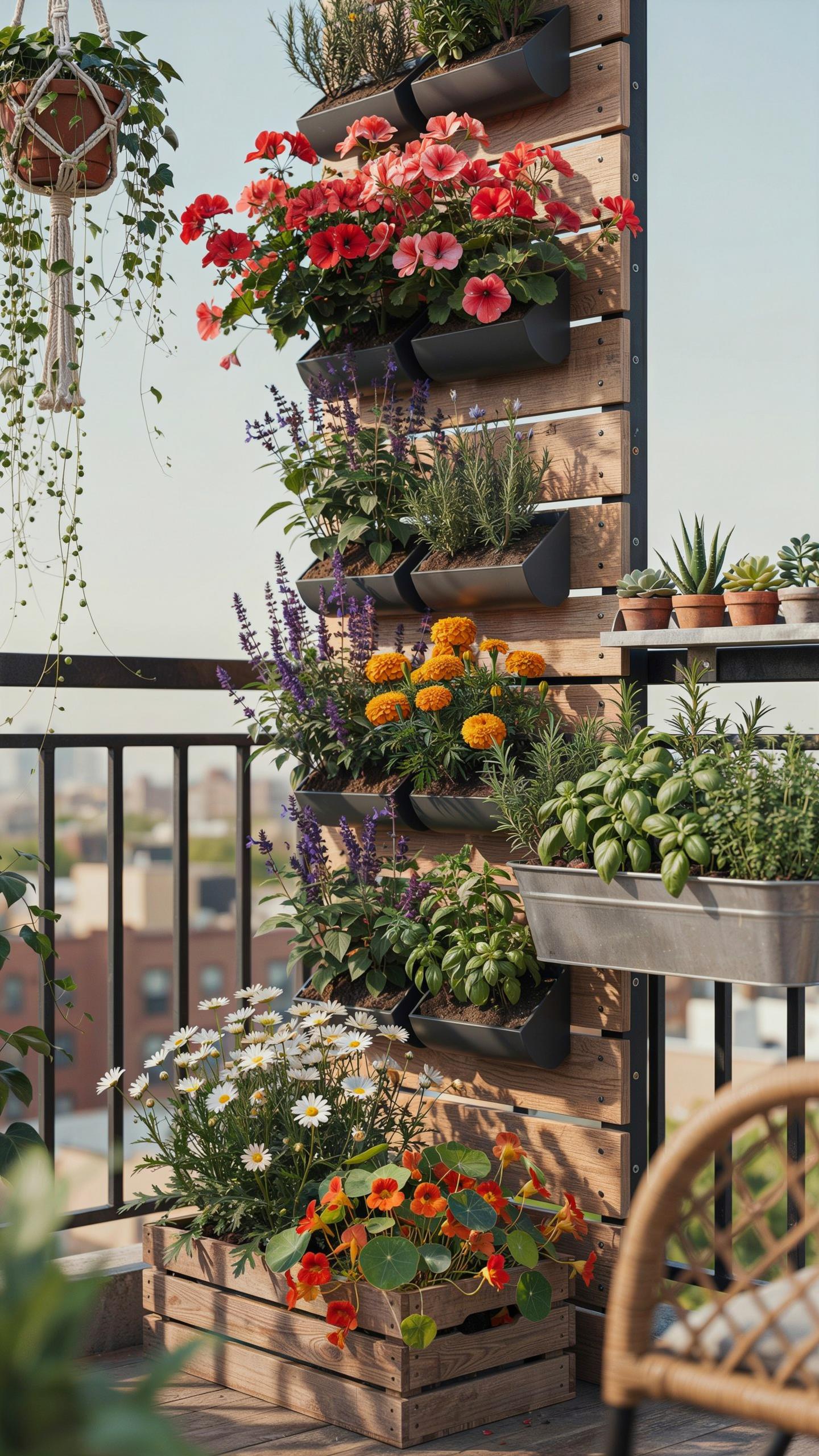
Trellis systems offer the most affordable entry point for vertical growth. Wood or metal grids support climbing vines using natural upward movement. This method places minimal weight on the balcony railing. However, trellises require plants that can grip surfaces or need manual tying. They do not hold soil themselves. This limits you to floor-based pots unless you install secondary mounting hardware for the containers.
Modular panels and fabric pockets provide self-contained soil housing. Rigid plastic panels offer superior irrigation control and durability. They prevent water from touching the building facade directly. Fabric pockets weigh less and allow roots to breathe effectively through porous fibers. Pockets dry out faster than plastic modules. Choose panels for long-term structural integrity. Select fabric systems for temporary setups or tight budgets where weight is a concern.
The glory of gardening: hands in the dirt, head in the sun, heart with nature. To nurture a garden is to feed not just the body, but the soul.
Sustainable And Recycled Materials That Add Character To Your Apartment Garden
Sustainable materials reduce the environmental footprint of your balcony garden. Cedar and redwood offer natural rot resistance without toxic chemical treatments. These woods last for decades in outdoor settings. Recycled high-density polyethylene provides a durable alternative to virgin plastics. This material resists UV damage and does not crack in freezing temperatures. Using high-quality reclaimed wood also prevents waste while providing a sturdy frame for heavy soil loads.

Upcycling movements have popularized the use of industrial pallets and metal troughs. Ensure any pallet used for food carries the HT mark for heat treatment. Avoid pallets marked with MB for methyl bromide. Galvanized steel containers reflect a mid-century industrial aesthetic and resist rust. These materials provide a heavy-duty lifecycle compared to thin plastic pots. Using recycled metal or treated wood creates a professional look that withstands harsh weather conditions.
How A Vertical Garden For Balconies Adds Property Value And Curb Appeal
The Aesthetic And Psychological Benefits Of Greenery On Your Balcony
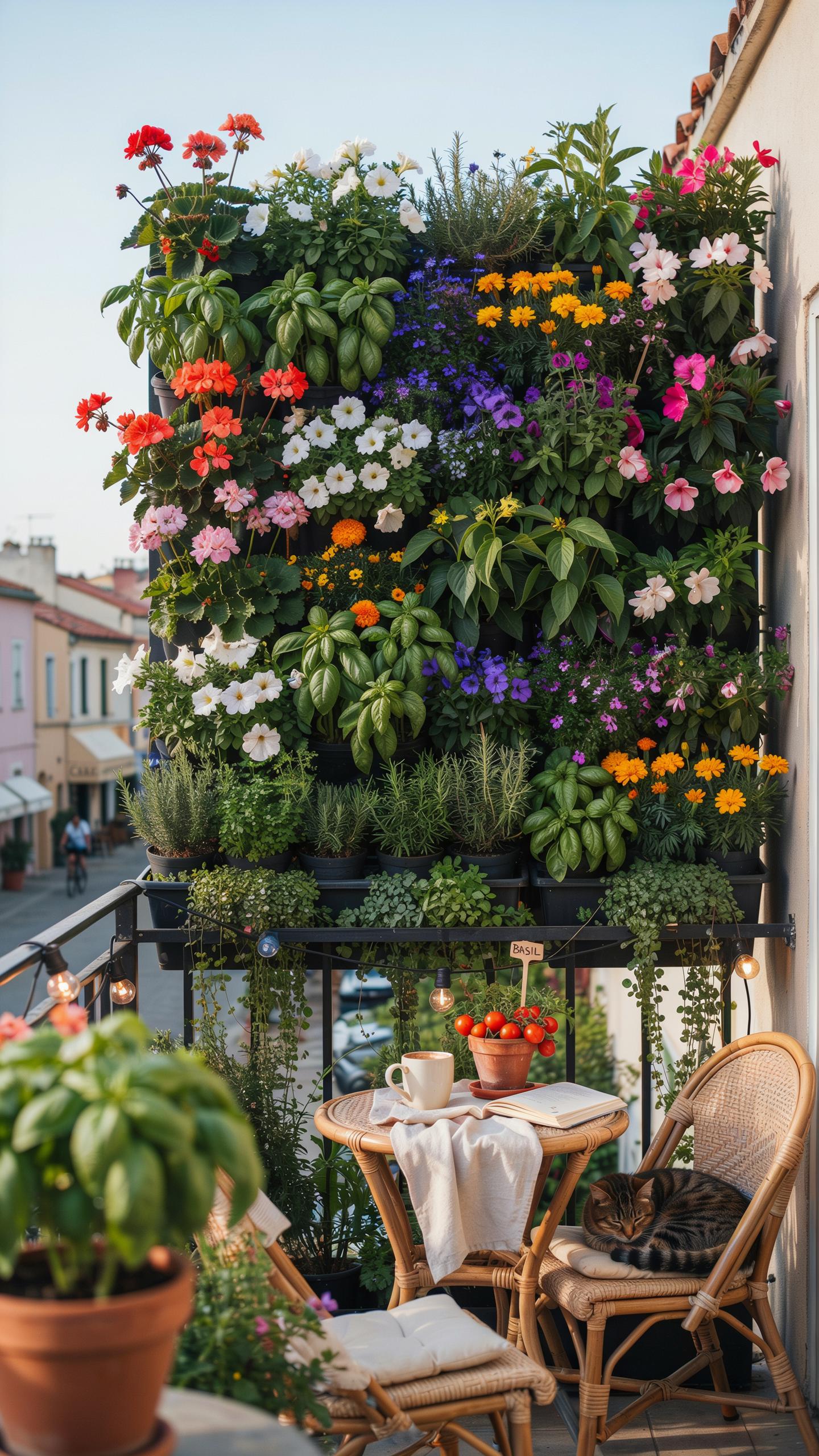
Vertical gardens transform bare concrete into premium living space. Real estate data shows that buyers pay more for finished outdoor areas. A lush wall hides ugly brick or siding. It creates a private sanctuary in crowded urban zones. This visual improvement builds immediate curb appeal. It makes a small balcony look like a luxury feature rather than a cramped utility space.
Biophilic design improves mental clarity and lowers stress levels. Plants soften harsh architectural lines and reduce glare. Occupants feel more connected to nature in high-rise environments. This psychological boost increases tenant retention and buyer interest. Owners view these spaces as essential wellness zones. Adding a vertical garden for balconies converts dead space into a functional asset. It creates a strong first impression.
How Vertical Gardens Contribute To Energy Efficiency And Environmental Well Being
Vegetation provides a natural layer of insulation against building walls. Plants absorb solar radiation through photosynthesis. This prevents the balcony surface from heating up. It reduces the ambient temperature near windows. Lower external heat leads to lower air conditioning costs in summer. The plants also act as a windbreak. This helps maintain stable indoor temperatures during colder months.
Green walls mitigate the urban heat island effect. They capture dust and filter pollutants out of the air. The soil and foliage provide sound insulation by absorbing high-frequency noises. This makes the interior of the property quieter and more peaceful. Modern irrigation systems recirculate water to maximize efficiency. These systems protect the building structure from moisture damage. Efficient gardens prove long-term sustainability to buyers.
Frequently Asked Questions

What are the best plants to use when starting a vertical garden for balconies?
When starting a vertical garden for balconies, the best plants depend on your sun exposure. For sunny spots, succulents, strawberries, and herbs like rosemary thrive beautifully. If your balcony is shaded, ferns, pothos, and calatheas are excellent choices. Always consider the weight of the plants and choose high-quality potting soil to ensure your greenery remains vibrant and healthy while maximizing your limited outdoor space with a lush, upward-growing display.
How do I properly install a vertical garden for balconies without damaging my walls?
To install a vertical garden for balconies without permanent damage, use freestanding tiered planters or over-the-rail hooks. If your building allows it, a wooden trellis leaned against the wall offers a sturdy anchor for climbing vines. For apartment dwellers, tension poles or heavy-duty suction cups can provide support for lightweight pots. These non-invasive methods allow you to enjoy a stunning floral backdrop while keeping your property’s exterior surfaces perfectly intact.
Is it expensive to create a vertical garden if I have a very small budget?
Not at all! Creating a vertical garden can be incredibly budget-friendly through creative upcycling. You can repurpose old wooden pallets, plastic soda bottles, or even a hanging shoe organizer to hold your favorite plants. Buying small starter plugs instead of mature plants and using seeds will also significantly lower costs. With a little DIY spirit and some recycled materials, you can build an impressive green oasis that elevates your home’s aesthetic without overspending.