Understanding Hardiness Zones And Your Garden Planting Schedule
What Are USDA Hardiness Zones?
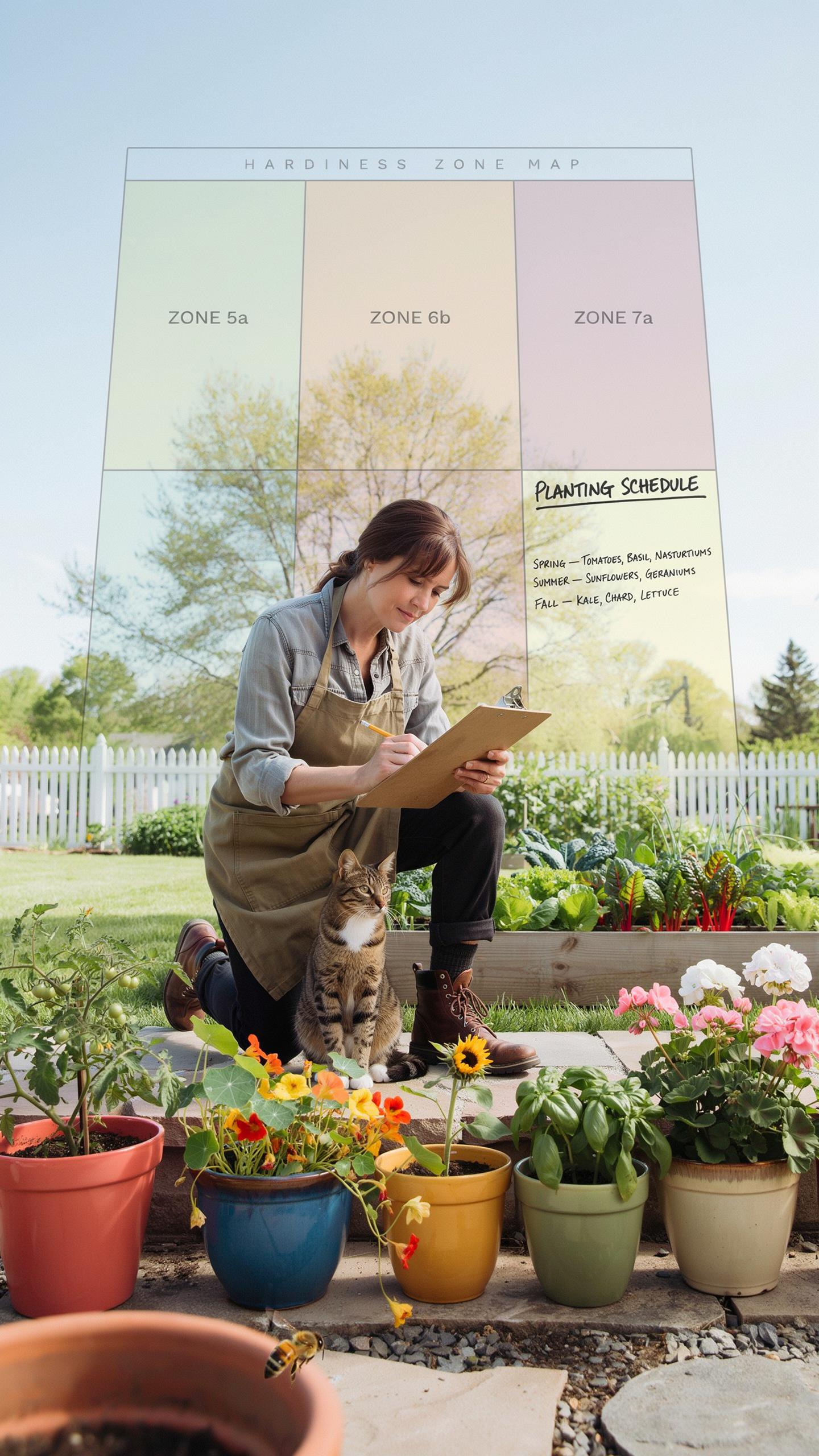
The United States Department of Agriculture divides North America into hardiness zones based on average extreme minimum winter temperatures. Each zone spans a 10-degree Fahrenheit range. The USDA established this system to help gardeners identify which plants survive winter conditions in their specific region. Zone 1 represents the coldest areas, while Zone 13 represents the warmest.
Your hardiness zone determines plant survival rates during winter dormancy. A plant rated for Zone 5 tolerates temperatures that Zone 3 cannot. The zones shift geographically from north to south and vary with elevation and proximity to water. Knowing your exact zone eliminates guesswork when selecting perennials, shrubs, and trees for permanent garden installations.
How Zone Ratings Direct Your Planting Decisions
Zone ratings function as your baseline filter for plant selection. A shrub rated Zone 6-9 thrives in regions with those conditions but fails outside this range. Using zone ratings ensures you invest in plants with proven survival records in your climate. This approach cuts maintenance costs and reduces replanting cycles.
Match your zone rating to seasonal planting timing for optimal results. A Zone 5 gardener plants spring perennials after the last frost date specific to their region. Fall planting windows also depend on zone classification and first frost arrival. Building your seasonal planting schedule around your hardiness zone creates consistency and eliminates costly plant losses year after year.
How To Plan Garden Planting For Effortless Curb Appeal
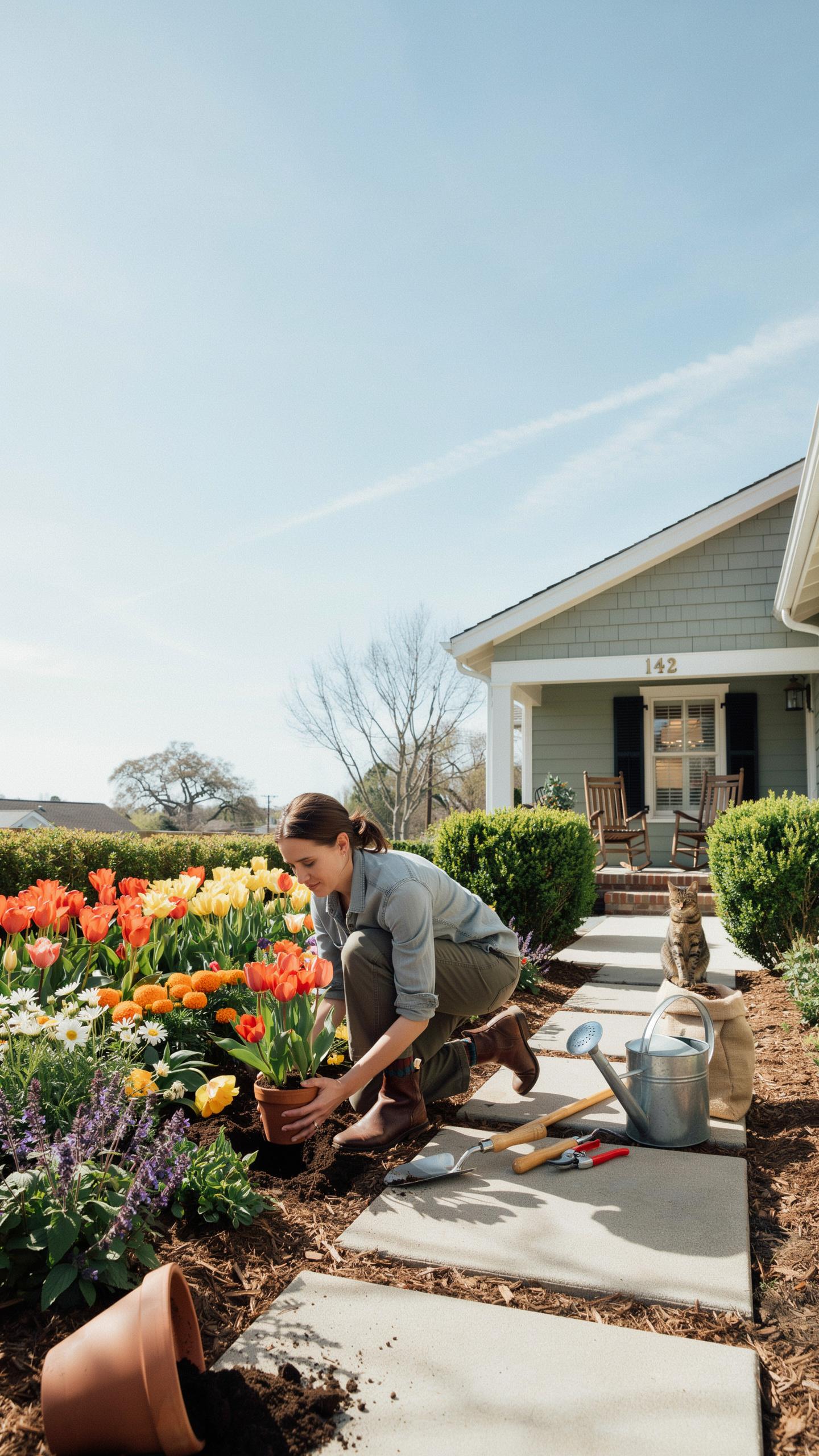
Assessment Of Sunlight And Soil Resources
Most plants fail because gardeners skip the basic site assessment. Measure your garden’s direct sunlight in hours daily. Morning sun differs from afternoon sun. Afternoon exposure burns tender plants in hot zones. Document which areas receive full sun, partial shade, or full shade. This data determines what survives and thrives in your specific location.
Soil drainage matters as much as sunlight. Heavy clay holds water and rots roots. Sandy soil drains too fast and starves plants. Test your soil by digging a hole, filling it with water, and timing how long drainage takes. Combine this with your USDA hardiness zone information. Your zone plus sunlight plus drainage equals the real picture of what you can grow.
To plant a garden is to believe in tomorrow, following the gentle rhythm of the earth to create a setting of timeless elegance. Working in harmony with your own soil and season allows nature to weave a tapestry of effortless beauty that feels like home.
Selecting Plants That Complement Your Zone
Your hardiness zone is the foundation. It defines the minimum winter temperatures your region experiences. But zones vary widely within themselves. A zone 5 garden in a valley differs from one on a hilltop. Check your local cooperative extension for microclimatic variations. Then select plants rated for your specific zone. This single step cuts plant failure rates dramatically.
Coordinate bloom times and foliage heights to create visual interest across seasons. Choose plants that peak at different times rather than clustering blooms in one month. Mix evergreens with deciduous plants for winter structure. Pair tall plants in back with shorter varieties in front. This layering technique works in every zone and requires no special skill, only deliberate plant selection based on mature heights and seasonal characteristics.
Warm Climate Success Zone 10a Planting Schedule
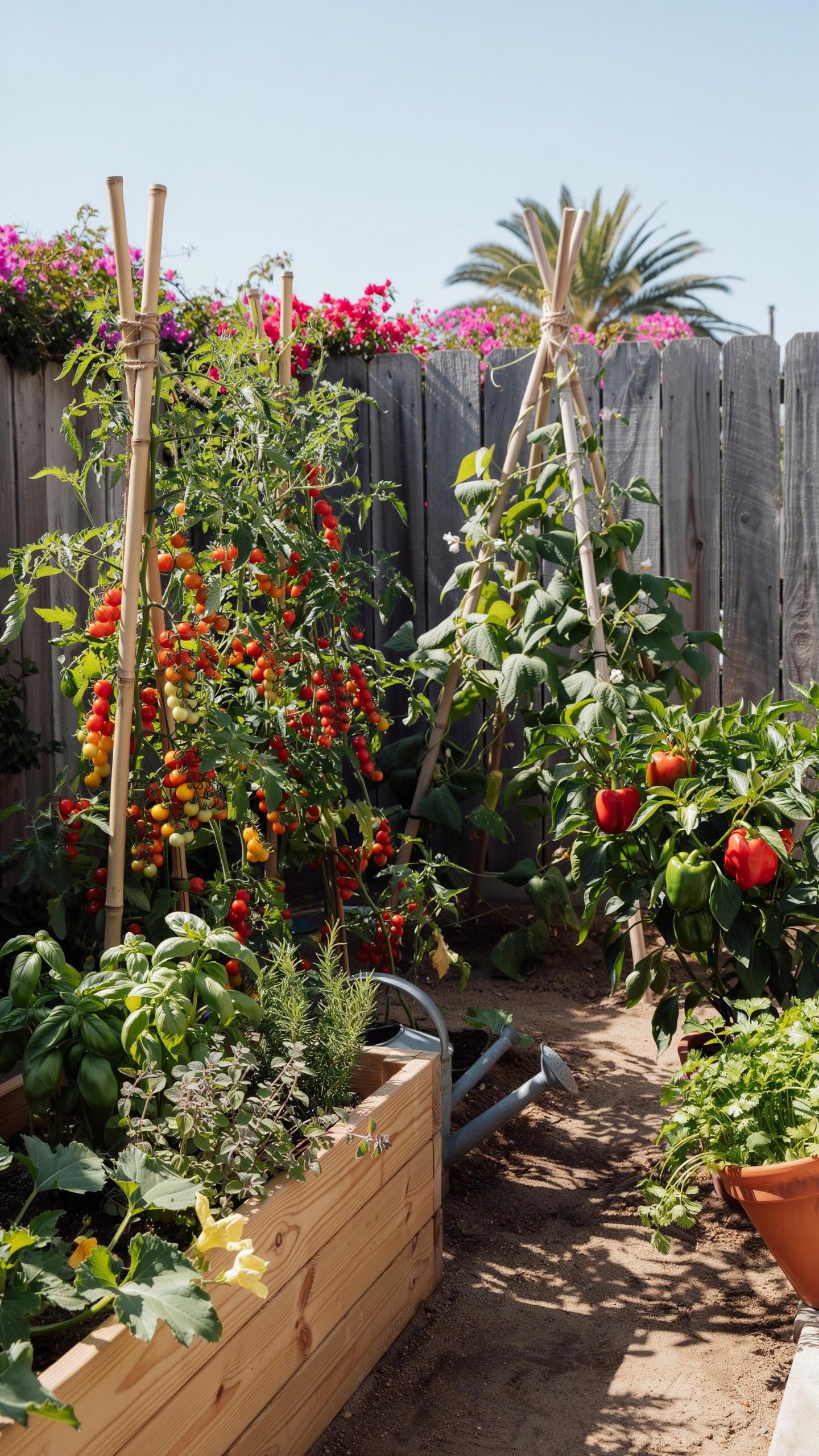
Cultivating Subtropical Crops In Warm Winters
Zone 10a rarely experiences hard freezes, making it ideal for year-round production of frost-sensitive crops. Plant citrus trees, tomatoes, and culinary herbs during fall and winter months when temperatures drop to 30-40 degrees Fahrenheit. These crops establish root systems during mild conditions and produce through spring without cold damage that occurs in northern zones.
Winter planting in Zone 10a exploits the growing season most growers miss entirely. Herbs like basil, oregano, and parsley thrive from October through April. Tomatoes planted in late summer produce heavily through winter when northern growers face dormancy. This extended window increases annual yield per square foot compared to single-season cultivation.
Summer Off Season And Transition Crops
Summer heat in Zone 10a exceeds 95 degrees regularly, stressing most food crops and ornamentals. Deploy shade cloth at 30-50 percent density to reduce soil temperature and protect sensitive root zones. Plant heat-tolerant cover crops like cowpeas and okra during June through August to maintain soil structure and nitrogen fixation.
Transition crops bridge the gap between winter harvests and fall plantings. Black-eyed peas, southern peas, and heat-loving herbs fill the summer calendar without extra irrigation demands. These crops suppress weeds, prevent soil compaction, and prepare beds for high-value winter production. Manage moisture carefully since summer rainfall varies significantly year to year in Zone 10a.
Mid Climate Mastery Zone 6b Planting Schedule
Navigating The Last Frost And Spring Sowing
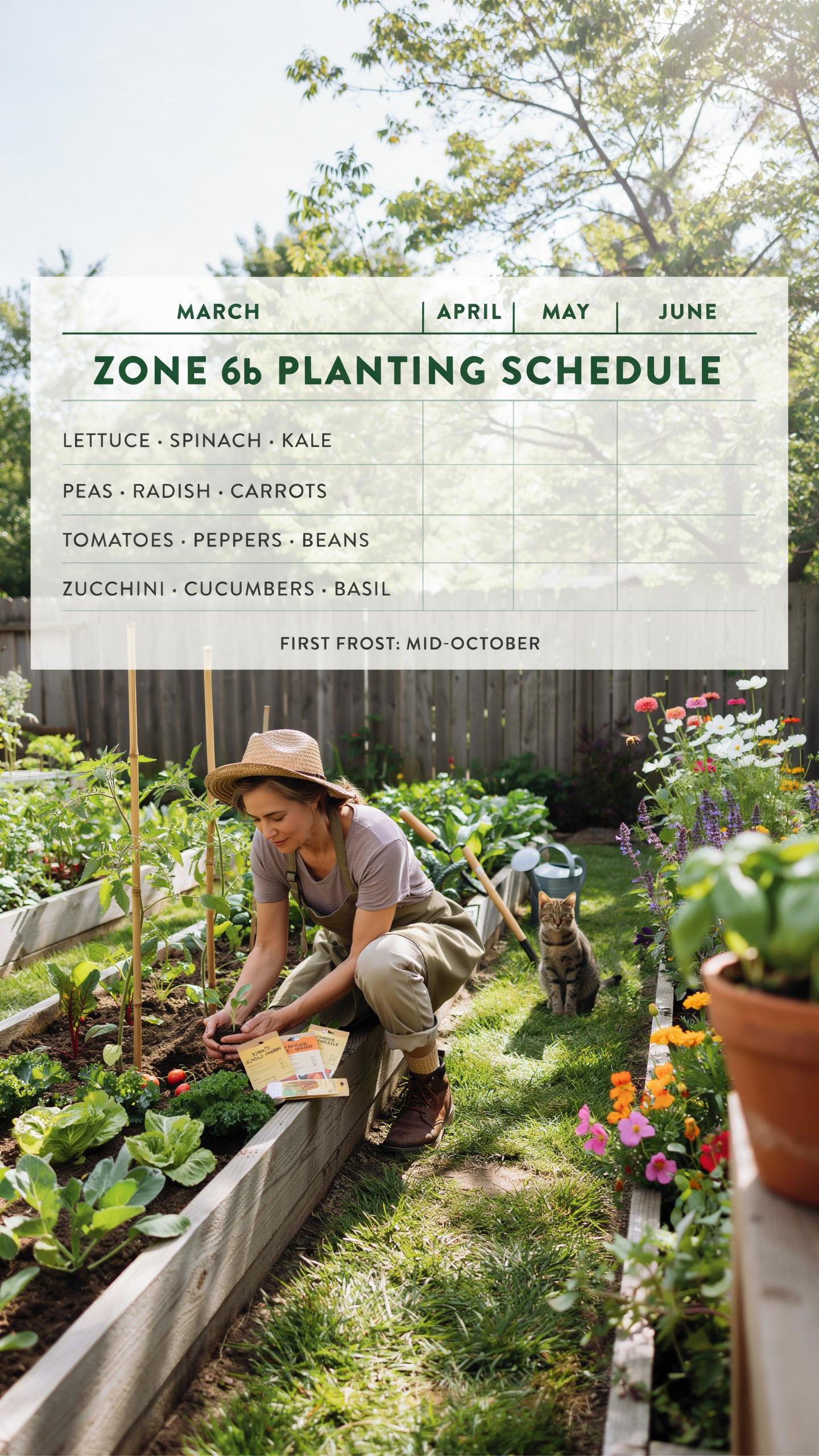
Zone 6b experiences its last frost date between April 15 and May 15, depending on your exact location. Soil temperature matters more than calendar dates. Wait until soil reaches 60 degrees Fahrenheit before transplanting warm season crops like tomatoes, peppers, and eggplants. Direct sow cool season greens like lettuce, spinach, and peas as soon as soil is workable in early spring, typically late March through April.
Start seeds indoors 6 to 8 weeks before your last frost date to give transplants a head start. This timing ensures hardened off seedlings are ready to move outside when soil and air temperatures stabilize. Monitor soil temperature with a simple thermometer inserted 4 inches deep. This single action eliminates guesswork and prevents planting failures from frost damage or seed rot.
Fall Preparations And Cold Hardy Varieties
Begin midsummer sowing around July 1 to establish cool season crops for fall and winter harvest. Plant brassicas like kale, broccoli, and cabbage by mid July for mature plants before hard freezes arrive. These varieties tolerate temperatures well below 32 degrees Fahrenheit and often improve in flavor after light frost exposure. Succession plant lettuce and spinach every two weeks through August for continuous harvest until November.

Perennials need preparation for Zone 6b winters where temperatures drop to minus 10 degrees Fahrenheit or lower. Apply 3 to 4 inches of mulch around perennial crowns after the first hard freeze in November. This protects roots from repeated freeze thaw cycles that heave plants out of the ground. Remove mulch gradually in early spring once sustained freezing ends to prevent crown rot and disease.
Organizing Your Year With A Monthly Gardening Schedule
Task Delegation From Spring To Winter
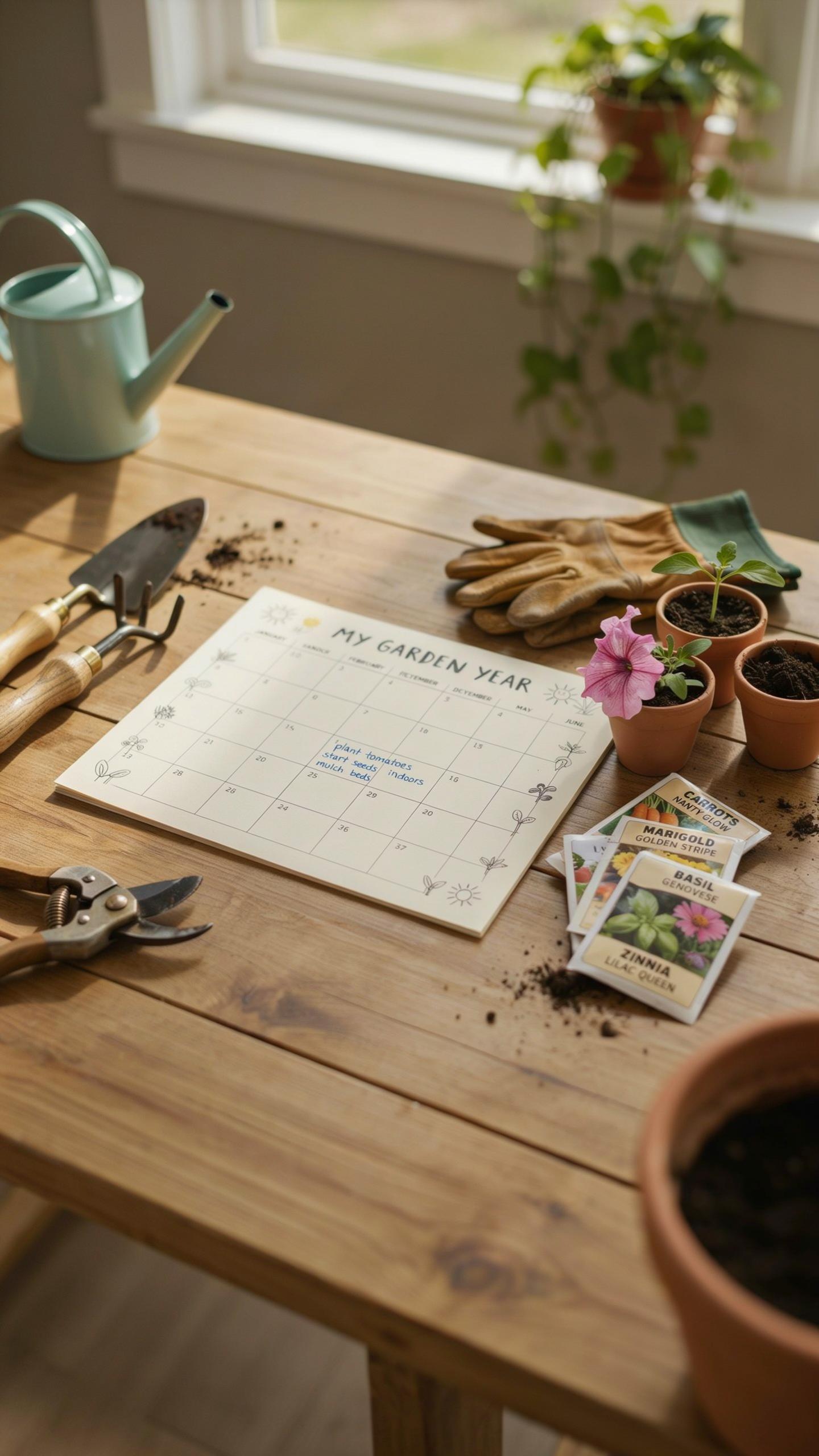
A structured yearly schedule prevents urgent problems and keeps maintenance manageable. Divide your gardening work into seasonal blocks. This approach stops tasks from stacking up and ensures your landscape stays consistent throughout the year. Use a checklist system to track what needs completion each season.
- Spring Planting: Start seeds indoors 6-8 weeks before your last frost date. Transplant seedlings outdoors after frost danger passes. Direct sow cool-season crops like lettuce and peas immediately when soil becomes workable.
- Summer Maintenance: Water deeply during dry spells. Deadhead spent flowers to promote continued blooming. Monitor for pests and diseases weekly. Weed regularly to reduce competition for nutrients and water.
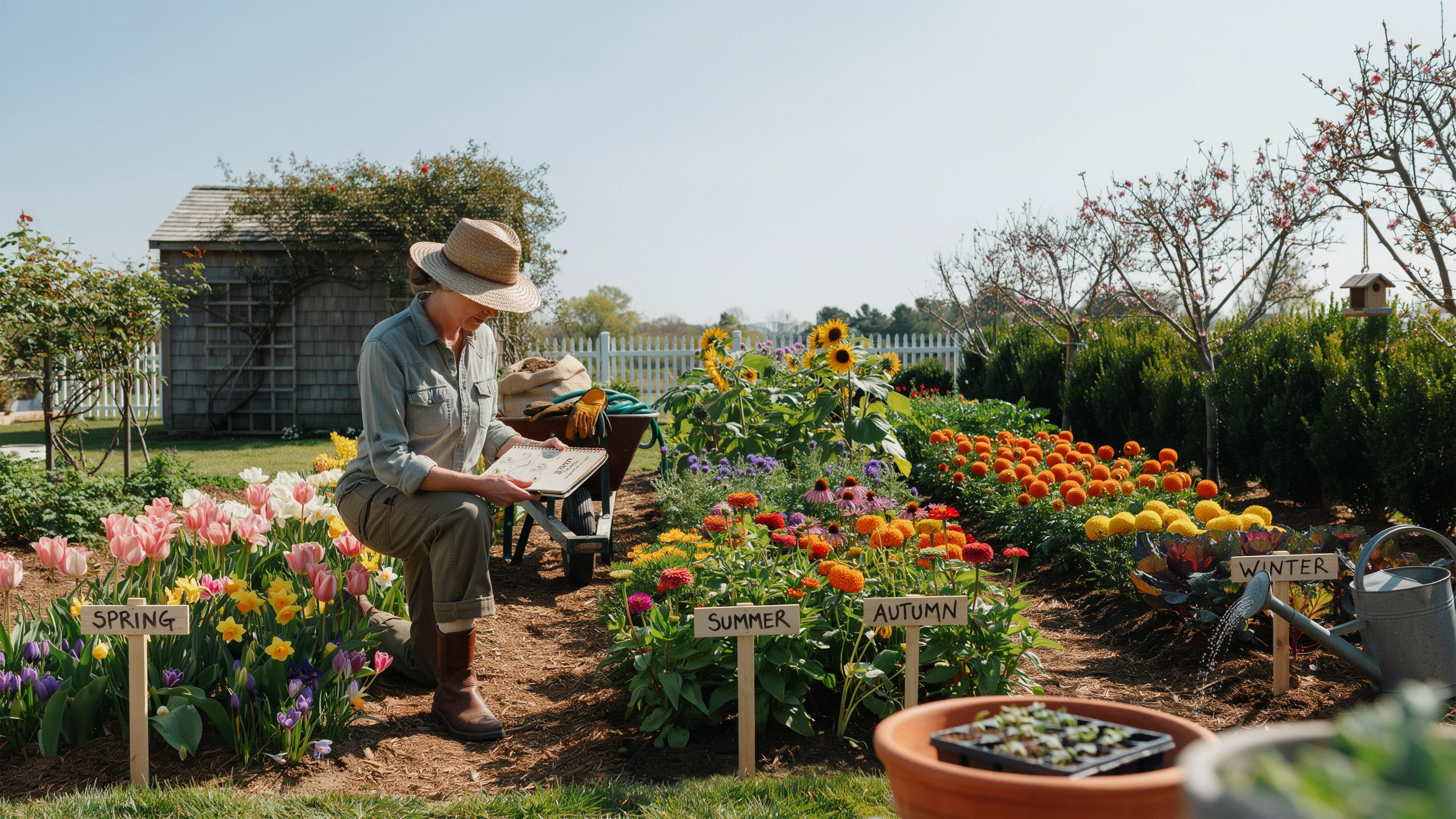
- Fall Preparation: Plant spring-blooming bulbs 6-8 weeks before ground freezes. Rake and remove fallen leaves to prevent disease. Cut back perennials after frost kills foliage. Apply mulch to protect root systems.
- Winter Planning: Review what worked and what failed. Order seed catalogs and plan next year’s layout. Prune dormant trees and shrubs during coldest months. Service garden tools and equipment indoors.
- Year Round Tasks: Check soil moisture before watering. Fertilize based on plant needs and soil test results. Stake or support plants as they grow. Remove dead or diseased material immediately.
Recording tasks by season creates accountability and prevents gaps in care. Check off items weekly rather than waiting until season end. This rhythm reduces stress and keeps your landscape responding to your zone’s actual conditions, not guesswork.
Keeping Track Of Shifts In Weather And Temperature
Document unexpected weather events in a dedicated log or calendar. Note first and last frost dates as they occur, not as predicted. Record temperature swings, heavy rain periods, and drought stretches. This data directly impacts your timing for mulching, pruning, and weeding next year.
Weather logging reveals patterns unique to your property. A low-lying area may frost weeks earlier than surrounding land. Your south-facing slope may dry faster than shaded sections. These microclimates demand different planting schedules. Compare your actual observations against USDA zone guidelines annually. Adjust future timing based on real performance rather than generic recommendations.
Creating Your Personal Garden Planting Calendar
Scheduling Seed Starting Indoors Versus Outdoors
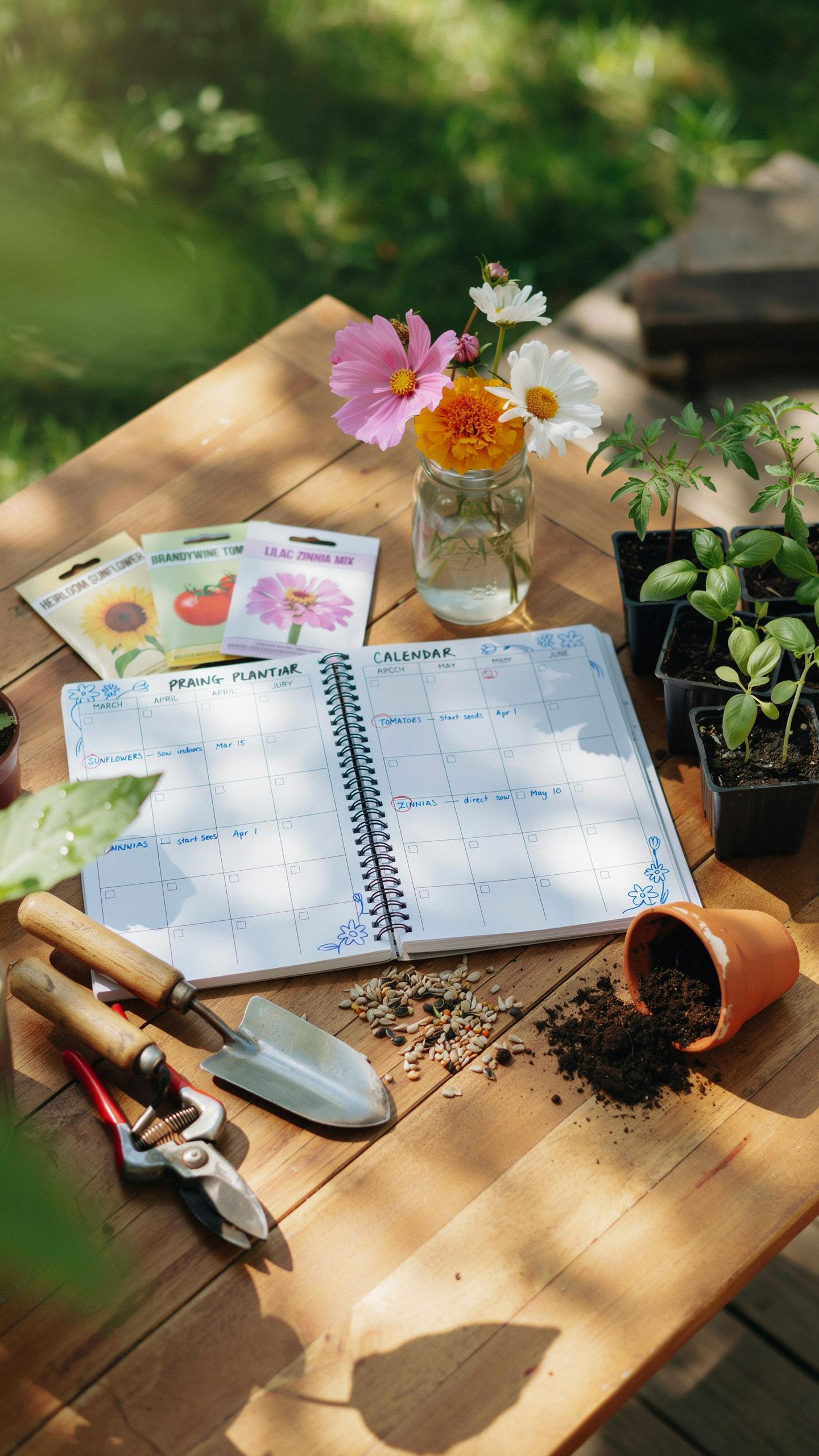
Start seeds indoors 6 to 8 weeks before your region’s last spring frost date. This timeline gives seedlings enough time to develop strong root systems before transplanting outdoors. Know your local frost date by checking USDA hardiness zone data or contacting your county extension office. Starting too early creates leggy, weak plants. Starting too late means stunted growth after transplanting.
Direct sowing seeds outdoors works best after soil temperatures reach 50 degrees Fahrenheit and frost risk ends. Cool season crops like lettuce and peas tolerate lower soil temperatures and can go in the ground earlier. Warm season crops like tomatoes, peppers, and squash require soil temps of 60 to 70 degrees Fahrenheit. Check soil temperature with a simple thermometer inserted 4 inches deep in your garden bed.
Tracking Harvest Windows And Succession Planting
Plan succession plantings by sowing the same crop every 2 to 3 weeks from spring through mid summer. This staggered approach prevents all your plants from maturing simultaneously, which leaves gaps in production. Calculate backwards from your first fall frost date to determine your final planting window for each crop. Cool season crops planted in late summer often produce better quality than spring plantings due to lower pest pressure.
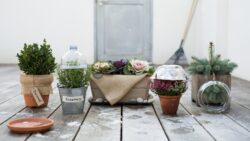
Create a simple spreadsheet or calendar tracking planting dates, transplant dates, and expected harvest dates for each variety. Include days to maturity listed on seed packets to forecast when you’ll harvest. Rotate plantings between beds to break pest and disease cycles. This rotation also balances soil nutrient depletion across your growing space.
Effective Vegetable Garden Planning For A Productive Food Garden
Mapping Out Crop Families For Companion Planting
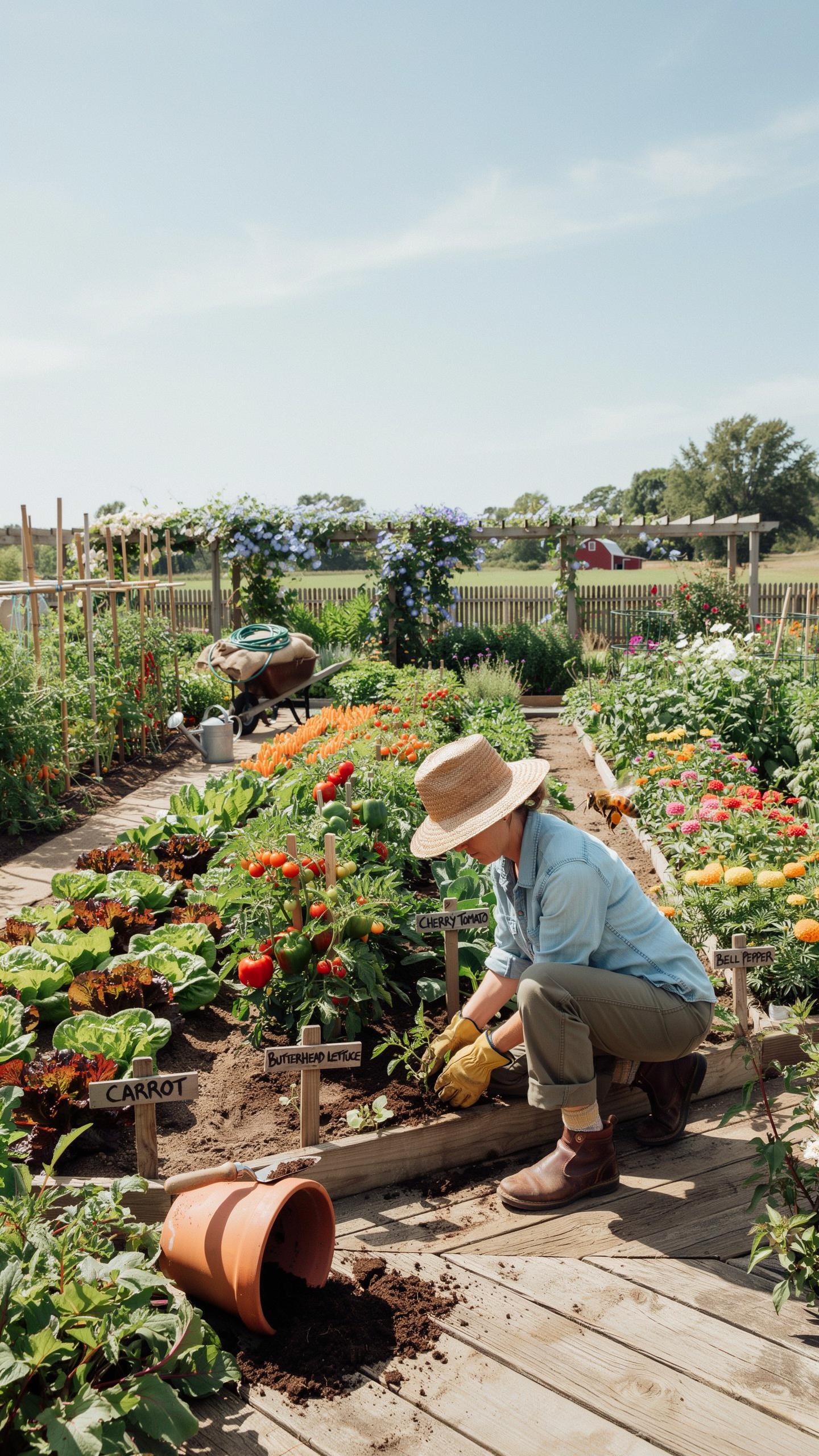
Grouping plants by botanical family reduces pest pressure and improves soil health. Brassicas like cabbage and broccoli attract similar pests, so spacing them apart prevents concentrated infestations. Solanaceae plants including tomatoes and peppers share nutrient demands, requiring separate bed rotations. Fabaceae crops fix nitrogen in soil, benefiting heavy feeders planted in succession.
Crop rotation follows this family separation strategy across seasons. Plant Brassicas in spring, move them to a different bed for fall planting. Solanaceae occupies summer space, then rotates to another zone next year. Fabaceae fills gaps while rebuilding depleted soil naturally, creating a self-sustaining cycle that reduces fertilizer costs and pest management inputs.
Essential Tips For Maximizing Food Production In Limited Space
Vertical gardening eliminates wasted ground space and increases yield per square foot. Trellises support climbing crops like beans and cucumbers, doubling production in confined areas. Container gardening works on patios, decks, and small yards with direct sun access. Succession planting staggeres harvests instead of producing one bulk crop, ensuring continuous yield throughout the season.
- Trellising: Train vining crops upward on frames or stakes to capture vertical space. Beans, peas, and cucumbers produce more fruit with improved air circulation and reduced disease pressure.
- Raised Beds: Build defined growing zones 4 feet by 8 feet or smaller for efficient access. These concentrate nutrients and warm soil faster than ground-level gardens in cooler zones.
- Succession Planting: Sow seeds every 2 to 3 weeks instead of all at once. This extends harvest windows and prevents feast-or-famine cycles of single plantings.
- Square Foot Gardening: Divide beds into one-foot squares with specific plant spacing for each crop. This method cuts water needs by 50 percent and maximizes plant density.
- Container Gardening: Use 5 to 20-gallon pots for tomatoes, peppers, and root crops. Containers move with sun patterns and work on any hard surface with drainage holes.
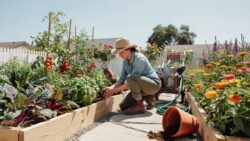
These techniques combine to stretch limited garden real estate into high-output growing zones. A 100-square-foot bed using vertical methods and succession planting yields equivalent to 200 square feet of conventional gardens, proving efficiency beats plot size.
Using A Vegetable Growing Season Chart To Optimize Harvests
Cool Season Versus Warm Season Crop Categorizations
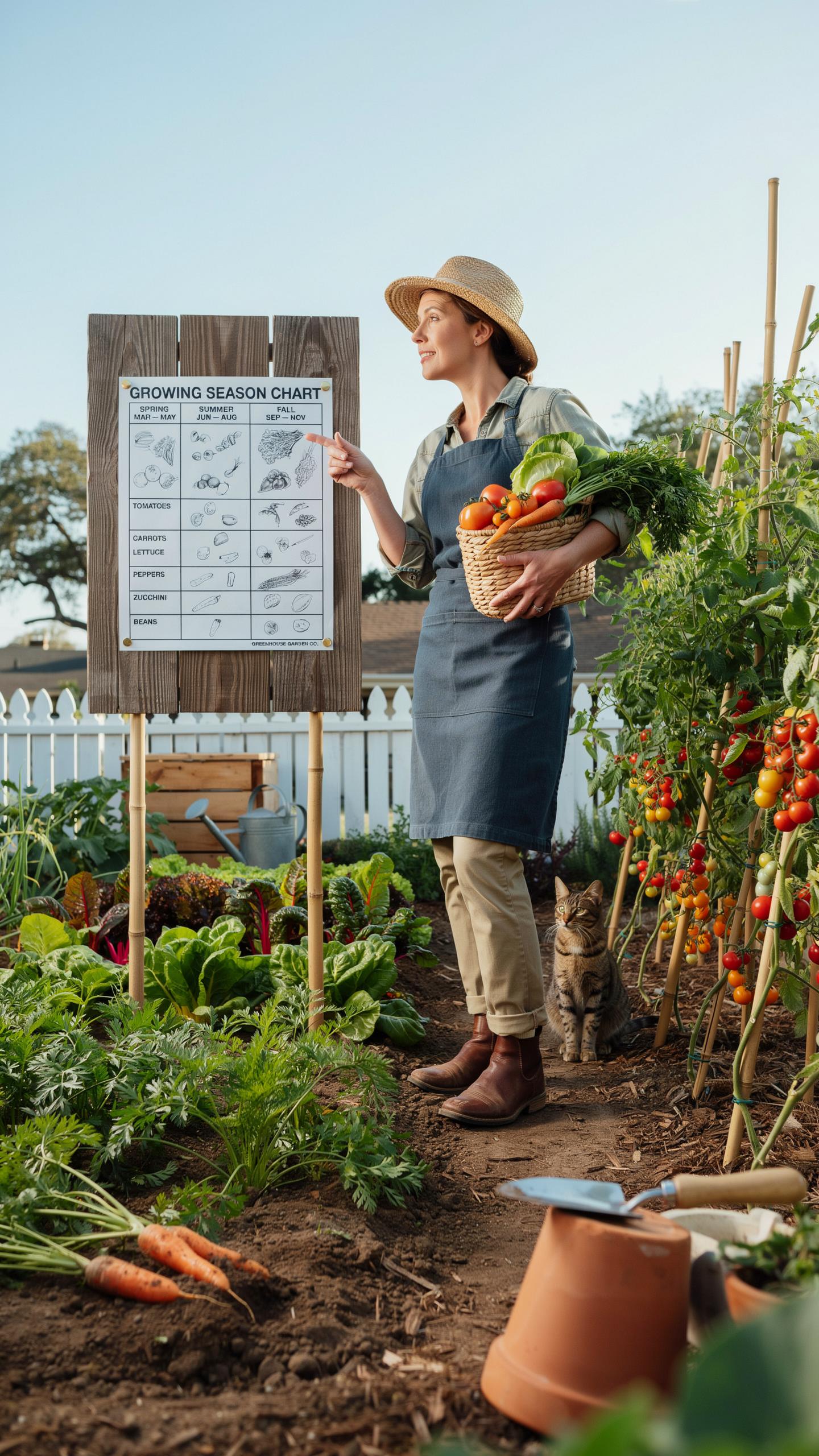
Cool-season crops germinate and mature in soil temperatures between 40 and 70 degrees Fahrenheit. These include lettuce, spinach, peas, broccoli, and cabbage. They tolerate frost and actually taste better after exposure to cold. Plant them in early spring or late summer for fall harvest. Warm-season crops need soil temperatures above 60 degrees and air temperatures consistently above 50 degrees.
Warm-season crops include tomatoes, peppers, squash, beans, and cucumbers. These plants fail to germinate in cold soil and die if exposed to frost. Planting warm-season crops before soil warms causes seed rot and seedling death. Start warm-season seeds indoors or wait until after your last frost date to direct sow. Understanding this distinction prevents wasted seeds and failed plantings across your growing zone.
Utilizing Frost Dates To Determine Planting Windows
Average last spring frost dates and first fall frost dates anchor your entire planting calendar. The National Weather Service maintains historical frost data for thousands of locations by zip code. Spring frost dates tell you when cool-season crops can transition outdoors and when to start warm-season seeds indoors. Fall frost dates show when to stop planting warm-season crops and when cool-season crops will mature before freezing temperatures arrive.

Calculate your growing window by counting days between last spring frost and first fall frost. Match this timeframe to your crop’s days to maturity for accurate harvest predictions. A 120-day growing window prevents late plantings that won’t mature before frost kills the plants. Verify your specific frost dates through your county extension office or the USDA zone map for precision planning and successful seasonal harvests.
Frequently Asked Questions

What exactly is a planting zone and why does it matter for my garden?
A planting zone refers to the USDA Hardiness Zone Map, which divides regions based on their average annual minimum winter temperature. Understanding your specific region is the foundation of any seasonal planting guide by zone. By knowing your zone, you can select plants that are genetically capable of surviving your local climate. This ensures your home’s exterior looks polished and professional year-round without the frustration of losing plants to unexpected frost.
How do I transition my garden containers between seasons without starting over?
To maintain an effortless look, use a “bridge” approach when following your seasonal planting guide by zone. Keep your perennial structural plants, like boxwoods or grasses, as a permanent base. Every few months, simply swap out the smaller accent flowers—like pansies in spring or mums in autumn—to refresh the color palette. This method saves significant time and energy while ensuring your curb appeal remains vibrant and seasonally appropriate throughout every month.
Can I achieve a high-end landscape look on a limited budget?
Absolutely! A polished garden doesn’t require a massive investment if you focus on native plants and timing. Native varieties are often more affordable and hardier because they are naturally adapted to your local environment. Additionally, buying your bulbs or seeds during the off-season can drastically reduce costs. High-end design is more about intentionality and cohesion than price, so stick to a limited color palette for an expensive, curated aesthetic.