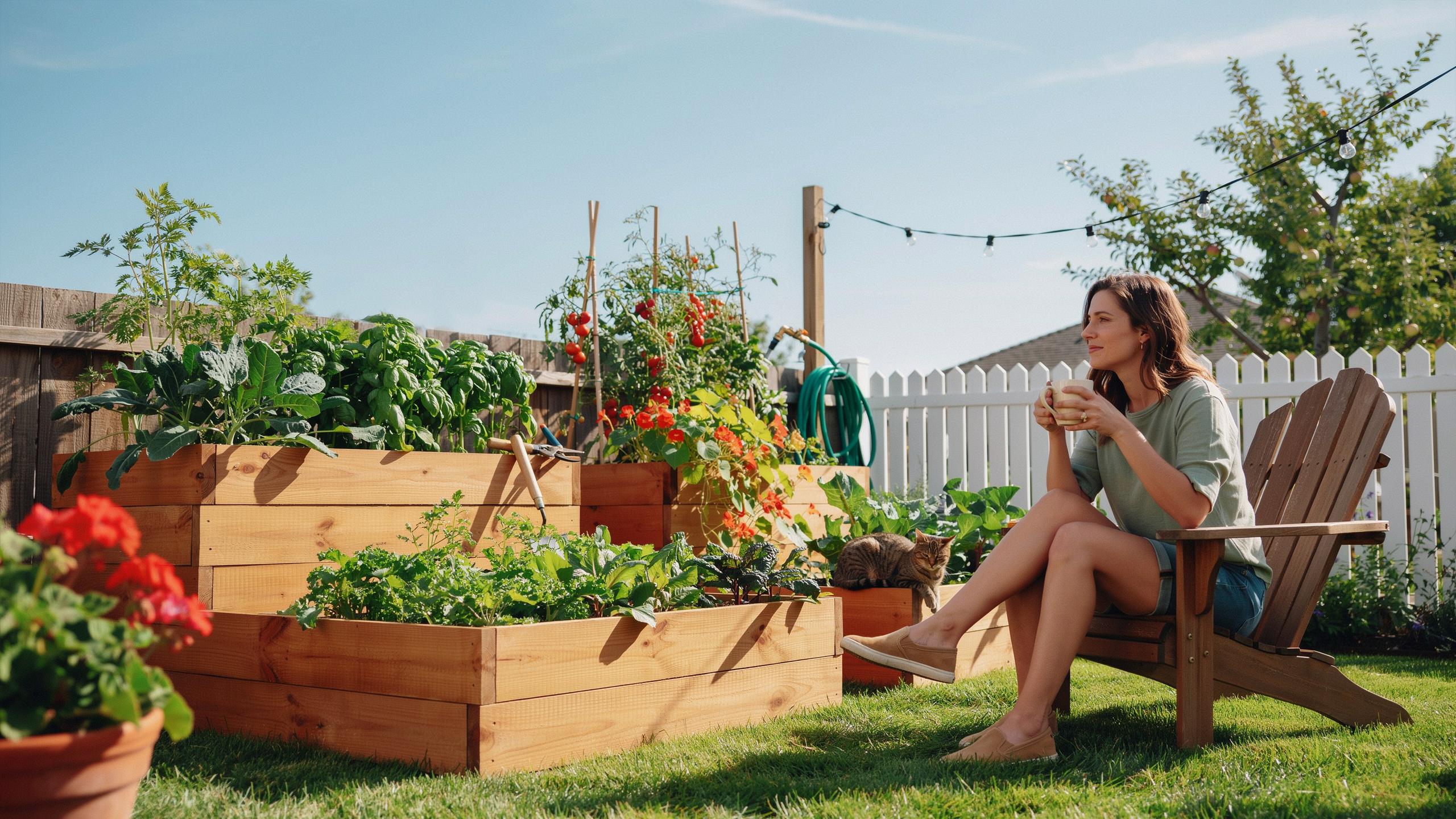
Understanding Raised Garden Bed Height A BeginnerS Guide To Your Home Vegetable Garden
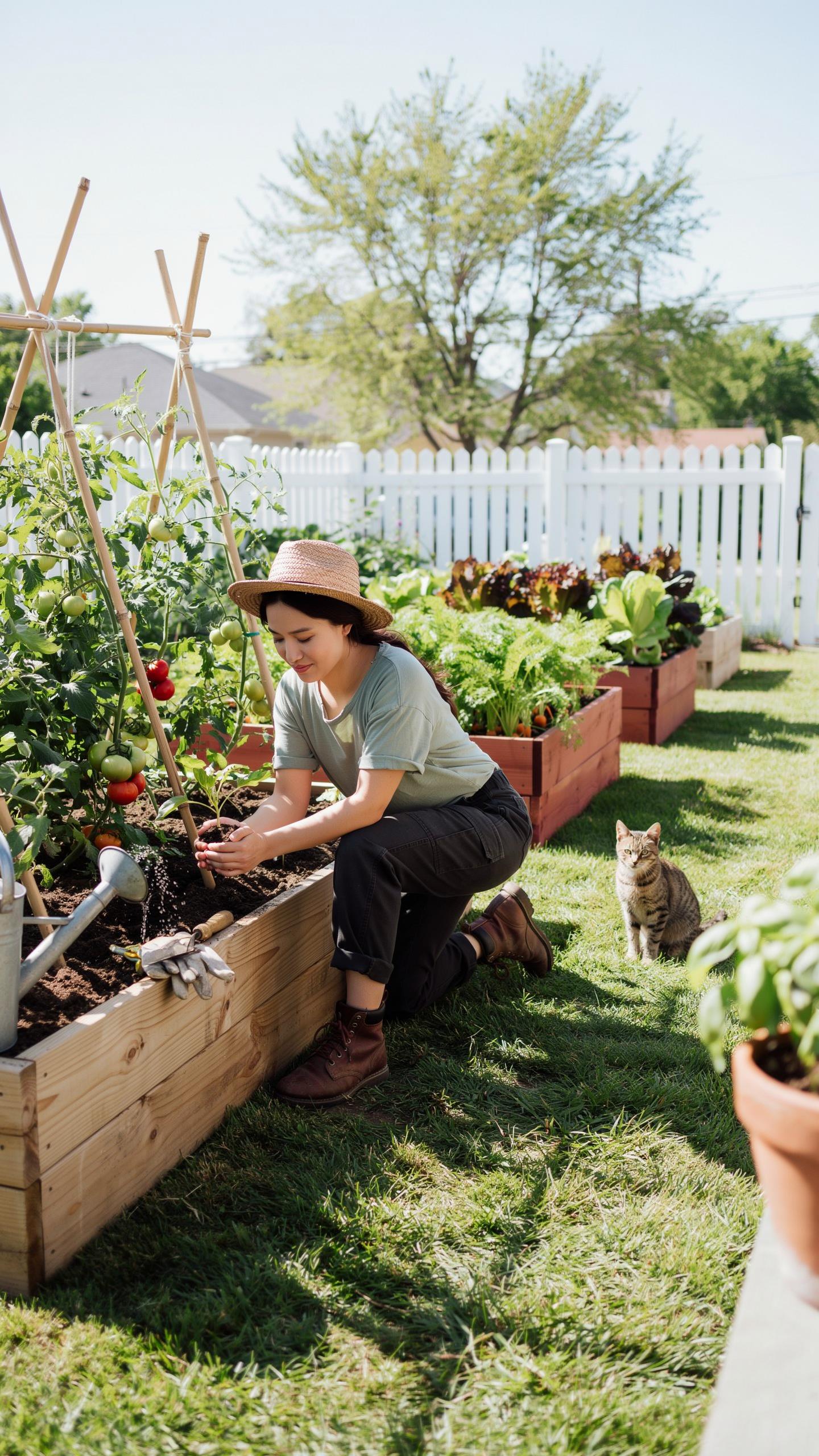
What Does Raised Garden Bed Height Actually Mean And Why Does It Matter?
Raised garden bed height measures the distance from the top of the side walls down to the ground level or base. This vertical dimension determines how much soil a gardener must purchase and manage. Proper height dictates the ergonomics of the workspace. Low beds require more bending while taller beds allow for standing or sitting. Choosing the wrong height leads to back pain and wasted resources.
Height also controls drainage and temperature within the growing environment. Tall walls provide a barrier against certain crawling pests and keep wandering pets out of the soil. Historically, gardeners used low mounds to improve drainage in wet climates. Modern designs use rigid materials to extend these benefits. Selecting an accurate height ensures your garden remains productive and manageable throughout the entire growing season.
How Bed Height Affects Soil Depth Root Growth And Plant Health
Soil depth directly influences the success of different vegetable varieties. Shallow beds measuring six inches work for leafy greens and herbs with small root systems. Deep rooted crops like carrots or tomatoes require twelve to eighteen inches of soil to thrive. Insufficient depth stunts plant growth and limits nutrient uptake. Professionals match the bed height to the specific biological requirements of their chosen crops.
Vertical space also impacts soil temperature and moisture retention. Taller beds warm up faster in the spring which allows for earlier planting. However, elevated soil dries out more quickly during heat waves. You must balance the benefit of early growth against the need for increased irrigation. Monitoring the connection between bed height and soil volume prevents root rot and ensures stable moisture levels for your plants.

Standard Raised Garden Bed Heights And What They Mean For Your Backyard Vegetable Gardens
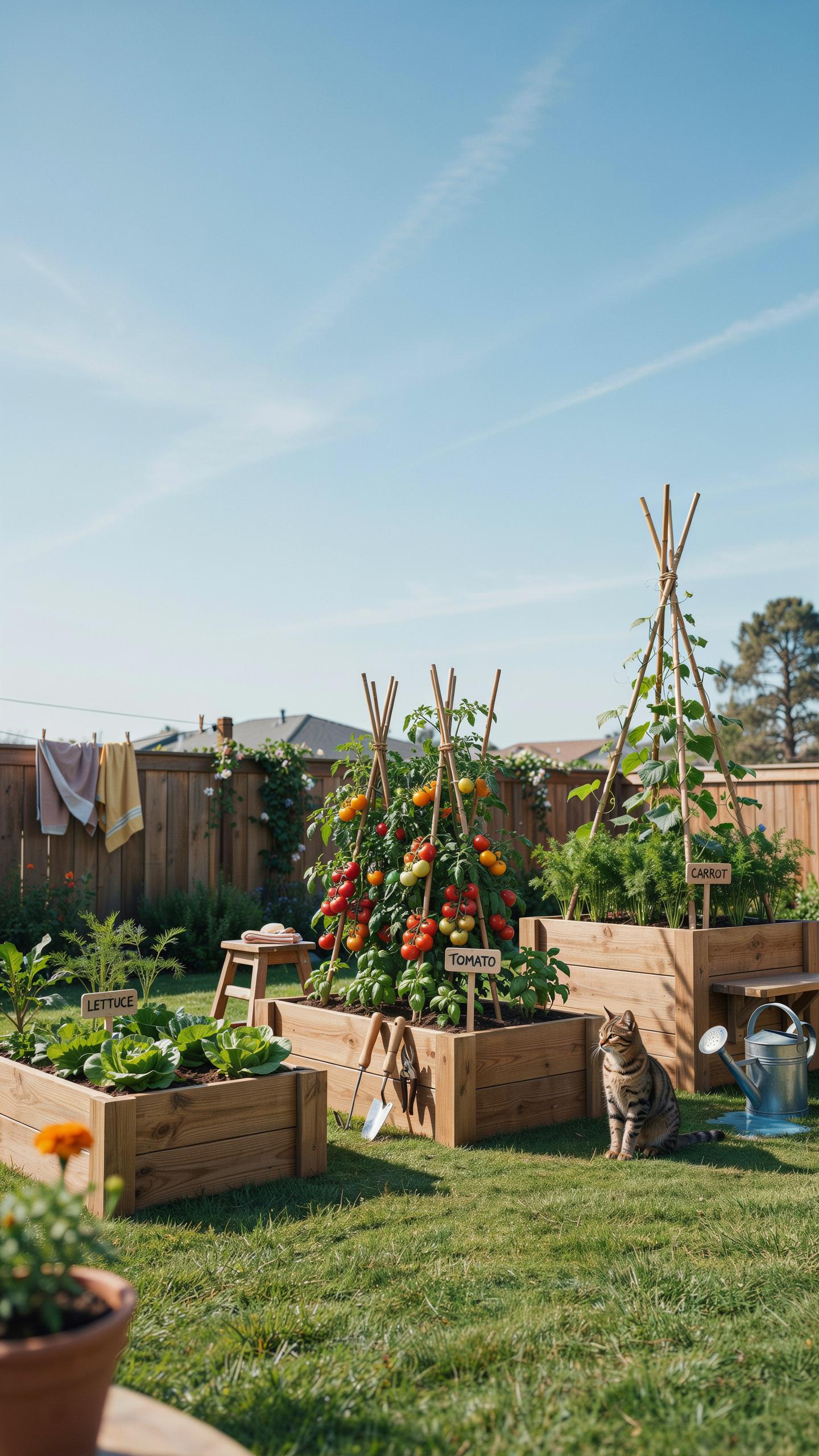
The Most Common Height Ranges: 6 Inches, 12 Inches, And 24 Inches Explained
Six inch beds represent the absolute minimum for soil improvement. These low profiles work best for shallow rooted crops like lettuce or radishes. You must have decent quality soil underneath because roots will quickly grow past the frame. This height uses the least material and costs very little to build. Use this option only if your existing ground is relatively soft and clear.
Twelve inch beds serve as the industry standard for most backyard vegetable gardens. This depth provides enough space for many root vegetables and larger plants like peppers or bush beans. It balances material costs with performance. Most standard lumber dimensions make this height easy to construct without complex bracing. You get better drainage and faster soil warming in the spring at this specific level.
To garden at a height that meets your hands is to invite the soul to linger. Bring your flowers closer to your heart so that your weary back may find rest while your spirit blooms.
Matching Bed Height To Ground Conditions And Soil Quality In Your Backyard
Poor ground conditions require taller beds to isolate your plants from problems. If your backyard has heavy clay or compacted earth, choose a height of at least eighteen inches. This depth ensures roots stay in premium imported soil rather than struggling against the hard native ground. Tall beds also act as a physical barrier against aggressive creeping grasses and some common soil borne pests.
Contaminated soil or rocky terrain forces you to build upward. You need a significant buffer to prevent roots from reaching lead, zinc, or large stones in the natural earth. Use a twenty four inch height if you cannot dig into the ground at all. This height completely replaces the native environment. It gives you total control over the growing medium and drainage regardless of your backyard’s original state.
Choosing The Right Height For Your Garden Bed Layout And Overall Garden Flow
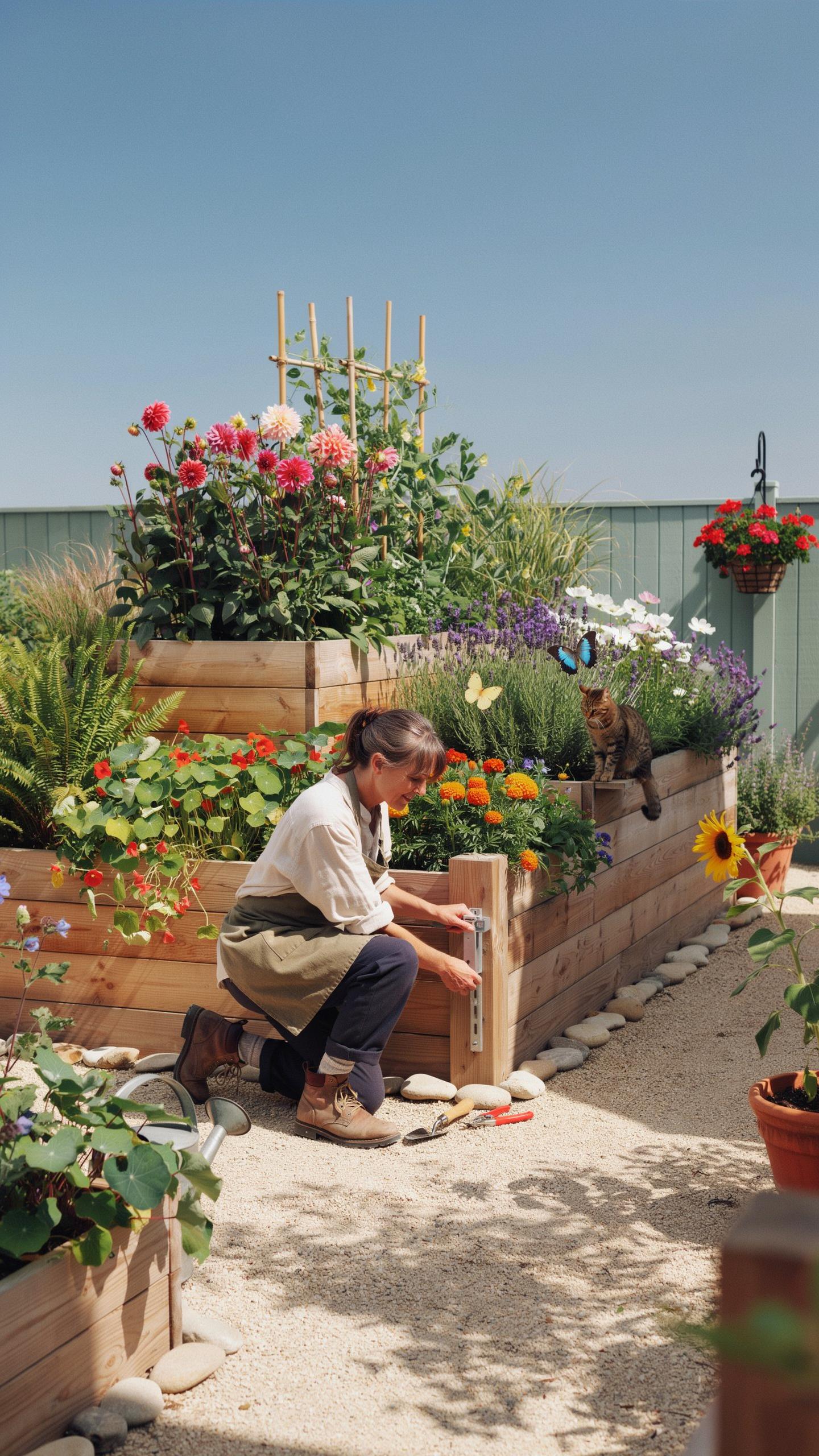
How Bed Height Influences Spacing, Accessibility, And Overall Garden Layout Design
Bed height dictates the width of your garden paths. Tall beds create vertical walls that restrict movement if paths are too narrow. You must leave at least three feet of clearance between high beds to allow for wheelbarrows and tools. Low beds allow for narrower paths because they do not block your shoulders or elbows while you work the soil from a standing position.
Accessibility depends on reaching the center of the bed without overextending. High beds require a narrower width because you cannot lean your weight on the rim easily. If the bed is waist-high, limit the width to three feet for one-sided access. This prevents back strain and ensures you can reach every plant. Proper height selection ensures your layout remains functional for daily maintenance and long-term harvesting.
Planning Bed Heights That Work Together For A Cohesive And Functional Garden Space
Mixing different bed heights creates a tiered system for better sunlight exposure. Place tall beds on the north side of your garden plot. This prevents them from casting shadows on shorter beds during the day. A tiered layout mimics natural hills and maximizes your growing square footage. Using consistent materials across varying heights keeps the design professional and structured rather than cluttered.
Functional gardens use height to define specific zones. Set your most intensive crops in the tallest beds near the garden entrance. Use lower beds for perennial crops like asparagus or rhubarb that require less frequent intervention. This strategy reduces your physical workload by placing demanding plants at an ergonomic height. Smart height planning turns a random collection of boxes into an efficient food production system.
Raised Garden Beds Layout How Height Plays A Role In Organizing Your Growing Zones
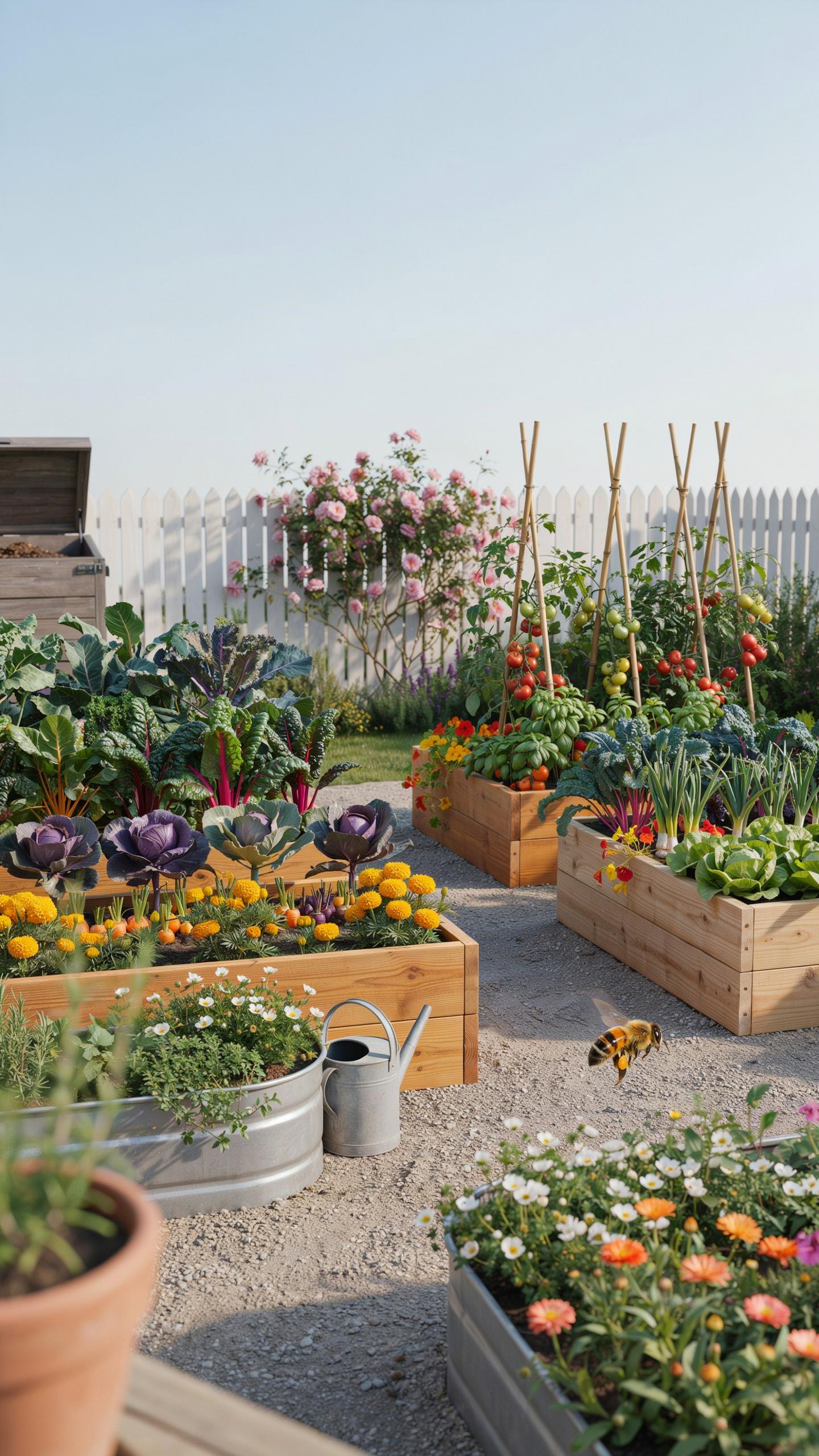
Arranging Multiple Beds At Different Heights For Sun Exposure And Visual Appeal
Place your tallest beds on the north side of your garden plot. This prevents high structures from casting shadows over shorter sections. Use six inch or twelve inch beds for root crops in the front. Position thirty inch beds in the back for heavy feeders or climbing plants. This staggered approach ensures every plant captures maximum solar energy throughout the day.
Strategic height variation creates a clear line of sight across your entire growing area. You can monitor plant health faster when layers do not block each other. Different heights also allow you to match soil types to specific depths. Use deep soil for perennials and shallow soil for quick greens. This logical placement saves water and reduces your physical strain during harvest.
Creating Tiered Raised Garden Bed Layouts That Maximize Yield In Small Spaces
Tiered layouts utilize vertical space to increase your total planting area. Install a three step system where each level rises twelve inches above the previous one. This configuration mimics naturally occurring terrace farming used in mountainous regions for centuries. It prevents soil erosion and keeps nutrients concentrated within each individual frame. High density planting works best when you utilize these distinct vertical zones.

Vertical stacking allows you to grow more food on a smaller footprint. Root vegetables occupy the deep bottom tiers while herbs thrive in the shallow top levels. This organization simplifies irrigation by letting gravity move excess water downward. You gain better airflow between plants which reduces the risk of fungal diseases. Modern gardeners use this method to turn narrow pathways into productive food zones.
Raised Garden Bed Height For Seniors And Mobility Designing For Comfort And Relaxed Living
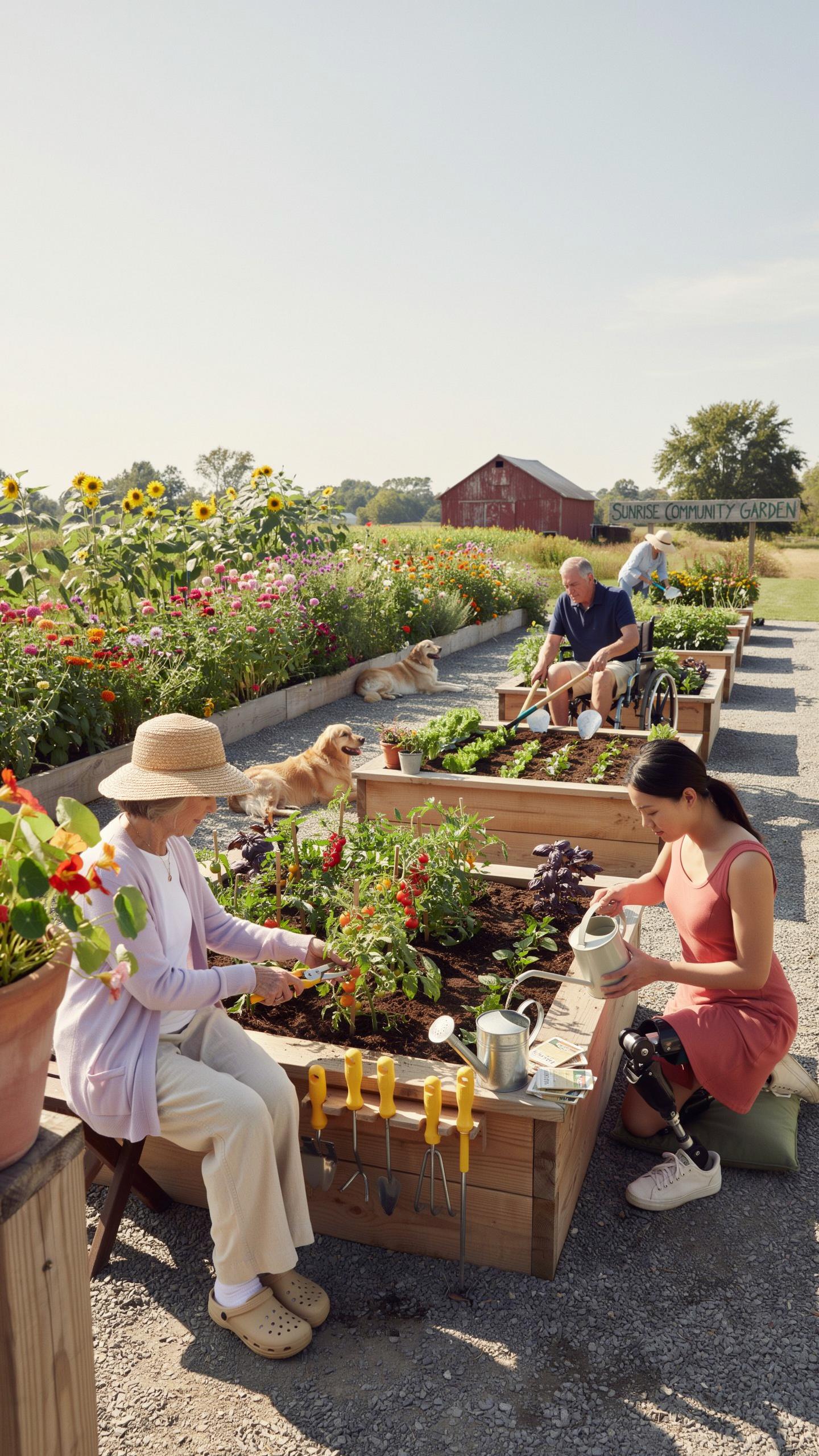
Why Taller Raised Beds Between 24 And 36 Inches Are Ideal For Reduced Mobility Gardeners
Standard garden beds require significant bending or kneeling. This posture causes pain for seniors with joint issues or chronic back conditions. Taller beds measuring 24 to 36 inches bring the soil surface closer to the waist. This height allows gardeners to work while standing upright or sitting on a stool. It eliminates the need to reach down to ground level during planting and harvesting.
A height of 30 inches specifically matches the standard dimensions of a dining table or desk. This design choice enables wheelchair users to pull up directly to the edge of the bed. It provides clear knee space if the bed features an overhanging ledge. Proper height ensures better visibility of the plants. It also prevents the dizziness often associated with standing up quickly after kneeling on the ground.
Ergonomic Gardening Tips: Reducing Back Strain With The Right Raised Bed Height
Ergonomic design focuses on keeping the spine in a neutral position to prevent injury. A raised bed at the correct height reduces the leverage force acting on the lower back. When the bed is too low, the gardener leans forward and creates a physical strain on the vertebrae. Setting the bed height based on the primary user’s elbow height maximizes efficiency and comfort.
- Waist High Construction: Building beds to approximately 32 inches allows for a straight spine during maintenance. This height eliminates the repetitive lumbar flexion that typically leads to muscle fatigue and long term spinal wear in older gardeners.
- Width Limitations: Keep bed widths under 4 feet so the center is reachable from either side. This prevents overextending the arms or leaning against the bed structure, which can cause rib bruising or balance loss for those with mobility issues.
- Integrated Seating Ledges: Adding a wide wooden cap on the top rim creates a built in bench. This feature allows gardeners to sit while weeding or pruning, transferring their weight from their legs and back to the sturdy structure of the raised bed.
- Vertical Support Systems: Installing trellises at the back of a 24 inch bed keeps crops like beans or cucumbers at eye level. This prevents the need to bend down to ground level to find hidden produce among dense leaves and vines.
- Firm Pathway Access: Surrounding tall beds with flat and stable surfaces like pavers or packed gravel ensures safe movement. Proper footing is essential when working at waist height to prevent slips or falls while carrying tools and heavy watering cans.
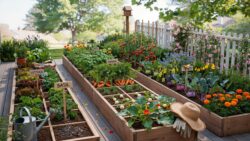
Tactical gardening requires the right tools alongside the right height. Use long handled trowels and lightweight watering cans to minimize the effort needed to reach across the soil. Ensure the bed material is smooth to prevent splinters or abrasions during contact. A well planned height strategy turns a labor intensive task into a sustainable hobby. This approach preserves the physical health of the gardener over many seasons.
Allotment Gardening And Raised Bed Heights What Community Gardeners Should Know
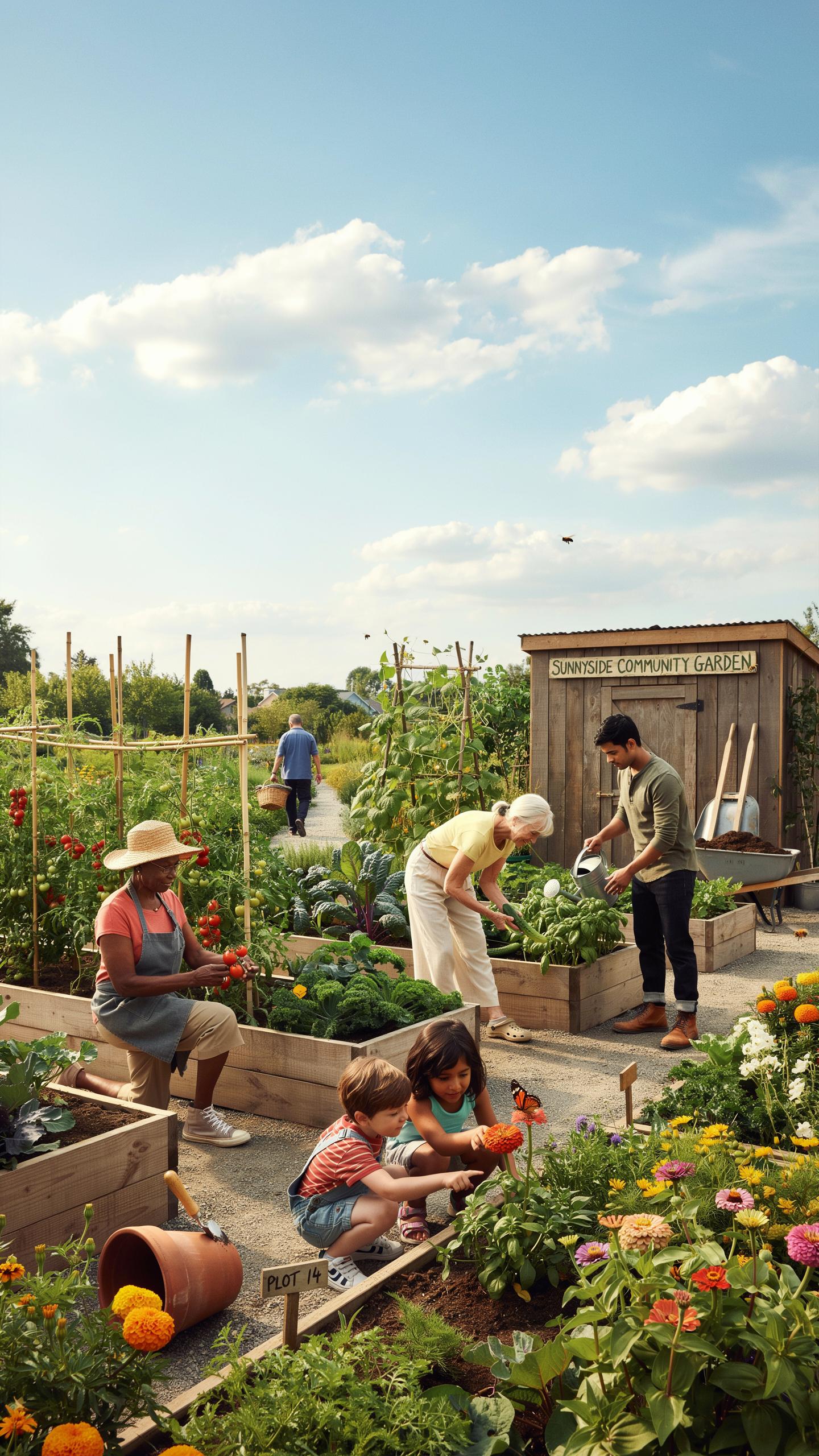
How Allotment Gardening Regulations And Plot Sizes Influence Raised Bed Height Choices
Local council rules often dictate the maximum height of structures in allotment plots. Most traditional allotments follow the Small Holdings and Allotments Act 1908 standards which limit permanent structures. High beds exceeding thirty inches often require formal approval because they obstruct the sightlines of neighboring gardeners. You must check your specific tenancy agreement before building. Tall beds also cast long shadows that can spark boundary disputes with adjacent plot holders.
Material volume is a major logistical hurdle in community spaces. Large plots require massive amounts of soil to fill deep beds. Bringing in bulk topsoil is expensive and physically taxing without vehicle access to the plot. Most allotment holders choose beds between six and twelve inches high. This height suppresses weeds and improves drainage without requiring excessive imported filler. It balances structural stability with the practical limits of shared site access and limited budgets.
Practical Height Guidelines For Shared And Community Growing Spaces
Community garden design prioritizes universal access and site longevity. Standard beds usually sit at eighteen inches to allow for seating on the edge. This height supports older gardeners or those with limited mobility. If you build too high, the soil pressure may bow the timber walls over time. Use cross-bracing for any bed taller than twelve inches. Stability is critical in high-traffic areas where children and visitors frequently gather near the growing zones.
Strategic height variation solves many site challenges in shared spaces. Use low six-inch beds for sprawling crops like squash to keep them manageable. Reserve taller thirty-six-inch beds for sensory gardens or herb stations near the entrance. This tiered approach maximizes the utility of the square footage. It also ensures that the garden serves the widest possible range of physical abilities. Stick to these proven dimensions to ensure the garden remains functional for everyone.
Vegetable Garden Design Pairing Plant Types With The Ideal Raised Bed Height
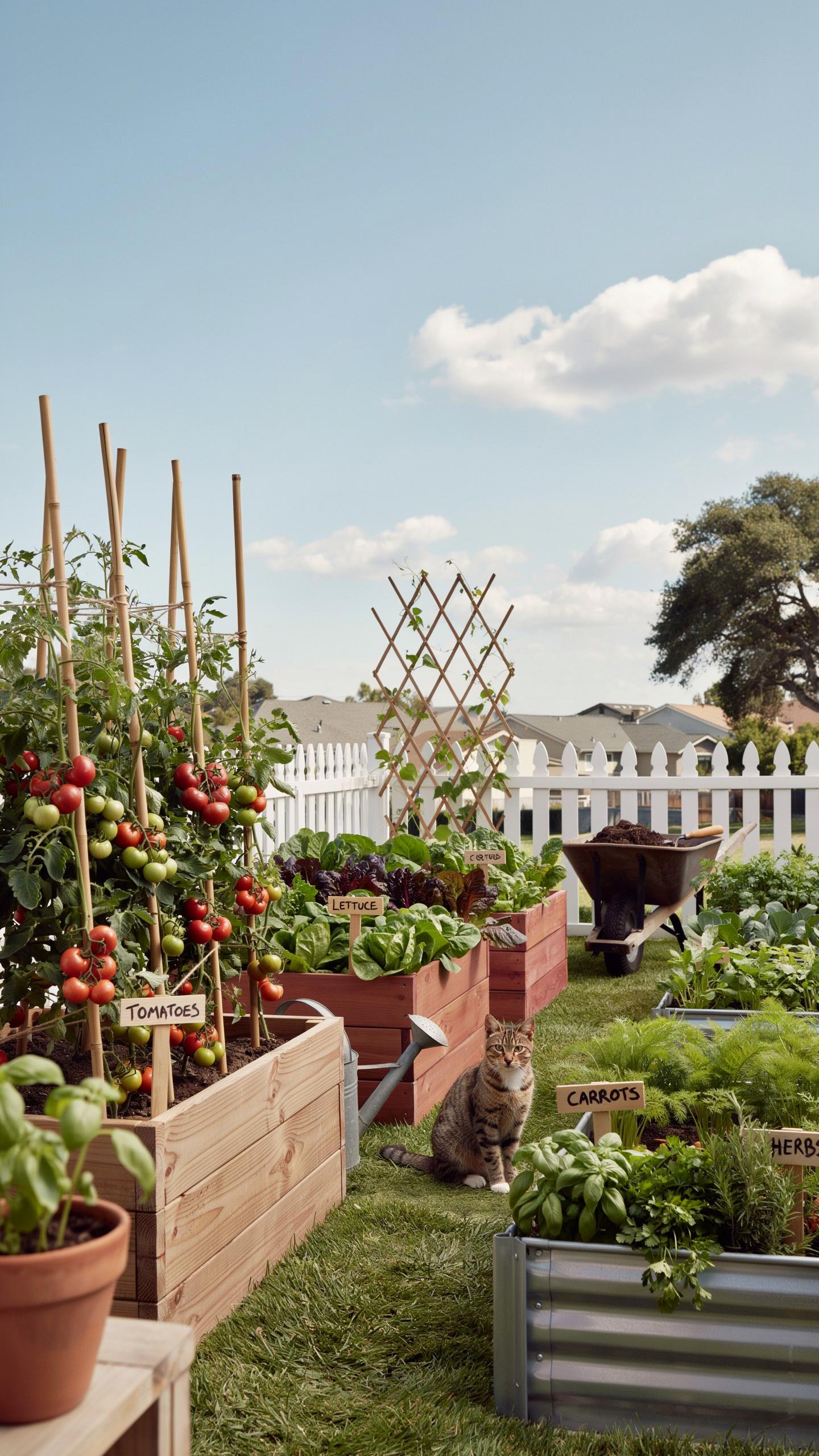
Deep Rooted Vs. Shallow Rooted Vegetables And The Bed Heights That Suit Them Best
Shallow-rooted crops like lettuce, spinach, and radishes require only six to eight inches of soil depth to thrive. You can grow these in low-profile beds safely without hitting the hard ground beneath. These low beds save money on soil and construction materials. They work well for quick rotation harvests throughout the growing season. Use these heights when your primary goal is high-yield greens and herbs.
Deep-rooted vegetables like tomatoes, carrots, and potatoes demand eighteen to twenty-four inches of vertical space. Carrots hit resistance in shallow soil and become stunted or deformed. Tomatoes need a deep root structure to stabilize their heavy fruit production and access consistent moisture. Tall beds provide this necessary volume while improving drainage. Match your bed height to the maximum root depth of your chosen crop to ensure health.
Incorporating Planting Fruit Trees Near Raised Beds Without Disrupting Soil Depth Balance
Placing fruit trees near raised beds requires careful distance management to avoid root competition. Tree roots naturally seek out the nutrient-rich, loose soil inside your garden frames. This invasion depletes moisture and minerals meant for your vegetables. Keep trees at least ten to fifteen feet away from your structures. This distance ensures the tree canopy does not shade out your sun-loving vegetable crops during peak hours.
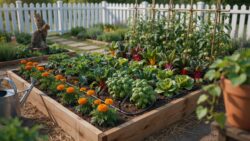
Manage soil depth balance by accounting for the tree drip line and root spread. Large roots can shift or lift wooden bed frames over time if planted too close. Use root barriers or separate irrigation zones to prevent the tree from stealing water from the raised bed ecosystem. Standard dwarf varieties offer better compatibility with garden layouts due to their smaller root systems. Proper spacing keeps both your trees and garden beds productive.
Raised Garden Bed Plans Selecting Height Based On Materials Budget And Build Style
Common Materials Used For Different Raised Bed Heights: Wood, Cinder Block, And Metal
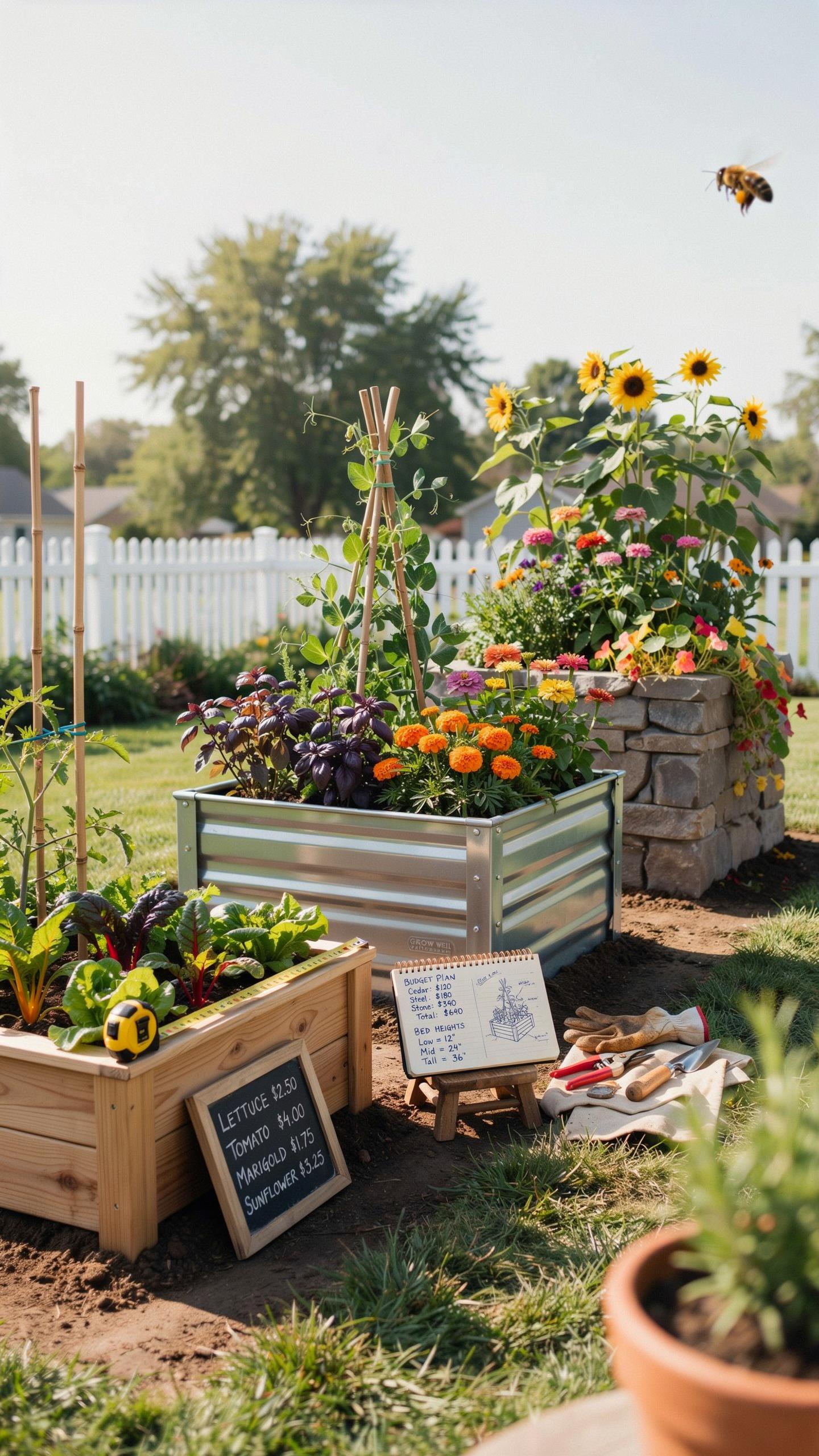
Material choice dictates the maximum stable height of your garden bed. Softwoods like cedar or redwood work well for heights under 18 inches. Beyond that, structural bowing becomes a risk without internal bracing. Cinder blocks and corrugated metal kits offer superior vertical integrity for taller builds. Use specific materials to match your structural needs and local climate conditions for long-term durability.
- Cedar and Redwood: These woods contain natural oils that resist rot and insects. They are ideal for standard 12-inch heights. You must use thicker two-inch boards if you plan to stack them higher than 18 inches to prevent the soil weight from pushing the walls outward.
- Pressure-Treated Lumber: Modern alkaline copper quaternary treatments make this wood safe for food crops. It is the most cost-effective choice for deep beds over 24 inches. The chemical treatment prevents fungal decay in high-moisture environments where untreated wood would fail within three years.
- Corrugated Galvanized Metal: Metal panels provide high strength with minimal thickness. They are perfect for waist-high beds because they do not rot. Ensure the metal has a zinc coating to prevent rust. These systems use internal cross-braces to maintain shape at heights reaching 32 inches.
- Concrete Cinder Blocks: These units offer the highest level of structural permanence. You can stack them easily to reach 24 or 30 inches without specialized tools. Fill the hollow cores with gravel for drainage or soil for extra planting space. They retain heat, which helps in cooler spring climates.
- Composite Boards: Made from recycled plastic and wood fibers, these boards never rot or warp. They are best for heights under 12 inches due to their flexibility. If you build higher, you must install heavy-duty corner posts and mid-span supports to keep the walls from sagging under pressure.
Budget constraints often limit height more than physical space does. A 30-inch bed requires nearly triple the soil and material of a 12-inch bed. Calculate the volume of your build before purchasing materials to avoid mid-project shortfalls. Durable materials like metal or masonry cost more upfront but eliminate replacement costs. Select your material based on how long you intend to maintain the garden site.
How Your Raised Garden Bed Plans Should Factor In Height Before You Start Building
Standardize your heights to match common lumber dimensions to reduce waste and labor. Most timber comes in 2-inch increments. Building a 14-inch bed is more efficient than a 15-inch bed because it uses exactly two 2×8 boards or three 2×6 boards. Planning for these increments saves money and reduces the number of cuts. Always check your local lumber yard for actual board widths before finalizing plans.

Weight distribution is a critical factor for beds taller than 18 inches. The lateral pressure of wet soil can blow out fasteners or warp side walls. Incorporate internal threaded rods or wooden cross-ties every four feet for any build exceeding two feet in height. These supports keep the walls parallel and prevent the structure from leaning. Proper engineering ensures your garden bed lasts a decade rather than a single season.
Vegetable Garden DIY Step By Step Thinking For Building Raised Beds At The Right Height
Key Measurements And Decisions To Make Before You Start Your DIY Raised Bed Project
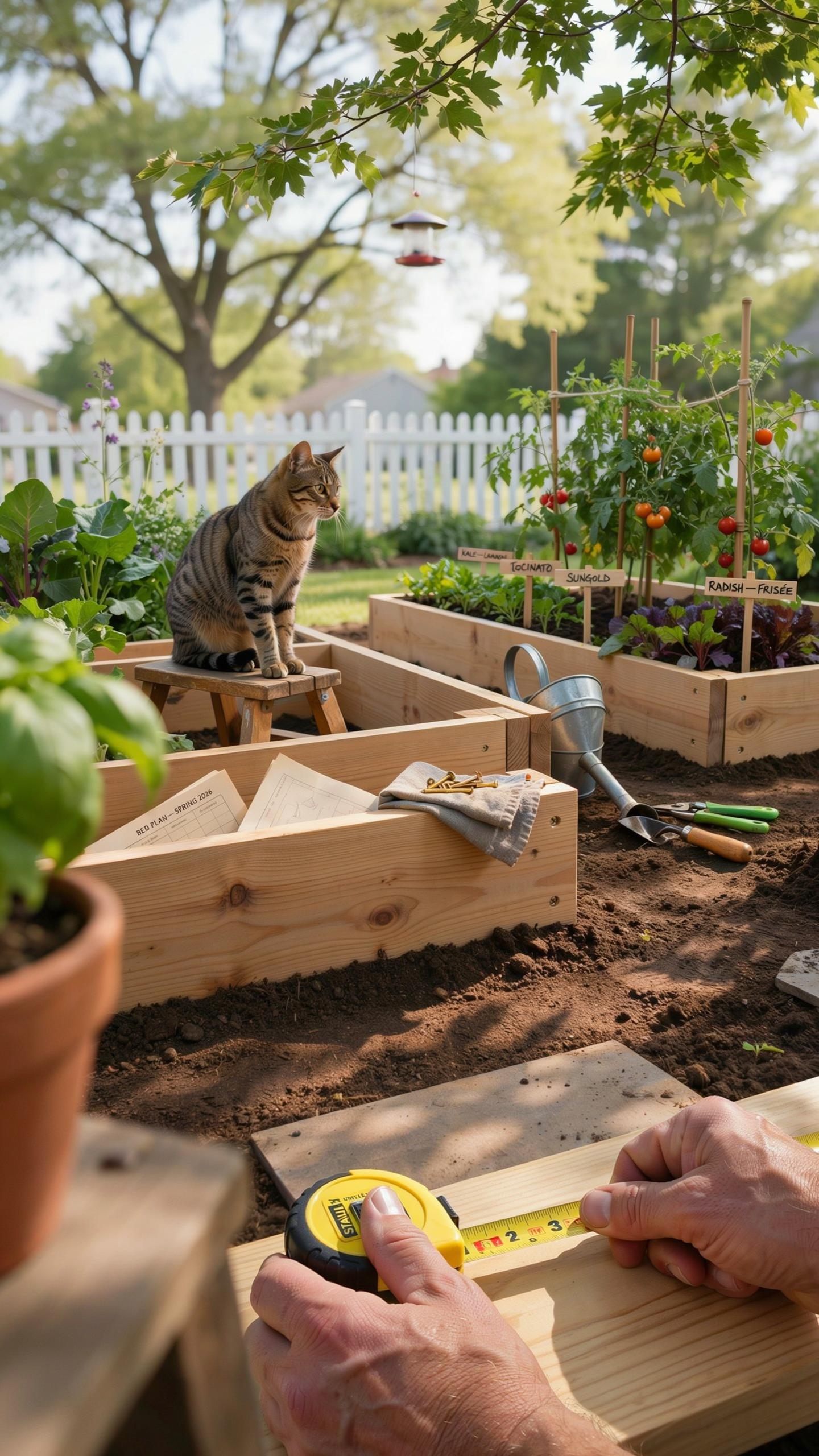
Measure your reach before cutting any lumber. Standard arm length dictates a bed width of four feet if you have access to both sides. If the bed sits against a wall, limit the width to two feet. This prevents soil compaction because you never step inside the frame. Choose a height between twelve and eighteen inches for most root crops to ensure proper drainage.
Account for the thickness of your building materials in your final footprint. Use rot-resistant wood like cedar or heat-treated timber to maintain structural integrity over time. Verify your site is level to prevent water from pooling at one end of the bed. Calculate the volume of soil needed by multiplying length, width, and depth. Accurate measurements prevent expensive waste and ensure the bed functions correctly.
How To Adjust And Raise Existing Beds Over Time As Your Gardening Needs Evolve
Assess your physical comfort during the growing season. If bending causes back strain, you must increase the height of your existing structure. You can stack additional tiers of timber onto the current frame. Use long timber screws or internal corner stakes to secure the new layers to the old ones. This vertical expansion allows you to garden without leaning over and improves accessibility.
Modify the soil profile as you add height. Use the hugelkultur method by placing rotting logs or branches at the bottom of the new section. This technique adds organic matter and reduces the amount of expensive potting soil required. Fill the top ten inches with high-quality compost for planting. Increasing the height improves drainage and speeds up soil warming in the spring for an earlier harvest.
Frequently Asked Questions

What is the ideal starting height for a new raised garden bed?
For those new to backyard cultivation, a height of 12 inches is the perfect entry point. This depth provides ample room for the root systems of most popular vegetables and herbs to flourish. Following a standard raised garden bed height guide ensures your plants have enough soil volume to retain moisture effectively while remaining low enough to be very simple and affordable to build for your first seasonal project.
How do I choose a height that prevents back strain while gardening?
To prioritize relaxed living and ergonomics, aim for a height between 24 and 36 inches. This elevated design allows you to tend to your plants while standing or sitting on a garden stool, eliminating the need for strenuous bending. By consulting a raised garden bed height guide, you can customize the structure to match your waistline, turning routine weeding and harvesting into a comfortable, therapeutic activity rather than a physical chore.
Is a taller garden bed more expensive to fill and maintain?
Deep beds do require more initial investment in soil, but you can utilize the “hugelkultur” method to save money. Fill the bottom half of tall structures with organic debris like logs, branches, and dried leaves before adding your topsoil. This approach makes taller, more accessible beds budget-friendly while providing long-term nutrients. Ultimately, the extra height pays off through better drainage, fewer pests, and much easier accessibility for lifelong gardening enjoyment.