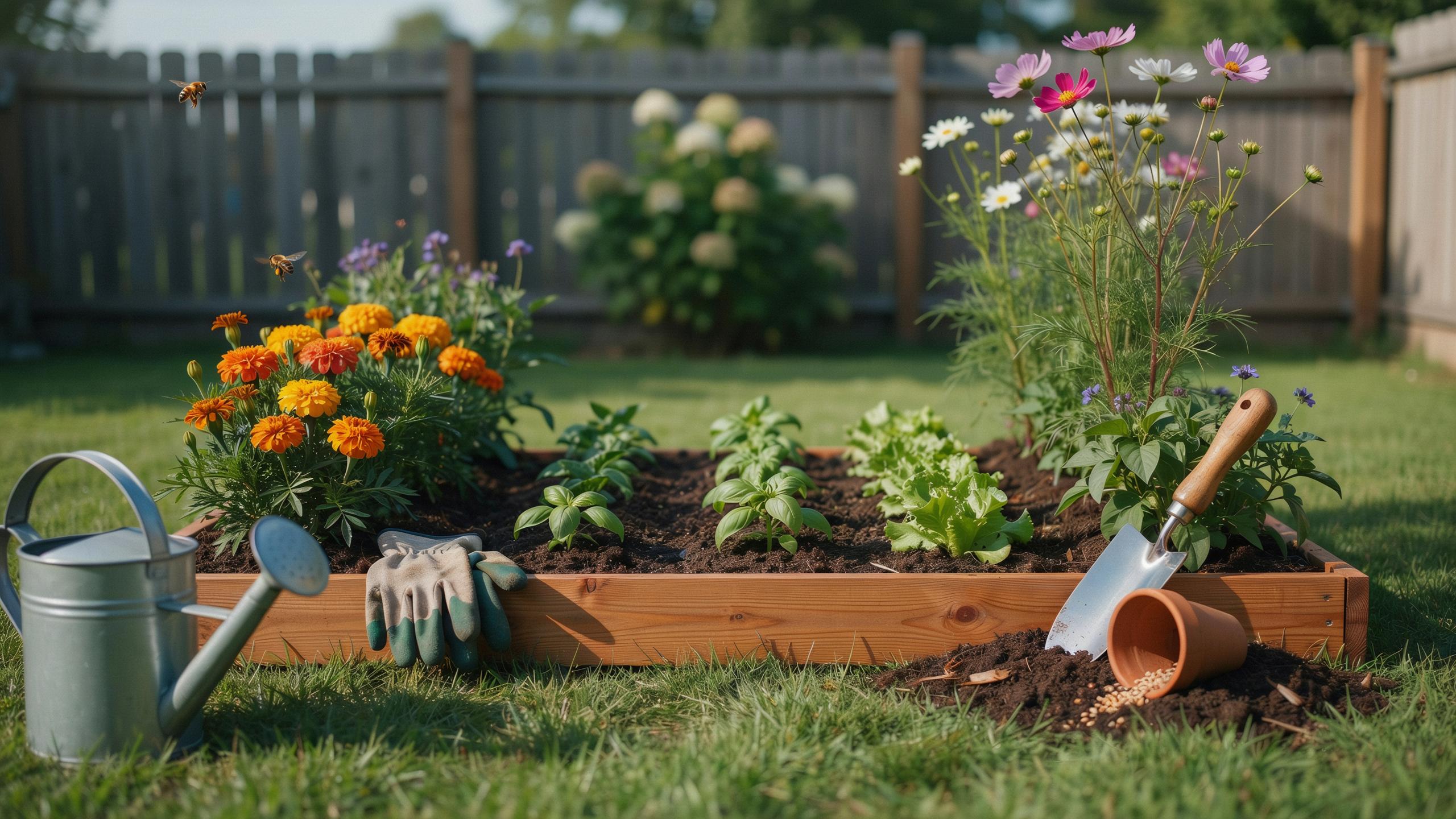
What Is A Raised Bed Soil Recipe And Why Does It Matter For Your Garden
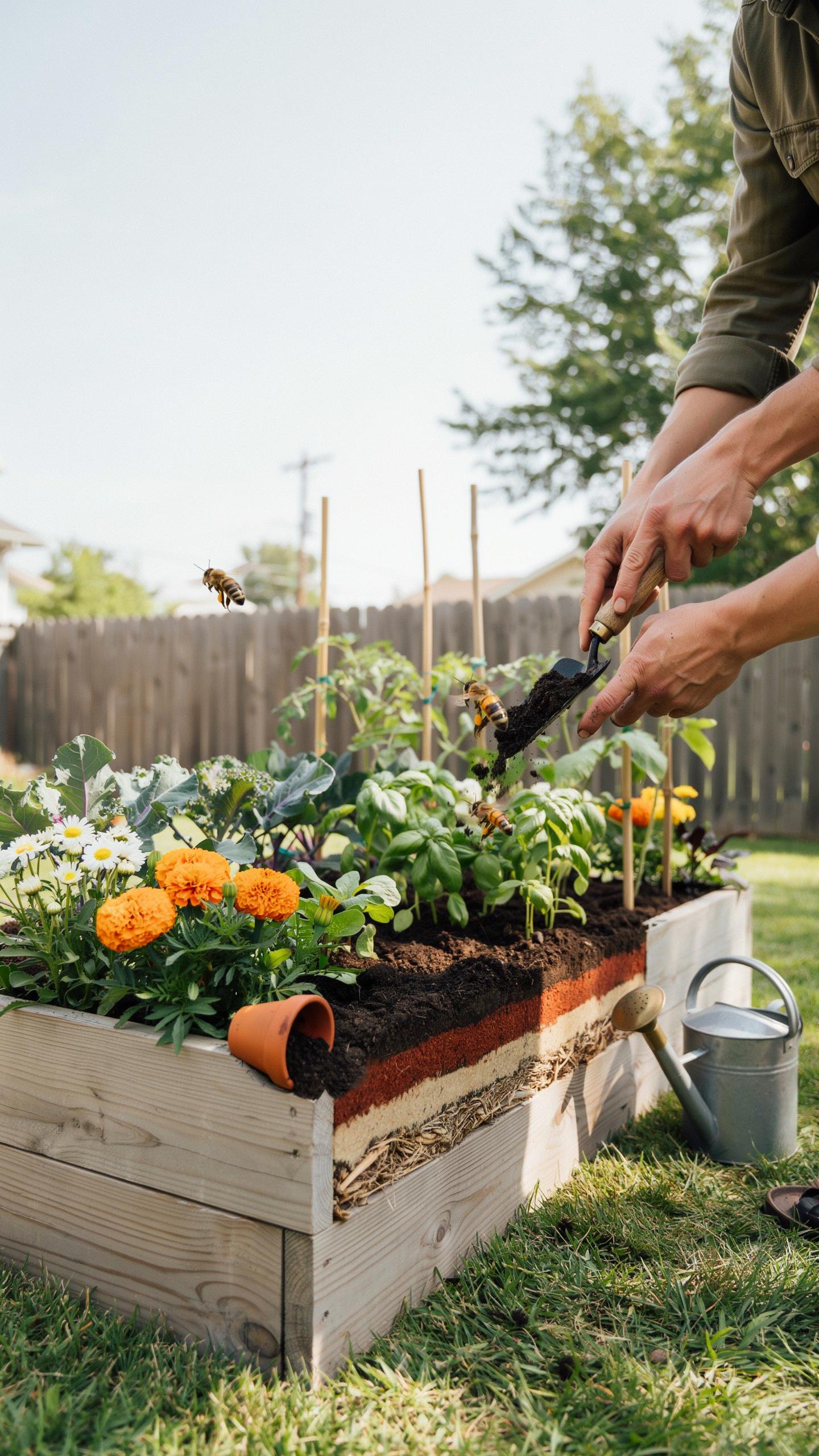
Understanding The Difference Between Raised Bed Soil And Regular Garden Soil
Garden soil contains high amounts of clay, silt, and sand. This native earth compacts easily when placed inside a confined frame. Compaction prevents air from reaching plant roots. It also traps water, which leads to root rot and fungal diseases. Standard ground soil often carries weed seeds and soil-borne pathogens. These issues destroy a garden before the first harvest begins.
Raised bed soil is a light and porous engineered medium. It uses specific ratios of organic matter and aeration components. This mix ensures fast drainage while holding onto necessary moisture. It creates a controlled environment free from heavy clay and rocks. You gain total control over the nutrient levels. This structural difference separates a productive raised bed from a failing wooden box filled with dirt.
Why The Right Soil Foundation Directly Impacts Plant Health And Yield
Soil serves as the primary delivery system for water and minerals. A precise recipe provides the structural support roots need to expand quickly. High-quality mixes maintain a balanced pH level for optimal nutrient uptake. Plants in professional-grade soil grow faster and stronger. They resist pests better because they are not under stress. Proper aeration keeps beneficial microbes alive to feed your crop.
Poor soil recipes lead to stunted growth and yellow leaves. If the mix is too heavy, the roots suffocate and stop growing. If it is too light, water runs through before the plant can drink. You lose money on seeds and fertilizer when the foundation is weak. A strategic soil recipe is an investment in high yields. It ensures every square inch of your bed produces maximum food.

Core Ingredients That Make The Best Soil Mix For Raised Beds
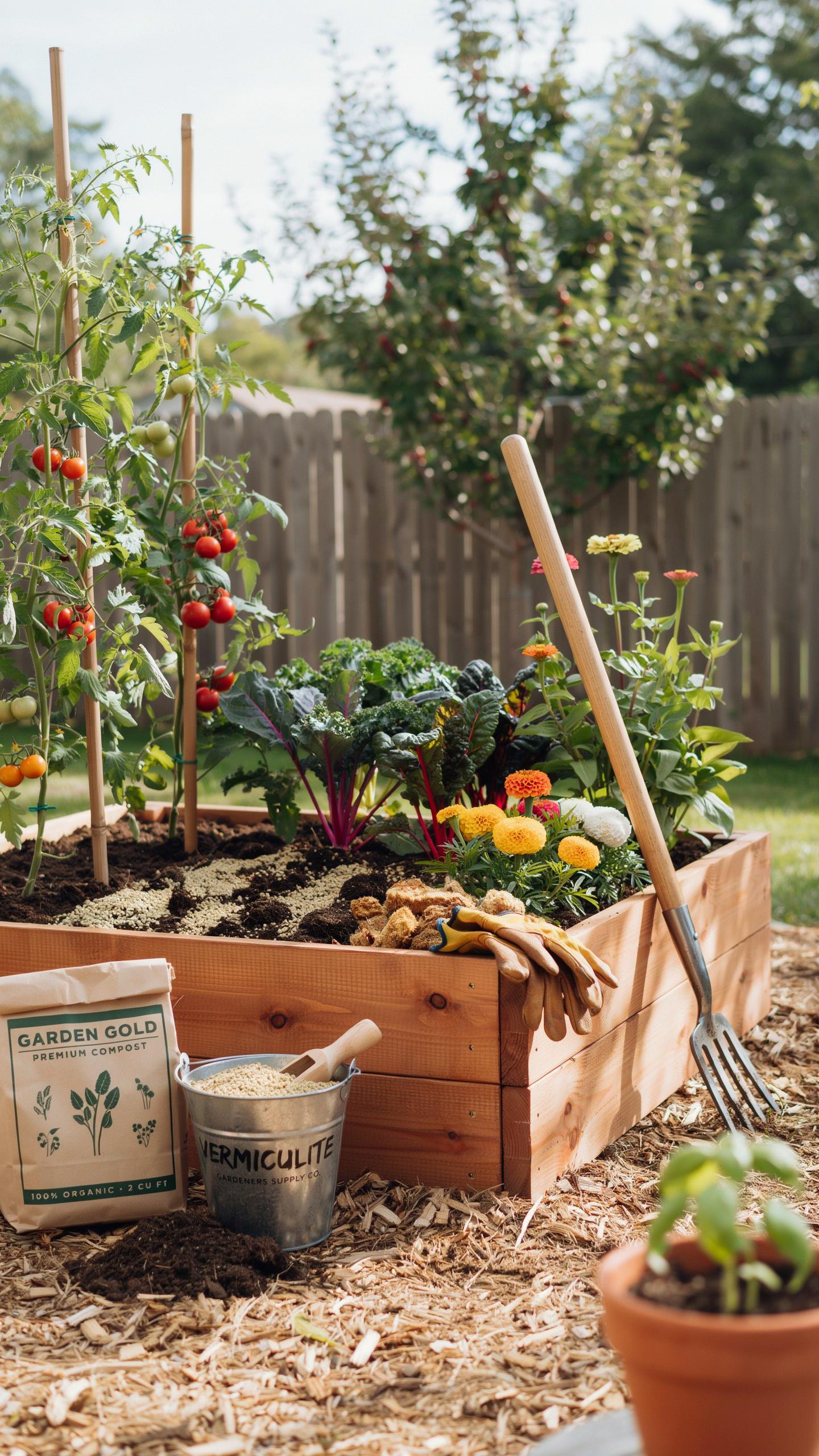
The Essential Components: Compost, Topsoil, And Aeration Materials Explained
Raised bed success depends on a precise balance of three distinct material types. You cannot rely on native backyard dirt because it lacks the structural integrity for contained environments. High-quality mixes combine organic matter for fertility, mineral soil for stability, and porous aggregates for oxygen flow. This tactical combination prevents the medium from compacting over time and ensures consistent crop yields.
- Organic Compost: This serves as the primary engine for plant growth and nutrient delivery. Use well-rotted animal manure or decomposed plant waste to introduce beneficial microbes and essential nitrogen. It facilitates the natural chemical processes required for healthy vegetable production in confined spaces.
- Clean Topsoil: Sandy loam acts as the physical anchor for the entire raised bed system. It provides the necessary bulk and mineral content that organic matter lacks. Ensure the source is screened to remove large rocks, debris, and invasive weed seeds before mixing.
- Peat Moss or Coconut Coir: These materials regulate moisture levels and prevent the soil from drying out too quickly. Peat moss offers an acidic profile, while coconut coir is pH neutral and more renewable. Both components increase the water-holding capacity of the overall soil mixture.
- Perlite or Vermiculite: These expanded minerals create permanent air pockets within the soil structure. Perlite excels at drainage and prevents heavy rains from drowning root systems. Vermiculite retains slightly more water and works well for moisture-loving crops in hotter climates.
- Coarse Sand: Industrial-grade sharp sand improves the physical texture of heavy mixes. It creates macropores that allow water to move through the profile rapidly. Never use fine play sand, as it settles into gaps and creates a concrete-like consistency.
Standard industry practice often follows the Mel Bartholomew Square Foot Gardening method. This ratio uses equal parts compost, peat, and coarse perlite to achieve maximum efficiency. However, adding 20 to 30 percent screened topsoil improves mineral density and helps the bed retain its volume. Precise ingredient selection allows you to control the growing environment regardless of your local ground soil conditions.
The greatest service which can be rendered any country is to add a useful plant to its culture. A handful of rich, dark earth is the beginning of all living poetry in the garden.
How Each Ingredient Contributes To Drainage, Nutrients, And Root Development
Every component in the mix performs a specific mechanical or chemical task. Compost provides the nitrogen, phosphorus, and potassium necessary for leaf and fruit production. Topsoil adds the weight and mineral trace elements that sustain long-term plant health. Without this mineral base, the organic matter would decompose completely and cause the bed level to drop significantly every growing season.

Proper drainage prevents root rot and allows for gas exchange beneath the surface. Loosening the texture with perlite or sand ensures that roots can penetrate deep into the bed without hitting hard patches. Deep root systems allow plants to access more water and nutrients during periods of high heat. A balance of these materials creates a resilient environment that supports high-density planting and rapid growth cycles.
The Classic Garden Bed Soil Mixture The Proven One Third Formula
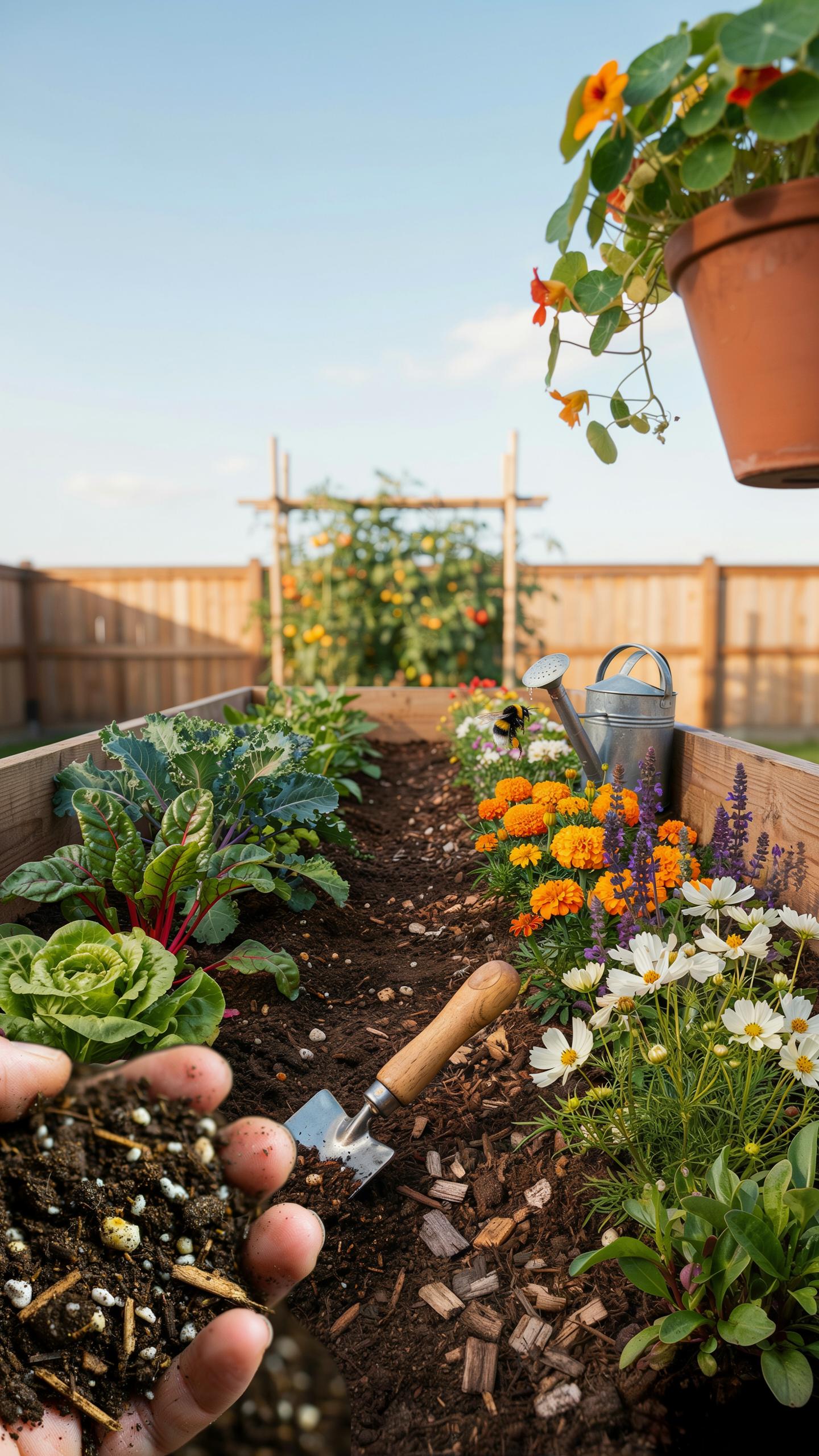
Breaking Down The One Third Compost One Third Peat Moss One Third Vermiculite Ratio
Mel Bartholomew popularized this specific raised bed soil mix recipe in the 1980s through Square Foot Gardening. The logic relies on three distinct structural functions. Compost provides the essential nutrients and microbiology. Peat moss or coconut coir holds moisture for the roots. Vermiculite ensures the soil stays aerated and light. This combination prevents the heavy compaction common in standard topsoil.
High quality compost is the most critical variable in this ratio. You must use at least five different sources of compost to ensure a full nutrient profile. The peat moss creates an acidic environment that suits most vegetables. Massive amounts of coarse vermiculite keep the bed fluffy for years. You do not need to add synthetic fertilizers when using this balanced biological foundation.
Step By Step Instructions For Mixing And Filling Your Raised Bed Correctly
Proper mixing prevents nutrient pockets and ensures uniform drainage across the entire bed. Do not mix your ingredients inside the raised bed frame. Use a large tarp on flat ground for the blending process. Dump your three components in equal piles to verify the volume. Use a rake or shovel to turn the materials until the color is consistent throughout.
- Tarp Preparation: Lay a heavy duty tarp on a flat surface near your beds. This provides a clean area to blend components without introducing rocks or weeds from the ground. It also makes cleanup easier once the project is finished.
- Volume Verification: Use a five gallon bucket to measure each ingredient accurately. Consistent measurement ensures the final mix has the correct physical properties. Guessing by the size of the bags often leads to poor drainage or low nutrient levels.
- Layered Folding: Pour the ingredients in thin layers on top of each other. Use a garden rake to stir the pile from the outside in. This folding technique integrates the coarse vermiculite deeply into the dense compost and the light peat moss.
- Moisture Integration: Spray the dry mix lightly with a hose while you turn the pile. Peat moss is hydrophobic when dry and resists water later if not pre-hydrated. The final mixture should feel like a wrung out sponge before it goes in.
- Bed Loading: Shovel the finished mix into the beds in six inch increments. Lightly firm each layer with your hands to remove large air gaps. Never step on the soil or compress it with heavy tools as this destroys the necessary aeration.

Calculate your total volume needs by multiplying length by width by depth. Order materials in bulk to save money on large installations. Fill the beds to the very top rim because the organic matter will settle two inches over the first month. Maintain the bed by adding a fresh layer of compost every spring. This keeps the soil level high and the nutrient density peaked.
How To Choose The Best Soil For Raised Garden Beds Based On Your Climate
Adapting Your Soil Mix For Hot, Dry Climates Versus Cool, Wet Regions
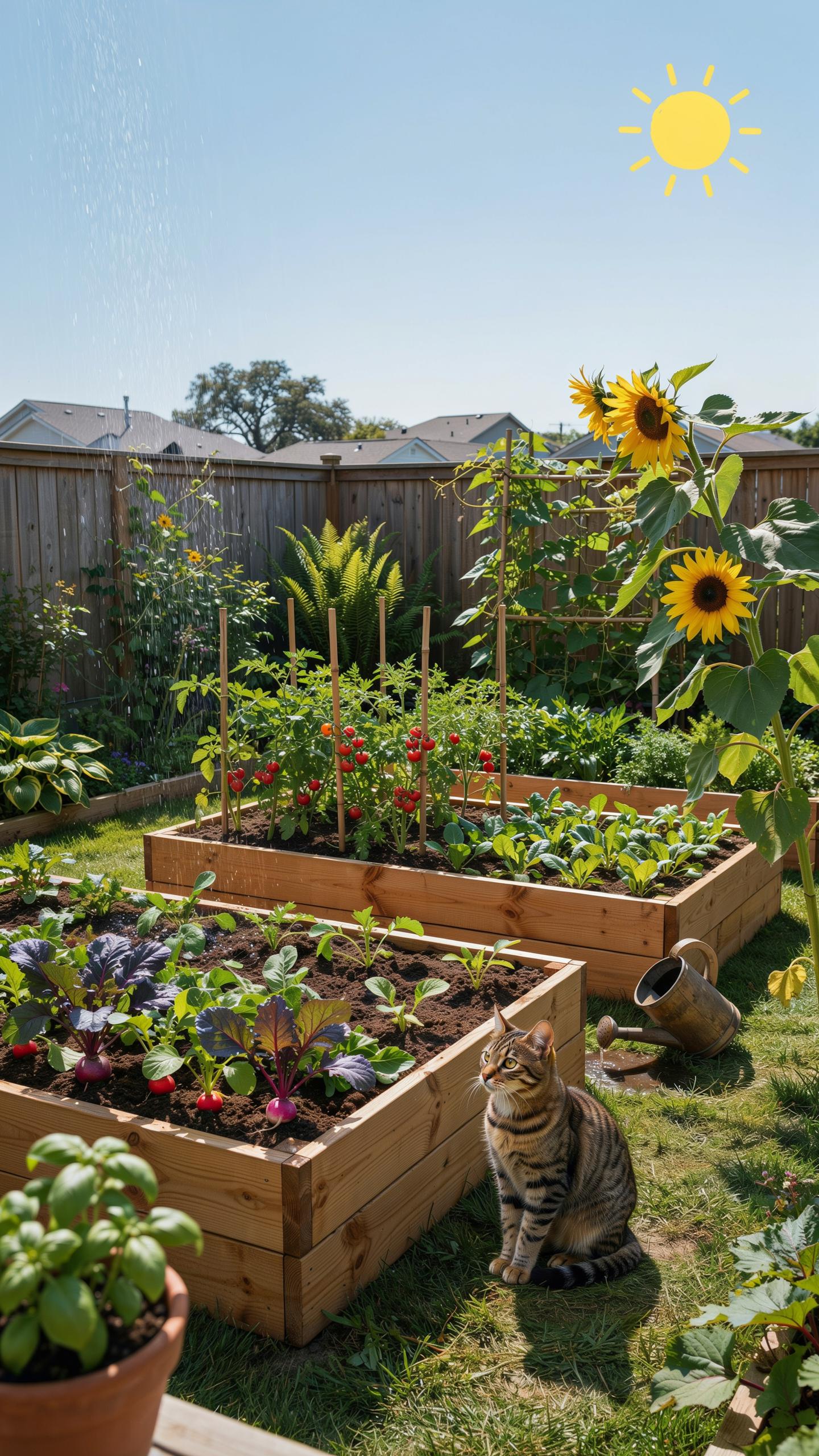
Arid regions require high water retention to prevent root dehydration. Increase the ratio of coconut coir or peat moss in your raised bed soil mix recipe to hold moisture longer. These materials act like sponges during heat waves. Add thick layers of organic mulch on top of the soil. This prevents evaporation and keeps the root zone cool. High temperatures break down organic matter quickly so replenish compost twice per year.
Cool and rainy climates demand superior drainage to prevent root rot. Standard mixes often stay too saturated in these zones. Increase the percentage of coarse perlite or pumice to create larger air pockets. This allows excess water to move through the bed rapidly. Raised beds in wet areas should avoid heavy clay components. Use more sharp sand to ensure the soil stays loose and oxygenated during long periods of rain.
How Soil PH Levels Affect Nutrient Availability And What To Test For
Soil pH dictates whether plants can actually absorb the nutrients you provide. Most vegetables thrive in a slightly acidic range between 6.2 and 6.8. If the soil is too alkaline, iron and phosphorus become locked away from the roots. If the soil is too acidic, minerals like magnesium and calcium become unavailable. You must balance your mix to ensure your fertilizer investments do not go to waste.

Test your soil for pH, nitrogen, phosphorus, and potassium before every planting season. Use a high quality digital meter or a lab based liquid test for accuracy. Incorporate agricultural lime to raise the pH level if your soil is too acidic. Use elemental sulfur or pine needles to lower the pH if the mix is too alkaline. Regular testing stops you from guessing and ensures high crop yields throughout the season.
Customizing Your Soil Mix For Raised Beds By Plant Type And Growing Goals
Best Soil Adjustments For Vegetables, Herbs, And Root Crops In Raised Beds
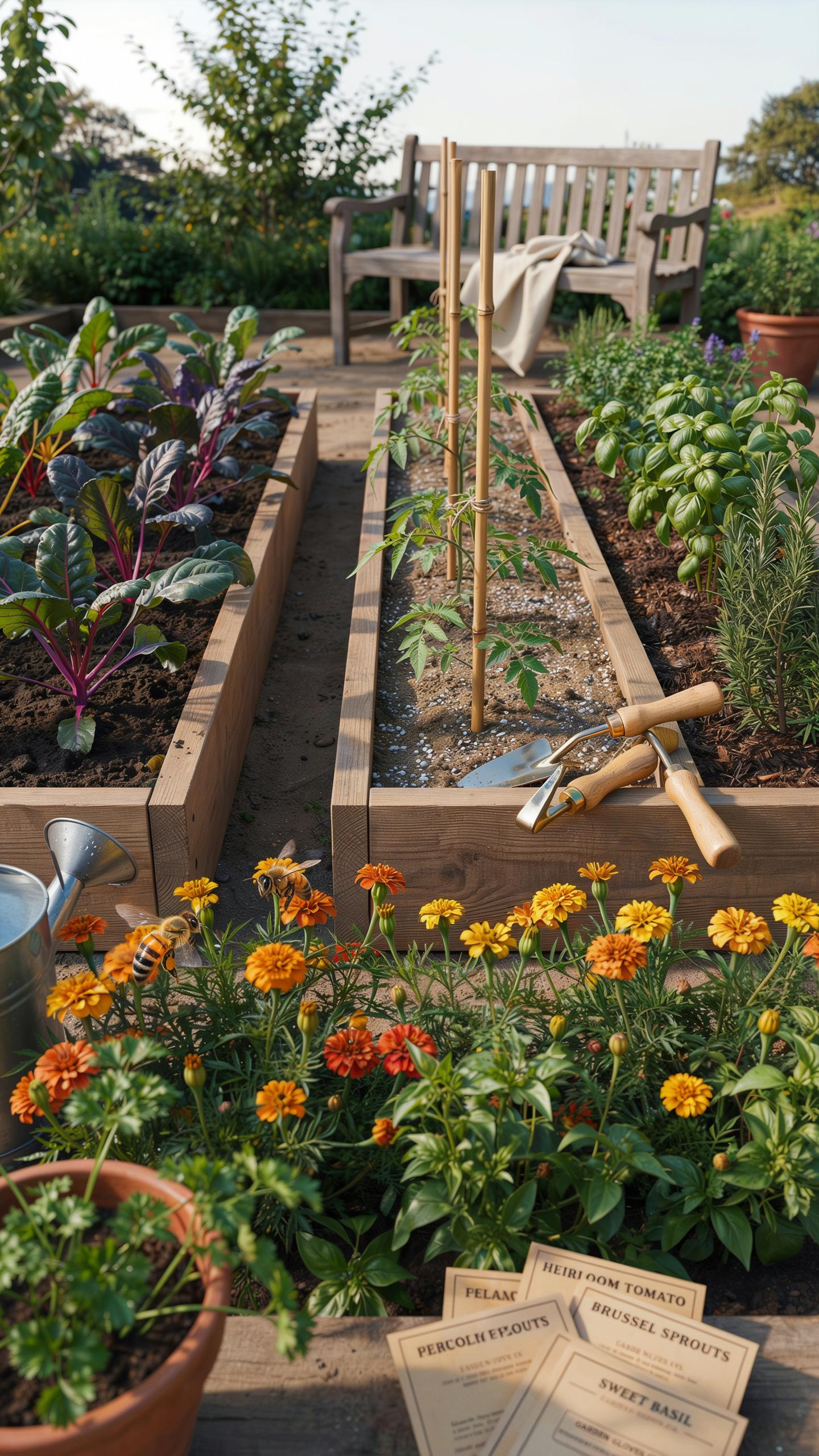
Heavy feeders like tomatoes and brassicas require high nitrogen levels and consistent moisture. Increase the compost ratio to forty percent of your total mix to provide adequate nutrients. Add aged steer manure or leaf mold to boost organic matter. This ensures the soil holds water without becoming compressed. Healthy vegetable growth depends on this nutrient density and stable soil structure throughout the summer.
Root crops like carrots and radishes need loose soil to expand. Add extra coarse sand or perlite to the mix for these beds. This prevents the soil from packing too tight around the roots. Remove all large rocks or wood chunks that obstruct growth. Herbs require even sharper drainage to prevent root rot. Reduce the compost slightly and increase the mineral grit for Mediterranean herbs.
Tailoring Your Mix For Flowers, Perennials, And Ornamental Raised Garden Beds
Perennial flowers stay in the same soil for years. They need a mix that does not collapse or shrink over time. Use high-quality peat moss or coconut coir to maintain long-term structure. Add slow-release organic fertilizers at the time of planting. These amendments provide a steady supply of phosphorus for bloom production. Strong structure prevents the soil from sinking and exposing delicate roots.

Ornaments often require specific pH levels to thrive. Test your soil before planting to determine if you need sulfur or lime. Acid-loving plants like azaleas need more pine bark mulch in the mix. Cut back on heavy manures which can burn tender ornamental stems. Use coarse bark at the bottom of the bed to improve drainage for deep-rooted shrubs. Proper drainage prevents fungal diseases in crowded flower beds.
How To Build And Fill Your Raised Beds With The Right Soil For Long Term Success
How Much Soil You Actually Need And How To Calculate Volume For Any Bed Size
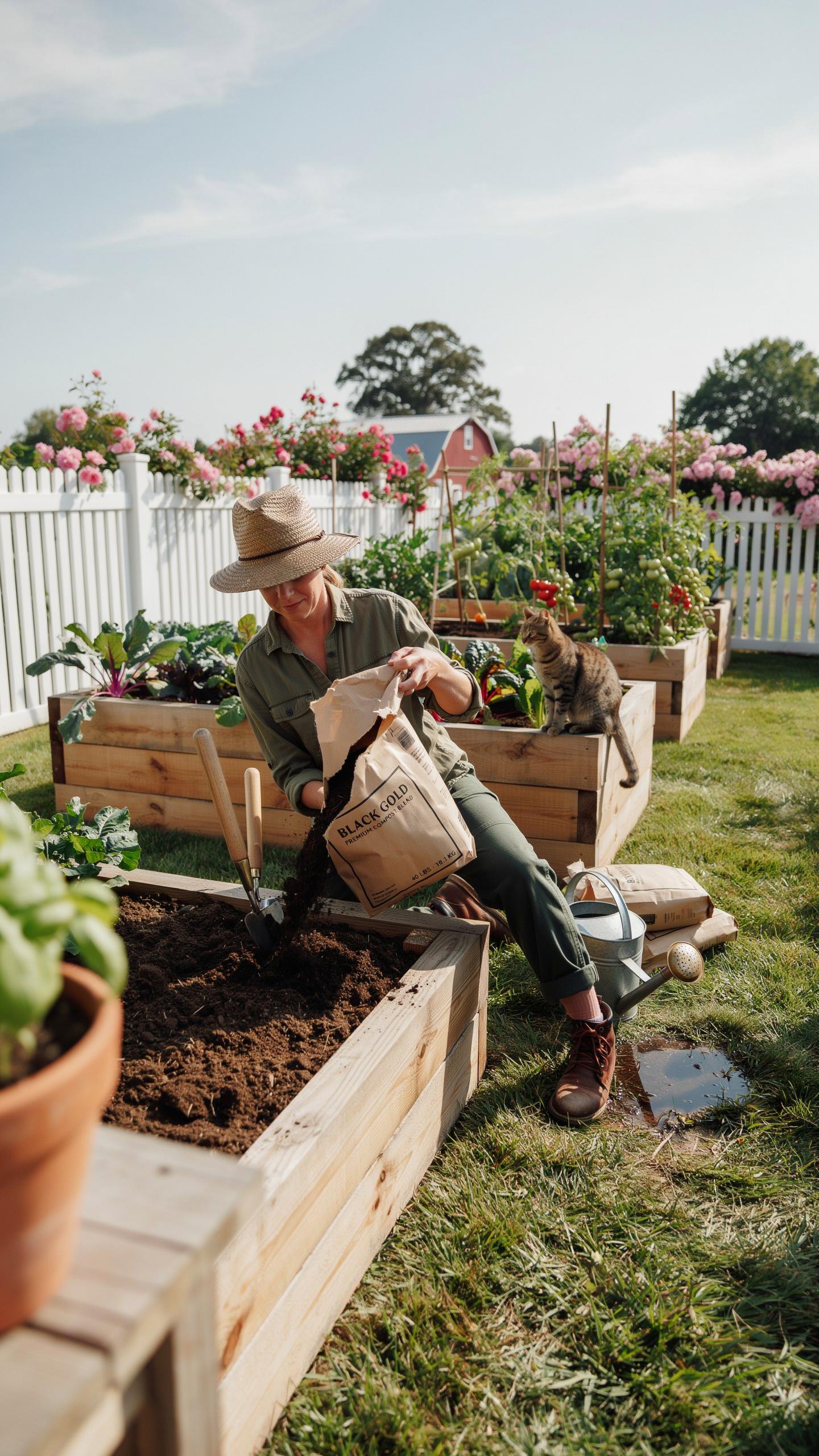
Precision prevents waste and ensures you buy enough material. Calculate volume using the standard formula of length times width times depth. Measure everything in feet to get cubic feet. Divide the total cubic feet by twenty-seven to find the cubic yards. Suppliers typically sell bulk soil by the yard. Buying in bulk saves money over plastic bags. Always add ten percent to your final number to account for natural settling.
Incorrect depth stunts root growth and wastes money. Most vegetables need at least twelve inches of soil to thrive. Root crops like carrots or parsnips require eighteen inches for straight growth. Shallow beds dry out too fast in summer heat. Deep beds hold moisture better but require more initial investment. Measure the interior dimensions of your frame. Exclude the thickness of the wood or stone walls from your math.
Layering Techniques That Improve Drainage And Extend The Life Of Your Soil Mix
Proper layering creates a healthy environment for roots. Start with a barrier to stop weeds and grass. Use plain brown cardboard or thick layers of newspaper. This organic base decomposes over time while blocking unwanted growth. Do not use plastic liners because they trap water and kill beneficial organisms. Place the heaviest materials at the bottom. This structure supports drainage and mimics the natural forest floor transition.

Mound your soil mix higher than the top of the bed frame. Fresh soil contains air pockets that disappear after the first heavy rain. Settling is inevitable as organic matter breaks down. Replenish the top two inches with fresh compost every spring. This practice maintains nutrient levels without tilling. Consistent layering keeps the soil structure loose. Loose soil allows oxygen to reach roots and prevents the compaction that ruins harvests.
Refreshing And Maintaining Your Raised Garden Bed Soil Mixture Each Season
Signs That Your Raised Bed Soil Is Depleted And Needs Refreshing Or Replacing
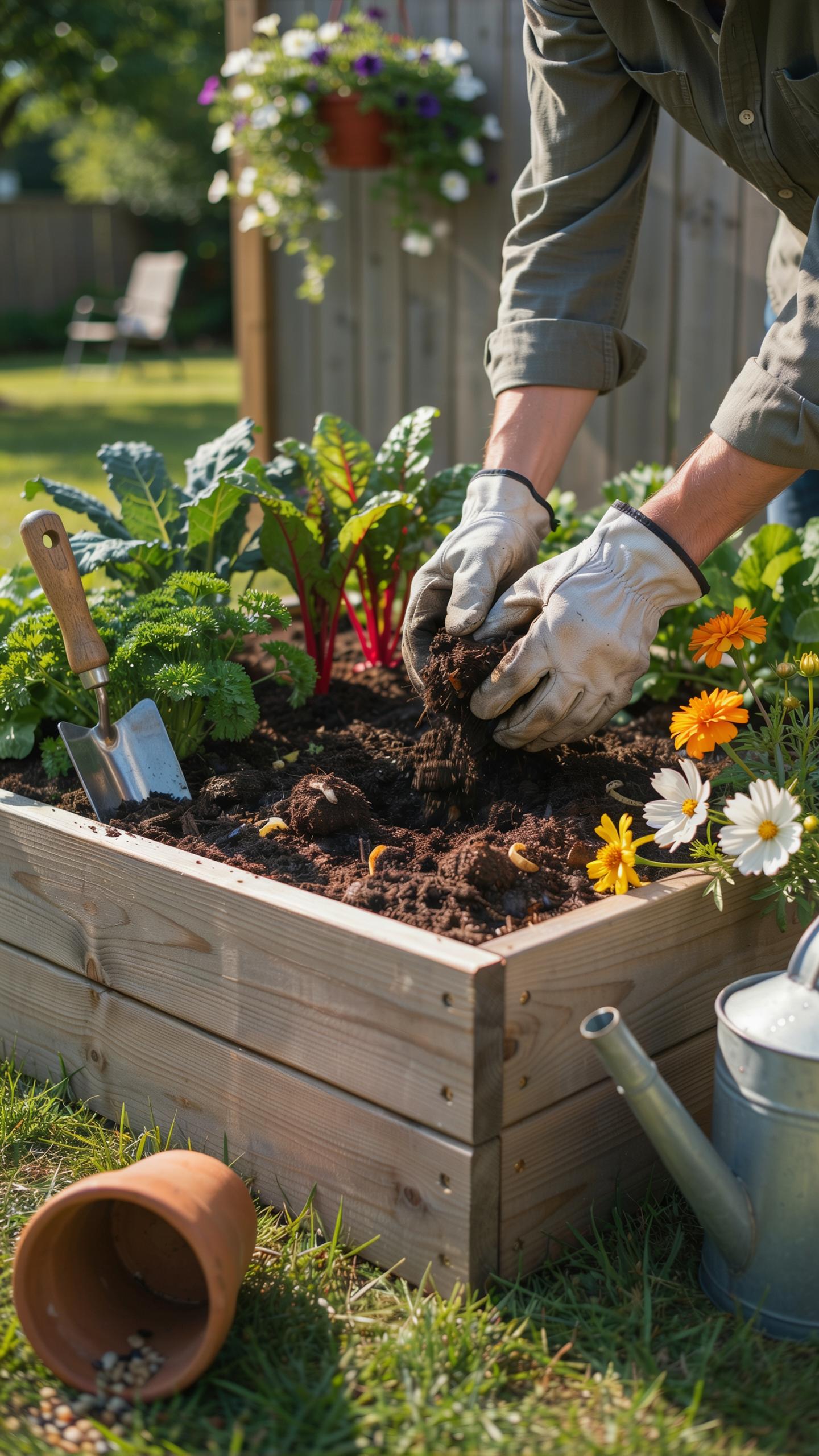
Raised bed soil loses volume and nutrients over time. You will notice the soil level dropping as organic matter decomposes. Physical compaction is a major red flag. If the medium feels hard or restricts water drainage, the pore space has collapsed. Plants will show stunted growth or yellow leaves. These symptoms indicate that the original raised bed soil mix recipe has run out of essential minerals.
Watch for changes in soil texture and water retention. Healthy soil looks dark and crumbles easily. Depleted soil often turns dusty or gray. If water pools on the surface instead of soaking in, the structure is failing. Frequent pest outbreaks or recurring diseases also suggest a biological imbalance. These signs mean the soil can no longer support a productive crop without significant tactical intervention or replacement.
How To Amend And Revitalize Existing Soil Between Growing Seasons
Revitalizing soil requires adding high quality organic matter before every planting cycle. Remove all dead plant debris and weeds first. Mix two inches of fresh compost into the top layer of the bed. This restores nitrogen and beneficial microbes. Use aged manure or leaf mold to improve the carbon content. Do not overwork the soil because aggressive tilling destroys the existing fungal networks.

Test the soil pH once a year to ensure nutrient availability. Add lime if the soil is too acidic or sulfur if it is too alkaline. Incorporate slow release organic fertilizers to provide a steady supply of minerals. Cover the surface with mulch or a cover crop during the off season. This prevents erosion and keeps the biology alive. Consistent maintenance ensures your raised bed soil mix recipe stays productive.
Common Mistakes To Avoid When Preparing And Using Garden Bed Soil
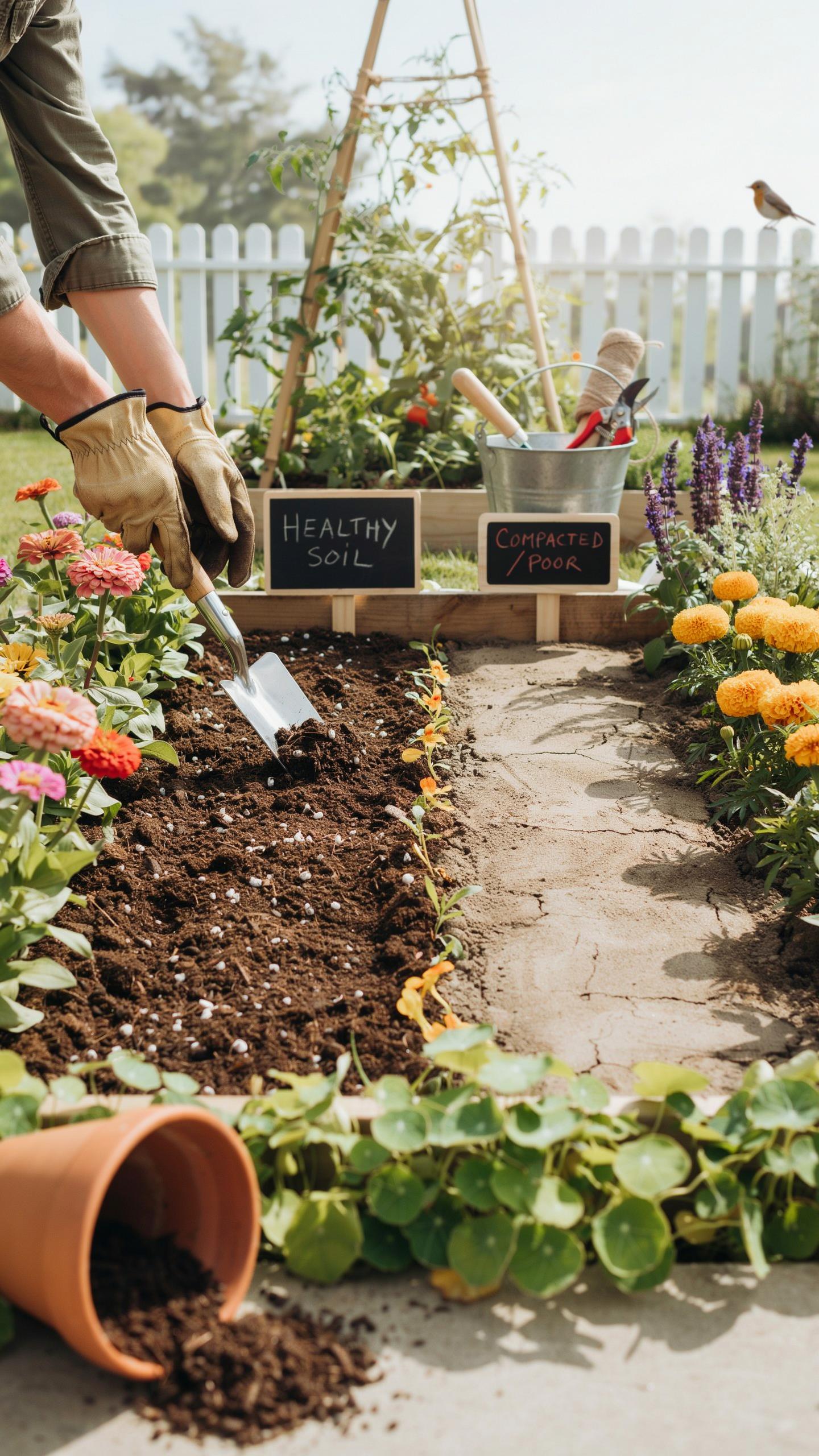
Why Using Pure Native Soil Or Bagged Potting Mix Alone Falls Short In Raised Beds
Native soil consists of heavy clay or silt particles that trap moisture and exclude air. In a raised bed, this material compacts under its own weight. Roots cannot penetrate compressed earth to find nutrients. Drainage fails quickly, leading to root rot and anaerobic conditions. You waste your investment when you treat a raised bed like a traditional ground plot.
Standard bagged potting mix lacks the structural integrity needed for deep beds. These mixes rely on peat or coco coir which decompose too fast. Over one season, the volume drops significantly. You end up with empty space and starving plants. Using these products alone forces you to buy more soil every year. Blend these materials with coarse compost for better long-term results.
Overlooking Compaction Drainage And Organic Matter Replenishment Over Time
Gravity and water pressure naturally pack soil down over several months. This process crushes the tiny air pockets that roots need to breathe. Many gardeners ignore this physical change until plants stop growing. You must protect the soil structure by never stepping inside the raised frame. Use narrow beds to ensure you can reach the center without applying body weight to the soil.

Microbes consume organic matter constantly throughout the growing season. This biological activity depletes the nutrient bank in your raised bed soil mix recipe. You cannot expect a one-time application to feed plants forever. Add two inches of fresh compost to the surface every spring. This practice restores nitrogen levels and improves moisture retention. Skipping this step leads to stunted growth and yellow leaves.
Frequently Asked Questions

Why can’t I just use regular garden soil for my raised beds?
Using native garden soil in contained spaces often leads to compaction and poor drainage, which can suffocate delicate roots. A dedicated raised bed soil mix recipe ensures the texture remains light and fluffy. By blending specific amendments like peat moss or coconut coir with finished compost and perlite, you provide the essential aeration and nutrient density required for vegetables and flowers to thrive in an elevated environment.
What is the best ratio for a basic raised bed soil mix recipe?
A time-tested standard for success is the “Mel’s Mix” ratio, which consists of equal parts coarse vermiculite, peat moss, and high-quality blended compost. To follow this raised bed soil mix recipe, simply measure your components by volume. This balanced combination ensures your plants have constant access to moisture while allowing excess water to drain away freely, creating a sustainable ecosystem that only needs a light compost refresh each season.
Is there a budget-friendly way to fill deep raised beds without buying bulk soil?
Absolutely! To save money, use the “Hugelkultur” method by filling the bottom half of deep beds with logs, branches, and dried leaves. These organic materials decompose over time, adding nutrients while reducing the amount of expensive topping needed. Once the base is set, you only need to apply about 6 to 12 inches of your premium soil blend on top to give your plants a perfect starting environment.