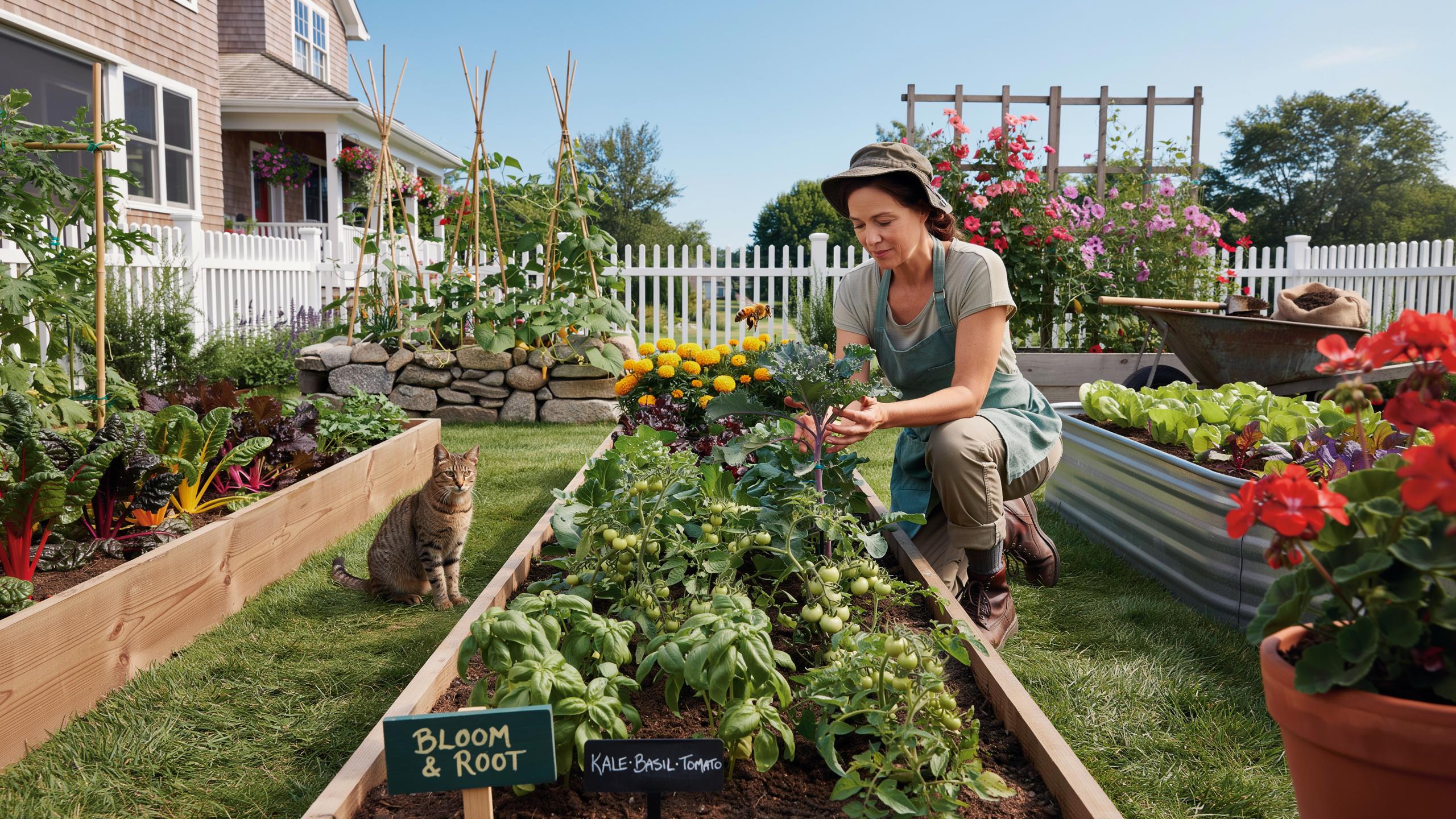
What Are Raised Beds And Why Do Homeowners Love Them For Backyard Gardening
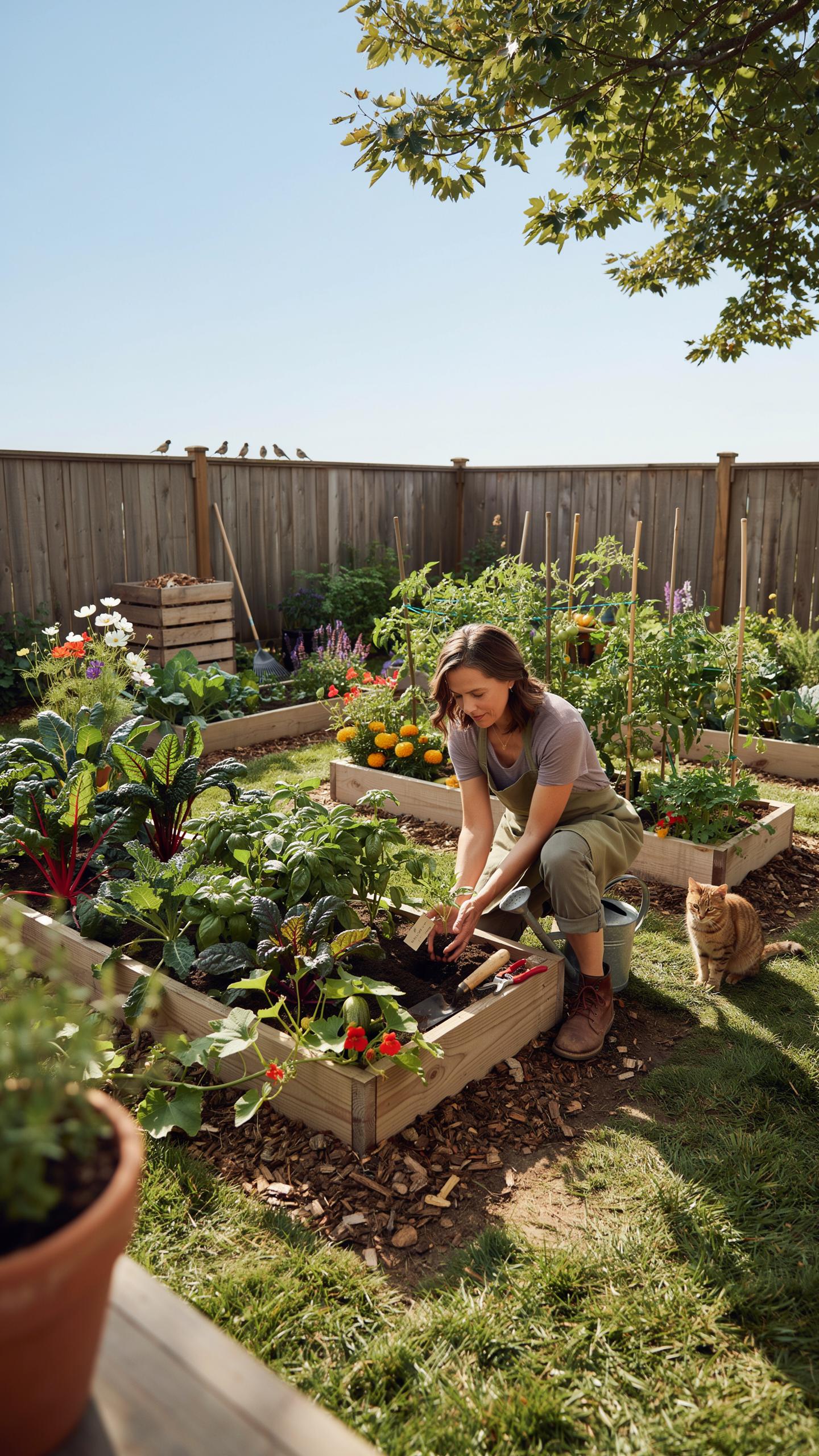
Understanding The Basic Structure And Purpose Of Raised Beds In A Home Garden
A raised bed is a contained planting area sitting above the natural ground level. You build a frame using wood, metal, stone, or plastic. Then you fill that frame with high-quality soil. This setup separates your growing medium from the native dirt. It gives you total control over the environment. You stop relying on the quality of your backyard earth.
These structures function as standalone ecosystems for vegetables and flowers. Most frames stand six to twelve inches tall. This height creates a clear physical boundary for your garden. It prevents people from walking on the growing surface. Foot traffic compacts soil and kills plant roots. By lifting the garden, you keep the soil loose and airy. This structural shift improves overall plant health.
Key Gardening Benefits That Make Raised Beds A Popular Backyard Choice
Raised beds solve the problem of poor drainage and bad soil. You choose the exact mix of compost and minerals for your plants. This ensures your crops get the right nutrients immediately. The elevated soil also warms up faster in the spring. You can plant your seeds earlier than in the ground. This extends your growing season and increases your total food yield.
The height of these beds reduces physical strain on your body. You do not have to bend down as far to weed or harvest. This makes gardening accessible for more people. The defined edges also stop invasive grass from creeping into your crops. You spend less time fighting weeds and more time growing food. It is a strategic way to manage a productive backyard with less effort.
Backyard Raised Beds Material Comparison How To Evaluate Your Options Like A Pro
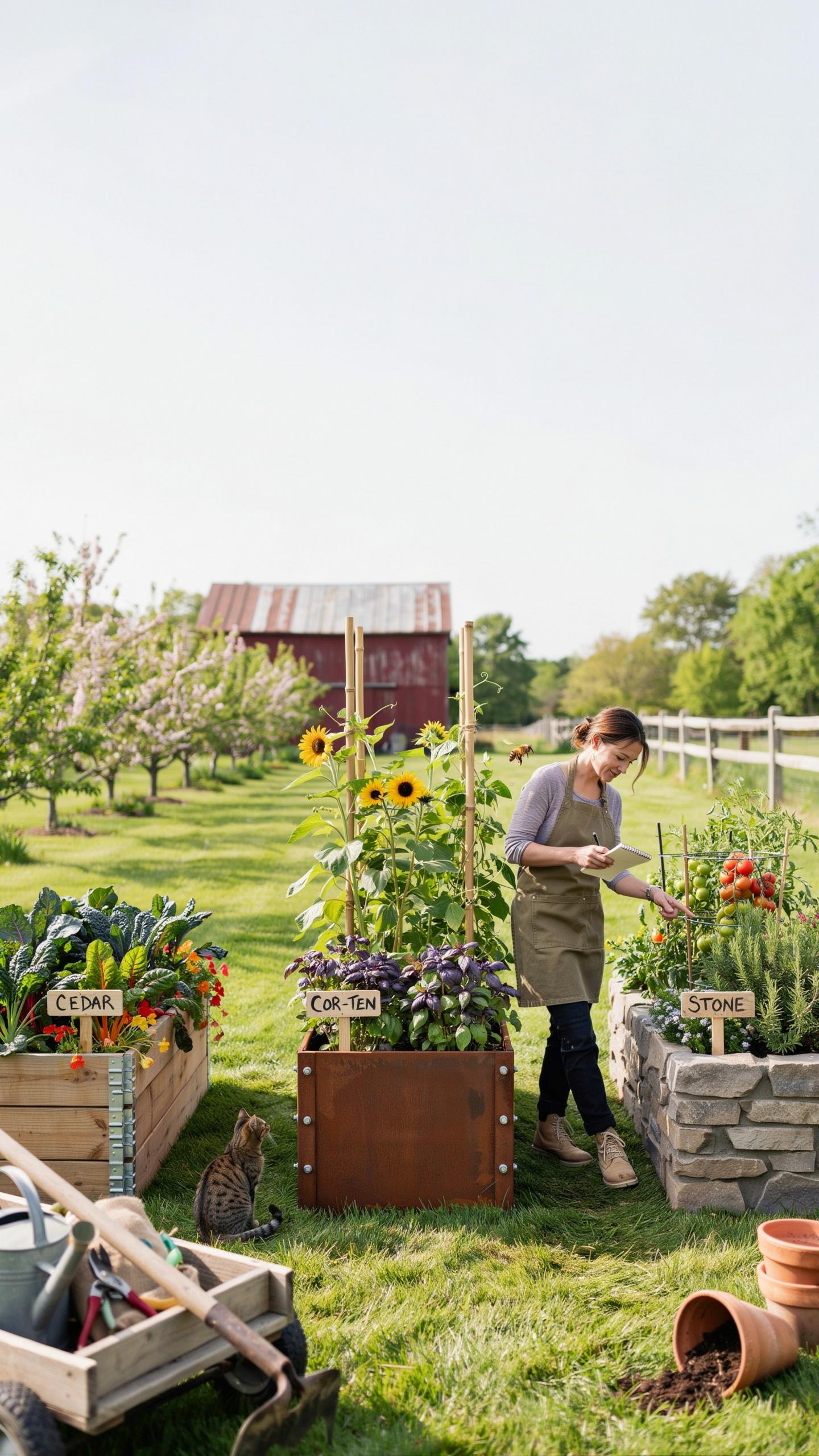
The Core Criteria To Use When Comparing Raised Bed Materials For Your Yard
Evaluation begins with durability and chemistry. You must analyze the expected lifespan of every material under constant moisture. Specialized woods like cedar contain natural oils that resist rot. Pressure treated lumber uses copper based fungicides to prevent decay. Metals like galvanized steel rely on zinc coatings to stop rust. Compare these against your need for long term structural stability.
Safety and permeability also dictate your selection. Porous materials like raw terra cotta or softwoods lose moisture quickly through the walls. Non porous options like plastic or steel trap heat and water. You must confirm that any recycled material lacks toxic leached chemicals from previous industrial use. High quality materials maintain their shape under the heavy outward pressure of wet soil loads.
How Climate Soil Type And Budget Shape Your Raised Bed Material Decision
Climate dictates material failure rates. High heat degrades thin plastics and bakes soil inside metal bins. Regions with freeze thaw cycles crack rigid masonry or thin ceramics. You must match your local weather to the material thermal conductivity. Humid areas require rot resistant rot timber or rust proof alloys. Dry climates benefit from thick walls that provide thermal mass to protect delicate roots.
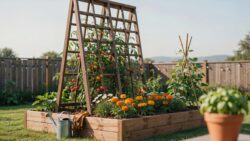
Budget impacts your total cost of ownership. Wood is cheap to buy but requires replacement every few years. Masonry costs more upfront but lasts for decades without maintenance. Your existing soil type also matters. Heavy clay requires tall beds for drainage. Sandy soil works better with shorter frames. Evaluate the price per square foot against the projected lifespan of the material to find value.
Cedar And Redwood As Raised Bed Materials The Classic Wood Choices Explained
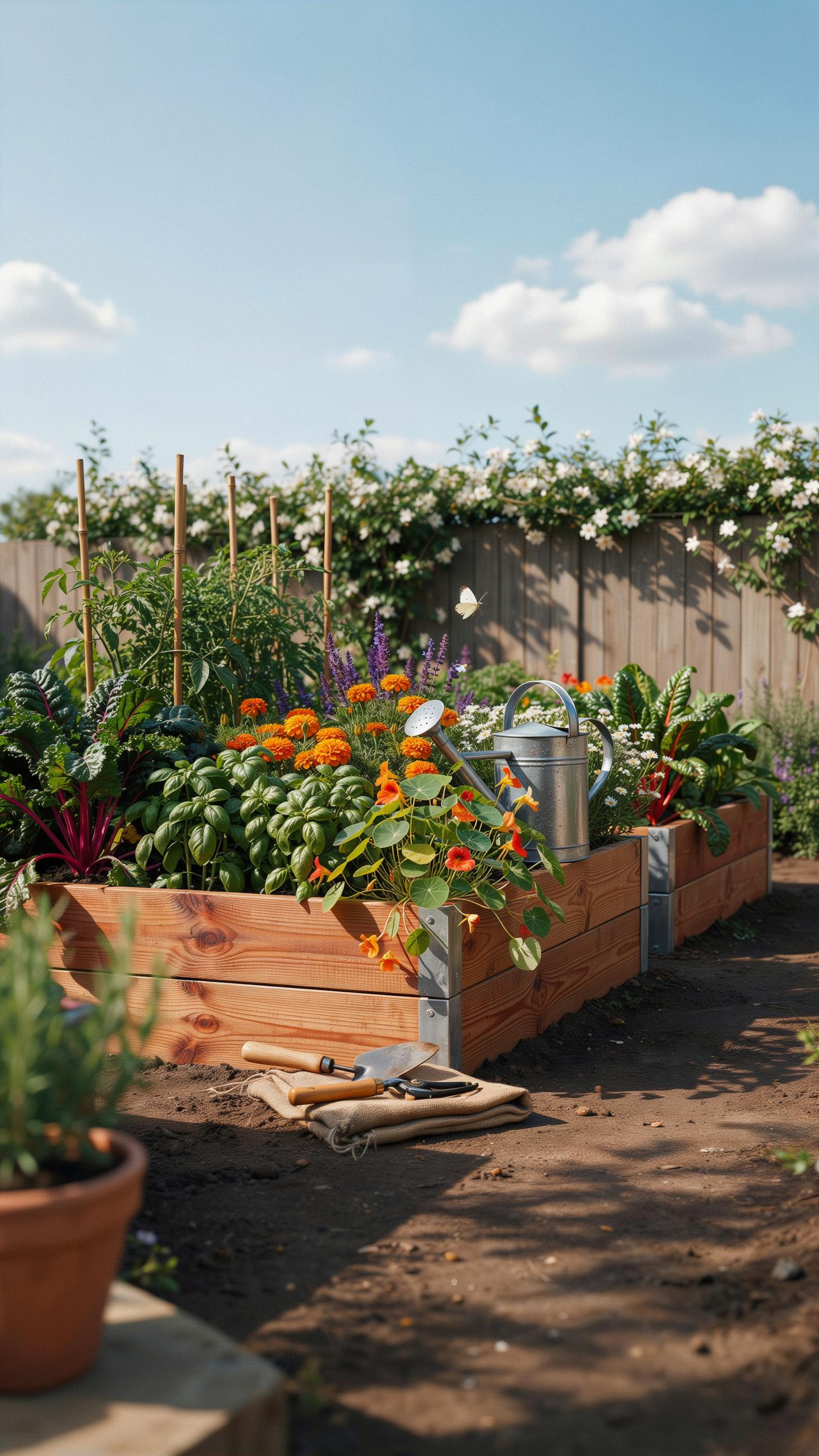
Why Cedar Remains One Of The Most Trusted Garden Bed Materials For Longevity
Cedar contains natural oils that repel boring insects and prevent fungal growth. These chemical properties make it ideal for ground contact without the need for toxic treatments. Most gardeners choose Western Red Cedar for its high durability and resistance to warping. This wood stays straight even when exposed to moisture and heat cycles. It lasts significantly longer than pine or fir.
Select heartwood boards for the best results in your garden. Heartwood comes from the center of the tree and holds the highest concentration of protective oils. Sapwood is the outer layer and rots much faster. Check the grade of your lumber before buying. Clear or architect knotty grades offer the best structural integrity for heavy soil loads. Proper thickness ensures the walls do not bow.
Redwood Raised Beds: Natural Rot Resistance, Cost Considerations, And Availability
Redwood offers the highest level of natural decay resistance among domestic softwoods. It contains tannins that protect the fibers from moisture and pests. This material is standard for high-end landscaping projects due to its strength and stability. It maintains its shape better than almost any other wood species. This prevents gaps from forming at the corners of your raised beds over several seasons.
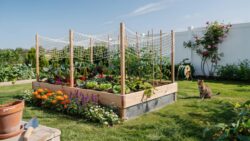
Cost and geography dictate the feasibility of using redwood. It is widely available and affordable on the West Coast of the United States. Shipping costs make it expensive in other regions. Always source Forest Stewardship Council certified lumber to ensure sustainable harvesting. Use stainless steel screws to prevent black staining caused by the reaction between tannins and cheap metal. Quality assembly extends the life of the wood.
Pine Douglas Fir And Other Affordable Raised Bed Material Ideas For Budget Gardeners
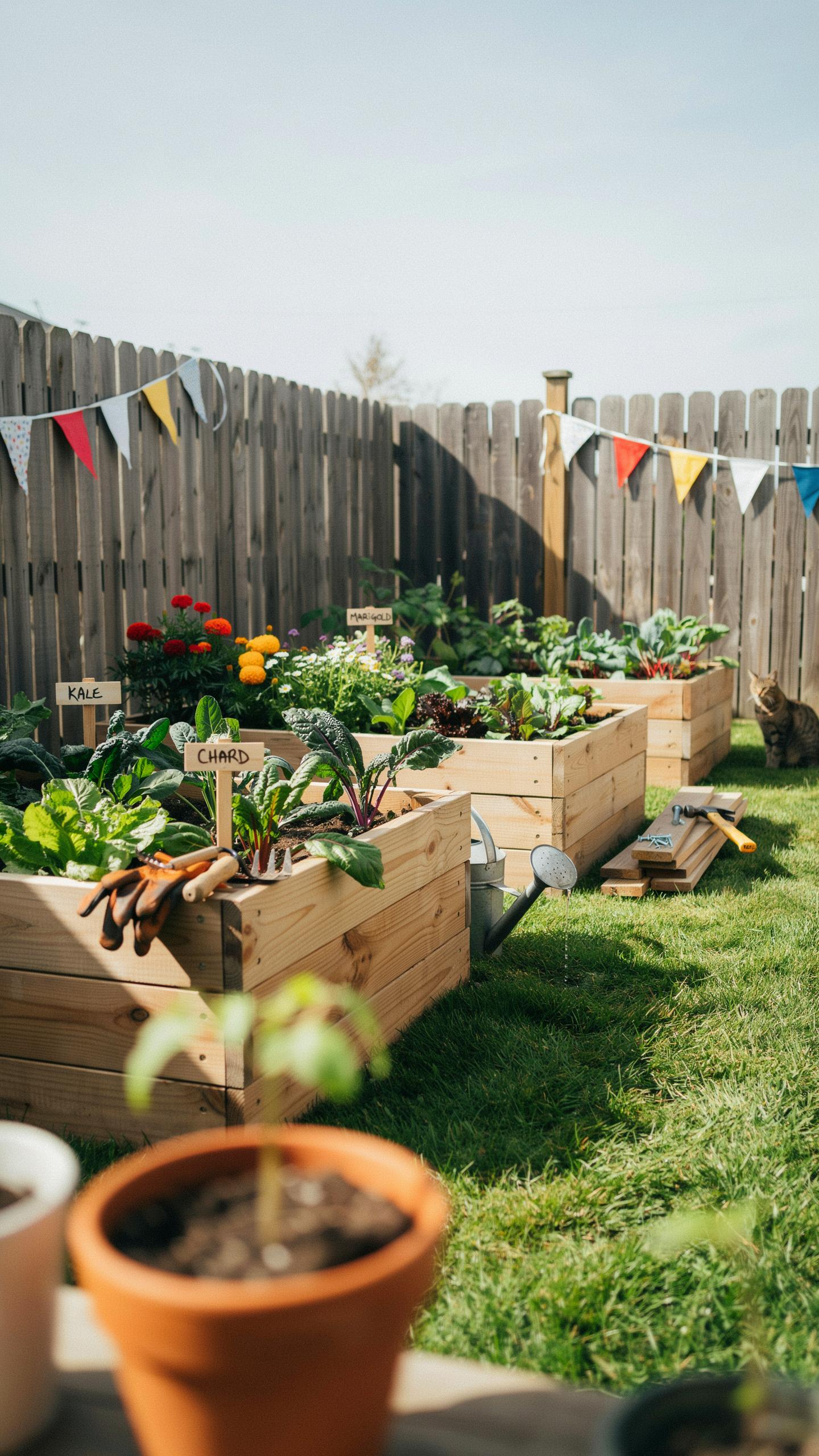
How Pine Performs As A Raised Bed Material And What Homeowners Should Expect Over Time
Untreated pine is the cheapest wood option for garden beds. It is easy to find at any local lumber yard. This soft wood lacks natural resins to fight off rot. You should expect the boards to decay within three to five years when they touch wet soil. Use two inch thick boards to slow down this breakdown process. Avoid thin slats.
Ground contact causes pine to warp and bow over time. Fungal growth will eventually soften the wood fibers until the structure fails. You can extend the life of pine by lining the interior with heavy plastic. Keep the plastic away from the bottom to allow drainage. This barrier prevents direct moisture contact. It keeps your budget project standing for a few extra seasons.
The glory of gardening hands in the dirt, head in the sun, heart with nature. When we build our garden frames with care, we weave our own memories into the very earth that feeds us.
Douglas Fir And Spruce As Practical Raised Bed Material Ideas On A Tight Budget
Douglas fir offers a middle ground between cheap pine and expensive cedar. It contains more natural tannins than standard white wood or spruce. These properties help it resist decay for five to seven years. Homeowners choose it because it stays straighter than pine. It handles the pressure of heavy wet soil without snapping. This makes it a smart choice for rectangular beds.
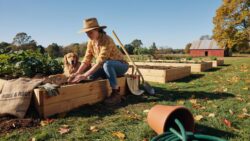
Spruce is often sold as common construction lumber. It performs similarly to pine but lacks any rot resistance. It will fail quickly in humid climates or heavy clay soils. Only use spruce if you need to build beds for a single season. If you want longevity on a budget buy Douglas fir instead. It costs slightly more than spruce but lasts nearly twice as long.
Galvanized Steel And Metal Garden Bed Materials For A Modern Raised Bed Design
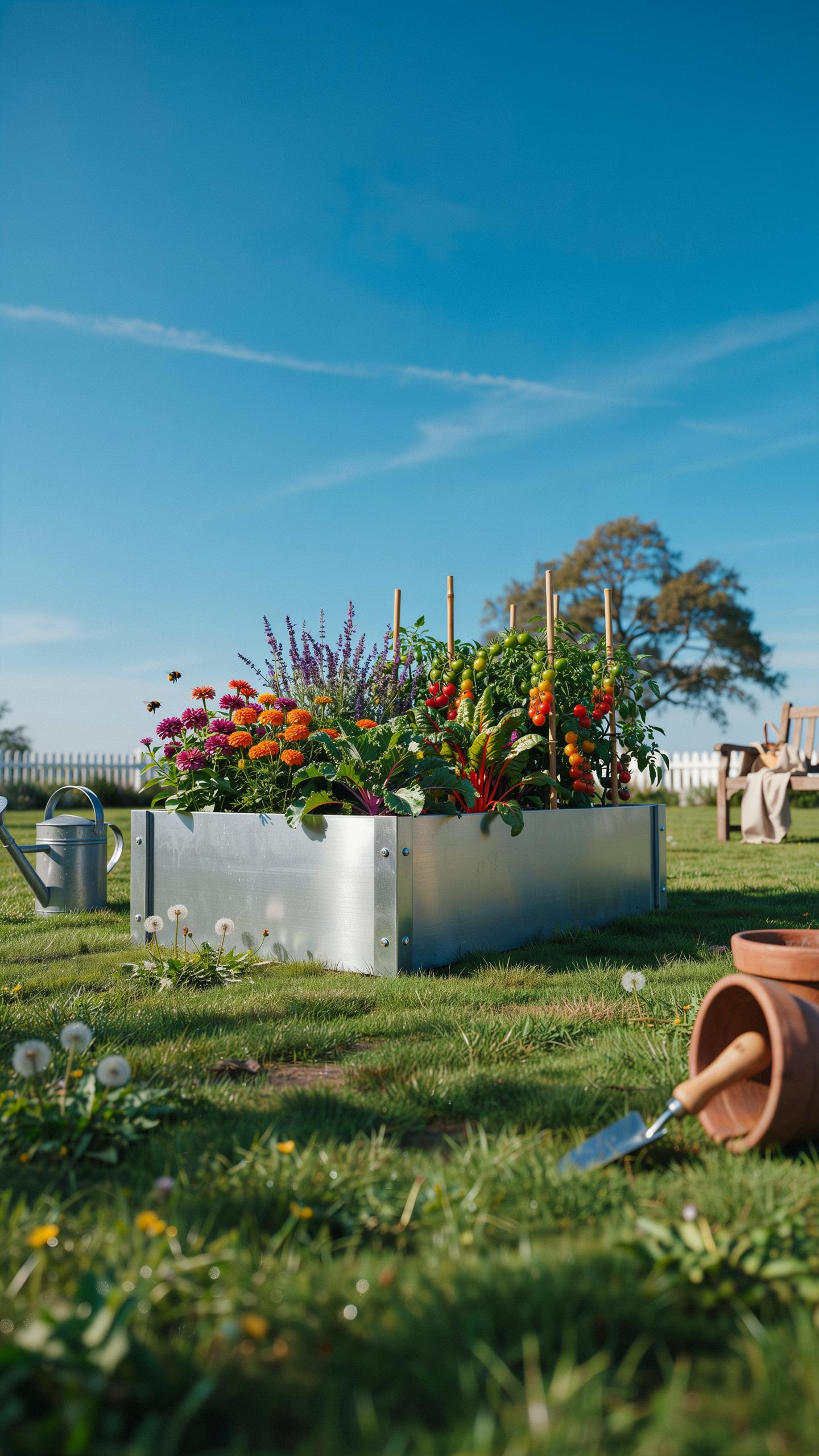
Durability And Aesthetic Appeal Of Galvanized Steel In Contemporary Raised Bed Design
Galvanized steel offers a service life exceeding twenty years in most climates. This material resists rot, fungal decay, and insect damage that often destroys wooden structures. Manufacturers coat the steel in zinc to prevent oxidation and rust. This protection remains effective even in constant contact with moist soil. Modern designs use corrugated panels or flat sheets to create clean lines and industrial textures.
Homeowners choose metal for its thin profile and strength. Metal walls take up less space than thick timber or masonry blocks. This maximizes the actual planting area in small backyards. High-quality kits use rolled edges for safety and structural integrity. These beds reflect heat during the day and cool down quickly at night. This thermal property prevents the soil from overheating in extreme summer conditions.
Are Metal Raised Beds Safe For Growing Vegetables? What The Research Actually Shows
Research confirms that galvanized steel is safe for food production. The zinc coating requires acidic environments to break down significantly. Most garden soils maintain a neutral pH that keeps the metal stable. Even if small amounts of zinc or iron leach into the soil, plants do not absorb toxic levels. These elements are essential micronutrients for plant health and human biology in small doses.
Avoid using older reclaimed materials like salvaged industrial scraps or lead-painted sheets. Modern galvanized steel specifically designed for gardens uses a stable G90 or Aluzinc coating. These materials do not contain harmful heavy metals like lead or mercury. Liners are unnecessary unless the soil pH is extremely acidic. Stick to verified food-grade products to ensure total safety for your vegetable crops and long-term soil health.
Concrete Block Brick And Stone As Long Lasting Raised Bed Garden Design Options
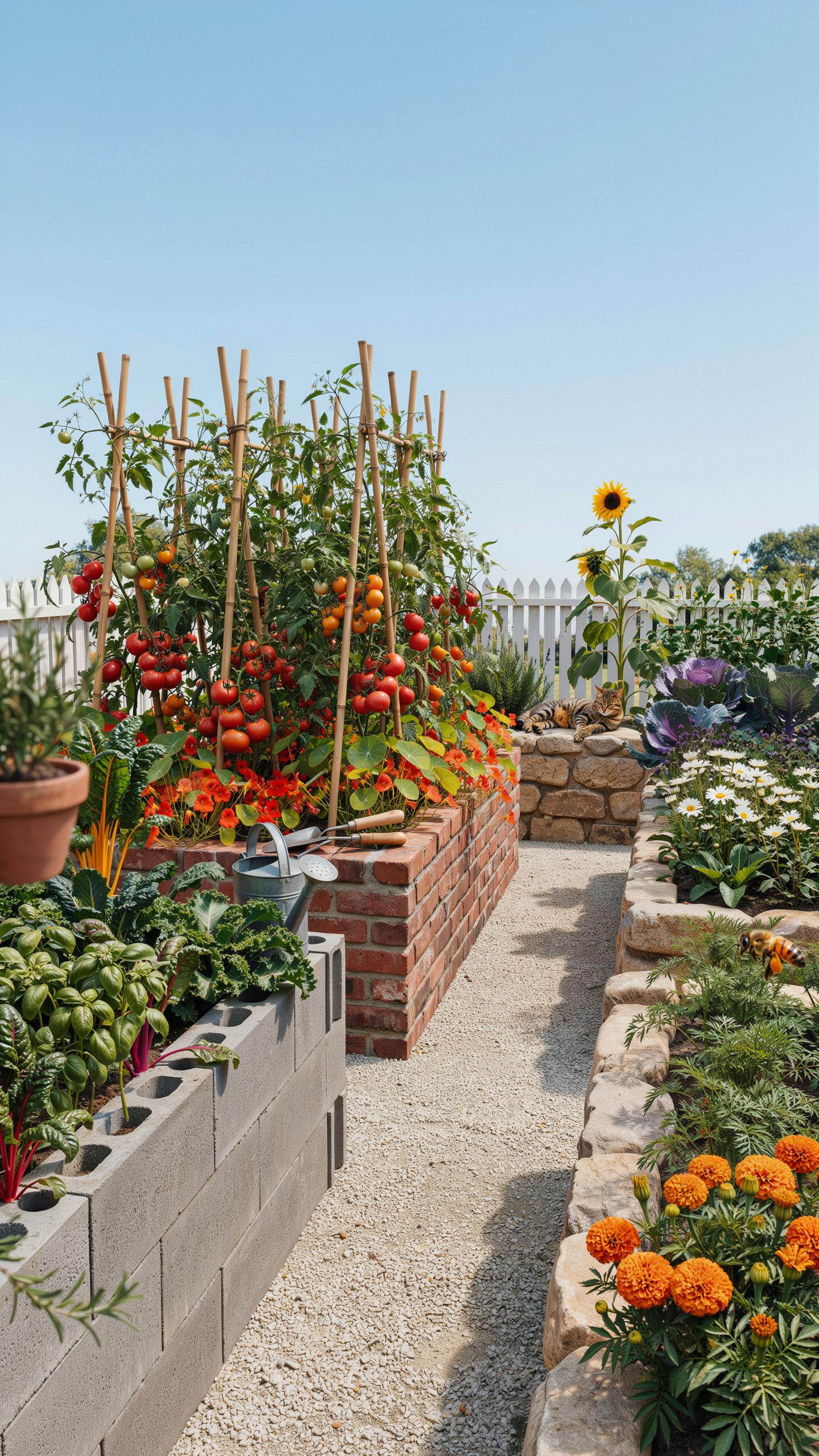
Building A Raised Bed Garden Design With Concrete Blocks, Bricks, And Natural Stone
Masonry materials offer unmatched longevity for backyard raised beds material comparison. Concrete blocks provide a modular system for fast assembly. Standard eight-inch blocks stack easily without mortar for low walls. You must level the ground before placing the first course. Dry-stacking allows for drainage through the joints. This method suits homeowners who want a permanent look without hiring a professional mason or using specialized tools.
Bricks and natural stone require more precision during the construction process. Use weather-resistant clay bricks to prevent cracking during freeze-thaw cycles. Natural stone beds utilize gravity and friction to hold soil in place. You should choose flat stones for easier stacking. Avoid making walls too high if you do not use mortar. These materials fit well in traditional or rustic landscapes. They do not rot like wood or rust like metal.
Thermal Mass Benefits And Structural Permanence Of Masonry Garden Bed Materials
Heavy masonry materials act as a heat sink for your garden. Concrete and stone absorb solar energy during the day. They release this stored heat into the soil at night. This thermal mass helps maintain steady soil temperatures. It can extend your growing season in early spring and late fall. Warm soil encourages faster seed germination. This biological advantage makes masonry a strategic choice for cold climate gardeners.
Structural permanence is the primary reason to choose stone or concrete. These beds can last for decades with zero maintenance. Unlike cedar or redwood, masonry does not decompose when it touches wet soil. It stands up to string trimmers and heavy garden machinery. Hardscape materials create a fixed site plan for your property. They provide a finished look that increases home value. You invest more upfront to avoid replacement costs later.
Composite Lumber And Recycled Plastic Eco Friendly Raised Bed Materials Worth Considering
How Composite And Recycled Plastic Raised Bed Materials Hold Up Against Wood And Metal
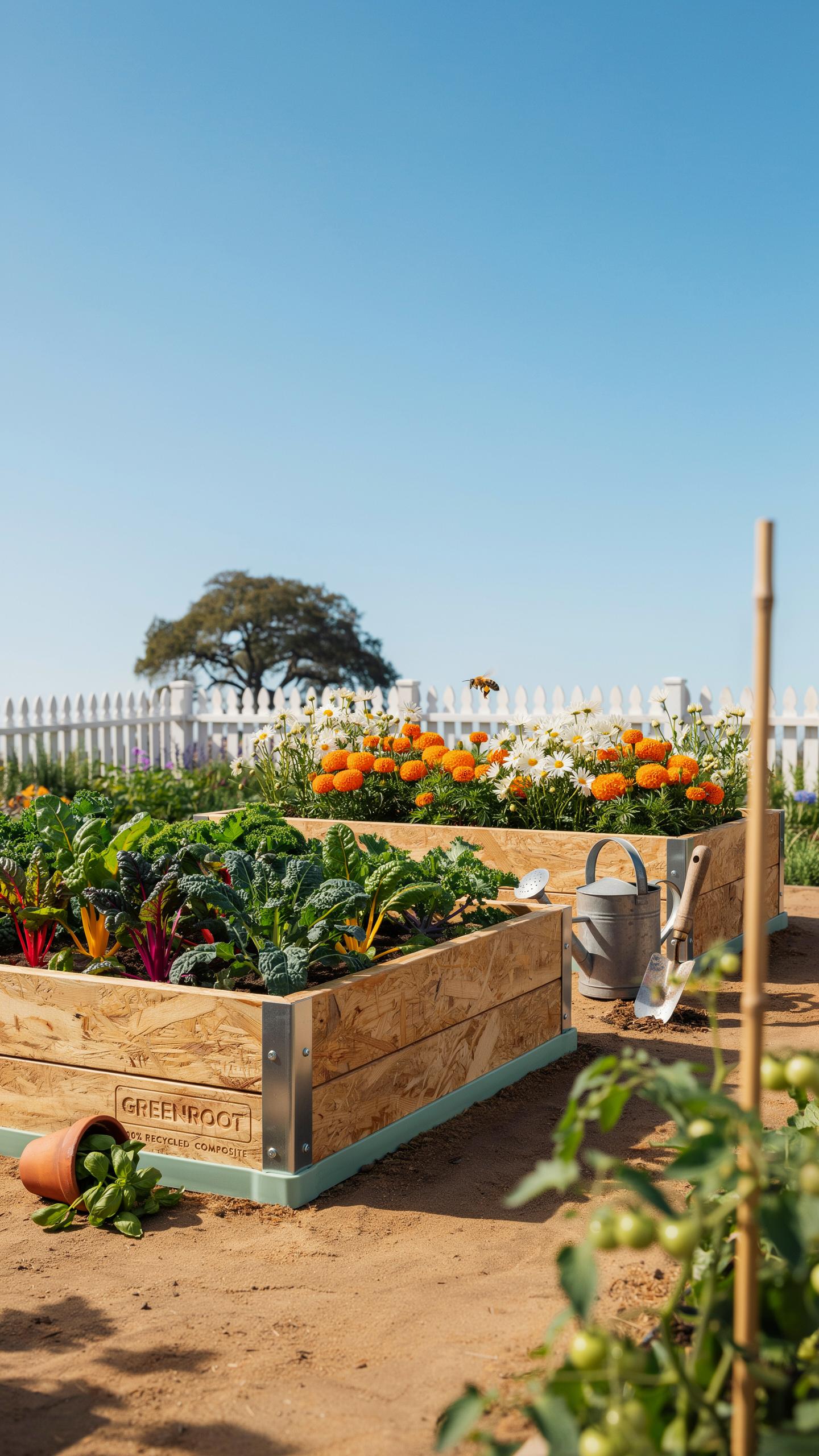
Composite lumber beats wood on longevity. Wood eventually rots even with chemical treatments. Composites use a mix of plastic and wood fibers to resist moisture and insects. Unlike metal, these materials do not rust or conduct heat rapidly. Metal beds can bake soil in hot climates. Composite stays neutral. It maintains structural integrity for decades without warping or splintering under heavy pressure.
Installation speed gives composites an edge over raw lumber. Most composite kits use interlocking joints. You do not need power tools or hardware to build them. Metal beds often require many small bolts and sharp edge guards. Composite boards are heavy and stable. They handle the weight of wet soil better than thin-gauge steel. Use this material if you want a permanent setup with zero upkeep.
Environmental Impact And Food Safety Profile Of Composite Raised Bed Materials
Recycled plastic boards keep waste out of landfills. Many brands use high-density polyethylene from consumer bottles. This plastic is inert and stable. It does not leach chemicals into the soil or your crops. Unlike older pressure-treated wood, these materials contain no arsenic or copper. This makes them a safe choice for organic vegetable gardening. You get industrial durability without any toxic runoff.
Manufacturing composite requires energy, but the long life cycle offsets the initial footprint. You replace wood beds every five to ten years. You install composite once. This reduces the demand for harvested timber over time. These materials do not require stains or sealants. Using them eliminates the need for volatile organic compounds in your yard. Choose high-quality boards to ensure the plastic does not micro-flake into the ground.
Easy Raised Garden Beds Best Low Maintenance Materials For Busy Homeowners
Top Raised Bed Materials That Require The Least Upkeep Season After Season
Busy homeowners need materials that do not rot, rust, or warp under pressure. Selecting a high-durability substrate eliminates the need for annual staining or structural repairs. The best options withstand moisture and UV exposure without degrading. Focus on inorganic materials or naturally rot-resistant woods to ensure your garden remains productive for decades without constant manual intervention or expensive replacements.
- Galvanized Steel: Modern steel beds use a zinc-aluminum coating to prevent rust for twenty years. These units resist bowing and do not require chemical sealants. They handle extreme temperature shifts without cracking or degrading over time.
- Composite Lumber: This material blends recycled plastic and wood fibers to create a waterproof plank. It never splinters and requires zero staining. High-quality composites resist fungal growth and remain structurally sound in damp soil conditions.
- Concrete Masonry Units: Standard concrete blocks provide a permanent gardening solution. They are heavy and stay in place without fasteners. Concrete does not rot and offers excellent thermal mass to stabilize soil temperatures during early spring or late fall.
- Cedar and Redwood: These natural woods contain tannins that repel insects and prevent fungal decay. While they eventually gray, they remain structurally intact for over a decade. They offer a traditional aesthetic without the toxicity of older pressure-treated chemicals.
- Recycled High-Density Polyethylene: This thick plastic material is BPA-free and incredibly durable. It will not leach chemicals into the soil and remains unaffected by moisture. Manufacturers often design these as interlocking kits for rapid assembly and zero maintenance.
Durability directly impacts your long-term return on investment. While some materials cost more initially, they save money on labor and replacement parts. Avoid thin plastics or untreated softwoods like pine for these applications. Those materials fail within three years and require total reconstruction. Stick to the proven list above to minimize your physical workload and keep your backyard garden organized and efficient.
How To Extend The Life Of Any Raised Bed Material With Simple Protective Measures
Protective measures prevent common failure points like soil contact and moisture trapped against wood. You must install a heavy-duty plastic liner between the soil and the interior walls of wooden beds. This barrier prevents the wood from absorbing constant moisture and hosting wood-rotting fungi. Ensure the liner does not cover the bottom of the bed so drainage remains unobstructed for healthy plant roots.

Structural integrity also relies on proper drainage and hardware selection. Use stainless steel or ceramic-coated screws to prevent rust streaks and joint failure. For metal beds, apply a rubber trim to the top edges to prevent cuts and protect the finish. Place a layer of hardware cloth at the base to stop burrowing pests from compromising the soil structure. These tactical steps ensure your garden beds survive for decades.
Raised Garden Ideas Matching Your Raised Bed Material To Your Backyard Style And Space
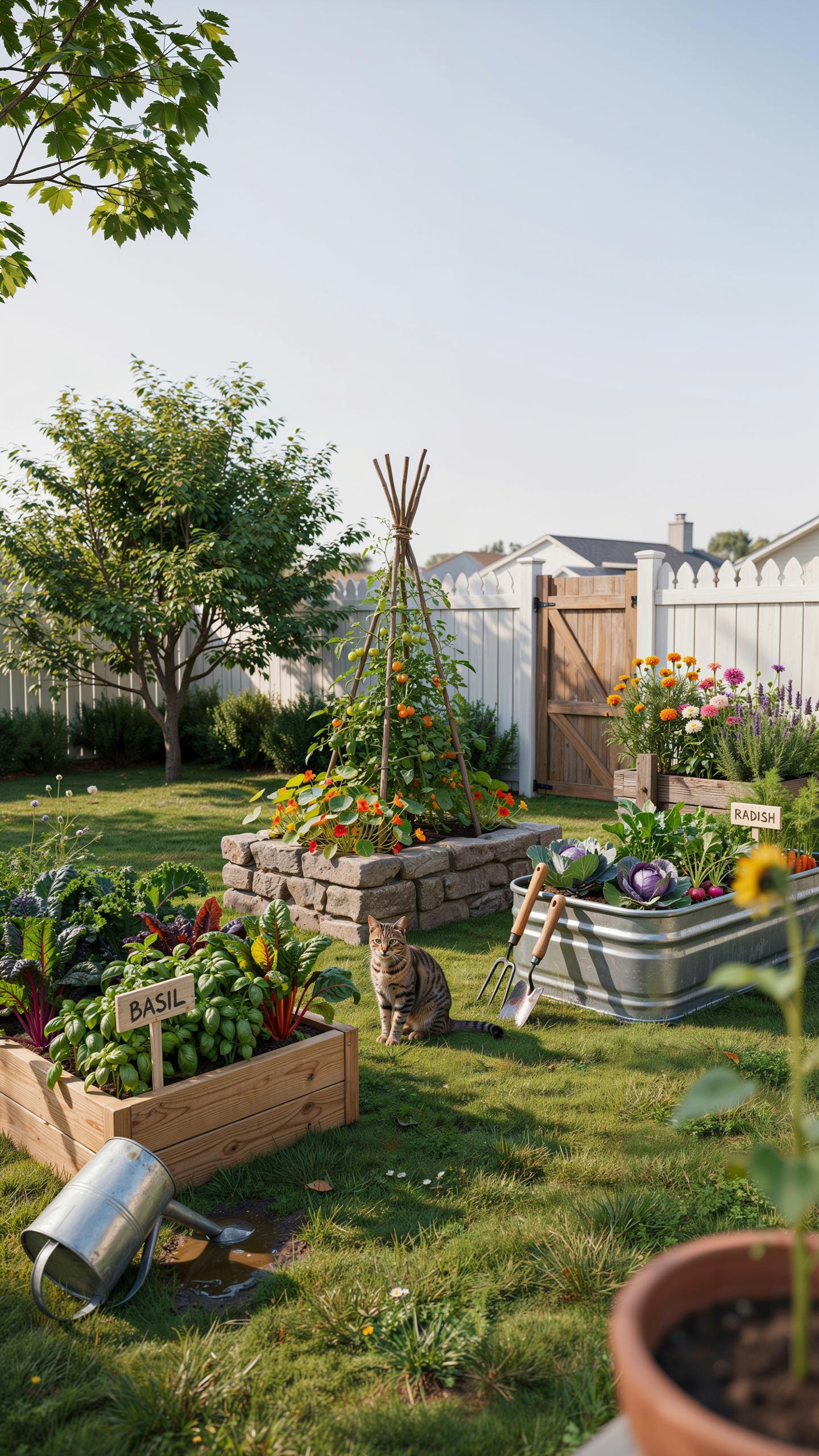
Creative Raised Garden Ideas For Small Backyards Using Versatile Garden Bed Materials
Small backyards require vertical thinking and narrow footprints. Corrugated metal is a top choice for tight spaces. It provides thin walls that maximize internal soil volume. Use galvanized steel rounds to avoid sharp corners in high-traffic paths. This material reflects light and stays durable without the bulk of heavy timber. Metal resists rot and handles moisture well in shaded urban yards.
Tiered cedar boxes utilize vertical air space. Use rot-resistant wood to build steps against walls or fences. This method doubles your planting surface without taking more floor area. Narrow rectangles work best for side yards. Keep your beds at least eighteen inches high to reduce leaning. Strategic material choice ensures your small garden remains functional and accessible. Durable materials prevent frequent repairs in cramped quarters.
How To Blend Raised Bed Aesthetics With Your Existing Landscaping And Outdoor Decor
Match your bed material to your home architecture. Use heat-treated wood or reclaimed timber for rustic and traditional landscapes. These materials age naturally and blend with bark mulch or stone paths. For modern homes, select powder-coated steel or concrete blocks. These materials provide clean lines and sharp angles. Consistency in texture creates a cohesive outdoor look. Choose materials that mirror your deck or patio.
Consider the color palette of your existing hardscape. Corten steel develops a rust patina that complements brickwork and autumn foliage. Composite lumber offers gray and brown tones that match synthetic decking. If you have stone walls, use matching masonry for your garden beds. This creates a permanent and integrated appearance. Proper material selection turns a utility garden into a design asset. Aligning textures and colors ensures a professional finish.
Best Garden Bed Material Side By Side A Final Comparison To Help You Decide
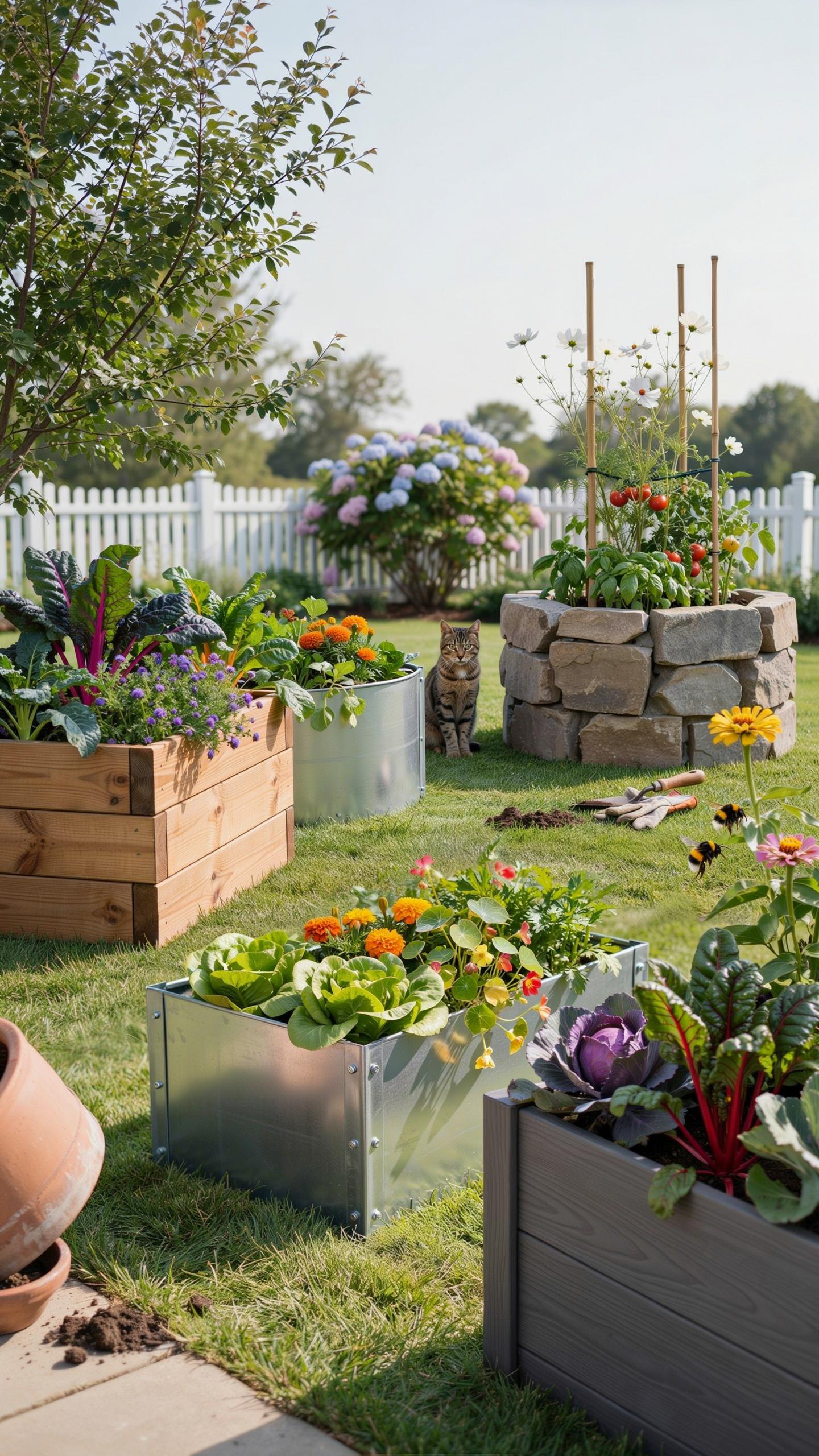
Lifespan, Cost, Safety, And Ease Of Build Compared Across All Major Raised Bed Materials
Material selection dictates your long-term maintenance schedule and initial investment. Wood offers the lowest entry cost but requires replacement every seven to ten years. Metal and masonry demand higher upfront payments but provide decades of service. You must balance the physical labor of construction against the total lifespan of the structure. Safety remains a priority regarding soil leaching and structural stability over time.
- Pressure-Treated Lumber: Modern alkaline copper quaternary treatments make this wood safe for food crops. It lasts roughly nine to twelve years in wet soil. It represents the most common middle-ground choice for cost and durability. Installation requires standard power tools and basic carpentry skills.
- Western Red Cedar: This natural wood contains oils that resist rot and insects without added chemicals. It lasts longer than untreated pine but costs significantly more per board foot. It serves gardeners who prioritize organic certifications and a traditional aesthetic for their backyard.
- Galvanized Steel: Zinc-coated steel prevents rust and can last over twenty years. High-quality kits feature rolled edges for safety and require no specialized tools for assembly. This material reflects heat in summer and warms soil quickly in spring, extending your growing season.
- Concrete Blocks: Masonry provides a permanent solution that will not rot or warp. These blocks offer high thermal mass to stabilize soil temperatures during extreme weather shifts. They are heavy to move but require no fasteners, making them ideal for simple gravity-based builds.
- Composite Boards: Made from recycled plastic and wood fibers, these boards never rot or splinter. They carry the highest price point but offer the longest maintenance-free lifespan. Manufacturers often provide specialized corner brackets that make assembly fast and foolproof for beginners.
Compare the total cost of ownership rather than just the retail price of materials. A cheap pine bed might cost fifty dollars today but requires total replacement three times in fifteen years. A metal or composite bed costs three times more initially but avoids all future labor and material expenses. Choose based on how long you plan to occupy your current residence.
Which Raised Bed Material Is Right For Your Specific Backyard Goals And Growing Needs
Your specific gardening goals should drive your final material choice. Commercial growers often choose galvanized steel for its durability and standardized sizing. If you rent your home, lightweight fabric or thin cedar kits allow for easy relocation. Urban gardeners with limited space benefit from the slim profiles of metal walls. These thin walls maximize the actual planting surface area within a small footprint.
Consider your local climate when finalizing your decision. High-humidity regions cause untreated wood to fail in less than five years. Arid environments make thermal mass from stone or concrete valuable for retaining soil moisture. Align your material with your physical ability to build and maintain the site. Large masonry projects require significant strength while metal kits favor those who prefer simple bolt-together assembly.
Frequently Asked Questions

What are the most popular materials for building raised garden beds for beginners?
Beginners typically choose between cedar wood, corrugated metal, or composite timbers. Cedar is naturally rot-resistant and aesthetic, while metal is incredibly durable and modern. When performing a backyard raised beds material comparison, consider that wood is easy to work with using basic tools, whereas metal kits offer a faster assembly process. Each option provides a stable environment for your plants to thrive while keeping maintenance tasks manageable for new gardeners.
How do I choose the right depth for my raised bed materials?
The ideal depth depends on what you plan to grow and the structural strength of your chosen material. Leafy greens only need six inches, but root vegetables require at least twelve. Sturdy materials like thick timber or reinforced steel are necessary for deeper beds to prevent bowing from soil pressure. This backyard raised beds material comparison helps you decide if you need heavy-duty sleepers for high beds or simple cedar planks for shallow ones.
Which raised bed material offers the best long-term value for a tight budget?
If you are looking for cost-effective longevity, heat-treated pallet wood or galvanized steel are excellent choices. While untreated pine is the cheapest initial investment, it rots quickly and requires replacement within a few years. Spending slightly more on cedar or durable metal kits prevents recurring costs. Investing in quality materials upfront ensures your garden remains productive and beautiful for a decade or more without the need for expensive structural repairs or replacements.