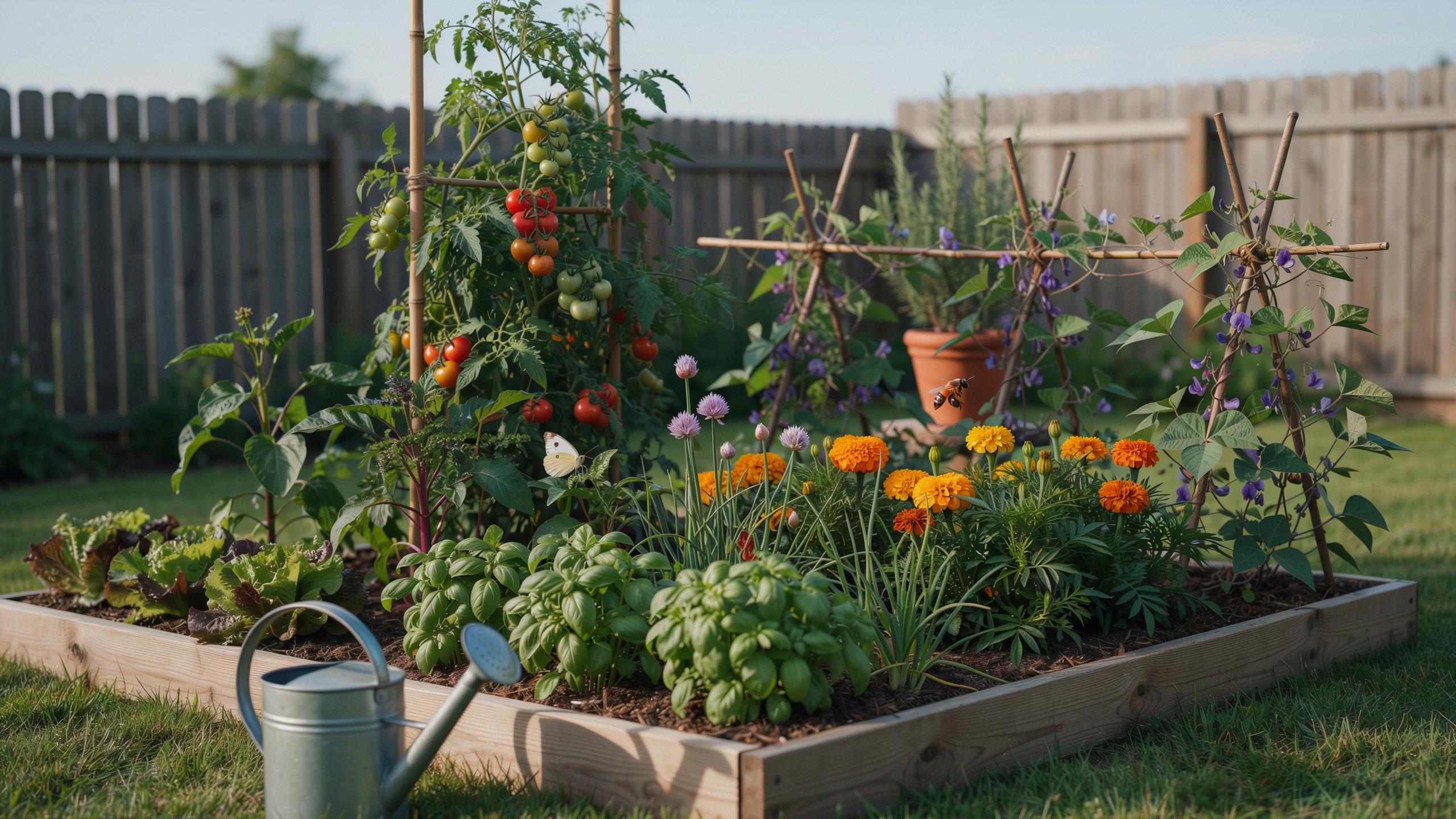
What Is Companion Planting In Raised Beds And Why It Matters
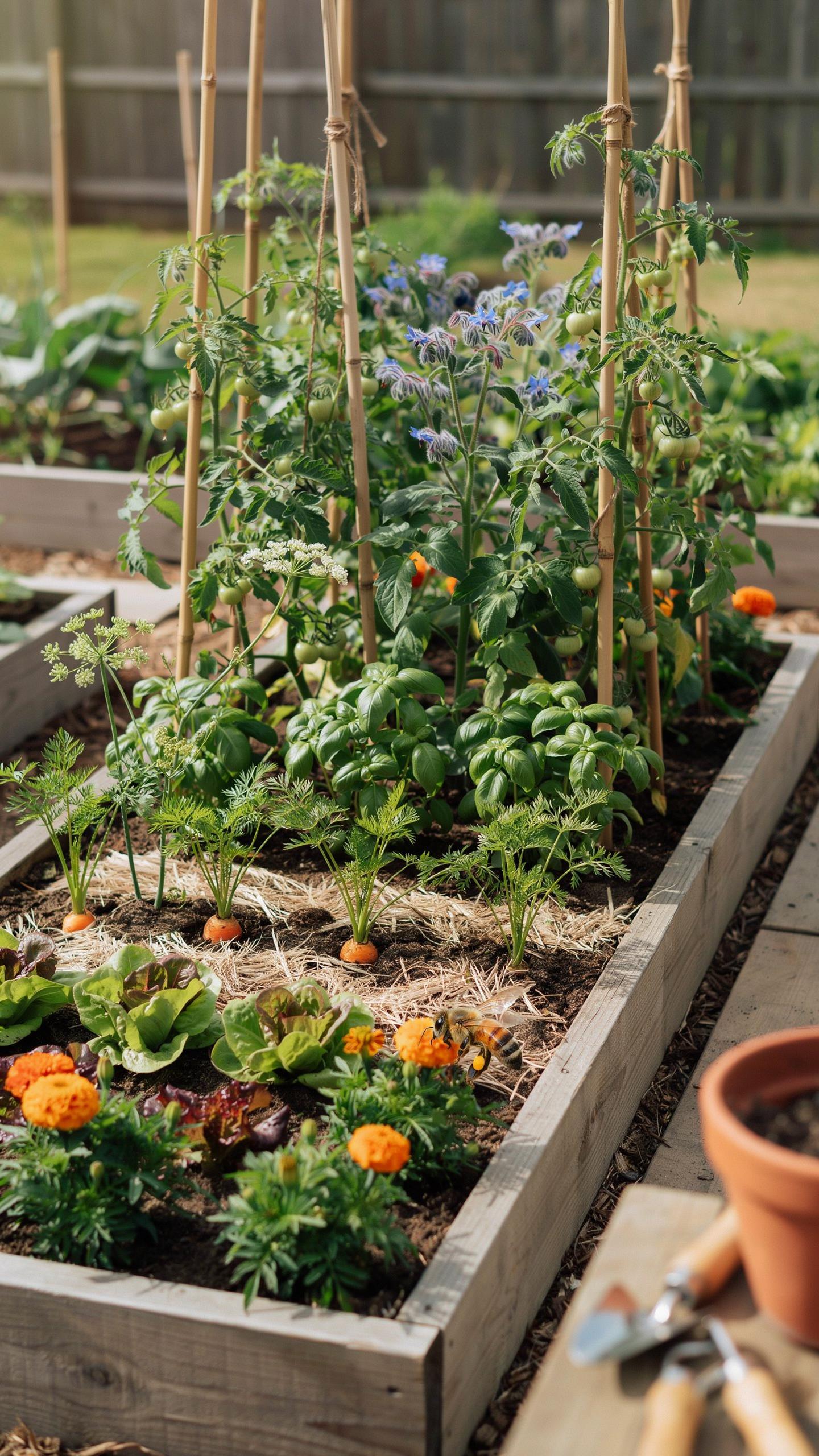
The Science Behind Plant Relationships In A Raised Bed Garden
Companion planting uses chemical and physical interactions between different species to increase crop yields. Plants release root exudates and volatile organic compounds that influence neighbors. These signals can repel specific pests or attract beneficial insects. In a raised bed, the close proximity makes these biochemical signals more effective. You create a controlled ecosystem that manages itself through natural biological processes.
Strategic placement follows the principles of niche differentiation. Tall plants provide necessary shade for low-growing crops that bolt in direct sun. Deep-rooted species break up heavy soil layers and pull nutrients to the surface. This mechanical relationship ensures every inch of the raised bed serves a specific purpose. You maximize the limited square footage by stacking functions within the vertical and horizontal space.
How Companion Planting Improves Soil Health And Overall Bed Productivity
Soil health improves when you mix different plant families. Diverse root structures prevent nutrient depletion caused by monocropping. Legumes fix nitrogen in the soil through a symbiotic relationship with rhizobia bacteria. This provides a natural fertilizer source for heavy feeders like leafy greens. A polyculture approach keeps the soil microbiome active and balanced throughout the growing season. This reduces the need for synthetic inputs.
Productivity increases because companion planting reduces space for weeds. Densely packed crops create a living mulch that keeps moisture in the ground. This thermal mass regulates soil temperature during hot afternoons. Pests struggle to find their targets when high-scent herbs mask the smell of host plants. By mixing crops, you break the life cycles of pathogens. This tactical arrangement leads to larger harvests with less manual maintenance.

Designing A Companion Planting Layout For Your Raised Beds
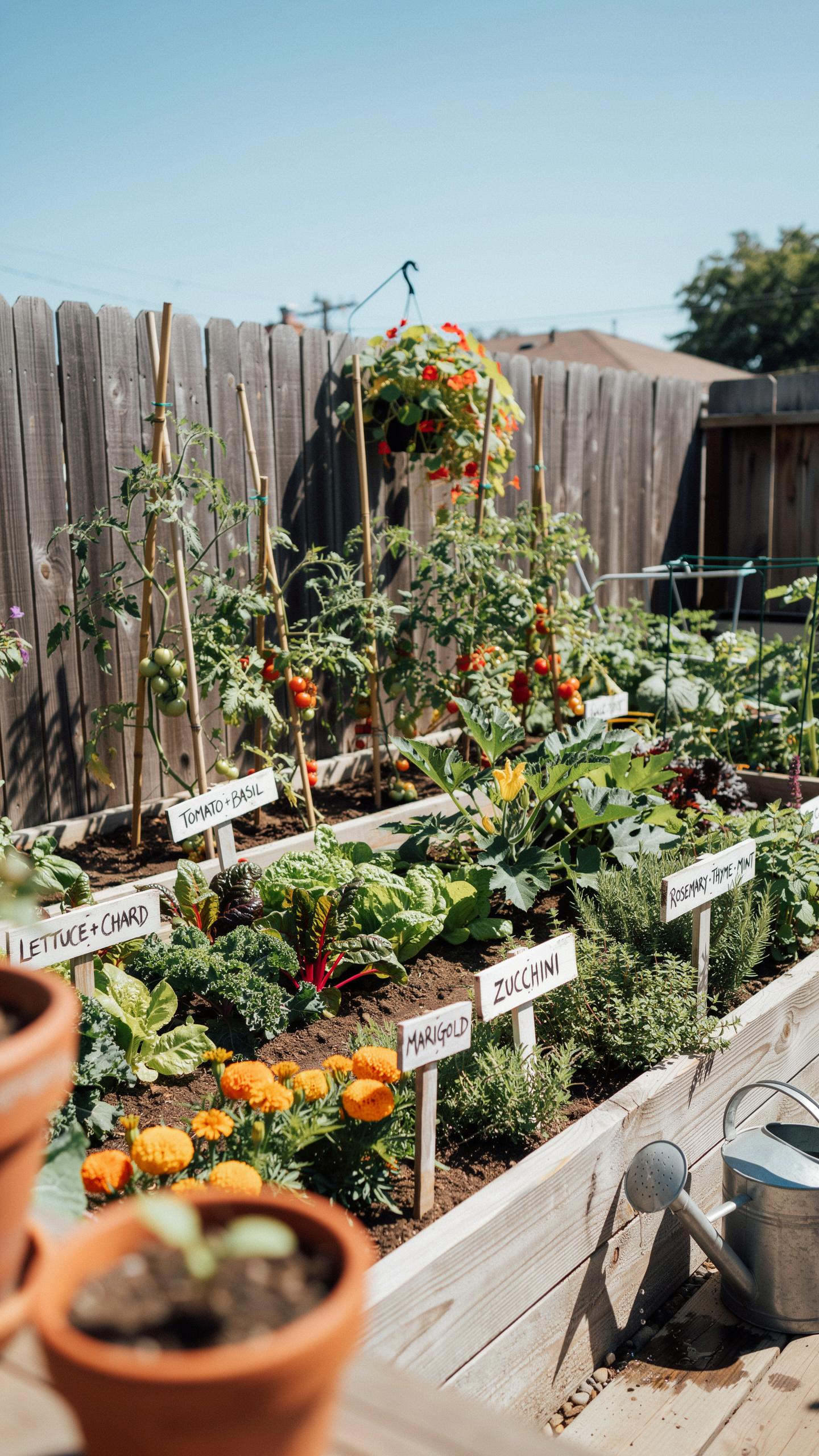
How To Map Out Spacing And Zones Within A Single Raised Bed
Efficient raised bed gardening companion planting requires a grid system. Divide your bed into square foot sections to maximize yield and minimize waste. This French Intensive method allows plants to thrive in closer proximity than traditional rows. You must group plants with similar water needs in specific zones. This prevent overwatering of drought tolerant herbs while keeping thirsty leafy greens hydrated.
Map your layout by placing heavy feeders in the center zones. Legumes should occupy the edges to provide easy access for nitrogen fixation. Use the middle of the bed for taller crops like tomatoes or peppers. Place low growing ground covers like thyme or marigolds around them. This creates a dense canopy that suppresses weeds. Tight spacing reduces evaporation and keeps your soil cool during peak summer heat.
Balancing Sunlight, Height, And Root Depth In Your Companion Planting Layout
Sunlight dictates the vertical structure of your bed layout. Place tall plants like corn or sunflowers on the north side of the raised bed. This prevents them from casting shadows on smaller crops during the day. Shorter plants like lettuce or radishes sit on the south side. They receive full exposure while taller neighbors act as a windbreak. Proper orientation ensures every plant achieves its growth potential.
Root depth management prevents competition for underground resources. Pair deep rooted vegetables like carrots or parsnips with shallow rooted greens like spinach. This vertical stacking allows you to use the same cubic foot of soil effectively. Use heavy soil at the bottom to support deep roots and loose compost at the top for surface feeders. Mixed root depths improve soil aeration and nutrient cycling throughout the entire growing season.
The Best Companion Planting Vegetables Layout For A Raised Bed
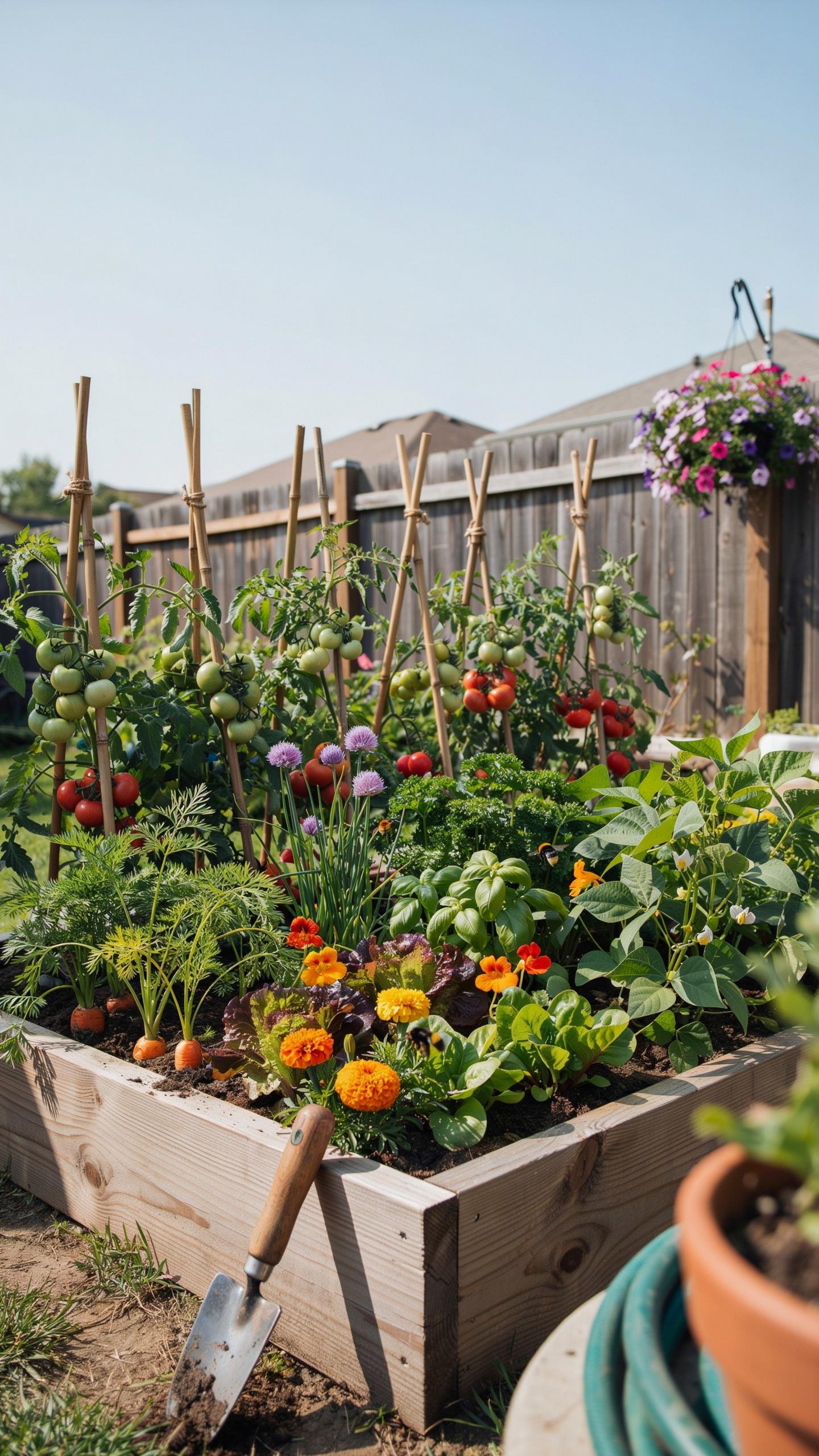
Classic Vegetable Pairings That Thrive Together In A Raised Bed
Raised bed gardening companion planting requires tactical spacing to maximize nutrient uptake. Strategic pairing reduces pest pressure and improves soil structure without chemical intervention. You must group plants with similar water needs but different root depths. This approach prevents resource competition in confined spaces. Deep-rooted crops break up heavy soil for shallow-rooted neighbors. Use height differences to manage light exposure effectively.
- Tomatoes and Basil: Basil repels thrips and masks the scent of tomato plants from hornworms. This pairing improves the flavor of the fruit while maximizing vertical space in the raised bed.
- Carrots and Onions: Onions emit a strong scent that confuses carrot rust flies. The carrots grow deep into the soil, while onions utilize the upper surface layer to prevent crowding and resource competition.
- Lettuce and Tall Brassicas: Tall plants like broccoli or kale provide necessary afternoon shade for sensitive lettuce leaves. This cools the soil temperature and prevents the lettuce from bolting during the peak summer heat.
- Cucumber and Radish: Radishes act as a trap crop for cucumber beetles. Planting them along the base of your trellis keeps the main crop healthy. Radishes grow fast and clear the space quickly.
- Spinach and Tall Peas: Nitrogen-fixing peas enrich the soil for leafy greens. The pea vines provide a canopy that shelters the spinach from intense sun. This cycle extends the harvest window for cool-season crops.
Avoid planting aggressive spreaders next to delicate seedlings. Mint and oregano will take over a raised bed if you do not contain them. Use markers to track where you place heavy feeders like cabbage. Always rotate these pairings every season to prevent localized soil depletion. Good record keeping ensures your raised bed remains productive and fertile over multiple growing cycles.
How The Three Sisters Method Works As A Companion Planting Vegetables Layout In Raised Beds
Indigenous farmers developed the Three Sisters technique for maximum efficiency. This system uses corn, beans, and squash to create a self-sustaining ecosystem. The corn provides a living trellis for climbing beans. The beans fix nitrogen into the soil to feed the heavy-feeding corn. Squash grows across the soil surface as a living mulch to prevent weeds and retain moisture.
Adapting this to a raised bed requires precise spacing. You must plant the corn first to establish a strong central support. Sow the beans once the corn reaches six inches in height. Plant the squash at the edges so the large leaves can trail over the sides of the bed. This layout maximizes vertical and horizontal space while reducing the need for external fertilizers.
What To Plant Together In Raised Beds For Maximum Harvest
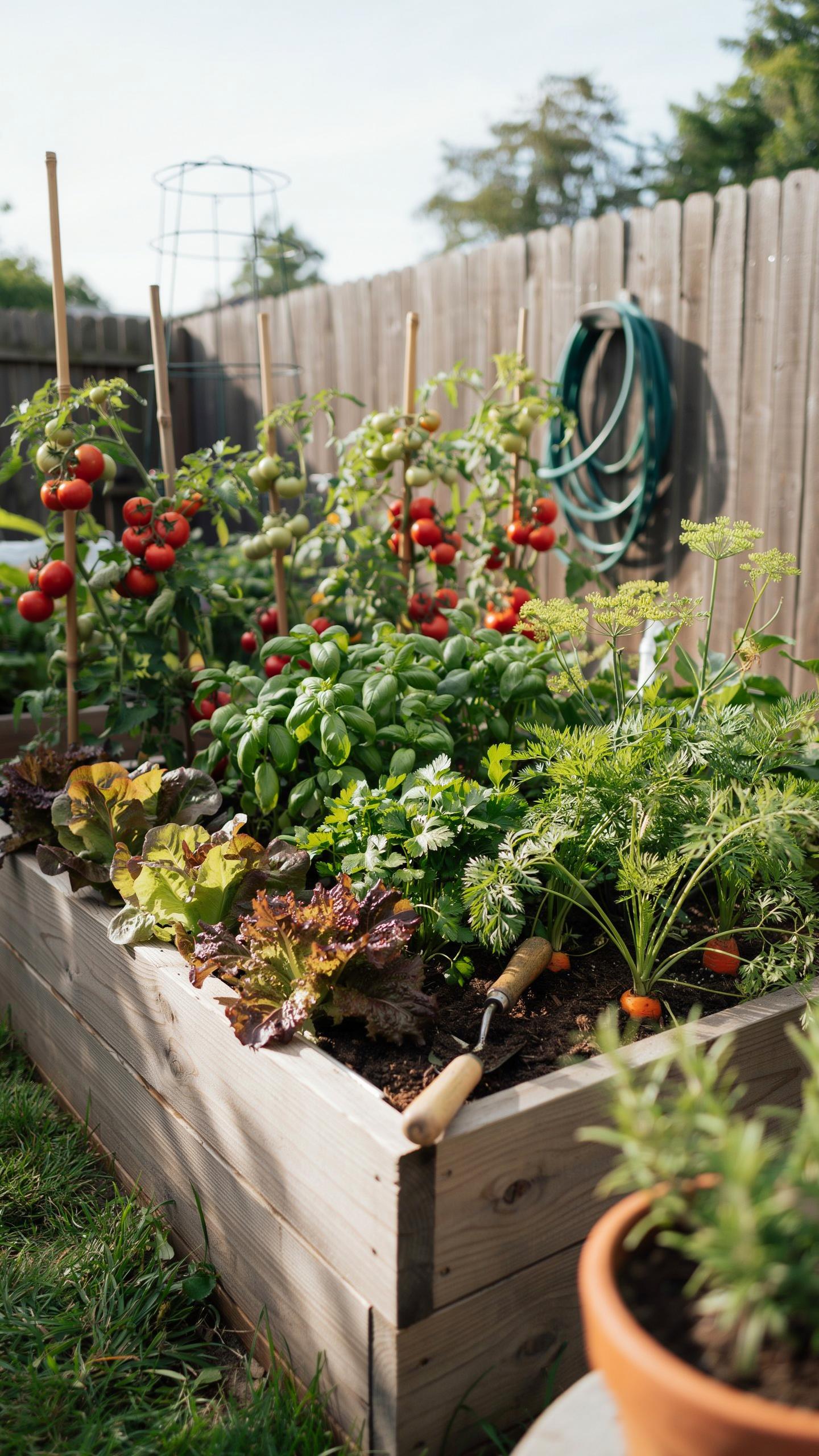
Pairing Nitrogen Fixing Plants With Heavy Feeders To Boost Yield
Heavy feeders like tomatoes, peppers, and corn deplete soil nutrients rapidly. You must manage soil fertility to maintain high output in confined raised beds. Legumes like peas, beans, and clover pull nitrogen from the air. This process happens through a symbiotic relationship with Rhizobium bacteria in the root nodules. Planting legumes near heavy feeders ensures a constant supply of organic nitrogen.
Timing determines your success with this strategy. Do not pull the legume plants out by the roots at the end of the season. Cut them at the soil line instead. This leaves the nitrogen-rich root nodules in the ground to decompose. The next crop can then access this stored nutrition. This method reduces your dependence on synthetic fertilizers and builds long-term soil health.
Using Flowering Herbs Alongside Vegetables To Attract Beneficial Insects
Monoculture planting encourages pest outbreaks. You prevent this by mixing flowering herbs with your vegetables. Herbs like dill, fennel, and cilantro produce small umbrella-shaped flowers. These flowers attract predatory wasps and hoverflies. These insects eat common garden pests like aphids and hornworms. This biological control keeps your plants healthy without using chemical sprays. It saves time and money.
Combine blooming herbs with leafy greens and brassicas to provide continuous protection. Flowering herbs also improve pollination rates for fruiting crops like cucumbers and squash. Increased pollinator activity leads to better fruit sets and larger harvests. Strategic herb placement creates a self-regulating ecosystem within the raised bed. This tactic maximizes space while lowering your overall maintenance requirements throughout the growing season.
What To Grow Together In Raised Beds To Naturally Deter Pests
How Aromatic Plants Like Basil And Marigold Repel Common Garden Pests
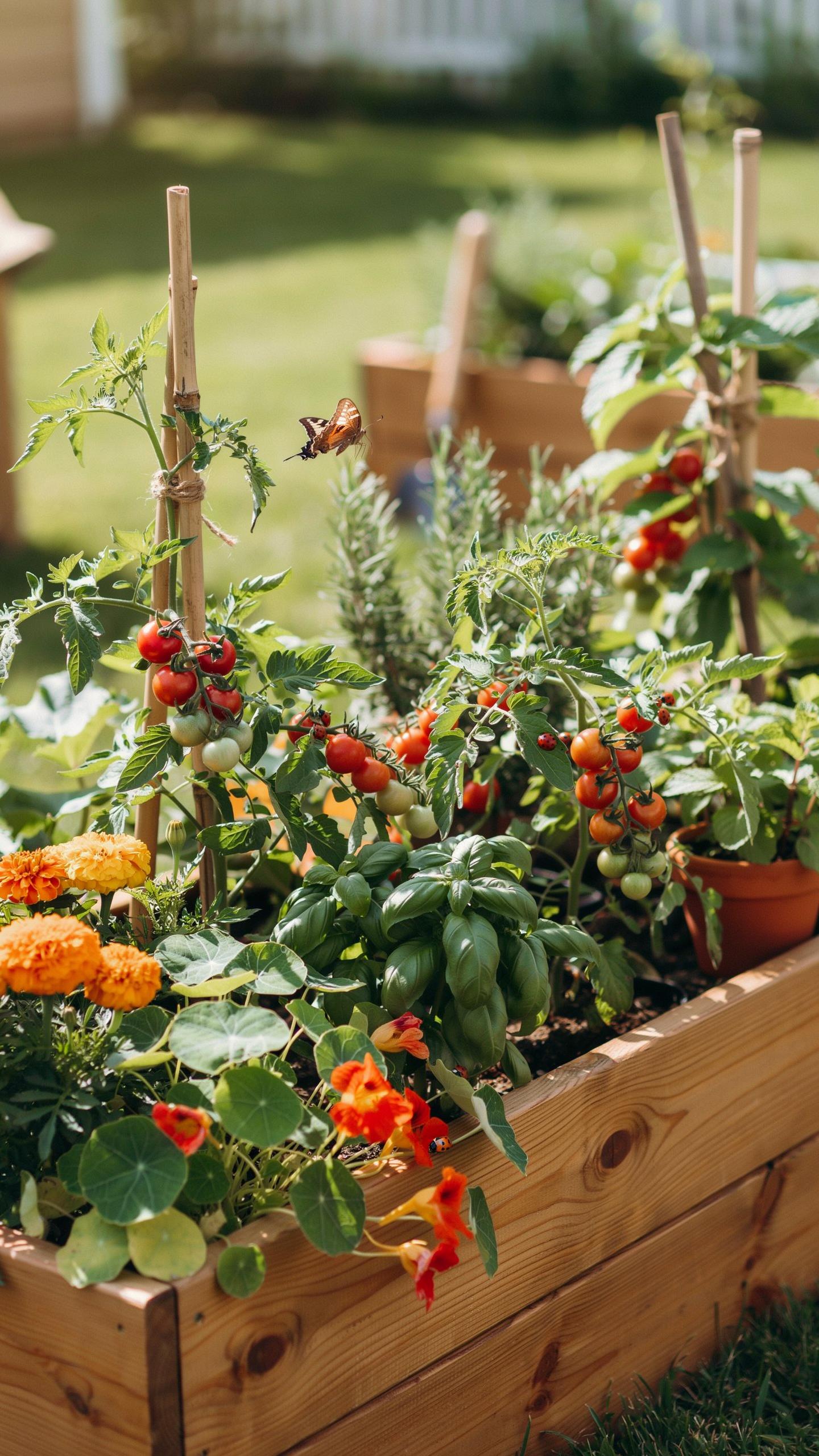
Volatile organic compounds give aromatic plants their distinct scents. These chemicals confuse insects that rely on smell to find host plants. Basil produces high levels of thrips-repelling oils. Planting basil next to tomatoes disrupts the search patterns of hornworms. This masking technique prevents pests from landing on your primary food crops. It is a tactical barrier for any raised bed system.
Marigolds secrete alpha-terthienyl from their roots. This compound is toxic to root-knot nematodes. Common French marigolds also produce a scent that deters whiteflies and aphids. You must plant them densely to achieve maximum effect. Use these flowers as a perimeter defense. This biological control method reduces the need for synthetic pesticides. It keeps the soil and the harvest clean for consumption.
Trap Cropping Strategies That Protect Your Main Vegetables In A Raised Bed
Trap cropping uses a sacrificial plant to lure pests away from a valuable crop. You plant a highly attractive species near your main vegetables. Insects congregate on the trap crop instead of your primary harvest. Nasturtiums are a classic example for raised beds. They attract aphids and cabbage moths. This concentration makes it easy to manage the pest population in one localized area.
Strategic timing is essential for this method. You must plant the trap crop earlier than the main crop. This ensures the pests establish themselves on the sacrifice before the vegetables emerge. Once the trap crop is infested, you can remove it entirely. This physical removal eliminates the breeding colony. It provides a clean environment for your peppers, squash, and brassicas to grow without constant insect pressure.
Building A Companion Planting Garden Bed Layout That Looks Beautiful
Combining Colors, Textures, And Plant Heights For A Visually Appealing Bed
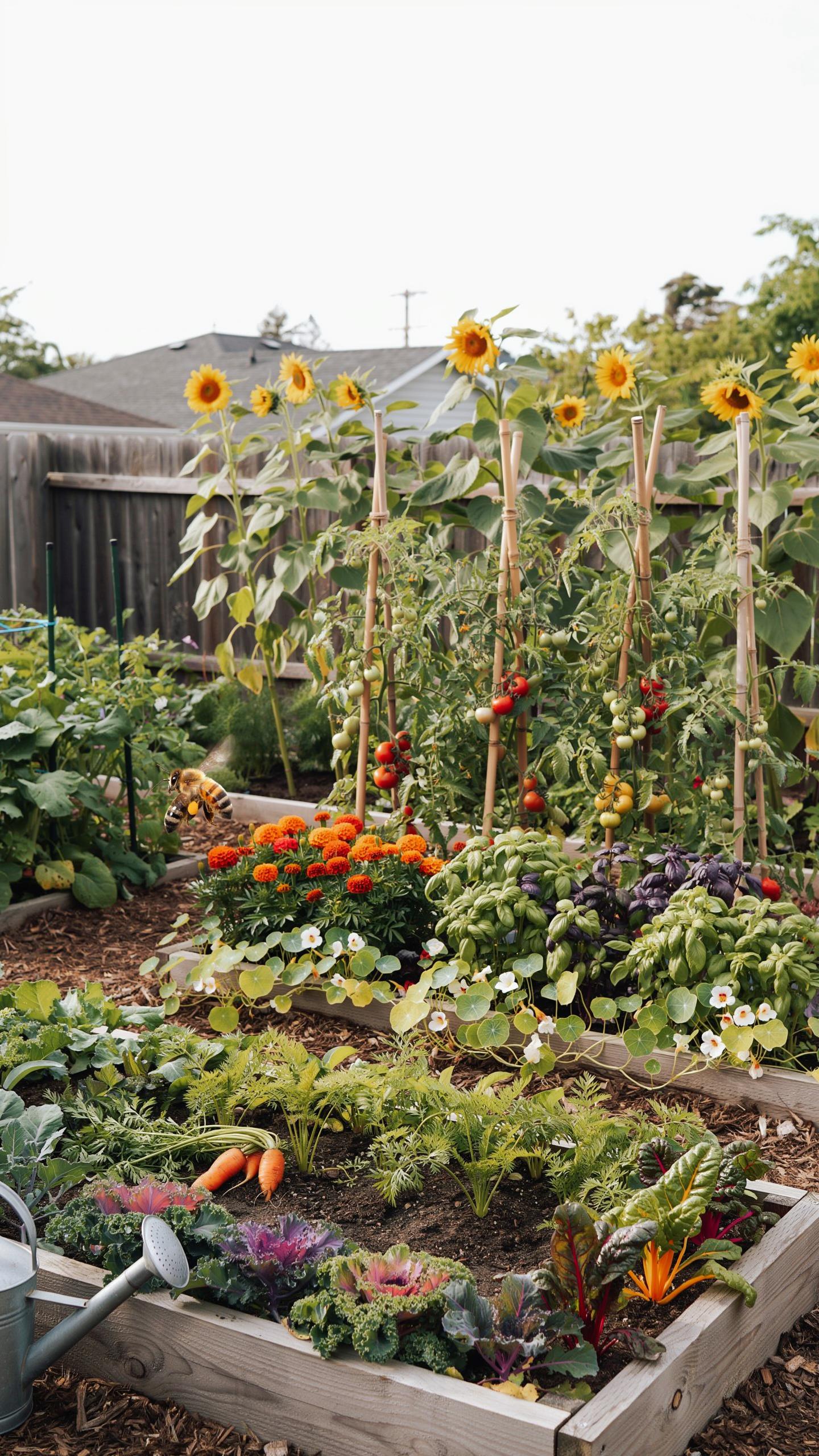
Strategic bed layout requires a tiered approach to height. Place tall structures like indeterminate tomatoes or corn in the center or northern edge. This prevents shading of smaller plants. Surround these with mid-sized peppers or kale. Use low-growing herbs like thyme or oregano to cover the edges. This creates a vertical scale that maximizes space and ensures every plant receives adequate sunlight.
Color and texture selection improves both aesthetics and pest management. High-contrast foliage confuses insects and creates visual depth. Pair the fine, feathery leaves of carrots with the broad, dark leaves of beets. Interplant purple basil near light green lettuce to break up monochromatic blocks. Precise placement reduces the concentration of host plants for pests. This method transforms a functional vegetable bed into a structured landscape feature.
The glory of gardening, hands in the dirt, head in the sun, and heart with nature. To nurture a garden is to feed not just on the body, but the soul.
Edible Flowers That Serve Double Duty In A Companion Planting Garden Bed Layout
Integrate edible flowers to bridge the gap between beauty and utility. Nasturtiums act as a trap crop by luring aphids away from valuable vegetables. Their sprawling habit also provides a living mulch that cools the soil. Marigolds release thiophenes into the ground to deter root-knot nematodes. These flowers add vibrant orange and yellow tones while protecting the root systems of your primary crops.
Choose flowers that support beneficial insect populations. Calendula attracts hoverflies which eat soft-bodied pests. Its bright petals provide high visibility for pollinators seeking nectar. Borage offers blue star-shaped blossoms that replenish nectar quickly for bees. These plants ensure a high pollination rate for fruiting vegetables like squash. Use these botanical tools to build a self-sustaining ecosystem that looks intentional and professional.
Raised Bed Companion Planting For Herbs Fruits And Vegetables Together
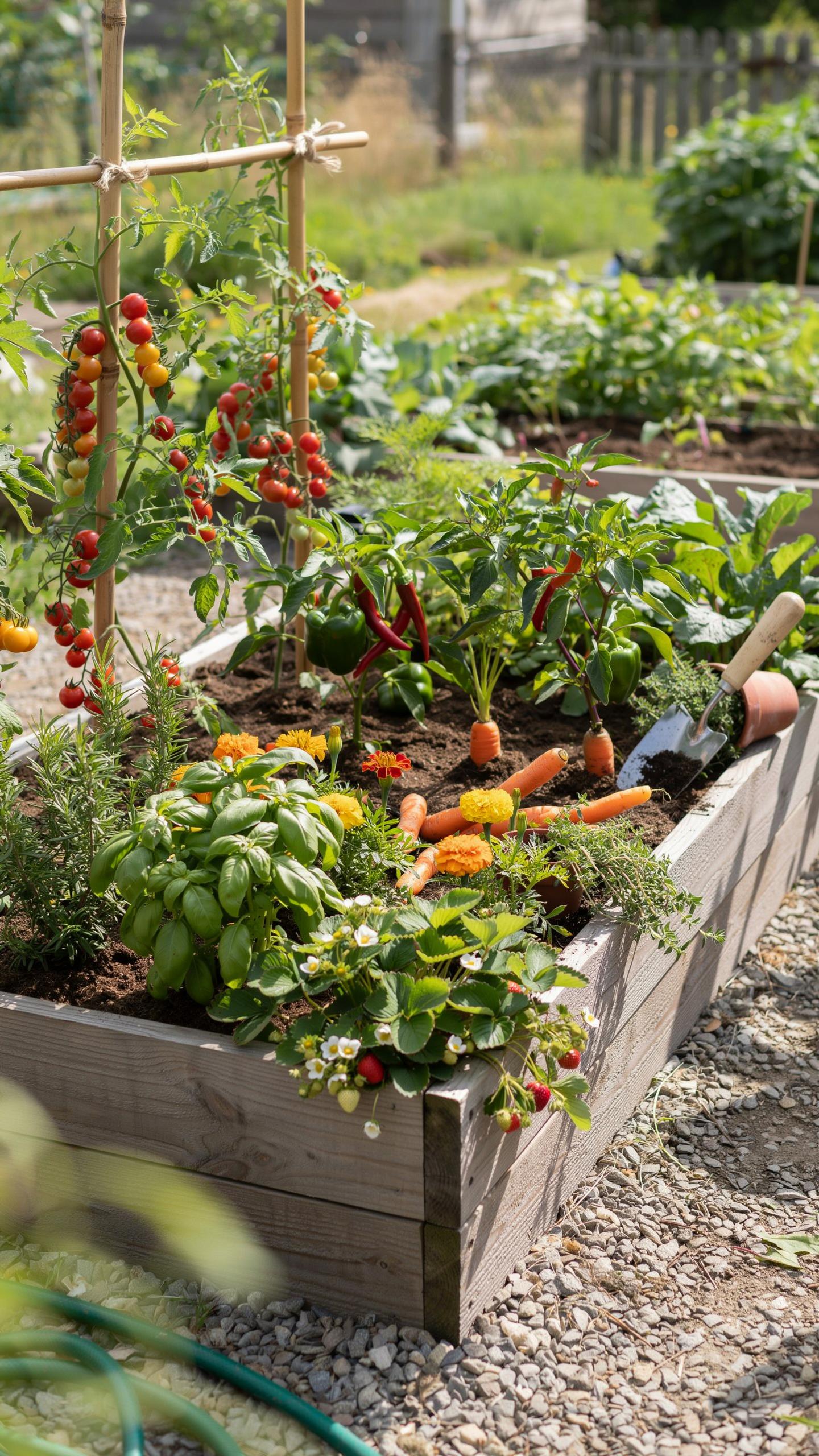
Which Herbs Make The Best Neighbors For Tomatoes, Peppers, And Squash
Basil acts as the primary partner for tomatoes and peppers in raised beds. It emits volatile oils that repel thrips, aphids, and flies. These oils also improve the flavor profiles of nightshades during growth. You must plant basil at the base of your tomato plants. This placement maximizes space and provides ground cover. It reduces soil moisture evaporation and prevents weed growth.
Dill and parsley support squash and pepper crops by attracting predatory insects. Ladybugs and lacewings flock to these herbs to eat garden pests. Borage is another essential herb for squash. It deters squash bugs and adds minerals to the soil. Plant these herbs on the edges of your raised bed. This allows easy access for harvesting without disturbing the main vegetable root systems.
Growing Strawberries And Vegetables Together In A Shared Raised Bed
Strawberries function well as a living mulch in raised beds. They pair effectively with bush beans and members of the onion family. Onions and garlic deter birds and soil pests that target ripening fruit. Bush beans fix nitrogen in the soil which helps strawberries grow larger leaves. Place strawberries at the front of the bed where they can spill over the edges safely.
Avoid planting strawberries with brassicas like broccoli or cauliflower. These plants compete for the same nutrients and can stunt strawberry growth. Spinach and lettuce are better choices for intercropping. They grow quickly and provide shade for strawberry roots during hot months. This keeps the soil cool and moist. Proper spacing prevents fungal issues by ensuring air flows between the different plant varieties.
Companion Vegetable Planting Combinations To Avoid In Raised Beds
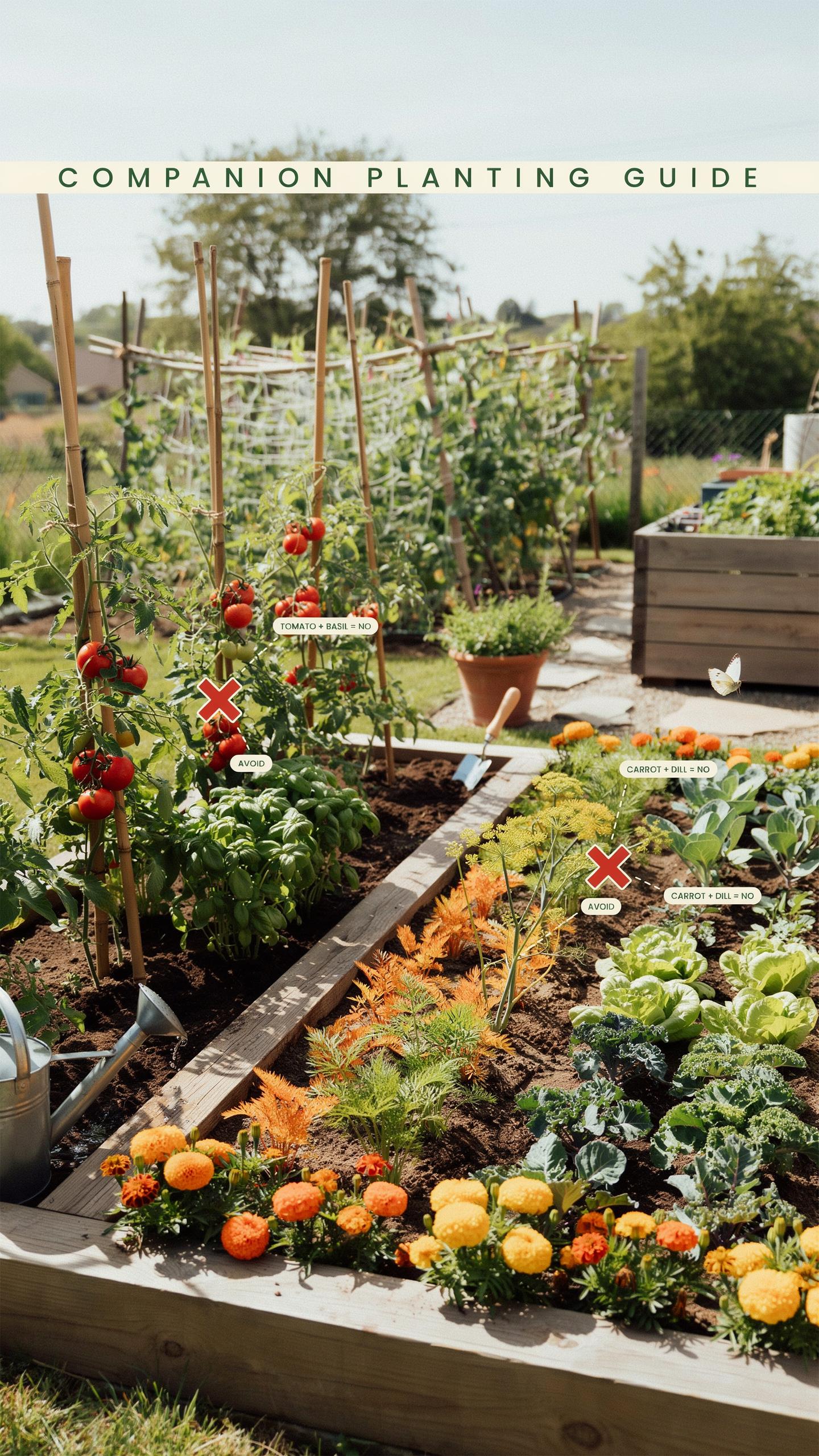
Allelopathic Plants That Can Suppress Neighboring Crops In A Raised Bed
Allelopathy is a biological phenomenon where plants release biochemicals to inhibit the growth of surrounding vegetation. In the confined space of a raised bed, these chemicals concentrate quickly. Sunflowers are a primary example. They release toxins from their roots and seeds that stunt many vegetable crops. Small raised beds intensify this effect because soil drainage is often localized.
Avoid planting fennel near other edible crops. Fennel acts as an allelopathic agent that inhibits growth in most garden vegetables, particularly beans and tomatoes. The plant competes aggressively for resources and releases root exudates that cause nearby seedlings to wither. Keep fennel in a separate container or at the edge of the property to protect your primary vegetable harvest.
Common Companion Planting Mistakes That Reduce Yield And How To Fix Them
Poor planning leads to nutrient competition and pest outbreaks. Many gardeners place heavy feeders together, which depletes the soil of nitrogen and phosphorus rapidly. High-density raised beds require strategic placement to avoid shading out smaller plants. You must identify specific crop incompatibilities to prevent stunting. Incorrect pairings often result in smaller fruits and increased vulnerability to soil-borne pathogens.
- Onions and Peas: Do not plant these together. Onions and other alliums produce chemicals that kill the beneficial bacteria on pea roots. This prevents the peas from fixing nitrogen, which leads to stunted growth and very poor yields for your leguminous crops.
- Potatoes and Tomatoes: Avoid this pairing in the same raised bed. Both plants belong to the nightshade family and share the same pathogens like early and late blight. Placing them together allows diseases to spread rapidly and can lead to a total crop loss.
- Carrots and Dill: Keep these separate during the flowering stage. Carrots and dill can cross-pollinate, which ruins the flavor of the carrot roots. Additionally, mature dill can attract pests that target young carrot seedlings, leading to decimated rows in a tight garden space.
- Cucumbers and Aromatic Herbs: High-scented herbs like sage can negatively impact the flavor of cucumbers. Cucumbers require significant water and space, while sage prefers drier conditions. These conflicting environmental needs lead to stress for both plants and reduce the overall quality of the harvest.
- Brassicas and Nightshades: Cabbage and broccoli compete for the same nutrients as peppers and tomatoes. Brassicas also prefer a different soil pH than nightshades. Planting them in proximity creates a resource war that leaves all plants weakened and susceptible to common garden insects.

Fix these issues by implementing a crop rotation schedule and using physical dividers. Group plants based on their specific water and nutrient needs rather than just available space. Use vertical trellises to separate aggressive climbers from low-growing leafy greens. Proper spacing ensures adequate airflow, which reduces the risk of fungal infections that spread between incompatible vegetable varieties.
Companion Gardening Layout Tips For Small Space And Urban Raised Beds
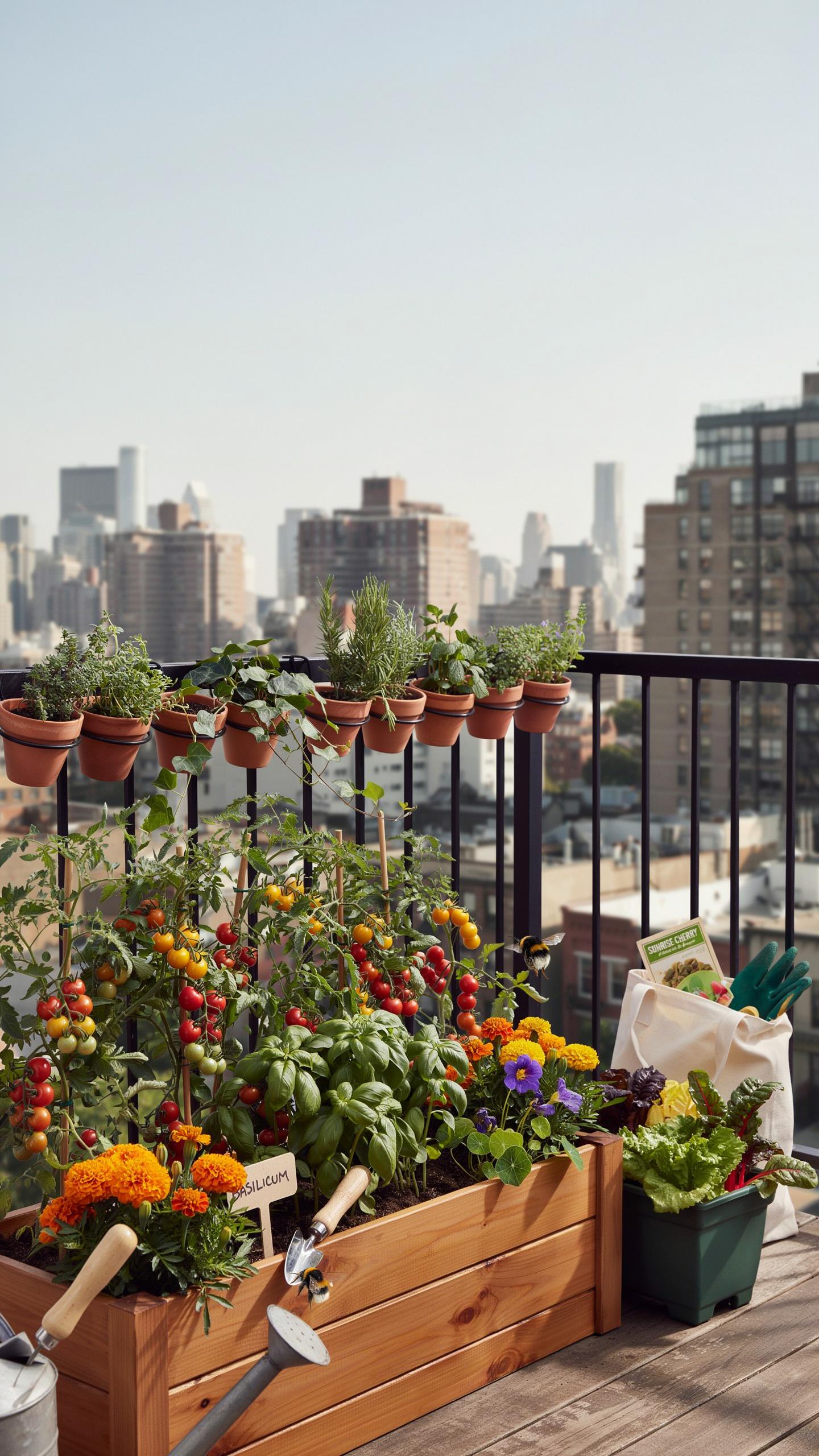
Vertical Companion Planting Strategies That Maximize A Small Raised Bed Footprint
Maximize vertical space by installing cattle panel trellises or cedar uprights on the north side of the bed. This prevents taller plants from shading out smaller neighbors. Plant climbing legumes like pole beans next to heavy feeders like corn. The beans fix nitrogen in the soil while using the corn stalks for support. This technique mimics the ancient Three Sisters method used by indigenous farmers for centuries.
Utilize the vertical plane to separate species with different water needs. Place drought-tolerant Mediterranean herbs like rosemary in elevated wall pockets. Keep moisture-loving crops like lettuce in the main bed below. This layering protects low-growing greens from intense sun exposure. Vertical structures also increase airflow around the foliage. Better ventilation reduces fungal diseases like powdery mildew which often strike crowded urban garden plots.
Succession Planting Paired With Companion Gardening Layout For Year Round Harvests
Succession planting requires tight scheduling to keep the soil productive. Remove cool-weather crops like radishes as soon as they mature. Immediately transplant warm-weather companions like peppers into that same hole. This transition maintains the living root system in the soil. Urban gardeners must plan these swaps to ensure the garden never sits empty. Constant coverage prevents nutrient leaching and stops weed seeds from germinating in the bare earth.
Pair fast-growing crops with slow-maturing neighbors in the same row. Plant leafy greens between rows of young tomatoes. The greens will be ready for harvest before the tomatoes expand and claim the space. This method uses the available footprint twice in one season. It relies on the biological fact that different plants occupy different root depths. Proper timing ensures each plant gets the sunlight it needs at its specific growth stage.
Seasonal Raised Bed Companion Planting Plans To Elevate Your Property All Year
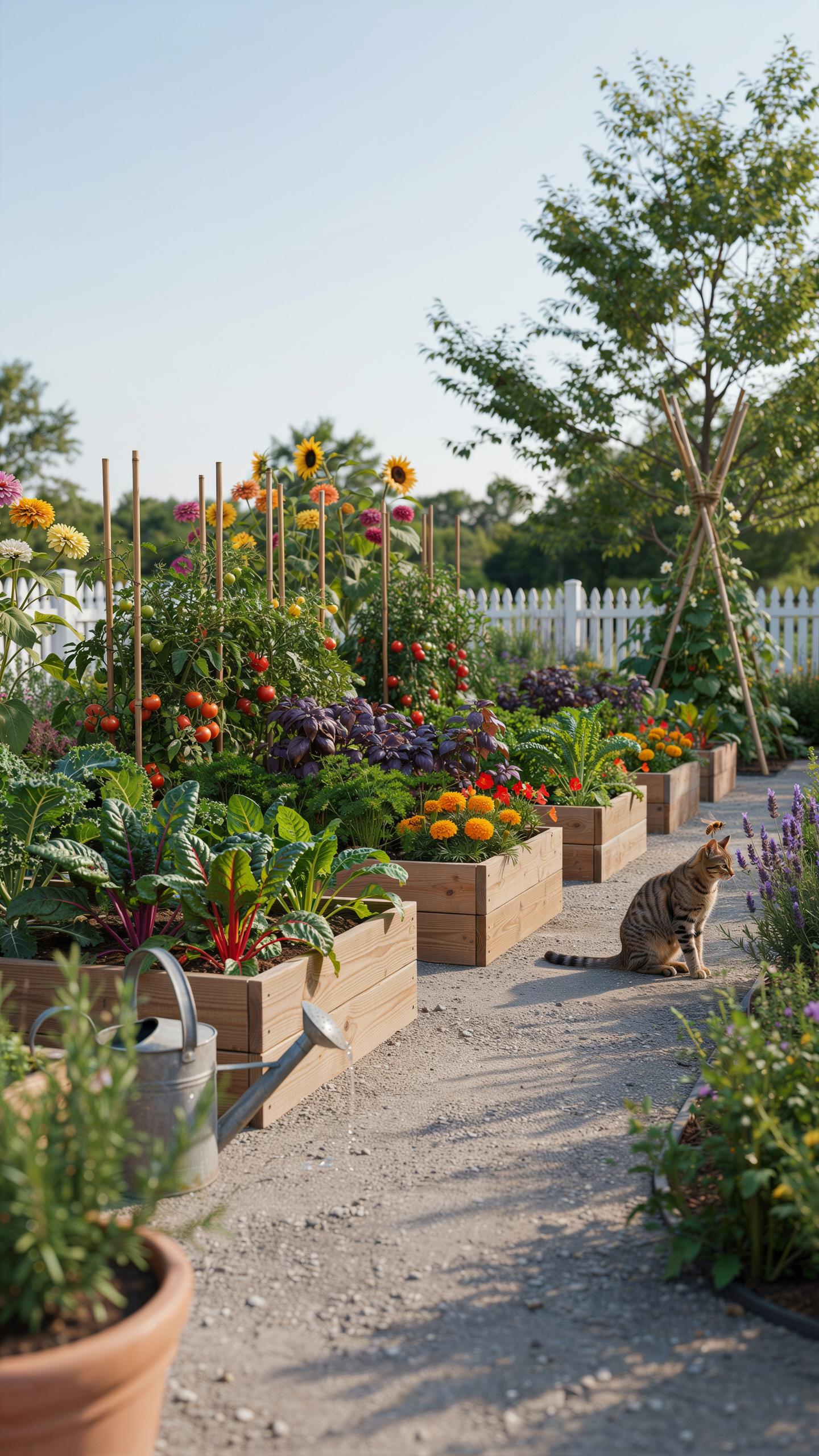
Spring And Summer Companion Planting Combinations For A Thriving Raised Bed
Spring demands efficient use of warming soil. Plant peas alongside spinach to maximize vertical space. These leafy greens thrive in the nitrogen fixed by pea roots. You must transition to heat-tolerant crops as soil temperatures rise. Use tall corn stalks as living trellises for pole beans. This classic technique provides structural support while the beans stabilize the corn with root nitrogen.
Summer heat requires smart moisture management. Interplant tomatoes with basil to improve fruit flavor and repel hornworms. Low-growing marigolds act as a living mulch to keep soil temperatures down. They also secrete chemicals that deter root-knot nematodes. Place peppers near onions to confuse pests through mixed scents. These combinations reduce the need for chemical pesticides and manual irrigation in your raised beds.
Fall And Winter Raised Bed Companion Planting Strategies To Extend Your Growing Season
Fall success depends on temperature regulation. Plant carrots with leeks to optimize underground space. Leeks deter carrot rust flies while carrots break up compacted soil for the leeks. Use kalettes or cabbage alongside aromatic rosemary. The woody herb masks the scent of brassicas from egg-laying moths. This strategy maintains high yields even as daylight hours decrease and biological activity slows down.
Winter production requires thermal mass and protection. Group garlic with beets in your raised beds. Garlic acts as a natural fungicide during wet winter months. The garlic oils protect the beet roots from soil-borne pathogens. Cover these crops with cold frames or frost blankets to trap ground heat. These pairings ensure your raised bed remains productive through the frost by utilizing hardy plant genetics.
Frequently Asked Questions

What exactly is companion planting and why should I try it in my raised beds?
Companion planting is the strategic placement of different plants next to one another to improve growth, deter pests, and enhance flavor. For beginners, raised bed gardening companion planting is an excellent way to maximize limited space. By pairing flowers like marigolds with tomatoes or herbs like basil with peppers, you create a self-sustaining ecosystem that reduces the need for chemicals while making your garden beds look lush and professionally designed.
How do I choose the right plant combinations to maximize my garden’s health and yield?
To master raised bed gardening companion planting, focus on height, root depth, and nutrient needs. Pair tall, sun-loving plants like corn with low-growing, shade-tolerant leafy greens to optimize vertical space. Always group “heavy feeders” like broccoli with nitrogen-fixing legumes like peas. This practical approach ensures your soil stays fertile throughout the season while providing a diverse, charming aesthetic that naturally keeps your vegetables thriving and protected from common infestations.
Can I implement companion planting on a tight budget without buying expensive starts?
Absolutely! Companion planting is one of the most cost-effective ways to elevate your property. Instead of buying mature plants, start affordable seeds like nasturtiums, calendula, and sunflowers, which act as “trap crops” for pests. Using seeds allows you to experiment with various combinations for just a few dollars. This accessible method transforms basic wooden frames into high-yield, beautiful displays of biodiversity without requiring a large financial investment in specialized tools.