Why Choose Outdoor Fabrics With Weatherproof Durability
Understanding Fabric Longevity And Element Resistance
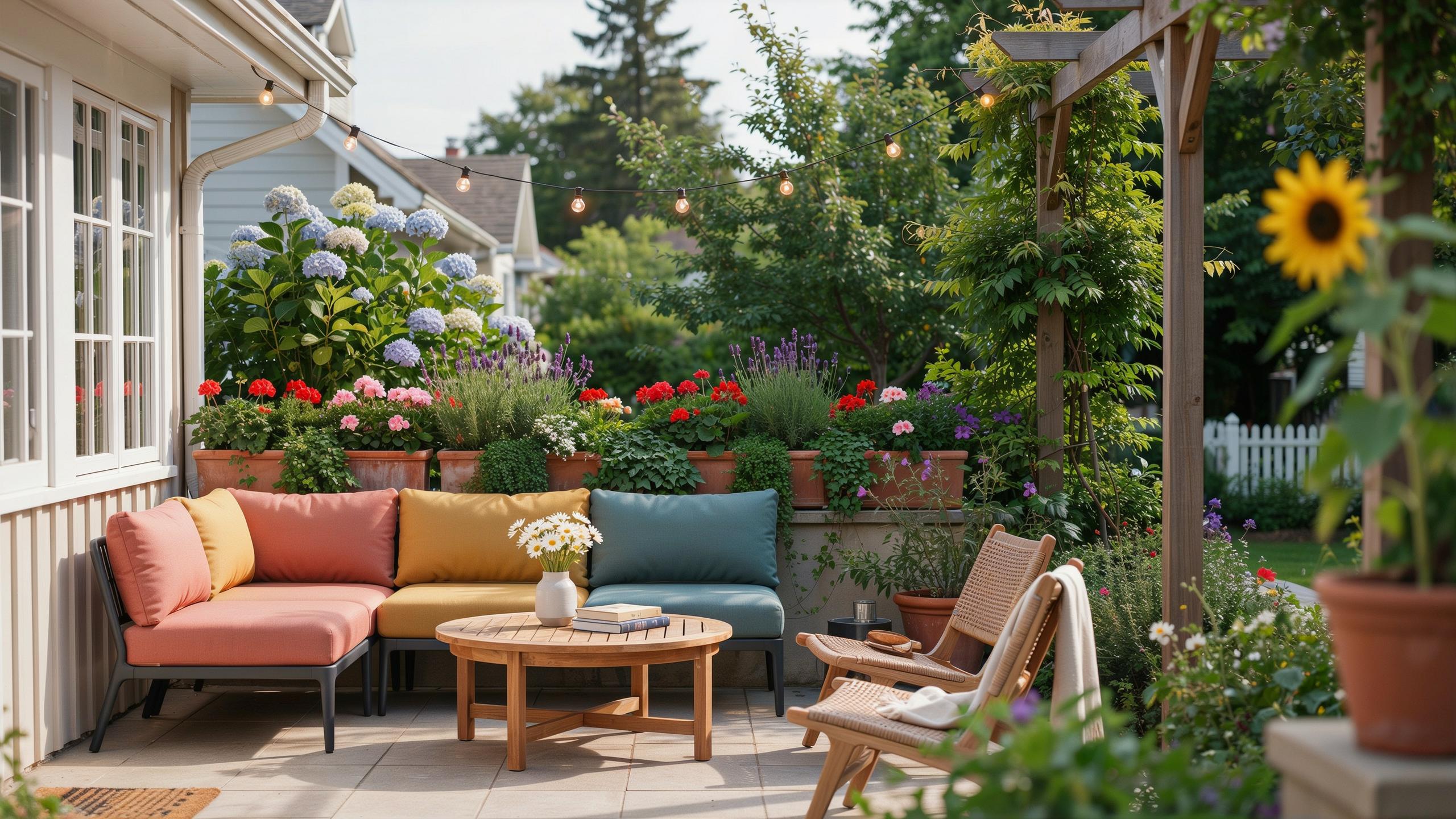
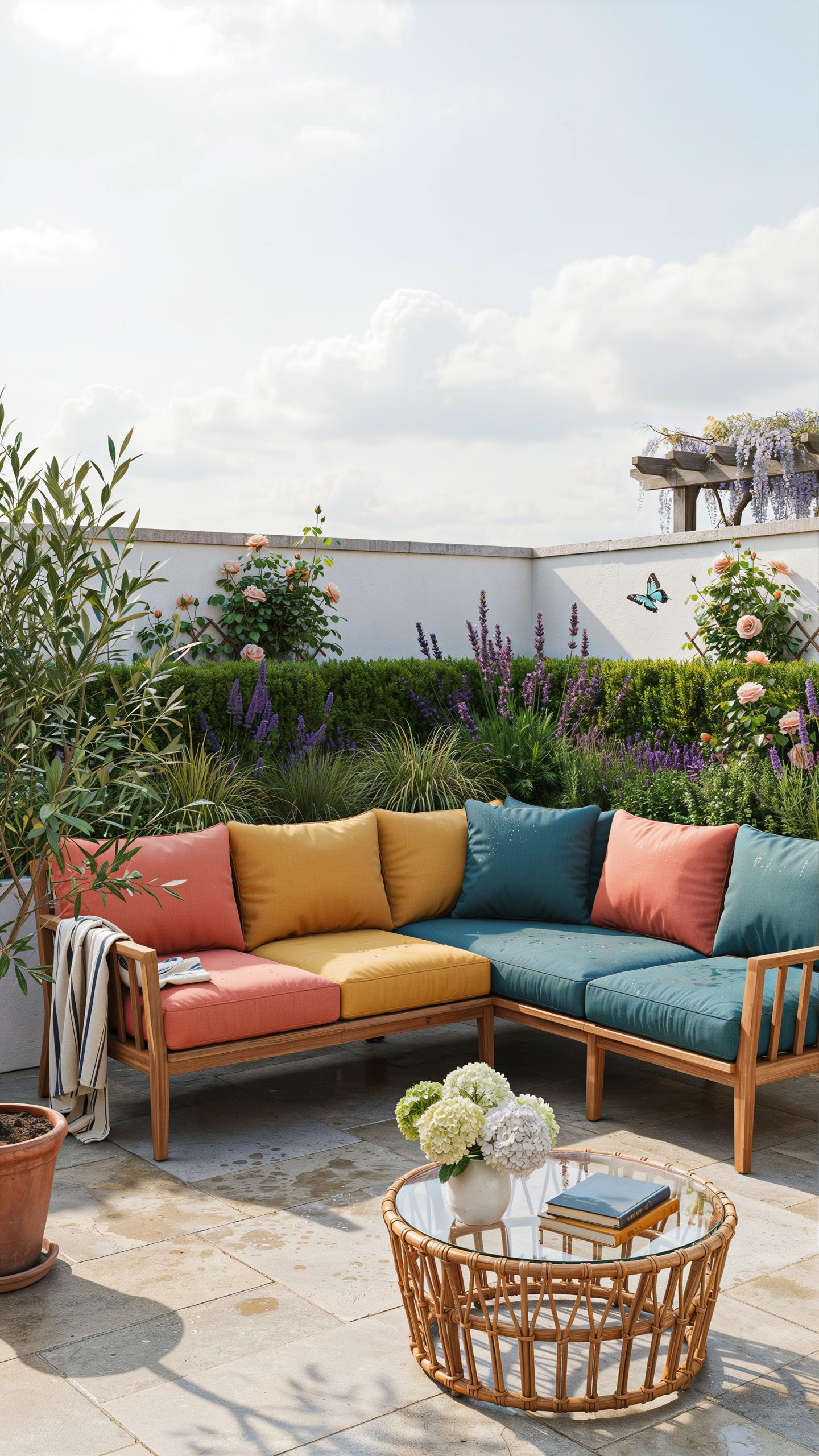
Weatherproof textiles resist UV degradation and moisture penetration through engineered fiber construction and protective coatings. High-grade synthetic materials prevent color fading, warping, and rot that plague natural fabrics exposed to direct sunlight, rain, and temperature swings. This durability extends seating lifespan by years, reducing replacement cycles and maintenance costs.
Quality weatherproof fabrics withstand repeated wet and dry cycles without structural breakdown. The chemical bonds within synthetic fibers remain stable under continuous environmental stress. Cotton and untreated natural fabrics absorb moisture, promoting mildew and fiber deterioration. Synthetic alternatives shed water and dry quickly, maintaining integrity through multiple seasons of heavy use.
The Science Of Solution Dyed Acrylics
Solution-dyed acrylic fibers integrate color into the yarn core during manufacturing rather than applying dyes to finished fabric surfaces. This molecular integration locks pigment inside the fiber structure, preventing surface coating breakdown from UV exposure and abrasion. The result is colorfastness that outlasts conventional dyeing methods by significant margins.
Solution-dyed acrylics retain vibrancy after years of direct sunlight and aggressive cleaning because color penetrates throughout the fiber rather than sitting on top. Standard surface-dyed fabrics fade quickly as UV rays degrade coating layers. This chemical difference makes solution-dyed materials the industry standard for permanent outdoor seating where color retention matters for aesthetics and brand consistency.

The Anatomy Of High Performance Waterproof Fabric For Outdoor Furniture
Hydrophobic Coatings Versus Waterproof Membranes
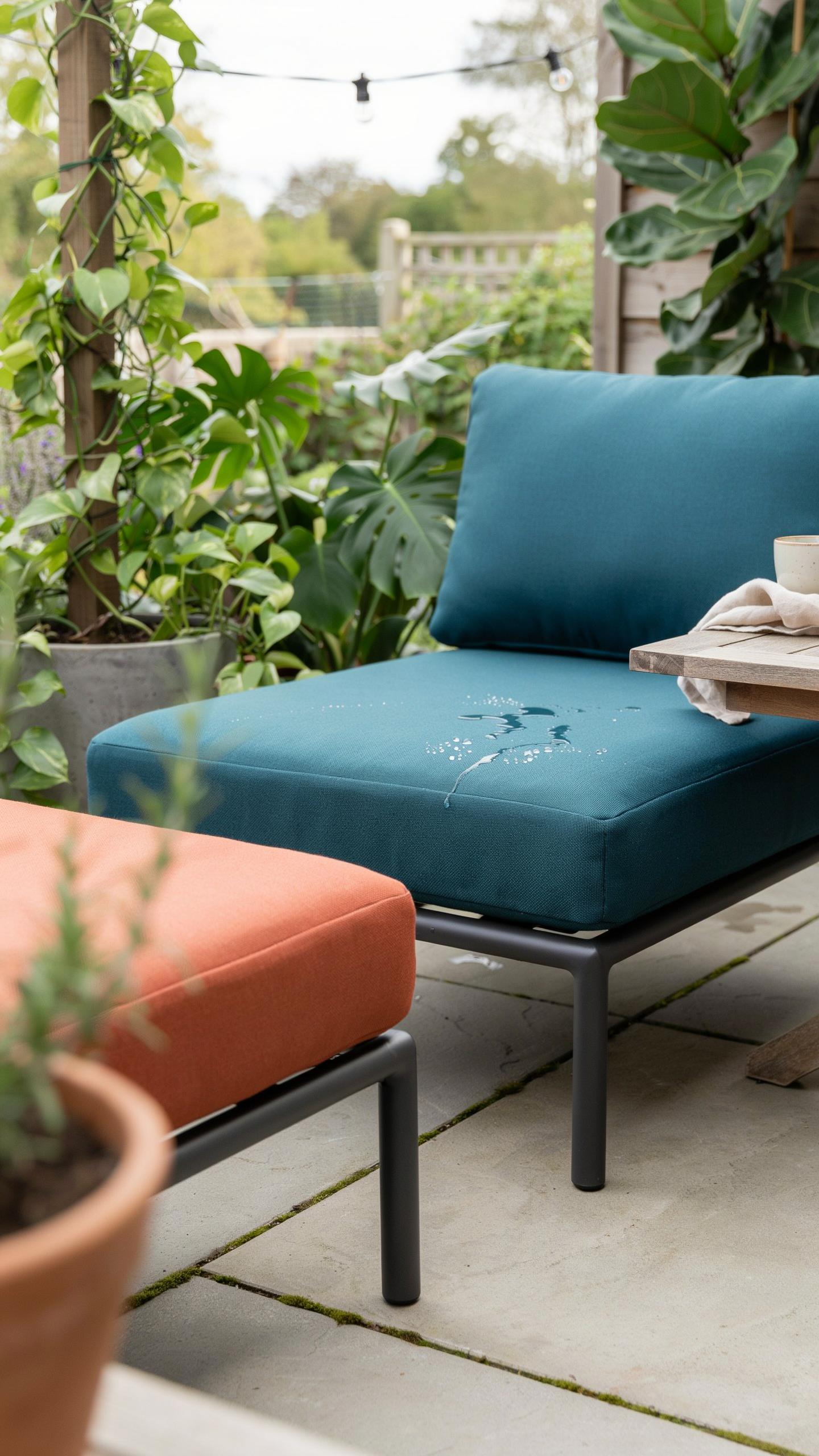
Outdoor patio seating weatherproof fabric relies on two core technologies to block water. Polyurethane and PVC backings form barriers that stop water molecules from penetrating the fabric weave. These coatings sit behind the outer layer and prevent liquid water from reaching the foam cushioning underneath.
Water absorption leads directly to mold growth and material degradation. By blocking penetration at the backing layer, these coatings keep the interior foam dry and intact. The result is furniture that resists rot and maintains structural integrity through repeated weather exposure.
Breathability And Moisture Vapor Transmission Rate
High performance outdoor patio seating weatherproof fabric must allow moisture vapor to escape while blocking liquid water. This dual function prevents damp buildup on hot days when sweat and humidity accumulate on seat surfaces. Breathable constructions keep users comfortable during extended sitting sessions in warm conditions.

Vapor transmission rates measure how much moisture passes through fabric per hour. Fabrics designed for outdoor use typically range from moderate to high vapor transmission, balancing water protection with climate performance. Without breathability, moisture traps underneath and creates uncomfortable, damp seating that feels clammy against skin.
Selecting The Best Cushion Fabric For Style And Comfort
Balancing Texture And Tactile Comfort
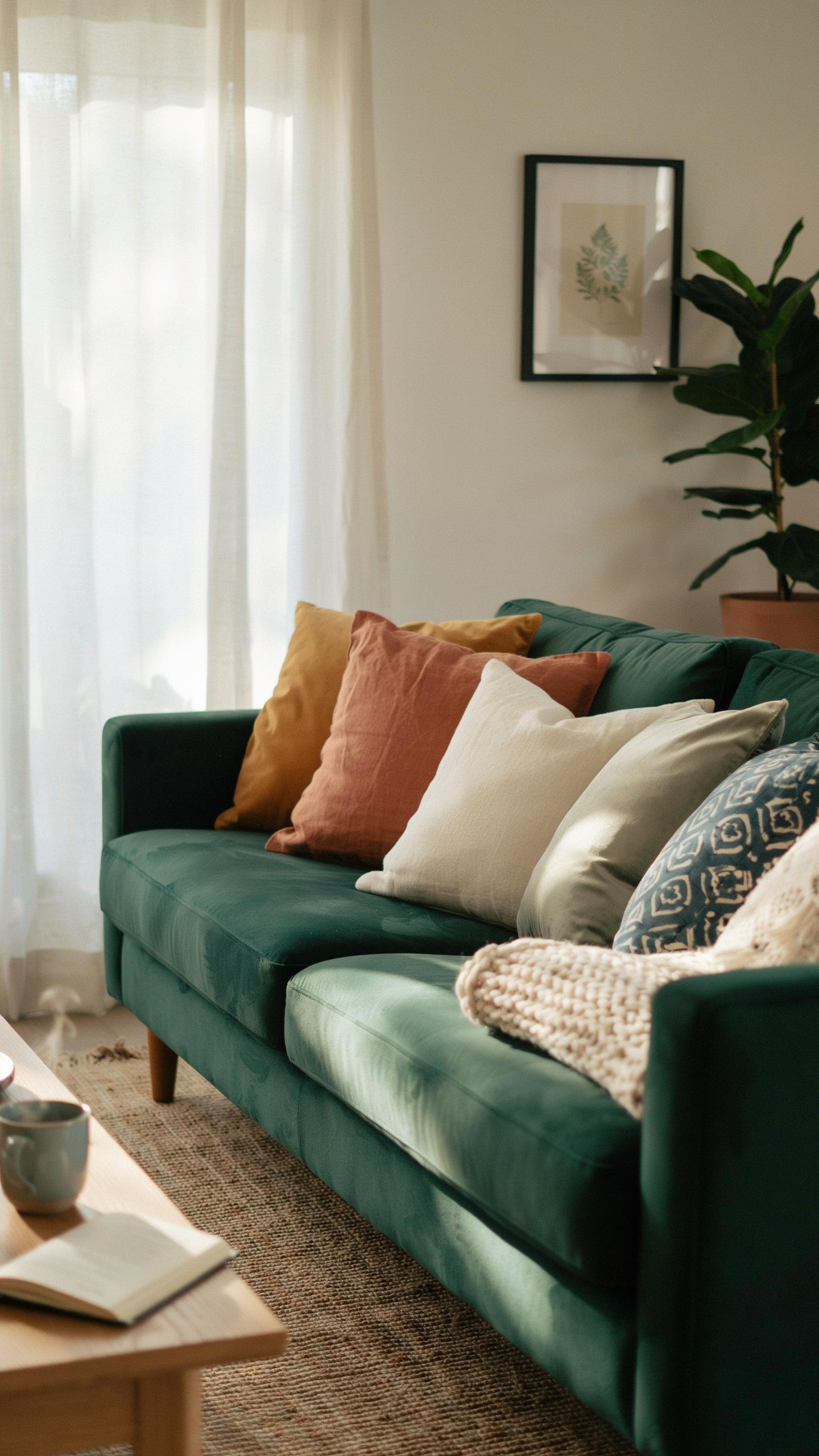
Modern polyester blends deliver skin-friendly textures without sacrificing durability. These fabrics resist dirt and oil buildup while maintaining softness against bare skin. Textured weaves provide tactile variety, preventing that plastic-like feel common in basic outdoor fabrics. The engineering behind these materials bridges the performance gap between indoor luxury and outdoor exposure.
Performance-grade polyester and acrylic blends handle repeated use and weather cycles effectively. Manufacturers achieved this balance by adjusting fiber denier and weave density to trap moisture while resisting mildew growth. Your cushions stay comfortable through extended use without becoming stiff or developing odors from trapped moisture.
Selecting Colors And Pattern Themes
Start with a neutral base palette using grays, taupes, or soft whites. These colors reflect heat and hide dust between cleanings. Layer geometric patterns or bold accent colors through throw pillows and furniture pieces. This approach builds visual interest without overwhelming your outdoor space or requiring frequent replacement of large fabric investments.

Coordinate your fabric selections with existing hardscape materials and plantings. Warm neutrals pair well with stone and wood decking, while cool grays complement contemporary metal furniture. Patterned fabrics in geometric designs remain visually current longer than trendy prints. Choose colors that won’t fade rapidly under extended UV exposure to protect your investment.
Designing Your Dream Patio Layout And Aesthetic Pleasures
Defining Zones With Functional Furnishings
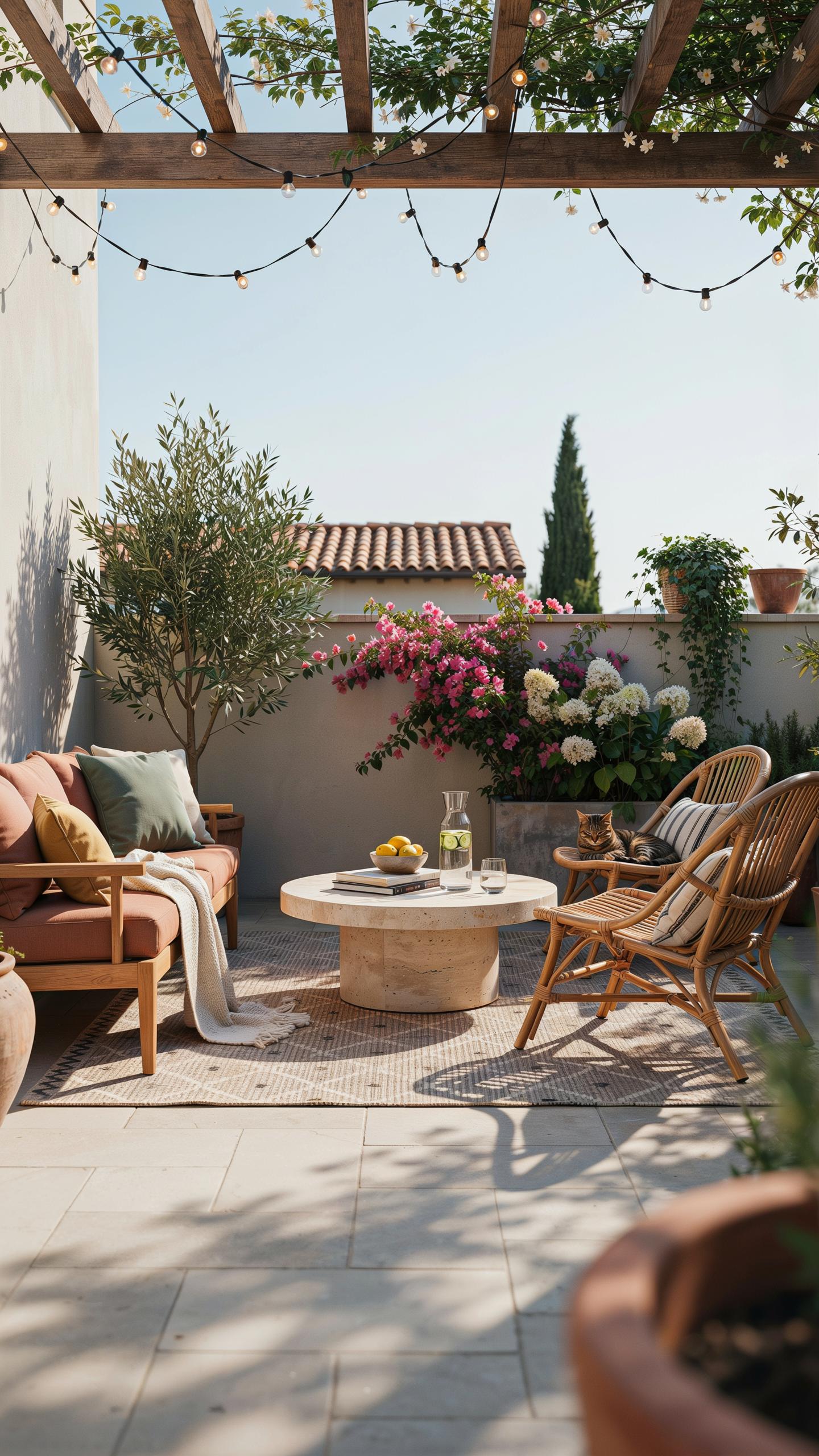
A functional patio requires intentional zoning. Separate dining areas from conversation zones to manage foot traffic and prevent congestion. Modular sectionals work here because you reconfigure them as needs change. Position pieces to frame views rather than block them. This approach maximizes usable space while keeping sightlines open across your yard.
Weatherproof fabric on modular pieces matters because you won’t replace seating when layouts shift. Polyester blends and solution-dyed acrylic fabrics tolerate frequent movement without degrading. Arrange conversation sets to face each other, creating natural gathering points. Solo relaxation zones need single chairs or chaise lounges positioned away from main traffic paths to give users privacy and unobstructed views.
Integrating Natural Elements Into The Design Layout
Wood furniture frames ground patio designs in natural materiality. Teak, cedar, and treated hardwoods pair effectively with potted greenery to create visual continuity between built and living elements. Position plants strategically to soften structural edges and frame seating areas. This integration enhances spatial coherence without requiring major construction changes to existing patios.

Weatherproof fabrics on wood frame seating tolerate moisture from nearby plants and soil splashing during watering. Solution-dyed acrylic and solution-dyed polyester resist mildew growth that plant proximity encourages. Layer potted plants at varying heights around seating zones to create depth and sensory richness. The fabric durability ensures your furniture investment survives the humid microclimate plants naturally create on patios.
Step By Step Guide Sewing Cushions For Outdoor Furniture
Essential Tools And Prep Materials For Seaming
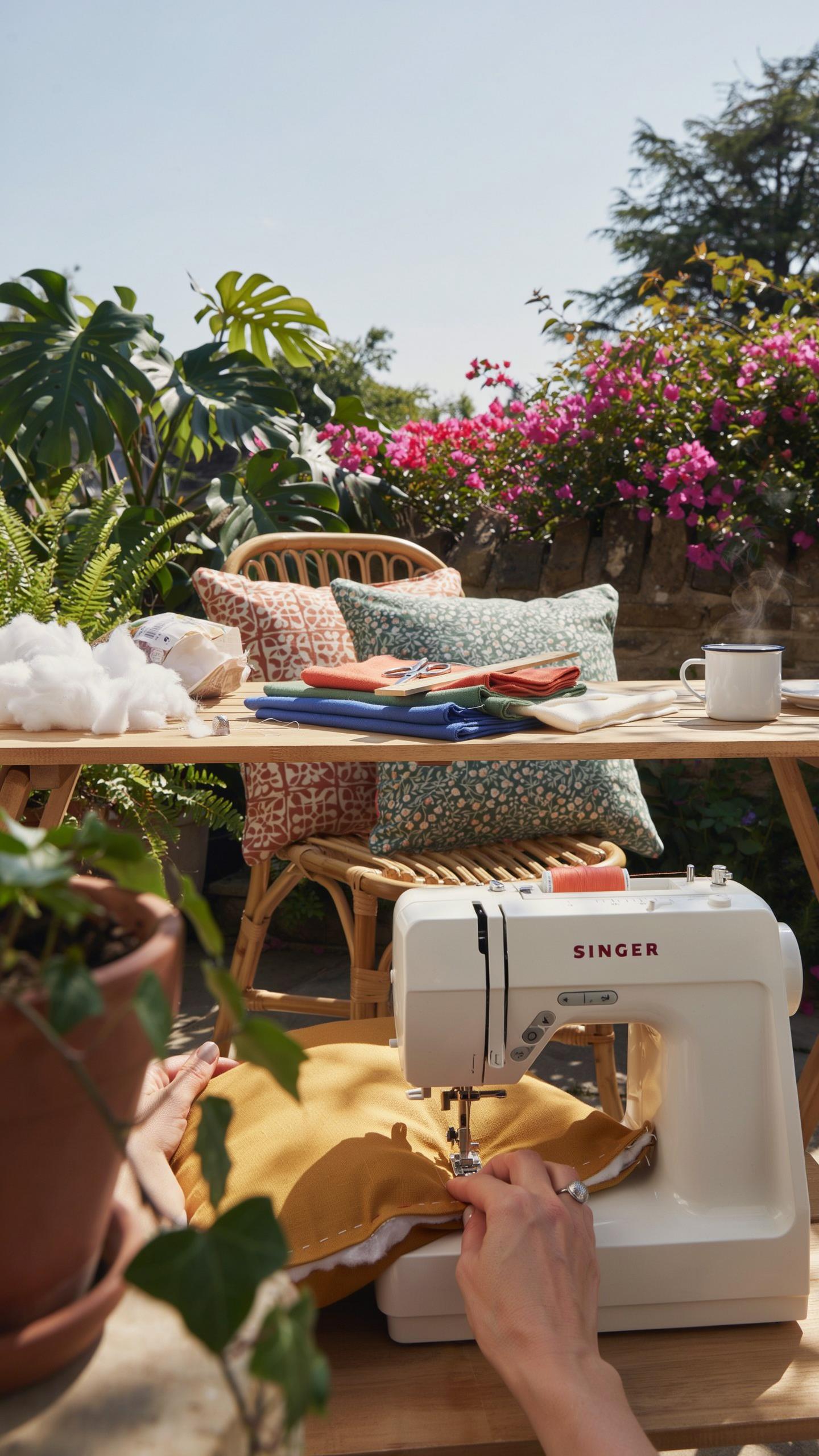
Preparing for a custom upholstery project demands you gather specific materials before starting. You need heavy-duty polyester thread rated for outdoor use, piping cord for reinforced edges, box template shapes to ensure consistent dimensions, and industrial-grade sewing needles that penetrate multiple fabric layers without breaking or bending during construction.
- Heavy-Duty Polyester Thread: Resists UV degradation and moisture absorption better than standard cotton thread. Choose thread rated for outdoor applications to prevent premature breakdown from sun exposure and humidity cycles.
- Piping Cord: Provides structure and reinforcement at seams and edges. Select cord diameter between 3 to 5 millimeters depending on your cushion size and desired visual profile.
- Box Template Shapes: Cardboard or plastic templates ensure all box cushions maintain identical dimensions. Trace templates onto fabric to eliminate measuring errors and speed up cutting across multiple cushions.
- Industrial Grade Sewing Needles: Use size 16 to 18 needles designed for heavy fabrics. These needles penetrate weatherproof fabrics without deflecting, reducing thread breakage during production.
- Measuring Tools and Marking Equipment: Keep a steel ruler, chalk pen, and cutting mat nearby. Accurate measurements translate directly into professional results and minimal fabric waste.
Having your workspace organized with all materials within reach eliminates production delays. Stage materials in the order you use them to maintain workflow momentum and reduce errors caused by switching between tasks too quickly.
Mastering The Box Cushion Stitch Technique
Constructing professional box cushions requires precise corner turning and consistent fabric tension throughout the sewing process. Pin panels securely before running any seams to prevent fabric shifting during stitching. Use a quarter-inch seam allowance as your standard for weatherproof outdoor fabrics, maintaining this measurement consistently across all seams for uniform appearance and durability.

Sew a hidden zipper along the rear edge to create a clean finish while enabling easy access for future maintenance or cover replacement. Position the zipper foot correctly and backstitch at both ends of the zipper run to lock stitches and prevent separation during regular use. This approach keeps the cushion looking finished from all angles while maintaining practical functionality for outdoor environments.
Creative Diy Outdoor Cushions Waterproof Project Ideas
Repurposing Existing Frames With Custom Padding
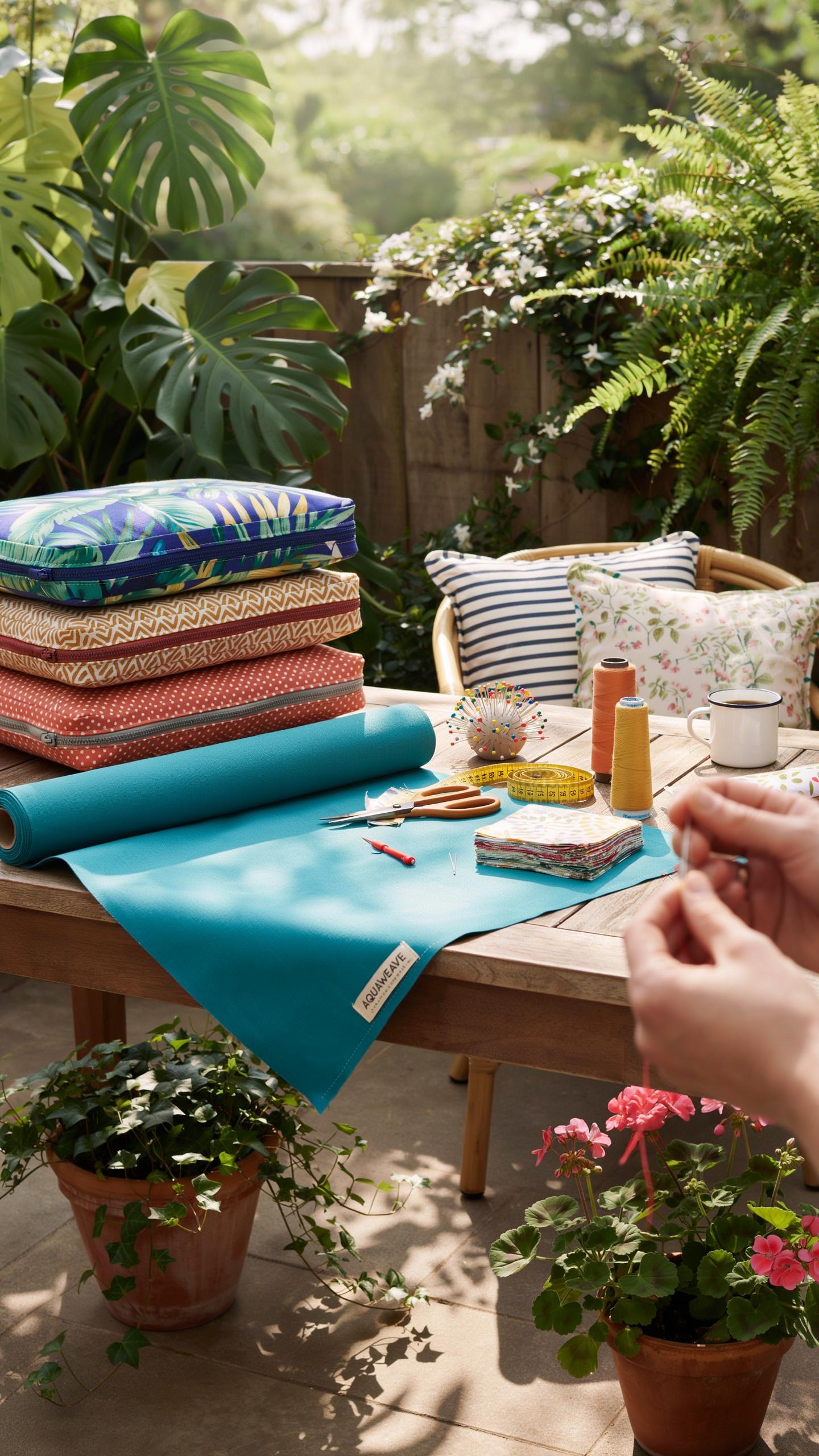
Older wood and wrought-iron frames work well for custom cushion builds. Start by measuring your frame dimensions precisely. Reticulated foam, which has an open-cell structure, allows water drainage and air circulation. Wrap the foam in a waterproof membrane like polyurethane or vinyl-backed fabric. This approach costs less than buying new furniture while preserving frames you already own.
The membrane layer prevents moisture from saturating the foam core. Use a staple gun to secure the waterproof backing underneath the frame. Top fabric then attaches over this moisture barrier. This layering system extends cushion life significantly in wet climates. Custom sizing eliminates gaps and creates fitted support for non-standard frame dimensions.
Handcrafted No Sew Cushion Solutions For Novice Makers
Fabric adhesives designed for outdoor use eliminate sewing requirements entirely. These products bond weatherproof fabrics without stitching, reducing construction time and skill barriers. Heavy-duty folding wraps create clean seams when applied correctly. Start with pre-cut fabric panels sized to your cushion dimensions. Adhesive application takes minutes compared to hand-sewing hours.
Test the adhesive on scrap fabric first to confirm bond strength. Apply in thin, even lines along edges and seams. Clamp or weight the joined sections while the adhesive cures. Most outdoor fabric adhesives cure within 24 hours. This method produces waterproof cushions suitable for direct patio placement without protective storage.
Exploring Advanced Outdoor Fabrics Upholstery Techniques
Achieving Tautness On Curved Metal And Wood Frames
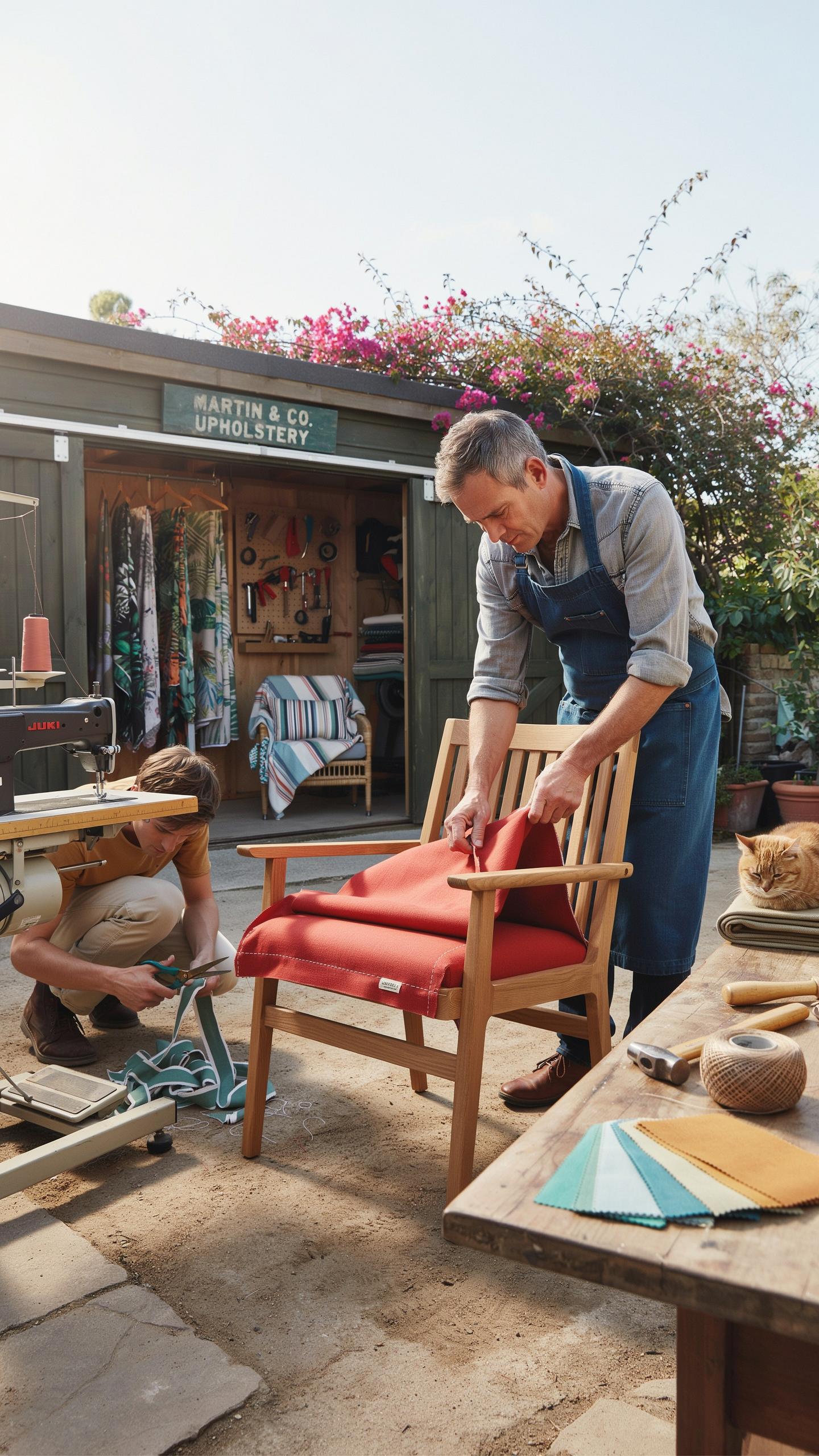
Curved frames demand a specific approach to fabric application. Start at the center point of the curve and pull the performance fabric outward toward the frame edges. This radial pulling method distributes tension evenly and prevents diagonal wrinkles. Staple or tack incrementally as you move outward, alternating sides to maintain balanced tension. This technique works on both metal and wood frames because it counters the natural resistance that complex curves create against fabric.
Wrinkling occurs when you pull fabric in random directions or work from the edges inward. The fabric bunches at the deepest curve points and creates visible folds along the perimeter. Professional installers know that patience during the pulling phase saves correction time later. Test your tension by pressing the fabric midway between staples. It should resist slight pressure without stretching further. This confirms you have achieved the tautness needed for a finished appearance.
The porch is a place to linger, where the golden light of the past meets the comfort of a space refreshed for new memories. Under the open sky, every cushion tells a story of home and the enduring beauty of gathering together.
Securing Weatherproof Zippers And Interior Vent Ports
Weatherproof zippers and ventilation ports serve a critical function in cushion longevity. Corrosion-proof plastic zippers handle moisture exposure better than metal alternatives, which rust and jam. Brass drainage grommets allow water to exit cushion interiors quickly, preventing trapped moisture that breeds mold and mildew. Install grommets on the lowest cushion points so gravity aids drainage. Position zippers away from direct water flow paths to extend their operational lifespan.

Ventilation becomes essential during extended rain and humid seasons. Water that enters cushion covers needs escape routes or it stagnates inside the foam core. This stagnation generates mustiness and accelerates material decay. Brass maintains its integrity in wet conditions far longer than standard metal fasteners. Spacing multiple grommets across the cushion bottom ensures comprehensive drainage rather than relying on a single outlet. This redundancy prevents localized pooling that defeats the ventilation purpose.
Protecting Your Investment With Sturdy Patio Furniture Covers
Key Features Of Premium All Weather Covers
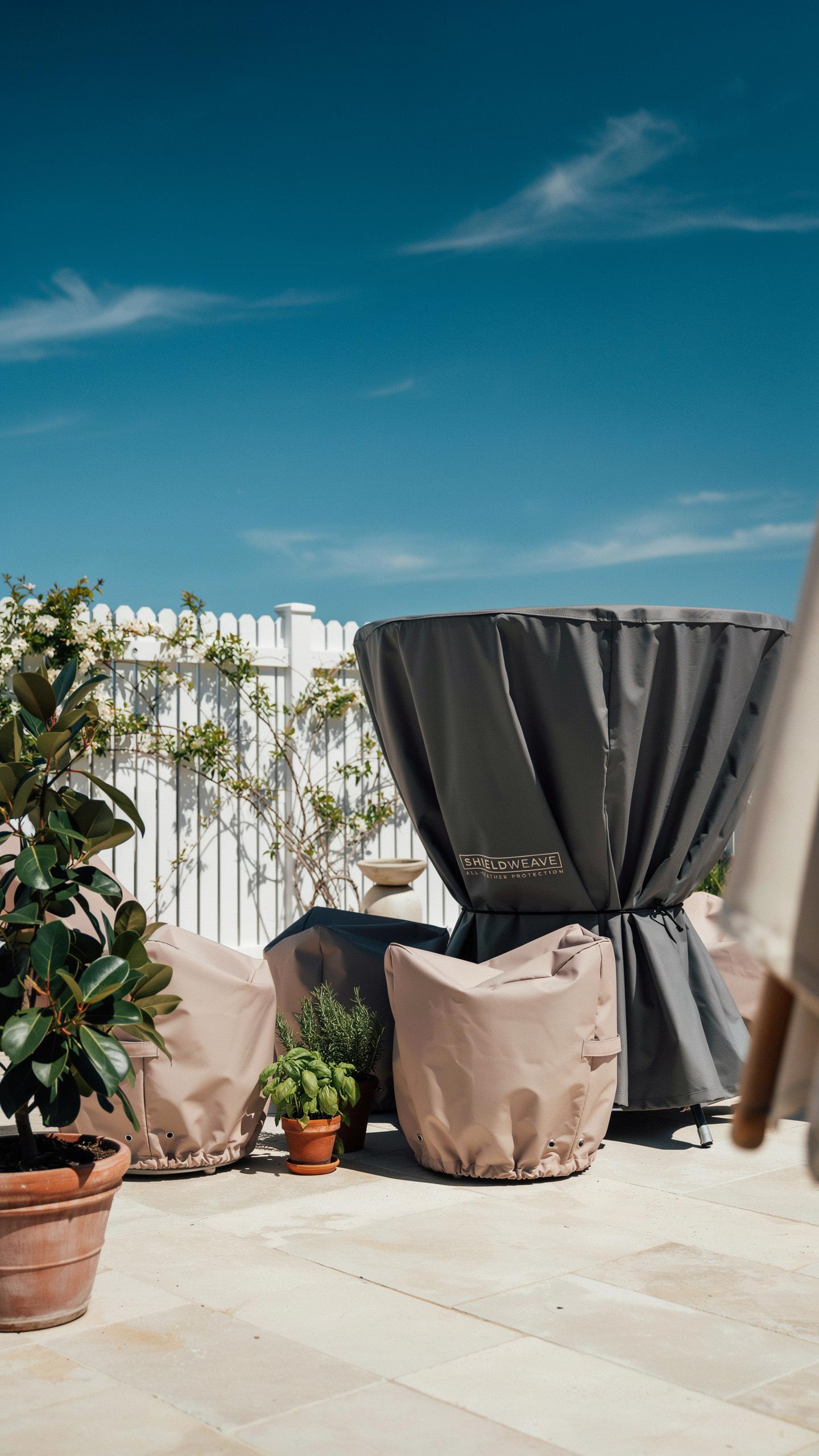
Quality covers stop damage before it starts. Winter weather, bird droppings, tree sap, and UV rays degrade cushions and frames fast. The right cover blocks these threats and extends furniture life by years. Look for specific construction details that separate functional covers from cheap alternatives.
- Double stitched seams: Reinforced stitching at stress points prevents unraveling and keeps the cover intact through wind, rain, and temperature shifts.
- Adjustable drawstring hems: Secure closures prevent covers from shifting during storms and keep debris from creeping underneath where fabric sits exposed.
- Mesh ventilation flaps: Air circulation underneath reduces moisture buildup and mildew growth that damages cushions stored under sealed covers.
- Heavy duty woven polyester: This material resists tearing, blocks UV rays, and sheds water effectively without cracking in cold or heat.
- Reinforced grommets: Metal eyelets distribute stress evenly when ties anchor the cover and prevent ripping at attachment points.
Premium covers pay for themselves through protection alone. A quality cover costs 50 to 200 dollars and prevents cushion replacement costs of 300 to 800 dollars. Install covers when you stop using furniture seasonally or during extended periods of bad weather.
Proper Seasonal Storage And Cover Handling Protocols
Dry cushions before covering them. Moisture trapped under covers breeds mildew in days, not weeks. Wipe cushions clean and let them air dry completely in sunlight. This simple step eliminates the primary cause of fabric and foam deterioration during storage.

Store covered furniture in shaded, dry areas during freezing temperatures. Direct sunlight degrades cover material over time even when temperatures drop. Shade extends cover life and protects the furniture underneath from UV exposure. Frozen ground and snow create moisture issues, so elevate furniture off damp surfaces when possible.
Cleaning And Maintenance Strategies For Weatherproof Textiles
Routine Spot Cleaning Of Dust And Organic Residues
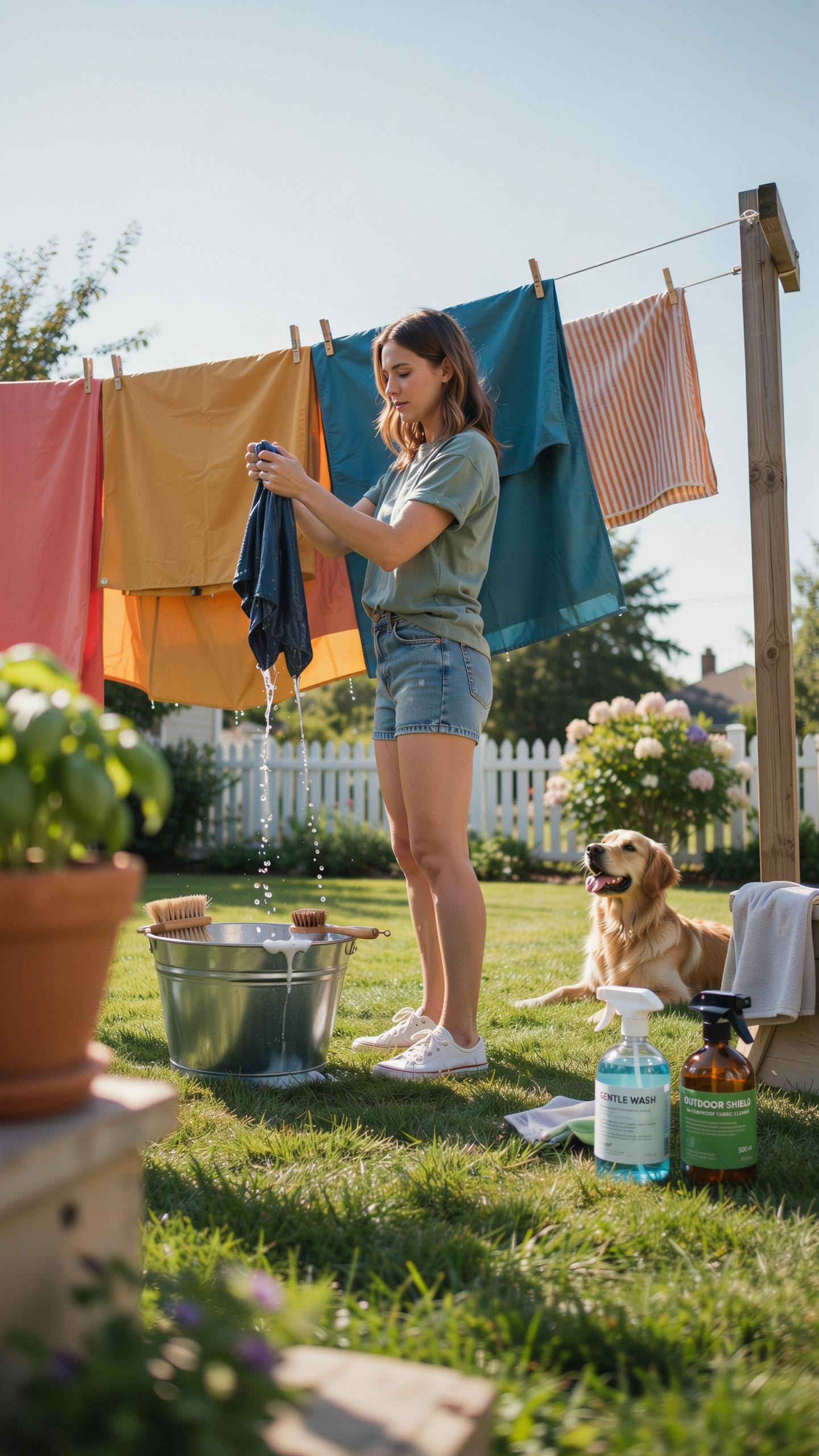
Dust and debris settle into outdoor patio seating weatherproof fabric constantly. Airborne particles embed into fibers if left untreated, reducing fabric performance and appearance. Brush loose debris away with a soft-bristled brush before moisture locks it in place. This takes five minutes and prevents deep contamination.
Mix mild dish soap with warm water to create a cleaning solution. Spray the affected areas and let the solution sit for two to three minutes. Rinse thoroughly with a garden hose using low to medium pressure. Allow the fabric to air dry completely before use. This routine prevents organic matter from breaking down the fabric’s protective coatings.
Deep Cleaning Fabric To Eradicate Stubborn Stains And Mold
Mold and biological stains require stronger intervention than routine cleaning. Diluted bleach solutions work on bleach safe acrylic yarn, the most common fiber in outdoor patio seating weatherproof fabric. Test the bleach solution on a hidden fabric section first. Apply it only to affected areas and never oversaturate the material.
Flat air drying is critical after deep cleaning treatments. Hanging or bunching wet fabric distorts the frame shape and damages internal chemical coatings that provide water resistance. Lay cushions and panels flat on a clean surface in direct sunlight. Full drying typically takes 24 to 48 hours depending on humidity and temperature conditions.
Frequently Asked Questions

What exactly makes fabric considered “weatherproof” for patio furniture?
Weatherproof materials are engineered to repel water and resist the damaging effects of UV rays. Unlike standard textiles, high-quality outdoor patio seating weatherproof fabric is typically solution-dyed, meaning the color goes all the way through the fiber. This process prevents fading and ensures the material won’t degrade when exposed to rain or sun, allowing your outdoor living space to remain vibrant and functional throughout the entire summer season.
How do I properly maintain outdoor cushions to keep them looking brand new?
To maintain your outdoor patio seating weatherproof fabric, start by brushing off loose dirt before it settles. For a deeper clean, use a mixture of mild soap and lukewarm water with a soft bristle brush. Always allow the fabric to air dry completely. While these materials are designed for durability, storing cushions in a deck box during extreme winter weather or heavy storms will significantly extend the life of your investment.
Is it possible to find stylish weatherproof options if I am on a tight budget?
Absolutely! You don’t need a designer budget to refresh your space. Many affordable retailers now offer polyester-based fabrics treated with specialized water-resistant coatings that provide excellent durability at a lower price point. To save money, consider purchasing high-quality slipcovers instead of replacing entire furniture sets. This allows you to achieve a high-end look and enjoy the benefits of protective technology without the premium cost of custom upholstery.