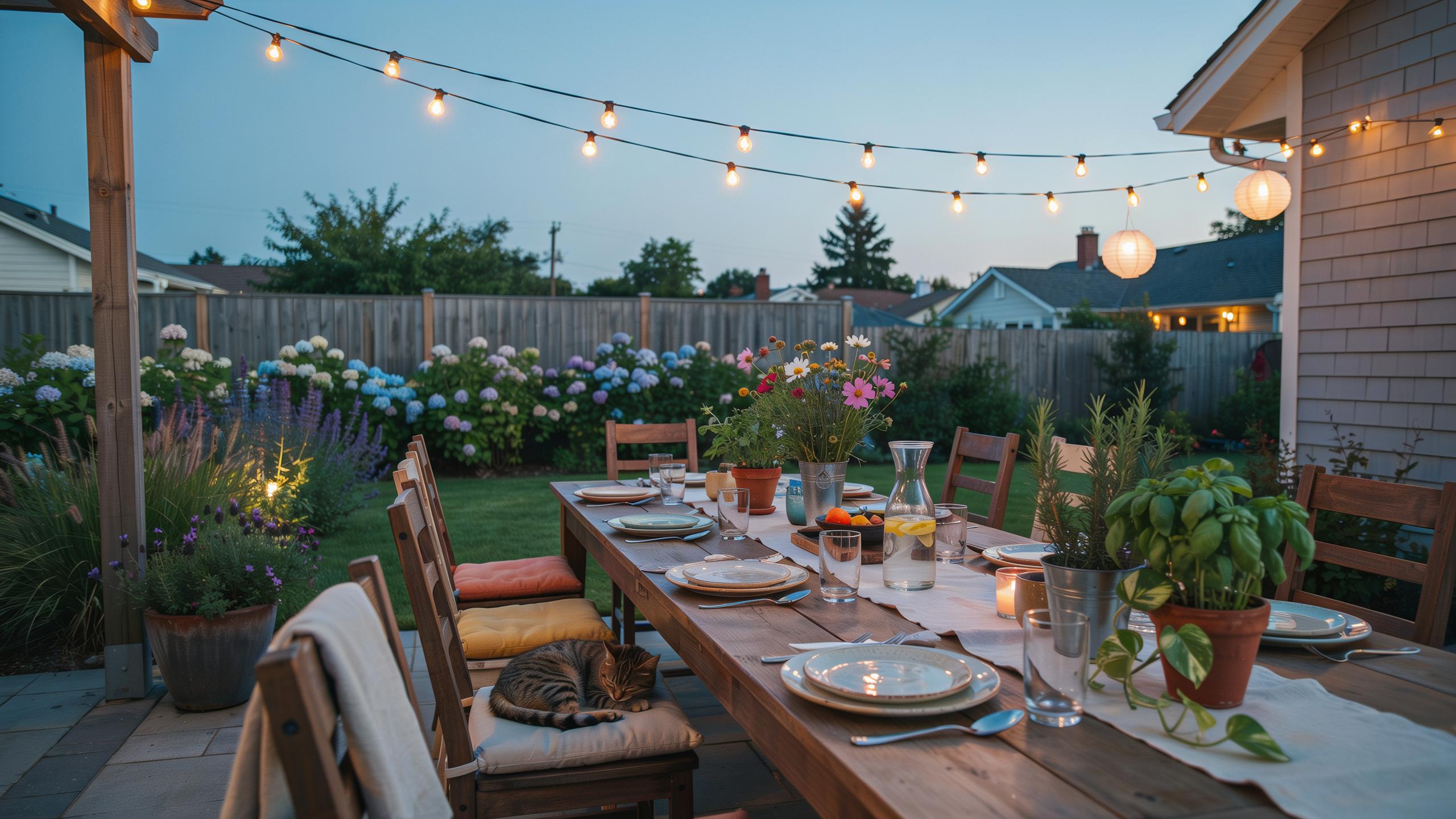
Why Backyard String Lights Make Every Gathering Feel Magic
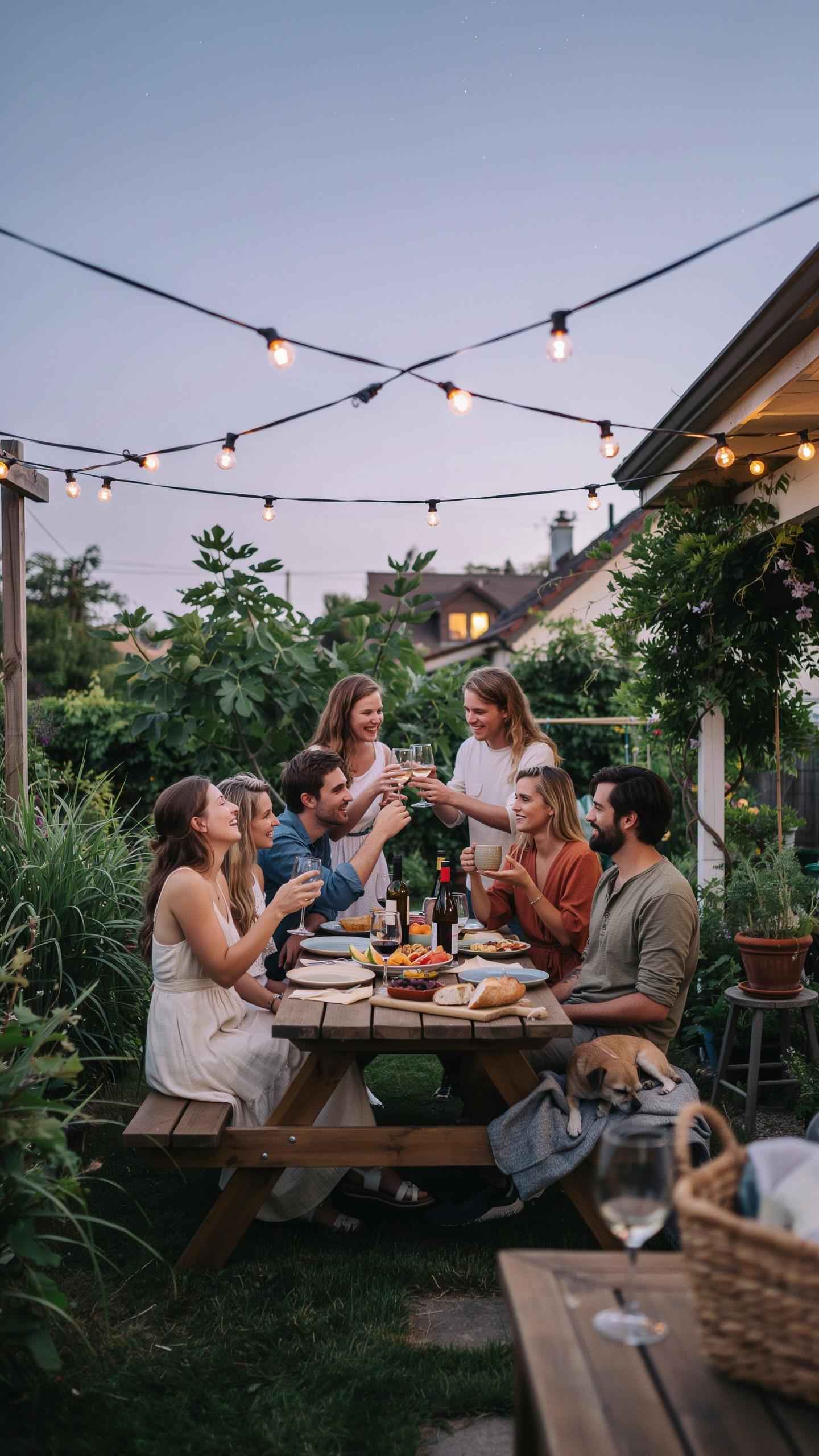
Setting The Mood
Soft overhead lighting shifts outdoor space energy immediately. Plain backyards transform into intimate venues when you add hanging lights. The glow encourages guests to relax and stay longer after dark. Conversations flow naturally under warm illumination. People linger instead of retreating indoors early.
Backyard string lights work because they reduce harsh shadows cast by direct overhead fixtures. The distributed light source creates even coverage across seating areas. Guests feel comfortable and welcomed rather than exposed. This psychological effect drives engagement and extends your event duration significantly.
Photogenic Evenings
Warm bulb illumination eliminates the harsh shadows that plague outdoor evening photography. Your guests photograph well without squinting or casting dark lines across their faces. The lighting creates natural-looking images suitable for social sharing. Evening photos gain clarity and warmth without requiring flash or artificial adjustments.
String lights provide consistent, directional illumination that flatters skin tones and surroundings equally. Unlike stadium lights or spotlights, hanging bulbs distribute light diffusely across your space. Guests appear relaxed and natural in photos rather than washed out or overly shadowed. This creates an environment where people feel confident capturing and sharing moments from your gathering.

Essential Planning For String Lights Backyard Success
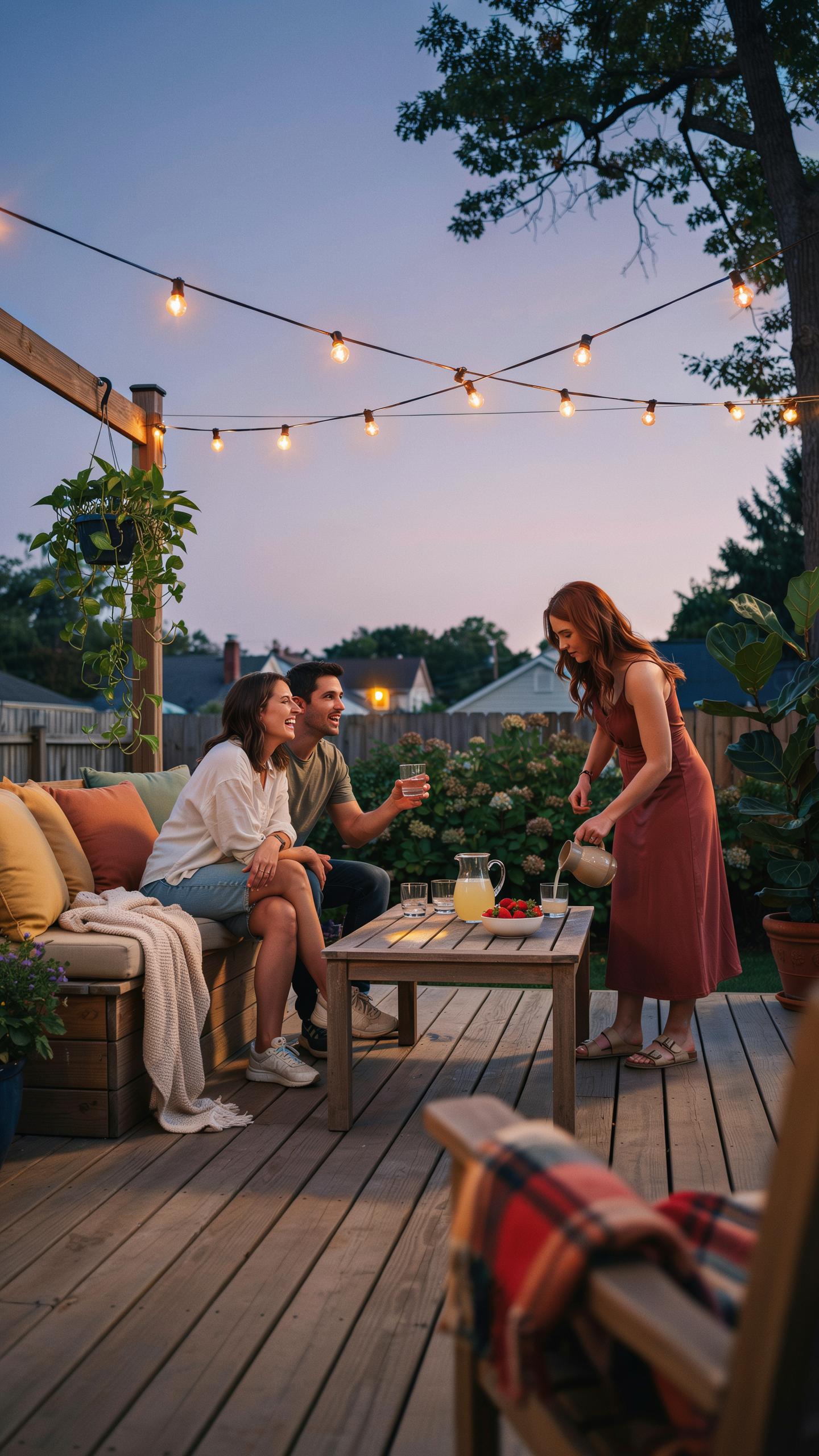
Measuring Your Space
Start by measuring the exact distance between your power source and each anchor point where you plan to hang lights. Account for the natural sag that occurs when string lights span a distance. Most commercial string lights sag between 6 to 12 inches depending on span length and wire gauge. Record these measurements before purchasing cord or lights to avoid buying incorrect lengths or running out of cable mid-project.
Calculate total run length by adding your measured distances plus 20 percent extra for connections and adjustments. This buffer prevents the frustration of coming up short and forces you to plan anchor points realistically. Mark anchor points on posts, trees, or structures with tape or chalk. Double check all measurements twice before ordering materials to eliminate costly mistakes and wasted trips.
There is something magical about a string of lights that turns a simple yard into a sanctuary of shared stories. A few well-placed glows are all you need to invite the stars down for a gathering.
Power Sources And Safety
Locate your exterior GFCI outlet first. Standard household outlets lack the safety mechanisms required for outdoor wet environments. GFCI outlets detect electrical faults and shut down power in milliseconds, preventing shock hazards. If no outlet exists near your string light area, plan your extension cord route before setup.

Run heavy duty extension cords along existing structures like fence lines or deck edges to minimize tripping risks. Never leave cords exposed across walkways where guests or children might catch their feet. Use cord clips or tape to secure cables to surfaces. Keep extension cords at least 10 feet away from water sources like pools or fountains to maintain safety margins.
Choosing The Best Outdoor String Lights For Your Yard
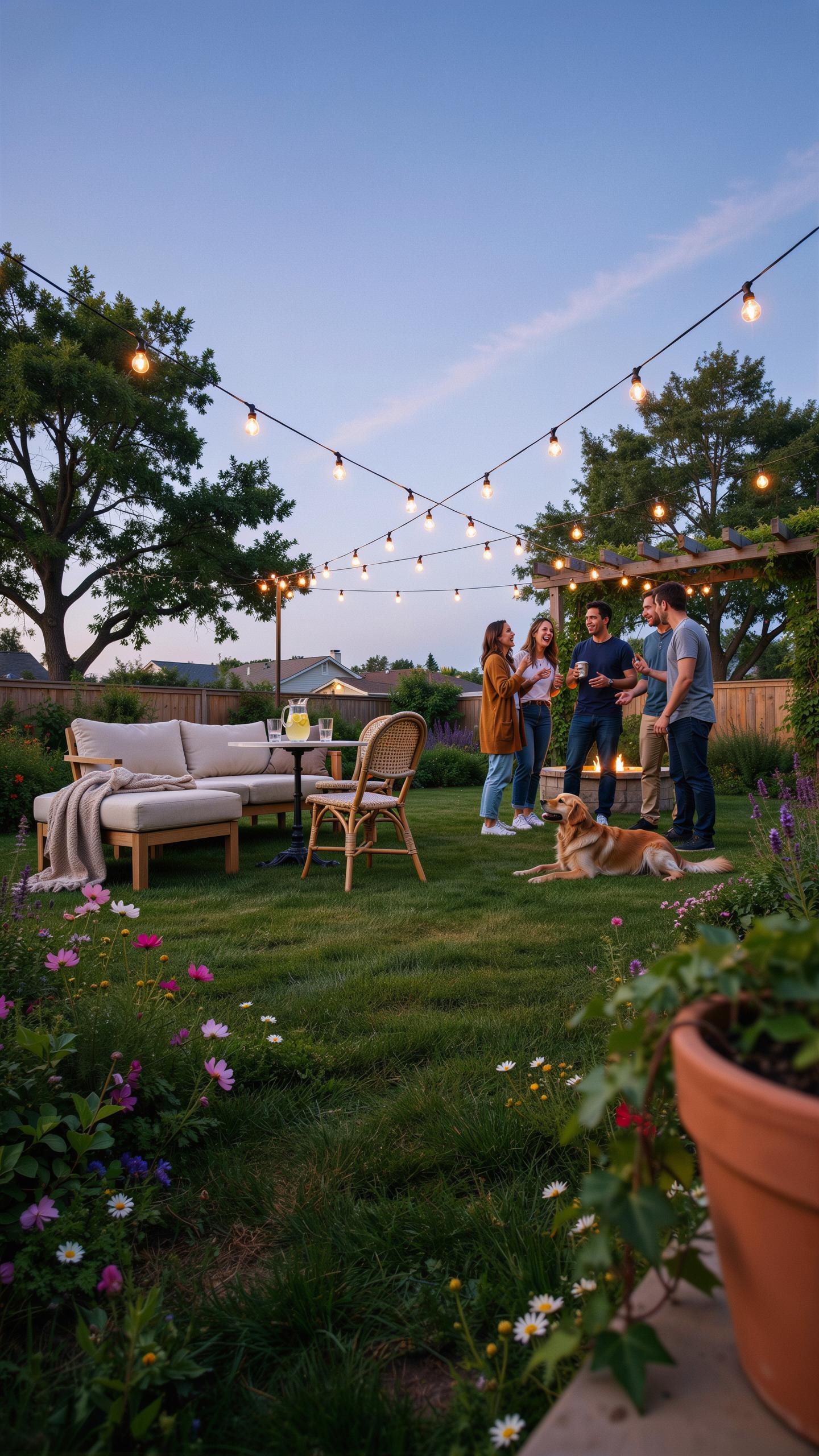
Bulb And Cable Types To Consider
Selecting the right materials determines the longevity and aesthetic of your setup. Cable gauge affects durability in weather conditions. Bulb type impacts both brightness and heat output. Your choice depends on climate exposure and how often you host events.
- Commercial-grade heavy-duty cables: Rated for year-round outdoor use. These withstand temperature swings and UV exposure without degrading. They cost more upfront but last five to seven years.
- Energy-efficient LED bulbs: Consume 75 percent less energy than incandescent options. They stay cool to the touch, reducing fire risk. LED bulbs last 25,000 to 50,000 hours of operation.
- Classic incandescent bulbs: Produce warm 2700K color temperature light. They work well for vintage or rustic aesthetics. Incandescent bulbs burn hotter and fail faster in wet conditions.
- Shatterproof plastic bulbs: Designed for high-traffic areas and windy locations. They resist breakage from impact or weather stress. Plastic bulbs diffuse light evenly across your space.
- Weather-resistant connectors: Prevent moisture from entering electrical connections. Sealed connectors reduce corrosion and short circuits. They extend the lifespan of your entire string light system.
Matching cable quality to bulb type ensures reliable performance. Heavy-duty cables support heavier LED fixtures without sagging. Budget for replacement every few seasons depending on exposure.
Powering Up: Solar Vs. Wired Options
Hardwired plug-in lights offer reliable, consistent brightness throughout the night but require close access to an electrical outlet. These systems pull power directly from your home or a dedicated outdoor circuit. Installation demands running weatherproof cables to your hosting area. Brightness remains constant regardless of weather conditions.

Solar-powered string lights offer maximum placement flexibility without cords. Their brightness depends heavily on daily sunlight exposure and battery capacity. Cloudy climates or shaded yards reduce their effectiveness significantly. Solar options work best in regions with consistent direct sunlight during daylight hours.
How To Hang Patio Lights Securely And Safely
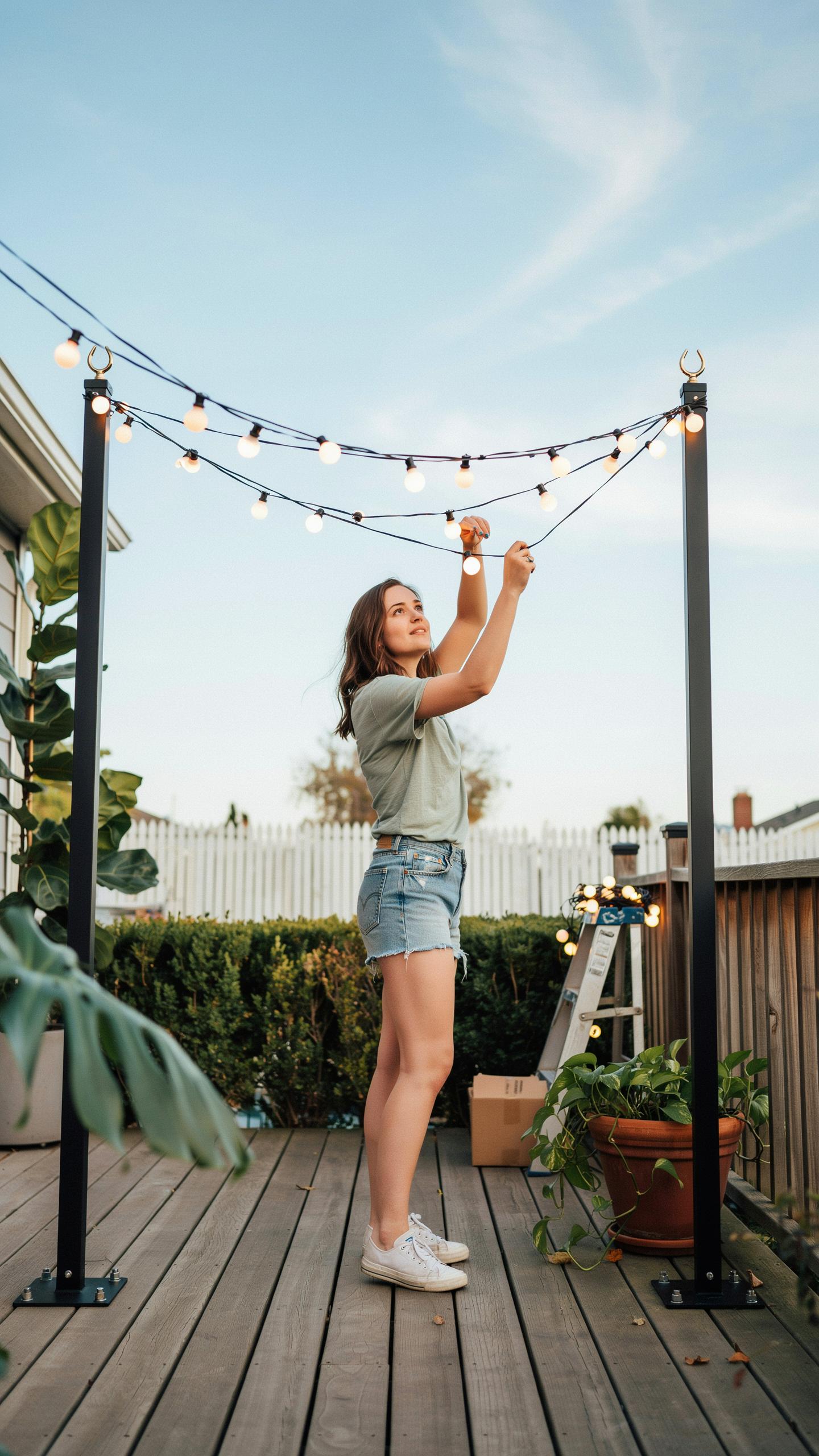
Using Guide Wires For Structural Support
Long spans of string lights require structural reinforcement to prevent failure. Stainless steel tension cables or guide wires absorb the weight of electrical cords and resist wind pressure. Install guide wires parallel to your light strands, anchoring them to fixed points like posts, trees, or roof eaves. This system keeps cords from sagging, stretching, or snapping during storms.
Guide wires work by distributing load across multiple anchor points rather than concentrating stress on individual fixtures. For commercial-grade strands with heavier bulbs, guide wires become non-negotiable. Stainless steel resists rust and UV degradation, extending the lifespan of your entire installation. Proper tensioning prevents the dangerous sag that creates trip hazards and exposes electrical connections to water pooling.
Smart Attachment Hardware
The hardware you choose determines whether your lights stay secure or damage your property. Insulated cup hooks screw directly into wood surfaces and provide reliable anchor points for light cords. Zip ties offer flexible routing options, though they work best for temporary installations or light-duty applications. Specialized outdoor mounting clips designed for string lights grip cords without pinching wires or compromising insulation.

Avoid using nails or standard hooks that lack proper insulation and electrical protection. Damaged wire insulation creates shock hazards and accelerates corrosion. Stainless steel or galvanized hardware resists rust in outdoor conditions. Test your attachment points before the full installation to confirm they support the weight without slipping or rotating under tension.
Creative Patterns And Outdoor String Lights Ideas

The Classic Zig Zag Pattern
The zig-zag pattern distributes light evenly across large open spaces without dead zones. Run your cord back and forth between your home’s roofline and fence posts or trees. This method works because the repeating diagonal lines create consistent illumination across the entire area. Anchor points must support the cable weight, so verify structural integrity before installation.
This pattern requires minimal planning and adapts to any yard layout. Start by identifying anchor points at equal distances. Run cables taut between them in alternating directions. The result is a grid that covers your entire patio with balanced lighting. Most setups use standard 25-foot or 50-foot strands arranged in parallel lines.
The Perimeter And Canopy Layouts
Perimeter layouts frame your deck or patio edges to define the outdoor space clearly. Run lights along the boundary where your entertaining area begins and ends. This approach creates a visual boundary without overwhelming the space with overhead coverage. Canopy layouts radiate from a central pole to form a tent-like ceiling above seating areas.

Canopy designs work best over dining tables or lounging zones where people gather. Mount the central pole securely, then run cables outward to surrounding trees or posts. Stagger the cable heights to create dimension and prevent the overhead view from looking flat. Both layouts require fewer total lights than zig-zag patterns but deliver high visual impact in targeted zones.
Installing Backyard String Lights Without Existing Trees
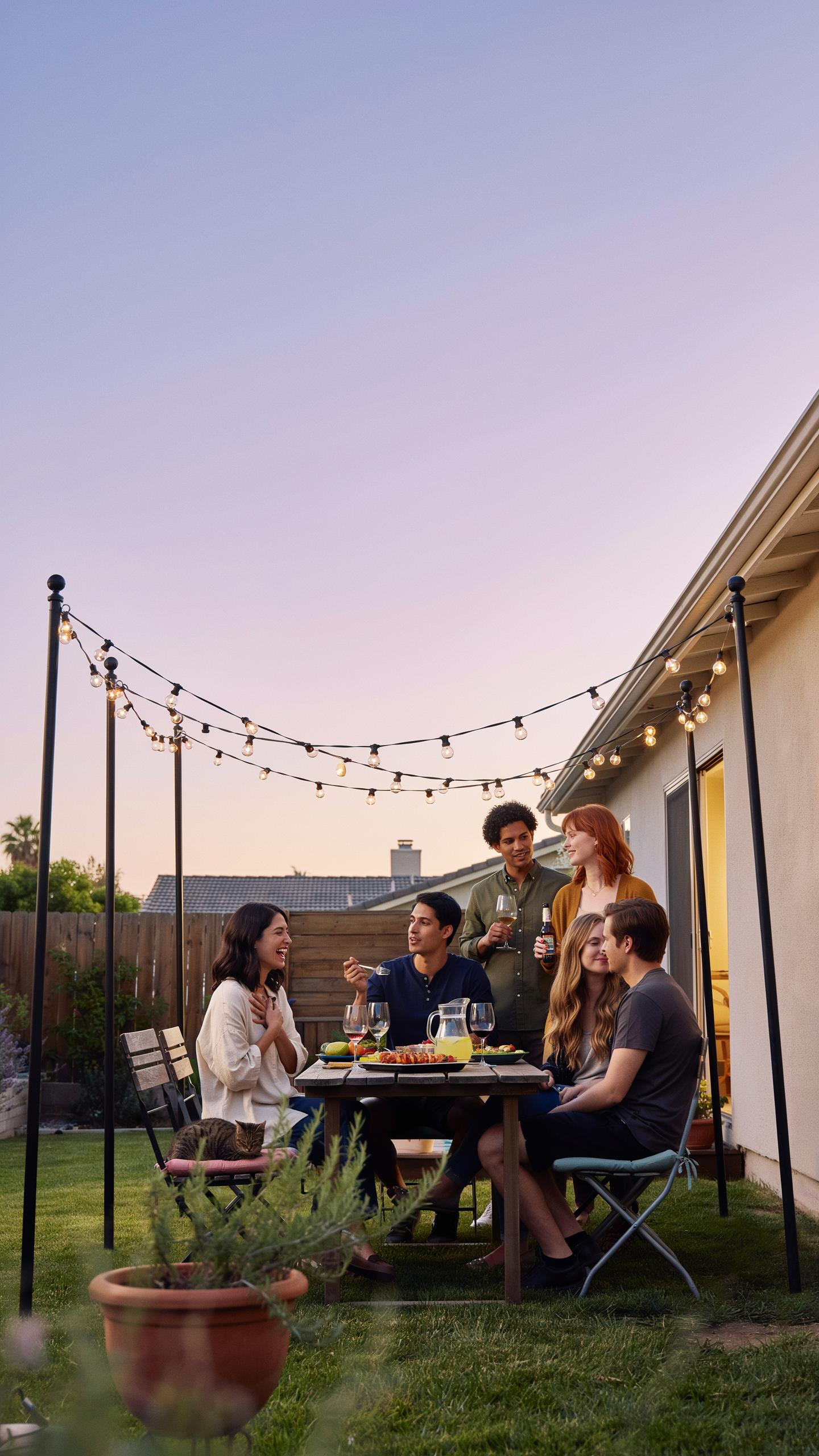
Mounting Wooden Or Metal Poles
Yards without trees require structural solutions. Install 4×4 wooden posts or metal conduit pipes inside heavy planters and fill them with concrete. This creates freestanding anchor points that hold string lights securely. The concrete base prevents tipping when wind loads hit the cables. Space poles 12 to 15 feet apart for optimal light distribution and structural stability.
Concrete footings must cure fully before hanging lights. Mix concrete according to manufacturer instructions and allow 24 to 48 hours for hardening. Use planter boxes with drainage holes to prevent water pooling. Galvanized hardware resists rust and extends the lifespan of your installation. This approach works for temporary seasonal setups or permanent outdoor spaces.
Using Fences And Pergolas
Existing yard structures like fences and pergolas serve as natural mounting points. Attach cables directly to sturdy wooden fence posts using lag bolts and eye hooks rated for outdoor use. Weave strands through pergola rafters to distribute weight evenly across the structure. This method eliminates the need for additional poles and maximizes your yard’s current architecture.

Verify fence and pergola construction before installation. Check that posts are set in concrete footings and not simply driven into soil. Inspect wood for rot, which weakens structural integrity under load. Metal pergolas require stainless steel hardware to prevent corrosion. Calculate total cable weight and confirm your structure can handle the tension without sagging or damage.
Brilliant Backyard Hanging Lights Styling Tips
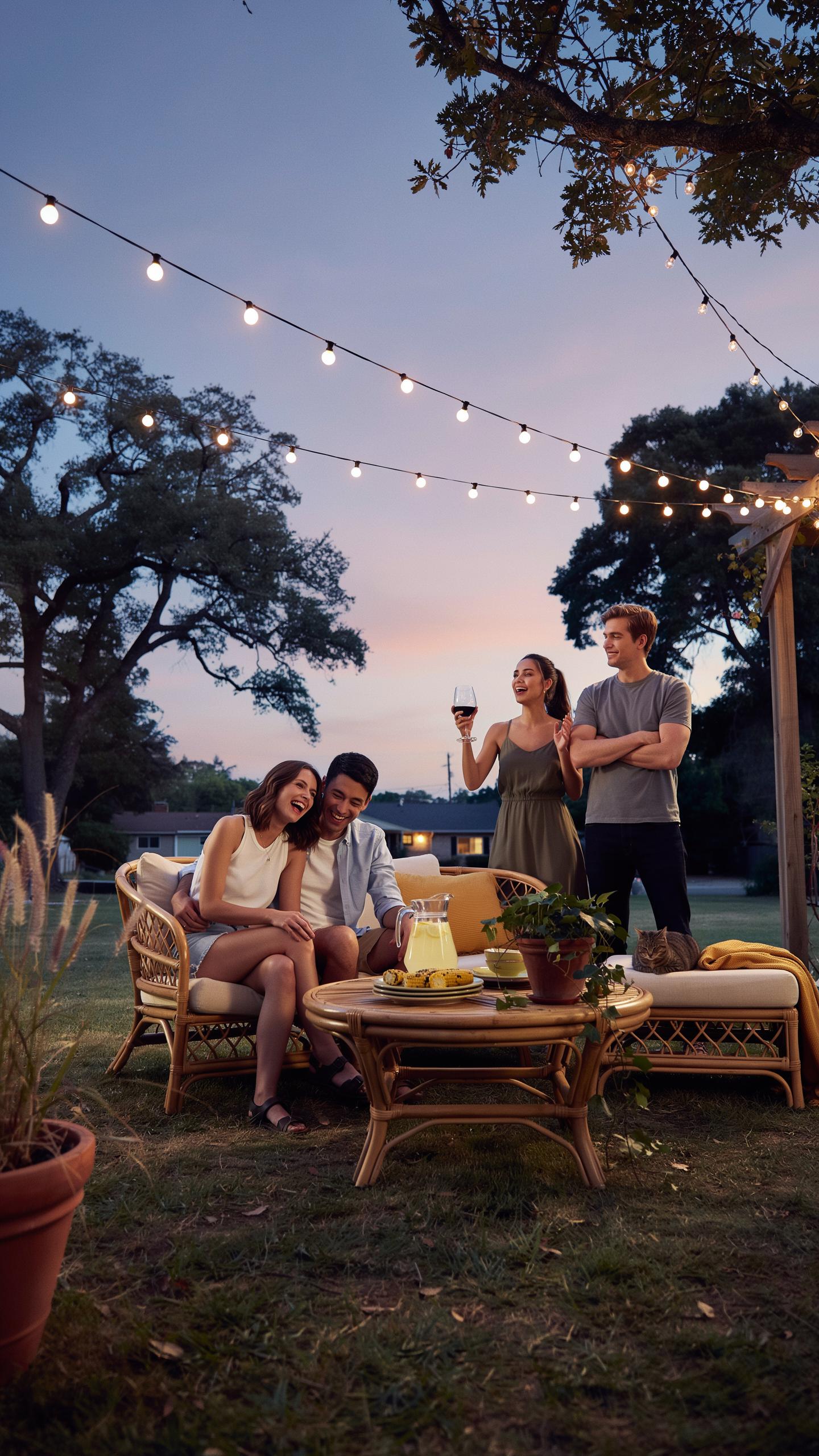
Layering Your Outdoor Illumination
Overhead strands alone create flat, one-dimensional lighting. Combine hanging bulbs with tabletop candles, ground-level path lights, and a central fire pit to build depth and visual interest. This approach gives guests multiple focal points and controls where attention lands throughout your space.
Layered lighting serves tactical purposes beyond aesthetics. It extends usable hours into evening, improves safety by eliminating dark zones, and allows you to adjust brightness based on the event. Mix warm overhead bulbs with cooler accent lights to create zones that feel intentional rather than accidental.
Integrating Greenery And Nature
String lights threaded through tree canopies or draped alongside climbing vines blend into your landscape instead of standing out as obvious fixtures. This integration hides cable lines and anchoring points that otherwise draw the eye. The foliage acts as a natural diffuser, softening light distribution across your space.

Position lights within dense branches to create pockets of illumination rather than continuous brightness. This technique reduces glare and prevents your backyard from feeling like a parking lot. Dense trees also protect bulbs from wind damage while providing natural structure for cable support without additional hardware.
A Simple Outdoor String Lights DIY Maintenance Guide
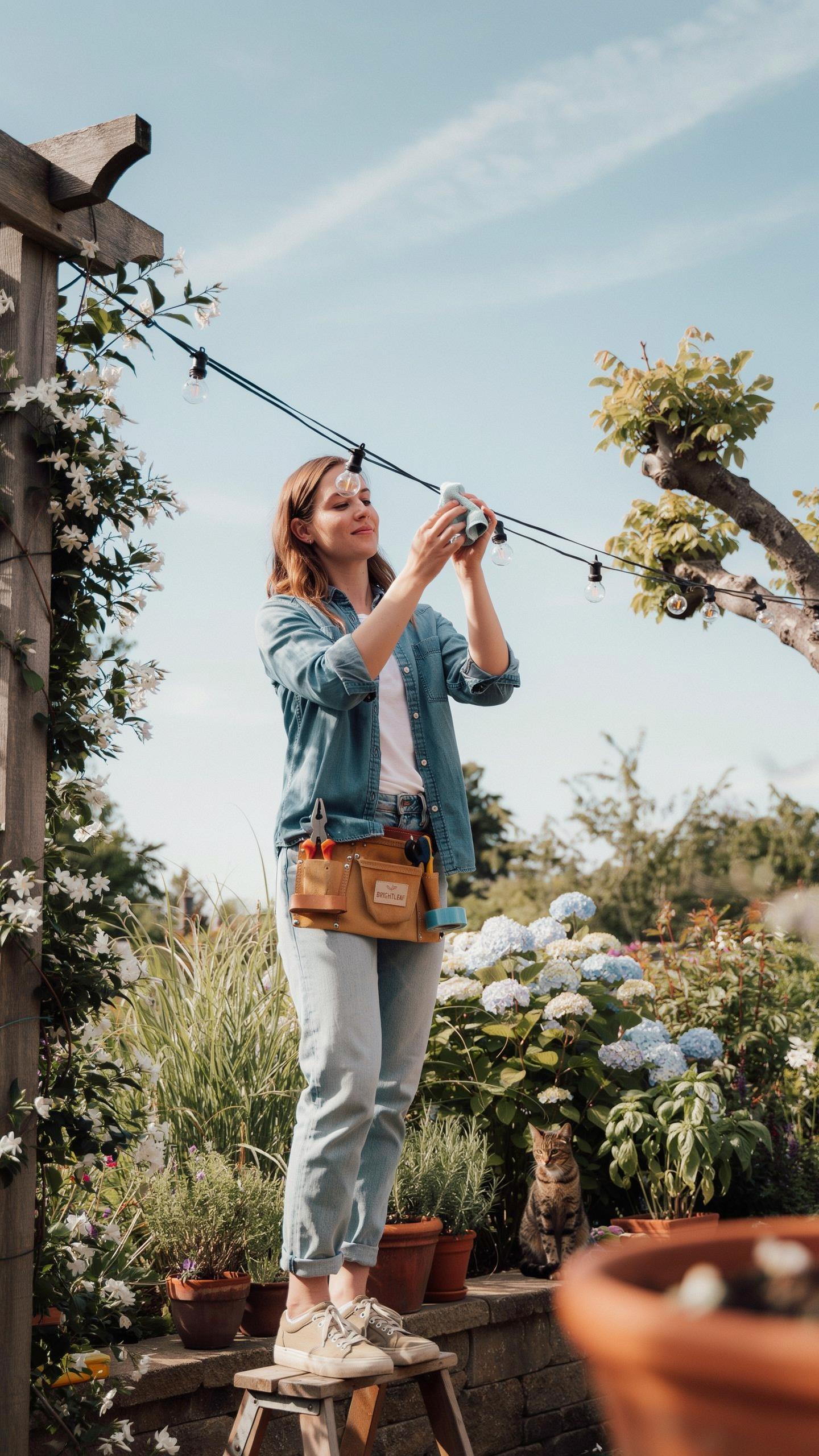
Essential Steps For Seasonal Protection
Outdoor string lights deteriorate without routine care. Dust and pollen accumulate on bulbs and reduce light output. Wind loosens connections and strains wiring. Dead bulbs break the circuit and kill entire sections. Harsh weather damages unprotected strands. A maintenance schedule keeps your setup functional and bright for years.
- Clean bulbs seasonally: Use a damp cloth to wipe dust and pollen from each bulb. Do this quarterly or after heavy weather. Cleaning restores brightness and improves visibility of burnt-out bulbs.
- Tighten guide wires: Check support cables and anchor points every season. Wind and weight cause wires to loosen. Tight wires prevent excessive swaying and reduce stress on connections.
- Replace burnt out bulbs immediately: One dead bulb can disable an entire strand depending on wiring type. Check for broken glass or blackened filaments. Replace with matching bulb type and wattage.
- Store non weatherproof strands indoors: Remove lights rated for temporary use before winter arrives. Coil strands loosely and store in a dry container. Moisture damages circuits and creates electrical hazards.
- Inspect connections and plugs: Look for corrosion, loose fittings, or exposed wiring. Tighten male and female connectors by hand. Replace damaged plugs before reinstalling lights.
Storage matters. Non weatherproof strands fail quickly in freezing temperatures and moisture. Year round outdoor installations need weatherproof or commercial grade lights designed for constant exposure. Know your strand rating before purchasing.
Troubleshooting Common Electrical Issues
Dark sections mean power stops flowing. Start by checking the fuse inside the male plug of the affected strand. Most outdoor strands use replaceable fuses rated for specific amperage. A blown fuse indicates an overload or short circuit. Replace the fuse with the correct amperage rating only.

Sealed connections prevent moisture from triggering failures. Wrap all outdoor connections with electrical tape to block water and humidity. Check that your GFCI outlet outlet has not tripped. A tripped GFCI cuts power to the entire circuit for safety. Press the reset button on the outlet face to restore power. Test the strand after resetting to confirm it works.
Frequently Asked Questions

What are the best patterns for hanging string lights in a small backyard?
For those exploring backyard hosting ideas string light placement is most effective when using the “V” or “Zig-Zag” pattern. These layouts draw the eye upward, making a compact patio feel much more spacious and festive. By focusing your lights above the main dining area or lounge seating, you create a cozy “outdoor room” effect that provides enough glow for visibility without overwhelming the intimate setting of your garden.
How do I securely hang string lights if I don’t have enough trees or tall fences?
If your space lacks natural anchors, you can easily install wooden 4×4 posts or sturdy metal poles in heavy, decorative planters filled with concrete. This method allows for customized backyard hosting ideas string light placement anywhere you need illumination. Once the posts are secure, use stainless steel guide wires and carabiners to support the weight of the strands, ensuring they stay taut and safe during windy weather or lively evening parties.
Can I create a high-end lighting look on a limited budget?
Absolutely! You can achieve a professional aesthetic by mixing standard incandescent globe lights with affordable solar-powered flickering lanterns at ground level. To save money, focus your strands on a single focal point, such as a pergola or a central fire pit, rather than trying to outline the entire perimeter. Using command hooks on siding or simple zip ties on existing structures are also great ways to keep installation costs low.