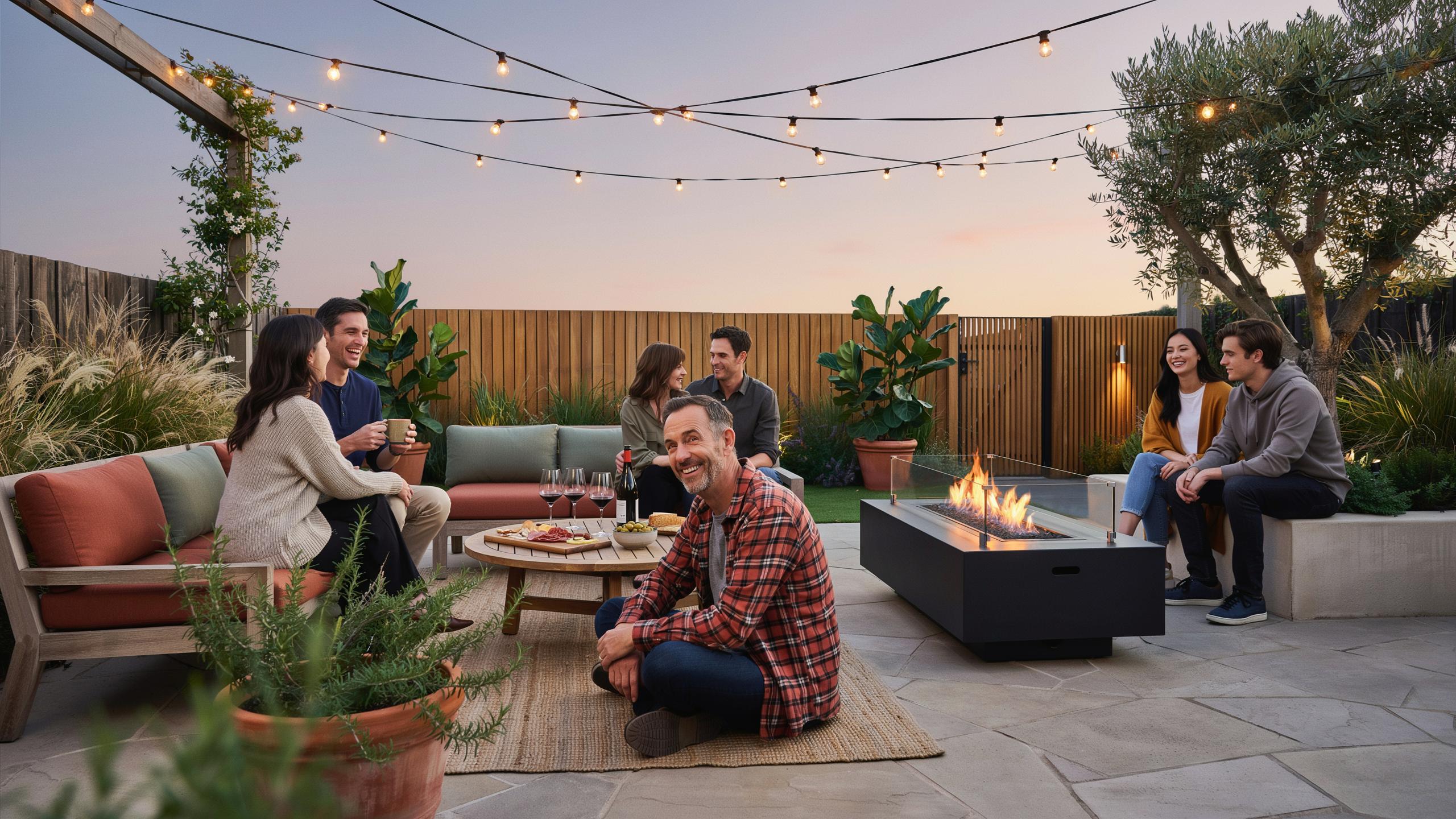
Incorporating A Backyard Entertaining Space Fire Feature In Your Backyard Remodel
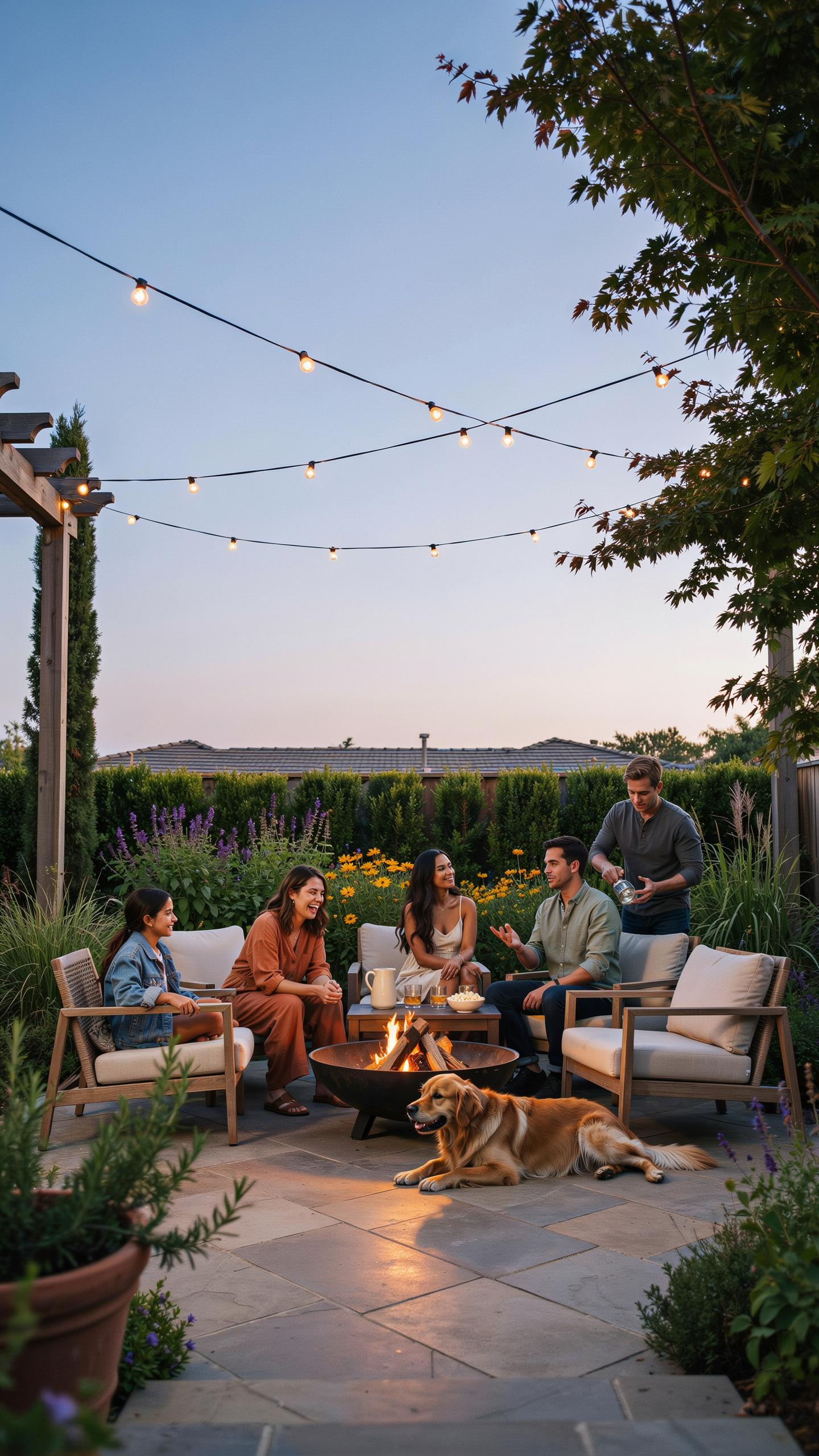
Assessing Your Space For The Perfect Fire Installation
Start by measuring your yard’s usable area and identifying the zone where you’ll place your fire feature. Most fire pits need 10 to 15 feet of clearance from structures, trees, and overhead branches. Check local fire codes through your city or county building department, as requirements vary significantly by location. Wind patterns matter too. Observe how wind moves through your yard at different times of day to avoid pushing smoke toward seating areas.
Ground conditions determine installation stability and safety. Soft soil requires a concrete pad or gravel base to prevent tipping and settling. Hard clay or compacted earth works but may shift over seasons. Identify utility lines before digging by calling your local utility locating service. This prevents hitting gas, electric, or water lines. Assess drainage around the installation site, as standing water creates safety hazards and accelerates material deterioration.
Choosing The Right Fuel Source For Convenience And Heat
Wood burning offers authentic fire experience and lowest upfront cost, but requires regular fuel supply, ash cleanup, and active fire management. You cannot leave it unattended safely. Smoke output varies with wood type and moisture content. Dry hardwoods produce less smoke than softwoods or wet wood. This option suits people who enjoy hands-on fire tending and accept maintenance demands.
Propane and natural gas eliminate fuel storage and cleanup while delivering consistent heat and flame control. Propane requires tank refills, typically lasting one to three seasons depending on use frequency. Natural gas ties to your home’s gas line, eliminating refills but requiring professional installation and limiting placement options. Both offer on-demand operation and cleaner burning than wood. Choose based on your mobility preferences and how often you use the feature.
Creating Warmth And Ambiance In Outdoor Living Rooms
Defining Zones For Lounging And Dining Areas
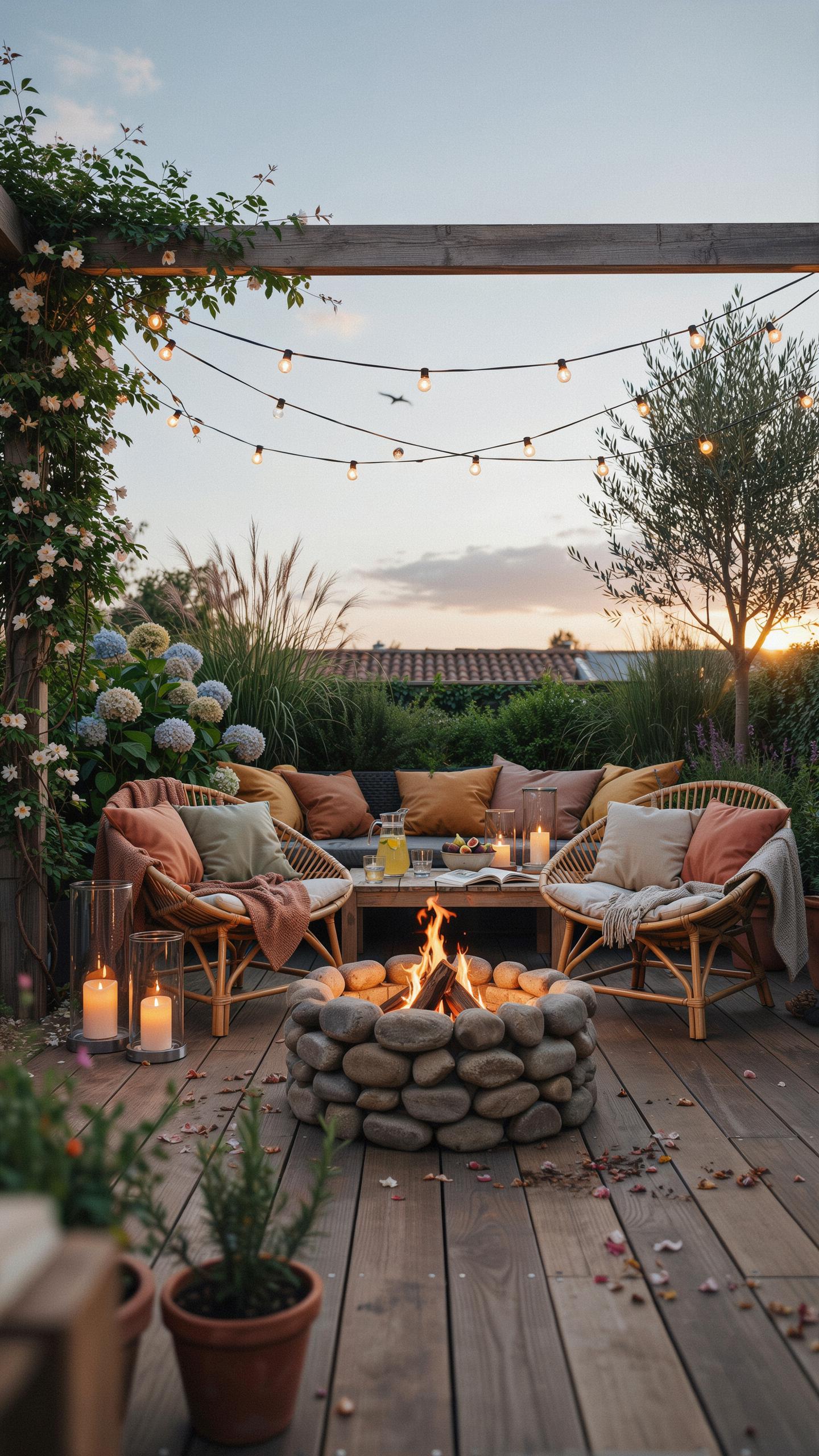
Position your fire feature to serve as the focal point that organizes your layout. Place seating in curved arrangements around the fire to maximize sightlines and conversation flow. This setup works whether you use a fire pit, fireplace, or linear burner. The fire becomes the natural gathering point that pulls people together and eliminates awkward dead space in your patio.
Separate lounging zones from dining zones by distance and furniture type rather than physical barriers. Keep lounging areas close to the fire for warmth and intimacy. Position dining tables ten to fifteen feet away to prevent heat and smoke from reaching food and guests. This spacing allows one fire feature to serve dual purposes while keeping each zone functional and distinct.
Essential Materials For Weather Resistant Comfort
Choose materials that handle moisture, temperature swings, and UV exposure without degrading. Your fabric and furniture selections directly impact how long your entertaining space remains functional and inviting. Proper material selection eliminates constant replacement cycles and keeps your space looking intentional year-round.
- Sunbrella and solution dyed acrylic fabrics: These resist fading, mildew, and water absorption. They dry quickly and maintain color for years in direct sun.
- Teak wood: Contains natural oils that resist rot and weathering. It ages gracefully to silver gray without requiring sealant applications.
- Aluminum and stainless steel frames: Both resist corrosion and require minimal maintenance. Aluminum stays cooler in direct sun than steel options.
- Polypropylene and resin wicker: These synthetics resist moisture and UV damage. They mimic natural wicker appearance without rotting or splitting.
- Powder coated metals: Factory coating prevents rust on iron and steel furniture. Recoat if the finish chips to prevent corrosion underneath.
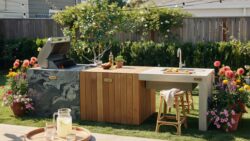
Layer your materials strategically across seating, tables, and decorative elements. Mix teak frames with Sunbrella cushions and stainless steel accent pieces for a cohesive setup. This combination approach ensures every component outlasts single material choices while maintaining aesthetic consistency throughout your space.
Optimizing Traffic Flow With A Strategic Backyard Layout
Establishing Safe Clearance And Walkway Paths
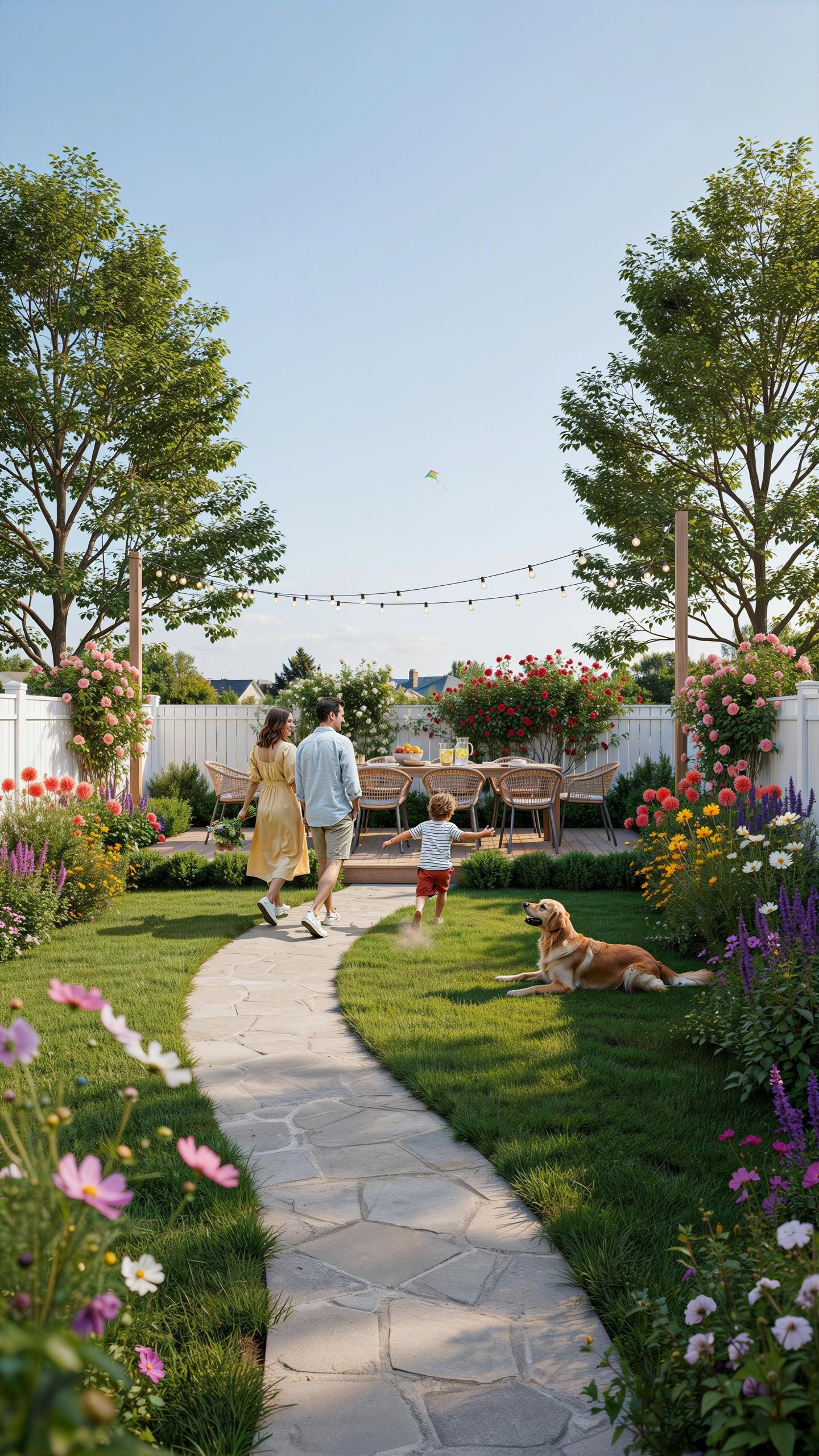
Position your fire feature at least ten feet from seating areas. This distance prevents guests from accidentally stepping into the fire zone while moving between conversations. Mark pathways with hardscape materials like pavers or gravel. These create visual boundaries that direct foot traffic away from heat zones without requiring barriers.
Define walkways that bypass the fire feature entirely. Guests need routes to reach restrooms, the kitchen, or other entertainment zones without crossing through the seating perimeter. A three-foot minimum width accommodates two people walking side by side. Test your layout by walking the paths yourself to identify bottlenecks or awkward angles that disrupt flow.
Balancing The Fire Feature With Other Landscaping Elements
Place your fire feature at the lowest point of your yard when possible. This positioning keeps smoke from drifting toward seating areas and dining spaces. If your terrain slopes upward, position the fire feature away from upwind directions. Check prevailing wind patterns in your region to avoid directing smoke into guest zones.

Maintain at least fifteen feet between your fire feature and any wooden structures, overhanging trees, or garden plantings. This clearance prevents fire hazards while allowing the fire feature to function as a focal point. Position it where it doesn’t compete visually with a pool or dining deck. Instead, use the fire feature to anchor a separate zone for gathering, creating distinct activity areas that serve different entertaining purposes.
The Visual And Functional Appeal Of Sunken Fire Pits
Structural Engineering And Drainage Considerations
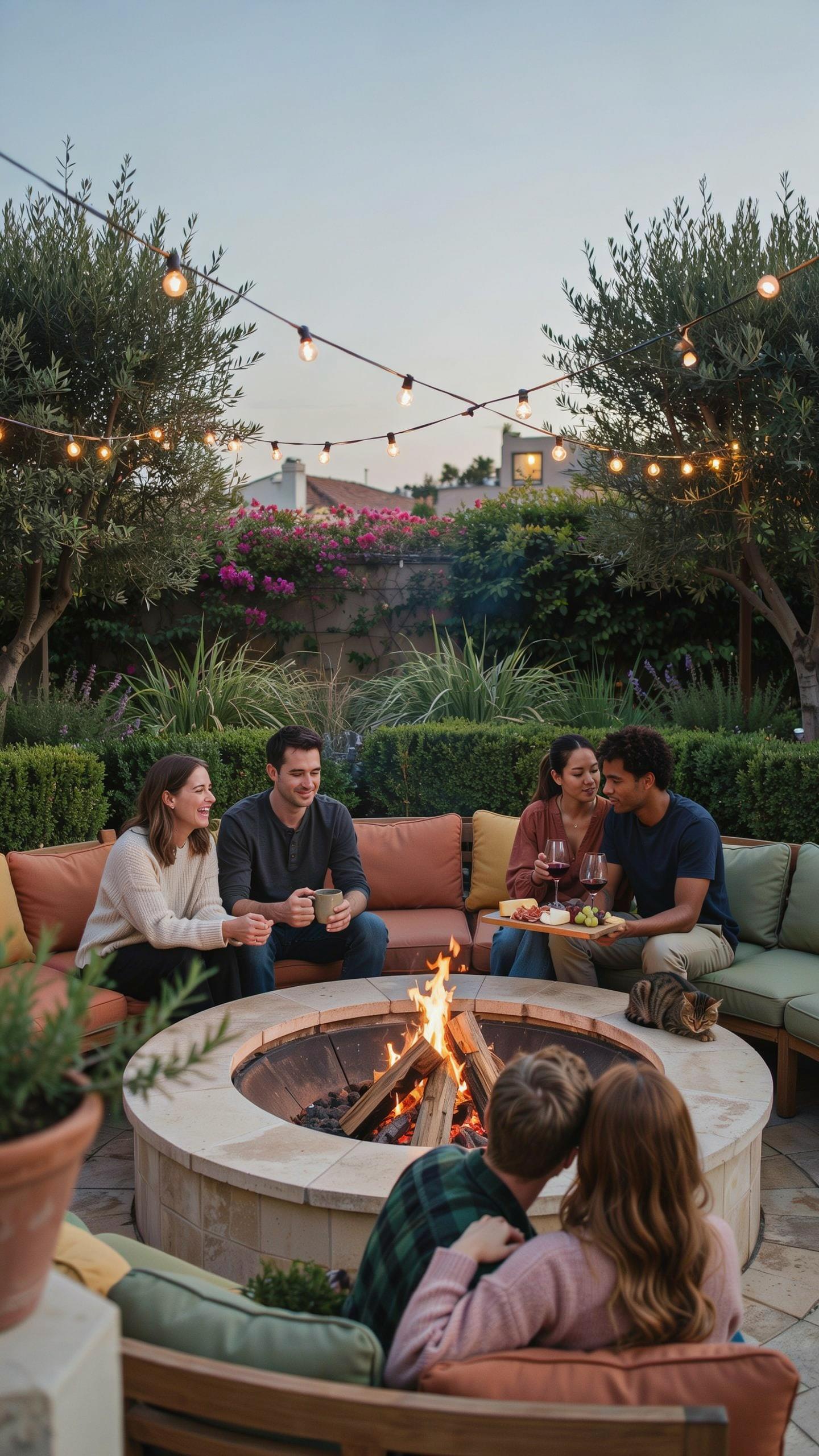
Sunken fire pits sit below grade level, which creates a critical drainage problem. Water collects in below-ground spaces during rain events. You must slope the pit floor away from the seating area and install a drain system to move water out. French drains or perforated pipe systems work well for this purpose. Without proper drainage, your pit becomes a pond.
The structural walls of a sunken pit need reinforcement to handle soil pressure and prevent collapse. Use concrete blocks, stone, or treated timber as retaining walls. The depth matters here. Most functional sunken pits range from 18 to 36 inches deep, which balances fire safety with proper drainage slope. Build walls at least 12 inches above grade to prevent surface runoff from flowing directly into the pit during storms.
A fire is a natural focus for any backyard, acting as the living heart of the home where simplicity meets hospitality. It is not just about the warmth, but the practical magic of bringing people together under the open sky.
Creating An Intimate And Wind Protected Social Hub
Sunken pits naturally trap heat because the earth walls block wind and radiate warmth back toward the seating area. This design cuts fuel consumption compared to ground-level fire features. The below-grade positioning also lowers the flames, making conversation easier without smoke hitting faces. The acoustic properties improve too. Sound doesn’t escape as easily when surrounded by earth berms, making the space feel more enclosed.

The seating arrangement in a sunken pit works as a functional social hub because everyone sits at roughly the same eye level with the fire. This eliminates sight lines blocked by taller guests. The earth banks double as bench seats, reducing the need for additional furniture. You control the fire exposure by adjusting seating distance from the pit edge. This flexibility lets you accommodate different group sizes without redesigning the space.
Selecting A Modern Fire Pit To Complement Contemporary Aesthetics
Sleek Geometric Shapes And Concrete Finishes
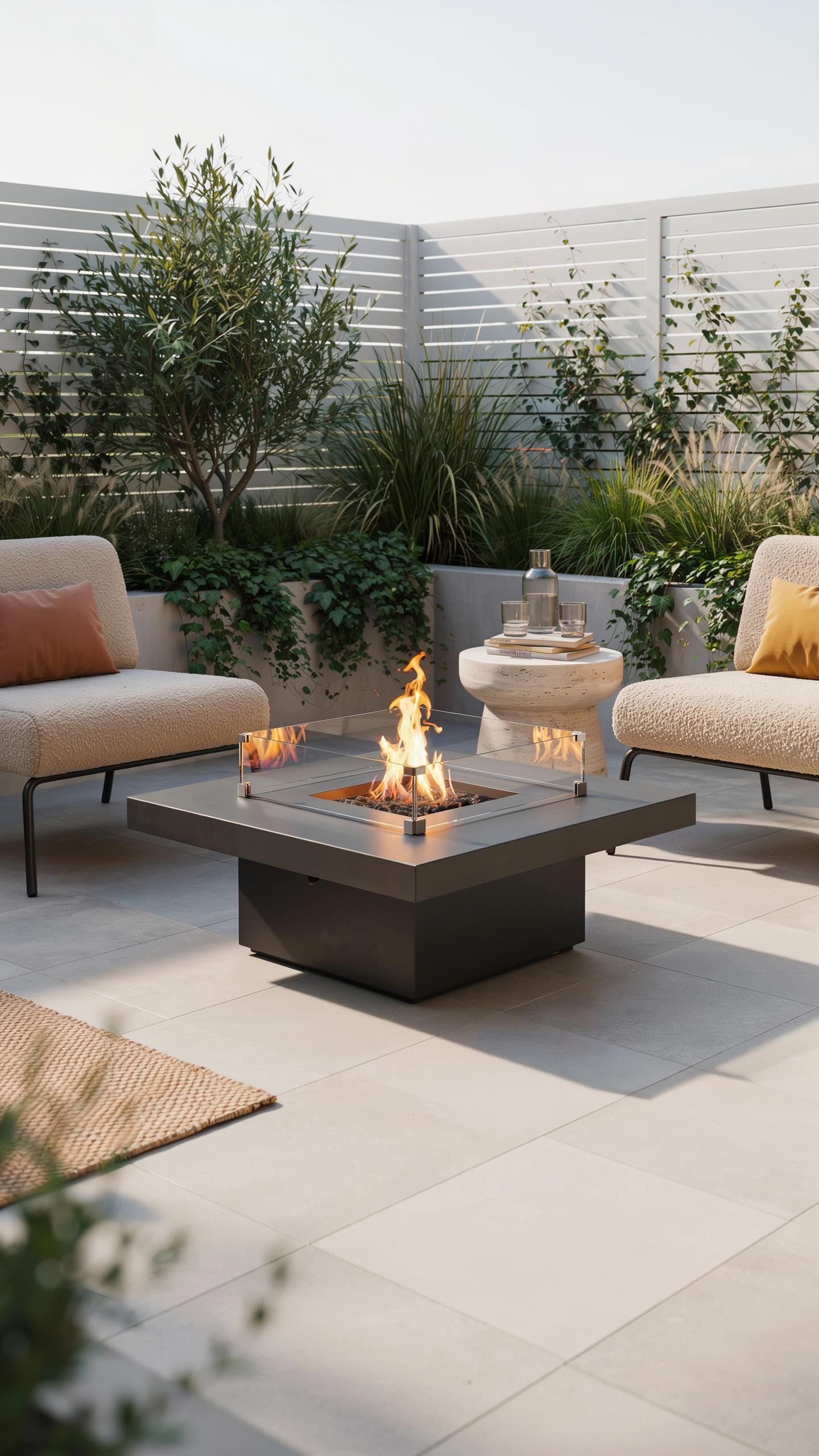
Modern design philosophy strips away ornamentation. Clean lines and neutral tones define contemporary outdoor spaces. Concrete finishes deliver this aesthetic effectively. They pair with minimalist landscapes and modern architecture without competing for visual attention. Geometric shapes like squares, rectangles, and circles work better than irregular forms in modern settings.
Concrete’s neutral gray tone complements steel, wood, and stone materials commonly used in contemporary design. The material weathers predictably and maintains its appearance over time. Concrete fire pits integrate seamlessly into patio layouts. They anchor gathering spaces without demanding decorative embellishment. This restraint aligns with minimalist design principles that prioritize function over visual clutter.
Top Materials For Modern Fire Pit Designs
Modern fire pit construction requires materials that withstand heat cycles and weather exposure. Structural integrity matters more than appearance. The right material choice prevents premature deterioration and ensures safety during operation. Material selection directly impacts maintenance requirements and lifespan of your backyard entertaining space fire feature.
- Marine Grade Stainless Steel: Resists rust and salt corrosion. Works well in coastal environments. Maintains polished appearance with minimal maintenance. Provides clean aesthetic lines for contemporary designs.
- Powder Coated Aluminum: Lightweight and durable. Resists oxidation effectively. Available in multiple finishes. Simplifies installation and reduces structural load requirements.
- Basalt Stone: Volcanic rock withstands extreme temperatures. Dense structure prevents cracking. Natural charcoal color complements modern palettes. Heavy material requires solid foundation support.
- Corten Steel: Develops protective rust layer preventing deeper corrosion. Weathers to distinctive reddish brown finish. Modern aesthetic appeals to contemporary designers. Requires proper drainage to function properly.
- Cast Iron: High heat retention improves combustion efficiency. Traditional material works in modern contexts with clean lines. Prone to rust without protective coatings. Maintenance demands exceed stainless alternatives.

Material durability determines how often you replace or repair your fire pit. Stainless steel outlasts most alternatives in harsh conditions. Basalt and corten steel offer aesthetic benefits with reduced maintenance compared to cast iron. Choose materials matching your climate and aesthetic commitment level.
Smart Upgrades To Consider During Backyard Renovations
Integrating Permanent Hardscaping And Retaining Walls
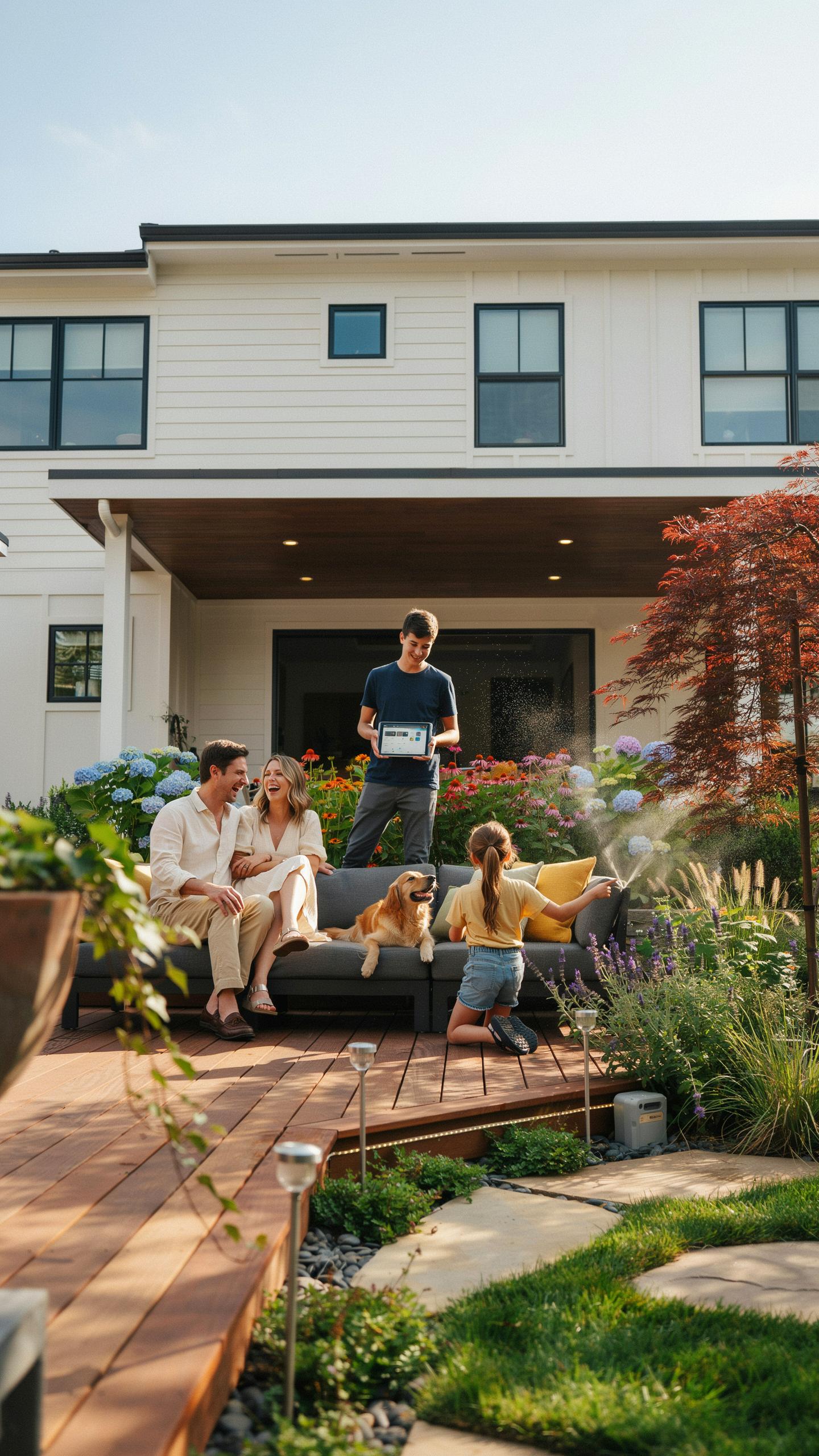
Multi-level patios serve a dual purpose: they create visual separation between entertaining zones and manage water drainage on sloped terrain. Retaining walls prevent soil erosion while establishing flat surfaces where fire features sit safely. Building these structures first, before installing a fire pit or outdoor fireplace, ensures stable foundations and eliminates costly rework later.
Hardscaping materials like flagstone, pavers, and poured concrete handle heat differently. Stone radiates warmth naturally, making it ideal near fire features. Concrete cracks under extreme temperature swings if not sealed properly. Plan your patio layout to position seating areas at least ten feet from active flames, and ensure your hardscape slopes away from structures to prevent water pooling around your fire feature’s base.
Future Proofing With Utility Lines And Electrical Conduit
Trenching for gas lines and electrical conduit before laying pavers costs significantly less than breaking up finished patios later. A licensed contractor can run underground lines for a permanent grill connection, landscape lighting, or outdoor speakers in one mobilization. This upfront work prevents excavation charges that easily exceed five hundred dollars per hour when breaking concrete.

Bury conduit and pipes at proper depths according to local codes, typically 18 to 24 inches for gas lines. Mark all underground utilities clearly on a site plan so future renovations avoid these lines. Running low-voltage wiring for string lights or accent lighting during initial construction eliminates the need to dig through established hardscape, saving money and protecting your finished entertaining space.
Turning Dream Backyard Ideas Into Reality With Functional Fire Accents
Incorporating Multi Functional Fire And Water Features
Water and fire work together to create a functional entertaining space. The sound of moving water masks neighborhood noise and creates ambient background sound. Fire provides warmth and extends your outdoor season into cooler months. Combined, they deliver both practical benefits and visual interest without requiring extensive maintenance or complicated installation procedures.
Design layouts matter when pairing these elements. Position water features upwind of fire features to avoid water spray interfering with flames. Separate them by at least eight feet to prevent safety issues and allow guests to move between zones comfortably. This spacing also lets each feature serve its intended purpose without competition for attention or resources.
Choosing Between Custom Stonework And Prefabricated Kits
Custom stonework offers creative control and fits irregular yard layouts. You work with local masons or contractors to build exactly what you envision. This route costs more upfront and takes longer to complete, typically requiring weeks or months depending on complexity and material availability in your region.
Prefabricated kits deliver faster installation and predictable pricing. Manufacturers engineer these systems to install in days rather than weeks. You sacrifice some design flexibility but gain reliability and warranty coverage. Budget typically runs 30 to 50 percent lower than custom work, making kits the practical choice for most homeowners prioritizing speed and cost control over design uniqueness.
Elevating Your Space With Luxury Outdoor Living Features
Designing Custom Built In Seating And Premium Lighting
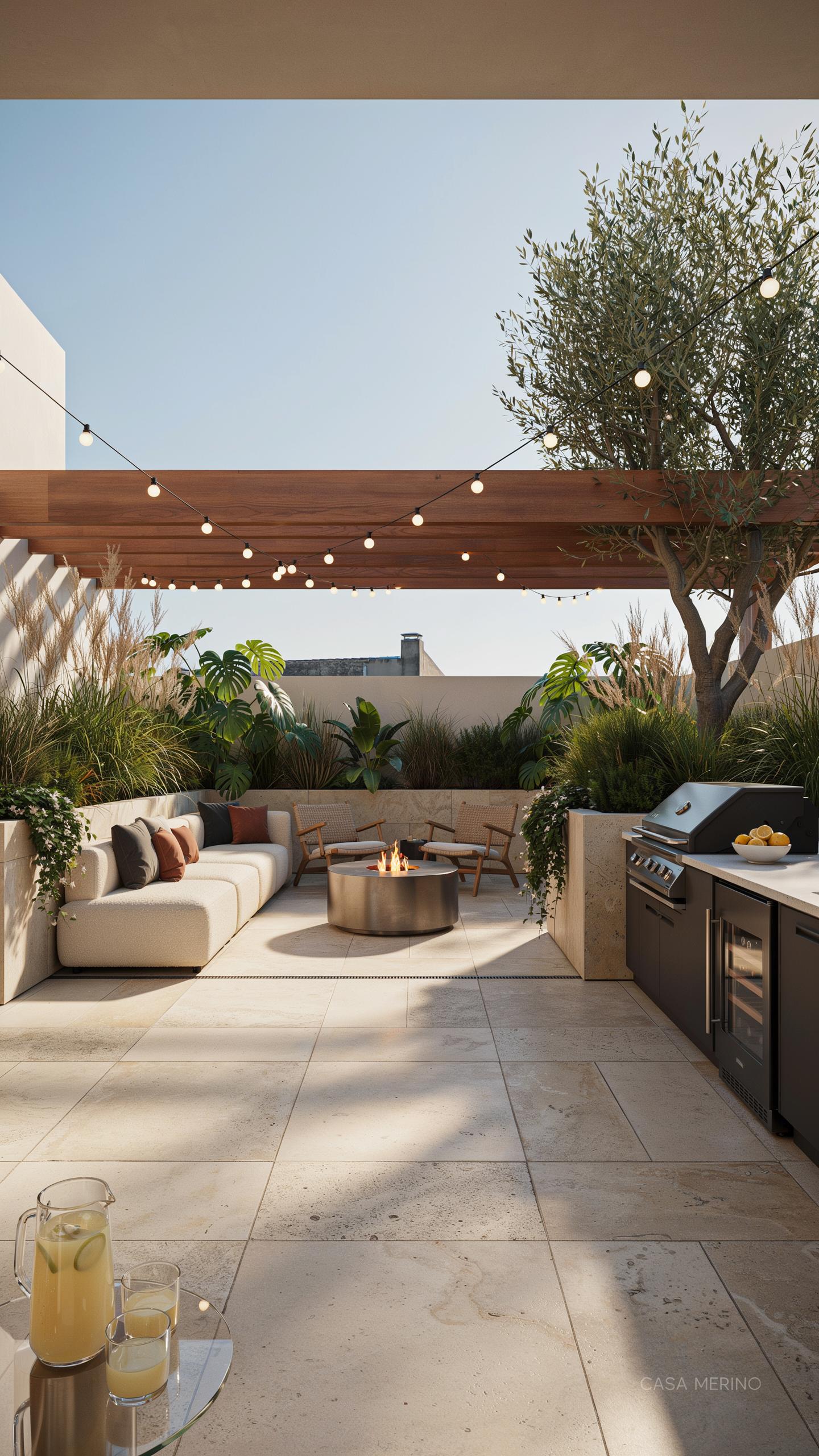
Stone masonry benches anchor a fire feature zone and serve multiple functions. They provide seating, define the entertaining area, and retain heat from the fire. Position benches perpendicular or at angles to the fire for optimal viewing and conversation flow. Under-cap LED lighting mounted on bench edges creates visual separation while improving safety during evening hours.
LED strips rated for outdoor use deliver consistent illumination without heat output that affects comfort near the fire. Warm color temperature LEDs between 2700K and 3000K complement firelight rather than compete with it. This layered lighting approach eliminates harsh shadows and creates usable entertaining space after sunset without requiring overhead fixtures that wash out the fire’s visual appeal.
Integrating Smart Home Features And Sound Systems
Smart gas fire features now include remote flame height adjustment through mobile apps or wall mounted controls. This eliminates manual adjustment during entertaining and lets you adapt ambiance based on guest preference or weather conditions. Integration with existing smart home systems means controlling the fire alongside lighting and speakers from a single interface.

Outdoor speaker systems paired with fire features create immersive entertaining zones without competing with conversation. Place speakers at height on posts or mounted to structures rather than ground level to project sound evenly. Quality audio amplifiers rated for wet environments ensure durability while maintaining sound quality across seasonal temperature swings and moisture exposure.
Fresh Backyard Inspiration For Cozy Seating And Entertainment Zones
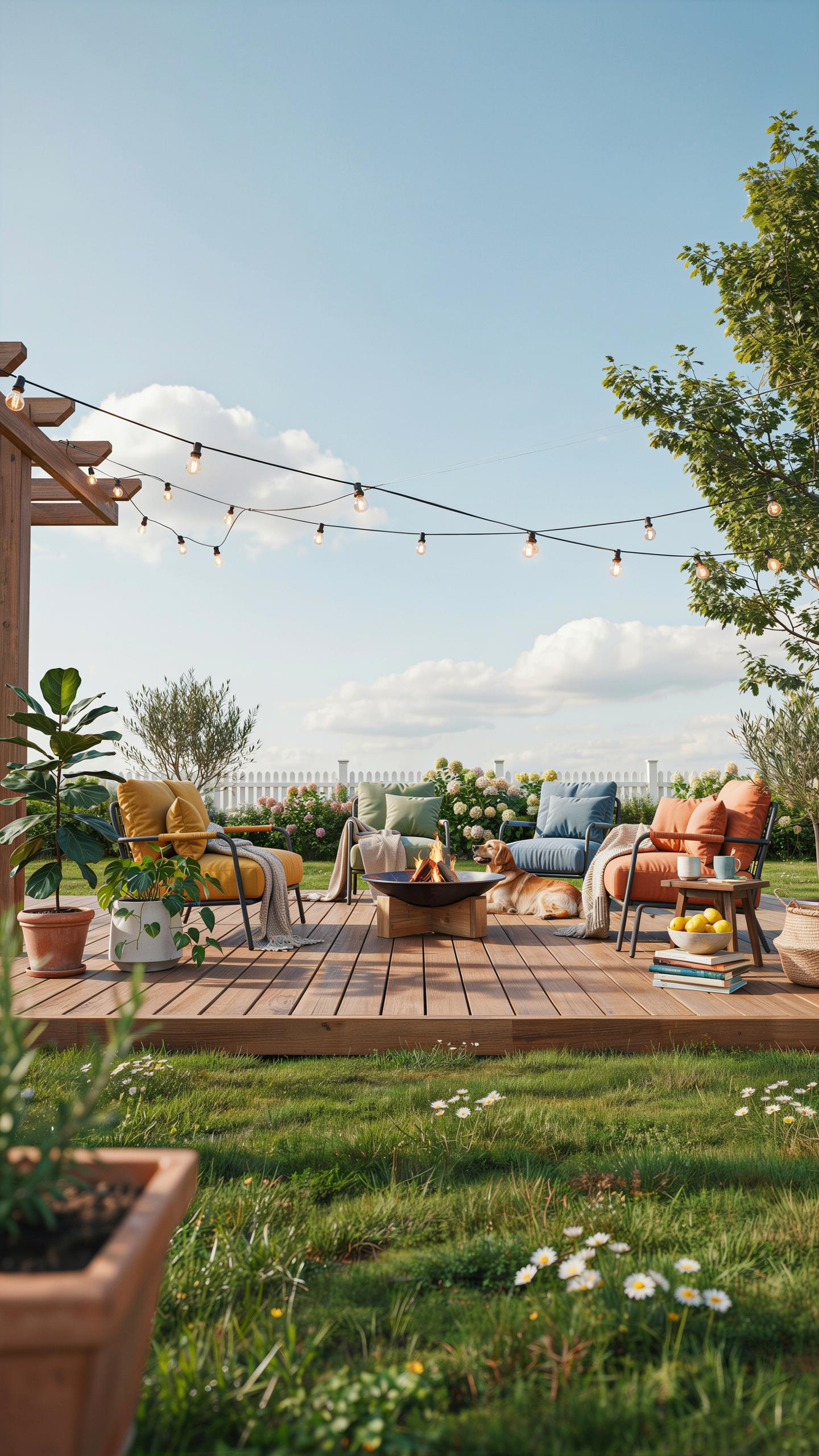
Seasonal Decor And Textiles For Instant Cozy Vibes
Weather-resistant textiles transform your fire feature zone into a functional living space across all seasons. Acrylic and solution-dyed polyester throws maintain color and durability through sun, rain, and temperature swings. Position these fabrics on seating adjacent to your fire bowl. Accent pillows filled with quick-dry foam add comfort without absorbing moisture. This layering approach creates defined, inviting zones that guests naturally gravitate toward during gatherings.
Textile placement matters more than quantity. Drape throws over armrests and seat backs rather than piling them loosely. This prevents tripping hazards and keeps your space organized. Rotate textiles seasonally to refresh the visual zone without major expense. Spring and summer call for lighter colors and breathable fabrics. Fall and winter support deeper tones and thicker materials. Your fire feature becomes the focal point when textiles frame it cleanly rather than competing for attention.
Maximizing Guest Engagement With Semi Circular Layouts
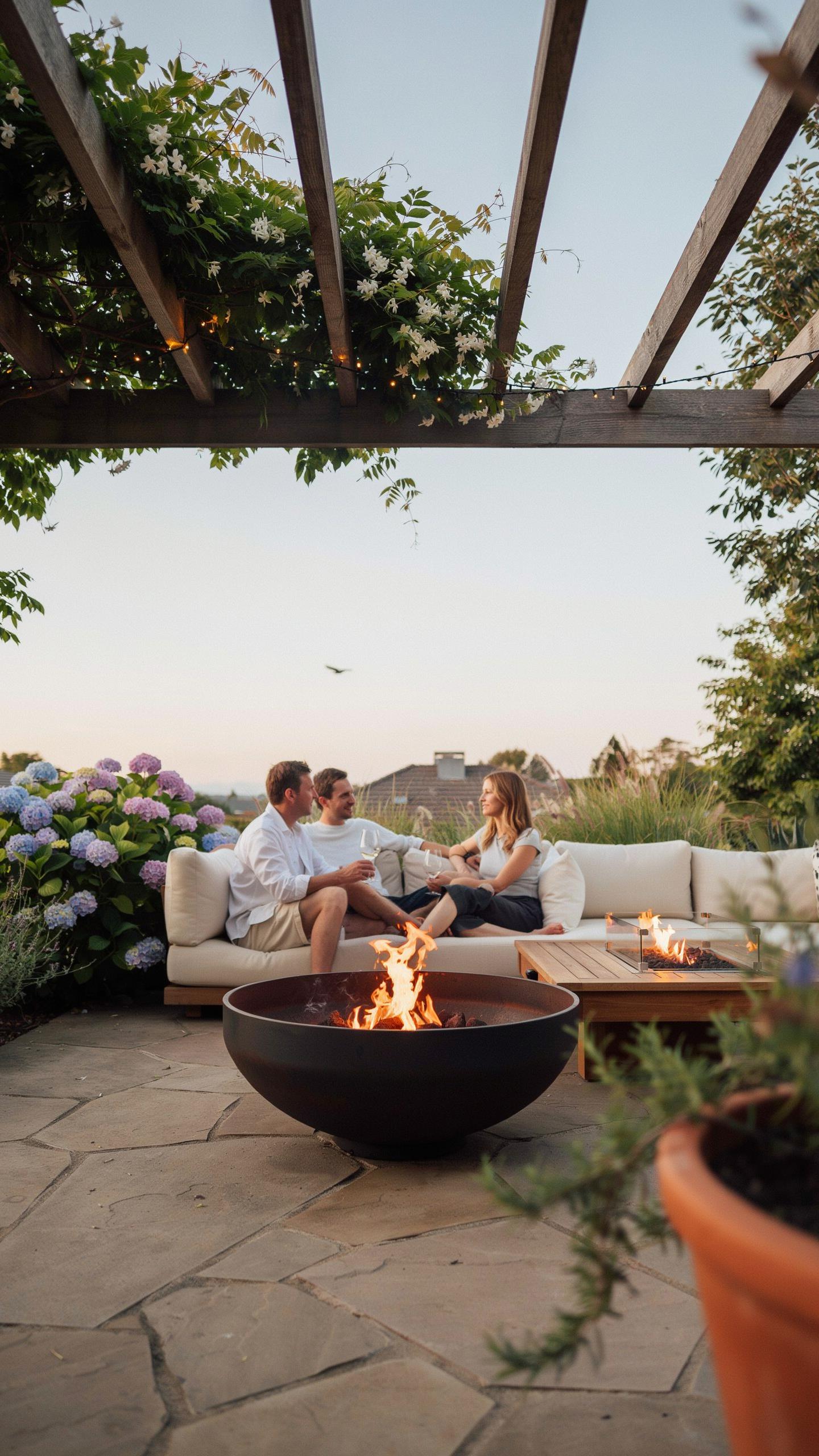
Semi-circular seating arrangements amplify conversation by positioning guests to face each other and the fire simultaneously. Curved outdoor sectionals or grouped individual chairs create natural sightlines that encourage interaction. This layout moves away from linear arrangements that force people to crane their necks. Position seating within eight to ten feet of your fire bowl to capture warmth and maintain visual connection without overwhelming guests with heat.
The semi-circular configuration allows you to expand or contract your gathering zone based on attendance. Modular furniture pieces rotate easily to accommodate different group sizes. Your fire bowl sits as the central anchor while seating orbits around it. This arrangement reduces dead zones where guests feel isolated. Traffic flow improves because people naturally move around the perimeter rather than cutting through conversation clusters. The result is higher engagement without forced positioning or awkward social dynamics.
Frequently Asked Questions

What are the main benefits of adding a fire feature to my outdoor area?
Integrating a backyard entertaining space fire feature provides a natural focal point that encourages conversation and connection. Beyond aesthetic appeal, it extends your hosting season into the cooler autumn and winter months by providing essential warmth. Whether you choose a sleek gas table or a rustic wood pit, it creates a cozy ambiance that instantly makes your outdoor living area feel like a high-end destination for guests and family alike.
How do I choose the right location for a fire feature to ensure safety?
Safety is paramount when designing your backyard entertaining space fire feature. Always place the unit on a level, non-combustible surface like stone, gravel, or concrete pavers. Ensure it is positioned at least ten feet away from your home, low-hanging branches, and any wooden fences. Additionally, consider the prevailing wind patterns in your yard to prevent smoke from blowing directly into your seating area or through open windows and doors.
Can I create an inviting fire area on a limited budget?
Absolutely! You don’t need a custom-built masonry fireplace to enjoy a warm atmosphere. Portable steel fire bowls or DIY kits using affordable landscaping stones are excellent, budget-friendly options that function beautifully. By focusing on comfortable seating and string lighting around a simple pit, you can create a high-impact gathering spot without a massive investment. Practicality and comfort matter more than price when building a space people truly want to use.