Embracing The Cozy Patio Vibe With Modern Furniture
Creating A Welcoming Atmosphere
Weather-resistant fabrics solve the core problem of outdoor seating. High-performance textiles like solution-dyed polyester and acrylic blends resist moisture penetration and UV degradation without sacrificing softness. These materials feel comparable to indoor fabrics while lasting through seasons of exposure. Pair them with cushioning rated for outdoor use to build seating that stays comfortable year-round.
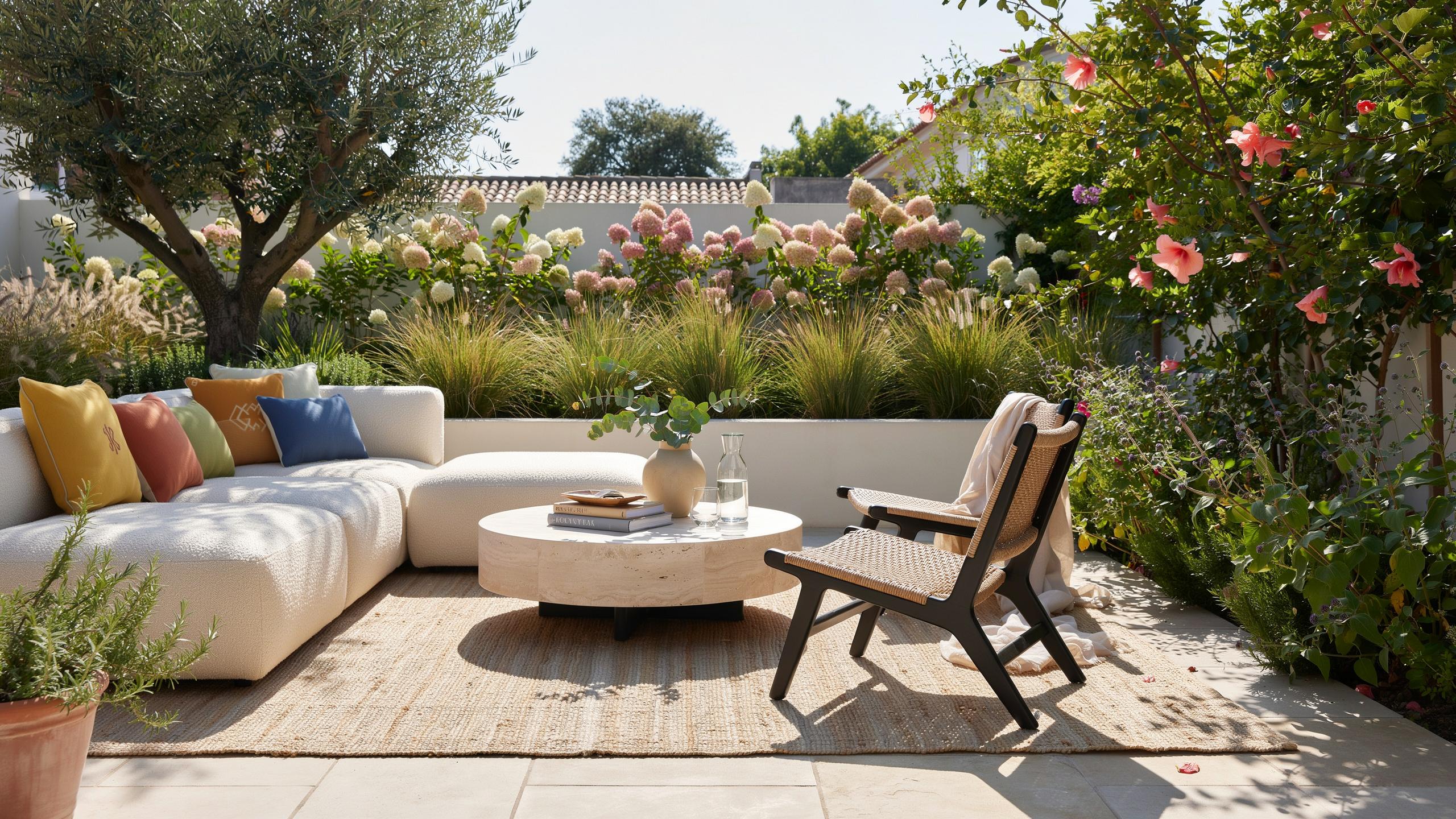
Plush cushions and layered textiles define modern outdoor comfort zones. Four to six inch cushion depths provide the support indoor furniture delivers. Throw pillows add texture variation while managing weather exposure through quick removal or dedicated storage. This approach transforms basic seating into an inviting arrangement that encourages people to stay longer and use the space regularly.
Essential Elements For Coziness
Fire pits anchor outdoor gathering spaces and extend usable hours into evening. Tabletop models work for smaller patios while ground-level designs accommodate larger groups. They generate radiant heat that reaches sitting areas efficiently. Pair fire features with ambient lighting like string lights or wall sconces to establish visual focus and warmth without relying on overhead fixtures.
Outdoor-rated throw pillows and soft furnishings complete sensory comfort in patio layouts. Choose colors and patterns that coordinate with permanent furniture while allowing seasonal updates. Position pillows to encourage conversation by supporting back comfort and creating defined seating zones. These additions make open-air spaces function as true living room extensions during warmer months.
Choosing The Perfect Outdoor Patio Set For Your Space
Sizing And Scale Considerations
Measure your patio length, width, and depth before purchasing furniture. Account for foot traffic paths around your seating area. A standard dining set requires 36 inches of clearance on all sides. Sectionals need 18 to 24 inches of walking space minimum. Match furniture dimensions to your available square footage to prevent a cramped layout.
Calculate usable space by subtracting pathways from total patio dimensions. A 12 by 14 foot patio accommodates a four-person dining table with adequate circulation. Oversized sectionals work only in spaces exceeding 200 square feet. Measure doorways and gates to confirm furniture can physically reach your patio. Wrong sizing forces costly replacements and limits functionality.
Top Materials For Durability
Choose materials engineered to resist weather damage and extend product lifespan. Outdoor furniture faces UV radiation, moisture, temperature swings, and salt air exposure. Quality materials maintain structural integrity and appearance across multiple seasons without constant maintenance. Budget constraints often shift, but material selection directly impacts replacement frequency and total cost of ownership.
- High Density Polyethylene Synthetic Wicker: Resists fading, cracking, and moisture absorption. Maintains appearance through sun exposure better than natural wicker. Does not splinter or require sealing treatments.
- Powder Coated Aluminum Frames: Creates a protective barrier against rust and corrosion. Lightweight for repositioning furniture. Withstands temperature fluctuations without warping or structural compromise.
- Grade A Teak Wood: Contains natural oils that provide inherent weather resistance. Develops a silver patina over time while maintaining structural strength. Requires minimal treatment compared to other wood species.
- Marine Grade Stainless Steel Hardware: Resists saltwater corrosion in coastal environments. Bolts, screws, and brackets maintain integrity through freeze thaw cycles. Prevents rust staining on cushions and upholstery.
- Solution Dyed Acrylic Fabrics: Color penetrates fiber throughout, preventing surface fading. Resists mold and mildew growth in humid climates. Sheds water instead of absorbing moisture into cushions.

Material combinations matter more than single components. Aluminum frames paired with HDPE wicker create durable modular seating that handles real weather patterns. Steel hardware prevents joint failure when frames expand and contract seasonally. Inspect construction methods and fastener types before committing to a purchase.
Patio Inspiration Styles And Trends To Follow This Season
Biophilic Design And Natural Tones
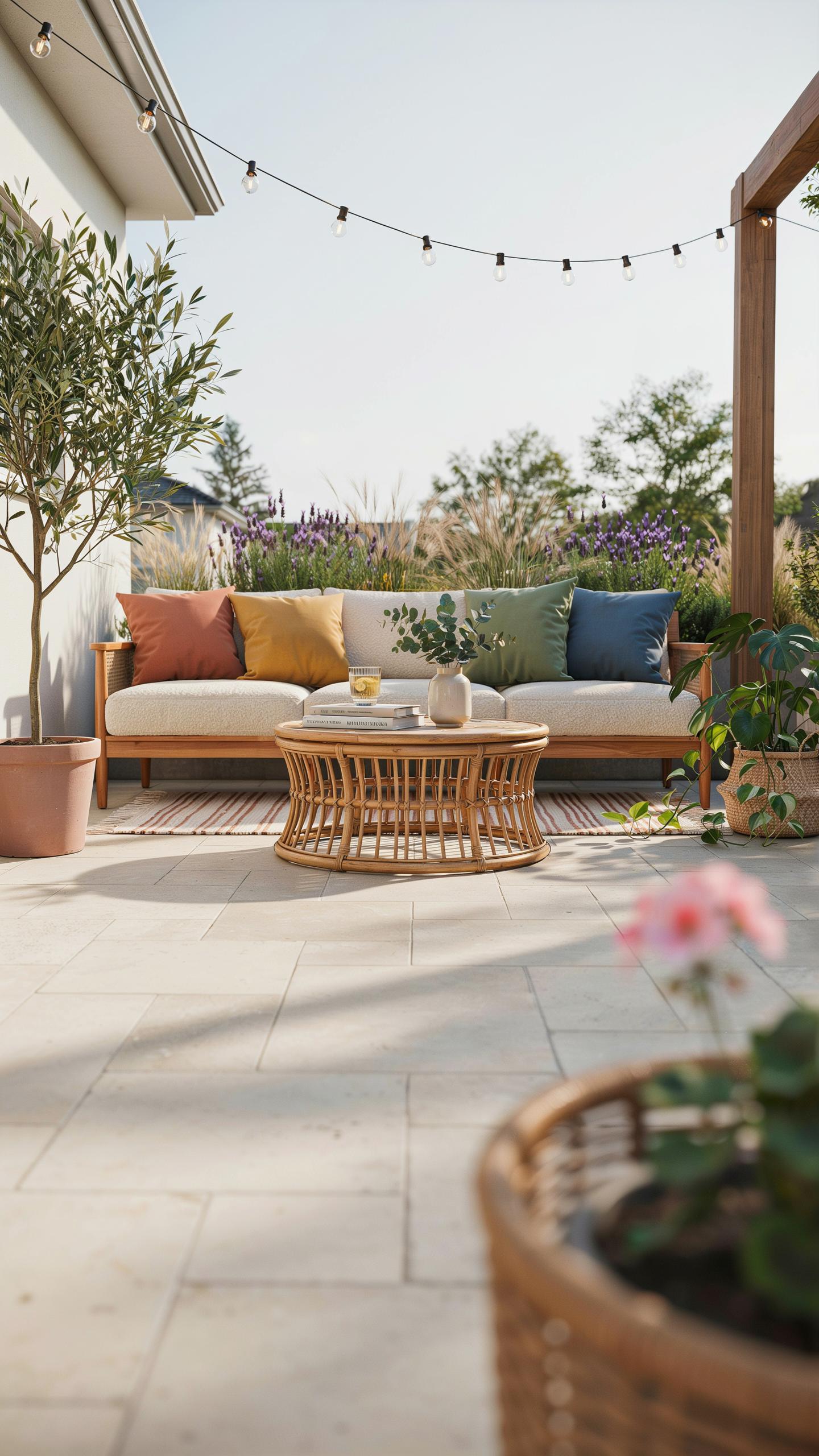
Biophilic design connects people to natural elements through intentional material choices and color selection. Outdoor patio seating furniture picks now emphasize wood frames, rattan weaving, and stone or concrete bases. These materials age visibly, developing patina that signals durability. Earthy palettes of terracotta, sage, warm grays, and cream tones complement vegetation without competing for visual attention. The strategy works because it reduces visual friction between your seating area and the surrounding landscape.
Integrated planter boxes attached to seating structures serve dual purposes: they anchor furniture to the space and soften hard edges with greenery. Cushions in natural fabrics like linen and organic cotton reinforce this aesthetic while providing practical comfort. Concrete side tables with live-edge wood tops exemplify this hybrid approach. This combination satisfies modern design standards while grounding the space in natural materials. Property owners see practical returns through reduced replacement cycles since earth tones mask wear patterns better than bright finishes.
Minimalist And Industrial Aesthetics
Minimalist outdoor seating strips away decoration to expose structural geometry and material quality. This approach favors clean lines, open sight lines, and functional forms over ornamental details. Metal frames in matte black or powder-coated steel resist rust when properly treated. Concrete accent tables provide weathering durability and require zero maintenance beyond occasional cleaning. Low-maintenance materials cut long-term ownership costs and eliminate seasonal upkeep demands that drain resources.

Industrial aesthetics borrow from warehouse and factory design traditions where function dictated form. Exposed welding seams, visible bolt work, and raw material finishes communicate intentional design rather than accident. Seating arrangements feature geometric shapes without curves, maximizing usable space in compact yards. This style pairs well with minimalist landscaping that uses gravel, metal planters, and architectural plants. The result prioritizes usable square footage and visual calm over decoration.
Designing A Chic Modern Patio Layout
Defining Zones In Outdoor Spaces
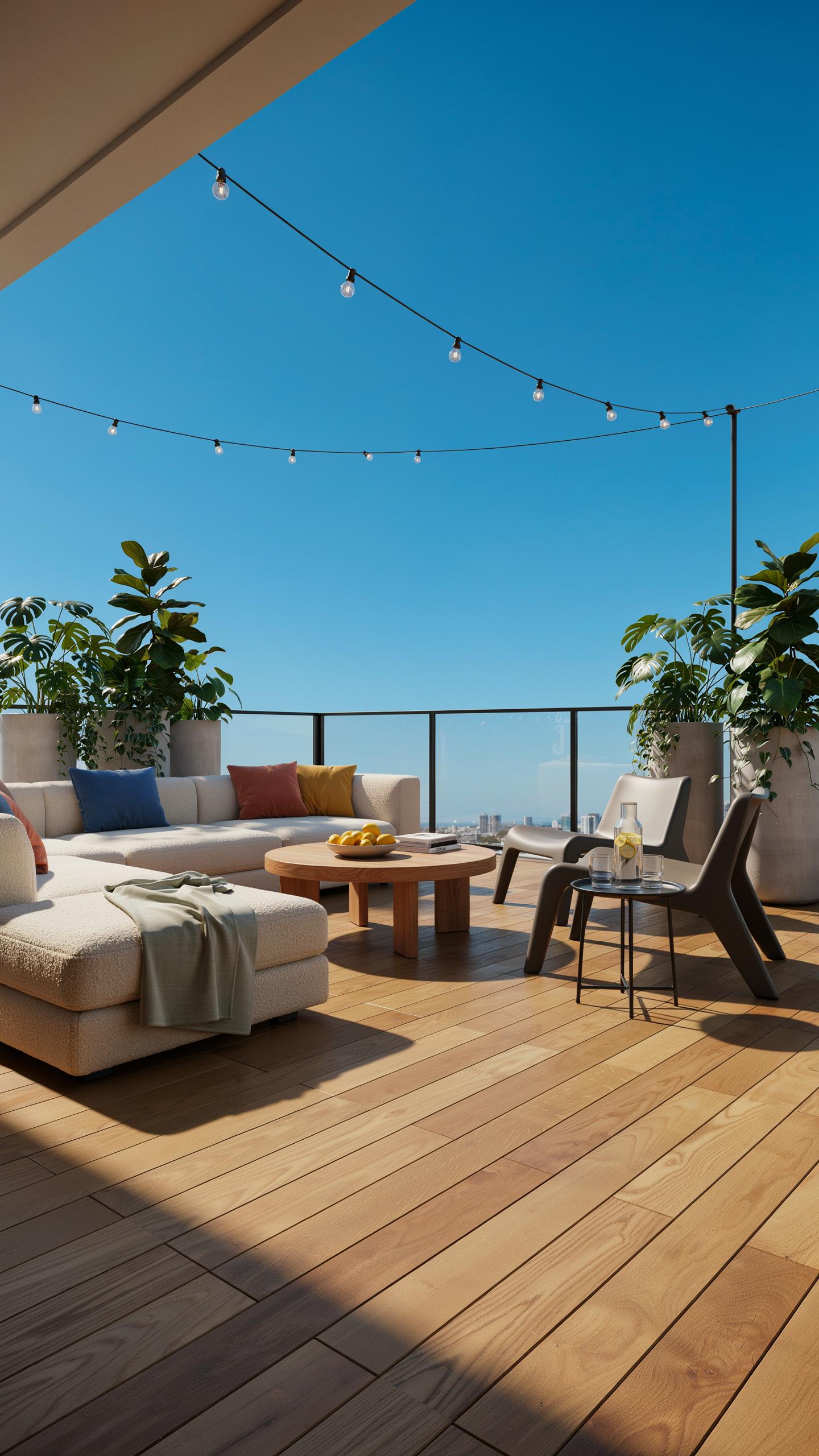
Breaking your patio into distinct zones serves a practical function. Dining areas need different spacing than lounging zones. Use outdoor rugs to anchor each section and define boundaries without walls. Strategic furniture placement creates natural separation on open decks. This zoning approach maximizes usable space and prevents the awkward feeling of scattered seating in a large area.
Functional zones drive traffic patterns and guest behavior. A dining zone near the house simplifies food service. A lounging zone positioned away from high-traffic paths encourages relaxation. Socializing areas benefit from central placement where conversations flow naturally. Well-defined zones allow your outdoor space to serve multiple purposes without looking cluttered or disorganized.
Focal Points And Furniture Orientation
Arrange seating to face a strong focal point. A water view, fireplace, or fire table works as an anchor. Furniture orientation around this center point creates natural gathering spots. Guests move toward focal points instinctively. This arrangement reduces empty sightlines and encourages people to settle in specific areas rather than wander aimlessly.

Proper orientation facilitates movement and conversation. Angle seating pieces to face inward toward your focal point rather than outward toward property lines. Leave clear pathways between furniture groupings. Ensure sightlines between conversation areas remain open. Thoughtful arrangement prevents bottlenecks and makes your space feel intentionally designed rather than randomly assembled.
Mastering The Modern Outdoor Furniture Layout
Flow And Traffic Patterns
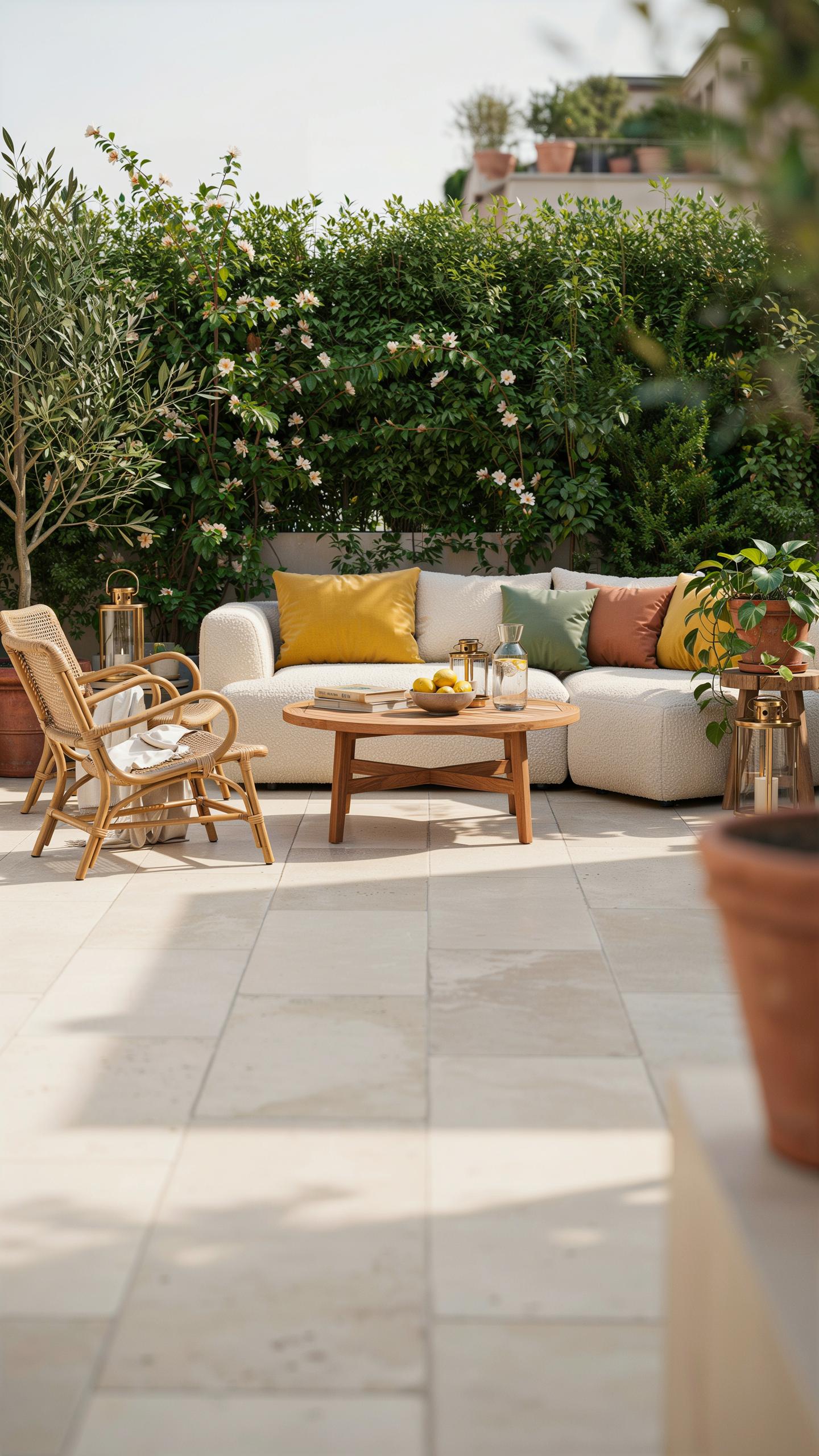
Clear walkways between furniture pieces prevent accidents and reduce crowding. A minimum of two to three feet of open space between seating areas allows people to move without obstruction. This spacing principle applies whether you have a small balcony or expansive deck. The goal is functional movement that feels natural, not forced.
Unobstructed pathways also protect your furniture investment. When people navigate easily around pieces, they cause less wear and damage. A well-spaced layout maintains sightlines from indoors to outdoors, creating visual continuity. This separation of zones makes your outdoor space feel intentional rather than cramped.
Symmetrical Vs Asymmetrical Layouts Balance
Symmetrical arrangements place matching furniture in mirror-image positions across a central point. This setup works for formal entertaining and creates visual order. Two facing sofas with a table between them establish clear conversation zones. Symmetry signals structure and tradition, making it ideal for structured social gatherings.

Asymmetrical layouts mix different furniture types and positions to create relaxed environments. A sectional paired with individual club chairs and a low table encourages casual gathering. This approach works better for everyday living and flexible group sizes. Asymmetrical designs feel modern and accommodate how families actually use outdoor spaces rather than how they should according to formal rules.
Smart Amazon Patio Finds For Quick Upgrades
Budget Friendly Seating Upgrades
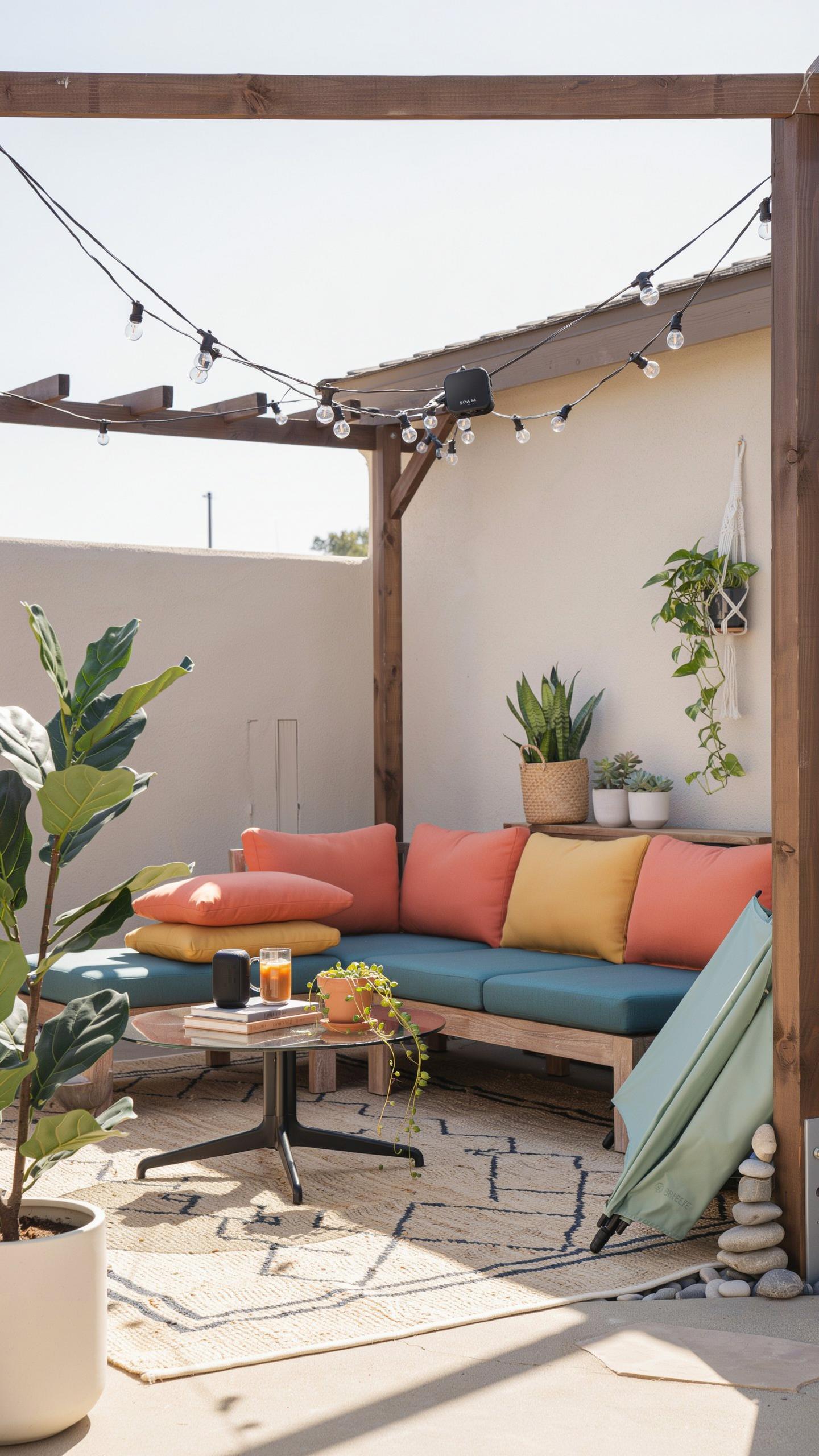
Amazon stocks functional seating pieces that deliver results without premium pricing. Zero-gravity chairs, modular wicker sets, steel bistro tables, and hanging egg chairs dominate the affordable category. These items solve specific problems: lounging comfort, conversation groupings, dining space, and statement seating. Performance matters more than brand names here. Shoppers prioritize durability ratings and verified reviews over aesthetics alone.
- Zero Gravity Folding Lounge Chairs: Recline to horizontal positions for full body support. Most models weigh under 15 pounds and fold for storage. Price range typically falls between 80 to 150 dollars with solid customer ratings.
- Modular Wicker Conversation Sets: Mix and match individual pieces to fit your space. These sets include chairs, ottomans, and center tables. Polyrattan material withstands weather cycles better than natural wicker.
- Steel Framed Bistro Dining Sets: Compact three or five piece configurations for small patios. Steel frames resist rust when powder coated properly. These sets require minimal assembly and handle daily use.
- Heavy Duty Hanging Egg Chairs: Single or double designs suspend from ceiling mounts or stands. Weight capacity typically reaches 300 to 400 pounds per unit. Weather resistant cushions and UV stable frames extend lifespan significantly.
- Stackable Aluminum Chairs: Lightweight frames support efficient storage. Anodized aluminum resists corrosion without ongoing maintenance. These chairs work for dining and casual seating arrangements.
These four categories represent the fastest path to functional outdoor seating on limited budgets. Selection expands monthly as retailers add new inventory. Comparison shopping across listings reveals price drops of 20 to 30 percent on seasonal items. Timing purchases around spring and early summer maximizes savings on most categories.
Design is not just what it looks like and feels like, but how it works to create a sanctuary where the sun meets the soul.
Stylish Outdoor Decor Accessories
Accessories transform basic seating arrangements into cohesive outdoor rooms. String lights, outdoor rugs, and side tables cost significantly less than furniture pieces yet create visual impact. Weather resistant materials ensure accessories survive rain, UV exposure, and temperature swings. These items bridge gaps between furniture pieces and establish design continuity across the space.
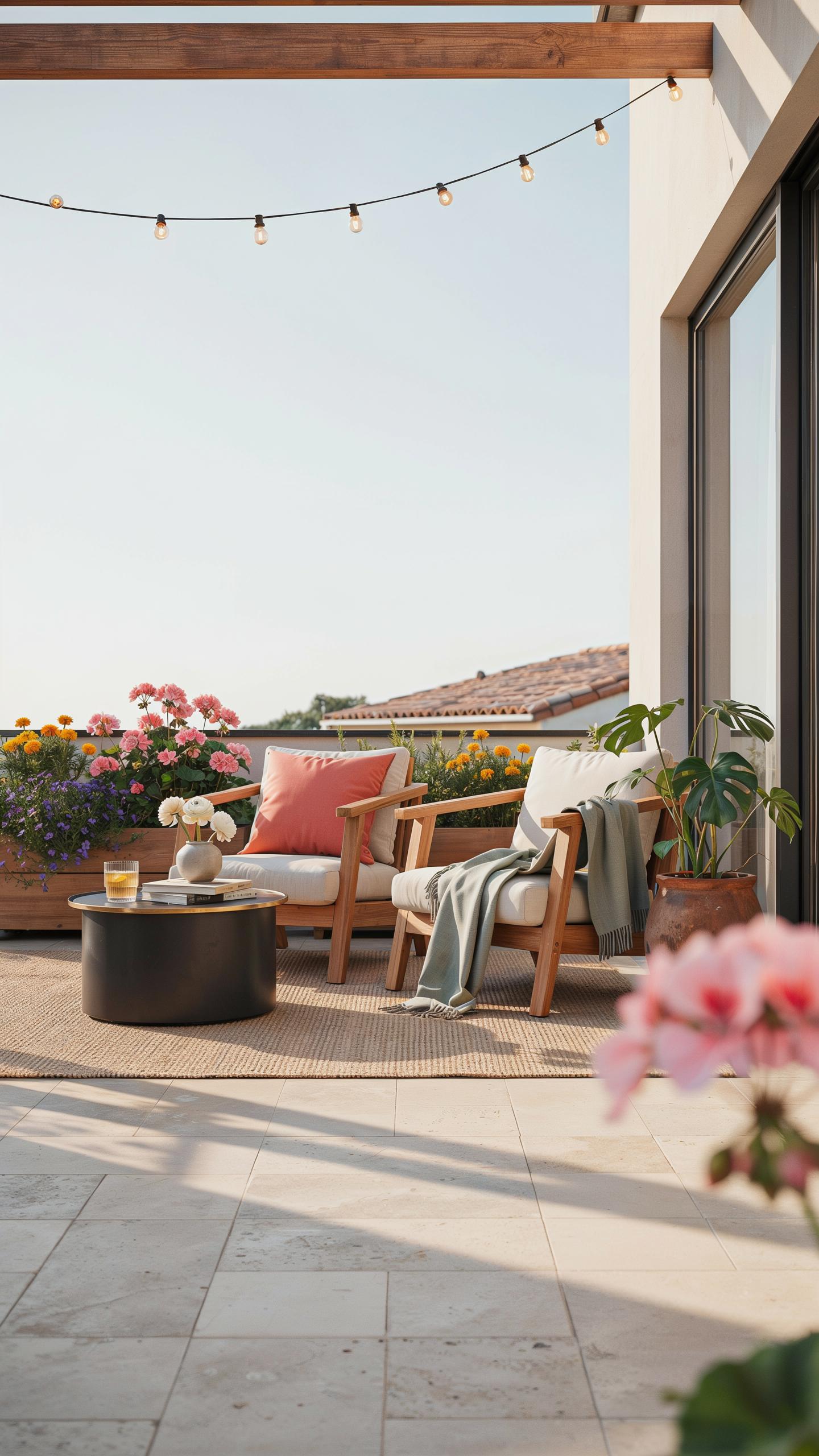
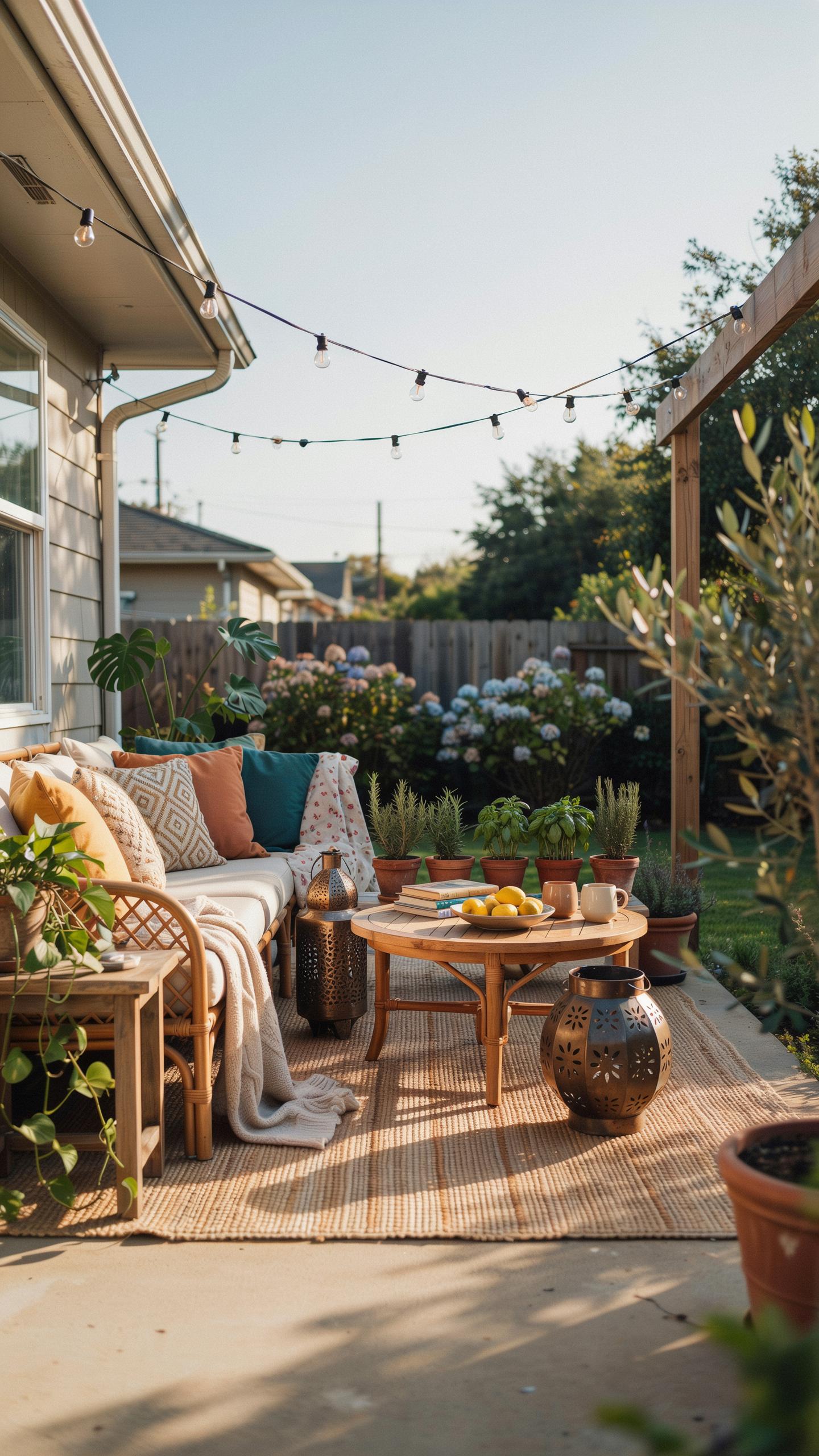
Side tables anchor seating areas and provide functional surfaces for drinks, books, and personal items. Outdoor rugs define zones within larger patios and add texture underfoot. String lights extend usable hours after sunset and create ambient atmosphere. Patterned rugs coordinate colors with cushions and throw pillows. Selecting accessories in coordinating tones ties everything together without requiring furniture replacement or major renovations.
Defining Your Signature Patio Style
Coastal Scandinavian Hybrid Look
Coastal design draws from beach environments and uses natural materials like rope, driftwood, and light woods. Scandinavian design prioritizes function and clean lines. Combining these two creates seating that performs well while maintaining visual simplicity. Natural fiber details and neutral color palettes dominate this approach. The result is outdoor furniture that serves multiple purposes without visual clutter.
Material selection matters here. Teak and light oak woods resist moisture and age gracefully outdoors. Rope accents add texture without introducing unnecessary color. Cushions in cream, white, or soft gray reinforce the aesthetic. This hybrid style works in most climates because the design emphasizes durability over decoration. You get furniture that looks intentional rather than trendy.
Bohemian And Eclectic Seating Styles
Bohemian style embraces pattern mixing and global influences. Low profile rattan seating creates the foundation, while layered textiles add personality. Macramé details appear in throws and pillow covers. This approach tolerates color variation and welcomes contrasting patterns that would clash in other styles. The aesthetic communicates relaxation and creative expression through material choices rather than high polish.
Execution requires intentional restraint despite the eclectic label. Select one dominant neutral base color for seating, then layer textiles in two to three complementary color families. Global textures like kilim rugs, batik fabrics, and woven poufs expand visual interest. Rattan naturally complements these additions because it remains neutral. This prevents bohemian spaces from becoming visually chaotic or difficult to maintain.
Curating A Cohesive Patio Set Aesthetic
Color Coordination Secrets
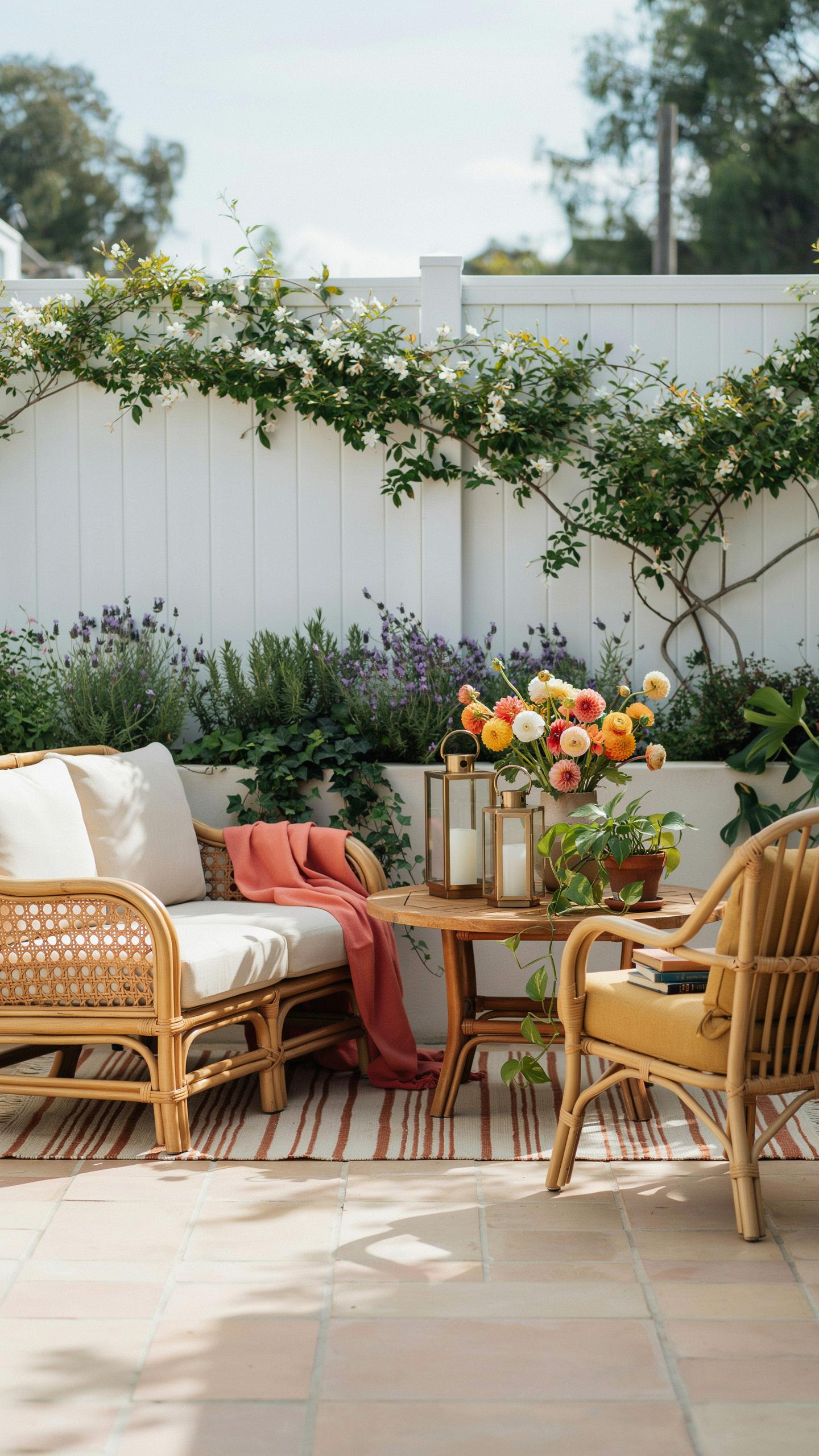
Start with a neutral base color for your primary furniture pieces. Slate gray, beige, and navy work because they absorb heat differently than bright colors and won’t show dirt as quickly. These colors serve as anchors that let you change your design direction without replacing expensive seating.
Layer accent colors through removable elements like pillows, cushions, and throws. This approach lets you shift your palette seasonally or when trends change without financial loss. Swappable textiles cost less to replace than reupholstering frames, making this strategy both practical and cost-effective for long-term patio ownership.
Mixing Textures And Materials Safely
Combine smooth metal frames with rough stone table surfaces and soft woven wicker to create visual interest without chaos. Modern design principles call for intentional contrast, not random mixing. Materials should relate functionally to their purpose while providing textural variety that prevents the space from feeling flat.

Layer materials by grouping them strategically rather than scattering them across the patio. A metal frame with wicker sides works better than alternating metals and wicker throughout your layout. This controlled approach maintains visual order while delivering the depth that elevates a patio from basic to intentional.
Creative Outdoor Patio Furniture Ideas For Small Spaces
Multi Functional And Space Saving Pieces
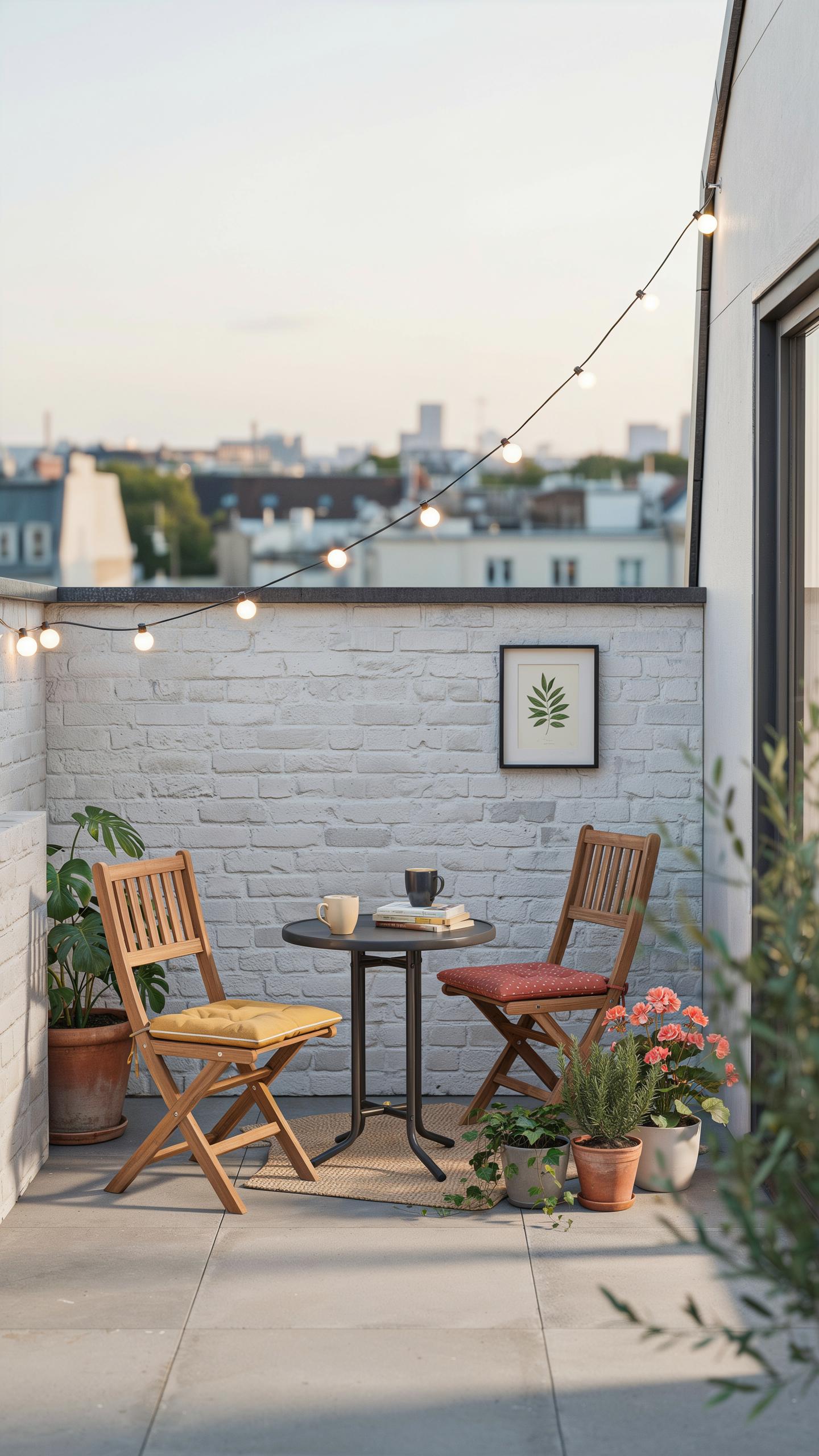
Storage benches serve dual purposes on compact patios. They provide seating while housing cushions, garden tools, or seasonal items underneath. Nesting tables stack vertically when unused, freeing ground space. Folding chairs collapse flat for easy storage in closets or sheds. These pieces eliminate the false choice between comfort and square footage.
The key metric for small spaces is ground footprint per person. A storage bench seats two while consuming the same footprint as a single lounge chair. Folding options reduce storage requirements by 60 to 70 percent compared to fixed furniture. Select materials like powder-coated aluminum or resin wicker for weather resistance without added weight. Weight matters because lighter pieces move easily when you need to reconfigure your layout.
Vertical Styling Techniques
Vertical plant stands occupy minimal floor space while adding visual interest above eye level. Wall-mounted string lights attach directly to exterior walls or railings, eliminating the need for floor-based light stands. Tall, slender privacy screens create boundaries without consuming significant ground area. These elements draw attention upward, making small patios feel larger and less cramped.
Vertical solutions reduce clutter on limited surfaces. A single wall-mounted shelf replaces multiple side tables. Trellises support climbing plants while defining space vertically. This approach works because human eyes naturally follow vertical lines, which create the illusion of expanded area. Small patios with intentional vertical design feel open rather than confined.
Caring For Your Outdoor Patio Seating Furniture Picks
Routine Cleaning And Maintenance Practices
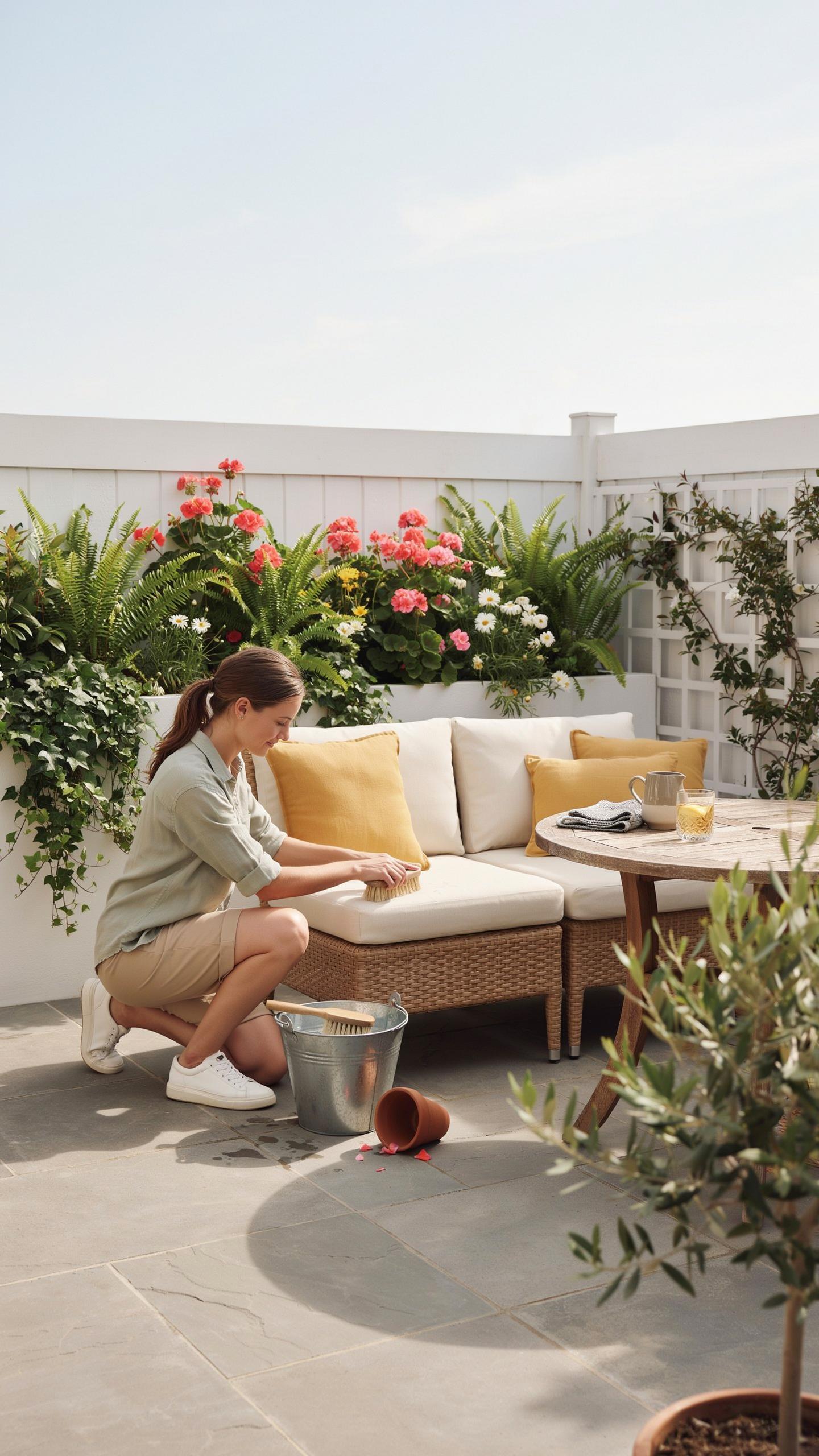
Wash down frames with mild soap and water every few weeks to remove pollen, dust, and debris that accumulates on surfaces. This prevents buildup that traps moisture and accelerates material degradation. For metal frames, drying thoroughly after washing stops rust formation. Wood frames need the same treatment, followed by immediate drying to prevent swelling and rot.
Clean outdoor-rated performance fabrics according to manufacturer specifications to maintain their stain-resistant protective coatings. Most modern outdoor fabrics handle mild soap and water well, but some require specialized cleaners. Check your furniture documentation before treating stains. Regular cleaning preserves the fabric’s water repellency and extends its lifespan significantly.
Winterization And Off Season Storage Tips
Protect your investment during harsh winter weather by using custom-fitted, breathable furniture covers or storing cushions indoors. Covers prevent direct exposure to snow, ice, and freezing rain that damage frames and cushions. Breathable materials allow moisture to escape rather than trap water underneath. This approach reduces the risk of structural damage from freeze-thaw cycles.
Proper off-season care prevents structural rust, wood rot, and fabric mildew growth that compromise furniture durability. Store cushions in a dry, temperature-controlled space away from direct sunlight and moisture. For metal frames, apply a light protective oil coating before storage. Wood furniture benefits from being covered but kept in a well-ventilated area to prevent trapped humidity.
Frequently Asked Questions

What are the best materials for modern outdoor patio furniture?
When selecting your outdoor patio seating furniture picks, prioritize durability alongside aesthetics. Modern designs often feature powder-coated aluminum, sustainably sourced teak, or high-density polyethylene (HDPE) resin. These materials are popular because they withstand harsh weather conditions while maintaining a sleek, contemporary silhouette. Always look for UV-resistant fabrics like Sunbrella for your cushions to ensure your stylish seating remains vibrant and comfortable throughout several summer seasons.
How do I arrange patio seating to maximize a small backyard space?
To maximize smaller areas, choose modular outdoor patio seating furniture picks that offer versatility. Start by placing a compact loveseat or a corner sectional against a perimeter to open up the floor. Incorporate multi-functional pieces, such as stools that double as side tables or ottomans with hidden storage. This layout creates an inviting conversation zone without overcrowding the footprint, making even a tiny balcony feel like a high-end lounge.
Can I find stylish outdoor furniture options on a limited budget?
Absolutely! Achieving a high-end look doesn’t always require a premium price tag. Focus on streamlined, minimalist designs in neutral tones, as these tend to look more expensive than they are. You can also mix and match affordable bistro sets with one or two statement lounge chairs. Focus on sturdy construction over complex detailing, and use vibrant outdoor pillows or a trendy rug to elevate the overall design aesthetic affordably.