
Understanding The Basics Of An Off Grid Battery Bank
What Is An Off Grid Battery System
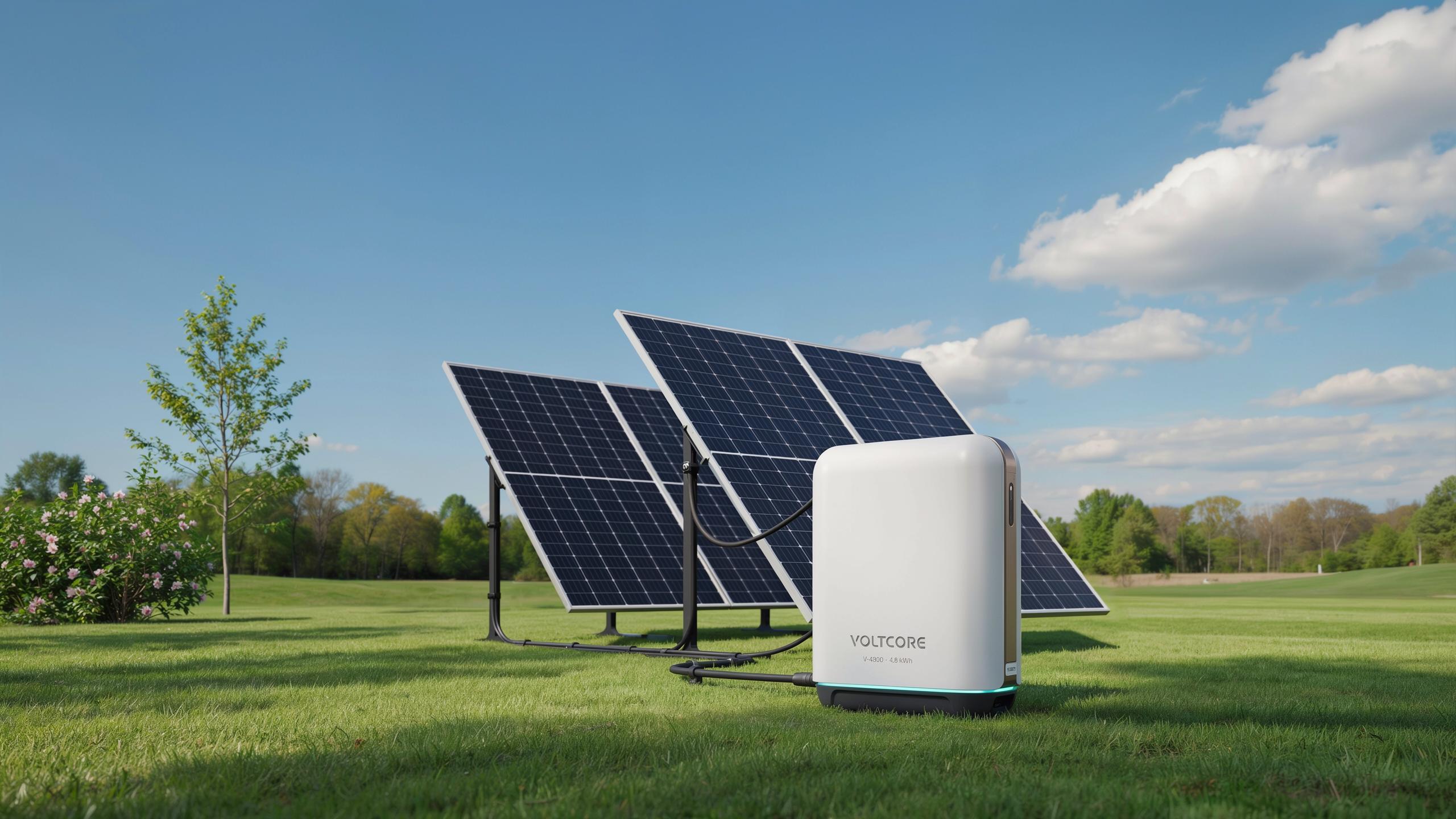
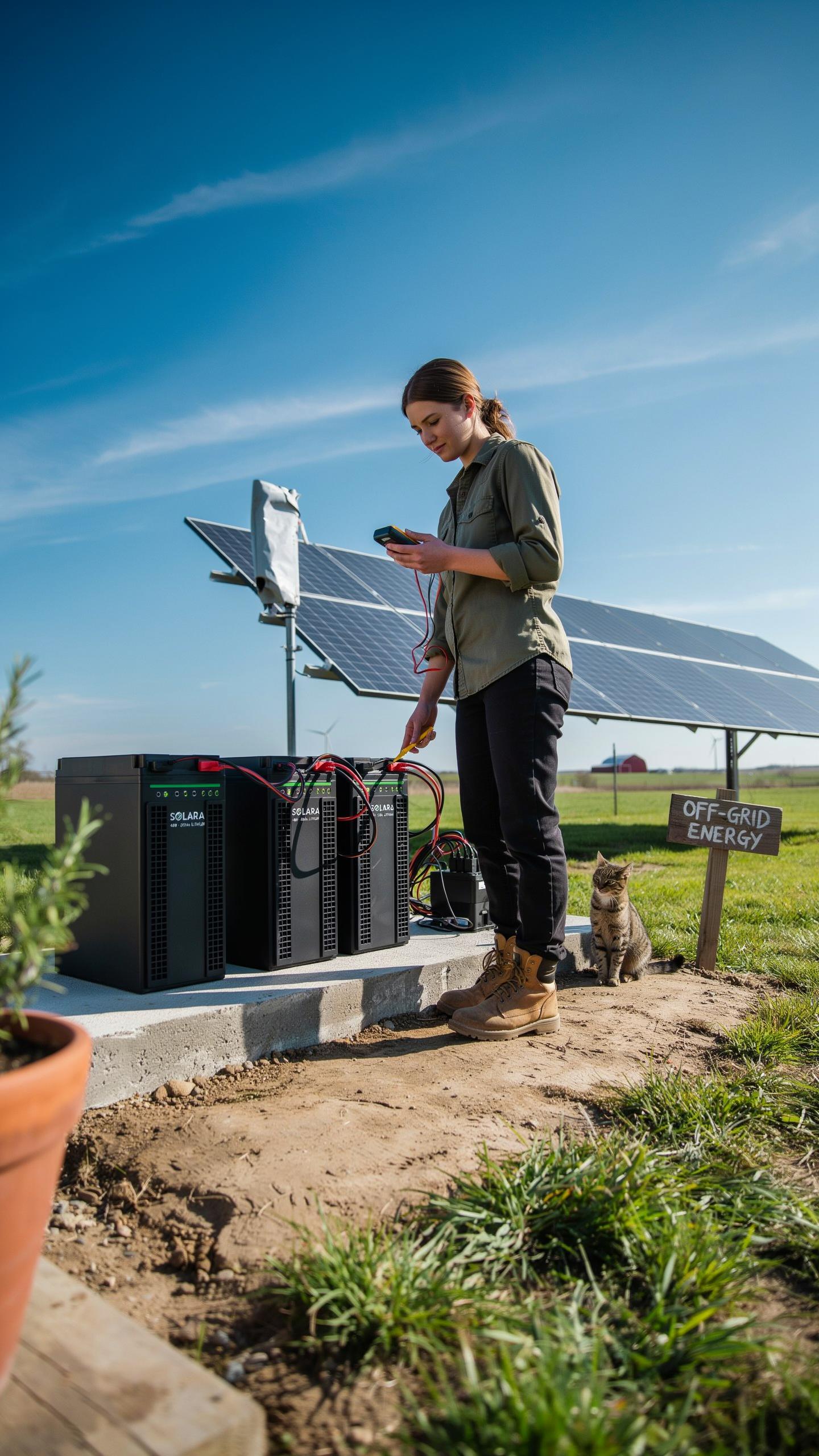
An off-grid battery system stores electricity generated from renewable sources like solar panels or wind turbines. This stored power runs your home appliances without connection to the public utility grid. The battery bank acts as the central component that manages power flow between generation and consumption. It stores excess energy when production exceeds demand and releases stored energy when demand exceeds production.
Battery systems for off-grid use require three core components working together. The batteries themselves store chemical energy converted to electrical energy. A charge controller regulates power flowing from your generation source into the batteries to prevent overcharging. An inverter converts stored direct current DC power into alternating current AC power that standard household appliances require.
Why Energy Storage Is Essential For Self Reliance
Solar panels and wind turbines generate power inconsistently. Solar output drops to zero at night and decreases during cloudy weather. Wind turbines only produce power when wind speeds reach minimum thresholds. Without battery storage, you cannot use this power when generation stops. Energy storage bridges the gap between when your system produces power and when you actually need it.
Battery banks guarantee continuous electricity access during darkness, storms, and low wind periods. They absorb excess generation during peak production hours and release that stored energy during peak consumption hours. This capability transforms intermittent renewable sources into reliable power supplies. Self-reliance depends entirely on storing surplus energy for later use. Without storage capacity, off-grid living becomes impossible regardless of your generation capacity.

Selecting The Right Solar Battery Chemistry
Lead Acid Vs. Lithium Iron Phosphate (LiFePO4)
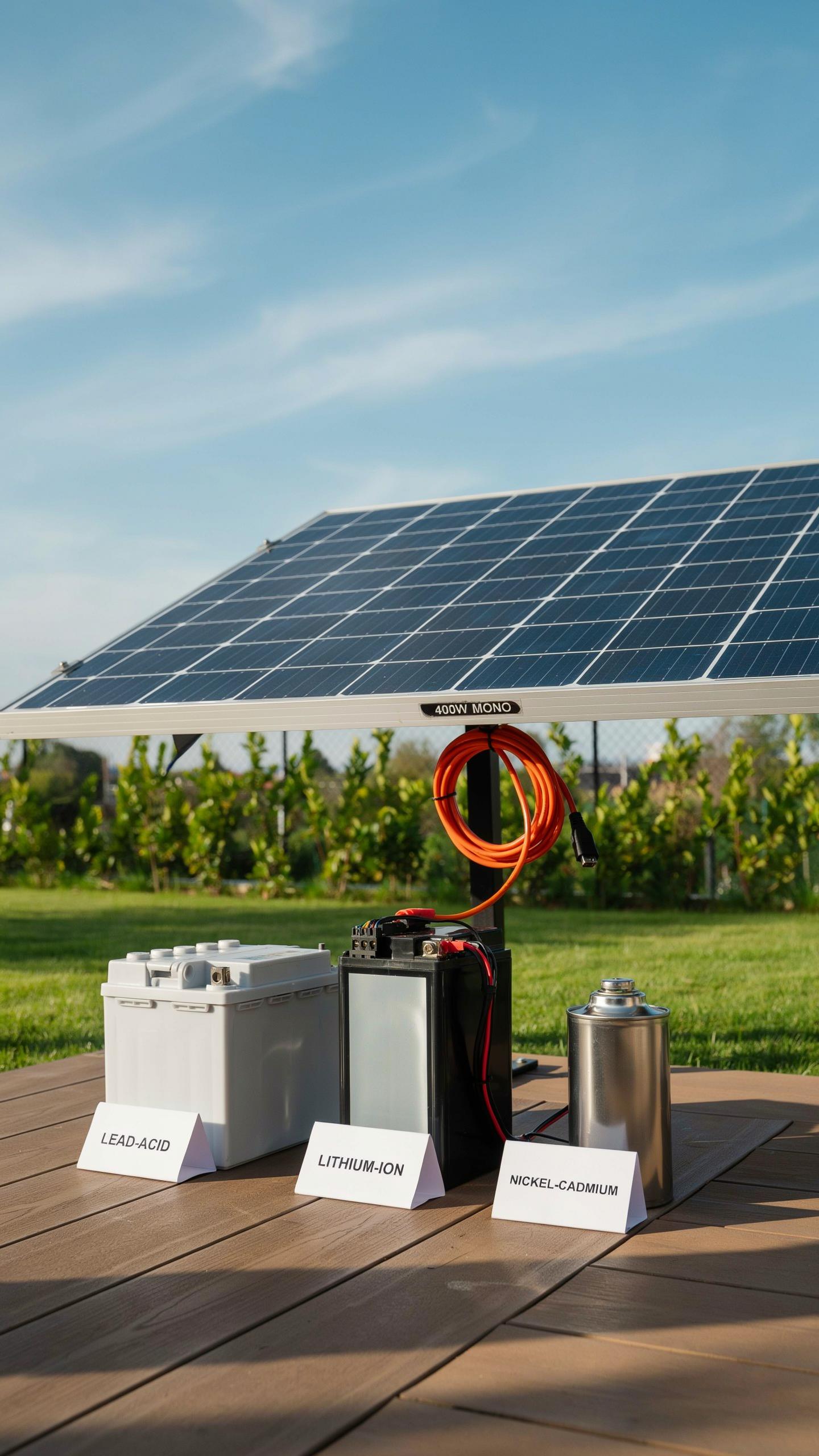
Lead-acid batteries remain the budget entry point for off grid power setups. They cost 30-50% less upfront than lithium alternatives. However, they demand regular maintenance, suffer from sulfation over time, and deliver only 3-5 years of reliable service. You’ll replace them multiple times before a quality lithium system pays for itself.
LiFePO4 batteries eliminate these headaches. They cycle 5,000-10,000 times compared to lead-acid’s 1,000-2,000 cycles. You access 80-90% of stored energy versus lead-acid’s 50% usable capacity. LiFePO4 systems require no maintenance, tolerate deeper discharges, and last 10-15 years. The higher purchase price disappears when you calculate total cost per usable kilowatt hour over the system’s lifespan.
Emerging Battery Technologies For Home Energy Storage
Flow batteries and sodium-ion cells represent the next generation for off grid applications. Flow batteries store energy in liquid electrolyte, allowing you to scale capacity and power independently. Sodium-ion technology avoids lithium mining entirely, lowering environmental impact and supply chain vulnerability. Both technologies remain significantly more expensive and less proven than LiFePO4 in residential settings today.

These alternatives address real concerns about lithium sourcing and thermal runaway risk. Sodium-ion batteries tolerate wider temperature ranges and require simpler safety management. Flow systems enable longer discharge cycles suited to multi-day autonomy requirements. Market availability remains limited outside specialized installers, and performance data from real-world residential deployments is still accumulating. Plan LiFePO4 as your baseline while monitoring these technologies for practical deployment windows.
The Core Components Of A Solar Panel Battery Bank Setup
Essential Equipment For A Complete Battery System
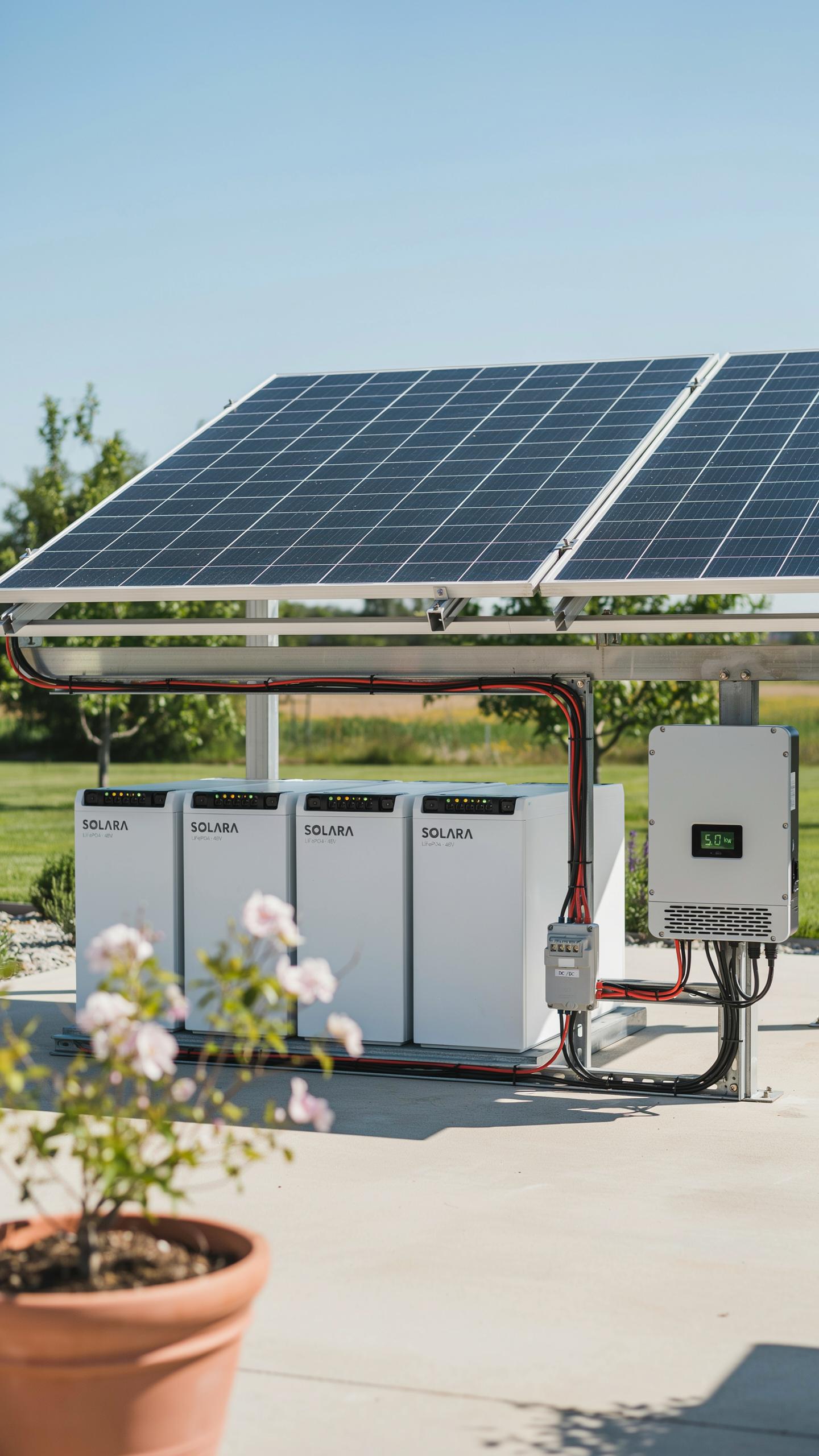
A functional off grid power system depends on multiple components working together to store and distribute electricity safely. Each part handles a specific job. Skipping any component creates dangerous gaps in your system. You need all of them to run reliable power to your home without grid connection.
- Charge controllers: Regulate voltage and current from solar arrays to prevent battery overcharging and damage. They automatically adjust power flow based on battery state and solar input conditions throughout the day.
- Power inverters: Convert stored DC electricity from batteries into AC electricity that standard household appliances use. They enable you to run microwaves, refrigerators, and power tools directly from your battery bank.
- Battery management systems: Monitor individual cell voltage, temperature, and charge levels continuously. They protect batteries by disconnecting circuits if cells become unbalanced or overheat beyond safe operating ranges.
- Heavy duty cabling: Carries high amperage from solar panels and batteries without voltage drop or heat buildup. Undersized cables create fire hazards and reduce system efficiency significantly during peak power transfer.
- Safety fuses and breakers: Disconnect circuits instantly if current exceeds safe limits, preventing electrical fires and equipment damage. They act as automatic kill switches when system faults occur.
These components work as a complete system. Remove one and your battery bank becomes unsafe or non functional. Install all five and your off grid setup runs reliably for decades.
How Charge Controllers Prevent Battery Damage
Charge controllers regulate the voltage and current flowing from solar arrays into your battery bank. Without this regulation, solar panels would overcharge batteries on sunny days, causing permanent cell damage. Controllers sense battery voltage and reduce charging power automatically as batteries fill. This protection extends battery lifespan from years to decades.

Charge controllers also prevent excessive discharging by cutting power to loads when battery voltage drops below safe limits. Deep discharge cycles destroy lithium and lead acid batteries quickly. By stopping discharge at the right voltage threshold, controllers preserve usable battery capacity. This dual protection makes charge controllers non negotiable in any off grid system.
Designing An Efficient Solar Battery Storage Layout
Determining Optimal Voltage: 12V, 24V, Or 48V Systems
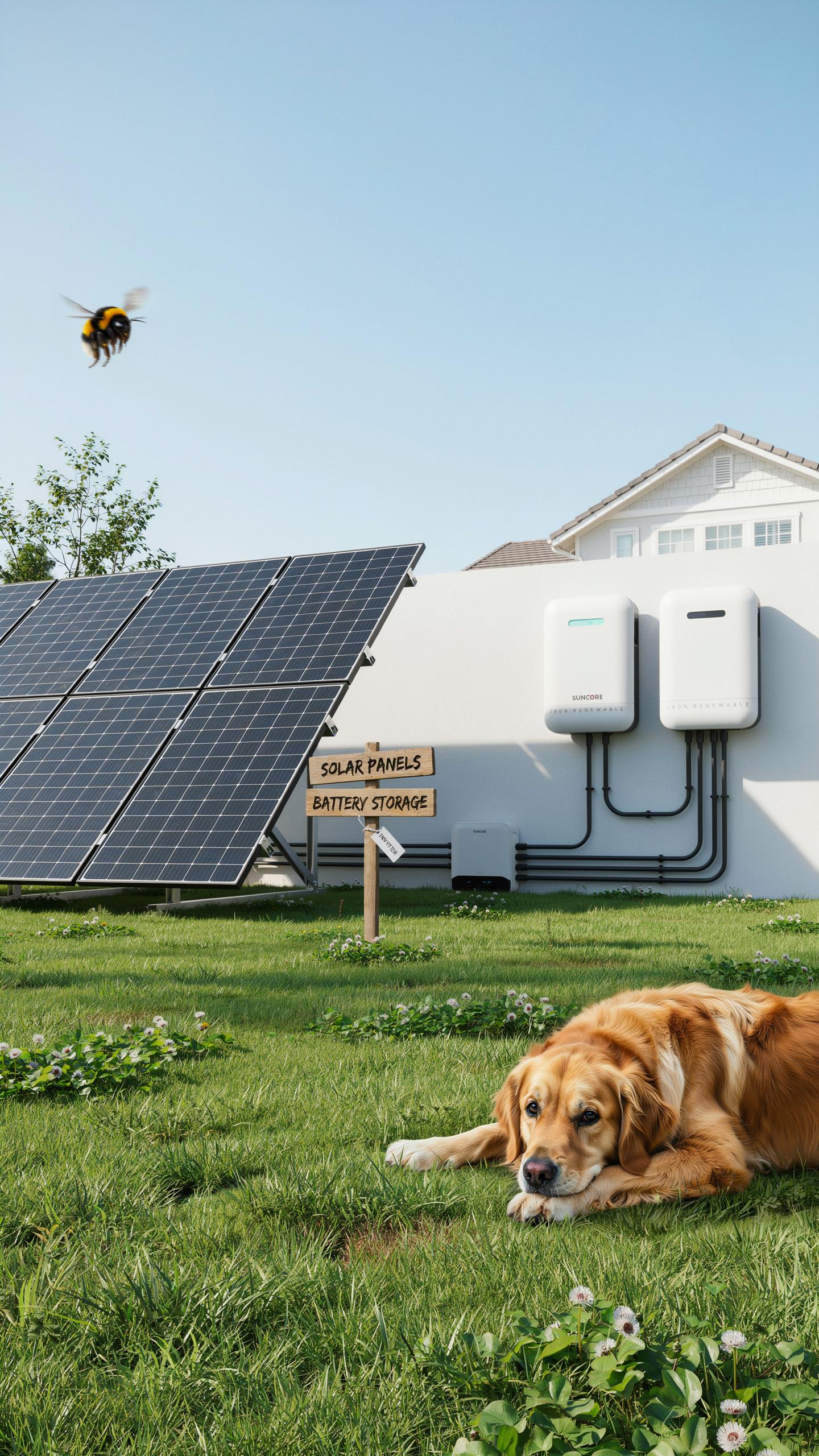
Voltage selection directly impacts your wiring costs and system efficiency. Small cabins and RVs run 12V without issue. Larger homes need 24V or 48V to reduce current draw and transmission losses. Higher voltage means thinner wire requirements and lower resistive heating across long cable runs.
A 48V system requires half the current of a 24V system for the same power output. This cuts copper wire gauge requirements dramatically, reducing material costs by hundreds of dollars. Residential systems above 5kW should default to 48V unless you have existing 24V equipment. The efficiency gains outweigh any additional inverter costs.
Sizing Your Battery Storage For Multi Day Autonomy
Calculate daily consumption first by totaling all watt-hours your home uses in 24 hours. Multiply this number by your target autonomy days, typically three to five days for most off-grid homes. This gives you the minimum battery capacity needed to cover cloudy periods without generator backup.

A home consuming 30 kilowatt-hours daily requires 90 to 150 kilowatt-hours of storage for three to five days of autonomy. Depth of discharge ratings matter here. Most lithium systems allow 80 to 95 percent discharge, while lead acid manages only 50 percent. This means a lead acid system needs twice the capacity for the same usable storage.
Step By Step Solar Panel Battery Bank Installation Guide
Key Safety Precautions To Take Before Installation
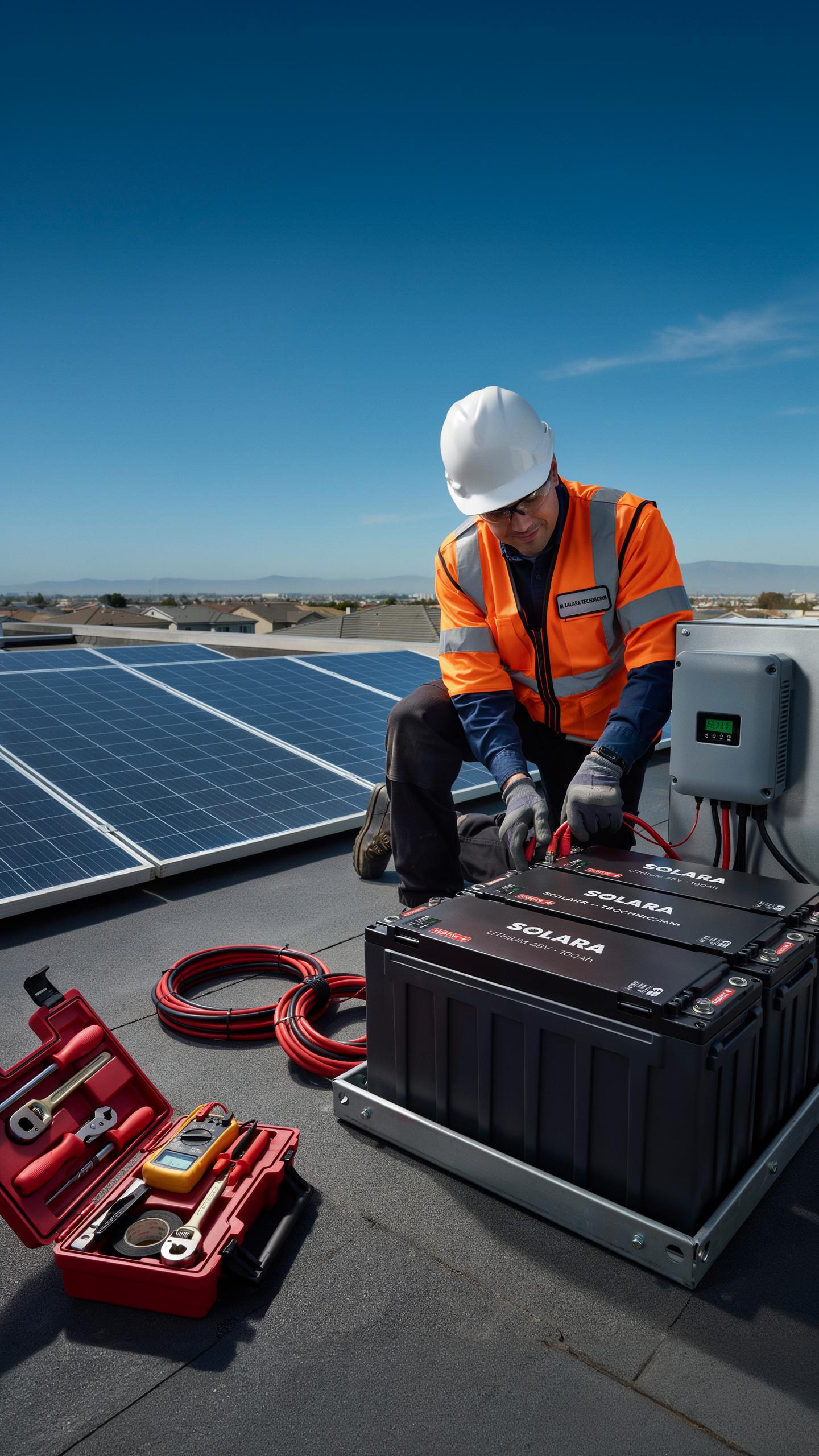
Working with high-voltage DC electricity demands strict safety discipline. Mistakes cause electrocution, fires, or equipment damage. You must treat every connection as potentially lethal. Treat this installation with the same respect you would a live electrical panel.
- Insulated Safety Gear: Wear rubber-soled shoes, insulated gloves rated for DC voltage, and long sleeves. Cotton clothing burns; synthetic materials resist flame better.
- Protective Eyewear: Battery terminals can arc and spray corrosive acid. Impact-resistant eyewear protects against sudden discharge events.
- Overcurrent Protection Devices: Install properly rated fuses or breakers between the battery bank and all circuits. Size them according to wire gauge and expected current draw.
- Dry Installation Environment: Moisture conducts electricity and creates shock hazards. Install your battery bank in a dry location with good air circulation to manage heat.
- Power Disconnection Protocol: Physically disconnect all sources before making electrical connections. Flip breakers off and verify with a multimeter that no voltage exists.
- Ventilation Requirements: Lithium and lead-acid batteries release gases during charging. Ensure your installation space has active ventilation to prevent explosive gas accumulation.
Improper installation kills. Follow these precautions exactly as written. Skip steps and you risk severe injury or property loss.
Wiring Batteries In Series Vs Parallel Configurations
Series wiring connects the positive terminal of one battery to the negative terminal of the next. This stacks voltages while maintaining the same amp-hour capacity. A four-battery series string with 12V batteries produces 48V at the original amp-hour rating. Use series wiring when your inverter or charge controller requires higher voltage than a single battery provides.

Parallel wiring connects all positive terminals together and all negative terminals together. Voltage stays the same as a single battery, but amp-hour capacity multiplies. Two 200 amp-hour batteries wired in parallel give you 400 amp-hours at the same voltage. Choose parallel wiring to increase energy storage without raising system voltage. Most off-grid systems use series-parallel combinations, mixing both methods to achieve the required voltage and capacity simultaneously.
Optimizing Your Off Grid Power Setup Battery Bank Configuration
Programming Charging Profiles For Different Battery Types
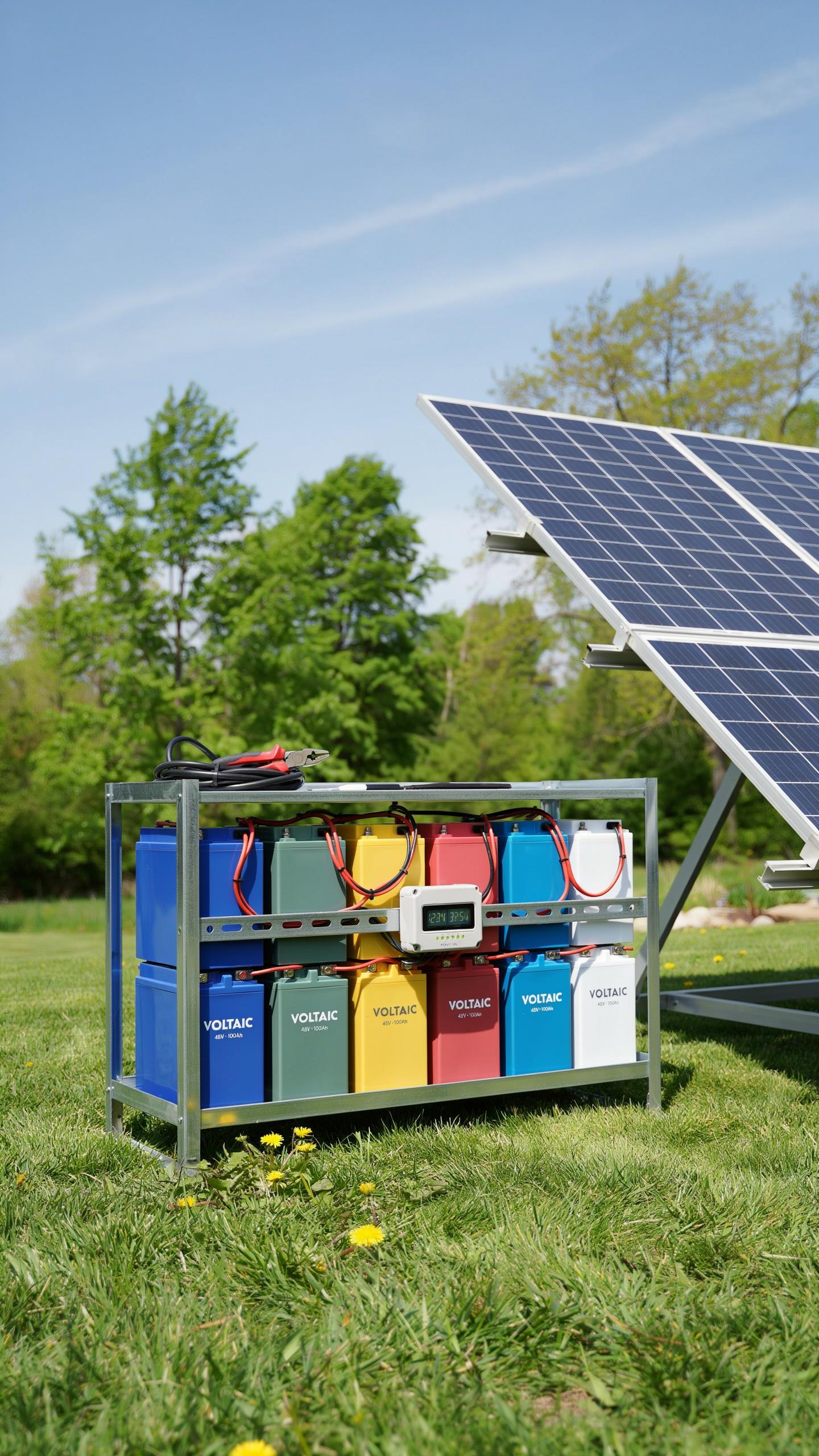
Lead acid batteries need bulk, absorption, and float stages to charge correctly. Bulk stage applies maximum current until voltage reaches a setpoint. Absorption stage holds that voltage while current tapers down. Float stage maintains a lower voltage to prevent overcharging. Lithium batteries require different setpoints and reject the float stage entirely. Programming wrong voltages degrades batteries fast and shortens lifespan by years.
Your charge controller must match your battery chemistry exactly. Flooded lead acid, AGM, gel, and lithium each demand specific voltage curves. Most modern controllers allow you to select battery type or input custom parameters. Mismatched profiles cause sulfation in lead acid or rapid degradation in lithium cells. Verify your controller supports your battery type before installation.
The Role Of Inverters In Managing Heavy Electrical Loads
Inverters convert stored DC power into AC electricity for household appliances. Pure sine wave inverters produce clean power that sensitive electronics tolerate. Cheaper modified sine wave inverters can damage motors, transformers, and medical equipment. Inverter sizing matters: continuous rating handles baseline loads, peak rating handles motor startup surges. An undersized inverter shuts down when a compressor or pump starts.

Select an inverter with continuous power at least 30 percent above your heaviest single appliance. If a well pump draws 4,000 watts peak, your inverter needs 5,200 watts continuous minimum. Efficiency drops below 50 percent capacity, so oversizing slightly improves real world performance. Most systems run multiple inverters in parallel for redundancy and load distribution during heavy use periods.
Essential Maintenance Tips For Your Battery Bank
Monitoring State Of Charge And Depth Of Discharge
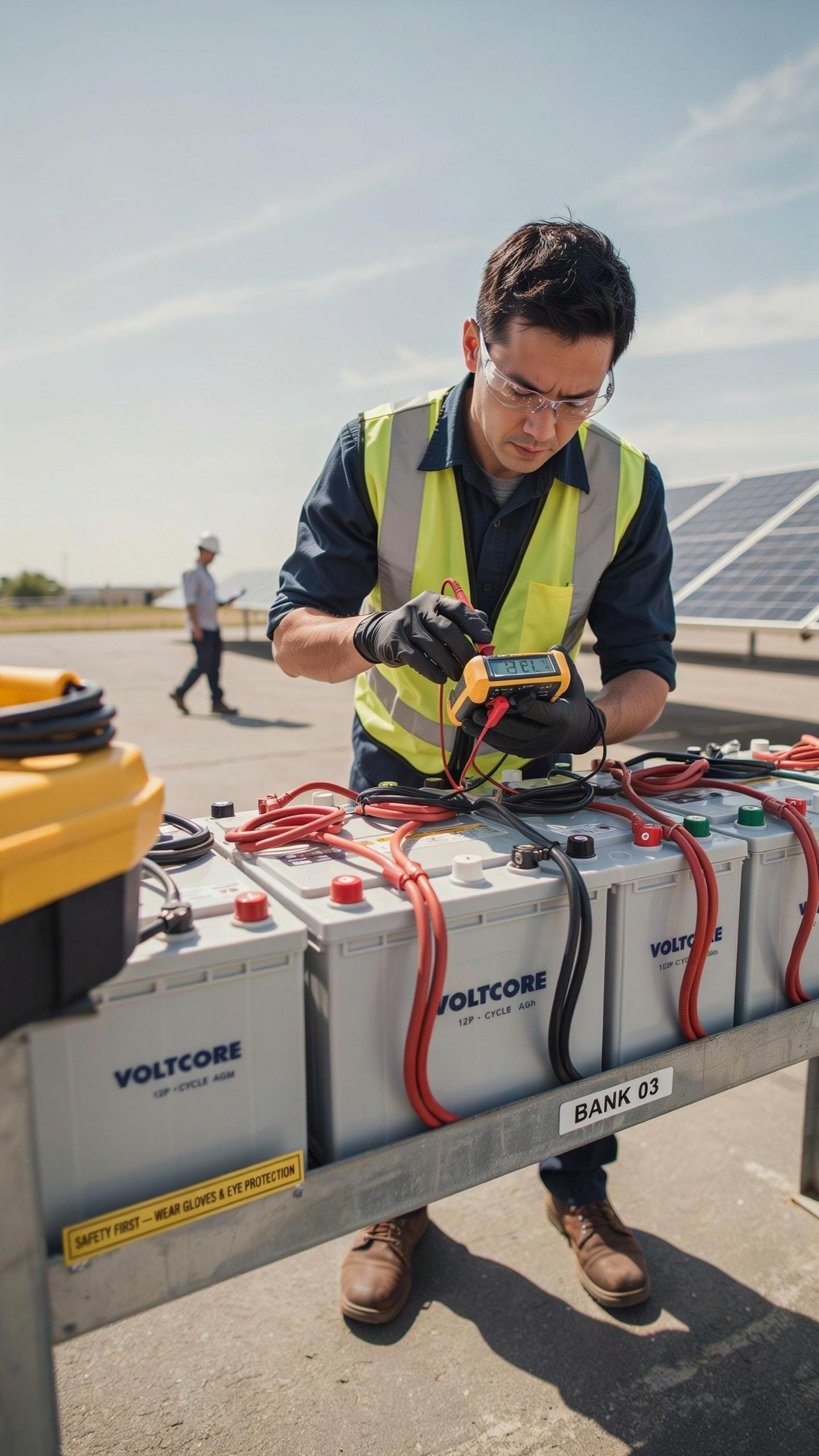
Your battery bank degrades faster when you consistently discharge it beyond its rated depth of discharge limit. A lithium battery rated for 80 percent DoD will fail prematurely if you regularly drain it to 20 percent remaining capacity. Lead-acid batteries suffer even more damage from deep cycling, losing usable capacity with each discharge cycle beyond their design threshold.
Install a shunt-based battery monitor to track state of charge in real time. This device measures current flow and calculates remaining capacity with accuracy. You gain visibility into how much power you actually have available and can adjust your consumption before you hit dangerous discharge levels. This single tool prevents costly battery replacement.
True wealth is found in the simple glow of a self-sufficient home where the quiet hum of stored sunlight keeps the darkness at bay. Building a lasting foundation for your lifestyle starts with a reliable energy reserve that honors the timeless spirit of independence.
Temperature Regulation And Venting For Lead Acid Systems
Cold temperatures reduce battery capacity temporarily by slowing chemical reactions inside the cells. A lead-acid battery in freezing conditions delivers only 50 percent of its rated capacity until it warms up. Heat accelerates internal corrosion and chemical degradation, permanently reducing lifespan. Maintain your battery bank between 50 and 80 degrees Fahrenheit for optimal performance and longevity.

Lead-acid batteries generate hydrogen gas during the charging cycle, especially during bulk charging phases. This gas must escape to the atmosphere or it creates explosion risk inside your battery enclosure. Install proper venting ducts that direct gas outside and away from living spaces. Never seal a lead-acid battery bank in an airtight room.
The Financial And Environmental Benefits Of Living Off The Grid

Reducing Carbon Footprint With Renewable Energy Storage
Storing solar energy locally eliminates dependence on utility grids powered by fossil fuels. Your off grid power setup battery bank captures energy from solar panels and stores it for immediate use. This direct storage prevents transmission losses that occur when utilities transport electricity across long distances. You reduce demand for grid power generated by coal, natural gas, or oil plants.
Battery storage systems paired with solar panels cut household carbon emissions substantially. The environmental gain compounds over time as your system generates clean power for 25 to 40 years. Every kilowatt hour stored locally is one kilowatt hour not demanded from fossil fuel infrastructure. This shift protects air quality and reduces your contribution to atmospheric carbon emissions.
Long Term Cost Savings And Freedom From Utility Inflation
Initial investment in batteries and solar panels runs between 15,000 and 50,000 dollars depending on system size and battery chemistry. This upfront cost eliminates monthly utility payments permanently once the system reaches full operation. Most homeowners recoup their investment through avoided electricity bills within 7 to 15 years. After that period, power generation becomes essentially free beyond routine maintenance.

Utility rates increase predictably every year at rates between 2 and 4 percent annually across most regions. Locking in electricity production today protects you from future rate hikes that utilities will impose. Grid infrastructure failures and brownouts become irrelevant to your power supply. You gain independence from market fluctuations and utility company operational decisions that directly impact your monthly expenses.
Integrating An Off Grid Battery Backup With Hybrid Systems
How Generator Integration Supports Solar Storage During Winter
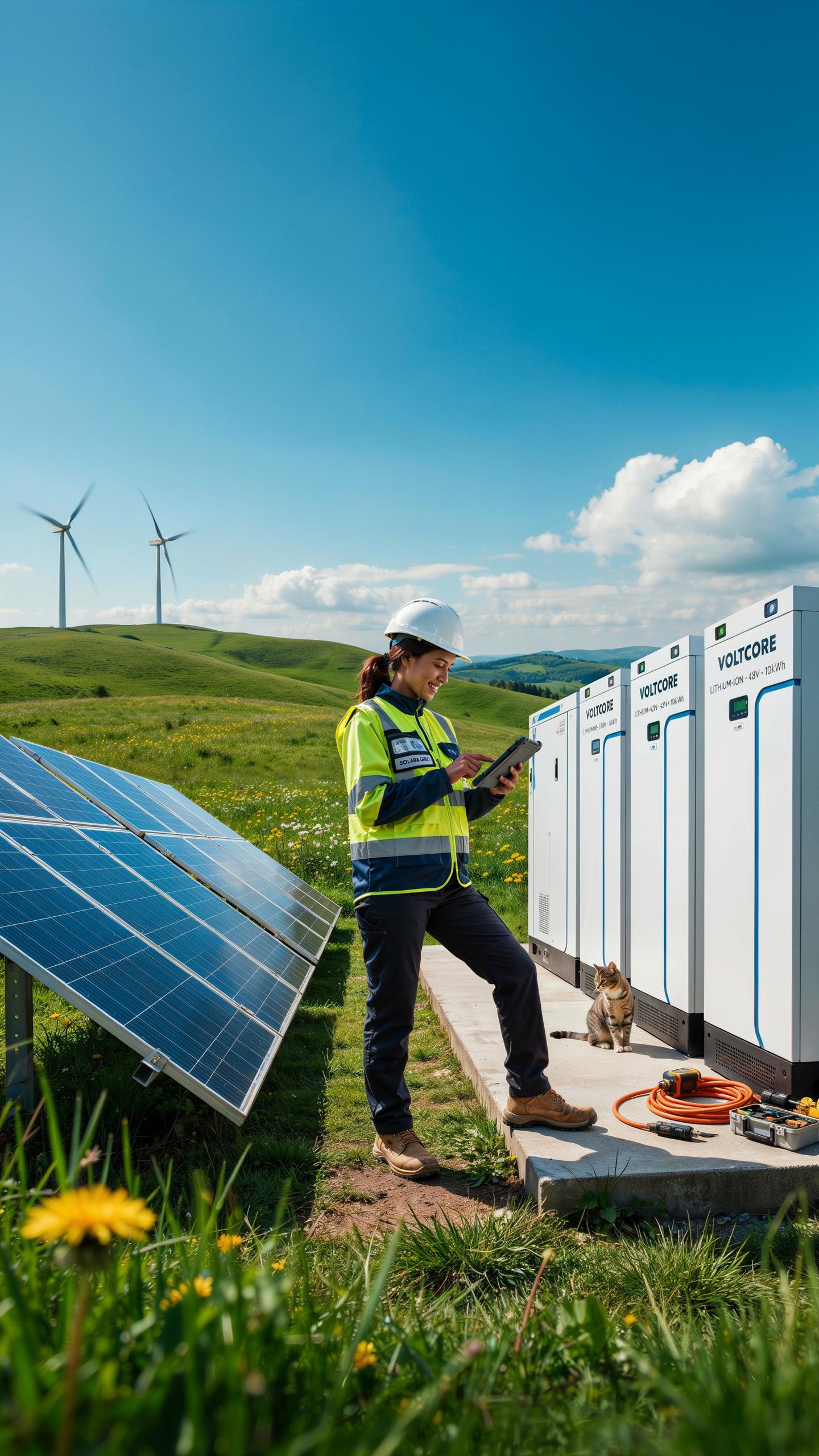
Winter reduces solar panel output by 50 to 80 percent depending on your latitude and cloud cover. A backup generator activates automatically when battery charge drops below a preset threshold, typically 20 to 30 percent. This prevents deep discharge cycles that damage lithium or lead-acid cells. The generator runs only when needed, conserving fuel and extending battery lifespan through controlled charging cycles.
Sizing your generator matters. Match its output to your largest load plus the charger amperage needed to recharge your battery bank. A 5kW to 10kW generator handles most residential systems. Dual-fuel models burning propane or natural gas offer longer storage life than gasoline. Automated transfer switches cut manual switching work and prevent backfeeding into the grid, which creates safety hazards.
Smart Inverters And Grid Tied Compatibility Options
Hybrid inverters manage three power sources: solar panels, battery storage, and utility grid connection. They switch seamlessly between sources based on real-time demand and available power. When grid power exists, the inverter charges batteries during off-peak hours at lower rates. When solar production peaks, excess power routes to the grid, and many utilities credit kilowatt-hours back to your account.
This setup reduces battery cycling stress since the grid absorbs surplus generation. You maintain 24/7 power availability without relying solely on stored energy. Grid-tie hybrid systems cost more upfront than standalone battery banks, but they offset costs through utility credits and reduced battery replacement cycles over 10 to 20 years.
Future Proofing Your Solar Battery Storage Setup
Adding Expandable Battery Modules To An Existing System
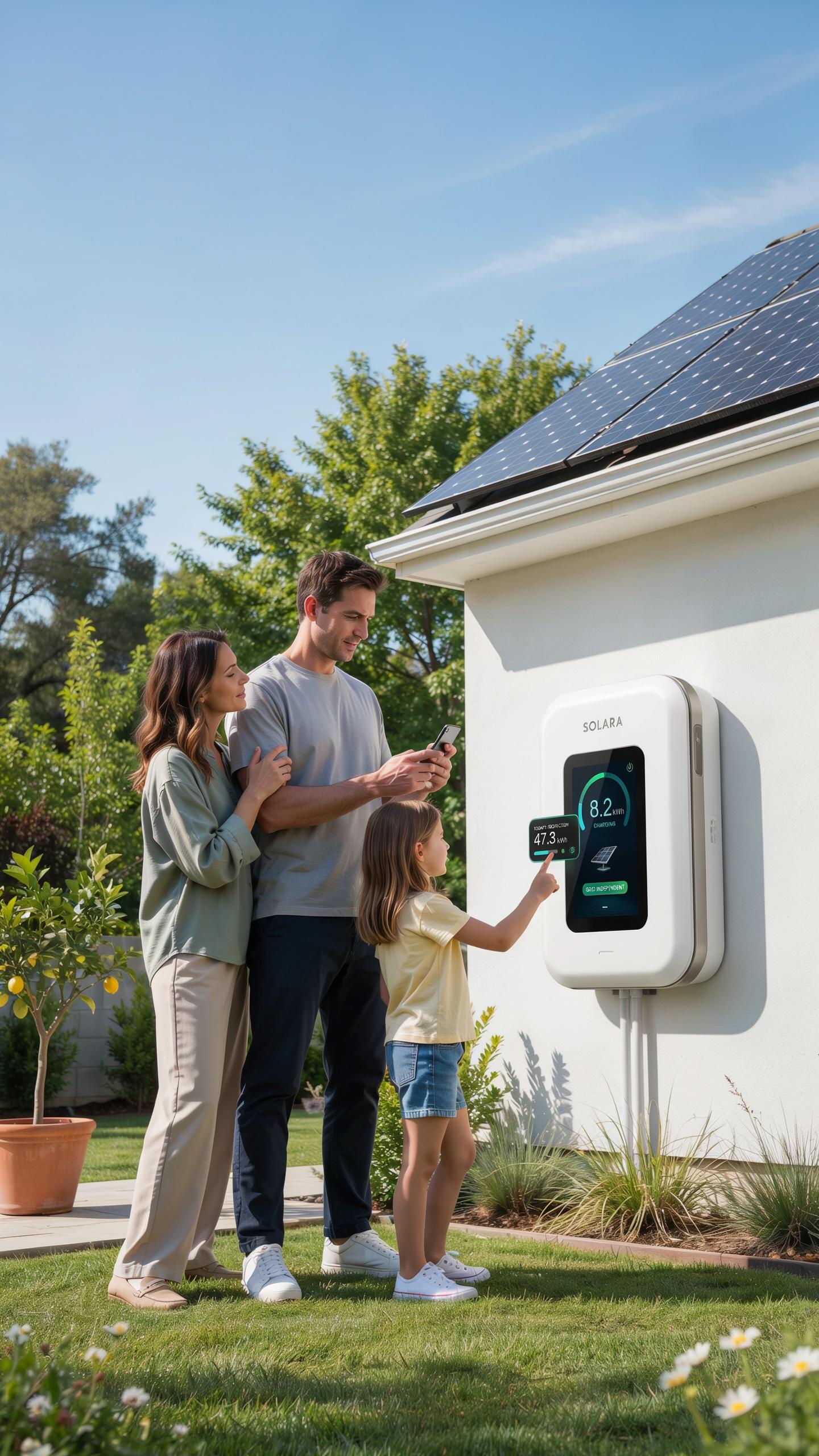
Power demand increases as your household or facility grows. Modular LiFePO4 battery systems let you add capacity without replacing your entire setup. You keep existing infrastructure intact and simply connect new modules in parallel. This approach cuts costs and reduces downtime during expansion.
Expandable systems work because LiFePO4 chemistry handles parallel configurations safely. Each module operates independently while contributing to total storage capacity. You size your initial inverter and wiring to accommodate future additions. This planning step matters more than the modules themselves.
Monitoring Storage Performance With IoT And Smart Home Apps
Real time monitoring reveals how your battery bank actually performs. Wi Fi and Bluetooth connected systems send data to apps on your phone or computer. You track charge cycles, temperature swings, and power flow instantly. This data drives better decisions about when to use stored energy.
Modern energy management platforms integrate with standard smart home ecosystems. You see consumption patterns and battery state of charge without guessing. Temperature alerts prevent thermal stress on your LiFePO4 cells. Remote diagnostics catch problems before they damage equipment or limit your power supply.
Frequently Asked Questions

What are the main components needed for a basic off grid power setup battery bank?
Starting your journey into energy independence requires a few essential components to work in harmony. A reliable off grid power setup battery bank typically consists of deep-cycle batteries, a charge controller to prevent overcharging, and an inverter to convert stored DC energy into usable AC power for your home appliances. Choosing the right chemistry, such as Lithium Iron Phosphate, ensures your system remains efficient, safe, and durable for many years to come.
How do I calculate the correct size for my off grid battery storage system?
To determine the ideal size for your off grid power setup battery bank, start by listing every appliance you plan to run and their total daily wattage. Multiply your daily consumption by the number of days you want backup power during cloudy weather, known as autonomy. Always include a safety buffer by adding 20% to your total capacity, ensuring you never fully deplete your batteries, which significantly extends their overall lifespan.
Is it possible to build a reliable power bank on a limited budget?
Absolutely, achieving energy freedom doesn’t always require a massive upfront investment. You can begin with a modest lead-acid battery array, which offers a lower initial cost compared to premium lithium options. By focusing on energy-efficient LED lighting and low-draw appliances first, you can minimize your storage needs. As your budget allows, you can gradually expand your system, making sustainable living accessible to anyone willing to start small and grow over time.