Foundations Of Off Grid Homesteading Garden Planning For Your Homesteading House
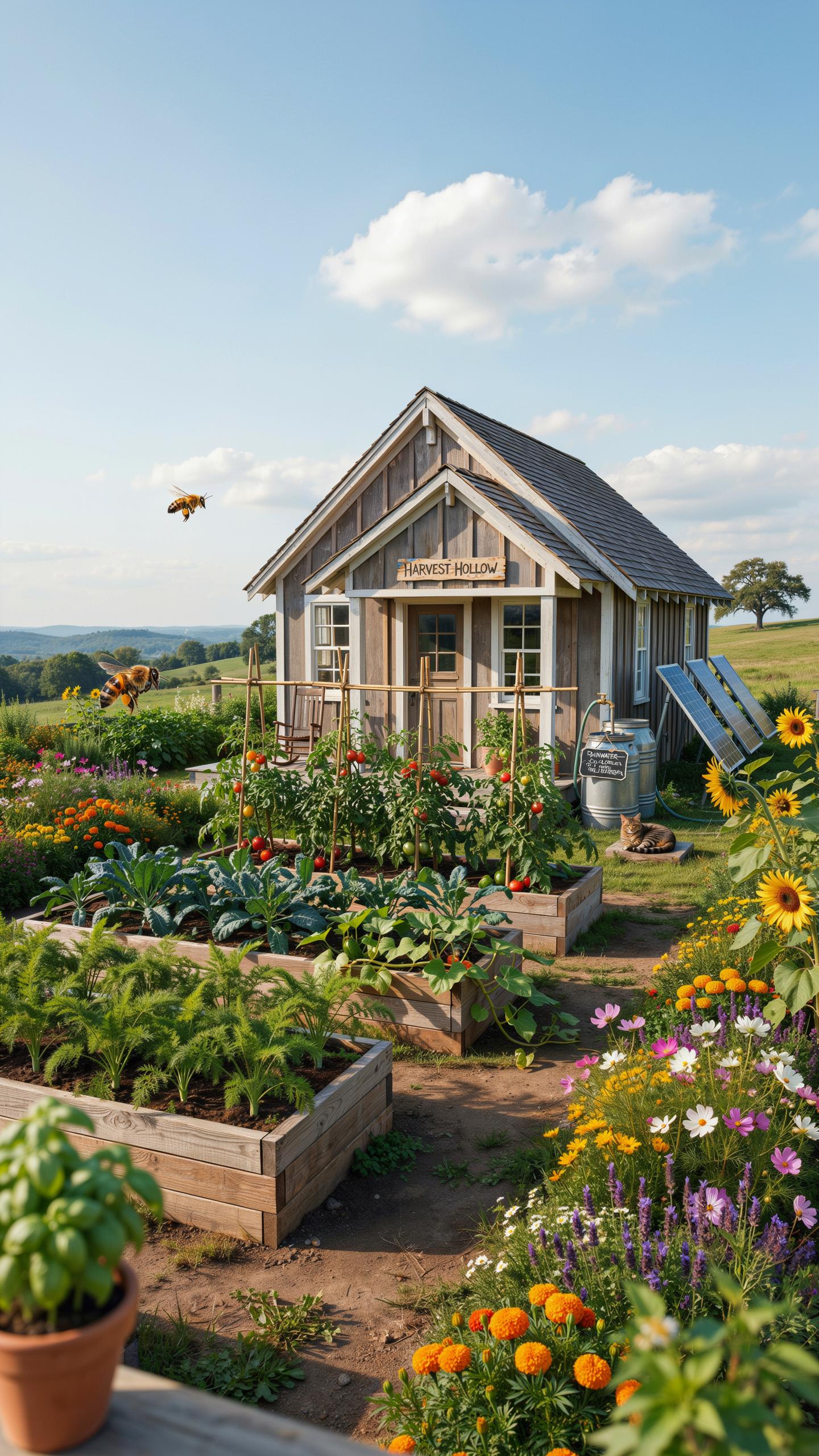
Assessing Solar Exposure And Topography For Elevated Efficiency
Solar exposure determines crop yield and energy production on your property. Map sun patterns across your land for a full year, not just one season. South-facing slopes in the Northern Hemisphere receive maximum winter sun. North-facing areas stay cooler and retain moisture longer. Identify microclimates created by buildings, trees, and terrain. This data drives placement of garden beds, water systems, and solar infrastructure.
Topography affects water flow, drainage, and soil erosion on your homestead. Sloped land moves water downhill, creating natural runoff zones. Low-lying areas collect water and stay wet longer. High points experience faster drainage and wind exposure. Map contours to position water catchment systems uphill and gardens mid-slope. Grade changes also influence where you build structures and paths without major earthwork.
Designing Zone Based Footpaths To Connect The Garden And House
Footpaths reduce travel time between work areas and increase efficiency on your property. Short, direct routes between the house, garden, water storage, and animal areas save steps and energy daily. Paths prevent soil compaction in planting zones. They define workflow patterns that minimize backtracking. Design paths before construction to avoid reworking the landscape. Mark routes based on how you actually move through the property, not theoretical patterns.
Path placement also protects your garden from foot traffic damage and contamination. Routes should funnel people around, not through, growing areas. Separate pedestrian circulation from animal movement paths. Use materials that drain quickly and stay stable in wet conditions, like gravel or wood chips. Establish clear boundaries so visitors and household members follow intended routes. Well-designed paths extend growing seasons by protecting beds from repeated impact and soil exposure.

Maximizing Efficiency And Design Layouts On A 1 Acre Plot
Utilizing Biointensive Planting Methods To Maximize Small Homestead Yields
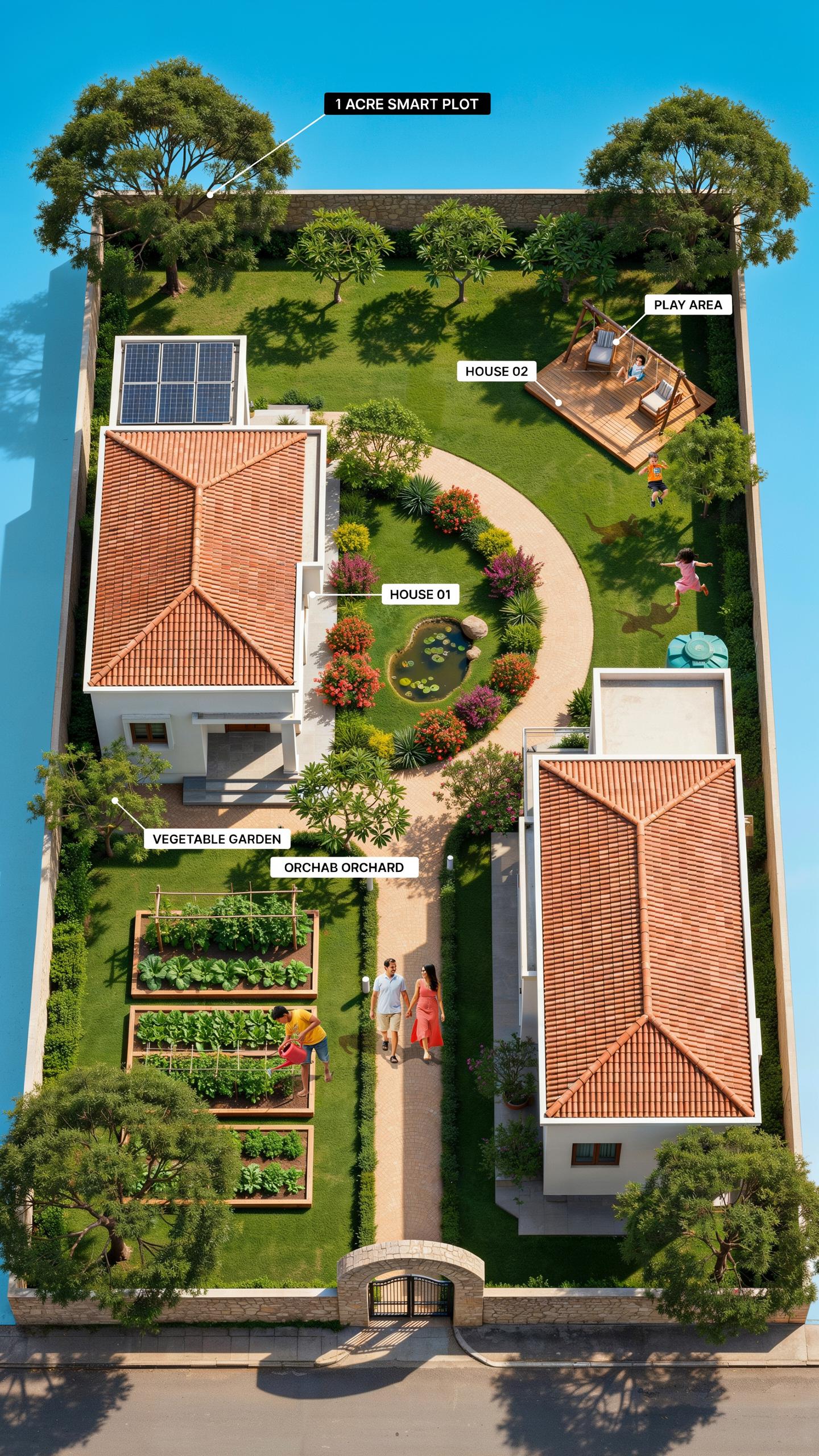
Biointensive agriculture concentrates crops in narrow raised beds spaced closely together. This method reduces walkway space and increases productive growing area by 50 to 100 percent compared to conventional row spacing. On one acre, you gain roughly 4,000 to 6,000 additional square feet of plantable surface by eliminating unnecessary pathways and optimizing bed dimensions.
The system requires deep soil preparation, typically 24 inches minimum, to encourage root development and nutrient access. You build permanent beds measuring 3 to 4 feet wide and any length that fits your space. Compost additions before each season sustain soil health without depleting nutrients, making the approach work long term on small plots with consistent yields over decades of use.
Creating Multi Functional Zones For Crops Poultry And Orchards
Divide your acre into distinct zones based on water access, sunlight exposure, and management frequency. Place high maintenance crops closest to your water source and dwelling. Situate poultry operations downwind and away from prevailing breezes toward living spaces. Position orchards on perimeter areas where they provide windbreaks and require minimal daily interaction once established.
This zoning prevents crop contamination from poultry, reduces labor time moving between tasks, and optimizes each area’s microclimate. A typical layout reserves 0.3 to 0.4 acres for vegetable beds, 0.2 to 0.3 acres for fruit trees and berries, and 0.2 acres for poultry and equipment storage. The remaining space handles infrastructure, composting, and buffer zones. This allocation balances production capacity with practical management on single acre operations.
Functional Aesthetics Integrating Native Off Grid Landscaping Techniques
Selecting Local Stone And Timber Elements For Long Lasting Hardscapes
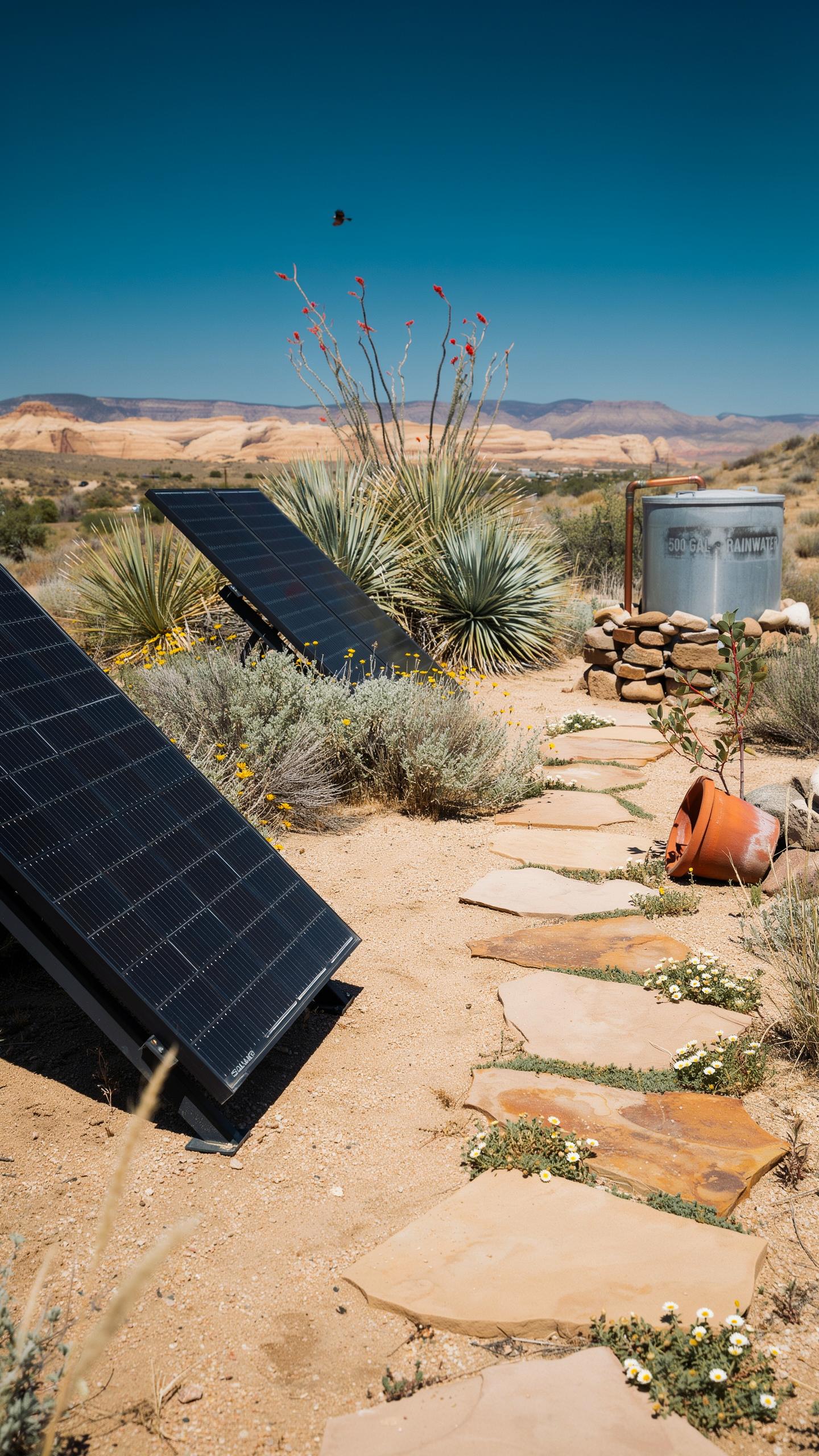
Local stone and timber outlast imported materials because they adapt to regional climate cycles. Stone sourced within 50 miles of your property comes from similar geological conditions, meaning it won’t shift, crack, or degrade faster than the surrounding earth. Timber from native species resists local pests and disease pressure better than exotic woods. These materials cost less to acquire and transport, directly reducing your off-grid budget allocation.
Use stone for retaining walls, pathways, and edging where water drainage matters. Position timber for raised beds, trellises, and structural boundaries. Both materials age visibly but maintain function. Native stone develops patina that reads as intentional design rather than neglect. Native timber weathers to gray tones that complement most landscapes. This approach eliminates the need for chemical sealers or ongoing maintenance cycles that drain resources off-grid systems can’t easily support.
Essential Landscaping Design Guidelines For A Polished Off Grid Aesthetic
Polished off-grid landscapes prioritize function over decoration. Every plant, path, and structure must serve a purpose related to food production, water management, energy flow, or site access. This eliminates wasted space and creates visual coherence through intention rather than ornament.
- Sight lines and access: Clear sightlines from home to garden beds and water infrastructure reduce navigation friction and safety risks during work cycles.
- Zone hierarchy: Organize beds by use frequency. Daily harvest zones sit closest to structures. Seasonal or specialty beds occupy outer areas to minimize footfall damage.
- Edge definition: Hard boundaries between zones prevent soil compaction and establish visual rhythm. Use local stone, timber, or mulch to define these transitions clearly.
- Drainage and slope: Design hardscapes to direct water toward plants or storage systems. Visible water flow demonstrates system intelligence and reduces boggy problem areas.
- Symmetry and repetition: Repeating bed dimensions, fence sections, or stone patterns create rhythm without wasting resources on decorative elements.
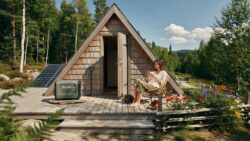
Polished design reflects operational competence. Visitors recognize that hardscapes, plant placement, and material choices all solve specific problems. This perception builds credibility for your off-grid system. It also makes the property easier to maintain because every element reinforces core functions rather than competing for attention or resources.
Creative And Beautiful Off Grid Garden Ideas For Modern Homesteads
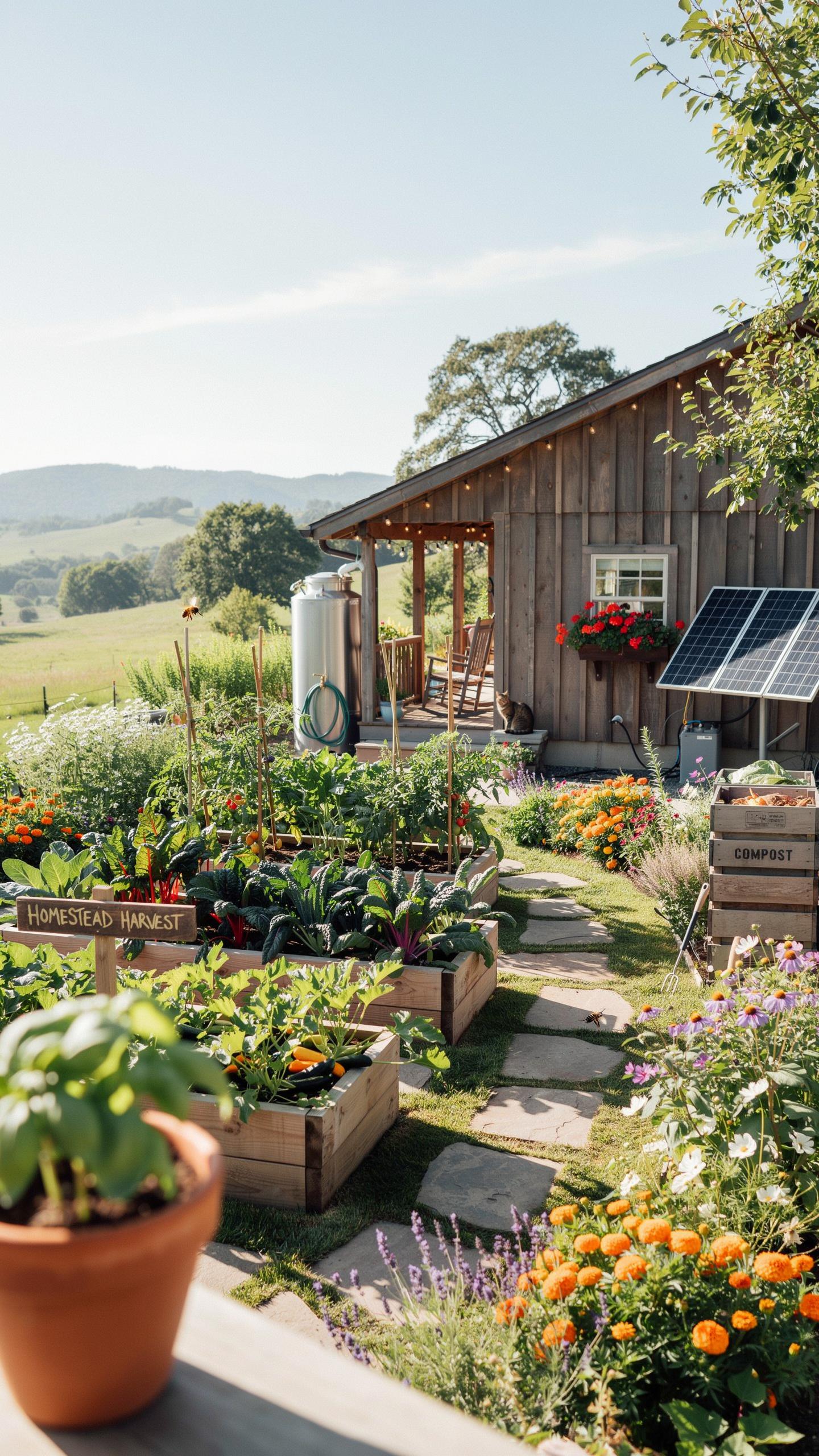
Geometrical And Structured Layouts For Raised Bed Gardening
Geometric layouts solve real problems in off grid homesteading. Square and rectangular raised beds maximize usable space and simplify water management. This structure lets you calculate soil volume accurately, control drainage without external infrastructure, and access plants from defined pathways. Grid patterns also make crop rotation tracking straightforward across seasons.
Raised beds work because they establish clear boundaries and reduce soil compaction from foot traffic. Four by eight foot beds accommodate most hand tools and allow you to reach the center from either side without strain. The structural integrity of wood, composite, or metal frames protects your soil investment and creates reliable microclimates for consistent growing conditions.
Incorporating Elegant Vertical Growing Trellises As Focal Points
Vertical trellises expand growing capacity without consuming ground space in limited homestead areas. Beans, peas, cucumbers, and squash climb naturally up structured supports, improving air circulation and reducing fungal pressure. This vertical approach reduces pest habitat and makes harvest easier since fruit hangs at waist level rather than along ground.
Trellis systems anchor your garden design while serving tactical functions. Wood or metal frames positioned at garden edges create natural sight lines and define space. You control vine placement by tying shoots to supports as they grow. This method concentrates yields in compact footprints and simplifies maintenance since you can inspect plants thoroughly without bending continuously.
Essential Elements Of Beautiful Off Grid Gardening And Soil Management
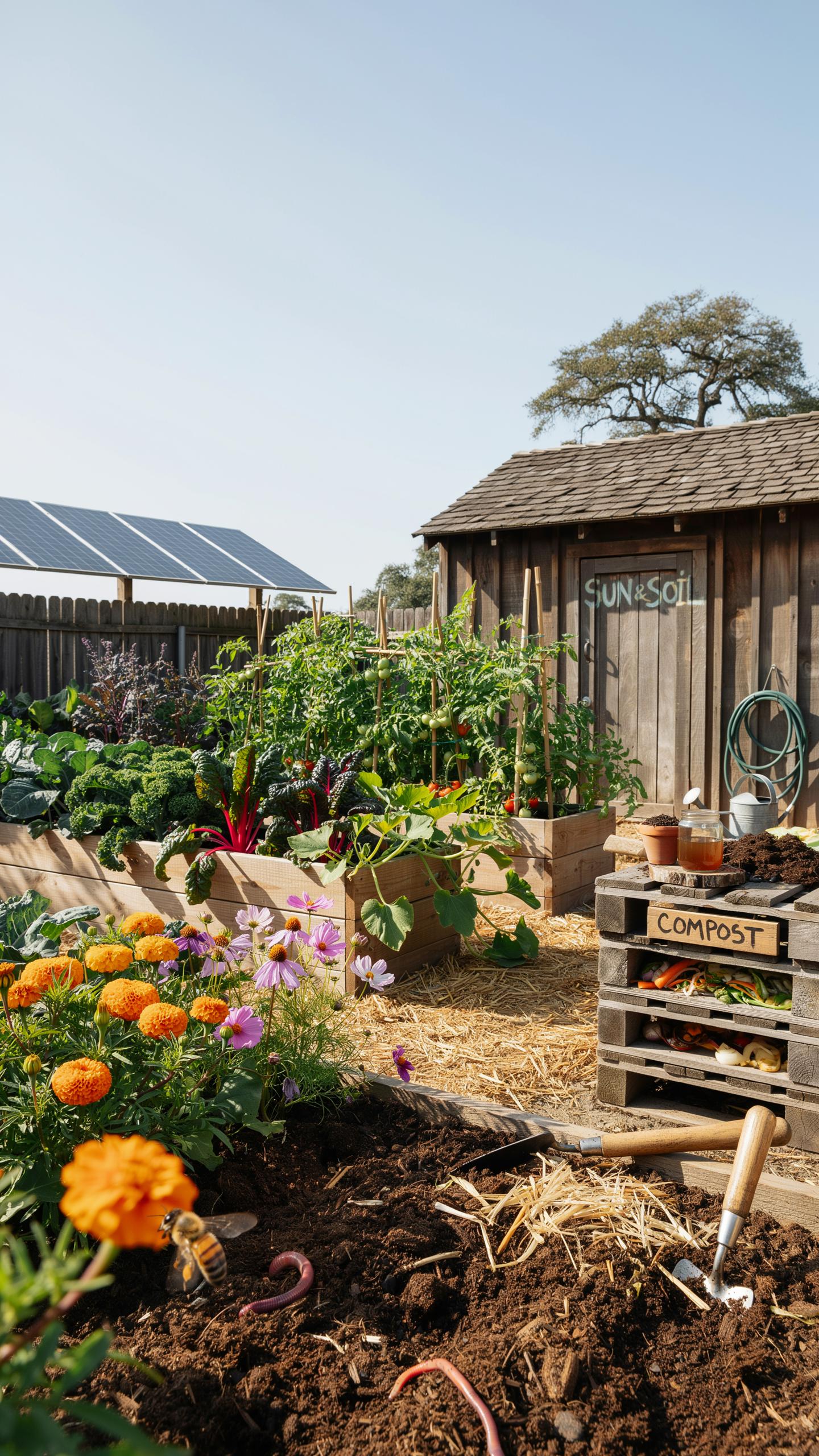
Implementing Sheet Mulching And No Till Beds For Clean Visual Lines
Sheet mulching builds soil without tilling. You layer cardboard or newspaper, compost, aged manure, and mulch directly on existing ground. This method eliminates the need to dig, preserves soil structure, and creates defined bed edges that read as intentional design. The layered approach suppresses weeds while adding nutrients over time.
No-till beds maintain clean perimeter lines through raised borders or hardscaping. Once established, these beds require only surface amendments and mulch refreshes. You avoid soil compaction and erosion that comes with repeated digging. The visual result is organized garden sections that look maintained without constant intervention.
Design should be a symphony of nature where the gardener’s hand is felt but rarely seen. A homestead thrives best when we plan for beauty that unfolds as naturally as the turning of the seasons.
Designing Odor Free And Highly Organised Modular Composting Systems
Odor problems stem from anaerobic conditions, excess moisture, or improper carbon-to-nitrogen ratios. Modular systems use separate bins for active composting, finishing compost, and fresh materials. This design keeps decomposition stages visible and prevents the muddled appearance of mixed-stage piles. Proper ventilation, layering brown materials with green waste, and moisture management eliminate smell while maintaining organized zones.
Modular composting systems fit grid layouts and integrate visually with the broader homestead. You rotate materials through bins on a predictable cycle, keeping the operation efficient and contained. Multiple smaller bins outperform single large piles for temperature control and aeration. The structured approach transforms composting from an eyesore into a functional design element.
Innovative Water Management Systems And Practical Off Grid Ideas
Designing Contoured Swales And Moisture Retaining Hugelkultur Beds
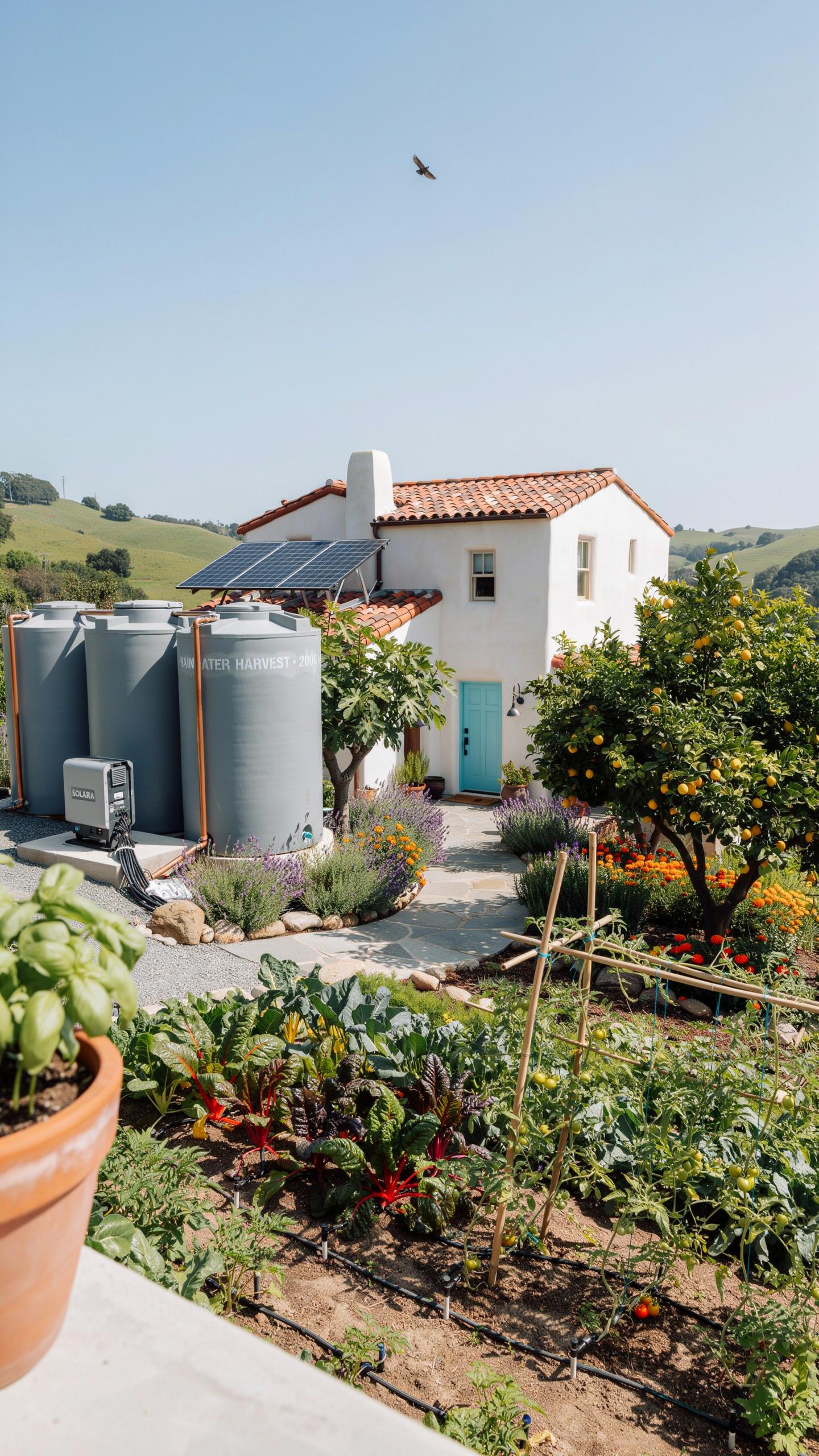
Swales are trenches dug on contour lines across sloped terrain. They capture runoff and allow water to infiltrate soil instead of eroding downhill. On off grid properties, swales reduce your need for supplemental irrigation by 30 to 50 percent depending on rainfall patterns and soil composition. Dig swales perpendicular to slope direction, making them level along their length. Depth ranges from six to eighteen inches based on your soil type and annual precipitation.
Hugelkultur beds originated in Central Europe as a method to build fertility while managing moisture. You stack wood, compost, and organic matter in raised mounds, then cover with topsoil. This technique works because decomposing wood acts as a moisture sponge, releasing water during dry periods. The wood also creates air pockets that improve drainage in clay soils. These beds require no irrigation after establishment in most climates with moderate rainfall.
Equipment And Steps Needed To Construct Gravity Fed Drip Irrigation
Gravity fed systems move water downhill without pumps, making them ideal for off grid gardens where power is limited. You need storage tanks positioned higher than growing beds, polyethylene tubing, drip tape or emitters, and basic fittings. Start by calculating your elevation change, tank capacity, and required flow rate for your garden size. Test your system before installing permanently to find leaks and adjust emitter spacing.
- Storage Tank Placement: Position tanks at least three to four feet above your highest garden beds. This creates sufficient pressure for drip emitters to function without additional equipment.
- Polyethylene Tubing: Use half-inch tubing for main lines and quarter-inch for secondary lines. Larger diameter reduces pressure loss over longer distances.
- Drip Emitters: Install emitters rated between 0.5 and 2 gallons per hour. Spacing depends on soil type and crop water needs.
- Filter Installation: Add a screen filter at tank outlet to prevent sediment from clogging emitters. Clean filters every two to four weeks during growing season.
- Pressure Regulation: Insert a regulator if tank elevation creates pressure over 30 PSI. Excessive pressure causes uneven water distribution and emitter failure.

Maintenance focuses on seasonal checks and debris removal from the filter. Flush lines annually by opening end caps to clear accumulated sediment. During winter dormancy, drain all tubing in freezing climates to prevent ice damage. This system delivers 80 to 90 percent water efficiency compared to 40 to 60 percent with traditional sprinklers.
Choosing Key Crop Varieties For Off Grid Homesteading Garden Planning Self Sufficient Success
High Yield Companion Planting Combos For Natural Pest Defense
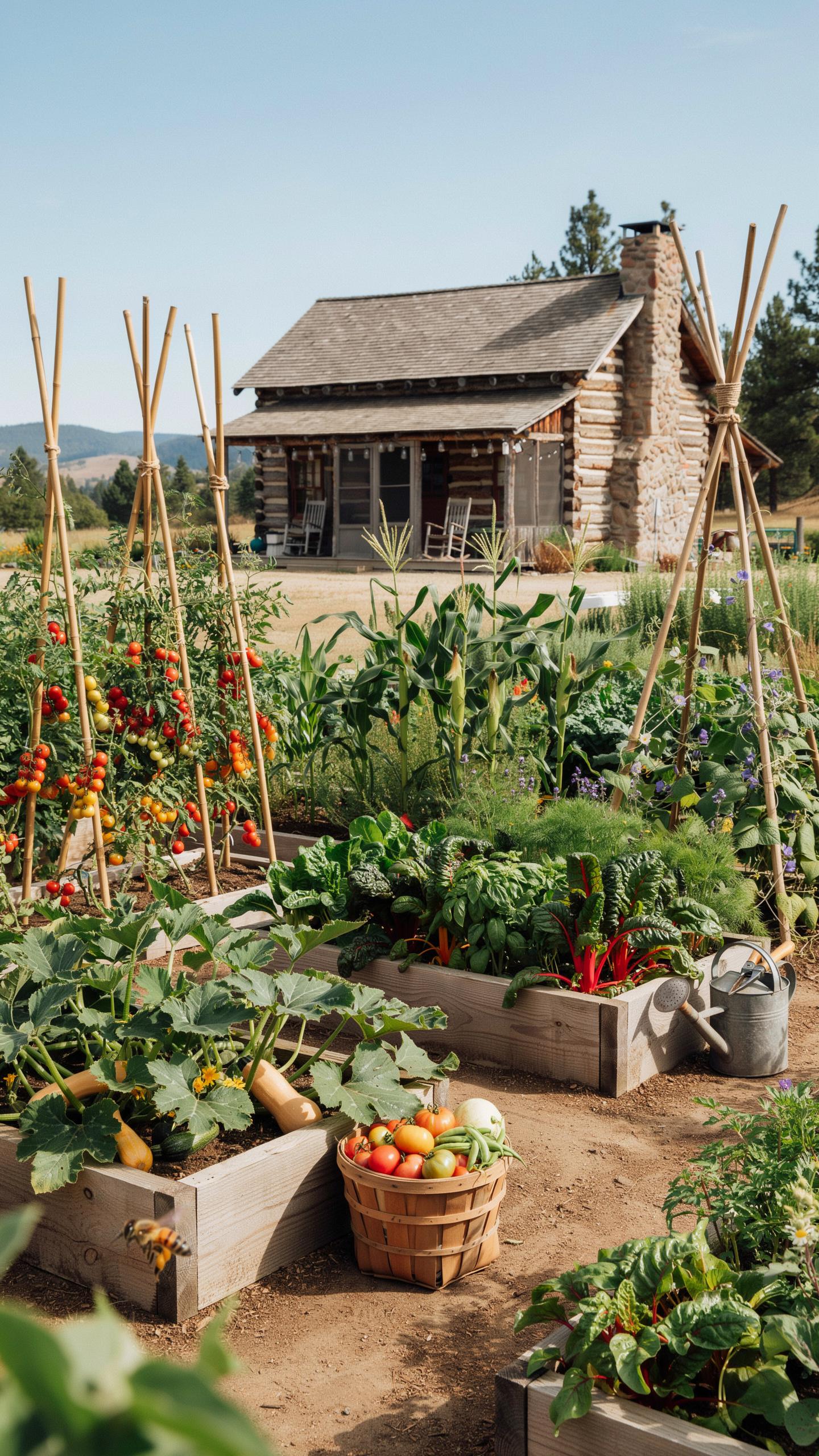
Companion planting works through biological mechanisms, not magic. Certain plants repel specific pests, attract beneficial insects, or alter soil chemistry in ways that protect adjacent crops. Marigolds contain compounds that deter aphids and whiteflies. Basil planted near tomatoes reduces spider mite pressure. These combinations reduce your dependence on external inputs, which matters when you cannot easily source pesticides or fertilizers off grid.
The three sisters method combines corn, beans, and squash in a single planting zone. Corn provides vertical structure for bean vines to climb. Beans fix nitrogen in soil for corn and squash to access. Squash leaves shade the soil, suppressing weeds and retaining moisture. This system produces reliable yields across three crops in one space, maximizing your garden’s productive capacity without additional labor or amendments.
Establishing Perennial Herbs And Food Forests For Year Round Security
Perennial herbs eliminate replanting cycles and provide consistent harvests across multiple years. Rosemary, thyme, oregano, and sage survive winter dormancy in most climates and regrow each spring. Perennial vegetables like asparagus, rhubarb, and artichokes produce for ten years or longer with minimal intervention. These crops reduce your annual seed and labor requirements while guaranteeing continued production during seasons when you cannot access new seeds.
Food forests mimic natural forest structures by layering plants at different heights. Tall fruit and nut trees form the canopy. Smaller trees and shrubs occupy the understory. Herbaceous plants and ground covers fill lower zones. This design produces food across spring, summer, and fall from the same land area. Once established, food forests require minimal input because their layered structure suppresses weeds and maintains soil health through leaf litter and root systems.
Charming Farmstead Ideas To Structure And Beautify Your Property
Using Living Fences And Mixed Hedgerows As Natural Boundary Markers
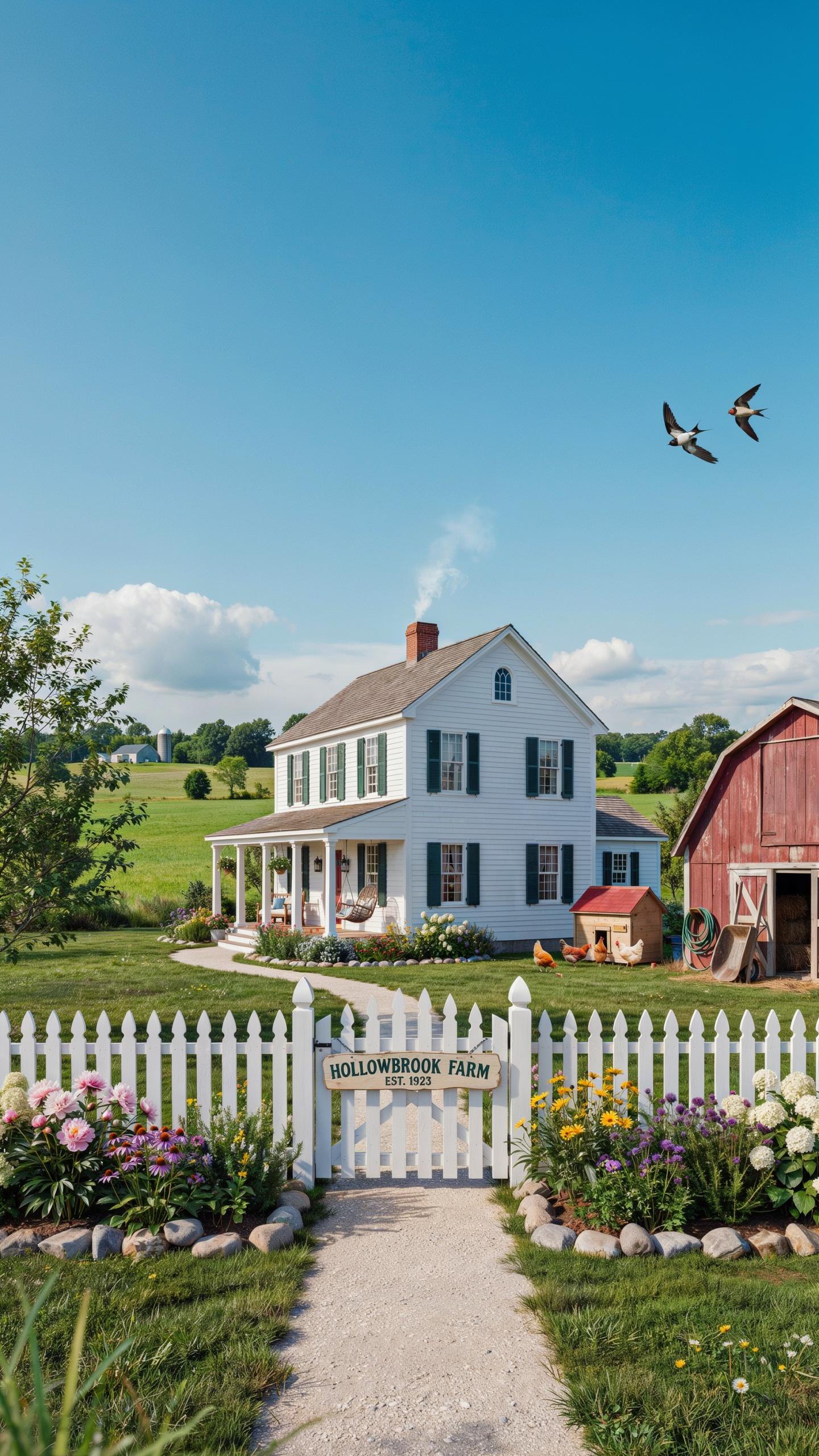
Living fences serve multiple functions on off grid homesteads. They define property lines without requiring manufactured materials. Mixed hedgerows combine shrub and tree species to create dense barriers. This approach costs less than traditional fencing and improves over time as plants mature and thicken.
Select species suited to your climate zone and soil type. Hawthorn, privet, and beech establish quickly in temperate regions. Hedgerows also provide wildlife habitat and produce edible berries or nuts depending on species chosen. Maintenance involves annual trimming to maintain shape and encourage dense growth.
Developing Scenic Pathways That Seamlessly Direct Farm Traffic
Pathways organize movement across your property and protect soil from compaction. Design routes that connect essential areas like water sources, garden beds, and animal shelters. Direct foot traffic away from sensitive growing zones to prevent damage and reduce maintenance demands.
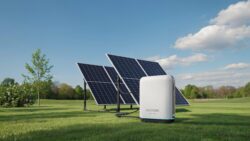
Use gravel, wood chips, or packed earth for pathway surfaces based on drainage needs and budget. Gravel drains quickly but requires periodic raking. Wood chips suppress weeds and break down into soil amendment over time. Mark pathway edges with stones or low borders to keep traffic contained and preserve surrounding plantings.
Embracing The Peaceful Lifestyle Of Sustainable Off The Grid Living
Organising Beautiful Garden Workstations And Tool Preservation Sheds
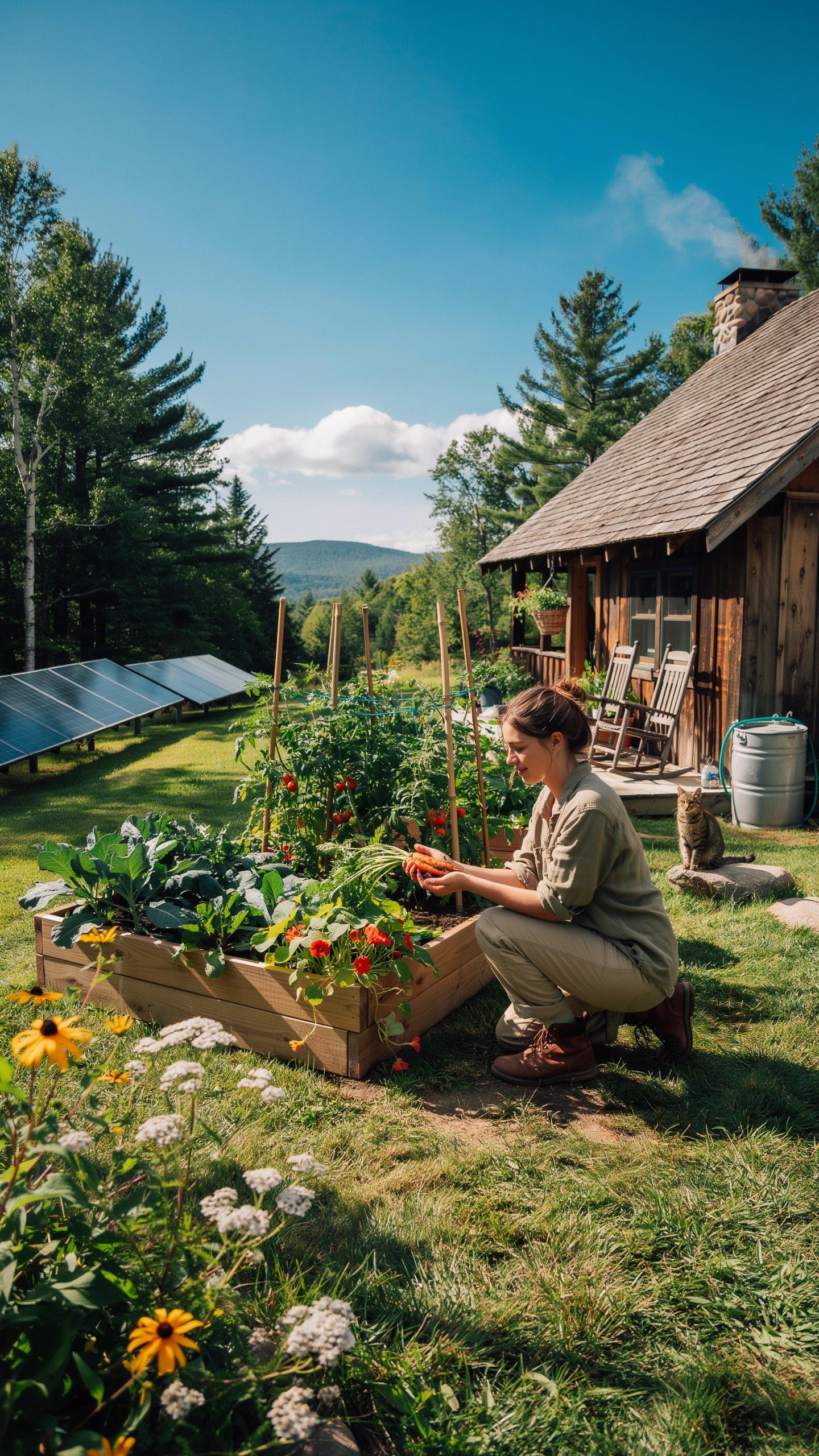
Tool storage directly impacts your productivity and long-term garden success. Position your main workstation near water sources and close to frequently used garden beds to reduce travel time during peak work seasons. Build sheds from materials that withstand your climate: metal frames resist rot in wet regions, while wood frames work better in dry areas. Orient structures to maximize airflow and minimize moisture buildup that degrades equipment and seeds.
Organize tools by function rather than by size or type. Keep soil amendments, fertilizers, and seeds in sealed containers to prevent pest access and preserve germination rates. Install pegboards or wall-mounted racks to keep hand tools visible and accessible. Establish a dedicated potting bench with drainage underneath to prevent water damage to stored supplies. This systematic approach reduces time searching for equipment and minimizes tool loss or degradation.
Balancing Food Production With Inviting Spaces For Native Wildlife
Wildlife corridors increase pollinator activity and natural pest control in your garden system. Leave areas unmowed and unmanicured along garden perimeters to support ground-nesting bees and beneficial insects. Plant native species appropriate to your region alongside food crops, which provides shelter without competing for nutrients. Research local native plants that bloom at different times to ensure year-round food sources for pollinators and predatory insects that eat crop pests.
Water features draw wildlife that controls garden pests naturally. A shallow basin with stones allows insects and birds to drink safely while supporting your ecosystem balance. Design these features adjacent to but separate from food production areas to prevent contamination. This separation maintains food safety while maximizing the ecological benefits that reduce your reliance on external pest management inputs.
Frequently Asked Questions

How do I begin designing a functional yet beautiful self-sufficient garden?
Starting your journey begins with thoughtful off grid homesteading garden planning to balance aesthetics and utility. Focus on a zone-based layout where high-maintenance crops stay near the home. By using permanent raised beds and geometric pathways, you create an organized structure that looks intentional. This foundational approach ensures your productive space remains manageable while providing a polished, high-end landscape feel that enhances your property’s overall natural beauty.
What are the best ways to maintain a clean aesthetic in a productive garden?
Achieving a polished look requires integrating repeating elements and defined borders. Use uniform materials like cedar wood or stone for garden beds and mulch pathways with woodchips to suppress weeds effectively. Integrating vertical trellises adds visual height and keeps sprawling plants contained. Successful off grid homesteading garden planning also involves interspersing colorful pollinator flowers among vegetables to create a lush, cottage-style atmosphere that looks curated rather than cluttered.
Can I create a high-end homestead garden on a limited budget?
Absolutely. A sophisticated look is often more about consistency and arrangement than expensive materials. You can source local stones for edging or repurpose fallen timber to create rustic, uniform containers. Focus on starting your plants from seed and propagating perennials to fill large spaces affordably. Simple symmetry and clean lines go a long way in making a DIY project look like a professional landscape without a massive financial investment.