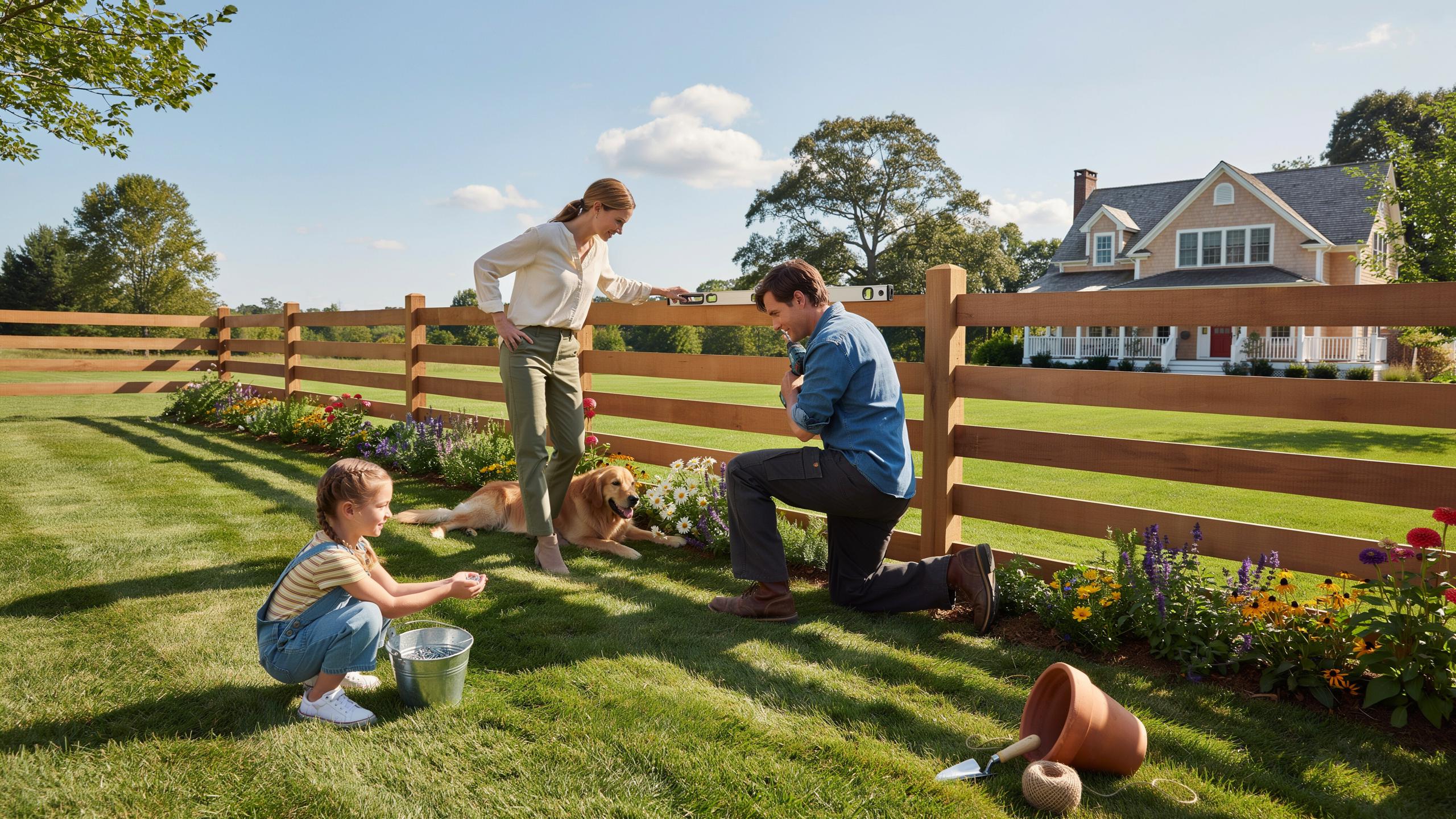
Welcome To Homestead Fencing Planning Your Perfect Layout
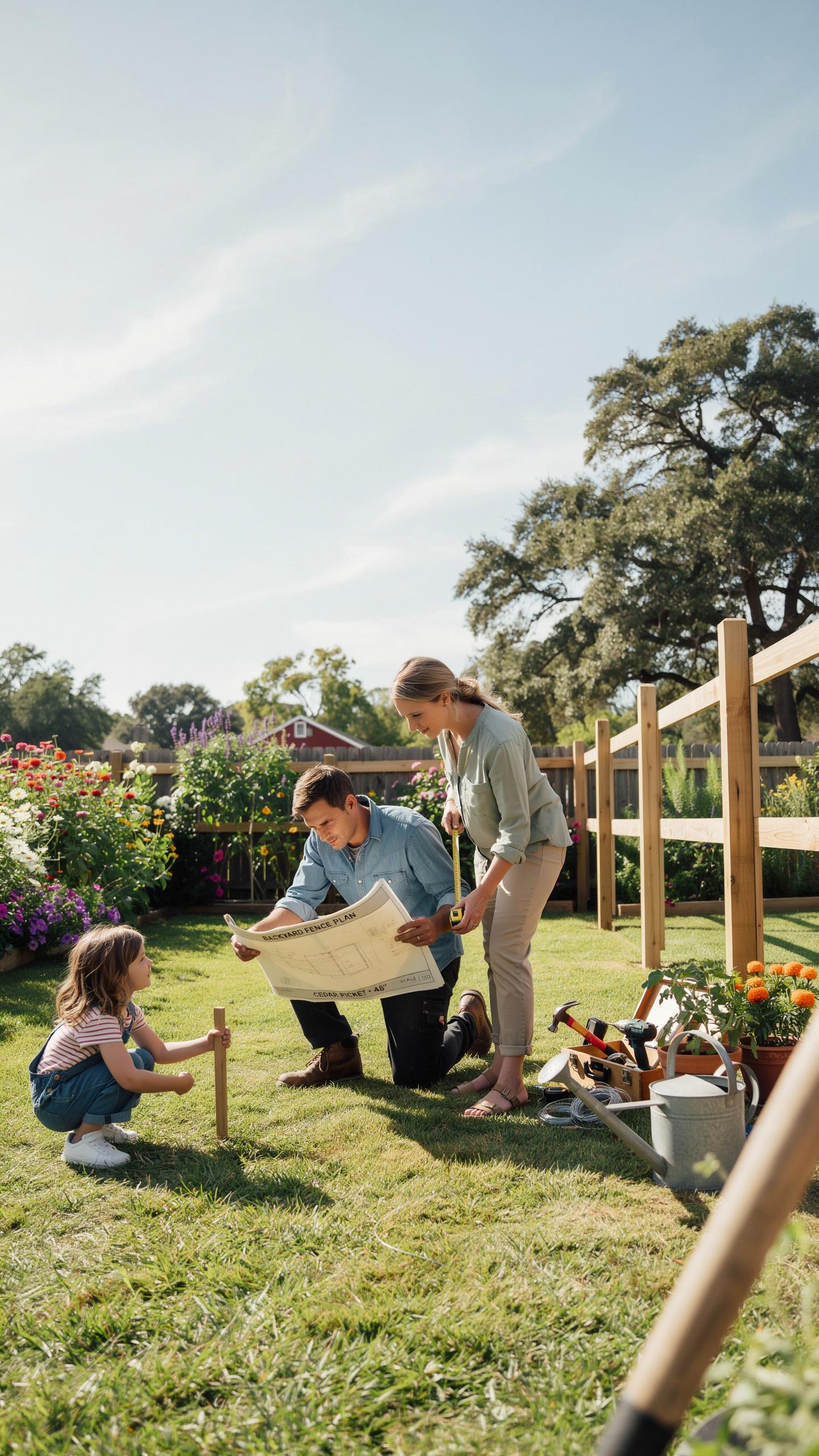
Evaluating Property Boundaries And Terrain
Start by obtaining your property survey or deed to confirm exact boundary lines. Contact your local zoning office to verify setback requirements and any restrictions on fence height or materials. These rules vary by county and municipality, so skipping this step creates legal and financial exposure.
Topography dictates your fence design and installation method. Steep slopes require different post spacing and potential terracing. Identify drainage patterns, rock outcrops, and existing vegetation before ordering materials. Wet areas demand rot-resistant materials and proper grading to prevent water pooling at the base.
Selecting Materials For Durability And Aesthetics
Pressure treated wood offers affordability and customization but requires regular maintenance every three to five years. Vinyl eliminates painting but costs more upfront and can crack in extreme temperature swings. Chain link provides security at lower cost with minimal upkeep. High tensile wire works for livestock containment and costs less than solid barriers.
Match materials to your specific needs rather than aesthetic preference alone. Livestock operations need different specifications than property perimeter fencing. Calculate total cost including posts, hardware, and labor across the fence lifespan. Weather patterns in your region directly impact which material survives longest without deterioration or failure.

Inspiring Farm Fence Ideas To Enhance Curb Appeal
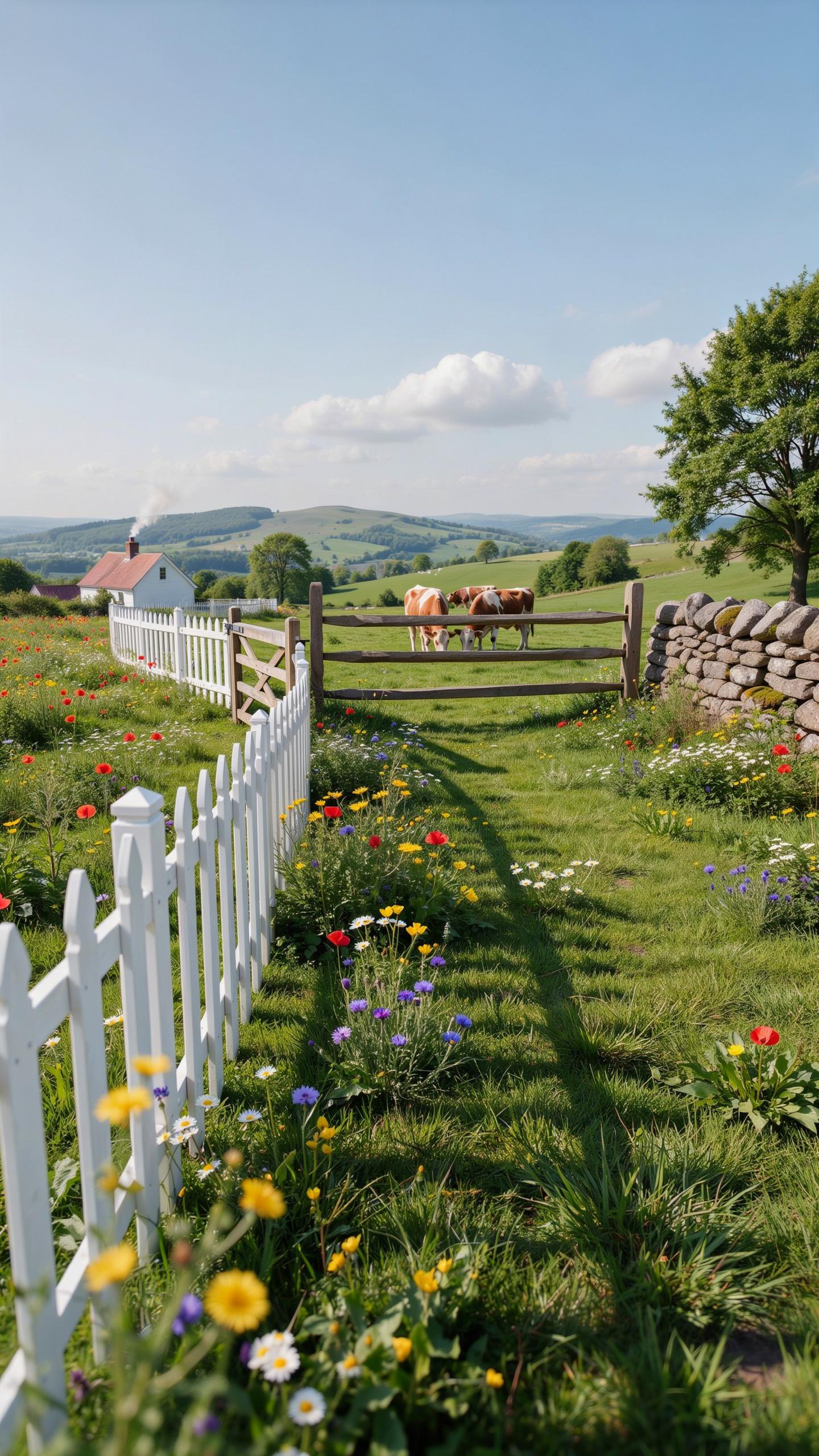
Classic Split Rail And Post And Rail Designs
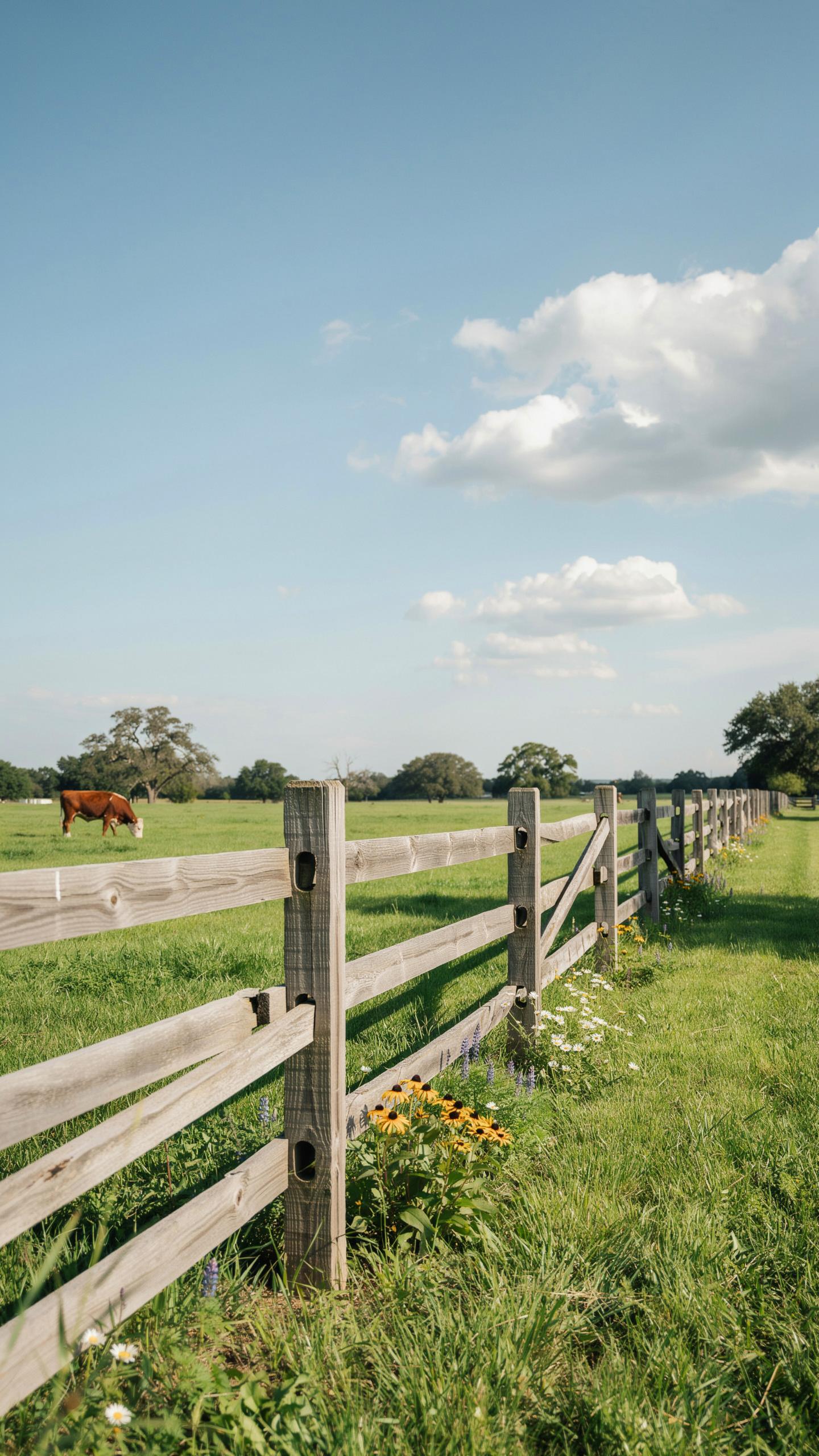
Split-rail and post-and-rail fences have functioned as property boundaries since colonial America. These designs use horizontal rails notched into vertical posts, creating an open structure that defines land without blocking sightlines. The construction method remains unchanged because it works. Wood species like locust and cedar resist rot naturally, extending fence life significantly.
This fence style suits rural properties because it matches the landscape visually. Livestock can graze while you maintain clear views across your land. The open design handles weather well since wind passes through rather than pushing against solid barriers. Maintenance involves occasional rail replacement when wood deteriorates, typically every 10 to 15 years depending on climate and wood species.
Modern Farmhouse Variations With Wire Mesh Backing
Wire mesh backing transforms traditional wooden frames into functional barriers that contain animals and exclude pests. Black welded wire mesh attached to post-and-rail frames creates a hybrid structure balancing aesthetics with containment. The dark color recedes visually, preserving panoramic views while functioning as an effective small animal barrier and pet enclosure.

Installation requires stretching mesh tight across the frame and securing it with galvanized staples or wire clips. This setup stops chickens, rabbits, and small predators while maintaining the farmhouse aesthetic. Maintenance focuses on mesh inspection and staple tightening rather than wood rot prevention. The combination handles high-traffic animal areas effectively without the solid appearance of board fencing.
Essential Farm Animal Fencing For Safety And Containment
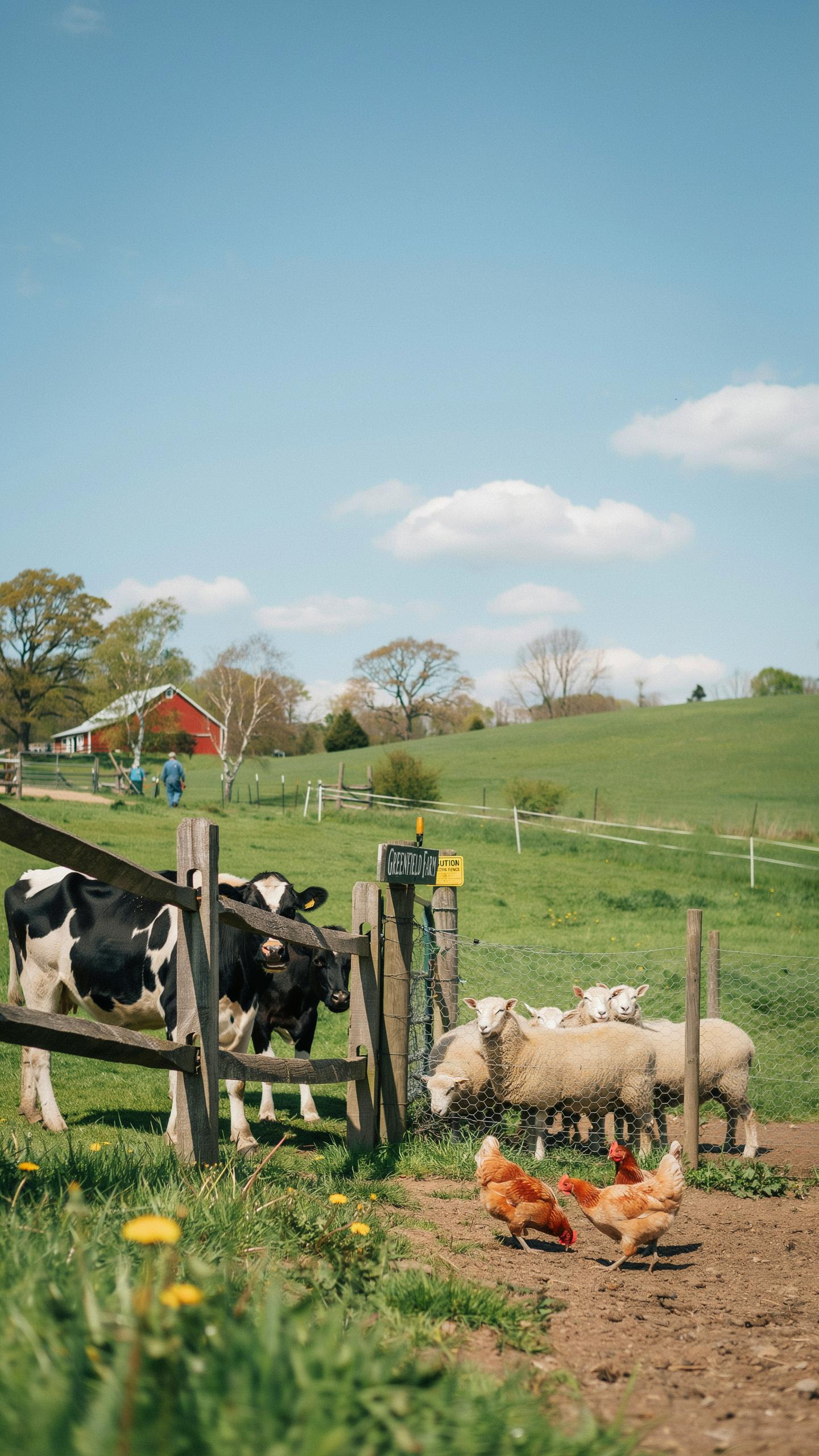
Matching Mesh Sizes To Livestock Types
Different livestock require different mesh openings to prevent head entrapment and escape. Cattle need larger openings around 2 to 4 inches, while sheep and goats demand smaller 1 to 2 inch spacing. Field fencing works for cattle but fails for smaller animals. Woven wire fencing provides the flexibility to match your specific herd composition and behavior patterns.
The consequences of mismatched fencing are direct. Animals wedge their heads through oversized mesh and suffer injury or death. Predators exploit gaps and kill confined stock. Proper mesh sizing eliminates these risks while reducing veterinary costs and animal loss. Select fencing that fits your livestock first, then build around that requirement.
The Role Of Electric Charger Systems
Electric chargers reinforce physical barriers by delivering a negative psychological association with contact. Low impedance chargers maintain consistent voltage output even when animals lean against wet fencing. This consistency trains animals to respect boundaries without requiring constant reinforcement. A functioning electric system extends the working life of your physical fence by reducing wear and pressure from persistent animals.
Voltage output matters for effectiveness. Most systems operate between 2000 and 5000 volts depending on fence length and vegetation contact. Higher impedance reduces effectiveness through grounding and vegetation shorts. Install chargers designed for your fence perimeter length to maintain adequate voltage delivery. Proper setup prevents injuries while creating psychological barriers that keep livestock contained.
Practical Fencing Ideas For Acreage And Large Boundaries
Top Cost Effective Materials For Large Scale Land
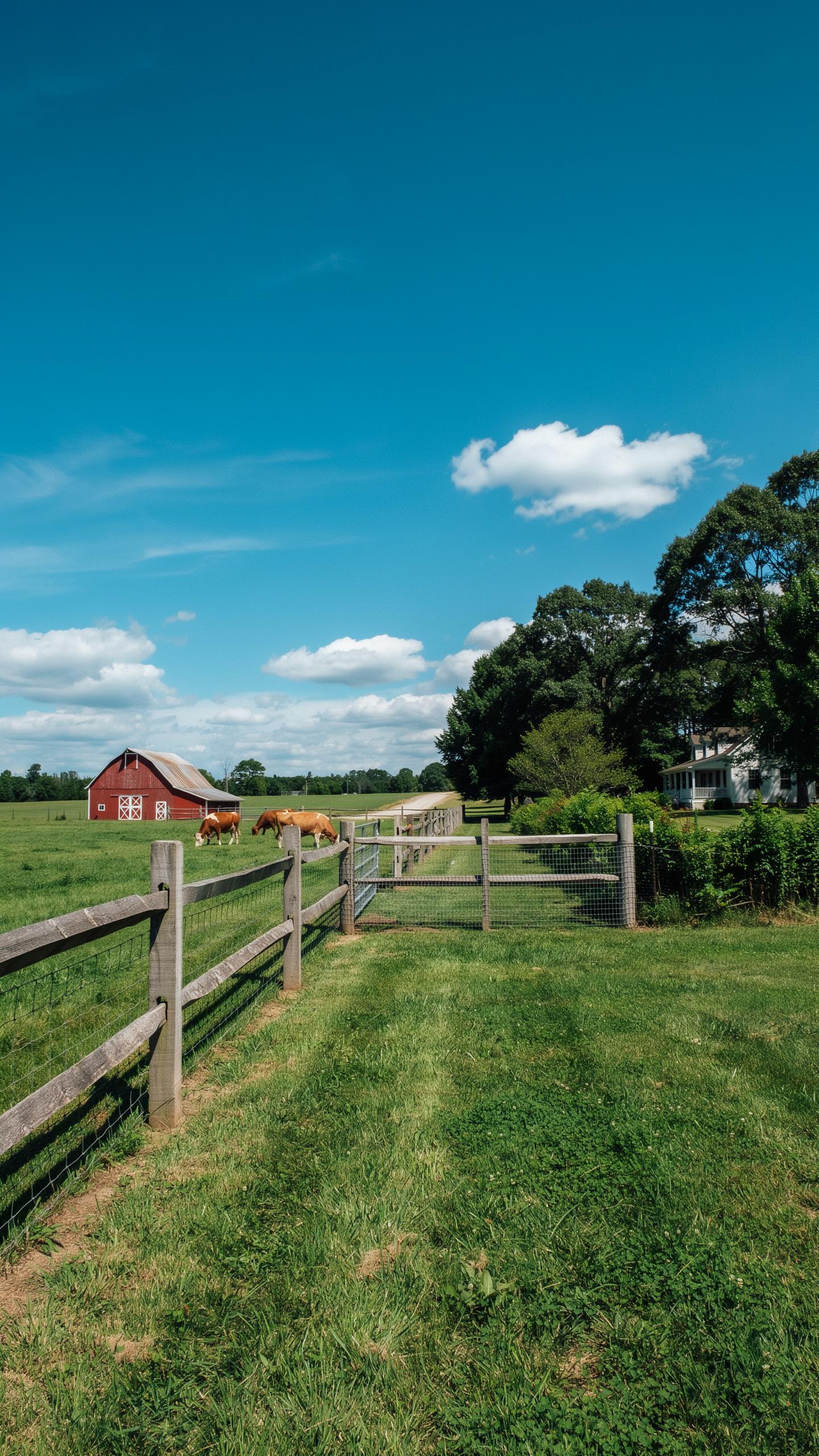
Enclosing acreage demands materials that withstand exposure, require minimal maintenance, and won’t drain your budget across miles of perimeter. Wire fencing and wooden post systems dominate large property applications because they balance durability with predictable costs. Choose materials based on your primary goal: containment, wildlife exclusion, or boundary marking.
- Barbed wire: Standard for cattle and livestock containment. Affordable per linear foot. Requires sturdy posts set every six to eight feet. Not suitable for horse containment due to injury risk.
- Woven wire: Hybrid option combining horizontal and vertical wire strands. Stronger than barbed wire. Better for mixed livestock or wildlife exclusion. Higher material cost offset by longevity and reduced repair needs.
- Electric fencing: Low material investment for temporary or rotational grazing areas. Powers through portable or permanent systems. Requires reliable power source and regular maintenance of conductivity.
- Wooden post and rail: Traditional system using pressure treated lumber. Durable for 15 to 20 years depending on wood quality and climate. Higher labor costs but creates defined boundaries and improved aesthetics.
- T-posts with wire or cable: Steel posts eliminate rotting issues of wood. Quick installation across large areas. Works with various wire types. Cost effective for remote sections or temporary boundaries.
Post spacing and wire gauge determine how well your fencing performs under tension and weather stress. Larger acreage justifies upfront investment in quality posts spaced correctly rather than cheap materials requiring frequent replacement. Calculate material needs precisely by measuring perimeter length and accounting for terrain variations.
Managing Topography Challenges On Rolling Hills
Hillside fencing fails when you ignore slope angles and install fence lines level across uneven ground. Contoured fencing either steps down the slope using progressively shorter sections or racks by angling braces to follow natural grade changes. Both methods distribute tension evenly and prevent sagging that weakens the entire structure over time.

Stepped fencing creates level sections stacked downhill, leaving gaps underneath that animals may exploit. Racking adjusts the entire fence frame to match slope angle, maintaining integrity without horizontal gaps. Racking requires additional diagonal bracing and stronger corner posts to handle increased lateral stress. Choose stepping for steep terrain with defined elevation changes. Use racking for gradual slopes where aesthetic boundaries matter and animal containment is primary. Test your slope angle with a level before selecting installation method.
Cohesive Barn Fence Ideas To Unify Your Outbuildings
Connecting Corral Panels And Run Out Zones
Design your corridors to move livestock safely from stalls to pasture without bottlenecks or sharp turns. Heavy-duty corral panels withstand repeated animal traffic and seasonal stress. Position gates at natural congregation points where animals naturally pause during transitions. This reduces handling time and keeps stress levels down during daily operations.
Run-out zones function as decompression areas between confined spaces and open pasture. Build these zones 20 to 30 feet long with solid side panels to channel movement. Animals move more predictably through designed corridors than chaotic open spaces. Seamless transitions eliminate panic behavior and reduce injury risk during routine turning-out procedures.
Matching Architectural Styles And Paint Finishes
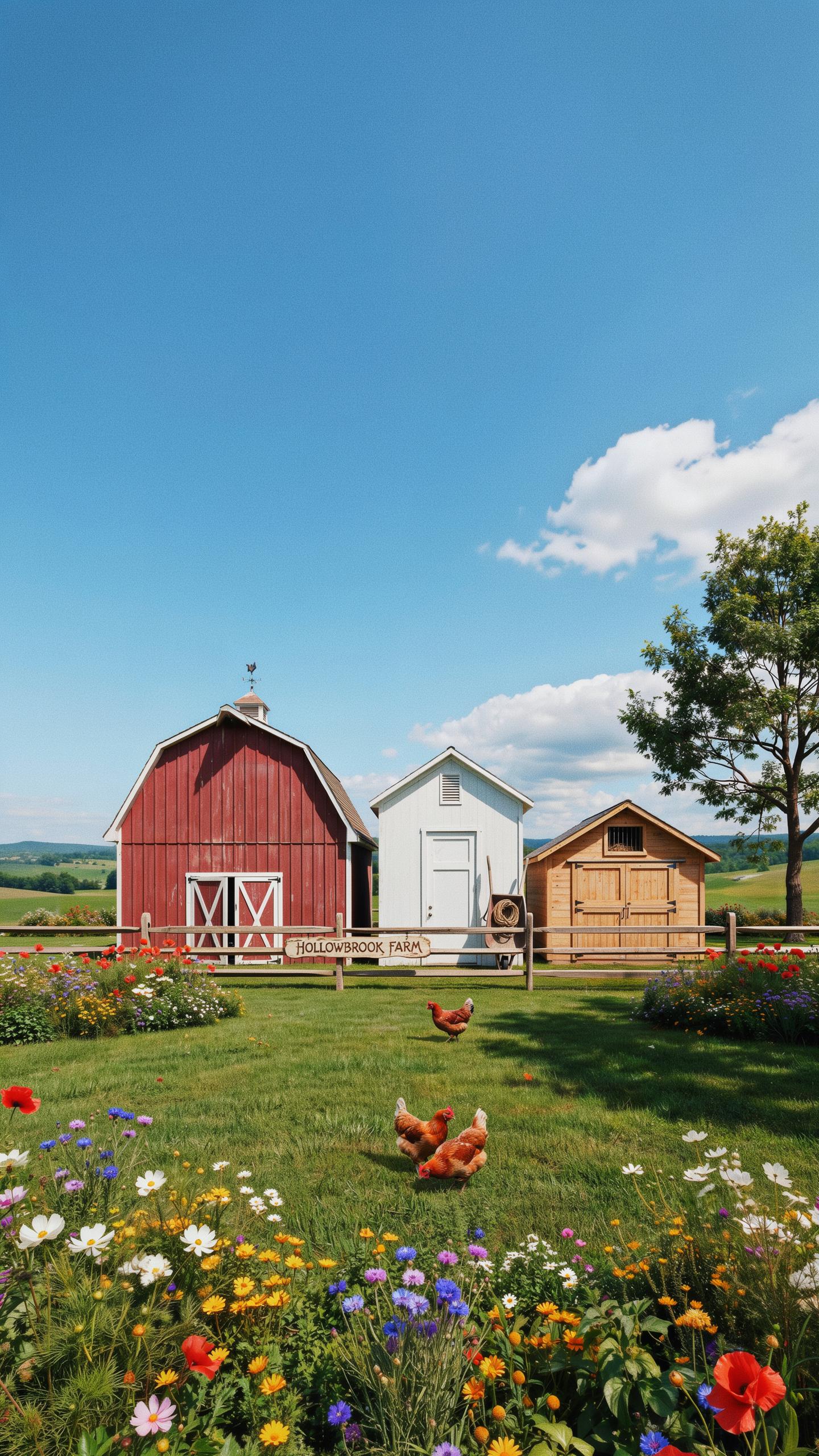
Paint all perimeter fencing the same color as your barn exterior and trim work. White vinyl fencing matches white barns and creates a unified property appearance. Black creosote-free timber complements traditional red barns or dark-stained storage structures. Consistency in color and material signals organized management and increases property value perception.

Choose paint and finishes based on maintenance capacity and climate conditions. Vinyl requires minimal maintenance but costs more upfront than timber. Timber fencing needs repainting every five to seven years in most climates. Match finish decisions to your labor availability and long-term budget expectations for the property.
Timeless Ranch Fences Built For Strength And Longevity
The Strength Of Pipe And Cable Structures
Industrial-grade steel pipes handle the physical demands of containing large livestock. Mature cattle exert sustained pressure against fencing through weight and movement. Steel pipes resist crushing and deformation that would compromise wooden alternatives. High-tension steel cables work with these pipes to distribute force across the structure efficiently.
Cable fencing requires minimal maintenance compared to wood or wire alternatives. Rust prevention through proper coating extends the lifespan of steel components significantly. The combination of pipes and cables absorbs shock from animal contact without failing. This system works particularly well for heavy breeds and high-traffic areas on your property.
Sinking And Bracing Anchor Posts Correctly
H-braces at corners and gates stop the lateral pull that tensioned wire creates. These diagonal braces transfer downward force into the ground, preventing posts from leaning outward. Proper H-brace construction uses substantial lumber sized for the load your livestock generates. Gate openings demand extra bracing because gates multiply the stress on corner posts.

Frost lines vary by geographic location and determine how deep you must sink posts. Posts driven above the frost line shift upward during freeze-thaw cycles, loosening your fence. Heavy-duty wooden corner posts need burial depth of three to four feet in most climates. Concrete footings around posts prevent soil erosion and maintain structural integrity through seasons of weather stress.
How To Design A Reliable Fence Around Property Perimeters
Establishing Clear Property Lines And Easements
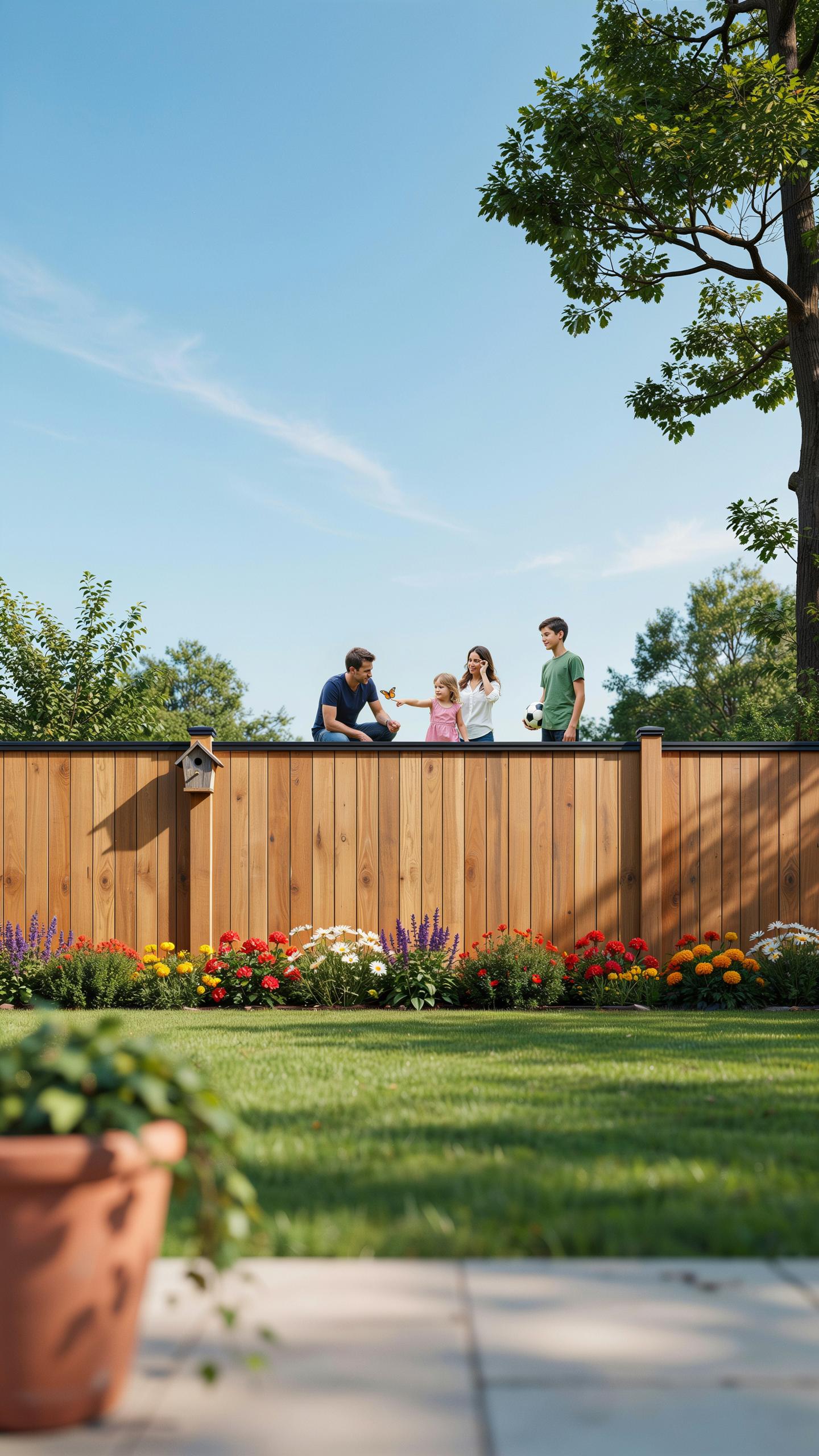
Before you install a single post, obtain your deed and review the property map. This document shows your exact boundaries and any easements that run through your land. Contact your local utility companies to mark underground lines like water, gas, electric, and fiber optic cables before digging.
Easements grant others legal rights to access portions of your property for maintenance or service. Building a fence across an easement can force you to remove it later at your expense. Survey costs run between 300 and 800 dollars, but they prevent disputes and demolition orders that cost far more.
Integrating Secure And Functional Entry Gates
Design gates wide enough for farm equipment, fire trucks, and delivery vehicles to pass through without damage. Standard equipment like hay wagons and grain trailers require 10 to 14 feet of clearance. Measure your largest machinery before ordering gates to avoid costly retrofits or workarounds later.

Install latching systems that stay secure without daily maintenance. Heavy duty bolts and chain systems work for manual gates, while automatic openers suit high traffic areas. Test gates under load conditions before finalizing installation to confirm hardware handles real world wear and animal pressure.
Selecting The Ideal Barn Fence For Equines And Livestock
Choosing Horse Safe Non Climb Woven Wire
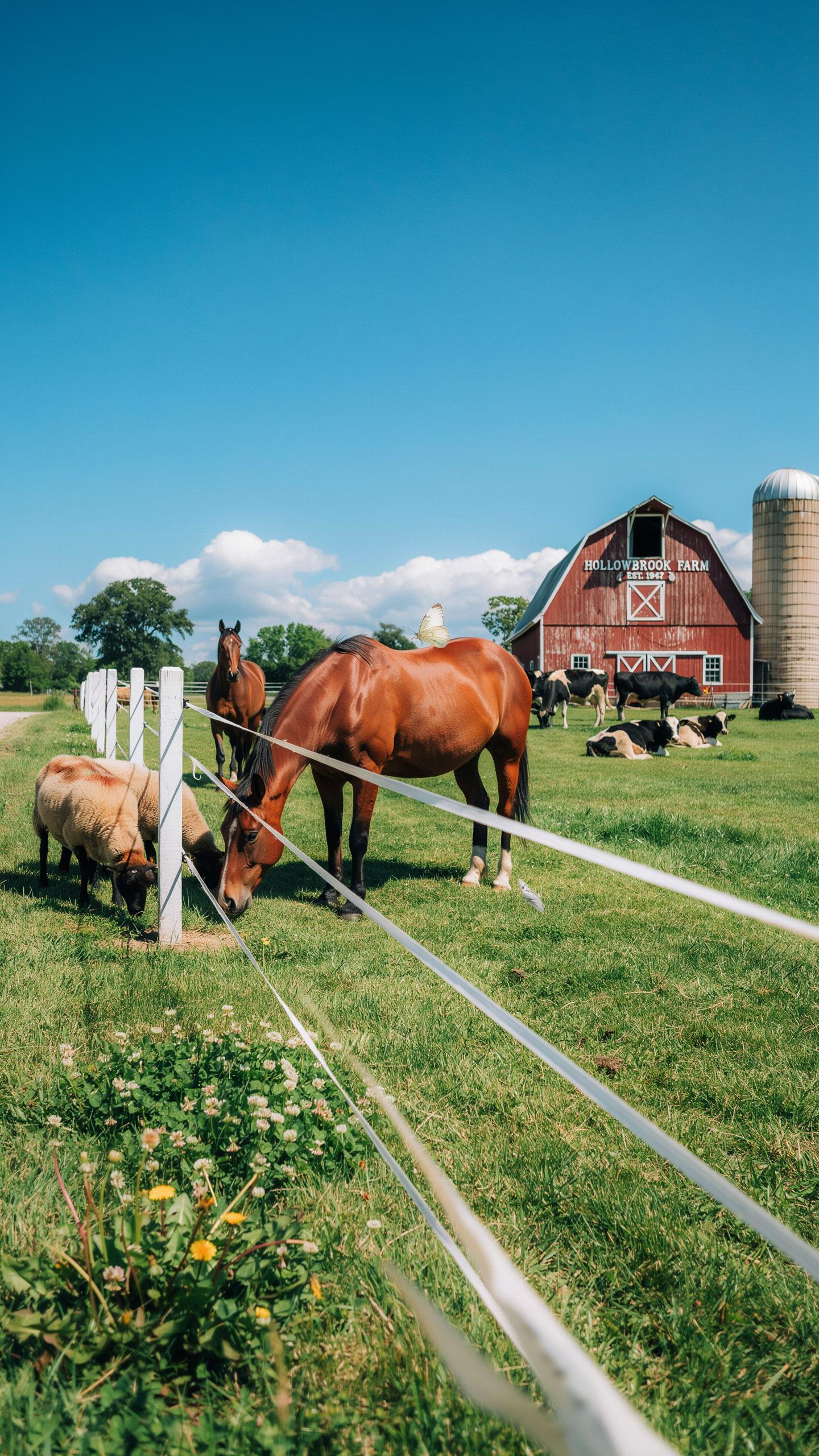
Non-climb woven wire prevents hooves from catching in fence openings. The 2×4-inch mesh design stops horses from inserting feet while climbing or reaching through the barrier. Horses naturally test fencing, so this design eliminates injury risk from entanglement. The wire construction remains visible to animals, reducing collision incidents.
Smooth-top rails eliminate sharp edges that cut or puncture skin if horses rear or reach over fencing. Rails should sit at least five feet high to prevent horses from clearing the barrier. This height also accommodates larger livestock without compromise. Regular tension checks keep wire tight and prevent sagging that invites rolling or climbing attempts.
A good fence creates a sense of place and a feeling of security, turning a simple plot of land into a true sanctuary for the soul.
Maintaining Traditional Wood Paddocks
Wood paddocks require quarterly inspections for structural failure points. Check for split rails, loose nails, and dry rot in support posts. Animals chew wood out of boredom or nutritional deficiency, so sanding surfaces removes splinters that cause mouth injuries. Loose nails present puncture hazards if animals lean on or press against fencing.
Sanding and sealing timber protects against weather damage and reduces wood chewing behavior. Apply livestock-safe sealers that don’t produce toxic fumes in enclosed spaces. Sealed surfaces last two to three times longer than untreated wood. Replace compromised sections immediately rather than attempting temporary repairs that fail under animal pressure.
Charming Backyard Fences For A Beautiful Homestead Junction
Essential Features Of Homestead Garden Gates
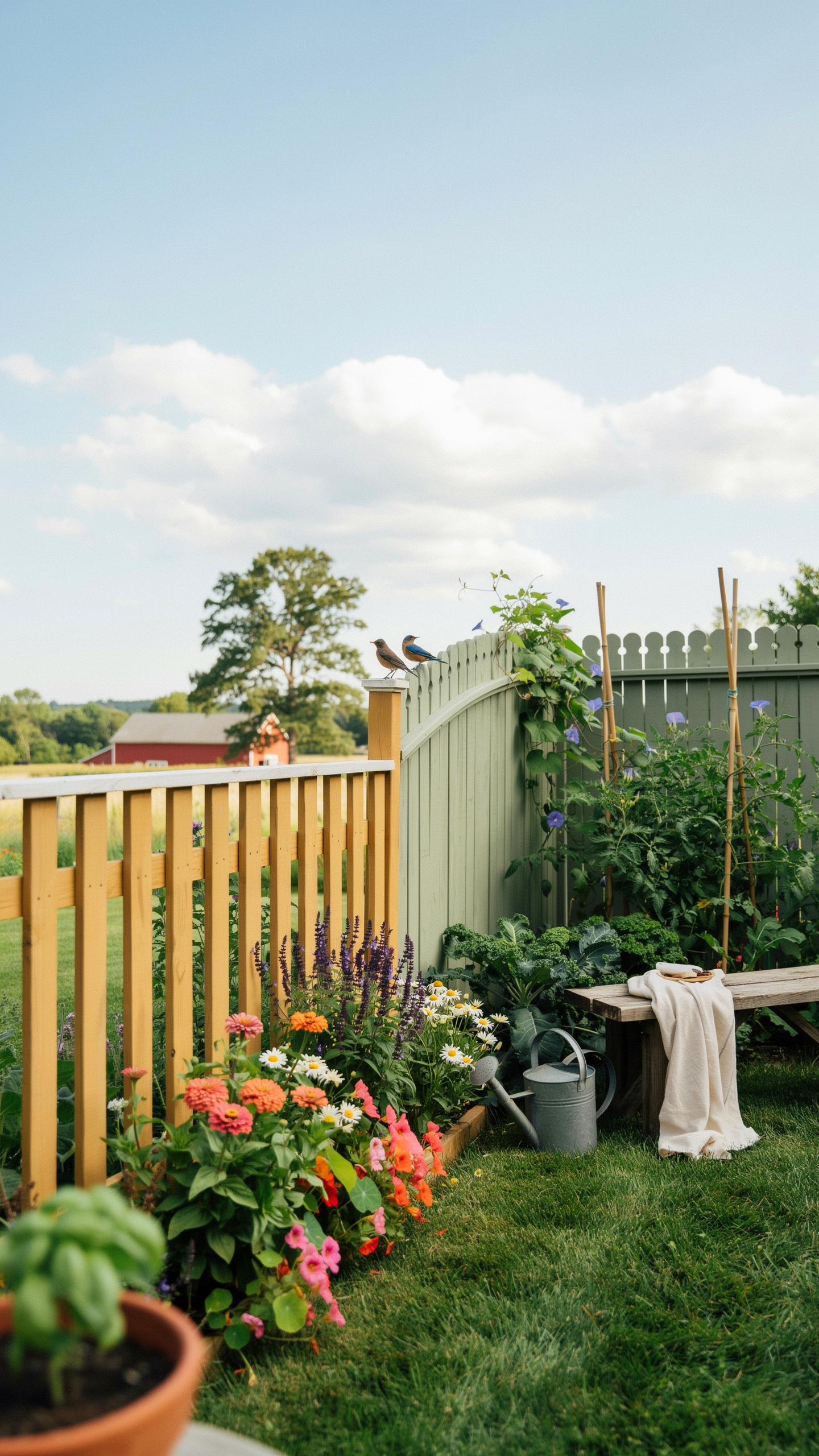
Garden gates serve two core functions on homestead property: they control animal movement and they mark territory transitions. Your gate must swing freely, latch securely, and withstand regular use from both humans and livestock. The hinge hardware carries the full load, so install heavy-duty galvanized hinges rated for your gate’s weight. Post depth matters directly. Sink posts 2-3 feet into the ground for gates under 4 feet tall, and 3-4 feet for taller structures.
- Post Material: Use pressure-treated lumber, metal pipe, or cedar for rot resistance. Metal resists animal damage better than wood.
- Hinge Type: Install galvanized or stainless steel hinges. Standard door hinges fail quickly in farm conditions.
- Latch Mechanism: Choose slide bolts or chain latches that work with gloved hands. Gate handles must operate in poor visibility.
- Gate Width: Standard widths run 3.5 to 4.5 feet. Wider gates accommodate equipment passage without sagging.
- Swing Clearance: Verify gates open fully without catching on fence sections, posts, or ground obstacles on both sides.
Proper gate installation prevents sagging, which creates gaps that animals exploit. Check gate level and alignment every season, especially after freeze-thaw cycles. Adjust hinges or add diagonal bracing when you spot drift.
Blending Ornamental Pickets With Practical Welded Wire
White picket fencing and welded wire mesh solve different problems, but they work together efficiently. Pickets provide visual definition and psychological barriers for pets and people. Welded wire mesh, typically 1/2-inch opening, prevents small animals from squeezing through gaps while remaining transparent enough to see through.
Layer these materials by installing welded wire on the inside face of your picket fence. This method creates a finished aesthetic on the exterior while providing the practical containment interior livestock demand. The mesh catches rabbits, raccoons, and other small animals. The pickets remain clean and visible from the homestead entrance, maintaining curb appeal while protecting your garden beds from browsing wildlife.
Frequently Asked Questions

What are the best fence types to consider for a new homestead layout?
Choosing the right materials is the first step in a successful homestead property setup fencing project. For a classic aesthetic, post-and-rail timber remains a favorite for defining borders. If you have livestock, woven wire or electric strands provide essential security. To truly refresh your space, blend functionality with beauty by incorporating cedar privacy panels or decorative wrought iron near your home’s entrance while using more rustic, cost-effective options for the outer perimeter.
How can I ensure my homestead fencing is both durable and visually appealing?
To achieve a professional homestead property setup fencing look, focus on proper post installation and alignment. Start by clearing the fence line and using a string line to ensure straight runs. Use pressure-treated wood or cedar to resist rot, and consider adding a top cap or a coat of dark stain. This protects the structure against the elements while creating a polished, intentional design that elevates your entire landscape’s curb appeal.
Are there affordable ways to install homestead fencing on a limited budget?
Absolutely! You can save money by opting for high-tensile wire or cattle panels paired with sturdy T-posts, which are significantly cheaper than traditional wood privacy fences. To keep things beautiful on a budget, use reclaimed pallet wood for garden enclosures or focus your spending on a high-quality main gate. DIY installation also cuts labor costs significantly, allowing you to allocate more of your homesteading budget toward plants and livestock instead.