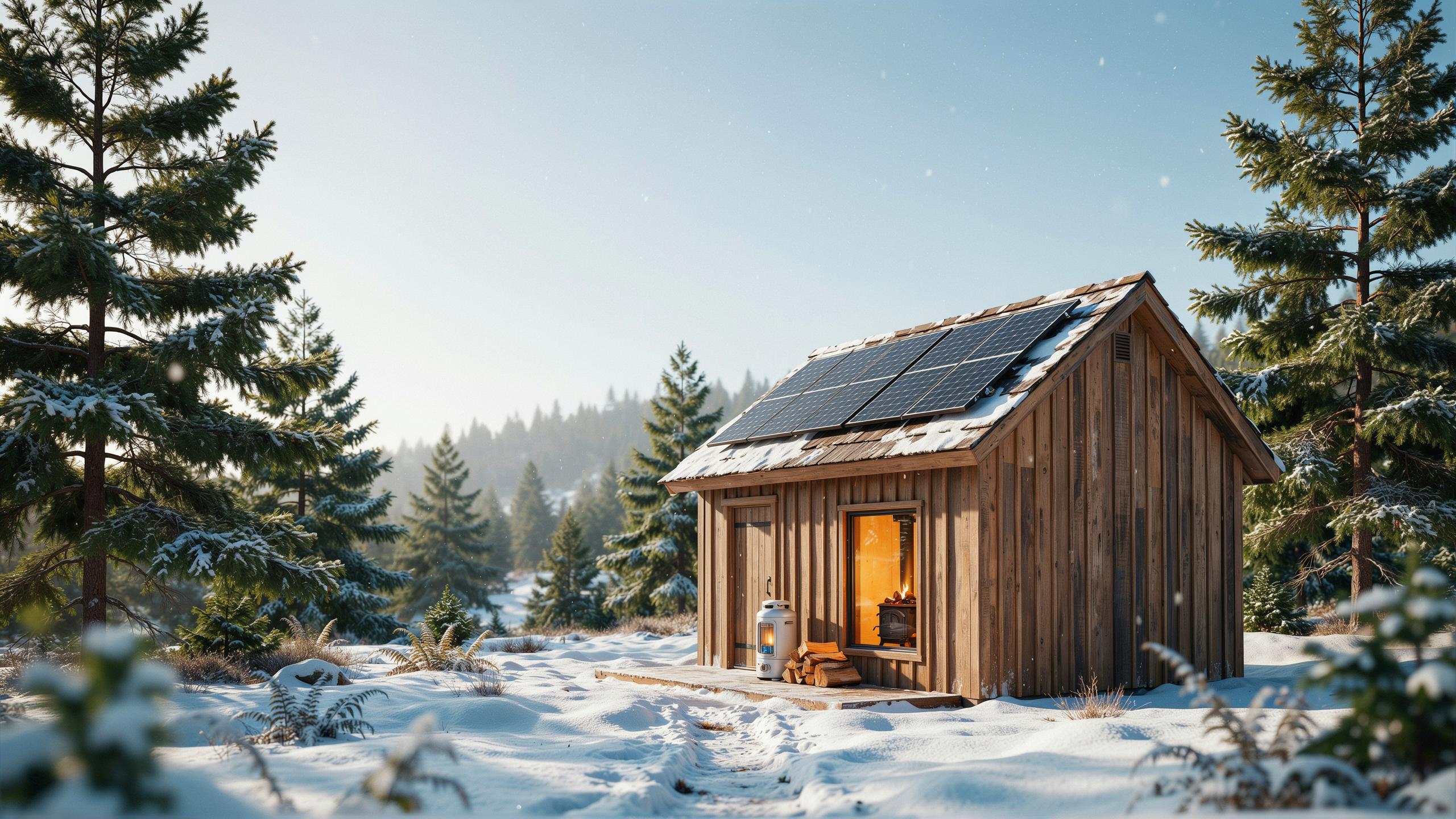
Why Choosing The Right Off Grid Cabin Heating Is Vital
Understanding Heat Loss And Cabin Insulation Quality
Heat escapes from cabins through walls, roofs, floors, and air gaps. The rate of heat loss determines how much fuel your heating system must burn to maintain livable temperatures. Poor insulation forces your system to work harder and consume more resources, which directly impacts your survival capability during winter months.
Cabin construction materials control heat retention. Wood frame cabins lose heat faster than log cabins with thicker thermal mass. Attic insulation, wall cavity fill, and foundation sealing reduce heat escape by 40 to 60 percent compared to uninsulated structures. You cannot ignore these factors when planning off grid heating because your fuel supply is limited and finite.
The Crucial Role Of Safety And Proper Carbon Monoxide Ventilation
Wood stoves, propane heaters, and fuel-based systems produce carbon monoxide, a deadly odorless gas that kills rapidly. All combustion heating requires active venting to the exterior and carbon monoxide detectors inside the cabin. Running any heating system without proper ventilation creates lethal conditions that can kill occupants during sleep.
Ventilation reduces heating efficiency because heated air exits through vents. This tradeoff is non-negotiable. You balance fuel consumption against survival by maintaining proper airflow in all combustion-based heating systems. Sealed cabins without ventilation pose greater danger than slightly higher fuel costs from venting requirements.

Wood Stoves The Classic Off Grid Cabin Heater Option
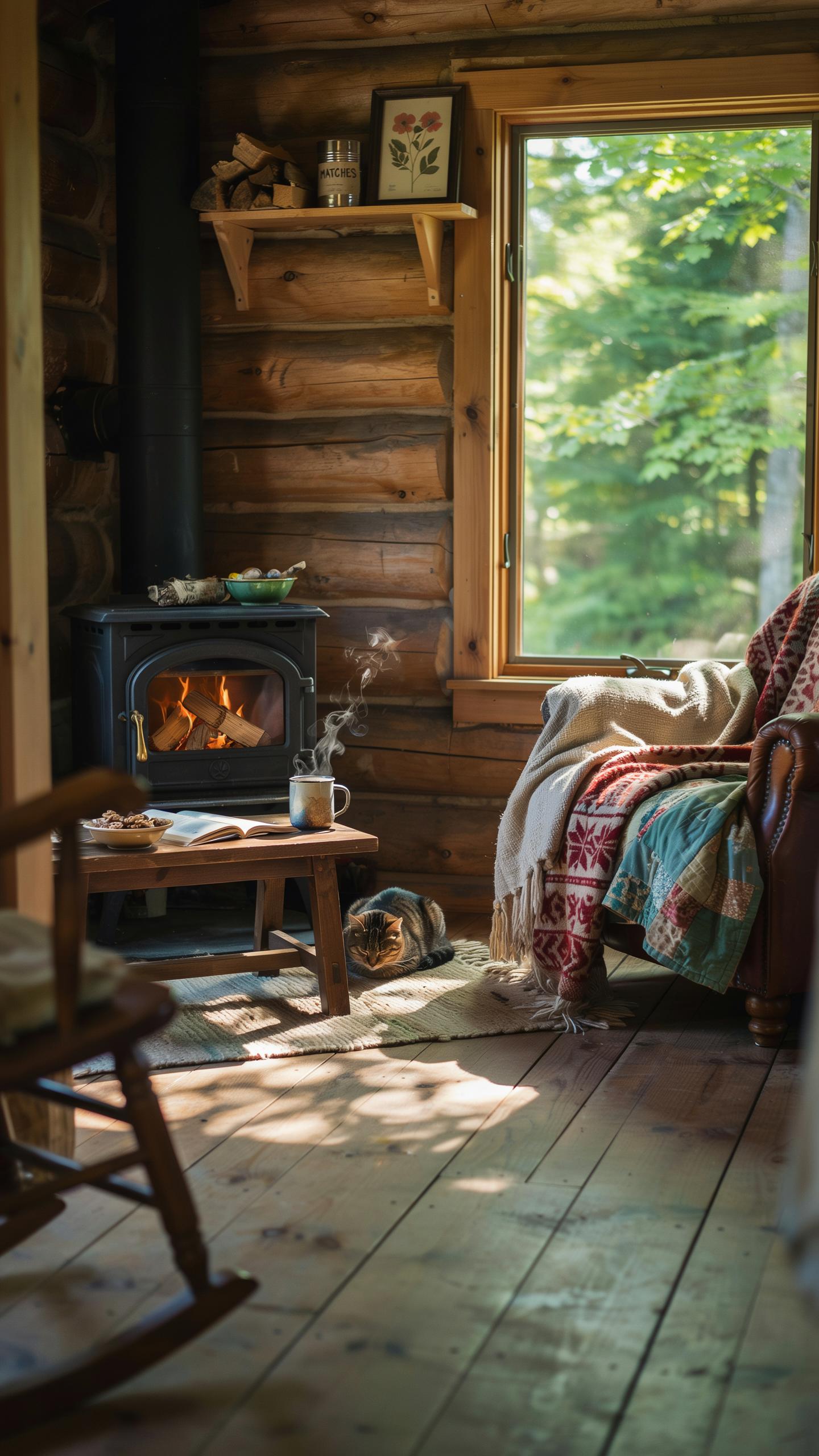
Traditional Wood Stoves Efficiency
Cast iron wood stoves convert 60 to 80 percent of combustion energy into usable heat. The thick walls absorb and radiate warmth long after the fire dies down. Modern stove designs outperform older models because they use baffles and secondary combustion chambers to extract more heat from each log burned.
Efficiency depends on stove placement and cabin design. A stove in the center of a single room delivers direct heat. In larger cabins, radiant heat from cast iron decreases as distance increases from the stove. Metal ducting or thermosiphoning systems help distribute warmth to secondary spaces, but heat loss still occurs through walls and ceiling.
Essential Firewood Selection And Seasoning Tips For Peak Heat Output
Dry firewood produces more heat per log than green wood. Seasoning firewood takes six to twelve months depending on species and climate. Moisture content below 20 percent burns hotter and generates less creosote buildup in the chimney, reducing fire risk and maintenance needs.
- Hardwoods like oak and hickory: Burn longer and hotter than softwoods. These dense woods have higher BTU output and create lasting coals for extended heat production overnight.
- Avoid pine and fir: Softwoods contain high resin content, causing excessive creosote accumulation in chimney flues and increasing dangerous chimney fire risk substantially.
- Stack wood off the ground: Place firewood on pallets or racks to allow airflow underneath. Ground contact traps moisture and promotes rot, reducing fuel quality over time.
- Cover top only: Protect stacked wood from rain and snow but leave sides exposed to air. Tarping all sides prevents moisture evaporation and defeats seasoning efforts.
- Test moisture with a meter: Measure wood moisture content directly rather than guessing. This confirms readiness before burning and ensures optimal stove performance and heat output.

Proper wood selection and preparation directly impact heating output and stove longevity. Poor firewood wastes money and forces you to burn more volume for the same heat. Calculate your annual firewood needs based on cabin size and local winter severity, then harvest and season accordingly.
Modern Off Grid Pellet Stove Systems For Living Simply
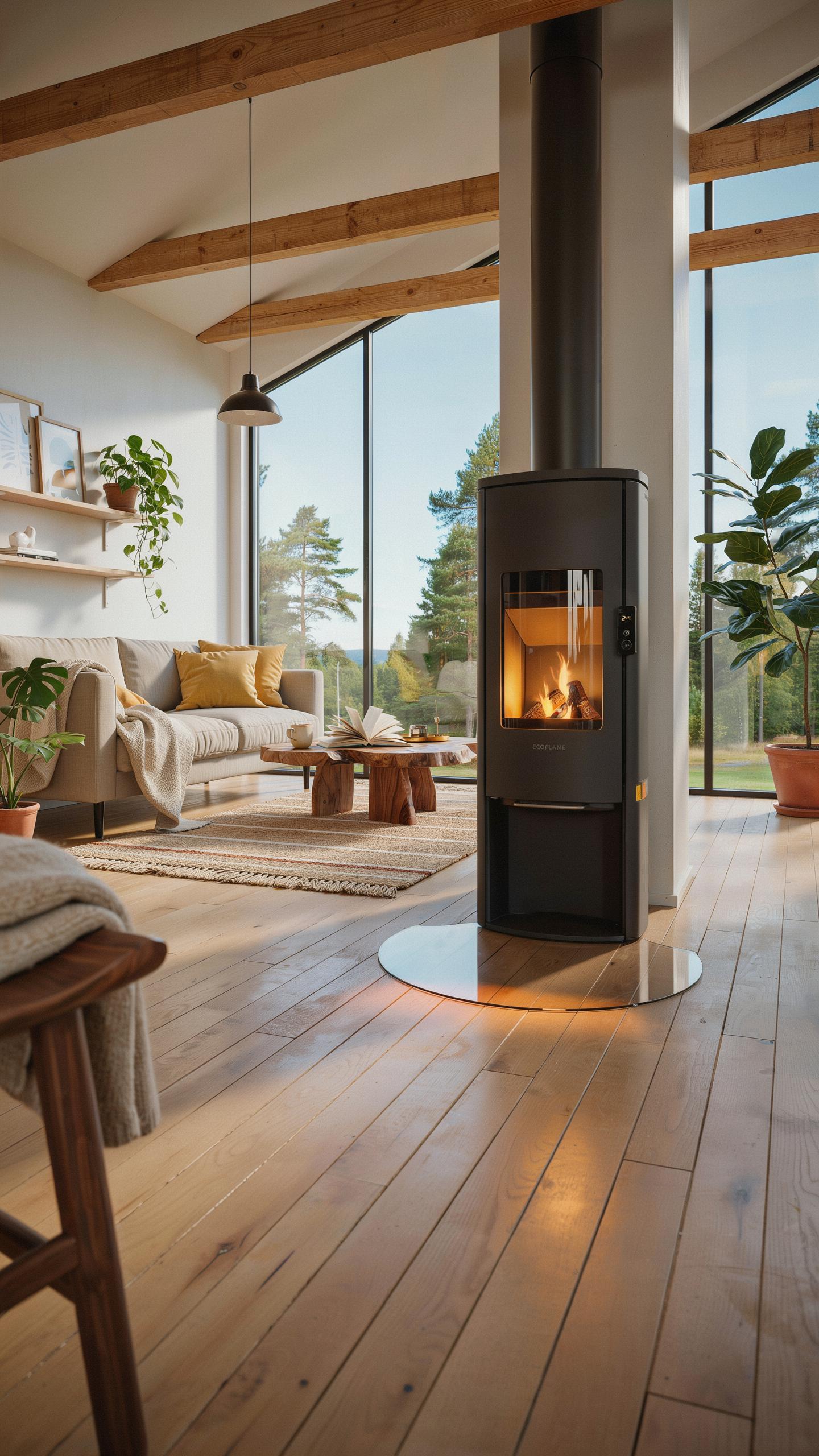
How Non Electric Gravity Fed Pellet Stoves Work Without Power
Gravity-fed pellet stoves operate through mechanical force rather than electrical controls. Pellets drop from an elevated hopper into a burn chamber via gravity. A damper system regulates airflow to control burn rate and heat output. The stove operator manually adjusts the damper to increase or decrease heat. This simple mechanical design eliminates dependence on batteries or generators for basic operation.
Heat radiates directly from the firebox into the cabin interior. Some models include a basic thermostatic damper that opens and closes based on temperature alone, requiring no electricity. Air intake ports allow oxygen to feed combustion naturally without forced fans. The ash pan collects debris and requires periodic emptying. These stoves produce consistent heat as long as pellets feed properly through gravity and the damper stays adjusted.
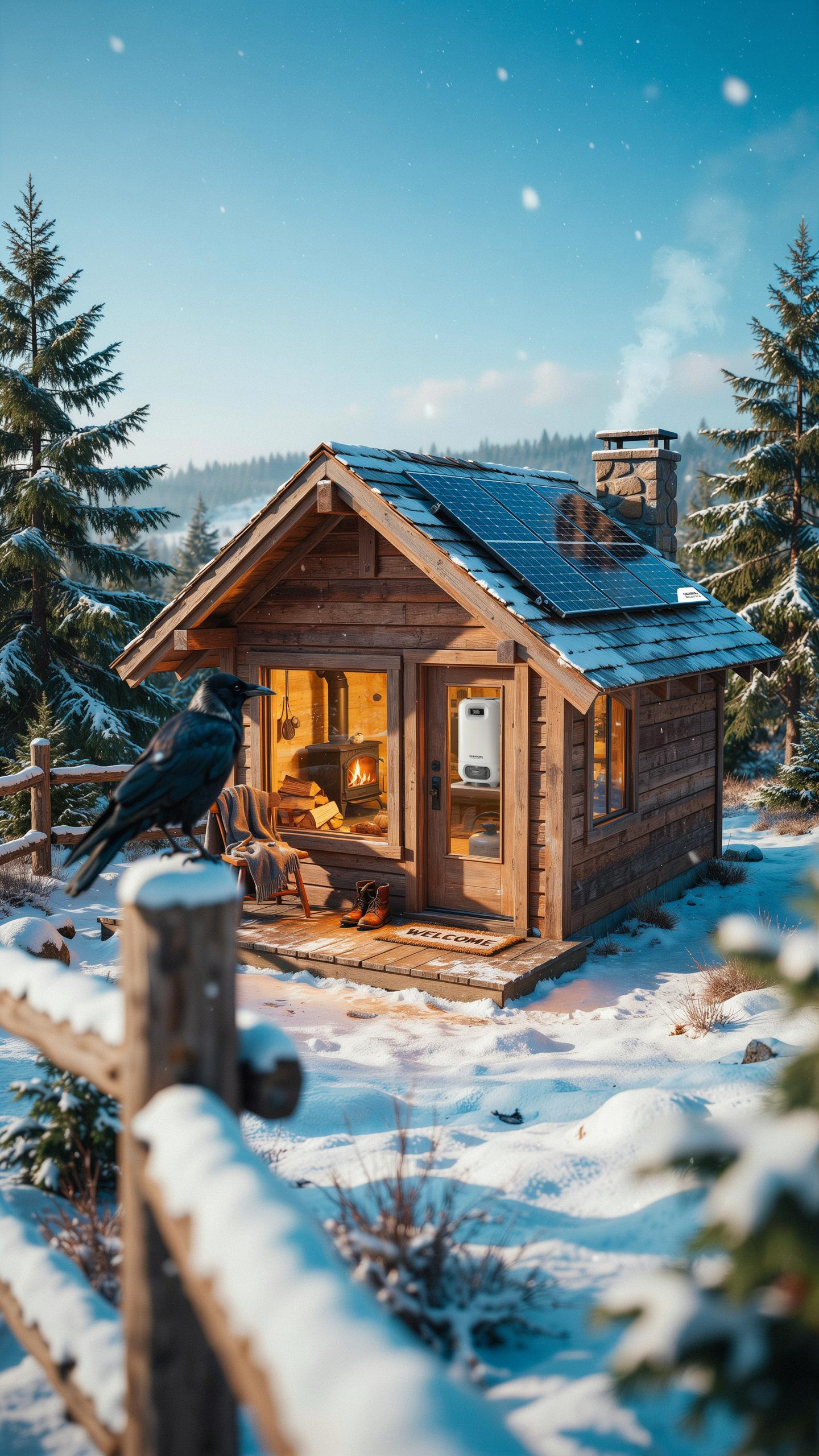
There is no sight more heart-warming than the red glow of a wood stove in a snug cabin when the winter wind howls outside. It is the steady, honest heat of a well-tended fire that truly makes a remote house a home.
Pellet Storage And Sourcing In Remote Offgrid Environments
Wood pellets store longer than cordwood and require less space in a remote cabin. A cubic foot of pellets weighs roughly 40 pounds, making them denser than split firewood. You need dry storage to prevent moisture absorption that ruins pellet quality. Most off grid homeowners store 2 to 4 tons annually depending on climate severity and cabin size. Moisture degrades pellets into sawdust, blocking fuel flow and reducing burn efficiency.

Sourcing pellets in remote areas requires advance planning and reliable supply chains. Feed mills, agricultural suppliers, and landscaping companies often stock or produce wood pellets. Arrange delivery before winter or establish a stockpile during accessible seasons. Some off grid residents source pellets from mills within 100 miles of their property. Bulk purchasing reduces per ton costs significantly compared to seasonal purchases in small quantities.
The Ingenious Rocket Mass Heater For Tiny House Ideas
Rocket Mass Heater Mechanics
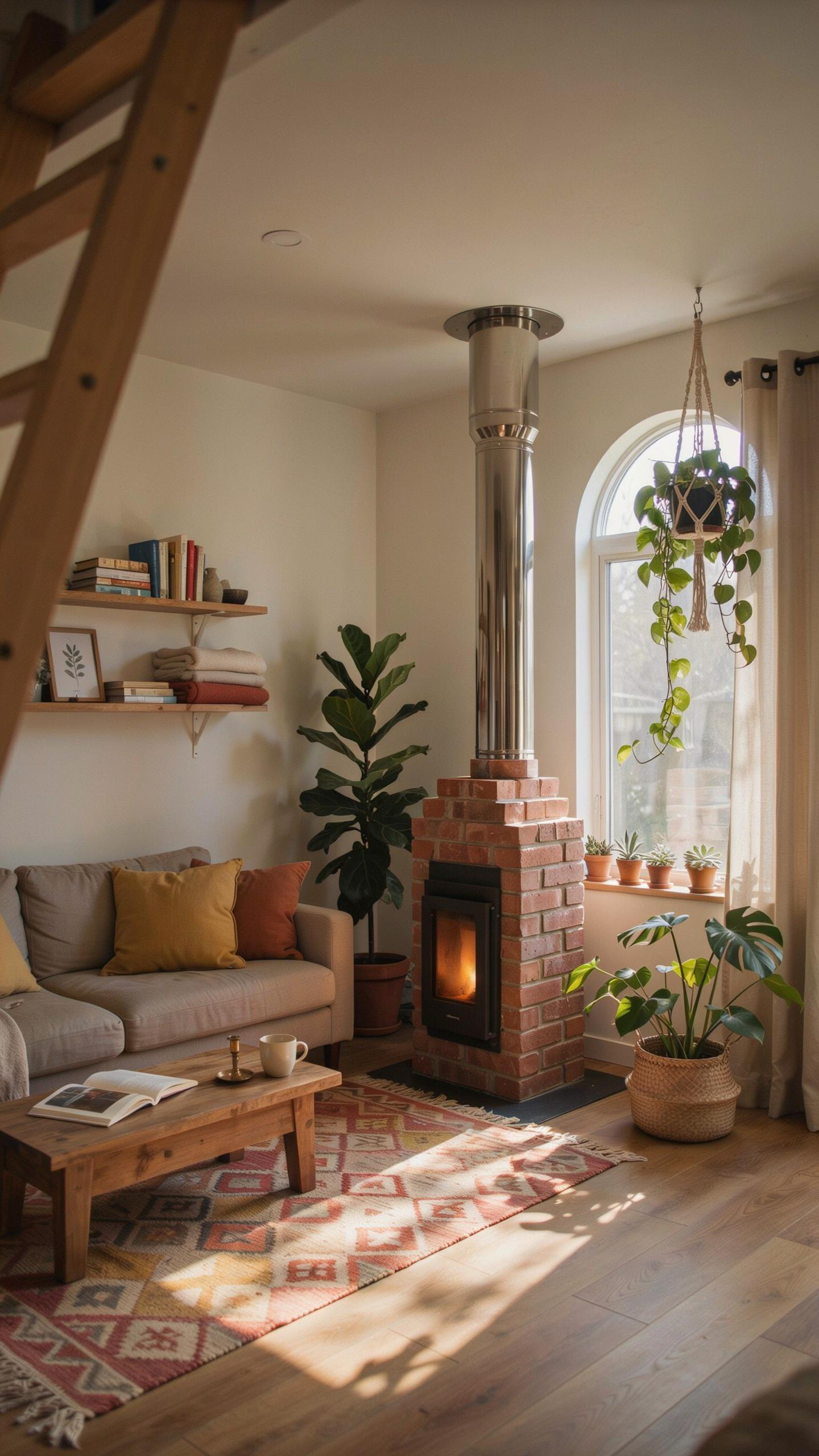
A rocket mass heater operates on a simple principle: burn wood efficiently in a compact combustion chamber, then capture and store the heat in thermal mass. The combustion chamber sits at ground level or low height, drawing air from below the fire. Hot gases exit through a horizontal heat riser that gains intense temperature. This riser connects to a thermal mass core, typically made from brick, stone, or cob, which absorbs and radiates heat slowly over many hours after the fire burns down. One efficient fire produces warmth throughout an entire day or night cycle.
The system achieves high efficiency because it forces exhaust gases to travel through the mass before exiting the cabin. Traditional fireplaces waste 80 to 90 percent of heat up the chimney. Rocket mass heaters capture 80 to 90 percent of combustion energy into the thermal mass structure. A cabin needs only one or two small fires daily instead of constant feeding. The thermal mass stores energy and releases it gradually, maintaining stable interior temperatures without active intervention or electricity.
DIY Construction Materials Complexity
Building a rocket mass heater requires specific materials but remains achievable for experienced DIYers with proper planning. The combustion chamber needs refractory brick or clay rated for high heat. Standard construction brick fails because it cracks under temperature stress. The thermal mass core uses regular brick, stone, or clay cob layered around the heat riser. Stainless steel piping or ceramic pipe sections form the heat riser. Steel doors and grates handle the firebox. Sourcing materials takes research but costs far less than manufactured units.

Construction complexity depends on your skill level and design choice. A simple J-tube design takes three to four weeks for determined builders. Vertical or hybrid designs demand better masonry knowledge and take longer. You must understand draft principles, proper sizing, and thermal mass calculations. Poor construction creates backdraft, incomplete combustion, or ineffective heat storage. Many DIYers hire experienced builders for the combustion chamber section, then build the mass core themselves. This hybrid approach balances cost savings with functional reliability in your off-grid cabin.
Propane Off Grid Heating Ideas For Reliable Warmth
Direct Vent Propane Heaters
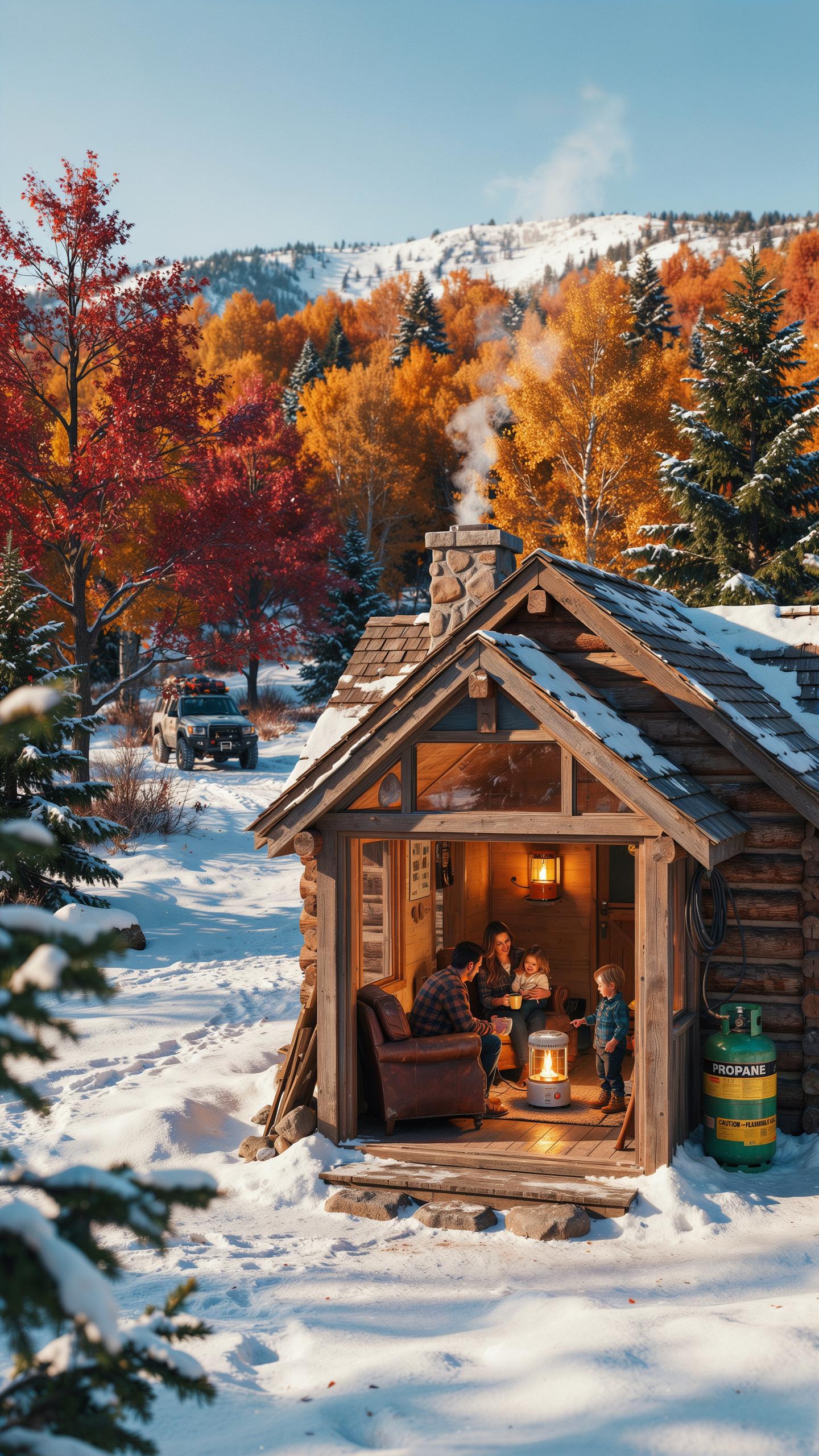
Direct-vent wall heaters pull combustion air from outside and exhaust to outside through a single sealed pipe. This design eliminates indoor air quality problems that plague unvented propane heaters. The cabin interior stays safe because no combustion byproducts enter living space. Installation requires a wall penetration and proper venting, but the tradeoff delivers peace of mind.
These units operate without electricity in most models, which matters for true off-grid setups. They produce heat output ranging from 10,000 to 30,000 BTU depending on model. Efficiency sits around 85 percent because some heat exits through the vent pipe. Direct-vent heaters work well for small cabins under 500 square feet where concentrated heating beats whole-space solutions.
Managing Propane Fuel Logistics And Tank Storage In Cold Climates
Propane thickens in extreme cold, reducing vaporization and fuel delivery to heaters. Standard 20-pound tanks struggle below negative 20 degrees Fahrenheit. Larger 100-pound or 500-pound tanks maintain better pressure in winter because additional liquid propane in the tank increases vapor pressure. Store tanks upright on stable ground away from direct sunlight and heat sources.

Install a regulator rated for your climate zone to maintain consistent pressure during temperature swings. Check tank levels monthly during heating season because usage accelerates in winter. Keep access clear for delivery trucks and never store tanks inside the cabin. Buried tanks require frost-proof installation below the freeze line, adding upfront cost but eliminating seasonal refill hassles.
Passive Solar Design For Sustainable Off Grid Living
South Facing Windows Thermal Mass
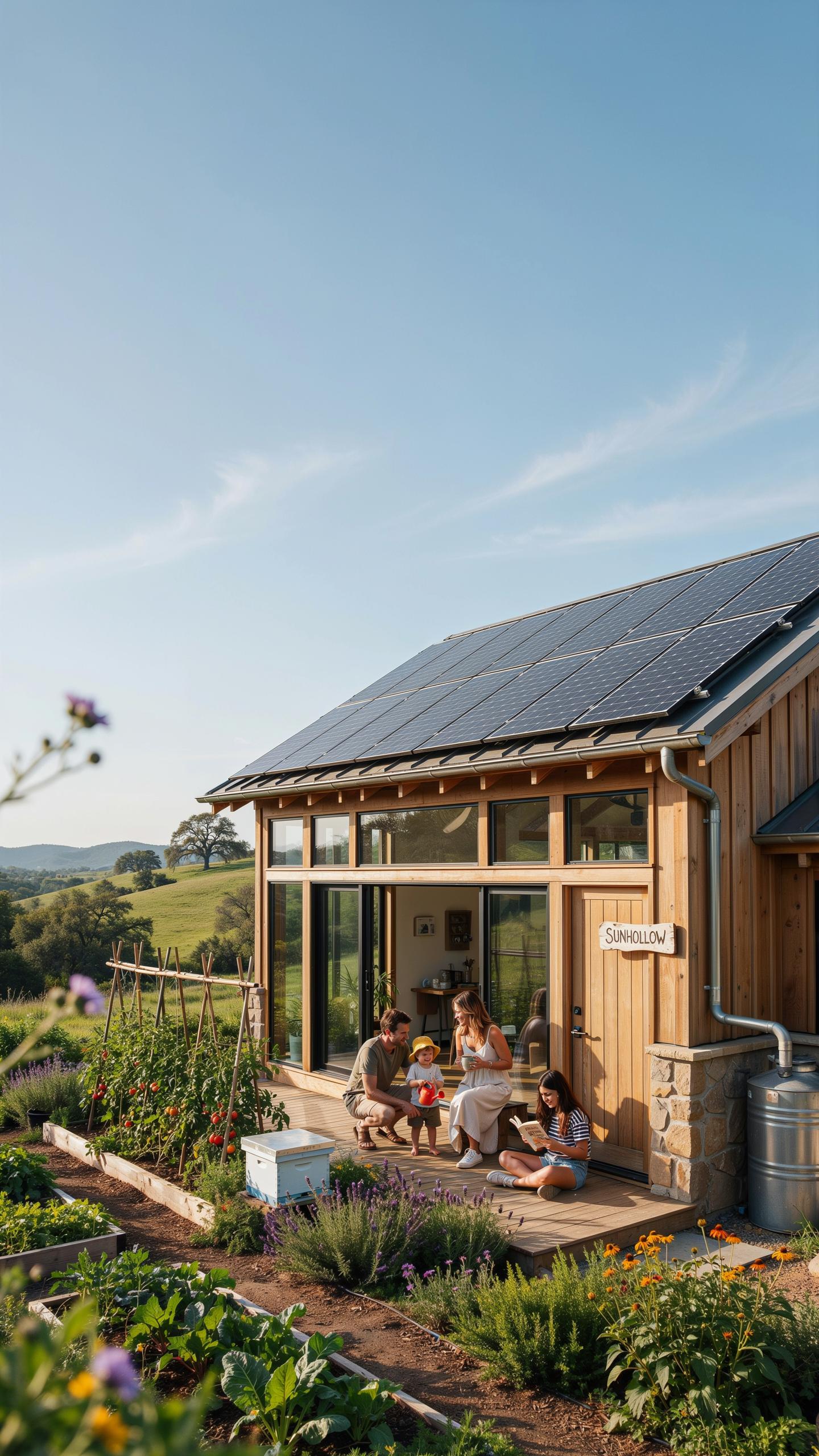
South-facing windows capture solar radiation during winter months when the sun sits lower on the horizon. This orientation maximizes heat gain without requiring mechanical systems. The key is positioning windows to receive direct sunlight during peak heating hours, typically 9 AM to 3 PM. Most off-grid cabins benefit from window area equal to 7 to 10 percent of floor space on the south side.
Thermal mass materials absorb heat during the day and release it at night. Stone, concrete, water, and brick work effectively for this purpose. Place these materials directly in the path of sunlight so they absorb maximum radiation. A concrete floor or stone wall will slowly warm throughout the day and continue radiating heat after sunset, reducing temperature swings and lowering overall heating demand.
Solar Air Heaters DIY
A simple solar air heater uses dark-colored material inside an insulated box to trap heat. Air flows through the box and warms as it passes over the heated surface. You mount the box on the south-facing wall with an inlet near the floor and an outlet higher up. Heated air naturally rises, reducing the need for fans or electricity.

Build these units with scrap materials and readily available components like aluminum flashing, plywood, and glass or polycarbonate. The warm air enters your cabin through ductwork and supplements daytime heating. Performance depends on weather, sunlight intensity, and the surface area of your collector. On clear winter days, a well-built unit can raise cabin temperature by 10 to 20 degrees Fahrenheit.
Hydronic In Floor Systems For Offgrid Home Cabin Comfort
Closed Loop Radiant Heating Basics
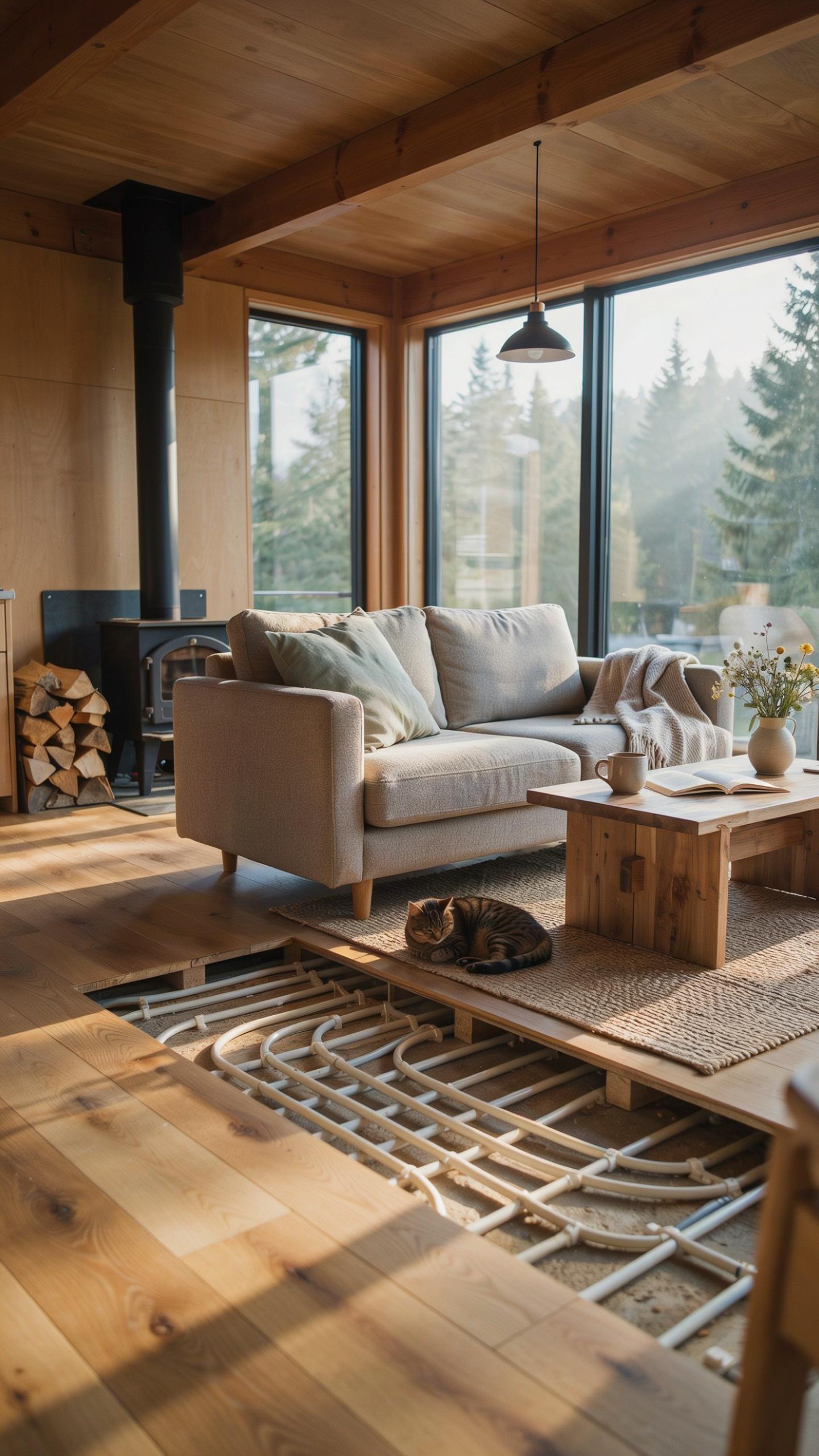
Closed-loop radiant heating circulates heated water through tubing buried in concrete floors or installed under subfloors. The system transfers heat directly to the space without forced air or radiators. Pipes typically run in a serpentine pattern to distribute warmth evenly across the floor surface. This approach eliminates drafts and temperature swings common in conventional heating methods. Off-grid cabins benefit because the system operates at lower temperatures, reducing energy demands on your power source.
The loop itself contains propylene glycol or water mixed with antifreeze to prevent freezing in unheated cabins. A circulation pump moves this fluid through the tubing, driven by a small electric motor. The pump requires minimal power, typically 50-150 watts depending on loop length and system design. Zone control allows you to heat specific rooms independently, cutting unnecessary energy consumption. Thermal mass in the floor stores heat, so the system maintains temperature longer during power interruptions or low-generation periods.
Solar Thermal And Biomass Heat Sources
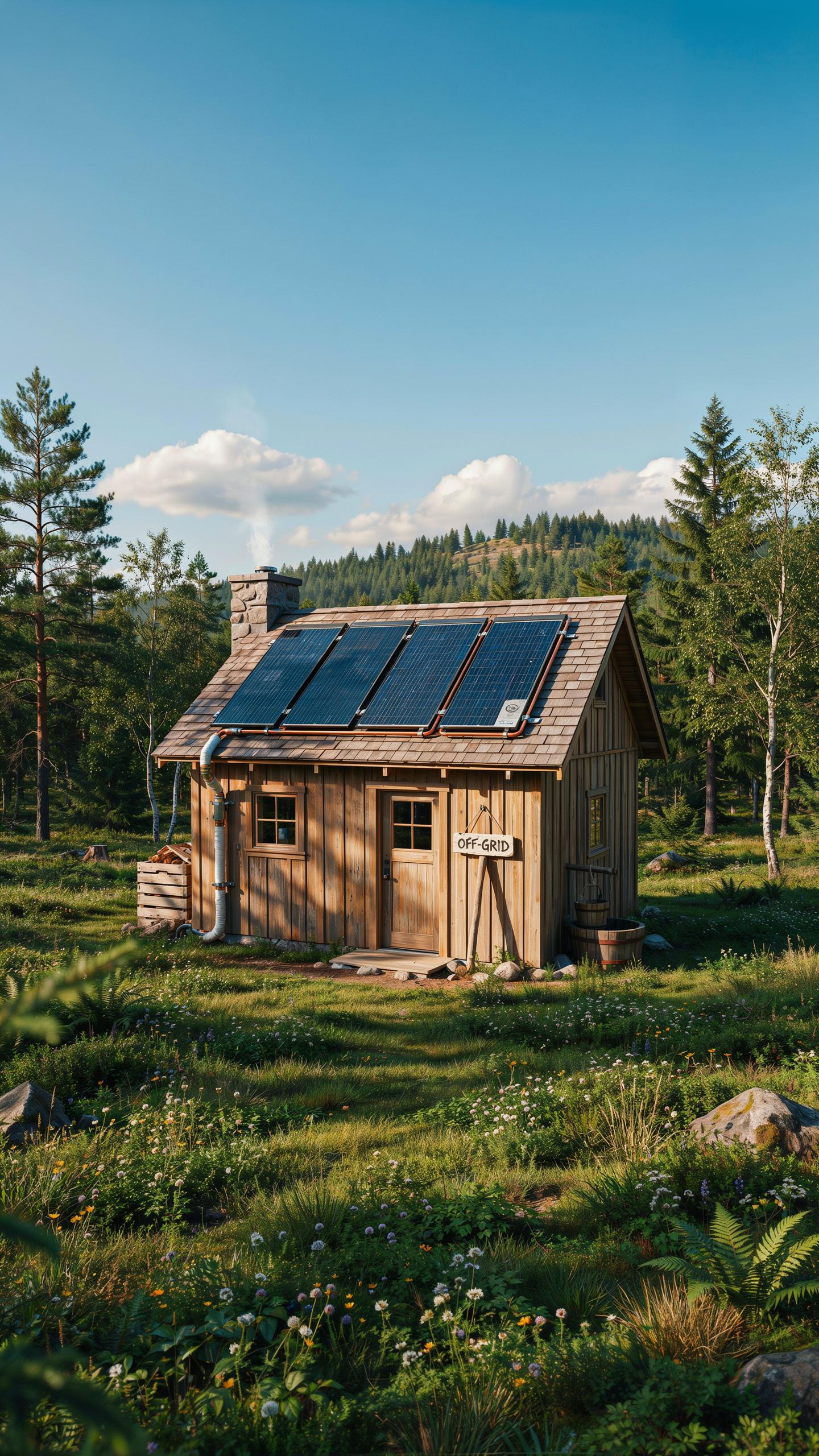
Solar thermal collectors charge a storage tank with heated water during daylight hours. These collectors use flat-plate or evacuated-tube designs to capture solar radiation and transfer it to a heat transfer fluid. In off-grid setups, this stored hot water feeds directly into your hydronic loop during cold months. System performance depends on roof orientation, local climate, and collector size. A typical off-grid cabin requires 80-150 square feet of collector area depending on heating demands and geographic location.
Wood boilers work as backup or primary heat sources for hydronic systems in cabins with timber access. The boiler heats water through combustion, then the circulation pump moves this water through your floor tubing. Wood systems operate efficiently at full capacity, making them ideal for overnight heat retention through thermal mass. Biomass boilers require regular cleaning and ash removal but deliver reliable heat independent of weather or sunlight. Combining solar thermal with a wood boiler creates a resilient heating strategy that maintains cabin warmth through variable off-grid conditions.
Diesel And Marine Heaters For Compact Off Grid Tiny House Ideas
Forced Air Diesel Heaters Efficiency
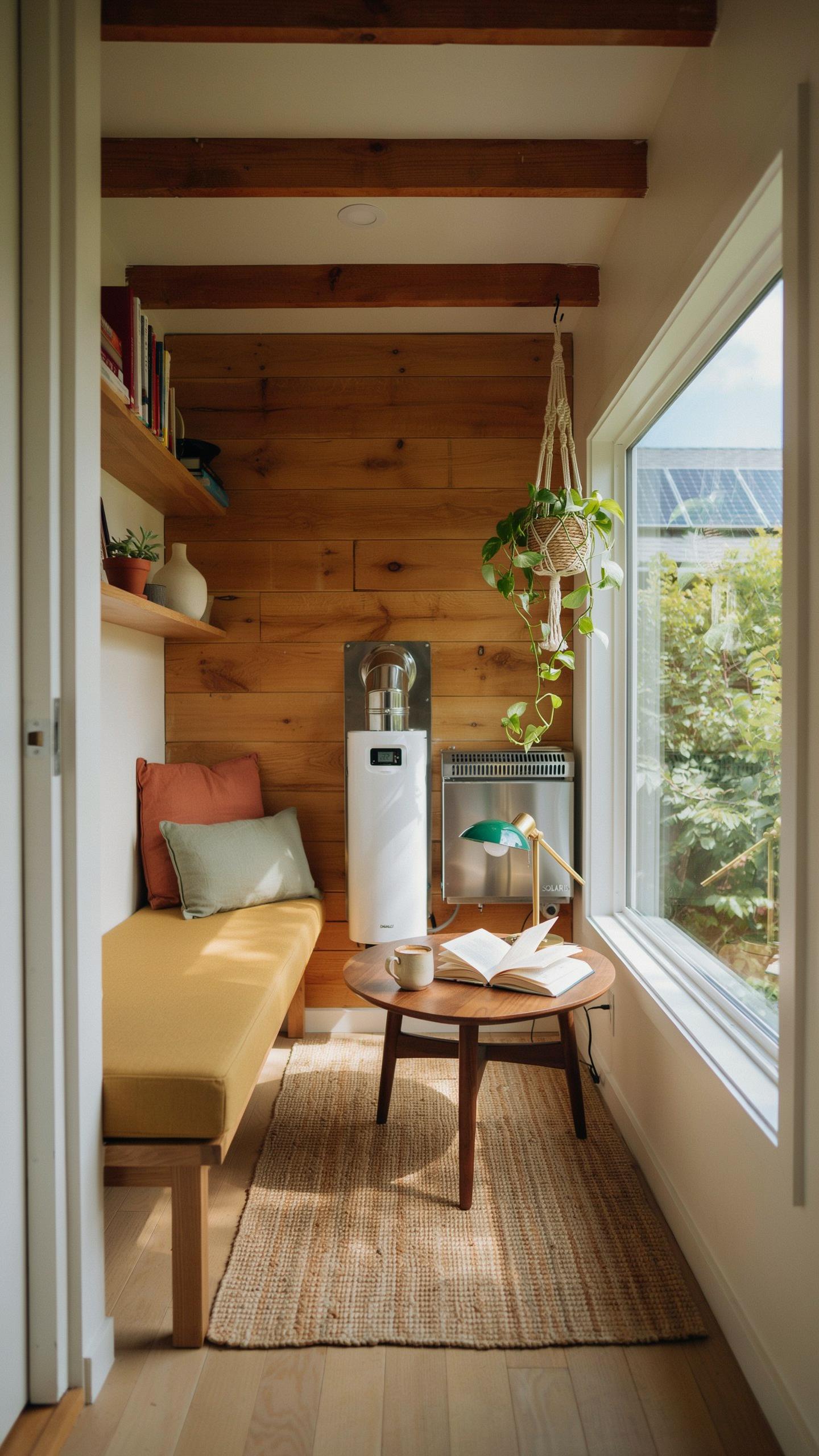
Forced-air diesel heaters deliver heat through a fan-driven system that pulls air across a heated combustion chamber, then distributes warm air throughout your cabin via ducting. These units originated from marine applications where space constraints and reliability requirements drove their development. A single heater typically covers 300 to 1,000 square feet depending on insulation quality and unit size. They burn diesel fuel efficiently because combustion occurs in a sealed chamber, preventing heat loss through flue gases.
Forced-air systems outperform passive radiators in cabins under 600 square feet because they actively circulate warmth rather than relying on convection. The fan speed adjusts based on demand, meaning you use less fuel when outdoor temperatures are mild. Installation requires minimal venting compared to traditional wood stoves or propane units. These heaters handle rapid temperature swings without thermal shock to your cabin structure, making them reliable across seasonal transitions.
Fuel Consumption And Battery Requirements Diesel
A typical marine diesel heater rated at 8 to 10 kilowatts burns between 0.5 and 1 gallon of fuel per hour at full output, depending on heat demand and ambient conditions. At half throttle, consumption drops to roughly 0.25 to 0.5 gallons per hour. Your actual consumption depends on cabin insulation, exterior temperatures, and thermostat setpoints. Running the heater continuously through a cold night consumes 4 to 8 gallons, so fuel storage planning is critical for winter months.

Battery draws matter because the heater’s fan and control board run on 12 volt direct current systems common in off-grid cabins. The fan motor typically pulls 8 to 15 amps, while the ignition and control circuits draw an additional 2 to 5 amps during startup. This means continuous operation demands 120 to 240 amp-hours per day from your battery bank. You’ll need either a large battery system, a diesel generator to charge batteries during heating season, or dual power sources to sustain operation without draining stored energy.
Active Solar Thermal Panels As An Off Grid Cabin Heater Supplement
Solar Collector Fluid Glycol Loops
Evacuated tube collectors and flat plate collectors both use heat transfer fluid to move thermal energy from the panel to your storage tank. Propylene glycol mixes prevent freezing in cold climates and offer superior heat transfer compared to water alone. The fluid circulates through copper or aluminum tubing inside the collector, absorbing solar radiation and transferring that energy downstream. This approach works in subzero temperatures where water would crack pipes and destroy your system.
Glycol concentrations typically run 30 to 50 percent by volume depending on your minimum outdoor temperature. The higher the glycol percentage, the lower the freeze point drops, but heat transfer efficiency decreases slightly. You need to flush and replace glycol every 5 to 10 years because it degrades under UV exposure and high temperatures. Plan maintenance into your long-term off grid heating strategy rather than treating it as optional upkeep.
Battery Backed Circulating Pumps
Low-voltage DC pumps eliminate the need for AC power in your solar heating loop. A 12 or 24 volt DC pump draws 1 to 3 amps depending on flow rate and head pressure, making it compatible with modest battery banks. Wire the pump directly to a dedicated solar charge controller or battery bank with appropriate fusing and disconnect switches. This configuration lets your system operate continuously during daylight hours without depending on inverters or generators.
Size your pump to move 0.5 to 1 gallon per minute through your collector loop. Undersized pumps create heat stagnation and reduce efficiency, while oversized pumps waste battery power and reduce runtime. Install a check valve on the outlet side to prevent thermosiphoning and reverse flow during nighttime hours. Position your storage tank above the collector panel if possible to enable passive thermosiphoning as a backup when pumps fail or batteries run low.
Comparative Guide To Off Grid Cabin Ideas Heating Options
Pros And Cons Of Heating Types
Wood stoves deliver reliable heat with zero electricity dependency. They burn cordwood or pellets and generate 60,000 to 90,000 BTU per hour. Installation costs run $1,500 to $4,000 including chimney and hearth materials. Lifespan reaches 20 to 30 years with proper maintenance. The trade-off: you manually feed fuel and clean ash regularly.
- Wood Stoves: Cast iron or steel construction burns logs or pellets. Lifespan 20 to 30 years. Requires chimney, manual fuel loading, and ash removal. Heat output 60,000 to 90,000 BTU per hour.
- Propane Heaters: Wall-mounted or freestanding units burn propane efficiently. Lifespan 15 to 25 years. Requires tank refills and venting. Heat output 20,000 to 40,000 BTU per hour.
- Pellet Stoves: Automated feed system burns compressed wood pellets. Lifespan 15 to 20 years. Requires electricity for auger and fans. Heat output 40,000 to 80,000 BTU per hour.
- Radiant Floor Systems: Hot water tubes beneath flooring distribute even heat. Lifespan 25 to 50 years when paired with quality boilers. Requires energy source and circulation pump. Heat output varies by system design.
- Rocket Mass Heaters: Thermal mass absorbs heat from efficient combustion chamber. Lifespan 10 to 20 years for metal components. Requires regular chimney inspection. Heat output 10,000 to 30,000 BTU per hour.
Propane heaters offer convenience and fast startup. They cost $800 to $2,500 installed. Lifespan averages 15 to 25 years depending on usage and maintenance. Drawback: propane tank refills create supply chain dependency. Pellet stoves automate combustion but need electricity for fans and augers, limiting true off-grid capability.
Calculating BTU Needs Per Square Foot
Cabin heating demand depends on three factors: square footage, insulation quality, and climate zone. Start with your cabin’s total conditioned space in square feet. Multiply by the climate multiplier: 3 to 4 BTU per square foot in mild climates, 5 to 6 in moderate climates, and 7 to 10 in cold climates. This gives your baseline hourly requirement.
Next, adjust for insulation. Well-insulated cabins with R-15 walls and R-30 ceilings reduce demand by 20 to 30 percent. Poorly insulated cabins increase demand by 40 to 60 percent. Measure actual insulation values in walls and attic, then apply the adjustment factor. Account for air leakage around doors, windows, and penetrations by adding 10 to 15 percent to the adjusted figure. The final number is your design load in BTU per hour needed to maintain comfort during the coldest outdoor temperatures your area experiences.
Frequently Asked Questions

What are the most reliable heating sources for someone living off the grid?
When researching off grid cabin ideas heating options, wood-burning stoves remain the gold standard for reliability. They provide intense heat and a cooking surface without requiring any electricity. For those who want more automation, propane heaters or high-quality pellet stoves with solar-battery backups are excellent alternatives. The key is choosing a system that matches your local fuel availability while ensuring you can maintain the unit entirely on your own.
How can I maximize the heat efficiency of my off-grid cabin during winter?
Efficiency starts with proper insulation and air sealing to keep the warmth inside. You should position your heat source centrally and use non-electric thermal fans to circulate air throughout the structure. Additionally, integrating passive solar design—like south-facing windows and thermal mass materials like stone or brick—is one of the smartest off grid cabin ideas heating options to naturally supplement your primary stove and reduce your overall fuel consumption.
Is it possible to heat a small cabin on a very tight budget?
Absolutely. The most cost-effective approach is often a small, refurbished cast-iron wood stove or a DIY rocket mass heater. These systems are incredibly efficient and can run on scavenged wood or fallen branches. To keep costs low, focus on heavy heavy curtains and rugs to prevent heat loss. Simple, manual solutions are often the best way to stay warm without the high installation costs of complex hydronic or solar-thermal systems.