
Understanding The Basics Of An Off Grid Power Setup Generator Backup
What Is An Off Grid System
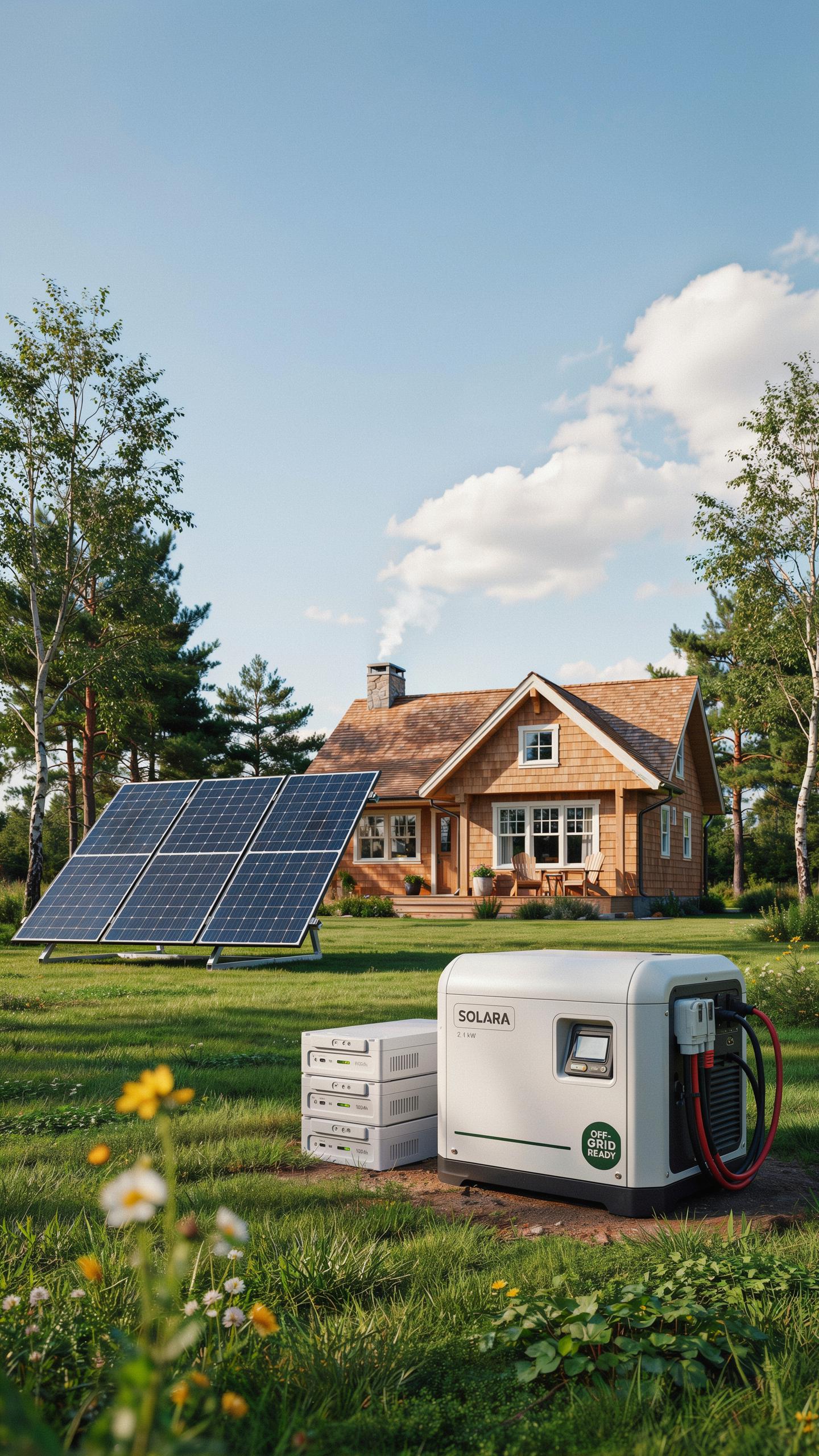
An off-grid system generates and stores its own electricity without connecting to the utility grid. The setup relies on local energy sources like solar panels, wind turbines, or micro-hydro systems paired with battery banks for storage. This approach eliminates monthly electric bills and grid dependency while providing power in remote locations where utility lines don’t reach.
The core components work together to create energy independence. Solar panels or wind turbines generate power during production hours. Batteries store that energy for later use. An inverter converts stored DC power into usable AC power for household appliances. This self-contained model works in any climate and scales up or down based on your actual power needs.
The Role Of A Backup Generator
A backup generator activates when renewable sources produce insufficient power. During extended cloudy periods or nighttime hours, solar output drops significantly. The generator prevents battery depletion by producing electricity on demand, extending battery life and ensuring continuous power availability. This mechanical backup transforms an off-grid system from intermittent to reliable.
Generators handle heavy electrical loads that would drain batteries too quickly. Running power tools, water pumps, or heating systems draws substantial current that a generator supplies directly. This reduces strain on expensive battery banks and maintains system stability. Propane or diesel generators provide the most practical backup option for most off-grid setups, offering fuel storage flexibility and dependable performance regardless of weather conditions.

Embracing Sustainable Energy With Solar And Wind Power
Harnessing Clean Solar Power
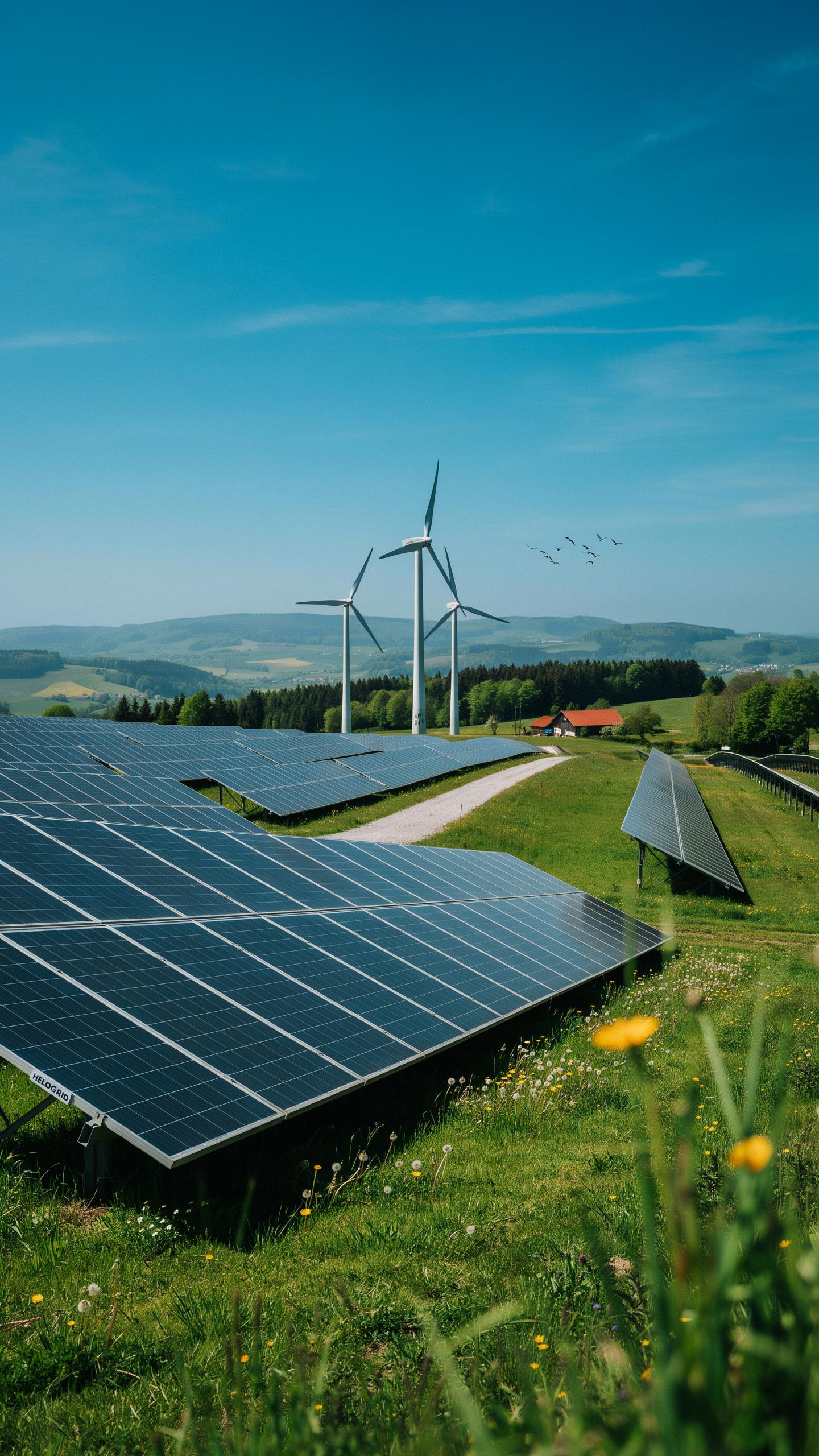
Photovoltaic panels convert sunlight directly into electricity through the photovoltaic effect. Silicon cells in these panels absorb photons and release electrons, creating DC current. This process requires no moving parts, produces no emissions, and generates power silently. Solar arrays scale from small residential systems to large installations based on your energy needs and roof space.
Battery storage systems capture excess solar energy during peak daylight hours. Lead-acid, lithium-ion, or other battery chemistries store this power for nighttime use or cloudy periods. Charge controllers regulate voltage and current flow between panels and batteries. An inverter then converts stored DC power into AC current for household appliances. This setup eliminates dependence on grid electricity and fossil fuel generators during daylight production hours.
Integrating Wind Turbines
Small residential wind turbines generate power when solar production drops, particularly at night or during winter months. These units range from 1 kilowatt to 10 kilowatts for typical homesteads. Wind turbines work independently of solar panels but feed power into the same battery bank and inverter system. Your location’s average wind speed determines whether a turbine makes economic sense for your off grid setup.

Wind and solar systems complement each other in hybrid microgrids. Winter months often bring stronger winds while daylight decreases, offsetting reduced solar output. Summer produces peak solar generation when winds typically weaken. Combined, these sources provide more consistent daily power than either system alone. Hybrid setups reduce battery storage requirements by smoothing power generation throughout seasonal cycles.
The Anatomy Of A Modern Solar Generator And How It Fits Your Cabin
Inverters And MPPT Charge Controllers
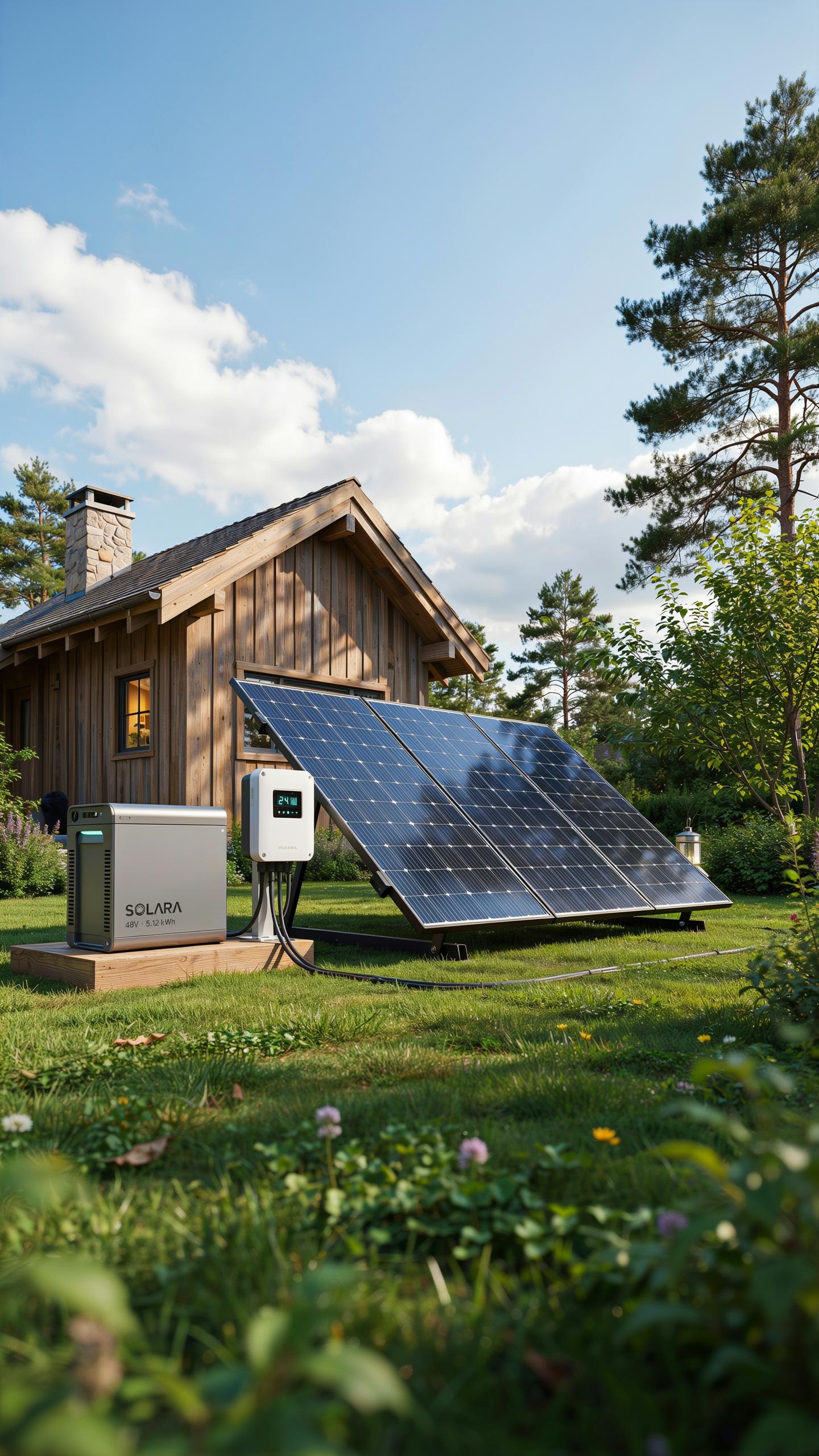
Modern integrated solar generators combine maximum power point tracking controllers with pure sine wave inverters into single units. MPPT technology extracts the maximum available power from your solar panels by continuously adjusting voltage and current inputs. This optimization happens automatically, delivering up to 30 percent more energy than older PWM charge controllers.
Pure sine wave inverters convert direct current from batteries into clean alternating current that matches grid standard output. This matters for sensitive electronics like laptops, medical equipment, and refrigerators that require stable power. Poor quality inverters produce modified sine waves that generate heat and damage equipment over time.
Portability And Scalability Benefits
Modern solar generators weigh between 50 and 100 pounds, making them transportable between your cabin’s living areas and outdoor work zones. Battery packs mount on wheels for easier movement across uneven terrain. You can operate them independently in different locations or connect multiple units for centralized power distribution depending on your immediate needs.

Expansion batteries connect to base units through standardized connectors, allowing you to add storage capacity without replacing existing equipment. This approach lets you start with one battery module and scale up as your power consumption increases. Most quality generators support two to four additional batteries, effectively tripling or quadrupling your total storage capacity.
Optimizing Your Off Grid Solar Power Storage For Seamless Living
Selecting The Right Battery Chemistry
Lithium Iron Phosphate (LiFePO4) batteries deliver 3000 to 5000 full charge cycles compared to 500 to 1000 cycles from lead-acid alternatives. LiFePO4 systems allow 80 to 90 percent depth of discharge without damage, while lead-acid requires limiting discharge to 50 percent capacity. Weight matters too. A LiFePO4 battery weighs roughly one-third what an equivalent lead-acid bank weighs, reducing installation complexity and structural load demands on your property.
LiFePO4 chemistry eliminates thermal runaway risks that plague older lithium designs and some lead-acid configurations under extreme conditions. Safety management systems built into LiFePO4 packs prevent overcharge and over-discharge automatically. Lead-acid batteries require active monitoring and maintenance including water top-offs and terminal corrosion checks. For off-grid systems requiring minimal intervention, LiFePO4 proves the practical choice despite higher upfront costs.
True comfort is found when the modern world fades away and the gentle hum of a reliable hearth keeps the darkness at bay. There is a profound peace in knowing your light will always burn bright, no matter how far you wander from the city gates.
Calculating Daily Watt Hour Consumption
Audit every appliance in your home systematically. Record the wattage rating from nameplates and multiply by daily run hours to get watt-hour consumption per device. Sum all devices to determine your total daily draw. Include refrigerators, water heaters, lighting, well pumps, and entertainment systems. This calculation forces you to understand what your battery bank must actually support rather than guessing capacity needs.

Peak starting watts differ from running watts significantly. A refrigerator compressor draws 1200 watts for five seconds at startup but runs at 400 watts continuously. A well pump may pull 3000 watts initially but settle at 1800 watts. Your battery bank and inverter must handle peak demand or they shut down under load. Size your system by peak requirements, then verify continuous operation capacity using the daily watt-hour total across cloudy periods when solar generation drops.
Mastering Solar Charging Tech To Keep Batteries Full
Comparing Poly And Monocrystalline Panels
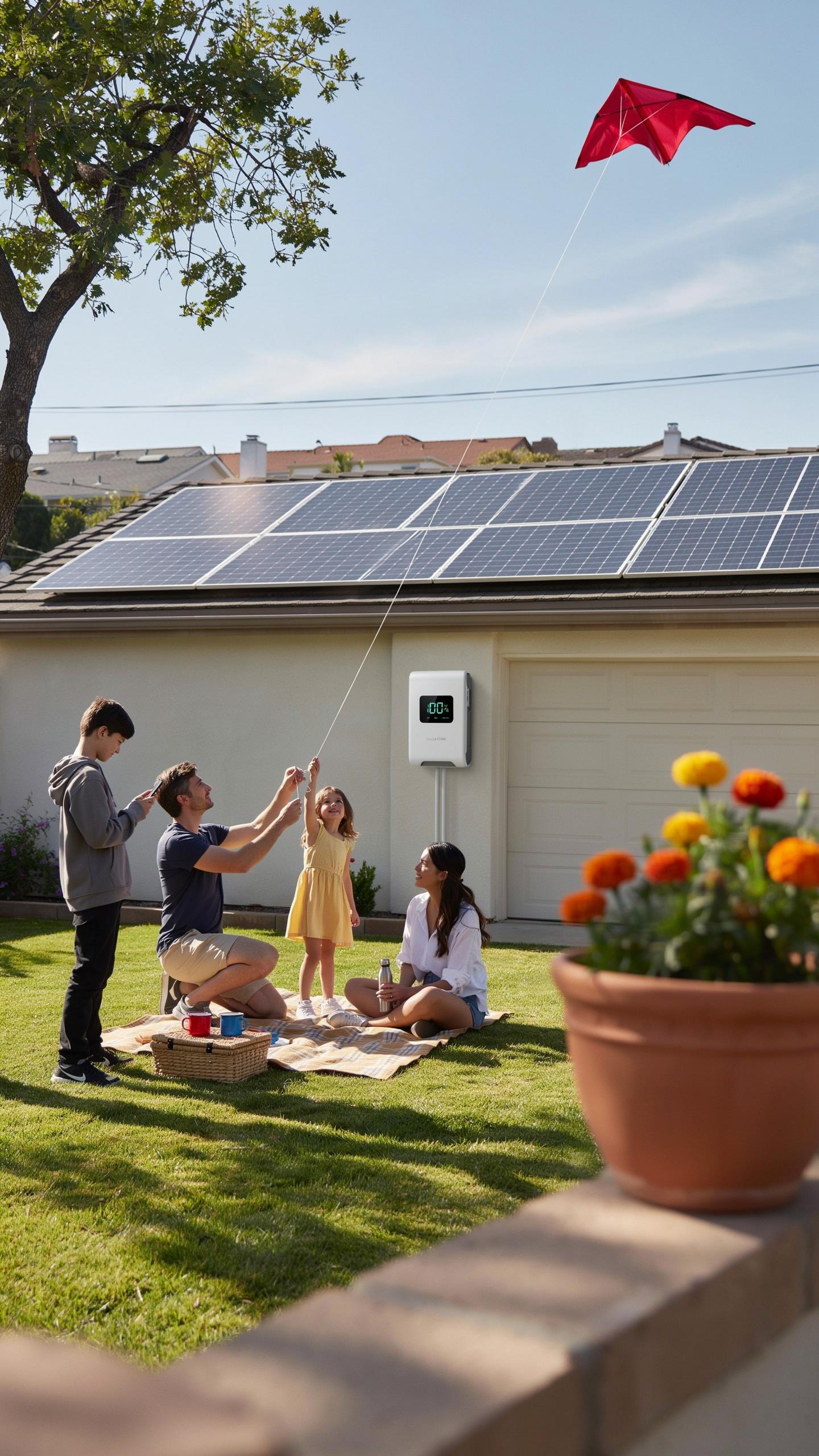
Monocrystalline solar panels use single-crystal silicon structures. This design delivers the highest efficiency rates when sunlight hits the panels directly. Most off-grid systems use monocrystalline panels because they generate more power in the same physical space.
Polycrystalline panels cost less upfront. They contain multiple silicon crystal fragments melted together. These panels work reliably across standard temperate climates and perform adequately for most backup power setups where budget constraints exist.
Best Practices For Solar Panel Placement
Position your solar array to capture maximum daily current based on proven installation principles. Proper placement and maintenance determine how much usable power your system generates. Poor placement wastes expensive equipment and forces you to add more panels than necessary.
- Latitude angle adjustment: Angle panels according to your geographic latitude to capture optimal solar angles throughout the year for peak energy production.
- Shadow elimination: Position your solar array away from mature trees, tall chimneys, and auxiliary outbuildings that block direct sunlight on cells.
- Surface cleaning: Wipe dirt, fallen leaves, pollen, and winter snow buildup from panel surfaces regularly to maintain power output levels.
- Seasonal tilt adjustment: Adjust mount tilt angles twice yearly to account for seasonal changes in the sun’s trajectory across your sky.
- Debris monitoring: Inspect panels weekly for bird droppings, dust accumulation, and tree debris that reduce charging efficiency.

Dirty panels lose 15 to 25 percent of their charging capacity. Regular maintenance takes minutes and costs nothing. Seasonal adjustments require basic tools and take under an hour twice yearly. These actions directly increase battery charge rates and extend your system’s reliability during critical backup periods.
Selecting A Heavy Duty Solar Power Station For High Wattage Appliances
Powering Kitchen And Laundry Equipment
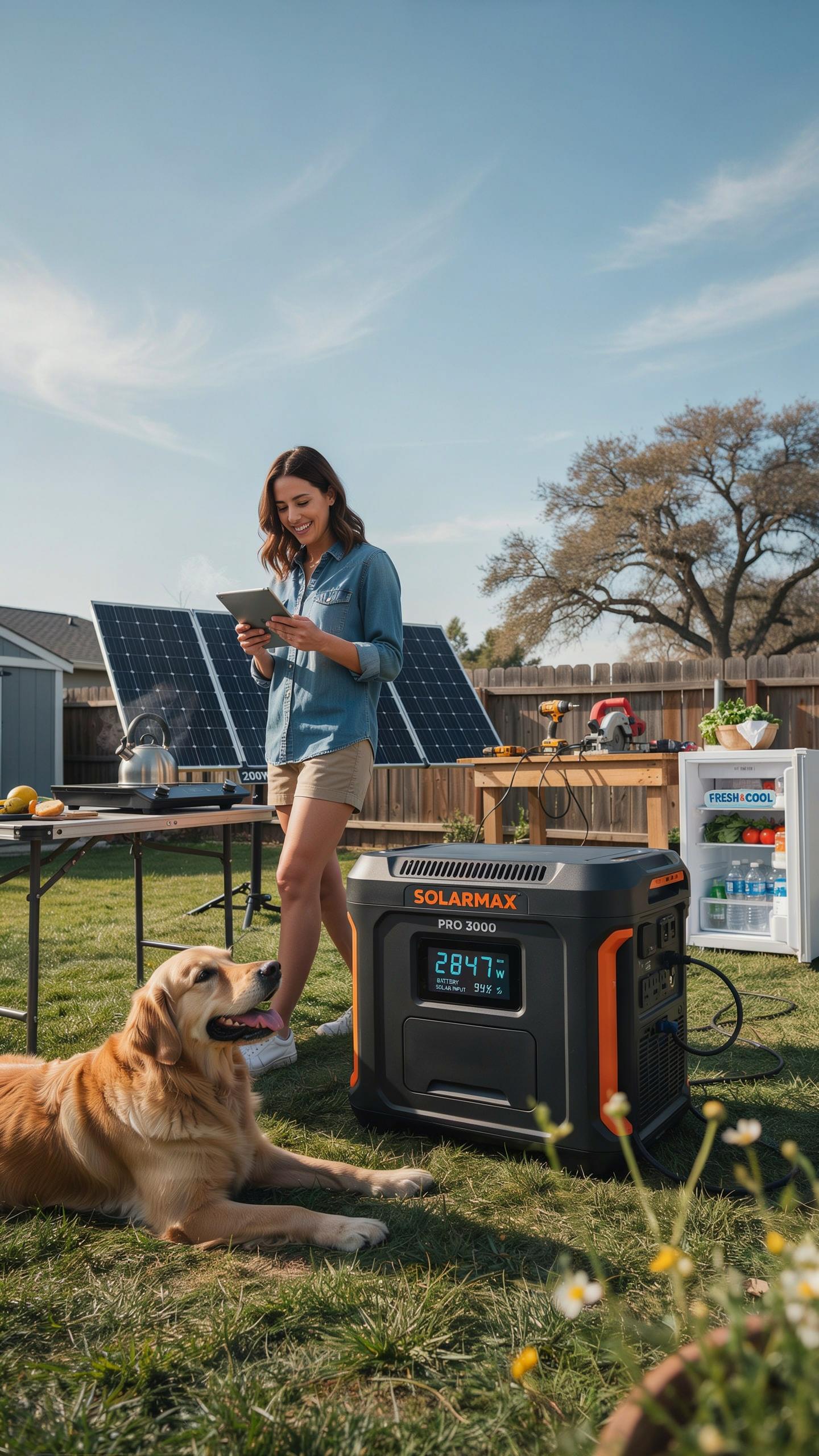
Kitchen and laundry equipment creates startup surges that exceed running wattage by three to seven times. A refrigerator rated at 600 watts draws 1800 to 4200 watts during compressor startup. Washing machines and water pumps behave the same way. Standard portable power stations lack the capacity to handle these spikes without failing.
Heavy duty stationary power stations manage these surges through larger internal components and better cooling systems. They maintain stable voltage during high current draws that would crash smaller units. Your inverter must support peak surge capacity, not just average wattage. Choose stations rated for at least 1.5 times your appliance’s highest startup requirement.
Managing Multiple Input Charging Ports
Dual input charging ports let you connect solar panels and wall power simultaneously when grid access exists. This cuts recovery time between outages from days to hours. A 5000 watt hour station with both inputs active can recharge 40 to 50 percent faster than using solar alone. Speed matters when weather forecasts predict extended cloud cover or storms.

High capacity stations prioritize power input over single source limitations. You can run solar during daylight and grid charging at night if available. Switching between inputs happens automatically on quality models without manual intervention. This flexibility ensures your backup system reaches full capacity before the next demand cycle begins.
How To Select And Maintain Your Secondary Backup Generator

Essential Maintenance Steps For Fuel Based Generators
Combustion generators fail during critical moments because owners skip routine maintenance. You need a systematic schedule to keep your backup running when winter storms knock out grid power. Most failures stem from neglected fuel systems and worn internal components.
- Check Oil Levels Before Extended Runs: Low oil causes engine seizure and permanent damage. Check the dipstick before each use and top off with the manufacturer-specified grade oil.
- Replace Oil And Air Filters On Schedule: Follow manufacturer hour intervals, typically every 50 to 100 hours of operation. Clogged filters reduce engine efficiency and increase fuel consumption rates.
- Flush And Treat Fuel Systems: Drain stagnant gasoline that sits in tanks for months. Use fuel stabilizer in stored gas to prevent carburetor gum buildup that blocks fuel flow to the engine.
- Run Monthly Under Moderate Load: Operating the generator at 50 percent capacity for 30 minutes keeps internal gaskets lubricated and seals functional. Idle running without load shortens component lifespan.
- Inspect And Replace Spark Plugs Annually: Carbon deposits on electrodes reduce spark quality and ignition reliability. Replace plugs showing wear, discoloration, or deposits before they fail during emergency use.
These five tasks prevent the majority of generator failures. Create a maintenance log and stick to it. Your backup generator delivers power only when you maintain it consistently throughout the year.
Dual Fuel And Inverter Generator Benefits
Dual-fuel generators switch between gasoline and liquid propane without manual conversion. Propane burns cleaner than gasoline and stores indefinitely without degradation. This flexibility lets you use whichever fuel costs less and switch based on availability during emergencies.

Inverter generators throttle engine speed to match your actual power demand rather than running at full RPM constantly. This approach cuts fuel consumption by 30 to 50 percent compared to conventional models. Lower RPM also means quieter operation, which matters when living off-grid near neighbors or in noise-sensitive locations.
Emergency Prepping And Storm Prep Integration For Your Homestead

Designing A Redundant Energy Plan
A single power source fails during severe weather. You need backup systems that operate independently. Solar arrays generate power during daylight hours when storms pass. Fuel generators run on demand regardless of weather conditions. Combining both means one system covers the other’s weakness. Battery banks store excess energy from either source. This layered approach prevents total system collapse when any single component fails or depletes.
Storm damage often targets overhead power lines first. Your backup systems must function without grid support. A generator without fuel becomes worthless in extended outages. Solar panels without battery storage waste daytime generation during nighttime emergencies. Design your system so each component supports the others. Redundancy costs money upfront but eliminates desperation during actual emergencies. Test your backup systems quarterly to confirm functionality when you need them most.
Critical Emergency Circuits
Winter storms demand prioritized power allocation. Medical devices, well pumps, and communication equipment must never lose power. Freezing temperatures kill heating systems that lose electricity. Isolate these critical circuits on dedicated breakers separate from general loads. This separation allows you to maintain essentials while shutting down non-critical appliances. Battery reserves last much longer when powering only necessary equipment. Calculate the wattage of your critical circuits now, before emergencies arrive.
Your battery bank depletes faster under maximum load. A household running all appliances simultaneously drains reserves in hours. Critical circuits isolated on separate panels extend battery life to days. Medical equipment typically draws 50 to 500 watts depending on device type. Well pumps require 500 to 2000 watts per cycle. Heating elements consume 3000 to 5000 watts continuously. Know your actual wattage requirements for each critical device so your generator and batteries are sized correctly.
Creating A Cozy And Relaxed Off Grid Lifestyle

Smart Automation And Load Shedding
Modern energy management systems monitor your power consumption in real time and automatically stagger when major appliances run. A refrigerator, water heater, and washing machine draw significant current. Smart controllers prevent these from operating simultaneously, which would drain batteries faster or force your generator to kick in unnecessarily. This automation removes the mental burden of manual load management and keeps your system stable throughout the day.
The result is predictable power delivery without user intervention. You set parameters once, and the system handles the rest. Battery banks last longer when loads stay balanced. Your generator runs fewer hours annually. The off grid power setup generator backup operates as designed rather than as a reactive scramble to meet sudden demand spikes.
Enjoying Silent Energy Harvesting
Solar arrays produce electricity without moving parts, combustion, or exhaust. This operational silence is the core advantage of renewable energy systems over fuel driven generators. You eliminate the noise, vibration, and fume exposure that come from running an engine continuously. A well sized solar installation with proper battery storage means generator runtime drops to occasional backup scenarios only.
This quiet operation directly improves daily life quality at your homestead. You hear wind, birds, and rain instead of mechanical humming. Air quality stays clean indoors and outdoors. Your off grid power setup generator backup becomes insurance rather than your primary power source. The system delivers reliable electricity while preserving the peace you chose off grid living to achieve.
Frequently Asked Questions

What exactly is a backup generator for an off-grid system?
A backup generator serves as a vital safety net for your primary renewable energy source. While solar panels or wind turbines provide daily electricity, an off grid power setup generator backup ensures your home stays cozy during long stretches of cloudy weather or high energy usage. It automatically kicks in to charge your battery bank, meaning you never have to sacrifice modern comforts like warm lighting or refrigeration when living remotely.
How do I integrate a generator into my existing solar power system?
To properly install an off grid power setup generator backup, you should connect it through an inverter-charger or a dedicated transfer switch. This setup monitors your battery voltage and triggers the generator when levels drop too low. For a truly relaxed experience, look for models with an “Auto Gen Start” feature, which manages the power flow seamlessly without requiring you to manually pull cords or flip switches in the dark.
Can I build a reliable off-grid power system on a limited budget?
Absolutely. Achieving a cozy lifestyle off the grid is possible by starting small and scaling up over time. You can begin with a few solar panels and a portable power station, then gradually add a smaller, fuel-efficient inverter generator as your secondary source. This approach keeps initial costs low while providing the security of a redundant energy supply, allowing you to enjoy peaceful, uninterrupted living without a massive upfront investment.