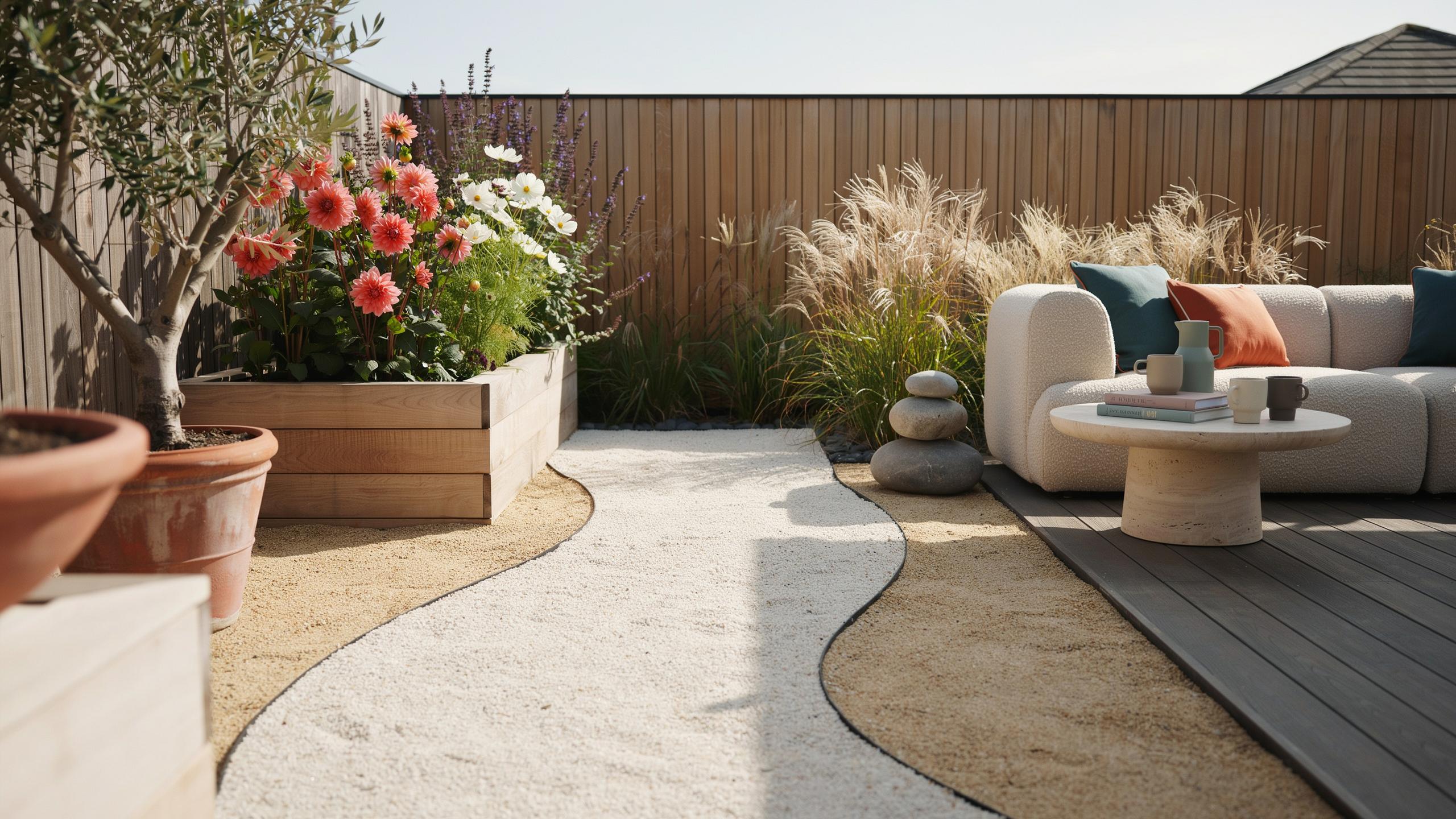
Understanding The Appeal Of A Graveled Backyard In Modern Landscape Design
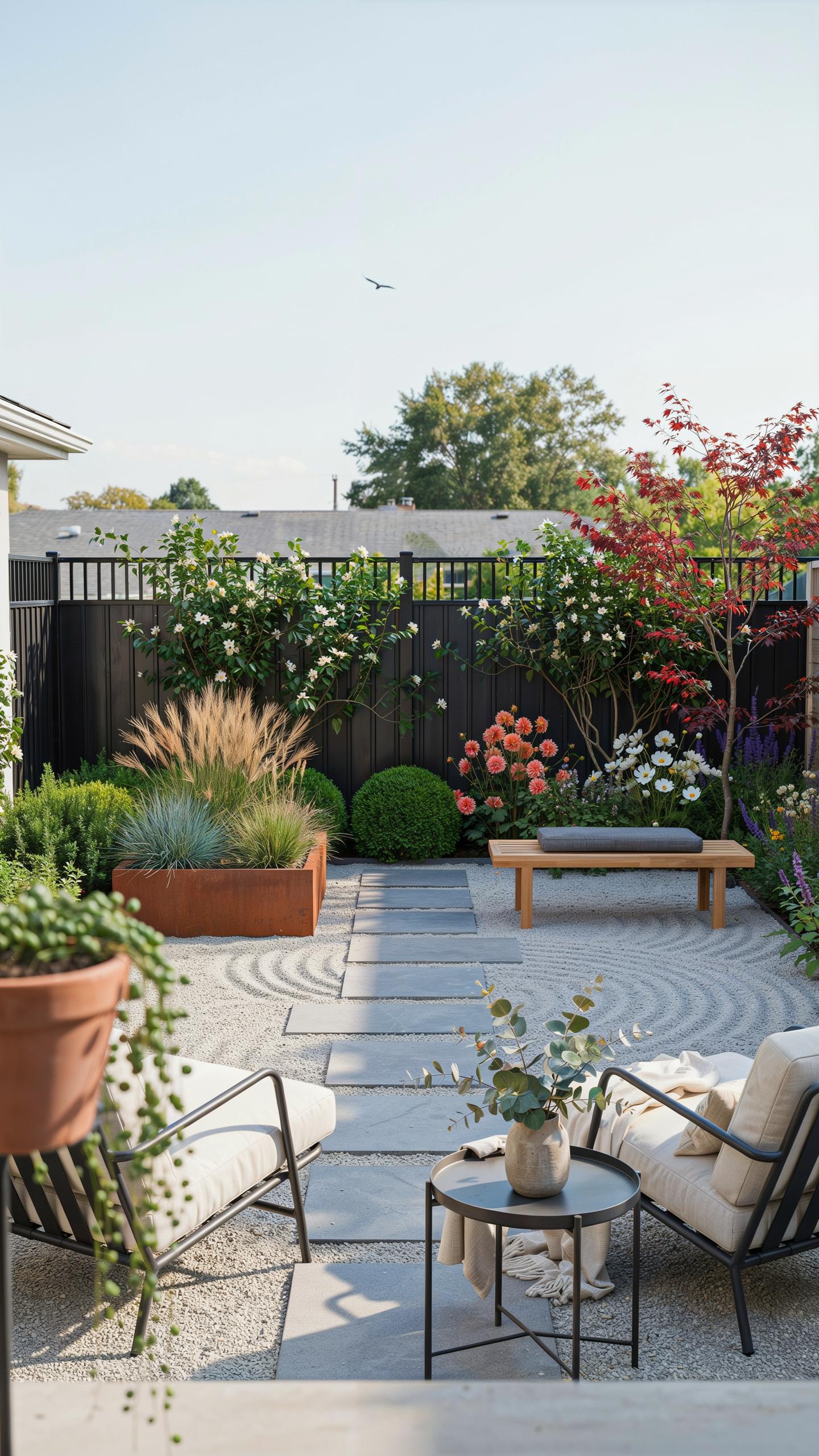
What Makes Gravel A Preferred Material For Contemporary Outdoor Spaces
Gravel serves as a primary tool for minimalist landscape design. It provides a clean and neutral base that emphasizes structural plant forms and architectural lines. Designers use aggregate materials to create permeability. This allows rainwater to penetrate the soil directly and prevents runoff issues. The texture of gravel adds visual depth without the visual clutter of multicolored pavers or complex patterns found in masonry.
The material offers high versatility for different functional zones in a backyard. It defines paths, seating areas, and fire pit surrounds with ease. Maintenance requirements remain low compared to organic ground covers. You do not need to mow, edge, or water a gravel surface. Properly installed gravel with a stabilizer or heavy duty weed barrier ensures a stable and durable surface for year round outdoor use.
How A Graveled Backyard Compares To Traditional Lawn And Hardscape Options
Traditional lawns require constant irrigation and chemical treatments to remain viable. Gravel eliminates these recurring costs and labor needs entirely. It functions as a permanent ground cover that survives extreme heat and drought conditions. Unlike grass, gravel provides a consistent look regardless of the season. It does not suffer from brown spots or pest infestations. This makes it a superior choice for arid climates and water conscious homeowners.
Concrete and natural stone hardscapes involve high material and labor costs. These solid surfaces trap heat and increase the ambient temperature of a backyard. Gravel acts as a cooler alternative by allowing airflow between the stones. It also costs significantly less per square foot than poured concrete or flagstone. You can install gravel quickly without heavy machinery. This flexibility allows for easy design changes or additions in the future.

Designing A Gravel Patio That Blends Comfort With Curb Appeal
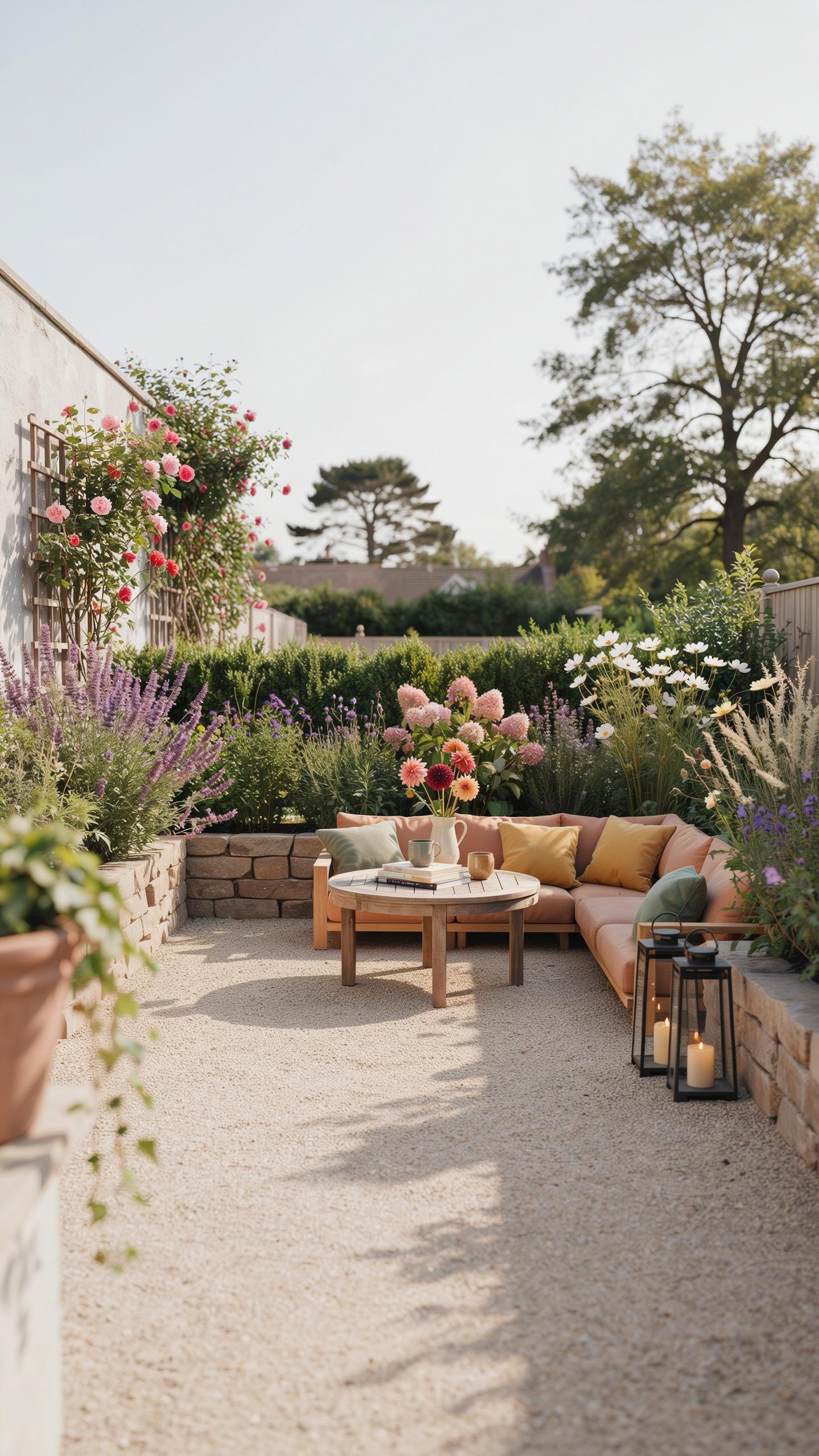
Choosing The Right Gravel Type And Size For A Functional Patio Surface
Select sub-base and surface materials based on stability and drainage needs. Use 3/4 inch crushed stone for the foundation to ensure structural integrity and water runoff. This angular rock locks together under pressure to prevent sinking. For the top layer, use 1/4 inch to 3/8 inch fine gravel or pea stone. These smaller sizes provide a level surface for chairs and feet while remaining permeable.
Avoid rounded river stones for primary seating areas because they shift under foot traffic. Crushed granite and limestone offer sharp edges that bind together. This creates a firm floor that resists Displacement from furniture legs. Proper grading ensures the surface stays flat and dry during heavy rain. Choose a material color that reflects heat if the patio faces direct sun. Local quarries often provide the most cost effective options.
How To Define And Border Your Gravel Patio For A Clean, Polished Look
Borders act as a physical barrier to keep gravel from migrating into lawns or garden beds. Steel edging provides a slim profile that disappears into the landscape for a modern aesthetic. It prevents the gravel from spreading while maintaining sharp lines. For a more substantial look, use paver stones or timber beams set into the ground. These heavier materials add structural weight and prevent erosion at the patio edges.
Excavate the patio area to a depth of four inches before installing any edging. Place a heavy duty landscape fabric over the soil to block weed growth and separate gravel from the dirt. Secure the border material with metal stakes to keep it from shifting during freeze and thaw cycles. A flush border allows for easy mowing around the perimeter. Use a contrasting color for the border to highlight the patio shape.
Exploring All Rock Backyard Ideas For Low Maintenance Outdoor Living
Popular All Rock Design Styles That Work For Small And Large Backyards
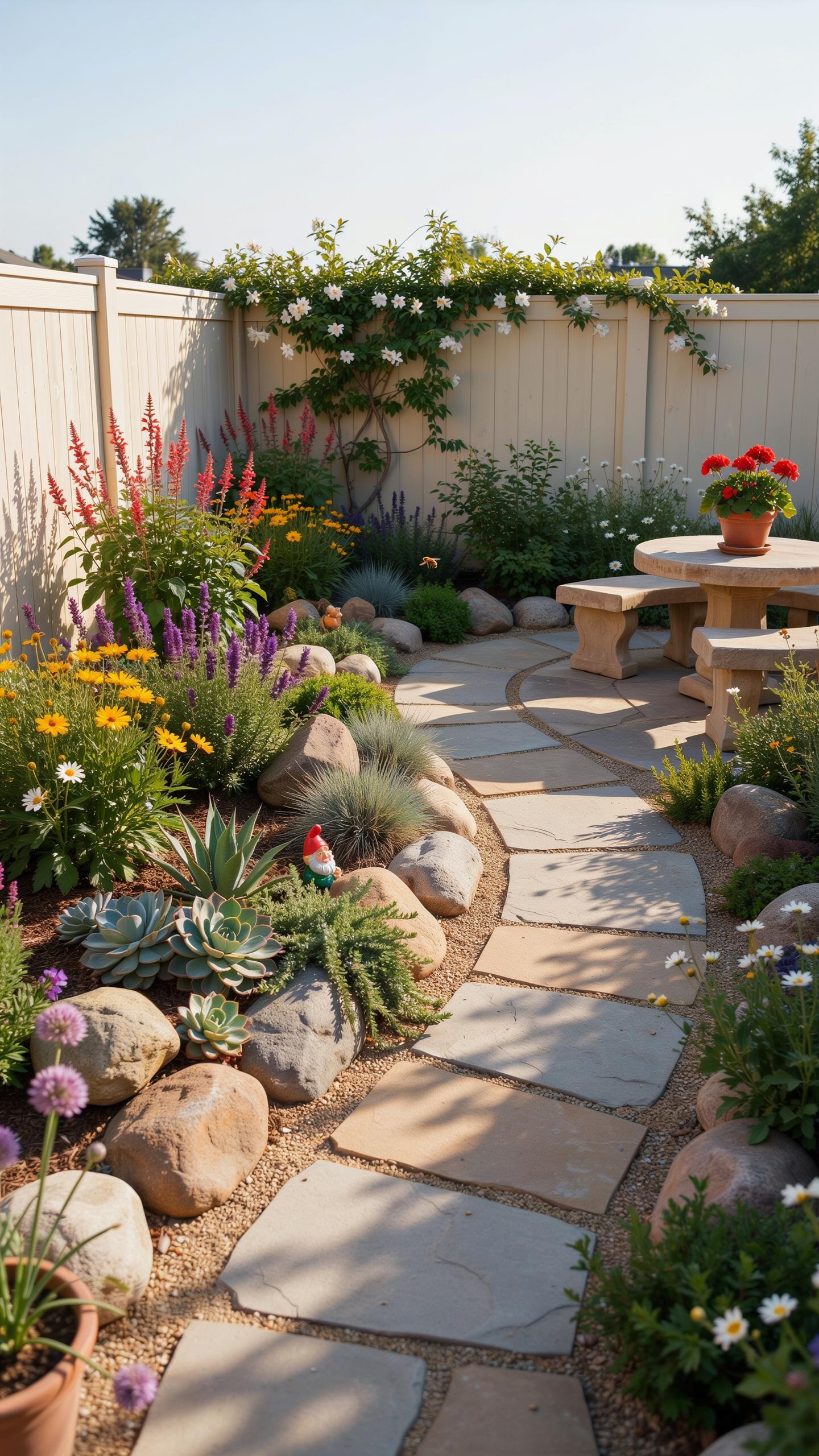
Modern minimalism defines successful rock backyards. This style uses monochromatic gravel to create clean lines and open space. It works well in small yards because it removes visual clutter. Designers focus on scale by matching the stone size to the ground area. Larger yards benefit from grid patterns and steel edging. Use dark basalt or grey granite to achieve this high-end look without high costs.
Zen and Mediterranean styles offer functional alternatives to standard lawns. Japanese rock gardens use raked gravel to represent water and promote stillness. This fits small, enclosed spaces perfectly. Mediterranean designs combine pea gravel with stone pavers to handle heavy foot traffic. These styles eliminate the need for irrigation systems. They provide a sturdy surface for furniture. Choose these styles if you want a yard that stays clean year-round.
Essential Materials And Supplies To Plan An All Rock Backyard Successfully
Successful rock landscaping starts with the correct foundation and containment materials. You cannot simply pour stone over soil and expect long-term results. Professionals prioritize heavy-duty geotextile fabrics to block weeds and prevent stone from sinking. Edging is also mandatory to keep materials in place. Without these basics, your gravel will migrate into drains or neighboring beds. High-quality supplies reduce your future maintenance labor by eighty percent.
- Geotextile Weed Barrier: Select a non-woven, heavy-duty fabric rather than cheap plastic. This material allows water and air to reach the soil while preventing weeds from taking root. It keeps the rock layer separate from the dirt underneath for better drainage and stability.
- Metal or Composite Edging: Use steel or aluminum edging to create sharp borders. Traditional wood rot occurs quickly in wet soil environments. Sturdy edging prevents gravel from spreading into walkways or garden beds. It maintains the intended shape of your design over several seasons.
- Crushed Stone Base: Install a compacted layer of road base or crushed limestone before the decorative gravel. This provides a flat and stable foundation for heavy furniture and foot traffic. It stops the top layer of decorative stone from shifting and creating uneven holes.
- Decorative Top Rock: Choose a specific stone type like pea gravel, decomposed granite, or river rock for the top layer. Each stone size affects how the ground feels underfoot. Smaller stones are easier to walk on. Larger stones stay in place during heavy rain and wind.
- Plate Compactor: Rent this machine to press the base and rock layers firmly into the ground. Manual tamping is often insufficient for large areas. Proper compaction prevents the ground from settling unevenly over time. This step is vital for creating a professional and level backyard surface.
Calculate your material volume by multiplying the total square footage by the desired depth. Most residential projects require a depth of at least three inches for full coverage. Factor in a ten percent surplus for settling and future top-offs. Buying in bulk from a local quarry reduces the high cost of bagged stone. Always arrange for professional delivery to save time and prevent physical injury from heavy lifting.
Creating Stunning Gravel Yards Landscapes With Texture Depth And Color
Using Contrasting Gravel Colors And Sizes To Add Visual Interest To Your Yard
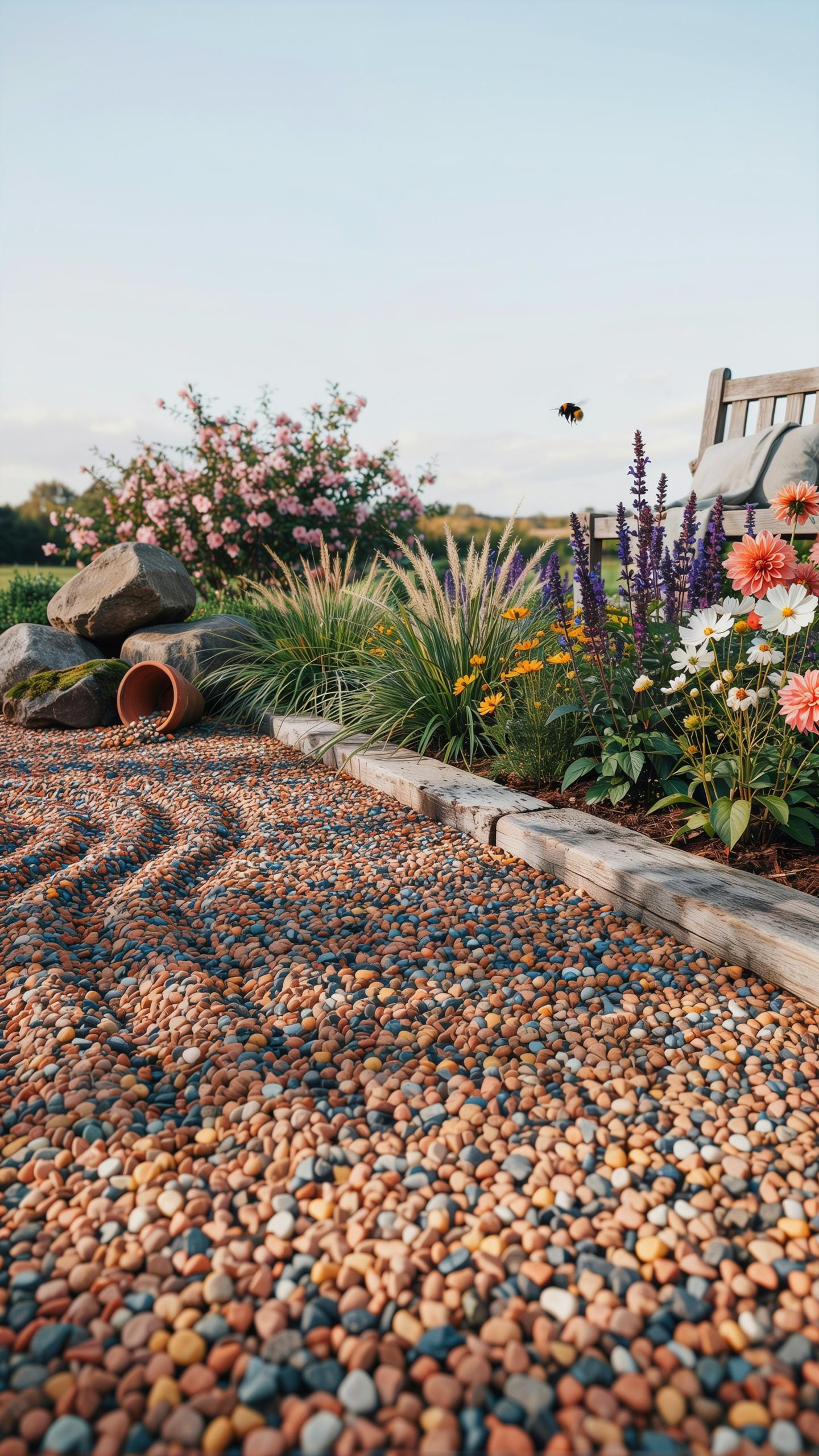
Texture drives the aesthetic success of backyard landscaping with gravel. You must mix different stone grades to break up flat planes. Fine 1/4 inch decomposed granite provides a stable walking surface for paths. Larger 1 to 2 inch river rock creates a rugged border that stops erosion. Using varied sizes mimics natural geological patterns. This technique prevents the yard from looking like a commercial parking lot.
Color selection requires a strategic approach to light and heat. Light colored stones like white marble chips reflect sunlight and brighten shaded corners. Darker stones such as charcoal slate basil absorb heat and provide high contrast against green foliage. Select a dominant color for eighty percent of the space. Use a secondary contrasting color for the remaining twenty percent to define specific zones or walkways.
The garden should be a place where the soul can rest, and modern paths of stone remind us that even the simplest earth can be transformed into a stylish sanctuary.
Incorporating Boulders, Raised Beds, And Hardscape Features Into Gravel Yards Landscapes
Successful gravel landscapes require vertical elements to create depth. Boulders serve as fixed anchors that provide weight to the design. Bury the bottom third of each boulder to make it look natural. This technique follows Japanese Zen garden principles where stones represent mountains. Placing large rocks near grade changes also helps stabilize the soil. These heavy features prevent the gravel from looking thin or temporary.
Metal or wood raised beds provide a clean edge for gravel transitions. Corten steel beds offer a rusted patina that complements gray stone. Use these structures to keep garden soil separate from the drainage gravel. This separation prevents weeds from growing in the stone layers. Hardscape features like concrete pavers create a steady path through loose rocks. These solid elements improve the mobility and function of the entire outdoor space.
Designing Beautiful Gardens With Gravel As A Functional Ground Cover
Which Plants Thrive Best When Paired With Gravel In Garden Beds
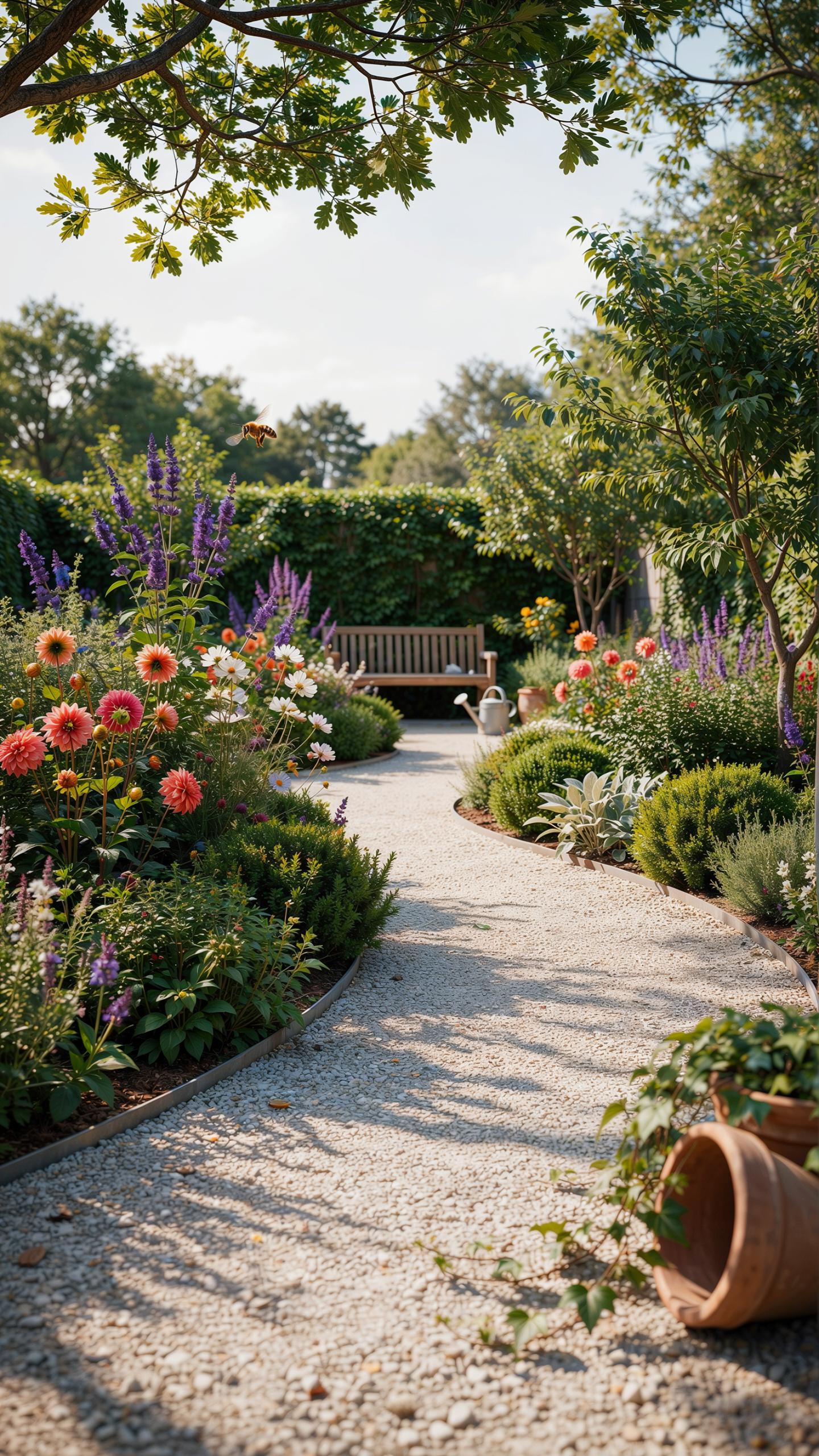
Gravel beds create a specific microclimate that rewards drought-tolerant species. Mediterranean herbs like lavender, rosemary, and sage thrive because they require sharp drainage. Many ornamental grasses also perform well in these settings. These plants do not rot in wet winters when surrounded by stone. The gravel keeps the plant crown dry. This prevents fungal diseases that often kill perennials in damp soil.
Select plants that adapt to rocky or sandy native environments. Succulents and agave varieties are ideal for modern designs using gravel. These species store water in their leaves and enjoy the heat reflection from the stones. Avoid moisture-loving plants that need constant dampness. Gravel acts as a barrier that prevents surface evaporation. This benefits deep-rooted plants that prefer consistent moisture levels deep within the earth rather than the surface.
How Gardens With Gravel Support Drainage, Weed Suppression, And Soil Health
Gravel serves as a high-performance mulch that improves water management. Unlike wood mulch, gravel does not decay or blow away. It allows rain to penetrate the ground quickly. This reduces surface runoff and prevents erosion. In heavy storms, the stone gaps act as a filter. This slows down the water and protects the topsoil. It keeps the garden functional and clean even after a massive downpour or flooding event.
Effective weed suppression requires a thick layer of three inches or more. This depth blocks sunlight from reaching weed seeds in the soil. While it does not stop airborne seeds, gravel makes manual removal easy. Beneath the surface, gravel maintains a stable soil temperature. It insulates the ground against extreme heat and cold. This protection supports a healthy environment for beneficial microbes and earthworms to improve the existing soil quality.
Embracing Zeroscaping Backyard Principles With Gravel Based Design
What Zeroscaping Means And How Gravel Plays A Central Role In Water Wise Landscaping
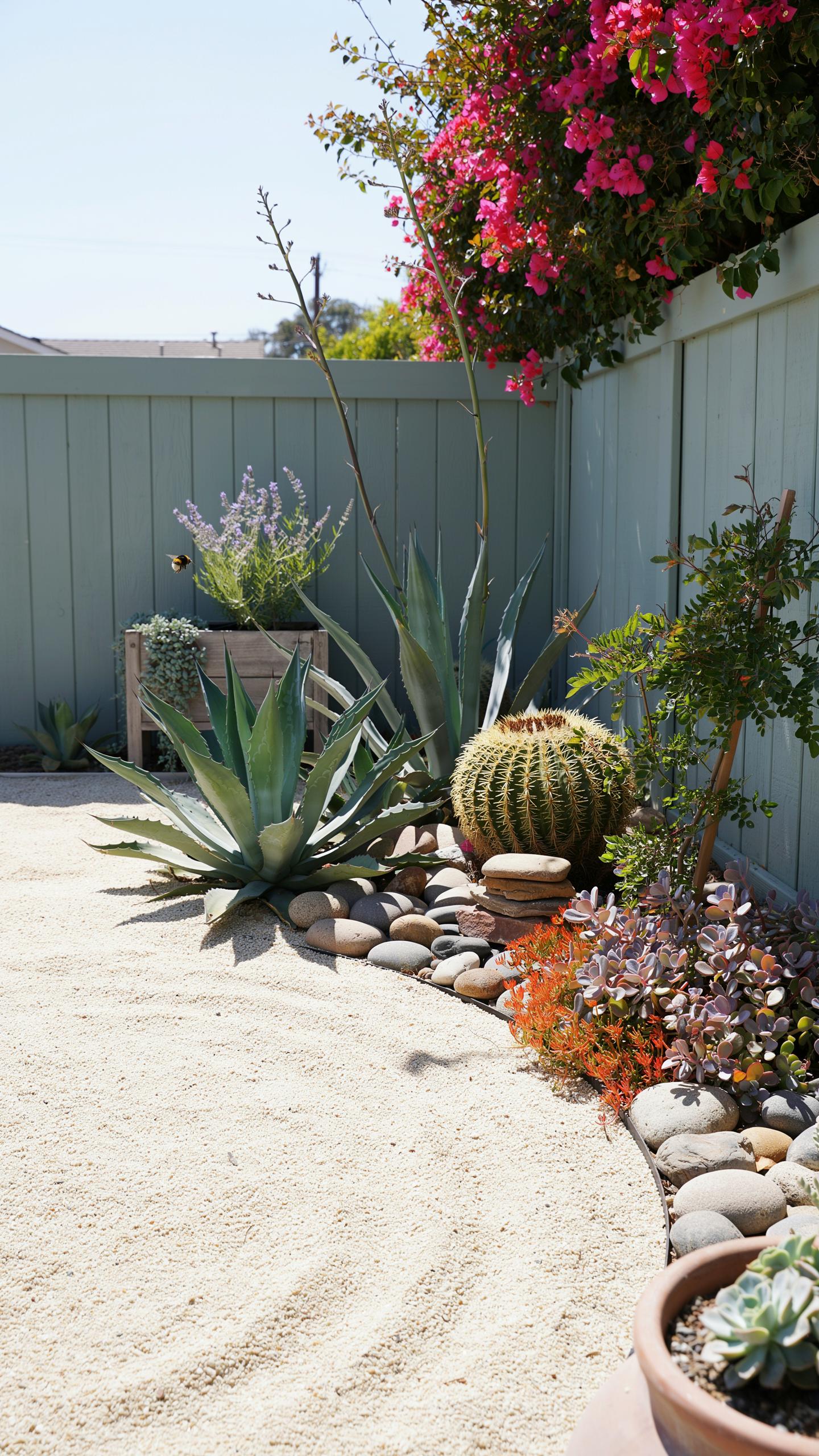
Zeroscaping refers to landscaping that requires zero supplemental irrigation. People often confuse it with xeriscaping, which uses low water. Zeroscaping relies on local rainfall and non-living materials. Gravel is the primary tool for this strategy. It replaces thirsty turf with a permanent, permeable surface. This shift eliminates the need for sprinklers and heavy maintenance. It creates a stable ground cover that does not die.
Gravel serves as a functional mulch in water-wise designs. It suppresses weed growth by blocking sunlight from the soil. Unlike wood mulch, gravel does not decompose or blow away. This material reflects or stays neutral to heat depending on the color choice. It allows rainwater to penetrate the ground directly. This prevents runoff and recharges the local water table. It provides a clean aesthetic that works in any climate.
Top Tips For Building A Zeroscaping Backyard That Stays Beautiful Year Round
Successful zeroscaping requires a foundation of heavy-duty geotextile fabric. Lay this barrier before spreading any gravel. It prevents soil mixing and stops weeds from taking root. Use a depth of at least three inches for solid coverage. Choose local stone to reduce shipping costs and ensure the colors match the natural environment. This approach creates a cohesive and durable outdoor space.
- Geometric Edging: Install steel or aluminum edging to keep gravel in place. These materials create sharp lines and prevent stone migration into planting beds. Metal lasts longer than plastic in extreme sun or freezing temperatures.
- Textural Contrast: Mix different sizes of gravel to build visual depth. Use fine pea gravel for walkways and larger river rocks for drainage areas. This variation mimics natural dry creek beds and adds architectural interest.
- Permeability Management: Ensure the sub-grade slopes away from the home foundation. Gravel allows water to pass through quickly. Proper grading prevents water from pooling against the house during heavy storms. This protects your structural integrity.
- Native Plant Pockets: Cut holes in the filter fabric to install drought-tolerant species. Use plants like agave or lavender that thrive in rocky soil. This breaks up the stone surface with living color without increasing your water bill.
- Compaction Layers: Use a plate compactor on the sub-base before adding the top layer of decorative stone. A firm base prevents sinking and shifting over time. This makes the surface stable enough for patio furniture and heavy foot traffic.

Maintenance involves occasional debris removal to keep the surface clean. Use a leaf blower on a low setting to clear fallen leaves or twigs. Refill small areas every few years if the stone settles. Avoid using salt for ice melting on limestone gravel as it can cause pits. Stick to simple raking to maintain a level appearance. These steps ensure your backyard remains functional and sharp.
Building A Gravel And Rock Garden That Feels Natural And Intentional
How To Layer Rocks And Gravel To Mimic A Natural Alpine Or Desert Garden Aesthetic
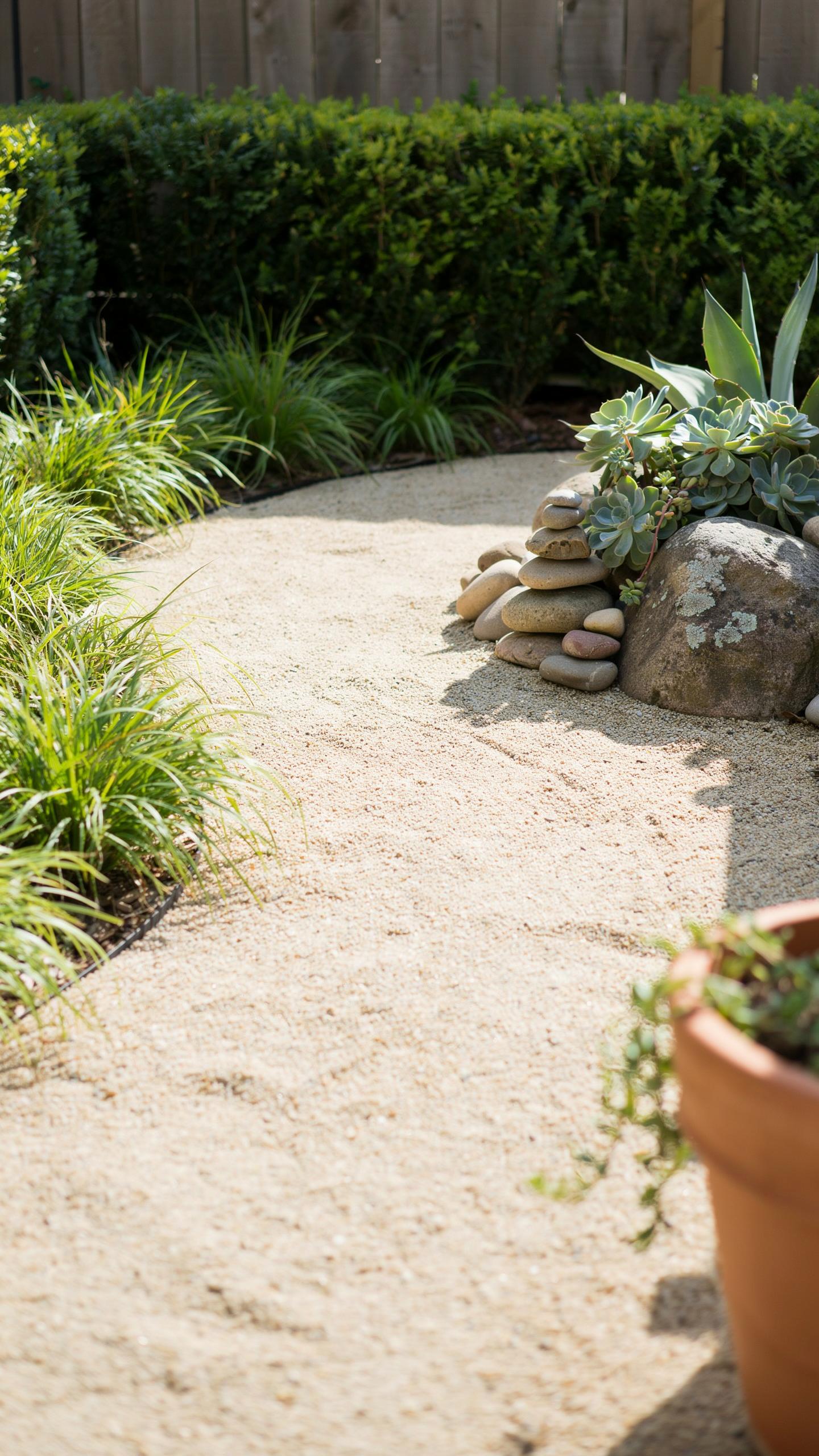
Natural rock gardens require varied elevations to look authentic. Start by placing large structural boulders deep into the soil. Bury one-third of the rock to simulate natural outcroppings. This creates stability and mimics geological formations like scree slopes. Use different sizes of gravel to fill the gaps. This transition from large stone to small grit creates a realistic landscape.
Select locally sourced stone to match the native environment. Mixing stone types ruins the aesthetic and looks amateur. Use crushed granite or pea gravel for the base layer. Build mounds or berms to add height and drainage. Alpine plants need fast drainage to prevent root rot. Direct water away from the house by sloping the gravel layers. This method ensures both style and function.
Selecting Companion Plants And Ornamental Features For A Gravel And Rock Garden
Choose plants that thrive in lean soil and high heat. Succulents, cacti, and Mediterranean herbs work best for desert themes. These species require very little water once established. Distribute plants in irregular clusters rather than straight lines. This mimics how seeds germinate in nature. Leave plenty of open gravel space to highlight the texture of the stone. Overplanting obscures the rock work.
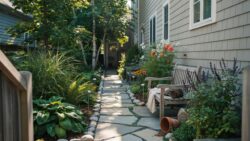
Integrate functional features like weathering steel or driftwood for visual contrast. Core-ten steel provides a sharp edge against soft gravel. Place large decorative rocks near plant clusters to provide thermal mass. This helps regulate soil temperature for sensitive roots. Use ornamental grasses to add motion and height. Stick to a limited palette of three plant species. This maintains a clean and intentional design.
Installing Gravel Flooring Outdoor And Gravel Pathways In Garden With Lasting Results
Step By Step Preparation Guide For Laying Durable Gravel Flooring In Outdoor Areas
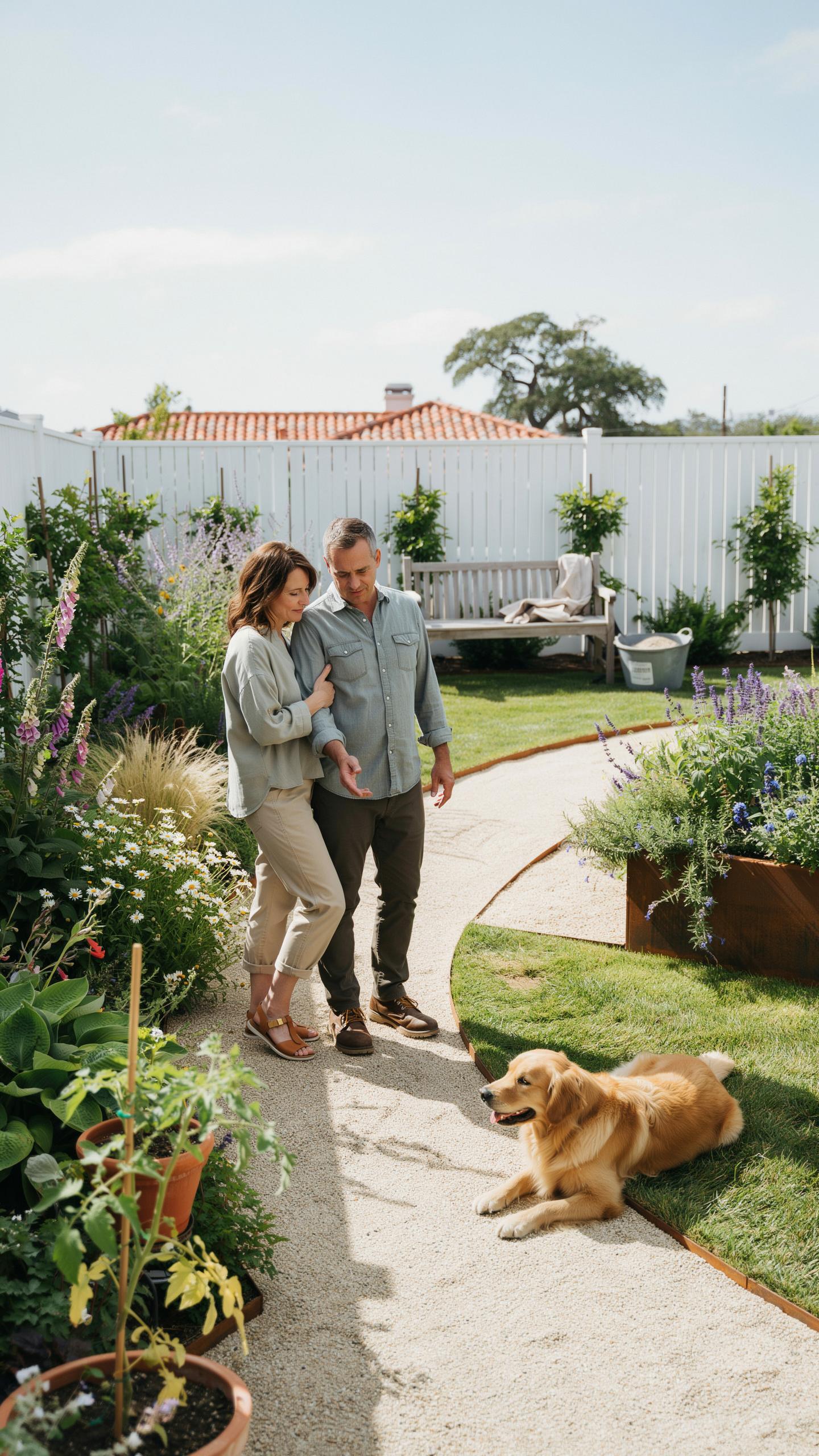
Excavate the soil to a depth of four inches. This depth accommodates both the sub-base and the surface gravel layer. Use a plate compactor to stabilize the subsoil. Loose earth leads to shifting and sinking over time. Lay down a heavy-duty geotextile fabric. This membrane prevents soil mixing with the stone and stops weeds from growing through the ground.
Install a two-inch base of crushed limestone or road stone. Compact this layer until it is rock hard. This structural foundation supports weight and ensures proper drainage. Spread two inches of your chosen decorative gravel over the top. Use a rake to level the surface. Solid edging keeps the stones in place. Plastic, metal, or wood borders work best for containment.
How To Design Gravel Pathways In Garden Spaces That Are Both Safe And Stylish
Design pathways with a minimum width of three feet. This allows comfortable movement for one person. Use angular gravel like crushed granite instead of rounded pea shingles. Angular stones lock together under pressure. This creates a stable surface that does not roll under your feet. Choose a stone size between one-quarter and one-half inch. Smaller stones provide a much firmer walking experience.

Incorporate slight curves to mimic English landscape movements. Straight lines work for formal French gardens. Add a crown to the center of the path for water runoff. This prevents puddles during heavy rain. Consider light-colored stones like limestone to improve visibility at night. Darker stones absorb heat and hide in the shadows. Stable pathways require periodic raking to maintain even coverage and prevent thin spots.
Frequently Asked Questions

Why is gravel a good choice for modern backyard design?
Choosing gravel is an excellent way to achieve a clean, minimalist aesthetic while maintaining a functional outdoor space. Beyond its sleek look, backyard landscaping with gravel offers superior drainage and a permeable surface that prevents runoff. It’s a versatile material that complements mid-century modern and contemporary styles perfectly, providing a sophisticated texture that works beautifully alongside concrete pavers, architectural plants, and sleek wooden decking for a professional finish.
How do I properly install a gravel area to prevent weeds?
To ensure long-lasting results when backyard landscaping with gravel, start by excavating the area to a depth of about three inches. Clear all debris and level the soil before laying down a high-quality, heavy-duty landscape fabric. This barrier is essential for suppressing weed growth and keeping the stone from sinking into the dirt. Finally, secure the edges with metal or stone benders to keep your gravel neatly contained and looking sharp.
Is gravel an affordable landscaping option for large outdoor spaces?
Gravel is incredibly budget-friendly compared to pouring concrete or installing elaborate stone patios. Because the materials are relatively inexpensive and the installation is DIY-friendly, you can transform a large area without high labor costs. Pea gravel and crushed granite are particularly cost-effective choices that deliver high-end visual impact. It’s an accessible way to elevate your home’s curb appeal or backyard style while keeping your project expenses manageable and sustainable.