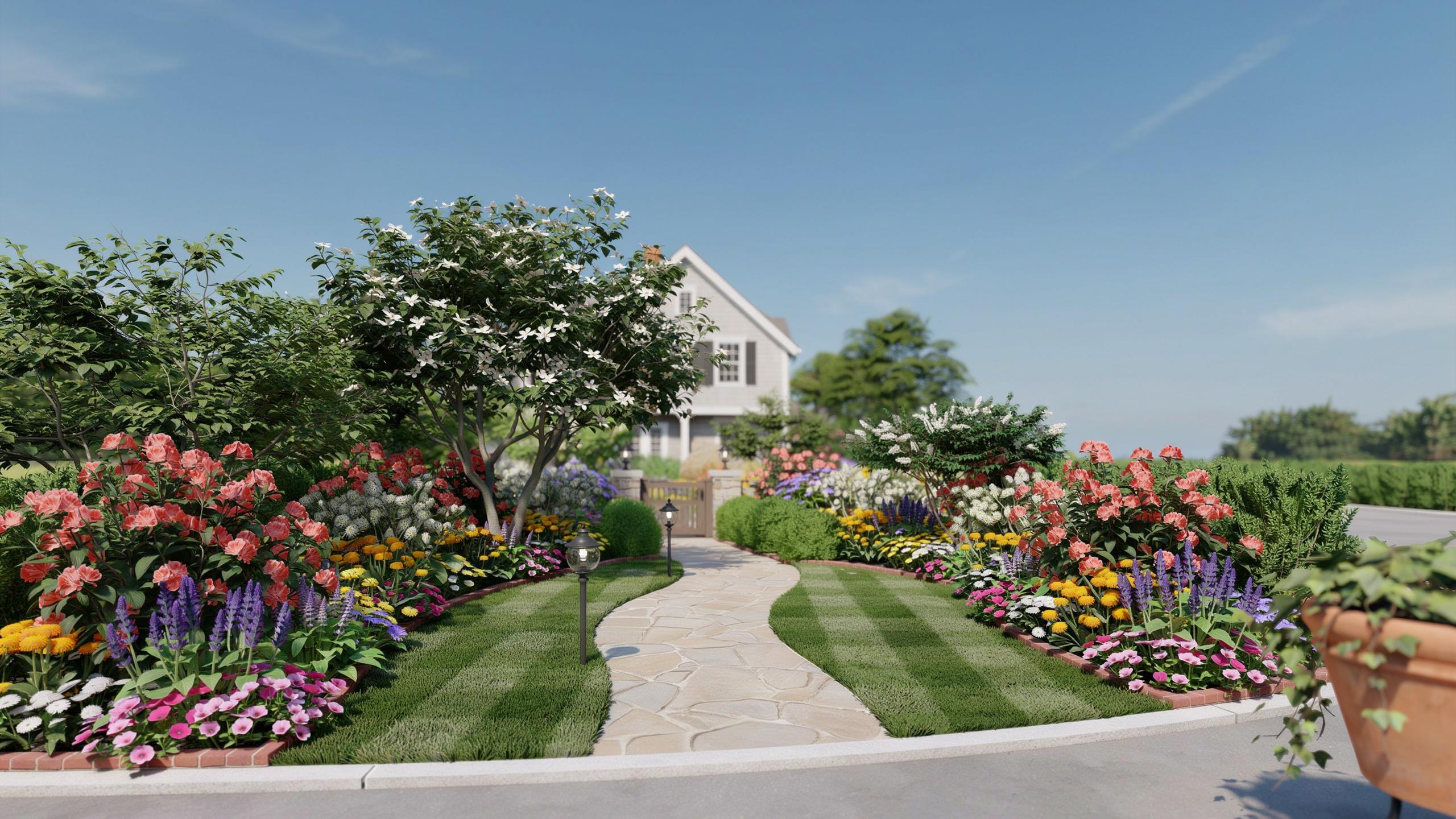
Understanding The Unique Advantages Of Corner Lot Landscaping Ideas
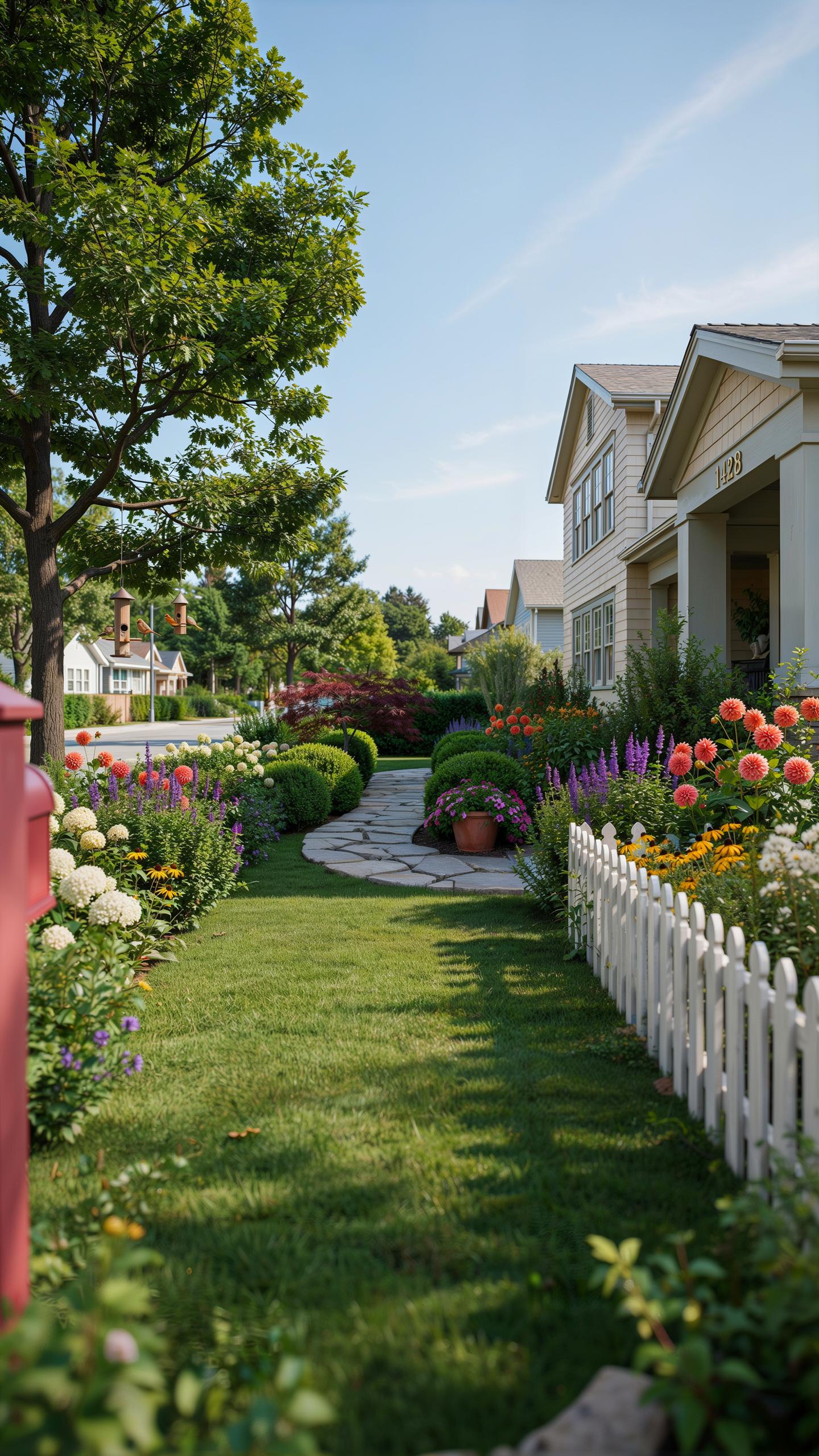
Why Corner Lots Offer More Design Flexibility Than Standard Lots
Standard lots constrain design to a single plane facing the street. This limits curb appeal to one facade and restricts utility to the rear. Corner lots provide two distinct public faces. Designers use this extra exposure to create wrap-around gardens. You can separate the main entrance from the service entrance. This layout allows for distinct zones that do not compete for space.
Flexibility increases because you lack a neighbor on one side. This reduces shade competition from adjacent structures. You can plant larger specimen trees without blocking a neighbor’s light. Modernist architects often prioritize corner lots for this reason. They use the dual aspect to capture sunlight from multiple angles. This geographic advantage lets you use a wider variety of plants with different light needs.
How Dual Street Frontage Shapes Your Landscaping Strategy
Street frontage determines how you manage privacy and noise. Two sides of your property face traffic and pedestrians. This exposure requires a defensive yet aesthetic strategy. You must use hardscaping and plants to define boundaries. Most homeowners use tiered plantings or low walls. These elements block noise but maintain visibility for traffic safety. Accuracy in placement prevents sightline issues at intersections.
Zoning laws often dictate different setback rules for corner properties. You must account for visibility triangles near the street corner. This prevents you from planting tall hedges that block driver views. Strategic landscaping uses low-growing shrubs near the intersection. Taller privacy screens work better closer to the house. This approach balances local safety regulations with your need for a private outdoor living space.

Front Yard Corner Lot Landscaping Ideas That Make A Lasting First Impression
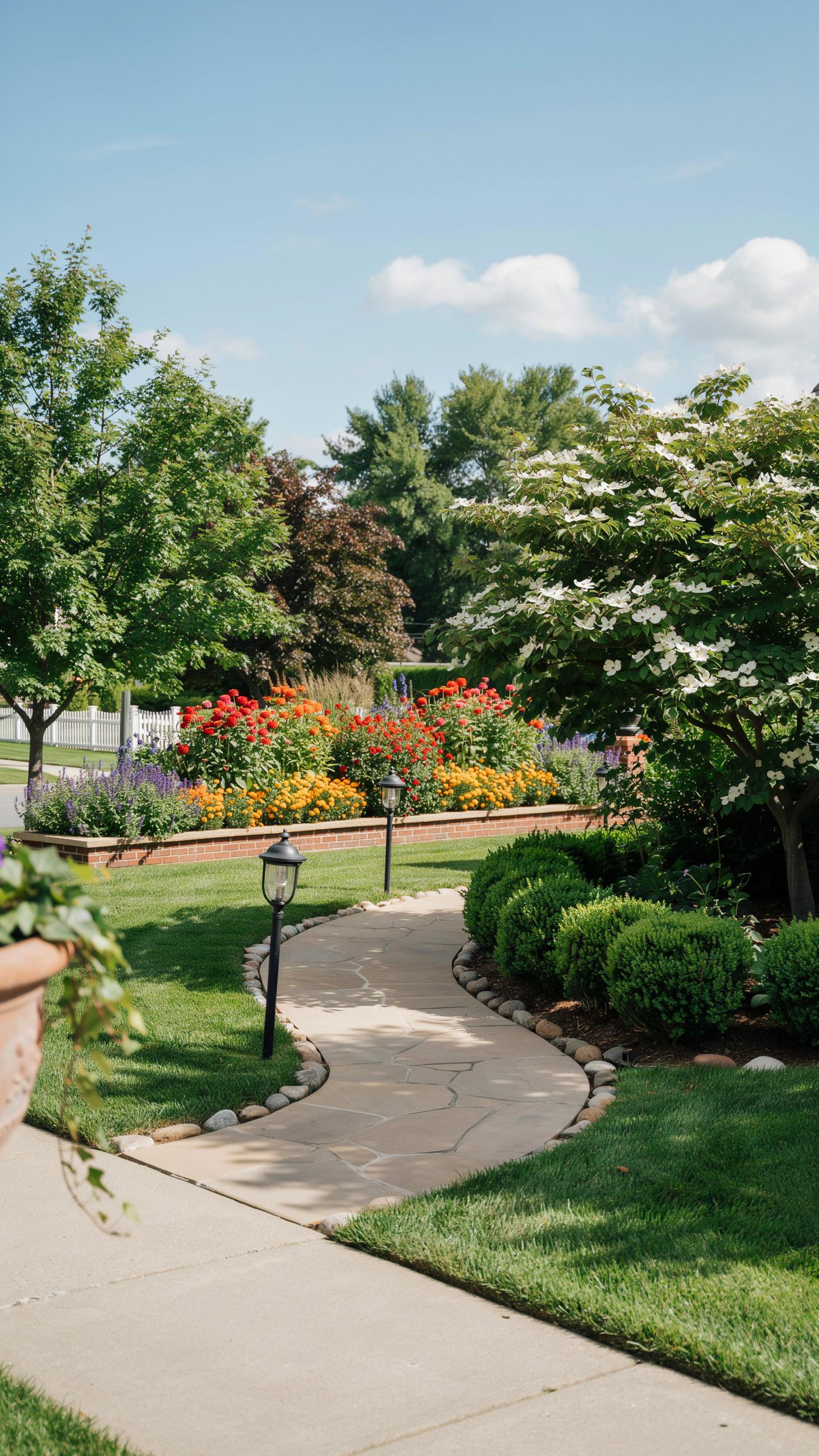
Using Curved Pathways And Layered Plantings To Define Your Front Yard
Corner lots suffer from harsh right angles where sidewalks meet. Straight paths reinforce this boxy shape and waste space. Curved walkways break these lines and guide the eye toward the front door. Use flagstone or poured concrete to create these paths. This tactic slows down foot traffic and creates visual interest. Proper path placement also prevents guests from cutting across corner turf.
Layered plantings improve depth on exposed corner sites. Place taller species near the house and shorter ones near the street. This creates a staggered height profile that hides foundation walls. Use the thrill-fill-spill method to organize textures. Put larger shrubs in the back and groundcovers in the front. This arrangement blocks street noise and creates a natural barrier without using high fences.
Choosing Anchor Trees And Shrubs For Year Round Front Yard Structure
Anchor trees provide the necessary vertical scale for large corner lots. Choose species that fit the local climate and soil type. Deciduous trees offer shade in summer but allow light through in winter. Evergreens maintain green color when other plants go dormant. Plant these at the corners of the lot to frame the house. This placement helps ground the building onto the site.

Structure stops your landscape from looking empty in winter. Use woody shrubs like boxwoods or yews to create permanent shapes. These plants define the edges of your garden beds through every season. Select slow-growing varieties to reduce maintenance tasks like pruning. Strategic placement of these shrubs prevents wind erosion and protects smaller perennials. Consistent structure makes a corner lot look intentional rather than neglected.
How To Landscape A Corner Lot A Practical Framework For Homeowners
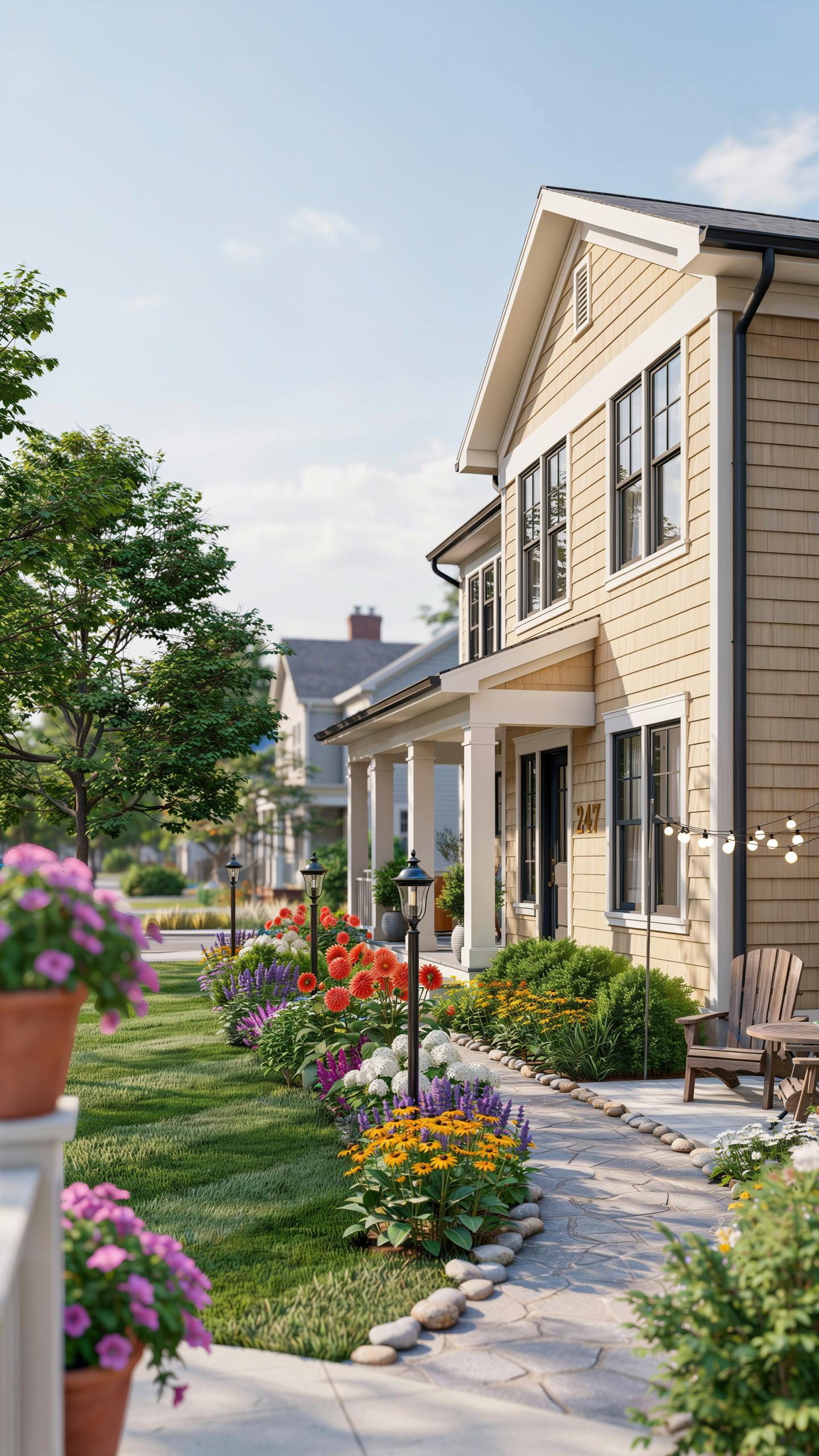
Step By Step Planning: Assessing Sun, Soil, And Sight Lines Before You Plant
Corner lots face environmental exposure from multiple directions. You must track sun patterns for at least six hours to identify microclimates. Soil quality often varies near the street due to road salt and compacted debris. Test the drainage in both front-facing areas before choosing plants. High-traffic corners also require clear sight lines to ensure safety for turning vehicles and pedestrians.
- Sun Mapping: Document light levels in the morning and afternoon. Corner lots often have one side in deep shade while the other faces harsh, reflected heat from asphalt. This data determines your plant selection.
- Soil Analysis: Conduct a pH test near the road. Soil at the edge of corner lots frequently contains high alkalinity from concrete runoff. Amend the soil to counteract these specific chemical imbalances before planting.
- Sight Line Clearance: Identify the sight triangle at the intersection. Most jurisdictions require a clear view for drivers. Keep plantings under thirty inches tall within this specific zone to avoid accidents and legal fines.
- Wind Exposure: High-traffic corners lack protection from neighboring houses. Strong gusts can dry out soil and damage fragile foliage. Select hardy species or install structural windbreaks like low stone walls to protect your investment.
- Utility Location: Identify all underground lines and meters. Corner lots often house public utility hubs or fire hydrants. Keep these areas accessible for city workers while using removable features like potted plants to mask them.
Map your irrigation needs based on these findings. Efficient water usage depends on grouping plants with similar hydration requirements. Do not place water-heavy turf next to drought-tolerant shrubs. Proper planning prevents expensive plant death and reduces long-term maintenance costs. Use a physical site map to plot every permanent structure. This step ensures your landscape design remains functional and compliant with your local environment.
Zoning And Local Ordinances You Should Know Before Landscaping A Corner Lot
Municipalities enforce strict codes for corner properties to maintain public safety. You must research local setbacks before installing fences or tall hedges. Most cities prohibit structures that block the view at intersections. This area is called the visibility triangle. Breaking these rules results in fines or orders to remove your expensive landscaping. Always check your property survey for public easements and right-of-way zones.

Utility companies often hold legal rights to access parts of your corner lot. Do not plant permanent trees over water mains or electrical lines. If a pipe bursts, the city will excavate your yard without reimbursing you for lost plants. Hardscaping projects like retaining walls or permanent benches often require specific building permits. Verify all local height restrictions for front yard structures to ensure your design stays within legal limits.
Corner Lot Landscape Design Principles That Stand The Test Of Time
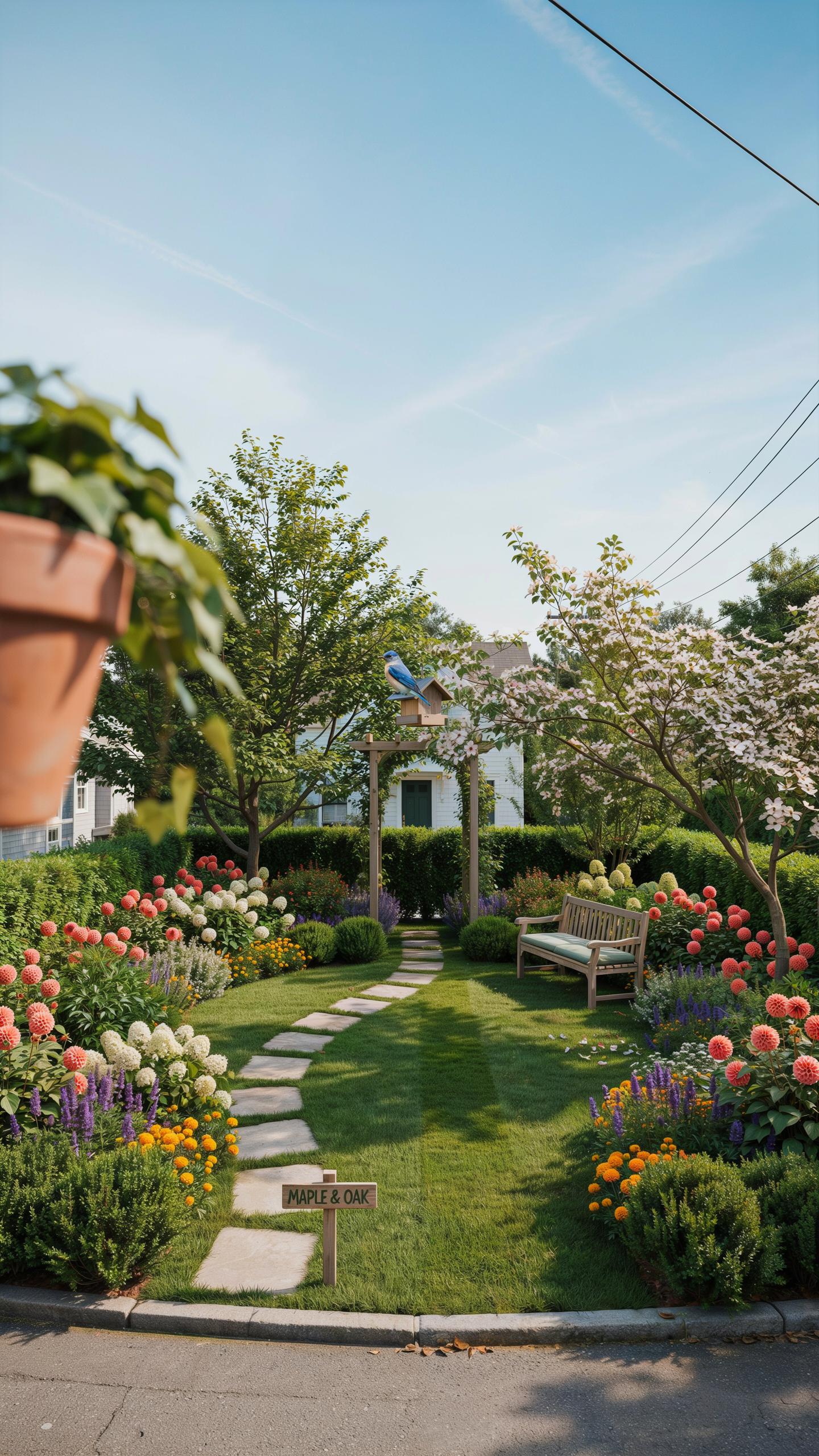
Applying Balance And Symmetry To Create A Cohesive Corner Lot Design
Corner lots face two streets at once. This double exposure requires a design that balances both sides of the property. Traditional symmetry uses mirror images to create order. You place identical shrubs or trees on either side of a central point. This technique draws the eye toward the front door. It hides the awkward angles often found on corner properties.
Asymmetrical balance offers a modern alternative. You place different elements with similar visual weights on opposite sides. For example, a large oak tree on one corner balances a dense group of smaller shrubs on the other. This strategy manages the long sightlines of a corner lot. It prevents the house from looking lopsided to drivers. Proper balance makes the entire landscape feel intentional.
Using Hardscape Elements Like Retaining Walls And Edging To Define Space
Hardscaping provides the structural skeleton for a corner lot. Retaining walls solve grade changes where sidewalks meet the lawn. Use stone or concrete blocks to hold soil in place. These walls create clear physical boundaries. They prevent pedestrians from cutting across your grass. Strategic wall placement also adds privacy from passing cars. High-quality materials endure weather and heavy traffic.

Edging keeps the landscape tidy and professional. Use steel, brick, or stone to separate mulch beds from the turf. This prevents grass from creeping into your plantings. Sharp lines guide the eye along the perimeter of the property. Clear borders signal that the land is maintained. Solid edging reduces long-term maintenance costs. It also protects your plants from salt or chemicals used on public roads.
Corner House Landscaping Ideas That Boost Privacy Without Sacrificing Style
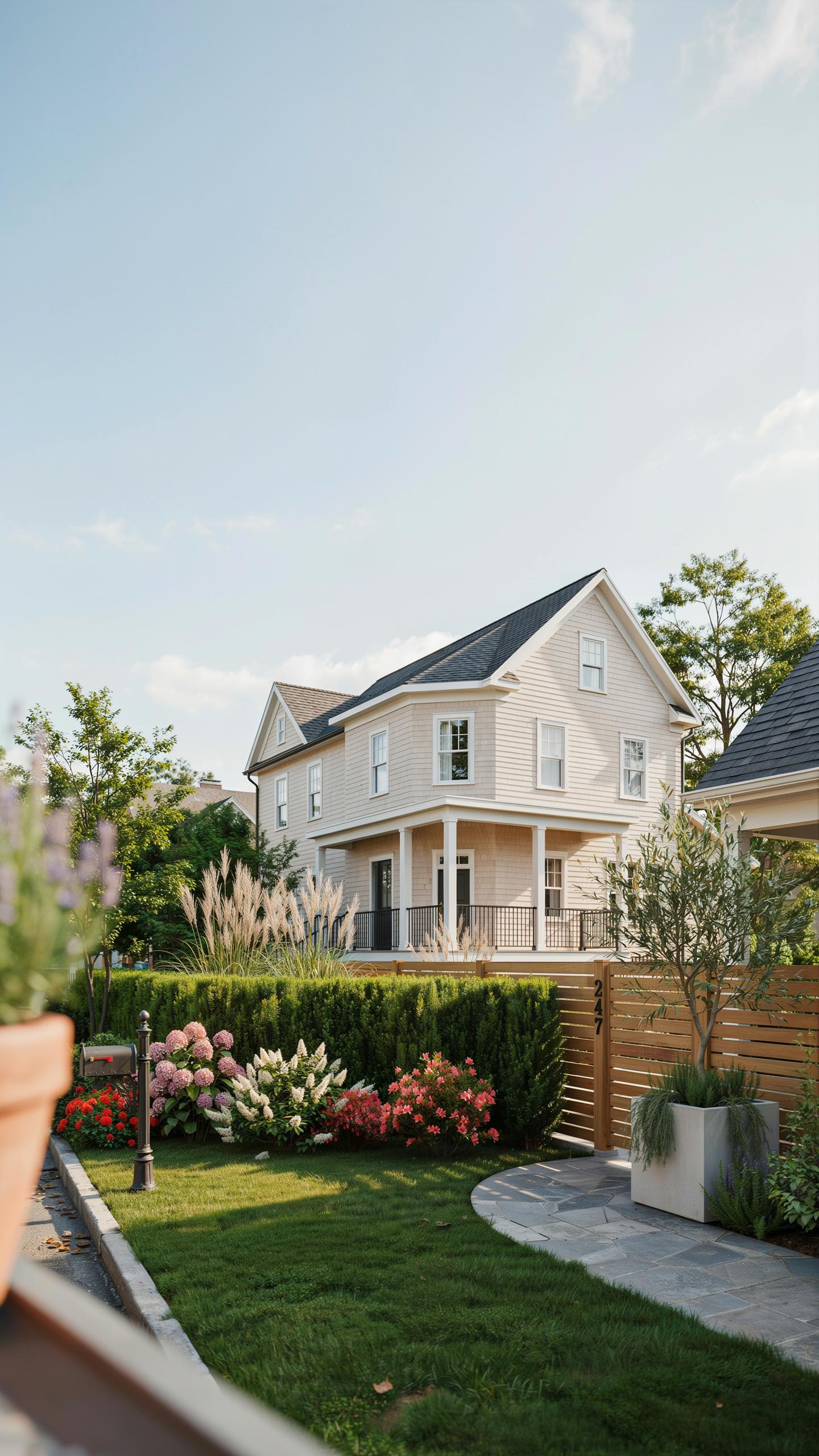
Strategic Fencing, Hedgerows, And Living Walls For Corner Property Privacy
Corner lots face exposure from two different streets. High traffic creates a need for physical barriers. Traditional perimeter fencing offers immediate results but must follow local height codes. Modern designers use tiered fencing to stay within legal limits. You combine short masonry walls with open wood slats on top. This allows airflow while blocking sightlines from passing cars and pedestrians.
Living walls provide a softer alternative to wood or stone. You install vertical garden systems or wire trellises to support climbing plants. These structures take up less ground space than wide bushes. Ivy or jasmine provides a dense green shield within two growing seasons. This approach works well for small side yards where every foot of space matters for movement.
A corner lot is not just a piece of land, but an open invitation to frame your life with enduring beauty. The best landscaping is that which feels as though it has always belonged to the earth and the seasons.
Best Privacy Shrubs And Ornamental Grasses For Corner House Borders
Plants acts as natural noise filters for exposed corner lots. You select species based on growth rate and maintenance requirements. Dense evergreens provide year-round screening. Deciduous shrubs offer seasonal variety but lose leaves in winter. Tall ornamental grasses create a semi-transparent screen that moves with the wind. These choices must survive salt and pollution if they sit near busy intersections.
- Green Giant Arborvitae: This hardy evergreen grows up to three feet per year. It forms a thick wall that resists wind and ice damage. Use these on the north side of your corner lot to block winter gusts and hide neighboring driveways effectively.
- English Laurel: These shrubs feature large glossy leaves that reflect sunlight and muffle street noise. They thrive in partial shade and handle heavy pruning well. You can shape them into a formal hedge to match traditional architectural styles on large corner properties.
- Karl Foerster Feather Reed Grass: This grass grows straight up and reaches five feet in height. It stays narrow and does not flop over into the sidewalk. Use it to define property lines without building a solid wall that might violate local visibility ordinances.
- Nellie Stevens Holly: This plant produces dark green foliage and red berries during the winter. It grows in a natural pyramid shape and requires little trimming. It serves as a prickly barrier that discourages people from cutting across your lawn or corner grass area.
- Privet: This fast-growing shrub is the standard for formal hedging. It tolerates heavy pruning and adapts to various soil types found in urban environments. Plant these in a straight row to create a clean and professional look along the primary street front.

Proper spacing prevents root competition and ensures plant health. You should calculate the mature width of each shrub before digging. Leave enough room for sidewalk clearance to avoid city fines. Layering different plant heights creates depth and improves the look of the corner. This strategy makes the property feel secure and private without appearing like a fortress to neighbors.
Corner Lot Backyard Ideas Making The Most Of An Expanded Outdoor Space
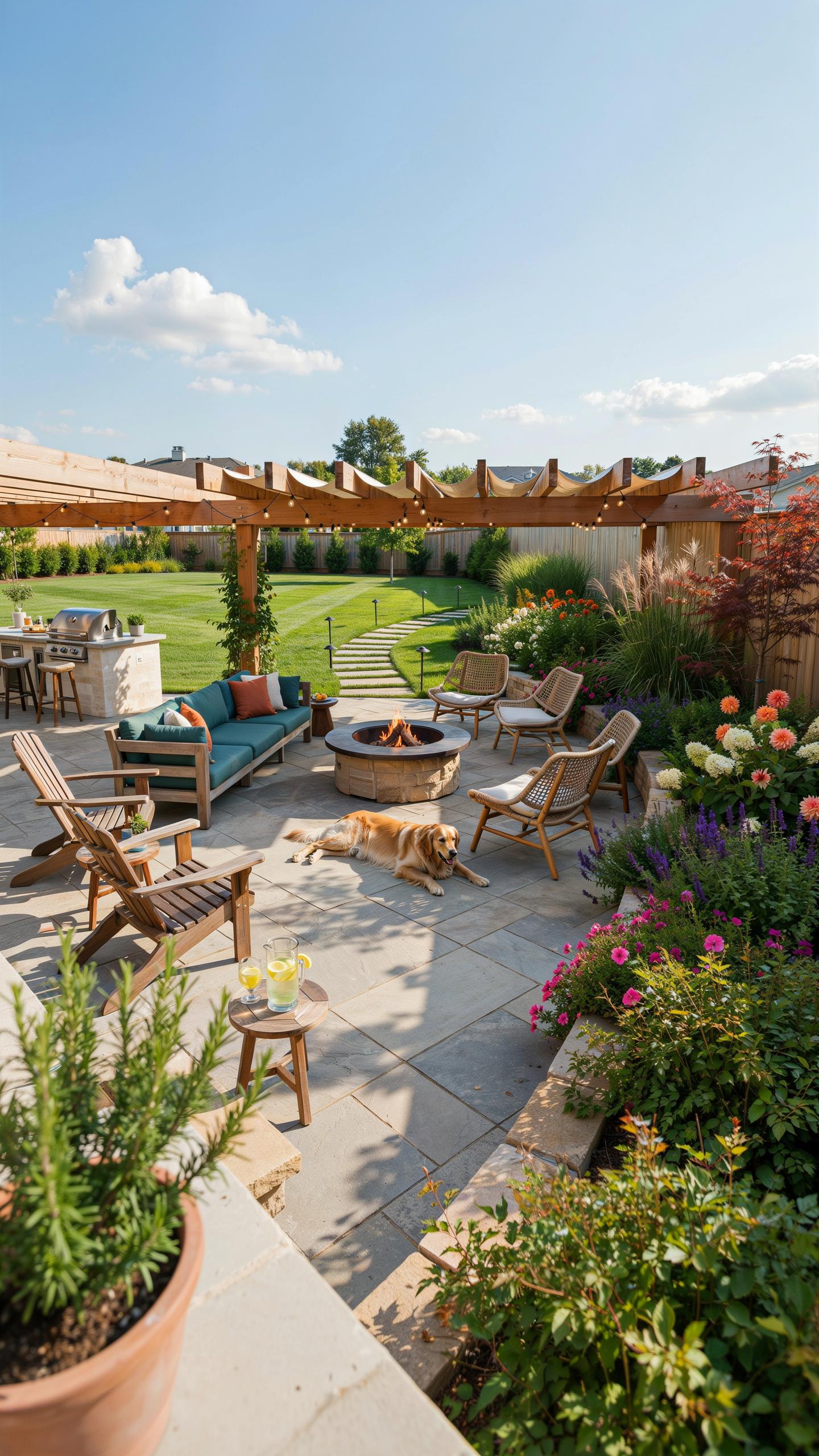
Designing Functional Outdoor Zones: Seating, Garden Beds, And Play Areas
Corner lot backyards often provide more square footage than standard mid-block lots. Capitalize on this by creating distinct zones for specific uses. Place seating areas in the most private corner away from the street intersection. Use physical barriers like tall planters or stone walls to define these spaces. Clear borders prevent the yard from feeling like an empty, unused field.
Position active play areas or vegetable garden beds in the sunniest sections of the lot. Ensure these high-traffic zones do not interfere with foot traffic paths between the house and the gate. Use gravel or pavers to create firm walkways between each zone. This organization improves the flow of the yard. Efficient zoning increases the property value and ensures every square foot serves a purpose.
How To Use Slopes And Grade Changes In A Corner Lot Backyard To Your Advantage
Sloped corner lots require smart engineering to prevent erosion and water runoff. Use retaining walls to create flat terraces for gardening or lounging. Terracing mimics the style of Italian Renaissance gardens but serves a modern structural need. These levels break up the vertical visual scale of a large corner lot. They also provide natural drainage solutions for the foundation of the home.

Use stone or pressure-treated timber to hold the soil in place on steep grades. Incorporate wide stairs to connect the different elevations safely. A tiered design allows for better sightlines across the property. It also creates microclimates for different plant species. Proper grading ensures that rainwater flows toward the street and away from the house. Tackle the slope directly to turn a difficult terrain into a functional asset.
Corner Property Landscaping Ideas Focused On Sustainability And Low Maintenance
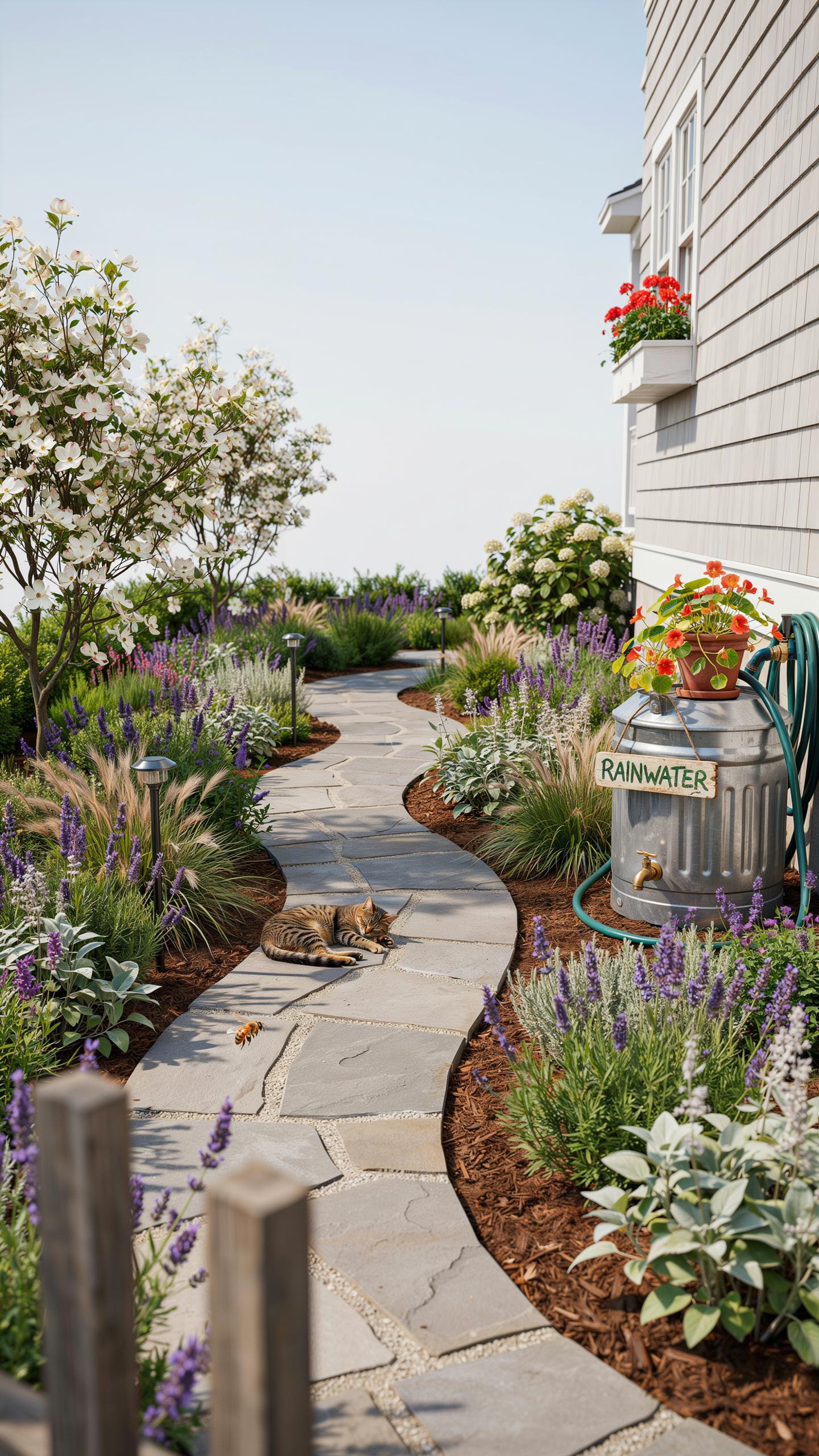
Incorporating Native Plants And Drought Tolerant Ground Covers On Corner Properties
Corner lots face high sun exposure and wind from two directions. Native plants survive these harsh conditions without expensive fertilizers or constant watering. Select regional flora like switchgrass or coneflowers to establish deep root systems. These plants anchor the soil on sloped corner edges. They resist local pests and diseases naturally. This strategy reduces your long term maintenance costs and chemical use.
Replace high maintenance turf with drought tolerant ground covers like creeping thyme or sedum. These species stay low and do not require weekly mowing. This is vital for the strip of land between the sidewalk and the street. Low growing plants also maintain clear sightlines for drivers at the intersection. You save time and water while keeping the property safe and compliant with local codes.
Rain Gardens And Permeable Surfaces: Managing Runoff On A Corner Lot Naturally
Corner lots often receive excess water runoff from neighboring properties and public streets. A rain garden positioned at the lowest point of the lot captures this water. Use deep rooted aquatic plants to filter pollutants before they enter the storm drain. This prevents soil erosion on your perimeter. Proper grading ensures water moves away from your home foundation and toward these collection zones.

Install permeable pavers or crushed stone for walkways and driveways instead of solid concrete. These materials allow rain to soak directly into the ground through the gaps. This reduces the load on city infrastructure during heavy storms. Permeable surfaces also prevent ice buildup in winter by draining water away from the surface. This creates a safer environment for pedestrians walking along your corner boundary.
Landscaping Ideas For Corner Lots Seasonal Color And Year Round Visual Interest
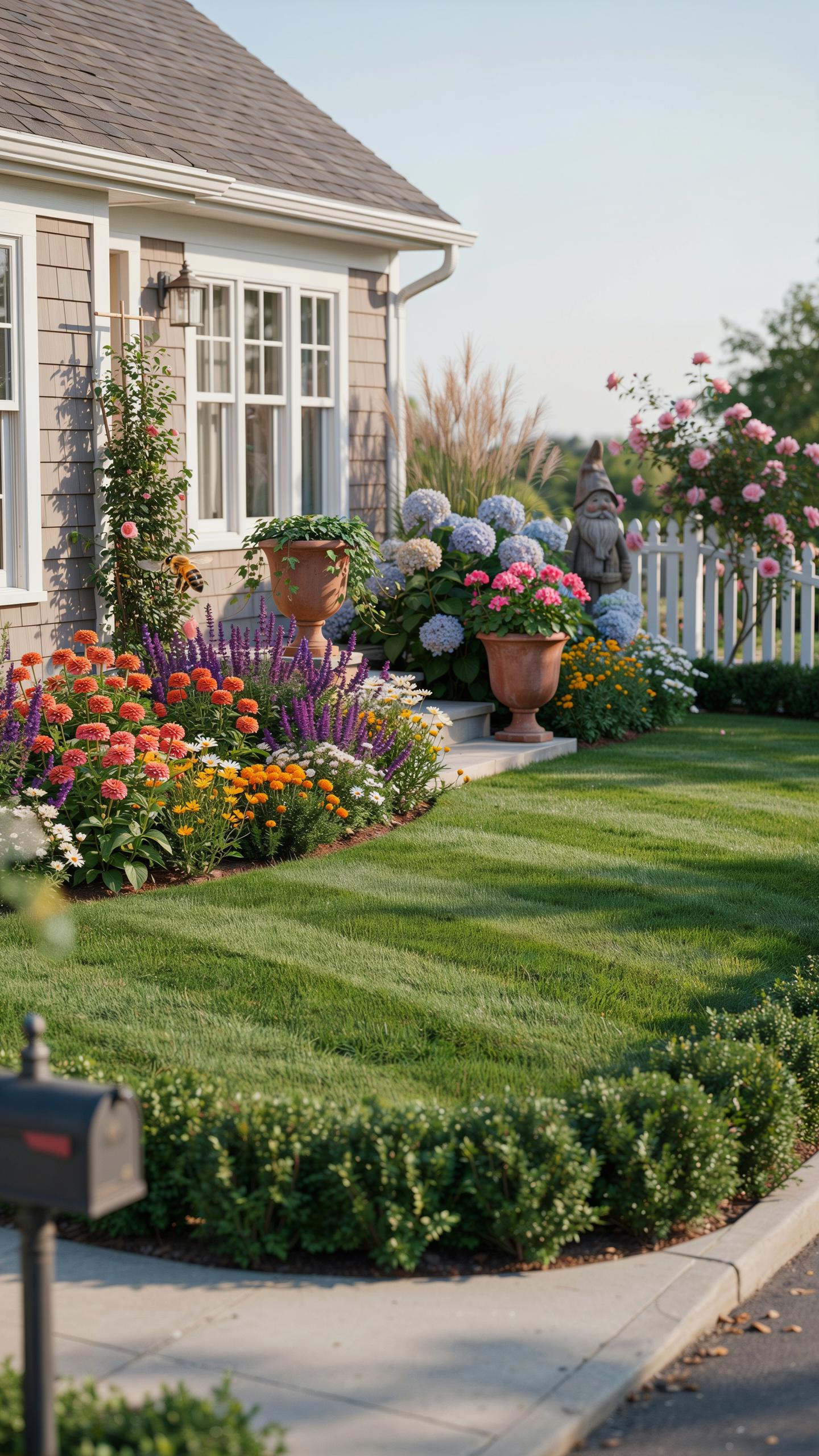
Planting For Four Season Appeal: Combining Evergreens, Perennials, And Flowering Shrubs
Strategic planting on a corner lot requires a structural backbone. Homeowners must use evergreens to maintain property lines and privacy when deciduous plants lose leaves. Boxwoods, hollies, and junipers provide permanent green walls that define the curb. These species prevent the yard from looking empty during winter months. A mix of needle and broadleaf evergreens adds texture and blocks wind on exposed corner sites.
Layering ensures the landscape evolves through the months. Grouping spring bulbs with summer perennials and fall-blooming shrubs creates a rotating color display. For example, planting hydrangeas near evergreens ensures floral impact in July while the evergreens provide structure in January. This tactical approach maximizes the visual return on investment. It prevents dead spots in the design. Smart layering keeps the property attractive and valuable throughout the entire year.
Using Outdoor Lighting To Highlight Corner Lot Landscape Ideas After Dark
Outdoor lighting provides safety and highlights architectural features on a corner lot. Two streets mean two sides of the house require illumination. Path lights guide visitors safely to the entrance. Uplighting on specimen trees creates dramatic focal points that neighbors can see from both roads. Low-voltage LED systems save energy while providing high visibility. Proper placement avoids shining lights directly into the eyes of passing drivers.

Effective lighting design focuses on depth and layers. Use wash lights on brick walls to show texture. Place spotlights on statues or large shrubs to anchor the corners of the property. This strategy eliminates dark corners where intruders might hide. It also extends the usable hours of the outdoor space. High-quality fixtures withstand weather and time. A well-lit corner lot stands out in the neighborhood and increases overall home security.
Frequently Asked Questions

Why is landscaping for a corner lot different from a standard lot?
Corner lots are unique because they feature two street-facing sides, meaning your home has double the visibility and double the “curb appeal” responsibility. Unlike standard mid-block homes, your yard lacks a private side, requiring design strategies that wrap around the property. Implementing effective corner lot landscaping ideas helps define your boundaries while ensuring your home looks inviting and balanced from multiple different viewing angles and approaching traffic directions.
How can I create privacy on a corner lot without using a tall fence?
You can achieve seclusion using layered “softscaping” rather than harsh barriers. Start by planting a mix of evergreen shrubs, ornamental grasses, and mid-sized flowering trees to create a natural living screen. This is one of the most popular corner lot landscaping ideas because it buffers street noise and blocks prying eyes while maintaining a lush, garden-like aesthetic that complies with local visibility ordinances for intersection safety.
What are some low-cost ways to improve my corner lot’s curb appeal?
Enhancing a large corner space doesn’t have to be expensive. Focus on defining your edges with affordable mulch and structural perennials that return every year. Focus your budget on the “focal point” corner where the two streets meet; adding a few hardware-store boulders and colorful groundcover can make a massive impact. These simple corner lot landscaping ideas provide a high-end, polished look without the hefty price tag of professional masonry.