What Makes A Plant Truly Low Maintenance Landscaping Plants Worth Using
Key Traits That Define A Genuinely Low Effort Landscape Plant
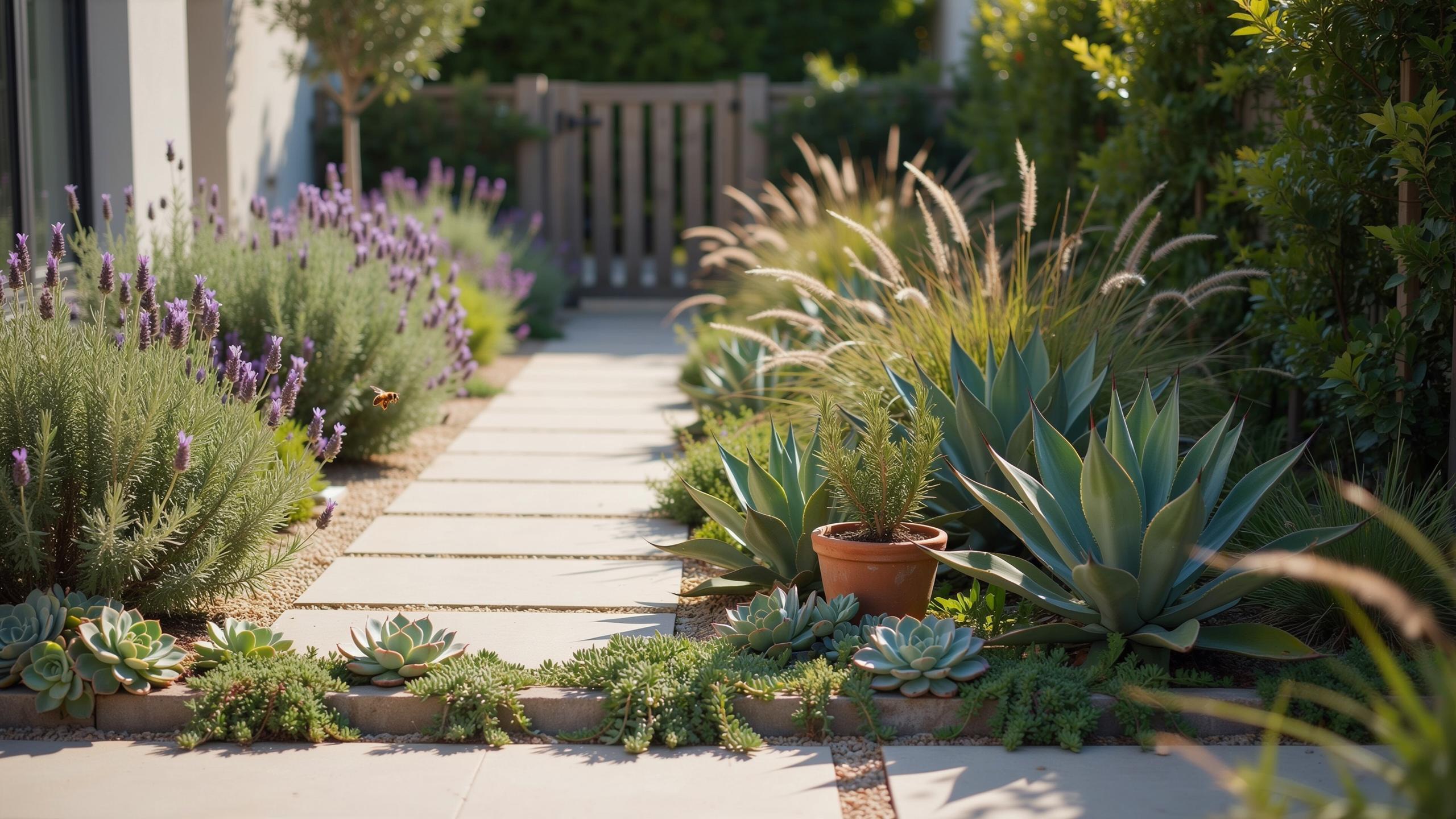
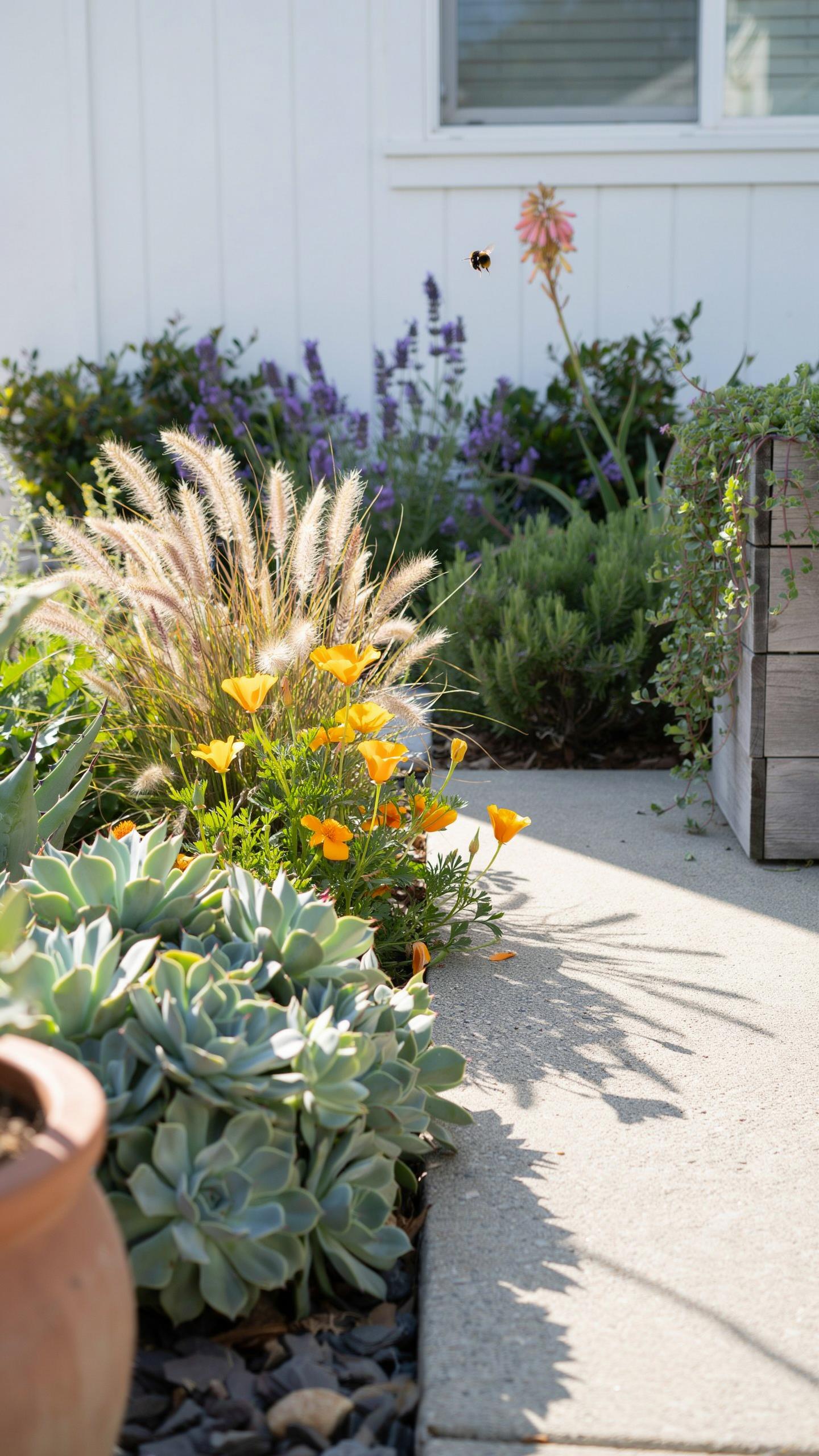
A truly low maintenance plant must possess high drought tolerance and natural pest resistance. You should not have to spray chemicals or water daily once the roots establish themselves. Strong plants feature a self-limiting growth habit that removes the need for frequent pruning. They stay within their allotted space without invading neighboring beds. This saves you hours of manual labor every season.
Reliability is the second major trait for any tactical landscape choice. The plant must survive extreme temperature swings without specialized protection or winter wrapping. It should also drop minimal litter to keep walkways clear and drains open. Avoid species that produce heavy fruit or brittle branches. Select plants that maintain their structural integrity and aesthetic value with only a single annual cleanup session.
How Climate Zones And Soil Type Influence Long Term Plant Performance
Proper plant selection starts with your specific USDA Hardiness Zone. A plant rated for a different zone will struggle and eventually fail. This stress leads to disease and increased maintenance costs. You must match the plant to your local temperature extremes to ensure it thrives without human intervention. Ignoring climate data results in dead assets and wasted budget during the first freeze.
Soil composition dictates how much liquid and nutrients reach the root system. Sandy soil drains fast while clay holds water too long. You must test your soil drainage before buying any stock. Planting a moisture-loving species in dry dirt forces you to install expensive irrigation. Match the species to the existing ground conditions to eliminate the need for soil amendments or constant fertilization.

Best Plants For Landscaping That Require Minimal Ongoing Care
Proven Shrubs And Groundcovers That Anchor A Low Effort Landscape
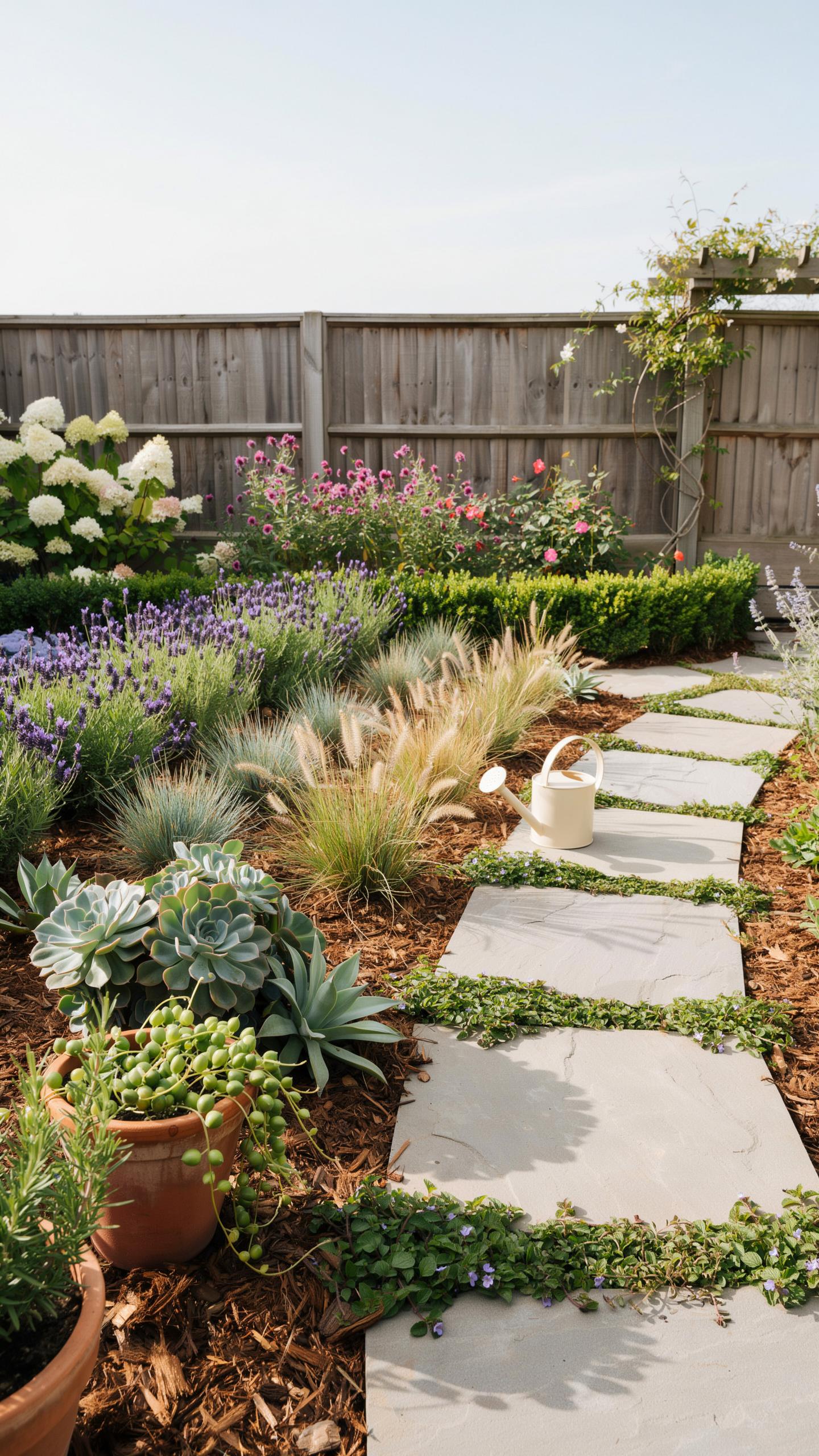
Identify shrubs that reach a fixed height to avoid constant pruning. Choice species like Boxwood or Dwarf Conifers provide year-round structure without requiring weekly attention. These plants create the foundational bones of your yard. Select varieties bred for disease resistance to skip chemical sprays. Proper spacing during installation prevents overcrowding. This reduces the need for thinning or cutting back overgrown branches later.
Groundcovers solve the problem of open dirt and weed growth. These plants spread to create a living carpet that shades the soil. This keeps moisture in the ground and prevents sunlight from reaching weed seeds. Creeping Thyme and Sedum are tactical choices for sunny areas. They thrive in poor soil and survive dry spells. Dense mats of groundcover eliminate the need for mulch replacement every single year.
Native Plants As The Best Long Term Landscaping Investment
Native plants possess a distinct biological advantage over imported species. They evolved to handle local rainfall levels and soil pH without human intervention. This makes them the ultimate low maintenance landscaping plants for any region. They require zero fertilizer once established. Their root systems go deep into the earth to find water during droughts. This resilience cuts your utility bills and saves your weekend time.
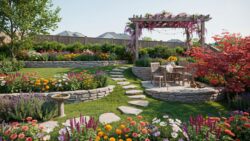
Using native species supports the local ecosystem while reducing your workload. These plants resist local pests and diseases that often kill exotic varieties. You spend less money on replacements and pesticides. Design your landscape based on your specific plant hardiness zone. Match the plant to the light levels of your site. This alignment ensures the garden survives and thrives with almost no help from you.
Low Maintenance Perennials Full Sun Solutions For High Heat Areas
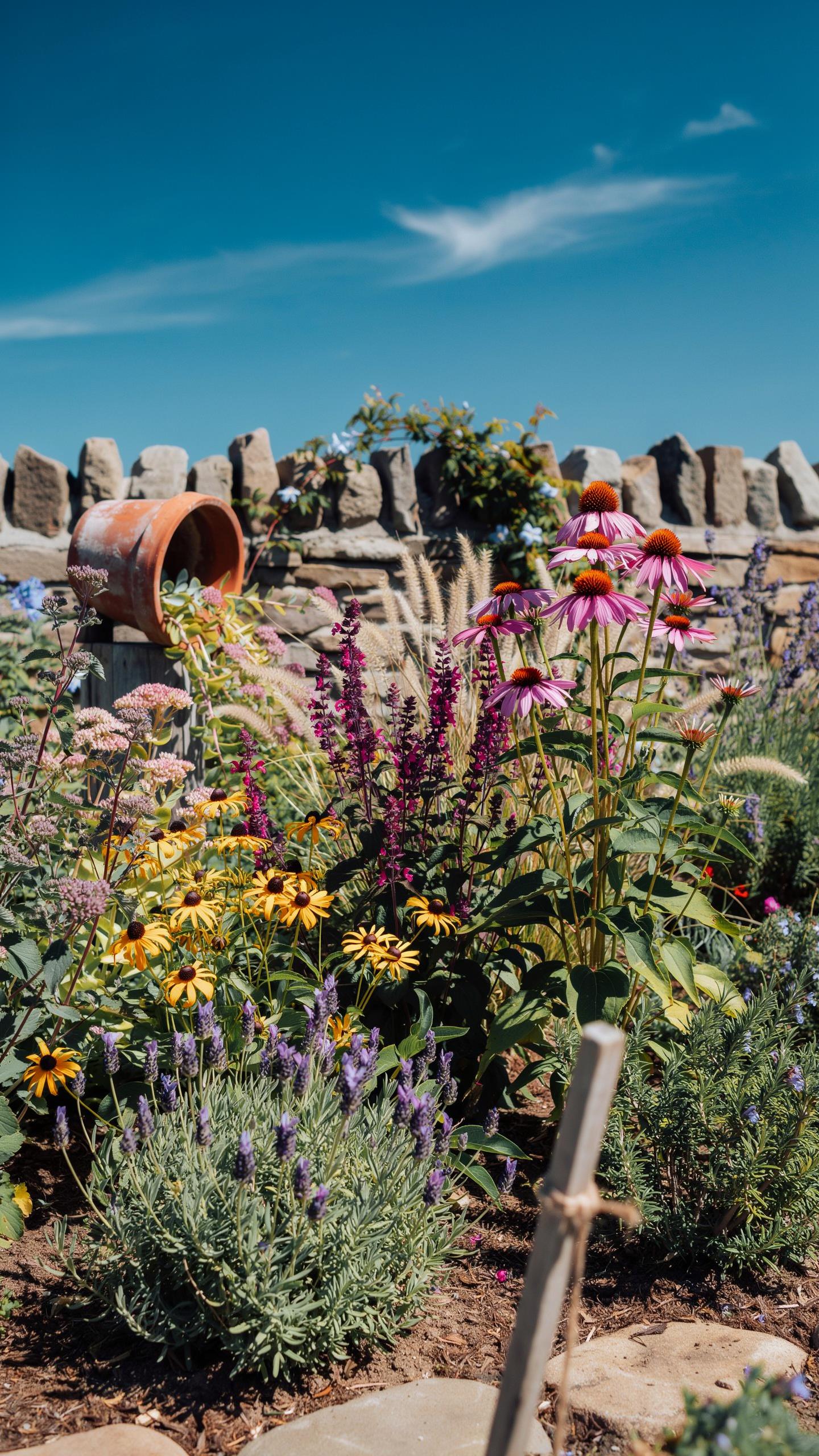
Top Sun Tolerant Perennials That Thrive Without Constant Watering
Select plants with physiological traits designed for water retention. Full sun perennials must withstand high UV exposure and rapid soil evaporation. These species utilize deep taproots or waxy leaf coatings to survive during dry spells. You minimize labor by matching the plant to the specific microclimate of the site. This strategy eliminates the need for complex irrigation systems or daily hand watering schedules.
- Purple Coneflower: This native prairie plant features a deep taproot system. It thrives in poor soil and tolerates intense heat without wilting. The stiff stems require no staking or support even in high winds.
- Russian Sage: This woody perennial excels in hot and dry conditions. Its silvery foliage reflects sunlight to stay cool. It requires almost zero supplemental water once established and resists most common garden pests and diseases.
- Sedum Autumn Joy: This succulent stores water in its thick fleshy leaves. It handles extreme heat and drought by utilizing its internal moisture reserves. It provides structural interest from spring through winter with very little maintenance.
- Blanket Flower: This short lived perennial reblooms constantly in high heat. It prefers well drained soil and needs very little fertilizer to produce flowers. It handles salt spray and intense sun better than most decorative flowering species.
- Walker’s Low Catmint: This sterile hybrid is extremely hardy and drought tolerant. It forms a dense mound that chokes out weeds effectively. You only need to cut it back once per year to maintain its shape and health.
Focus on establishing root systems during the first growing season. Consistent moisture during the first few months ensures the plant can survive on its own later. Use organic mulch to keep the root zone cool. This reduces the stress on the plant during peak summer months. Once these perennials reach maturity, they require only annual pruning to thrive in harsh, high heat environments.
Gardening should be a way of life, not a chore that demands every spare moment. Choose plants that belong to the land so you can spend your time simply enjoying the quiet beauty of the porch.
How To Layer Full Sun Perennials For Season Long Color And Coverage
Effective layering relies on the vertical and horizontal spacing of plants. Place taller, heat resistant species in the back to provide a windbreak and structural backdrop. Middle layers should consist of mounding plants that fill gaps and shade the soil. Low growing groundcovers act as living mulch. This density prevents sunlight from reaching weed seeds and keeps the ground temperature lower for all plants.
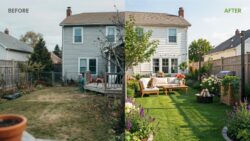
Stagger bloom times to ensure the landscape remains functional and attractive throughout the year. Combine early summer bloomers with species that peak in late autumn. Integrate plants with interesting foliage textures to provide visual value when flowers are absent. This tactical arrangement reduces the need for constant replanting or seasonal adjustments. A well layered bed creates a self sustaining ecosystem that requires minimal intervention from the gardener.
Perennial Flower Beds That Look Great With Almost No Maintenance
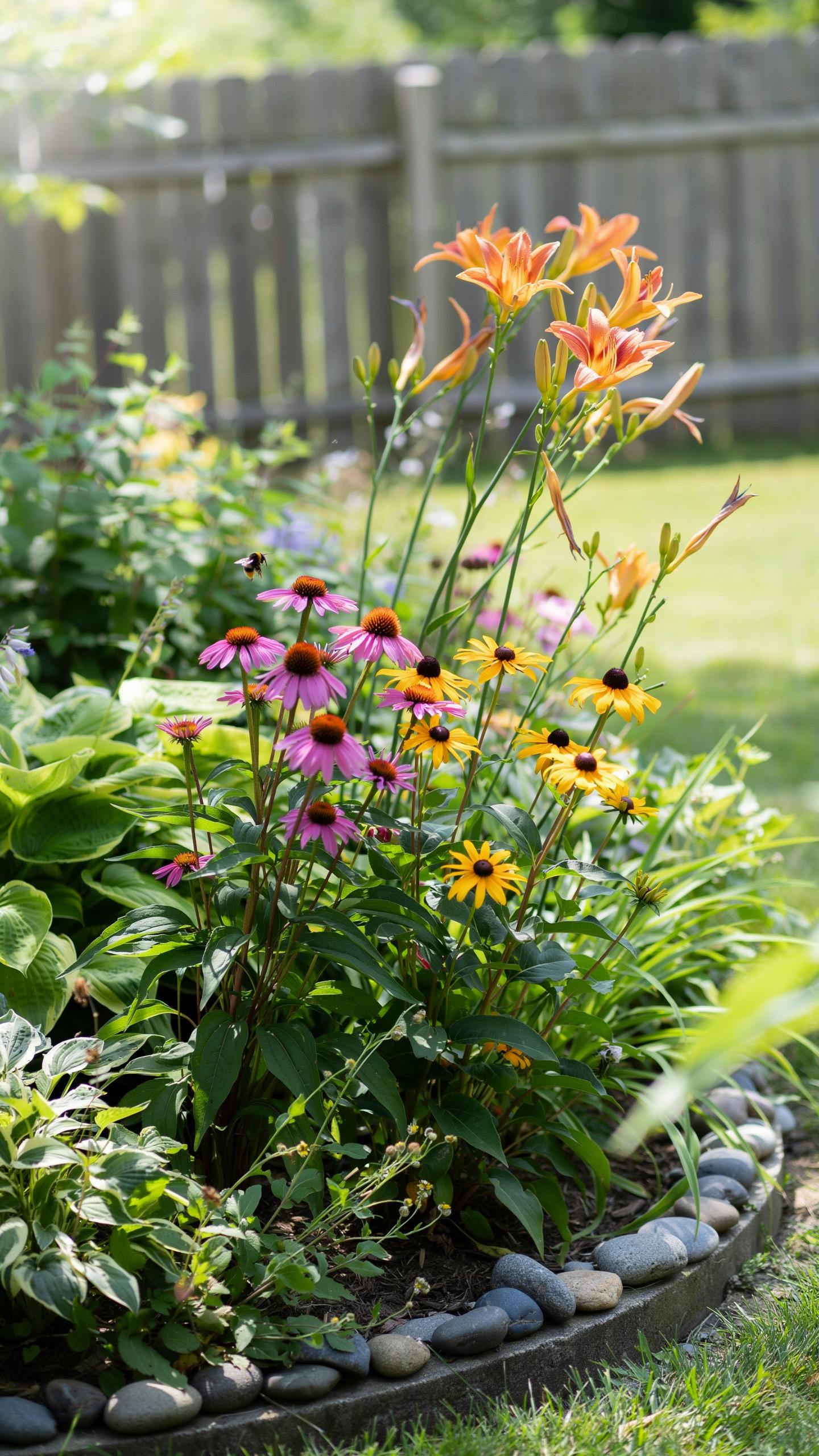
Designing Perennial Flower Beds That Essentially Maintain Themselves
Smart design starts with plant selection based on your specific climate zone. Select native perennials that evolved to survive in your local soil and weather. These plants require less intervention because they possess natural resistance to local pests and diseases. Group plants with identical sunlight and water needs into specific zones. This technique ensures you do not waste resources or time on individual care.
Focus on structural plants that keep their shape throughout the year. Use drift planting techniques where you repeat three to five species across the bed. This creates a cohesive look and simplifies maintenance routines. High-density planting mimics natural prairies by leaving no bare ground for weeds to take hold. Choose species like Coneflower or Sedum that remain upright after the first frost to avoid mid-winter cleanup tasks.
Mulching And Spacing Strategies That Reduce Weeding And Watering In Flower Beds
Proper spacing prevents weed growth by closing the canopy quickly. Set plants slightly closer than the maximum recommended distance to shade the soil surface. This shading cools the ground and slows water evaporation during summer months. Dense planting creates a living mulch that stabilizes soil temperature. Use a mix of groundcovers and taller perennials to fill all vertical gaps. This strategy forces out invasive species naturally.
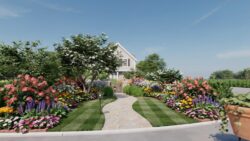
Organic mulch serves as your primary defense against labor-intensive weeding. Apply three inches of wood chips or shredded bark to the soil surface every year. This layer suppresses weed seeds and retains moisture for the root systems. Use coarse materials that do not mat down and block oxygen flow. Organic matter also improves soil structure as it decomposes. This eliminates the need for tilling or adding chemical fertilizers to your flower beds.
Low Maintenance Landscaping Around Trees Without Damaging Roots
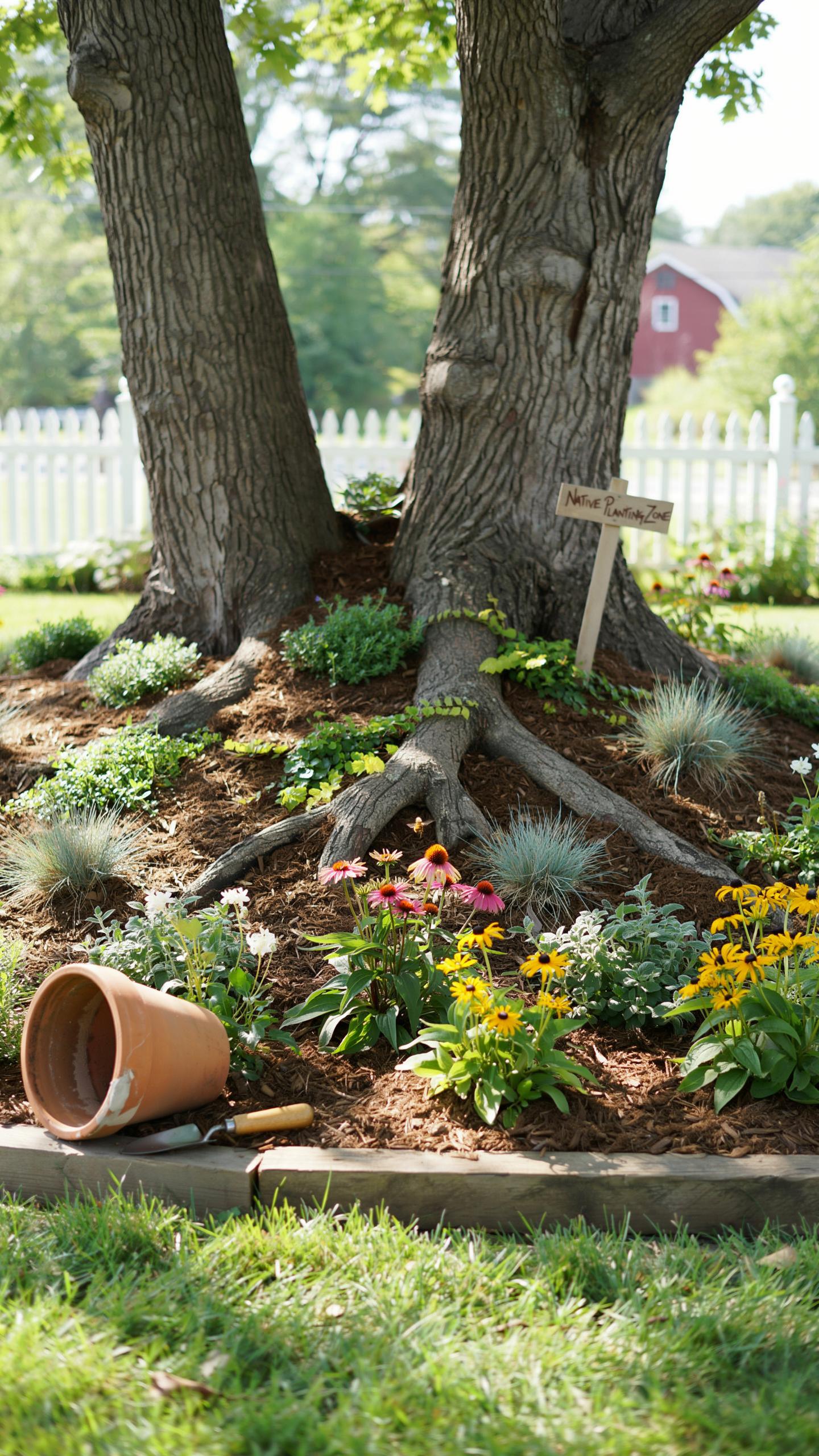
Shade Tolerant Plants That Work Naturally Beneath Tree Canopies
Tree canopies create a difficult environment for most plants. Limited sunlight and high root competition kill standard turf grass. You must select species that thrive in dry shade to reduce maintenance. Native woodland plants work best because they evolved in these specific conditions. These plants stabilize the soil without stealing excessive nutrients from the tree. Choosing the right species prevents the need for constant watering and fertilization.
Avoid digging large holes near the tree trunk to protect the root flare. Use small starter plants or plugs instead of large containers. This method minimizes damage to the feeder roots of the tree. Strategic placement allows the plants to fill in gaps without requiring heavy soil tilling. This tactical approach ensures both the tree and the understory plants survive together. It creates a self sustaining ecosystem that requires very little human intervention.
Using Groundcovers And Mulch Rings To Protect Tree Roots And Reduce Lawn Care
Grass grows poorly under trees and creates a maintenance trap. Mowers and weed eaters often strike tree trunks or exposed roots. This damage leads to fungal infections and tree decline. Replacing grass with a wide mulch ring eliminates this risk entirely. High quality wood chips or pine bark preserve soil moisture and regulate temperature. A proper mulch ring also provides a clear visual border for mowing equipment.

Groundcovers act as living mulch to suppress weeds and prevent erosion. Species like ajuga or vinca minor create a dense mat that blocks sunlight from weed seeds. These plants require almost no pruning or mowing once they are established. Designing with groundcovers saves hours of labor each month. It also improves tree health by mimicking a natural forest floor. This system provides a clean look without the constant upkeep of traditional lawn spaces.
8b Landscaping Plant Choices For Warm And Humid Southern Climates
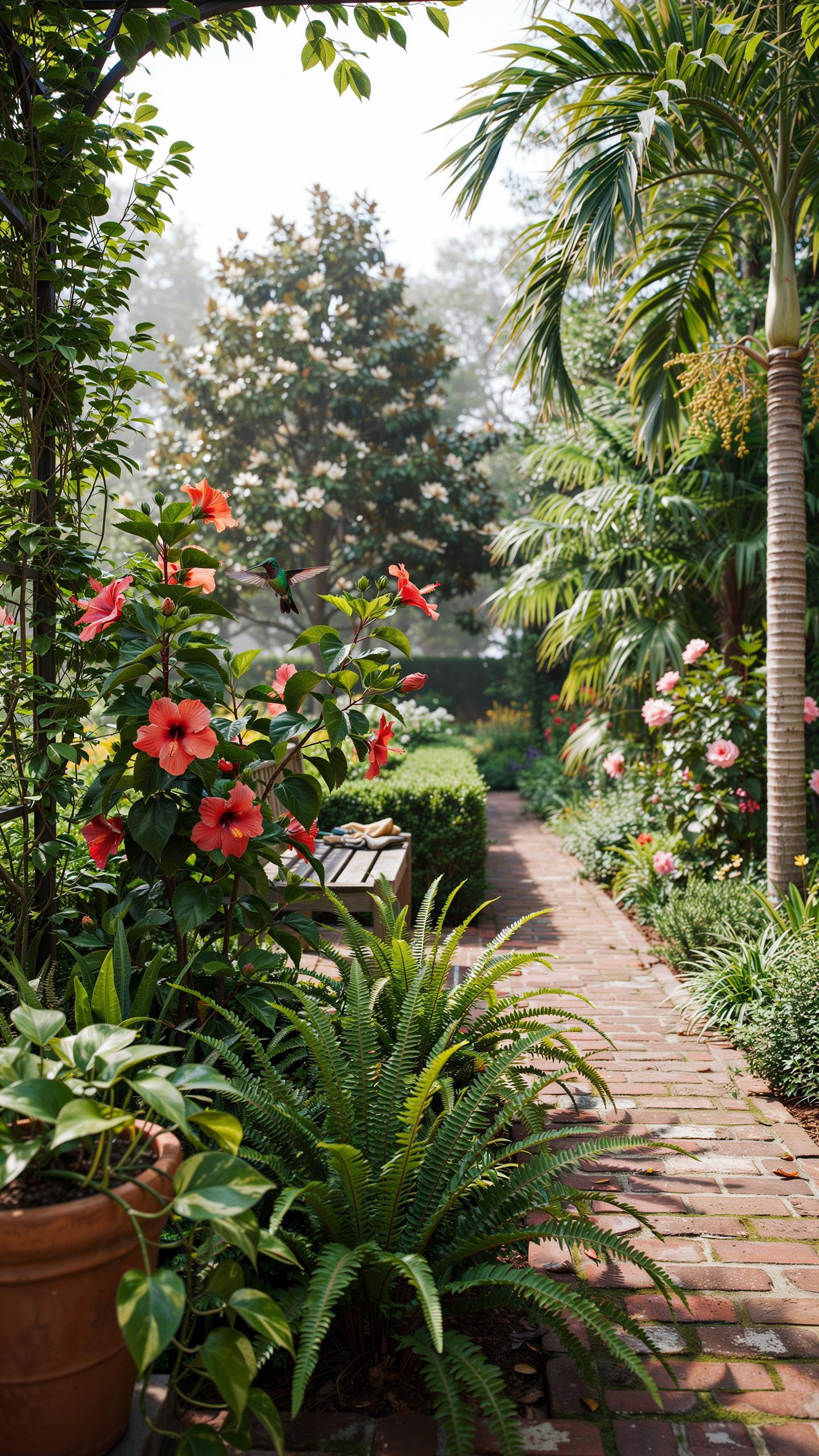
Understanding USDA Hardiness Zone 8b And What It Means For Plant Selection
Zone 8b covers much of the Deep South and coastal regions. It features minimum winter temperatures between 15 and 20 degrees Fahrenheit. This zone faces long and intense summer heat waves. High humidity levels create significant fungal pressure for many traditional plants. You must select species that tolerate damp air and heavy night dew. Soil in these regions often stays wet during winter months.
Strategic planting in 8b requires prioritizing heat over winter cold. Most plants fail here because they cannot handle the sustained overnight warmth. High nighttime temperatures prevent plants from recovering after daily sun exposure. You must analyze your specific site drainage before buying any stock. Heavy clay soils common in the South will drown roots during tropical storms. Choose plants that thrive in high ambient moisture environments.
Reliable Low Maintenance Plants That Perform Well In Zone 8b Conditions
Liriope and Aspidistra provide durable ground cover for shaded areas under tree canopies. These choices require almost no supplemental water once established in the landscape. They resist common pests and handle the local humidity without developing leaf spots. Dwarf Palmettos offer a structural element that withstands extreme wind and heavy rain. These evergreen options maintain their color and form through all four seasons without pruning.
For sunnier spots, Muhly Grass and Loropetalum serve as high impact foundations. Muhly grass thrives in poor sandy soils and requires only one annual cutback. Loropetalum provides year round purple foliage and requires minimal shaping to stay compact. These species tolerate the acidic soil profiles found throughout the coastal plain. Select these varieties to reduce your chemical fertilizer needs and irrigation costs throughout the peak growing season.
California Yard Landscaping Ideas Using Drought Tolerant Low Maintenance Plants
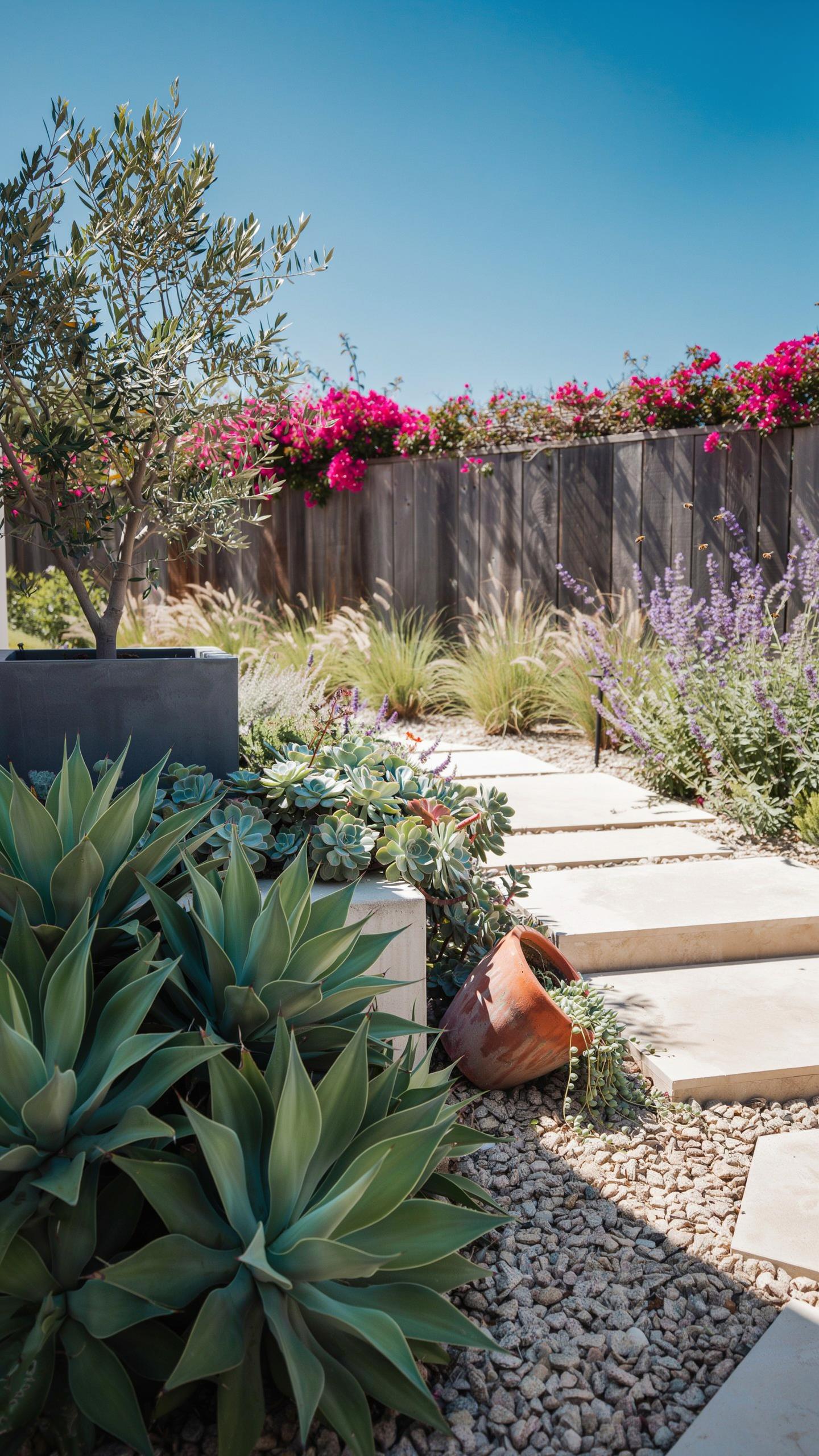
Water Wise California Native Plants That Thrive In Dry Landscape Conditions
California native plants evolve to survive state weather patterns. They handle long summers without rainfall. These species develop deep root systems quickly. Once you establish them, they require almost zero supplemental water. Ceanothus and Manzanita provide evergreen structure throughout the year. They resist local pests and diseases naturally. This eliminates the need for expensive chemical treatments or constant pruning schedules.
Using native flora supports local biodiversity while reducing labor. These plants enter dormancy during the hottest months to conserve energy. You must match the plant to your specific sunset climate zone. Coastal sage scrub species thrive near the ocean. High desert varieties handle extreme temperature swings. Proper selection ensures your yard survives heat waves. You save money on utility bills and replacement costs by choosing adapted species.
Designing A California Style Low Water Yard That Still Looks Polished Year Round
Professional California designs use hardscaping to provide structure. Use decomposed granite or gravel to cover open soil. This prevents weed growth and reduces evaporation. Group plants with similar water needs into specific hydrozones. This strategy prevents overwatering some species while underwatering others. Use boulders and mulch to add visual texture. These elements do not require water or maintenance. They keep the yard looking finished.
Maintain a polished look by choosing plants with different bloom cycles. Combine perennials with evergreen shrubs to avoid bare spots in winter. Focus on leaf texture and color rather than just flowers. Silver-toned foliage reflects sunlight and tolerates high heat. Use drip irrigation systems for maximum efficiency. Subsurface emitters deliver water directly to roots. This prevents runoff and evaporation. A well-planned layout keeps the property value high without daily chores.
Front Yard Landscaping Plants Layout For Curb Appeal With Less Work
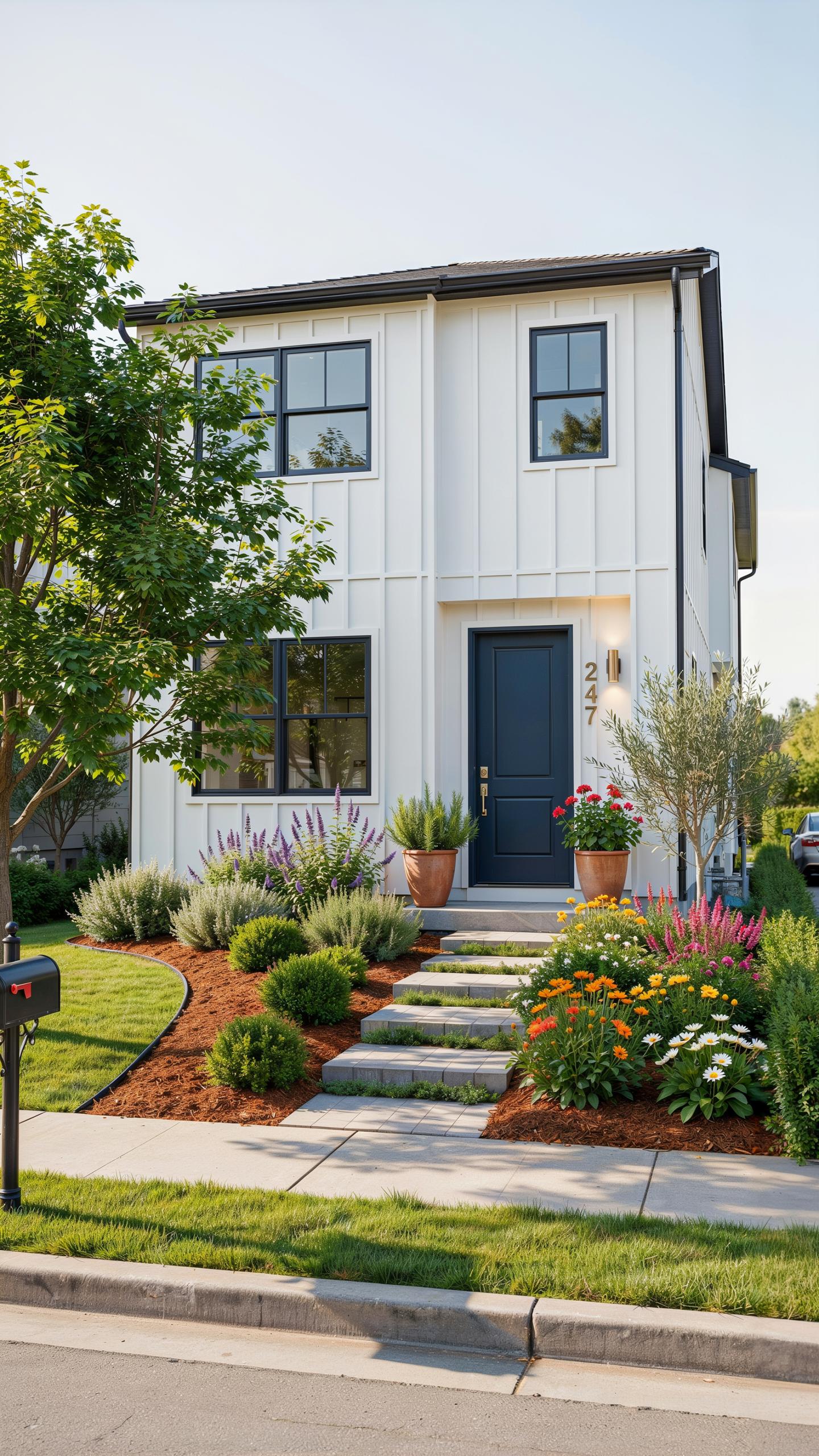
How To Plan A Front Yard Plant Layout That Balances Aesthetics And Low Upkeep
Effective front yard design starts with structural foundations rather than decorative whims. You must group plants by their water and light needs. This technique is called hydrozoning. It prevents overwatering some plants while starving others. Stick to native species that thrive in your local soil without chemical help. A simple layout reduces your weekend workload and keeps the entrance looking sharp year-round.
Mass planting is the secret to low maintenance. Instead of dozens of different species, choose three to five types and repeat them in large groups. This creates a clean look and simplifies care. Avoid complex shapes or narrow strips that are hard to mow or weed. Focus on hardy perennials and evergreen shrubs. These plants provide a permanent skeleton that requires only annual pruning and basic mulching.
Plant Height, Texture, And Color Principles For A Front Yard That Looks Intentional
Layering plants by height ensures every specimen is visible and functional. Place the tallest shrubs or small trees at the back near the house foundation. Put medium plants in the middle and low groundcovers at the front edge. This stair-step approach creates depth. Use contrasting leaf textures and consistent colors to guide the eye toward the front door. This strategy makes the landscape look professionally designed and tidy.
- Tall Foundation Shrubs: Boxwoods or hollies create a green backdrop that hides the house base. These evergreens maintain their shape and color through winter. They require only one or two trims a year to stay neat and provide a permanent structure for the entire yard.
- Mid-Sized Perennials: Coneflowers or ornamental grasses add vertical interest and movement. These plants fill space quickly to shade out weeds. Most varieties only need a single cutback in late winter. They return every spring bigger and stronger without new planting or extra costs.
- Low-Growing Groundcovers: Creeping thyme or stonecrop replaces high-maintenance turf grass in small areas. These plants spread to form a living carpet. They suppress weed growth by covering bare soil. Most are drought-tolerant and handle foot traffic well while requiring zero mowing or edging.
- Specimen Trees: Small ornamental trees like Japanese Maples or Serviceberries provide a focal point. Choose slow-growing varieties that do not outgrow their space. A well-placed tree adds immediate curb appeal and value. Proper selection means you spend less time on corrective pruning or raking heavy debris.
- Textured Grasses: Feather Reed Grass or blue fescue adds fine texture to the layout. These plants offer a visual break from broadleaf shrubs. They stand upright through wind and snow. Maintenance is minimal compared to flowering plants because they do not require deadheading or frequent division.

Organize your color palette to prevent visual clutter. Stick to two or three coordinating colors. This keeps the front yard from looking busy or messy. Repetition of these colors creates a sense of rhythm and deliberate planning. High-contrast textures like spiky grasses next to soft leaved hostas add interest without needing extra flowers. Follow these rules to build a front yard that looks expensive but costs very little time.
Landscaping Plants Low Maintenance Mistakes To Avoid When Getting Started
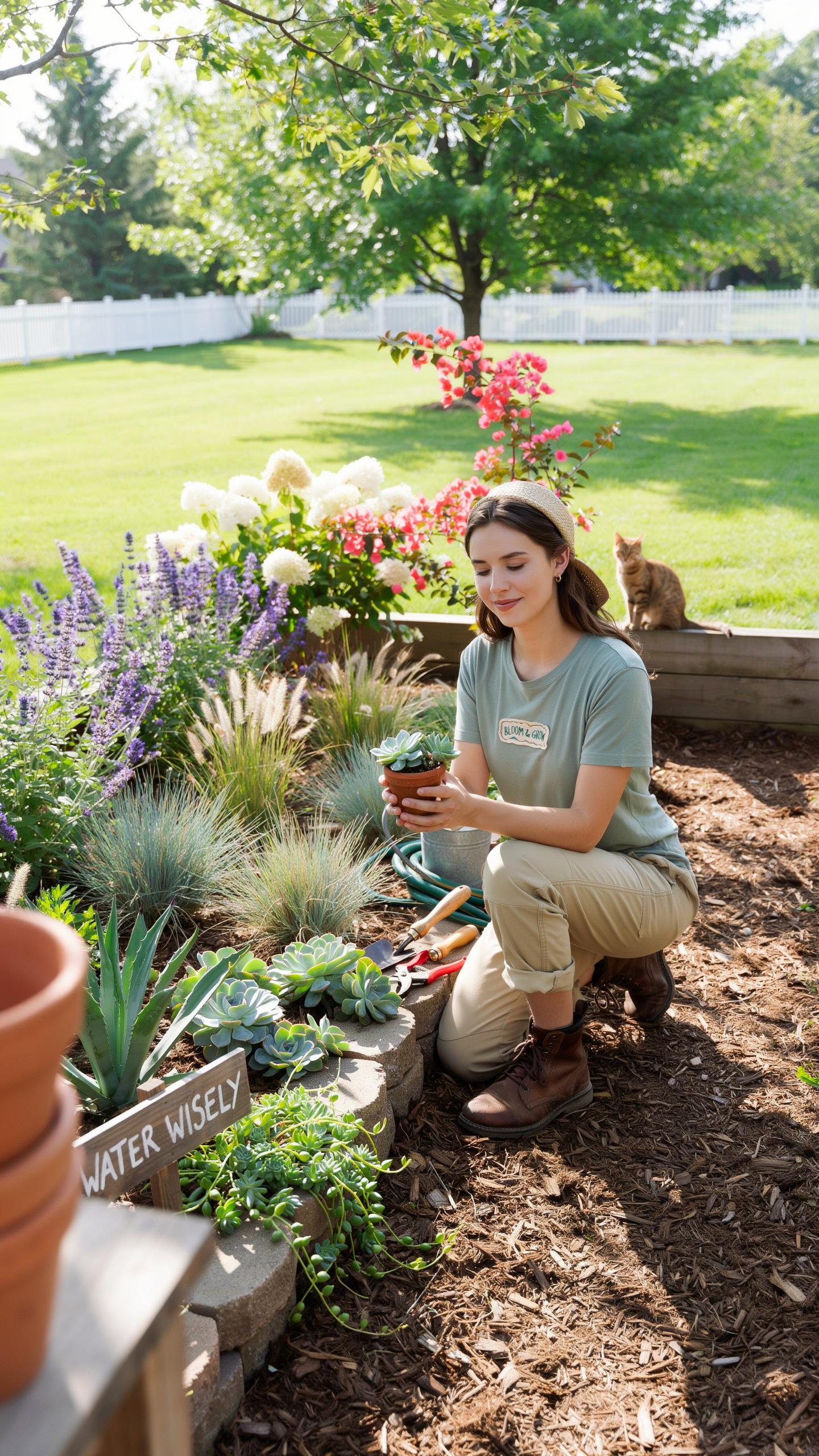
Common Plant Selection Errors That Turn Low Maintenance Into High Effort
Ignoring the mature size of a plant is a common tactical error. Homeowners often buy small shrubs for an immediate look without checking growth charts. When the plant exceeds its space, you must prune it constantly to keep it away from windows or walkways. This creates a permanent maintenance cycle. Select plants that fit your specific area at their full adult size.
Choosing exotic species instead of native plants also increases your workload. Exotic plants often lack natural resistance to local pests and diseases. They usually require supplemental water and chemical fertilizers to survive. Native plants evolved to thrive in your local climate and soil. Stick to species that naturally belong in your region. This reduces the need for interventions and keeps your labor costs low.
How Proper Installation And Soil Prep Sets Up Your Landscape For Long Term Success
Poor soil preparation guarantees future plant failure. Most people plant directly into compacted clay or sandy dirt without testing the nutrients. This starves the roots and stunts growth. You must amend the soil with organic matter before putting anything in the ground. Good soil drainage prevents root rot and helps plants survive extreme weather. Spending time on soil now saves hours of replanting later.
Incorrect planting depth is another mistake that kills healthy vegetation. Burying the root flare too deep suffocates the plant and encourages trunk rot. Keeping it too high dries out the root ball. You must dig a hole twice as wide as the root ball but no deeper. Proper mulching after installation keeps moisture in and suppresses weed growth. Consistent ground cover prevents the need for manual weeding and chemical sprays.
Frequently Asked Questions

What are the best low maintenance landscaping plants for someone who has never gardened before?
If you are new to gardening, start with hardy perennials like hostas, lavender, or ornamental grasses. These low maintenance landscaping plants are incredibly forgiving because they require very little pruning and can thrive in various soil types. Succulents and stonecrop are also excellent choices for beginners since they are drought-tolerant and rarely suffer from pests, allowing you to enjoy a beautiful, lush yard without the constant stress of daily upkeep.
How do I arrange low maintenance landscaping plants to ensure they stay healthy with minimal work?
The secret to success is grouping your greenery by their specific water and sunlight needs, a technique often called hydro-zoning. By clustering drought-resistant low maintenance landscaping plants together, you avoid overwatering sensitive species. Additionally, applying a thick layer of organic mulch around the base of your shrubs and flowers will suppress stubborn weeds and retain soil moisture, significantly reducing the amount of time you spend weeding or watering throughout the season.
Is it possible to create a stunning landscape on a budget using plants that require little care?
Absolutely. You can save money by purchasing native species, which are naturally adapted to your local climate and require fewer expensive fertilizers or soil amendments. Buying smaller “starter” sizes or propagating cuttings from friends are also cost-effective strategies. Many resilient shrubs and groundcovers grow quickly to fill empty spaces, providing a high-end, professional look for your home’s exterior without the high price tag or the need for professional maintenance.