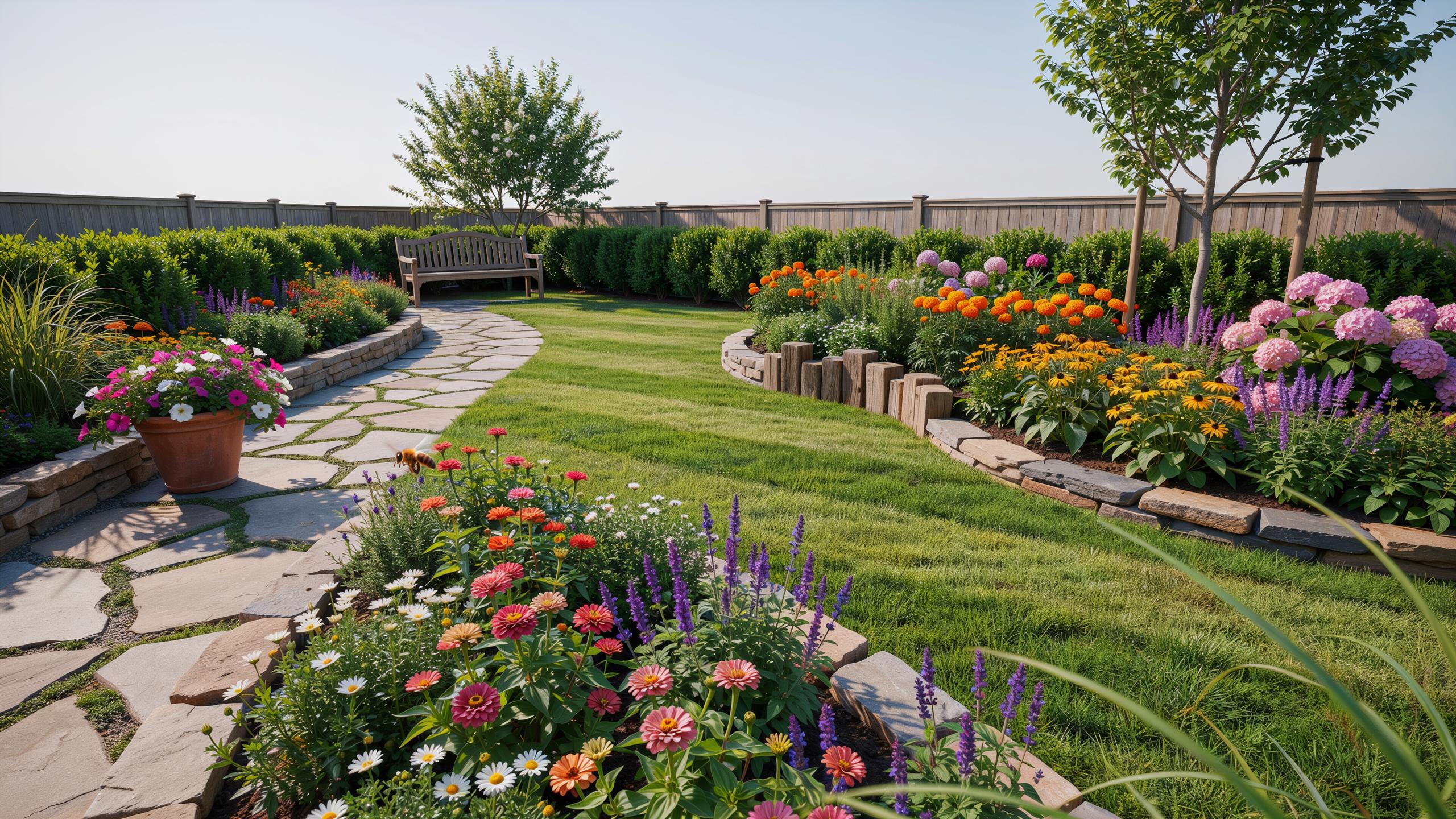
Why Landscaping Stones Edging Is A Timeless Choice For Any Backyard
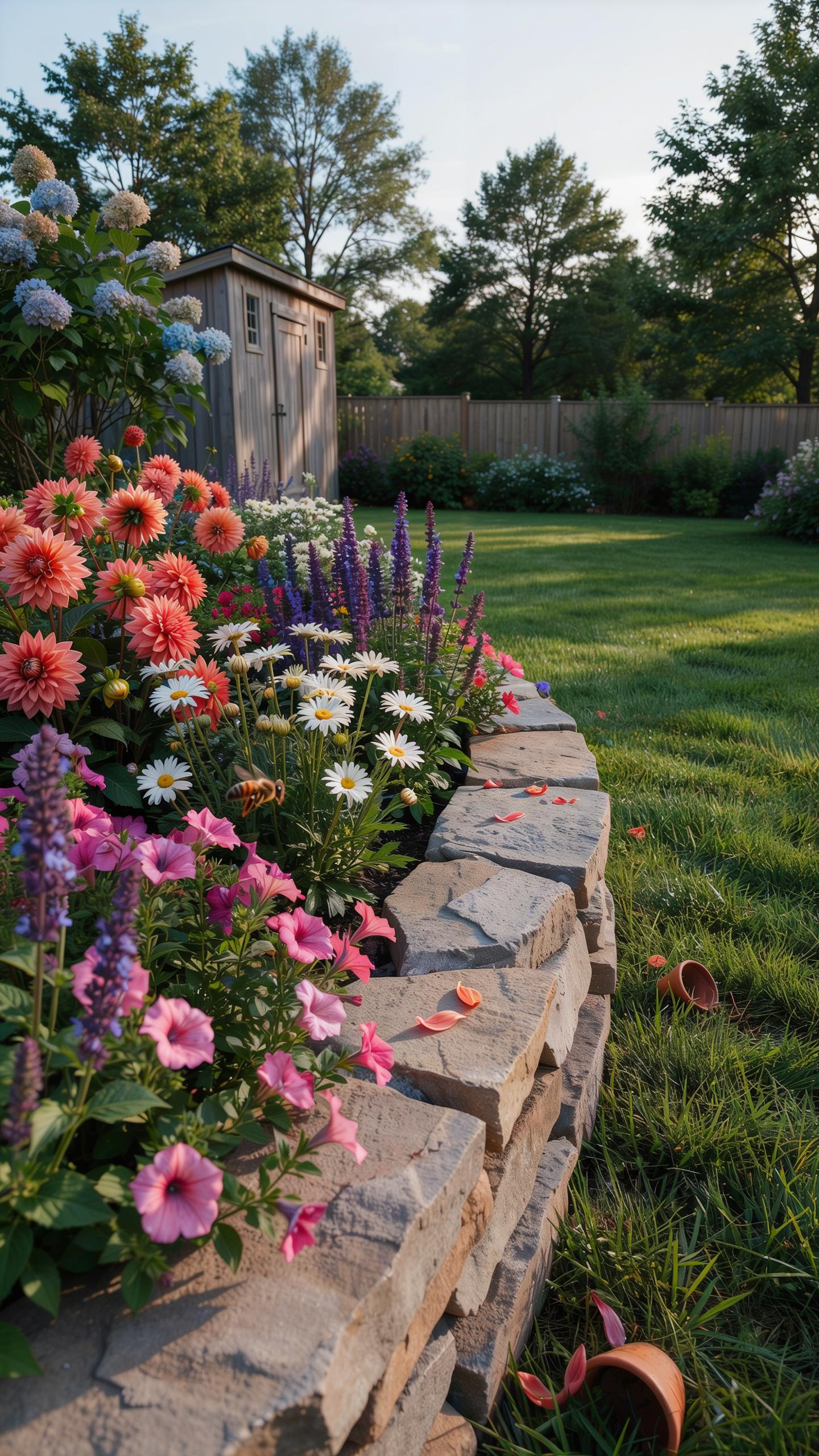
The Natural Appeal And Durability Of Stone Edging In Outdoor Spaces
Stone edging provides a permanent solution for property boundaries. Natural materials like granite, limestone, and fieldstone resist thermal expansion and UV damage better than plastic or wood. This choice aligns with the Craftsman design movement which emphasizes raw, honest materials. Stone withstands heavy foot traffic and extreme weather conditions without rotting or warping. It builds a structural barrier that lasts decades.
Engineers and landscapers prefer stone because it offers high compressive strength. This material creates a physical root barrier that stops invasive grass species from entering garden beds. Stone also matches the chemical composition of the surrounding soil, preventing toxic runoff. Its weight ensures it stays in place during heavy rain or snow. You get a functional edge that requires zero maintenance after installation.
How To Lay Landscaping Stone Edging Along Garden Beds And Pathways
Proper installation requires a stable foundation to prevent shifting. Start by digging a trench two inches deeper than the height of the stone. Remove all grass and organic debris from the channel. Fill the bottom with an inch of leveled sand or crushed stone. This layer provides drainage and a flat surface. Compact the base firmly before placing your first stones.
Set the stones tightly against one another to eliminate gaps. Use a rubber mallet to seat each stone into the base material. Ensure the top of the edging sits high enough to retain mulch but low enough for lawn mower blades. Backfill the outer edges with soil to lock everything in place. A well-set stone edge maintains clean lines and prevents soil erosion effectively.

Exploring Garden Edging Options To Define And Beautify Your Yard
Comparing Popular Garden Edging Materials: Metal, Wood, Brick, And Plastic
Selecting the right material requires balancing lifespan against installation difficulty. Metal and brick offer the highest durability for permanent borders. Plastic and wood serve as budget options but require more frequent replacement. You must evaluate soil movement and climate before committing to a material. Poor material choice leads to frost heave or rot within three seasons. Focus on long term maintenance costs rather than initial price tags.
- Steel Edging: This material provides a slim profile and extreme durability. Raw steel patinas over time to a rust color, while galvanized versions resist corrosion. It handles curves well and prevents grass roots from invading garden beds through deep installation.
- Aluminum Edging: Aluminum does not rust and weighs less than steel. It remains flexible for intricate designs and resists salt damage in coastal areas. It offers a clean finish for modern landscapes but lacks the heavy duty strength of steel.
- Brick Masonry: Real clay bricks provide a classic look and high structural integrity. You can set them in sand or mortar for different levels of permanence. They offer a wide surface that acts as a practical mowing strip for lawn equipment.
- Pressure Treated Wood: Timber provides a natural look and easy installation with basic tools. It works best for straight lines and raised beds. Modern chemical treatments extend the wood life, but it will eventually succumb to ground moisture and fungal decay.
- Recycled Plastic: Plastic coils offer the lowest cost and easiest transport. High quality composite versions resist UV damage better than cheap hardware store rolls. They function best in hidden areas where the goal is utility rather than visual impact or aesthetics.
Installation methods vary significantly between these materials. Metal requires stakes and deep scoring of the earth. Brick needs a leveled trench and a stable base layer to prevent shifting. Wood demands galvanized hardware to avoid rust staining. Plastic relies on heavy duty anchors to stop the material from popping out of the ground during temperature changes. Choose the material that fits your tool kit and labor capacity.
Matching Your Garden Edging Style To Your Overall Landscape Design
Your edging must align with the architectural era of your home. Modernist homes benefit from the sharp, thin lines of steel or aluminum. These materials mirror the industrial feel of contemporary design. Classical or colonial homes require traditional materials like brick or stone. Using the wrong material creates visual friction that devalues the overall landscape. Proper styling ensures the edging disappears into the broader design.
Consider the geometry of your yard before choosing a style. Formal gardens use straight lines and sharp right angles to show control. Organic or cottage designs use sweeping curves to mimic natural environments. Stone pavers work well for curved paths because they allow for small adjustments. Timber suits structural, linear layouts better than irregular shapes. Match your edging choice to the existing flow of your walkways and patio surfaces.
Creative Landscape Edger Ideas That Add Character To Outdoor Borders
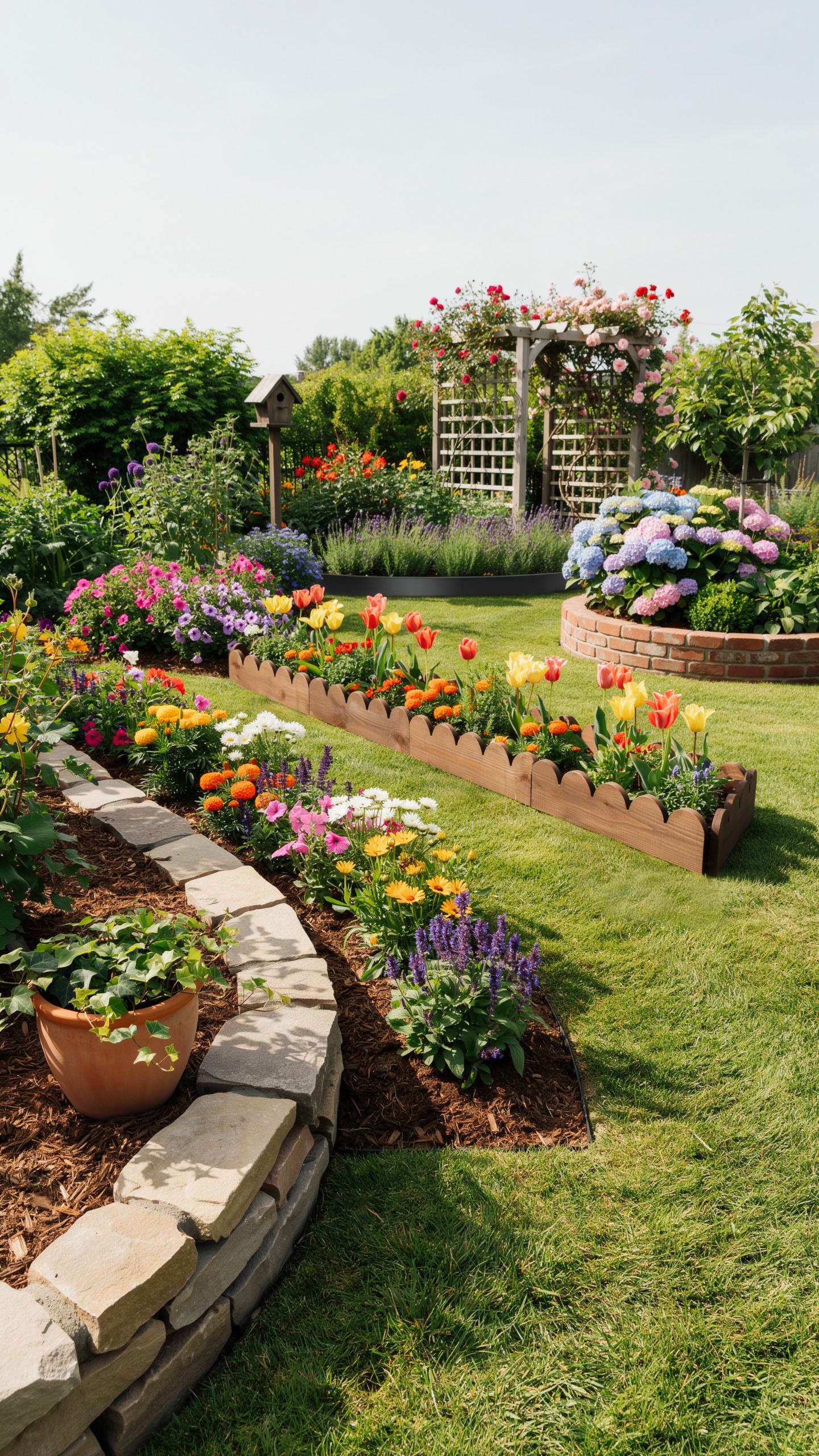
Using Decorative Landscape Edgers To Frame Flower Beds And Walkways
Decorative edgers define the transition between soft plant beds and hard walking surfaces. These borders prevent soil erosion and keep mulch from washing onto paths. Use heavy materials like cast stone or concrete blocks for long term stability. Proper installation requires digging a shallow trench to seat the material below the frost line. This prevents shifting during seasonal temperature changes and ensures a clean sightline.
Effective framing requires color and texture contrast to improve curb appeal. Darker stone edgers highlight bright green lawn edges. For curved paths, use smaller modular units that allow for tight turns without gaps. Always set the top of the edger one inch above the soil to stop grass roots from invading garden beds. This tactical placement saves hours of maintenance and keeps the landscape looking sharp and professional year round.
Modern Vs. Rustic Landscape Edger Styles And Where Each Works Best
Modern edging styles prioritize clean lines and industrial materials like steel or aluminum. These materials fit well in minimalist gardens or urban spaces. Metal edgers provide a nearly invisible profile that highlights the plants rather than the border. This style works best with geometric layouts and straight paths. It offers high durability and resists rot better than traditional wood options used in older suburban designs.
Rustic styles use natural textures like weathered cedar, fieldstone, or reclaimed brick. These materials suit cottage gardens or sprawling backyard retreats. Use timber for a structured look that blends into wooded environments. Natural stone works best for irregular borders because it mimics organic land formations. Choose these materials when you want a soft transition between the wild elements of your yard and the more controlled floral zones.
Lawn Edging Designs That Keep Grass Neat And Borders Looking Sharp
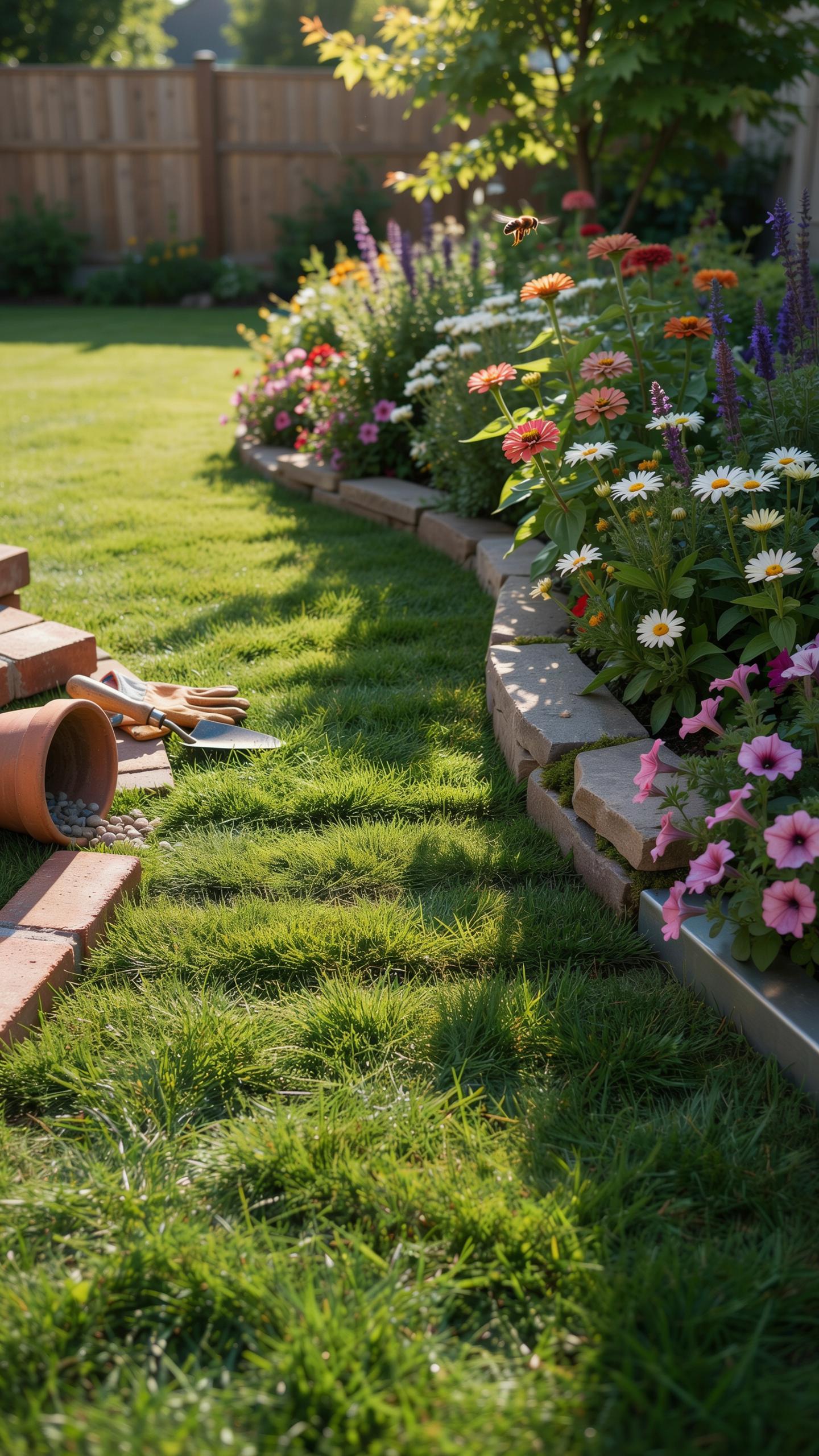
Curved Vs. Straight Lawn Edging Designs And The Effect Each Creates
Straight lines create a formal and disciplined look. These designs draw the eye to a specific focal point. Modernist and minimalist landscapes use straight edges to mirror the lines of the house. You achieve this look by using rigid materials like timber or steel. Professionals use string lines to ensure absolute precision. This method keeps the yard looking organized and planned.
Curved lines offer a more organic and natural feel. They soften the transition between hard structures and plant life. Curves work well in cottage gardens or larger backyards with rolling terrain. You must utilize flexible materials like plastic, thin metal, or rubber to create these shapes. Smooth arcs make the space feel larger and less restricted. They encourage the eye to wander across the landscape.
How Consistent Lawn Edging Designs Improve The Overall Curb Appeal Of Your Property
Consistency in edging creates a unified visual language for your home. It signals that the property is well-maintained and managed. Using the same material throughout the lawn borders provides a clean finish. This uniformity removes visual clutter and high-contrast distractions. Potential buyers perceive a home with defined borders as more valuable. Sharp edges suggest professional care and clear property boundaries.
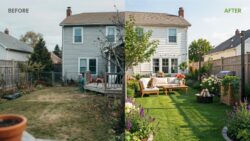
Stable edging prevents grass from invading flower beds and walking paths. This saves time on manual trimming and chemical weed control. You reduce the labor needed to maintain the property value over time. Defined edges also keep mulch and gravel in place during heavy rain. This prevents erosion and soil runoff onto sidewalks. A tidy border protects your investment and keeps the entire landscape structure intact.
Backyard Curbing Ideas That Add Structure And Visual Flow To Your Landscape
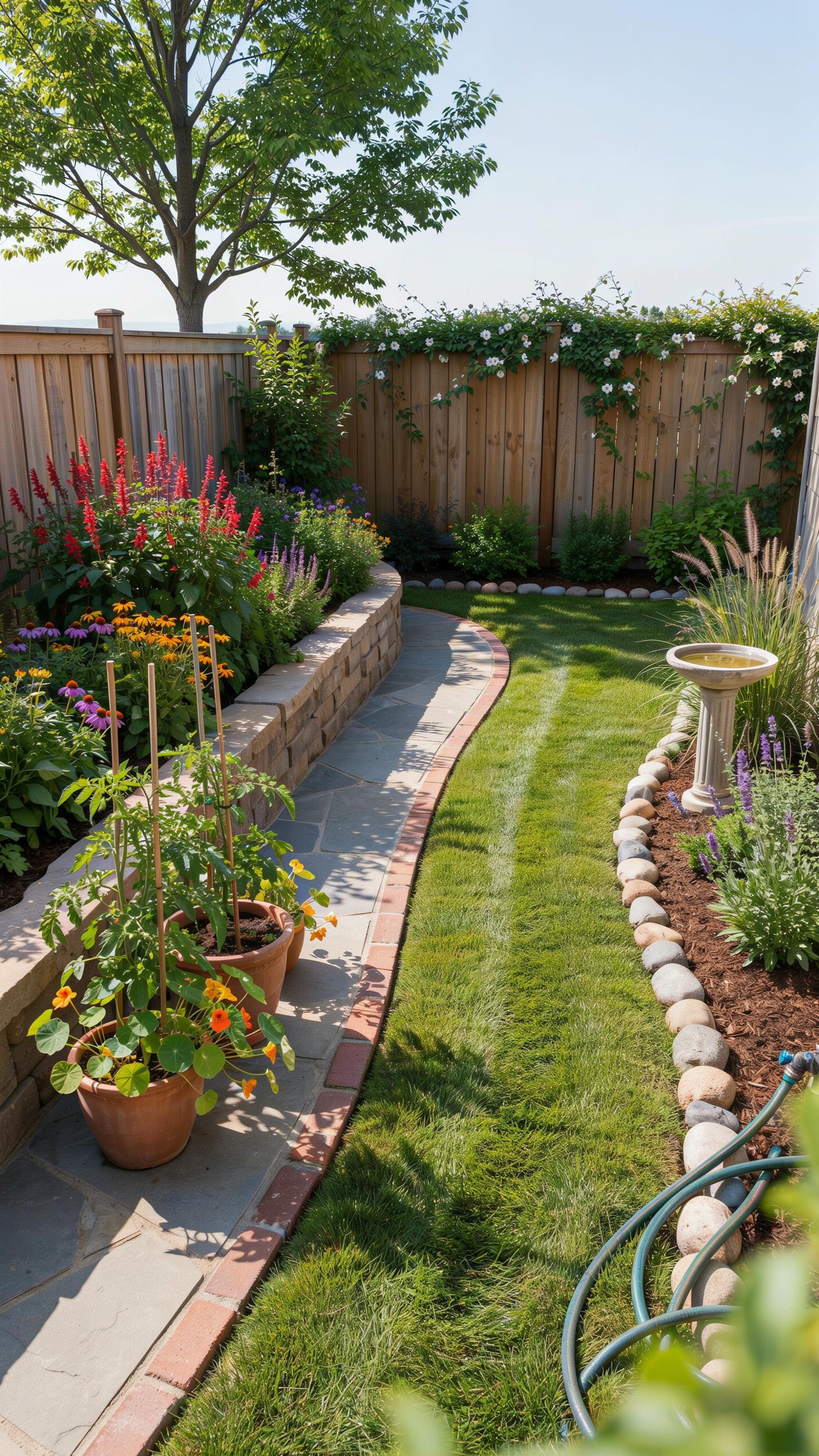
Concrete Curbing As A Long Lasting Solution For Backyard Border Definition
Concrete curbing provides a permanent root barrier that prevents grass from invading garden beds. Contractors use specialized extrusion machines to install continuous borders directly on-site. This technique eliminates the gaps found in traditional brick or stone edges. A solid concrete pour resists shifting caused by ground freeze and thaw cycles. You get a stable perimeter that handles heavy mower wheels without cracking or moving.
Select a high-strength fiber-reinforced concrete mix to ensure structural integrity over several decades. Professional installers cut expansion joints every few feet to control natural cracking patterns. This method keeps the border looking clean and professional. Proper installation requires a trench depth of two inches to anchor the curb against soil pressure. This tactical choice reduces long-term maintenance costs by protecting your mulch and keeping soil contained.
Decorative Backyard Curbing Ideas That Blend Functionality With Aesthetic Appeal
Decorative curbing uses stamps and integral pigments to mimic expensive natural materials like slate or tumbled stone. Modern installers apply liquid release agents to create realistic textures on the wet concrete surface. This process adds visual depth to the landscape without the labor costs of hand-laying individual stones. You achieve a high-end look that maintains the structural benefits of a single, solid piece of masonry.

Varying the profile of the curb changes the visual flow of the yard. Sloped mowers edges allow lawn equipment to trim grass right up to the border. This eliminates the need for string trimming and saves time on weekly maintenance. Use darker earth tones to hide dirt and grass stains over time. These design choices create a sharp contrast between your turf and plant beds while increasing the total property value.
Inexpensive Edging Ideas That Deliver Big Impact On A Small Budget
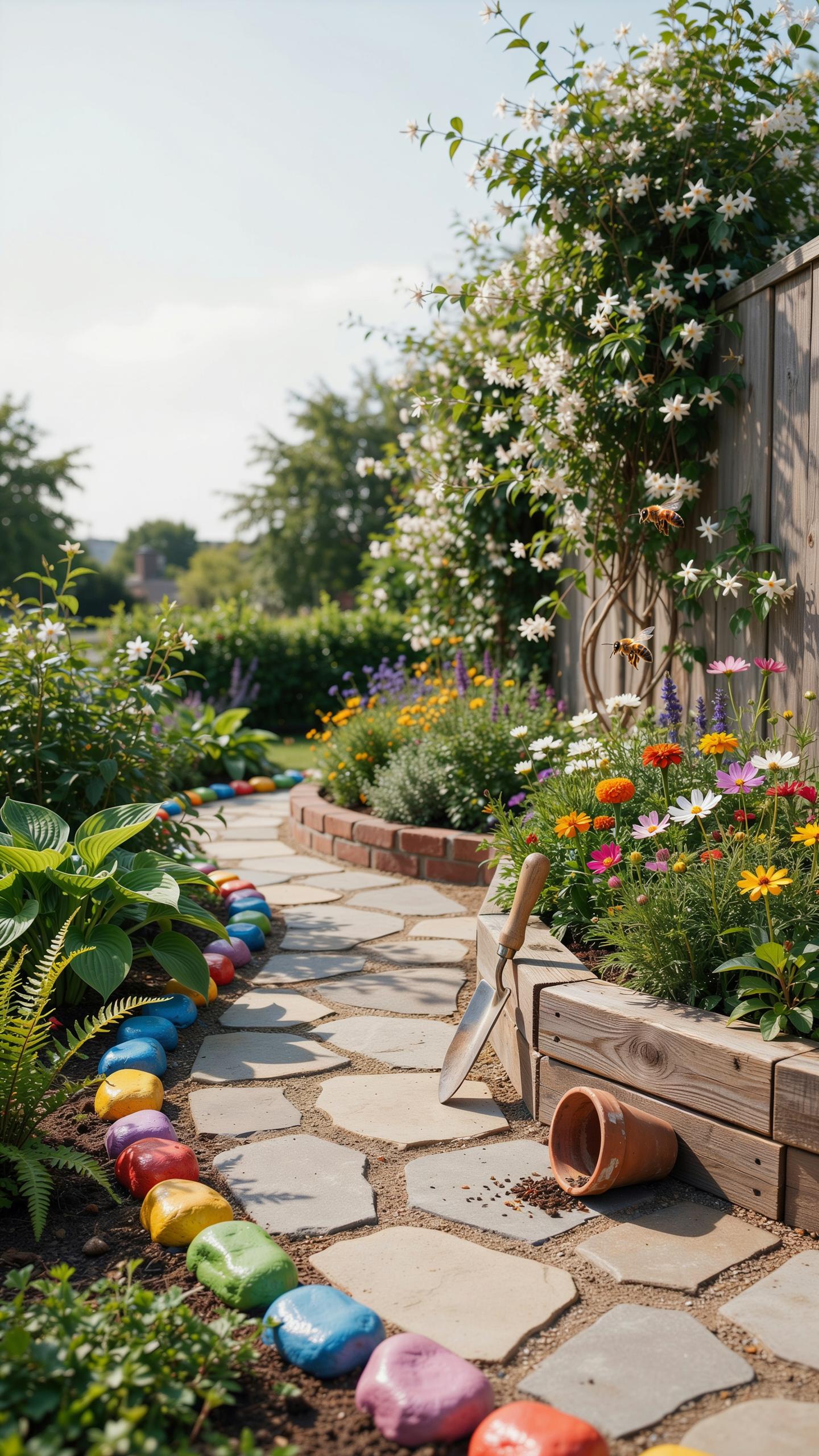
Repurposed And Natural Materials That Make For Affordable Yard Edging
Utilizing raw materials from your own property costs nothing. Large stones found during excavation create a rugged and permanent boundary for garden beds. This technique matches the organic style of English cottage gardens. You must bury stones halfway into the soil to ensure they stay in place. This prevents tripping hazards and stops grass roots from creeping underneath the heavy rock line.
Secondary lumber and fallen branches offer another tactical solution. Use cedar or locust logs because they resist rot naturally without expensive chemical treatments. These materials provide a rustic look while defining clear paths. Laying logs end-to-end creates a physical barrier that holds mulch effectively. This method recycling wood waste turns debris into a functional asset without spending money at a traditional hardware store.
Smart Shopping Tips For Finding Inexpensive Landscape Edging Ideas At Local Stores
Buying materials during the off-season reduces project costs significantly. Big-box retailers often discount stone and plastic edging in late autumn to clear warehouse space. Purchase bulk materials like gravel or wood chips by the cubic yard instead of individual bags. Professional landscapers avoid bags because the unit price is usually double. Volume buying is the most effective way to lower fixed costs.
- Bulk Mulch: Buy mulch by the truckload from local municipalities or tree services. Many cities offer free wood chips to residents. This material provides a clean edge when paired with a deep spade-cut trench around the perimeter.
- Composite Scraps: Visit local deck builders to ask for composite lumber off-cuts. These scraps do not rot or require painting. They work perfectly as short stakes or thin borders in straight-line modern garden designs for zero cost.
- Cinder Blocks: Use standard concrete masonry units for a brutalist and durable edge. These are some of the cheapest manufactured materials available. Flip them on their sides to use the hollow cores as small planters for herbs or succulents.
- Steel Strips: Look for thin gauge steel bender board at metal scrap yards. Real weathered steel develops a protective patina that lasts for decades. It provides a high-end look for a fraction of the price of branded landscape products.
- Discontinued Brick: Check masonry supply yards for pallets of discontinued or chipped bricks. Suppliers often sell these “seconds” at a steep discount. Bricks laid in a soldier course pattern provide a classic look that adds immediate property value.

Negotiating for pallet quantities can trigger wholesale pricing even at retail locations. Ask the manager for a discount on damaged packaging or weathered stone. These cosmetic flaws disappear once the material sits in the dirt. Always calculate your linear footage before visiting the store to avoid overbuying. Precision in planning prevents waste and keeps the total project budget under control.
Landscaping Rocks Edging Using Natural Stone To Frame Your Outdoor Areas
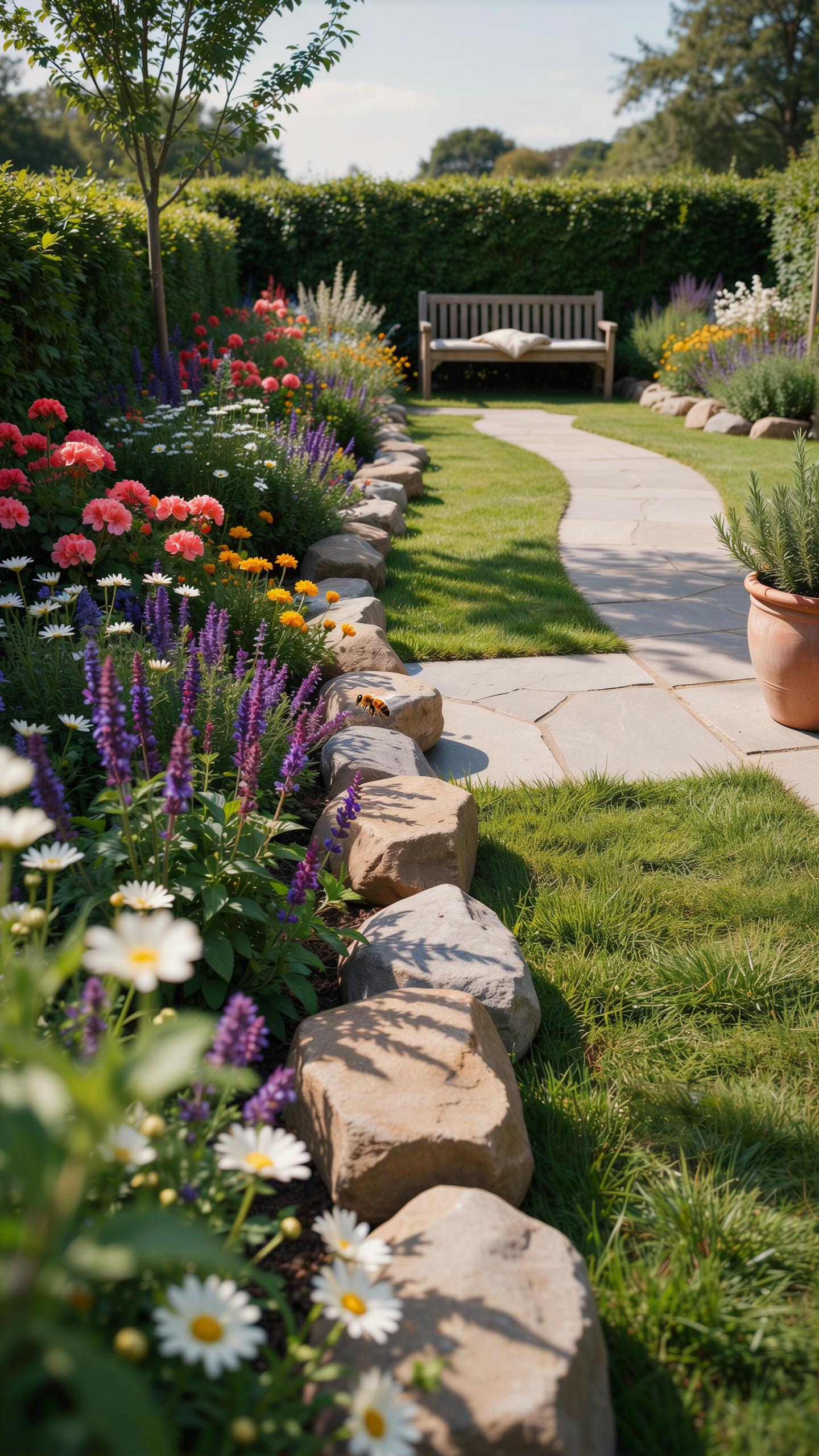
Best Types Of Landscaping Rocks For Edging Garden Beds And Yard Borders
River rocks offer the most durability for wet climates. These smooth stones handle water runoff without shifting or eroding. Flagstone provides a flat surface for formal borders. It creates a clean line between grass and mulch. Cobblestone delivers a classic European look. It withstands heavy foot traffic and mower impacts. Choose basalt for a dark modern aesthetic that hides dirt well.
Fieldstone works best for rustic or informal designs. These irregular rocks create high contrast against green turf. Lava rock provides a porous option that helps with soil drainage. Pea gravel creates a soft edge but requires a physical barrier to prevent spreading. Select igneous rocks like granite for long-term stability in extreme temperatures. Avoid soft limestone in acidic soils because it degrades over time.
The glory of gardening, hands in the dirt, head in the sun, heart with nature. To nurture a garden is to feed not just on the body, but the soul.
How To Arrange Landscaping Rocks Edging For A Natural And Cohesive Look
Dig a shallow trench before placing any stones. A depth of three inches prevents the rocks from sliding into the lawn. Line the trench with landscape fabric to stop weed growth. Place the largest stones first to establish the main border line. Fill gaps with smaller stones to create a solid barrier. This technique prevents mulch from washing away during heavy rain.
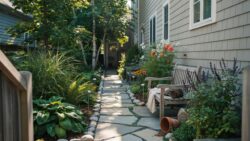
Stagger the heights of the rocks to mimic natural outcrops. Avoid perfectly straight lines for a more organic appearance. Bury the bottom third of each rock into the ground. This makes the edging look like it belongs in the landscape. Pack soil or sand around the base to lock every piece in place. Proper spacing ensures the mower blade clears the rocks safely every time.
DIY Edging Landscape Cheap Step By Step Projects You Can Do This Weekend
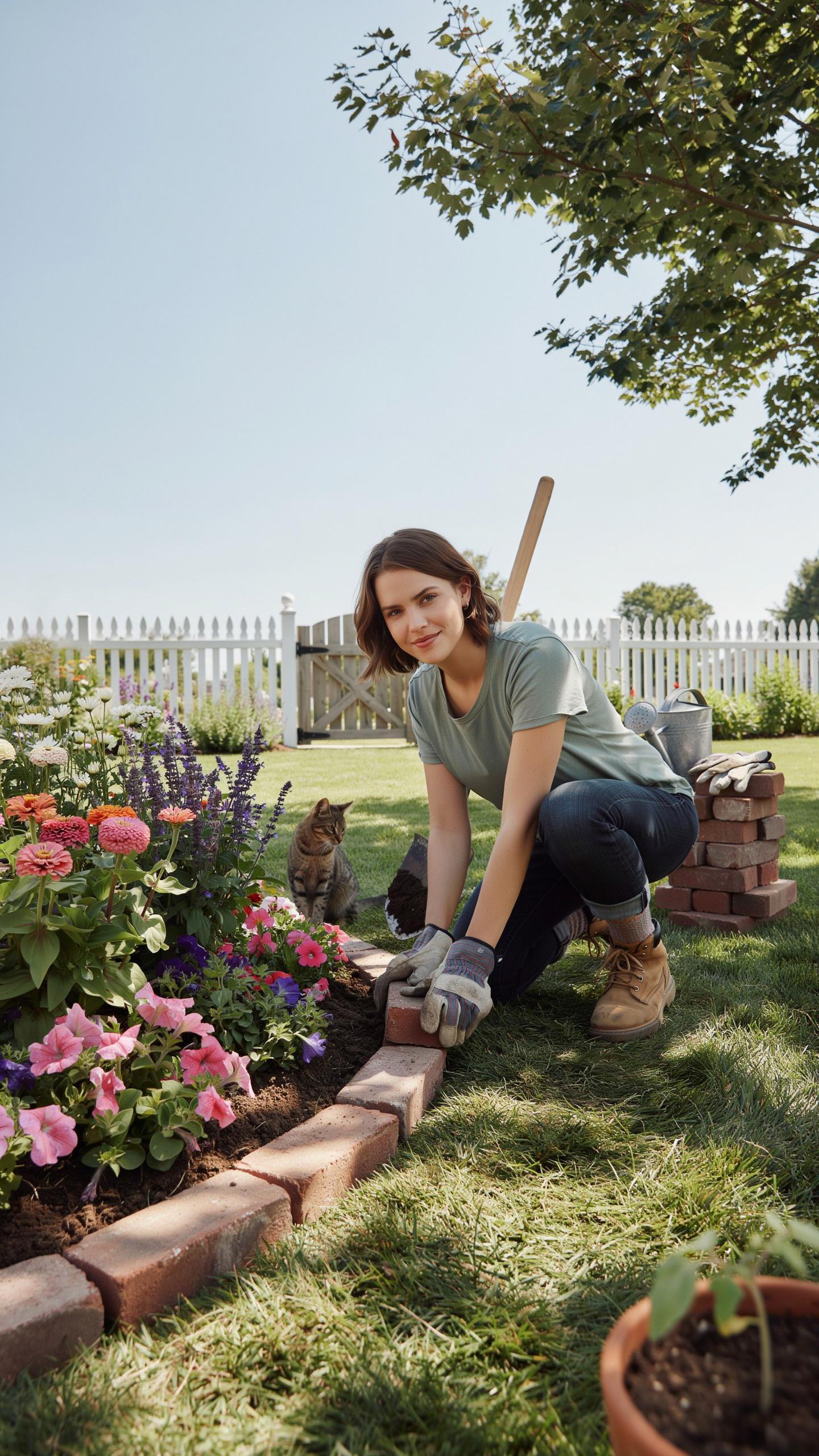
Simple DIY Edging Projects Using Bricks, Logs, And Gravel That Cost Very Little
Low budget projects focus on recycled or raw materials. Bricks found at salvage yards offer a classic look for zero to low cost. Dig a narrow trench along your flower bed. Place bricks upright or at an angle for a sawtooth pattern. This creates a solid barrier that prevents grass from creeping into your soil. Pack dirt tightly around each brick to secure the line.
Logs and gravel provide a rustic and functional finish. Use fallen branches or pressure treated timber to define heavy borders. Secure them with wooden stakes driven into the ground. For a modern look, dig a shallow path and fill it with crushed pea gravel. This method provides excellent drainage. It also stops lawn mowers from hitting delicate plants. Both options require minimal tools and can be finished in hours.
Common DIY Edging Mistakes To Avoid And How To Ensure A Clean, Professional Finish
Poor planning ruins many DIY projects. Most homeowners fail to dig deep enough. This allows weed roots to crawl under your edge. You must create a vertical cut at least four inches deep. This depth severs the rhizomes of common turf grasses. Always use a leveled string line to guide your trench. Straight lines and smooth curves distinguish professional work from amateur attempts.
Ignoring drainage is another critical error. Solid edging can trap water and drown your plants. Ensure your border allows for natural runoff or use porous materials like gravel. Compaction is also vital for longevity. If you do not tamp down the soil around your bricks or stones, they will shift over time. Use a hand tamper or a heavy mallet to set every piece firmly into the earth.
Frequently Asked Questions

What are the best backyard landscaping edging ideas for beginners?
If you are new to DIY gardening, starting with simple materials like plastic bender board or scalloped brick is a great way to explore backyard landscaping edging ideas. These options are forgiving, easy to install, and create a clean boundary between your lawn and flower beds. Focus on straight lines or soft curves first to instantly improve your curb appeal without needing specialized power tools or heavy construction expertise.
How do I properly install garden edging to prevent grass from spreading?
To effectively stop grass encroachment, you should dig a shallow trench about three to four inches deep along your garden perimeter. Position your chosen backyard landscaping edging ideas into the trench, ensuring the material sits slightly above the soil line but flush enough for lawnmower blades to pass safely. Backfill the area with soil or mulch and pack it down firmly to create a durable root barrier that keeps your beds tidy.
Are there any low-cost or recycled materials I can use for garden borders?
Absolutely! You can achieve a stunning look on a budget by repurposing everyday items. Consider using upturned wine bottles, large smooth river stones found on your property, or salvaged timber from old pallets. These eco-friendly choices provide a rustic charm while remaining highly functional. Creative recycling allows you to customize your outdoor space with unique character without spending a fortune on expensive professional-grade masonry or pre-fabricated metal landscape edging.