Embarking On Your Homestead Farm Laying The Groundwork

Understanding Your Property Limits
Your property size determines what livestock you can realistically raise. Most jurisdictions require minimum acreage per animal type. Chickens need roughly 3 to 4 square feet indoors and 8 to 10 square feet outdoors per bird. Larger animals like goats or sheep demand 0.5 to 1 acre per animal depending on pasture quality and climate.
Check your local zoning regulations before purchasing any animals. Many areas prohibit roosters, limit chicken counts, or ban certain livestock entirely. Contact your county extension office or local agricultural department to verify restrictions. Water access is non-negotiable. You need reliable, year-round water sources for both animals and irrigation. Poor soil quality limits pasture productivity and forces expensive feed purchases.
Choosing Your First Homestead Project
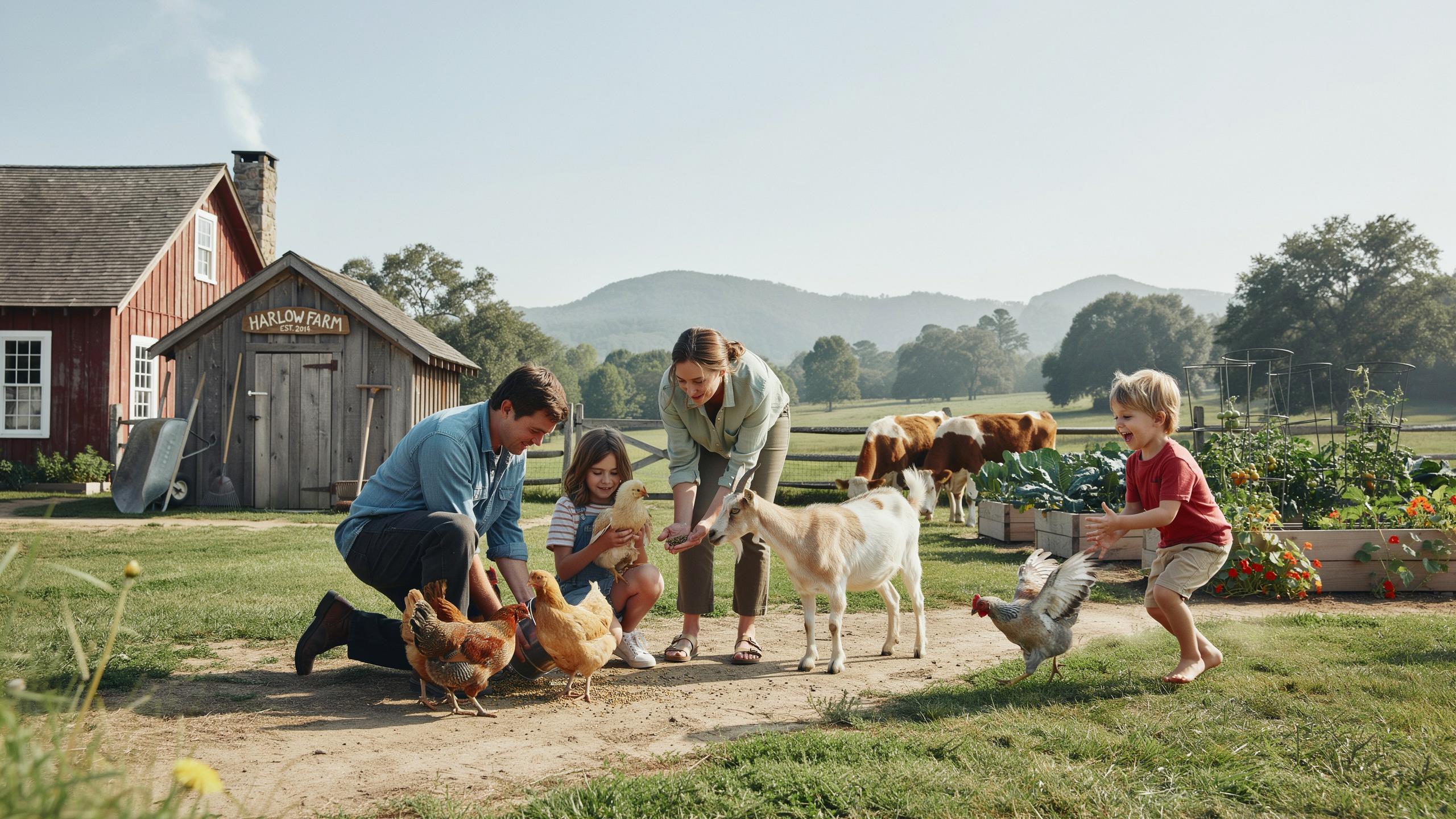
Start small to learn animal husbandry without financial overextension. Chickens are the logical first choice. They produce eggs consistently, require minimal space, generate compost-ready manure, and tolerate beginner mistakes better than other livestock. A flock of three to six hens fits most suburban properties and returns value quickly.
A vegetable garden running parallel to chickens teaches you both food production and animal care simultaneously. This approach builds your skills incrementally before adding goats, rabbits, or other animals. You’ll understand daily feeding routines, seasonal planning, and infrastructure needs without overwhelming yourself. Start with what you can manage daily before expanding your operation further.
Farming For Beginners Transitioning To Animal Husbandry
Essential Skills For New Farmers
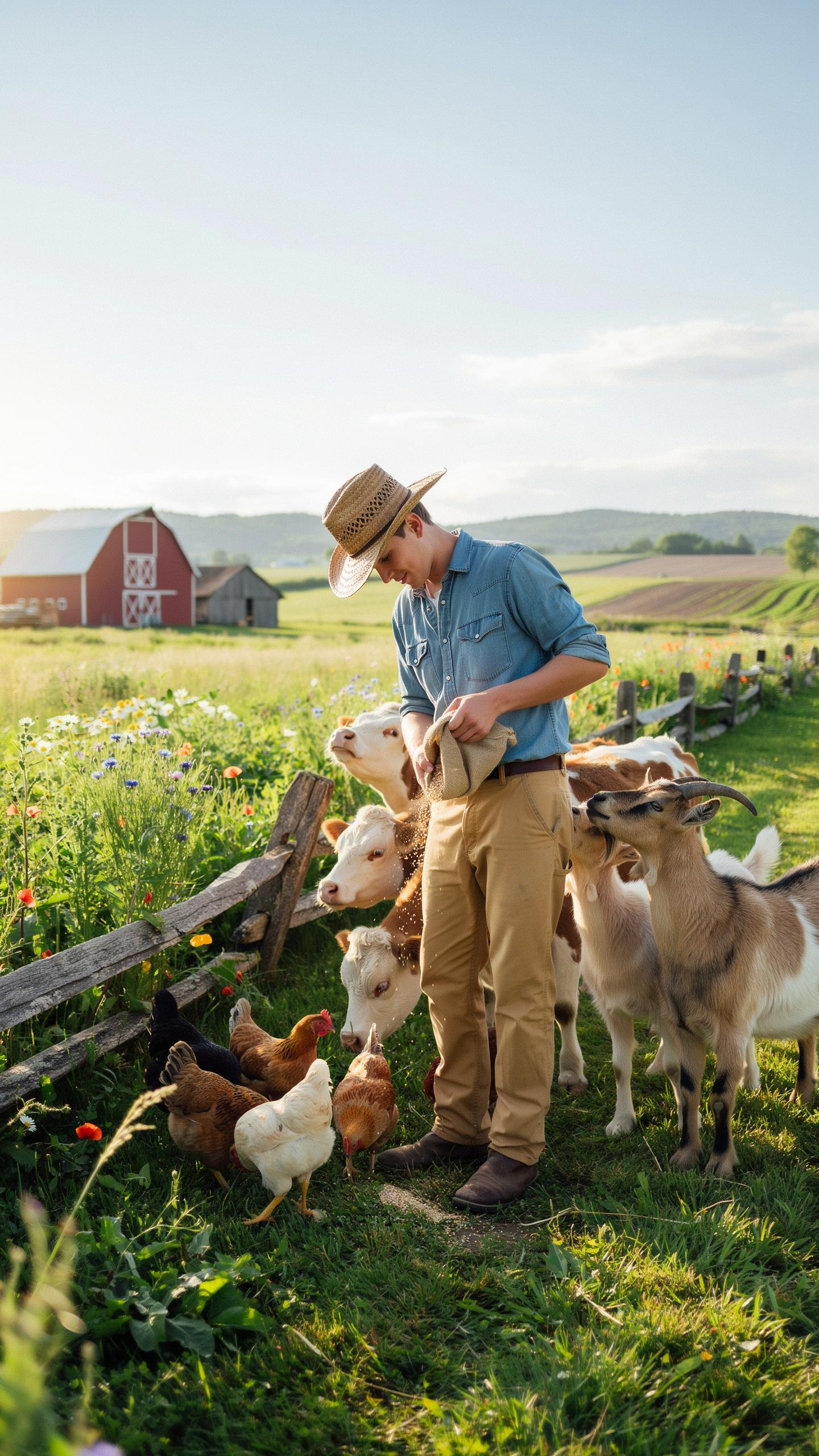
Learn animal handling before you buy livestock. You need to understand restraint techniques, proper lifting methods, and how to move animals safely without causing injury. Spend time observing experienced farmers. Watch their movements and ask questions about their approach. This hands-on knowledge prevents accidents and reduces stress on your animals.
Recognize illness early by observing behavior changes. Sick animals stop eating, isolate themselves, or show discharge from eyes and nose. Know your livestock’s normal patterns so you spot deviations fast. Keep a basic first aid kit with antiseptic, bandages, and electrolytes. Daily feeding routines must stay consistent. Animals thrive on schedule. Feed at the same times each day and monitor how much they consume. Track intake changes because they signal problems before other symptoms appear.
The care of livestock is a sacred dance with the land that nourishes both the table and the soul. When we tend to our animals with wisdom, we restore the gentle rhythm of a self-sufficient home.
Designing Effective Fencing And Shelter
Build fencing with your specific animals in mind. Goats need five foot fencing to prevent escapes. Cattle require sturdy four rail fencing. Chickens need buried fencing to stop predators from digging underneath. Use pressure treated wood or metal posts that last years without rotting. Check fencing weekly for damage and repair gaps immediately. A loose animal costs money and creates liability issues.

Shelter protects animals from extreme weather and predators. Design coops with solid roofs, secure door latches, and ventilation to prevent moisture buildup. Barns need proper drainage so water doesn’t pool around foundation areas. Size shelter appropriately for your herd count. Overcrowding causes disease spread and stress. Allow at least 40 square feet per cow and 4 square feet per chicken. Install predator-proof fencing around shelter perimeters using buried barriers at least 12 inches deep.
Maximizing Utility On An Acre Homestead
Rotational Grazing On Small Acreage
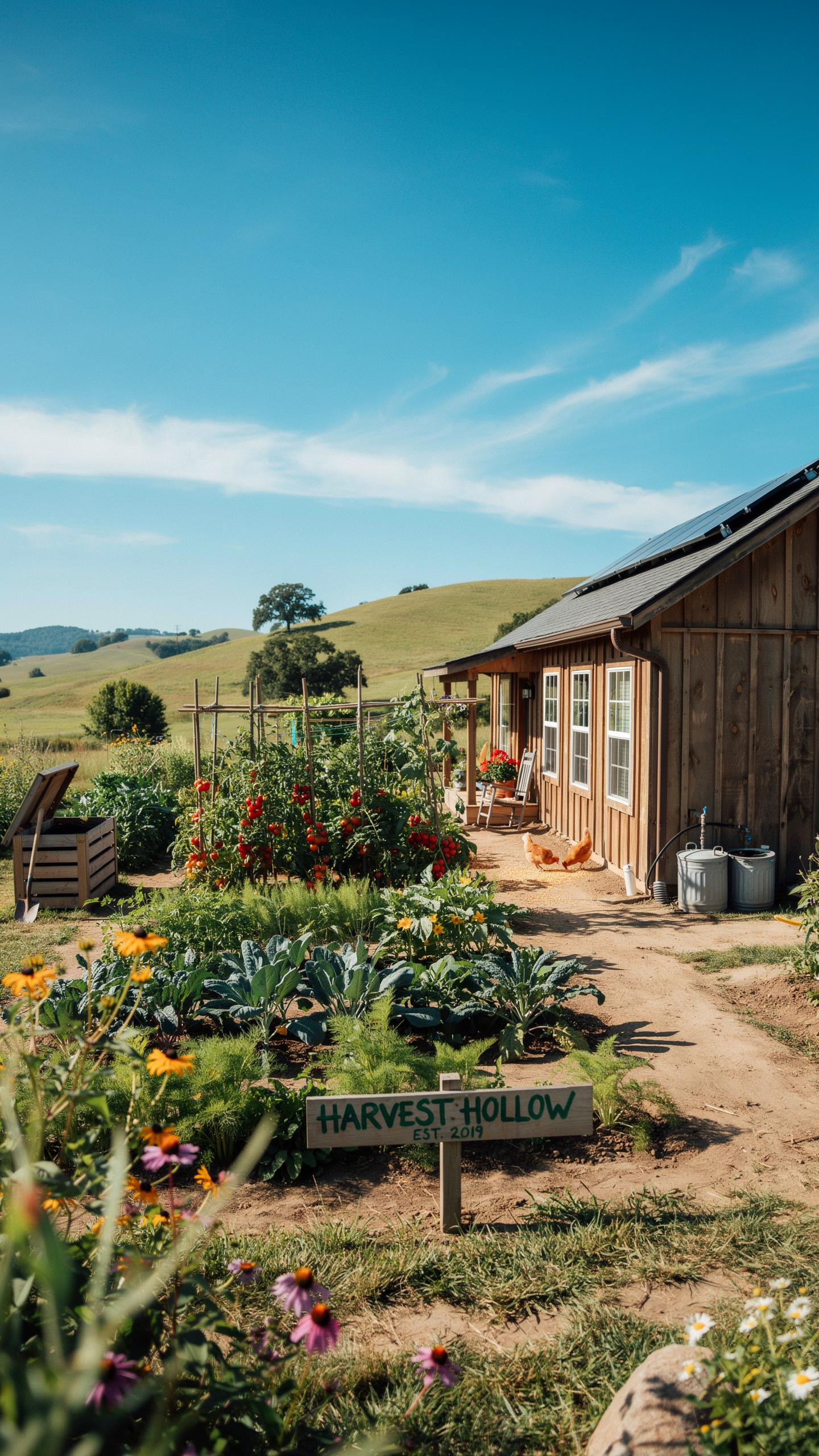
Rotational grazing moves animals between paddocks on a fixed schedule instead of letting them graze one area continuously. This method prevents overgrazing, allows forage to recover, and breaks parasite lifecycles since animals rotate away before larvae mature. On limited acreage, dividing one acre into four to six paddocks using temporary fencing creates enough recovery time between grazing periods.
The math works because animals consume forage faster than it grows. Moving them every three to seven days forces them to eat available vegetation evenly while giving plants time to regrow. Parasite eggs and larvae die without a host present long enough for development. This system yields more total forage per acre than continuous grazing on the same homestead land.
Multi Species Integration Strategies
Different animal species eat different vegetation and control different pests when managed together or in sequence. Running cattle first, then chickens, then sheep maximizes feed conversion and reduces manual pest control. Each species targets what the previous one left behind, eliminating waste and breaking pest reproduction cycles naturally without chemicals or extra labor.
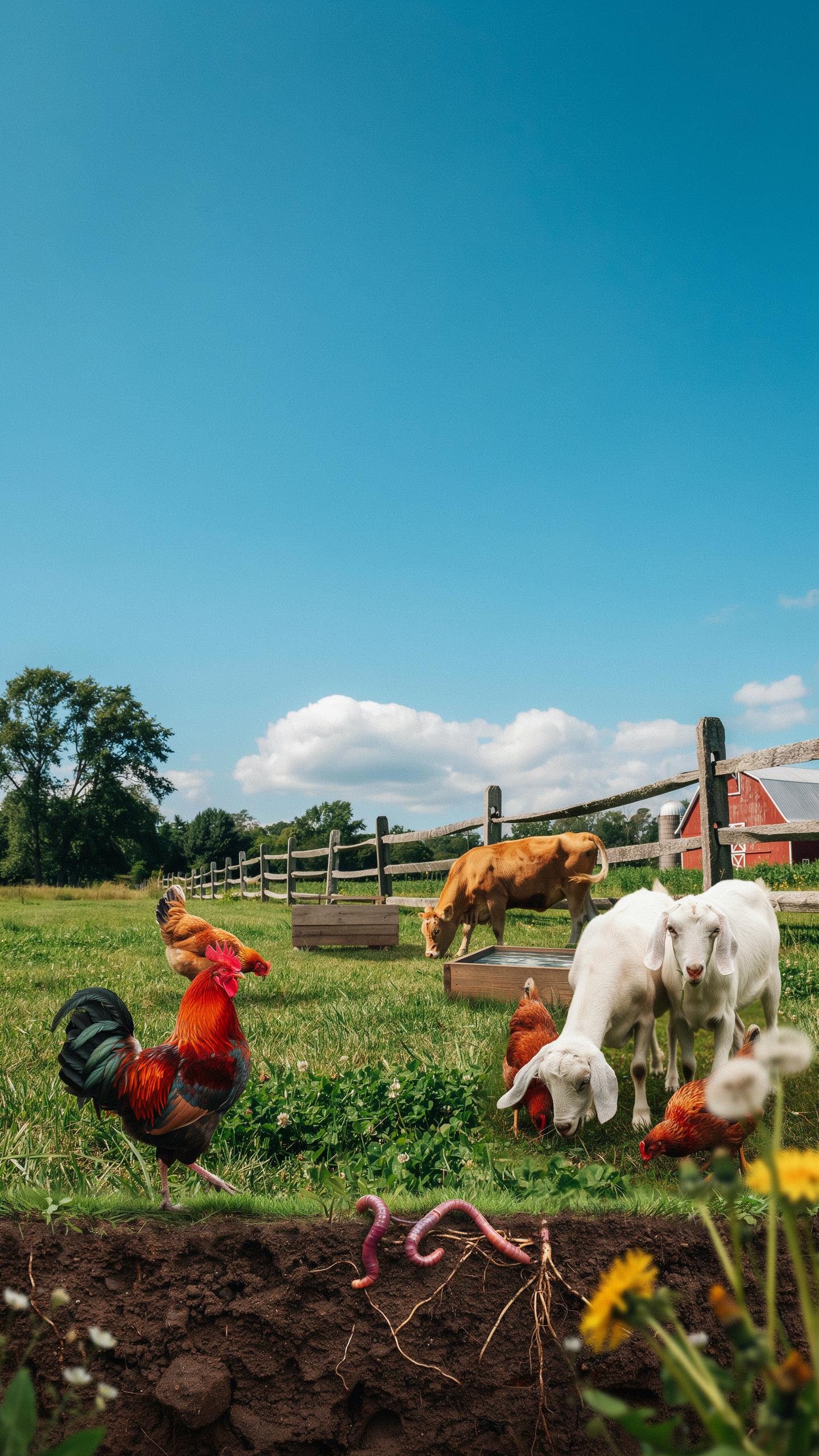
- Chickens behind cattle: Chickens consume fly larvae, parasitic worms, and insects in fresh manure within days of cattle grazing, preventing pest population buildup on pasture areas.
- Sheep or goats on brush: These species consume woody plants, weeds, and vegetation cattle ignore, clearing land that cattle cannot graze while producing meat or fiber.
- Pigs in preparation zones: Pigs till soil, consume grubs and roots, and clear forest undergrowth in designated areas before replanting or seasonal crop rotation cycles.
- Sequential timing: Moving animals through the same area in planned order instead of simultaneously reduces competition and allows each species to consume appropriate forage.
- Manure distribution: Multiple species deposit nutrients across paddocks unevenly, requiring rotational planning to prevent soil depletion in overgrazed sections.

This integrated approach reduces acreage needed to support livestock while cutting feed costs and labor. One acre feeds more animals using species integration than single species grazing because different animals utilize the same land more completely and efficiently.
Choosing The Best Animals For Small Homestead Needs
Evaluating Dual Purpose Breeds
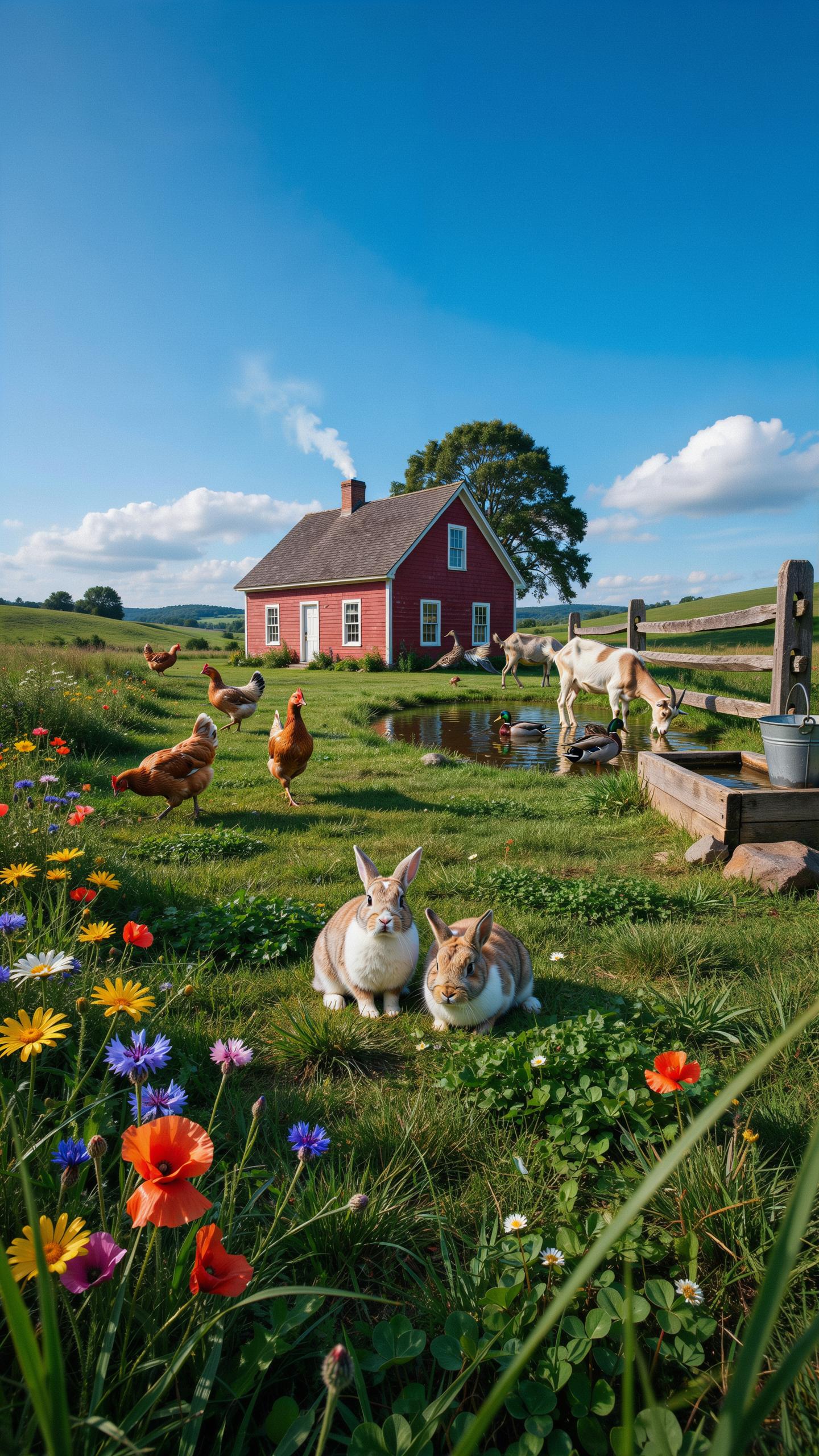
Dual-purpose breeds deliver two outputs from one animal, maximizing returns on limited land and resources. Chickens like Rhode Island Reds produce both eggs and meat. Goats provide milk and eventually meat. Rabbits yield meat and fur. These breeds evolved to serve homesteads, not industrial operations. They survive on diverse diets and adapt to variable conditions. Choosing them eliminates the need to maintain separate flocks for different purposes.
The economics work in your favor with dual-purpose animals. You reduce feed costs by supporting fewer total animals. Housing requirements drop significantly. Labor demands decrease because you manage one population instead of two. Culling becomes straightforward: animals past peak production convert to meat. This cycle maintains herd health and productivity without waste.
Factoring Feed To Yield Ratios
Feed conversion efficiency determines your actual food output per dollar spent on grain and forage. Chickens convert feed to protein fastest, typically requiring two to three pounds of feed per pound of meat or eggs produced. Rabbits achieve similar ratios and consume less total volume. Goats and sheep require higher total feed input but produce milk, meat, and fiber simultaneously. Calculate your specific costs by tracking consumption and output over time. This data reveals which animals truly pay for themselves on your operation.

Poor feed-to-yield ratios drain homestead budgets quickly. An animal consuming abundant feed while producing minimal output becomes a liability, not an asset. Compare potential animals by their documented conversion rates and your local forage availability. Animals suited to your climate and existing feed sources outperform exotic breeds requiring expensive supplemental grain. Pasture-based systems improve ratios dramatically compared to grain-dependent models. Choose animals that thrive on what your land naturally produces.
Selecting Small Homestead Animals For Rapid Returns
Coturnix Quail: The Fast Growing Alternative
Coturnix quail mature to egg-laying age in six weeks. They require minimal space, roughly one square foot per bird in a hutch. Feed costs run low because they eat standard poultry feed and kitchen scraps. Eggs arrive quickly, and meat production follows without extended waiting periods.
Each hen produces 200 to 300 eggs annually despite their small size. Cold manure from quail goes directly into garden beds without composting delay. A small flock of 12 birds generates consistent protein in tight spaces where larger poultry won’t fit.
Meat Rabbits: High Yield Backyard Protein
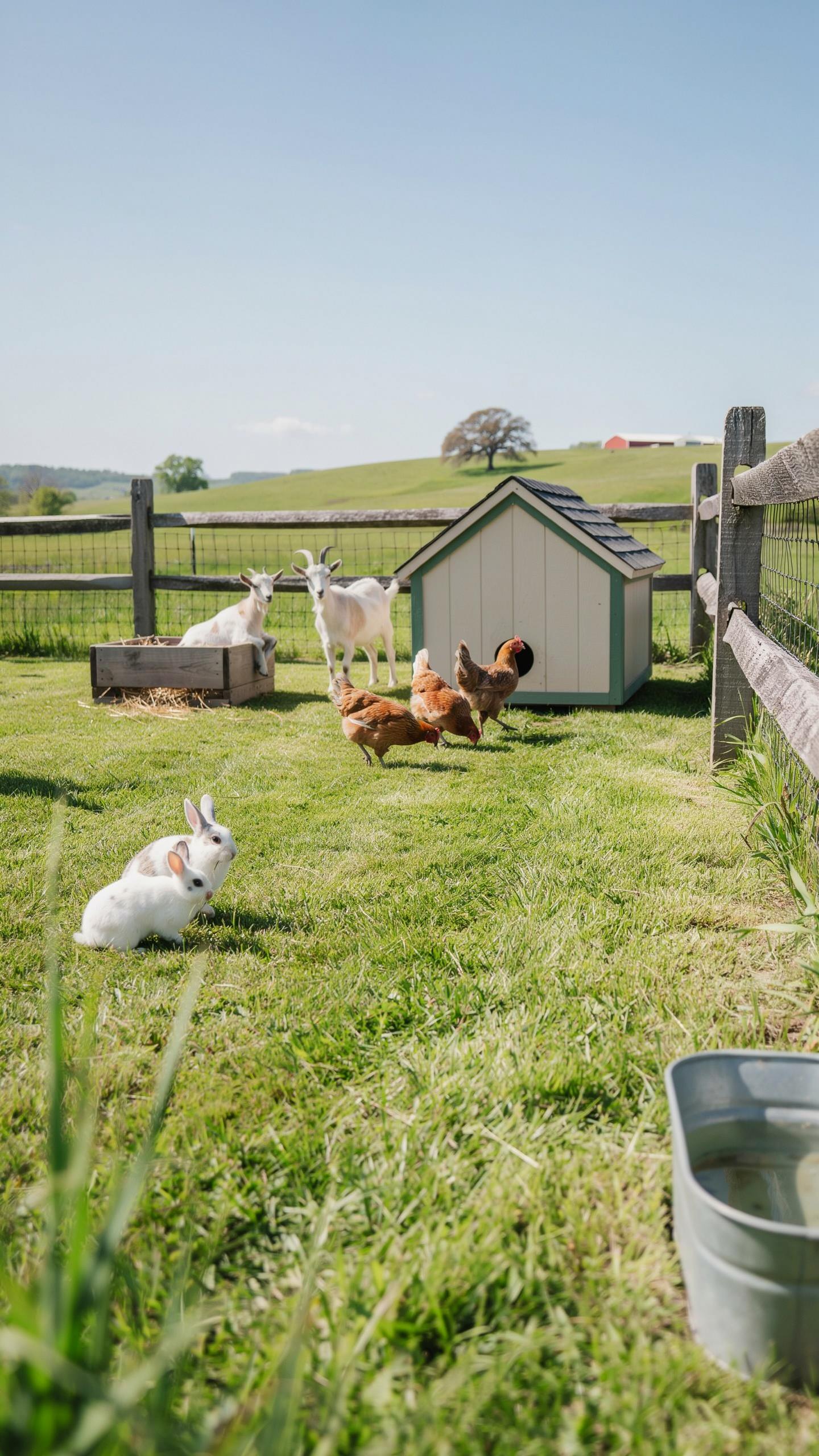
Rabbits reach meat weight in 8 to 12 weeks from birth. They reproduce every 31 days, creating multiple production cycles per year. Feed conversion efficiency beats chickens and larger livestock significantly. One doe and buck produce enough meat for a family with room to spare.

Rabbit manure contains high nitrogen and requires no aging before garden application. They consume forage, vegetable scraps, and hay, reducing overall feed expenses. Their cold droppings improve soil structure while providing immediate fertility without burn risk.
Essential Homestead Livestock For Dairy And Fiber
Dairy Goats: The Small Scale Milk Source
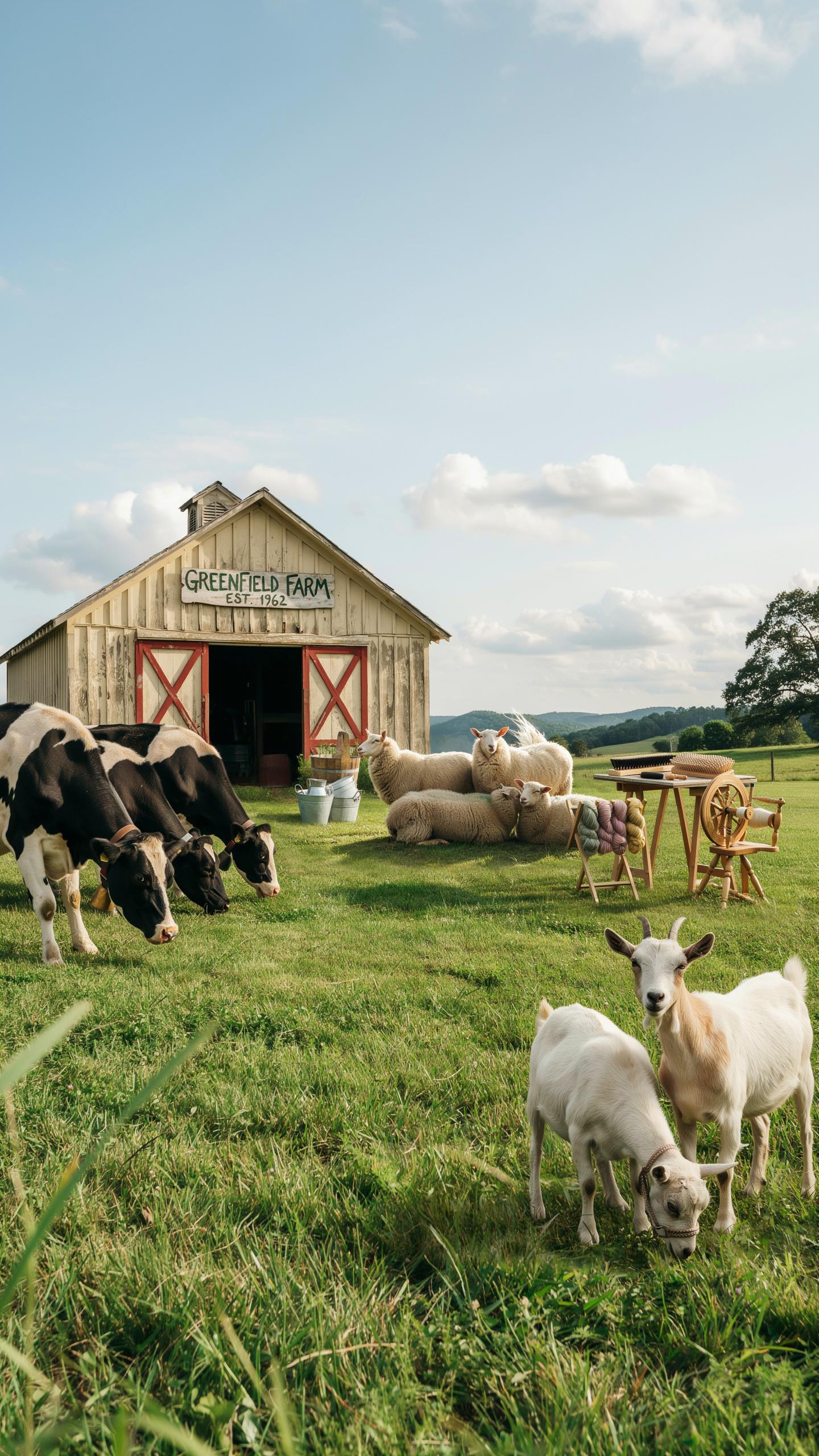
Dairy goats produce 1 to 2 gallons of milk daily per animal, making them practical for homestead cheese and yogurt production. They require less feed than dairy cows, handle marginal pasture effectively, and eat brush and weeds other livestock reject. Their smaller size means easier handling and lower infrastructure costs for shelter and milking equipment.
Dairy goat breeds like Alpine, Saanen, and Nigerian Dwarf each offer different milk volumes and butterfat percentages. Most dairy goats reach production age within one year, providing faster returns than cattle. You need basic milking equipment, secure shelter, and clean water access to manage them successfully on a homestead operation.
Fiber Sheep: Double Duty Homesteaders
Shetland and Jacob sheep produce marketable wool while controlling brush and grass on marginal land. These breeds yield fiber suitable for hand spinning and cottage textile production without requiring specialist processing. Sheep generate revenue through wool sales while simultaneously improving pasture management through natural grazing patterns.

Fiber sheep integrate into homestead systems because they require minimal grain supplementation and thrive on pasture alone in most climates. Shearing occurs once yearly, producing 5 to 10 pounds of raw fleece per animal depending on breed. Their dual function as land managers and fiber producers maximizes resource efficiency on limited homestead acreage.
The Role Of Traditional Homesteading Animals In Soil Health
Composting And Manure Management
Livestock manure is the fastest way to build soil organic matter on your homestead. Fresh manure from chickens, cattle, and goats contains nitrogen, phosphorus, and potassium your vegetables need. Active composting breaks down manure safely, killing pathogens and weed seeds while creating finished compost in 4 to 6 months with proper pile management and turning.
Spread finished compost on garden beds to increase water retention and nutrient availability. One mature cow produces roughly 50 pounds of manure daily. Over one year, that translates to thousands of pounds of organic matter you can recycle directly into your soil instead of buying commercial fertilizer. This cycle cuts input costs and closes your homestead’s nutrient loop.
Pigs As Natural Tillers
Pigs root and dig instinctively, turning soil 8 to 12 inches deep as they search for grubs, roots, and insects. Rotational pig paddocks break up compacted ground, eliminate stubborn root systems, and expose fresh soil without fuel-powered equipment. A small herd of pigs can prepare a quarter acre for planting in 2 to 3 weeks through their natural foraging behavior.

Confine pigs to specific areas using portable fencing to direct their soil work where you need it most. Their disturbance aerates soil and incorporates organic matter simultaneously. After pigs leave a paddock, plant immediately to capitalize on freshly prepared ground. This method works especially well for reclaiming overgrown pasture or breaking in new garden space without hiring equipment or spending fuel money.
Integrating Homestead Animals Into Your Daily Routine
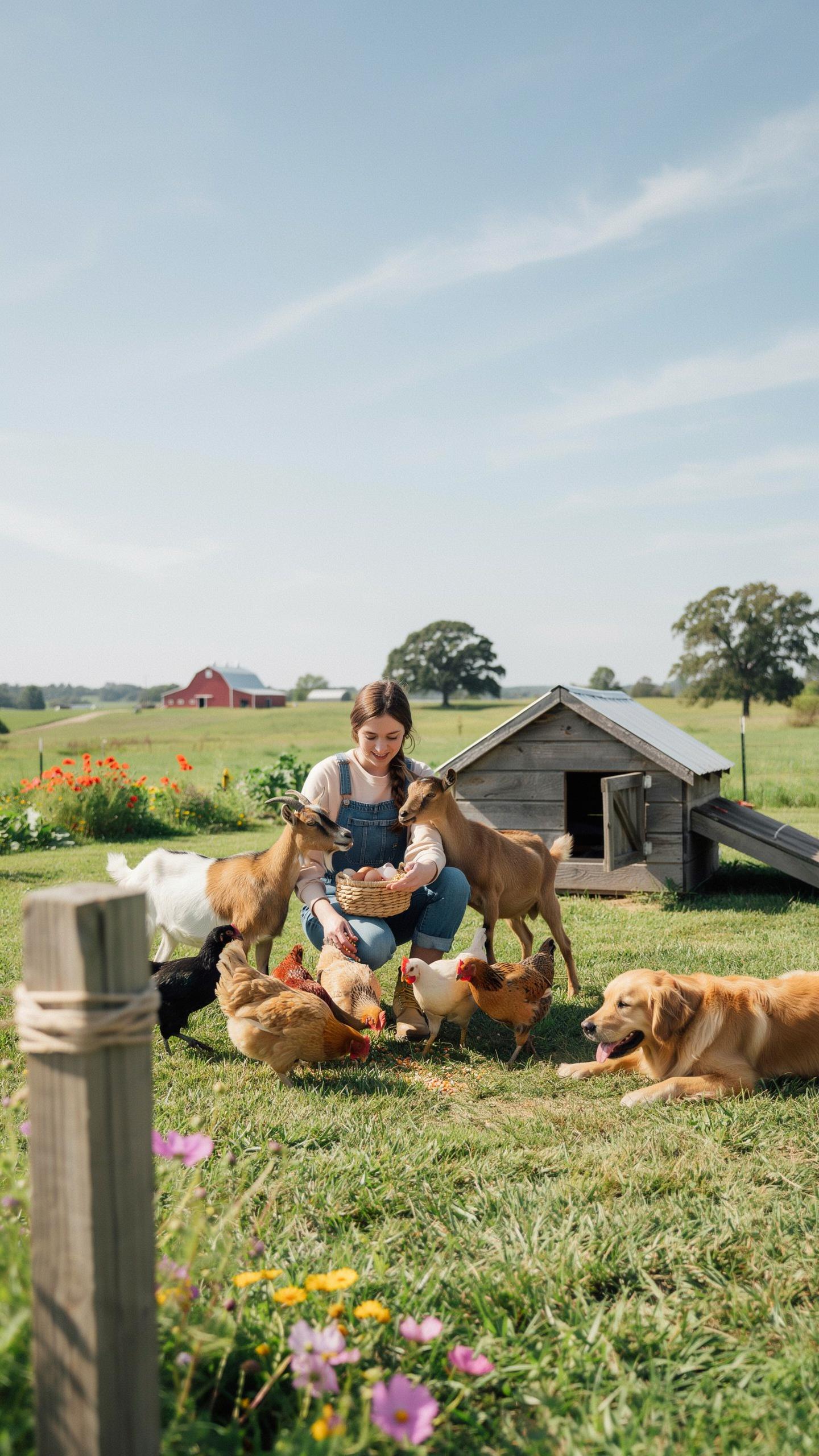
Daily Weekly And Monthly Chores Checklist
Animal care operates on a non negotiable schedule. Miss one feeding and productivity drops. Skip water changes and animals get sick. You establish a rigid system now or you pay in losses later. Consistency prevents emergency vet visits and keeps production steady.
- Daily tasks: Fresh water supply, health assessment of each animal, egg collection from nest boxes, and measured feeding according to species requirements and age groups.
- Weekly tasks: Complete bedding cleanout in shelters and coops, refresh nesting box materials, inspect all fencing for breaches or damage that predators exploit.
- Monthly tasks: Check hooves for overgrowth or infection, dust nesting boxes to control mites and parasites, inventory medicine cabinet and replace expired treatments.
- Seasonal adjustments: Modify water systems for freezing temperatures, increase hay rations in winter, prepare shelter insulation before cold months arrive.
- Record keeping: Document feeding amounts, health issues, breeding dates, and production metrics to identify problems before they become costly.
This checklist prevents small issues from becoming operational failures. Post it where you actually work. Track completion to catch gaps in your routine. Animals depend on predictability. Your schedule determines their survival rate and your farm’s profitability.
Watering Solutions For Winter Months
Freezing temperatures destroy standard watering systems. Ice blocks water access within hours, forcing animals to eat snow and disrupting their metabolic efficiency. You need active prevention strategies before temperatures drop. Standard buckets freeze solid in climates below 32 degrees Fahrenheit for sustained periods.

Heated bucket systems use electrical resistance elements to maintain water at 40 to 50 degrees Fahrenheit. Stock tank de-icers float in large tanks and consume minimal electricity while preventing surface freezing. Sub surface bubblers circulate warm water from below, stopping ice formation effectively. Well insulated structures with buried supply lines delay freezing significantly. Choose your system based on herd size, available electricity, and climate severity in your region. Each method works. Your goal is selecting what fits your infrastructure and budget constraints.
Homestead Survival Self Sufficiency And Emergency Prep
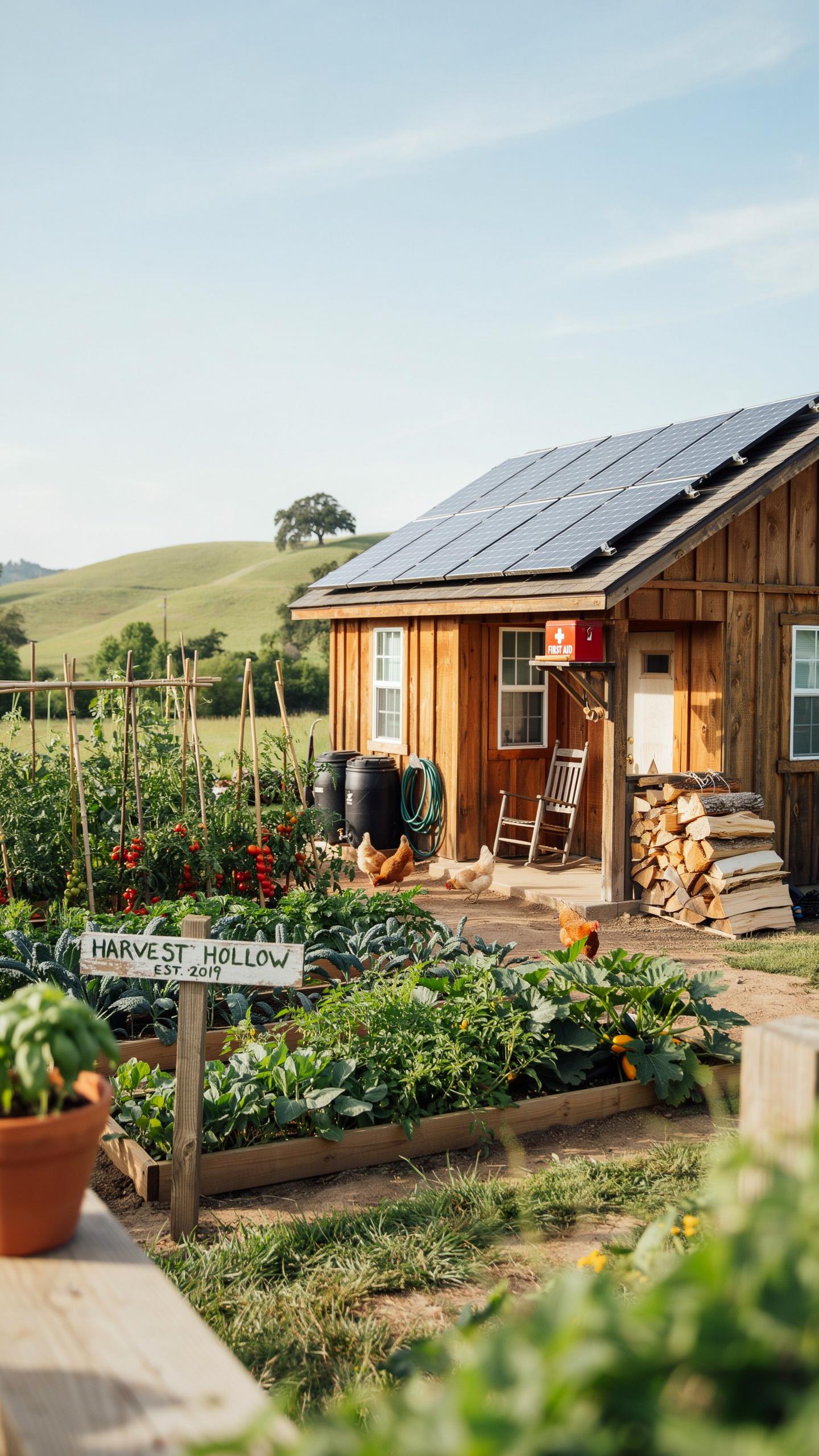
Securing Feed And Vet Supply Reserves
Store grain in food-grade containers with tight seals to prevent moisture and pest infiltration. Most grains remain viable for two to three years when kept dry and cool. Calculate your herd’s daily consumption needs and multiply by at least ninety days for baseline reserve quantities. Rotate stock regularly by using older supplies first and replacing with fresh stock immediately.
Mineral supplements prevent deficiencies that compromise herd health during supply disruptions. Keep salt blocks, trace mineral mixes, and any breed-specific supplements on hand in separate storage areas. Basic veterinary supplies should include wound dressing materials, antibiotics approved for livestock use in your region, anti-parasitic treatments, and electrolyte solutions. Store all medications according to label instructions, noting expiration dates and replacing expired products quarterly.
Off Grid Stock Watering Systems
Gravity fed systems move water downhill from elevated storage tanks without requiring electricity. Install tanks on hillsides or build elevated platforms to create natural pressure. These systems deliver consistent flow and operate during grid failures. Size your tank capacity to hold at least three to five days of water for your entire herd based on species and season.
Solar powered submersible pumps move water from wells or cisterns into elevated storage tanks. These systems work independently from grid power and function on cloudy days with reduced output. Install backup hand pumps as redundancy for pump failures. Passive water catchments from roof runoff and collected rainwater provide supplementary supplies during wet seasons and reduce daily pumping demands significantly.
Frequently Asked Questions

Which animals are best for a beginner starting with homestead self sufficiency livestock basics?
For those just beginning their journey, chickens and rabbits are the ideal starting point. Chickens provide a consistent supply of fresh eggs and natural fertilizer, while rabbits are efficient meat producers that require minimal space. Mastering these homestead self sufficiency livestock basics allows you to build confidence in animal husbandry and waste management before graduating to larger, more demanding animals like goats or pigs which require complex fencing and advanced care.
How do I manage diverse livestock needs on a small acreage?
Successful integration requires thoughtful infrastructure and rotational grazing. You should design multi-functional enclosures that allow different species to utilize the same land at different times, reducing parasite loads and maximizing pasture health. Proper planning in these homestead self sufficiency livestock basics ensures that your soil remains fertile and your animals stay healthy, creating a sustainable closed-loop system where each animal contributes to the overall productivity of your home landscape.
Is it possible to raise livestock on a very tight budget?
Absolutely, you can minimize costs by starting small and sourcing materials creatively. Using recycled pallets for housing, purchasing feed in bulk from local mills, and choosing heritage breeds known for their foraging abilities can significantly lower overhead. By focusing on the essential homestead self sufficiency livestock basics, you can prioritize animal health and security without overspending on high-end gadgets, making a self-reliant lifestyle accessible even for those with limited financial resources.