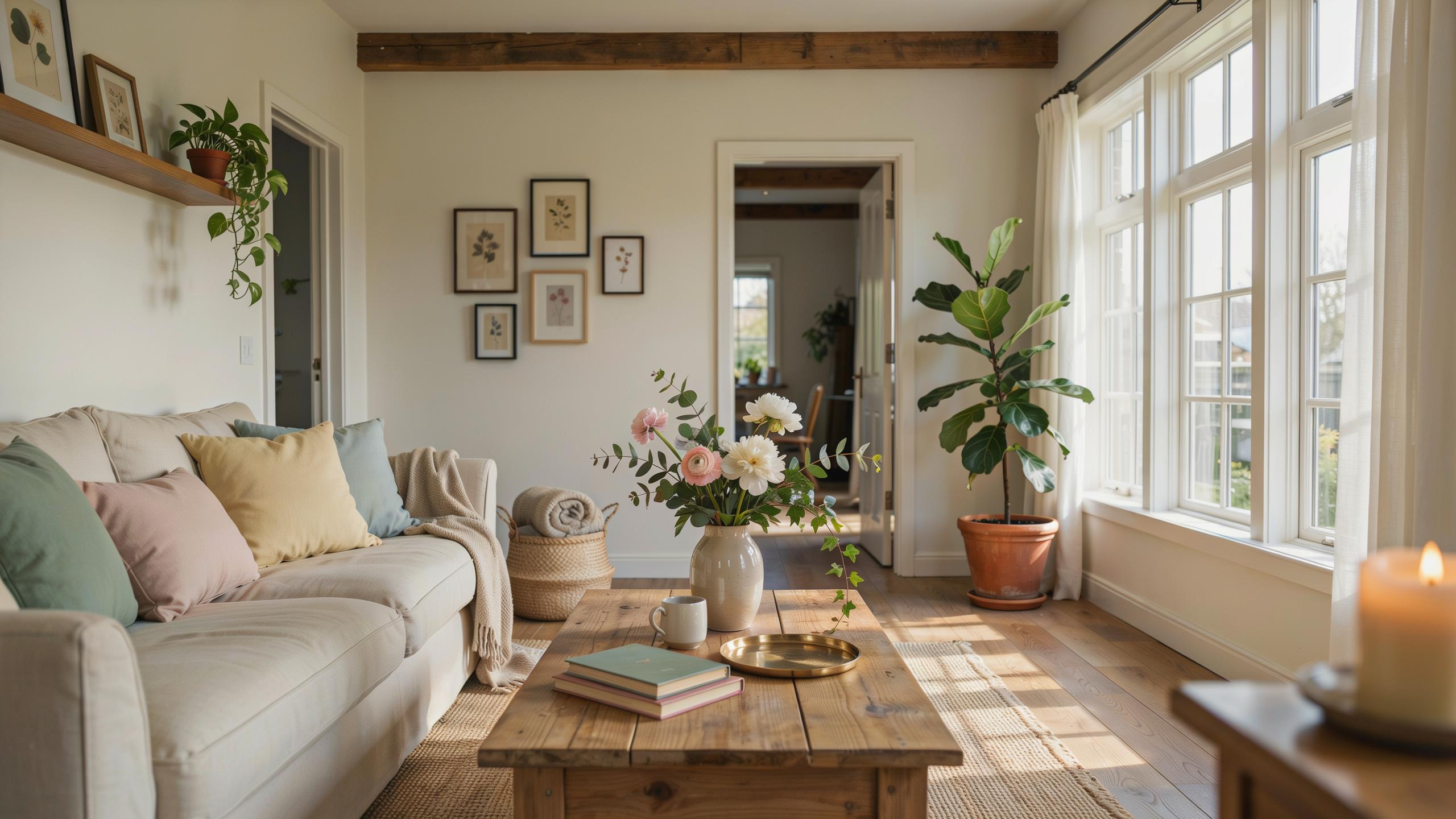
Embracing The Modern Farmhouse Living Room Aesthetic
Defining The Modern Paradigm
Modern farmhouse design merges industrial minimalism with rural building traditions. The style strips away ornamental details and emphasizes function. Reclaimed wood, concrete, and matte black metals form the structural backbone. Neutral palettes of white, gray, and beige dominate walls and large furniture pieces. Open floor plans maximize natural light flow and reduce visual clutter. This approach works because it eliminates distraction while maintaining warmth through material selection.
The core principle centers on honest materials and purposeful arrangement. Designers position seating to face windows and natural light sources. Furniture sits low and streamlined, avoiding heavy Victorian or ornate details. Negative space becomes a design tool, not wasted area. Storage integrates into walls or uses simple wooden cabinetry. The result feels both current and grounded in practical construction methods.
Balancing Clean Lines And Cozy Textures
Modern farmhouse requires textural contrast to avoid sterile, cold interiors. Low-profile sofas with tight upholstery pair with layered textures like chunky knit throws and woven baskets. Rough-hewn wooden tables introduce surface variation and tactile interest. Linen and burlap fabrics add soft, natural elements. Metal accents provide industrial counterpoints. This combination prevents the space from feeling either too minimal or too cluttered.
Texture strategy solves a practical problem: modern design can feel uninviting without sensory elements. Chunky woven pieces invite touch and use. Raw wood surfaces show age and patina, reducing the need for accessory clutter. Layered textiles create visual depth on neutral furniture. Matte finishes minimize glare while rough surfaces absorb light. These choices work together to make minimalist layouts feel habitable and warm.
Innovative Farmhouse Living Room Ideas For The New Season
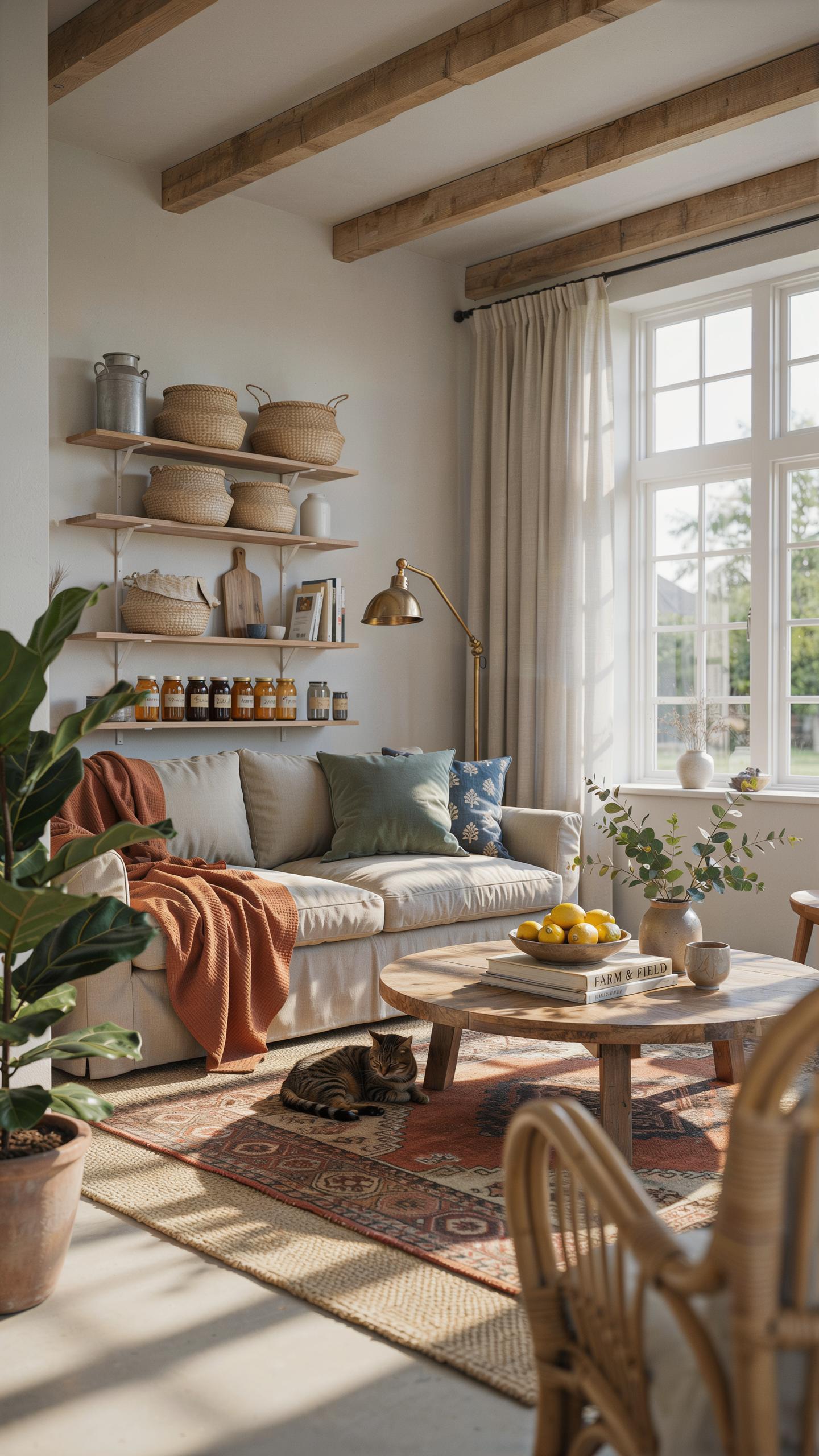
Seasonal Refresh With Textiles And Foliage
Swap heavy winter fabrics for linen slipcovers when seasons change. Linen breathes better than wool blends and adapts to temperature shifts. Raw stoneware vases work as containers for eucalyptus branches, which dry naturally over weeks without requiring water. This combination delivers functional decor that supports the farmhouse aesthetic without maintenance demands.
Light terracotta accents ground a room in earth tones that feel connected to agricultural roots. Place terracotta vessels on mantels or side tables to echo late-summer warmth. These pieces age visibly over time, developing character that matches farmhouse design principles. Rotate textiles and foliage quarterly to keep layouts fresh without major restructuring.
Zonal Layering In Open Floor Plans
Large jute area rugs define boundaries between conversation areas and circulation paths in open layouts. Position rugs to anchor furniture groups, signaling where activities occur. Console tables placed behind sofas create visual barriers without walls, separating living zones from dining or kitchen spaces. This strategy maximizes usable square footage while maintaining distinct functional areas.
Reading nooks require statement lighting to function as defined zones. Floor lamps with exposed metal frames or pendant lights positioned over chairs signal purpose and draw eyes to specific spots. Combine lighting with a side table and textured throw to complete the nook. Zonal layering preserves open floor plan benefits while organizing traffic flow and activity types.
Crafting A Warm And Inviting Modern Rustic Living Room
Integrating Exposed Wood Elements And Stone
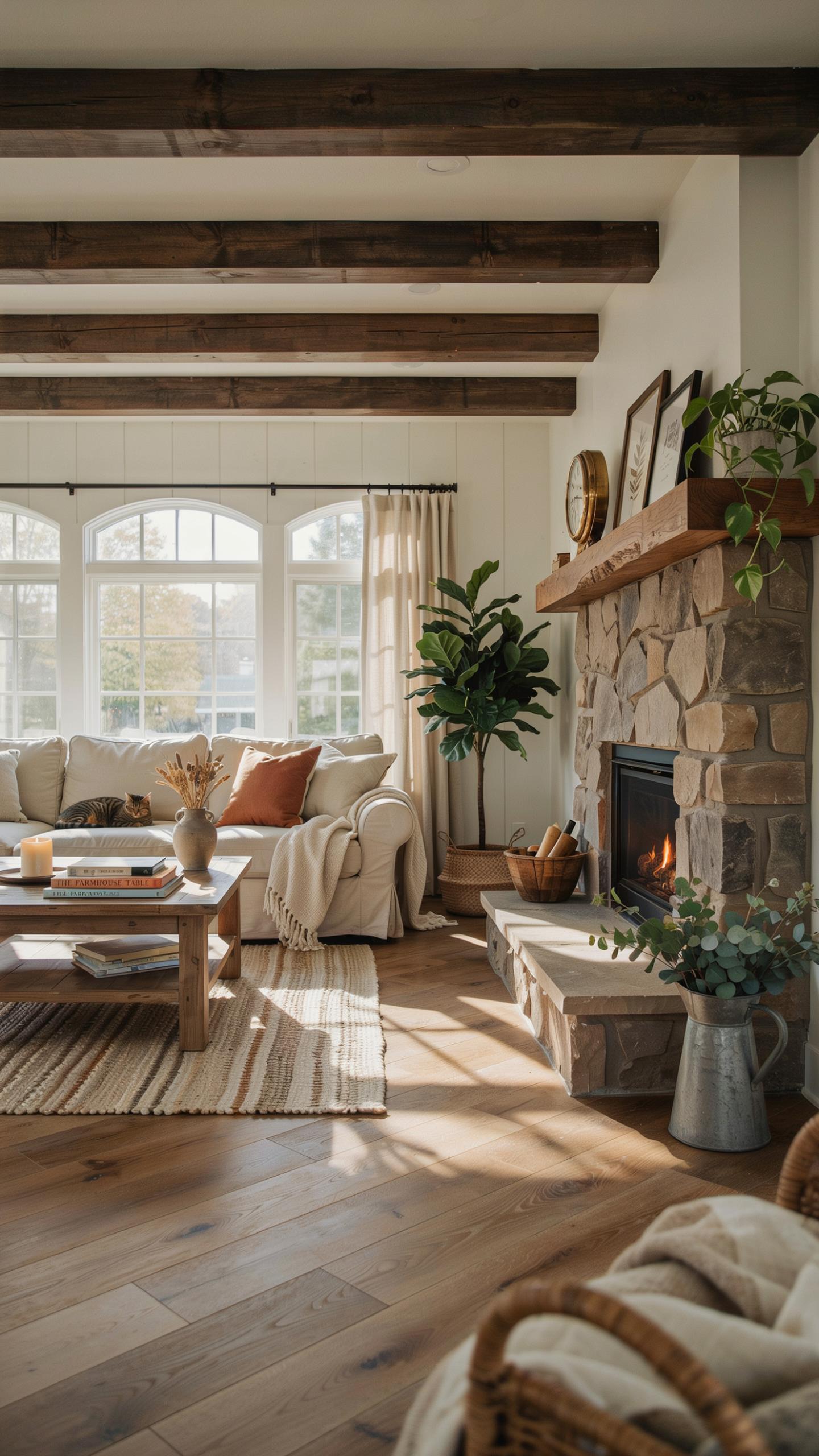
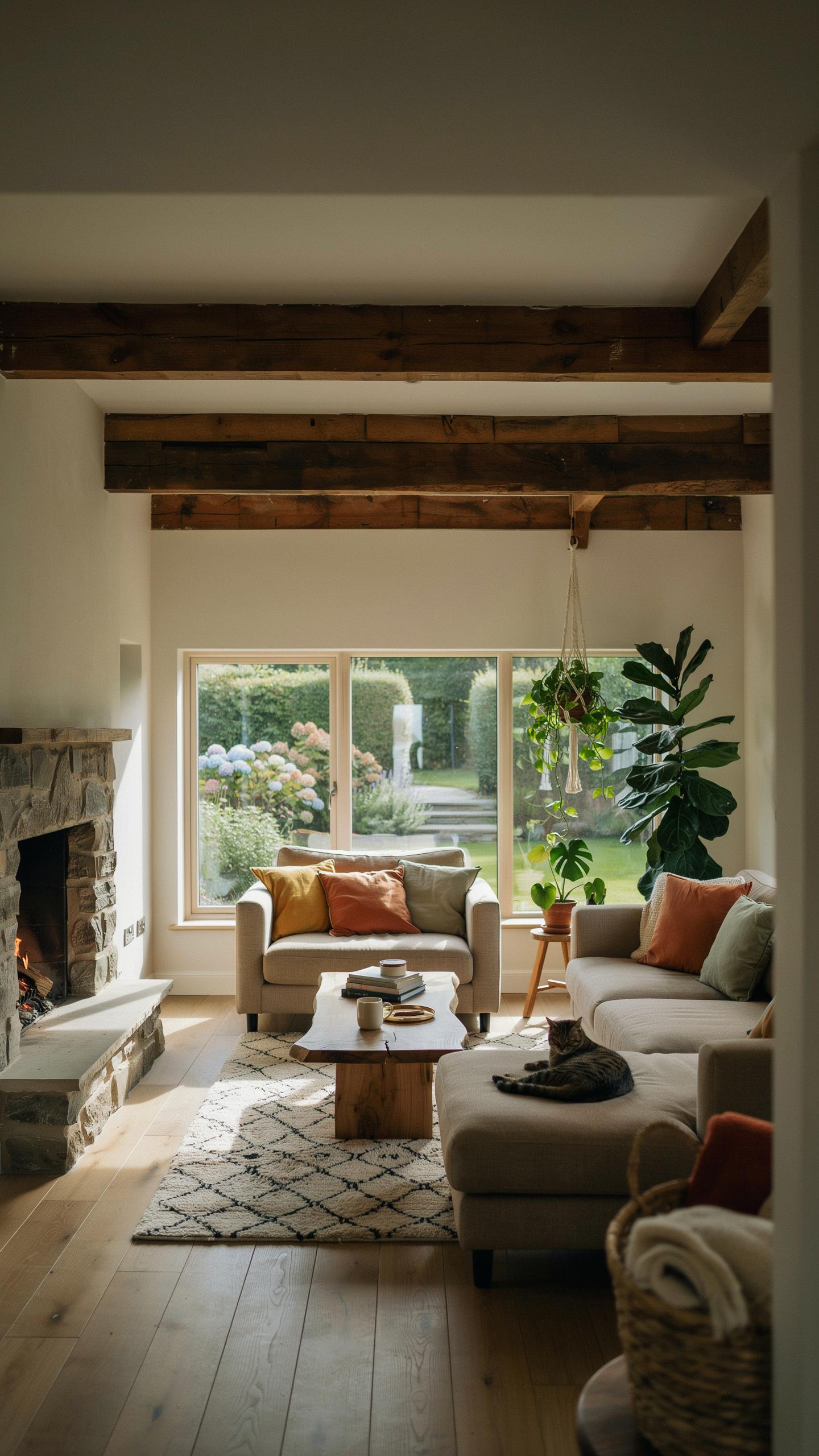
Exposed ceiling beams anchor modern rustic spaces. Use Douglas fir or pine for authentic construction appeal. These materials span large room areas and draw the eye upward, creating visual height. Natural stone fireplaces serve as focal points that ground the layout. Position them on primary walls to organize furniture placement around them.
Stone fireplaces built from granite, limestone, or fieldstone provide thermal mass and durability. They require no additional finishing and age naturally over time. Pair exposed beams with stone to create cohesive visual weight throughout the room. This combination works in rooms with nine-foot or higher ceilings for maximum impact.
Selecting Earthy And Sophisticated Color Palettes
Warm cream walls replace stark white and reduce visual harshness in farmhouse spaces. Sage green accents introduce color depth without overwhelming the room. Charcoal tones ground the palette and add contrast against light walls. These colors work together to create a calm environment while maintaining rustic character and visual sophistication.
Layer these colors through wall paint, upholstered furniture, and textiles. Cream forms your base, sage appears in accent pieces, and charcoal anchors darker elements like trim or large furniture. Test paint samples on walls for two weeks before committing. This palette remains timeless and doesn’t follow trending colors that fade quickly.
Chic Farmhouse Lounge Ideas For Relaxation And Socializing
Designing Conversation Friendly Seating Groups
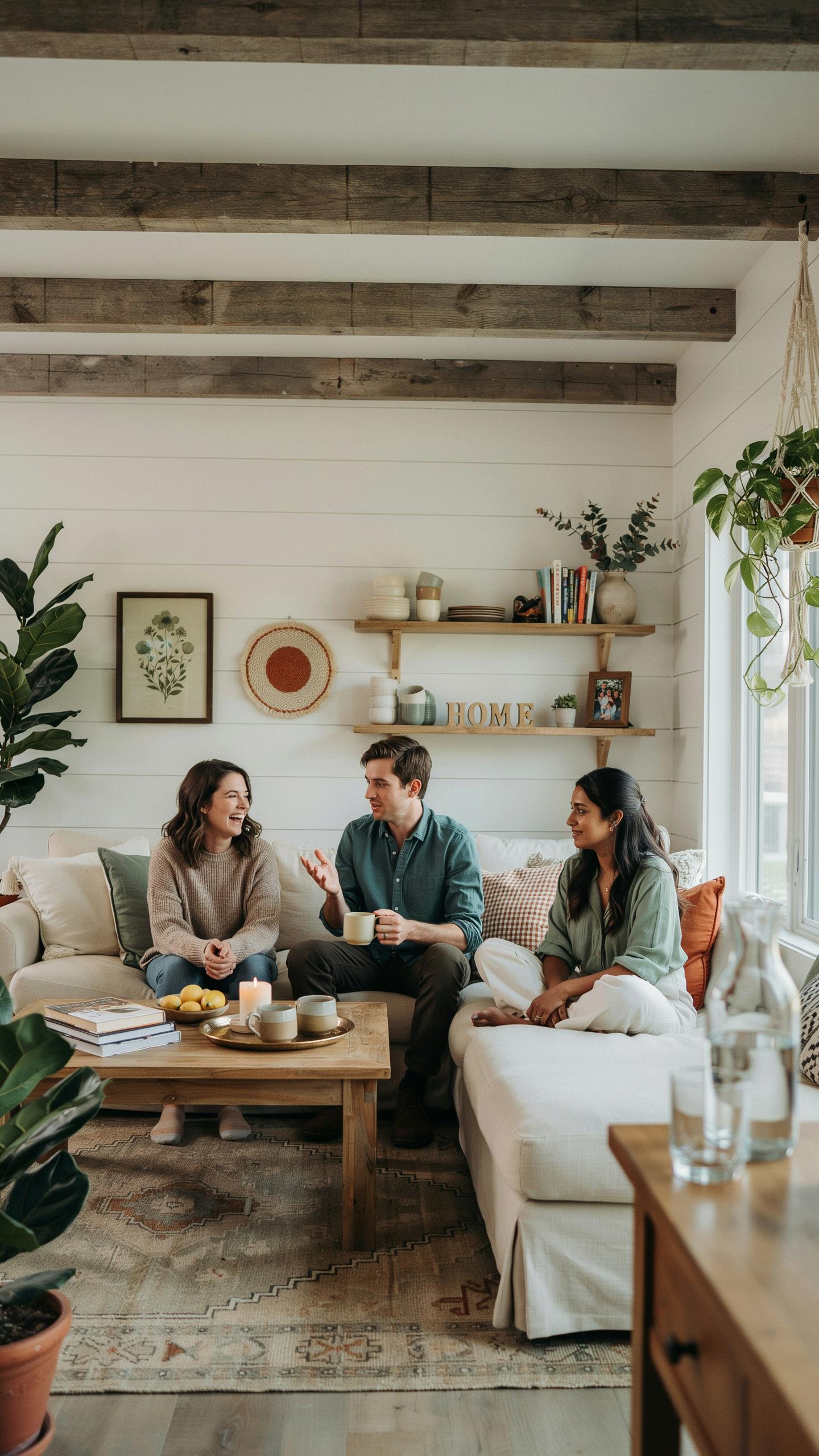
Position sofas and armchairs to face each other across a central coffee table. This setup naturally pulls people into dialogue without forcing interaction. Leave clear walkway space around the perimeter. Traffic flow prevents the room from feeling cramped. The goal is functional arrangement that supports movement and conversation simultaneously.
The distance between seat faces matters. Aim for four to six feet between opposing pieces. This range lets people speak without raising their voices or feeling invaded. Avoid pushing all seating against walls. That layout isolates people rather than connecting them. Farmhouse style prioritizes togetherness, so furniture placement must reinforce that intent.
The best rooms also have something to say about the people who live in them. Let your home tell a story of comfort and grace as you embrace the new season’s light.
Creating A Cozy Fireplace Hearth Focal Point
Arrange seating in a semi circle facing the fireplace. This configuration makes the hearth the visual anchor of the room. Fill the fireplace opening with birch logs or stack wood visibly nearby. Add ceramic jugs or metal vessels beside the hearth opening. These elements signal the fireplace as a functional gathering point, not just decoration.
The semi circle keeps sightlines open toward the fire. People seated this way naturally interact while watching the flames. Position the primary seating no more than eight feet from the fireplace opening. Closer proximity increases warmth and intimacy. Farmhouse design roots itself in the hearth as the room’s organizing principle. Your layout should respect that historical purpose.
Essential Farmhouse Living Room Furniture Ideas To Ground Your Layout
The Versatility Of The Neutral Sectional Sofa
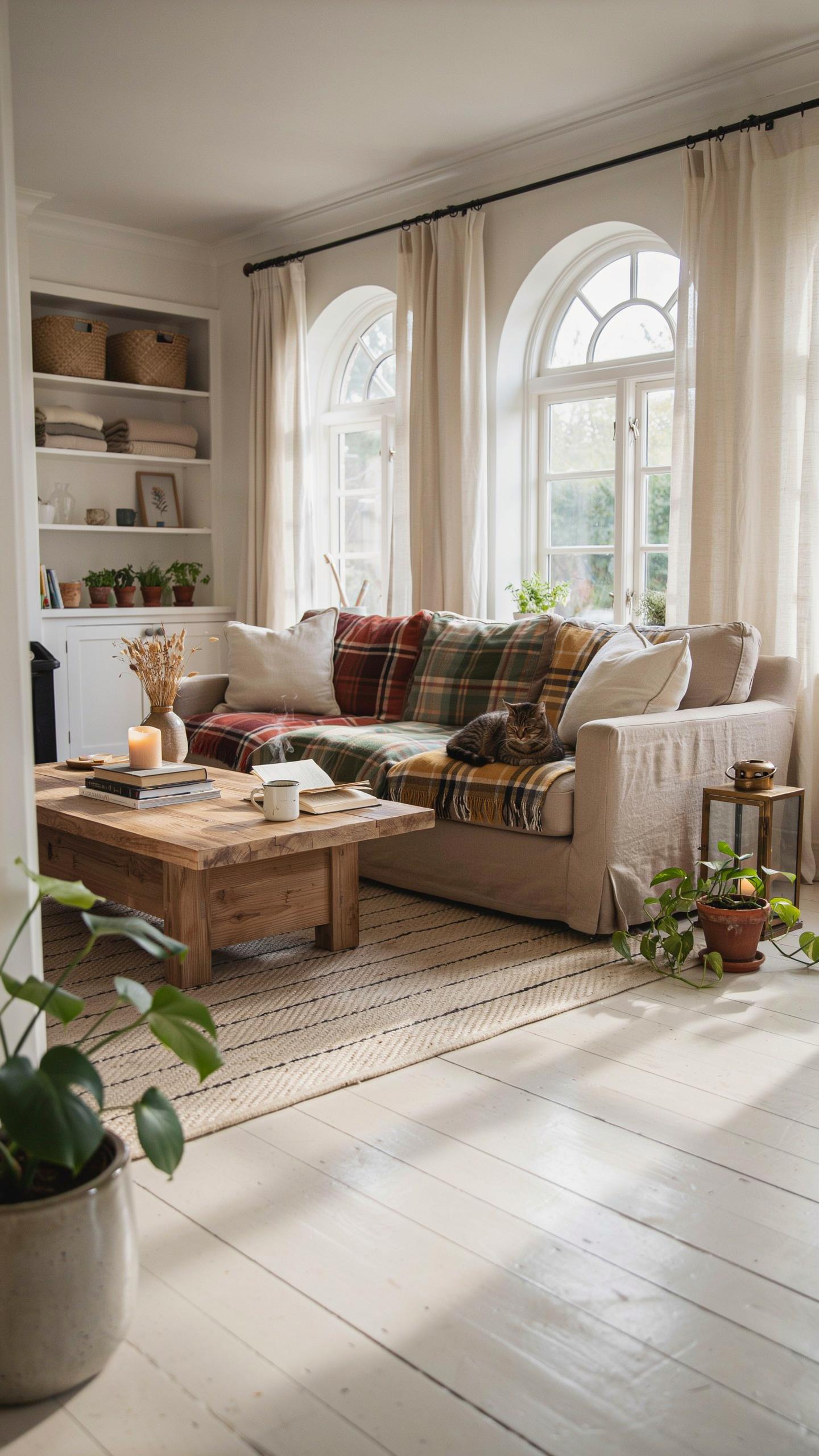
A deep-seated sectional in linen or canvas works as your room’s anchor. This piece handles heavy use and adapts to layout changes without looking dated. Slipcovered options let you swap fabrics seasonally or after spills, extending the sofa’s lifespan. Neutral tones pair with any accent colors you introduce later.
Sectionals provide seating flexibility that single sofas cannot match. Corner configurations suit awkward room shapes. L-shaped models divide large spaces into functional zones. You can rearrange sections as your family’s needs shift. This adaptability makes sectionals practical for farmhouse layouts that evolve over years.
Choosing Reclaimed Wood Coffee Tables And End Tables
Salvaged barn wood brings authentic history into your living room without forced styling. These tables show wear patterns from previous use, adding depth that new wood cannot replicate. Minor imperfections like knots and grain variations are features, not flaws. Real reclaimed wood costs more than reproductions but lasts through decades of daily family activity.

Reclaimed wood tables anchor conversation areas and provide functional surface space for remotes and drinks. The material’s durability handles the demands of active households. Wood grain and color variations from different barns create unique pieces that mass-produced furniture cannot offer. This authenticity defines farmhouse design more effectively than uniform finishes.
Curating Key Modern Farmhouse Living Room Furniture Ideas
Sleek Metal And Wood Media Consoles
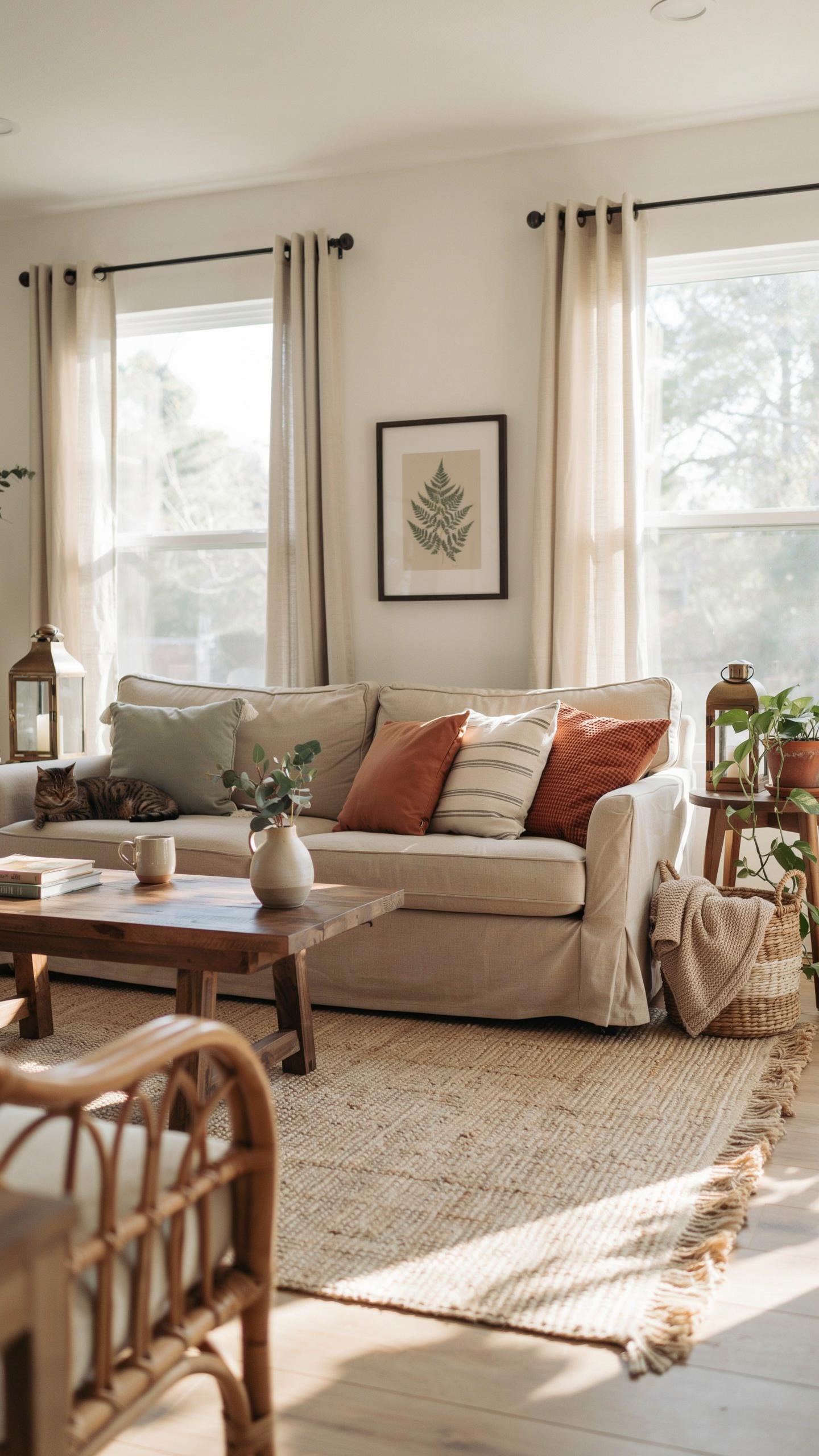
Industrial steel frames paired with oak shelving create functional media storage that handles modern equipment without visual clutter. The metal framework provides structural support while warm wood tones maintain the farmhouse aesthetic. This combination keeps electronics organized and accessible while hiding cables behind solid panels or within the console structure.
Steel and wood consoles work because they solve a real problem: farmhouse layouts need to accommodate televisions and streaming devices without sacrificing design integrity. The contrast between cold metal and warm wood creates visual interest while the solid construction supports heavier equipment. Opt for consoles with closed storage to conceal power strips, cables, and devices completely from view.
Top Accent Chairs For Your Layout
Statement seating anchors your layout and provides functional comfort in high-traffic areas. The right accent chair defines a conversation zone, fills empty corners, or creates a reading nook. Choosing durable materials and classic silhouettes ensures your selection works within the farmhouse framework for years without trending out.
- Leather Slingback Chairs: Supple leather construction with modern angular frames brings contemporary lines to farmhouse spaces. The material ages well and resists staining from daily use.
- Classic Wingback Chairs: Upholstered in ticking stripe fabric, these chairs reference traditional farmhouse design. The high back provides visual weight and sound absorption in open layouts.
- Hand Woven Rattan Armchairs: Natural rattan frames with linen cushions add organic texture without visual heaviness. The breathable construction suits warm season living and pairs with neutral color palettes.
- Upholstered Club Chairs: Low profile seating in solid linen or canvas creates a casual gathering point. Square proportions anchor furniture groups and define seating areas effectively.
- Reclaimed Wood Frame Chairs: Chairs built from salvaged timber connect to farmhouse heritage and sustainability principles. Pair with neutral cushions to let the wood grain remain the visual focal point.
Accent chairs must balance scale with your existing layout proportions. A chair that dwarfs side tables or blocks sight lines creates layout problems rather than solving them. Measure doorways and furniture arrangements before selecting pieces to ensure proper fit and traffic flow throughout your space.
Inspiring Modern Farmhouse Living Room Ideas For Open Concept Living
Defining Transitional Spaces Seamlessly
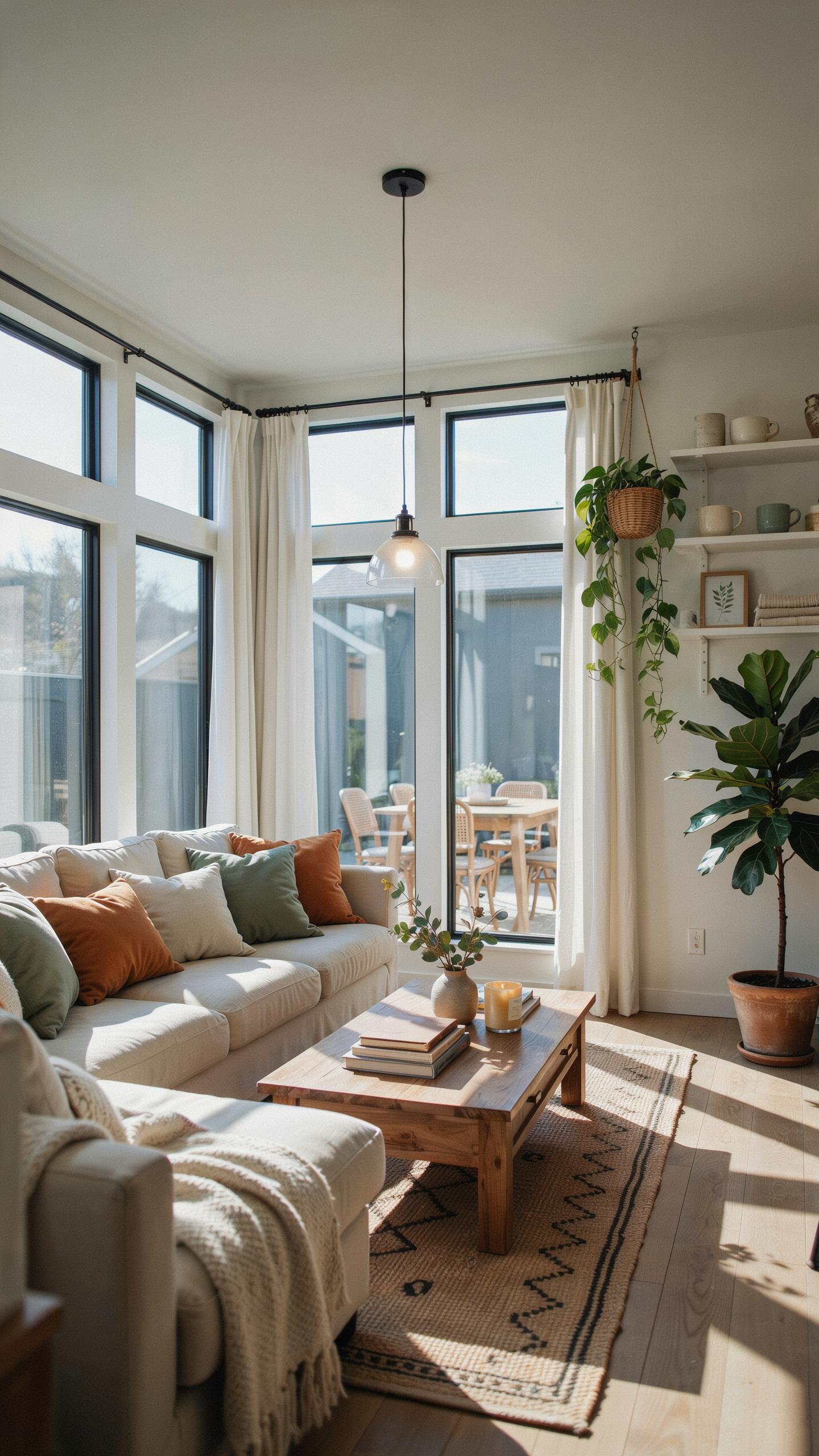
Open-concept living demands strategic furniture placement to create functional zones without walls. Position your sofa with its back facing the dining area to establish a clear boundary between the media zone and eating space. This arrangement signals purpose and movement patterns without blocking sightlines. Anchor your seating with a console table behind the sofa to reinforce the division and add storage or display surface.
Coffee tables and ottomans further reinforce zone separation through strategic placement. These pieces create invisible perimeters that guide foot traffic naturally through your space. Align major furniture pieces perpendicular to walkways to establish logical divisions. This method preserves the openness of your layout while delivering the functional separation that open-concept living requires for everyday usability.
Utilizing Cohesive Flooring And Area Rugs
Engineered hardwood flooring provides the consistent visual foundation that ties open-concept spaces together. Choose a single species and finish across your entire living and dining area to create continuity and flow. This uniform base prevents visual fragmentation and makes your space feel larger and more intentional. The stability of engineered wood handles open-concept traffic patterns better than solid hardwood in these high-use areas.
Wool and sisal rugs anchor individual zones within your unified flooring plane. Place a large wool rug under your seating arrangement to define your media viewing area. Use a sisal rug to ground your dining table and chairs separately. These distinct textures and patterns create visual partitions that feel natural while maintaining the openness your layout demands.
How To Design Country Living Rooms Farmhouse Cozy Styles
Layering Antique And Vintage Decor Pieces
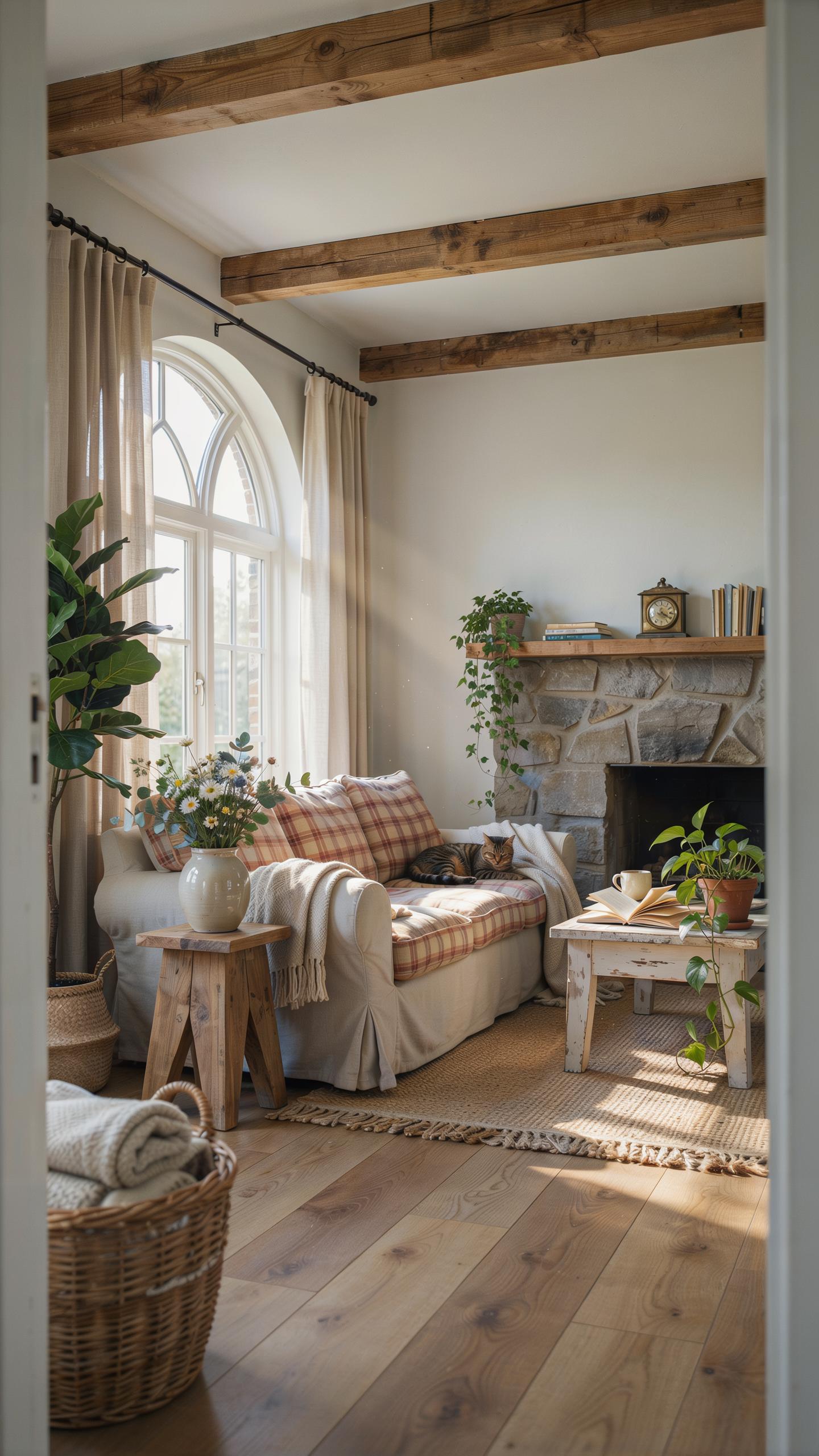
Vintage landscape paintings anchor farmhouse rooms with historical authenticity. These pieces typically depict rural scenes from the 18th and 19th centuries. Antique copper vessels develop natural patina over time, adding visual texture without requiring new purchases. Distressed shutters introduce architectural elements that reference working farmhouse exteriors. Layer these items across walls and shelving to build depth intentionally.
The key is mixing periods strategically rather than randomly placing objects. A Federal-era landscape paired with Victorian-era copper creates visual contrast. Distressed shutters work best flanking fireplace surrounds or positioned as standalone wall features. This approach tells a coherent story about rural life across generations. Spacing matters: avoid crowding these pieces. Each item should command attention independently while contributing to the overall composition.
Cozy Essentials For A Country Palette
Transform your layout by introducing tactile elements that reduce visual clutter while increasing comfort. Natural fibers dominate farmhouse design because they withstand heavy use and age gracefully. Wool, water hyacinth, and beeswax represent materials that perform functionally while maintaining aesthetic consistency. These items work together to create a unified palette grounded in practicality.
- Chunky Hand Knit Wool Throw Blankets In Oatmeal And Cream: These blankets provide warmth and visual softness across seating areas. The neutral tones blend seamlessly with most farmhouse palettes while the texture adds dimension to plain furniture.
- Woven Water Hyacinth Storage Baskets: Water hyacinth baskets hide seasonal items, magazines, and blankets while maintaining an organized appearance. The natural weave texture complements wood furnishings without competing for visual attention.
- Soft Amber Hued Beeswax Candles: Beeswax produces a warm light that enhances the farmhouse atmosphere. Unlike paraffin candles, beeswax burns longer and releases a subtle honey scent that complements the environment.
- Vintage Brass Candlesticks: Brass develops a patina that signals age and authenticity. Pairing brass holders with beeswax candles creates functional lighting that works as decorative display when not in use.
- Layered Throw Pillows In Natural Linen And Cotton: These textiles soften hard furniture edges and provide comfort. Mix weaves and neutral shades to build visual interest without introducing competing colors to your layout.
Position these essentials on sofas, chairs, and side tables to create functional zones. Baskets belong on lower shelving or beside seating for easy access. Candles work best grouped on mantels or coffee tables in odd numbers for visual balance. This combination transforms basic layouts into inviting spaces that prioritize both comfort and authentic farmhouse character.
Timeless Farmhouse Style Living Room Ideas For Every Season
Transitioning Decor From Summer To Autumn
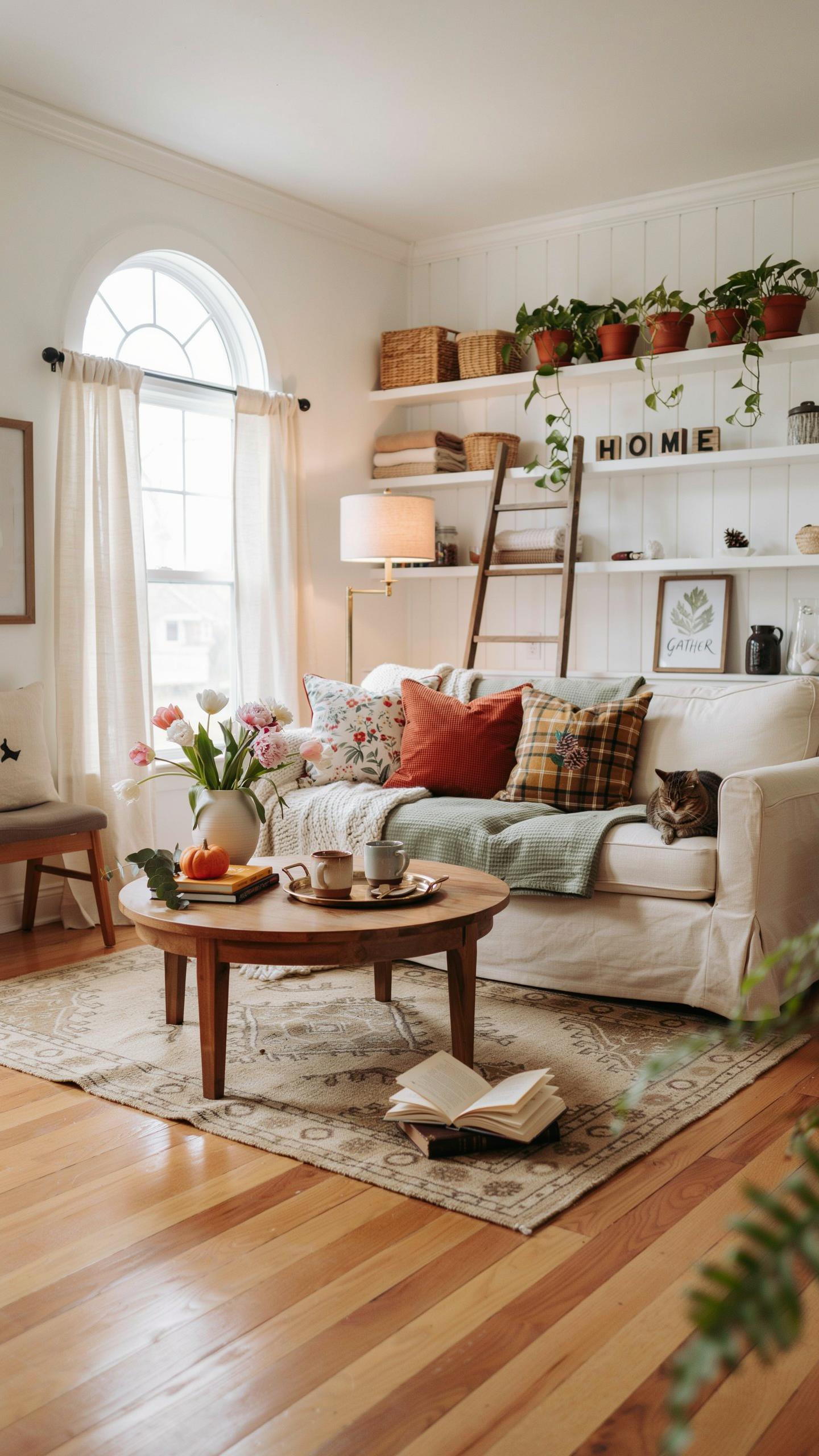
Seasonal swaps preserve your farmhouse layout without redesigning the entire room. Cotton pillows lose effectiveness as temperatures drop. Replace them with velvet options in deep burgundy, forest green, or charcoal. These materials trap warmth and signal the shift visually. Light floral patterns work against autumn aesthetics. Dried wheat bundles and corn stalks anchor the space to the season functionally and stylistically.
Lighting drives the emotional shift between seasons more than any single object. Summer calls for bright, diffused light. Autumn demands warmer ambient tones from table lamps and floor fixtures. Swap out bright white bulbs for warm white or soft white alternatives. Position these fixtures to create depth in your seating areas. This change costs nothing but transforms how the room feels after 4 PM.
Maximizing Natural Light Throughout The Year
Linen drapes outperform heavy curtains in farmhouse layouts because they filter light rather than block it completely. Light fabric maintains visibility into your room while reducing glare and UV damage to furniture. Winter presents the biggest challenge for natural light. North and east facing windows receive minimal direct sun during these months. Linen’s semi-transparent weave solves this by allowing diffused light to penetrate deeper into the room.
Window placement drives furniture arrangement in farmhouse living rooms. Position your primary seating to face windows rather than turn away from them. This captures available light and creates sightlines to the outdoors. Layer your light sources with table lamps and overhead fixtures positioned to supplement natural light during shorter days. Year-round consistency requires this multi-layered approach rather than seasonal adjustments alone.
Structuring Your Perfect Farmhouse Living Room Decor Layout
Calculating Clearances And Walking Paths
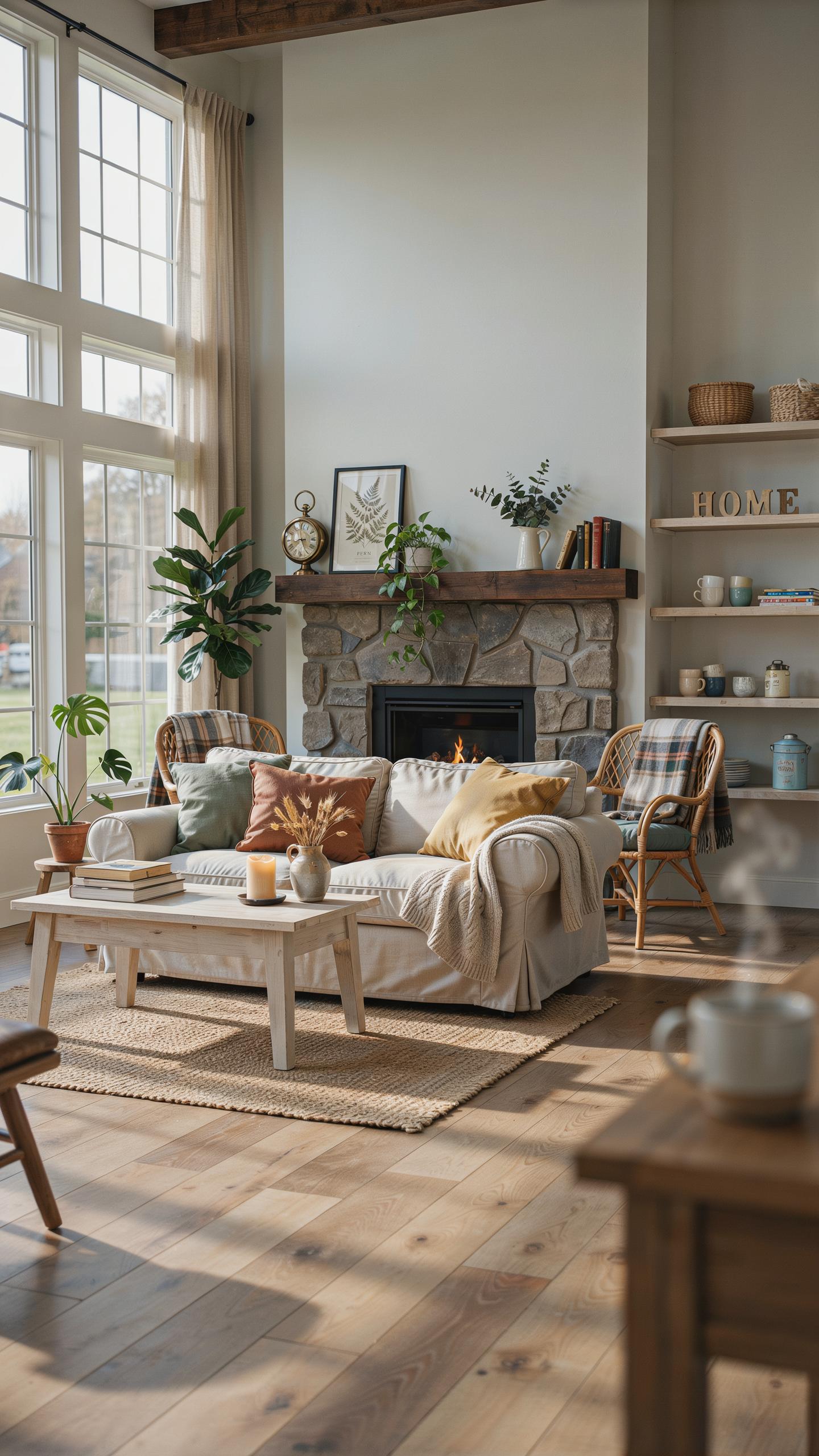
Furniture placement determines whether your farmhouse living room functions or feels cramped. Maintain at least 30 to 36 inches of clear walking space along major thoroughfares. This measurement comes from standard interior design practice and accommodates two people passing comfortably. Routes to entryways, hallways, and exits require this clearance. Calculate traffic flow before positioning sofas, chairs, or tables.
Walking paths anchor your entire layout strategy. Identify where people naturally move through the room. Place larger furniture pieces to define these routes rather than obstruct them. A functional farmhouse layout keeps sightlines open and movement effortless. Test your arrangement by walking the paths yourself before committing to placement.
Arranging Around The TV And Fireplace Duo
Dual focal points create layout conflicts in farmhouse living rooms. Position your television adjacent to the fireplace or mount it directly above the brick structure. This solution consolidates visual focus and eliminates awkward seating arrangements. Group your seating to view both features without neck strain. A 90 to 120 degree angle between seating and each focal point works effectively.
Fireplace positioning dictates your entire room layout. If your fireplace sits on an exterior wall, build seating around it as your primary anchor. Mount the TV at eye level when seated, typically 42 to 55 inches from the floor. This arrangement respects the fireplace’s architectural importance while integrating modern technology. Your seating should face the fireplace first, with TV viewing as a secondary benefit.
Frequently Asked Questions

What are the core elements of a modern farmhouse living room decor layout?
A modern farmhouse living room decor layout focuses on balancing rustic charm with clean, contemporary lines. To achieve this look, prioritize an open floor plan that encourages conversation, centered around a focal point like a stone fireplace or a large reclaimed wood coffee table. Use neutral color palettes and tactile fabrics like linen or leather to create a space that feels both airy and grounded while maintaining a cozy, lived-in atmosphere.
Is it possible to achieve a fresh farmhouse look on a tight budget?
Absolutely! You can refresh your farmhouse style without a total renovation by focusing on affordable accents and DIY projects. Start by rearranging your existing furniture to improve the room’s energy and light. Incorporate budget-friendly elements like thrifted wooden crates for side tables, DIY drop-cloth slipcovers for sofas, or seasonal greenery in galvanized buckets. These small, thoughtful changes instantly modernize your home while staying true to the classic farmhouse aesthetic.
How do I arrange furniture in a farmhouse living room to maximize conversation and flow?
Anchor the layout around your focal point, whether that’s a fireplace or a large window, and arrange seating in a loose circle or U-shape facing it so conversation flows naturally. Keep at least a few feet of walking space between furniture and traffic paths, and avoid pushing every piece against the walls, which can make even a large room feel disconnected. A substantial coffee table or reclaimed wood bench in the center ties the grouping together and reinforces the room’s farmhouse character.