Affordable Farmhouse Mantel Decor Essentials
Thrifted And DIY Staples
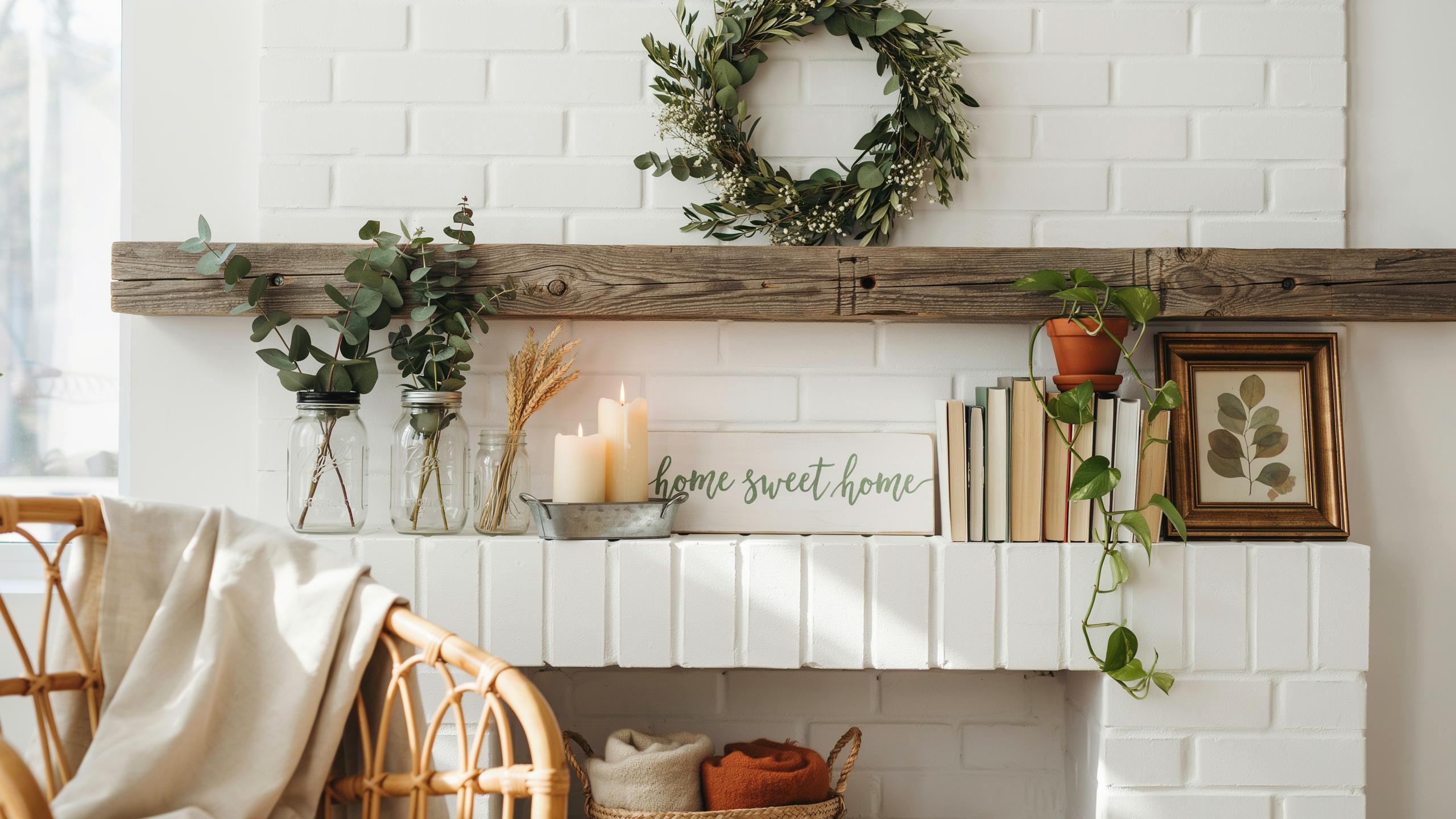
Local thrift shops stock vintage frames, mason jars, and candle holders at 70 to 90 percent below retail prices. Visit stores weekly since inventory rotates constantly. Search for wood frames with simple designs, clear glass mason jars in various sizes, and metal holders showing patina. These items form the foundation of farmhouse styling without breaking your budget.
Create distressed finishes on found items using basic techniques. Sand wooden frames to expose raw wood underneath. Apply white or cream paint, then sand edges to reveal the base layer. This aging process mimics authentic vintage pieces and costs only the price of sandpaper and paint. DIY distressing transforms cheap finds into statement pieces.
Bringing The Outdoors In
Faux greenery costs far less than fresh branches and lasts indefinitely. Quality artificial eucalyptus and greenery garlands from craft stores work well on mantels. Seasonal pinecones cost nothing when gathered from yards or parks. Layer these materials with varying heights and textures to create depth without expensive floral arrangements.
Combine faux and natural elements strategically. Drape artificial greenery along the mantel length, then tuck real pinecones into gaps. This hybrid approach extends your budget while maintaining authentic farmhouse character. Swap seasonal items monthly to keep the mantel fresh without purchasing new decor constantly.

Step By Step Guide How To Decorate A Mantel On A Budget
The Layering And Anchoring Process
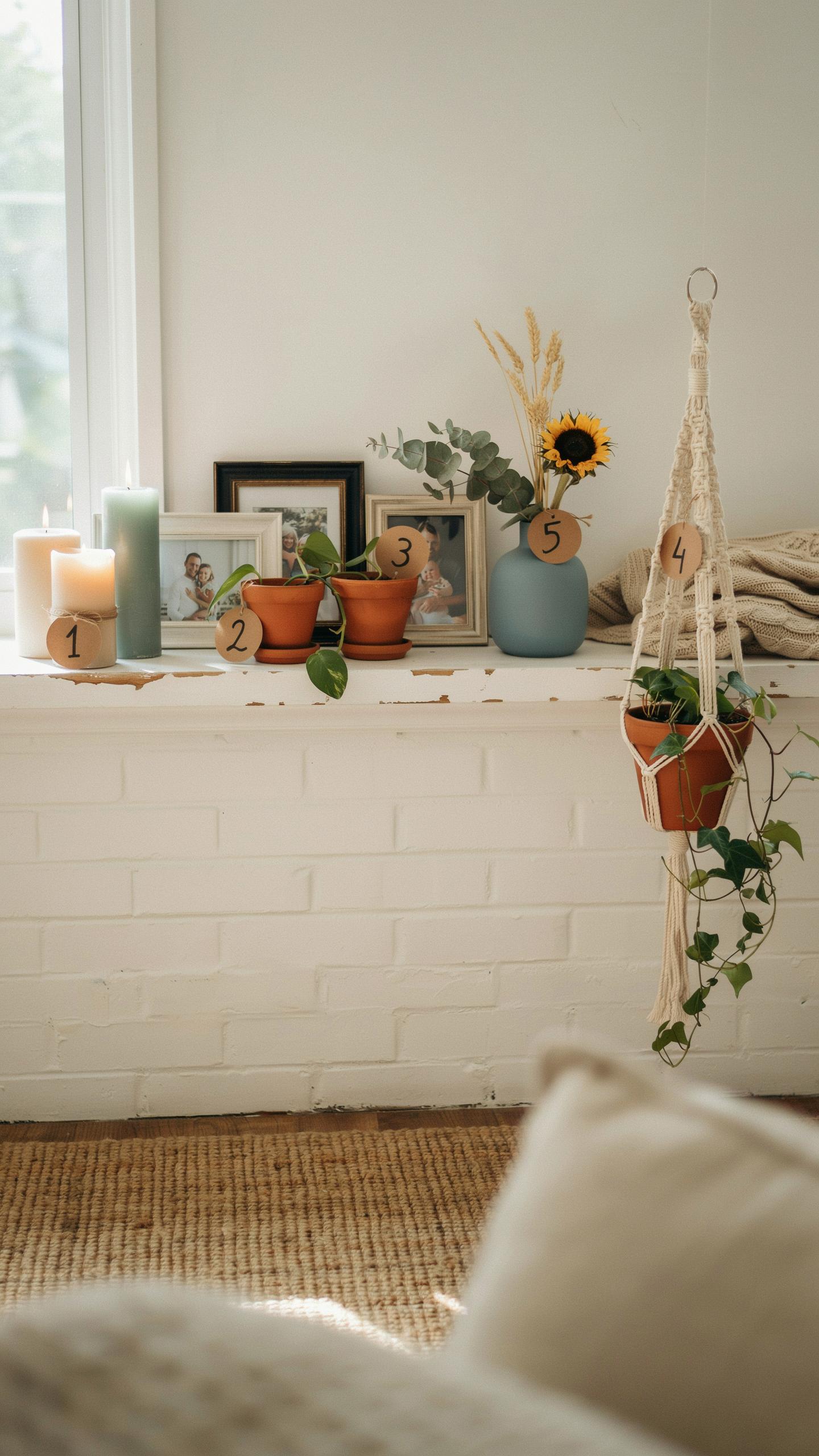
Start with one large focal point. This anchors your entire mantel and prevents a scattered appearance. Choose items with height and visual weight: a mirror, artwork, or clock. Position this piece in the center or slightly off center. This foundation determines everything else you add.
- Large mirror or framed art: Serves as your visual anchor. Measure your mantel width first. The focal piece should occupy 40 to 60 percent of mantel height for proper proportion and impact.
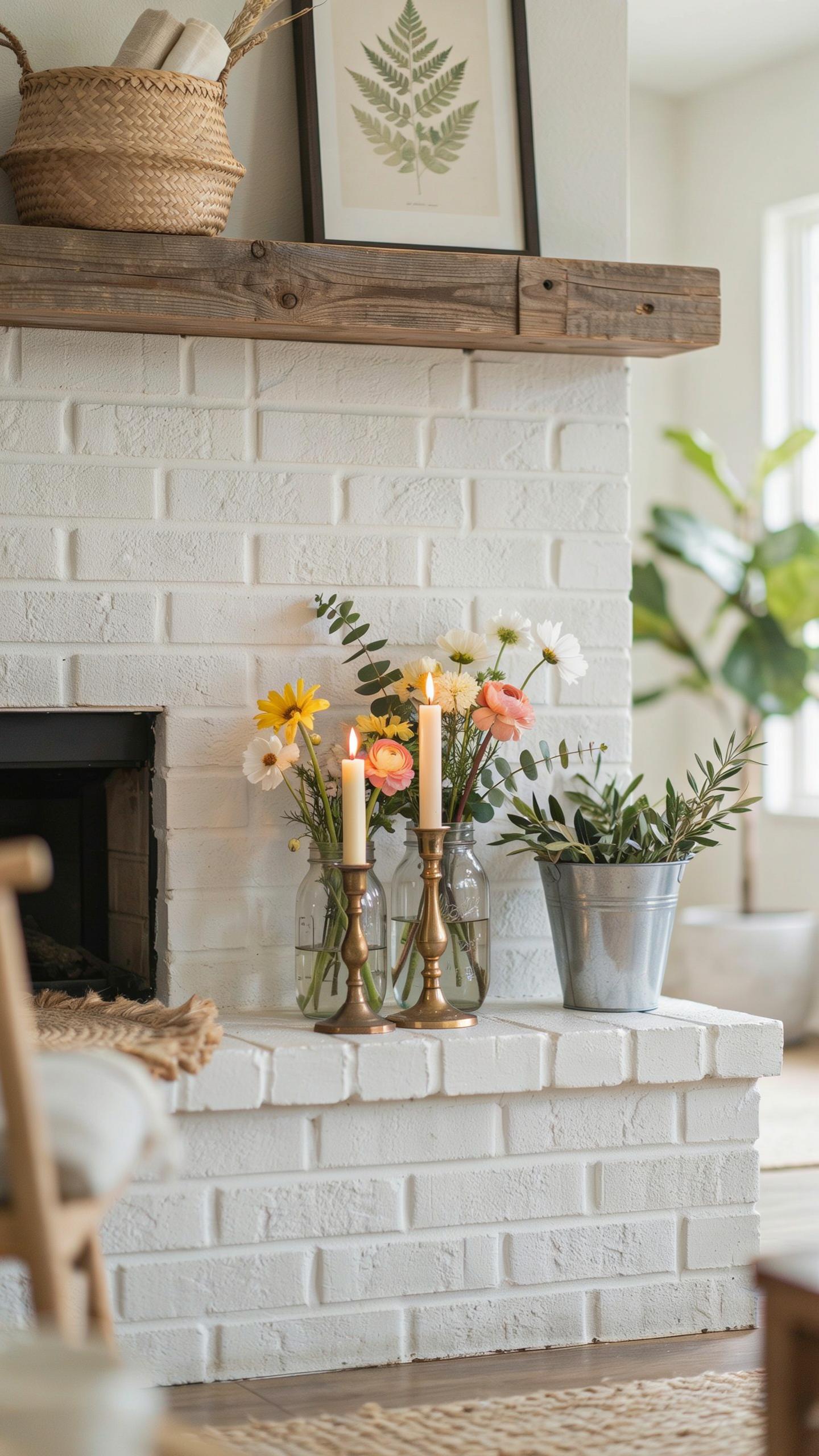
- Candlesticks or vases: Place these on either side of your anchor. Use matching pairs for symmetry or mismatched pieces for asymmetrical balance. Height variation creates visual interest without cost.
- Smaller decorative objects: Layer books, small baskets, or wooden boxes around your anchor. Stack items horizontally to fill gaps. Thrift stores stock these pieces for under five dollars each.
- Greenery or branches: Tuck dried branches or faux greenery between items. This fills empty space and connects pieces visually. Branches cost nothing if gathered from your yard.
- Textiles or fabric: Drape a simple linen runner or burlap across the mantel edge. Fabric adds texture and grounds the entire composition. This single element ties disparate pieces together.
Build outward from your focal point. Add smaller items in descending height order. This creates a natural flow that guides the eye. The goal is a composed look, not a cluttered shelf. Each piece should justify its placement through either scale, color, or function.
Creating Balanced Visual Weight
Visual weight refers to how heavy or light items appear. Tall objects carry more weight than short ones. Dense or dark items feel heavier than light or airy pieces. Distribute these across your mantel to avoid lopsided arrangements. One side should not dominate the other visually or physically.

Asymmetrical balance works better for farmhouse styling than strict symmetry. Place your heaviest item slightly off center. Balance it on the opposite side with multiple smaller pieces. This arrangement feels intentional and collected rather than staged. Test the balance by stepping back and viewing your mantel from across the room.
Modern Farmhouse Mantel Ideas For A Clean And Contemporary Look
Minimalist Rustic Aesthetics
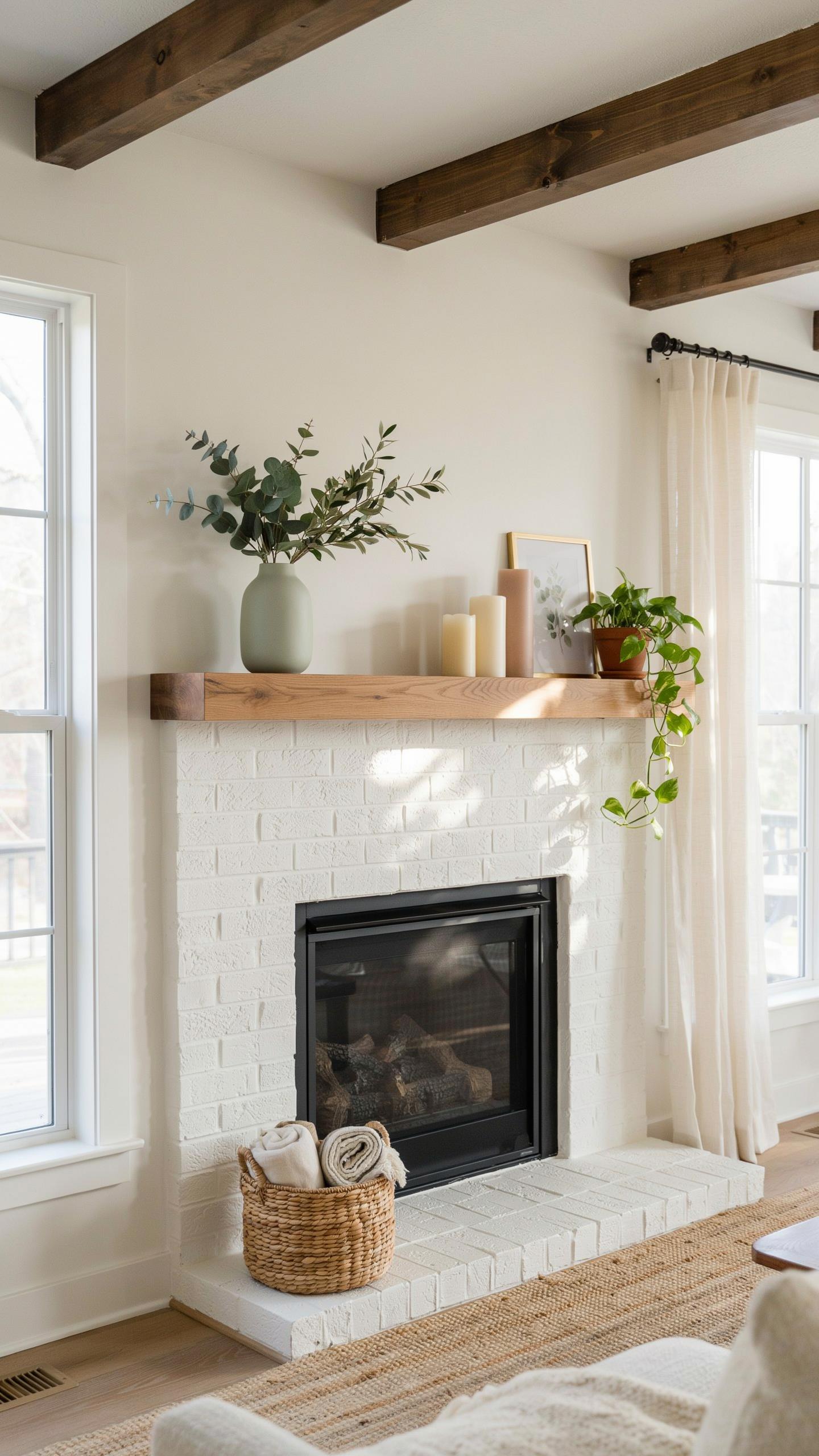
Modern farmhouse design strips away excess decoration while keeping rustic materials. You anchor the mantel with reclaimed wood, shiplap, or stone. Neutral colors dominate: whites, grays, blacks, and warm wood tones. This approach originated from combining mid-century minimalism with farmhouse roots. Clean lines replace ornate details. The goal is function over decoration.
Keep mantel surfaces mostly empty. Three to five objects maximum work best. Choose wood, metal, or ceramic pieces without intricate patterns. Group items by height or color to create visual order. Negative space matters as much as objects do. This restraint costs less because you buy fewer items.
Symmetrical Vs Asymmetrical Layouts
Symmetrical layouts place matching items on each side of a central focal point. This approach feels structured and formal. It works well with traditional farmhouse styles. The arrangement creates immediate visual balance without thinking twice.

Asymmetrical layouts place objects at different heights and distances from center. This style feels relaxed and intentional. Modern farmhouse design favors asymmetry because it looks collected over time rather than designed. Both approaches work on budgets equally well. Your choice depends on whether you want formality or casual appeal in the space.
Creative Bottom Of Fireplace Decor Ideas To Complete The Look
Styling The Hearth With Functional Storage
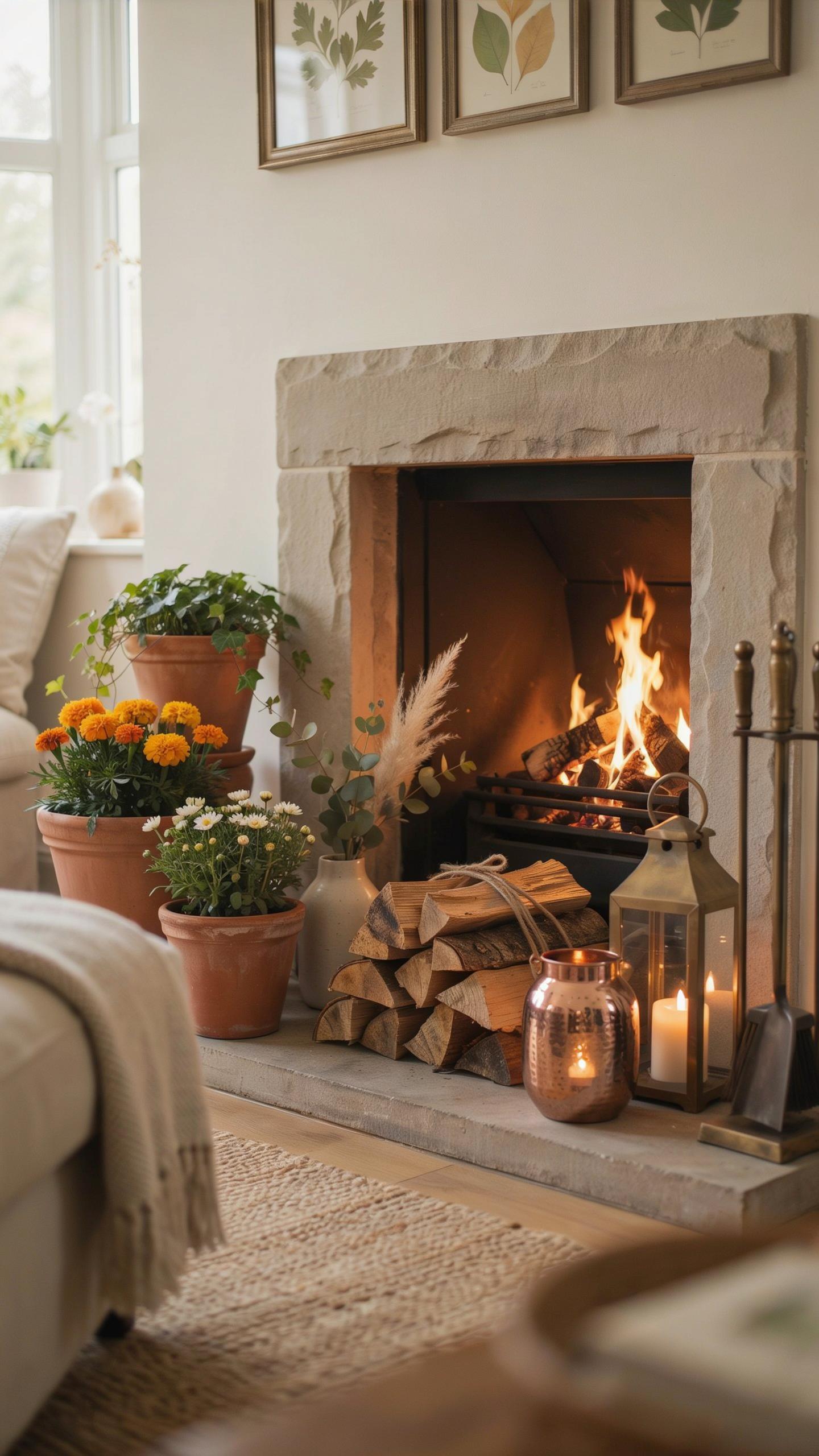
Wire baskets and woven rattan bins serve a dual purpose on your hearth. They hold firewood, blankets, or other items while maintaining visual balance. Stack these containers in odd numbers for better visual weight distribution. Birch logs stacked horizontally create height variation and texture. This approach eliminates clutter from surrounding floor space and grounds your entire fireplace design.
Functional storage at the hearth base works because it solves a real problem while looking intentional. Farmhouse design emerged from rural practicality, so combining storage with aesthetics aligns with authentic design principles. Position heavier baskets on the outer edges and lighter ones toward the center for stability. This arrangement prevents your hearth from feeling sparse or unfinished during warmer months when fires aren’t running.
Adding Warmth With Lanterns And Textiles
Oversized iron lanterns placed on either side of your hearth create symmetry and visual anchors. Lanterns work regardless of season since they function without electricity. Position them at different heights by using small stands or the natural ground level. Knit throw blankets draped over basket edges or fireplace tools add texture and invite use. This combination transforms your hearth from a static feature into a functional gathering point.

Textiles break up hard surfaces and signal that your fireplace space is meant for comfort. Iron lanterns reference historical farmhouse lighting methods before electricity became standard. Layer multiple blankets in neutral tones like cream, gray, or natural wool colors for depth. The textiles should remain accessible so family members actually grab them for sitting by the fire.
Easy DIY Decorating A Mantle Ideas Using Repurposed Items
Transforming Old Books And Window Frames
Stack vintage books horizontally in groups of three to five. Bind each bundle with twine or leather straps. This approach costs nothing if you raid your own shelves or thrift stores selling books by the pound. The stacked height creates visual interest without requiring wall space. Arrange bundles at varying depths across your mantel to break up flat surfaces.
Salvaged wooden window frames mount directly above stacked books as architectural backdrops. Find frames at salvage yards, estate sales, or online marketplaces for five to twenty dollars each. Lean them against the wall rather than hanging if you want temporary placement. The window panes reflect light and add depth. This combination of books and frames establishes a layered, collected aesthetic without expensive renovations.
Upcycling Old Glassware And Bottles
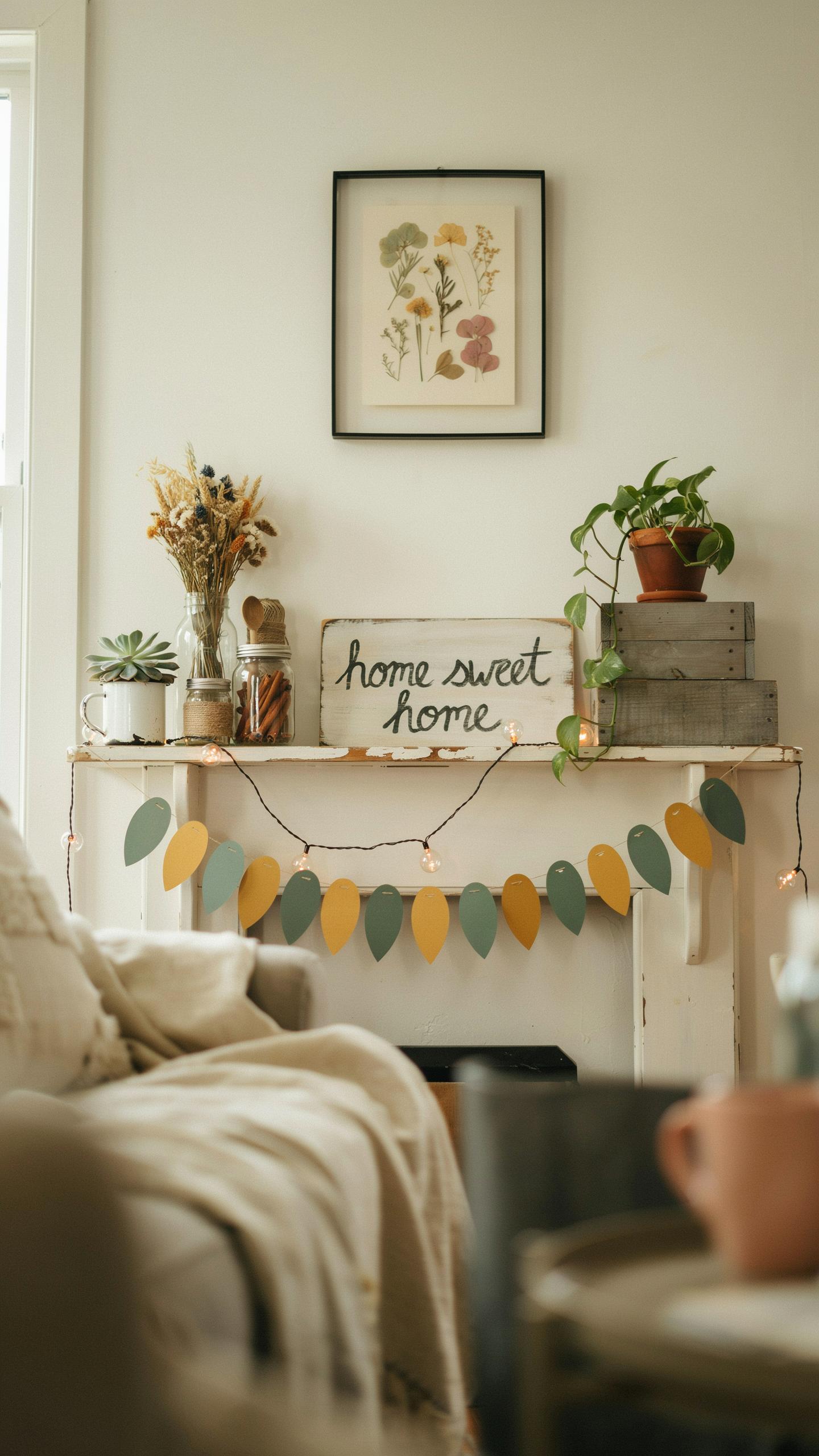
Collect amber beer bottles and clear glass jars from your recycling bin. Clean them thoroughly and remove labels with hot water and rubbing alcohol. Apply chalk paint in white, cream, or muted tones using a brush or spray method. Wrap twine around the bottle neck as a finishing touch. These painted vessels cost nothing when sourced from discarded items.

Use your painted bottles and jars as bud vases for dried flowers, branches, or single stems. Group odd numbers of vessels in clusters across your mantel for visual balance. Clear glass requires no paint and pairs well with greenery and dried grasses. This approach provides storage solutions while contributing to your mantel display. Rotate seasonal botanicals to refresh the look without purchasing new decorative pieces.
Refining Your Finished Space Tips For A Perfectly Decorated Mantle
Essential Styling Rules To Remember
Your mantel needs breathing room to function as a display, not a storage unit. Cramming every surface creates visual noise that overwhelms the eye. The goal is to guide viewers through your arrangement with intention, not chaos.
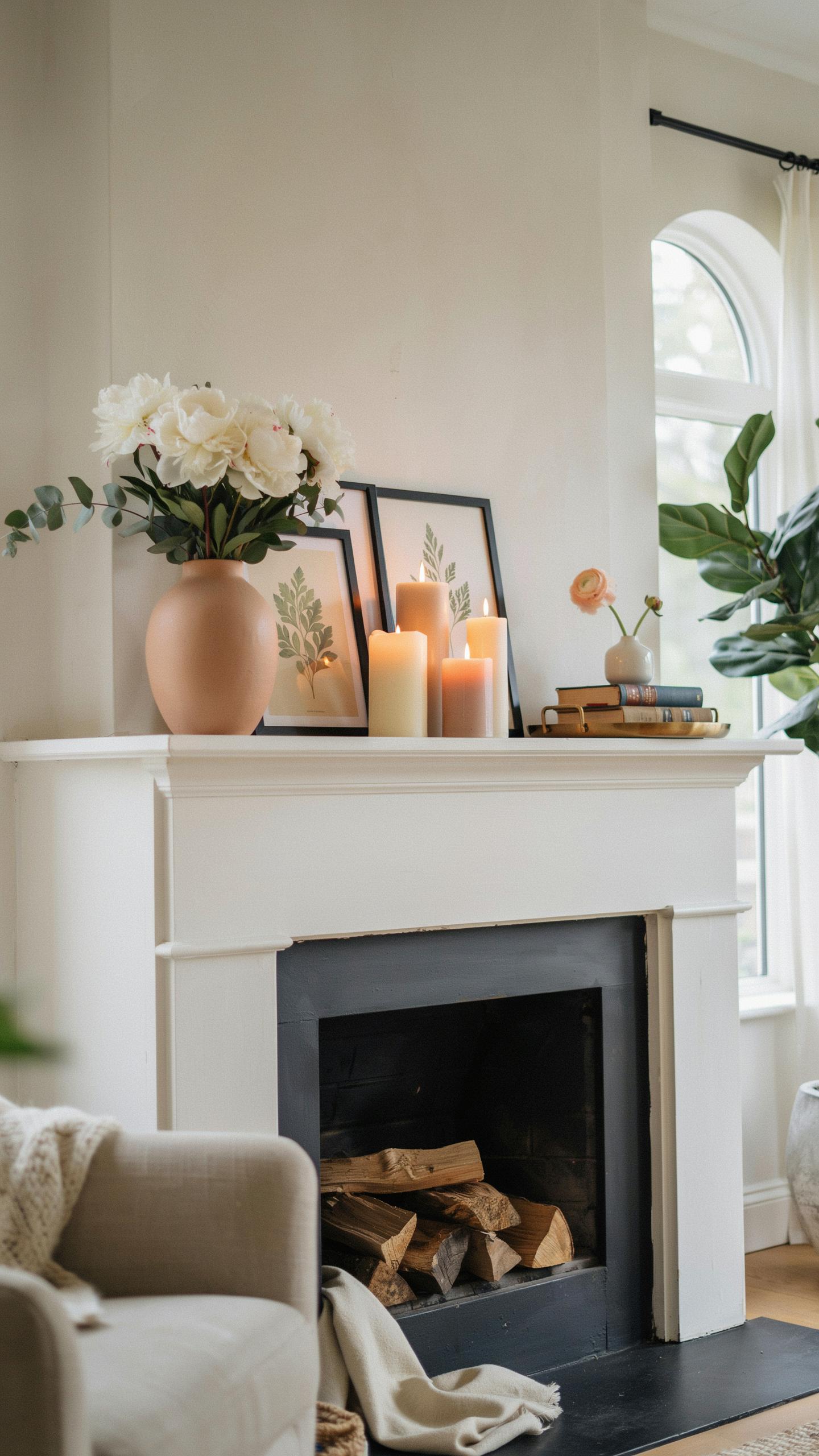
- The Rule of Three: Arrange primary objects in odd numbers. Three candlesticks, five books, or seven small frames create balance. Even numbers feel accidental and lack visual weight.
- Negative Space Matters: Leave 30 to 40 percent of your mantel surface empty. This prevents clutter and allows each piece to command attention without competition.
- Layer Heights Strategically: Place tall items at the back or ends. Position medium pieces in the middle. Keep small accents forward. This creates depth and prevents a flat, one-dimensional look.
- Scale Your Accessories: Match object sizes to your mantel length. A 4-foot mantel needs smaller groupings. An 8-foot mantel can handle larger statement pieces and wider spacing between clusters.
- Edit Ruthlessly: Remove one item at a time and step back. If the mantel still works without it, keep it off. Every object must justify its place through function or aesthetic contribution.
Apply these rules as non-negotiable guidelines, not suggestions. They prevent the common mistake of treating mantels as catchalls. Restraint separates designed spaces from cluttered ones.
Your home should tell the story of who you are, and be a collection of what you love.
Integrating Personal And Nostalgic Accents
Family heirlooms and black and white photos anchor a mantel with authenticity. These pieces carry weight that store bought items cannot match. The key is featuring them within your overall composition, not making them the entire display.

Limit personal items to two or three focal points on your mantel. One framed family photo, a single heirloom vase, or a handmade ceramic piece works. Mix these with neutral, budget friendly accessories like books, candles, or branches. This balance maintains a designer aesthetic while honoring what matters to you. Personal elements should enhance your arrangement, not dominate it.
Staggering Height With Ornate Wood Mantel Decor And Riser Tricks
Using Carved Corbels And Wooden Risers
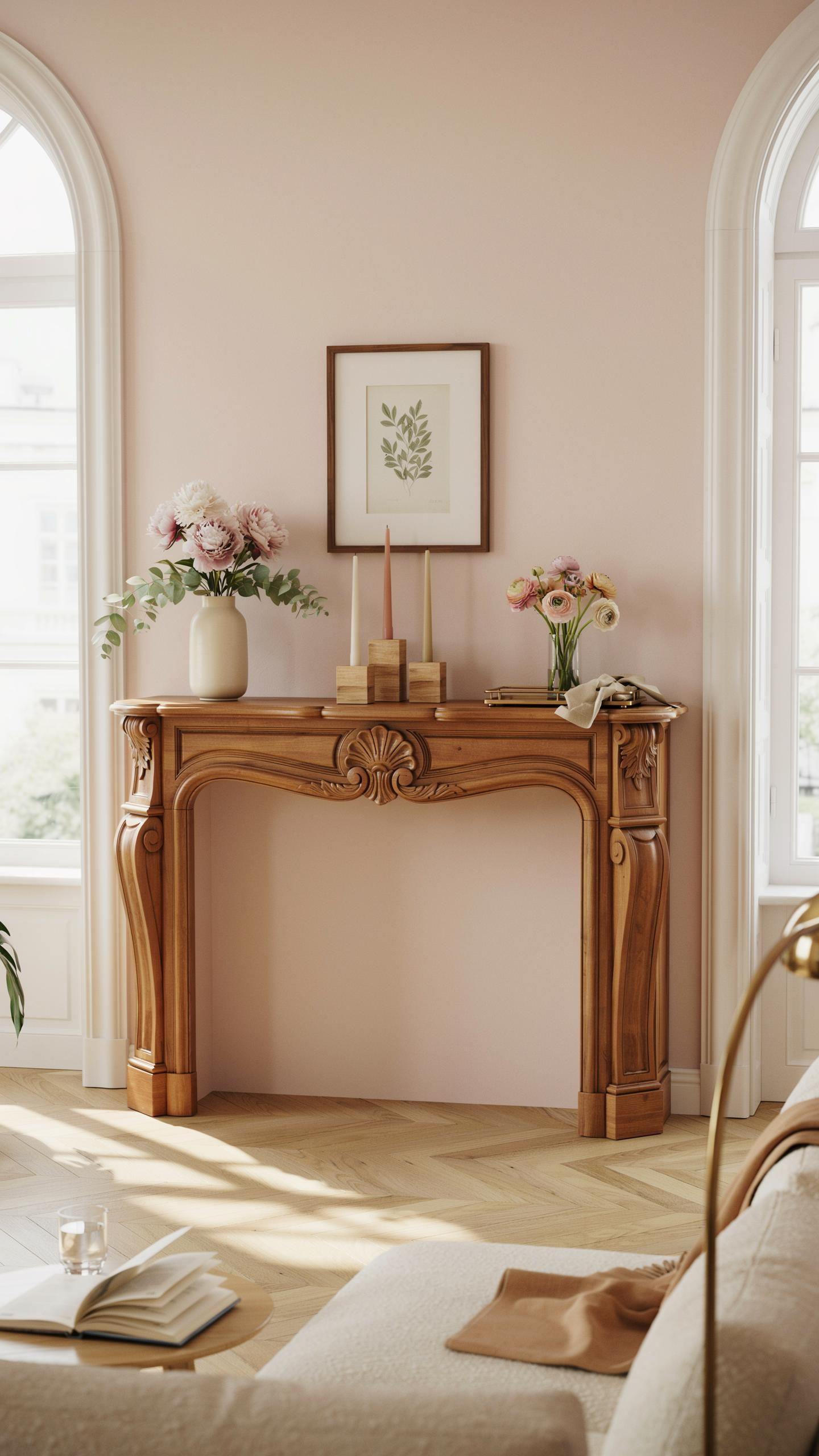
Wooden risers elevate small decor pieces without requiring permanent installation or structural changes. Use wooden crates from shipping suppliers, vintage corbels from salvage yards, or simple wooden blocks painted to match your mantel finish. Stack them strategically to create depth variation. This technique costs under 20 dollars per riser and instantly adds visual interest to a flat surface.
Corbels serve double duty as both functional supports and design elements. Architectural salvage corbels carry authentic farmhouse character because they come from genuine older structures. Position risers asymmetrically across your mantel rather than centering them. Place your smallest items on top of risers and larger pieces on the mantel surface itself to establish proper visual hierarchy and balance.
Framing With Distressed Wooden Mirrors
Arched wood mirrors bounce light effectively and anchor a mantel composition as your primary focal point. Select mirrors with natural wood frames showing visible grain or distressing rather than polished finishes. Budget-friendly options exist at home improvement stores and online retailers under 50 dollars. The arch shape complements farmhouse design because it echoes period architecture without appearing trendy or temporary.

Position your mirror slightly off center to create intentional asymmetry rather than formal symmetry. Lean it against the wall or hang it directly on the mantel surround. Mirrors enlarge your room visually and reflect existing light sources, reducing the need for additional accent lighting. This single piece accomplishes what multiple smaller items cannot, making it a strategic investment in your mantel styling approach.
Styling Secrets For A Cozy Farmhouse And Farmhouse Chic Mantle Decor
Softening The Display With Cozy Warm Elements
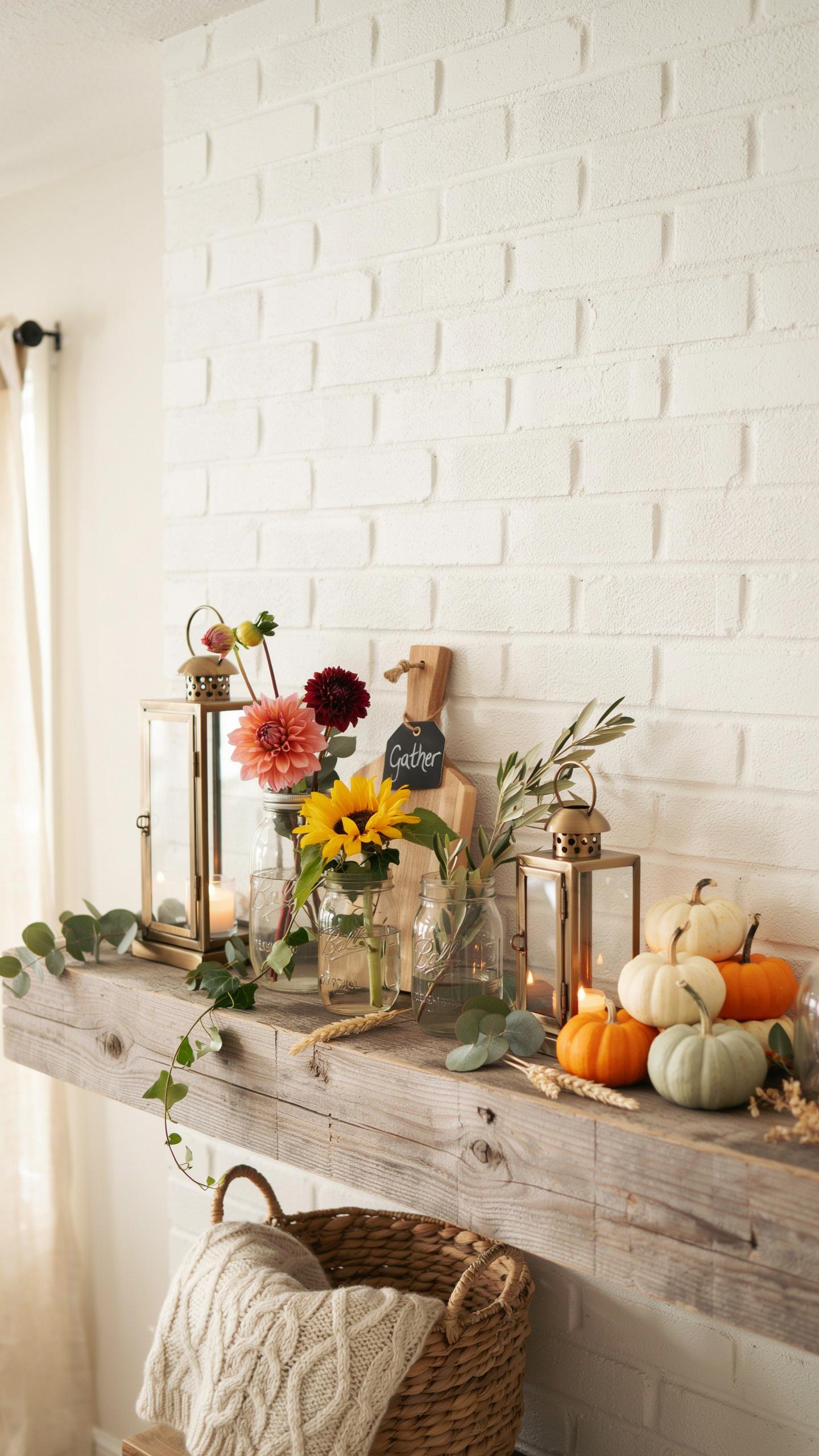
Flameless LED candles deliver consistent light without fire risk or maintenance demands. Position them at varying heights across your mantel to create visual depth. Cream and off-white tones serve as neutral anchors that reflect light and expand perceived space. These colors pair with wood and metal without competing for attention or creating visual clutter.
Beaded garland strings add texture without bulk. Drape them loosely across the mantel length or loop them through other pieces for dimension. This layering technique breaks up flat surfaces and introduces subtle movement. The beads catch light from candles, amplifying warmth throughout the display. Budget versions perform identically to expensive alternatives.
Mixing Metal Finishes And Elegant Textures
Matte black iron pieces anchor a display through contrast and weight. Brushed brass accents introduce warmth without shine or gloss that creates visual noise. Whitewashed finishes soften hard edges and bridge traditional and modern farmhouse aesthetics. Combining these three finishes prevents the mantel from reading as monochromatic or boring. The contrast makes each element more noticeable individually while working cohesively as a group.

Texture matters as much as color in farmhouse design. Rough wood, smooth metals, and woven elements create tactile variety that photographs well and feels intentional. Mix matte and textured surfaces to avoid a flat or one-dimensional appearance. This approach costs nothing extra since you use existing pieces strategically. The result reads as curated rather than randomly assembled.
Frequently Asked Questions

What are the basic elements I need to start styling a farmhouse mantel?
To begin your farmhouse home decor mantel styling, start with a large focal point like a distressed mirror or a reclaimed wood window pane. Layer in organic textures using faux greenery or eucalyptus garlands. Finally, add height and symmetry with candlesticks or lanterns. These foundational pieces create that cozy, lived-in aesthetic characteristic of the farmhouse style without requiring a professional interior designer’s touch or a massive upfront investment.
How do I layer different decor pieces on my mantel without it looking cluttered?
Successful farmhouse home decor mantel styling relies on the “rule of three” and varying heights. Place your tallest item slightly off-center, then overlap smaller frames or signs in front of it to create depth. Use books or wooden crates as risers for smaller trinkets. By grouping items in odd numbers and leaving a little “negative space” between clusters, you achieve a curated, layered look that feels intentional rather than messy.
Can I achieve a farmhouse look on a mantel if I’m on a very tight budget?
Absolutely! You can achieve stunning results by upcycling items you already own or visiting local thrift stores. Look for old glass jars to use as vases, or spray paint mismatched frames in a matte white or black finish. Simply adding a DIY burlap banner or some dried wheat stalks from a craft store provides that rustic charm. Budget-friendly styling is all about getting creative with textures like wood, metal, and twine.