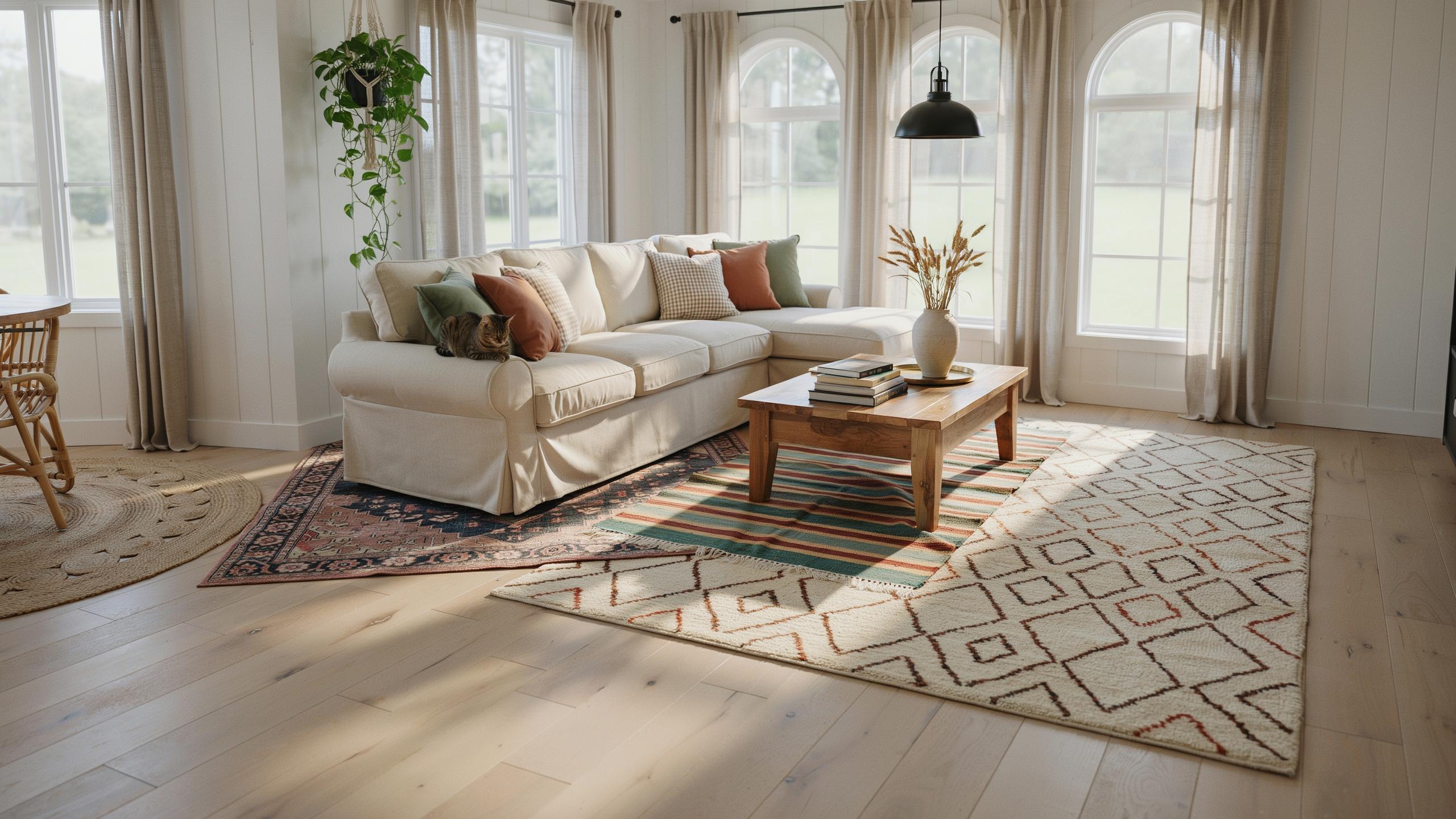
Understanding The Modern Farmhouse Style Rug Selection Process
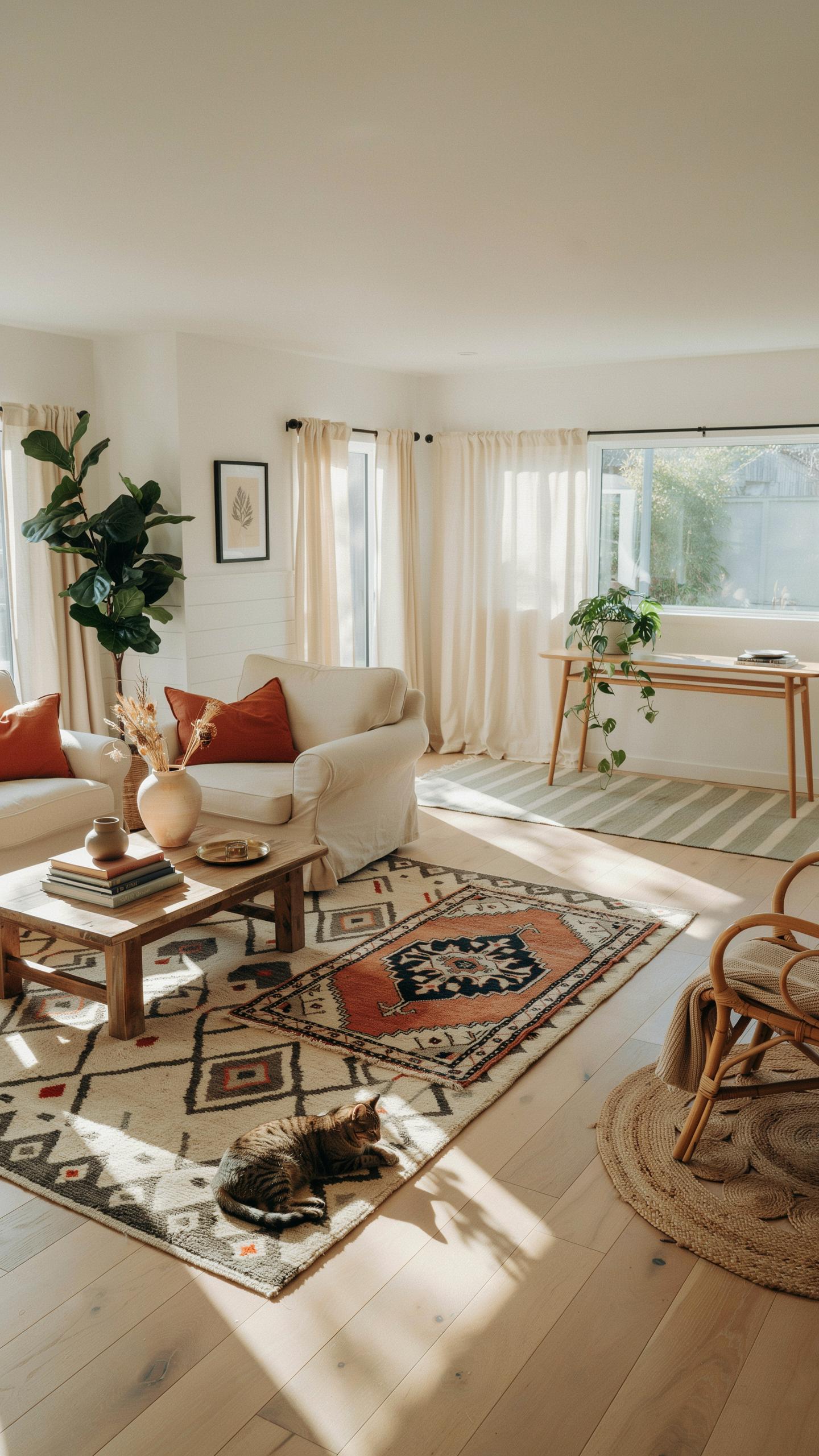
Defining The Modern Farmhouse Aesthetic
Modern farmhouse emerged in the early 2000s as a design response to minimalism and industrial styles. It combines rural American farm elements with contemporary sensibilities. The aesthetic prioritizes function over decoration. Rugs in this style typically feature neutral color palettes, natural textures, and geometric or traditional patterns. Materials lean toward wool, jute, and cotton blends that withstand high traffic.
The color foundation stays muted. Think cream, gray, beige, black, and soft whites. Patterns draw from Moroccan, Turkish, and Navajo designs but in restrained versions. The goal is visual calm with intentional detail. Rugs anchor rooms without demanding attention. They create defined spaces and add warmth to hard flooring while maintaining the clean lines this style demands.
Analyzing Room Needs And Utility
Your room’s traffic patterns determine rug construction and fiber choice. High-traffic areas need durable synthetics like polypropylene or wool blends that resist staining and matting. Bedrooms and low-traffic zones allow for more delicate fibers. Consider the room’s purpose first, then select materials that support that function without compromise.
Measure the space accurately before shopping. Rugs should define furniture groupings, not float awkwardly in rooms. In living rooms, front chair legs should rest on the rug. Bedrooms typically use rugs that extend two to three feet from the bed frame. Kitchens and bathrooms require washable options or low-pile construction. Size determines visual balance and impacts the entire room’s proportions.
Choosing The Right Texture For A Modern Farmhouse Area Rug
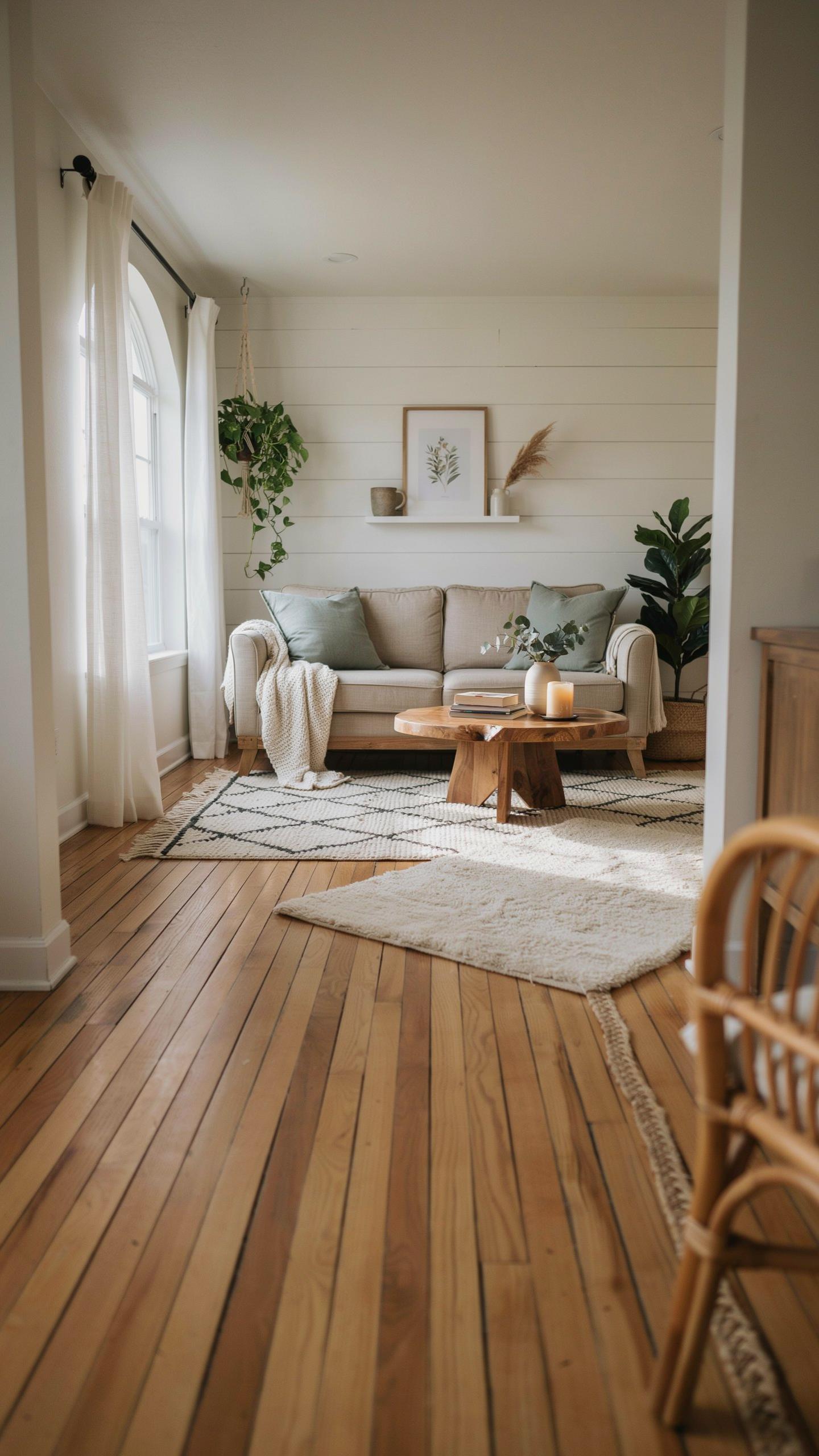
Natural Fibers And Weaves
Natural fibers perform better in modern farmhouse spaces because they align with the style’s core values of authenticity and practicality. Jute, sisal, and wool hold up under foot traffic while delivering the raw, understated appearance farmhouse design demands. These materials age visibly, which works in your favor since wear patterns enhance rather than diminish the aesthetic. Flatweaves in these fibers eliminate bulk and work well over radiant heating systems common in updated homes.
Jute rugs dominate farmhouse interiors for good reason. They’re affordable, durable, and require minimal maintenance beyond regular vacuuming. Sisal offers similar benefits with slightly more texture variation. Wool flatweaves provide softness without sacrificing the natural look. Layer these base rugs with smaller accent pieces to define spaces without covering your flooring entirely. This layering approach keeps rooms from feeling overdressed while maintaining visual interest.
Plush Textures For Added Comfort And Coziness
Plush rugs serve specific zones in modern farmhouse homes, particularly living rooms and bedrooms where comfort matters more than traffic flow. Wool blend rugs deliver softness underfoot while maintaining durability. Polypropylene options exist as budget alternatives, though they lack the longevity of natural materials. Choose plush styles in cream, gray, or soft taupe to keep the aesthetic grounded rather than decorative.
Plush rugs need placement strategy to avoid looking out of place in farmhouse settings. Position them in lower-traffic areas or under seating arrangements. Avoid oversized plush pieces in main thoroughfares where they’ll compress quickly. Blend textures by combining a plush rug with natural fiber accent pieces nearby. This mixing prevents spaces from tilting toward formal or overly designed territory.
Essential Materials And Rugs For A Farmhouse Aesthetic
Jute And Sisal Benefits
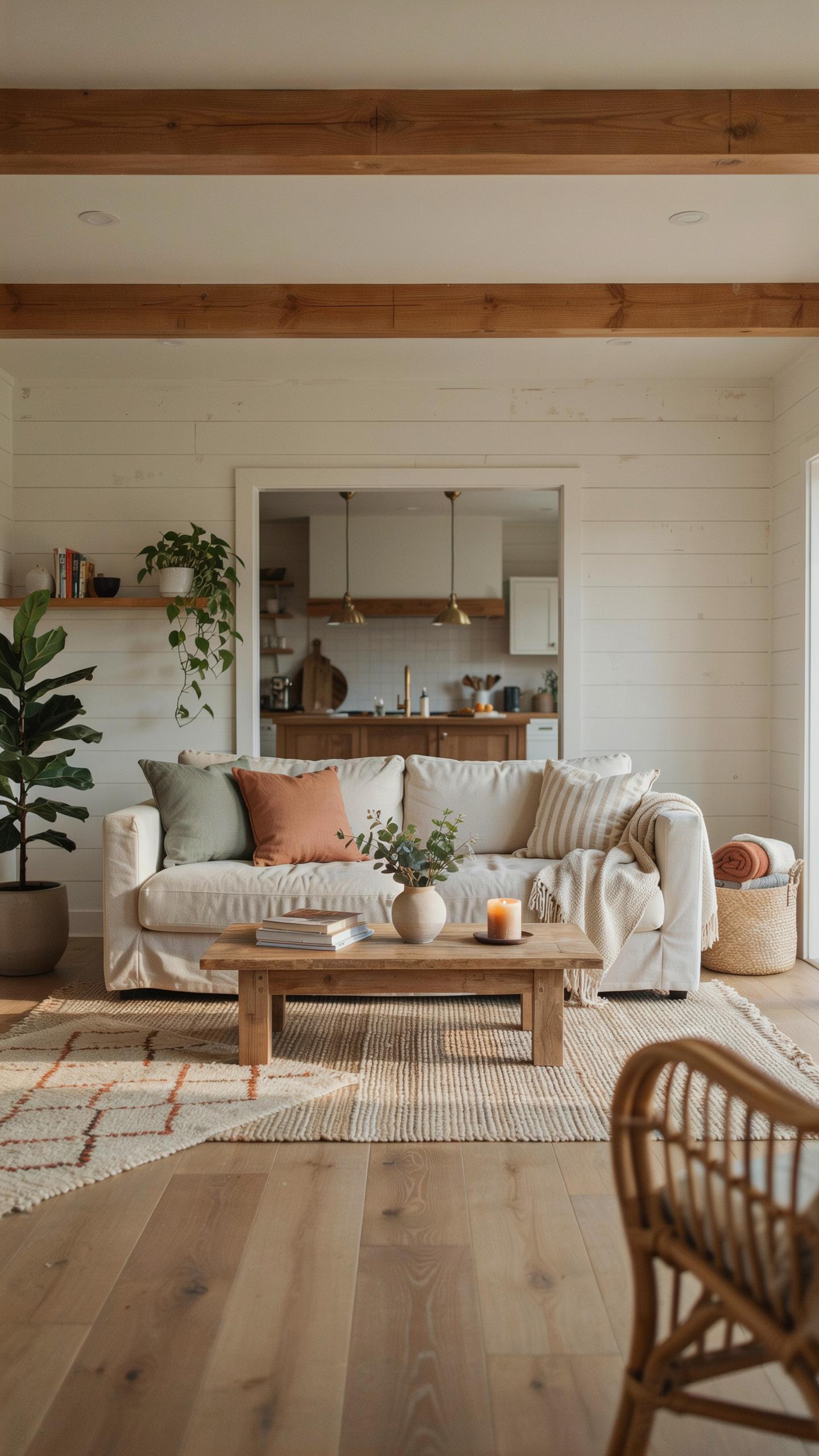
Jute and sisal rugs deliver durability that justifies their cost in high-traffic areas. Both materials come from natural plant fibers that resist wear better than synthetic alternatives. Jute breaks down faster than sisal, making sisal the stronger choice for entryways and living rooms where foot traffic peaks.
Sisal handles moisture poorly and stains easily, which limits placement options in kitchens and bathrooms. Jute performs slightly better with spills but still requires quick cleanup to prevent damage. Both materials feel coarse underfoot, so place them in spaces where comfort takes a back seat to functionality and longevity.
A rug is the soul of a room, bridging the warmth of the past with the clean lines of today to make a house feel truly like home.
Wool And Cotton Softness
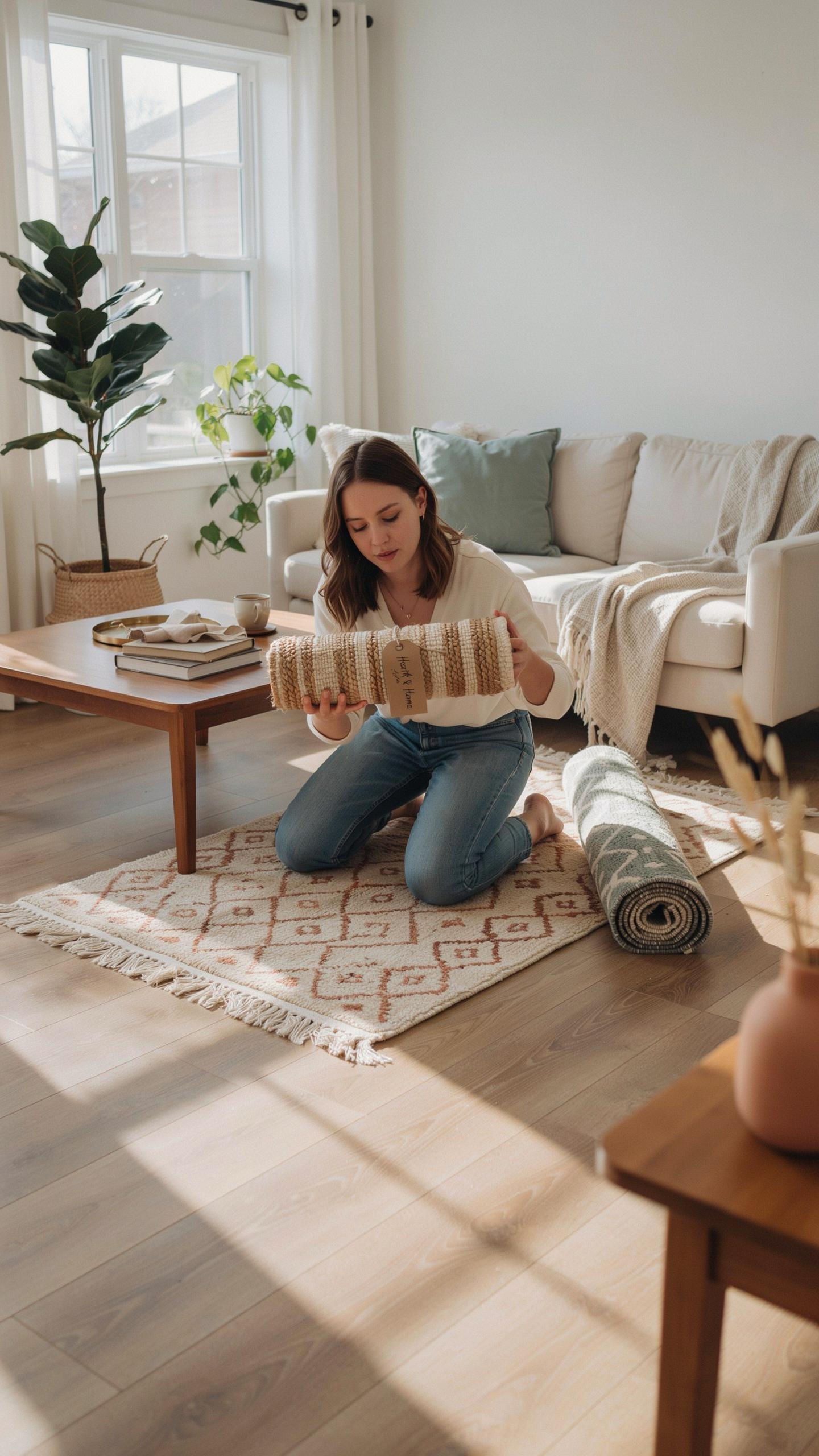
Wool and cotton blends combine durability with comfort for spaces where people spend extended time. Wool provides natural stain resistance through lanolin content, while cotton adds breathability and softness. These blends typically contain 70 to 80 percent wool for optimal performance in family rooms and bedrooms.
Cotton dilutes wool’s stain resistance but improves feel against skin and makes the rug easier to clean. The blend ratio matters more than the individual materials. Check fiber composition on product labels to match the blend to your intended room and use case.
How To Shop For An Affordable Farmhouse Rug
Synthetic Alternatives
Synthetic fibers deliver durability and cost savings that natural materials cannot match. Polypropylene, polyester, and nylon rugs resist stains, handle heavy foot traffic, and cost 40 to 60 percent less than wool or jute. Synthetics work well in kitchens, entryways, and family rooms where spills happen frequently. They hold color better than natural fibers and require less maintenance overall.
Natural fibers like wool command higher prices because they age well and develop character over time. Jute and sisal cost less than wool but lack stain resistance and durability in high-traffic zones. Synthetic rugs mimic the look of natural fibers through modern manufacturing. For budget-conscious shoppers, synthetics deliver the farmhouse aesthetic without the premium price tag or maintenance demands.
Smart Shopping Strategies For Budget Conscious Buyers
Timing your purchase matters significantly. Retailers discount rugs during holiday sales, end-of-season clearances, and back-to-school events. Online retailers often offer better prices than brick-and-mortar stores because overhead costs are lower. Flash sales and email subscriber discounts unlock additional savings. Buying off-season, particularly in late summer or early winter, reduces your final cost.
- Measure Your Space Precisely: Know exact dimensions before shopping to avoid returns and restocking fees that eat into your savings.
- Compare Price Per Square Foot: This metric reveals true value across different rug sizes and brands consistently.
- Check Return Policies: Extended return windows give you time to test rugs in your space without financial risk.
- Buy Directly From Manufacturers: Skip middlemen and distributors to access lower wholesale or direct-to-consumer pricing models.
- Stack Discount Codes: Use coupon codes, loyalty programs, and cashback apps simultaneously to maximize total savings.
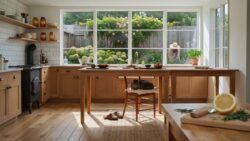
Outlet stores and online closeout sections move overstocked inventory quickly. Buying slightly imperfect or discontinued patterns saves money while maintaining quality. Second-hand options through Facebook Marketplace or local consignment shops offer significant discounts on gently used farmhouse rugs.
Curating The Best Modern Farmhouse Area Rugs For High Traffic Zones
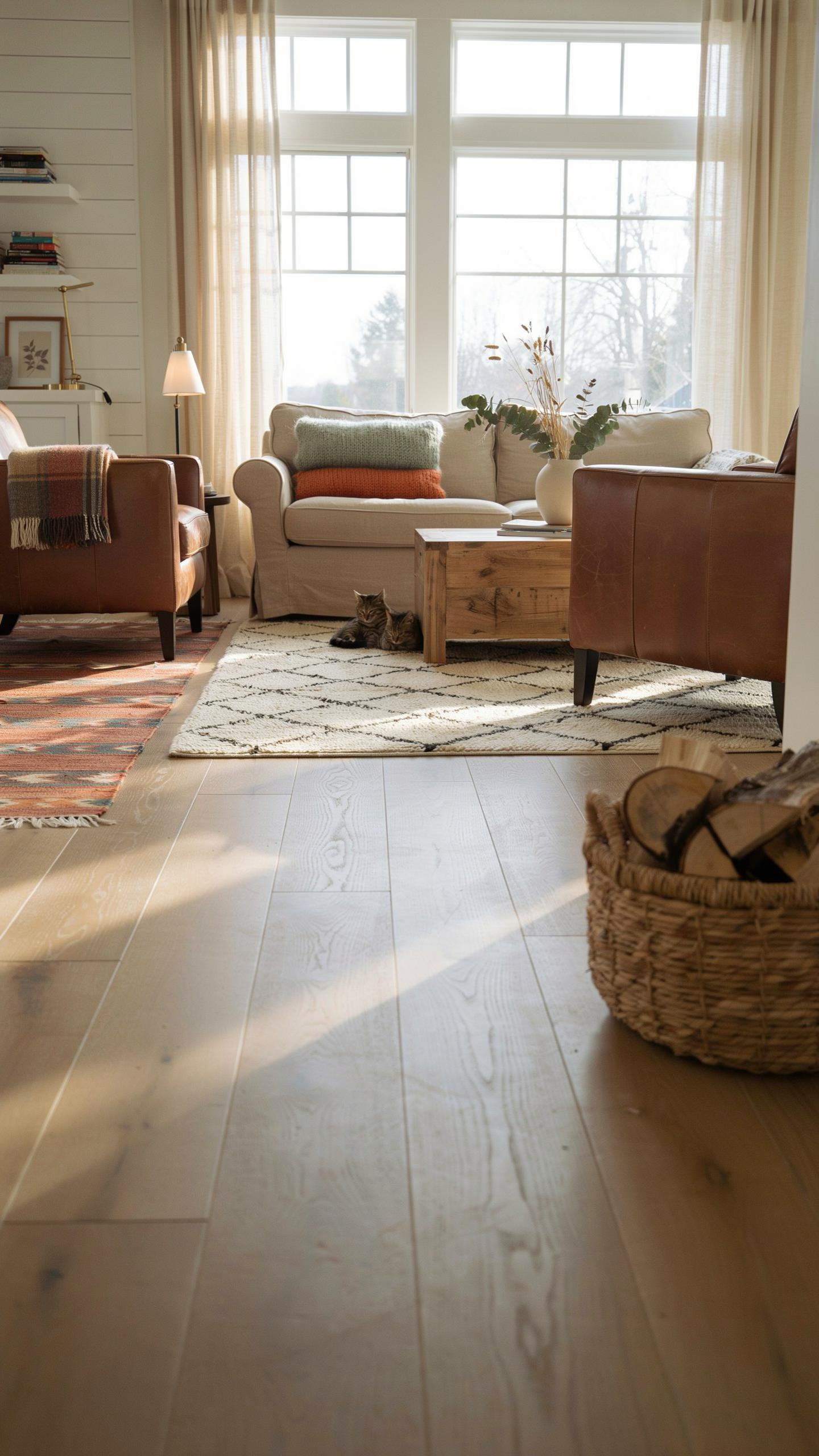
Low Pile Utility
Low-pile rugs perform better in entries and hallways because foot traffic compacts fibers repeatedly in these zones. High-pile options mat down and show footprints within weeks. Low-pile construction maintains its appearance longer and resists crushing. Choose loop or cut-loop weaves that hold up under constant use. These textures bounce back after pressure, extending rug life by years.
Material selection matters as much as pile height in heavy traffic areas. Polypropylene and wool blends handle daily wear without fraying or pilling. These fibers resist staining better than natural materials alone. Synthetic options dry faster when spills occur. Budget-conscious homeowners get reliable performance from quality polypropylene without sacrificing the farmhouse aesthetic.
Pattern Obscurity
Subtle patterns disguise dirt, dust, and tracked-in debris far better than solid colors. Cream and beige tones with faint geometric designs hide foot traffic marks effectively. Weathered patterns that mimic aged textiles fit modern farmhouse style while concealing wear patterns. Choose designs with tonal variation rather than high contrast. The visual complexity breaks up stains before they become obvious.
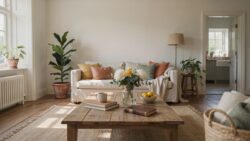
Striped and checkered patterns work strategically in hallways by directing the eye horizontally rather than to localized wear spots. Neutral color palettes with muted tones maintain cohesion throughout the home. Avoid solid dark colors that show dust and lint accumulation. Patterned rugs require less frequent deep cleaning in high-traffic zones, reducing maintenance demands on busy households.
Styling Living Room Rugs On Hardwood Farmhouse Floors
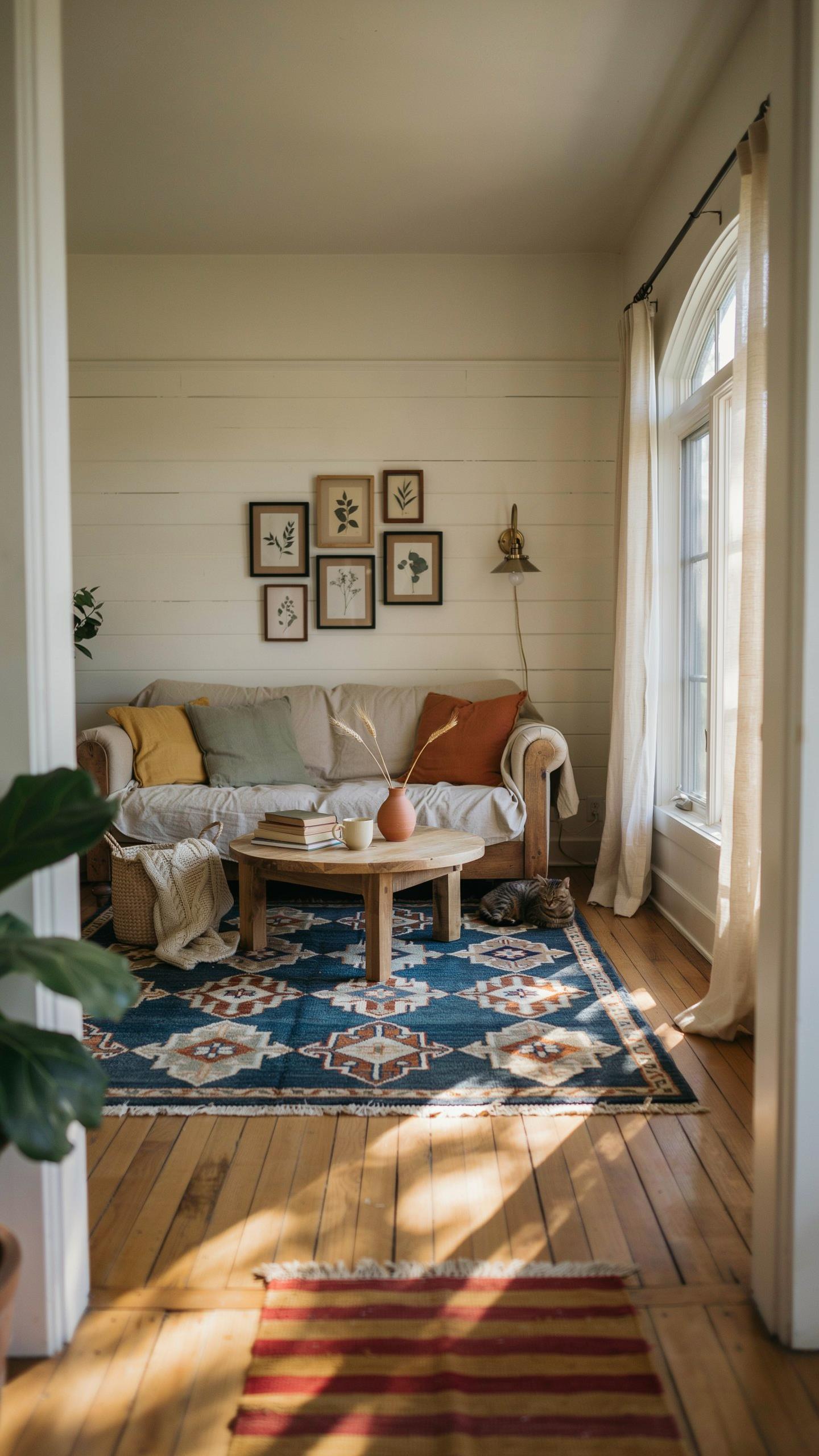
Tonal Contrast
Hardwood floors in farmhouse homes typically range from golden oak to darker walnut tones. Your rug must either complement or contrast these tones deliberately. A light rug on dark wood creates visual separation and makes rooms feel larger. Dark rugs on light wood anchor the space and add weight to open layouts.
Choose rug colors based on your room’s function and light sources. North-facing rooms with limited natural light benefit from lighter rugs that reflect available light. South-facing rooms tolerate darker rugs without feeling cramped. Neutral tones like cream, gray, and taupe work across most hardwood varieties without clashing.
Preventative Padding
Rug pads prevent slippage on hardwood and protect the wood surface from moisture and scratches. Without padding, rugs shift during foot traffic and create safety hazards. Pads also allow air circulation under the rug, preventing moisture buildup that warps hardwood.

Use non-slip pads made from rubber or felt blends designed for hardwood floors. Avoid PVC or vinyl pads that trap moisture and damage finishes. Replace pads every two to three years as they compress and lose grip. Thicker pads offer better protection but may create a tripping hazard at rug edges in high-traffic zones.
Arranging Farmhouse Area Rugs In Living Room Layouts
Furniture Placement Rules
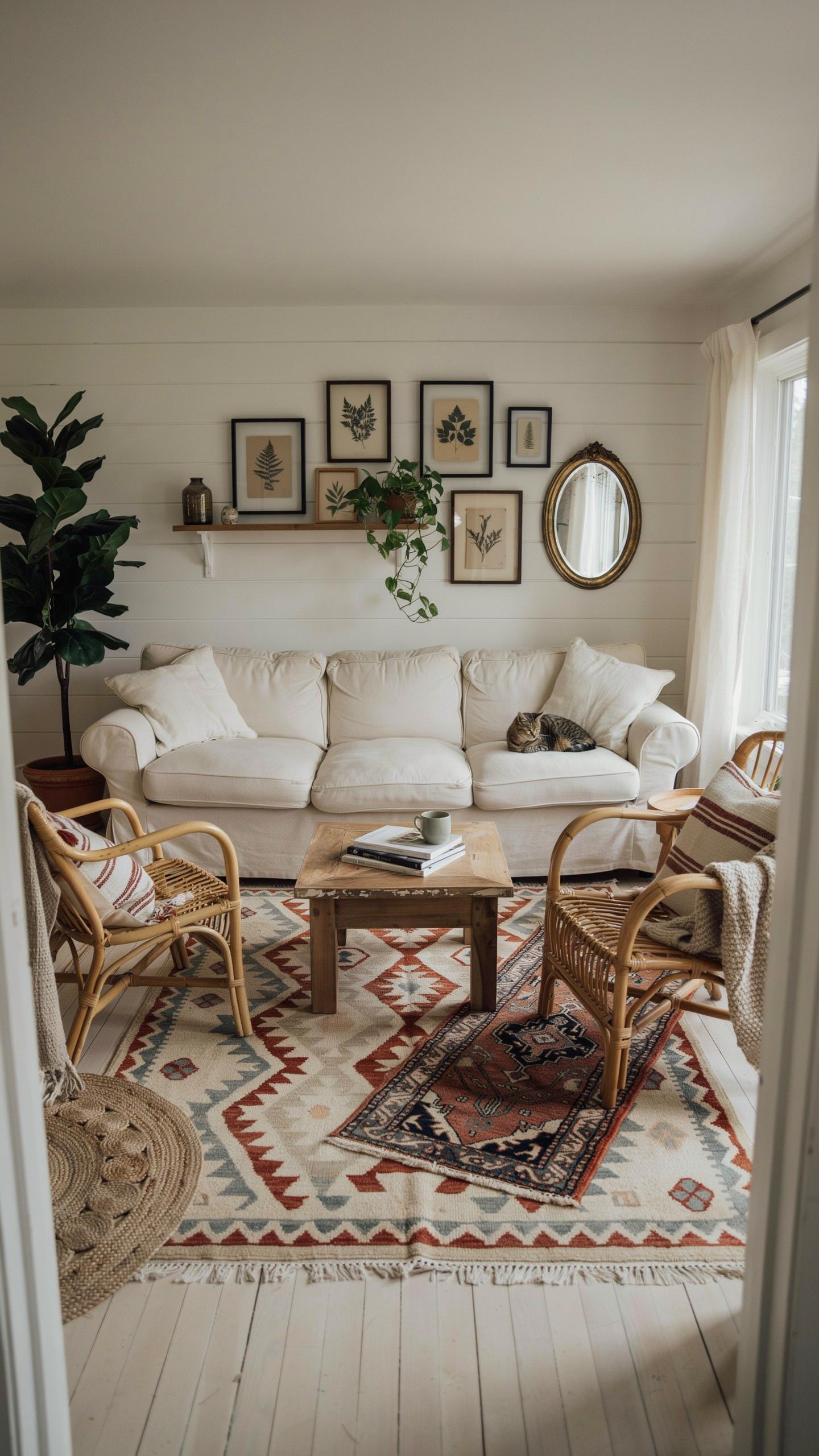
The all-on approach places your entire seating arrangement on the rug. This works best in rooms under 250 square feet. Use a rug measuring 8×10 feet or larger to accommodate a sofa, two chairs, and a coffee table without legs hanging off edges. All furniture feet should land on the rug surface.
The front-legs-on method positions only the front legs of major pieces on the rug. This approach works in larger rooms or open floor plans. Use a 5×8 or 6×9 rug for this arrangement. The visual anchor remains strong while the rug doesn’t overwhelm the space. This method defines zones without blocking traffic flow.
Layering Techniques
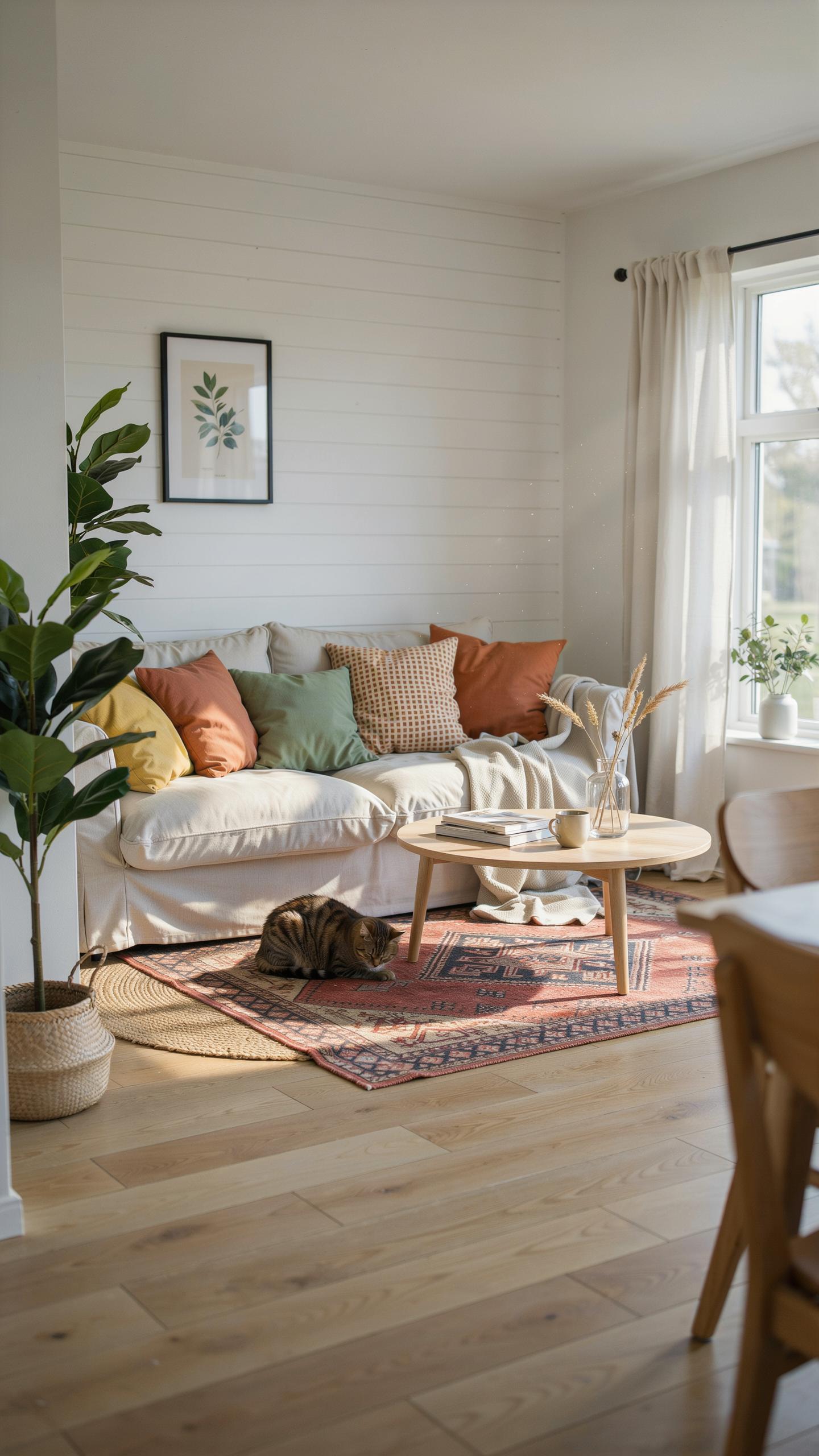
Layering combines a large natural fiber base with a smaller patterned rug on top. Start with a sisal or jute rug in a neutral tone as your foundation. This base should extend under all furniture legs or at least 18 inches beyond seating. Sisal provides durability and texture that complements farmhouse aesthetics without showing wear quickly.
Layer a smaller 5×8 or 6×9 rug with pattern or color over the sisal base. Position this top rug to anchor your seating area visually. The layering creates depth and defines the living space distinctly. This technique allows you to change the smaller rug seasonally or update your design without replacing the base layer.
Budget Friendly Decorating With Inexpensive Modern Farmhouse Rugs
Machine Washable Options
Machine washable rugs solve a core problem in farmhouse homes. These spaces see heavy foot traffic, pets, and family activity. Traditional rugs require professional cleaning, which costs money and takes time. Machine washable options let you handle spills and dirt yourself. This reduces maintenance costs over the rug’s lifetime and keeps your floors looking fresh between professional cleanings.
Synthetic fibers dominate the machine washable market for farmhouse rugs. Polypropylene and polyester withstand repeated washing cycles without degrading. These materials resist moisture better than natural fibers like jute or wool. They dry quickly and resist mold and mildew growth. Budget retailers stock machine washable rugs in neutral tones and simple patterns that match farmhouse aesthetics without charging premium prices.
Clearance Outlet Sourcing
Clearance sections at major retailers contain legitimate farmhouse rugs at 40 to 60 percent below regular pricing. These items move to clearance for inventory rotation, not defects. You find last season’s colors or discontinued patterns that work perfectly in modern farmhouse spaces. Check clearance aisles in stores like Target, Wayfair, and HomeGoods regularly since stock changes weekly. Online clearance sections show the same inventory before physical stores receive markdowns.
Outlet retailers specializing in home goods offer farmhouse rugs year round at lower price points than standard retail. Stores like HomeGoods, TJ Maxx, and Marshalls buy overstock from major manufacturers at discount rates. They pass savings directly to customers. Quality remains consistent because these are genuine products from established brands. Visit these locations frequently to catch new inventory before popular items sell out.
Distinguishing Classic Vs Trendy Farmhouse Rugs Designs
Traditional Motifs
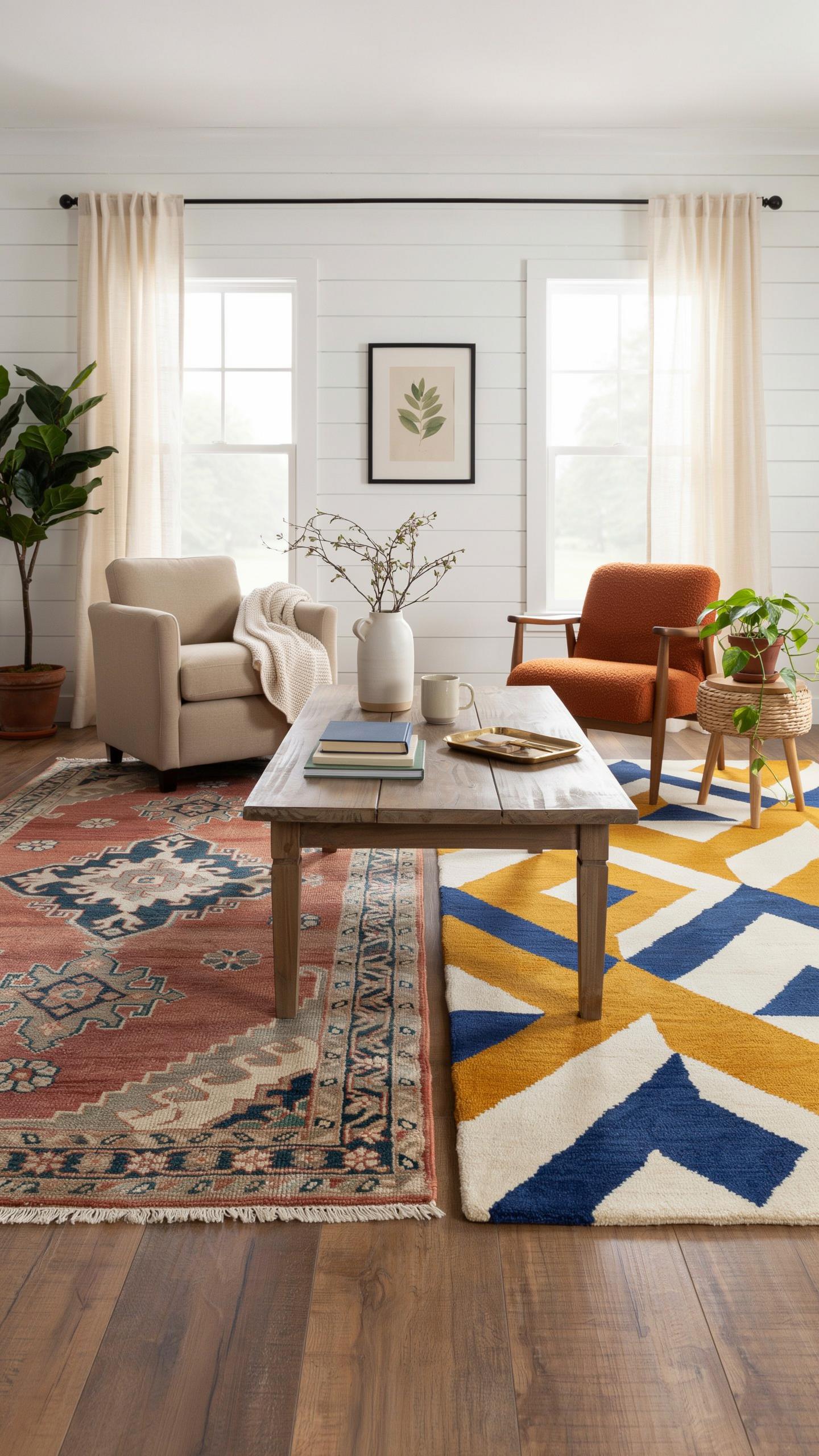
Time-tested vintage and faded traditional motifs draw from 19th-century American and European textile production. These patterns include florals, damasks, and Persian-inspired designs that homeowners recognize instantly. Faded aesthetics come from natural aging or intentional overdyeing techniques. These motifs work because they reference familiar design language from actual farmhouse interiors, not modern invention.
Traditional motifs ground a space in historical authenticity. Homeowners choose these patterns because they photograph well and signal established taste. The faded quality happens through genuine wear or deliberate manufacturing processes that replicate age. These rugs pair effectively with reclaimed wood, vintage furniture, and neutral wall colors found in actual farmhouse settings.
Geometric Upgrades
Modern geometric patterns inject contemporary energy into farmhouse spaces without abandoning the aesthetic. Chevrons, triangles, and linear designs appeared in mid-century design movements and connect visually to updated farmhouse interiors. Geometric rugs bridge traditional farmhouse style with current design trends. They read as intentional rather than accidental, differentiating spaces from purely vintage recreation.
Geometric patterns perform tactically by creating visual movement on neutral backgrounds. These designs work alongside modern farmhouse elements like industrial lighting and concrete accents. Geometric rugs allow homeowners to introduce color or maintain neutrality while adding depth. The patterns break up expansive open floor plans common in modern farmhouse homes, creating zones without walls or barriers.
Inspirational Farmhouse Rug Ideas For Every Room In Your Home
Dining Room And Kitchen
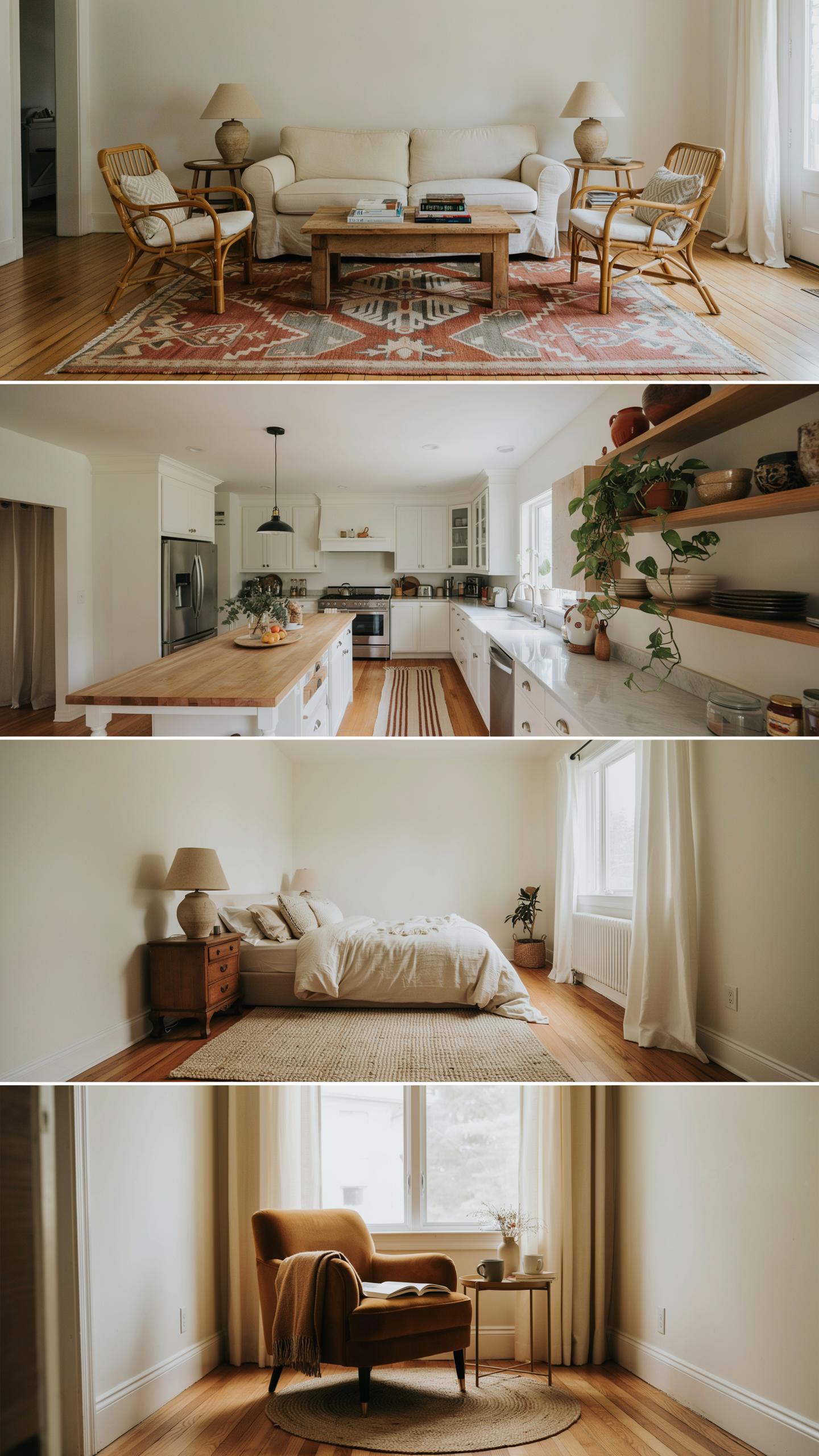
Flatweave rugs solve the core problem in dining and kitchen spaces: durability and maintenance. These rugs lack pile, so food debris sits on top instead of embedding. Vacuum them quickly after spills. Flatweaves in neutral tones like cream, gray, and tan hide wear patterns that emerge over time. They cost less than pile rugs and withstand heavy foot traffic without crushing.
Kitchen and dining rugs need specific dimensions to work. Place rugs under dining tables so all four chair legs land on the rug when seated. Kitchen rugs work best in defined zones near islands or sink areas. Wool flatweaves resist staining better than synthetics. Cotton flatweaves offer easier cleaning and lower cost, though they wear faster than wool in high-traffic zones.
Essential Design Tips
Bedrooms need rugs that anchor furniture and define the sleeping zone. Place rugs under beds with enough overhang so feet touch the rug when stepping onto the floor. Entryways demand rugs that catch dirt immediately upon entry. This placement prevents tracked soil from spreading throughout your home. Entryway rugs also hide high-traffic wear patterns more easily than lighter colored options.
- Bedroom sizing: Run rugs across the foot of the bed or position them to extend 18 to 24 inches beyond each side of the bed frame.
- Entryway placement: Layer smaller rugs over larger ones to create visual interest and contain dirt in the entry zone more effectively.
- Material choice for bedrooms: Use softer fibers like wool or jute in bedrooms since foot traffic remains lower than in dining areas.
- Color strategy for entries: Choose rugs with visible patterns or darker tones to mask dirt and footprints from constant use.
- Rug pads: Install non-slip pads under all bedroom and entryway rugs to prevent movement and protect flooring underneath.
Entryway and bedroom rugs establish visual boundaries without walls. They signal transitions between spaces using texture and color shifts. Standard bedroom rug sizes range from 5×8 feet to 8×10 feet depending on your bed frame and room dimensions. Test rug placement before committing. Move furniture and live with temporary positioning for several days to confirm it works functionally and aesthetically.
Frequently Asked Questions

What are the main characteristics of a rug that fits the modern farmhouse aesthetic?
To achieve an authentic look, focus on pieces that balance rustic charm with clean, contemporary lines. Look for neutral palettes featuring shades of cream, gray, and charcoal. Texture is vital; look for natural fibers like jute or wool with subtle geometric patterns or distressed vintage motifs. Mastering modern farmhouse style rug selection involves finding a piece that adds warmth and tactile interest without overwhelming your sleek, updated furniture or minimalist decor elements.
How do I choose the right rug size and placement for a farmhouse-style living room?
For a cohesive layout, ensure your rug is large enough for at least the front legs of all seating to rest upon. This anchors the room and creates a cozy, communal atmosphere. In larger open-concept spaces, use your modern farmhouse style rug selection to define specific zones, such as the conversation area. Always leave about 12 to 18 inches of bare floor around the edges to maintain that airy, spacious farmhouse feel.
Can I achieve a high-end farmhouse look if I am shopping on a tight budget?
Absolutely! You don’t need a designer budget to find beautiful floor coverings. Synthetic blends like polypropylene are affordable, highly durable, and often mimic the soft look of expensive wool or antique oushaks perfectly. Additionally, layering a smaller, patterned vintage-style rug over a large, inexpensive natural seagrass or sisal rug is a clever way to add high-end texture and designer depth to your home without overspending on a single oversized piece.