
Winter Garden Frost Protection Tips For The New Season
Understanding Frost Zones
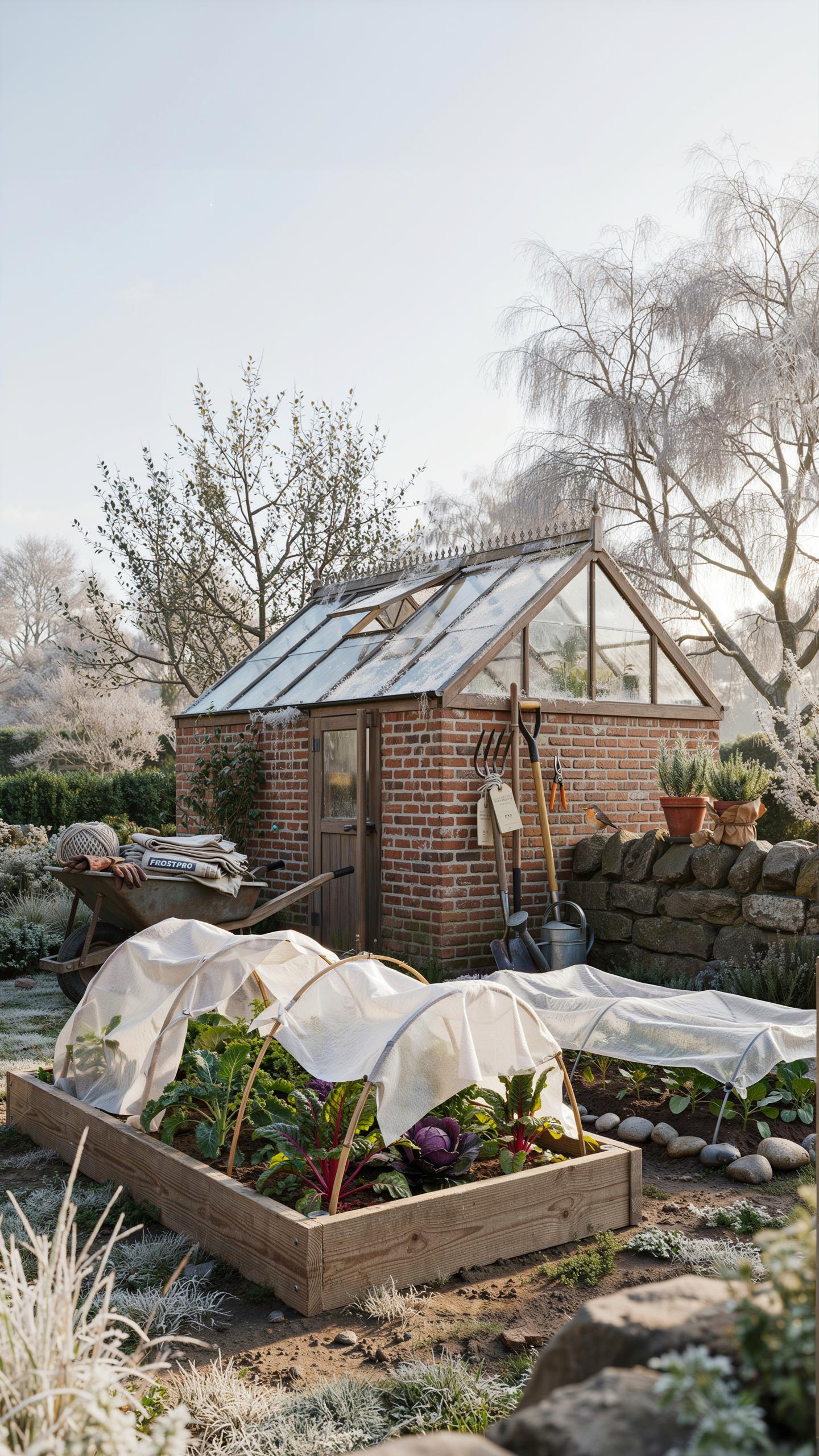
Your local frost date determines when to plant and when to protect. Contact your county’s agricultural extension office to get your first-frost date and last-frost date. These dates mark the average temperatures when frost occurs in your area. Plan your frost cloth deployment around these benchmarks. Your extension office bases these dates on decades of recorded temperature data specific to your region.
Extension offices provide frost zone maps that pinpoint your exact location’s risk window. Know your zone before buying frost cloth or planning garden timelines. This data drives every protection decision you make. Guessing costs money and loses crops. Get the data first, then act.
Early Watering Benefits
Water soil thoroughly two to three days before a predicted hard freeze. Moist soil absorbs and releases heat more effectively than dry soil. This thermal mass slows the temperature drop around plant roots. The water in soil acts as an insulator during rapid temperature swings. Saturated soil protects roots better than any other pre-freeze preparation method.
Wet soil transfers stored heat upward to plants and frost cloth throughout the night. Dry soil offers zero thermal protection. Water your beds completely before deploying frost cloth. This combination of moisture and insulation keeps root zones above critical temperature thresholds. Skip this step and you lose the advantage of frost cloth protection.

How To Protect Garden From Frost Using Modern Methods
Mulching Techniques
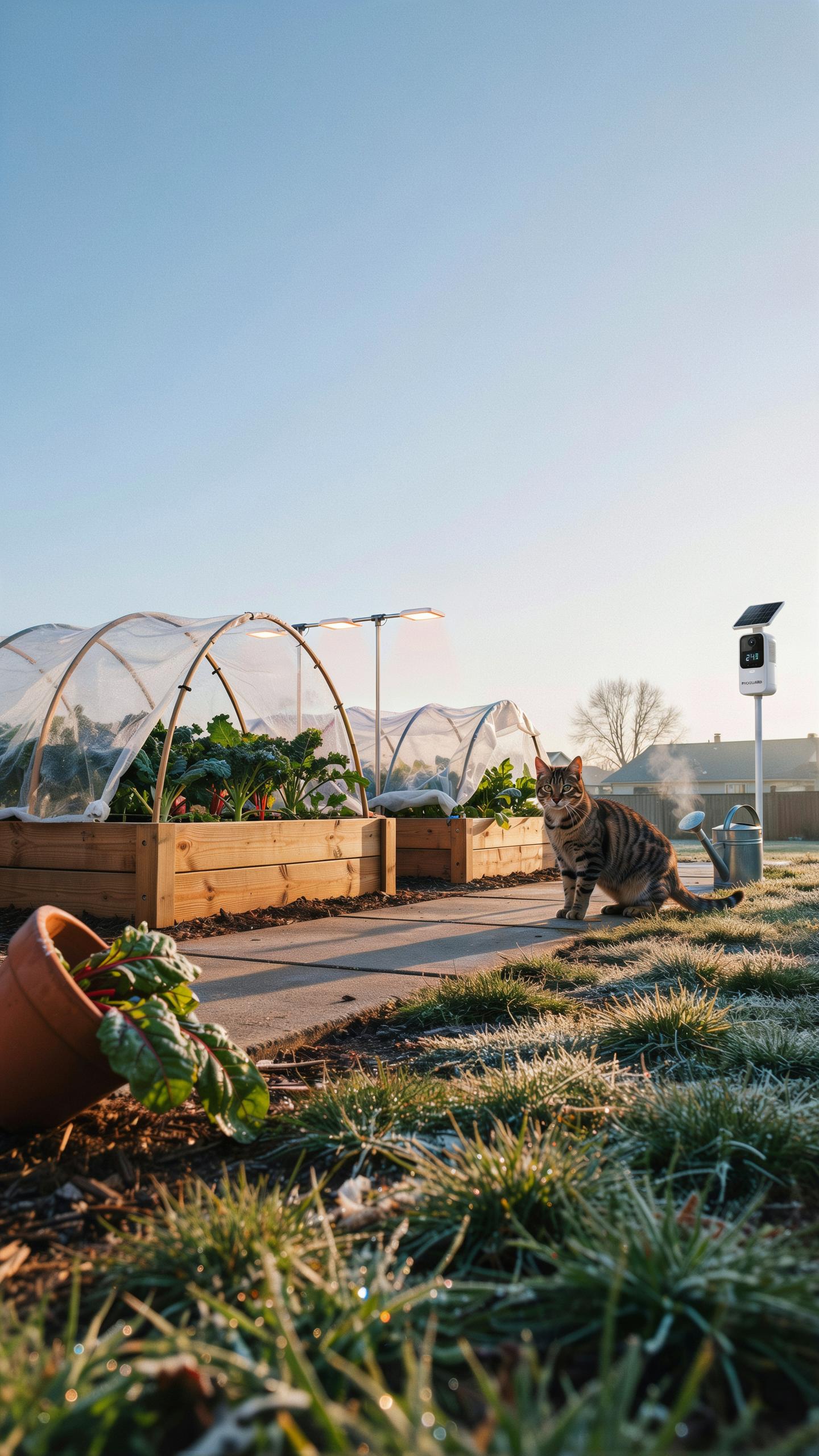
Organic mulch blocks cold air from reaching plant roots and stabilizes soil temperature swings. Apply two to four inches of straw, wood chips, or shredded leaves around plants before the first frost. The mulch layer traps ground heat and prevents soil from freezing solid. Remove excess mulch in spring to avoid mold and pest problems.
Mulch works best on perennials and root vegetables that survive underground. Tender annuals still need frost cloth or other protection even with mulch coverage. Mulch alone cannot replace winter garden protection frost cloth for above-ground foliage. Combine mulching with cloth barriers for maximum cold defense across your garden beds.
Temporary Cold Frames Cloches
Glass cloches and recycled plastic bottles create individual plant shields that trap warmth. Position cloches over seedlings, small shrubs, or low-growing vegetables before temperatures drop. The transparent covering allows sunlight in while preventing frost damage to tender growth. Remove cloches on warm days to prevent overheating and allow air circulation.

Portable cold frames offer larger coverage than cloches and suit raised beds or garden rows. Stack materials like old windows or plastic panels on wood frames to build functional structures. Cold frames work with winter garden protection frost cloth to create layered defenses. Monitor moisture inside frames since trapped condensation can rot plants if not managed properly.
Choosing The Best Frost Protection For Plants In Cold Climates
Essential Materials Checklist
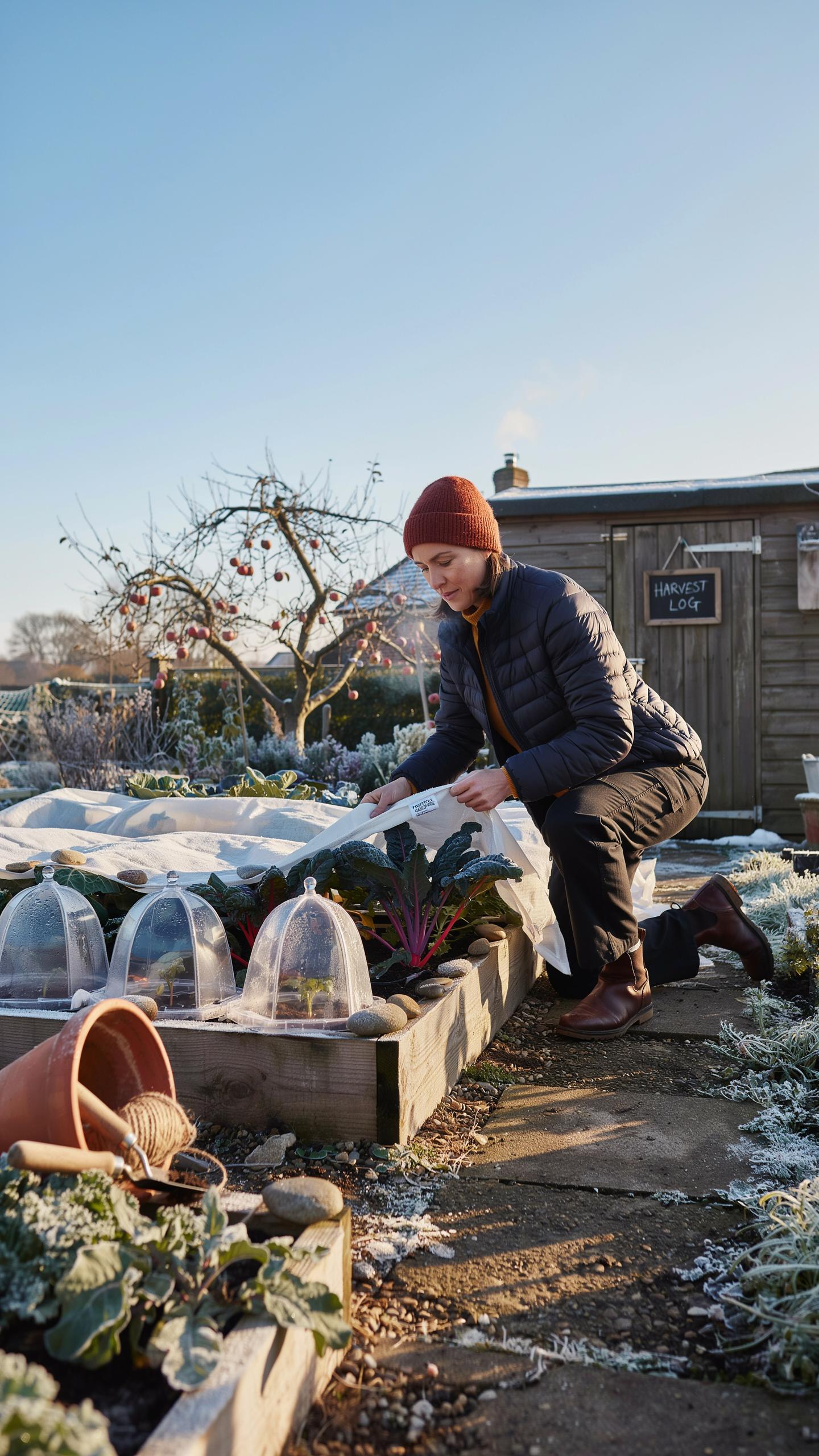
Different materials offer distinct advantages based on your climate zone and plant types. The right choice depends on temperature drops, wind exposure, and how long you need protection during winter months. Each material has specific strengths in insulation, durability, and reusability across seasons.
- Burlap: Breathable natural fiber that allows air circulation while trapping heat. Works well for shrubs and young trees. Degrades over time and requires replacement every few years with proper storage.
- Plastic Sheeting: Blocks wind and retains moisture effectively. Trap heat underneath during sunny days. Risk of overheating on warm winter days, so ventilation matters. Best used temporarily, not all season.
- Spunbond Polyester: Lightweight nonwoven fabric that permits water and light penetration. Rated by GSM weight for different frost levels. Reusable for 4 to 6 seasons with proper handling and storage between years.
- Heavy Duty Canvas: Cotton blend material provides structural support for larger plants. More expensive upfront but lasts 8 to 10 years with care. Withstands wind better than lighter fabrics without tearing.
- Row Covers: Thin spunbond options for vegetables and low herbaceous plants. Allows sunlight and water through while protecting from frost. Typically rated for 2 to 4 degrees of frost protection.
Material selection determines your protection level and long term costs. Canvas handles harsh winds and repeated seasons better than single use plastic. Spunbond polyester offers the best balance of cost, durability, and thermal performance for most gardeners.
Evaluating Fabric Weight Ratings
GSM ratings measure grams per square meter, directly affecting how much frost a fabric prevents. Higher GSM values mean thicker material and greater temperature protection. A 50 GSM fabric blocks approximately 2 to 4 degrees of frost. A 100 GSM fabric protects 4 to 6 degrees. A 200 GSM fabric provides 8 to 10 degrees of protection in most conditions.

Light transmission decreases as GSM increases, which affects photosynthesis during winter months. Plants under 200 GSM fabric receive roughly 50 percent of available sunlight. Plants under 50 GSM fabric receive 80 to 90 percent. Your choice depends on whether your plants need winter light or just frost protection from dormancy.
How To Cover Plants From Frost Safely And Effectively
Draping Versus Supporting Structures
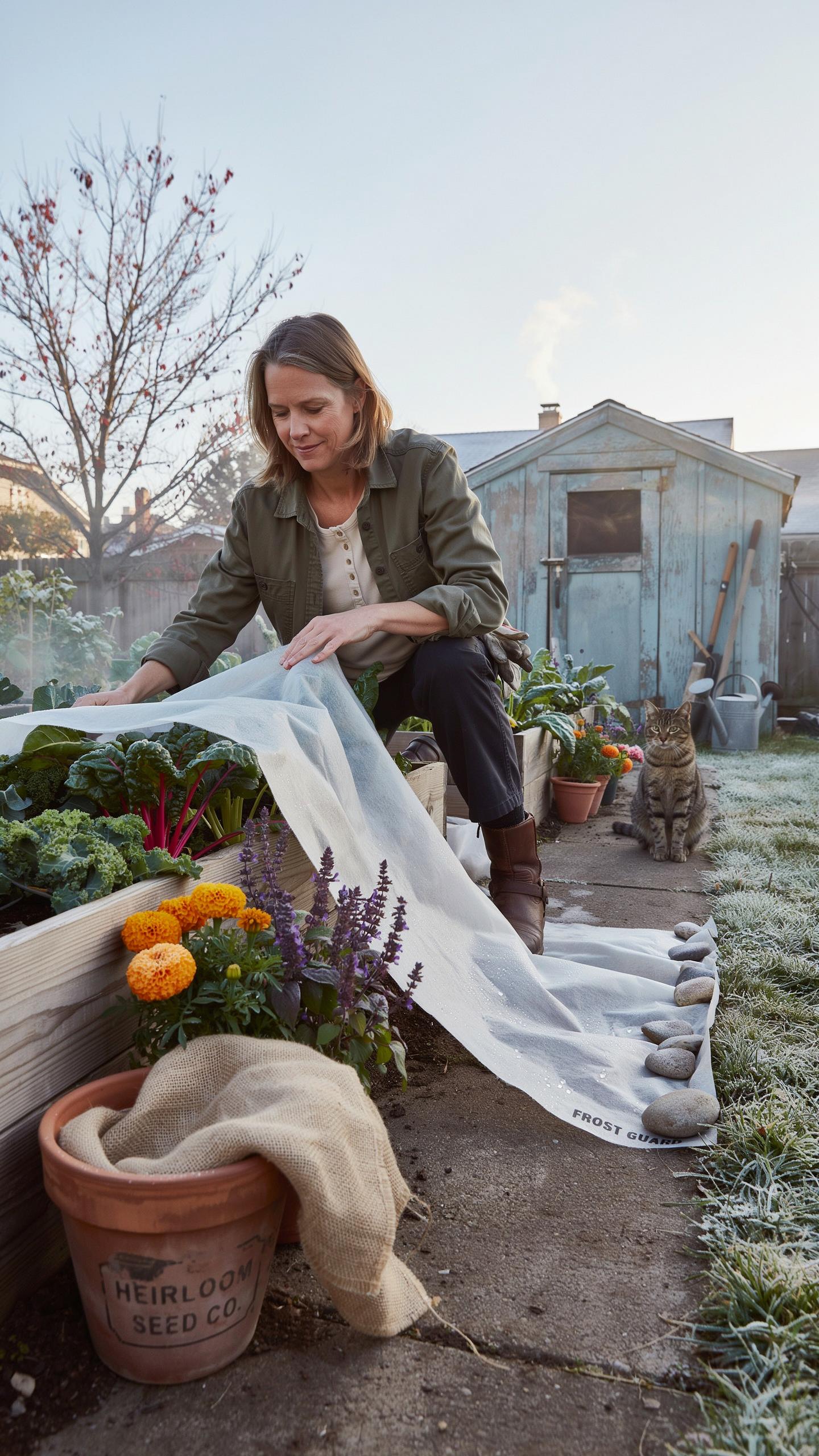
Draping frost cloth directly onto plants causes damage when moisture accumulates and freezes. The weight of wet fabric crushes tender stems and breaks branches. Support structures like PVC hoops, wooden frames, or metal stakes hold the cloth above plants. This creates airspace that lets heat radiate from soil while protecting foliage. The cloth never touches plant tissue, eliminating breakage risk entirely.
Support hoops come in various heights to match your plants. Low hoops work for ground covers and seedlings. Taller structures protect shrubs and young trees. You install hoops before draping cloth over them. This takes minutes and prevents hours of plant damage. The investment in hoops pays for itself through crop protection.
Anchoring Techniques Against Wind
Wind pushes freezing air under loose cloth edges, negating frost protection. Landscape staples drive through fabric into soil around the perimeter. Heavy bricks or stones placed along edges also work. You need anchor points every 12 to 18 inches to seal gaps. Loose edges mean failed protection during critical frost events.

Secure all four sides before temperatures drop. Check anchors daily during freeze cycles as wind shifts them. Bricks work best on hard surfaces where staples won’t penetrate. Stones provide flexibility on uneven ground. Weigh down corners first, then do side edges. Tight sealing determines whether your plants survive or freeze.
The Rise Of Advanced Winter Garden Protection Frost Cloth Technology
Breathable Synthetic Polymers
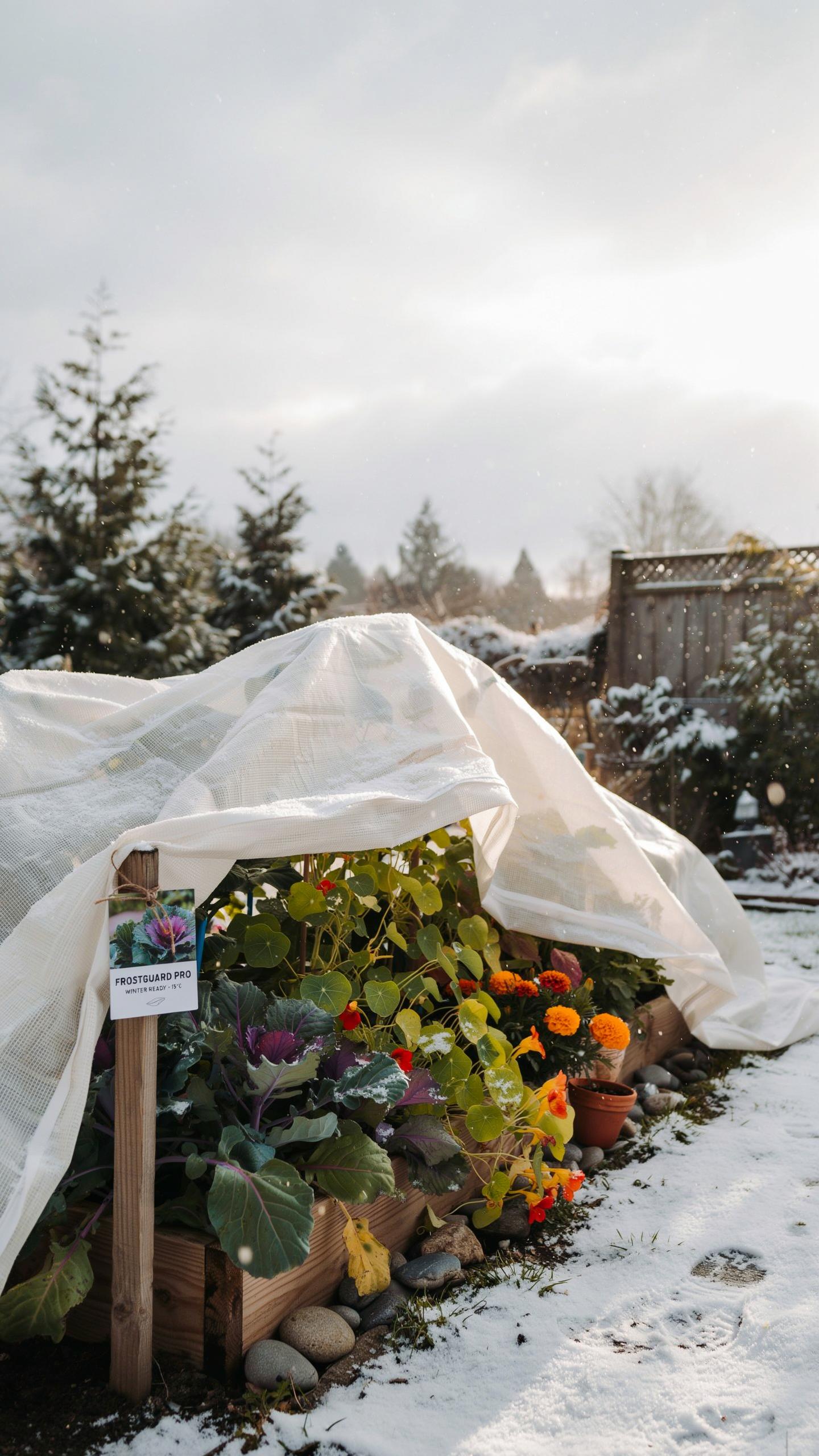
Lightweight polypropylene fabrics dominate the frost cloth market because they balance protection with plant access to essential elements. These materials allow UV rays to penetrate during daylight hours while trapping heat radiated from soil at night. Air circulation flows through the weave, preventing moisture buildup that causes fungal issues. Natural rainfall reaches plant roots without pooling on the cloth surface.
Polypropylene fabrics typically range from 0.55 to 1.25 ounces per square yard in weight. Lower weights offer minimal frost protection but maximize light transmission. Higher weights provide stronger freeze defense but reduce UV penetration. Gardeners select based on local frost severity and the specific cold tolerance of their plants.
To garden is to believe in tomorrow, and tucking our sleeping blooms under a soft blanket of cloth honors that quiet promise.
Reusable And Biodegradable Options
The market shifted toward sustainable frost cloths designed for five to ten season use. Manufacturers engineered materials to resist UV degradation, mold growth, and physical tearing from repeated handling and storage. Reusable options reduce annual fabric waste while lowering long-term costs per growing season. Some fabrics break down naturally after their lifespan without leaving synthetic residue in soil.

Biodegradable frost cloths use plant based polymers or natural fibers blended with synthetic reinforcement. These materials decompose within one to three years if left in a garden environment. Gardeners who prioritize sustainability adopt these products despite higher upfront prices. The trade-off involves replacing cloths more frequently than traditional polypropylene alternatives.
Selecting Durable Plant Covers For Large Scale Gardens
Floating Row Covers For Crops
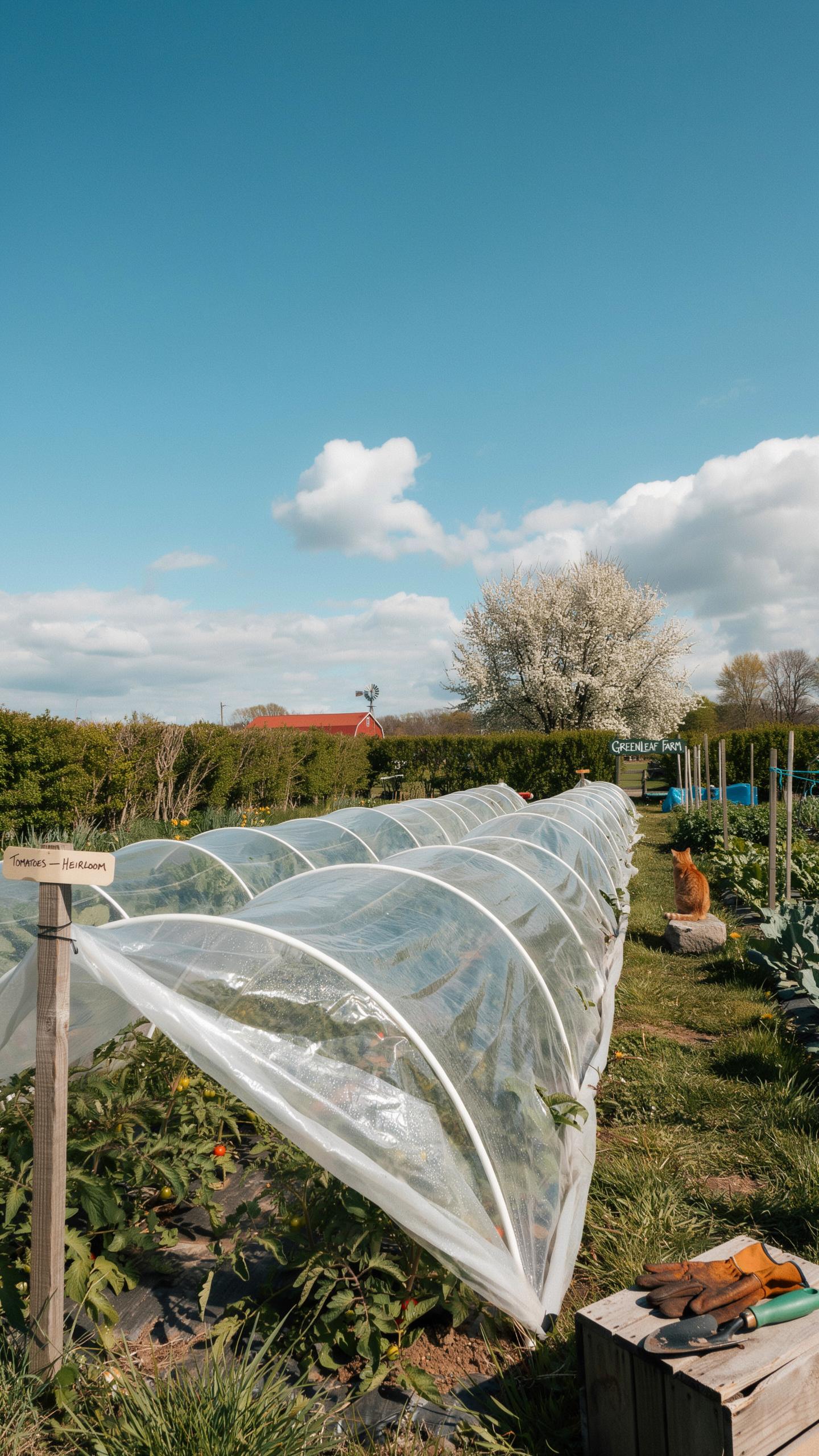
Floating row covers deploy directly over plants or sit on wire hoops above crop rows. This method works because the fabric allows light and water penetration while trapping heat. Continuous rolls cover extensive areas fast. Anchor edges with soil, pins, or sandbags to prevent wind from lifting the fabric and exposing plants to frost damage.
Leafy greens and root vegetables tolerate the weight and reduced airflow that row covers create. Remove covers during pollination periods for crops requiring insect activity. Fabric weight ratings range from 0.55 to 1.25 ounces per square yard. Heavier fabrics provide more frost protection but reduce light transmission by 15 to 30 percent, which slows growth in low light conditions.
Custom Fitted Shrub Jackets Drawstrings
Prefabricated shrub jackets with drawstrings or zippers deploy rapidly over ornamental bushes and small fruit trees. The fitted design prevents frost from entering gaps where fabric meets stems. Zippers allow access for watering or monitoring without removing the entire cover. Drawstring systems work on irregular shapes and cost less than zipper alternatives.

These covers protect tender ornamentals from wind damage and freezing temperatures. Material thickness and insulation value determine frost protection levels. Most commercial jackets fit trees up to eight feet tall and six feet wide. Choose covers with vents to prevent heat and moisture buildup that encourages fungal disease during thaw cycles.
Essential Plant Protection Strategies For Container Gardens
Pot Clustering And Sheltered Placement
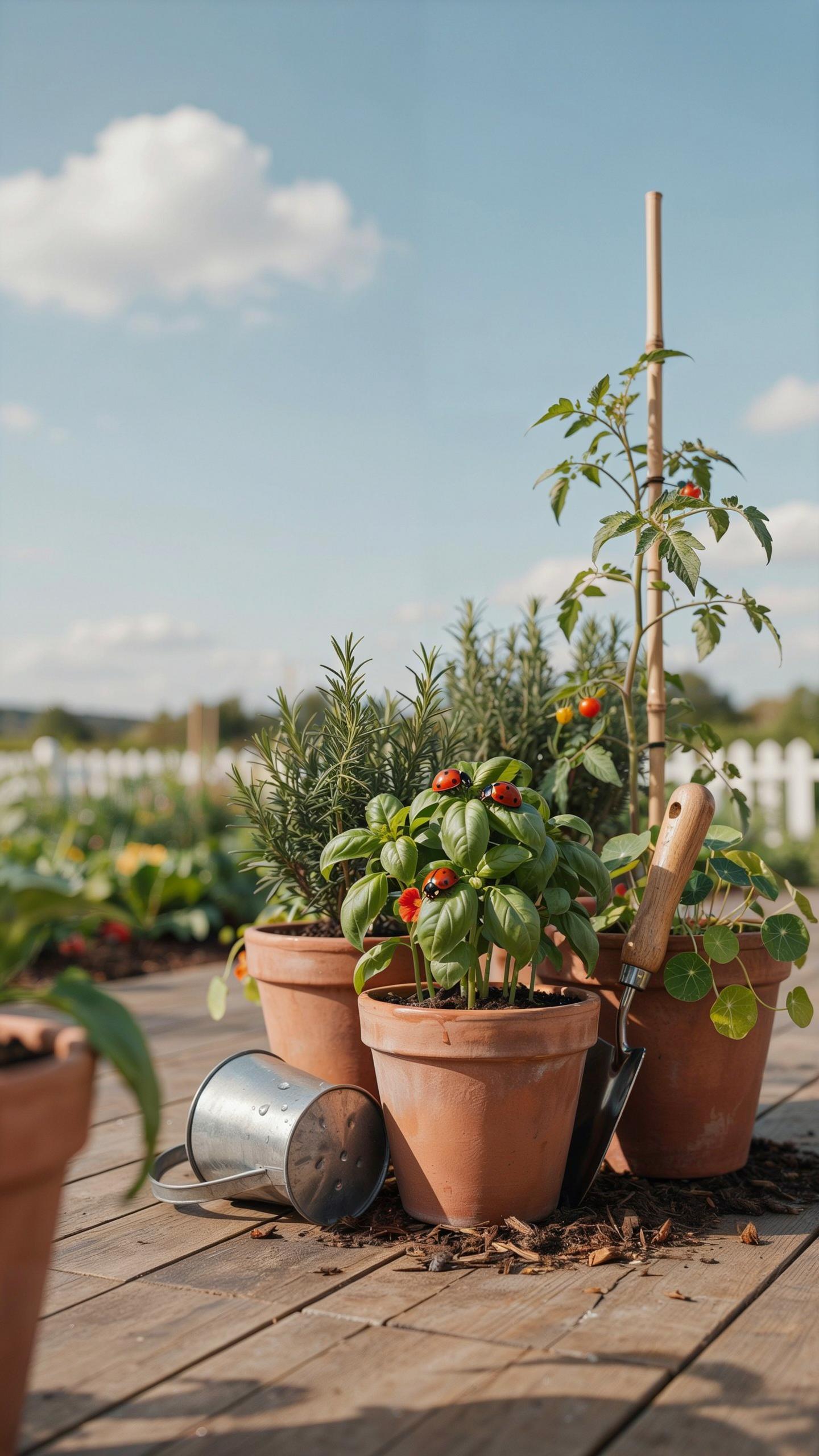
Grouping containers together reduces exposure to wind and cold air movement. Plants in the center of a cluster experience lower temperatures than isolated pots, but the effect compounds when you position the group against a south-facing wall. The wall absorbs solar radiation during the day and releases heat at night, creating a warmer microclimate. This strategy works best in temperate zones where daytime sun reaches south-facing surfaces.
Wind damage causes more container plant death than temperature alone. A wall blocks cold wind that dries foliage and soil. Clustered pots also shade each other, reducing rapid temperature fluctuations that crack roots and damage stems. Position tender perennials and evergreens in the center of the cluster for maximum protection from edge exposure.
Insulating Pots With Bubble Wrap
Bubble wrap prevents soil from freezing solid inside containers. Clay and terracotta conduct cold directly to the root zone because these materials lack insulation properties. Wrapping pots with bubble wrap creates an air gap that slows heat loss. Apply bubble wrap before temperatures drop, covering the sides and bottom of each container where roots concentrate.

Frozen soil expands and contracts as temperatures cycle above and below freezing. This movement cracks terracotta and clay pots from the inside out. Plastic containers tolerate freezing better than clay, but roots still freeze at temperatures below 32 degrees Fahrenheit. Bubble wrap reduces cracking risk and maintains soil temperature closer to ambient conditions, extending survival rates for containerized plants during winter dormancy.
Targeted Winter Plants Care And Cold Tolerant Crops
Protecting Cold Hardy Brassicas Alliums
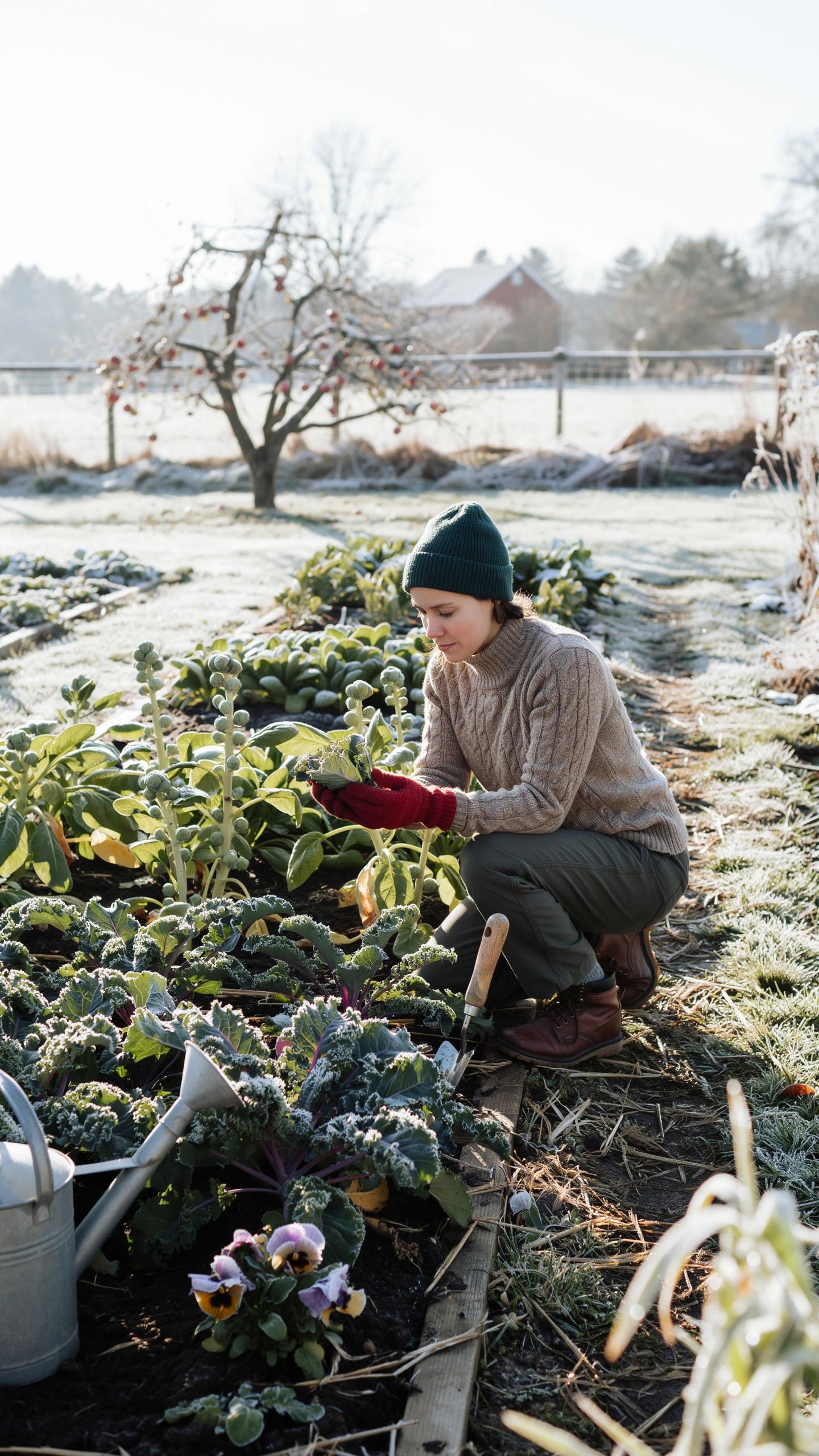
Cold hardy brassicas and alliums survive winter without heavy protection due to their natural frost tolerance. Kale, garlic, and spinach withstand temperatures well below freezing. Light frost cloth still delivers value by reducing temperature fluctuations and wind damage that stress plants during freeze thaw cycles. This minimizes cell rupture and extends productive harvest windows into spring.
Apply lightweight frost cloth directly over brassicas and alliums when temperatures drop below 28 degrees Fahrenheit. The fabric allows sunlight and water penetration while trapping ground heat. Remove cloth during warmer daytime periods to prevent moisture buildup and fungal issues. This targeted approach maintains vigor without creating excessively warm microclimates that trigger premature growth.
Sheltering Semi Hardy Herbs Shrubs
Semi hardy herbs like rosemary and lavender face greater cold damage risk than fully hardy crops. Young evergreen shrubs lack the established root systems needed for consistent winter survival. Windburn causes more damage than temperature alone because moving air strips moisture from foliage faster than roots replenish it. Frost cloth blocks wind while maintaining air circulation beneath the fabric.

Install frost cloth before the first hard freeze, securing it loosely around plants to allow air movement. Use stakes or cages to prevent fabric contact with foliage. Remove cloth during thaw periods to reduce heat stress. Reapply protection as needed through winter. Check plants weekly for moisture and adjust ventilation to prevent rot in semi hardy species during mild spells.
Proactive Steps For Protecting Plants From Frost Overnight
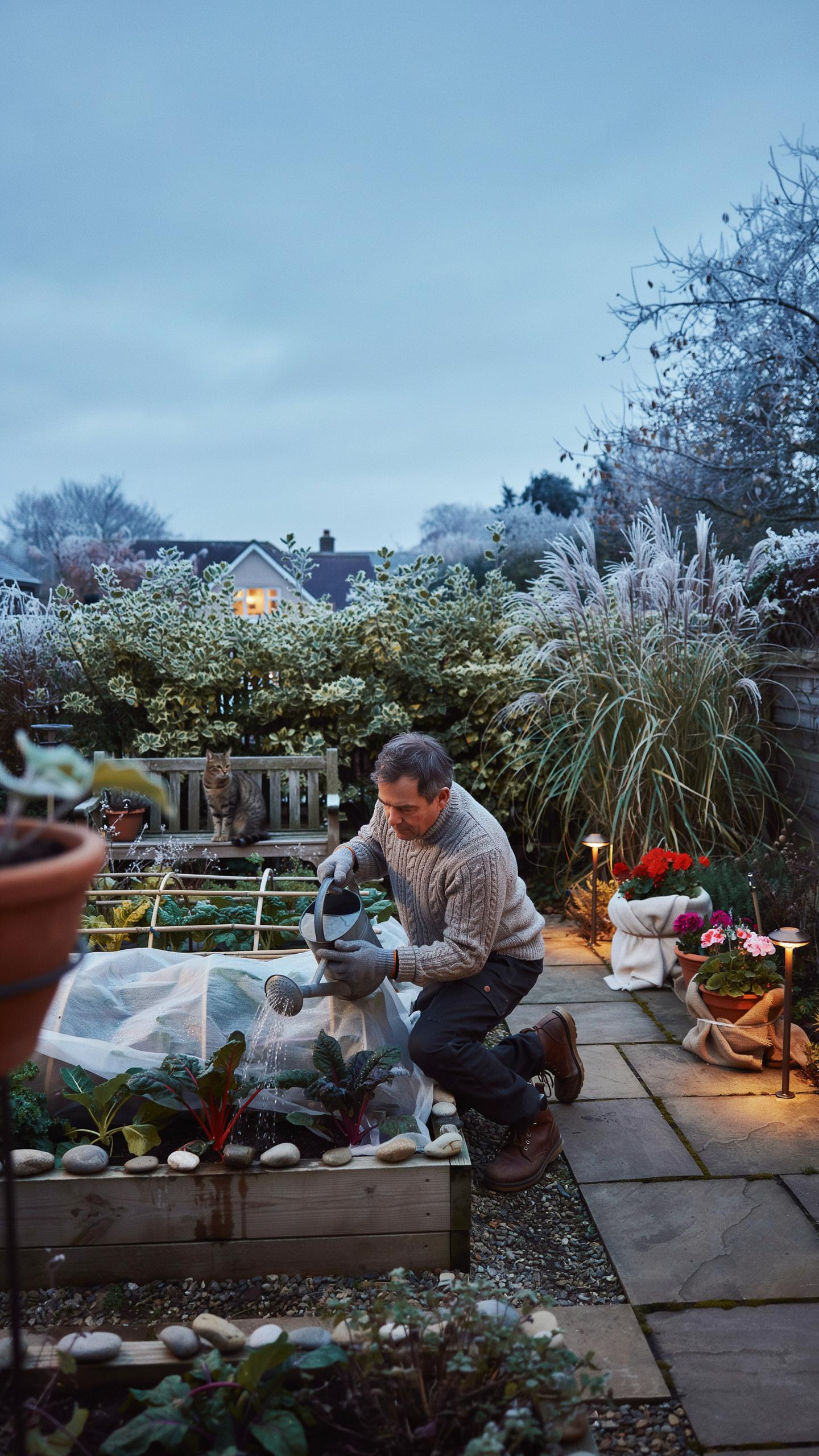
Afternoon Preparation Routine Steps
Check your local weather forecast by mid-afternoon to confirm overnight temperatures. Identify which plants need coverage based on their frost tolerance and your hardiness zone. Gather frost cloth, stakes, and securing materials before sunset. This timing gives you daylight to work safely and ensures readiness before temperatures drop.
- Monitor forecast accuracy: Use National Weather Service data or local agricultural extension forecasts rather than general weather apps for precise frost predictions and timing windows.
- Identify vulnerable plants: Focus on tender perennials, young shrubs, vegetables, and tropical plants. Established woody plants typically withstand frost without protection.
- Prepare materials in advance: Lay out frost cloth, stakes, clips, and soil anchors near plants before sunset to avoid fumbling in darkness.
- Cover plants before temperature drops: Install frost cloth while air is still warm, ideally one to two hours before sunset, to trap ground heat beneath the covering.
- Secure edges completely: Bury cloth edges under soil or anchor with weights to prevent gaps. Cold air seeps through unsealed edges and reduces protection effectiveness.
Proper edge securing prevents heat loss and stops wind from lifting covers. Test your securing method on a non-frost night to ensure it holds. Tight coverage around the base matters more than covering the top. Your goal is creating a sealed barrier that traps the warmth radiating from soil.
Morning Uncovering Protocols Ventilation
Remove frost cloth once daytime temperatures rise above freezing and sunlight hits the plants. Leaving cloth in place on warm mornings traps heat and creates internal temperatures that exceed plant tolerance. Condensation builds under covers on sunny mornings, creating wet conditions that invite fungal infections like powdery mildew and damping off. Timely removal prevents these moisture-related diseases.
Partially vent cloth before fully removing it if temperatures are still cool. Prop up one edge or corner to allow air circulation while maintaining some frost protection. This gradual transition prevents sudden temperature shock to plant tissue. Store dried cloth properly to prevent mold growth on the material itself between uses.
Long Term Frost Protection For Plants Across Diverse Microclimates

Identifying Frost Pockets On Slopes
Cold air flows downhill like water. It collects in low spots, valleys, and depressions where it pools and becomes trapped. These frost pockets experience temperatures five to ten degrees colder than surrounding areas. Identify them by observing where frost lingers longest on winter mornings or where plants consistently suffer freeze damage while nearby plants survive unharmed.
Map your yard’s topography to pinpoint risk zones. North facing slopes hold cold longer than south facing slopes. Low points at the base of hills trap the most frigid air. Test these areas by placing minimum temperature gauges throughout your garden over several nights to confirm frost pocket locations before installing frost cloth or permanent protection structures.
Building Permanent Windbreaks Hedges Fences
Windbreaks reduce freeze damage by slowing air movement and capturing radiant heat near protected plants. Evergreen hedges offer superior performance because they block wind year round and maintain foliage density during winter. Position hedges and fences perpendicular to prevailing winter wind directions to maximize deflection. A properly designed windbreak reduces wind speed by thirty to fifty percent within a distance equal to four times its height.
Wooden fences and dense hedge rows create physical barriers that force cold air upward and around garden beds. Space your windbreak at least ten to fifteen feet from vulnerable plants to allow for proper air circulation while still capturing protective effects. Gaps or sparse sections in barriers reduce effectiveness significantly, so maintain hedge density and inspect fences for damage that compromises wind protection annually.
Frequently Asked Questions

What exactly is frost cloth and how does it help my winter garden?
Frost cloth is a specialized lightweight, breathable fabric designed to trap heat radiating from the ground while shielding plants from freezing winds. Unlike plastic, which can overheat and suffocate foliage, this material allows light and moisture to reach your greens. Investing in quality winter garden protection frost cloth creates a microclimate that can raise the temperature by several degrees, effectively saving your vulnerable perennials and cool-season vegetables from sudden overnight temperature drops.
How do I properly install frost cloth to ensure my plants are fully protected?
For effective winter garden protection frost cloth should be draped loosely over your plants, ensuring the edges reach all the way to the ground. Use landscape staples or heavy stones to seal the perimeter, which traps the earth’s natural warmth inside. Avoid letting the fabric touch the foliage directly if possible by using hoops or stakes. This creates a supportive “tent” that prevents ice from transferring through the fabric onto sensitive leaves.
Can I use household items as a budget-friendly alternative to professional garden fabric?
If you are on a budget, transition into the season using old bedsheets, burlap, or heavy blankets. While these items provide temporary relief, they lack the specialized UV resistance and breathability of professional materials. Ensure you remove heavy household linens during the day, as they can become waterlogged and crush your plants. For long-term success, upgrading to dedicated garden supplies is a more reliable way to maintain a healthy, vibrant landscape all winter.