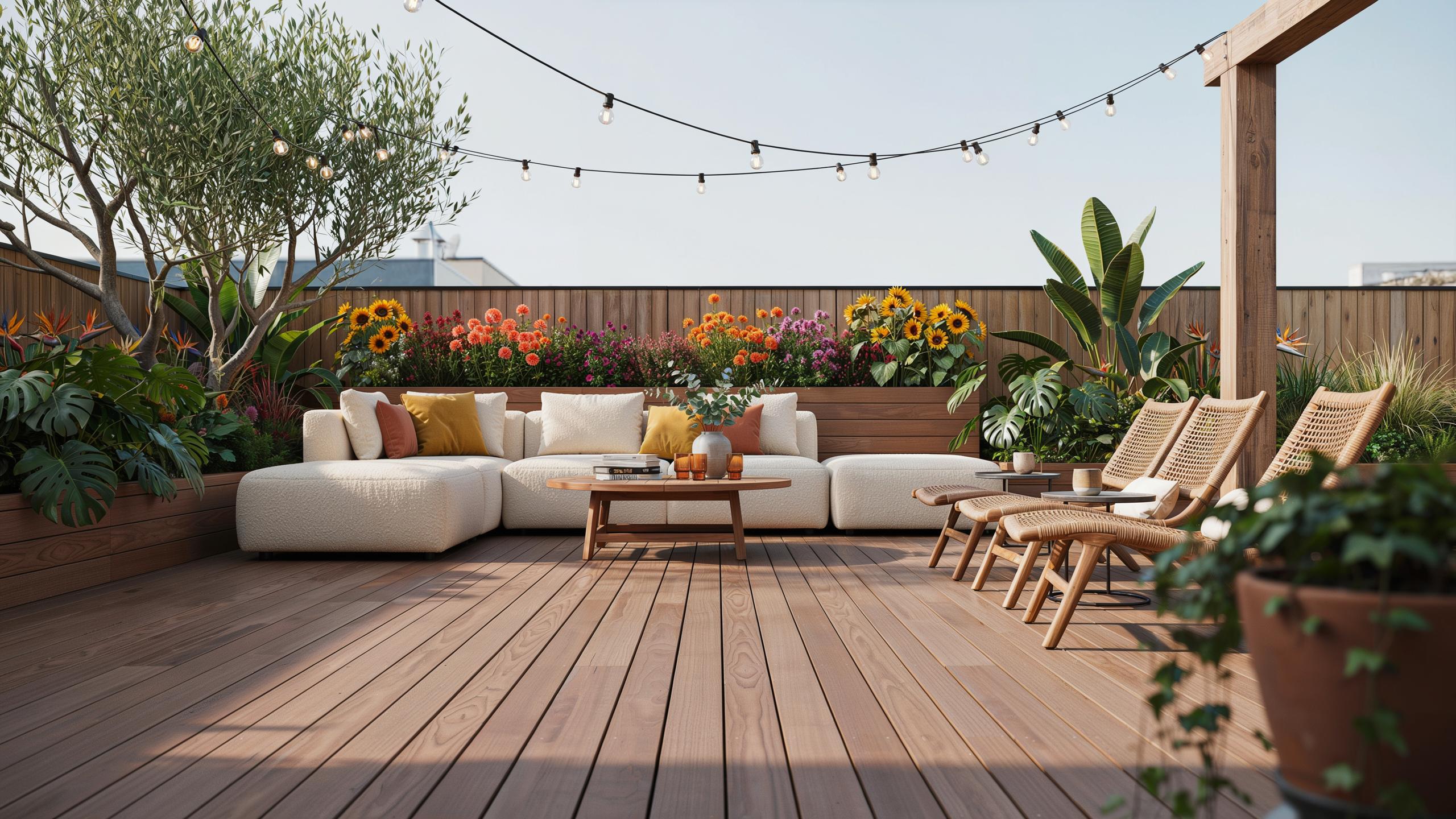
Embracing Contemporary Outdoor Space Design For Modern Homes
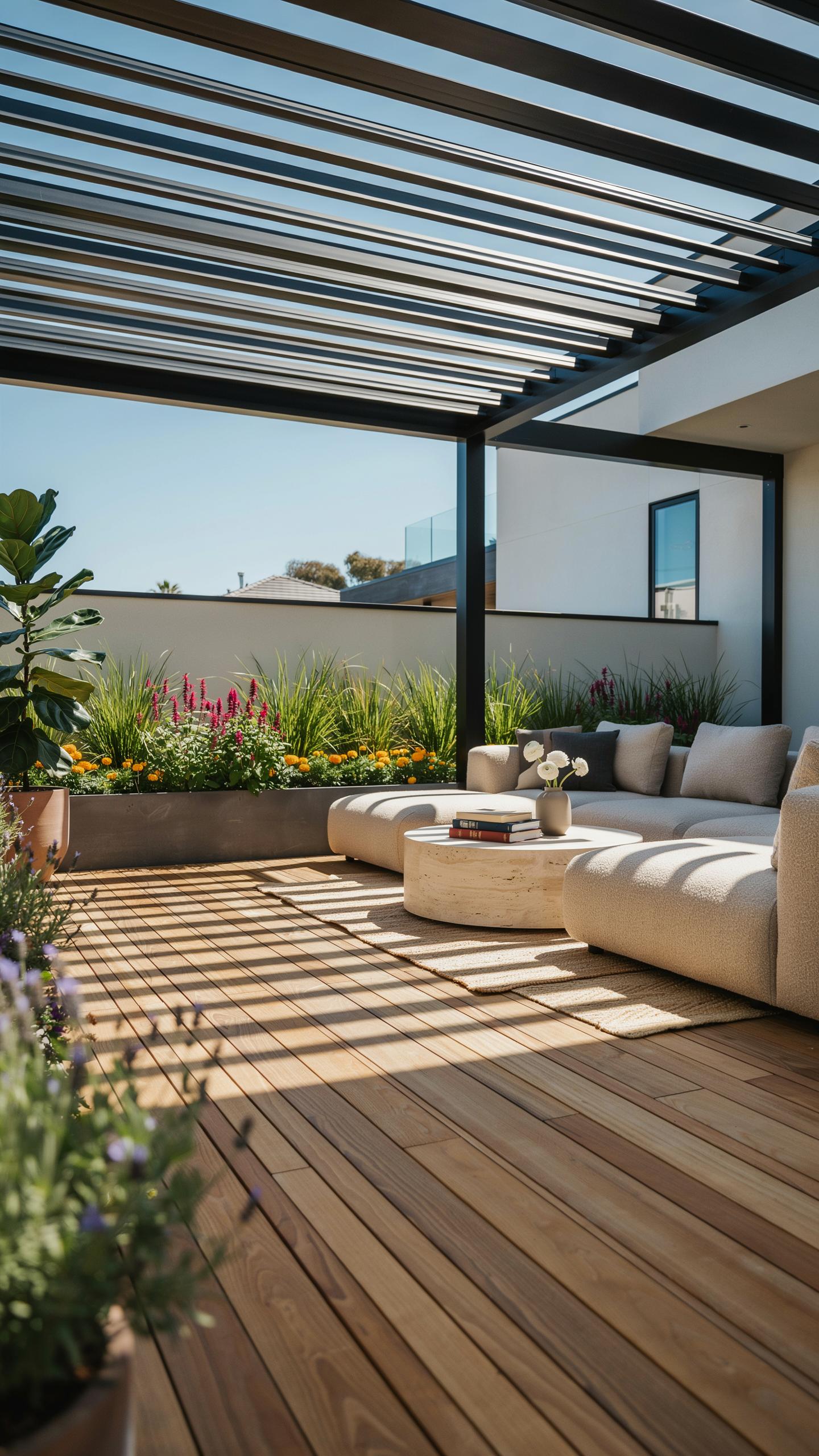
Defining The Aesthetic
Contemporary outdoor design strips away ornament and focuses on function. Clean lines, open sightlines, and minimal visual clutter define the approach. The style emerged from modernism in the mid-20th century and evolved through minimalism. Contemporary spaces prioritize usability over decoration. They integrate the outdoor room with the home’s interior, creating seamless transitions between inside and outside living areas.
Proportions matter in contemporary design. Designers use geometric shapes and repetition to create visual order. Hardscaping dominates the layout through concrete pads, stone pathways, and decking platforms. Plantings serve structural purposes rather than decorative ones. The result is a purposeful outdoor space where every element justifies its presence through either function or clean aesthetic value.
Materials And Textures
Contemporary outdoor spaces merge raw industrial materials with natural elements intentionally. Concrete, steel, and composite decking provide durability and low maintenance. These materials age visibly, which fits the contemporary approach of accepting wear and patina. Stone and gravel offer textural contrast against smooth hardscaping. This combination creates visual interest without relying on ornamental details or seasonal plantings.
Natural wood appears in contemporary designs as a functional element, not decoration. Weathered timber decking, privacy screens, and pergolas introduce organic texture. Steel frames and metal railings provide structure and industrial contrast. Native plantings fill remaining spaces with restrained green elements. The key principle is material honesty, where each material shows its true nature rather than being disguised or artificially finished.
Revolutionizing Your Yard With Creative Backyard Renovations
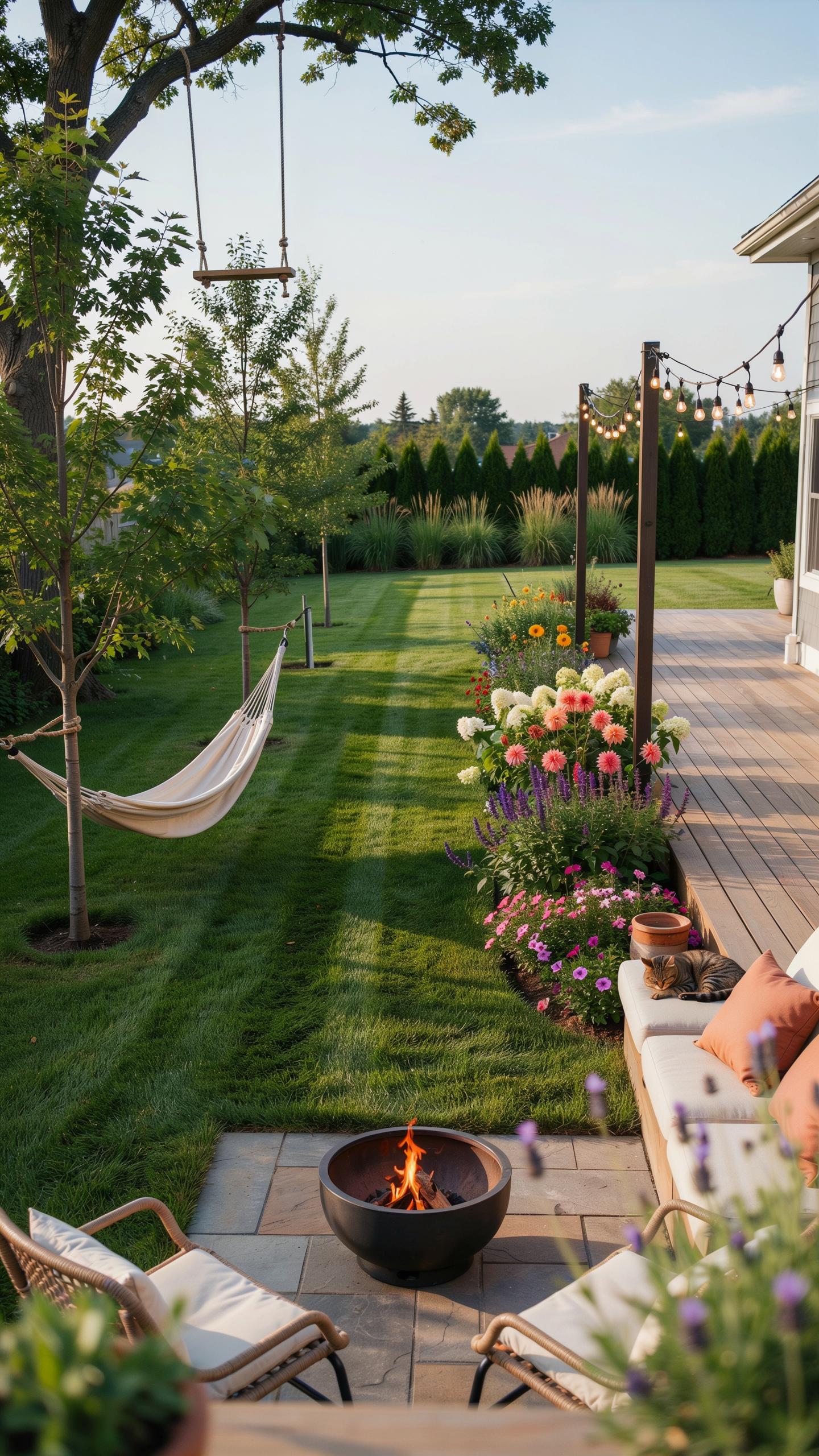
Zoning Your Yard Creating Dedicated Zones For Dining And Play
Zoning divides your yard into functional areas that serve specific purposes. This approach prevents wasted space and creates natural traffic flow. Define zones through hardscaping, plant placement, and furniture arrangement. Each zone should connect visually while remaining distinct. This strategy works for yards of any size and maximizes usable square footage.
Dining zones require flat, stable surfaces with overhead protection from sun and rain. Position them near the house for kitchen access and utility. Play zones need open sight lines and impact-absorbing surfaces like mulch or permeable pavers. Separate entertainment zones from active areas to reduce noise conflicts. Clear boundaries between zones eliminate confusion about intended use and improve safety.
Smart Landscaping Implementing Low Maintenance Architectural Plants
Architectural plants form the backbone of low-maintenance landscapes. These species have distinctive shapes, textures, and structural qualities that define spaces year-round. Choose plants suited to your climate zone to reduce watering, fertilizing, and pest management. Ornamental grasses, evergreen shrubs, and structured trees require minimal intervention once established. Native species typically outperform non-native alternatives because they adapted to local rainfall and soil conditions.
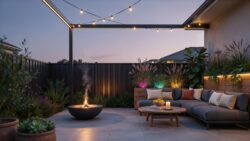
Group plants by water needs to create efficient irrigation zones. This practice cuts maintenance time and prevents overwatering in some areas while underwatering others. Mulch reduces weeds and retains soil moisture, lowering maintenance demands. Space plants appropriately so they don’t overcrowd as they mature. Proper spacing also improves air circulation and reduces disease pressure in humid climates.
The Art Of Curating A Contemporary Outdoor Terrace
Structural Elements Selecting Sleek Pergolas And Custom Pavilions
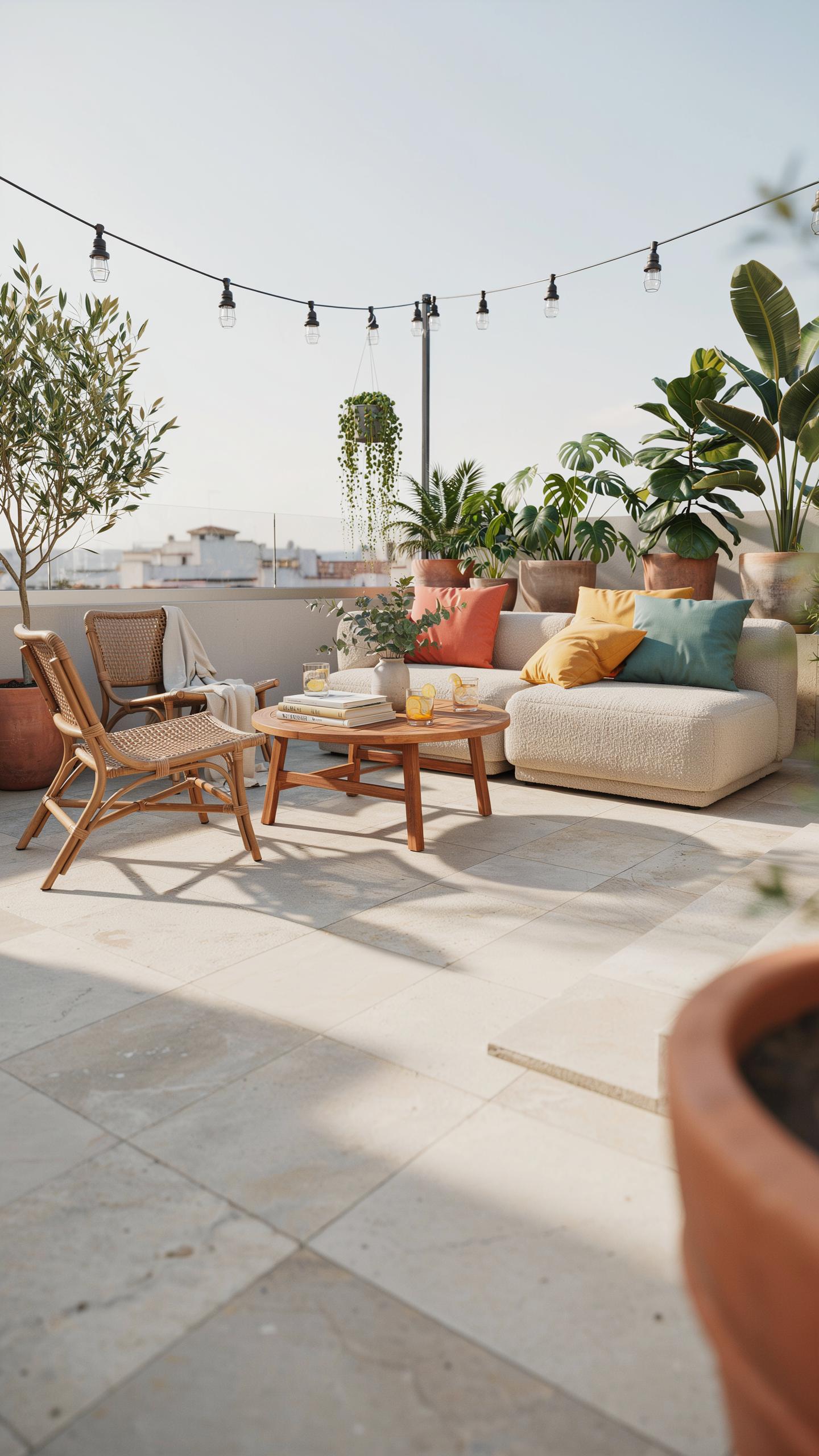
Pergolas and pavilions form the backbone of contemporary outdoor terraces. They provide shade, define space, and establish visual hierarchy. Modern designs favor clean lines, minimal ornamentation, and materials like powder-coated aluminum or sustainably sourced wood. The structural grid becomes an aesthetic feature, not just functional infrastructure. Sizing matters. A pergola should relate proportionally to your terrace dimensions, typically spanning 10 to 20 feet depending on your space.
Custom pavilions offer enclosed shelter while maintaining openness through strategic design. Materials drive cost and longevity. Aluminum resists corrosion and requires minimal maintenance. Wood demands regular treatment but delivers warmth and visual appeal. Steel provides strength for larger spans but needs protective coatings. Installation depth matters: proper footings prevent settling and structural failure over time. Work with builders who understand load calculations and local building codes.
Lighting Schemes Mood Enhancing LED And Low Voltage Solutions
LED systems dominate contemporary terrace lighting because they cut energy consumption by 75 percent compared to incandescent options. Low-voltage systems operate at 12 volts, making them safer for outdoor environments and simpler to install without licensed electricians. Modern designs embed lights into structural elements. Recessed fixtures in pergola beams create subtle downlighting. Step lights along pathways improve safety while reducing shadows. Warm color temperatures between 2700K and 3000K enhance usability during evening hours without harsh glare.
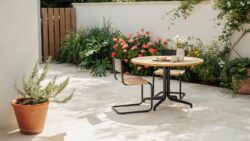
Placement strategy determines functionality and ambiance. Layered lighting combines task lighting, accent lighting, and ambient lighting for flexible use. Overhead fixtures provide general illumination. Wall-mounted or ground-level accent lights highlight architectural features or plantings. Dimmers give you control over intensity based on time of day or occasion. Battery-powered solar lights handle perimeter areas where wiring proves impractical. Avoid uplighting that creates glare or light spill into neighboring properties.
Elevating Style With A Custom Exterior Patio Layout
Paving Options Patio
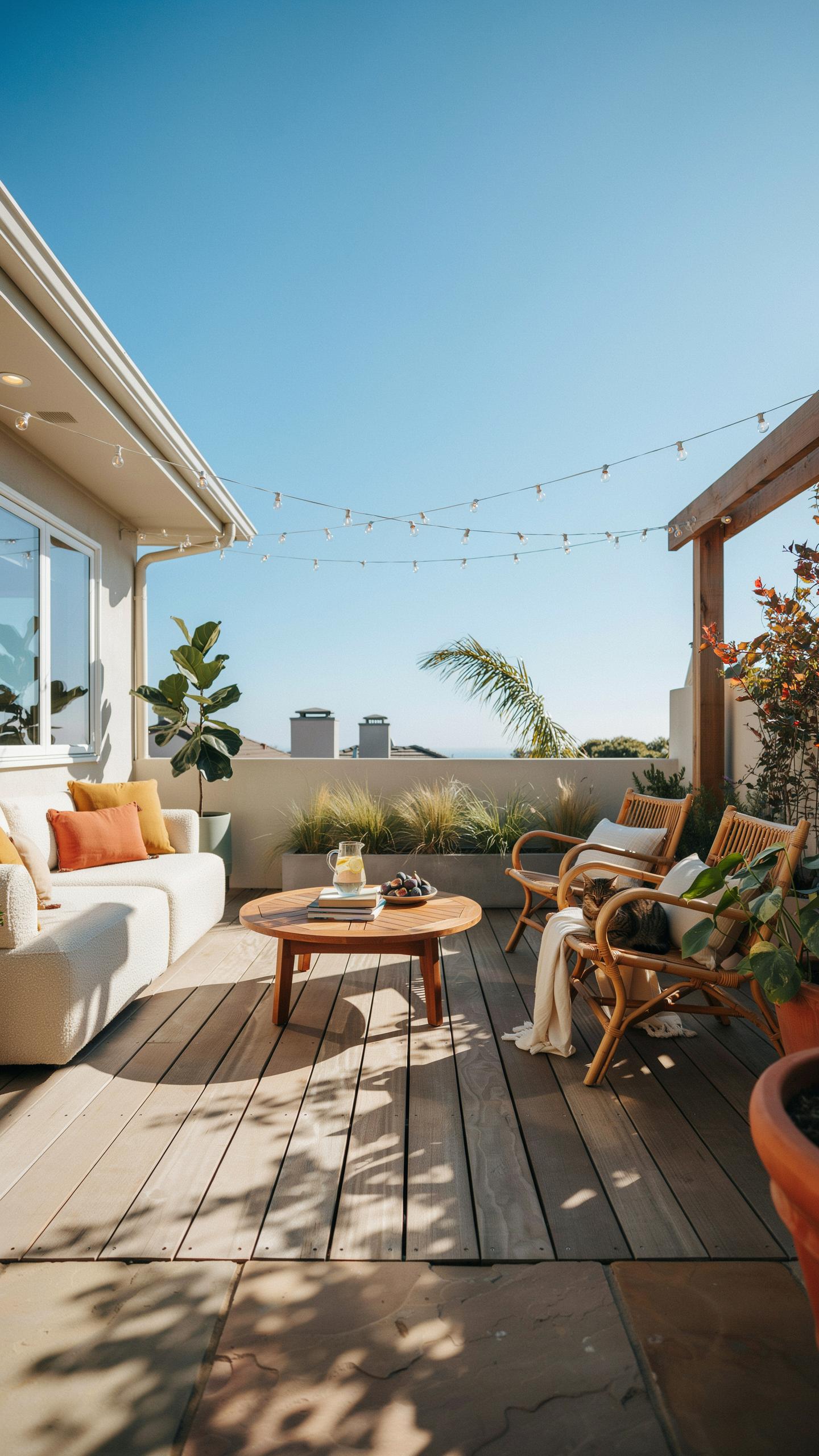
Flagstone, concrete slabs, and interlocking pavers each solve different problems. Flagstone offers durability and natural variation in color, though it requires ongoing maintenance and professional installation. Concrete slabs provide cost efficiency and minimal upkeep, making them practical for budget-conscious homeowners. Interlocking pavers deliver design flexibility and easy replacement of damaged sections without disrupting the entire surface.
Your material choice depends on climate, foot traffic, and maintenance tolerance. In freeze-thaw regions, concrete and pavers handle expansion better than flagstone. Flagstone works well in stable climates where its aesthetic appeal justifies higher maintenance. Pavers suit high-traffic zones because you can replace individual units rather than resurfacing the entire patio.
Seamless Flow Patio
Contemporary design demands visual continuity between indoors and outdoors. Match interior flooring tones and textures to your patio materials to create uninterrupted sightlines. If your living room features warm grays, select concrete or pavers in similar tones. This approach eliminates visual jarring and extends your interior aesthetic outward without compromising outdoor functionality.
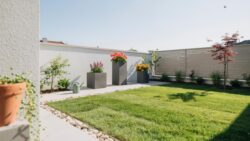
Furniture placement and spatial proportions matter equally. Measure your interior living area and replicate those dimensions in your patio zone. A 12-by-16-foot interior living room warrants a similar-sized patio to maintain comfortable scale relationships. Align furniture groupings, sight lines, and focal points between interior and exterior spaces to strengthen the connection and maximize usable area.
Designing A Functional And Stylish Modern Minimalist Outdoor Space
Clutter Free Design
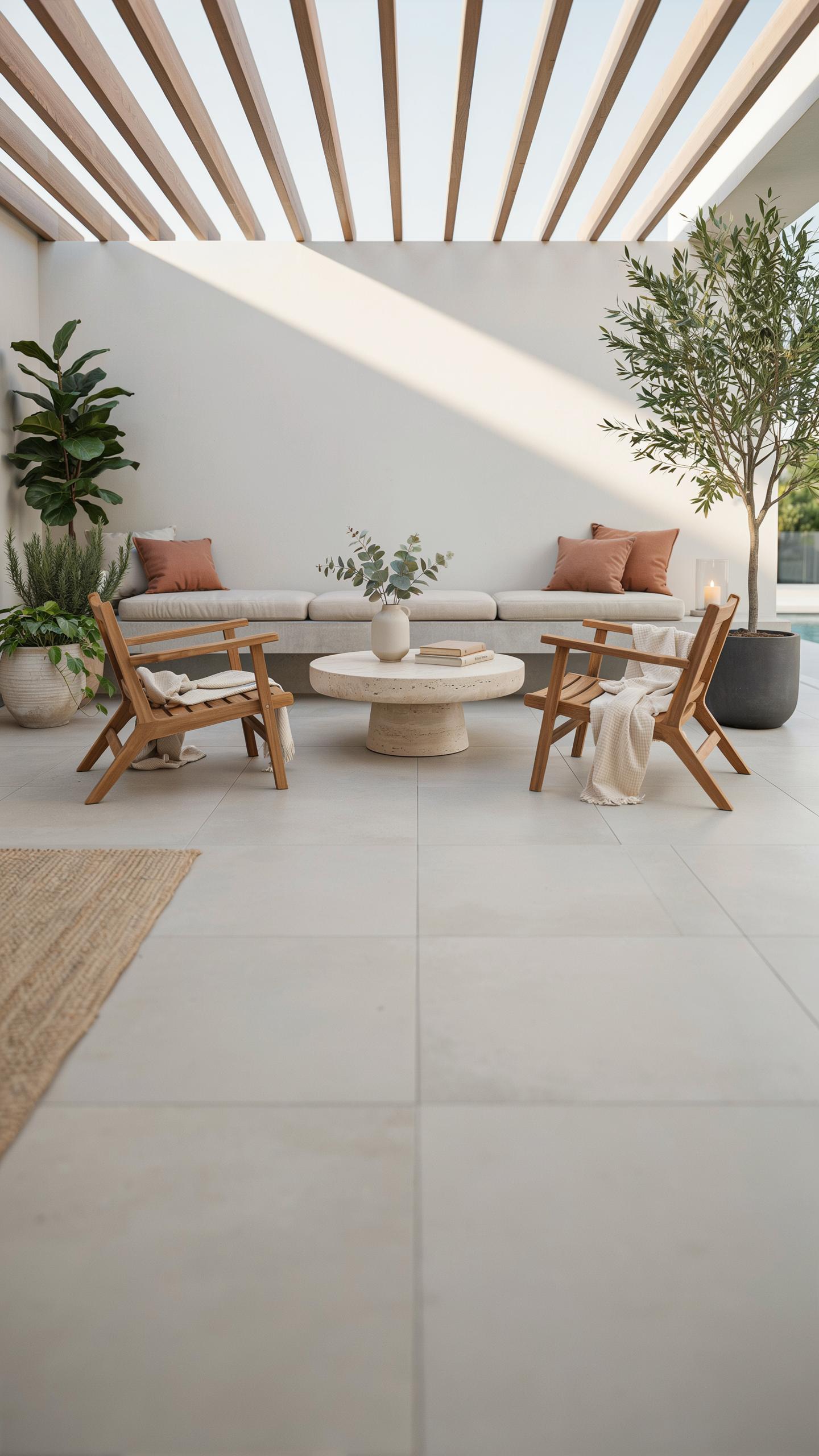
Multipurpose furniture solves a core problem in outdoor spaces: limited square footage demands objects that work harder. A bench with integrated storage eliminates the need for separate seating and storage units. Dining tables that convert to fire pits reduce furniture footprint while maintaining functionality. Teak and powder-coated steel frames support this approach because they withstand weather cycles and last decades without visual degradation. Clean lines amplify this effect by making spaces feel larger and less visually overwhelming.
The elimination of unnecessary objects creates breathing room. Remove decorative items that don’t serve a function. Select pieces with tapered legs rather than skirted bases to increase sight lines. Every object in the space must earn its place through either utility or structure. This restraint forces intentional design decisions and prevents the accumulation that destroys contemporary outdoor aesthetics.
Monochromatic Colors
Neutral color palettes reduce visual noise and create psychological calm. Grays, blacks, whites, and natural wood tones anchor contemporary minimalist design because they don’t compete for attention. These colors also hide weathering patterns better than bright hues, maintaining appearance across seasons. The trend emerged from Scandinavian design principles in the mid-twentieth century, which prioritized function and restraint over ornamentation. This foundation applies directly to outdoor environments where natural elements already provide substantial visual variation.
Limiting your palette to two to three colors prevents decision fatigue and strengthens cohesion. Introduce variations in tone rather than introducing new colors. A charcoal cushion paired with light gray framework creates depth without complexity. Material texture becomes the primary visual interest when color options narrow. This approach works across multiple outdoor zones because unity in color creates flow between separate functional areas.
Crafting A Lush And Structured Modern Contemporary Garden
Architectural Planting
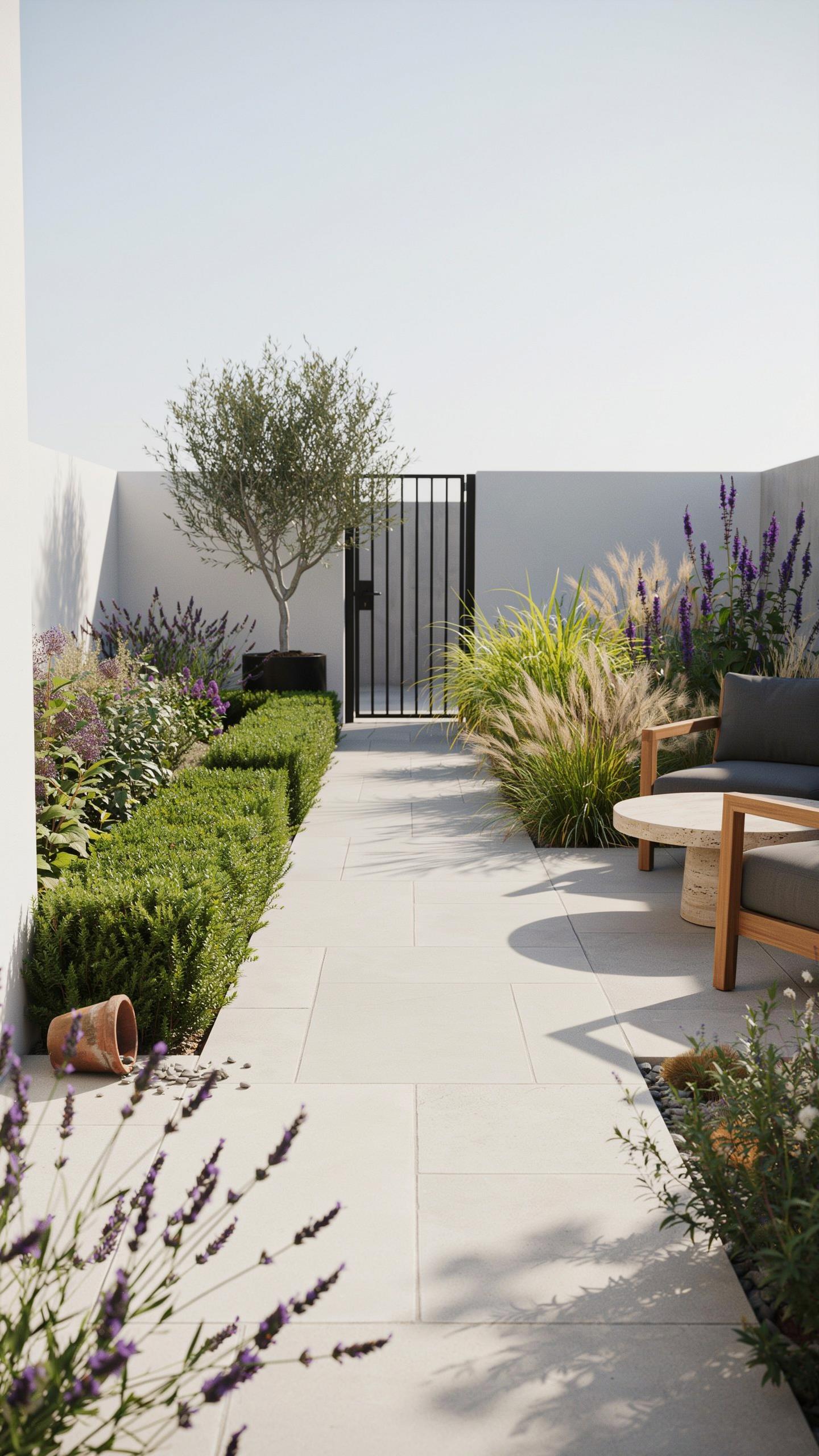
Architectural planting relies on plants with strong structural forms to create the bones of a space. Boxwoods hold their shape through seasons without heavy maintenance. Ornamental grasses provide movement and texture while requiring minimal intervention. These plants work because they deliver consistent visual impact and define space through form alone.
Deploy sculptural shrubs as focal points rather than background filler. Plants like columnar junipers or spreading Japanese maples anchor seating areas and direct sight lines. Use repetition to build rhythm across the garden. Three or five identical specimens create cohesion better than random placement.
Water Features Garden
Minimalist fountains function as both visual anchors and sound design elements in contemporary spaces. A simple vertical or geometric fountain reduces visual clutter while providing the sensory benefit of moving water. Material choice matters here. Concrete, steel, or stone fountains align with modern aesthetics. Installation requires proper drainage and electrical planning upfront to avoid costly retrofits.
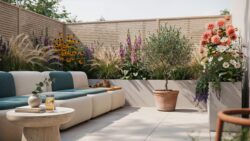
Sleek pools integrate into contemporary design through clean edges and simple geometry. Rectangular or zero-edge pools fit seamlessly into structured landscapes. Skimmer systems hide mechanical components below sight lines. Decking material selection determines how the pool transitions to surrounding areas. Limestone or large-format porcelain pavers create visual continuity with minimal jarring material shifts.
Integrating Warmth With Beautiful Decks De Madeira
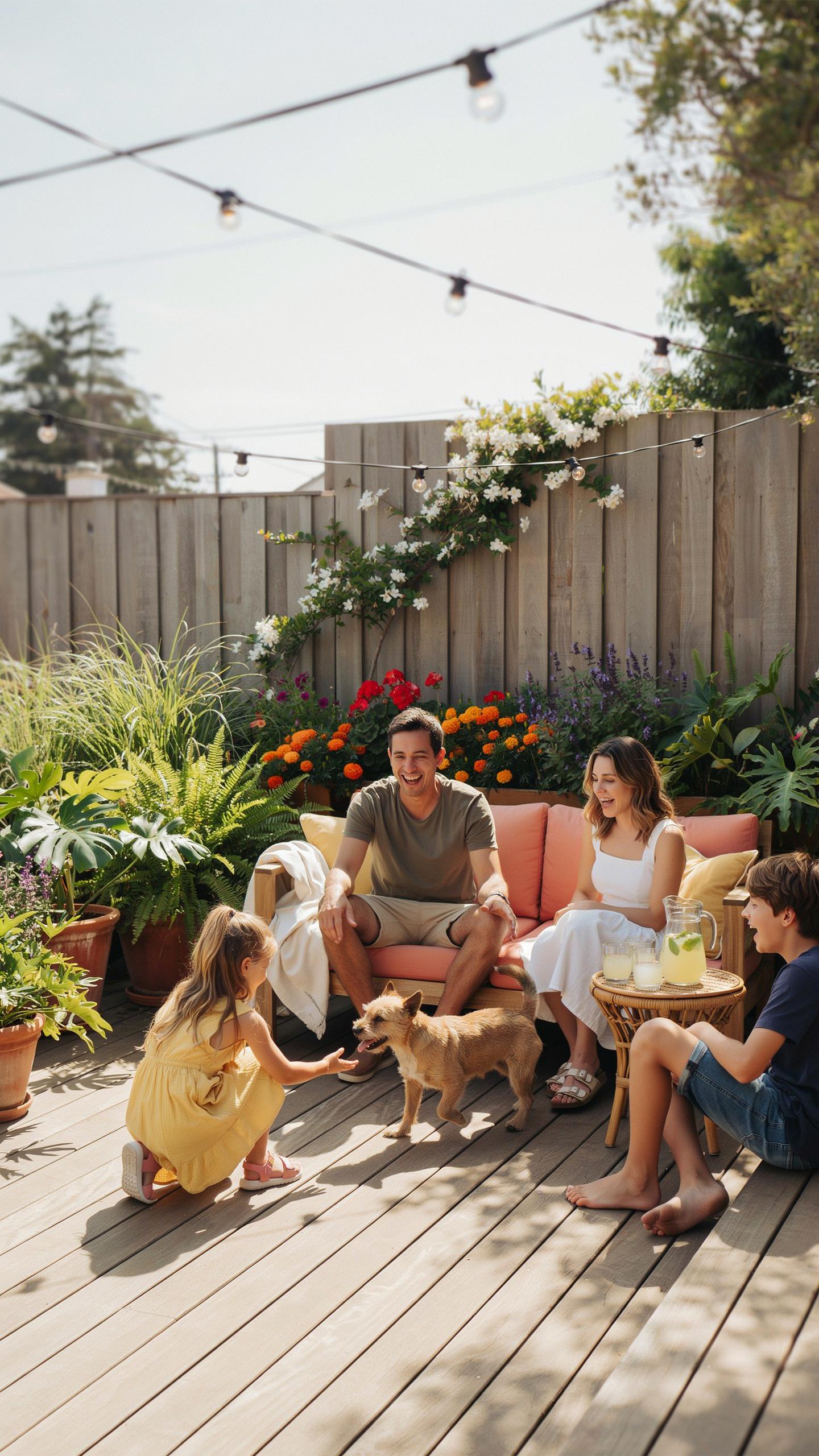
Wood Species Decks De Madeira
Brazilian timber offers distinct performance characteristics for outdoor decking. Wood species vary in density, rot resistance, and workability. Selecting the right species directly impacts deck longevity and maintenance demands. Each option presents different aesthetic and functional trade-offs for contemporary designs.
- Cumaru: Extreme hardness and natural rot resistance eliminate need for chemical treatments. Density makes fastening difficult and requires pre-drilling. Cost runs high but lifespan exceeds 25 years with minimal intervention.
- Ipê: Dense tropical hardwood with proven outdoor performance. Resists decay, insects, and weathering effectively. Installation demands specialized tools due to hardness. Premium pricing reflects durability and low maintenance requirements.
- Jatoba: Medium-high density with natural tannins providing decay resistance. Reddish-brown color deepens over time from UV exposure. Easier to install than Cumaru or Ipê. Balances cost, workability, and performance for most projects.
- Garapa: Lower cost entry point for Brazilian hardwoods. Moderate hardness allows standard installation techniques. Requires regular sealing every 12 to 18 months. Suitable for budget-conscious projects prioritizing initial affordability.
- Angelim Vermelho: High density with natural oil content resisting moisture penetration. Color ranges from light to dark red-brown. Moderate workability for experienced installers. Comparable pricing to Ipê with similar performance metrics.
Species selection drives your maintenance schedule and replacement timeline. Dense hardwoods cost more upfront but eliminate frequent re-staining. Softer options require more intervention but lower initial investment. Match species to your climate exposure and maintenance capacity.
Maintenance Tips Decks De Madeira
Tropical hardwoods demand different care than pressure-treated softwoods common in North America. Brazilian timber contains natural oils that degrade under UV and moisture cycles. Establishing a maintenance routine immediately after installation prevents premature deterioration and color loss.
Regular cleaning removes debris that traps moisture and promotes fungal growth. Sweep decks weekly during use seasons. Pressure wash annually at 1500 PSI or lower to avoid surface gouging. Allow wood to fully dry before applying sealers or stains. High-density species need sealing every 18 to 24 months depending on climate severity and sun exposure.
Crafting Beautiful Boundaries With Patio Garden Design
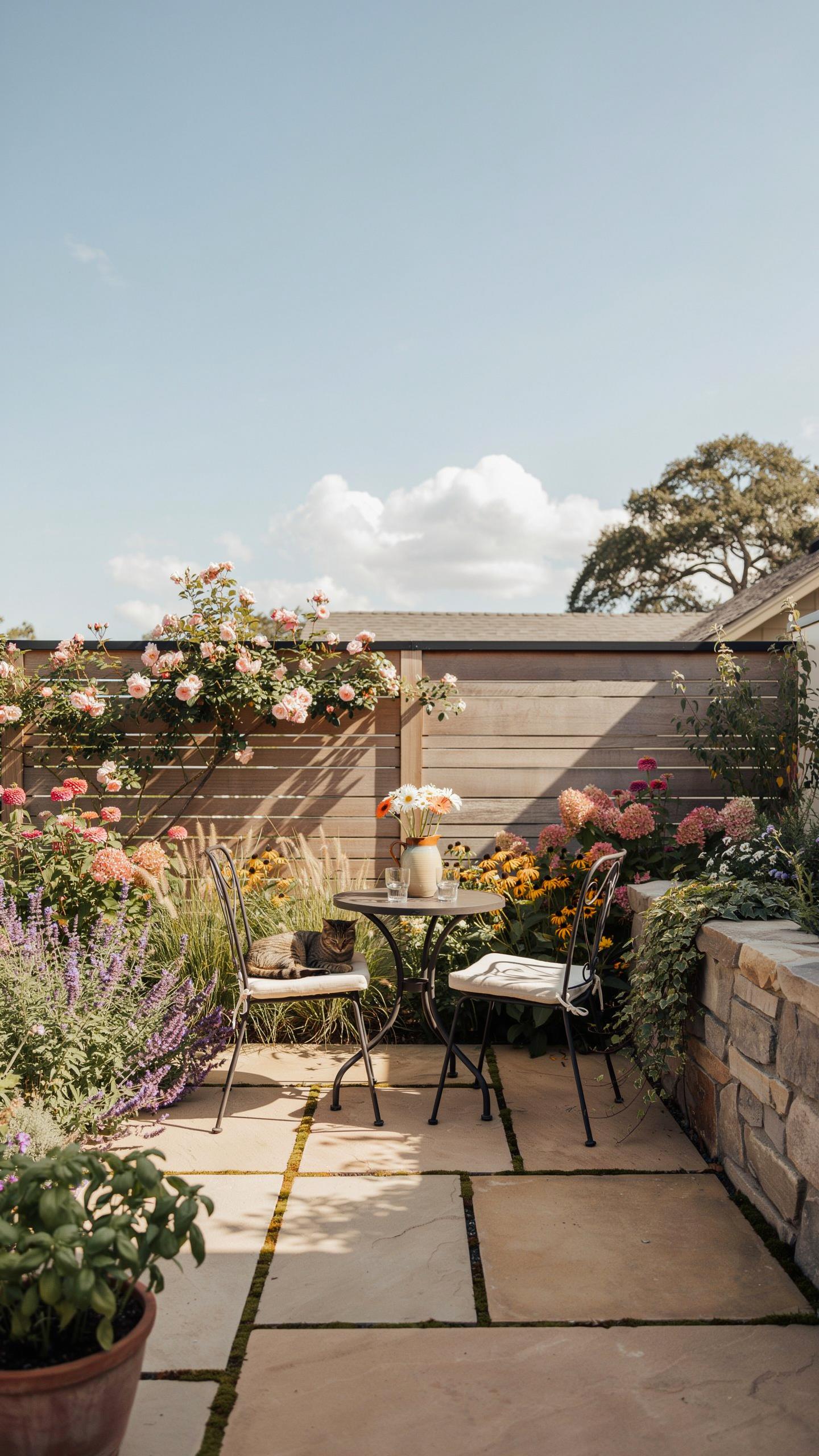
Container Gardening Patio
Container gardening solves the core problem: you control soil quality, drainage, and plant placement without permanent landscape changes. Modern vessels move beyond terracotta. Fiberglass, composite, and concrete containers offer durability, weight advantages, and design flexibility. Size matters tactically. A 20-inch diameter container accommodates most specimen plants. Drainage holes are non-negotiable. Standing water kills roots.
Select specimen plants based on your climate zone and light exposure. Ornamental grasses, structured shrubs, and architectural plants create visual weight. Agapanthus, box, and Japanese maple perform consistently in containers. Seasonal rotation keeps designs fresh without replanting entire beds. Containers stage plants at varying heights, drawing the eye through your patio space.
Vertical Gardens Patio
Vertical gardens maximize limited square footage. Wooden trellises provide structure and climate control through shade. They anchor climbing plants while defining space boundaries. Cedar and pressure-treated lumber resist rot. Trellises work on fences, walls, and as freestanding elements. Height ranges from six to twelve feet depending on your design intent. Installation requires proper anchoring into solid surfaces.
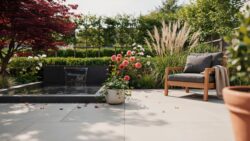
Living green walls function as full systems. They demand irrigation, structural support, and plant selection matched to sun exposure. Green walls reduce heat absorption and improve air quality around your patio. Modular panel systems enable easier installation than traditional methods. Maintenance requires consistent watering schedules and seasonal pruning. Start small with a single wall section to test your commitment level.
Curating Diverse Flora In Outdoor Gardens Design
Pollinator Friendly Plants Native To Your Regional Climate
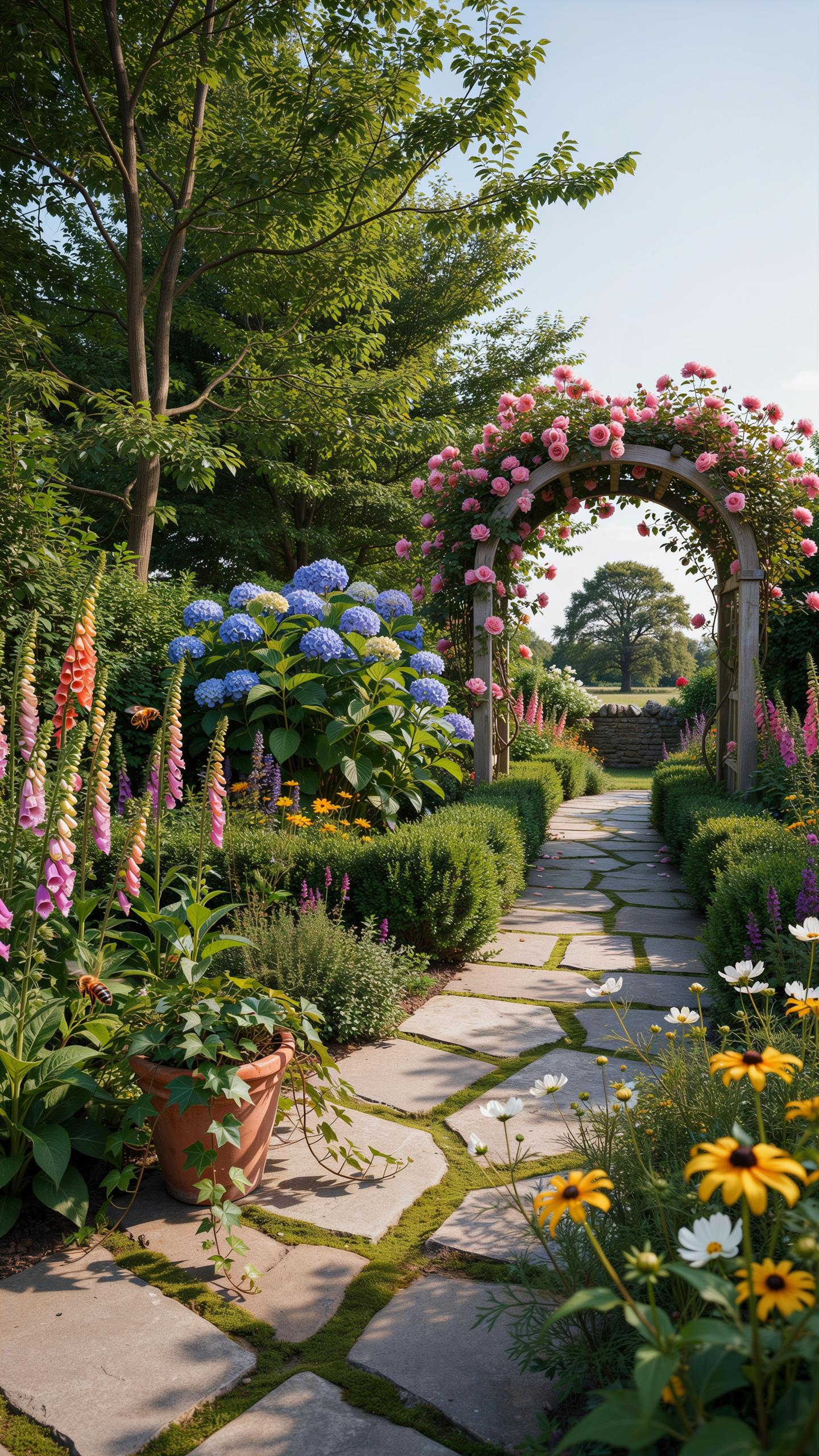
Native plants perform because they evolved in your specific growing conditions. Your region’s soil, water availability, and temperature patterns determine which plants thrive without extra inputs. Pollinators adapted to local flora over generations. When you plant native species, you feed existing bee, butterfly, and moth populations that already live in your area. This creates a self-sustaining ecosystem that requires less maintenance than exotic ornamentals.
- Black-eyed Susan (Rudbeckia): Blooms mid-summer through fall. Attracts bees and butterflies. Tolerates full sun and poor soil. Native to eastern and central North America.
- Coneflower (Echinacea): Purple, pink, or white flowers. Drought tolerant once established. Feeds monarchs and native bees. Blooms six to eight weeks.
- Wild Bergamot (Monarda fistulosa): Lavender-pink clustered blooms. Attracts hummingbirds and bees. Spreads via underground runners. Prefers well-drained soil.
- Ironweed (Vernonia): Late-season purple flowers. Critical food source for migrating monarchs in fall. Grows three to six feet tall. Tolerates wet soils.
- New England Aster (Symphyotrichum novae-angliae): Blooms September through November. Supports late-season pollinators. Pink, purple, or white flowers. Requires minimal fertilizer.
Research your USDA hardiness zone and local native plant society before purchasing. Most regions maintain databases listing plants that work in your specific climate. Start with five to seven species rather than one monoculture. Stagger bloom times across seasons to feed pollinators continuously from spring through frost.
A garden is a grand teacher that teaches us the beauty of evolution and the art of modern living under the open sky.
Soil Preparation And Irrigation Setting Up Your Garden For Growth
Soil quality determines plant survival and pollinator success. Test your existing soil before amending. Most garden centers offer inexpensive kits that measure pH and nutrient levels. Native plants typically need pH between 6.0 and 7.0. Add compost or aged manure to increase organic matter. This improves water retention and feeds beneficial microorganisms that support root systems.
Irrigation design prevents waste while keeping plants healthy. Drip irrigation delivers water directly to soil, reducing evaporation compared to overhead sprinklers. Install lines at ground level along planting rows. Set timers for early morning watering when temperatures are cool. Deep watering two or three times weekly builds stronger root systems than frequent shallow watering. Adjust frequency based on rainfall and soil moisture levels weekly.
Where To Find And Have Inspiration For Your Dream Design

Digital Mood Boards
Pinterest functions as a searchable database of exterior design solutions. You enter specific terms like “contemporary patio” or “modern garden layout” and access thousands of tagged images organized by users. This tool lets you identify patterns across multiple projects quickly without traveling or scheduling consultations.
Architectural portfolios from firms like Houzz and ArchDaily showcase completed projects with detailed photography and client specifications. These platforms display real constraints designers solved, material choices that worked, and spatial proportions at scale. Study how professionals approached similar lot sizes, climate zones, and budget ranges to your situation.
Local Botanical Exhibits
Public parks and botanical gardens operate as three dimensional design laboratories. Walk through established landscapes to observe how designers positioned seating, routed circulation, placed focal points, and selected plantings for your specific hardiness zone. Note which material combinations withstand local weather and foot traffic over time.
Document spacing between specimen plants, sight lines from different vantage points, and how shade patterns shift throughout the day. Photograph details like paving joints, mulch depth, and drainage solutions. These direct observations reveal practical decisions that drawings alone cannot convey, giving you tested references for your own project parameters.
Frequently Asked Questions

What are the defining characteristics of a contemporary outdoor space?
Achieving a successful contemporary outdoor space design relies on minimalism, clean lines, and a seamless transition between your indoor and outdoor living areas. You should focus on a neutral color palette punctuated by bold architectural plants and geometric layouts. By prioritizing functional zones and uncluttered surfaces, you create a sophisticated atmosphere that feels like a natural extension of your home’s interior architecture and modern lifestyle.
How can I integrate smart technology into my contemporary backyard layout?
To elevate your contemporary outdoor space design, consider installing integrated smart lighting and weather-resistant hidden speakers. You can use automated irrigation systems and motorized pergolas to enhance convenience while maintaining a sleek aesthetic. The key is to hide the hardware so the technology feels intuitive rather than obstructive. Focus on smart features that improve comfort, such as app-controlled fire pits or ambient LED strips tucked under seating benches and stairs.
Is it possible to achieve a modern outdoor look on a limited budget?
Absolutely! You can create a high-end feel without overspending by focusing on high-impact DIY projects. Use gravel or oversized concrete pavers for affordable flooring, and build simple wooden slat fences to establish privacy. Upcycling mid-century furniture with weather-proof paint or adding a few statement oversized planters can instantly modernize the area. Focus on symmetry and repetition, as these design principles provide a polished, expensive look at a fraction of the cost.