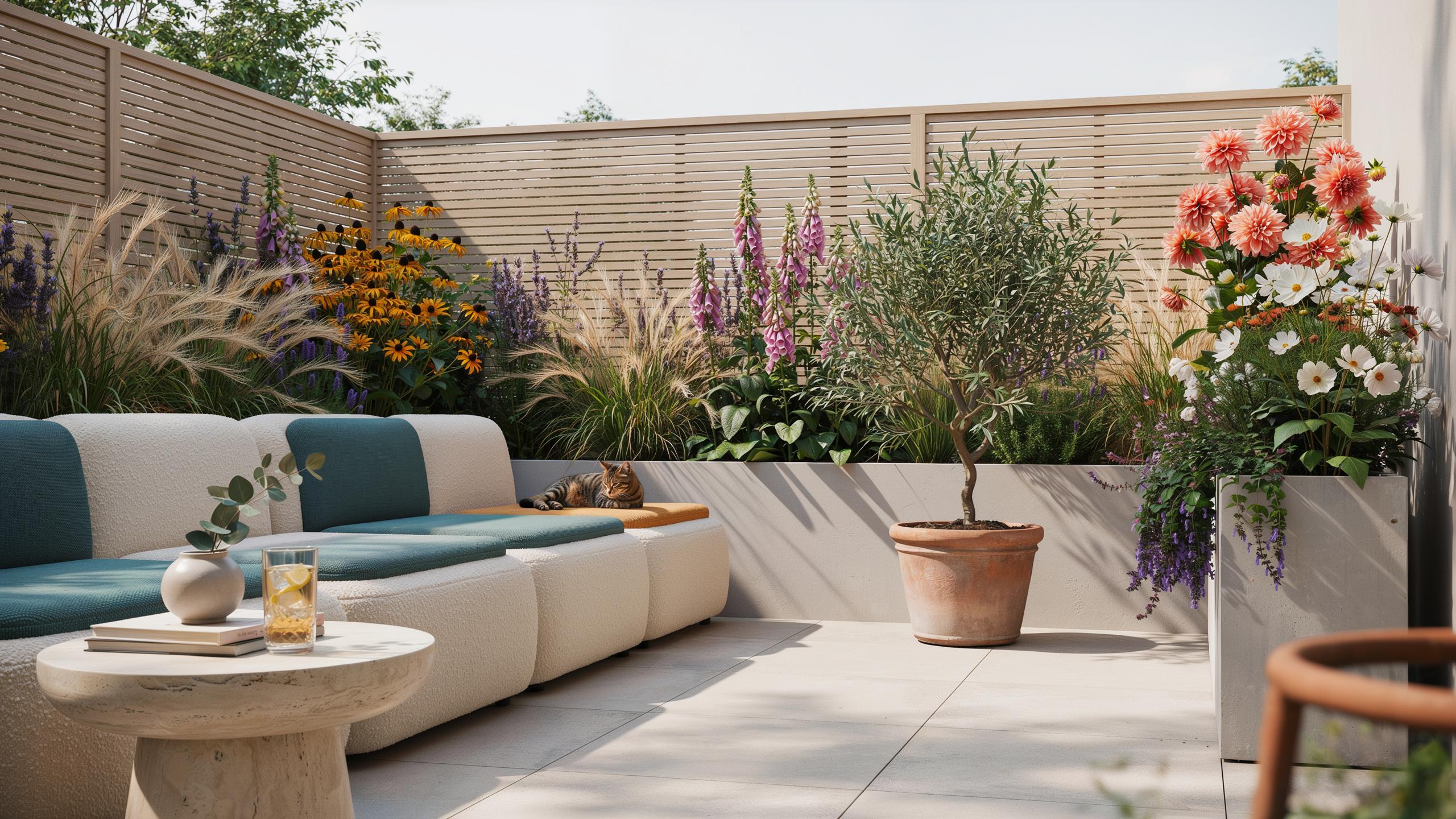
Defining The Modern Garden Aesthetic Planting Style
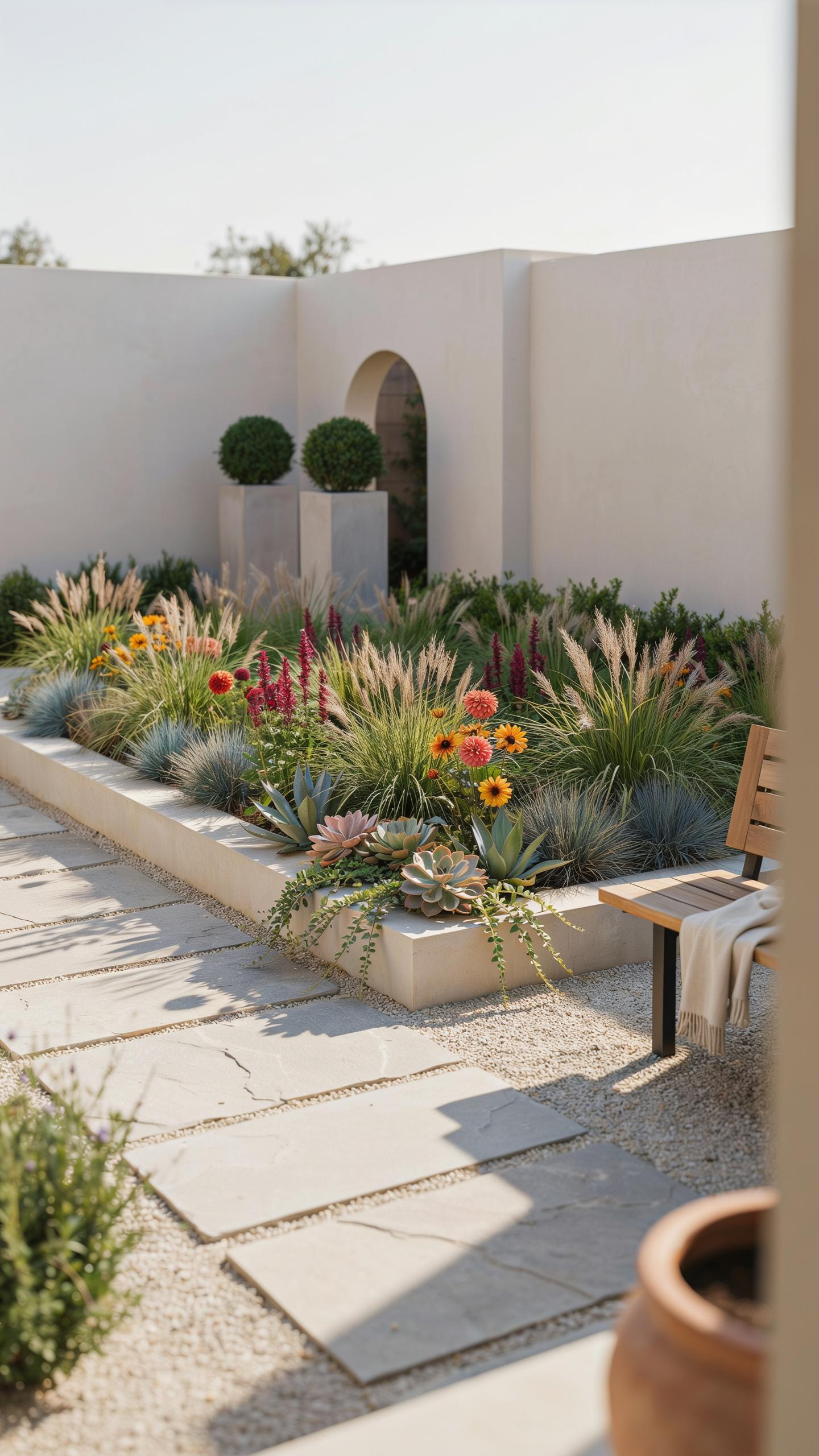
Core Characteristics
Modern garden design emerged from mid-twentieth century movements that rejected ornamental excess. The style prioritizes function, restraint, and visual clarity. Clean lines dominate the layout. Plants serve architectural purposes rather than decorative ones. Repetition creates rhythm and cohesion. Asymmetrical balance replaces formal symmetry. Neutral hardscaping grounds the composition. Color restraint allows texture and form to command attention.
The modern approach eliminates unnecessary elements. Every plant has a specific role in the overall design scheme. Mass planting of single species creates impact and simplicity. Seasonal interest comes from foliage variation, not flower dependency. Maintenance efficiency matters. The palette stays limited, typically three to five plant types per garden zone. This constraint forces intentional plant selection and stronger visual outcomes.
Key Plant Species
Ornamental grasses provide movement and vertical structure year-round. Feather Reed Grass, Miscanthus, and Panicum deliver architectural presence without demanding frequent pruning. These plants bridge seasons effectively, offering winter interest through dried foliage. Their fine texture contrasts with broad-leafed companions. Grasses handle slope stabilization and erosion control practically. They require minimal fertilizer and tolerate poor soil conditions.
Structural conifers anchor modern gardens with permanent form and color. Columnar junipers, dwarf spruces, and false cypress create vertical emphasis and year-round screening. Broad-leafed specimens like Fatsia japonica and structured hostas provide textural contrast and bold foliage mass. These anchors establish the spatial framework. Box plants and specimen Japanese maples work as focal points. They maintain their form without constant shaping. Combined strategically, these species create sophisticated gardens that read clearly from any vantage point.
Functional Garden Area Design For Sophisticated Living
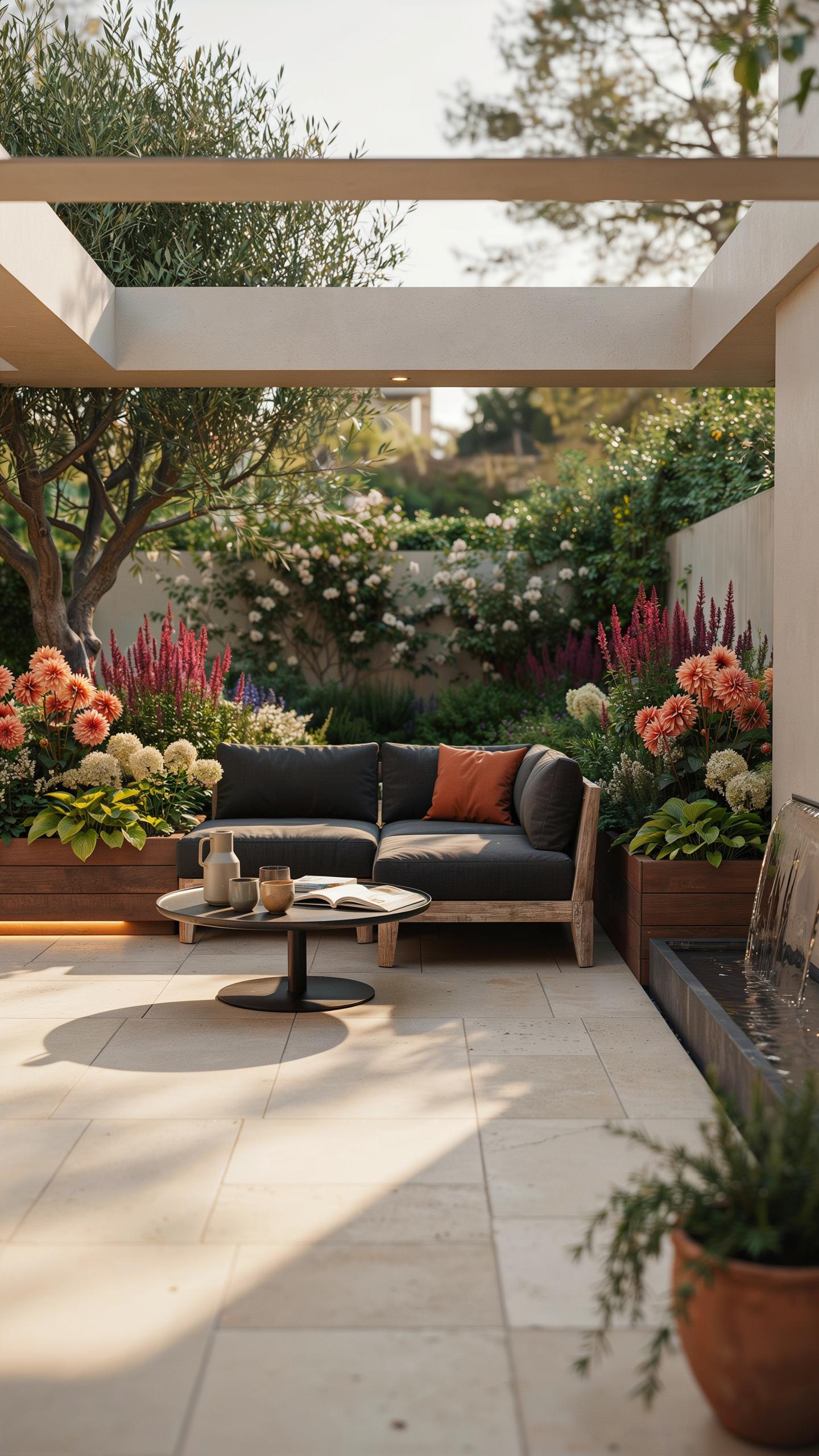
Zoning And Layouts
Divide your garden into distinct zones based on how you use the space. Dining areas need flat, level surfaces with overhead protection from sun or rain. Relaxation zones work best in semi-private spots shielded from sightlines. Recreation areas require open ground for movement and activity. Structural hedges define these zones without blocking views entirely. Hardscaping boundaries like gravel paths, raised beds, or low walls create clear transitions between functional areas.
Sizing each zone matters tactically. A dining zone needs 12 to 16 feet of clear space for comfortable seating and movement around a table. Relaxation areas function well in 10 by 10 foot minimums. Recreation zones scale based on intended use, whether for children’s play or lawn games. The remaining space flows as connective tissue between zones. This prevents your garden from feeling cramped while maximizing usable area.
Seamless Transitions
Match flooring materials and levels between your house and garden to blur the indoor-outdoor boundary. If your interior uses concrete or polished stone, extend similar materials onto a patio or terrace. Level changes should be gradual. A single step from house to garden works mechanically but creates visual separation. Flush transitions or shallow slopes of 2 to 3 percent feel more integrated to the eye.
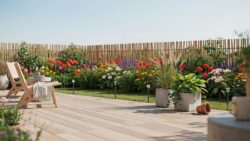
Color palette coordination reinforces the connection between spaces. Note the wall colors, trim, and dominant tones visible from inside looking out. Repeat these colors through hardscaping materials, deck finishes, or planter choices in the garden. This strategy works because your brain recognizes visual continuity as intentional design rather than accident. The outdoor space reads as an extension of your home rather than a separate zone.
Striking Landscape Design Modern House Integration
Architectural Symbiosis
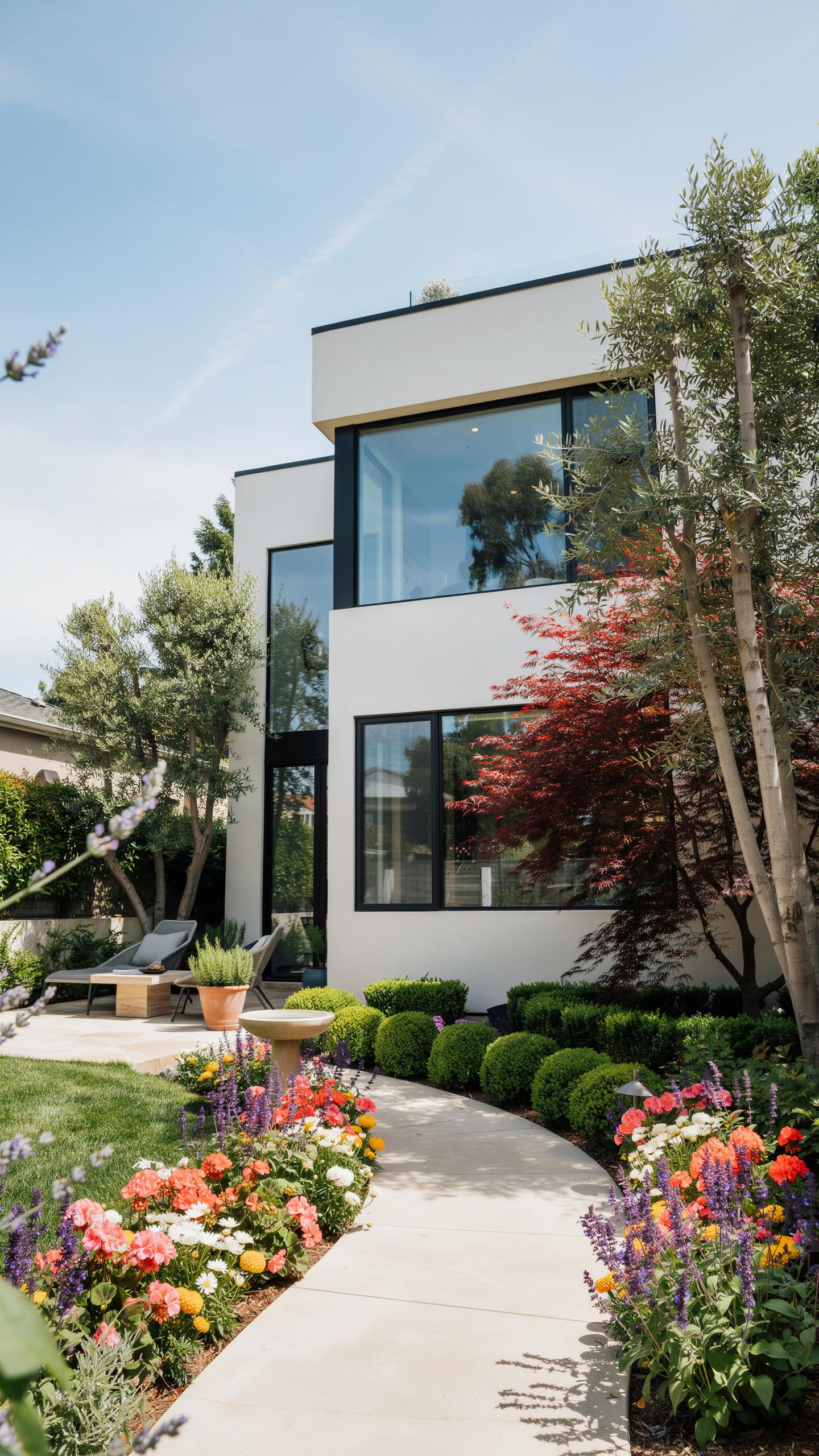
Modern architecture relies on geometric forms, material contrast, and spatial clarity. Your planting scheme must echo these principles, not fight them. Use plants to reinforce the home’s structural lines. Position columnar specimens to mirror vertical steel elements. Deploy ground covers in clean blocks to complement concrete paving. Repeat plant materials in intentional patterns that reflect the home’s grid-based design logic.
Material selection drives the visual connection between landscape and structure. Incorporate hardscape materials that match or complement the home’s palette: light gravel with white render walls, dark mulch with charred wood siding, or metal edging that reflects steel features. Plants become secondary visual elements that soften without disrupting the architectural narrative. Select species with defined forms: pyramidal junipers, columnar boxwoods, or structured ornamental grasses that maintain their shape without constant pruning.
Framing Key Views
Position specimen trees to create deliberate sight lines from main windows toward garden focal points or borrowed landscape views. A single multi-stemmed birch placed ten to fifteen feet from a living room window frames the view while maintaining visual access. Tall screening plants positioned at forty-five degree angles to window corners direct the eye through the garden composition. Linear plantings along property edges establish sight corridors that extend perceived depth.
Window placement determines specimen tree positioning and scale. A tree that blocks a view entirely defeats the purpose, while one too distant creates visual noise. Work backwards from each primary window, identifying the sightline and calculating tree height at maturity. Most modern homes benefit from understory trees that clear views above eight to ten feet while providing mid-level visual interest. Evergreen specimen plants anchor winter views and maintain year-round spatial definition.
Creative Modern Garden Planting Ideas For Small Spaces
Vertical Planting Systems
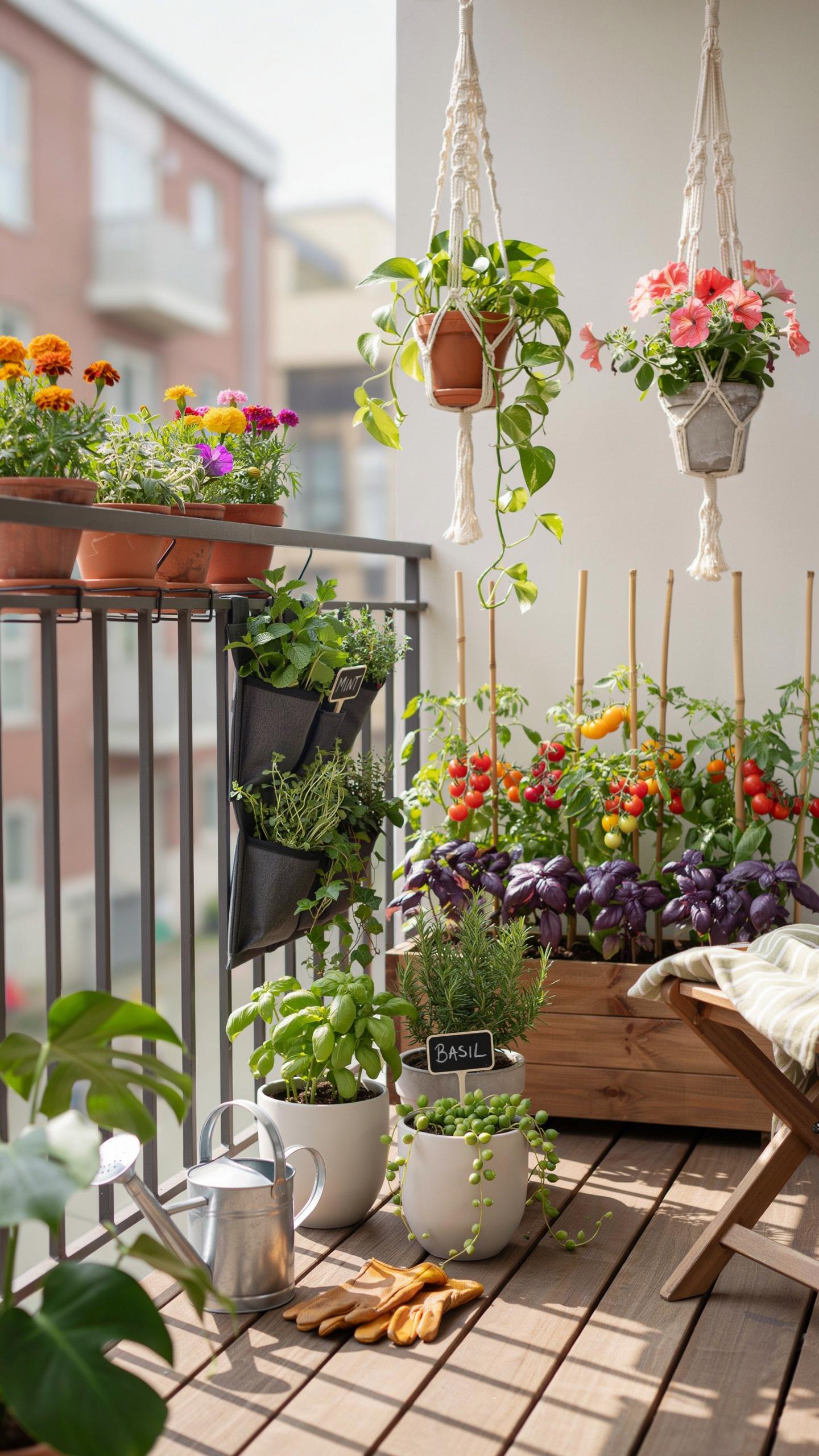
Vertical planting solves the footprint problem in compact courtyards. Modern trellises, pocket structures, and living walls stack plants upward instead of outward. This approach maximizes plant density while maintaining visual openness at ground level. Steel or powder-coated aluminum frames support climbing vines, trailing succulents, or modular fabric pockets. The system works because it converts wasted vertical space into productive growing area without cramping movement through the garden.
Living walls and pocket systems demand strategic plant selection based on light exposure and irrigation access. Shallow-rooted sedums and trailing philodendrons thrive in pocket systems with limited soil volume. Climbing clematis, ivy, and jasmine perform well on trellises where roots access deeper soil below. Install drip irrigation behind fabric pockets or along trellis bases to reduce maintenance. Vertical systems reach their full potential when you match plant types to available moisture and sunlight conditions.
Tiered Planter Solutions
Raised linear masonry planters create defined depth and clean sight lines in modern gardens. Built from concrete blocks, stacked stone, or mortared brick, these structures provide optimal soil depth for statement perennials and dwarf shrubs. A 24 to 30-inch depth accommodates most perennial root systems. Tiered arrangements at varying heights add visual interest while improving drainage and soil warming. The structural simplicity defines the modern aesthetic without decoration.
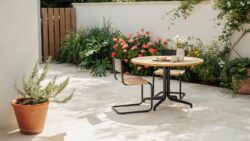
Soil composition determines success in raised planters more than any other factor. Use a blend of topsoil, compost, and drainage amendments rather than garden soil alone. This mix prevents compaction and supports healthy root development over multiple seasons. Position tiered planters to catch morning sun for most perennials and shade-tolerant shrubs. Linear arrangements along property boundaries or building edges strengthen the contemporary garden design while maximizing usable space.
Designing A Serene Minimalist Garden With Impact
The Less Is More Plant Selection Guide
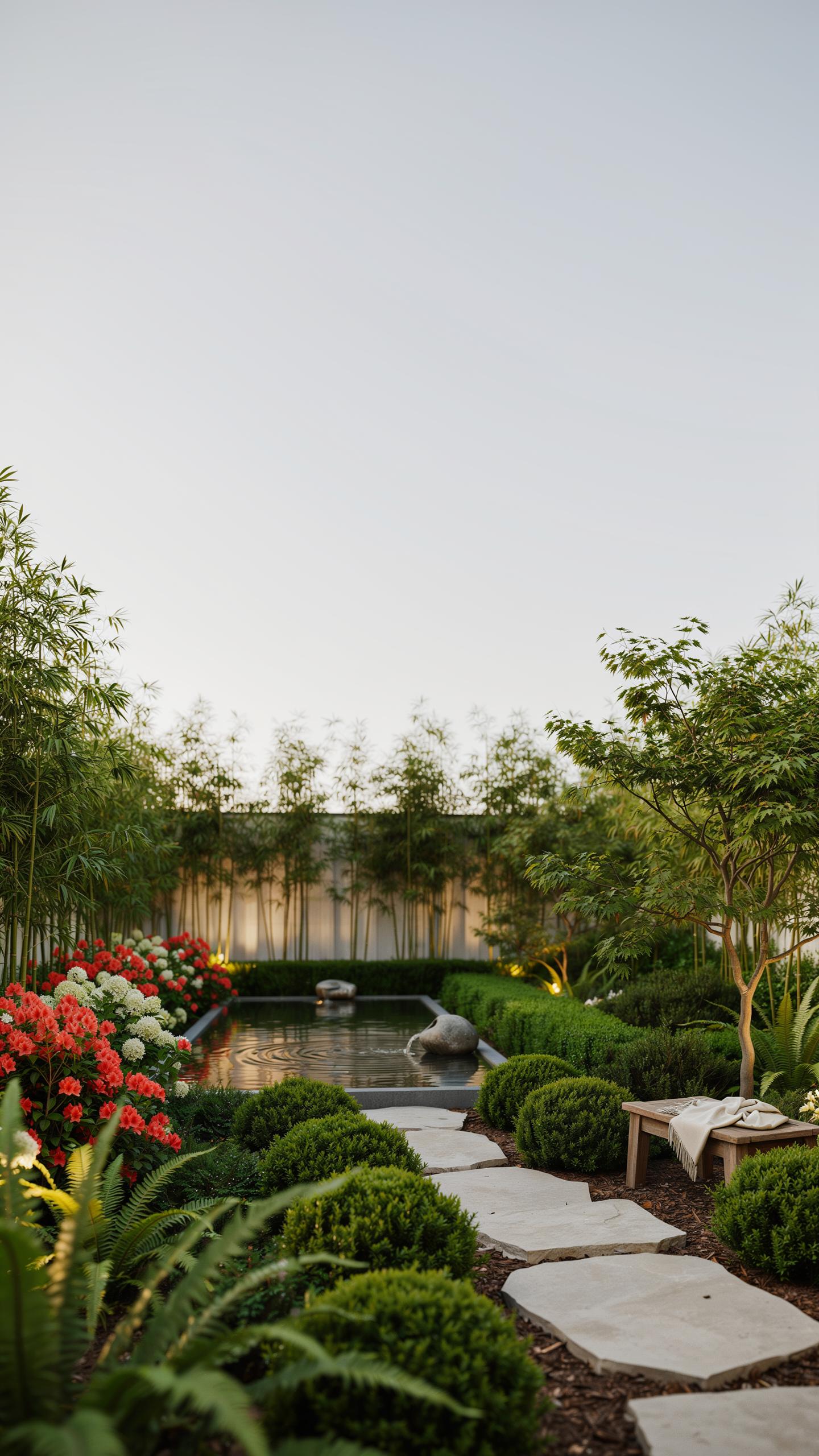
Minimalist garden design demands restraint. You select plants that earn their place through structural form, textural contrast, and visual weight rather than quantity. This approach stems from Japanese design principles that prioritize composition over abundance. Each plant functions as a design element, not decoration.
- Japanese Maple (Acer palmatum): Delivers fine-textured foliage and architectural branching structure. Works as a focal point specimen. Offers seasonal color shifts without requiring supplementary plantings for visual interest.
- Horsetail Reed (Equisetum hyemale): Provides strict vertical lines and geometric precision. Grows in contained clumps with consistent height. Creates rhythm through repetition without visual chaos or maintenance burden.
- Blue Fescue (Festuca glauca): Forms compact, rounded mounds with blue-gray foliage year-round. Requires minimal maintenance and no deadheading. Adds color without introducing complicated flowering cycles.
- Boxwood (Buxus sempervirens): Produces dense, shapeable form suited to geometric pruning. Maintains structure through all seasons. Works as living architecture that defines space without demanding attention.
- Mondo Grass (Ophiopogon japonicus): Establishes fine-textured ground coverage in compact mats. Tolerates shade and foot traffic. Provides understated greenery that doesn’t compete with specimen plants.
This curated selection accomplishes visual goals with fewer total plants. You eliminate the maintenance overhead of mixed borders while strengthening overall composition. Strategic placement of these specimens creates rhythm and balance across your landscape.
Negative Space Importance
Empty space functions as a design material, not a problem to solve. Modern minimalist gardens use expanses of gravel, turf, or paving to isolate specimen plants visually. This breathing room forces attention toward individual plant forms and prevents visual overwhelm. The emptiness directly enhances plant impact.
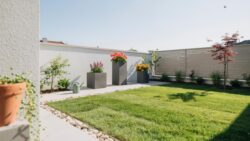
Decorative gravel establishes clean surfaces between planted elements. Sleek paving systems create defined pathways that guide movement intentionally. Turf areas provide visual rest and textural contrast against hardscaping. Strategic voids prevent gardens from collapsing into dense planting schemes that undermine the minimalist approach.
Maximizing Your Landscape Backyard Layout
Social And Fire Pit Zones
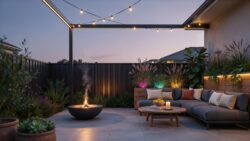
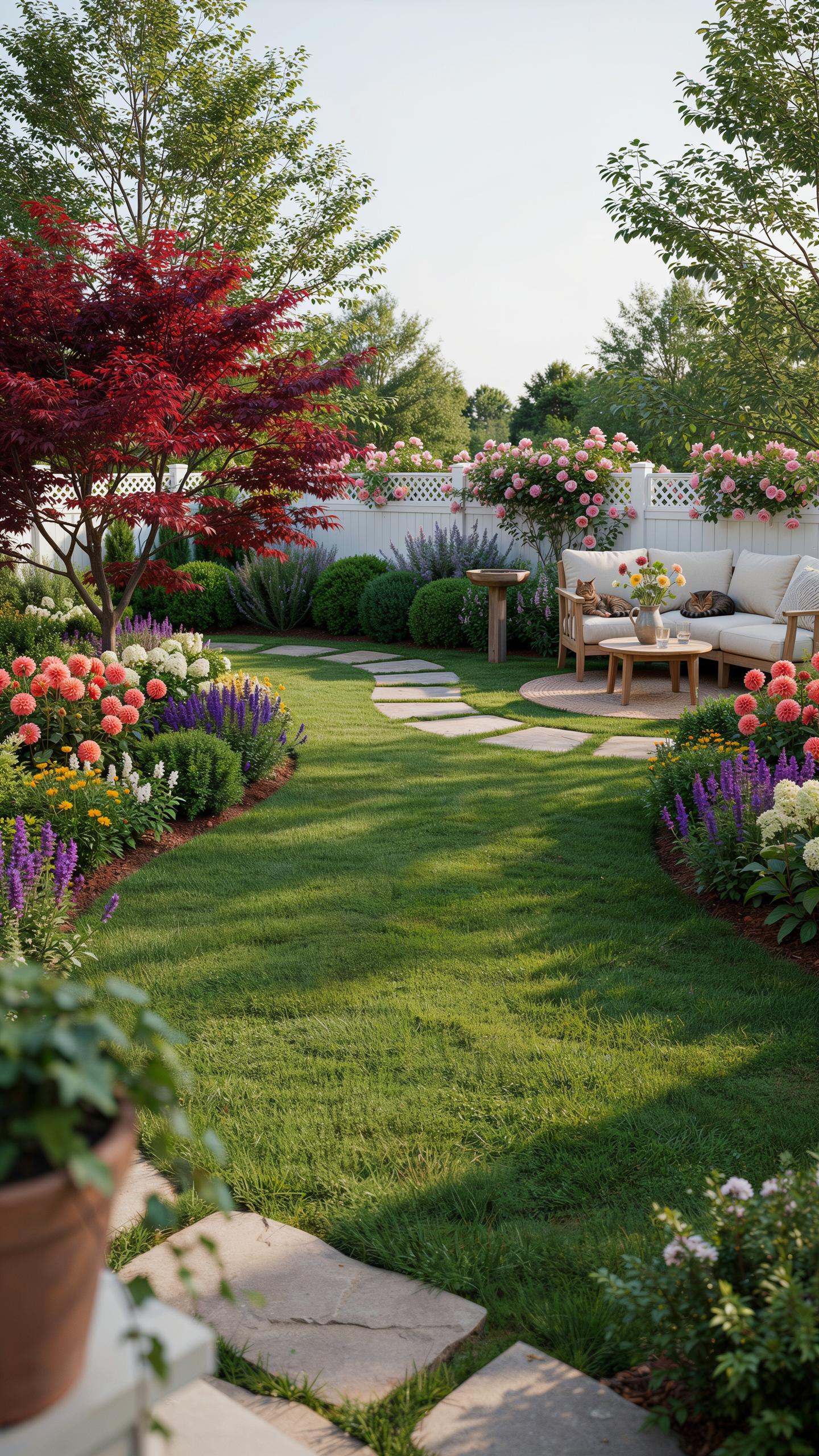
Fire pits anchor social spaces and demand strategic plant placement. Position architectural grasses like Pennisetum around the perimeter to create natural wind breaks and visual containment. These grasses reach four to six feet tall and move with air currents, generating soft visual rhythm. Space plants eight to ten feet from the pit itself to maintain safety clearance and prevent heat damage to foliage.
Pennisetum varieties tolerate full sun and perform well in most soil conditions across USDA zones five through eleven depending on cultivar selection. The plant’s movement catches light during evening hours when social zones activate most. Combine grasses with low-growing sedums or catmint in foreground areas to build layered depth. This tiered approach creates enclosed sanctuary without blocking sightlines across the landscape.
Outdoor Kitchen Greens
Culinary herb beds positioned adjacent to outdoor kitchens reduce walk distances and improve workflow efficiency. Rosemary and lavender thrive in raised beds with well draining soil and full sun exposure of six to eight hours daily. Both plants tolerate Mediterranean climate conditions and perform reliably across multiple growing zones. Raised beds warm faster in spring and drain faster after rain, critical factors for herb health.
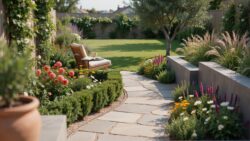
Lavender requires lean soil to prevent excessive foliage at expense of flowering. Rosemary needs infrequent deep watering rather than daily shallow moisture. Position herb beds at waist height or slightly higher to minimize bending during harvest and prep work. This elevation also creates distinct visual separation between kitchen zones and general landscape areas, reinforcing the functional design intent.
Innovative Gardens Ideas For Hardscape Integration
Gravel And Paver Pathways
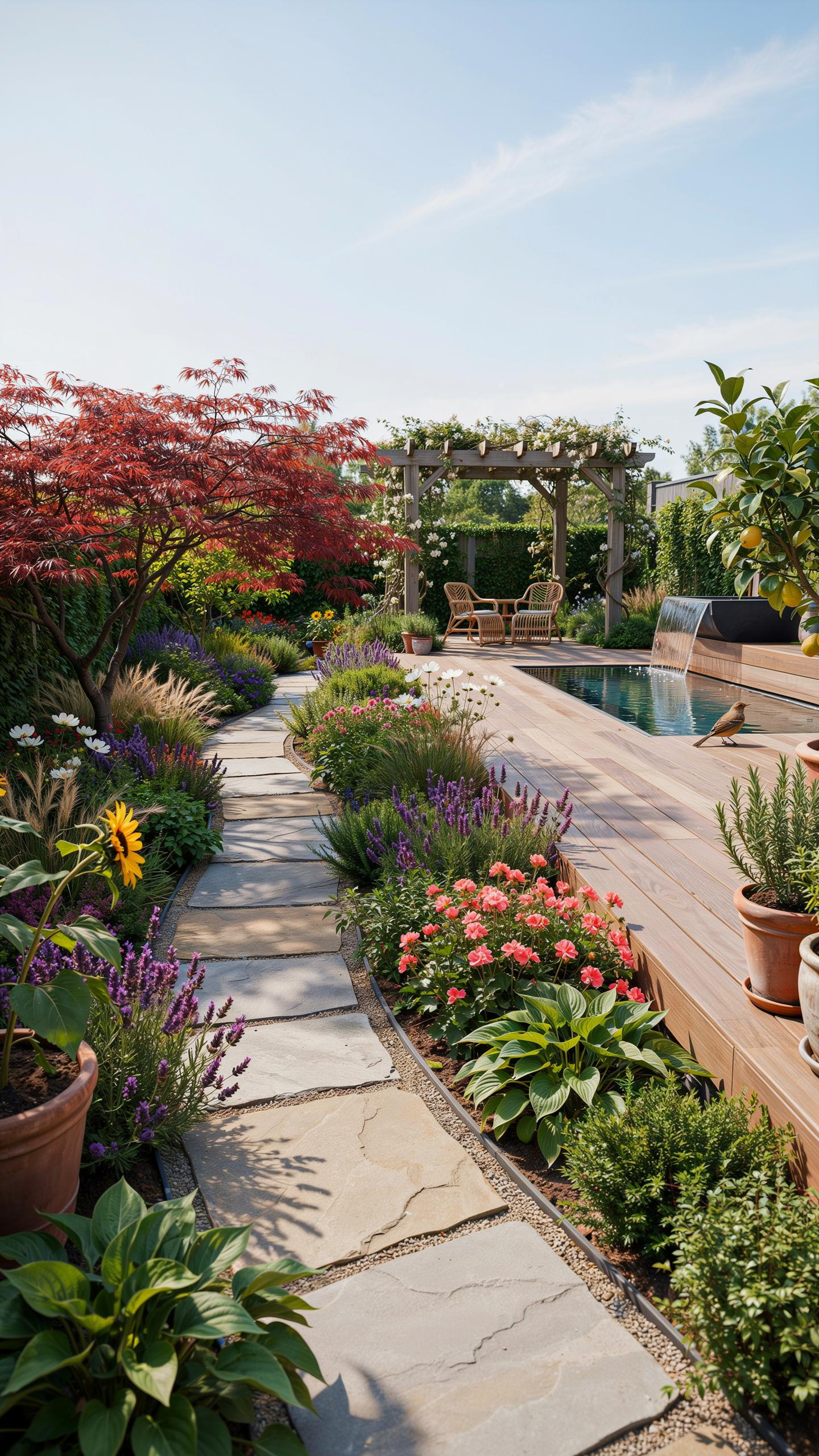
Large concrete slabs create clean lines and define movement through space. They anchor modern garden layouts with geometric precision. Thyme and moss grow between joints and soften hard edges. These groundcovers fill gaps naturally while requiring minimal maintenance. The combination works because it balances structure with organic texture.
Creeping plants reduce the visual weight of rigid paving materials. They lower maintenance costs compared to resealing or replacing grout regularly. Thyme tolerates foot traffic and releases fragrance when stepped on. Moss thrives in shaded areas where gravel paths need visual softening. This integration delivers function and aesthetic appeal simultaneously.
Water Feature Companionship
Minimalist reflecting pools demand specific plant companions to amplify their visual impact. Weeping specimens like Japanese maple or birch create vertical contrast against horizontal water surfaces. Their drooping branches cast moving shadows on water and enhance light reflection. These plants add sound through rustling foliage during wind. Strategic placement multiplies the sensory experience without cluttering the design.
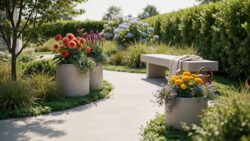
Geometric waterfalls pair effectively with specimen plants positioned at key sightlines. Weeping forms naturally draw the eye downward, echoing water movement patterns. Their soft silhouettes complement rigid fountain structures and concrete edges. Planting at water level creates depth and encourages viewers to engage with multiple zones. This layering technique strengthens the overall spatial composition.
Transforming Spaces With Long Garden Design Tactics
Breaking The Corridor Effect
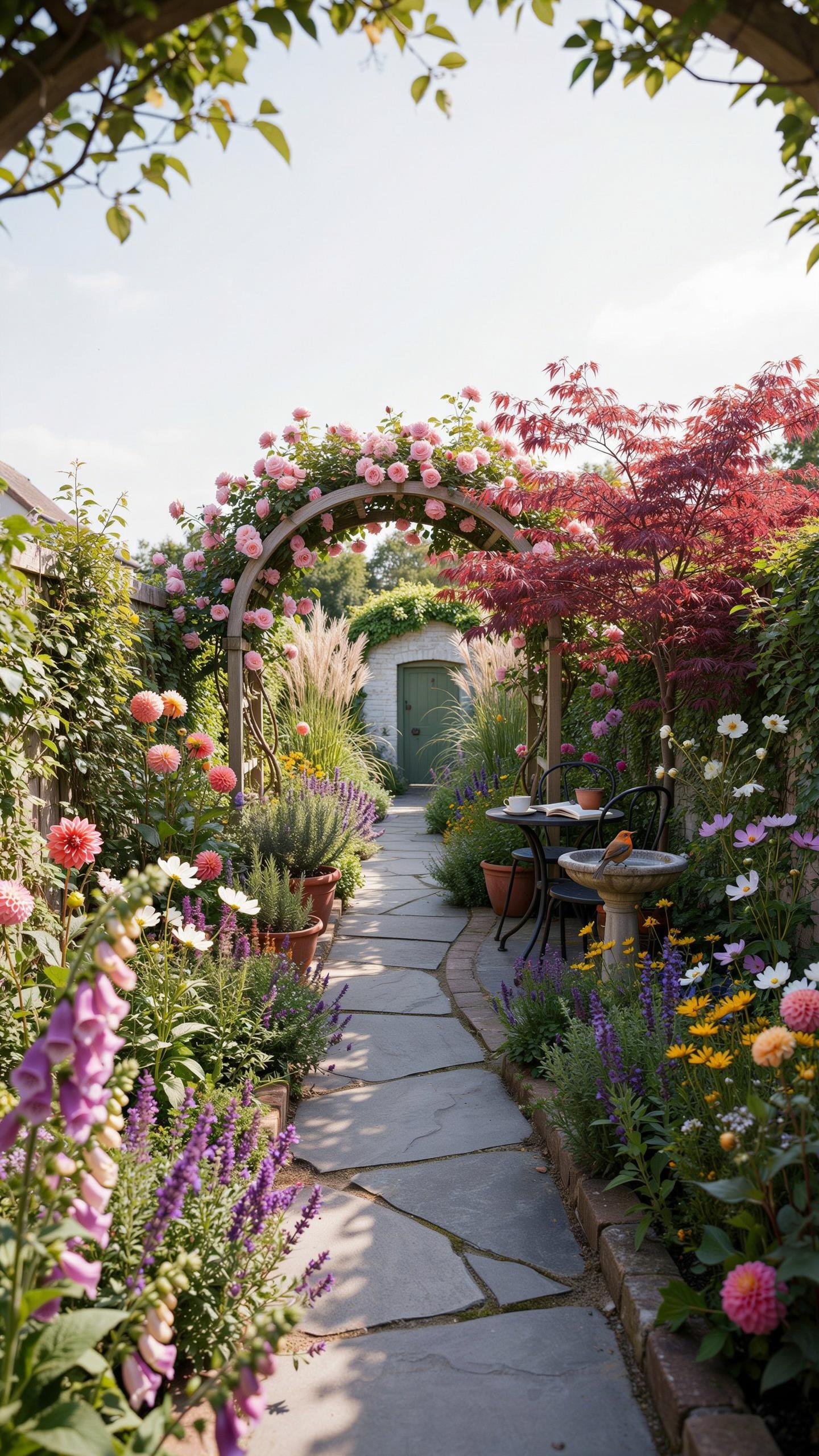
Long, narrow gardens feel cramped because your eye travels straight through without stopping. Interrupt this sightline by dividing the space into distinct zones. Use staggered focal points like seating areas, water features, or specimen plants to force the eye to pause and change direction. Offset hardscape screens and varied paving textures create visual breaks that make the garden feel wider and more complex than it actually is.
Each zone should feel purposeful and distinct. Plant dense screening perpendicular to the garden’s length using shrubs or hedging. Alternate between open areas and planted screens. This layering prevents the eye from rushing to the end and tricks perception into seeing depth where none exists. The result is a garden that feels like multiple rooms rather than a single narrow passage.
To plant a garden is to believe in tomorrow, weaving the grace of the past into the sleek lines of the present. A beautiful landscape is the soul of the home brought out into the open air.
Diagonal Geometric Lines
Diagonal lines create optical width that parallel lines cannot achieve. Position hardscape elements at 45-degree angles to the garden’s length and edges. This disrupts the garden’s linear geometry and forces perspective to expand outward. Sweeping diagonal planting blocks amplify this effect. A 45-degree patio, pathway, or bed edge shifts visual weight and makes narrow plots read as substantially wider.
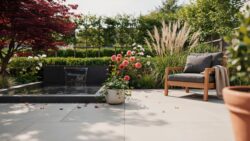
Apply this principle consistently across hardscape and planting layers. Lay paving stones diagonally. Arrange planting beds with angled edges. Position seating to face diagonal sightlines. These angles create movement and complexity that absorb attention. When applied to modern garden aesthetic planting schemes, diagonal geometry transforms tight spaces into designs that feel composed and intentional rather than constrained.
Curating Your Intimate Garden Area Comfort
Natural Privacy Screens
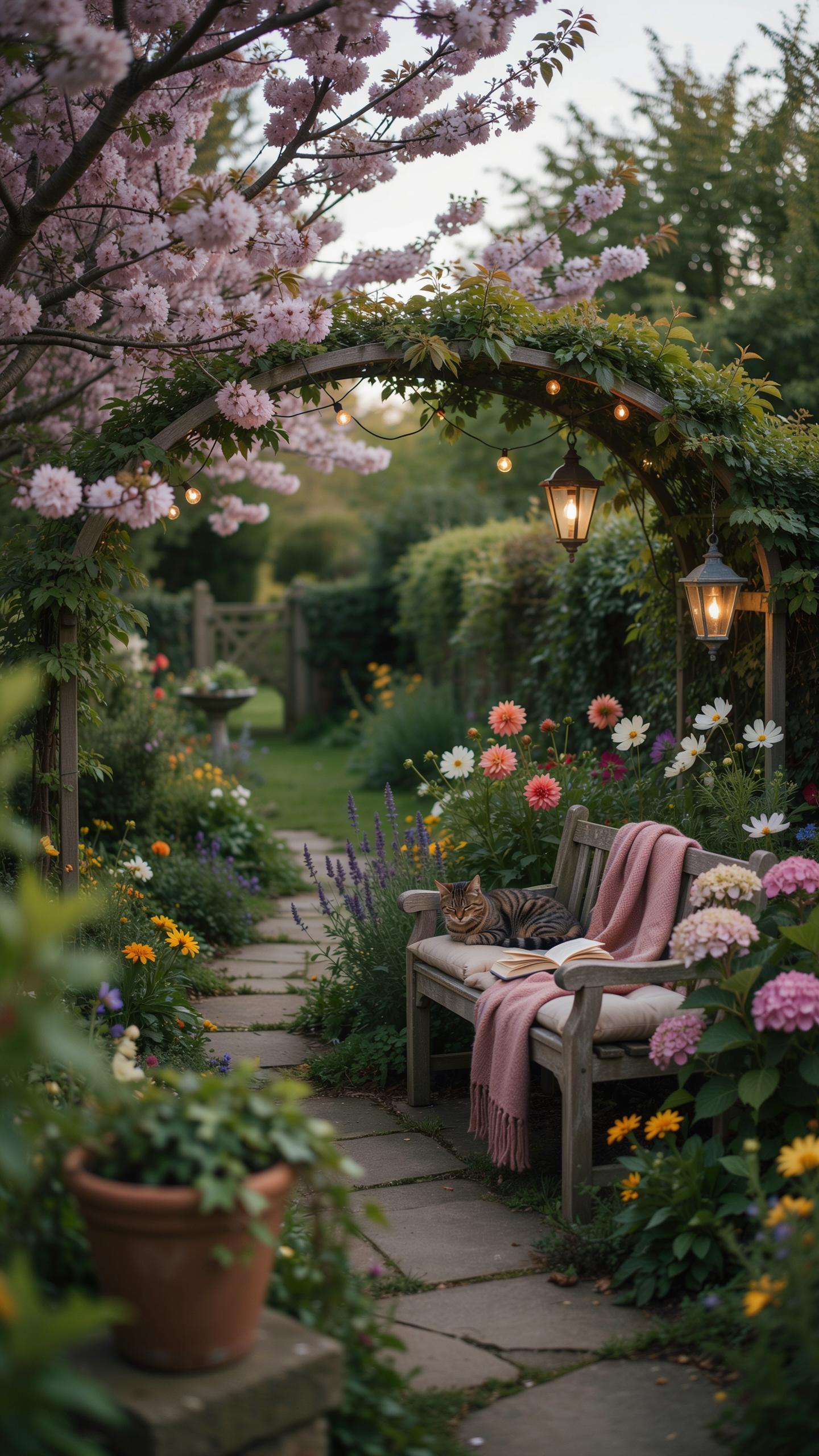
Tall clumping bamboo and columnar conifers work as functional barriers between your garden and neighboring properties. These plants grow upward rather than outward, maximizing privacy without consuming lateral space. They establish defined edges that anchor the modern garden aesthetic while blocking sightlines effectively. Choose species suited to your hardiness zone for reliable year-round performance.
Bamboo varieties like Fargesia robusta and conifers such as Columnar Green Giant arborvitae deliver dense foliage that screens views from ground level upward. Spacing matters here. Install plants at intervals that allow mature width without crowding. This prevents disease, ensures airflow, and maintains the clean geometry modern designs demand. Plan for the mature size, not the nursery size.
Soft Ambient Lighting
Directional uplight fixtures positioned low and angled upward reveal the structural qualities of leaves and bark without creating glare. This technique highlights textural contrast and architectural form that define contemporary plantings. Fixtures should remain invisible during daylight. Position them at least six feet from plant bases to avoid harsh shadows and maintain balanced illumination across foliage planes.
LED technology offers practical advantages here. These fixtures consume minimal power and generate little heat, reducing maintenance frequency and operational costs. Use warm color temperatures between 2700K and 3000K to maintain visual comfort and support natural circadian rhythms for outdoor spaces. Layer multiple fixtures at varying heights to build depth and prevent flat, one-dimensional lighting that diminishes garden complexity.
Inspiring Landscape Ideas Modern Homeowners Can Implement
Low Maintenance Sustainable Plant Groups
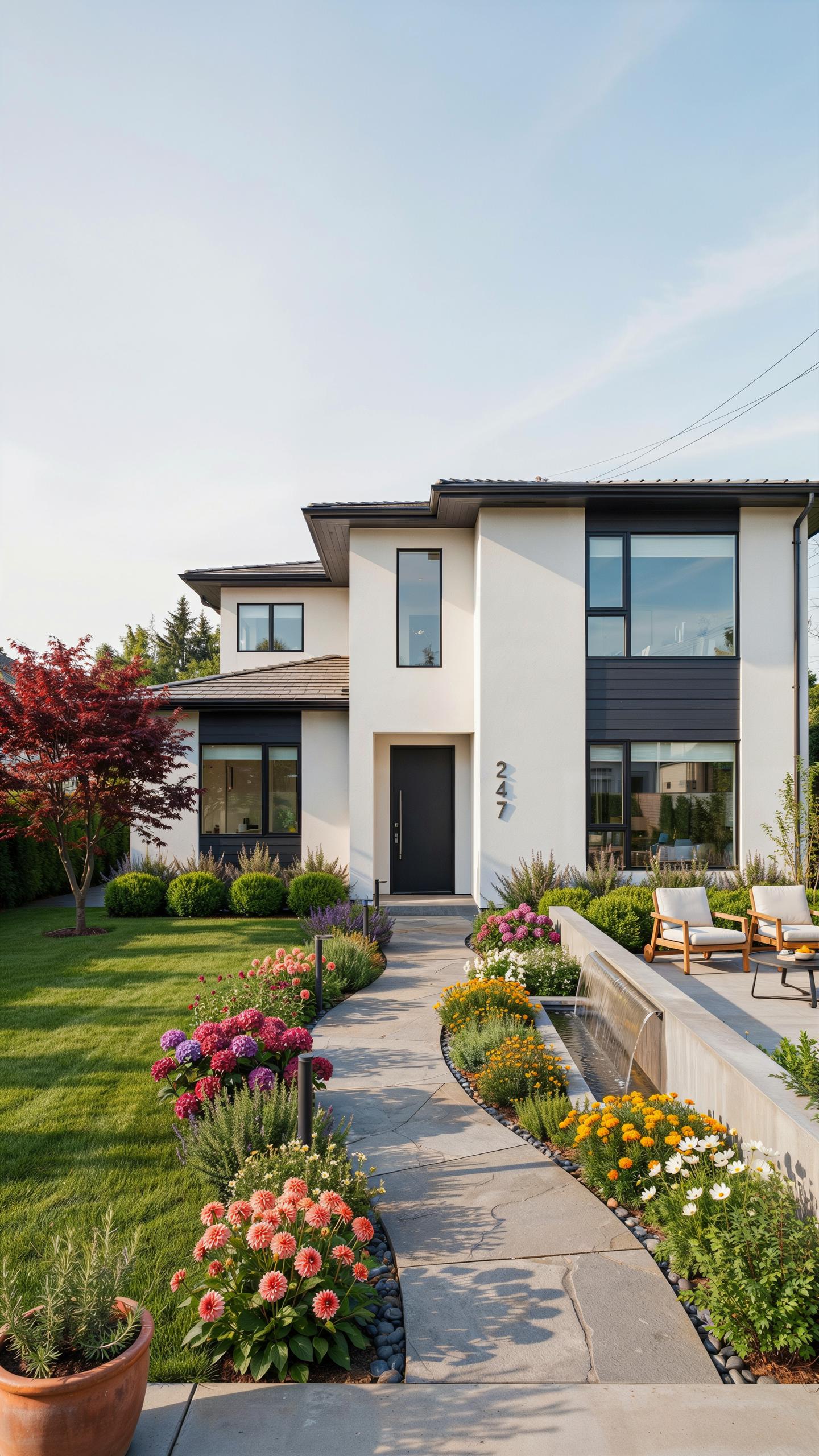
Drought tolerant plants reduce water consumption by 50 percent or more compared to conventional turf and ornamental beds. These species survive on rainfall alone in most climates, cutting irrigation schedules dramatically. Selecting structurally interesting plants creates visual impact while lowering maintenance labor. Modern gardens prioritize function over decoration, making sustainability a core design principle rather than an afterthought.
- Agave americana: Produces geometric rosettes up to six feet wide. Thrives in full sun with minimal water. Establishes architectural focal points in desert and Mediterranean climates.
- Sedum Autumn Joy: Transitions from green to bronze to red throughout the year. Requires no supplemental water after establishment. Provides late season interest when other plantings fade.
- Yucca filamentosa: Delivers sharp vertical lines with sword shaped leaves. Produces tall white flower spikes in summer. Survives poor soil and extreme temperatures reliably.
- Festuca rubra: Establishes soft, fine textured groundcover without mowing. Tolerates partial shade and poor drainage. Reduces lawn maintenance by 80 percent compared to traditional grass.
- Miscanthus x giganteus: Reaches eight feet tall with minimal inputs. Creates privacy screens and wind breaks. Dies back cleanly in winter without debris accumulation issues.
These plants establish quickly and require pruning only once yearly. Native cultivars adapt to local rainfall patterns and pest pressures, eliminating chemical inputs entirely. Grouping similar species streamlines watering schedules and fertilizer applications across the entire landscape.
Monocultural Planting Blocks
Single species drifts create visual continuity and simplify maintenance protocols across large areas. Repetition produces rhythm and movement that draws the eye through the garden systematically. This technique reflects principles from Modernist landscape design, which emerged in mid twentieth century Europe and prioritized clean lines over mixed borders.
Arranging blocks of identical plants reduces decision making about color coordination and height compatibility. Large masses read clearly from twenty feet away, delivering impact that scattered combinations cannot achieve. Professional resort landscapes and high end commercial projects rely on monocultural blocks to establish cohesion and scale. Implement this strategy by planting minimum fifty to one hundred specimens of a single cultivar per block to create the intended visual weight.
Frequently Asked Questions

What are the main characteristics of a modern garden aesthetic?
Achieving a modern garden aesthetic planting style involves focusing on clean lines, architectural shapes, and a restricted color palette. Instead of the chaotic charm of traditional cottages, modern designs rely on mass planting and structural greenery. By repeating specific species like ornamental grasses or structural boxwoods, you create a sense of rhythm and sophisticated minimalism that makes your outdoor space feel like a curated extension of your contemporary home interior.
How do I choose the right plants to maintain a sleek, modern look?
To master modern garden aesthetic planting, start by selecting plants with strong silhouettes. Focus on “architectural” varieties like Agave, Alliums, or Japanese Maples that provide visual interest year-round. Use a grid-like layout or linear rows to organize your garden beds. High-contrast pairings, such as dark green foliage against white gravel or charcoal fencing, help define the space while keeping the overall maintenance low and the visual impact high.
Can I achieve a high-end modern garden look on a limited budget?
Absolutely! You don’t need a designer budget to create a stylish outdoor retreat. Focus on buying smaller “starter” versions of structural plants and allow them to grow into the space over time. Additionally, using affordable materials like gravel or mulch to create sharp, geometric borders provides an instant modern feel. Selecting just two or three hardy species and planting them in groups creates a high-end look without the high-end price tag.