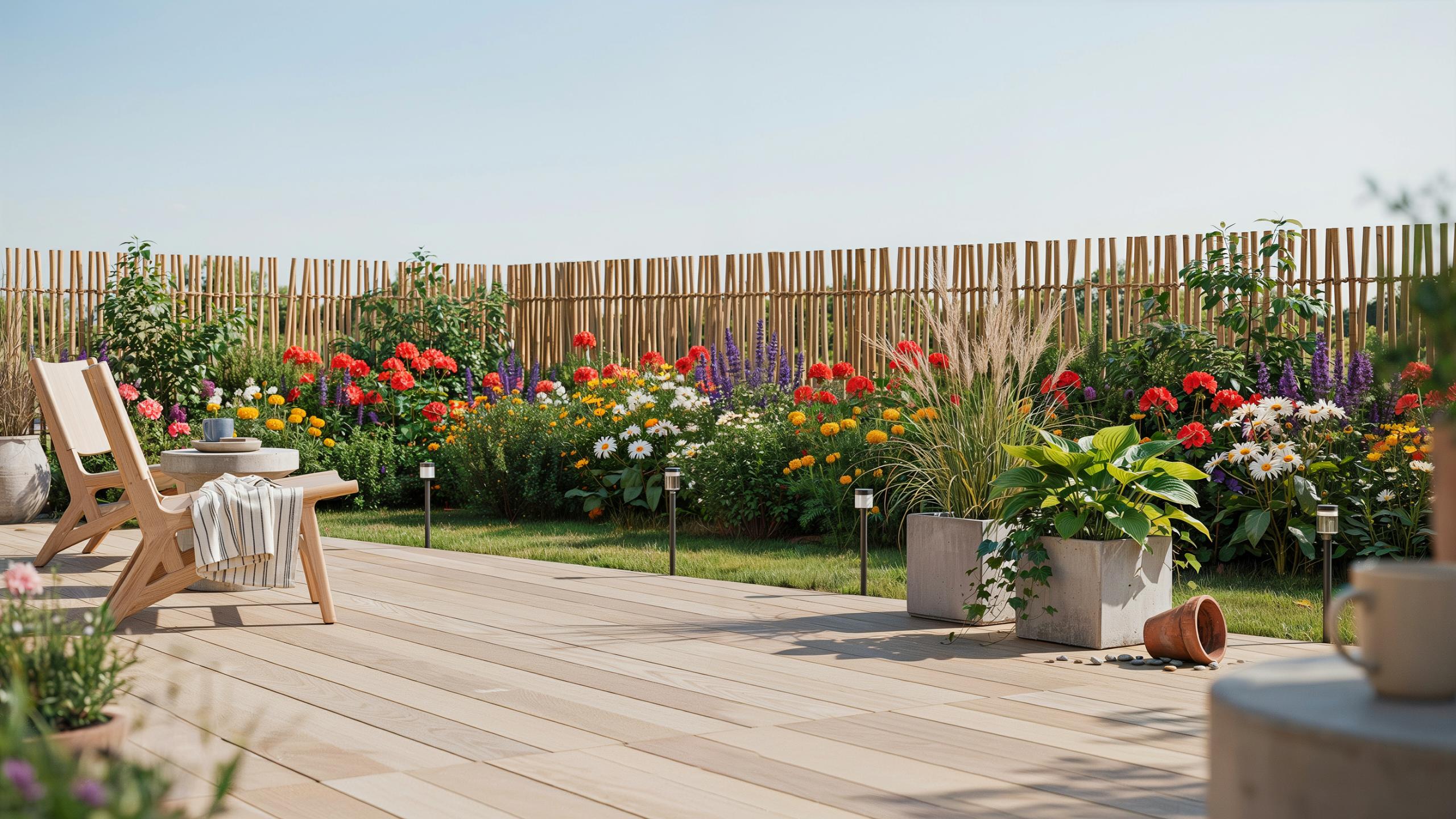
Embracing Modern Garden Aesthetic Materials On A Budget
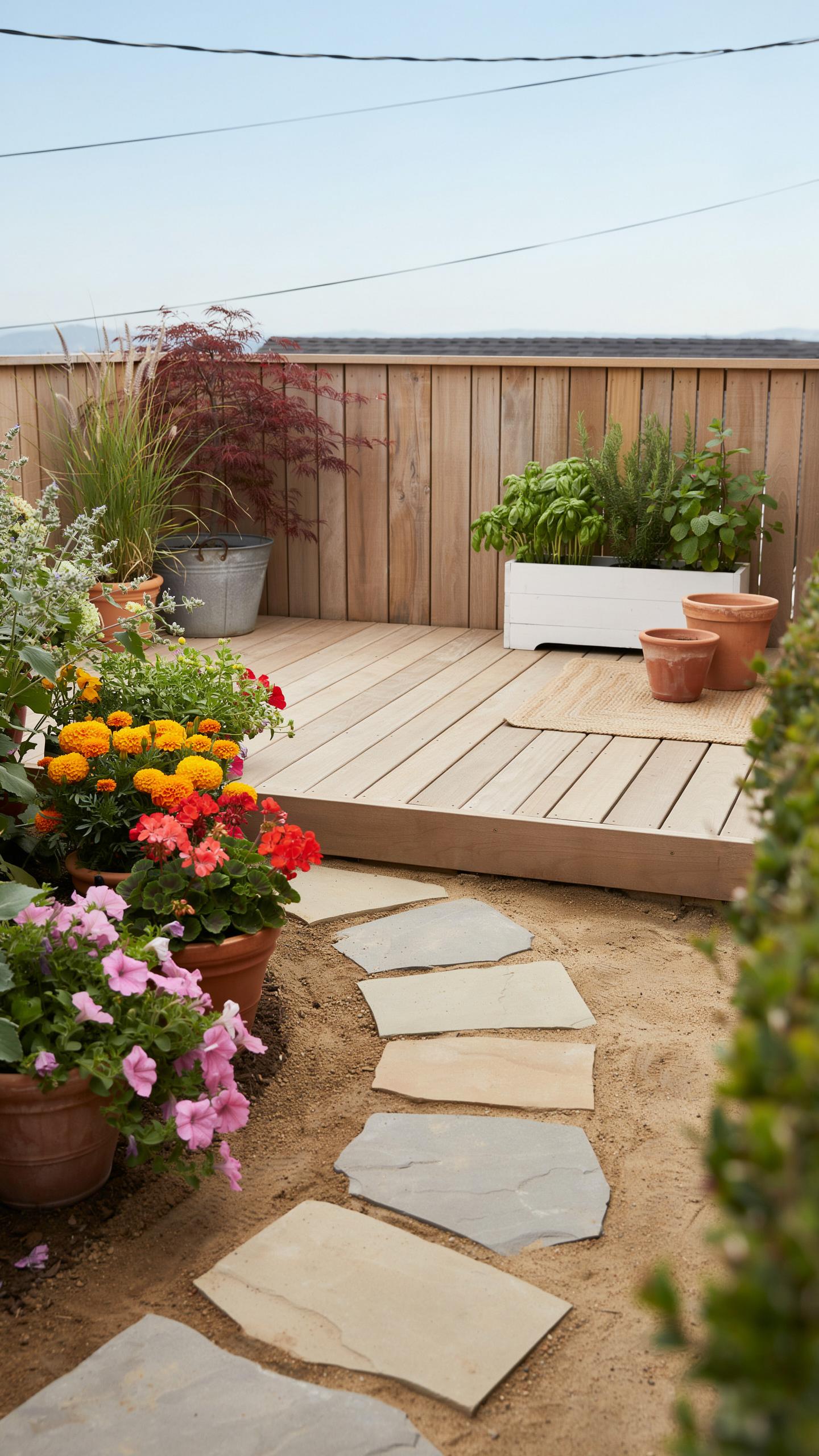
The Philosophy Of Minimalist Landscape Design
Modern garden aesthetics demand clean lines, defined structures, and purposeful spacing. This design approach emerged from mid-20th century modernism, which rejected ornamental excess in favor of functional form. Minimalist landscapes eliminate clutter and emphasize what remains. Each element serves a purpose. This discipline forces intentional choices, which reduces unnecessary spending on decorative items that add no functional value to your outdoor space.
Strategic focal points anchor the design and guide the eye. A single concrete bench, raised planter, or water feature commands attention without requiring expensive installations. Geometric simplicity makes materials stretch further. Repeating simple shapes and limiting your color palette to two or three tones creates cohesion. This restraint costs less than sourcing diverse materials and produces stronger visual impact than layered ornamentation ever could.
Essential Budget Friendly Building Materials
Modern gardens rely on versatile, durable materials that you can deploy creatively across multiple applications. These products perform well for years and maintain clean aesthetics without constant maintenance. Cost effectiveness comes from selecting materials that work hard and look intentional rather than cheap. The right material choices transform a basic yard into a contemporary space without inflating your budget beyond reason.
- Cast Concrete Pavers: Uniform rectangular shapes define pathways and patios with precision. They cost significantly less than natural stone. Stack or arrange them in simple patterns to establish visual rhythm throughout the garden.
- Reclaimed Timber Planks: Weathered wood creates vertical interest and raised beds at low cost. Dimensional lumber works equally well if reclaimed stock isn’t available. Install planks horizontally or vertically to establish structure.
- Galvanized Wire Mesh: Industrial fencing material defines boundaries and supports climbing plants. It provides transparency rather than solid walls, keeping spaces feeling open. Wire mesh costs far less than traditional fencing.
- Steel Landscaping Edging: Thin steel strips outline planting beds and separate materials cleanly. Metal edging prevents soil spillage and creates sharp borders. Paint it black, rust it naturally, or leave it bare steel.
- Gravel And Pea Stone: Loose materials fill large areas affordably while maintaining modern aesthetics. Choose single colors for coherence. Gravel requires occasional raking but needs no replacement for years.
These materials combine affordability with authentic modern design language. They age gracefully, require minimal maintenance, and pair well together. Concrete, steel, wood, and stone have anchored contemporary landscape design for decades. Using them strategically maximizes your budget while delivering professional results that last.
Incorporating Gravel Design To Define Clean Modern Pathways
Choosing The Right Color Palette And Texture
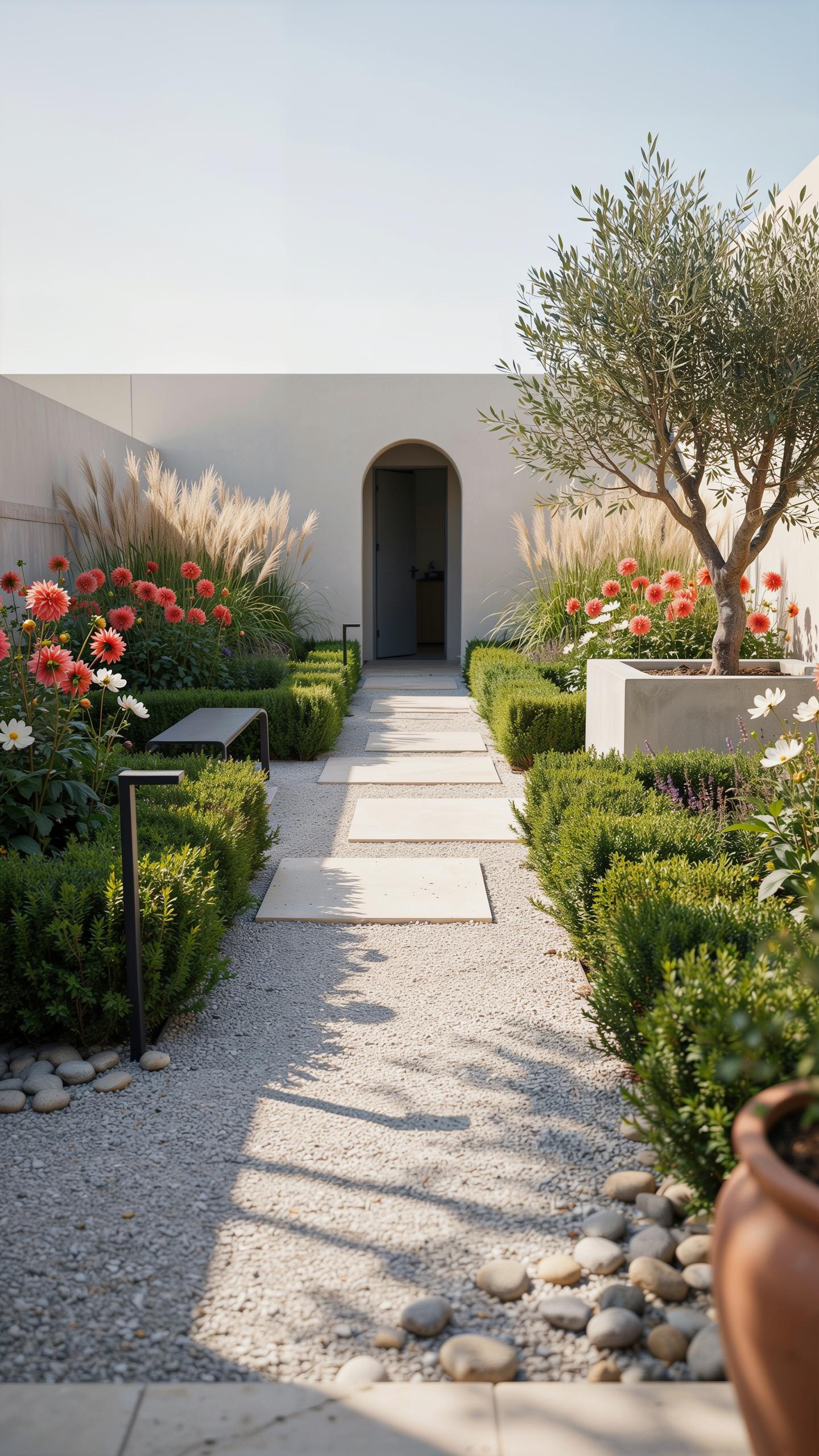
Modern garden design relies on gravel as a functional material, not decoration. Gray, white, and charcoal gravels create neutral backgrounds that let plants and hardscape elements stand out. These colors work because they reflect the minimalist principles that define contemporary landscape design. Uniform gravel also improves drainage and suppresses weeds without chemical intervention.
Gravel size matters for both aesthetics and function. Pea gravel ranges from half-inch to three-quarter inch and compacts moderately. Crushed granite or angular stone stays in place better on slopes and around pathways. Select one size rather than mixing varieties to maintain the clean lines that modern gardens demand.
The glory of gardening: hands in the dirt, head in the sun, and the simple magic of turning humble stones and scrap wood into a modern sanctuary.
Installation Techniques For Crisp And Tidy Borders
Metal edge restraints stop gravel from migrating into planting beds and lawn areas. Aluminum and steel borders come in straight sections and curved pieces. Install them flush with or slightly below grade level so mowers pass over without catching. Proper edging prevents constant maintenance and keeps your pathways looking intentional.
Geotextile landscape fabric blocks weeds and extends the life of your gravel layer. Lay six-ounce or heavier fabric directly on compacted soil before spreading stone. The fabric allows water drainage while stopping seeds from germinating beneath. This combination of fabric and edging creates pathways that stay clean with minimal seasonal work.
How To Create A Stately Landscaped Terrace On A Budget
Utilizing Inexpensive Retaining Walls And Terraces
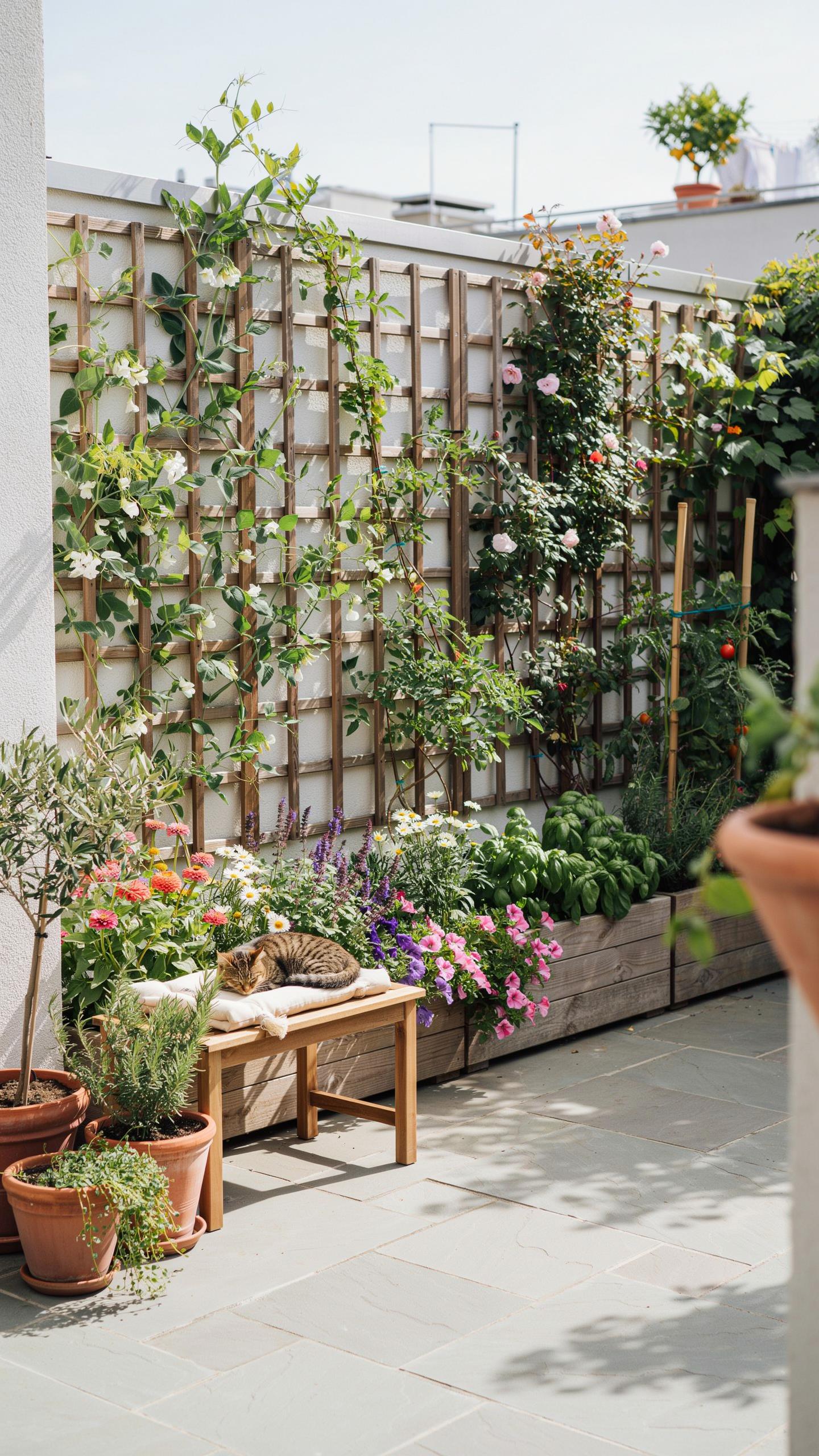
Terracing transforms sloped yards into functional zones without breaking your budget. Concrete blocks and treated timber cost far less than stone or steel alternatives. These materials stack efficiently to hold soil, prevent erosion, and create level planting areas. Modern design embraces this structured approach. Multiple tiers add visual depth while solving drainage problems that plague uneven terrain.
Concrete blocks offer modularity and straightforward installation. Stack them without mortar for flexibility or use adhesive for permanent structures. Treated construction timber provides warmth and texture at lower cost than pressure-treated specialty products. Both materials age gracefully, developing patina that reads as intentional in contemporary landscapes. Plan terrace heights between 12 and 24 inches for optimal plant access and maintenance.
Selecting Drought Tolerant Plants For Tiered Beds
Ornamental grasses, lavender, and sedums thrive in terraced environments where water drains quickly. These species tolerate poor soil conditions and full sun exposure on elevated beds. Their architectural forms complement modern design principles. Low irrigation needs reduce maintenance and operational costs over time. Select varieties proven hardy in your climate zone to avoid costly replacements.
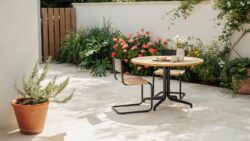
Terraced microclimates create ideal growing conditions for drought-tolerant specimens. Upper tiers dry faster, favoring plants like Russian sage and blanket flower. Lower tiers retain more moisture for slightly thirstier plants like catmint. Group plants by water requirements within each tier to optimize irrigation efficiency. This strategic placement cuts watering frequency while maintaining healthy, structured growth patterns.
Designing A Serene Zen Garden Water Feature Cheaply
The Magic Of DIY Bubbling Rock Fountains
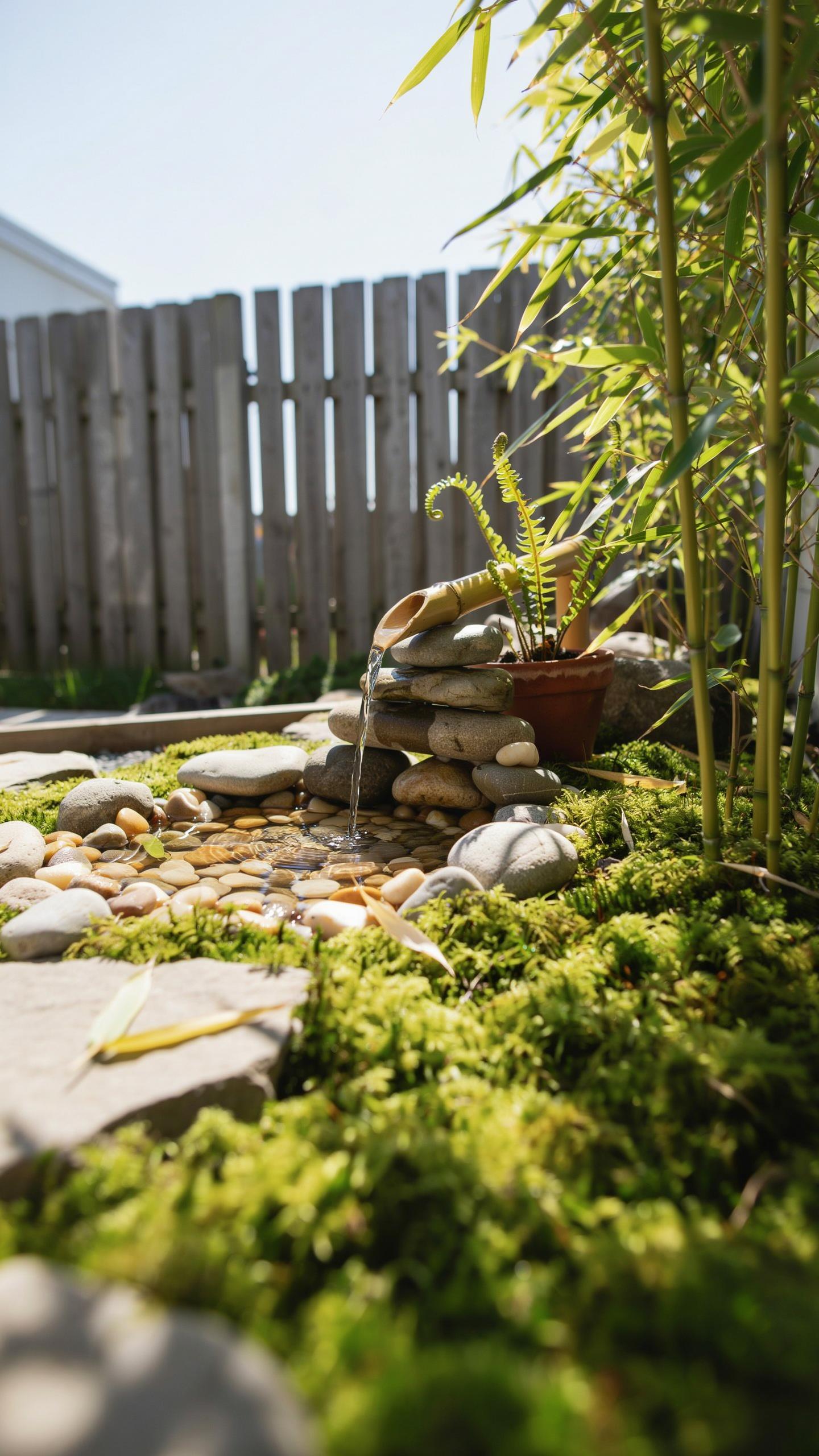
Water movement serves a functional purpose in modern gardens. It breaks visual monotony and produces white noise that masks urban sounds. A bubbling rock fountain requires three components: a plastic basin, a low-voltage submersible pump, and decorative river rocks. Bury the basin below ground level, install the pump inside, and cover the top with rocks. This setup costs between 40 and 80 dollars.
The pump powers the water circulation continuously. Electricity requirements remain minimal because low-voltage systems draw minimal power compared to standard outlets. Maintenance involves checking water levels weekly and cleaning the pump intake monthly to prevent debris clogging. The rocks conceal all mechanical parts while allowing water to percolate through them. This design works in spaces ranging from 2 by 2 feet to 8 by 8 feet.
Using Small Containers For Architectural Aquatic Accents
Concrete pots and dark ceramic vessels work as standalone water features when budget or space constraints exist. These containers hold water without leaking when properly sealed with food-grade sealant. Dwarf water lilies and water lettuce float on the surface and require minimal maintenance. Japanese design traditions use container water features as focal points, a principle that applies to modern minimalist gardens today.
Container dimensions determine plant selection and visual impact. A 24-inch diameter pot accommodates one dwarf water lily comfortably. These plants need 4 to 6 hours of direct sunlight daily to bloom. Position containers near seating areas to maximize the acoustic benefits of water movement and rippling surfaces. Refill containers monthly to compensate for evaporation and plant uptake.
Creating An Elegant Landscape With Pebbles And Clean Lines
Contrasting Textures And Monochromatic Aggregates
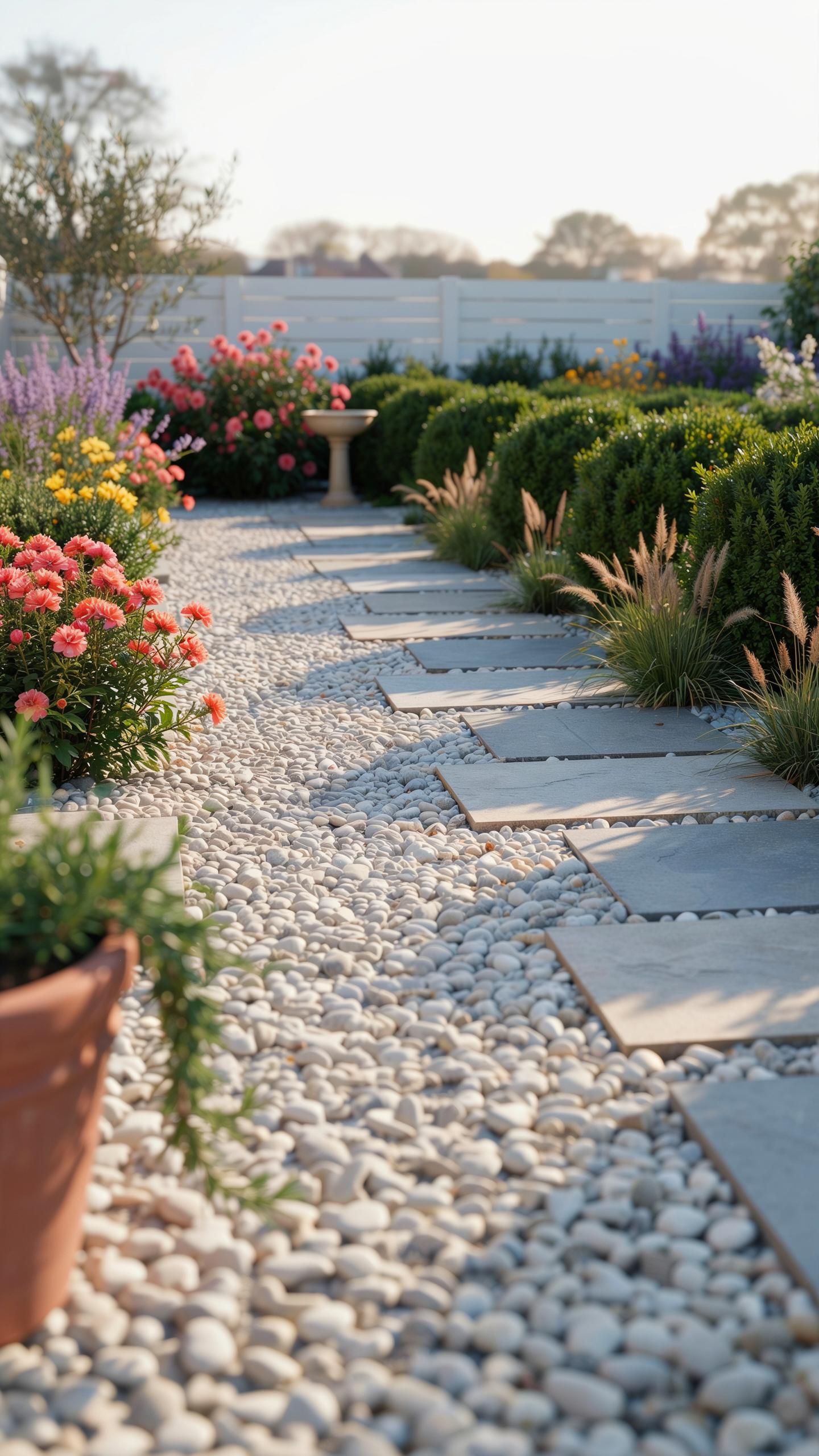
Modern design relies on visual contrast to create impact. Dark basalt pebbles absorb light and recede visually, while white quartz pebbles reflect light and advance forward. Pairing either option with smooth concrete stepping stones establishes clear boundaries and focal zones. This contrast costs significantly less than natural stone installations.
The color pairing does the work. Basalt against light concrete creates drama without decoration. White quartz with charcoal concrete delivers sophistication through restraint. Both combinations follow modernist design principles that prioritize geometry and material honesty over ornamental detail. Budget conscious homeowners achieve this look by sourcing pebbles locally and mixing them with standard concrete pavers.
Framing Focal Trees And Modern Sculptural Accents
Specimen trees and large planters function as visual anchors in modern gardens. A neat bed of polished pebbles around these elements isolates them from the surrounding landscape. This framing technique draws attention deliberately and creates intentional composition. Professional landscapers use this method because it works at every budget level.
Solar powered garden orbs, modern sculptures, or architectural planters gain prominence when surrounded by uniform pebble beds. The pebbles serve as a frame that says “this object matters.” The viewer’s eye moves directly to the focal point without distraction. This approach mimics high end garden design while using affordable materials.
Modern Pebble Garden Design For Low Maintenance Beauty
Arranging Varied Pebble Sizes For Visual Depth
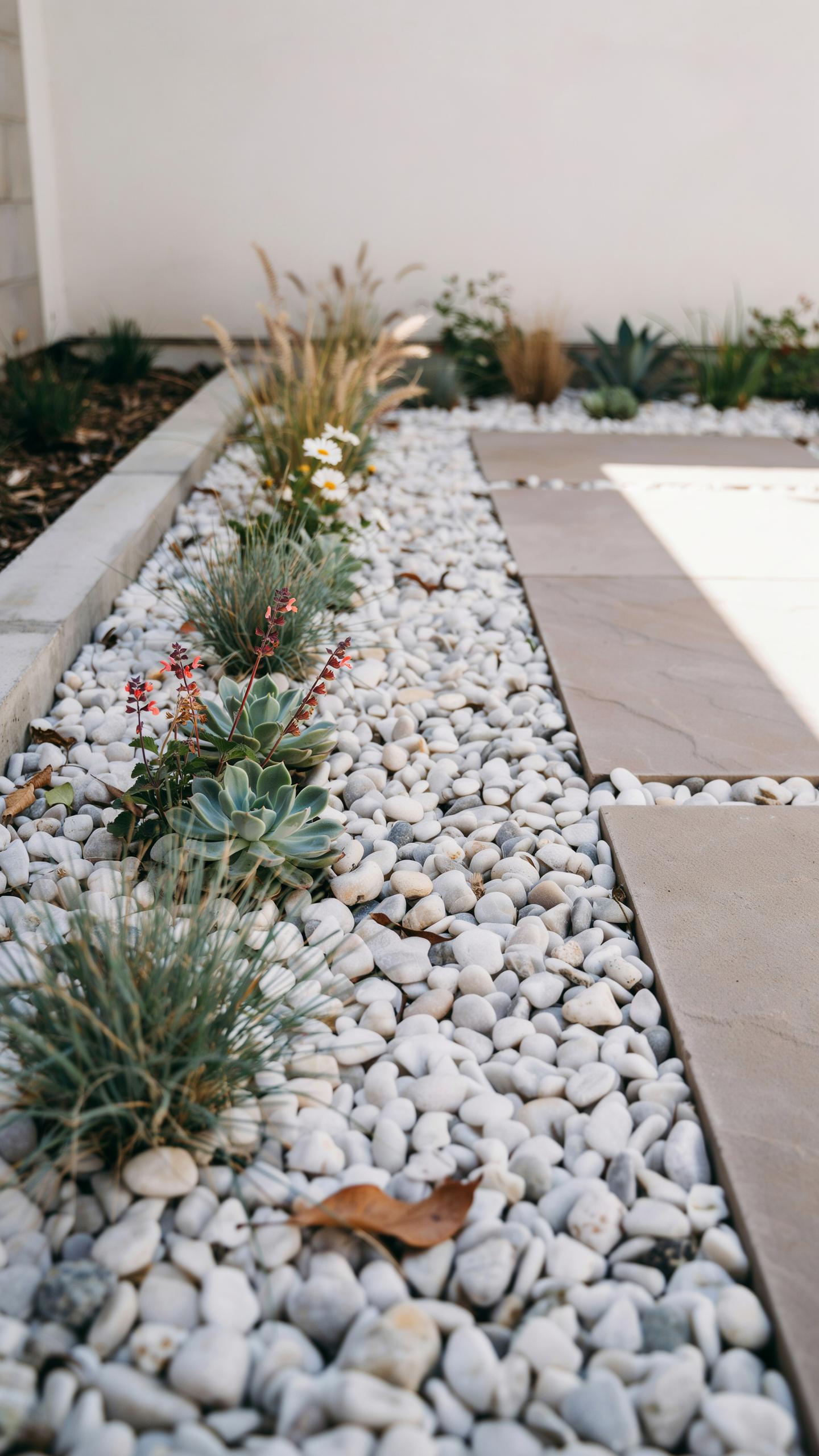
Layering pebbles of different sizes prevents monotony and improves functionality. Start with larger beach pebbles as a base layer, then transition to medium gravel in the middle, and finish with fine pea gravel on top. This gradient creates visual interest while each layer serves a purpose: drainage, weed suppression, and aesthetic contrast.
Tone variation amplifies the depth effect without requiring additional materials. Combine warm buff-colored pebbles with cool gray and charcoal stones to create natural movement across the bed. The size and color shifts guide the eye through the space and enhance the modern aesthetic while the variety of materials retains soil moisture more effectively than uniform gravel alone.
Top Low Maintenance Plants For Rock Based Lawns
Plants in pebble beds must tolerate drought, poor soil, and intense heat reflection from stones. Choose species with structural presence and minimal watering needs once established. These plants create visual anchors within the rocky landscape and require little ongoing intervention beyond annual pruning or debris removal.
- Agave: Architectural succulent with thick leaves in gray-blue tones. Demands excellent drainage and full sun. Mature plants reach 2-4 feet depending on variety. Minimal water after establishment.
- Yucca: Spiky evergreen with dramatic vertical form and white flower spikes. Thrives in poor soil and full sun exposure. Highly drought tolerant once rooted. No fertilizer needed.
- Blue Fescue Grass: Ornamental grass with fine blue-gray foliage and compact growth habit. Reaches 8-12 inches tall and adds soft texture to rock beds. Tolerates drought and poor drainage well.
- Sedum Varieties: Creeping succulents that spread horizontally across pebble beds as ground cover. Low growing heights of 3-6 inches suppress weeds effectively. Require zero supplemental water once established.
- Euphorbia: Architectural plant with geometric form and red or gray-toned foliage. Handles rocky, compacted soil without amendment. Full sun and drought tolerant with minimal maintenance demands.
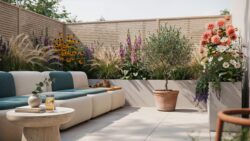
Plant spacing matters more than quantity. Space specimens 24-36 inches apart to allow mature growth and reduce competitive pressure. This spacing reduces establishment time and maintenance costs while preventing overcrowding that creates pest and disease pressure in rock gardens.
Innovative Home Yard Design Ideas With Affordable Pavers
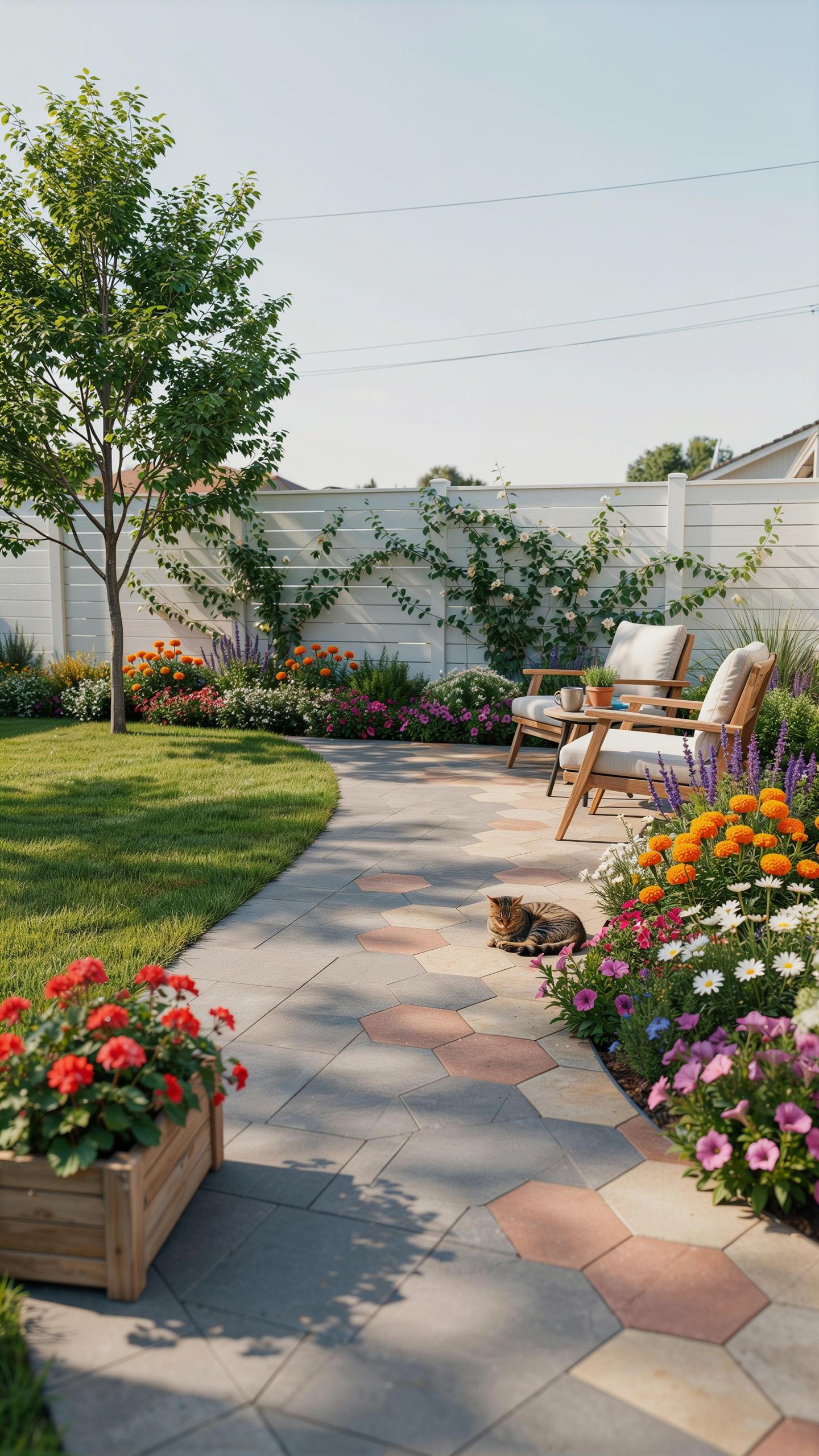
Styling Stepping Stones With Turf Or Ground Cover
Large-format concrete pavers spaced with narrow gaps create a grid pattern that mimics modernist design principles from mid-century landscape architecture. This layout reduces material quantity because fewer pavers cover the same area. Filling gaps with living turf or moss provides visual contrast while keeping costs low since you use less paver volume overall.
The checkerboard effect works because it balances hardscape and softscape in a proportional way. Green ground cover breaks up concrete monotony and adds texture without expensive additions. This approach costs less than solid paver installation while delivering the clean, architectural aesthetic modern spaces demand.
Constructing Chic Outdoor Dining And Fire Pit Zones
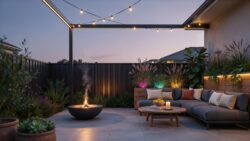
Square and rectangular pavers form the foundation for functional outdoor spaces without premium material expenses. Arrange them in straightforward patterns around a steel fire bowl or basic dining table. This method contains costs because you work with standard paver sizes and simple geometry rather than complex cuts or custom shapes.
Dark crushed stone defines the patio perimeter and creates visual separation from surrounding landscape. The contrast between light pavers and dark border establishes a polished, finished appearance. This material combination costs significantly less than decorative solutions while producing the tidy, defined zones that contemporary design requires.
A Stunning Landscape For Backyard Entertaining And Relaxation
Strategic Lighting To Elevate Inexpensive Materials
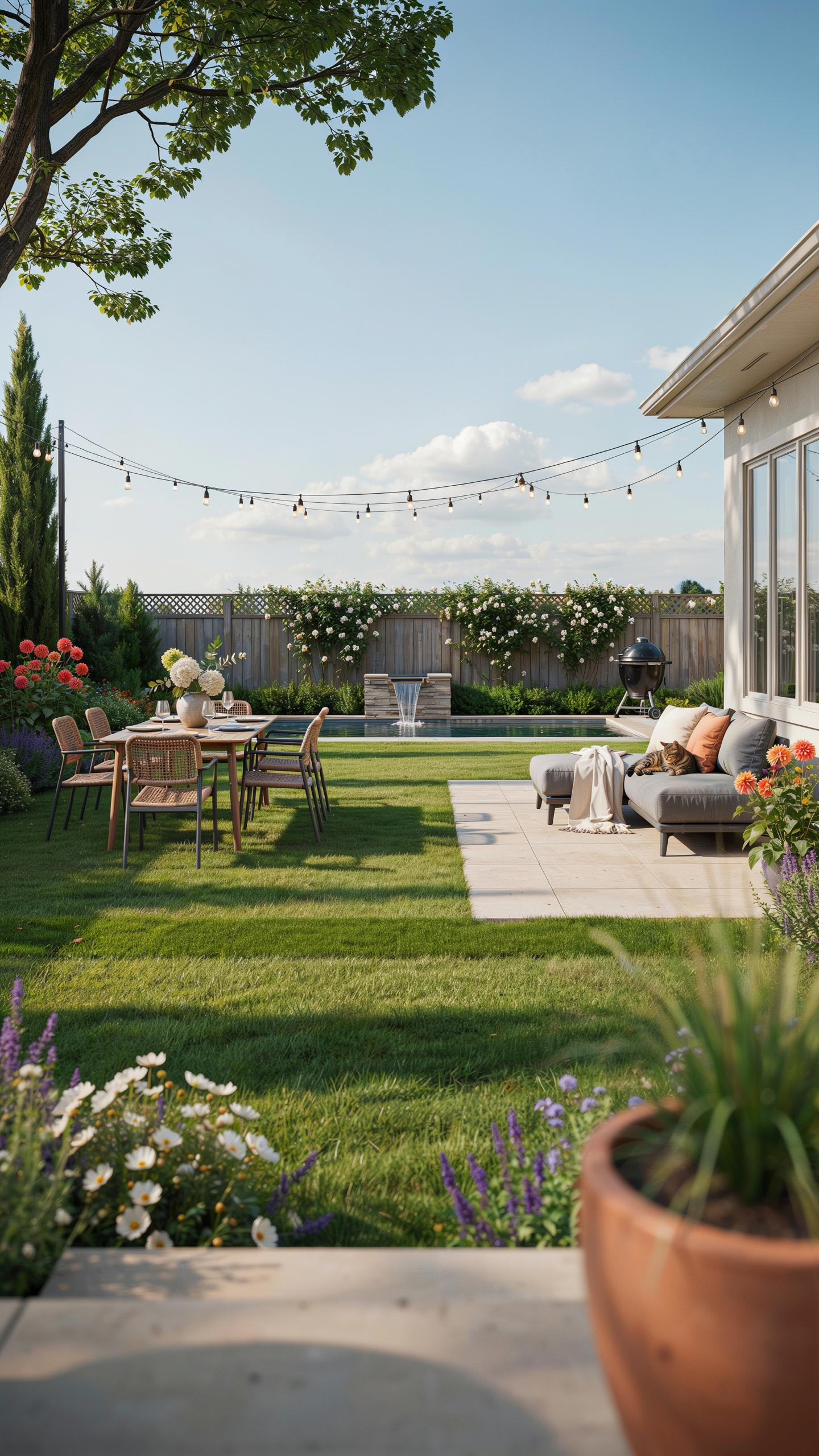
Outdoor lighting transforms budget materials by controlling what viewers see and what remains in shadow. Solar uplights cost between 15 and 40 dollars per unit and redirect focus toward plants or architectural features. Warm-toned Edison bulbs strung overhead create defined zones while casting soft shadows that obscure lower-quality finishes on walls or fencing.
Light placement matters more than material quality in nighttime settings. Positioning lights at ground level angled upward emphasizes texture and depth. String lights above seating areas establish visual hierarchy and define functional zones without expensive construction. This approach makes inexpensive materials perform like premium installations after dark.
Zoning With Economical Horizontal Slat Fencing
Horizontal slat fencing dominates modern landscape design because it solves multiple problems simultaneously. Cedar or pressure-treated pine pickets cost 2 to 5 dollars each and stack into DIY privacy screens that divide yards into distinct entertaining or utility zones. The clean lines and open slats align with contemporary design principles while allowing light and air flow through.
Building these panels yourself eliminates labor costs that typically represent 50 to 70 percent of professional fencing projects. Horizontal orientation creates visual width, making compact yards feel larger. The modular nature means you can phase installation over seasons or adjust layouts as needs change without major expense.
Frequently Asked Questions

What are the foundational elements of a modern garden look for beginners?
Achieving a sleek look starts with selecting the right modern garden aesthetic materials that prioritize clean lines and a neutral color palette. Beginners should focus on structural simplicity by using geometric layouts and a limited variety of plants. Incorporating materials like smooth concrete pavers, dark mulch, and ornamental grasses creates an instant contemporary feel without requiring professional design experience or complex architectural changes to your backyard space.
How can I use gravel and stone to create a contemporary landscape design?
To master this look, start by leveling your area and laying down a heavy-duty weed barrier. Spread crushed pea gravel or slate chips in defined, angular sections to create high-contrast zones. These modern garden aesthetic materials work best when paired with metal landscape edging to maintain crisp borders. This practical approach not only defines your outdoor “rooms” but also provides a low-maintenance, permeable surface that looks professional and polished.
Is it possible to achieve a high-end modern garden look on a tight budget?
Absolutely! You can mimic expensive designer finishes by using affordable alternatives like pressure-treated timber stained in deep charcoal or black. Instead of poured concrete, opt for large-format concrete stepping stones set in inexpensive grey river rock. Upcycling industrial items, such as galvanized steel troughs for planters or simple wooden pallets for vertical herb gardens, allows you to embrace a minimalist style while keeping your material costs remarkably low.