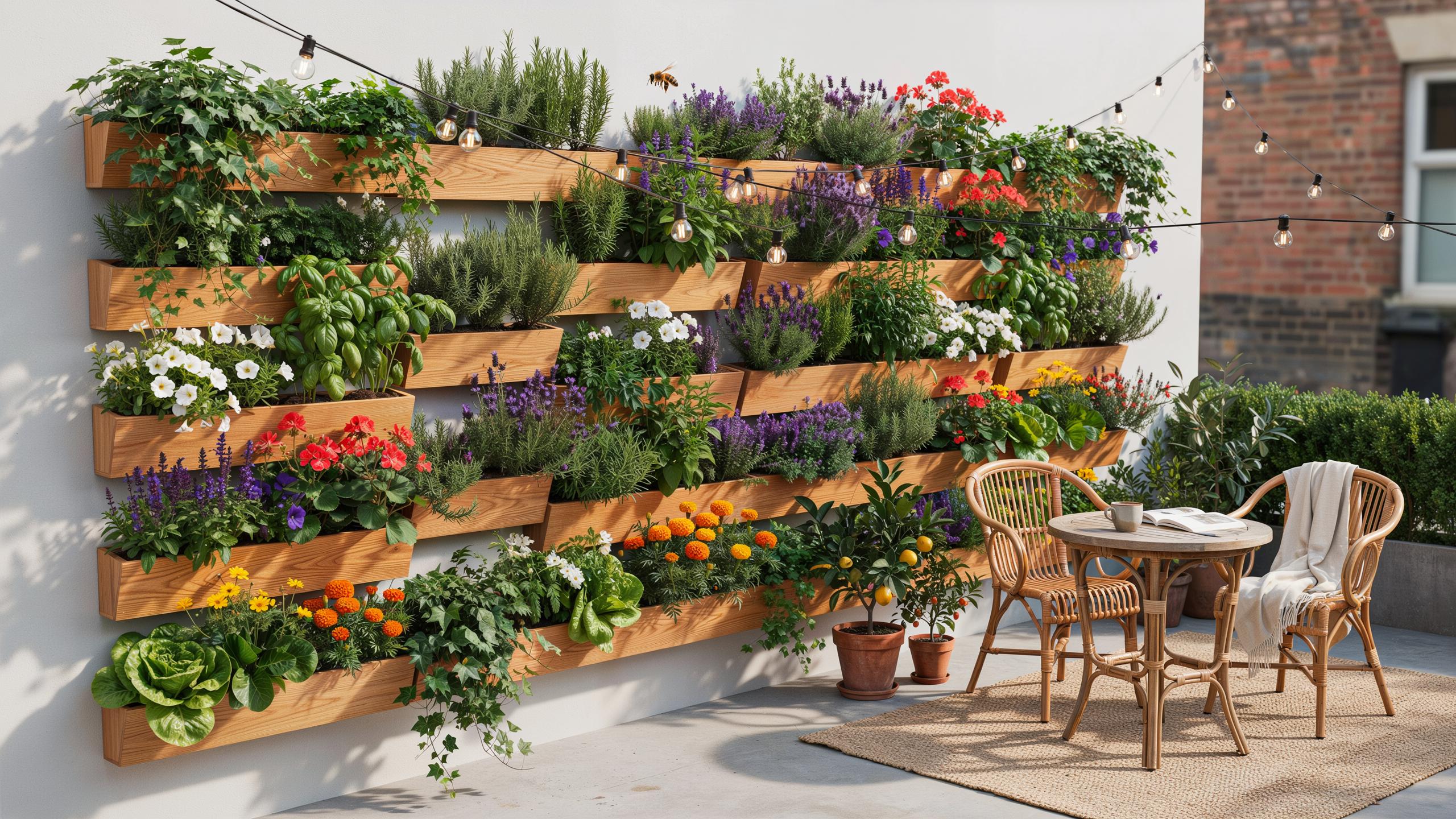
Understanding What Makes A Vertical Garden For Small Patios Actually Work
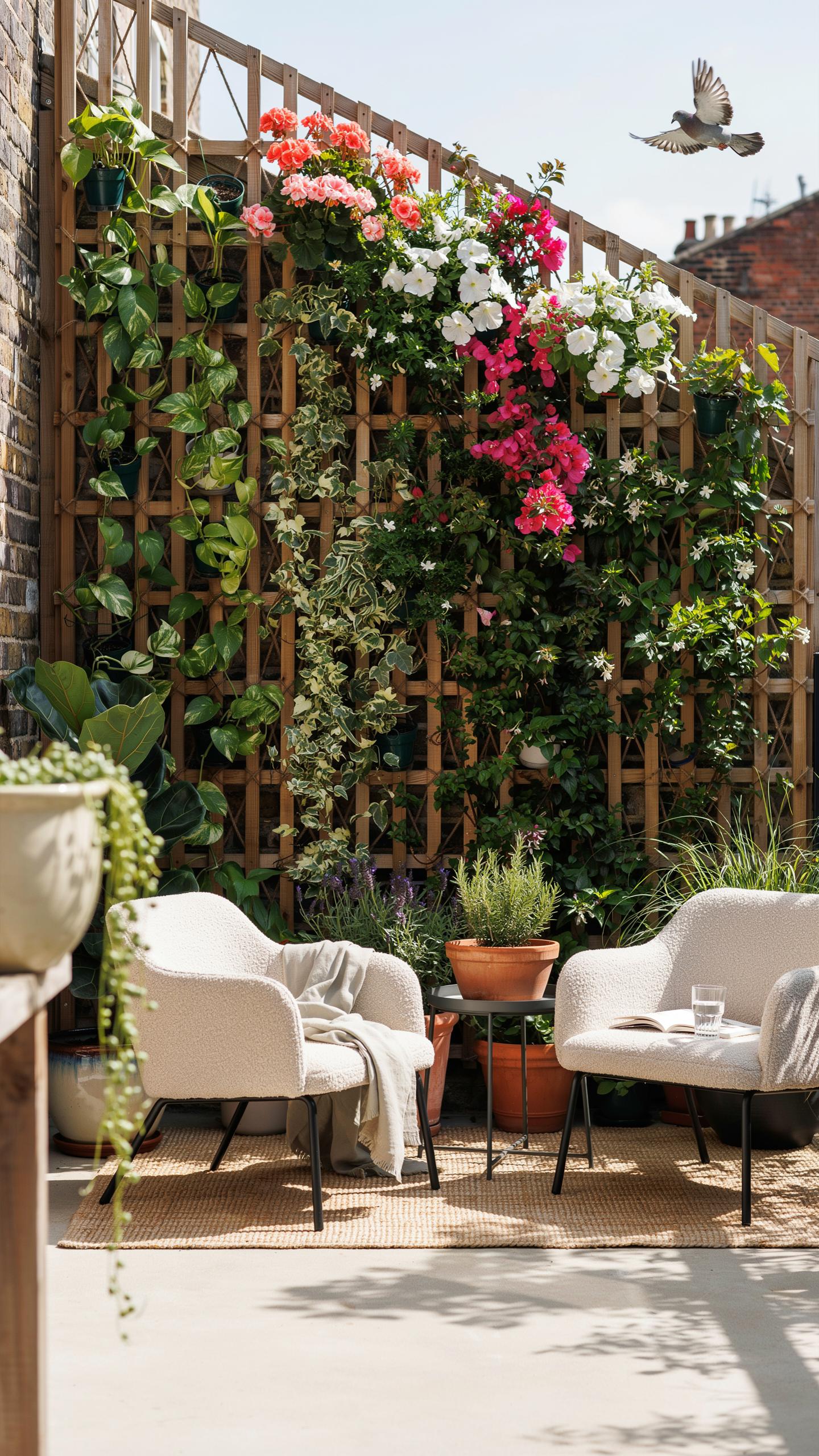
The Core Principles Behind Effective Vertical Gardening In Tight Spaces
Vertical gardening works by maximizing the cubic volume of a space rather than its square footage. In small patios, you must prioritize gravity and airflow. Water naturally moves downward, so your layout must account for drainage to prevent rot at the base. High-density planting requires aggressive nutrient management because small containers hold less soil. You must choose plants with root systems that thrive in constrained environments.
Successful designs follow the principle of modularity. You should use systems that you can move or scale as your needs change. Air circulation is the most critical factor for preventing fungal diseases in cramped quarters. You need to keep foliage away from solid walls to allow wind to pass through the leaves. Focus on functional hardware like steel grids or cedar frames that withstand moisture without sagging over time.
How To Assess Your Patios Wall Space Light And Load Capacity Before You Start
You must evaluate your wall surface before mounting any hardware. Stucco, brick, and wood siding require different anchors and waterproofing layers. Moisture trapped against a wall will cause structural damage or mold growth. Use a standoff bracket to create a physical gap between the planter and the building. This gap protects your home and improves plant health by allowing the root zone to breathe easily.
Load capacity is a safety requirement you cannot ignore. Wet soil weighs significantly more than dry soil. A standard linear foot of saturated potting mix can weigh over sixty pounds depending on the container depth. Check your balcony or patio weight limits if you are above ground level. Track sun exposure for a full day to identify light pockets. Shadows from buildings change seasonally and will dictate your specific plant choices.

Choosing The Right Vertical Plant Wall Outdoor Structure For Your Climate And Space
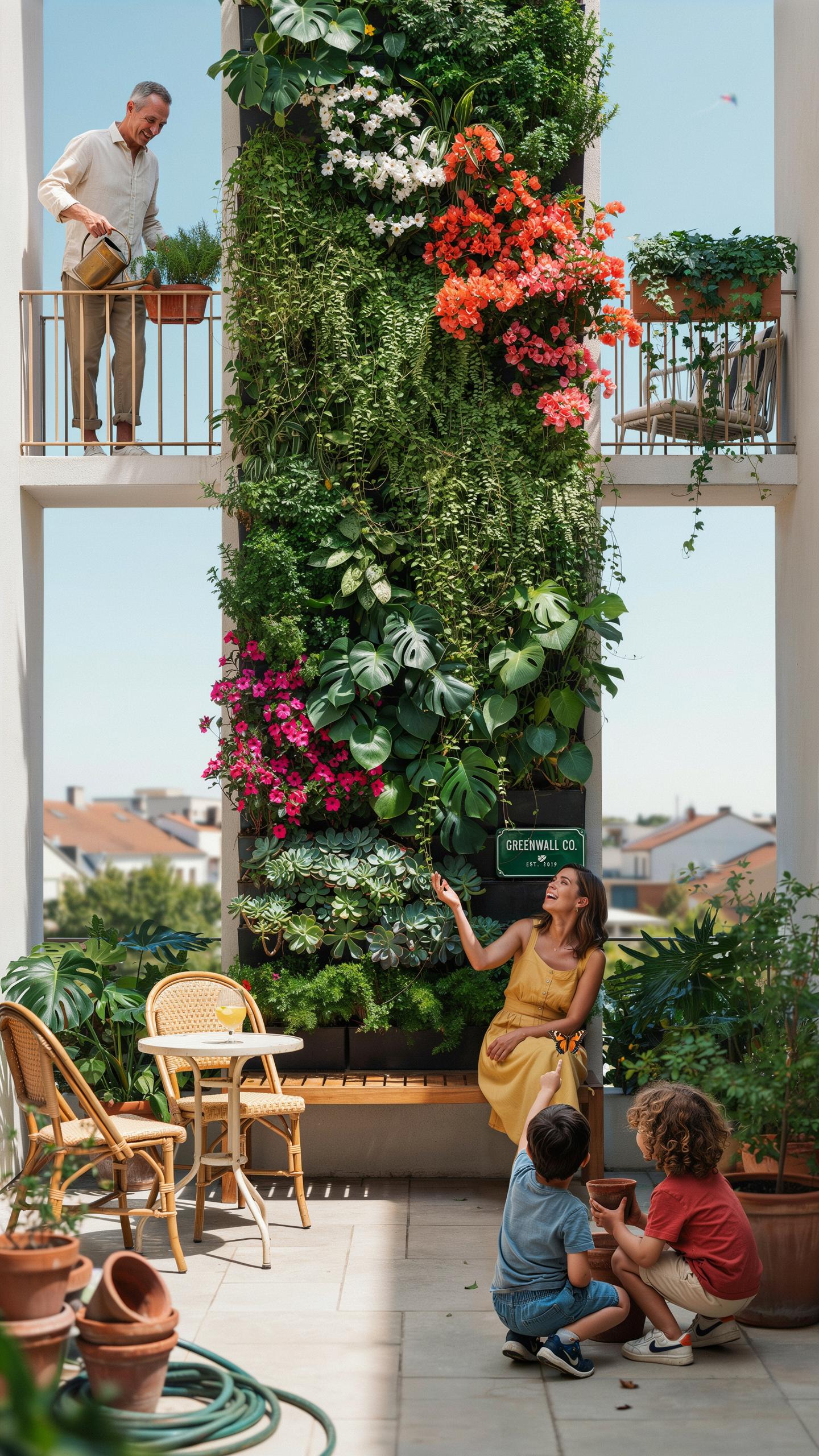
Freestanding Vs. Wall Mounted Vertical Plant Structures: Which One Suits Your Patio
Wall-mounted structures maximize ground space on tight patios. These units bolt directly into brick, wood, or siding. They provide high stability for heavy soil loads and large plants. This setup prevents the garden from tipping during high winds. Permanent mounting requires drilling and proper waterproofing to protect your home. It works best for owners who do not plan to move their garden layout.
Freestanding structures offer mobility and flexibility. These frames stand on their own or lean against a surface. They suit renters who cannot drill into walls. Many models include wheels for easy relocation to track sun patterns. These units require a wide base to stay upright. Use these for lighter plants like herbs or leafy greens. They allow for quick reconfiguration as your patio needs change.
There is no spot so small that it cannot be touched by the magic of a garden. A few pockets of green climbing toward the sun can turn even the tiniest porch into a sanctuary for the soul.
Weather Resistant Materials That Keep Vertical Gardens Outdoor Looking Good Long Term
Material choice determines the lifespan of your vertical garden. Pressure-treated wood resists rot but can leach chemicals into edible plants. Western Red Cedar and Teak offer natural resistance to decay and insects without chemicals. Metal frames provide the strongest support but absorb high heat. Powder-coated steel or aluminum prevents rust in humid climates. Choose metals for modern aesthetics and long-term durability in harsh sun.

Synthetic materials like recycled HDPE plastic offer the best moisture resistance. These materials do not crack, warp, or rot when exposed to constant watering. Felt pocket systems are popular for breathable roots but dry out quickly in arid zones. High-quality marine-grade fabrics prevent UV degradation over several seasons. Match the material to your local rainfall and temperature shifts. Proper selection reduces maintenance and prevents structural failure over time.
Balcony Plant Wall Ideas That Maximize Green Space Without Crowding The Floor
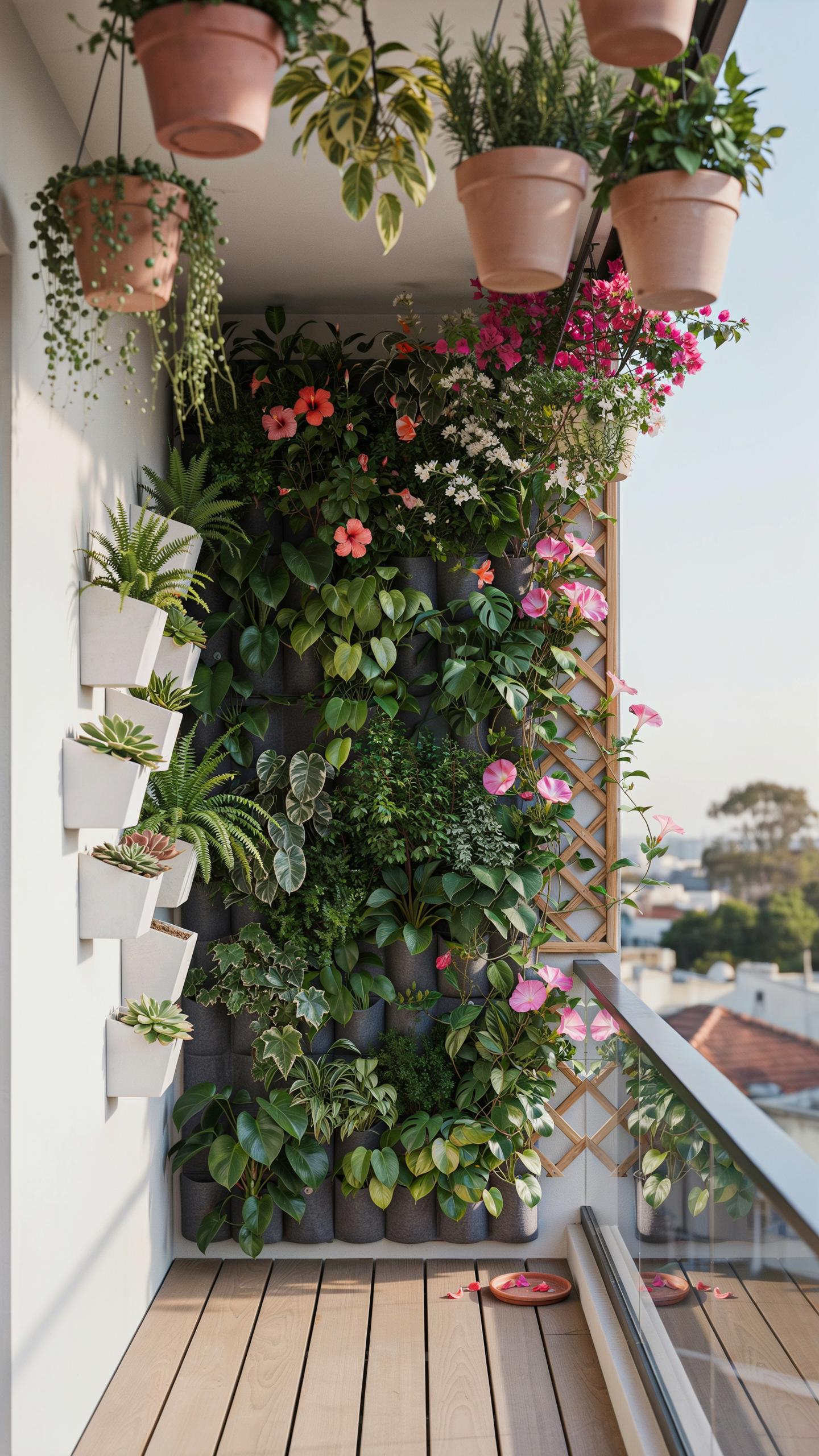
Modular Pocket Panels And Planter Grids As Smart Balcony Wall Plants Ideas
Modular pocket panels utilize breathable felt or recycled plastics to hold soil directly against a vertical surface. These systems distribute weight evenly across a wall or railing. They prevent water stagnation by letting excess moisture drain through the fabric. This method keeps the floor clear of bulky pots. You gain more square footage for furniture while doubling your plant capacity.
Planter grids offer a rigid alternative for heavy crops like strawberries or succulents. These metal or plastic frames lock together to cover specific wall dimensions. You can swap individual pots without disturbing the whole system. High-density polyethylene materials resist sun damage and maintain structural integrity during temperature shifts. This modularity allows for rapid scaling as your garden grows or your needs change.
Using Trellises And Climbing Plants To Create A Living Wall Effect On A Balcony
Trellises provide the structural foundation for climbing plants to grow upward instead of outward. Wood, metal, or wire meshes guide vines to cover bare masonry or siding. This technique creates a natural privacy screen without consuming floor depth. Plants like star jasmine or ivy latch onto these supports quickly. You achieve a thick layer of foliage using only a few inches of edge space.

Proper installation requires anchoring the trellis at least one inch away from the wall. This gap ensures airflow and prevents moisture trapped against the building structure. Deciduous climbers offer shade during peak summer months and allow light through in winter. Choose perennial climbers suited for your specific hardiness zone. This strategic selection ensures your living wall remains viable and productive across multiple growing seasons.
Growing A Practical Herb Box Garden Vertically On A Small Patio
The Best Culinary Herbs That Thrive In Vertical Containers And Shallow Planter Boxes
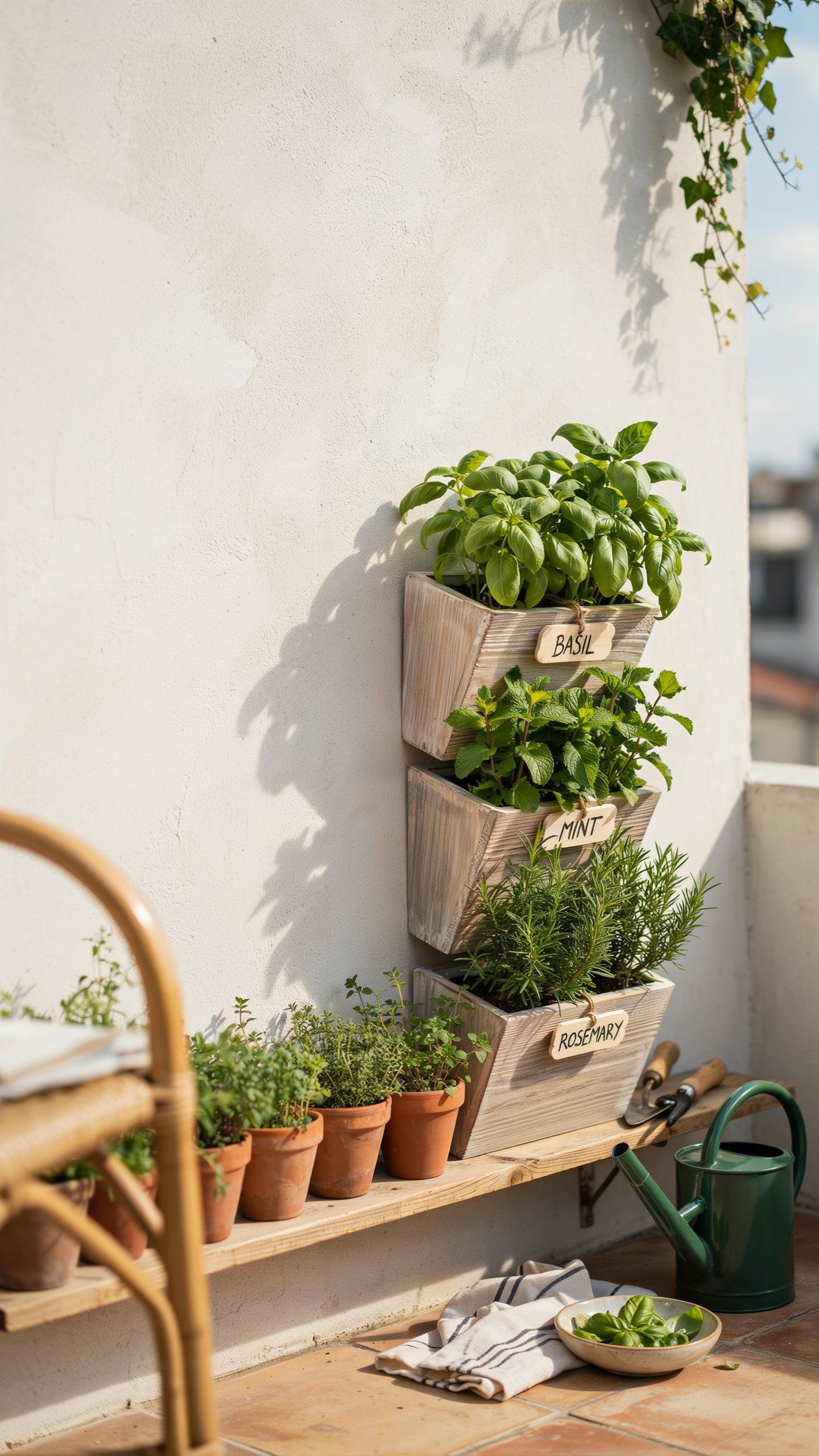
Vertical structures require plants with specific root architecture. Common culinary herbs like mint, chives, and cilantro have shallow root systems that adapt well to six-inch depths. These species do not require the deep soil volumes sought by woody perennials. Mediterranean herbs like thyme and oregano tolerate the faster drainage typical of wall-mounted boxes. These plants stay compact and manageable within a limited footprint.
Select high-yield herbs that provide constant harvest. Basil grows vertically and responds well to frequent pruning which prevents it from becoming top-heavy. Parsley offers dense foliage that covers the container edges and protects soil moisture. Focus on varieties that do not sprawl excessively. Avoid invasive species unless they have their own isolated box. Proper selection ensures your vertical herb garden remains productive without overcrowding the small patio.
How To Arrange Herb Boxes On A Wall For Both Easy Harvesting And Healthy Plant Growth
Effective vertical placement follows the logic of microclimates. Position sun-loving rosemary and sage at the highest points where light is most intense. Place moisture-loving herbs like mint or chervil in the lower boxes. This prevents the top tiers from shading out the bottom plants. Use a staggered layout to allow air to circulate between the rows. Good airflow reduces the risk of fungal diseases and pest infestations.
Mount your boxes at accessible heights to ensure frequent use. The primary utility of an herb garden is its proximity to the kitchen. Fix the lowest box at least twelve inches off the ground to avoid soil splash back and pests. Use heavy-duty brackets anchored into wall studs or masonry. Secure mounting prevents the boxes from sagging under the weight of wet soil. This arrangement simplifies watering and harvesting tasks.
Vertical Garden Wall DIY How To Build A Sturdy And Affordable Outdoor Structure
Essential Materials And Tools You Need To Build A Vertical Garden Wall From Scratch
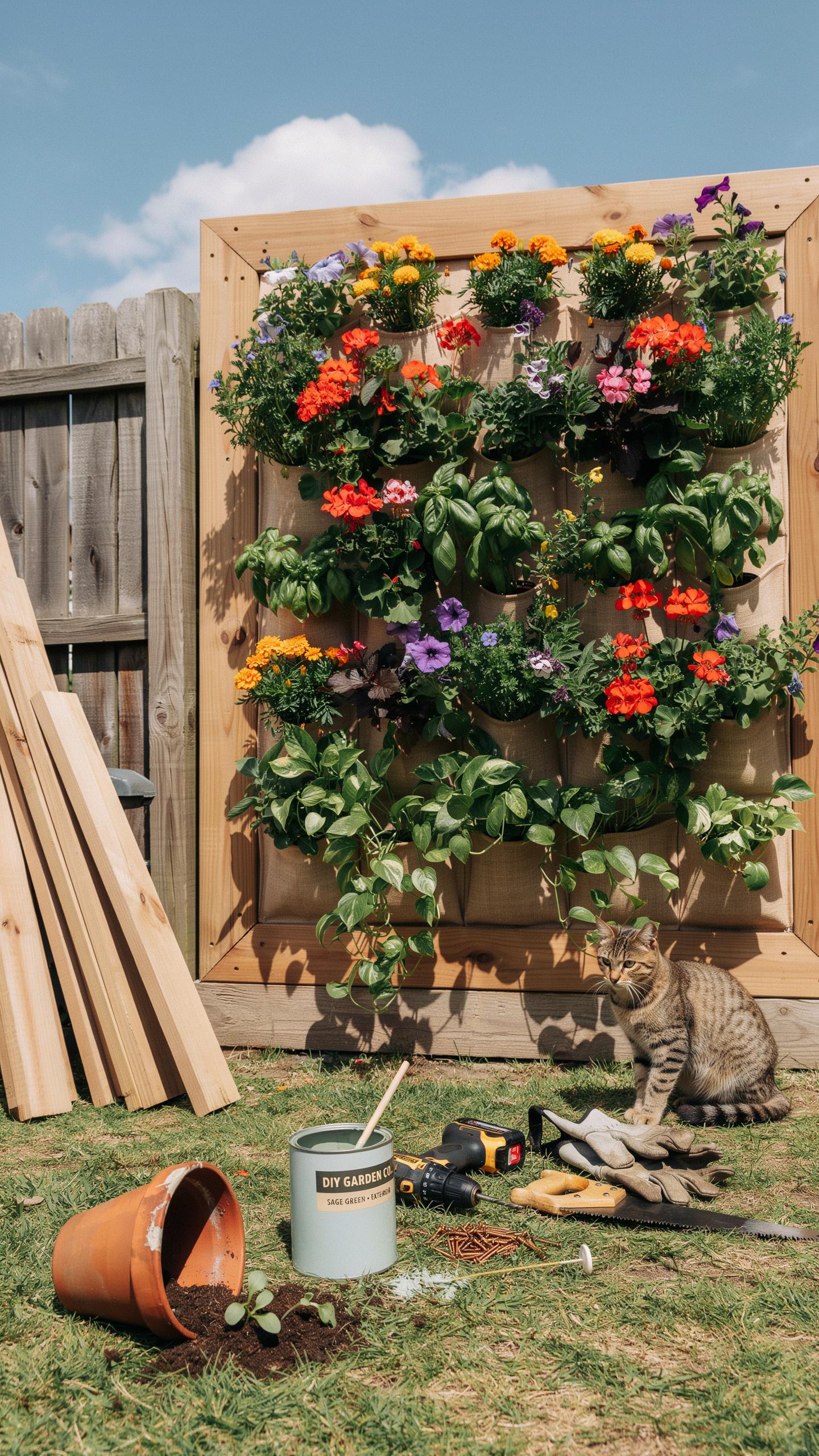
Building a vertical garden for small patios requires high-density materials that resist rot and moisture. You must select a frame material that supports the combined weight of wet soil and mature plants. For a lasting structure, use pressure-treated lumber or naturally rot-resistant wood like cedar or redwood. These woods handle outdoor exposure without warping or immediate decay.
- Pressure-Treated 2×4 Lumber: Use these for the primary vertical and horizontal frame members. They provide the necessary structural rigidity to prevent the wall from bowing under heavy loads. Always select wood rated for ground contact if the frame sits directly on your patio surface.
- Stainless Steel Exterior Screws: Standard nails pull out over time due to wood expansion and contraction. Use 2.5-inch or 3-inch stainless steel screws to join the frame components together securely. They resist rust caused by rain and irrigation runoff better than galvanized options.
- Landscape Fabric or Plastic Liners: Use heavy-duty landscape fabric to line the planting pockets. This material allows water to drain while holding the soil in place. Use a stapler to attach the fabric securely to the back of your wooden slats or frame.
- Cordless Drill and Driver: You need a high-torque drill to drive long screws into dense wood. Use a secondary drill bit to create pilot holes. Pre-drilling prevents the wood from splitting and ensures your structural joints stay tight even as the wood dries out.
- Heavy-Duty Staples and Grapnel: Purchase 1/2-inch stainless steel staples to attach liners or wire mesh to the frame. These staples hold the weight of the soil against the wood. A pneumatic or high-leverage manual stapler ensures the staples drive deep enough to stay put.
Organize your workspace before starting the assembly process. Lay all wood pieces on a flat surface to check for alignment before driving any screws. Accurate measurements ensure the wall stands level and distributes weight evenly across the base. Once the frame is complete, test the stability by applying manual pressure before adding your containers or soil.
Structural Safety: How To Anchor Your DIY Vertical Garden Wall Securely To Any Surface
Safety depends on the total weight of your vertical garden for small patios. A fully watered wall can weigh several hundred pounds. You must anchor the top of the frame to a solid structure like a brick wall or fence post. Use L-brackets and masonry anchors for stone or brick. Use lag bolts for wooden fences to prevent the structure from tipping forward.

If your patio is a rental and you cannot drill into walls, use a wide-base A-frame design. This freestanding method lowers the center of gravity and increases the footprint for better balance. Add heavy masonry planters at the bottom of the frame to serve as counterweights. Check the tension of your anchors every season as wood and metal react to temperature changes.
How To Make A Vertical Garden Wall Step By Step Using Simple Techniques
Step By Step Construction Process To Make A Vertical Garden Wall That Lasts
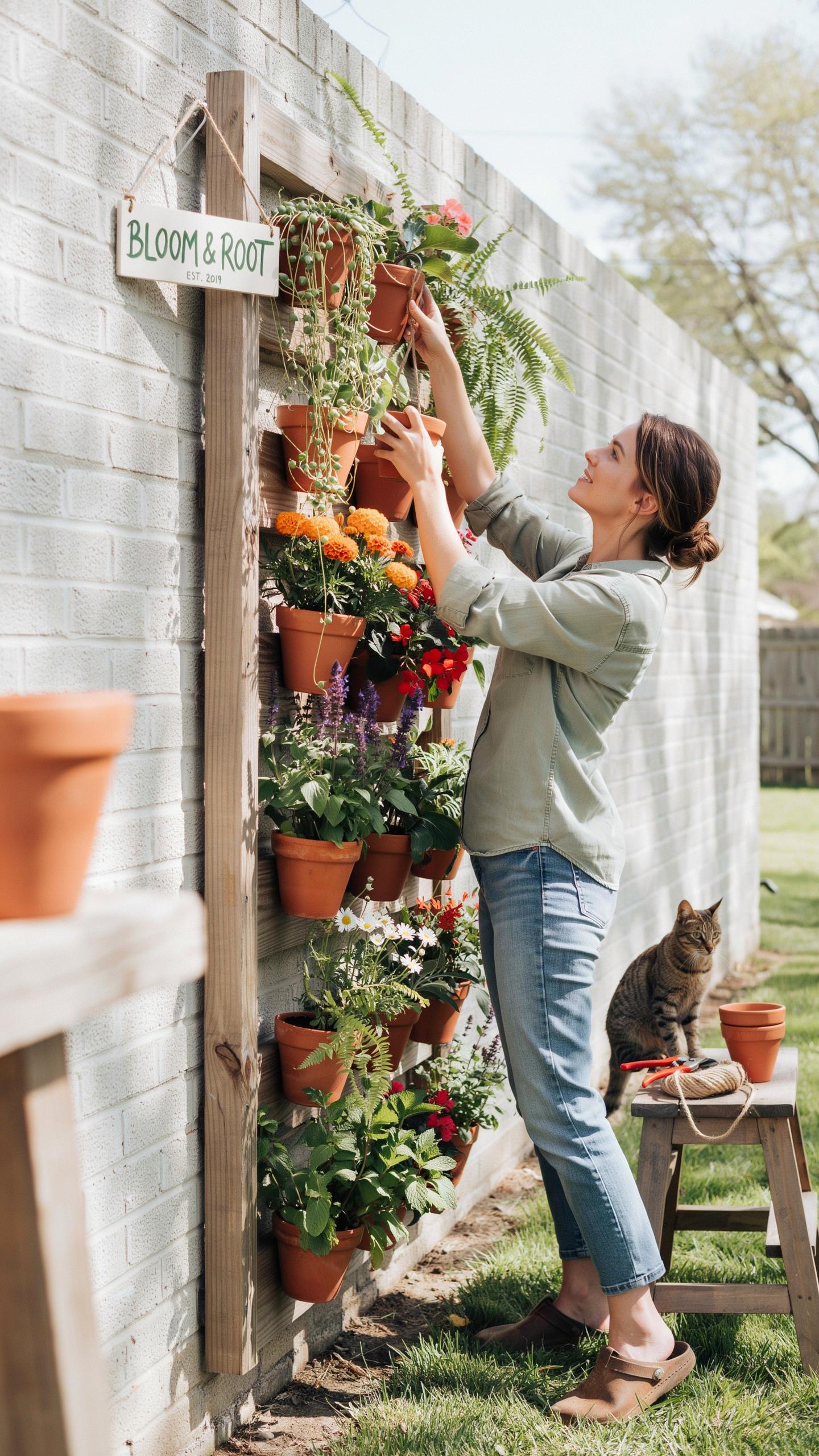
Building a permanent vertical structure requires a solid foundation to prevent collapse or rot. You must choose a load-bearing wall or build a freestanding frame using pressure-treated lumber or galvanized steel. Measure your space accurately before buying materials. Attach your mounting brackets directly into wall studs for maximum stability. A weak frame will fail once you add the heavy weight of wet soil.
- Frame Assembly: Build a rectangular frame using weather-resistant wood or metal rails. Secure all corners with galvanized screws to prevent rust. Ensure the structure sits level to allow even water distribution across all plants later.
- Backing Installation: Fix a solid sheet of PVC or waterproof plywood to the back of the frame. This creates a barrier between the plants and your patio wall. It prevents moisture from trapped air causing structural damage to your home.
- Fabric Attachment: Staple two layers of industrial-grade synthetic felt or geotextile fabric to the frame. This material holds the plant roots and stays moist without rotting. Keep the fabric taut to prevent sagging when the garden becomes fully saturated with water.
- Irrigation Setup: Run a drip irrigation line along the top of the frame. Use a timer to automate watering schedules. This ensures the top layers of fabric receive enough moisture to seep down through the entire vertical system efficiently.
- Plant Insertion: Cut small horizontal slits in the outer layer of fabric to create pockets. Tug the fabric forward and insert your plants directly into these openings. Ensure the root balls make firm contact with the inner layer of moist felt.
Finalize your construction by checking all attachment points for movement. A vertical garden for small patios adds significant weight to your outdoor area when fully planted. Inspect the irrigation emitters to confirm water flows evenly across the width of the fabric. Trim any excess material for a clean look. Regular maintenance starts with ensuring your structural components remain rigid over time.
Waterproofing Drainage And Soil Selection To Keep Your Wall Garden Healthy
Waterproofing is the most critical step for protecting your patio surfaces. Use a thick pond liner or PVC backing to seal the garden rear and prevent leaks. Stagnant water causes root rot and attracts pests. Install a collection tray at the bottom of the wall to catch runoff. You can recycle this water or direct it away from the patio floor to avoid staining.

Standard potting soil is too heavy and compacts quickly in vertical pockets. Use a soil-less medium like coco coir mixed with perlite for better aeration and drainage. This lightweight mix retains moisture without becoming waterlogged. High-functioning vertical gardens rely on capillary action within the fabric or porous growing media. Choose high-quality nutrients since these systems have less volume to buffer against chemical imbalances.
Building A Productive Vertical Vegetable Garden On A Small Patio
Which Vegetables Grow Well Vertically And Are Well Suited To Container Patio Conditions
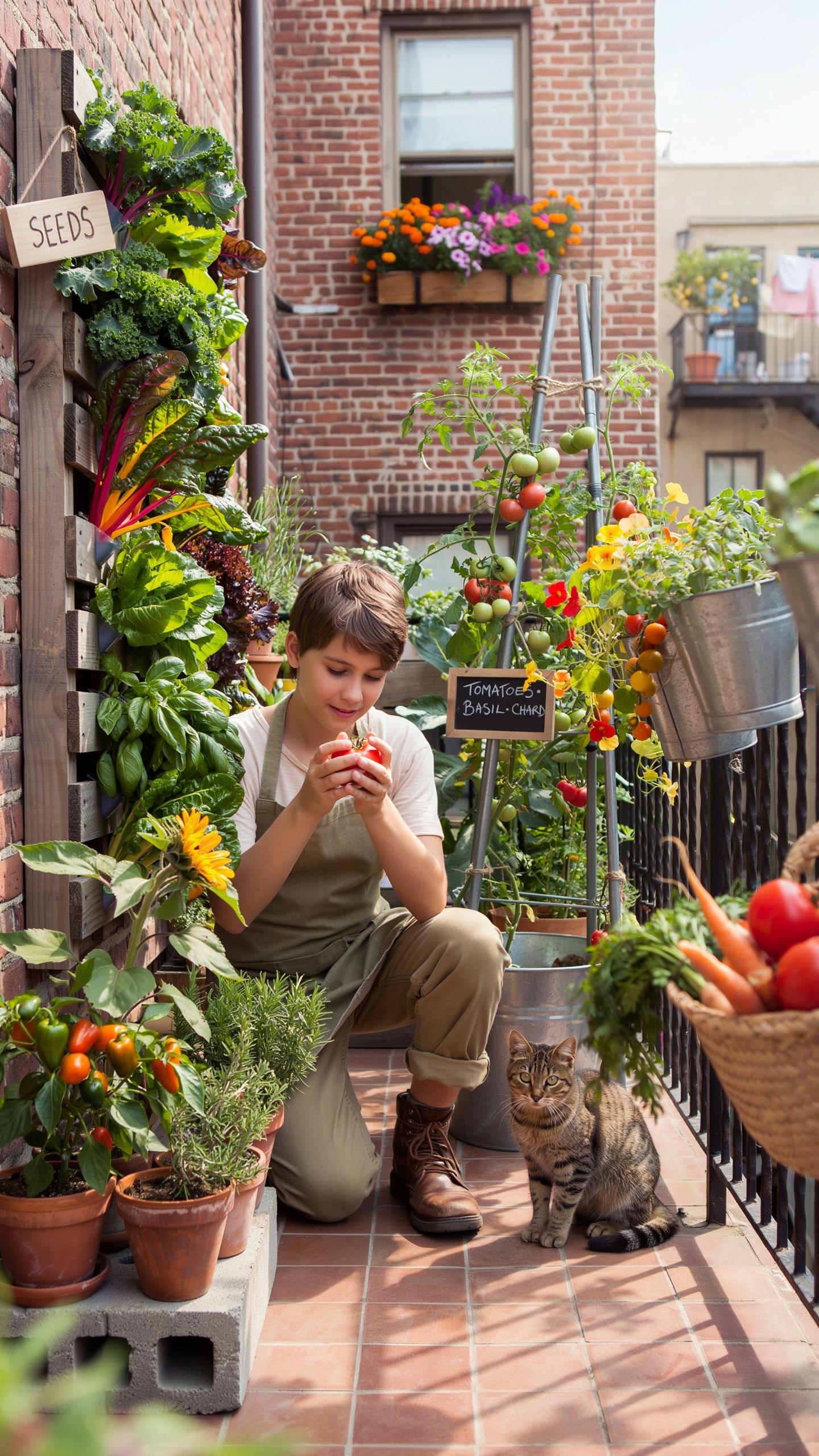
Select crops that prioritize high yields in minimal square footage. Indeterminate tomatoes and pole beans utilize vertical space by climbing structures naturally. These plants require a small footprint but produce fruit upward. Vining squash and cucumbers also thrive when trained on a trellis. Vining varieties save floor space compared to bush types. These plants adapt well to the restricted root zones found in patio containers.
Leafy greens and herbs offer the highest efficiency for vertical systems. Lettuce, kale, and spinach grow rapidly in shallow wall pockets or stacked planters. These crops tolerate the varied light levels often found on urban patios. You can harvest them continuously to encourage new growth. Avoid heavy root vegetables like large carrots or melons. These require deep soil and heavy support systems that often fail in vertical patio setups.
Feeding, Watering, And Sunlight Management For A Thriving Vertical Vegetable Garden
Vertical systems dry out faster than traditional ground beds. High elevation and air exposure increase evaporation rates. You must install a drip irrigation system or water daily by hand. Consistent moisture prevents blossom end rot in tomatoes and keeps greens from turning bitter. Use a high-quality potting mix designed for drainage. Nutrient leaching occurs quickly in containers, so apply water-soluble organic fertilizer every two weeks to sustain growth.

Sunlight management determines your garden success. Most vegetables need six to eight hours of direct sun daily. Position your vertical structure against a south-facing wall to maximize exposure. Monitor shadows cast by railings or overhead balconies throughout the day. Rotate individual pots or tiers if one side lacks light. If your patio is shaded, focus on greens and herbs. These plants produce well with four hours of sunlight and survive in cooler conditions.
Maintaining And Refreshing Your Vertical Garden Through Every Season
Seasonal Plant Swaps And Pruning Routines That Keep Your Vertical Garden Looking Its Best
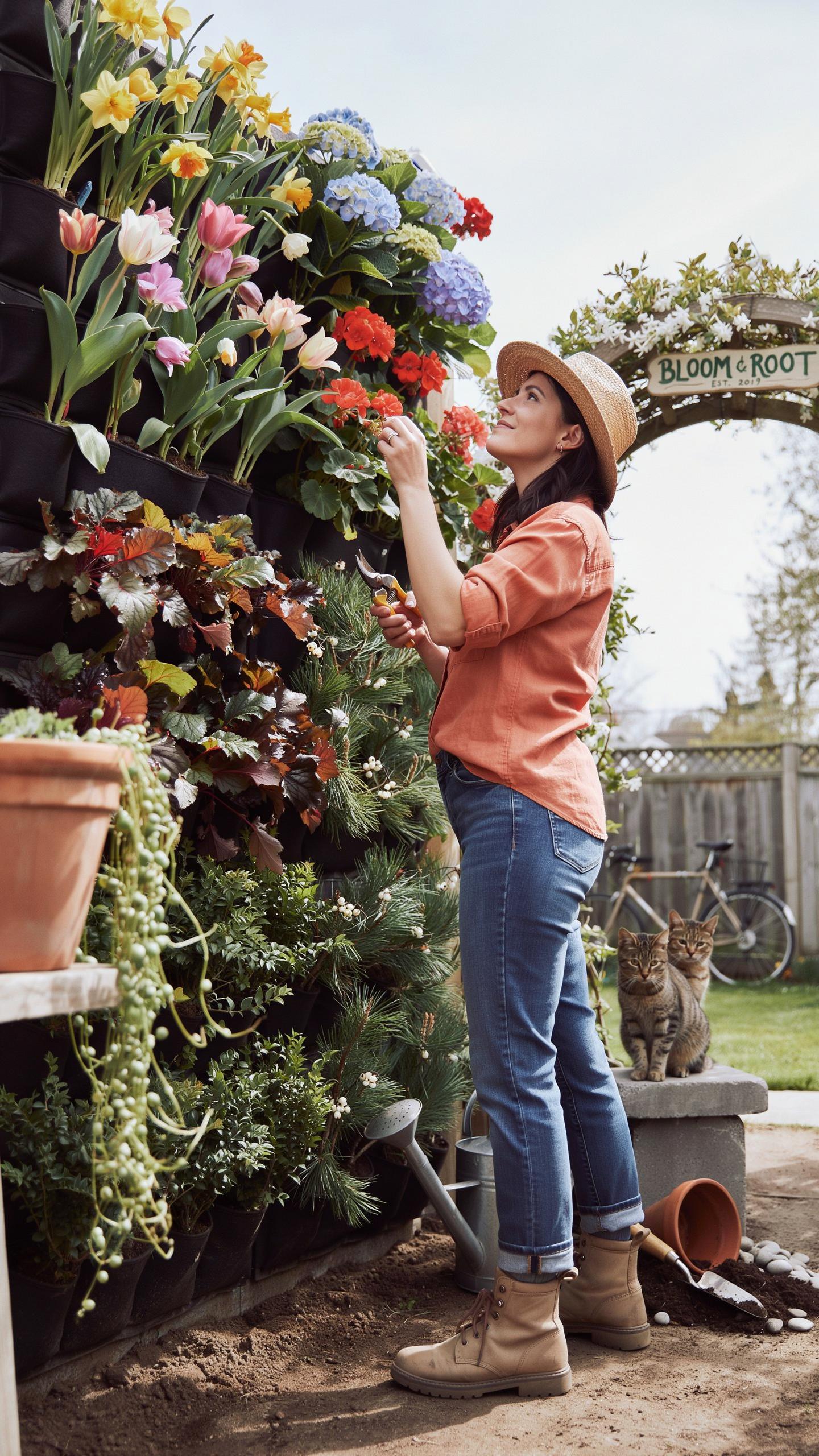
Maximize your limited square footage by rotating crops according to local hardiness zones. Spring requires cool-season greens like spinach or kale before summer heat causes bolting. Transition to heat-tolerant peppers or herbs during peak sun months. Fall demands another shift back to hardy brassicas. Constant rotation prevents nutrient depletion in small containers. Remove spent plants immediately to stop pests from overwintering in your vertical structure.
Pruning is non-negotiable for vertical success. Trim aggressively to prevent aggressive species from shading out lower tiers. Remove dead or yellowing leaves to improve airflow and reduce fungal risks. Focused pruning forces plants to put energy into fruit or new foliage rather than maintaining dying limbs. Use sharp, sterilized shears for every cut. Consistent maintenance ensures your vertical garden remains productive and visually clean throughout the entire year.
Common Problems In Small Patio Vertical Gardens And How To Fix Them Quickly
Uneven watering often kills vertical gardens. Gravity pulls moisture to bottom containers while top rows dry out fast. Check soil moisture daily in every tier. Install a simple drip irrigation system with pressure-compensating emitters to fix this. If plants turn yellow, you likely have nutrient leaching. Frequent watering washes minerals out of small pots. Apply water-soluble fertilizer every two weeks to keep nutrient levels stable in restricted soil.

Pests and poor airflow create rapid decay in dense vertical setups. Aphids and spider mites thrive in stagnant air near patio walls. Inspect the undersides of leaves weekly for early signs of infestation. Use insecticidal soap or neem oil at the first sight of trouble. Boost circulation by spacing wall-mounted planters at least two inches apart. Healthy airflow prevents powdery mildew and keeps your small patio environment sanitary and productive.
Frequently Asked Questions

What are the best plants to use when starting a vertical garden for small patios?
When launching a vertical garden for small patios, focus on plants with shallow root systems and compact growth habits. Leafy greens like spinach and arugula, culinary herbs such as mint or basil, and colorful annuals like petunias thrive in tiered planters. If your patio receives intense sunlight, succulents are an excellent low-maintenance choice. Ensure you group plants with similar water and light requirements together to keep your vertical display lush and healthy.
How do I properly secure and maintain a vertical garden system to prevent water damage?
To protect your exterior walls, always install a waterproof barrier or offset your structure slightly from the siding. Use high-quality potting mix designed for containers to ensure proper drainage while retaining essential moisture. When maintaining a vertical garden for small patios, check soil moisture daily, as elevated plants dry out faster. Consider a simple drip irrigation kit or a long-neck watering can to reach higher levels without creating a messy splash on your floor.
Can I create a functional vertical garden on a tight budget?
Absolutely! You don’t need expensive designer systems to grow upwards. Many DIY enthusiasts repurpose wooden pallets, hanging shoe organizers, or even painted tin cans to create stunning displays. Using recycled materials is an eco-friendly way to maximize limited square footage without spending a fortune. Simply ensure your containers have drainage holes and sturdy mounting hardware. With a little creativity, a beautiful green retreat is accessible to every homeowner, regardless of their budget.