What Is A Vertical Herb Garden And Why ItS Perfect For Beginners
Understanding The Concept Of A Vertical Herb Garden
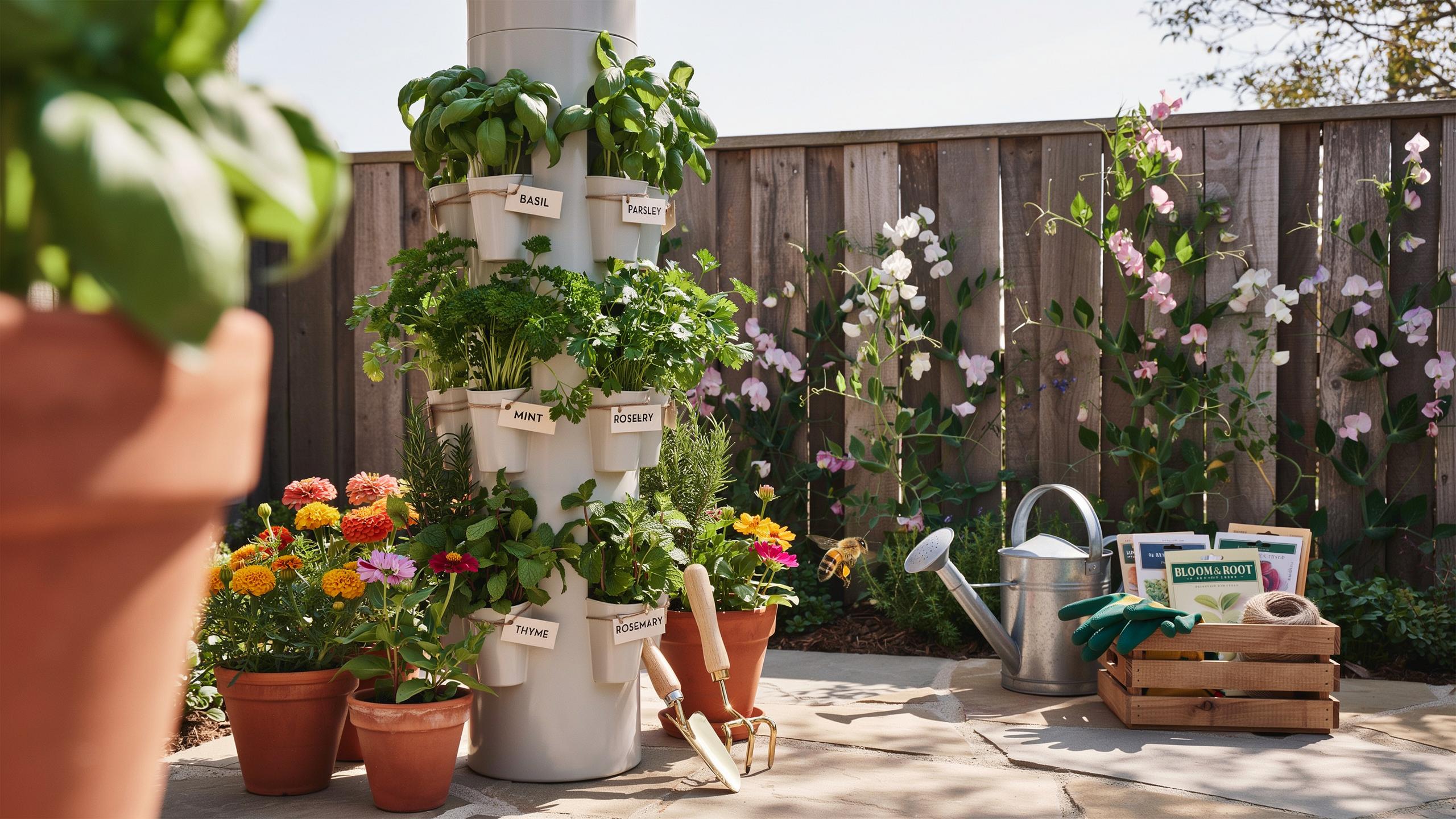
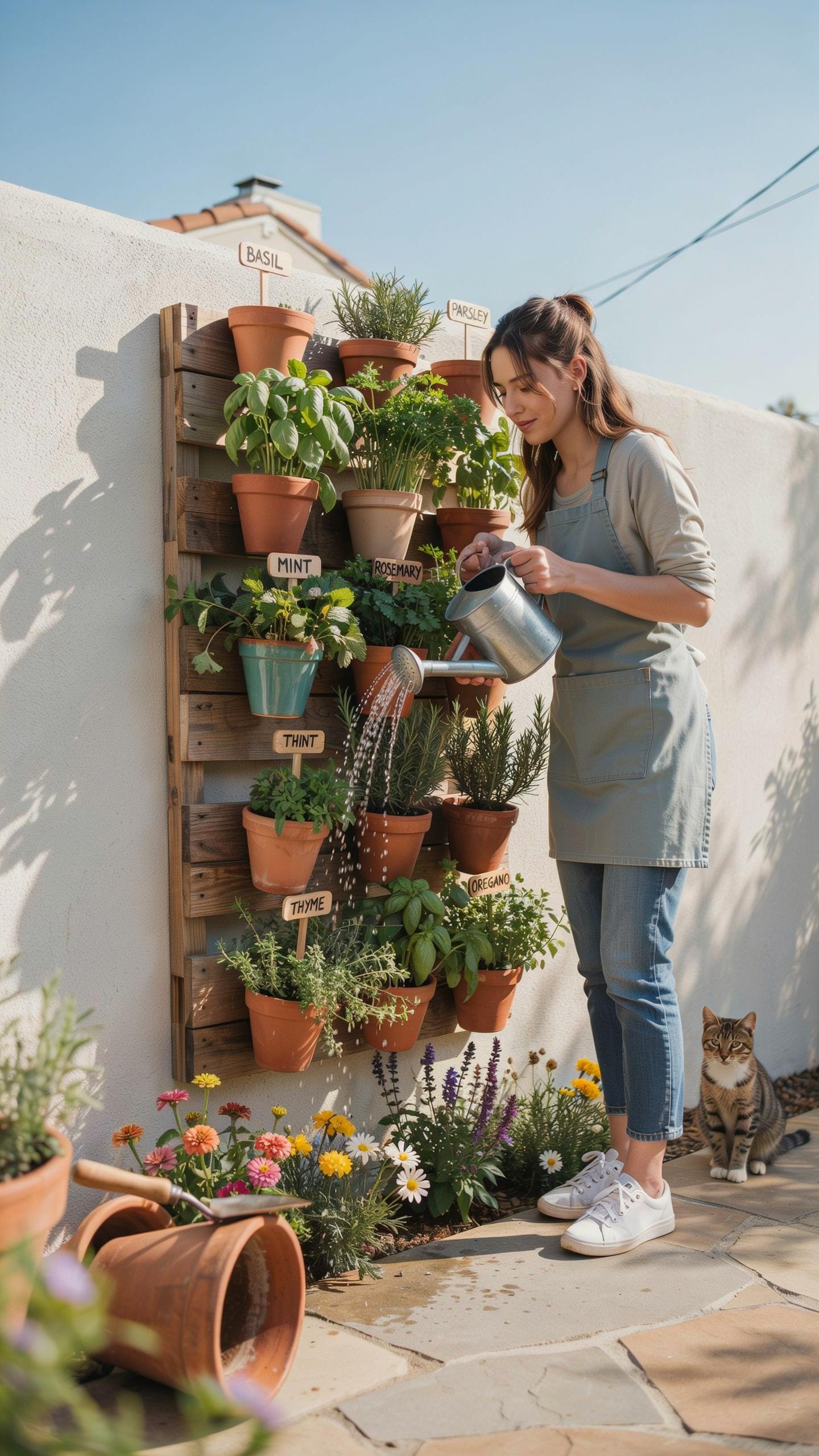
A vertical herb garden is a system designed to grow plants upward instead of outward. This method uses stacked containers, wall-mounted pockets, or standalone towers to maximize yield per square foot. It shifts the growing plane from the ground to a vertical axis. This design strategy solves the problem of limited floor space in urban environments, balconies, and small patios.
Modern vertical towers utilize gravity-fed irrigation or hydroponic delivery systems to distribute water. Many designs trace back to the French botanist Patrick Blanc, who popularized living walls using felt and specialized frames. These systems provide controlled environments for delicate herbs. By elevating the root systems, you isolate plants from ground-based pests and soil-borne diseases. This setup creates a manageable ecosystem for high-density production.
Why Beginners Benefit From Starting With A Compact Herb Setup
Beginners often fail because they take on too much land. A compact herb tower limits the scope of work and reduces physical strain. You do not need to till soil or pull weeds from the ground. The height of the tower allows you to inspect plants at eye level. This makes it easier to spot infestations or nutrient deficiencies before they kill the crop.
Control is the primary advantage for a new gardener. You can move portable towers to follow the sun or protect plants from frost. Managing a few vertical feet of soil is simpler than maintaining a backyard plot. Small setups force you to focus on the specific needs of each herb. This focus leads to higher success rates and faster learning. You get immediate results with minimal equipment investment.

Choosing The Right Vertical Planter For Your Herb Tower
Types Of Vertical Planters Available And What To Look For
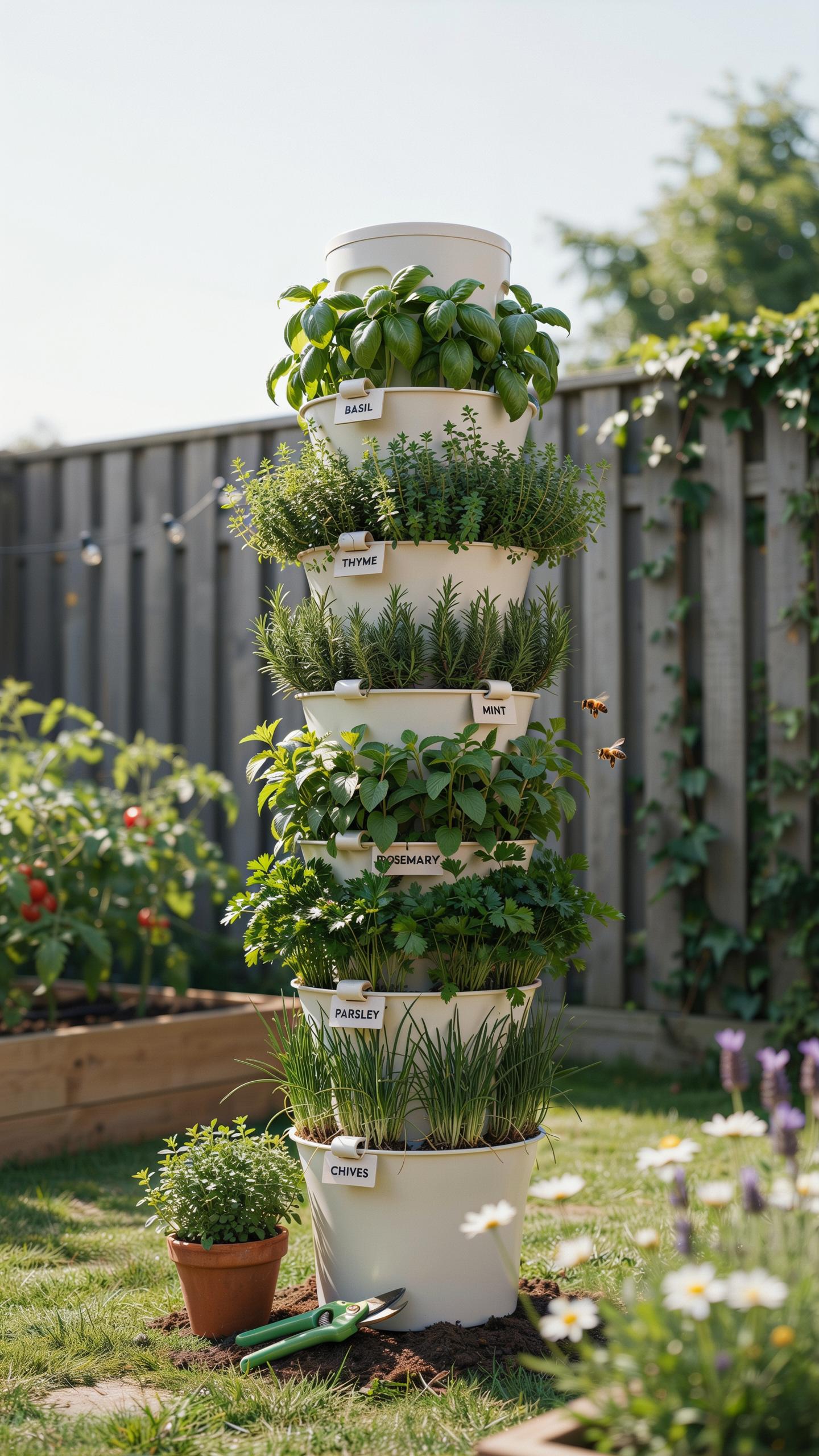
Market options include stackable pots, pocket systems, and hydroponic towers. Stackable units use gravity to distribute water from the top down. Pocket systems use felt or plastic fabric to hold soil against a flat surface. Hydroponic towers eliminate soil entirely by using nutrient-rich water. Choose a system based on your available floor space and your specific herb growth habits.
Prioritize food-grade plastics or rot-resistant cedar. Low-quality plastics leach chemicals when exposed to heat and ultraviolet rays. Check the drainage design to prevent root rot. Large reservoirs or self-watering features reduce daily maintenance. Ensure the structure is stable enough to withstand wind or accidental bumps. Select a modular design if you plan to expand your herb production later.
The glory of gardening: hands in the dirt, head in the sun, nature with the soul. To nurture a tiny herb tower is to feed not just the body, but the spirit of home.
Indoor Vs Outdoor Vertical Planter Considerations For Herbs
Indoor towers require integrated lighting and spill protection. Most herbs need six hours of direct sun. Standard windows rarely provide enough light for a full tower. You must use full-spectrum LED lights to prevent leggy growth. Choose a planter with a sealed base to protect your flooring from water damage. Airflow is also critical to prevent mold in stagnant indoor environments.

Outdoor towers face temperature swings and pests. Use heavy materials like stone or thick wood to prevent tipping during storms. UV-resistant materials are mandatory to stop plastic from becoming brittle. Outdoor plants dry out faster due to wind and sun exposure. You will need a larger water reservoir or a drip irrigation connection. Position the tower near a water source to simplify your daily chores.
Exploring Tower Garden Options For Growing Herbs At Home
What Makes A Tower Garden A Smart Choice For Herb Growing
Vertical towers solve the primary constraint of urban gardening which is limited floor space. These systems stack planting sites vertically to maximize yield per square foot. High density planting allows you to grow ten times more herbs than traditional pots in the same footprint. This setup provides efficient drainage and prevents soil compaction. You save time by managing a single concentrated unit instead of many scattered containers.
A vertical garden herb tower improves plant health by increasing airflow around the foliage. This reduces the risk of fungal infections and common pests. Harvesting becomes a standing task which eliminates back strain and physical fatigue. Most designs use modular parts that you can expand as your needs grow. These systems offer a controlled environment where you manage water and nutrients with high precision to ensure rapid herb growth.
Soil Based Vs Hydroponic Tower Garden Systems Explained
Soil based towers use organic matter to hold moisture and nutrients for the herbs. This method mimics traditional gardening but stacks the plants to save space. It works well for herbs that prefer consistent moisture and a stable root environment. You must monitor weight because wet soil is heavy and requires a sturdy base. These systems are simple to set up and do not require electricity or complex pumps to function.

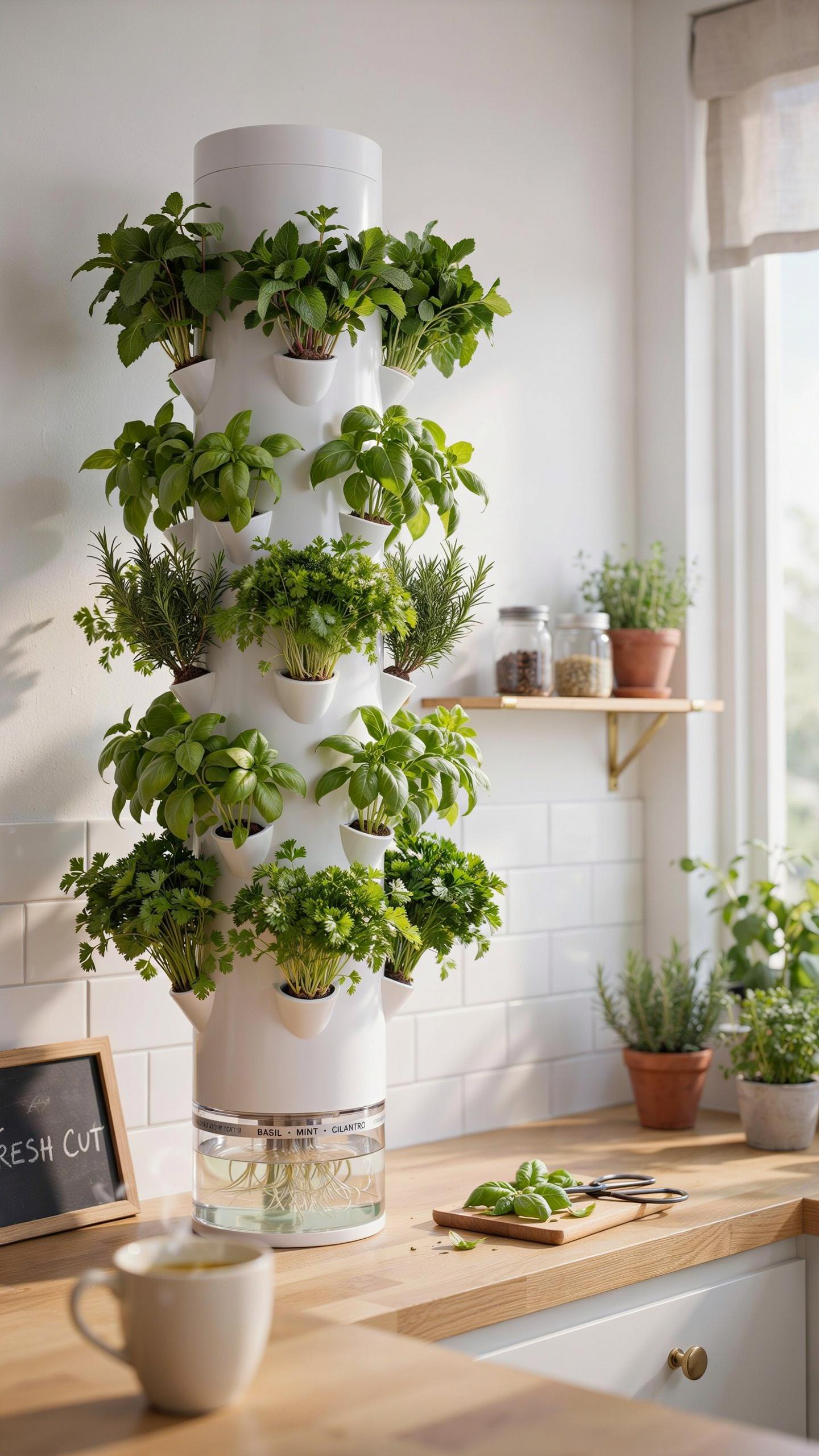
Hydroponic towers use water and liquid nutrients instead of dirt to grow plants. This technology delivers food directly to the roots for faster growth rates. Most hydroponic systems use a pump to circulate water from a bottom reservoir to the top of the tower. This cycle automates the watering process and reduces manual labor. You gain total control over the pH levels and nutrient density which leads to more flavorful and potent herb harvests.
Garden Tower Planting Guide Selecting The Best Herbs To Grow Vertically
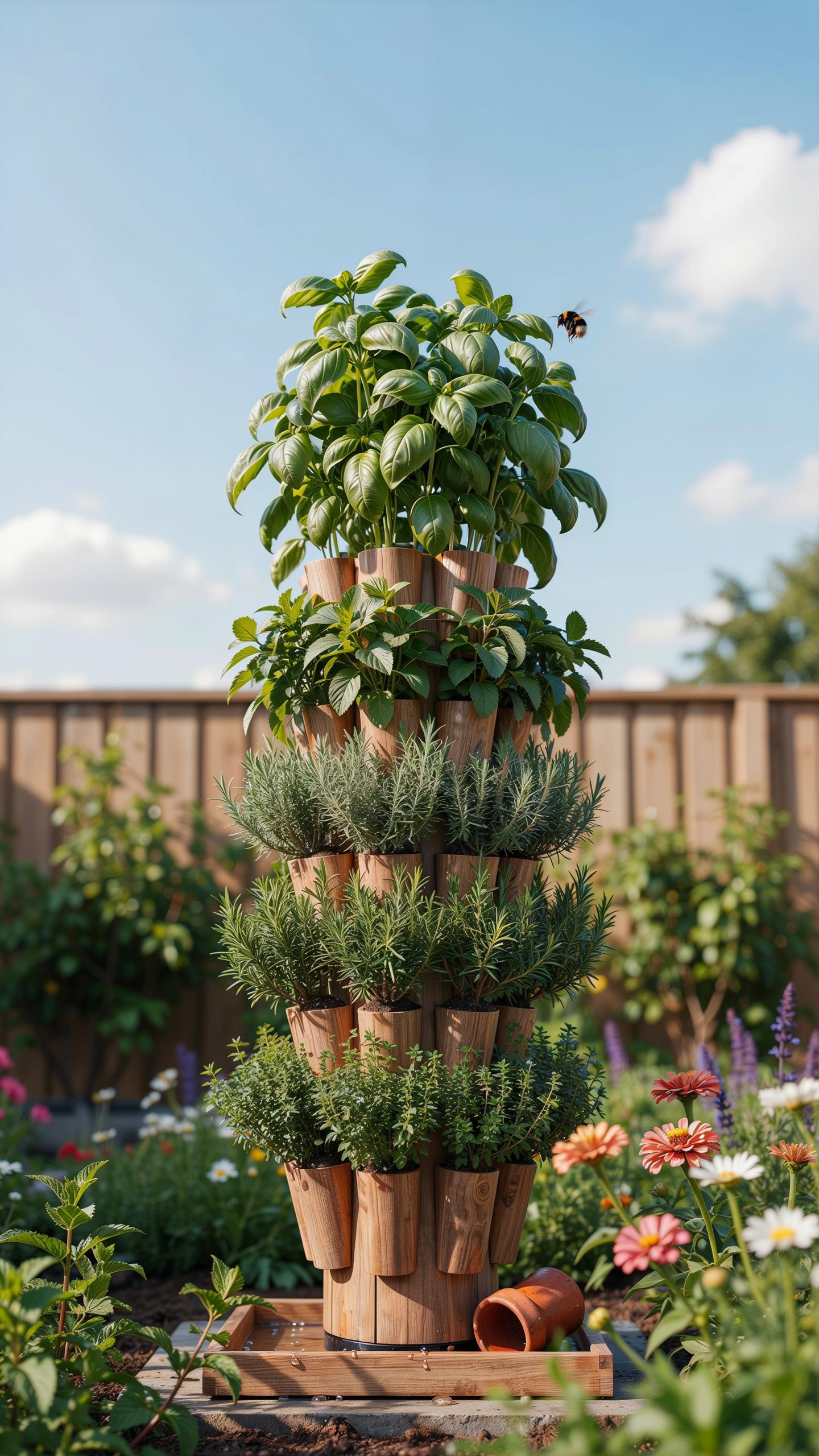
Best Herbs For A Vertical Tower Based On Growth Habits And Size
Select herbs that match the structural limits of vertical pockets. Compact plants prevent the tower from becoming top-heavy. You must account for how light hits each level. Place sun-loving woody herbs at the top. Put leafy, moisture-dependent herbs at the base. This tactical placement ensures every plant gets the specific resources it needs to produce high yields in small spaces.
- Basil: This upright grower thrives in heat and full sun. Place it in the middle or top tiers. It produces large leaf volumes without spreading horizontally. Pinch the tops regularly to keep the plant bushy rather than leggy within the tower pocket.
- Chives: These hardy perennials grow in vertical clumps. They do not invade neighboring pockets. Chives tolerate various light conditions and provide consistent harvests. Their shallow root systems make them ideal for the restricted soil volume found in most modular vertical garden units.
- Thyme: This herb has a low-profile creeping habit. It works best in middle layers where it can spill over the edge. Thyme is drought-tolerant and handles the faster drainage typical of vertical systems. Its small leaves minimize weight while providing high flavor density.
- Cilantro: Use this fast-growing herb in cooler spots of the tower. It has a taproot that fits well in deep vertical pockets. Plant it in lower sections to shield it from intense midday heat. Rapid harvesting prevents the plant from bolting and becoming too tall for your system.
- Mint: Control this invasive spreader by keeping it in a dedicated tower pocket. The physical barrier of the container prevents its runners from choking out other herbs. It prefers the damp conditions often found at the bottom of the tower where water naturally settles.
Root depth determines long-term success in a vertical garden herb tower. Shallow-rooted herbs adapt best to narrow containers. Deep-rooted Mediterranean varieties require larger transition zones or bottom placement for stability. Avoid heavy, sprawling plants like large rosemary shrubs or tall dill. These species disrupt the balance of the tower. Stick to small, productive varieties that maintain a clean silhouette and balanced weight distribution.
Pairing Herbs That Thrive Together In A Shared Tower Environment
Group herbs by their water and light requirements to simplify maintenance. Mediterranean herbs like oregano and sage prefer dry soil and intense light. Place these together at the top of the tower where drainage is fastest. This prevents root rot. You save time by watering sections according to their specific needs rather than overwatering the entire vertical structure at once.
Soft-stemmed herbs require consistent moisture and cooler temperatures. Group parsley, cilantro, and chervil in the lower tiers. These plants catch the runoff from the top levels. The upper plants provide necessary shade for these delicate varieties during peak sun hours. This strategic stacking mimics natural ecosystems. It maximizes your harvest per square foot by ensuring no water or light goes to waste.
Herb Garden Tower Ideas To Inspire Your First Build Or Purchase
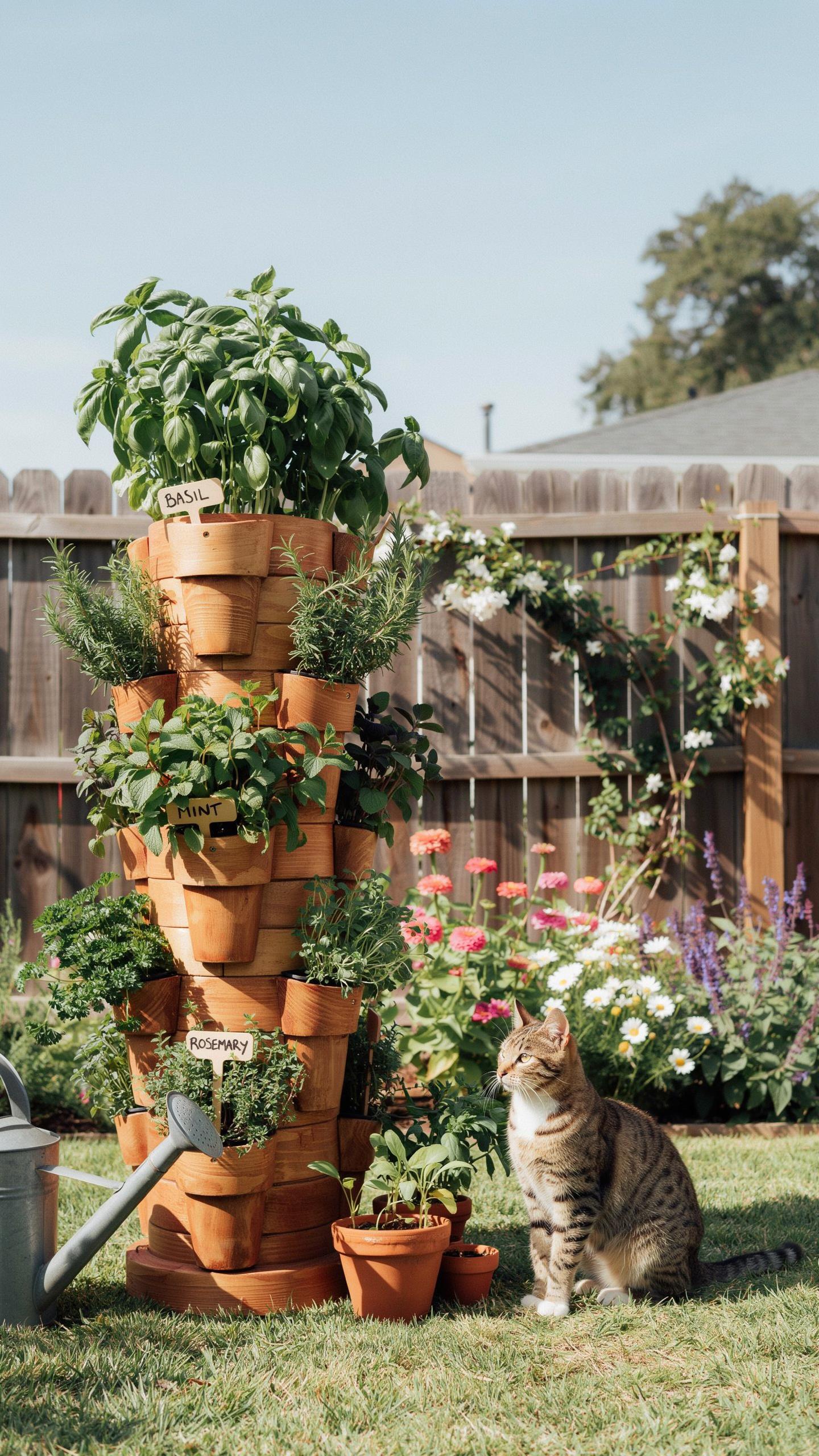
Creative DIY Herb Garden Tower Ideas Using Recycled And Affordable Materials
Build a vertical garden herb tower using food grade plastic buckets or PVC pipes to save money. Drill two inch holes into the sides of a central pipe to house individual plants. Use a heat gun to flare the plastic edges outward for better soil retention. This method mimics industrial hydroponics but works with standard potting soil. It provides a stable structure for heavy herbs like rosemary and sage.
Repurpose wooden shipping pallets to create a rustic garden wall. Fasten landscape fabric to the back and bottom of each slat to hold the growing medium. Lean the pallet against a south facing wall for maximum sun exposure. Ensure the wood lacks chemical treatments like methyl bromide by checking for the heat treated stamp. This design maximizes square footage in tight urban spaces while keeping production costs near zero.
Store Bought Herb Garden Tower Designs Worth Considering For Beginners
Stackable planter systems offer the easiest entry point for new gardeners. These plastic modules feature tiered pockets that allow water to flow from the top level down to the bottom. This gravity fed irrigation prevents root rot by ensuring consistent drainage. Most units use UV resistant polypropylene to stop the material from becoming brittle in the sun. They require no tools for assembly and fit well on small apartment balconies.
Hydroponic tower kits provide a high tech alternative for indoor growers. These systems use a nutrient rich water solution instead of soil to feed the plants. Most commercial models include built in LED grow lights and automated timers. This setup eliminates the mess of dirt and reduces the risk of soil borne pests. While the initial cost is higher, these towers produce faster growth cycles for soft herbs like basil and cilantro.
How To Create A Vertical Garden Step By Step Setup For Your Herb Tower
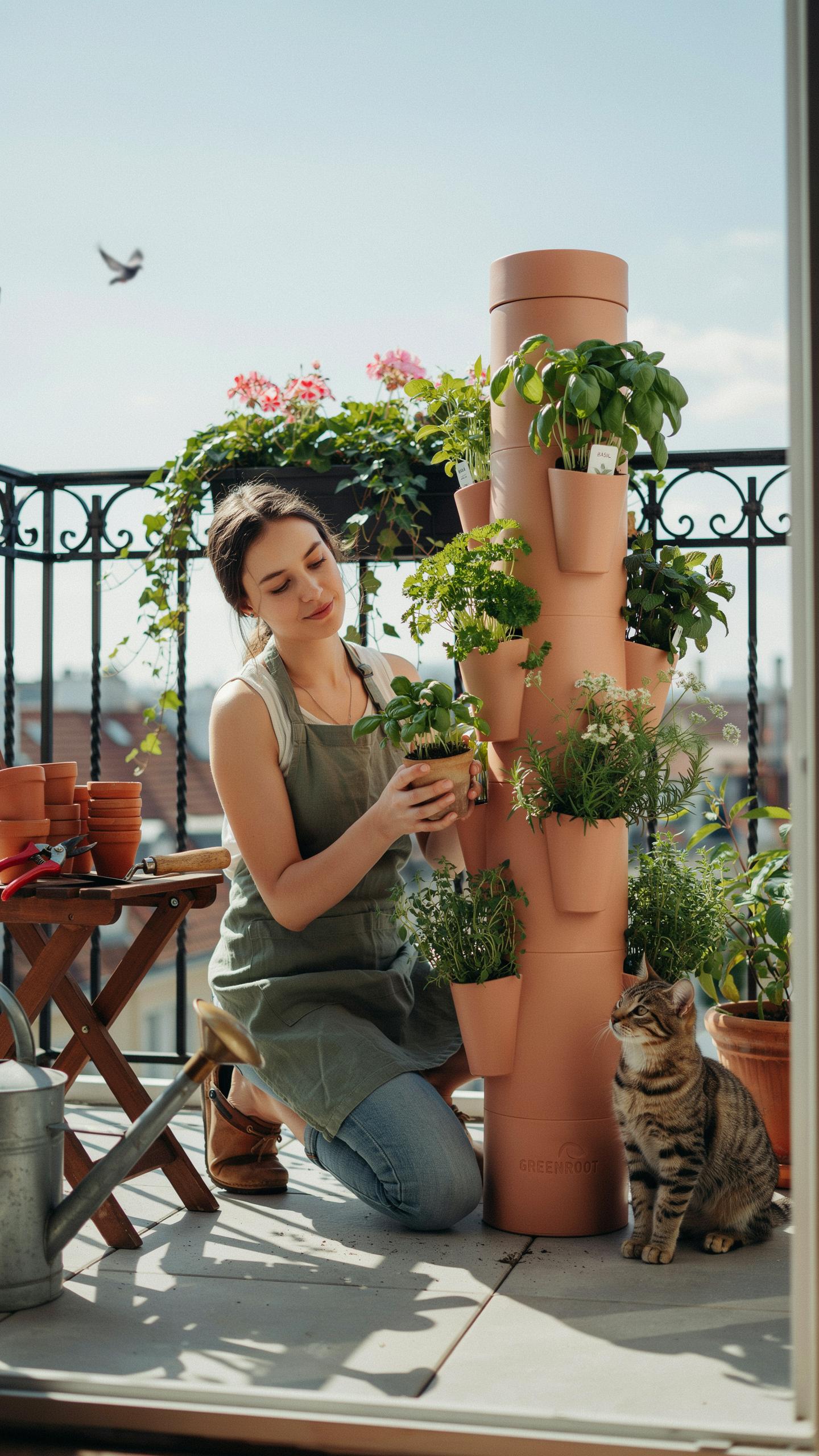
Gathering Your Materials And Preparing Your Herb Tower Structure
Successful vertical gardening depends on the physical integrity of the structure. You must select a tower made from food-grade, UV-stabilized plastic or rot-resistant cedar. These materials prevent chemical leaching into your herbs and withstand constant sun exposure. Inspect the base for stability and ensure the drainage holes are clear. A solid foundation prevents the tower from tipping when the soil weight increases after watering tasks.
- Food-Grade Tower Unit: Choose a BPA-free plastic or cedar structure specifically designed for edible plants. Cheap plastics degrade under UV light and can release harmful toxins into your herb roots and soil.
- High-Quality Potting Mix: Use a lightweight, soilless mix containing peat moss or coconut coir and perlite. Standard garden soil is too heavy for vertical towers and will compact over time, eventually suffocating your herb roots.
- Organic Herb Starts: Purchase healthy seedlings rather than starting from seeds to save time. Look for compact varieties of basil, thyme, and oregano that thrive in small pockets. Avoid plants with visible pests or yellowing leaves.
- Organic Granular Fertilizer: Select a slow-release formula to provide consistent nutrients over several months. Vertical systems lose nutrients faster due to frequent watering. A balanced N-P-K ratio supports both leaf growth and root health effectively.
- Watering Can or Irrigation Kit: Use a long-neck watering can for manual filling or install a gravity-fed drip system. Consistent moisture is critical for vertical towers because the top tiers dry out much faster than the bottom tiers.
Clean all components with a mild soap solution before assembly. This step removes factory residues or pathogens that might harm young plants. Assemble the tower on a level surface near its final location. Moving a fully loaded tower is difficult and can cause structural stress. Once the frame is secure, hydrate your potting mix slightly to ensure it settles evenly during the filling process later.
Planting, Positioning, And Layering Herbs In Your Vertical Tower
Strategic placement of herbs determines the longevity of your vertical garden. Position your tower in a spot that receives six to eight hours of direct sunlight. Place heat-loving herbs like basil and rosemary in the top sections where sun exposure is most intense. Put moisture-loving herbs like mint or parsley in the bottom tiers. Gravity pulls water downward, so the lowest levels naturally stay damp for longer periods.

Insert your herb starts into the planting pockets at a slight upward angle. Pack the potting mix firmly around the root ball to eliminate large air pockets. Leave an inch of space at the top of each pocket to prevent soil washouts during watering. Water the entire tower immediately after planting to settle the roots. Monitor the moisture levels daily because vertical towers lose water faster than traditional ground beds or large pots.
Building And Maintaining Your Herb Tower For Long Term Success
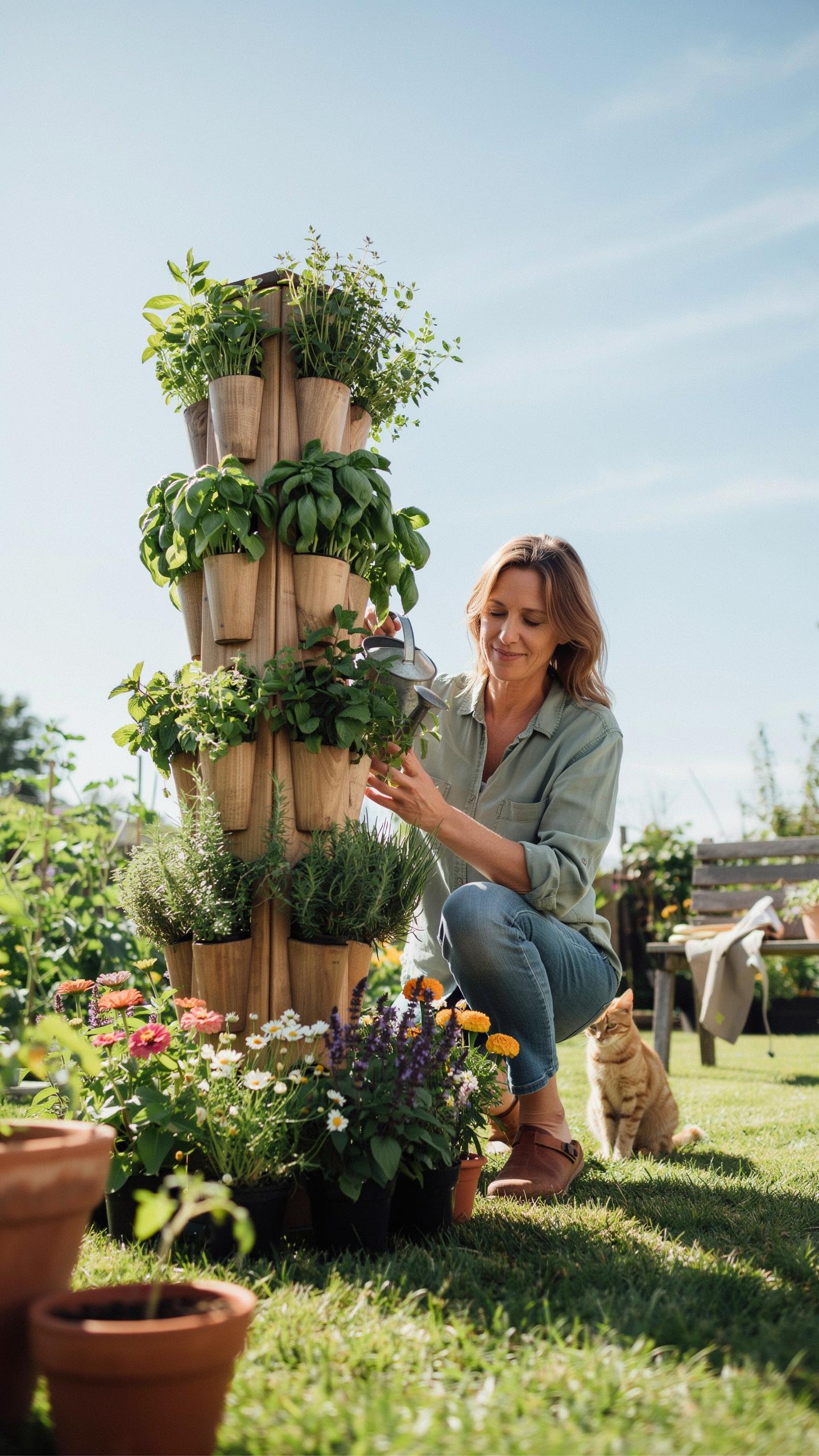
Watering Schedules And Soil Moisture Management For A Herb Tower
Gravity dictates the water movement in a vertical garden herb tower. Moisture naturally pools at the base while the top tiers dry out rapidly. You must check the top six inches of the tower daily. Use your finger to feel the soil. If the top tier feels dry, irrigate until water drains from the bottom. Digital moisture meters provide more precise data for deep internal roots.
Consistent hydration prevents plant stress and keeps herb oils potent. Automated drip systems provide the best results for beginners. These systems deliver water directly to the center column or individual pockets. Set your timer for early morning to reduce evaporation. Avoid watering at night because damp leaves invite fungal growth. Proper drainage holes are mandatory to prevent root rot in the bottom sections of your tower.
Fertilizing, Pruning, And Harvesting Herbs From Your Vertical Tower
Vertical towers hold limited soil volume compared to traditional ground plots. This means nutrients wash away quickly during irrigation cycles. Use a water-soluble organic fertilizer every two weeks during the growing season. Nitrogen-rich feeds support leafy growth for basil and mint. Avoid over-fertilizing as it reduces the flavor concentration in the leaves. Switch to a low-nitrogen mix if your herbs begin to flower prematurely or bolt.

Pruning ensures your vertical tower remains productive and manageable. Always cut just above a leaf node to encourage bushier growth. This technique prevents the tower from becoming top-heavy or spindly. Harvest the top third of the plant to stimulate new stems. Frequent harvesting keeps the herbs in a vegetative state and delays seed production. Remove any yellowing leaves immediately to maintain airflow and prevent the spread of common garden pests.
Plant Tower Vertical Planter Placement Finding The Best Spot For Sunlight And Growth
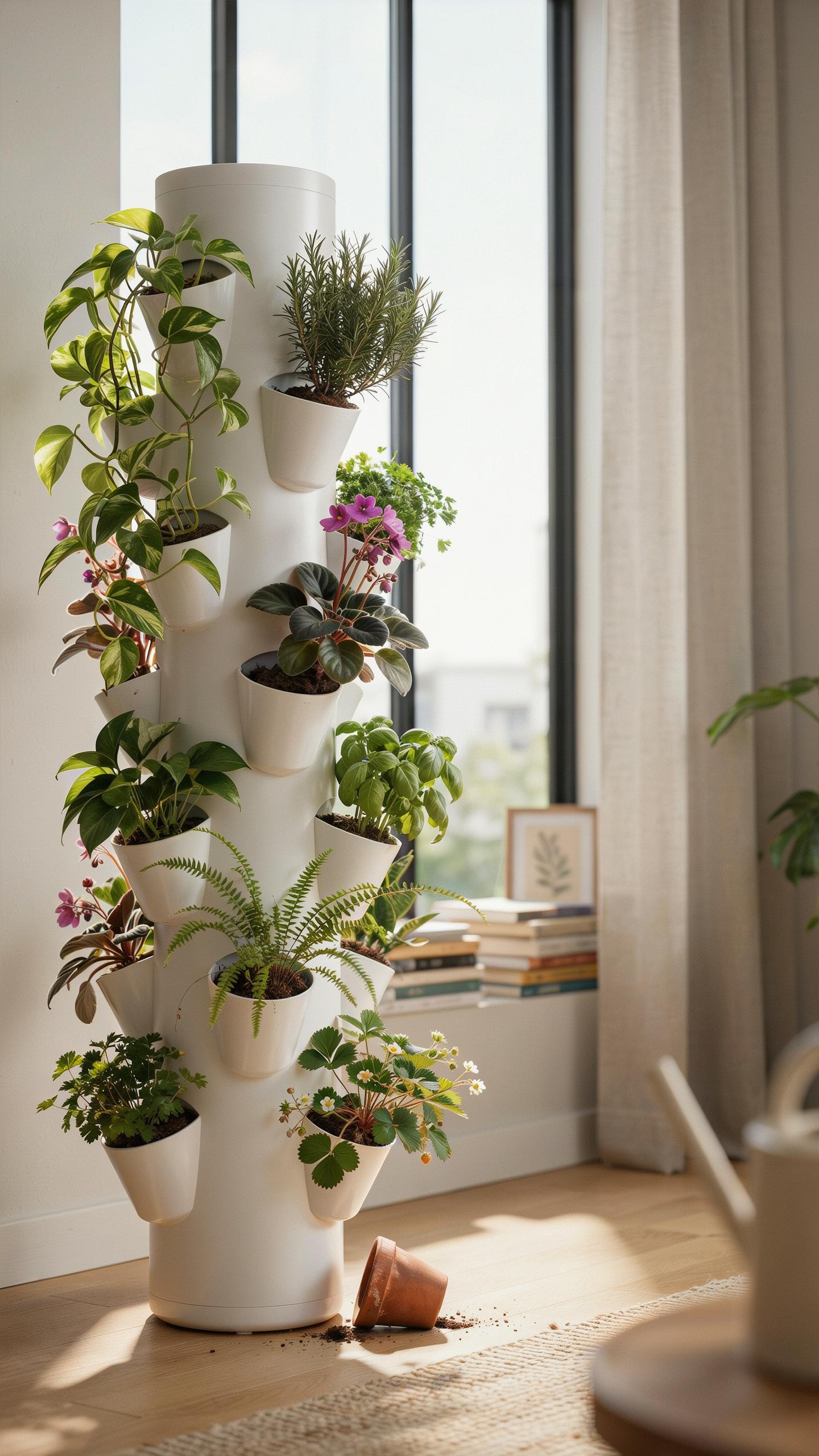
How Much Sunlight Herbs Need And Where To Position Your Plant Tower
Most culinary herbs require at least six hours of direct sunlight daily to produce essential oils. These oils provide the flavor and aroma you want. Position your vertical garden herb tower on a south-facing patio or balcony for maximum exposure. If you live in a hot climate, afternoon shade prevents leaf scorch. Monitor your tower throughout the day to ensure shadows from buildings do not block growth.
A vertical garden herb tower creates its own shadows. Plants on the north side of the rack receive less light than those on the south. Rotate your tower 180 degrees every week to ensure even growth across all pockets. This simple movement prevents leggy stems and lopsided development. Proper orientation ensures every plant performs photosynthesis efficiently. Use heavy-duty casters to make moving the weighted tower easy on hard surfaces.
Managing Light Exposure For Indoor Plant Tower Vertical Planter Setups
Indoor environments rarely provide enough natural light for a thriving vertical garden herb tower. Standard glass windows often filter out necessary UV rays. Place the tower directly against a large south-facing window for the best results. If natural light stays below six hours, you must add supplemental LED grow lights. Use full-spectrum bars mounted vertically to cover every level of the tower from top to bottom.

Maintain a distance of six to twelve inches between the lights and your herbs. Placing lights too close causes heat stress while placing them too far leads to weak growth. Use an automatic timer to provide fourteen hours of light daily. This compensates for the lower intensity of indoor light compared to the sun. Air circulation also matters indoors. Use a small fan to prevent stagnant air and reduce fungal risks.
Common Beginner Mistakes With A Herb Tower And How To Avoid Them
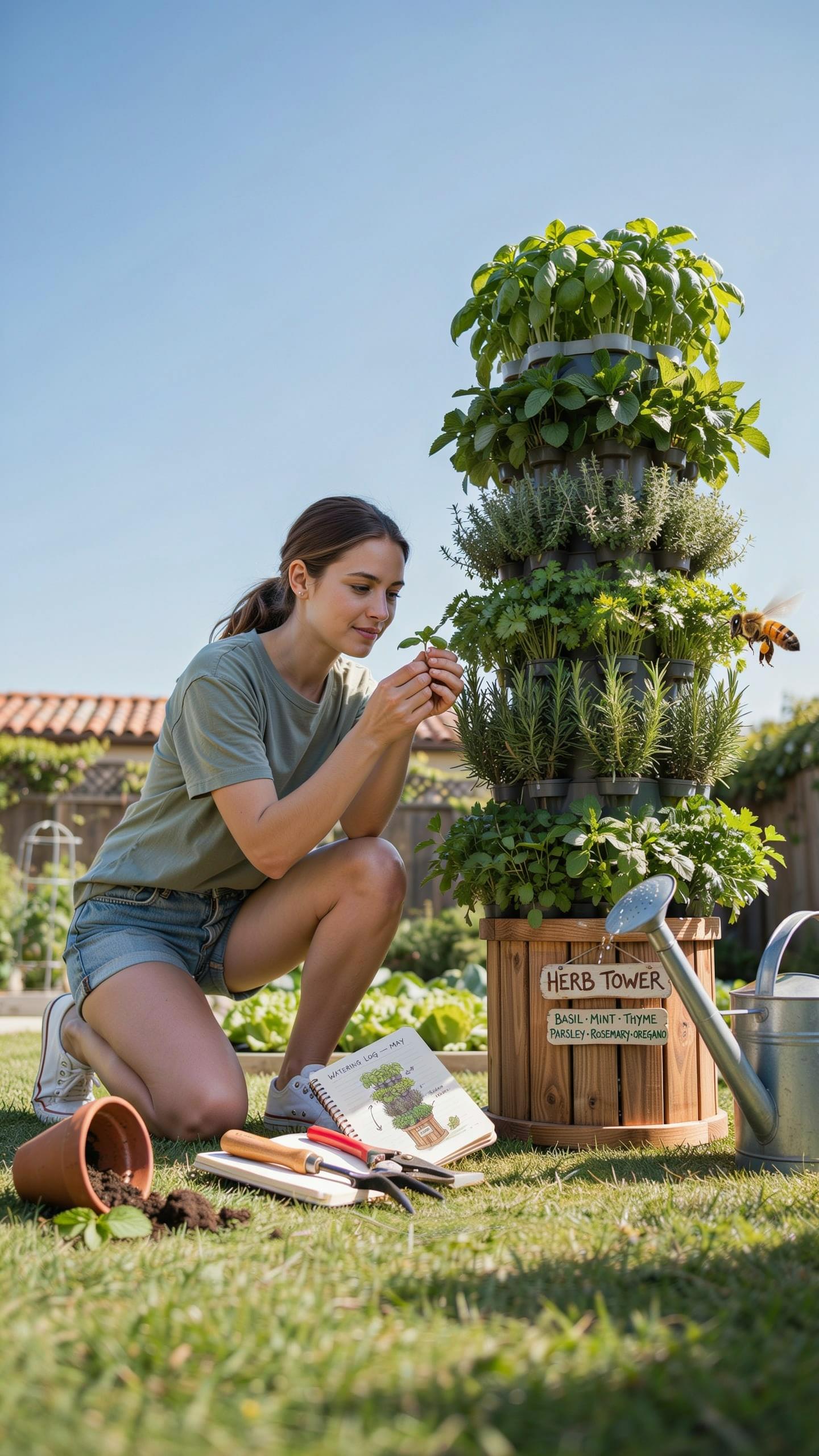
Overwatering, Overcrowding, And Other Frequent Herb Tower Pitfalls
Most beginners kill herbs by watering too much. Gravity pulls water down the tower and settles at the bottom. This makes the lower levels swampy while the top stays dry. You must check the soil at various heights before adding more water. Saturated roots cannot breathe and will rot within days. This mistake ruins the entire vertical system very quickly.
Spacing also causes major failures in vertical designs. New gardeners pack too many plants into a single port. Roots compete for limited space and nutrients in the central column. Crowded leaves prevent airflow and invite fungal diseases like powdery mildew. You must give each herb its own pocket. Failure to prune large herbs leads to light blockages for the smaller plants below.
Simple Fixes And Ongoing Tips To Keep Your Vertical Herb Garden Thriving
Rotation ensures even growth for your vertical garden herb tower. Most towers sit against walls or in corners. One side gets full sun while the other stays in the dark. Turn your tower ninety degrees every few days. This prevents plants from leaning or becoming leggy. Leggy herbs are weak and produce fewer oils. Consistent light exposure builds strong stems and thick leaves.
Nutrition management is the final step for success. Vertical towers use small amounts of soil that lose nutrients fast. You must use a liquid fertilizer every two weeks during the growing season. Follow the mixing instructions exactly to avoid salt buildup. Flush the system with plain water occasionally to clear these salts. Healthy soil chemistry keeps your herbs tasting sharp and growing fast all year.
Frequently Asked Questions

What are the best herbs for a beginner to grow in a stacked planter?
If you are new to gardening, start with hardy varieties like basil, mint, parsley, and chives. These herbs are resilient and adapt well to the drainage levels found in a vertical garden herb tower. Because they have relatively shallow root systems, they thrive in the tiered pockets of a tower. Simply ensure they receive at least six hours of sunlight daily, and you will enjoy a fresh, fragrant harvest right from your kitchen.
How do I properly water and maintain my vertical garden herb tower?
Watering a vertical garden herb tower requires a top-down approach. Most designs feature internal irrigation tubes or drainage holes that allow water to trickle down from the top tier to the bottom. Check the soil moisture daily by sticking your finger an inch deep into the dirt. To keep your herbs productive, harvest them frequently by pinching off the tips, which encourages bushier growth and prevents the plants from reaching a leggy state.
Is it expensive to set up a vertical herb garden if I am on a budget?
Creating a beautiful herb display is surprisingly affordable and can be tailored to any budget. You can purchase ready-made plastic stacking bins or embark on a fun DIY project using repurposed PVC pipes or wooden pallets. By starting your plants from seeds rather than buying mature nursery pots, you significantly reduce costs. This accessibility makes a vertical herb setup the perfect entry point for anyone wanting to grow fresh food without a large investment.