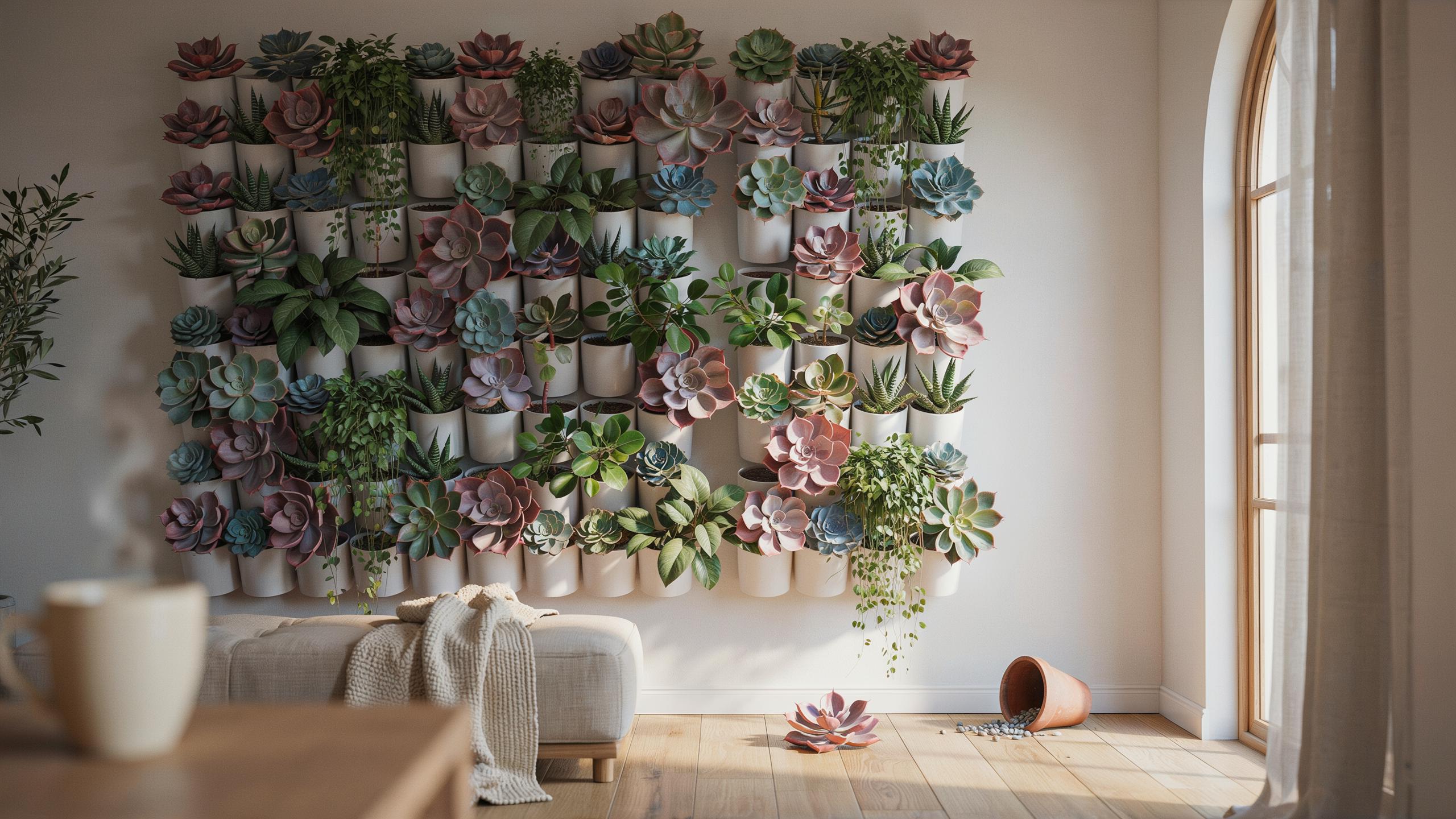
What Is A Succulent Garden Wall And Why It Works For Relaxed Living
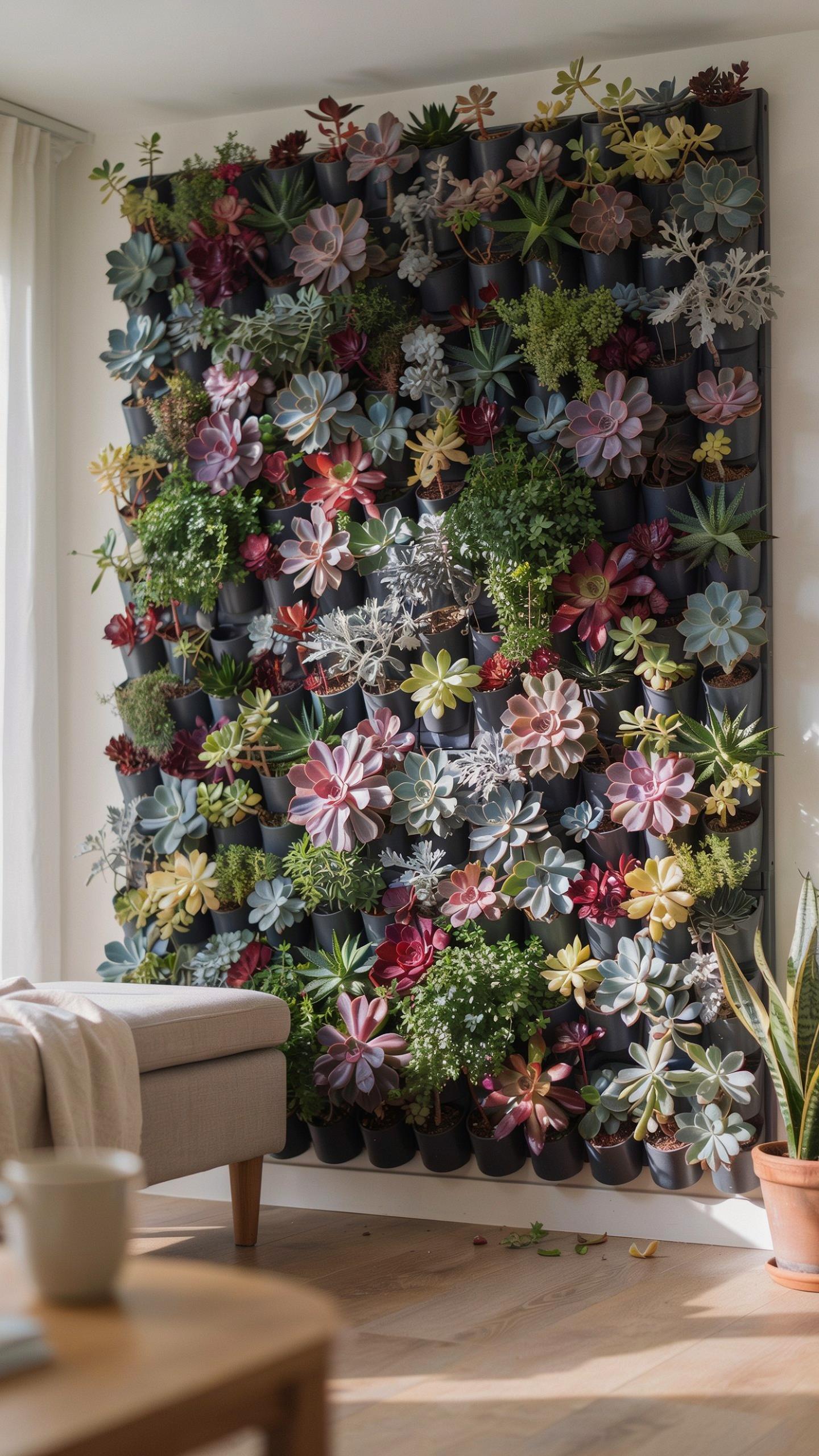
Understanding The Concept Of A Living Succulent Wall
A vertical garden succulent wall is a structural system that grows plants on a vertical surface. These installations use frames, modular cells, or fabric pockets to hold soil or growth media. This design turns a traditional garden ninety degrees. It maximizes small spaces in urban settings. Experts call this a living wall or a green wall. It serves as functional art for modern homes.
The system relies on a sturdy backing to protect the wall from moisture. Irrigation often happens via a drip system or manual misting. A well-built wall mimics the natural cliffs where many succulents grow in the wild. This vertical orientation improves air circulation around the foliage. It also prevents the common soil-borne diseases found in traditional ground gardens. Proper drainage remains the most critical technical requirement.
Why Succulents Are The Ideal Plant Choice For A Vertical Display
Succulents possess specialized tissues that store water for long periods. This biological trait makes them perfect for vertical planters which naturally dry out faster than the ground. These plants thrive in shallow soil depths. Most species have small root systems that do not need deep containers. This reduces the weight load on the wall structure. It ensures the installation remains secure over time.
These plants grow slowly and maintain their shape without constant pruning. They offer various colors and textures that stay consistent throughout the seasons. Succulents handle the intense light of many vertical placements without wilting. They require less fertilizer compared to tropical plants. This low maintenance requirement supports a relaxed lifestyle. You spend less time on chores and more time enjoying the visual impact.

The Calming Benefits Of Adding A Succulent Vertical Garden To Your Home
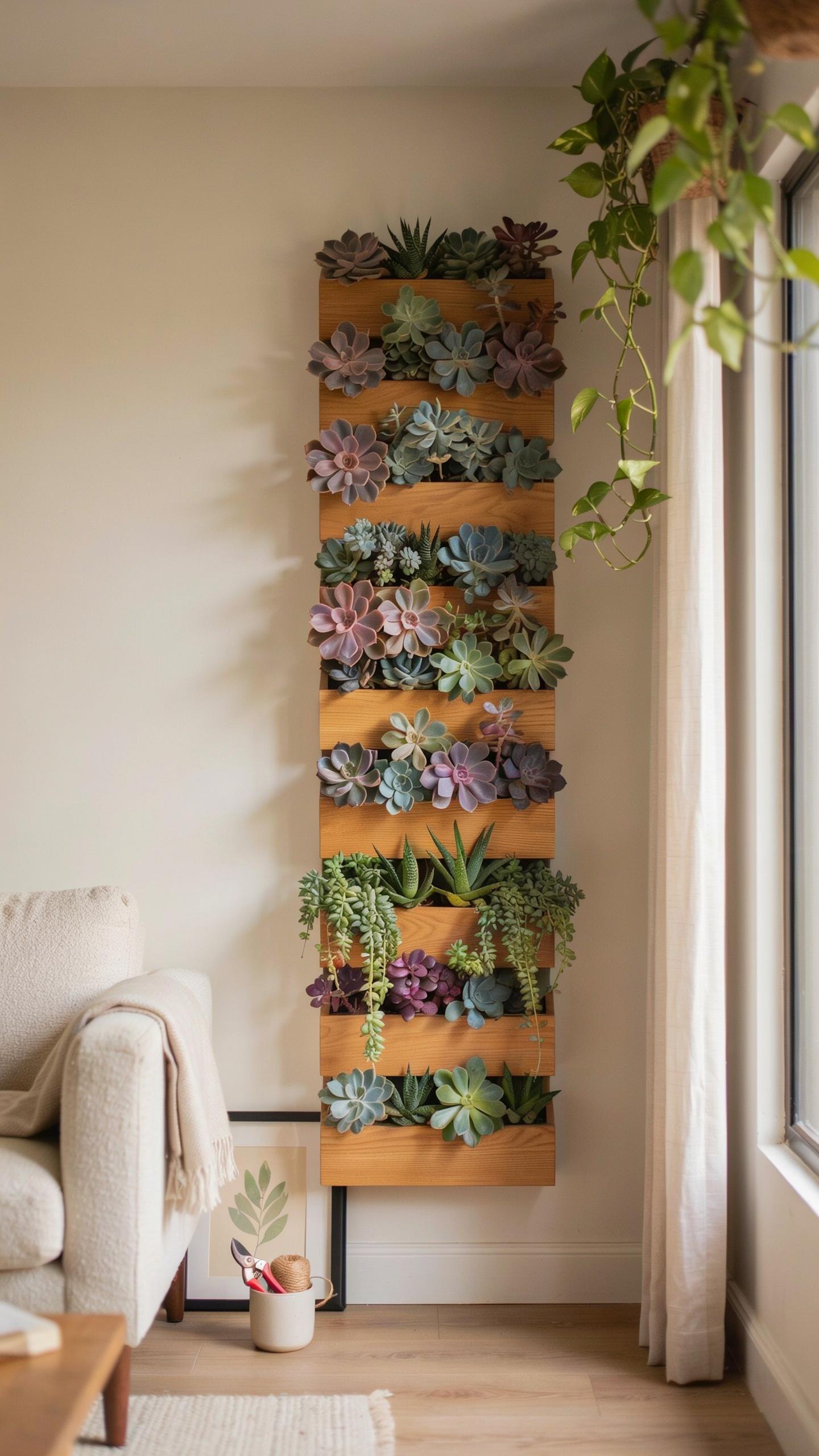
How Indoor Greenery Reduces Stress And Promotes Mental Well Being
Indoor plants lower cortisol levels through visual contact with nature. A vertical garden succulent wall provides a fixed focal point for the eyes. This process triggers a parasympathetic nervous system response. Research shows that people in rooms with plants have lower blood pressure than those in bare rooms. Succulents offer a soft geometry that reduces mental fatigue and restores focus during high-stress tasks.
The physical act of maintaining a succulent wall also boosts mood. Routine tasks like misting or checking soil moisture provide a sense of control and purpose. These plants release oxygen and improve humidity in dry indoor environments. Better air quality leads to clearer thinking and less irritability. Succulents are hardy and require little care. This low maintenance prevents the stress often associated with keeping fragile plant species alive.
The Role Of Biophilic Design In Creating A Relaxing Home Atmosphere
Biophilic design connects modern architecture with the natural world. This movement gained traction in the late twentieth century to counter sterile urban living. A vertical garden succulent wall uses real organic material to break up hard lines and cold surfaces. It integrates natural textures directly into the home structure. This integration creates a sense of security and shelter that mimics natural outdoor environments.

Using vertical space for plants maximizes the psychological impact of greenery without cluttering the floor. Clutter increases anxiety while vertical displays pull the gaze upward. This verticality creates an illusion of openness and airiness in small rooms. Strategically placed succulent walls serve as acoustic buffers by absorbing sound waves. This noise reduction creates a quieter and more peaceful home. Biophilic patterns satisfy a deep human need for biological connection.
Best Succulent Varieties To Use On Your Succulent Vertical Wall
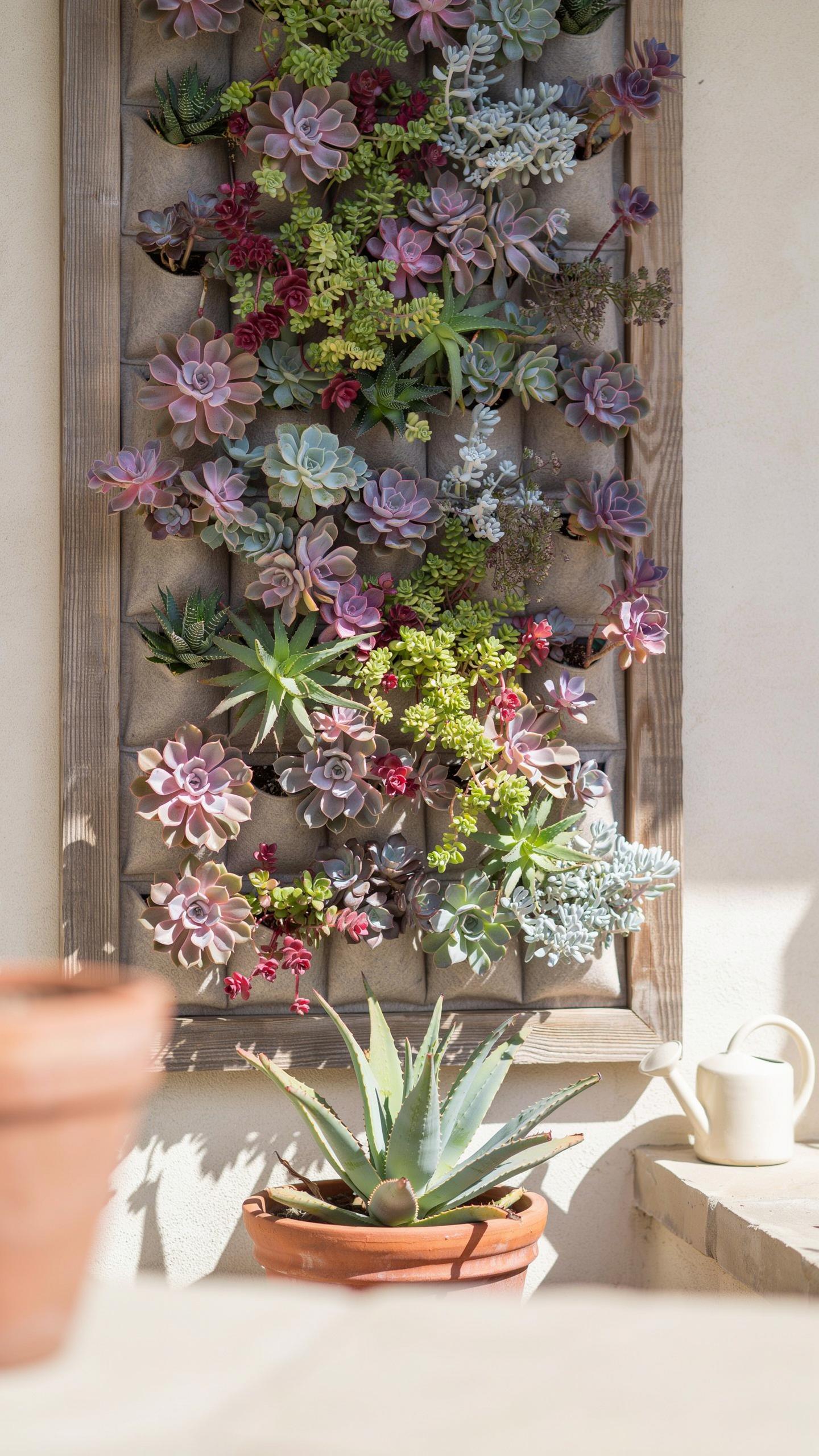
Top Low Maintenance Succulents That Thrive In Vertical Arrangements
Vertical environments challenge plants with rapid drainage and uneven moisture distribution. You must select species that tolerate shallow root systems and gravity. Rosette-forming succulents work best because they stay compact and do not pull away from the mounting medium. Avoid tall, heavy species that risk snapping under their own weight. Focus on varieties known for high drought tolerance to minimize frequent watering needs.
- Sempervivum (Hens and Chicks): These cold-hardy succulents survive freezing temperatures and tight spaces. They produce offsets that quickly fill gaps in the vertical grid. Their root systems are shallow and adapt well to moss-based mounting systems.
- Echeveria: This genus provides the classic rose shape essential for vertical aesthetics. They handle dry spells by storing water in thick leaves. Scale-like growth patterns help them shed excess water, preventing rot in high-density wall installations.
- Sedum (Stonecrop): Trailing varieties like Sedum morganianum create a cascading effect along the bottom edges. These plants are exceptionally durable and root easily from dropped leaves. They provide necessary coverage for the frame edges and exposed hardware.
- Graptopetalum: These plants are tougher than Echeveria and tolerate shifting light conditions. They maintain their color even when water is scarce. Their rigid stems hold steady against the pull of gravity in slanted or vertical panels.
- Senecio radicans (String of Bananas): This succulent offers a distinct vertical element for the base of the wall. It grows fast and masks the structural components of the garden. It requires very little soil and thrives in filtered light environments.
Gravity pulls water toward the bottom of the wall, creating moisture gradients. Place the hardiest, most drought-resistant species at the top of the arrangement. Use the bottom rows for varieties that prefer slightly more dampness. This strategic positioning ensures every plant stays healthy without individual manual care. Match your plant choices to the specific light levels of your indoor or outdoor wall location.
How To Mix Colors And Textures For A Visually Cozy Succulent Display
Successful vertical design relies on contrast to create depth and visual interest. Use the rough texture of Haworthia next to the smooth, waxy surface of Echeveria to break up the pattern. Group plants with similar water needs together to ensure the wall remains healthy. Repeating specific shapes helps the eye move across the display. Tight clusters create a lush look that hides the planting substrate completely.
Color selection should follow a deliberate scheme to achieve a professional finish. Use cool blues and silvers as a base to make the wall feel expansive and calm. Add pops of red or deep purple at key focal points to draw the viewer’s eye. Ensure you place contrasting leaf shapes side by side to define individual plants. This method prevents the vertical garden from looking like a single, indistinct green mass.
How To Build Your Own Succulent Plant Wall From Scratch
Essential Materials And Tools You Need To Get Started
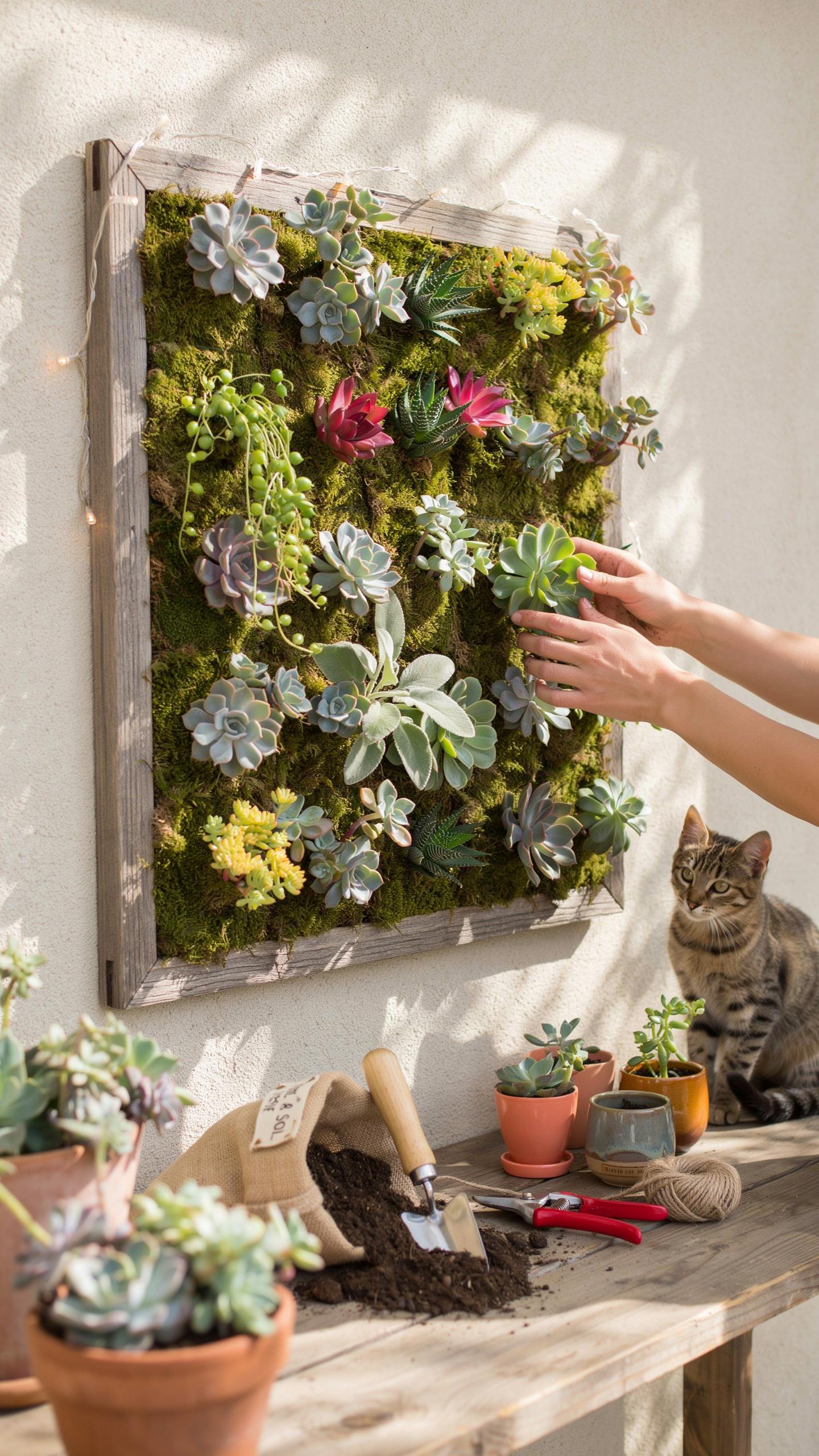
Successful vertical gardens depend on high quality components that resist rot and manage weight. You must select materials that handle constant moisture without degrading. A sturdy frame provides the necessary structural foundation for the entire display. Choosing the right soil and containment mesh ensures your plants stay secure while growing vertically. High grade materials prevent future wall damage and keep the system lightweight.
- Shadow Box Frame: Use a cedar or redwood frame at least two inches deep. These wood species naturally resist rot and insects. The depth provides enough space for root development and soil retention.
- Hardware Cloth: Select a galvanized steel mesh with half inch openings. This layer holds the moss and soil in place. It prevents the medium from falling out when you tilt the frame upright.
- Cactus Potting Mix: Use a fast draining substrate specifically for succulents. Standard potting soil retains too much water and causes root rot. Mix in perlite or pumice to improve aeration and drainage within the wall.
- Sphagnum Moss: Line the mesh with long fiber sphagnum moss. This material acts as a barrier between the soil and the mesh. It holds moisture for the roots while providing a clean surface for planting.
- Plywood Backing: Secure a marine grade plywood sheet to the back of the frame. This creates a waterproof seal that protects your interior walls. Attach it with stainless steel screws to prevent rust or structural failure.
Gather all assembly tools before you begin the build process. You need a heavy duty staple gun to attach the wire mesh and backing. Pliers help pull the mesh tight across the frame for a professional finish. Wire cutters are necessary to trim excess hardware cloth. Having everything ready allows for a fast and efficient assembly without interruptions or delays.
Step By Step Process For Assembling And Planting Your Vertical Frame
Start by stapling the wire mesh to the inside of your wooden frame. Ensure the mesh is tight to prevent sagging under the weight of the wet soil. Layer the sphagnum moss behind the mesh to create a soft planting surface. Fill the remaining cavity with your cactus soil mix and screw the plywood backing firmly into place. Ensure every corner is sealed to prevent leaks.
Turn the frame over and poke holes through the moss to insert succulent cuttings. Space the plants closely to hide the mesh and create a full look immediately. Keep the frame flat for at least six weeks to allow roots to anchor into the soil. Once the plants are secure, hang the wall in a spot with bright indirect sunlight for best results.
Choosing The Right Location For Your Succulents Wall Indoors Or Outdoors
Indoor Placement Tips For Maximizing Natural Light And Air Circulation
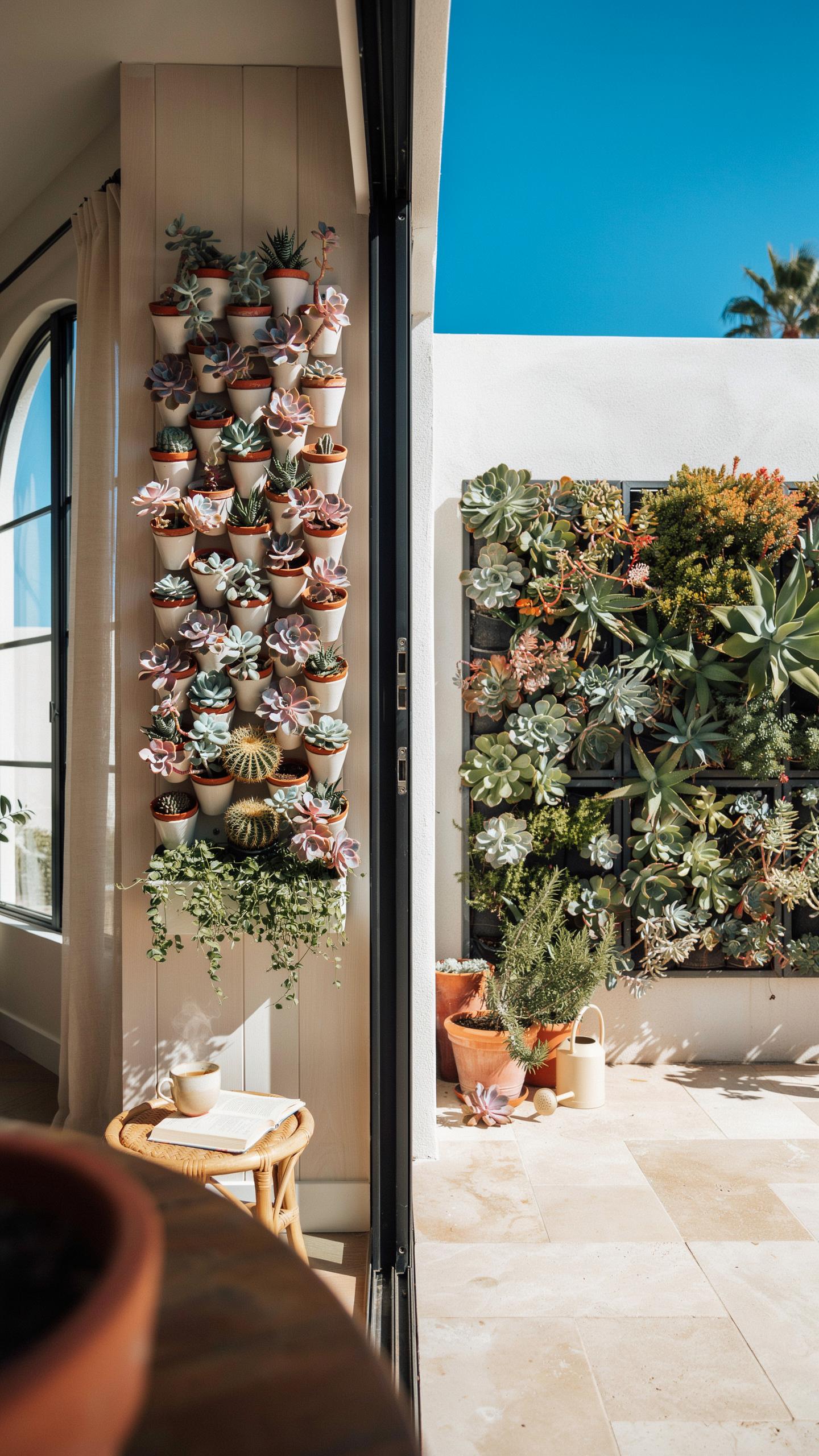
Mount your vertical garden succulent wall near south-facing windows. These locations Provide the most consistent daily light levels for indoor plants. Succulents require high light intensity to maintain their compact shape and vibrant colors. Poor light causes stretching and weakens the structural integrity of the root system. Place the wall in a spot that receives at least six hours of bright light.
Air circulation prevents fungal growth and pests in tight vertical arrangements. Stagnant air leads to rot within the root zone and between overlapping leaves. Use a location with natural airflow or install a small fan to move the air. Avoid placing the unit near heating vents or air conditioning units. Rapid temperature changes stress the plants and cause leaves to drop or wither prematurely.
Outdoor Considerations For Weather, Sun Exposure, And Wall Support
Identify the path of the sun before mounting a vertical garden succulent wall outside. Morning sun is beneficial but intense afternoon heat can scorch many varieties. Filtered light or partial shade protects the plants during the hottest part of the day. Ensure the chosen wall faces east or west to balance light exposure. High heat causes rapid evaporation and requires more frequent monitoring of soil moisture levels.

The weight of a saturated succulent wall requires a load-bearing surface. Use brick, concrete, or reinforced wood siding to support the frame. Standard drywall or thin fencing will fail under the weight of water and soil. Ensure the fastening hardware is rust-resistant to withstand rain and humidity. Proper spacing between the frame and the wall prevents moisture damage to your home. Protect the structure from high winds to prevent mechanical damage.
Caring For Your Succulent Wall To Keep It Thriving Year Round
Watering Schedules And Soil Drainage Practices That Prevent Root Rot
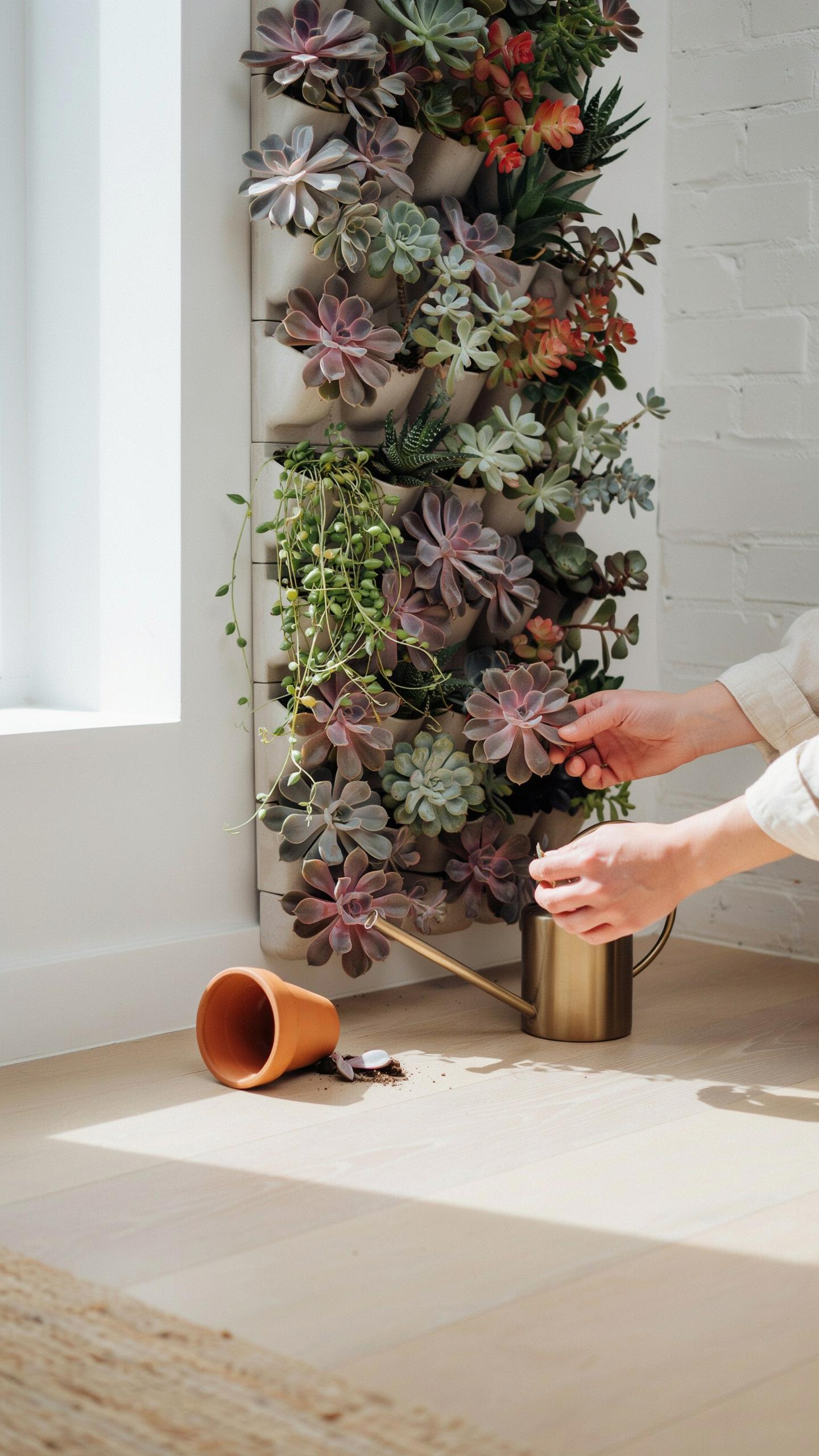
Vertical succulent walls fail most often due to overwatering. Gravity pulls water downward through the frame. This action creates a moisture gradient where bottom units stay wet while top units dry fast. You must monitor moisture levels at the base to prevent fungal growth. Use a gritty soil mix with perlite or pumice to ensure rapid drainage. Compact soil traps water and kills roots.
Wait for the planting medium to dry completely before adding more water. Stick your finger an inch into the substrate to check it. Drip irrigation systems offer the best control for wall mounted units. These systems deliver water directly to the root zone without wetting the leaves. Always tilt the frame slightly forward during heavy watering. This prevents water from pooling against the backboard or the wall surface.
To nurture a garden is to feed not just the body, but the soul. Let your walls breathe with the quiet strength of small things, bringing the peace of the earth right into your home.
Seasonal Maintenance And How To Replace Fading Plants Without Disrupting The Wall
Succulents enter dormancy during winter months and require less water then. Growth slows down as light levels drop. You should reduce your watering frequency by half during this period. Inspect the wall for pests like mealybugs which hide in tight leaf clusters. Prune leggy stems to maintain a compact look. Use sharp shears to avoid tearing the plant tissue. Clean tools prevent the spread of disease.
Removing a dead plant requires a surgical approach to protect its neighbors. Gently loosen the root ball with a small trowel or knife. Extract the plant and its old soil entirely. Fill the void with fresh succulent mix before inserting a new specimen. Choose a replacement that matches the light needs of the surrounding plants. Secure the new arrival with florist pins until its roots grip the existing structure.
Creative Succulent Wall Ideas To Personalize Your Relaxation Space
Using Frames, Driftwood, And Reclaimed Wood For A Rustic Cozy Aesthetic
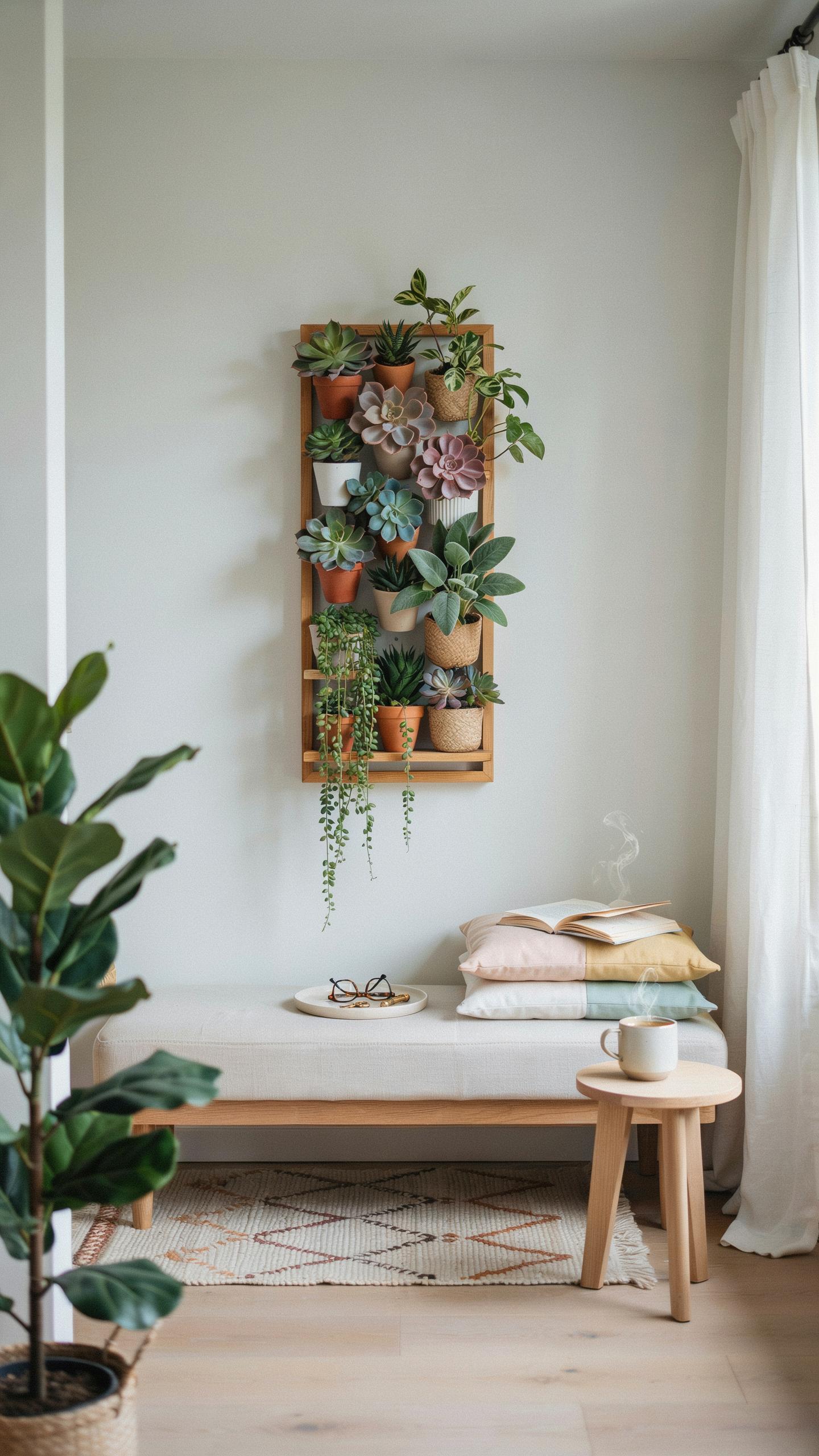
Select reclaimed wood to build a sturdy planter frame. Old cedar or redwood works best because these woods resist rot naturally. Secure a plastic liner or hardware cloth to the back of the frame. This structure holds the soil and roots in place. Use driftwood for an organic look. Its weathered texture complements the matte Finish of most succulent varieties.
Mount the frame at a slight upward angle. This angle prevents soil from falling out while the plants take root. Mix sphagnum moss into your soil to retain moisture near the driftwood. Choose varieties like Echeveria or Sedum. These species thrive in shallow containers. The contrast between raw wood and green foliage creates a grounded, natural focal point for any room.
How To Design A Succulent Accent Wall That Anchors An Entire Room
Position your vertical garden succulent wall on a primary load bearing surface. This wall serves as the visual weight for the entire interior space. Align the edges of the greenery with existing architectural lines like door frames or windows. Use a large scale grid to create a clean, modern appearance. Proper placement directs the eye and defines the room Purpose immediately.
Focus on lighting to maintain plant health and visual impact. Install full spectrum LED grow lights above the installation. These lights ensure the succulents keep their compact shape and vibrant colors. Inadequate light causes stretching, which ruins the clean aesthetic. Select a high contrast color palette of plants. Dark purples and bright greens create depth that makes the wall pop.
Budget Friendly Ways To Start Your Own Living Succulent Wall At Home
Affordable DIY Alternatives To Expensive Pre Built Succulent Wall Panels
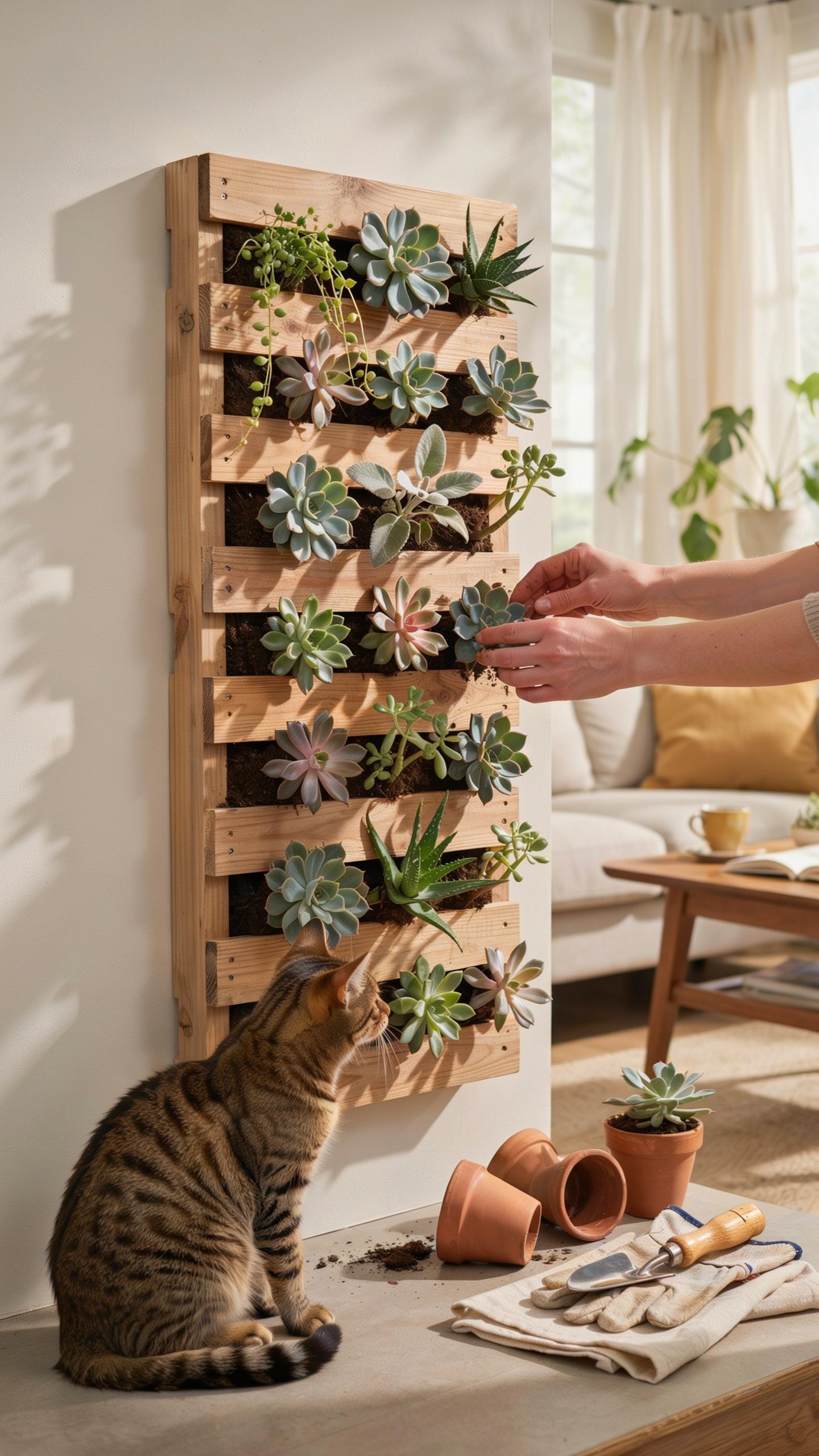
Commercial succulent wall kits carry high markups due to branding and proprietary mounting hardware. You can bypass these costs by using repurposed wooden pallets or salvaged picture frames. These structures provide the necessary depth for growing medium while maintaining a slim profile against the wall. Secure heavy-duty landscape fabric to the back of the frame to contain the soil. This method mimics professional setups at a fraction of the market price.
Chicken wire serves as an effective structural support for your vertical garden. Staple a layer of wire over the soil surface to hold plants in place while they root. This technique prevents gravity from pulling the succulents out of the frame during the establishment phase. Using scrap wood and wire creates a custom fit for any space. This tactical approach allows you to control the scale and drainage of your vertical system without buying retail.
Where To Source Healthy Succulents And Supplies Without Overspending
Propagating succulents from existing plants is the most cost-effective way to fill a vertical wall. Many species such as Sedum and Echeveria grow easily from leaf or stem cuttings. Take healthy leaves and let them callow for several days before placing them on soil. This process requires zero capital and ensures your plants are already acclimated to your local environment. Most gardeners have excess pups they are willing to trade or give away.
Bulk purchasing of substrate and grit reduces the cost per square foot of your vertical garden. Professional succulent growers mix their own soil using coarse sand, perlite, and potting soil. Avoid small pre-bagged mixes found at big-box retailers. Local landscaping supply yards often sell these components in bulk for much lower prices. Strategic sourcing of raw materials ensures the longevity of your installation. Proper drainage prevents root rot and protects your initial investment.
Frequently Asked Questions

What are the best types of succulents for a beginner starting a vertical garden?
If you are new to the vertical garden succulent wall hobby, start with hardy varieties like Echeveria, Sedum, and Sempervivum. These species are incredibly resilient and thrive in tight spaces. They offer a beautiful range of rosettes and trailing textures that fill in gaps quickly. Choose a selection with similar light requirements to ensure your living tapestry stays vibrant and healthy with minimal effort.
How do you properly water a succulent wall without making a mess indoors?
The best way to maintain your vertical garden succulent wall is to use a long-neck watering bottle or a specialized gravitational irrigation system. Most enthusiasts prefer to take the frame down once every two weeks, laying it flat to water thoroughly and letting it drain completely before rehanging. This prevents water from dripping down your walls and ensures the soil is evenly saturated for the roots.
Is it possible to create a stunning succulent wall on a tight budget?
Absolutely! You can build an affordable succulent feature by upcycling old wooden pallets or picture frames lined with chicken wire and landscape fabric. Instead of buying mature plants, purchase “plugs” or propagate your own cuttings from friends’ gardens. By starting small and allowing the plants to grow into the space over time, you can achieve a high-end designer look without a significant financial investment.