What Is A Living Wall Garden And Why It Is Gaining Popularity
Understanding The Concept Of A Living Wall Garden
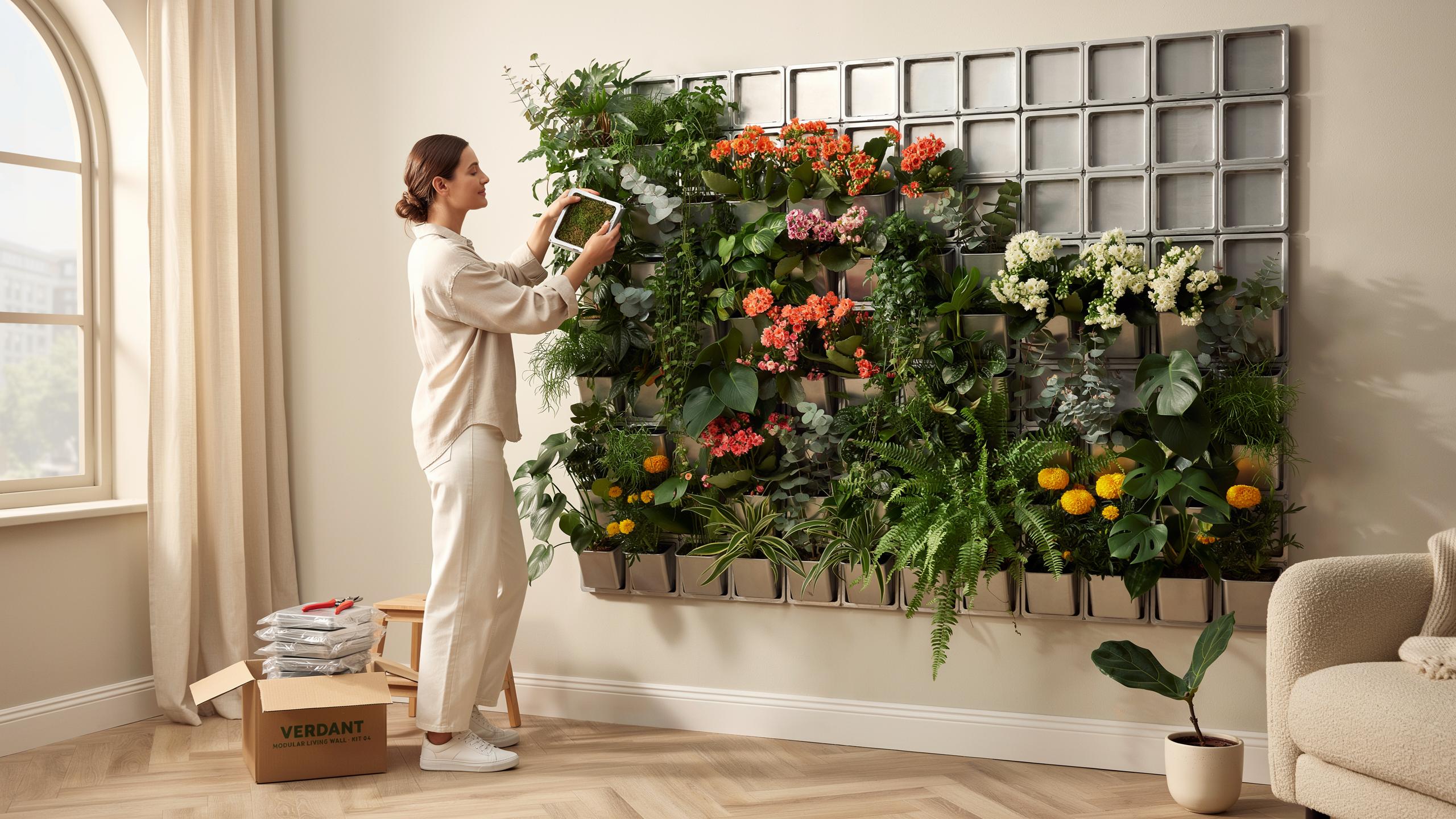
A living wall garden is a vertical structure that supports self-sustaining vegetation. These systems attach directly to internal or external walls. They use a growing medium such as felt layers, mineral wool, or structured modules. Unlike traditional climbing vines, these gardens integrate irrigation and drainage into the structure. You can scale them from small panels to massive building facades.
Engineers design these systems to manage weight and water distribution. Each wall includes a waterproof barrier to protect the host building from moisture damage. Living walls use hydroponic or soil-based technology to provide nutrients. This vertical approach maximizes greenery in areas with limited floor space. It transforms flat, dead surfaces into functional biological filters. These systems provide immediate aesthetic and environmental impact.
The Rise Of Living Wall Ideas In Modern Landscaping And Interior Design
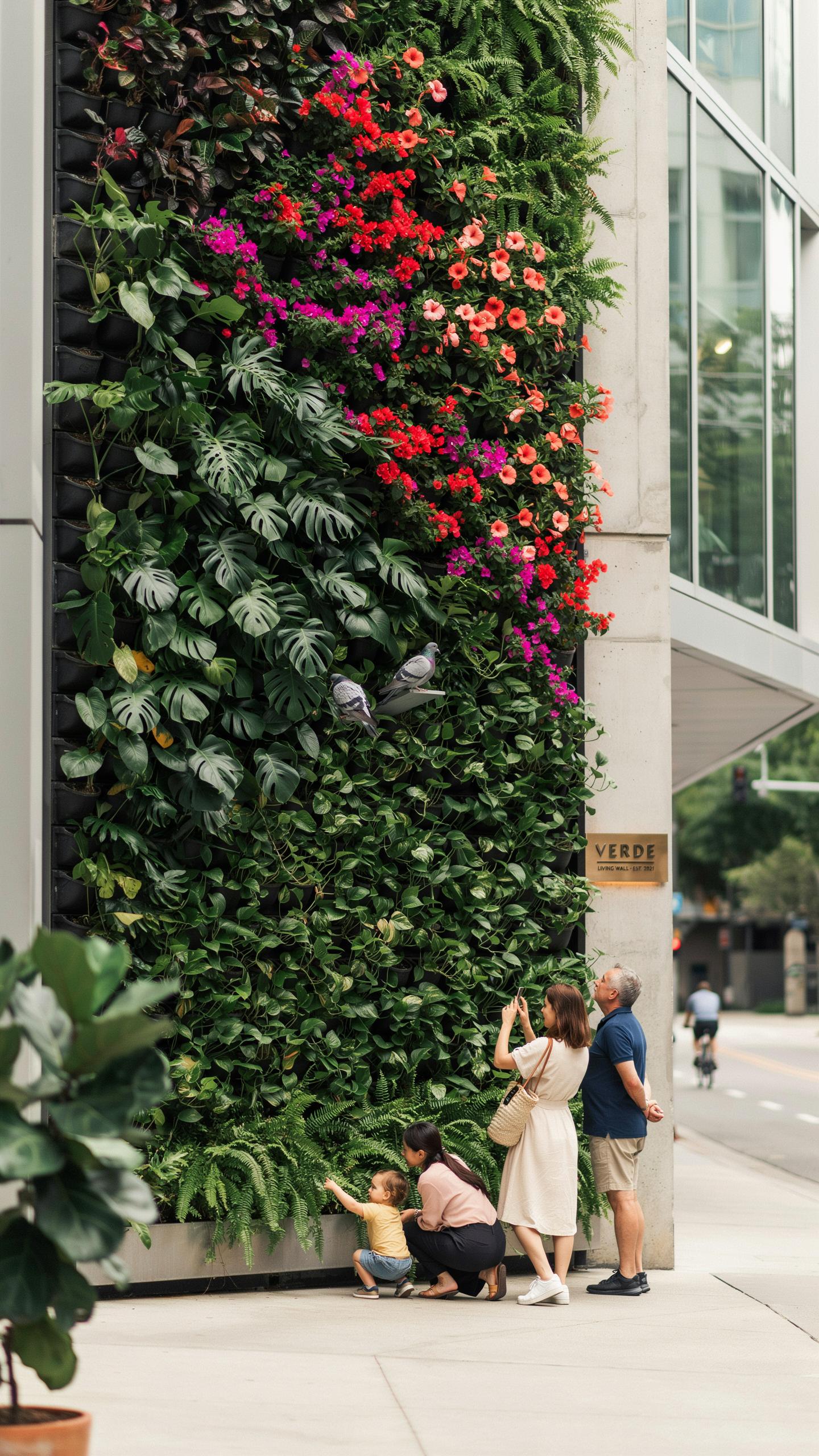
Architects now prioritize biophilic design to improve air quality and human well-being. Living walls serve as natural air filters by capturing particulate matter. They also lower building temperatures through evapotranspiration. Developers use these installations to meet green building certifications and energy codes. Modern tech makes automated maintenance easy for commercial and residential owners. This shift moves plants from pots to structural elements.
Urbanization drives the demand for vertical greenery in crowded cities. Landscapers use living walls to create privacy buffers and reduce noise pollution. The trend aligns with the global push for sustainable infrastructure. High-density developments use these gardens to reclaim lost ground space. Improved irrigation technology has lowered the cost of entry for homeowners. People now view vertical gardens as essential assets rather than luxury additions.

Planning Your Vertical Garden Wall Design Before Installation Begins
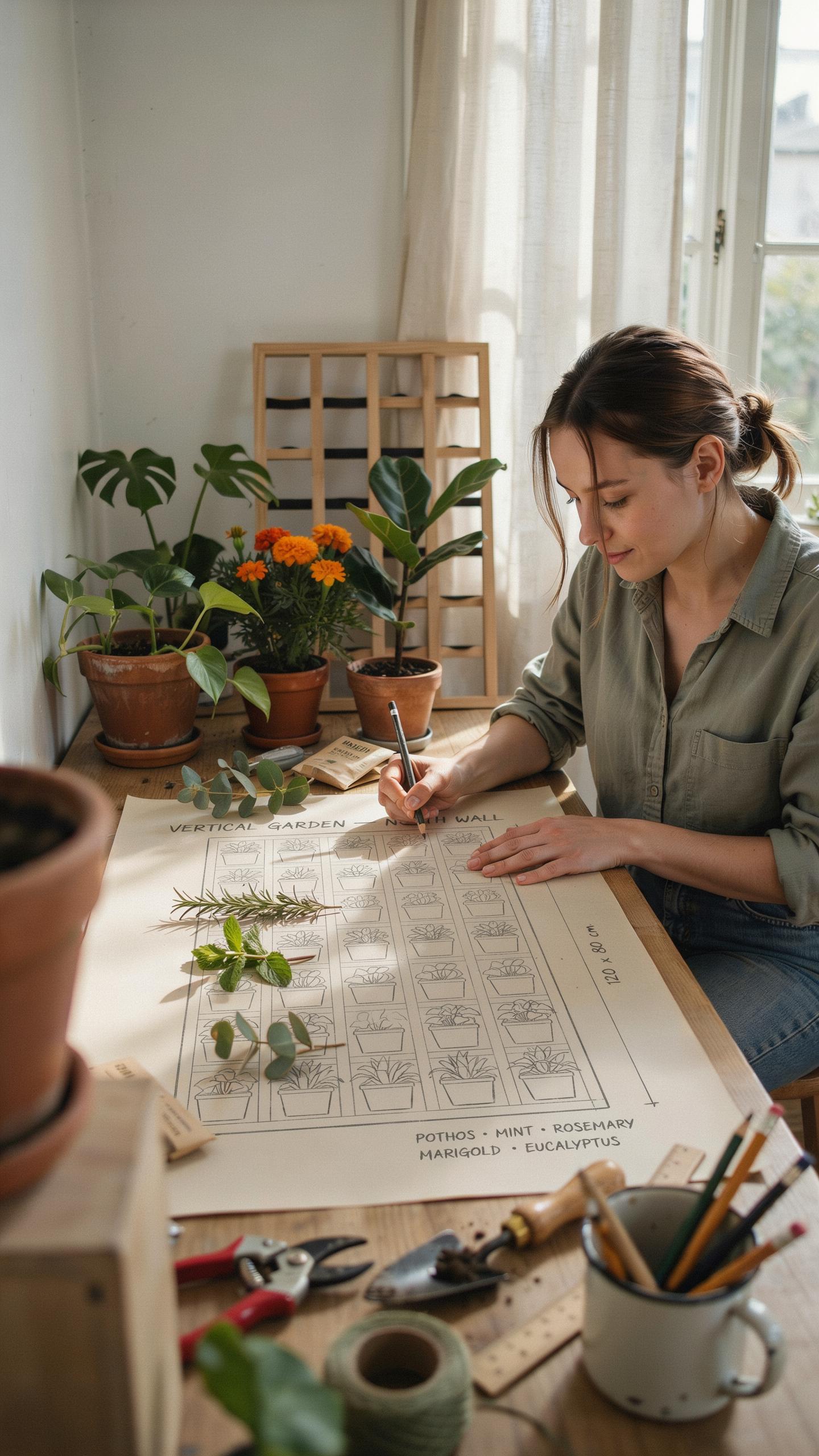
How To Assess Your Space And Set Goals For Your Vertical Garden Wall Design
Assess your site by measuring the height and width of the intended area. Check for proximity to water sources and power outlets for irrigation timers. Identify if the wall is a load-bearing structure or a decorative partition. You must determine the weight capacity of the wall before selecting a system. Heavy soil-based systems require different support than lightweight hydroponic felt pockets.
Define your primary goal for the living wall garden installation. You might want to improve air quality, reduce ambient noise, or create a visual focal point. Urban designers often use these walls to cool indoor temperatures or provide privacy. Clear goals dictate your plant selection and budget. A functional herbs garden requires different depth and lighting than a purely aesthetic moss or fern display.
Choosing The Right Wall Surface, Orientation, And Sun Exposure
Examine the wall material to ensure it can withstand moisture. Concrete, brick, and stone stay stable under humidity. Wood and drywall require a vapor barrier to prevents rot and structural damage. Install a waterproof backing board like PVC or heavy-duty plastic sheets. This creates a necessary air gap between the plants and the structure. Proper drainage prevents water from pooling at the base.
Orientation determines the longevity of your plants. North-facing walls receive low light and stay cooler. South-facing walls provide intense heat and direct sun exposure. East and west orientations offer moderate light shifts throughout the day. Track sun patterns for one week before buying plants. Match your species to the actual light levels measured in foot-candles or lux. This step prevents expensive plant failure.
Essential Materials And Tools For A Successful Living Wall Garden Installation
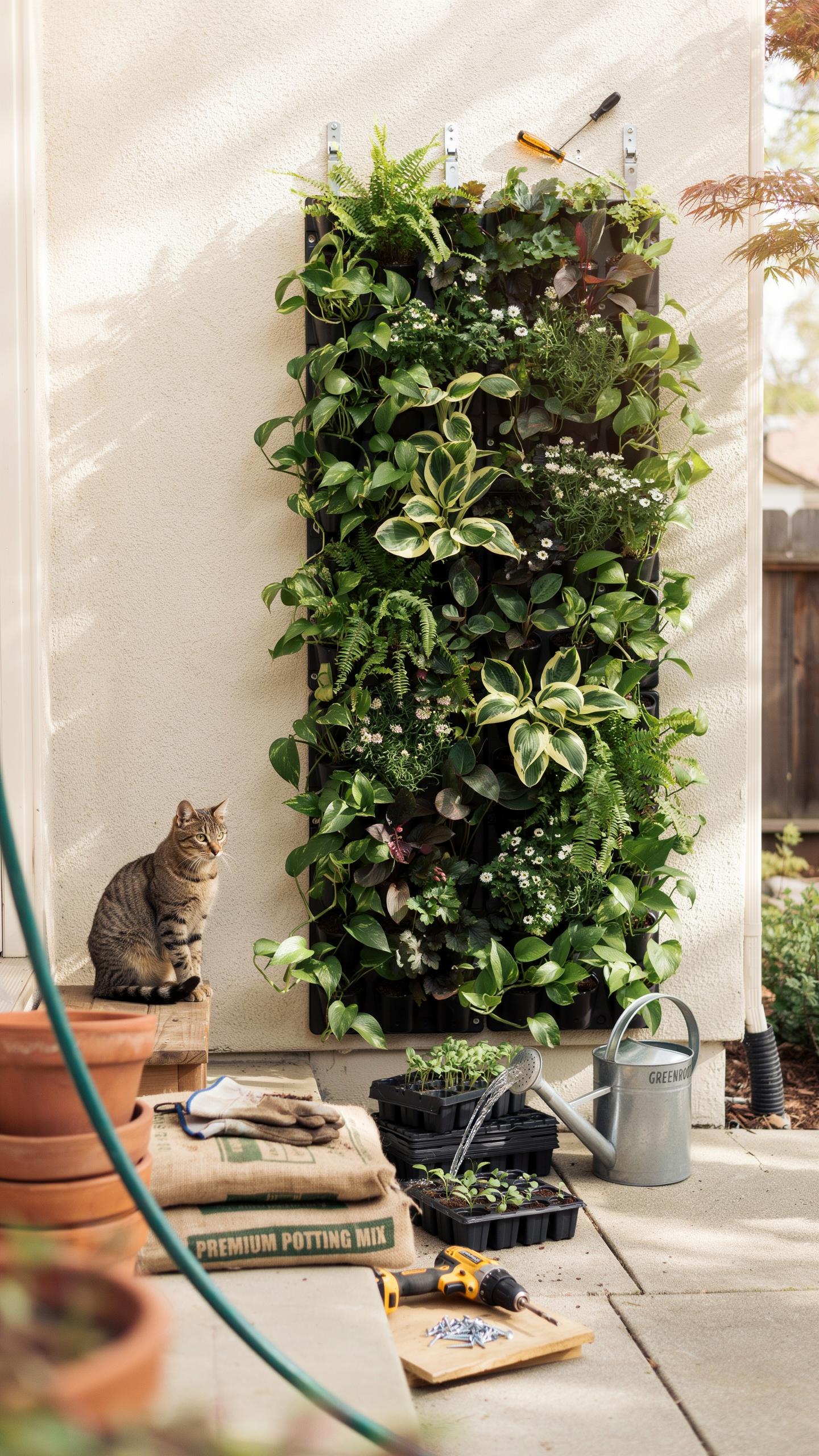
Core Materials You Will Need For A Structurally Sound Living Plant Wall
Structural integrity dictates the lifespan of any vertical garden. You must choose a mounting system that handles the combined weight of saturated soil and mature foliage. Most professional installations utilize a modular tray system or a reinforced felt layer attached to a waterproof backing. These components prevent moisture from reaching the building envelope while providing a stable grid for plant placement.
- Waterproof Backing Board: Use expanded PVC or high density polyethylene sheets. These materials create an impenetrable barrier between the garden and your wall. They prevent rot and wood decay by stopping all moisture migration during irrigation cycles.
- Mounting Brackets: Select stainless steel or galvanized hardware to resist rust. These brackets must secure the vertical frame to the wall studs. Ensure they can support at least thirty pounds per square foot to account for soil saturation.
- Geotextile Fabric: High quality synthetic felt provides the root zone for felt based systems. This material does not decompose over time. It wicks water evenly across the surface and allows roots to breathe while maintaining a firm grip.
- Modular Trays: Polypropylene planters offer a rigid alternative to fabric. These interlocking units simplify the replacement of individual plants. They provide built in drainage holes that prevent root rot by allowing excess water to flow to lower levels.
- Aluminum Framing: A lightweight metal perimeter holds the entire assembly together. Aluminum resists corrosion better than steel and adds minimal weight. It provides a clean finish and hides the edges of the growing medium and irrigation lines.
Load calculations are mandatory before you begin the installation process. A wet living wall exerts significant shear force on fasteners. Use a spirit level to ensure the first row is perfectly horizontal. Any deviation at the base will multiply as the wall grows taller. Precise alignment ensures even water distribution and a professional aesthetic that lasts for decades.
Selecting The Right Growing Medium And Irrigation Components
Standard potting soil fails in vertical environments because it compacts and restricts oxygen. Professional installers use inorganic media like toasted clay, perlite, or rockwool. These materials maintain their structure and provide consistent air gaps for root health. Lightweight mixes also reduce the total load on the wall. Always prioritize drainage over water retention to prevent fungal growth and stem rot.
Automated irrigation is the only way to ensure plant survival long term. Install a dedicated pressure regulator to prevent line bursts. Use half inch supply lines and quarter inch drip emitters for precise delivery. A digital timer manages the frequent but short watering cycles required for vertical containers. Pair this with a liquid fertilizer injector to deliver nutrients directly to the roots without manual labor.
Step By Step Living Wall Garden Installation Process For A Clean Finish
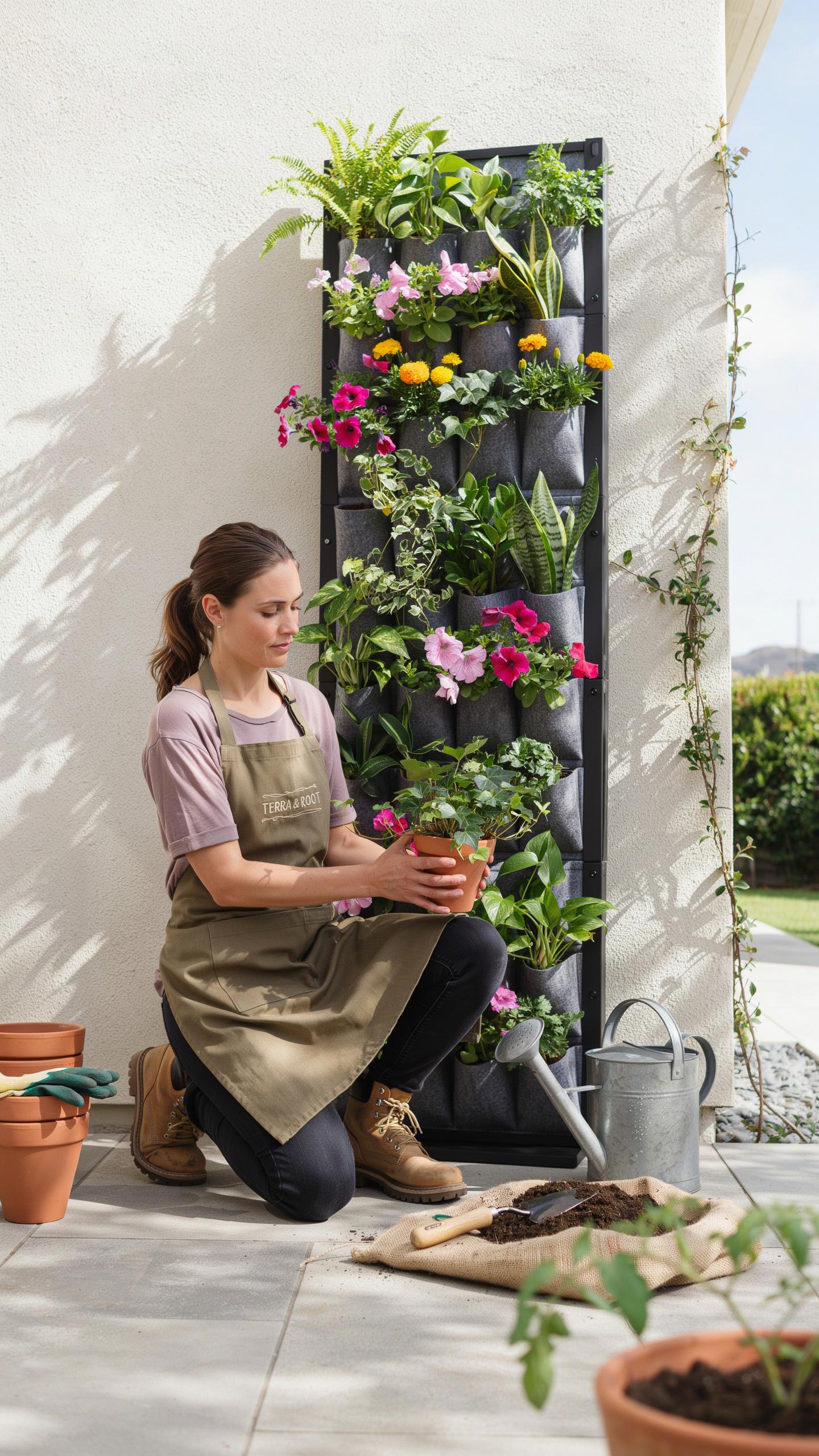
Guidance On How To Mount Your Framework And Waterproofing Membrane Correctly
Secure the support frame directly into wall studs or masonry for maximum stability. Use stainless steel fasteners to prevent rust over time. A gap must remain between the wall and the frame to allow air circulation. This prevents heat buildup and moisture entrapment. Use a level to ensure the structure is perfectly horizontal. Misalignment at this stage ruins the entire aesthetic.
Attach the waterproofing membrane over the frame before adding planting layers. PVC or high-density polyethylene sheets work best for this task. Overlap the edges of the membrane by at least six inches to stop leaks. Fasten the material tightly to avoid sagging when wet. This barrier protects the building structure from rot and fungal growth. Check every seal for gaps before proceeding further.
Guidance On Planting Spacing And Securing Your Plants For A Polished Result
Begin planting from the bottom of the wall and move upward. This prevents debris from falling on finished sections. Insert each plant into the felt pocket or module securely. Ensure the root ball makes full contact with the growing medium. Use a staggered pattern to cover gaps between individual plants. This creating a dense green surface that looks established immediately after the installation.
Space your plants according to their mature size rather than their current state. Fast-growing species need more room to expand without choking neighbors. Secure heavy plants with biodegradable ties to keep them upright during the rooting phase. Group plants with similar water needs together to ensure even health across the wall. Trim any damaged leaves to maintain a professional look. Consistent spacing ensures long-term air flow and health.
Best Plant Selections For An Outdoor Living Wall Ideas That Thrive Year Round
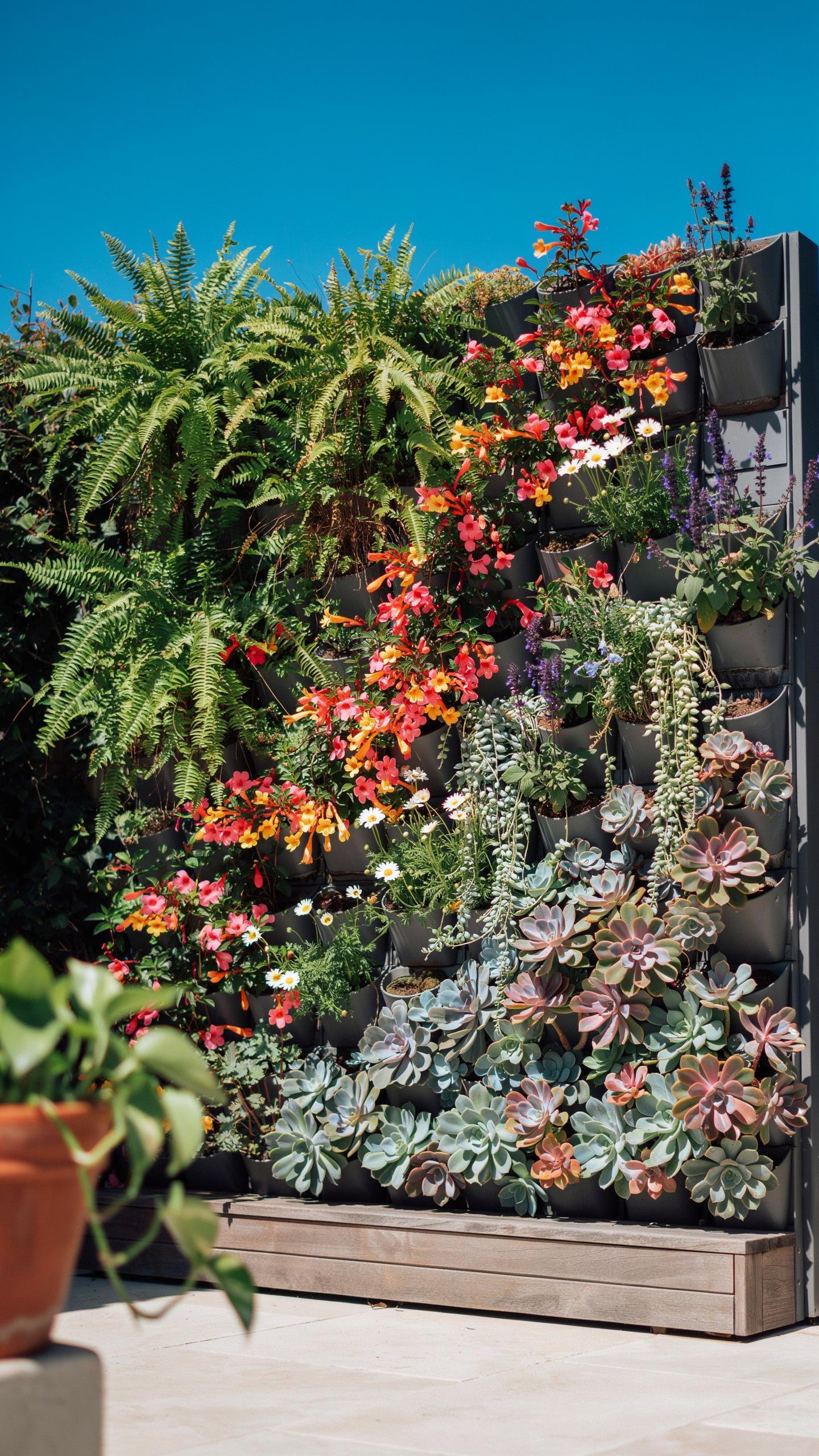
Top Drought Tolerant And Hardy Plants For Your Plant Wall Outdoor
Outdoor living wall garden installation requires species that handle temperature swings and water stress. You must select plants with robust root systems that thrive in vertical containers. Shallow soil depths in modular panels dry out faster than ground soil. Using drought-tolerant varieties reduces system failure and lowers maintenance costs. Stick to proven species that resist pests and do not require constant pruning or specialized feeding.
- Sedum Reflexum: This stonecrop variety handles extreme sun and requires minimal water. Its blue-green foliage provides dense coverage and survives freezing temperatures without dying back. It is ideal for the top sun-drenched rows of your vertical structure.
- Heuchera: Known for its purple and bronze leaves, this plant thrives in partial shade. It stays evergreen in many climates and provides consistent color when other plants are dormant. It fills gaps quickly and handles the restricted root space of wall pockets.
- Carex Oshimensis: This ornamental grass brings structural height and survives wind exposure well. It is highly resistant to common garden diseases and maintains its shape through winter. Use it to add volume and break up the weight of heavier broad-leaf plants.
- Armeria Maritima: Originally found on coastal cliffs, this plant handles salt and poor soil. It produces pink flowers in spring but maintains a green hummock shape year-round. It is a tactical choice for edges where airflow is highest and moisture is low.
- Euphorbia Rigida: This hardy succulent offers a unique architectural look and high heat tolerance. It requires very little water once established and provides silver-toned foliage. It grows well in rocky or sandy substrates common in professional living wall modules.
Hardy selections ensure your living wall garden installation remains green during the winter months. Professional installers prioritize evergreen perennials over annuals to avoid yearly replanting costs. Place the most drought-resistant plants at the top of the wall. Gravity pulls water downward, leaving the top rows drier than the bottom. Grouping plants by water needs prevents overwatering sensitive species. This strategic placement extends the lifespan of your vertical landscape.
Nature has a way of guiding us back home through the simple elegance of a leafy wall. By bringing the outside in, we create a sanctuary that breathes with timeless beauty and quiet grace.
Mixing Textures, Colors, And Bloom Cycles For A Dynamic Outdoor Living Wall
A successful living wall garden installation uses contrast to create visual depth. You should combine broad leaves with fine grasses to prevent a flat appearance. Use dark foliage behind bright greens to make the wall look thicker. Strategic layering mimics natural cliff faces where diverse species share limited space. Focus on structural variety rather than just color. This approach keeps the wall looking high-end even when plants are not blooming.
Schedule your bloom cycles to ensure year-round interest. Map out which plants flower in spring, summer, and fall to avoid brown patches. Use foliage colors like silver, chartreuse, and deep burgundy to provide constant visual impact. These colors remain stable even when flowers fade. Professional designs rely on seventy percent evergreen foliage for a base. The remaining thirty percent provides seasonal shifts through flowers or leaf changes. This ratio balances aesthetics with functional longevity.
Designing A Shrub Wall Indoor For Warmth And Natural Ambiance
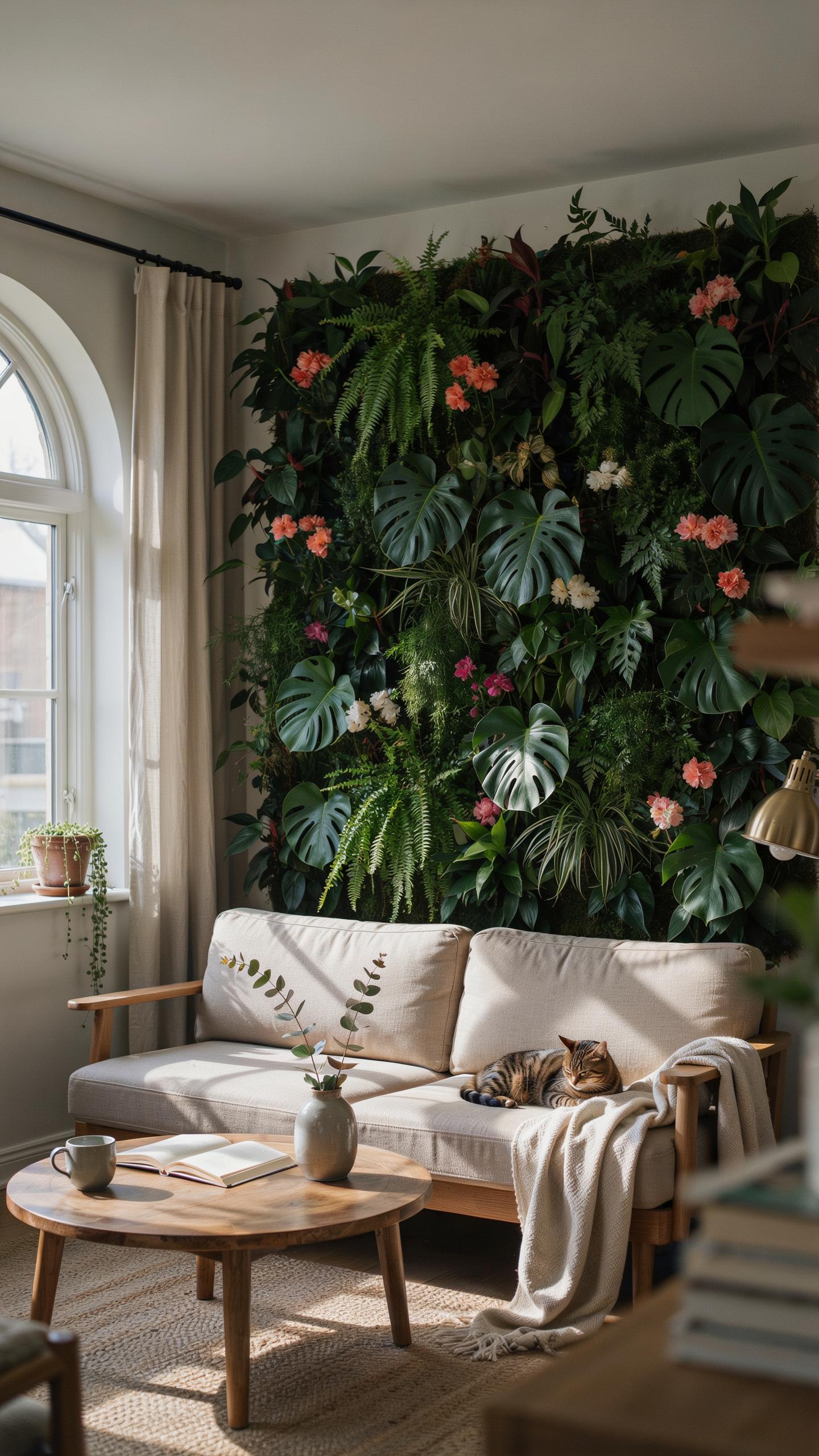
Which Shrubs And Foliage Plants Work Best In A Shrub Wall Indoor Environment
Indoor living wall garden installation requires species that thrive in stable temperatures and lower light levels. Woody shrubs like Ficus benjamina or Schefflera arboricola provide the structural density needed for a shrub wall effect. These plants offer consistent green mass and tolerate pruning well. Select cultivars with compact growth habits to prevent the wall from becoming overgrown. Woody stems ensure the installation maintains its shape over time.
Foliage plants such as Philodendron and Aglaonema fill the gaps between structural shrubs. These species handle the high moisture levels common in vertical irrigation systems. Aglaonema is particularly useful because it resists pests and adapts to varying light conditions. Avoid fast-growing vines that might choke out the primary shrubs. Use plants with similar water needs to simplify the irrigation schedule. Consistent leaf texture creates a professional and high-end finish.
Managing Light, Humidity, And Air Circulation For Indoor Living Wall Longevity
Proper lighting is the most critical factor for indoor living wall garden installation success. Most indoor environments lack the foot-candles necessary for long-term shrub health. Install full-spectrum LED grow lights directly above the wall to mimic natural sunlight. Position the lights to cover the entire vertical surface evenly. Insufficient light causes leaf drop and thin growth. Consistent light cycles prevent the plants from entering a dormant state.
High humidity is necessary for foliage health but can damage the building structure. Install a waterproof vapor barrier between the living wall and the existing masonry. Use small fans to create active air circulation around the leaves. Moving air prevents fungal growth and root rot in dense shrub walls. Monitor humidity levels to keep them between forty and sixty percent. Proper airflow ensures the plants transpire correctly and remain vibrant.
Living Wall Design Styles To Match Your Home Or Commercial Aesthetic
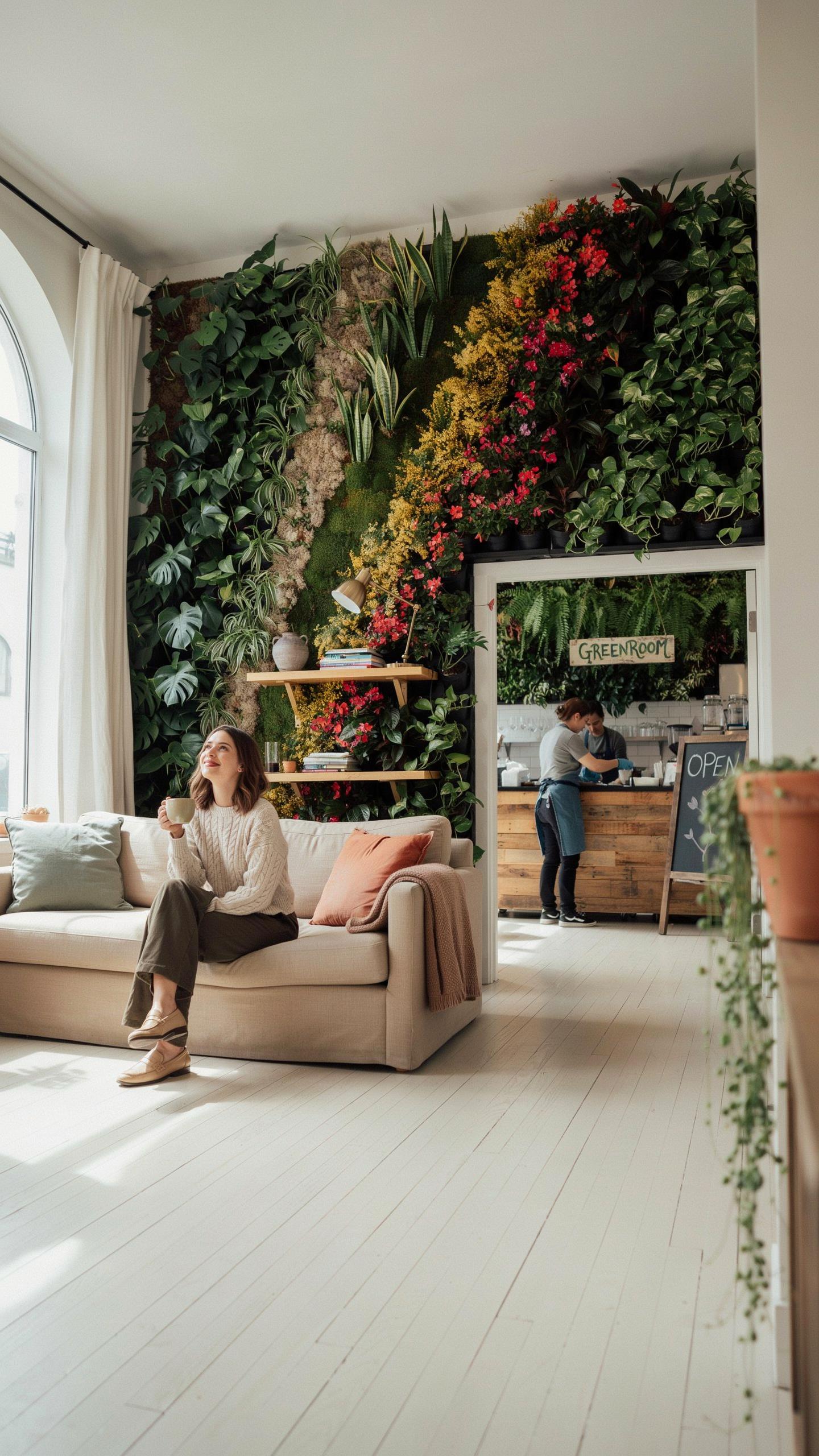
Exploring Modern, Tropical, And Minimalist Living Wall Design Approaches
Modern living wall design uses geometric patterns and clean lines to create visual order. This style often employs monochromatic plant palettes or high-contrast color blocks. Designers select plants with structured growth habits like Sansevieria or Dracaena. These species maintain their shape over time without aggressive pruning. Robust hardware systems with exposed metal frames often complement industrial or contemporary office interiors and high-end residential spaces.
Minimalist and tropical styles offer distinct functional outcomes for different environments. Minimalist walls focus on negative space and use limited species like ferns or mosses for a subdued look. Tropical designs prioritize density and lushness using Philodendrons and Pothos to maximize air purification and humidity. Choose the style based on the existing architectural rhythm. Proper light levels must dictate the plant selection to ensure the design remains healthy and vibrant.
How To Incorporate Living Wall Ideas Outdoor Into Patios, Fences, And Facades
Outdoor living wall garden installation requires weather-resistant materials and strategic placement for survival. Use stainless steel or UV-rated plastics for mounting systems on exterior fences and facades. These materials resist rust and sun damage. Patios benefit from modular tray systems that allow for seasonal plant rotation. Vertical gardens act as natural insulation for buildings. They reduce heat gain on southern-facing walls while providing acoustic dampening in noisy urban areas.
Integration into existing structures demands careful moisture management to prevent property damage. Install a waterproof barrier between the garden system and the building facade. This prevents rot and mold growth on the substrate. Automatic drip irrigation systems are essential for outdoor walls to handle varying wind and sun exposure. Select native species or hardy evergreens to ensure year-round coverage. Smart planning ensures the vertical garden thrives in local climate conditions.
Maintaining Your Living Wall Garden For Long Term Health And Visual Appeal
Watering Schedules, Fertilization, And Seasonal Care For Your Living Wall Garden
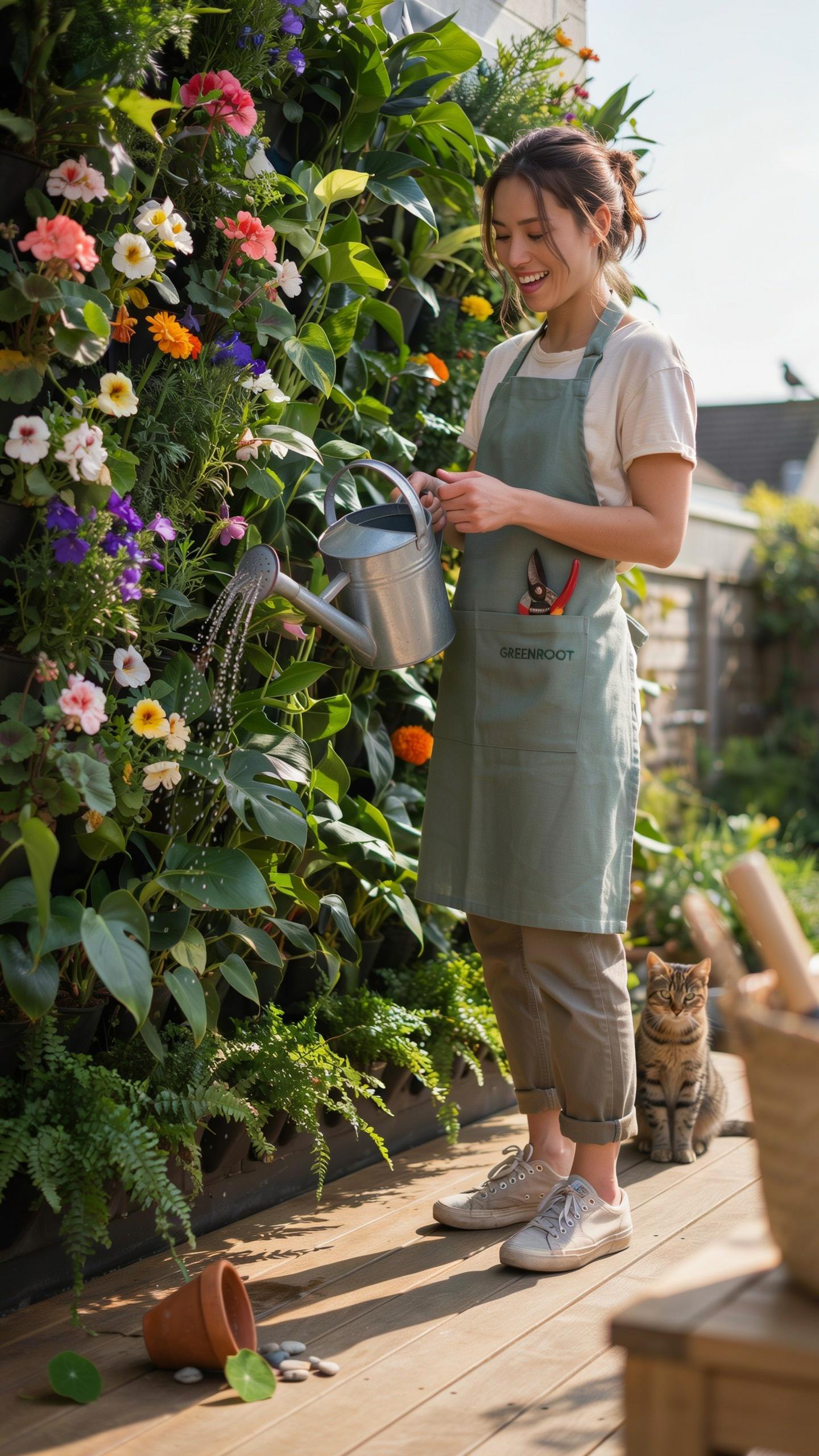
Automated irrigation systems require precise calibration to prevent plant dehydration. Check your timer settings every month to account for evaporation rate changes. Hydroponic systems need water daily because they lack soil mass to hold moisture. Soil-based modules require less frequent cycles. Monitor the reservoir levels constantly. Consistent water delivery ensures the root zones stay cool and active across the entire vertical surface.
Fertilization must happen through the irrigation line using a venturi injector. Use a water-soluble balanced N-P-K fertilizer at half strength to avoid salt buildup in the growing medium. Increase nutrient delivery during the spring growth phase. Reduce water and food during winter dormancy to prevent root shock. Prune dead foliage immediately to keep the air flowing between the plants. High airflow prevents fungal pathogens.
Troubleshooting Common Problems Such As Plant Die Off, Root Rot, And Uneven Growth
Plant die-off usually stems from clogged emitters or poor light exposure. Inspect every nozzle for mineral deposits that block water flow. If the bottom rows look yellow and soggy, you have a drainage issue. Excess water pools at the lowest point due to gravity. Adjust your run times to ensure the bottom modules dry out between cycles. Oxygen must reach the roots to prevent rot.
Uneven growth occurs when top plants shade out the bottom ones. Trim aggressive species to maintain balance across the wall. If you see white crust on the fabric, flush the system with fresh water to remove salts. Pathogens spread fast in vertical systems. Isolate and replace any diseased plant immediately. Fast action protects your investment and keeps the wall looking dense and professional.
Frequently Asked Questions

What are the primary benefits of adding a living wall to my home interior?
Beyond their stunning aesthetic appeal, these vertical features act as natural air purifiers, filtering toxins and increasing humidity levels in your living space. A professional-grade living wall garden installation creates a striking focal point that brings the calming essence of nature indoors. This “biophilic design” approach is proven to reduce stress, boost mood, and improve overall mental well-being while transforming a plain, empty wall into a lush, vibrant work of art.
How do I ensure my living wall garden installation remains secure and leak-free?
Safety is paramount when mounting plants vertically. To ensure a polished look that protects your home, always use a moisture-resistant backing board or a specialized waterproof membrane between the structure and your drywall. For a successful living wall garden installation, choose modular planters with integrated drainage paths. This prevents water from pooling or seeping, allowing you to maintain a healthy vertical ecosystem without risking structural damage to your property’s interior surfaces.
Can I achieve a high-end vertical garden look on a limited budget?
Absolutely! You can achieve a sophisticated, polished appearance by using affordable felt pocket systems or repurposed wooden pallets disguised with a fresh coat of weather-resistant paint. Focus on high-impact, trailing plants like Pothos or Philodendrons, which grow quickly to cover the structure for a seamless effect. By selecting easy-to-maintain species and a DIY mounting kit, you get the luxury aesthetic of a designer garden without the premium professional price tag.