Understanding Trellis Garden Design For Vines And Why It Matters For Your Outdoor Aesthetic
What A Trellis Does For Vines And Garden Structure
A trellis provides a rigid framework that directs the growth of climbing plants. It manages plant weight and prevents heavy vines from collapsing under their own mass. You use these structures to control the path of the foliage. This keeps plants off the ground where moisture and pests cause rot. Proper spacing on the grid ensures air flows through the leaves. This reduces the risk of fungal infections and diseases.
Structural design dictates the long-term health of your garden. Wood, metal, and wire offer different levels of support for various species. Heavy woody vines require reinforced steel or cedar to withstand tension. Minimalist wire systems work best for lighter annuals. By installing a stable trellis, you define the vertical limits of your space. This creates clear boundaries and prevents invasive species from overtaking nearby horizontal surfaces or ground cover.
How Vines And Trellises Work Together To Create Living Walls
Living walls form when specific attachment mechanisms meet a compatible surface. Vines use tendrils, twiners, or adhesive pads to climb. Selecting the right trellis material ensures the plant can grip the structure securely. Over time, the foliage fills the gaps in the grid to create a dense screen. This screen blocks wind and provides natural cooling through transpiration. It transforms a flat surface into a functional barrier for privacy.
Professional designers use this combination to hide unsightly industrial features like concrete or fencing. You achieve a high-end look by matching the vine growth habit to the trellis scale. Fast-growing species provide quick coverage for large areas. Slower vines offer a more controlled and manicured appearance for modern courtyards. This tactical approach to vertical gardening maximizes square footage in small footprints. It turns dead vertical space into active ecological zones.

Exploring Unique Trellis Styles That Stand Out In Any Garden Setting
Fan Shaped And Geometric Unique Trellis Designs For Modern Gardens
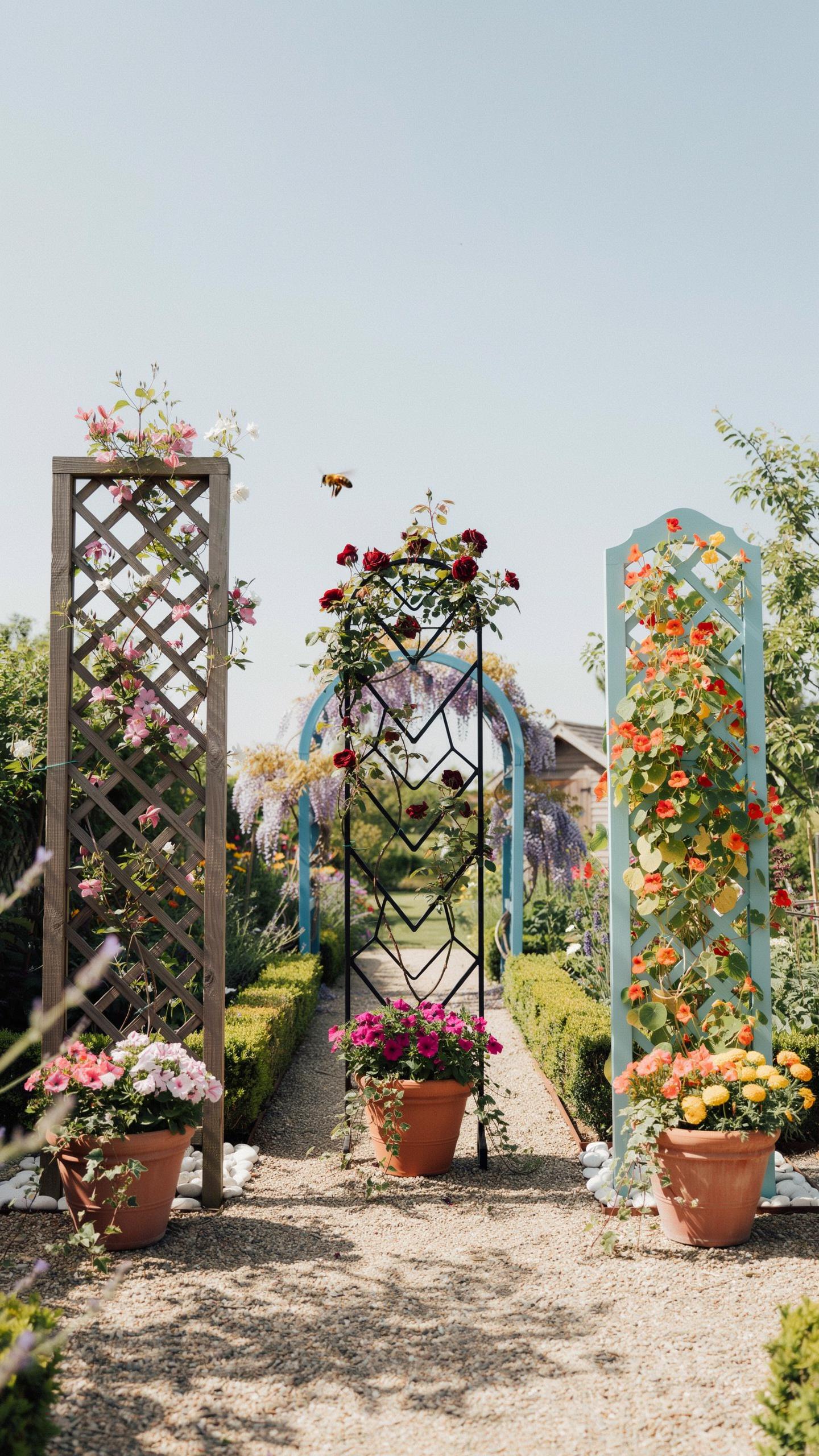
Fan trellises provide a structured spread for climbing plants. This design uses a narrow base that widens at the top. It mimics natural growth patterns while managing vine density. Modern versions use powder coated steel or rot resistant cedar. These materials ensure longevity in wet climates. Install them against flat walls to maximize vertical space. They guide stems away from the center to prevent fungal issues.
Geometric patterns offer a different approach for contemporary landscapes. Squares and rectangles create a grid that supports heavy loads. These shapes fit the clean lines of modern architecture. Builders often use rigid wire mesh or aluminum frames for these structures. The repetitive pattern provides a visual rhythm even in winter. You can mount these panels offset from the wall. This allows air to flow behind the foliage.
How A Unique Trellis Can Become A Focal Point Rather Than Just A Support
A well placed trellis acts as outdoor sculpture. It defines the garden layout without solid walls. High contrast materials like black iron or copper draw the eye immediately. Position these units at the end of a path to create a destination. The structure holds visual interest when vines lose their leaves. Design the trellis to complement your homes exterior finish. This creates a unified look across the entire property.

Functional art improves the utility of the garden. A large trellis can hide ugly utility boxes or air units. It serves as a privacy screen from neighbors. Choose heavy duty fasteners to handle the weight of mature vines. Wind loads can pull weak structures down during storms. Use deep ground anchors for free standing units. Strategic lighting at the base highlights the geometry at night. This turns a simple support into a major design feature.
Top Trellises Ideas To Inspire Your Next Garden Renovation Or Refresh
Classic Lattice And Diamond Pattern Trellises Ideas For Traditional Gardens
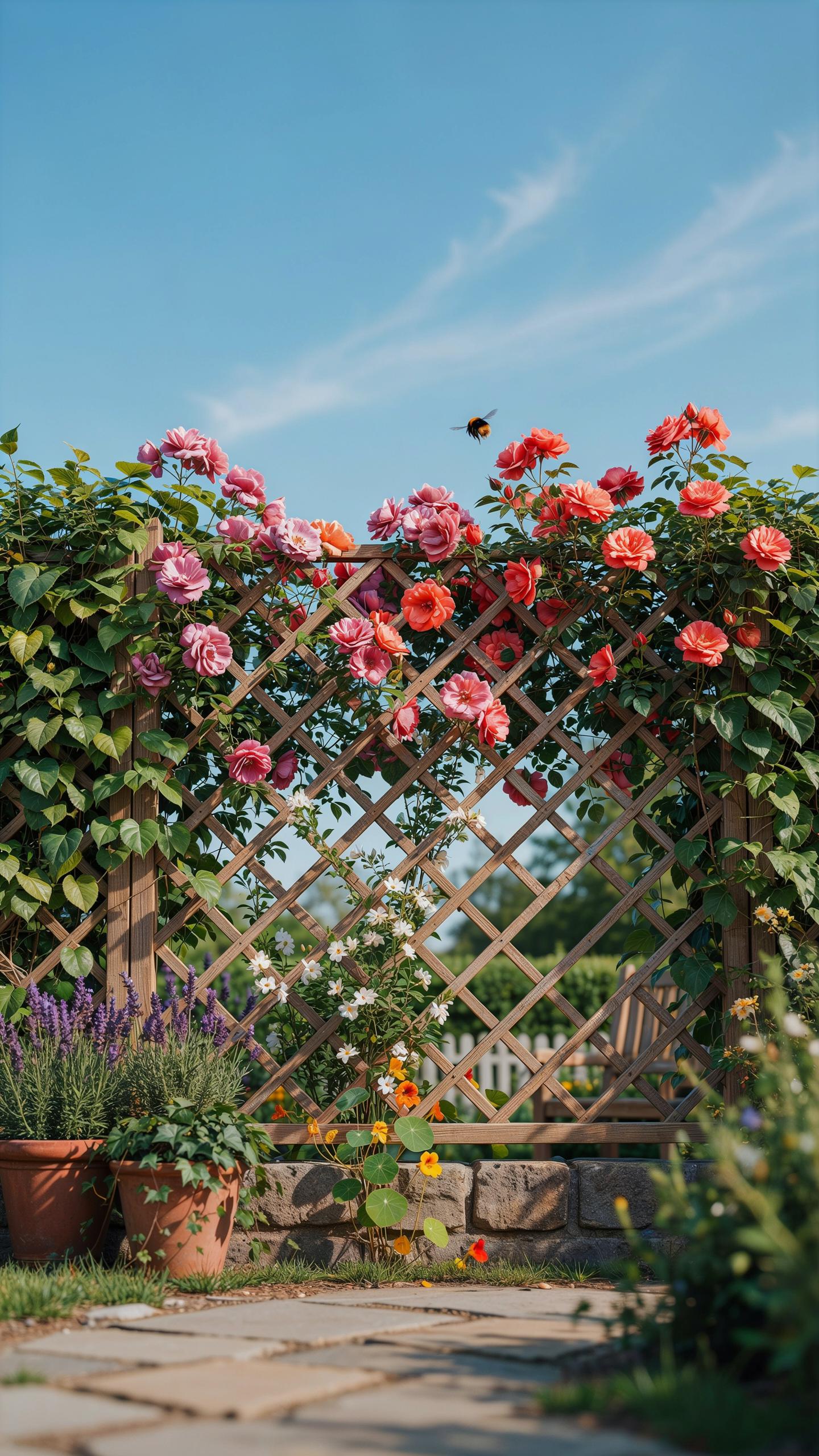
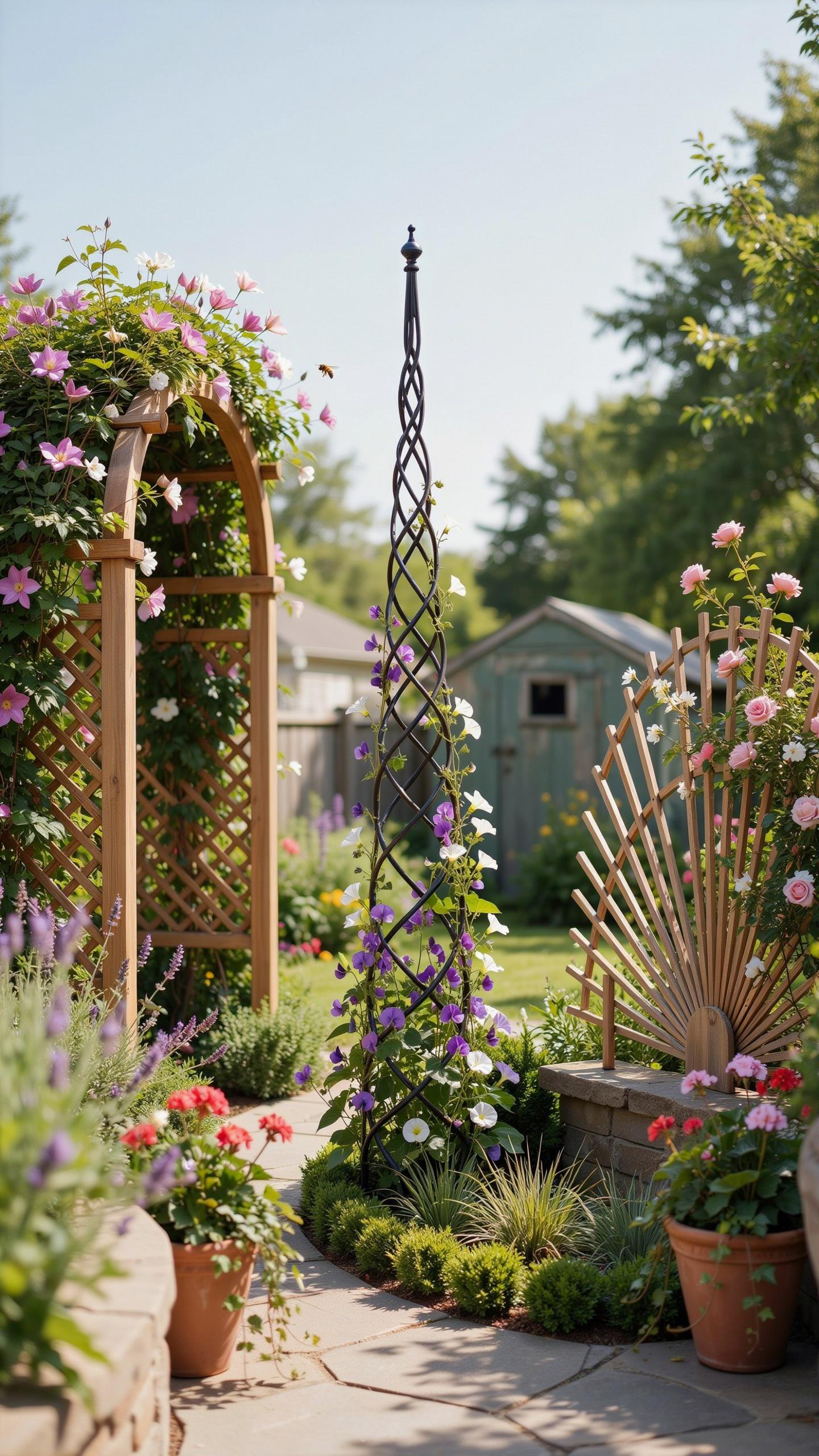
Lattice trellises provide structural support for climbing roses and clematis. These designs rely on overlapping wood or vinyl strips to create stable grids. The diamond pattern creates a visual sense of height in small spaces. This style traces back to French formal gardens where symmetry was a priority. Use pressure treated wood or cedar to prevent rot and ensure long term durability.
Install these panels against brick walls or as freestanding privacy screens. Secure the frame to the ground using concrete footings or heavy duty stakes. Traditional gardens benefit from the shadow patterns created by the diagonal laths. Paint the wood white for a colonial look or use dark green to blend with foliage. Ensure the gaps are wide enough for stems to weave through without being crushed.
Contemporary Trellises Ideas Using Metal Cable And Steel For A Sleek Finish
Metal cable trellises use stainless steel wire and tensioners to create nearly invisible support systems. This method works well for modern homes with clean lines. You bolt specialized anchors directly into masonry or wood siding. The high tensile strength of steel allows it to hold heavy wisteria or trumpet vines. This hardware resists rust and requires minimal maintenance over several decades of outdoor use.

Grid layouts in steel offer a rigid industrial aesthetic. Match the cable gauge to the weight of your chosen plants. Thinner wires disappear against the building while thicker rods act as architectural accents. Use spacers to keep the plants three inches away from the wall. This gap prevents moisture buildup and allows air to circulate around the leaves. Proper airflow stops fungal growth and protects the building surface.
JardinerA En Macetas With Trellises For Vines In Small Spaces And Balconies
How JardineríA En Macetas Combines Container Planting With Vertical Trellis Support
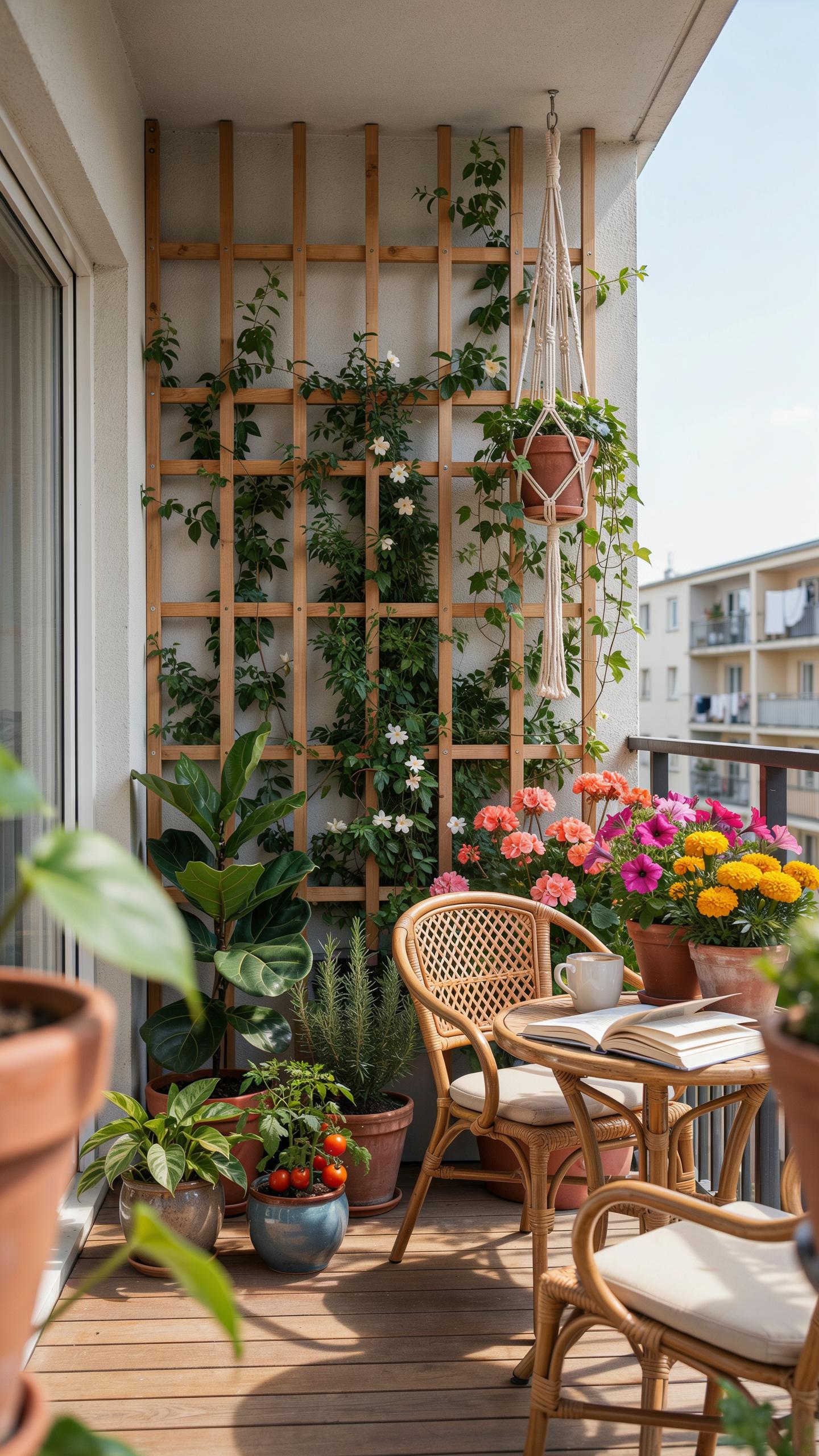
Jardinería en macetas utilizes heavy containers to anchor vertical structures in tight footprints. You must select stable pots with wide bases to prevent wind tipping. Integrated trellises attach directly to the container rim or sit inside the soil mass. This setup creates a self-contained ecosystem. It allows for precise control over soil quality and drainage. Vertical growth maximizes square footage on balconies where floor space is limited.
Weight distribution is critical for balcony safety and plant health. Use lightweight potting mixes to reduce the load on building structures. Metal or cedar trellises provide the best durability for long term installations. Fasten the trellis to the wall or railing for extra stability. This method prevents the plant from collapsing under its own weight as it matures. Success depends on matching the trellis scale to the pot size.
Best Vines For Container Trellis Gardens On Balconies And Patios
Select vines based on root volume and climbing mechanism to ensure container success. Annual vines offer rapid growth and high color impact for seasonal displays. Perennial options require larger pots to survive winter dormant periods. Twining vines work best with thin wire or mesh supports. Heavier woody vines need solid wooden frames. Always verify the sun exposure requirements of each species before planting.
- Mandevilla: This tropical vine thrives in full sun and produces large trumpet shaped flowers. It uses twining stems to climb thin supports quickly. Keep the soil consistently moist but well drained to prevent root rot in containers.
- Black Eyed Susan Vine: This fast growing annual covers trellises with dense foliage and bright orange or yellow blooms. It is ideal for small balconies because it does not become overly heavy. It requires regular liquid feeding to maintain vigorous growth.
- Clematis: Many compact varieties exist specifically for large pots and patio containers. These plants use petioles to wrap around narrow supports like wire mesh. Ensure the roots stay cool and shaded while the foliage sits in the bright sun.
- Star Jasmine: This evergreen climber provides year round green leaves and fragrant white flowers in spring. It develops woody stems over time and needs a sturdy trellis system. It tolerates partial shade and thrives with regular pruning to maintain its shape.
- Sweet Peas: These cool season annuals offer intense fragrance and delicate flowers for spring gardens. They climb using tendrils and need a fine netting or light trellis. Plant them early in the year to beat the summer heat.
Proper drainage and fertilization sustain these vines in restricted root environments. Use pots with multiple drainage holes to prevent water logging. Apply a balanced slow release fertilizer at the start of the growing season. Prune aggressively to keep the vine within the bounds of the trellis. This maintenance prevents the plant from becoming a tangled mess. Constant monitoring of moisture levels ensures the vine remains healthy throughout the year.
How To Build A DIY Tall Trellis That Supports Heavy Climbing Vines
Choosing The Right Materials And Height For Your DIY Tall Trellis Project
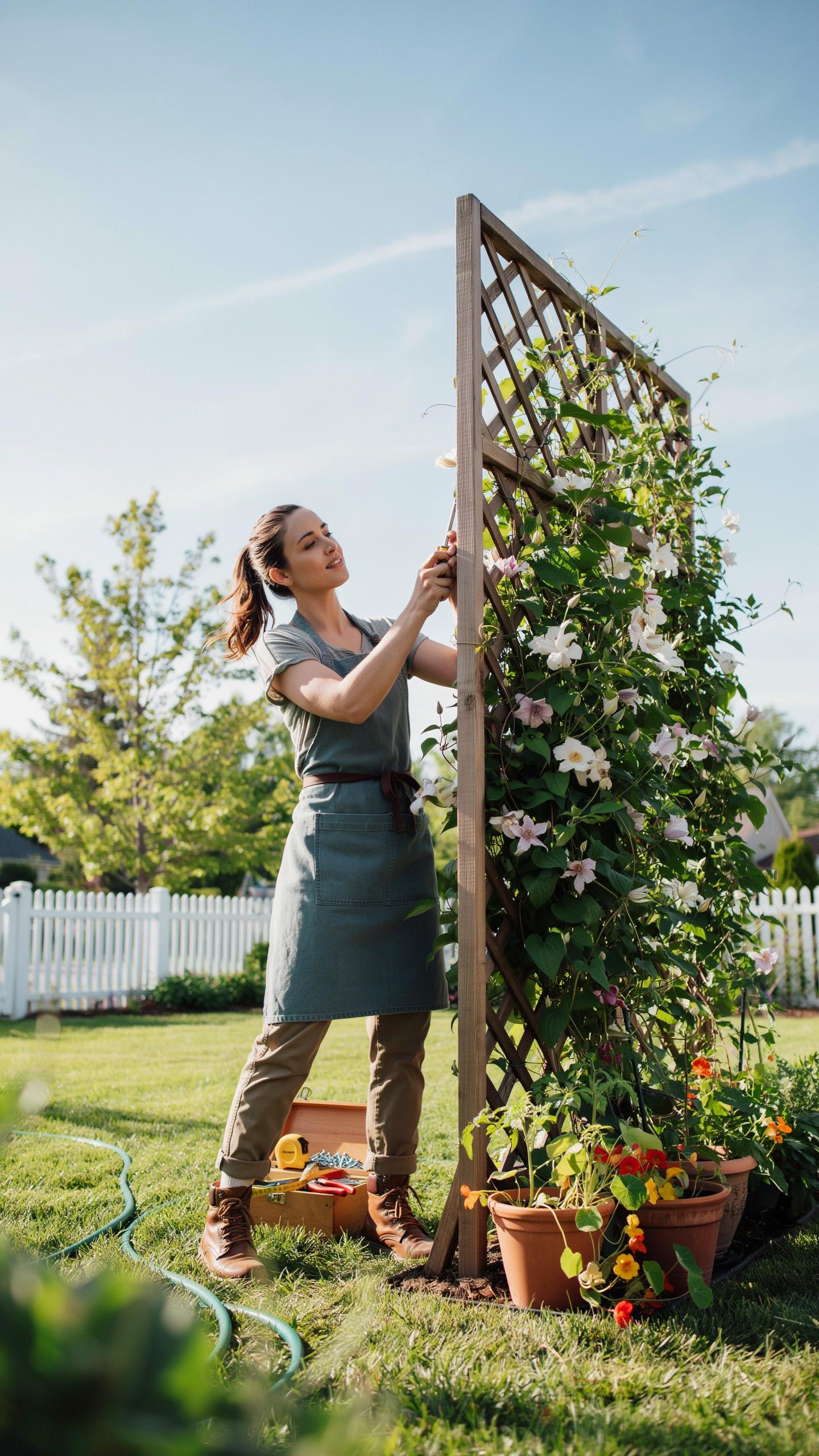
Heavy vines like wisteria or trumpet creeper require industrial-grade support systems. A tall trellis must handle both the dead weight of the plant and the live load of wind. Wood species like cedar or redwood resist rot naturally. Pressure-treated pine is a cost-effective alternative for structural posts. Metal options include galvanized steel pipes or rebar which offer superior longevity against moisture and weight.
- Cedar Posts: Use four-by-four cedar posts for the main vertical structure. Cedar contains natural oils that repel insects and prevent fungal decay without chemical treatments. This material remains straight over time and supports thousands of pounds of mature vine growth effectively.
- Galvanized Cattle Panels: These heavy-gauge steel grids provide multiple attachment points for climbing tendrils. The galvanized coating prevents rust from forming when trapped against damp foliage. They are stiff enough to prevent sagging under the immense weight of woody perennial vines.
- Stainless Steel Cable: Use 1/8-inch tensioned cables for a modern minimalist look. These cables allow for high airflow which reduces disease risk for the plants. Stainless steel does not corrode or stretch which keeps the tension consistent as the vine grows heavier each season.
- Exterior Rated Screws: Select structural ceramic-coated or stainless steel screws for all connections. Standard interior screws will snap under the pressure of expanding wood or heavy wind loads. Use three-inch lengths to ensure deep penetration into the structural posts for maximum sheer strength.
- Concrete Mix: Purchase fast-setting concrete bags to stabilize the primary support posts. Heavy vines act like sails in high winds and can pull a shallow trellis out of the ground. A solid concrete base provides the necessary ballast to keep the tall structure upright during storms.
Height selection dictates the future maintenance schedule of your garden. A trellis standing eight to ten feet tall allows for a dramatic visual impact while remaining accessible for pruning. Taller structures often require specialized equipment for seasonal thinning. Balance your aesthetic goals with the practical reality of reaching the top. Always check local building codes for maximum allowable heights for detached garden structures.
Step By Step Guidance On Anchoring A DIY Tall Trellis Safely In The Ground
Stability starts with deep footings that reach below the frost line. Dig holes at least twenty-four inches deep to prevent the structure from leaning over time. Use a post-hole digger for clean vertical sides which increases soil friction. Place six inches of gravel at the bottom of each hole for drainage. This prevents the wood base from sitting in standing water and decaying prematurely.
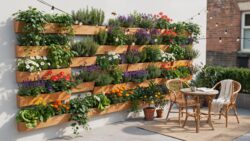
Set the posts in the holes and use a level on two sides to ensure they are perfectly vertical. Pour the concrete mix around the posts while maintaining their alignment. Slope the top of the wet concrete away from the wood to shed rainwater. Allow the footings to cure for forty-eight hours before attaching any cross-members or wire grids. This creates a rigid foundation capable of resisting high torque.
Flower Trellis Ideas That Pair Blooming Vines With Beautiful Garden Structures
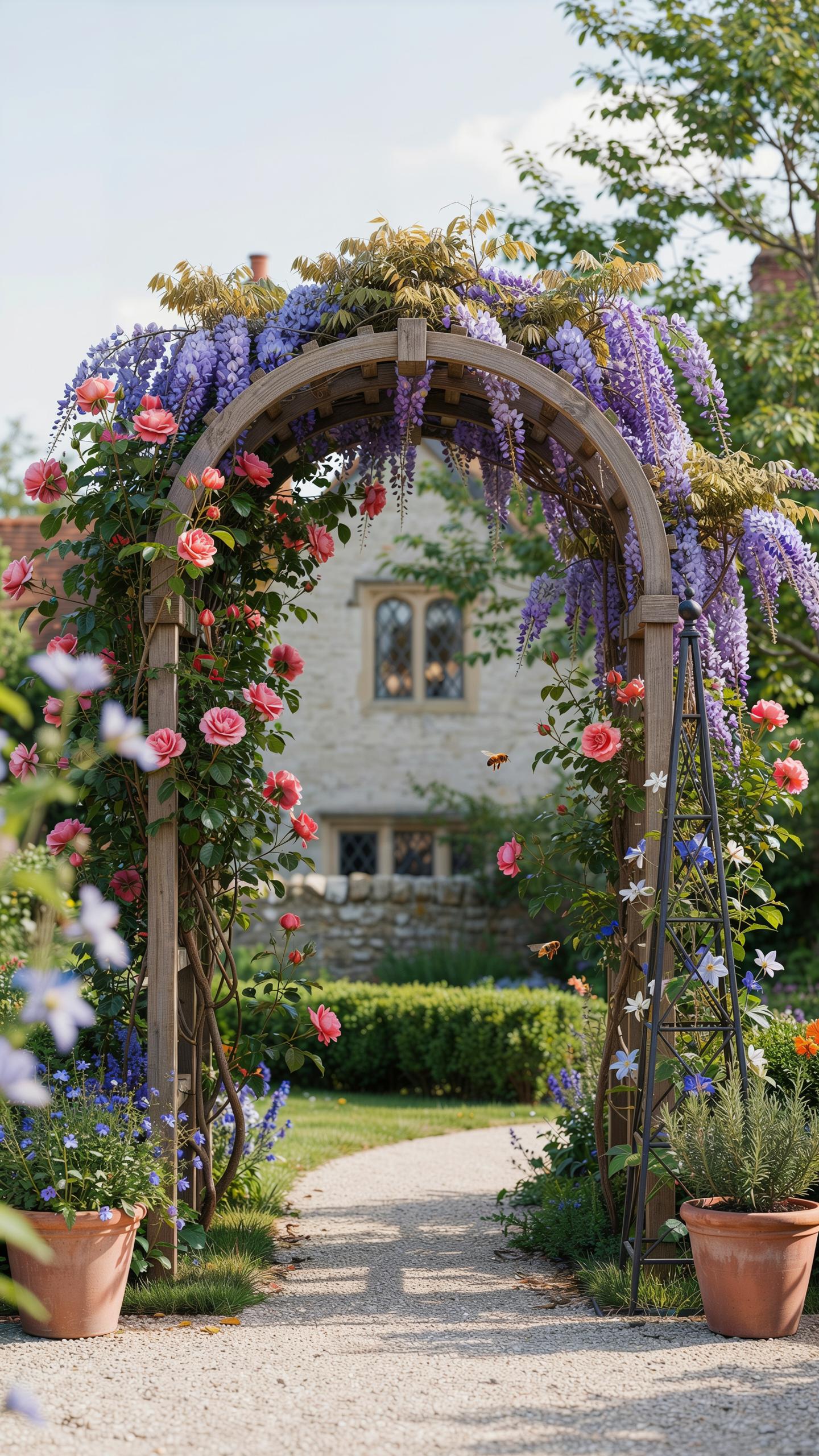
Best Flowering Vines To Train Across Flower Trellis Ideas In Your Garden
Hardy perennials offer the best long term results for permanent garden structures. Clematis provides high density blooms and attaches easily via twisting petioles. Wisteria requires heavy duty timber or steel frames due to its extreme weight and aggressive woody growth. You must match the vine strength to the trellis material. Weak structures will collapse under the weight of mature wisteria or climbing hydrangea.
Annual vines provide fast coverage and flexibility for temporary seasonal displays. Morning glories and sweet peas grow quickly and offer vibrant colors within one season. These light vines work well on thin wire mesh or bamboo stakes. Choose species based on your local climate zone and sunlight levels. Proper selection ensures the vine thrives without destroying the support system through excessive weight or moisture retention.
How To Layer Colors And Bloom Times Using Flower Trellis Ideas Effectively
Strategic planting extends the visual impact of your trellis throughout the entire growing season. Combine early spring bloomers like jasmine with late summer varieties like trumpet vine. This layering technique prevents the structure from looking empty once one species fades. Overlap different plant types on the same frame to create a dense texture. Ensure both plants share similar water and soil needs to prevent competition.
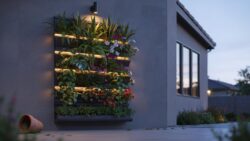
Contrast flower colors against the trellis material for maximum visual impact. Dark metal frames highlight white or pale yellow blooms. Light wooden structures make purple or red flowers stand out. Use cool colors like blue and violet to create depth in small spaces. Warm colors like orange and yellow draw the eye forward. Proper color mapping turns a functional support into a deliberate focal point in your landscape.
Growing Trellis Flowers That Thrive On Vertical Supports Throughout The Season
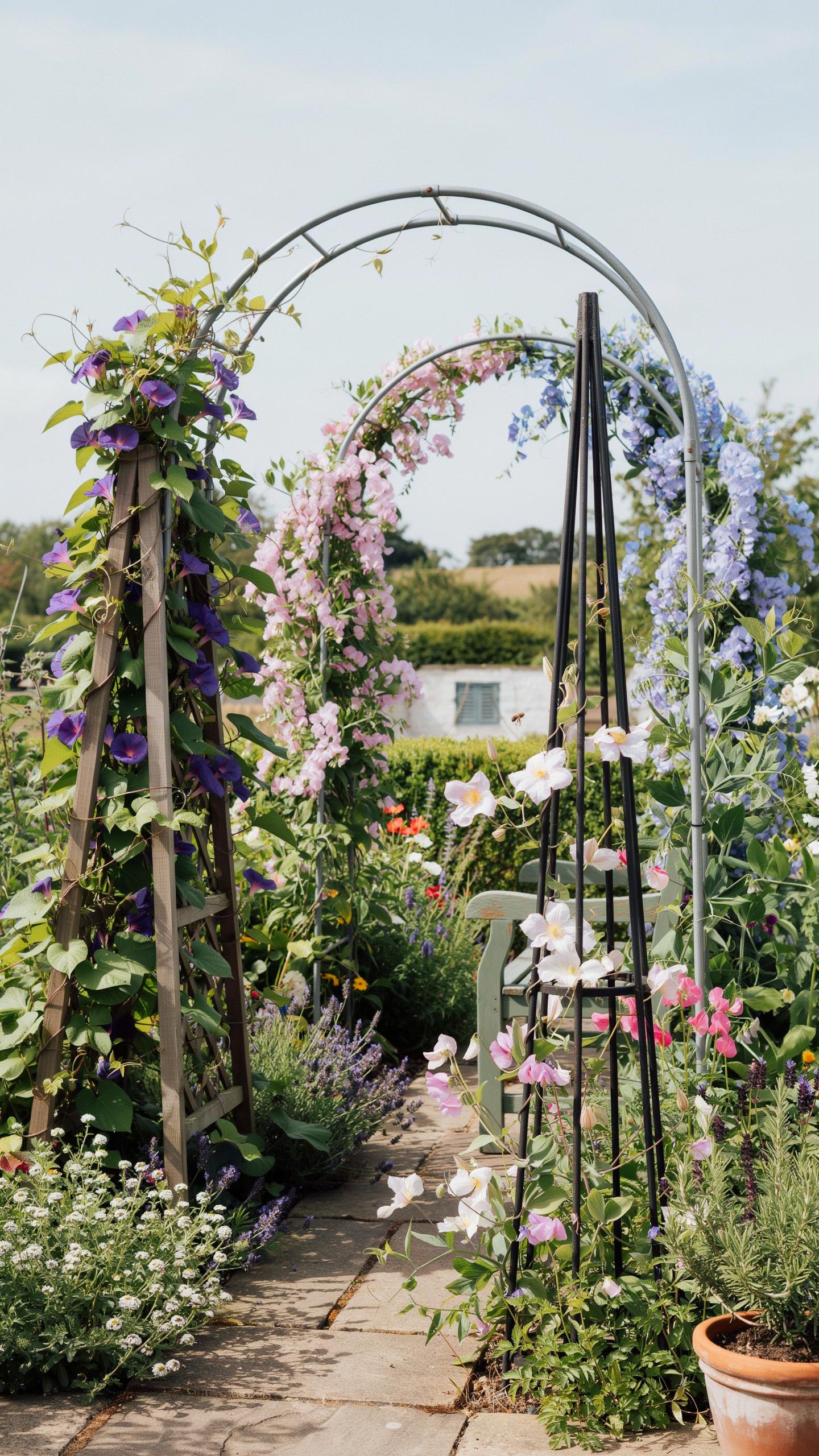
Popular Trellis Flowers Including Clematis, Wisteria, And Climbing Roses
Clematis varieties offer diverse bloom times and flower shapes. Large-flowered hybrids typically bloom in early summer. Viticella types provide late-season color and resist common fungal diseases. These vines use petioles to wrap around thin supports. You must provide narrow wire or mesh for them to grip. They require cool roots and sun-drenched foliage. This thermal contrast ensures vigorous growth and consistent seasonal flowering performance.
Wisteria and climbing roses require heavy-duty timber or steel structures. Wisteria produces massive woody weight and needs permanent bolting to a facade. It blooms on spurs from old wood in spring. Climbing roses do not actually climb. They lack tendrils or suckers to attach themselves. You must manually secure these canes to the trellis using garden twine. Both species create significant vertical impact in traditional and modern landscape designs.
How To Train And Prune Trellis Flowers For Maximum Bloom Coverage
Training vines begins at the base of the trellis. Fan out the primary stems early to prevent a bare bottom. This technique forces the plant to distribute energy horizontally. It creates a full wall of greenery instead of a clump at the top. Use soft ties to guide young shoots along the framework. Do not pull ties tight because the plant stems will thicken over time.
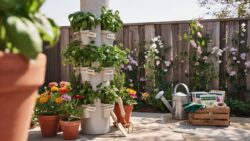
Pruning timing depends entirely on the bloom cycle. You prune spring-flowering vines immediately after they drop their petals. This allows the plant time to grow new wood for next year. Summer-flowering species usually need pruning in late winter while dormant. Remove dead or crossing branches to improve airflow. Good air circulation prevents powdery mildew. This practice keeps the foliage healthy and makes the floral display much more dense.
Grape Trellis Ideas DIY For Growing Fruit Bearing Vines With Purpose And Style
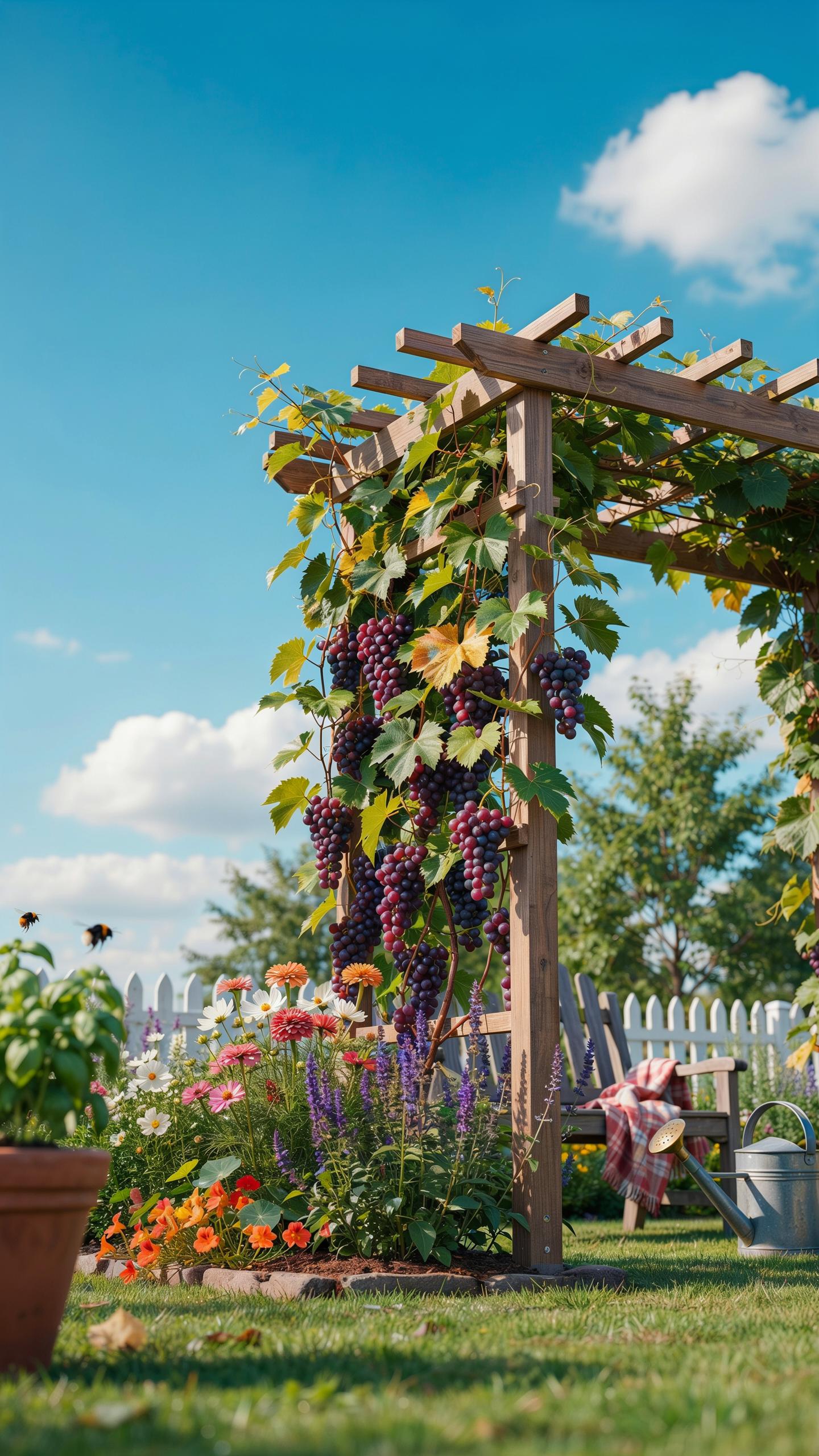
Understanding The Geneva Double Curtain And Vertical Shoot Positioning Systems For Grape Trellis Ideas DIY
Commercial growers use the Geneva Double Curtain system to maximize sunlight for high-vigor vines. This method splits the vine canopy into two separate curtains. Two horizontal wires hold the growth apart. It increases the leaf surface area exposed to the sun. This design leads to higher fruit yields and better grape quality. It works best for large spaces and heavy-producing grape varieties.
Vertical Shoot Positioning is the standard for smaller gardens and vinifera grapes. You train the shoots to grow straight up between sets of parallel wires. This system keeps the fruit in a narrow zone for easy harvesting. It also allows air to flow through the leaves to prevent rot. Use this method if you want a clean look. It provides a formal appearance for modern outdoor spaces.
Modernity is only the latest leaf on the ancient vine of style. Let your garden climb toward the sun on structures that bridge our past with the beauty of today.
How To Build A Sturdy And Affordable Grape Trellis Ideas DIY Structure At Home
A lasting trellis starts with heavy-duty end posts. Use pressure-treated wood or galvanized steel to resist rot and rust. Sink your end posts at least three feet deep to handle the weight of mature fruit. Use H-braces or earth anchors to keep the tension high. Loose wires will sag under the heavy load of summer grapes. You must build for the maximum weight of the harvest.
Select 12.5 gauge galvanized high-tensile wire for the main runs. Space the wires according to your chosen training system. Use crimps or wire strainers to tighten the line. This setup allows you to adjust the tension as the seasons change. Keep your design simple to make pruning easier each winter. A focused build saves money on materials while ensuring the structure survives high winds and heavy yields.
Wooden Trellis Designs That Add Natural Warmth And Timeless Charm To Gardens
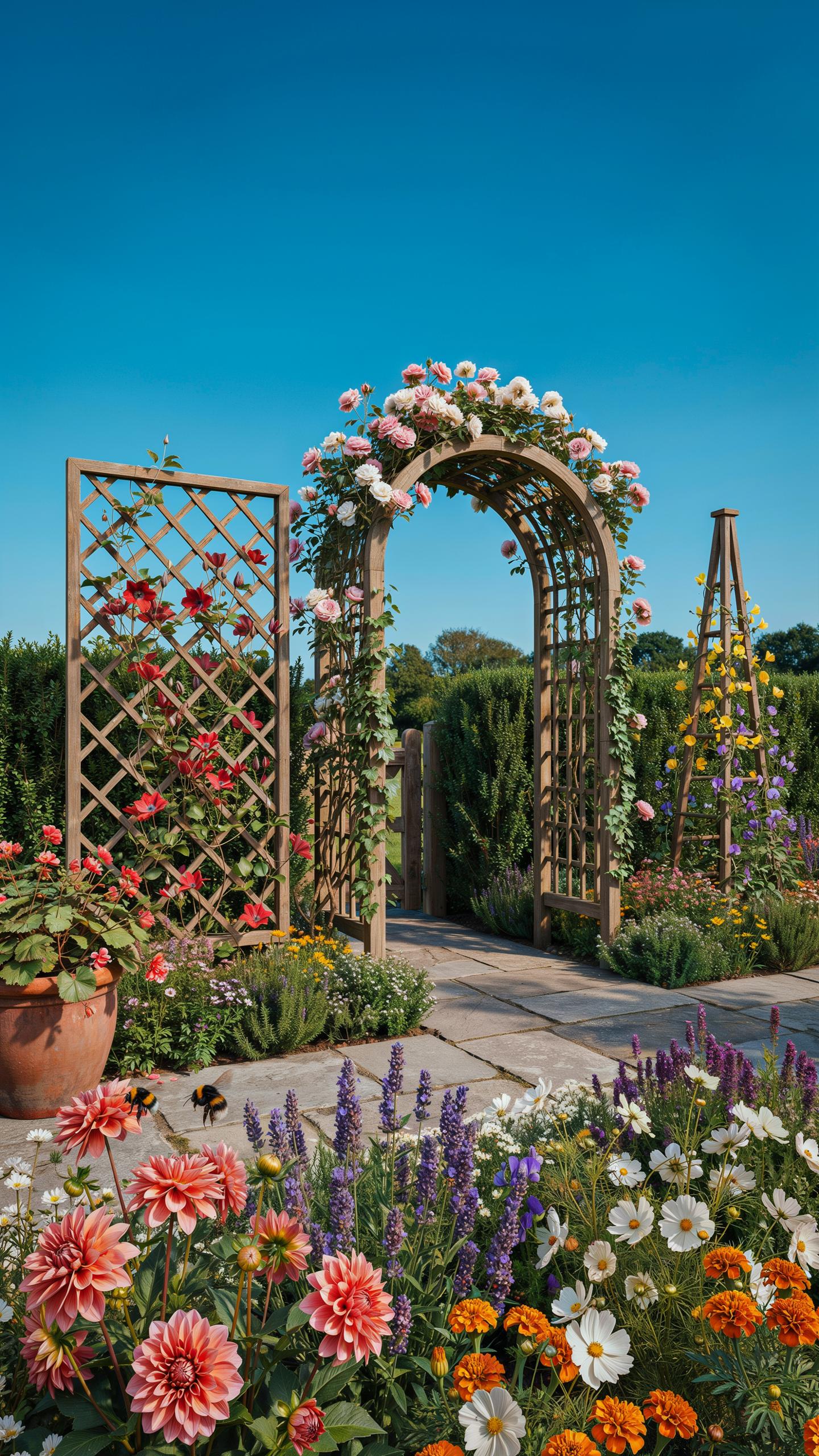
Best Wood Types For A Durable Outdoor Wooden Trellis Including Cedar And Redwood
Cedar and redwood are the primary choices for high quality wooden structures. These species contain natural oils and tannins that repel insects and prevent rot. They survive harsh weather better than cheap pine. Western Red Cedar is a standard for its stability and light weight. It does not warp easily when exposed to moisture. Choosing these woods ensures your trellis lasts for decades without chemical treatments.
Redwood offers superior strength and a deep color profile. It resists decay even when in direct contact with soil. Use heartwood for the structural posts to maximize durability. Pressure-treated lumber is an alternative for budget builds but requires careful handling due to chemicals. For a premium finish, specify high-grade tropical hardwoods like Ipe. These woods are extremely dense and resist fire and scratches in high-traffic areas.
How To Finish And Maintain A Wooden Trellis To Resist Weathering And Rot
Apply a penetrating oil-based stain to protect the wood grain. This finish prevents water from soaking into the fibers. Sealers with ultraviolet protection stop the sun from Turning wood gray. Apply the first coat before you assemble the trellis components. This ensures full coverage on every joint and end grain. Reapply the sealer every two to three years to maintain the structural integrity.
Clean the wood annually to remove biological growth like mold or algae. Use a stiff brush and mild oxygen bleach solution for this task. Inspect the base of the posts regularly for signs of soft rot. Keep mulch and soil away from the wood to prevent trapped moisture. Trim vines back once a year to check the condition of the trellis frame. Proper airflow around the wood prevents premature failure.
Arch Trellis Designs That Frame Garden Pathways With Cascading Vines And Flowers
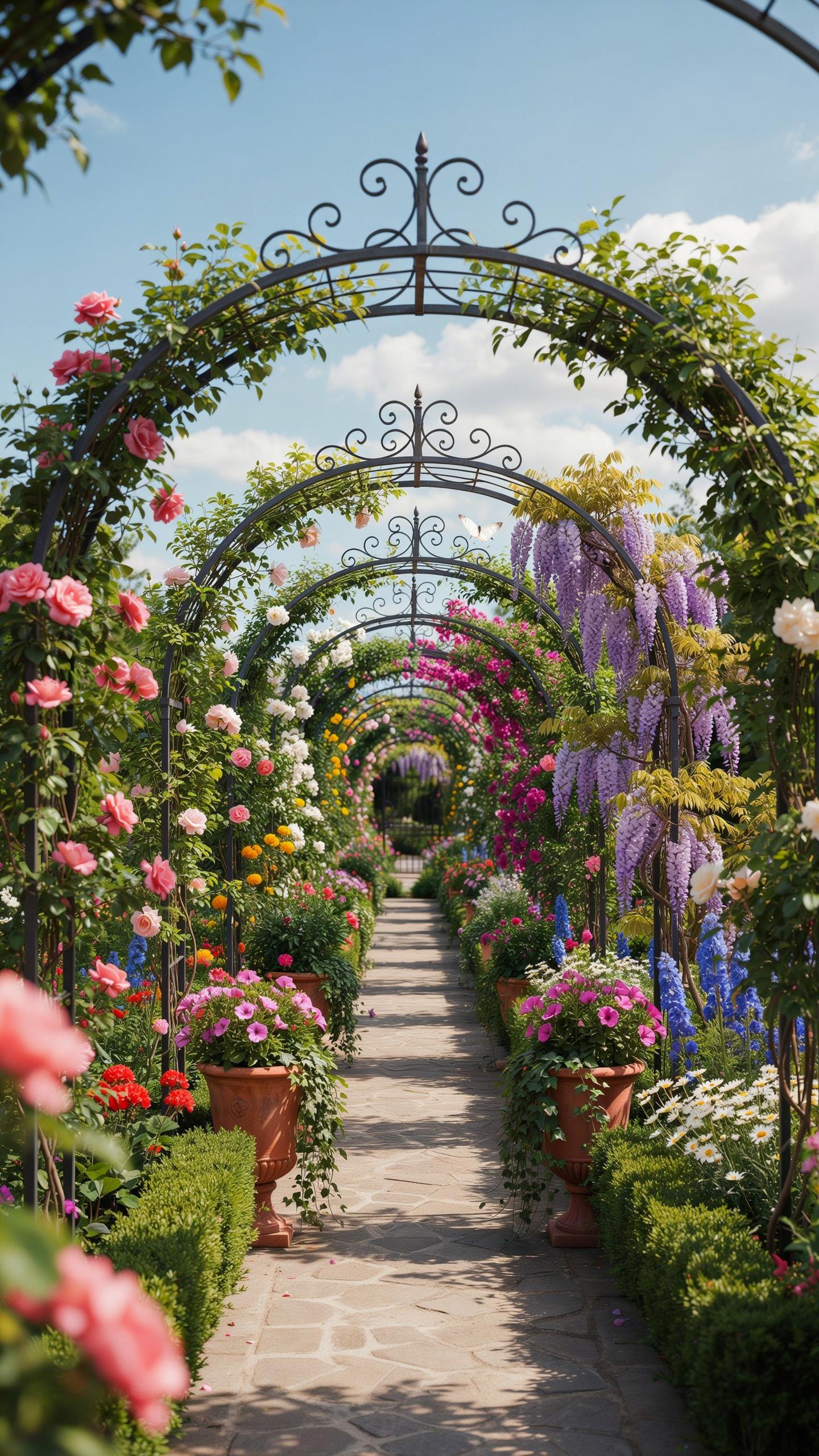
How An Arch Trellis Creates A Garden Entrance Or Transition Between Outdoor Spaces
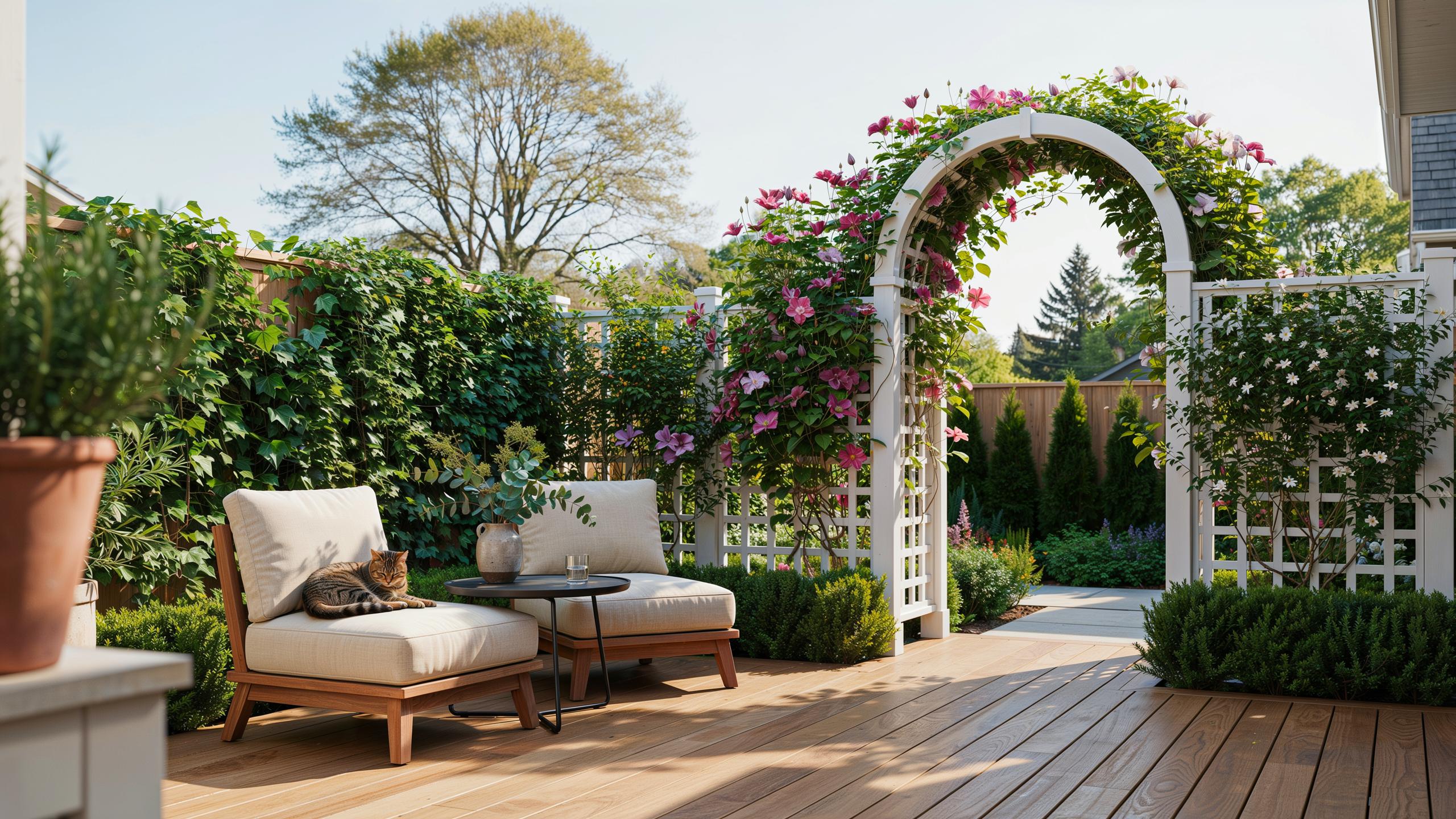
An arch trellis serves as a functional gateway. It defines the boundary between different garden zones. You use it to signal a change in purpose or mood. A heavy metal arch establishes a permanent entry point. This structure forces the eye to follow a specific path. It creates a vertical focal point in flat landscapes. Strategy dictates placing these at natural bottlenecks.
Movement through an arch provides a sensory experience. The overhead structure lowers the ceiling of the outdoor room. This creates a sense of enclosure and privacy. You can use multiple arches in a series to form a tunnel. This technique creates a forced perspective. It makes small paths feel longer and more significant. Proper anchoring ensures the structure survives high winds and heavy plant weight.
Choosing The Right Vines And Placement For Your Arch Trellis For Year Round Appeal
Select vines based on their climbing method. Twiners like honeysuckle need thin ruffles or wires. Clingers like ivy attach to solid masonry. You must match the vine weight to the trellis strength. Wisteria requires a heavy steel frame due to its massive trunk. Clematis works well on lighter aluminum arches. Balance fast growers with slow, structural plants. This ensures coverage without constant, aggressive pruning.
Seasonal interest hinges on plant diversity. Use evergreen vines like star jasmine for winter structure. Add deciduous flowering vines for summer color and scent. Place fragrant varieties near the entrance for maximum impact. Consider the sun exposure on both sides of the arch. One side may receive more light than the other. This affects growth rates and flower density. Plan for access to the top for annual maintenance.
Frequently Asked Questions

What are the best plants to use for a modern vertical garden?
Selecting the right climbing plants is essential for a successful layout. For a sleek, contemporary look, consider flowering perennials like Clematis or Trumpet Vine, which provide vibrant pops of color against structured backdrops. If you prefer lush greenery, English Ivy or Star Jasmine offer dense coverage. Choosing species that match your local climate ensures your trellis garden design for vines remains a thriving, low-maintenance centerpiece throughout the growing season.
How do I choose the right structure for my climbing plants?
When planning your trellis garden design for vines, consider both the weight of the mature plant and its climbing method. Heavy woody vines like Wisteria require sturdy steel or heavy timber supports, while lighter twiners like Sweet Peas flourish on thin wire mesh or delicate wooden laths. Ensure the structure is securely anchored to a wall or deep in the ground to withstand wind and the increasing weight of the foliage.
Can I create a stylish vertical garden on a limited budget?
Absolutely! You can achieve a high-end look without a designer price tag by using affordable materials like cattle panels, bamboo poles, or repurposed wooden pallets. Painting these simple structures in matte black or charcoal grey instantly elevates the aesthetic to a modern standard. Using DIY materials allows you to customize the size and shape of your garden, making vertical interest accessible for small balconies and large backyards alike.