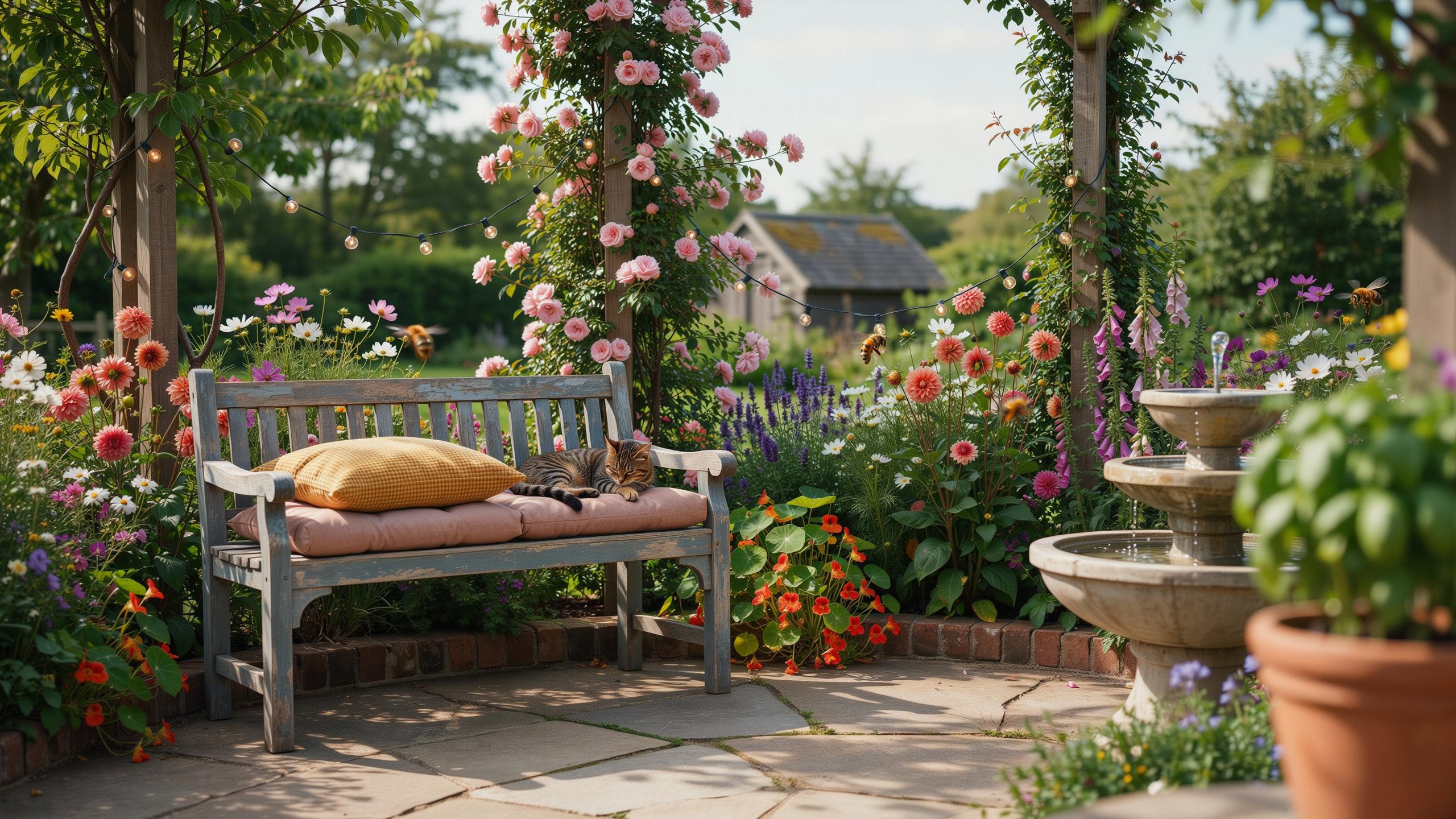
What Is A Backyard Focal Point And Why Does Your Garden Need One
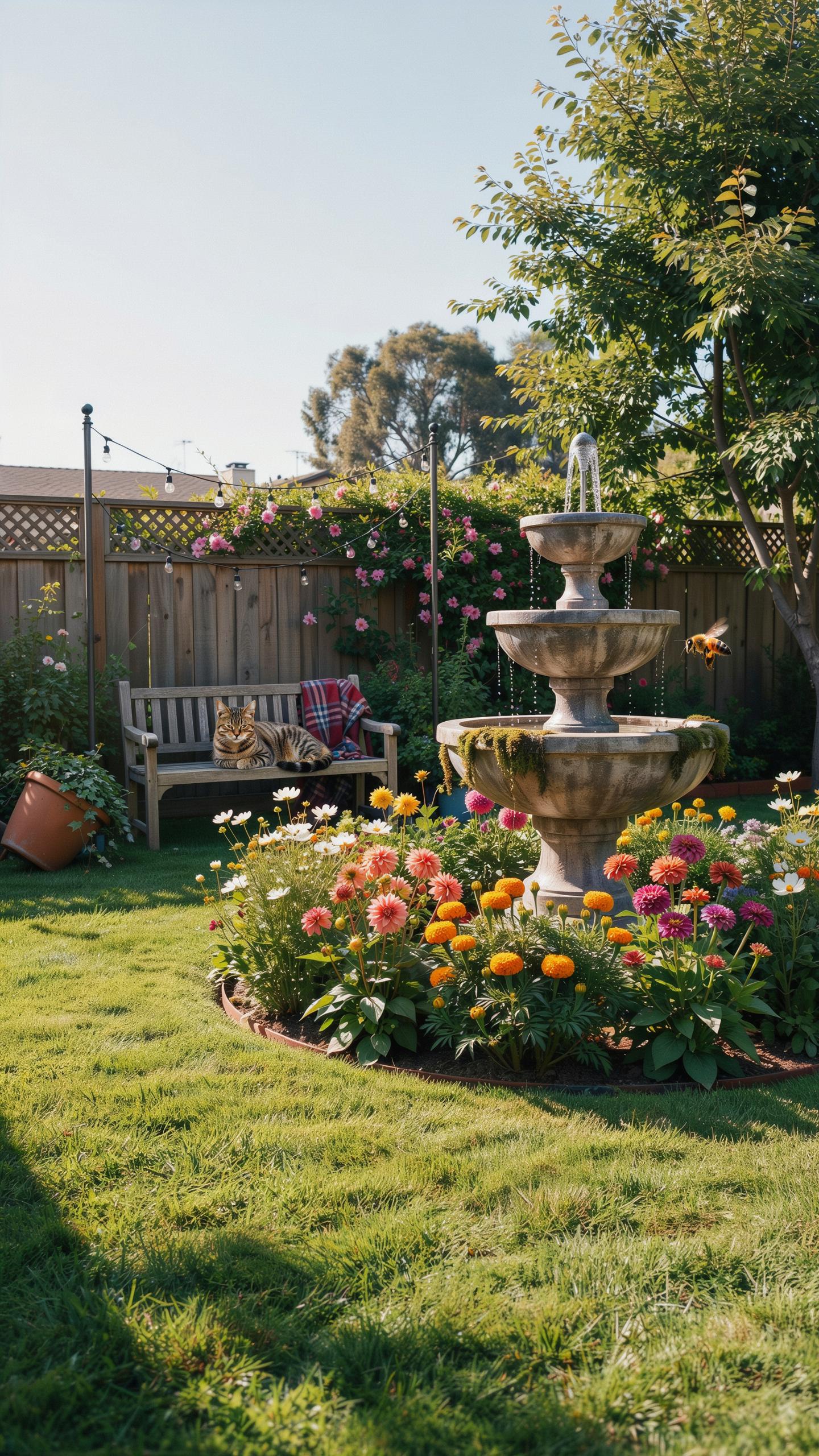
Understanding The Role Of A Focal Point In Garden Design
A garden focal point acts as the primary landmark for the eye. It dictates where a person looks first when entering a space. Without this specific feature, the human eye wanders aimlessly across the landscape. This lack of direction creates mental fatigue and prevents the brain from processing the environment. A clear anchor provides immediate orientation and establishes a sense of place.
Designers use focal points to define the purpose of an outdoor area. These elements range from large specimen trees to architectural structures like stone plinths. Historically, formal gardens used statues or fountains to signal status and order. Today, the goal remains the same. You place an object to command attention and organize the surrounding plants. This strategic placement ensures the garden feels intentional rather than accidental.
How A Strong Backyard Focal Point Creates Visual Balance And Flow
Focal points function as the structural bones of a landscape layout. They create a center of gravity that balances different zones. Small gardens need one strong point to prevent a cluttered appearance. Large gardens require multiple points to guide movement through the space. Placing a feature at the end of a path draws visitors forward. This technique creates a logical flow that feels natural and steady.
Balance depends on the scale and contrast of your chosen object. A heavy stone bench grounds a light and airy meadow planting. A bright white sculpture pops against a dark evergreen hedge. These contrasts provide visual relief and prevent the landscape from looking flat. Proper garden focal point design uses geometry and sightlines to link separate areas. You achieve a professional result by aligning these features with windows or doors.

Top Backyard Focal Point Ideas To Anchor Your Outdoor Living Space
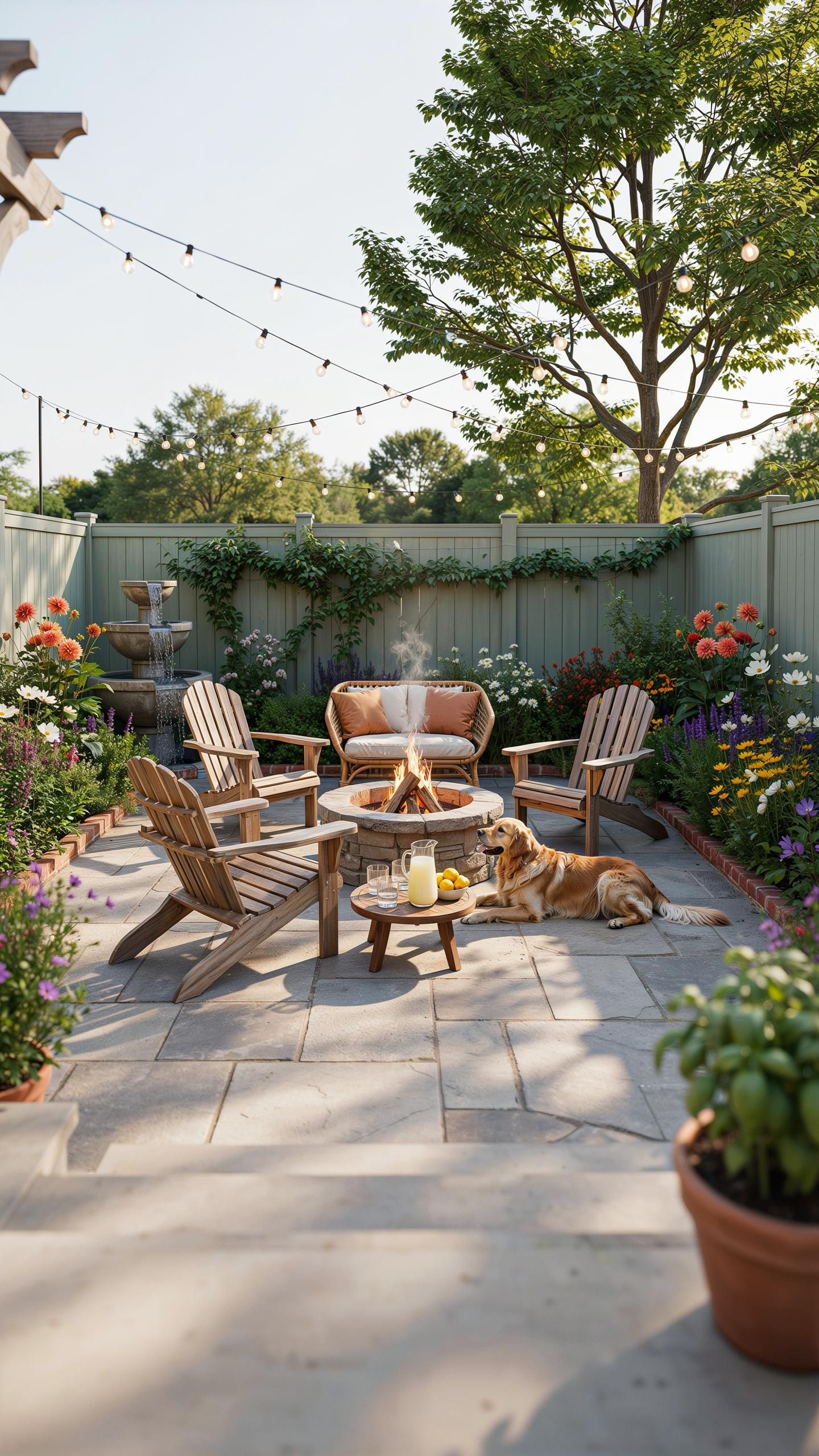
Using Water Features Like Fountains And Ponds As A Central Garden Anchor
Water features create a physical and auditory center in garden focal point design. Motion attracts the eye while sound masks neighborhood noise. You must scale the feature to the site. A small tier fountain works in tight courtyards. Large ponds require open acreage. Use recirculating pumps to manage water conservation. Choose materials like cast stone or hammered copper for longevity.
Installation requires level ground and a dedicated power source. Place water features at the intersection of sightlines from the house windows. This ensures the investment provides value year round. For formal designs, use symmetrical rills or raised basins. In naturalistic settings, use rock edged ponds with varying depths. Maintain clean filters to prevent stagnant water and algae growth.
Fire Pits And Outdoor Fireplaces As Warmth Driven Backyard Focal Points
Fire pits offer a 360 degree gathering spot for social interaction. They act as a low profile anchor that does not block views. Choose gas for immediate control or wood for higher heat output. Position the pit at least ten feet from structures to meet safety codes. Use non combustible materials like lava rock or fire glass to fill the burner area.

Outdoor fireplaces create a vertical architectural statement. They define a clear outdoor room and provide wind protection. Use masonry or prefabricated kits to build the structure. Ensure the chimney height allows for proper smoke drafting. Place seating in a semi circle to maximize heat distribution. These features extend the usable season of the garden into cold winter months.
Creative Outdoor Focal Point Ideas That Blend Function With Beauty
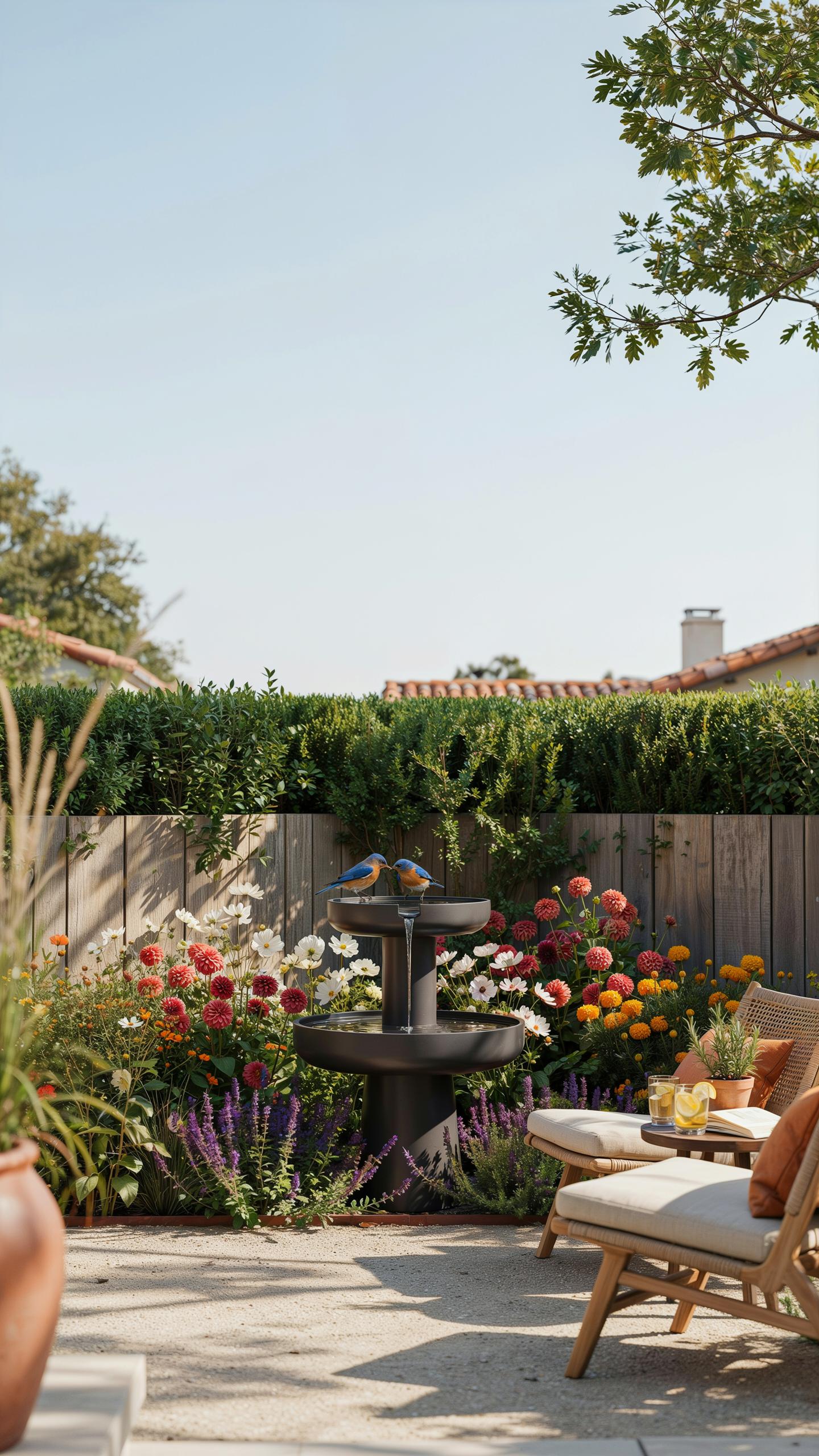
Pergolas And Garden Arbors As Structural Outdoor Focal Points
Pergolas create a clear sense of order in a garden. These structures use upright posts and crossbeams to define specific zones. They originate from ancient Egyptian and Roman architecture where they supported heavy grapevines. Today, designers use them to anchor outdoor dining areas or lounge spaces. A pergola provides a vertical visual weight that balances low ground cover while offering moderate sun protection.
Arbors mark transitions between different areas of the yard. They act as gateways that draw the eye toward a specific path or destination. You should place arbors at entry points to create a formal greeting. Choose durable materials like cedar or wrought iron for longevity. These structures support climbing plants, which adds organic texture to the rigid frame. This combination stabilizes the design and softens the overall landscape.
Statement Planters And Sculptural Garden Beds As Eye Catching Outdoor Features
Statement planters serve as immediate visual anchors in small or large spaces. Large pots create a focal point through scale and contrast. Use heavy materials like cast stone or glazed ceramic to ensure stability and weather resistance. Position these containers at the end of a sightline to command attention. They allow you to introduce height and color in areas where digging is not a viable option.

Sculptural garden beds raise the height of the landscape to improve visibility. Designers use mounded earth or stone retaining walls to create these features. This technique mimics the natural topography found in English landscape gardens. Raised beds separate specific plant species from the rest of the lawn. This separation creates a clean boundary that emphasizes the colors and textures of the chosen foliage. Height variation keeps the design interesting.
Yard Focal Point Ideas That Work With Your Existing Landscape
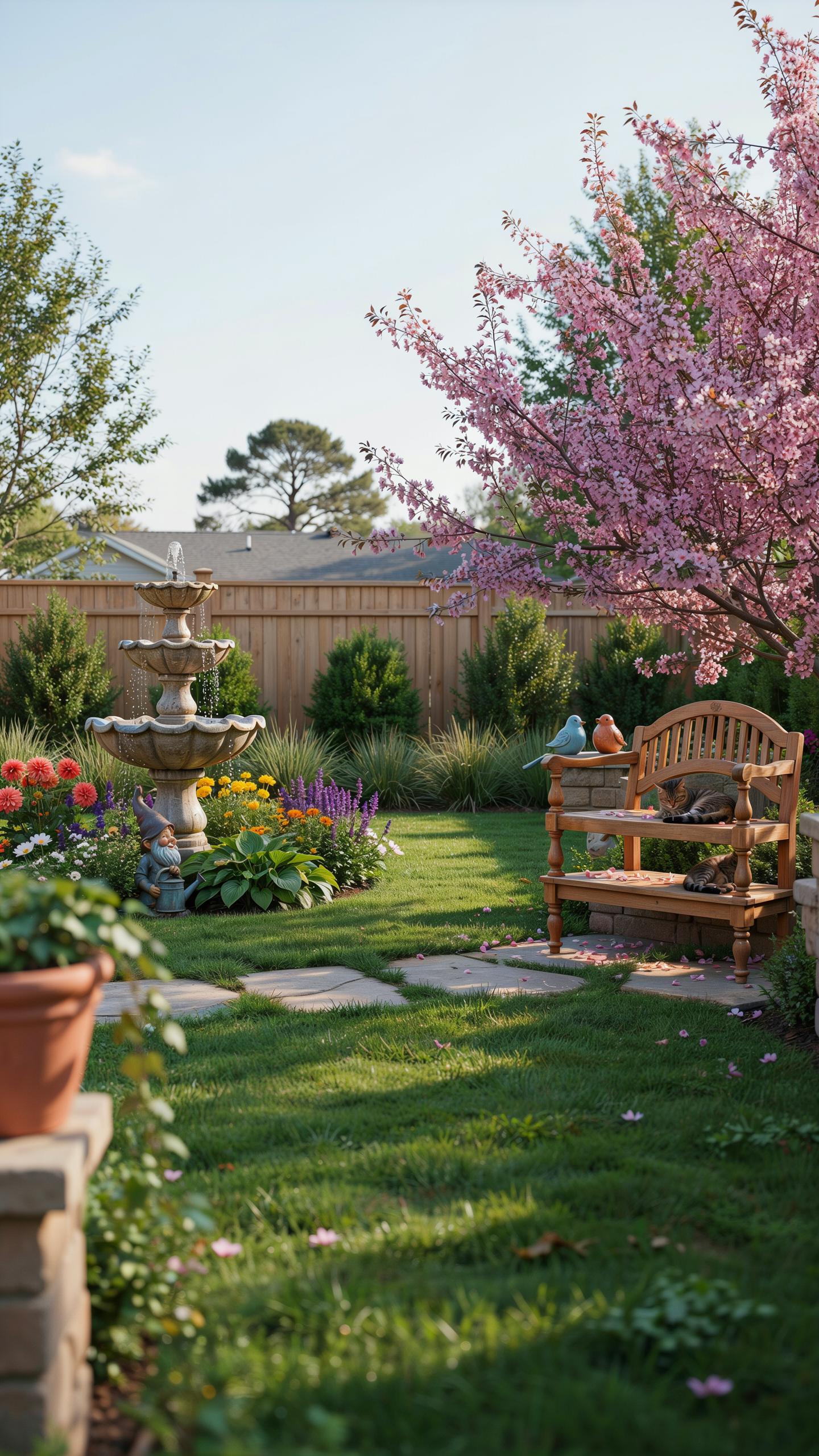
Choosing A Specimen Tree Or Ornamental Shrub As A Natural Yard Focal Point
A specimen tree acts as a primary anchor in garden focal point design. You must select a species with distinct structural features. Look for unique bark texture, branch patterns, or seasonal color shifts. The tree should contrast against the background foliage. Use a single Japanese Maple or an upright Conifer to draw the eye immediately. Proper placement requires open space around the base to prevent visual clutter.
Scale determines the success of a natural focal point. Do not plant a giant oak in a small courtyard. Choose dwarf varieties for tight spaces to maintain visual balance. Ensure the tree thrives in your local hardiness zone. Maintain the shape through regular pruning to preserve its architectural silhouette. A well-placed shrub provides a living center for the rest of the landscape to follow.
How Pathways And Garden Gates Can Guide The Eye To A Yard Focal Point
Pathways serve as visual vectors that lead the viewer to a specific destination. Use straight lines for formal designs to create a fast visual pace. Use curved paths for informal settings to slow down the eye. Materials like pavers or gravel create a clear edge. The path must point directly at a sculpture or a bench. This technique forces the viewer to notice the intended target.

Garden gates act as frames for a yard focal point. Use the gated entrance to crop the view of the landscape. This creates a sense of discovery and importance for the object beyond the gate. Select a gate style that matches the existing hardware of the home. A clear line of sight through an open gate creates depth. It makes small yards feel larger and more organized.
Landscape Focal Point Principles Borrowed From Professional Garden Design
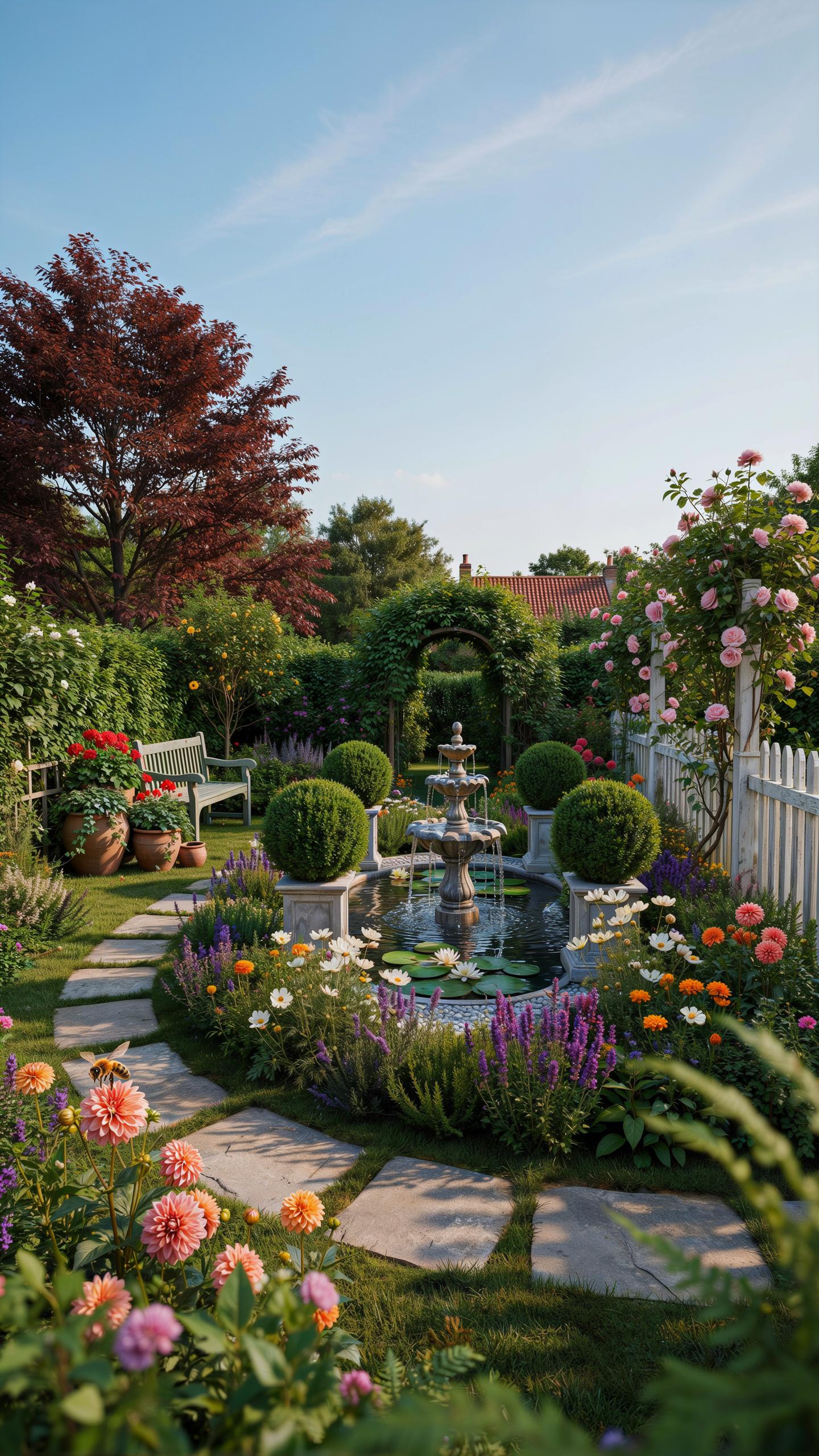
The Design Principles Of Scale, Contrast, And Placement In Landscape Focal Points
Scale dictates the relationship between an object and its surroundings. A small statue disappears in a large meadow. A massive fountain overwhelms a tiny patio. Professional designers use the golden ratio to determine size. Your focal point must match the volume of the space. It should capture the eye without blocking the movement of air or light through the garden.
Contrast forces the eye to stop and look. This happens when you place a light object against a dark hedge. Placement relies on sightlines from windows or doors. Use internal views to guide people through the landscape. Do not center every object. Off-center placement creates a more natural flow. Strategic placement ensures the garden feels intentional and organized rather than cluttered.
How Color And Texture Are Used To Strengthen A Landscape Focal Point
Color acts as the most immediate visual signal in your garden. Bright colors like red or yellow advance toward the eye and command attention. Cool colors like blue or green recede into the background. Use warm tones for your primary focal point to bring it closer. This technique creates a sense of intimacy. Avoid using too many bright colors at once.

Texture provides depth when color is absent. Fine-textured plants create a soft background for coarse-textured objects. A smooth stone basin stands out against jagged gravel. Professional designers use these differences to define edges. Texture works best when it mimics natural patterns found in the local environment. Use rough surfaces to catch shadows and light. This adds visual interest throughout the entire day.
Garden Focal Point Ideas DIY Homeowners Can Build On A Budget
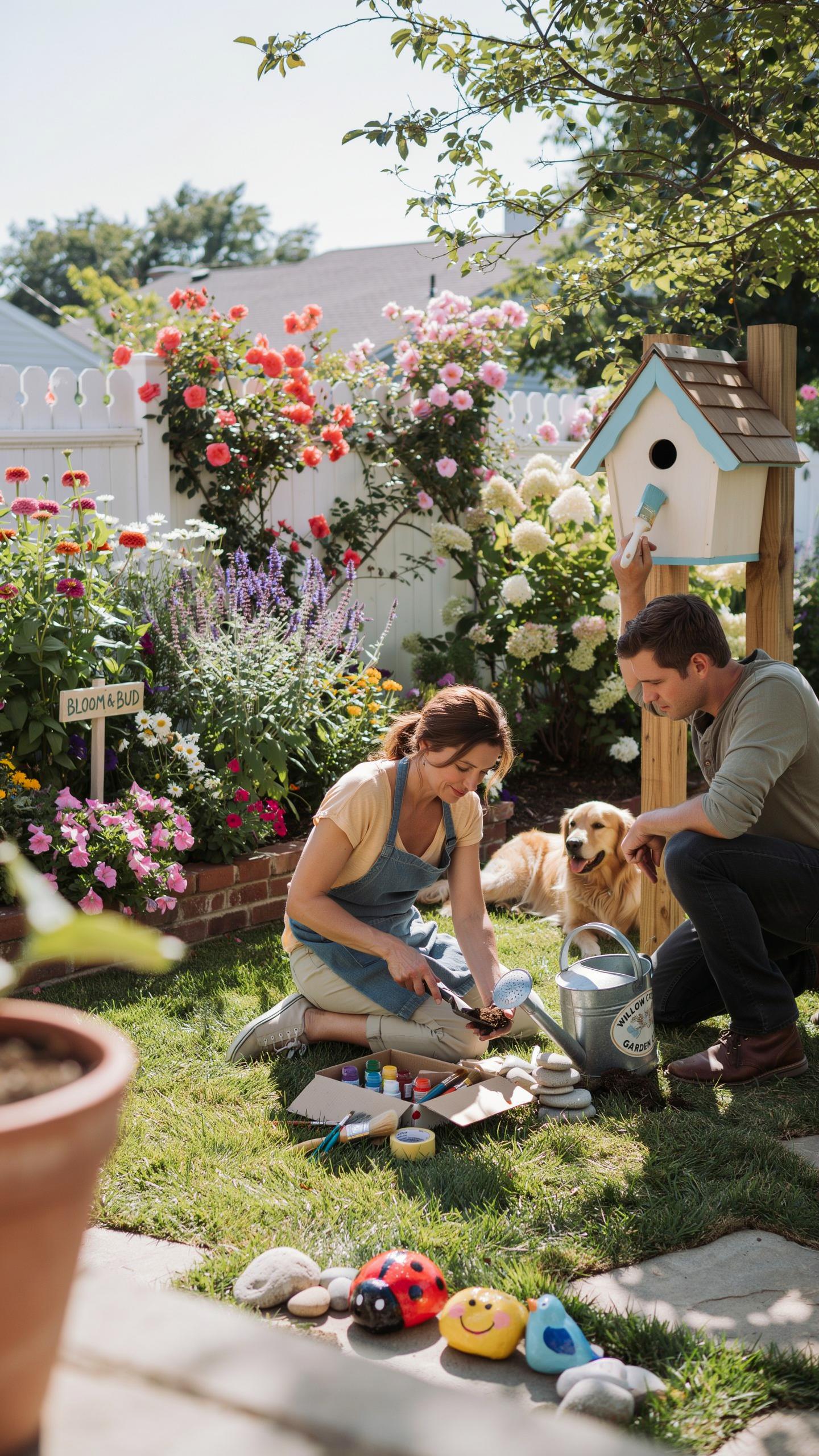
Step By Step Guide To Building A Simple DIY Garden Focal Point With Reclaimed Materials
Reclaimed materials offer structural integrity and historical character at zero cost. Effective garden focal point design relies on scale and contrast. Start by sourcing heavy timber or weathered stone from demolition sites or local classifieds. Select a high-visibility location like the end of a path or a central axis. Level the ground properly to ensure the structure remains stable during soil shifts.
- Pressure-Treated Timber: Use salvaged beams to create a vertical obelisk. Verticality draws the eye upward and breaks the horizontal plane of the lawn. Secure the base with gravel for drainage and stability without using permanent concrete.
- Weathered Fieldstone: Stack flat stones to build a dry-stone plinth. This technique follows traditional masonry methods and requires no mortar. Use the largest stones at the base and taper the structure slightly as it rises for balance.
- Galvanized Steel Troughs: Repurpose old industrial livestock feeders as raised planters. These provide a matte metallic texture that contrasts with organic green foliage. Drill drainage holes in the bottom to prevent root rot and ensure plant health.
- Broken Terra Cotta: Layer shards of aged clay pots to create a decorative mosaic path or pile. The orange hue of the clay provides a high-contrast visual anchor against green grass. Arrange the pieces in a circular pattern to lead the eye.
- Reclaimed Cedar Fencing: Strip old fence boards to build a minimalist geometric frame. Cedar resists rot naturally and weathers to a silver patina. Position the frame to capture a specific view, turning a simple opening into a living landscape painting.
Assemble the chosen materials using exterior-grade fasteners to prevent rust streaks. Focus on clean lines rather than complex patterns. A single bold structure outperforms many small decorations. Clear away competing weeds to define the space around your new object. Use mulch to create a clean border that separates the focal point from the rest of the planting bed.
Upcycled Garden Art And Handmade Trellises As Affordable DIY Focal Points
Upcycled art provides an immediate visual punch without a high price tag. Use geometric shapes to create modern interest in a traditional space. A simple cattle panel arch works as a heavy-duty trellis for vertical interest. Bolt these panels to wooden posts for a sturdy structure. This attracts the eye to a specific height and creates a sense of arrival in the garden area.

Copper tubing and rebar serve as industrial-strength supports for climbing plants. These materials develop a natural patina that blends with outdoor environments. Weave flexible branches like willow or hazel between stakes to build organic screens. This method mimics historical wattle techniques found in traditional English gardens. Strategic placement of these structures directs foot traffic and provides a clear destination for the viewer to follow.
Small Garden Focal Point Ideas That Maximize Impact In Compact Spaces
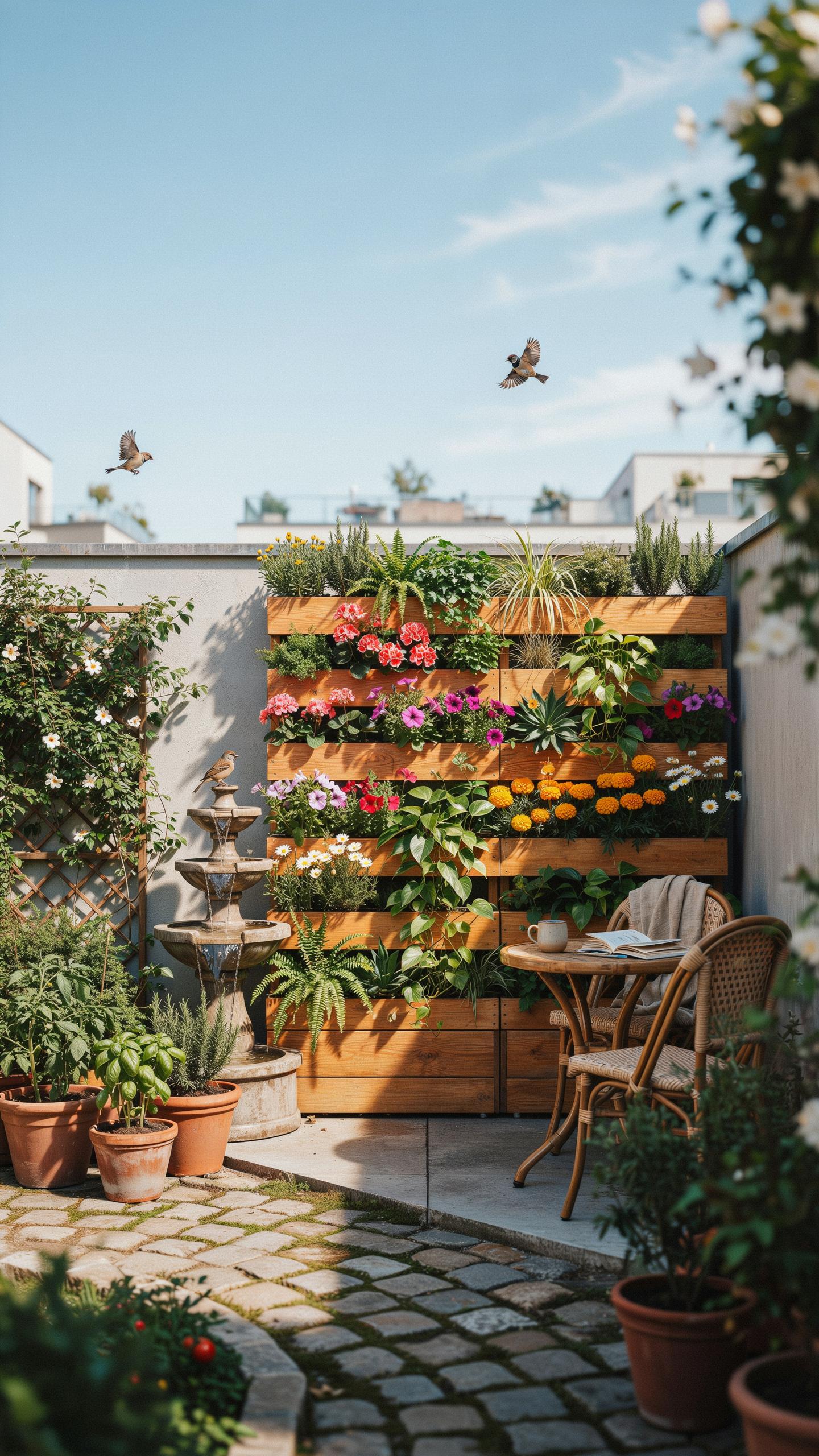
Vertical Garden Walls And Tiered Planters As Space Saving Small Garden Focal Points
Vertical garden walls turn boundary structures into living art. Use modular pocket systems or trellis frameworks to host climbing plants. This method draws the eye upward and expands the perceived height of the area. It removes the need for large ground beds. Wooden or metal frames provide structural definition even in winter. High density planting creates a dense green wall that functions as a natural anchor.
Tiered planters offer a vertical solution for food or floral production. Use cedar or recycled plastic for durability and rot resistance. Place the largest tier at the base to ensure stability. Different heights create depth without consuming square footage. This setup allows for organized plant arrangements that act as a central set piece. It maximizes soil volume while keeping the ground clear for seating or movement.
Mirrors Miniature Water Features And Bold Pots For Tiny Outdoor Spaces
Mirrors create an optical illusion of depth in enclosed areas. Mount weather-resistant glass on flat walls to reflect light and greenery. Position the mirror to catch a glimpse of the main garden path. This technique effectively doubles the visual space of a small courtyard. Avoid placing mirrors in direct sunlight to prevent heat damage to plants. Use simple frames to maintain a clean and modern aesthetic.

Miniature water features provide a sensory focal point without complex plumbing. Self-contained granite bowls or ceramic basins use small pumps to circulate water. The sound masks city noise and promotes a calm environment. Bold pots in primary colors define specific zones. Set three pots of varying sizes in a tight group to create a visual weight. Choose heavy materials like stoneware to withstand wind in exposed urban spots.
Front Yard Focal Point Ideas That Boost Curb Appeal And Welcome Guests
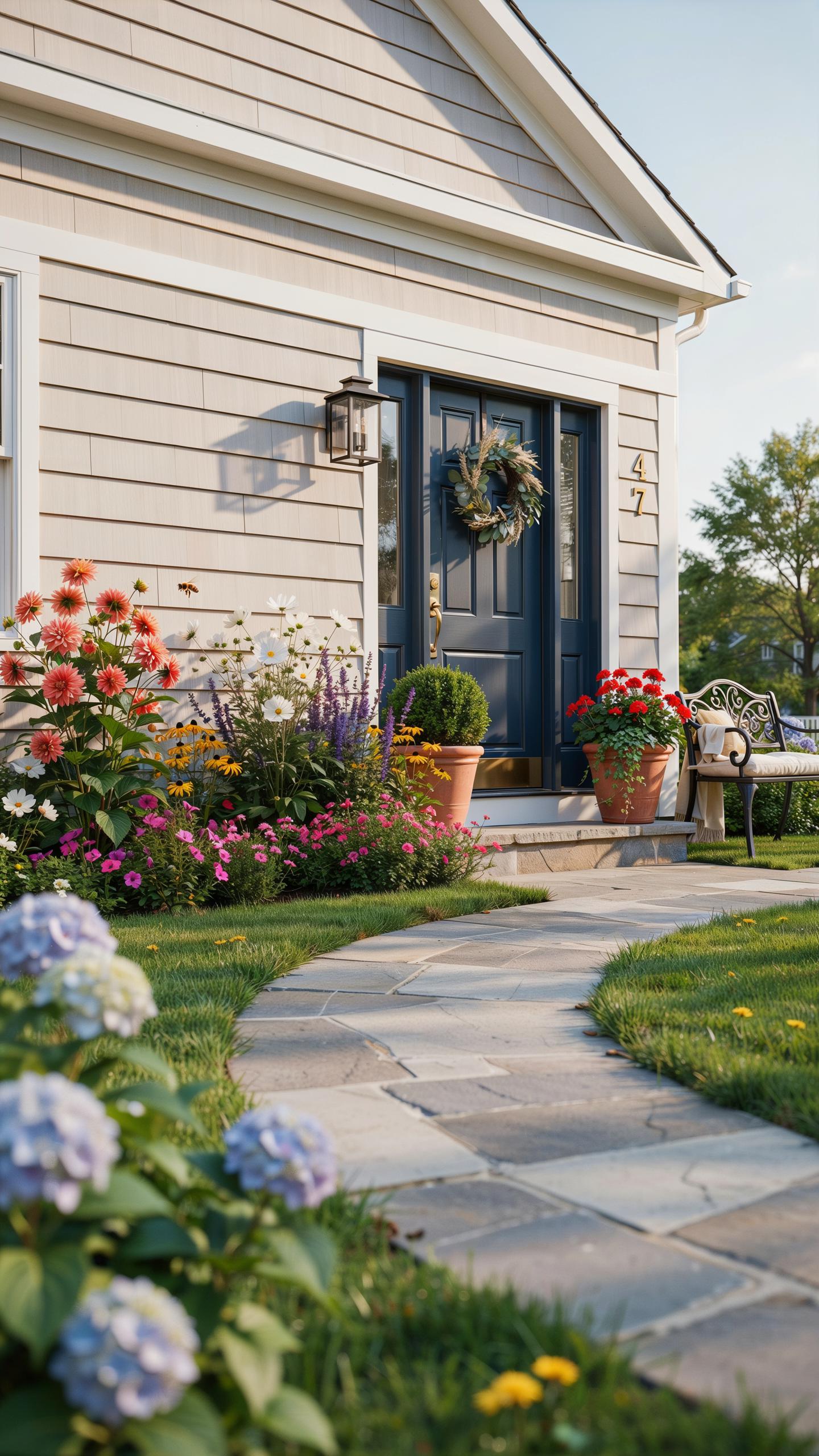
Ornamental Trees, Topiaries, And Flowering Shrubs As Front Yard Focal Points
Select a specimen tree to establish a dominant vertical axis in your landscape. A Japanese Maple or Flowering Dogwood provides a structural center that anchors the front garden. You must place these trees where they do not obscure the front door. Correct placement ensures the eye moves naturally toward the house entrance. These trees offer structural interest through all four seasons without overcrowding small spaces.
Topiary and clipped shrubs offer formal precision for modern or traditional homes. Boxwood globes or tiered hedges create clear lines that signal intentional design. You use these elements to define borders and frame specific architectural features. Proper pruning maintains the scale of the plant relative to the house. High-impact shrubs like Hydrangeas or Azaleas provide seasonal color blocks that draw immediate visual attention from the street.
A garden should feel like a rediscovered memory, where a single beautiful focal point anchors the heart and welcomes you home.
Entry Features Like Decorative Gates, Mailbox Gardens, And Flanking Urns
Entry features serve as the primary transition points between public and private space. You use hardscape elements to dictate how guests approach your home. A well-placed gate or a set of symmetrical planters provides an immediate visual target. These features should match the architectural style and material palette of the main building. Consistency in materials creates a unified look that elevates the overall property value.
- Geometric Planters: Use large concrete or ceramic urns to flank the front door. Symmetry creates a formal look that signals stability and order. Keep the plants inside simple to avoid distracting from the architectural lines of the entrance.
- Custom Mailbox Gardens: Surround the mailbox post with low-maintenance perennials or stone mulch. This turns a functional utility into a deliberate design choice. It extends the garden appeal to the very edge of the property line near the street.
- Wrought Iron Gates: Install a metal gate to define the start of the entryway path. This creates a sense of arrival and security for the homeowner. Choose black or dark bronze finishes to maintain a classic and professional appearance for guests.
- Stone Path Lighting: Integrate low-voltage LED lights along the main walkway. These fixtures provide safety while highlighting the texture of the ground cover. Proper lighting ensures your focal points remain visible and effective after the sun goes down every evening.
- Decorative Arbors: Place a wood or metal arbor over the front walkway. This adds vertical interest and creates a physical portal for visitors. Use climbing vines like Clematis to soften the structure while maintaining a clear and accessible path to the door.

Small details near the entrance determine the first impression of the home. Use high-quality materials like heavy stone or cast iron to convey permanence. Avoid plastic or lightweight substitutes that degrade under UV exposure. Position these items to lead the eye toward the front door. This strategy ensures the house remains the ultimate focus of the landscape. Durable materials and logical placement guarantee long-term success for any front yard design.
Modern Garden Focal Point Ideas For A Clean Contemporary Outdoor Aesthetic
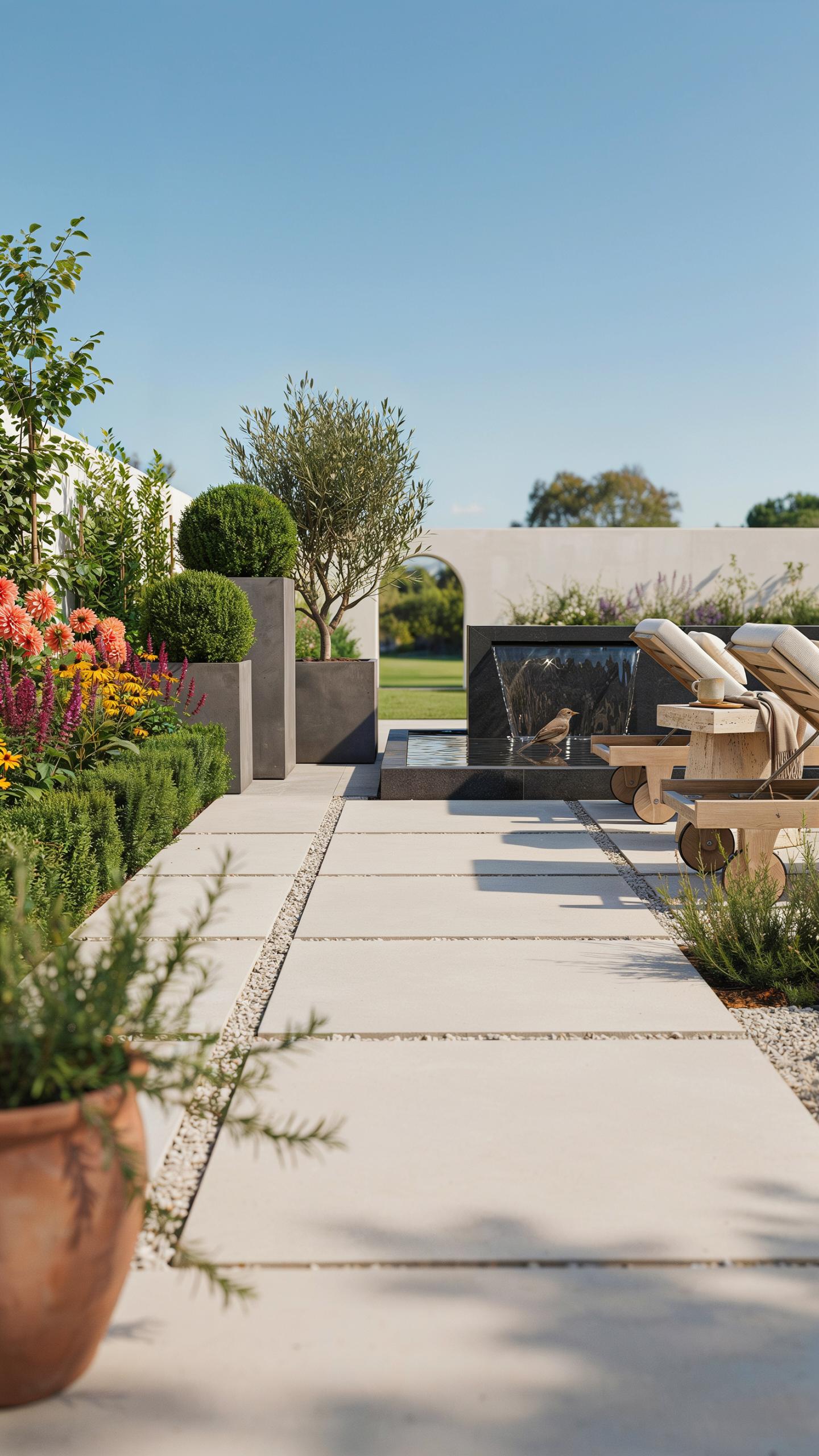
Minimalist Sculpture, Geometric Planters, And Concrete Features In Modern Garden Design
Modern garden focal point design relies on the Brutalist and Minimalist movements. These styles prioritize raw materials like weathered steel and cast concrete. Use geometric planters to create strong vertical lines. Clean edges lead the eye toward specific zones without visual clutter. Strategic placement of a single large sculpture creates a destination. This approach strips away distraction to focus on form and texture.
Concrete features provide a neutral backdrop for greenery. Use smooth finishes to contrast with rough plant foliage. Geometric shapes like cubes or cylinders offer structural stability. These elements do not rot or lose their shape over time. Position these features at the end of a sightline for maximum impact. Keep the surrounding area clear of small ornaments. This high-contrast strategy ensures the main feature commands total attention.
Integrating Lighting Design To Elevate A Modern Garden Focal Point At Night
Lighting transforms a garden focal point after sunset. Effective design uses directional beams to highlight texture and shape. Avoid broad floodlights that wash out detail. Instead, use grazing techniques on stone or concrete surfaces. This reveals shadows and depth. Position lights at the base of a sculpture to create an upward glow. This method defines the object against the dark sky.
Smart planning ensures the garden remains functional at night. Use low-voltage LED systems for efficiency and longevity. Conceal the light sources within the landscape to prevent glare. Properly placed lights guide the viewer through the space safely. Focus intensity on the primary feature while keeping the perimeter dim. This hierarchy of light maintains the clean aesthetic of modern design. It creates a bold visual anchor.
Frequently Asked Questions

What exactly is a garden focal point and why does my yard need one?
A garden focal point is a visual anchor that draws the eye and organizes the surrounding landscape. Without one, an outdoor space can feel cluttered or aimless. By implementing a thoughtful garden focal point design, you create a sense of purpose and “hygge” outdoors. Whether it is a specimen tree or a stone fire pit, these features provide a resting place for the eyes, making your garden feel like a cozy, intentional room.
How do I choose the right location for my garden focal point design?
To find the perfect spot, view your yard from your primary windows or outdoor seating areas. Look for the natural “end” of a path or a central point that feels empty. Ensure the scale of your garden focal point design matches the surroundings; a small birdbath might get lost in a large lawn, while a massive fountain could overwhelm a tiny patio. The goal is to create a balanced, inviting transition.
Can I create an impressive focal point if I am working with a tight budget?
Absolutely! You do not need expensive sculptures to transform your space. A budget-friendly approach involves using what you have, such as painting an old wooden bench a bold color or DIY-ing a vertical succulent wall using pallets. Affordable lighting, like solar-powered lanterns hung from a sturdy branch, can also act as a brilliant nighttime centerpiece. Focus on height and texture to achieve a high-end look without the designer price tag.