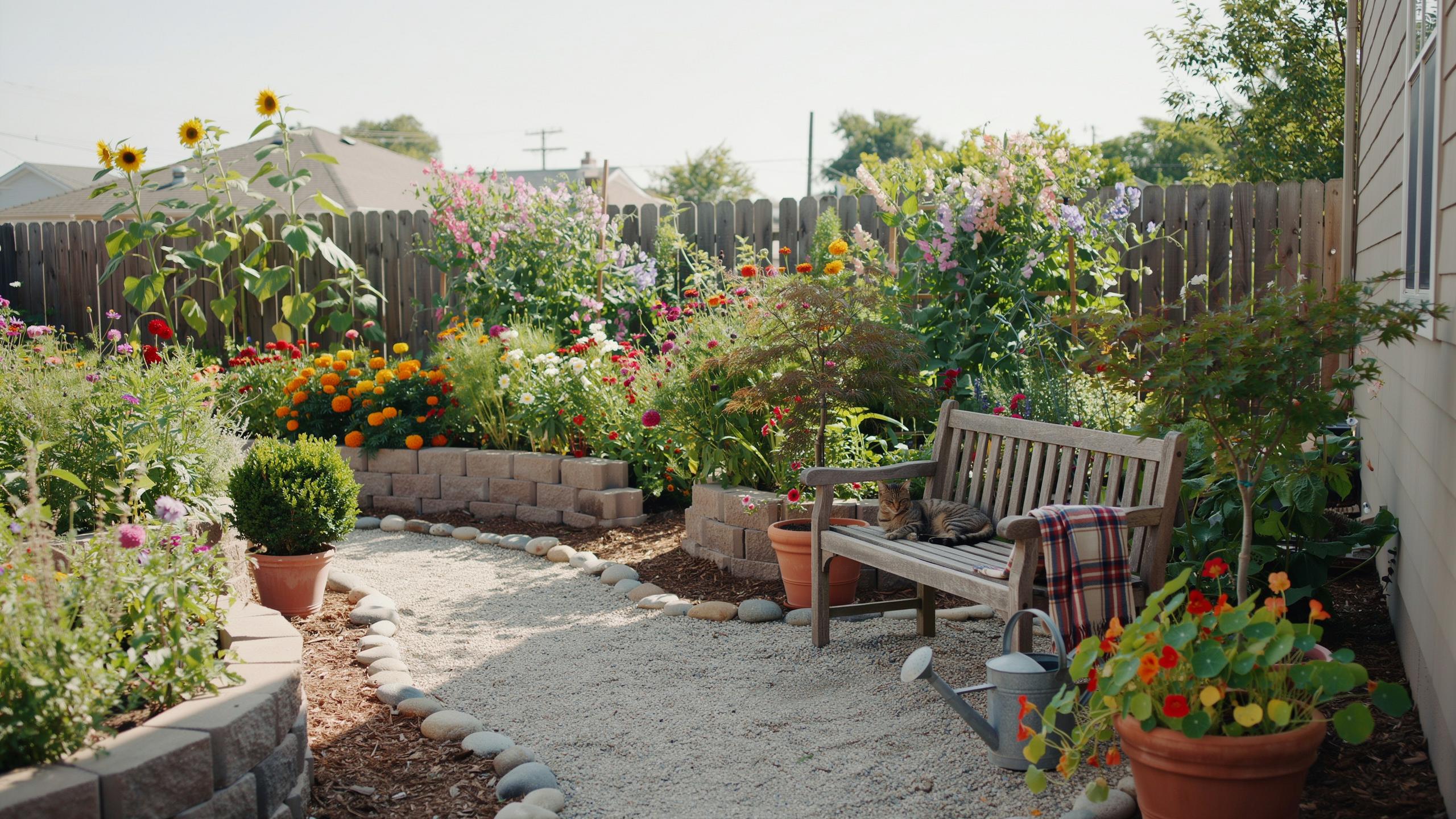
Understanding The Unique Opportunities Of Corner Lot Landscaping Ideas
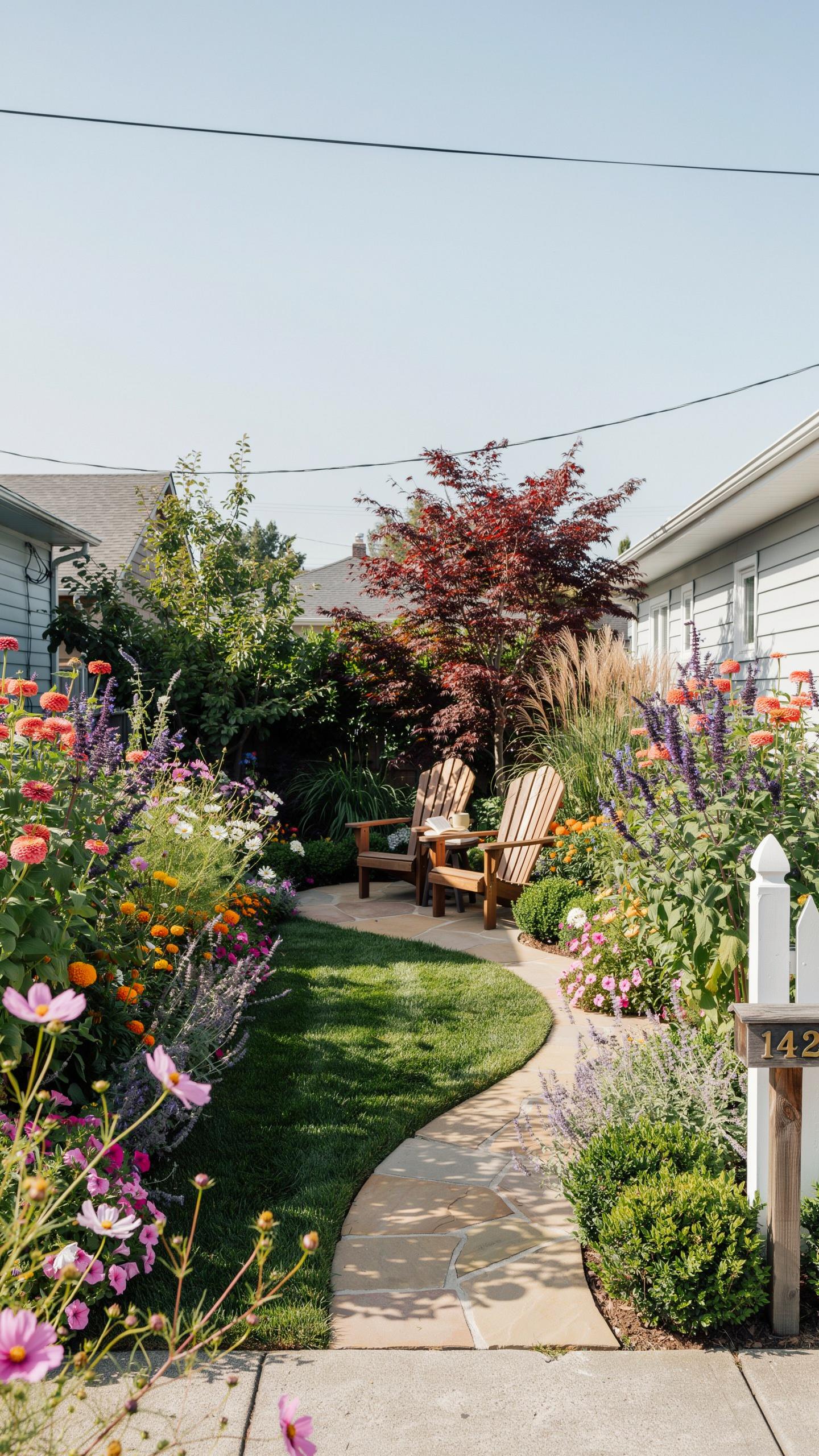
Why Corner Lots Offer More Design Flexibility Than Standard Yards
Corner lots provide double the street frontage compared to mid-block properties. This increased exposure allows for multiple entry points and distinct focal points. You have more space to implement tiered planting or wrap-around pathways. These lots do not have neighbors on one side. This open area lets in more sunlight and air flow. You can use this extra light to grow a wider variety of plants.
Designers treat corner lots as two separate public faces. You can create different zones for each street side. One side can focus on formal curb appeal with symmetrical shrubs. The other side can serve as a functional transition to the backyard. This layout offers a deeper perspective than narrow rectangular lots. You have more room to work with curved lines and large-scale structural elements like stone walls.
Common Challenges Corner Lot Owners Face And How To Plan Around Them
Privacy is the primary hurdle for corner lot owners. High visibility from two streets makes the yard feel exposed. Local zoning laws often limit the height of fences on street-facing sides for traffic safety. Use strategic clusters of tall grasses or dense hedges to block sightlines without violating height codes. Planning around utility easements and fire hydrants is also critical for corner properties.
Noise and wind are more prevalent on corner sites. Increased traffic creates constant sound pollution and dust. You must select hardy plants that tolerate urban stressors and wind shear. Incorporate hardscaping like small retaining walls to deflect sound waves. Build your budget around these structural needs first. Functional screening requires more materials and labor than standard front yards. Proper planning prevents expensive mistakes with city setbacks and sightline regulations.

Setting A Realistic Budget For Your Corner House Landscaping Ideas
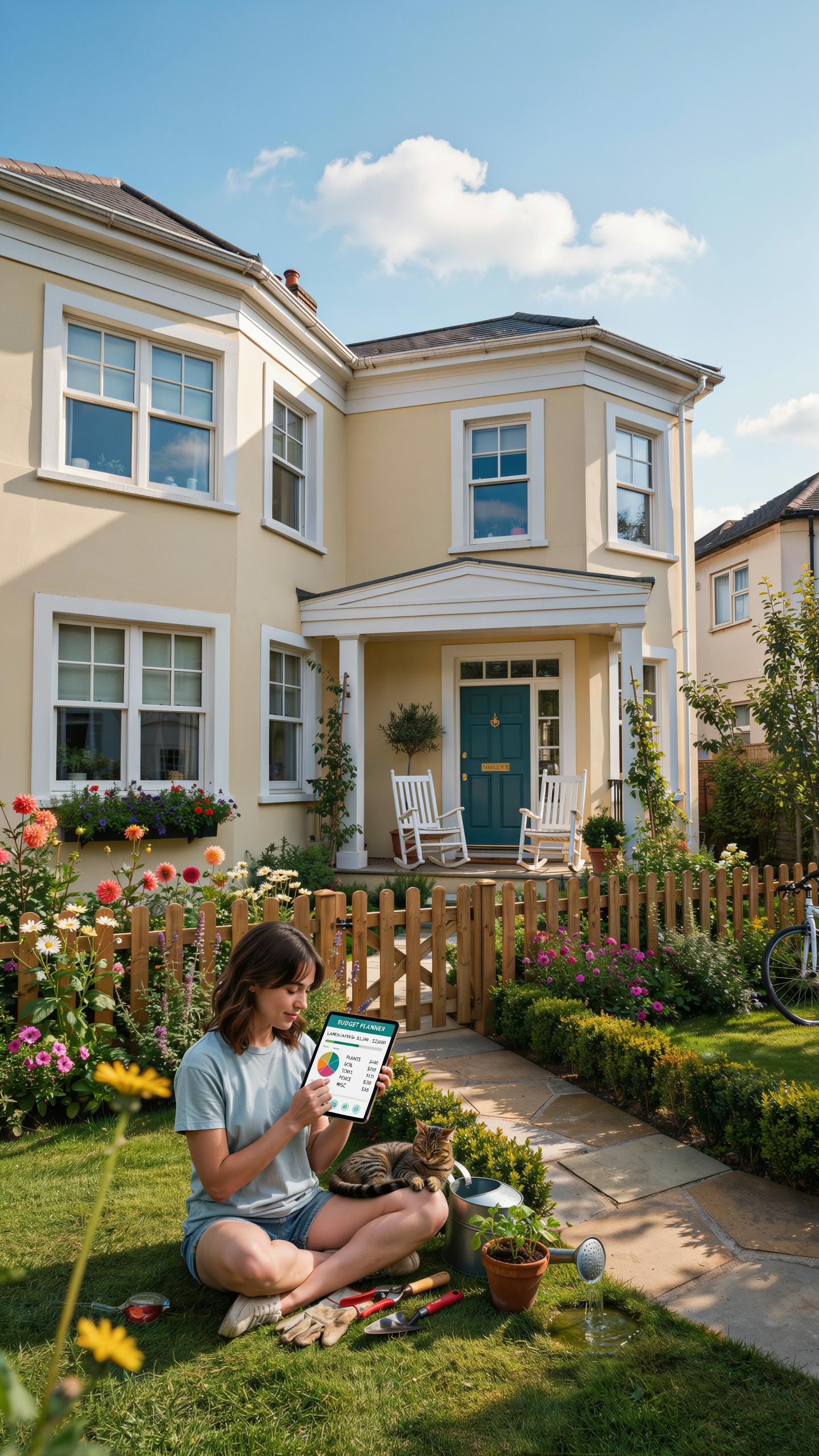
How To Break Down Landscaping Costs Without Overspending
Corner lots require more money because they have two front yards. Hardscaping usually consumes sixty percent of a total landscape budget. Prioritize structural elements like retaining walls or walkways first. These features fix drainage and define the property lines. Use standard dimensions for stone and lumber to avoid custom cutting fees. Local stone costs less than imported materials due to lower shipping weight.
Divide your spending into three main buckets: site prep, hardscape, and plants. Site preparation includes clearing debris and grading soil. Allocate twenty percent of your funds here to prevent future water damage. Reserve thirty percent for plant material. Focus on perennial shrubs that fill large gaps quickly. This strategy reduces the total number of plants you need to buy. High impact areas deserve the most investment.
The glory of gardening, hands in the dirt, head in the sun, and heart with nature, can turn even the humblest corner into a sanctuary. To nurture a garden is to feed not just the body, but the soul.
Free And Low Cost Resources That Stretch Your Garden Budget Further
Municipalities often provide free wood chips and compost to residents. Utility companies also offer free mulch after trimming trees near power lines. Contact city waste departments to find these distribution sites. Scour online marketplaces for people getting rid of extra bricks or pavers. Many homeowners give away materials if you provide the labor to haul them away. Use these for secondary paths.

Propagate plants from neighbors through divisions or cuttings. Perennials like hostas or ornamental grasses need regular thinning every few years. Spring and fall are the best times to find these free plant sources. Visit local university extension offices for soil testing and planting guides. These experts provide data-driven advice at no cost. Using native species reduces your long term maintenance and replacement costs significantly.
How To Landscape A Corner Lot With Smart Layout Planning
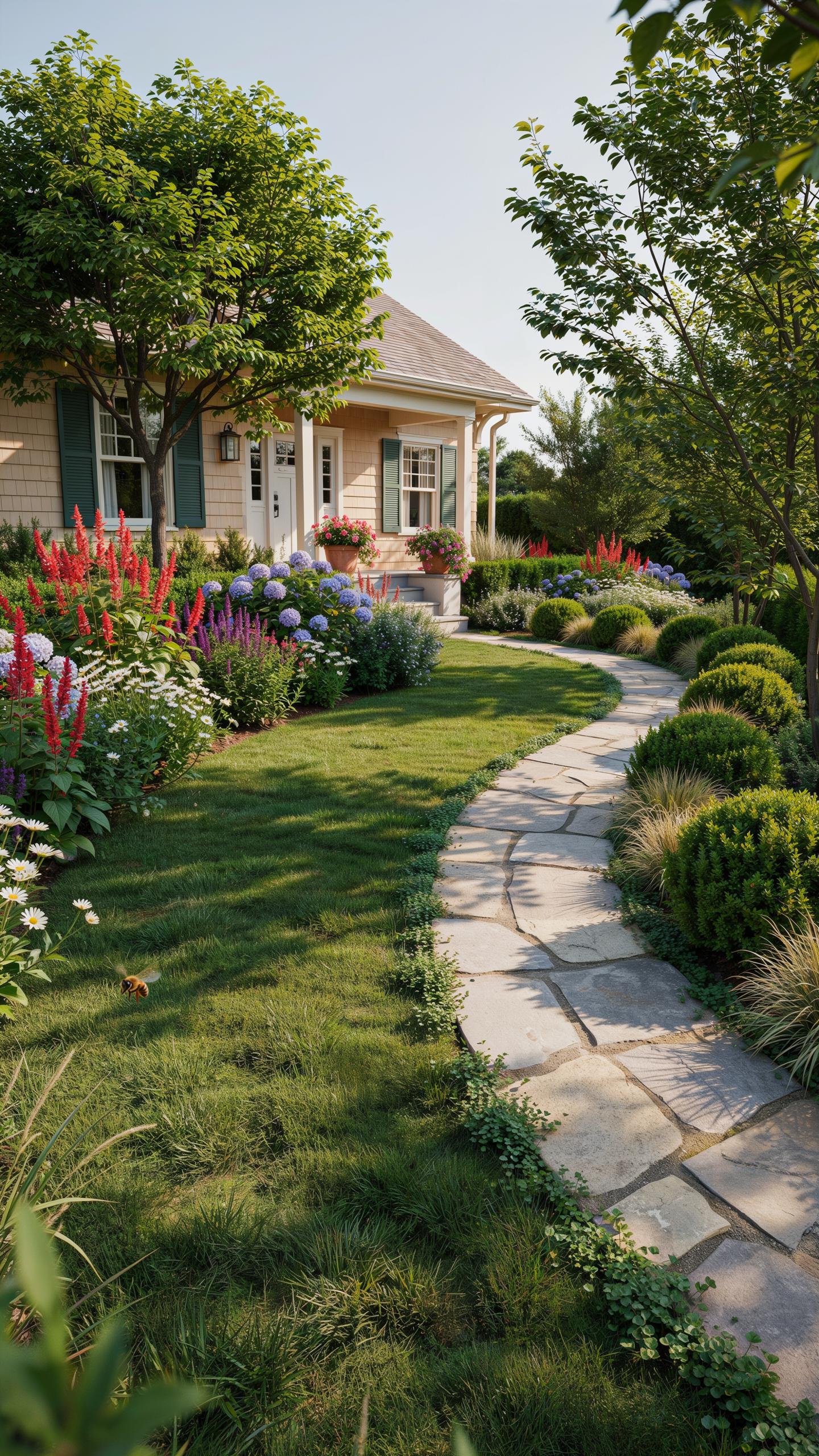
Mapping Out Your Corner Garden Layout Before You Break Ground
Corner lots face two streets. This exposure creates a larger public facade than interior lots. You must plot your property lines accurately using a land survey. Measure the distance from the street curb to your setback lines. Mark the location of underground utility lines. These physical constraints dictate where you can plant trees or build structures. Accuracy at this stage prevents expensive legal and utility mistakes later.
Identify the primary wind direction and sun movement across the lot. Corner properties often experience higher wind speeds due to open street corridors. Use stakes and string to visualize the flow of the space. Determine the main entry points for both vehicles and pedestrians. Focus on the transition zones between the public sidewalk and your private space. A clear map ensures you allocate your budget to the right areas first.
Using Zones And Sight Lines To Create A Cohesive Corner Garden Layout
Divide the lot into functional zones based on privacy needs. Use the area closest to the intersection for low-profile plantings. High vegetation near the corner slows traffic visibility and creates safety hazards. Establish a focal point at the bend to anchor the design. This technique draws the eye toward your home rather than the empty street space. Strategic zoning maximizes the utility of the side yard.

Manage sight lines to balance curb appeal with personal seclusion. Use tiered planting heights to create a natural screen. Place taller shrubs toward the back of the property to block noise and wind. Keep the front view open to maintain a welcoming appearance. Align paths with existing doors or architectural features. This alignment creates a sense of order. Clear sight lines improve security by eliminating hidden areas near the street.
Corner Front Yard Landscaping Ideas That Boost Curb Appeal Affordably
Budget Plant Choices That Create A Strong First Impression From The Street
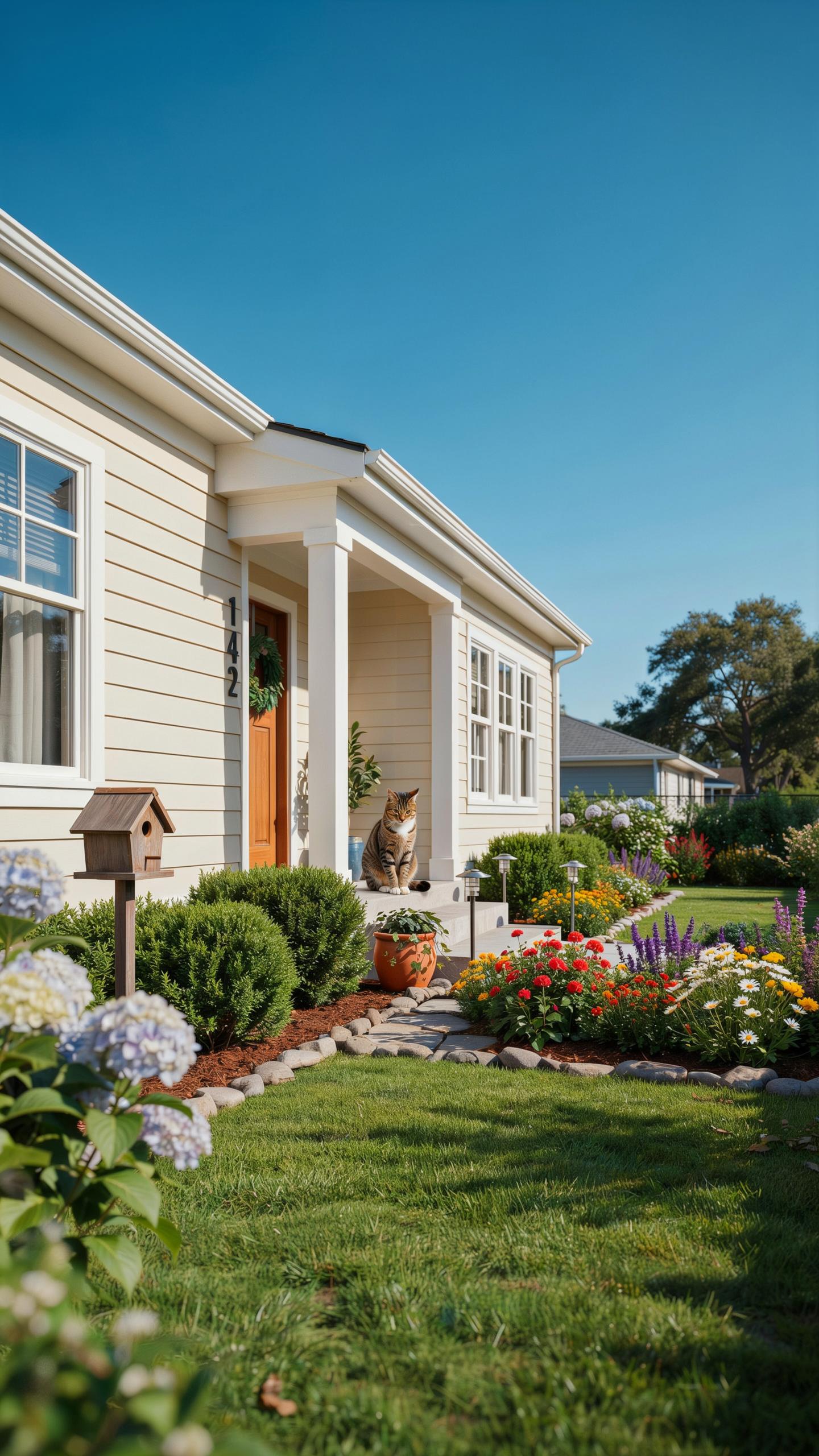
Select native perennials to reduce long-term maintenance costs. Native species adapt to local soil and weather patterns without expensive fertilizers. Buy smaller pots in the spring to save money. One-gallon containers cost significantly less than five-gallon sizes. These plants grow quickly to fill the corner space within two seasons. Mass planting a single species creates a high-end look for very little cash.
Prioritize ornamental grasses like Miscanthus or Pennisetum for year-round structure. Grasses provide height and movement that catches the eye from the street. Use evergreen shrubs as a backdrop to maintain curb appeal during winter months. Boxwoods or Yews offer reliable green frames for the property layout. Strategically placed shrubs hide utility boxes often found on corner lots. Avoid rare exotic plants that require high water bills.
Using Hardscape Accents Like Edging And Pathways To Define Your Front Corner
Install crisp edging to separate the lawn from planting beds. Clean lines define the corner shape and stop grass from invading garden spaces. Use recycled brick or affordable plastic bender boards for the border. Defined edges signal intentional design to neighbors and buyers. This simple tactic makes a cheap garden look professional. Physical barriers also simplify mowing and trimming tasks around the sharp corner radius.

Create a secondary path using crushed gravel or wood chips. These materials cost a fraction of poured concrete or stone pavers. A path guides the eye towards the front door from both street sides. This movement breaks up the large expanse of a corner lot. Use landscape fabric underneath to prevent weed growth and reduce future labor. Proper drainage prevents water from pooling near the public sidewalk or street curb.
Corner Landscape Ideas Front Yard Focused On Low Maintenance Plants
Native And Drought Tolerant Plants That Thrive In Exposed Corner Locations
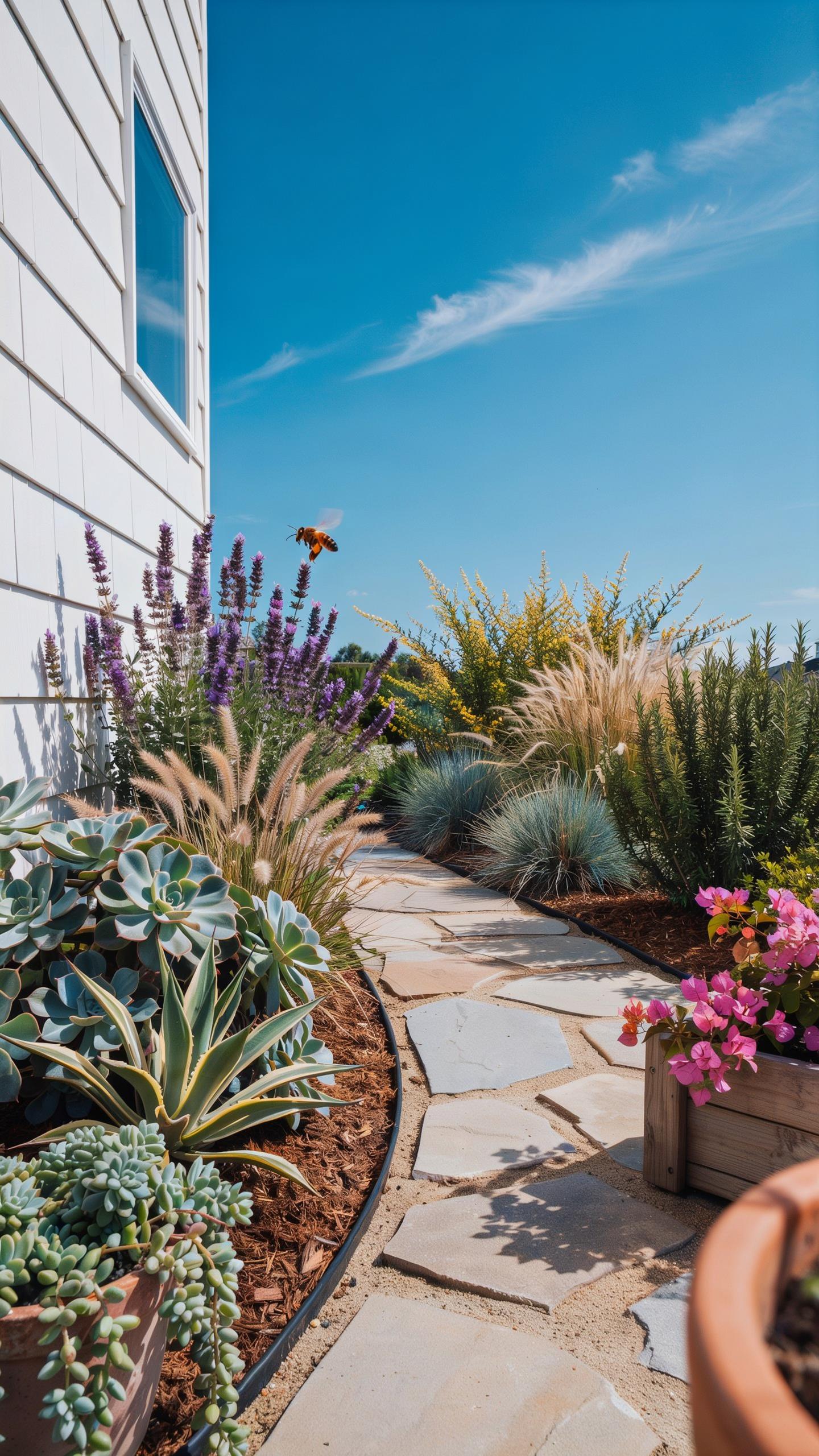
Corner lots face harsh winds and intense sun from multiple directions. Native plants survive these conditions because they adapted to the local climate over centuries. These species require less water and fewer chemical fertilizers than exotic plants. Choosing drought-tolerant varieties reduces your monthly utility bills and prevents plant loss during extreme weather. You must select rugged plants that handle salt spray or heat reflected from pavement.
- Coneflower (Echinacea): These hardy perennials thrive in full sun and tolerate poor soil quality. They feature deep root systems that seek out moisture during dry spells. Coneflowers attract pollinators while requiring almost zero pruning or supplemental feeding throughout the growing season.
- Switchgrass (Panicum virgatum): This native bunchgrass provides vertical structure and remains upright during winter. It handles varied soil types and resists pests effectively. Its deep roots stabilize soil on corner slopes and prevent erosion caused by heavy street runoff and wind.
- Little Bluestem (Schizachyrium scoparium): This grass offers striking color changes without needing extra water. It thrives in high-heat zones near concrete sidewalks and asphalt streets. The plant maintains its narrow shape, making it ideal for tight corner spaces where visibility for drivers remains critical.
- Russian Sage (Salvia yangii): This woody perennial excels in hot, dry conditions and rocky soil. It creates a dense visual barrier that discourages pedestrians from cutting across your lawn. It is deer-resistant and thrives on neglect, requiring only a single cutback in early spring.
- Stonecrop (Sedum): These succulents store water in their leaves to survive prolonged heat waves. They work perfectly as groundcover near the edges of corner curbs. Stonecrop prevents weed growth and survives the reflected heat from street surfaces better than traditional grass or mulch.
Smart designers group plants with similar water needs into specific hydrozones. This technique prevents overwatering and ensures each plant receives the correct care. Identify the sunniest parts of your corner lot before purchasing any greenery. Use local extension office data to find species specific to your hardiness zone. Strategic plant selection eliminates the need for expensive irrigation systems and constant maintenance.
How To Layer Plants By Height To Add Depth Without Adding Cost
Effective layering uses three distinct levels to create a professional look. Start with taller specimens in the back or center to establish a skeleton. Place medium shrubs in the middle to bridge the gap. Use low groundcovers at the front to hide bare soil. This step-down approach directs the eye and makes a small corner feel much larger. It also creates a natural windbreak for more delicate interior plants.

Avoid buying mature plants to save significant money on your initial investment. Smaller nursery stock grows rapidly and adapts faster to the soil on your corner lot. Proper spacing ensures each layer has room to mature without overcrowding. Overcrowding leads to poor air circulation and disease, which increases replacement costs. Stick to a limited palette of three to five species. Repetition creates a cohesive design that looks expensive but remains very affordable.
Backyard Corner Landscaping Ideas For Privacy And Functionality
Affordable Screening Solutions Using Shrubs, Grasses, And Trellises
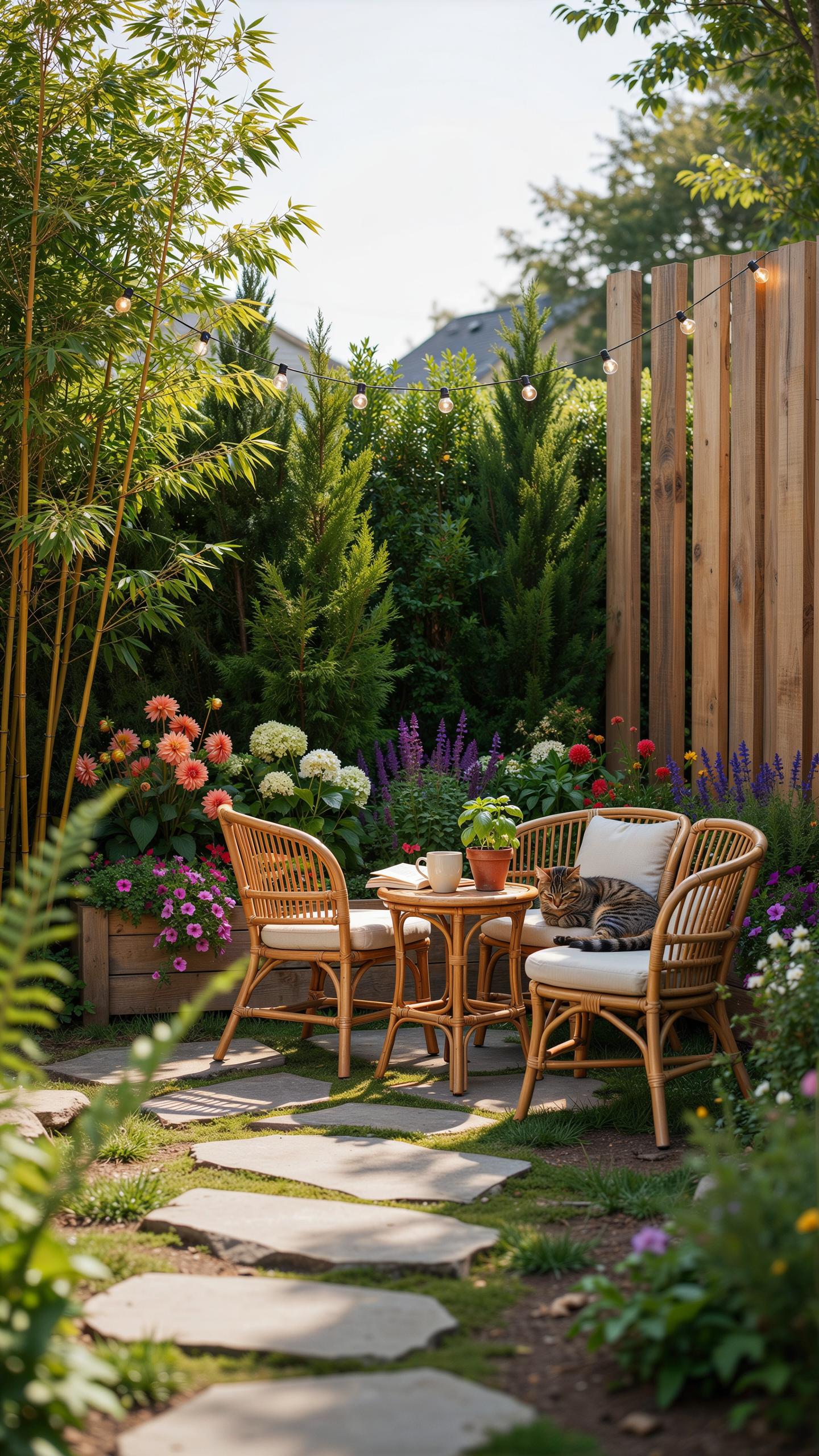
Privacy is the primary challenge for corner lots. Fast-growing shrubs like Privet or Arborvitae create living walls at a low cost per linear foot. Strategic placement blocks sightlines from two intersecting streets. Use evergreen species to maintain cover during winter months. Spacing is critical to prevent overcrowding and root rot. Research the mature width of each plant before digging to avoid future maintenance costs.
Ornamental grasses provide immediate height for minimal investment. Species like Miscanthus or Switchgrass grow four to six feet in a single season. These plants offer visual density and acoustic buffering against street noise. If space is tight, install simple wooden trellises with climbing vines like Clematis. This vertical approach uses less ground area. It solves the privacy problem without the expense of a full perimeter fence.
Creating Usable Outdoor Spaces In Backyard Corners On A Tight Budget
Backyard corners often become dead zones. Convert these areas into functional hubs using permeable materials like pea gravel or crushed stone. These materials cost less than poured concrete or wood decking. Excavate four inches of soil and lay landscape fabric to prevent weed growth. Level the stone to create a stable base for seating. This creates a clear destination that pulls movement away from the house.

Position fire pits or small dining sets in the furthest corner to maximize the yard. This layout increases the perceived size of the lot. Use reclaimed materials like brick or pallet wood for edge transitions. Define the zone with solar lighting to ensure nighttime utility. Proper drainage is essential when repurposing these low points. Ensure the grade slopes away from the seating area to prevent water pooling.
Landscape Ideas For Corner Of Yard Using Hardscaping On A Shoestring
Repurposing Reclaimed Materials For Borders, Raised Beds, And Focal Points
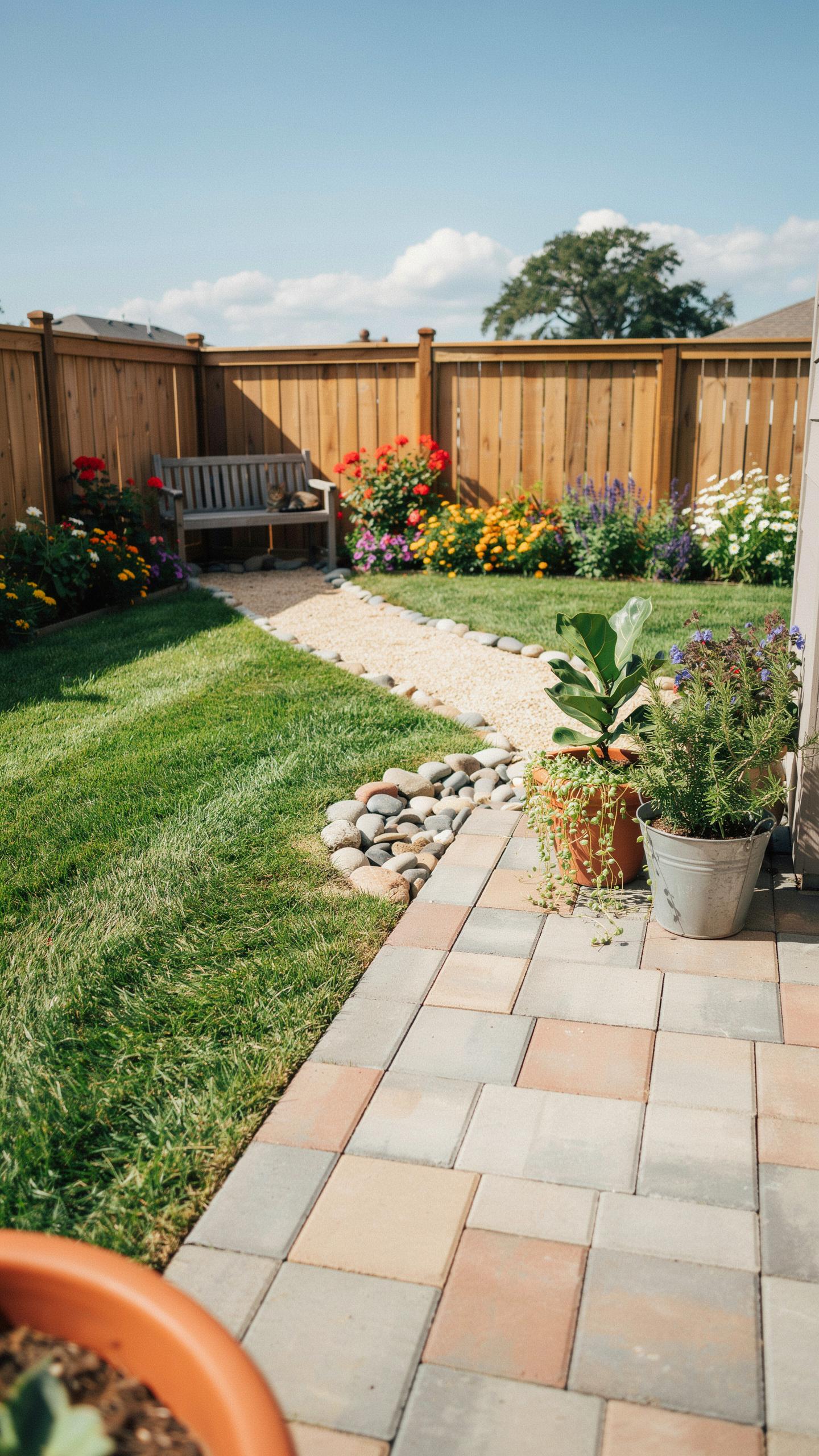
Scavenged materials provide structure without the high cost of new timber or stone. You can source old bricks, discarded concrete slabs, and wooden pallets from local construction sites or classified ads. These materials define edges and hold soil effectively. Using varied textures creates visual interest at the corner where the street meets your yard. This strategy reduces waste and saves your budget for plants.
Lay bricks in a trench on a sand base for a stable border. Stack concrete pieces like flagstone to build low retaining walls. These walls manage small grade changes common on corner lots. Ensure you level each layer to prevent shifting over time. This approach builds a durable framework that looks intentional rather than high-maintenance. Use these heavy elements to anchor the furthest point of your property landscape.
Gravel, Mulch, And Ground Cover As Cost Effective Alternatives To Lawn
Corner lots often face high foot traffic and salt spray from roads. Replacing turf grass with gravel or wood mulch eliminates the need for expensive watering and mowing. Pea gravel creates a permeable surface that allows water to reach the soil. This prevents runoff issues near the sidewalk. Decomposed granite provides a firm walking path through the corner space. These materials offer a clean aesthetic for very little investment.

Combine inorganic mulches with hardy ground covers like creeping thyme or sedum. These plants colonize the gaps and suppress weed growth naturally. They withstand environmental stress better than standard lawn grass. Use larger river rocks to create a dry creek bed that directs drainage away from your foundation. This method solves practical water problems while defining the corner as a designed feature. Low-cost aggregates provide immediate coverage for large open areas.
Corner Lot Garden Ideas That Work With Sloped Or Irregular Terrain
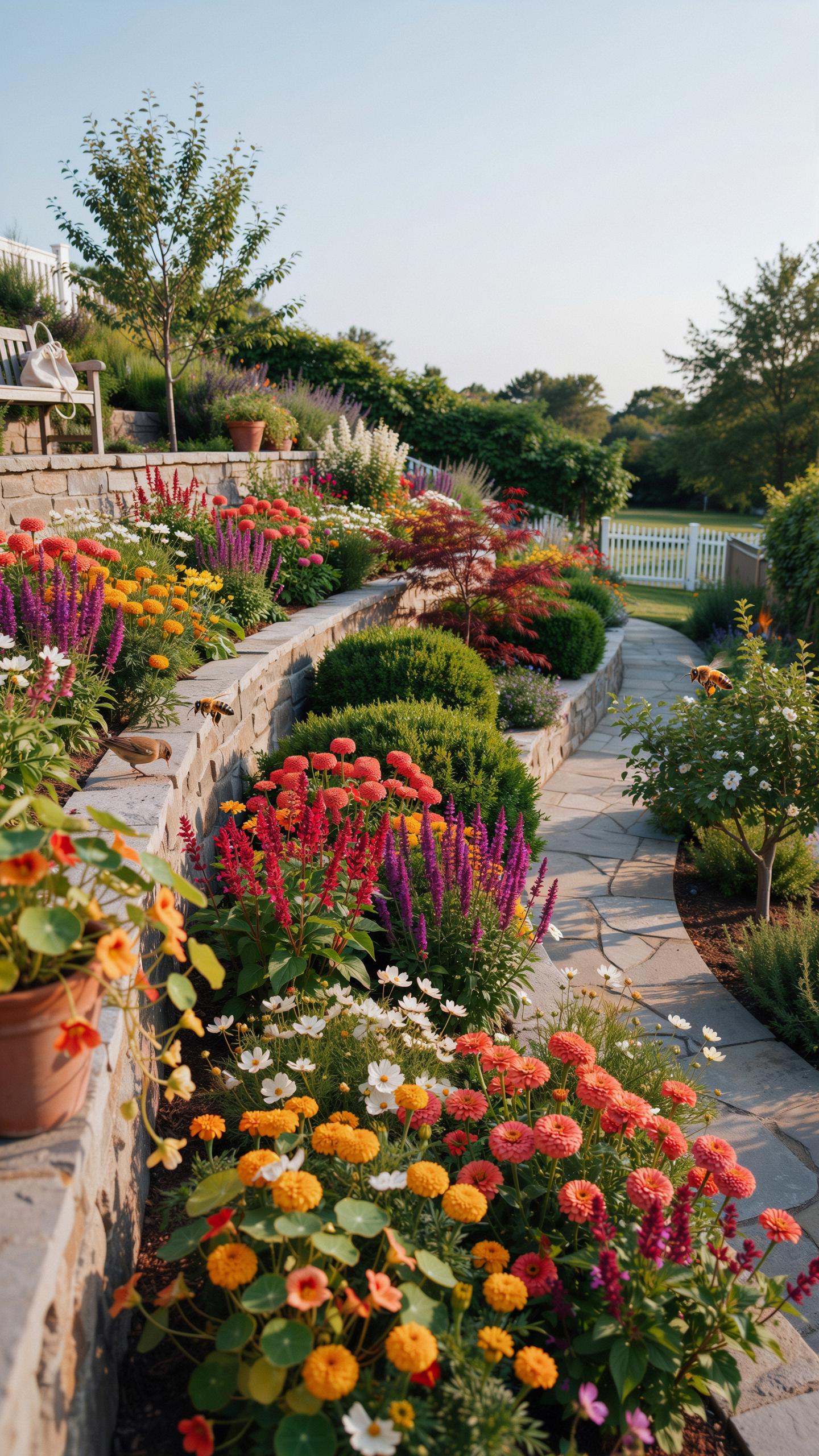
Simple Terracing And Retaining Techniques For Uneven Corner Lot Ground
Corner lots with elevation changes require structural intervention to prevent soil erosion and water runoff. Use gravity-style retaining walls for a cost-effective solution. Stack heavy materials like dry-stone, concrete blocks, or rot-resistant timber. These structures lean slightly into the hill to hold back earth. Keep walls under three feet high to avoid expensive engineering permits and complex drainage requirements.
Terracing breaks a steep slope into flat, manageable levels. This creates usable planting zones on a corner lot. Distribute water flow by grading each level with a slight pitch. Use gravel backfill behind walls to manage hydrostatic pressure. This technique prevents wall failure during heavy rain. Simple wooden sleepers provide a modern look while natural fieldstone fits a traditional landscape aesthetic.
Plant Selections And Ground Covers That Stabilize Slopes Naturally
Root systems act as living anchors for hilly corner lots. Fast-spreading ground covers provide immediate soil protection by reducing surface impact from rain. Low-maintenance species thrive on slopes because they handle rapid drainage well. Select plants that tolerate the high exposure common on open corner sites. Avoid heavy shrubs that might slide if the soil becomes saturated during a storm.
- Creeping Juniper: This evergreen shrub creates a dense mat of foliage. Its extensive root network binds soil particles together effectively. It requires almost no pruning once established and handles harsh road salt near corner lot curbs.
- Vinca Minor: Also known as periwinkle, this plant spreads quickly via runners. It creates a thick green carpet that blocks weeds and keeps soil in place. It performs well in the shaded areas often found behind corner lot houses.
- Native Bunchgrasses: Grasses like Little Bluestem or Sideoats Grama have deep vertical roots. These roots reach several feet underground to secure the earth. They provide a structural, wild look that complements modern architectural styles on irregular terrains.
- Cotoneaster: This tough woody plant provides excellent bank coverage. Its trailing branches root where they touch the ground, doubling its stability. The plant produces red berries and can withstand the drought conditions common on steep garden inclines.
- Sedum Groundcovers: Low-growing succulents are ideal for rocky or thin soil on slopes. They store water in their leaves and thrive in full sun exposure. These plants require zero mowing and very little supplemental water after the first year.

Strategic planting protects the long-term integrity of your terraced walls. Place larger perennials and shrubs at the base of slopes to catch any shifting sediment. Use mulch or erosion control blankets while young plants establish their roots. This combination of structural terracing and biology creates a permanent solution for difficult terrain. A well-stabilized slope increases property value and reduces weekly yard maintenance.
Corner Lot Landscaping Ideas For Year Round Visual Interest
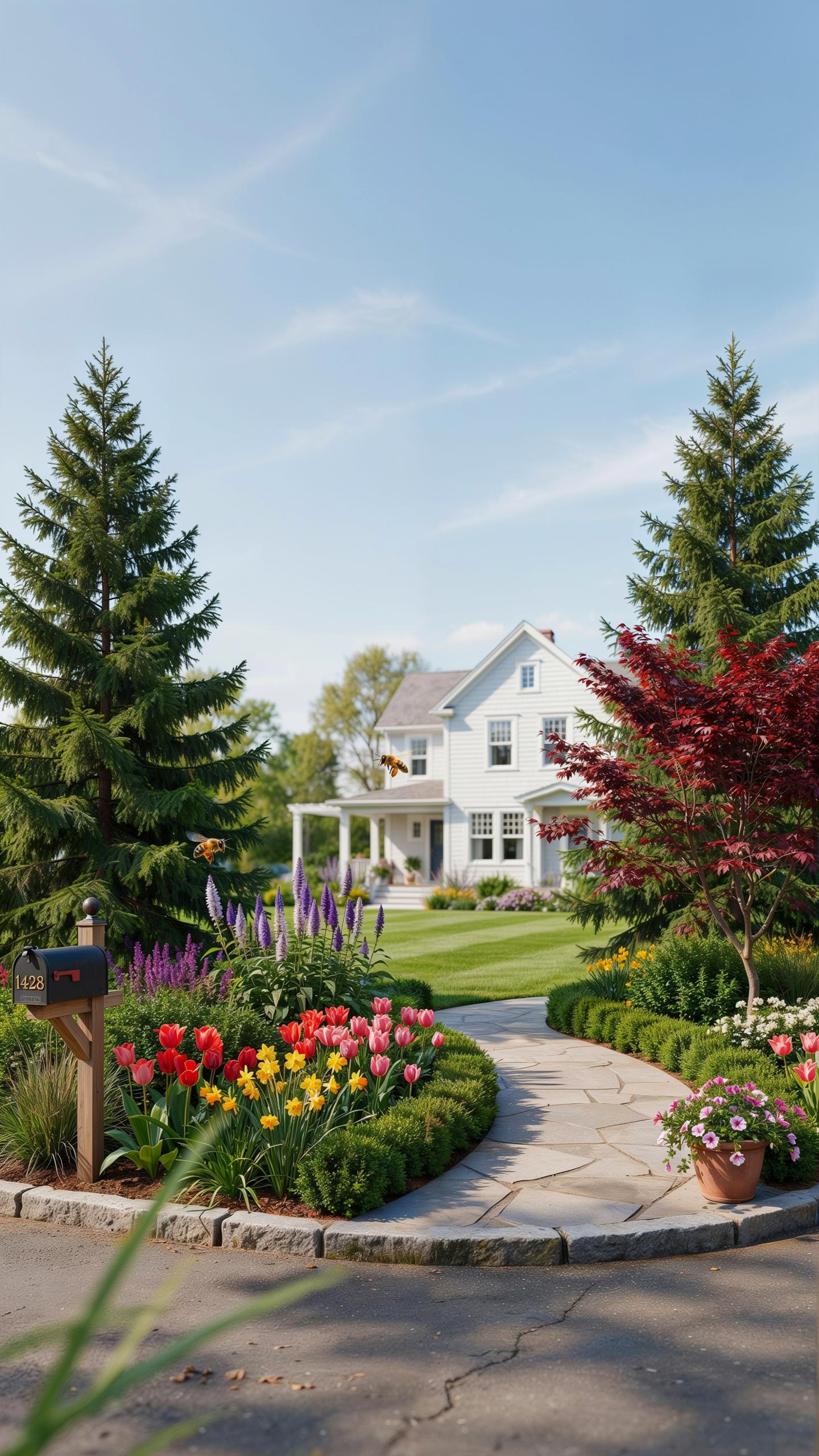
Choosing A Mix Of Seasonal Plants To Keep Your Corner Garden Looking Fresh
Corner lots face exposure from two different streets. This visibility requires a planting schedule that prevents dead zones. You must select species based on bloom times. Combine spring bulbs with summer perennials and fall shrubs. This strategy ensures the lot never looks empty. Use early bloomers like Muscari or Crocus near the curb. Follow these with late summer fillers like Rudbeckia.
Strategic layering maintains the garden aesthetic during dormant months. Balance deciduous plants with species that offer winter interest through bark or berries. Cornus sericea provides bright red stems in snow. Ilex verticillata offers red berries after leaves fall. These choices provide structure when flowers fade. Group plants by water needs to save money on maintenance. Proper timing keeps the corner lot looking intentional and professional.
Using Evergreens And Ornamental Grasses As Budget Friendly Structural Anchors
Structural anchors define the shape of a corner garden. Evergreens provide constant green color and block wind or noise. Choose dwarf varieties like Boxwood or Juniper to avoid blocking traffic sightlines. These plants cost less over time because they live for decades. They require minimal pruning and stay green through winter. Place them at the corner apex to ground the entire landscape design.
Ornamental grasses offer movement and texture for a low price point. Species like Panicum or Miscanthus grow quickly and fill large gaps. They provide golden tones during the winter months. You only need to cut them back once a year in early spring. This reduce labor costs and tool requirements. Use grasses to soften the hard edges of sidewalk concrete. They add height without the high price of trees.
DIY Tips To Maintain Your Corner Front Yard Landscaping Ideas Long Term
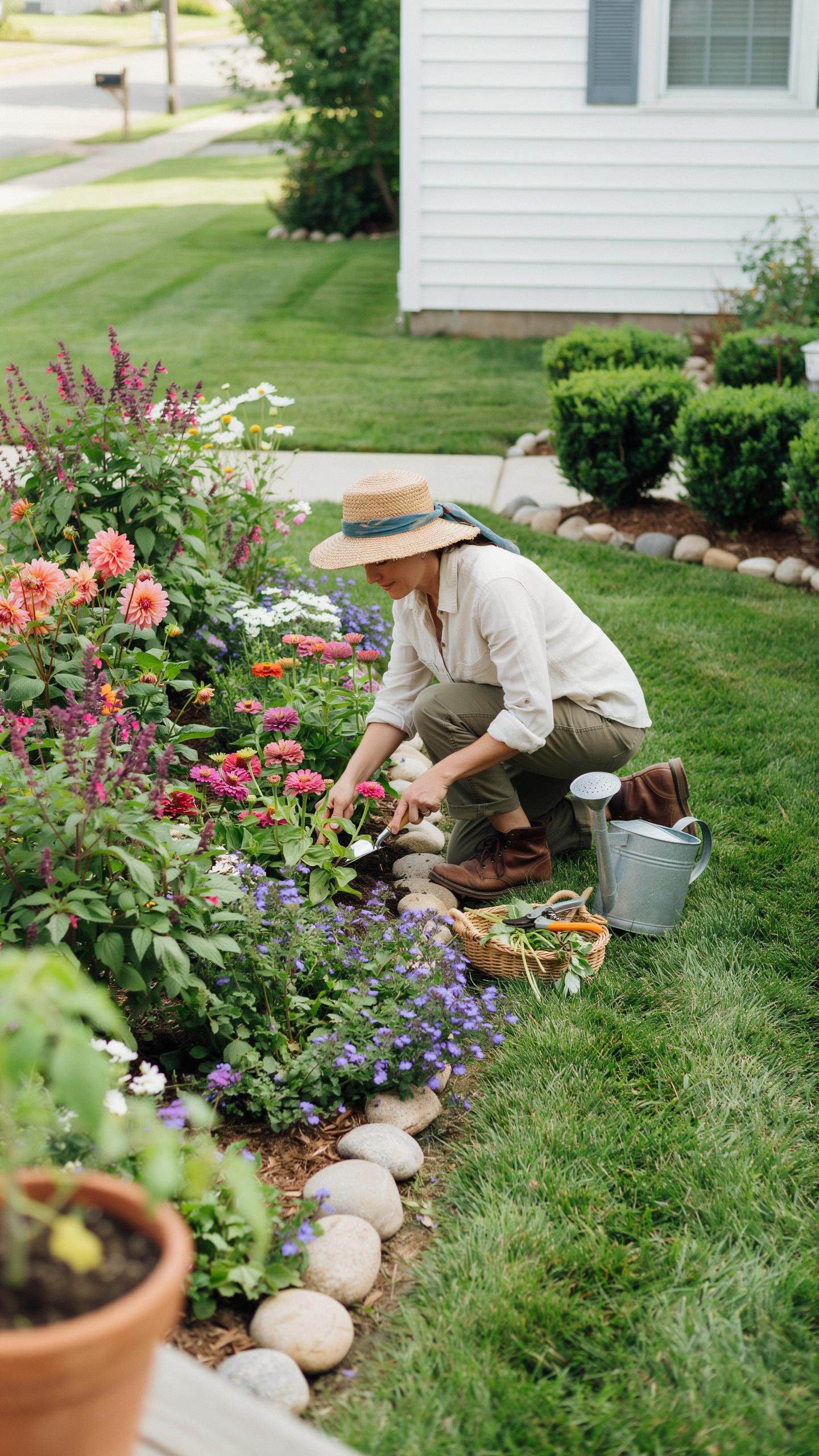
Simple Weekly And Seasonal Care Routines That Keep Costs Down Over Time
Edge your lawn every week to maintain the crisp lines required for corner lot curb appeal. High visibility from two streets means messy edges attract immediate notice. Mow at a height of three inches to promote deep root growth and shade out weeds. This reduces your need for expensive herbicides or synthetic fertilizers. Inspect irrigation lines for leaks to prevent water waste and high utility bills.
Prune shrubs twice a year to maintain sightlines for traffic safety. Overgrown plants on a corner block create dangerous blind spots for drivers. Apply a three inch layer of organic mulch every spring to retain moisture and suppress weeds. This practice cuts your garden labor time in half and feeds the soil naturally. Clear debris from street facing gutters to prevent drainage issues during heavy rain events.
When To Call A Professional Versus Handling Corner Lot Upkeep Yourself
Perform routine tasks like weeding, mulching, and planting yourself to save money. Most corner lot maintenance involves basic physical labor that requires no special tools. Buy young plants in bulk to fill large corner beds for less. Manage your own seasonal cleanups to avoid high contractor fees. You can handle most aesthetic adjustments with a standard shovel, a rake, and a pair of bypass pruners.
Hire an arborist for any tree work near public power lines or street lights. Cities often hold homeowners liable for damage caused by improper pruning on corner lots. Contact a professional if you notice major drainage problems or soil erosion on sloped corners. Complex grading requires specialized machinery and engineering knowledge to prevent foundation damage. Always call local utility 811 services before digging deep holes for new fence posts.
Frequently Asked Questions

What are the unique challenges and benefits of designing a garden for a corner lot?
Designing a garden for corner lots offers incredible curb appeal because your landscaping is visible from two different streets. The main challenge is balancing this high visibility with your need for privacy. By using strategic garden design for corner lots, you can create a welcoming wrap-around aesthetic that enhances your home’s value while using layered plantings to define your boundaries and shield your private outdoor living areas from passing traffic.
How can I create privacy on a corner lot without building an expensive fence?
You can achieve privacy beautifully and affordably by using “living fences.” Incorporating fast-growing shrubs, tall ornamental grasses, or a trellis with climbing vines into your garden design for corner lots provides a soft, natural screen. This approach is often more budget-friendly than traditional fencing and avoids a boxed-in feeling. Grouping plants of varying heights creates a lush, tiered look that blocks sightlines from the street effectively and naturally.
What are some low-cost ways to fill a large corner garden bed quickly?
To save money, focus on “bulk and divide” strategies. Purchase perennial plants that can be easily divided after a season, such as hostas or daylilies, to multiply your greenery for free. You can also use affordable groundcovers and organic mulch to fill empty spaces between featured plants. Starting from seeds or participating in local plant swaps are excellent ways to source diverse species without spending a fortune on mature nursery stock.