What Makes Curved Garden Beds So Appealing In Modern Landscaping
The Natural Aesthetic Appeal Of Flowing Lines In Garden Design
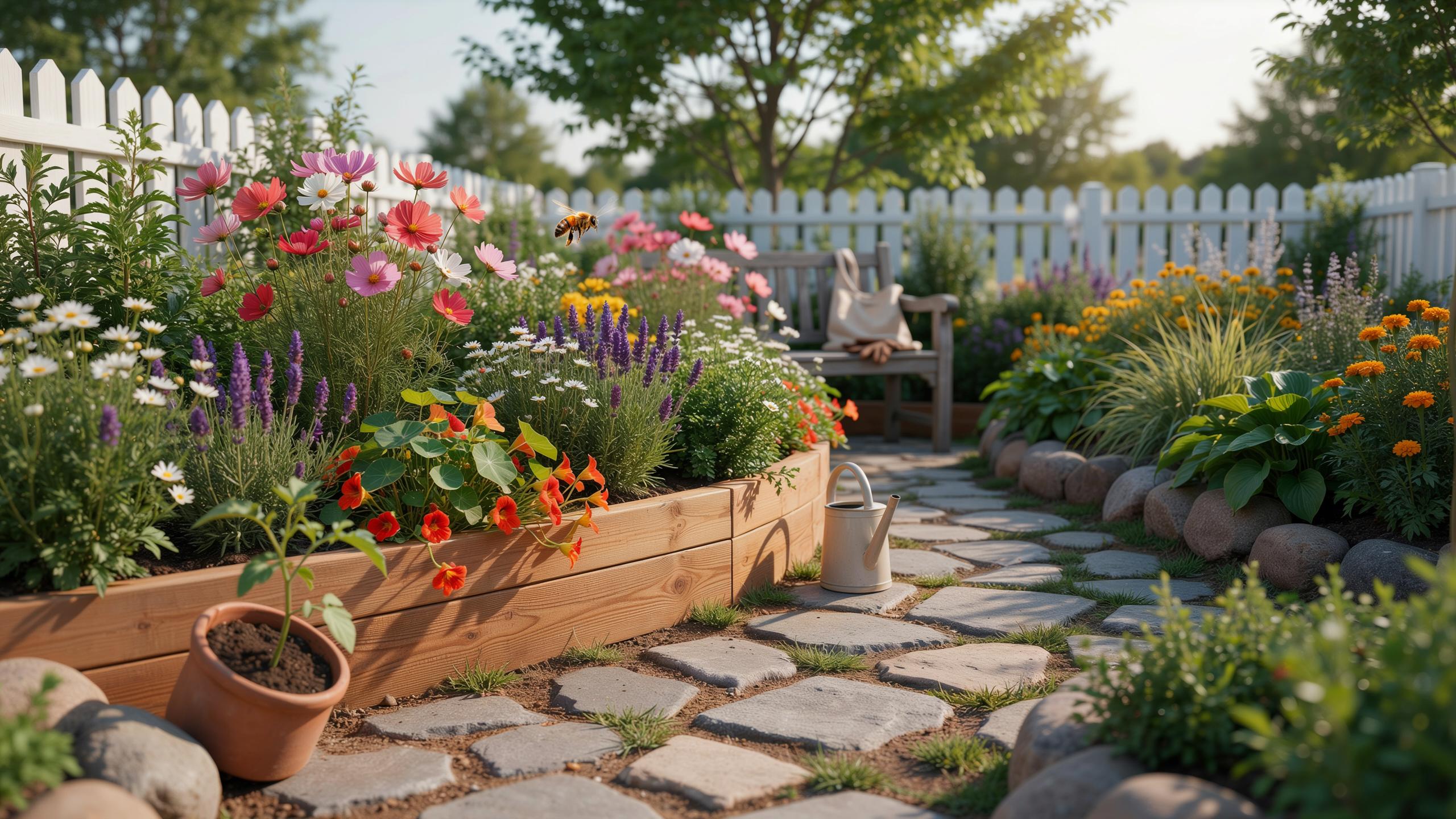
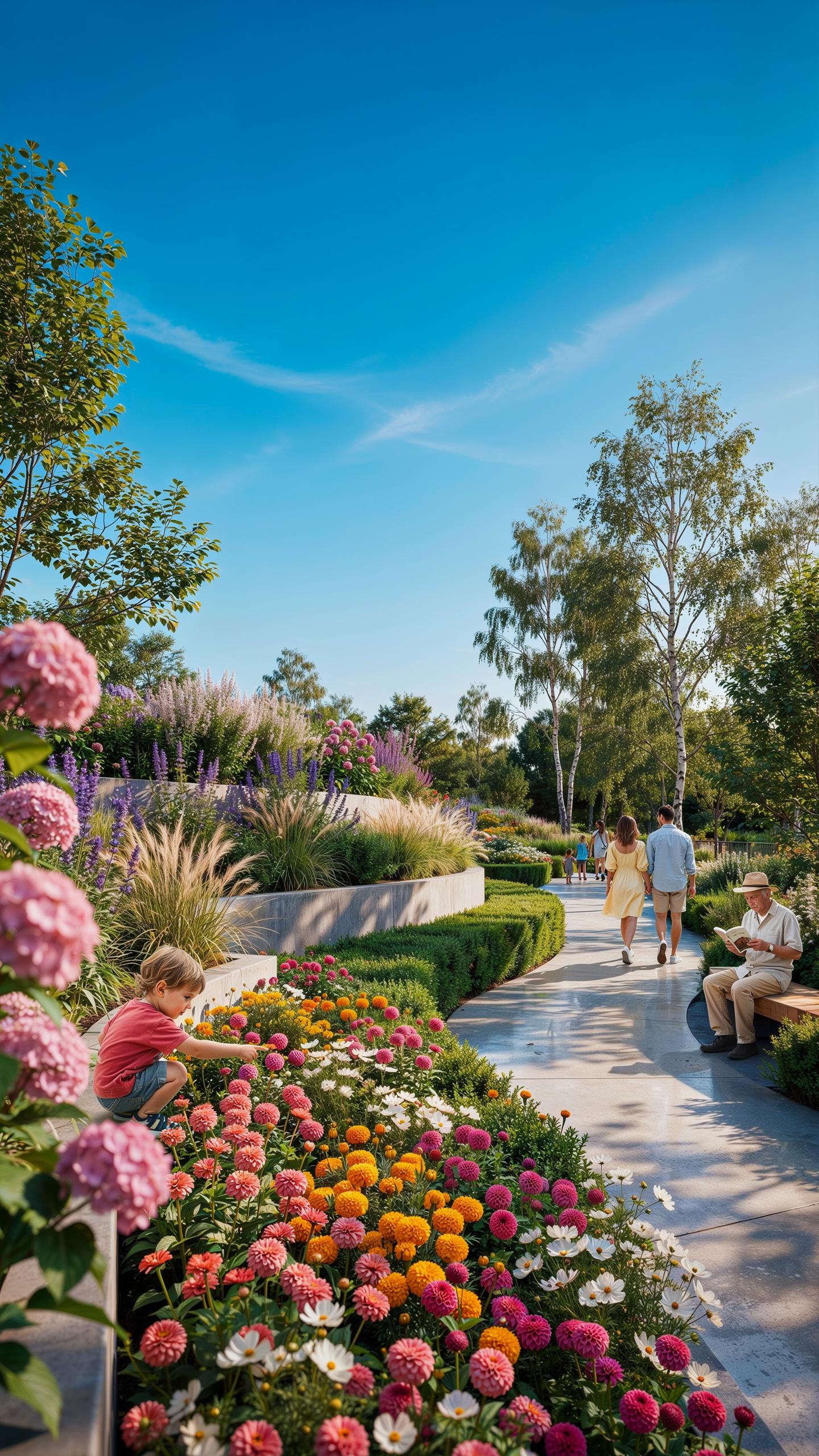
Curved garden bed design mimics natural landscapes. Nature rarely produces perfectly straight lines. Soft edges decrease visual tension in a backyard. They create a relaxed atmosphere that feels organic. These shapes draw the eye along a continuous path. This movement keeps the viewer engaged with the plant material. It prevents the eye from stopping at a sharp corner or a hard boundary.
Landscape designers use curves to soften the impact of rigid structures. Most homes have square walls and rectangular fences. Curved beds break these harsh lines. They add contrast to the built environment. This technique makes the garden feel integrated with the surrounding land. Using radius curves creates a sense of balance. It shifts the focus from structural limits to the actual vegetation and growth.
How Curved Shapes Improve Garden Flow And Spatial Perception
Curves manipulate how a visitor experiences a small space. Straight lines show the entire garden at once. This makes a yard feel smaller. Curved beds create hidden pockets and mystery. They slow down the pace of movement. People must follow the bend to see what is next. This psychological trick makes a standard lot feel much larger than its actual square footage.
Spatial flow improves when paths and beds share consistent curves. These shapes guide traffic naturally through the yard. They eliminate awkward dead zones in corners where weeds often grow. Designers use wide sweeps to provide more planting depth in specific areas. This allows for Layered planting heights. You can place taller shrubs in the deep parts of the curve. You put low groundcovers along the front edge.

Top Curved Garden Bed Ideas Trending This New Season
Layered Planting Schemes That Thrive In Curved Bed Layouts
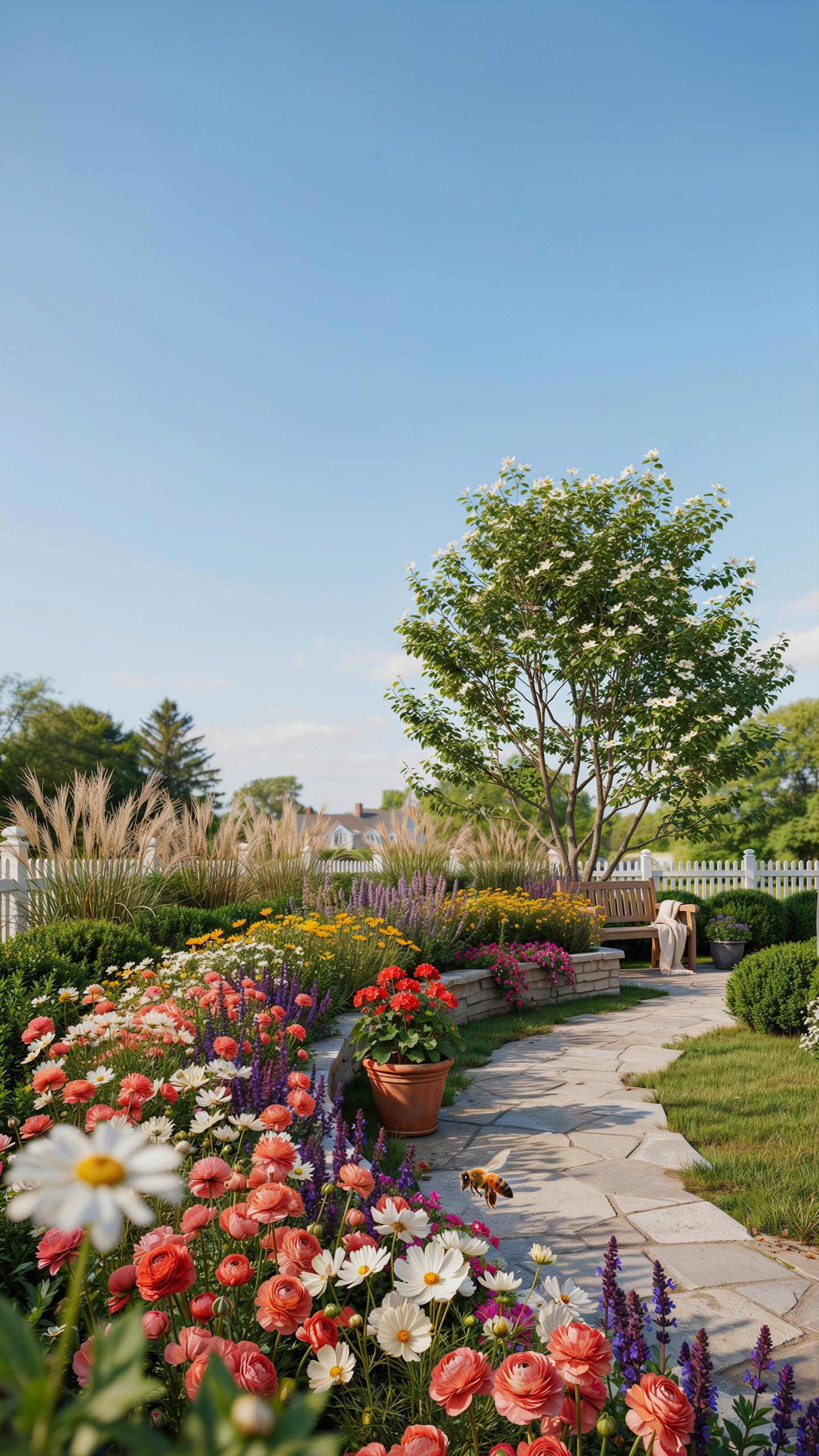
Staggered planting depths create visual interest in a curved garden bed design. Place the tallest specimens at the deepest point of the curve. These focal points provide a structural anchor for the entire arrangement. Move outward toward the edges with medium heights. Use groundcovers to soften the transition between soil and lawn. This technique eliminates flat views and directs the eye along the arc.
Proper spacing prevents overcrowding as plants mature within the curve. Group plants with similar water needs to ensure uniform growth. Use a monochromatic color palette to emphasize the shape of the bed rather than individual plants. Strategic layering hides leggy stems and maximizes the use of space in tight radii. This approach mirrors natural growth patterns found in established woodland edges and meadow borders.
The curve of a garden path or the soft sweep of a flower bed reminds us that nature never moves in straight lines. Embracing these flowing shapes brings a gentle, timeless rhythm back to our modern landscapes.
Mixing Textures And Heights To Elevate Curved Garden Bed Ideas
Contrast fine foliage with broad leaves to define the curve. Use ornamental grasses to add motion and catch the wind. Their upright form creates a sharp break against low, spreading perennials. This variation makes the garden look larger by creating distinct zones. Avoid using too many different textures in one area. Choose three primary plant types to maintain a clean and professional look.

Place sharp, architectural plants like agave or yucca at the corners of a turn. This reinforces the structural intent of the design. Use soft, mounding plants to fill the interior of the curve. The mix of rigid and soft shapes guides the viewer through the landscape. Varying heights prevent the garden from looking like a flat ribbon. This strategy ensures the bed remains visually striking from every possible angle.
Designing A Curved Flower Bed In Front Of House For Maximum Curb Appeal
Choosing The Right Shape And Scale For A Front Garden Curved Flower Bed
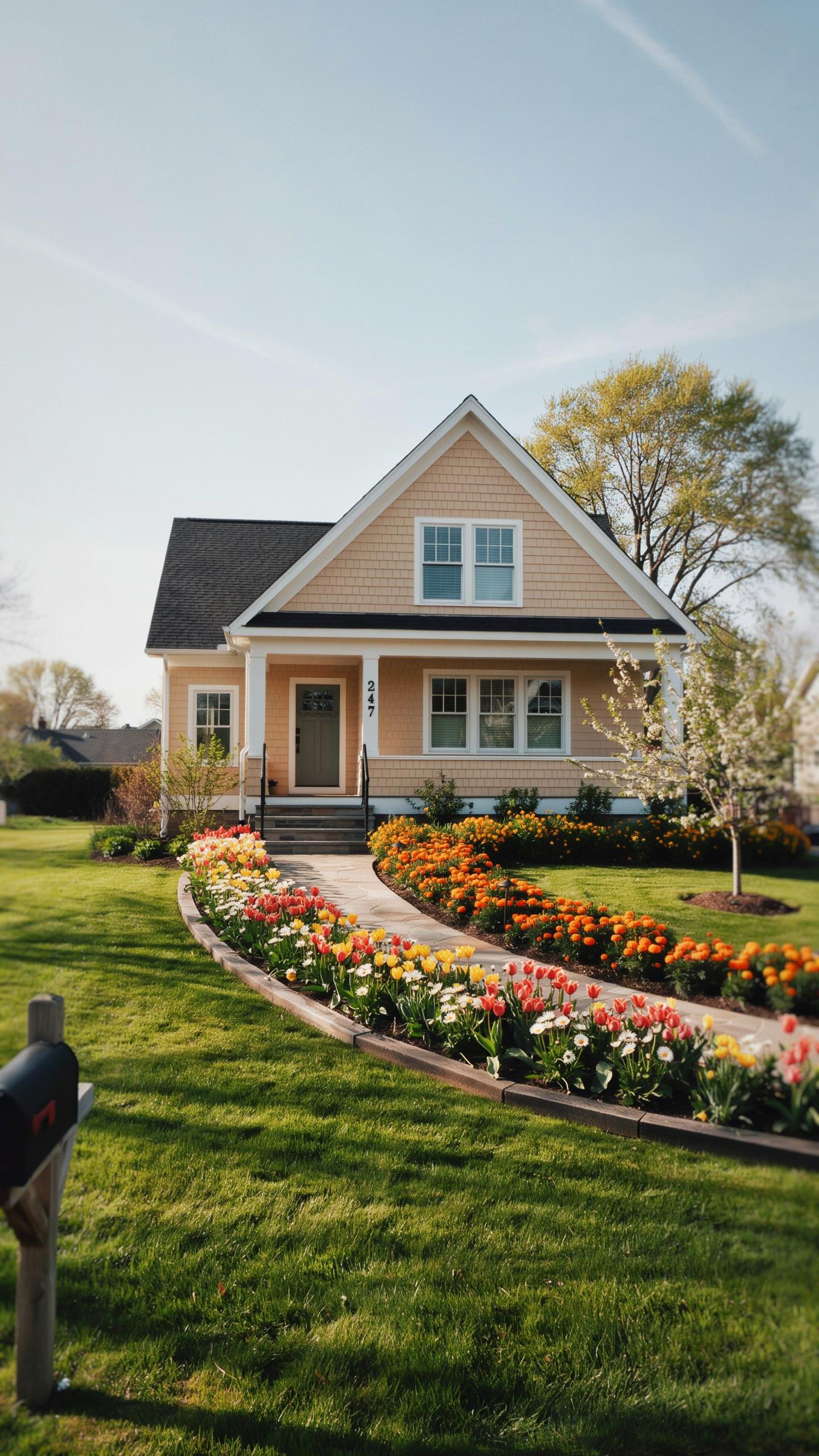
Measure your house height before digging any lines. A narrow bed looks weak against a tall two-story home. Scale the curve depth to match the building footprint. Use a garden hose to lay out the shape on the ground. Deep bends create a sense of movement. Shallow curves often look like structural mistakes. Ensure the widest point of the bed aligns with architectural features like windows.
Maintain a minimum width of five feet for all curved beds. This space allows for layered planting without crowding the foundation. Avoid tight serpentines that are difficult to mow around. Broad, sweeping arcs work best for modern and traditional homes. Proper scaling ensures the garden feels like a permanent part of the site. Use marking paint to finalize the edge before removing any sod or soil.
Best Flowering Plants To Use In Curved Flower Beds In Front Of House
Select plants based on their growth habit and bloom time. Group species in odd numbers to reinforce the natural flow of the curve. Repeating specific colors along the edge guides the eye through the landscape. Tall plants belong in the back of the widest curve sections. Low-growing groundcovers should hug the front edge to define the shape clearly. Use plants that maintain structure year-round.
- Coneflower (Echinacea): These sturdy perennials offer height and mid-summer color. They thrive in full sun and attract pollinators. Their vertical stems provide a sharp contrast to the horizontal curves of the bed border.
- Catmint (Nepeta): This plant creates a soft, billowing edge along the curve. It spills over the border to hide hard edges. The purple flowers bloom for several months with minimal maintenance required from the homeowner.
- Daylilies (Hemerocallis): Use these for mid-range height and dense foliage. They fill gaps quickly and suppress weeds. Their arching leaves mimic the curved lines of the garden bed design to create visual harmony.
- Hydrangeas: These shrubs provide massive floral impact and structural volume. They work best in the deep centers of a curved bed. Use them as focal points to anchor the design against the house facade.
- Salvia: Spiky floral towers offer a distinct texture change from rounded shrubs. They provide deep blues and purples that stand out against green foliage. Plant them in drifts to emphasize the direction of the curve.

Layer these species by height to prevent a flat appearance. Start with the tallest shrubs against the house wall. Place medium perennials in the center and short border plants along the front. This graduation creates a three-dimensional effect. Keep the plant density high to prevent mulch from showing. Consistent spacing ensures that every curve looks intentional and professional. Strategic plant placement maximizes the visual impact of the design.
How Curved Flower Beds Transform Backyard And Side Garden Spaces
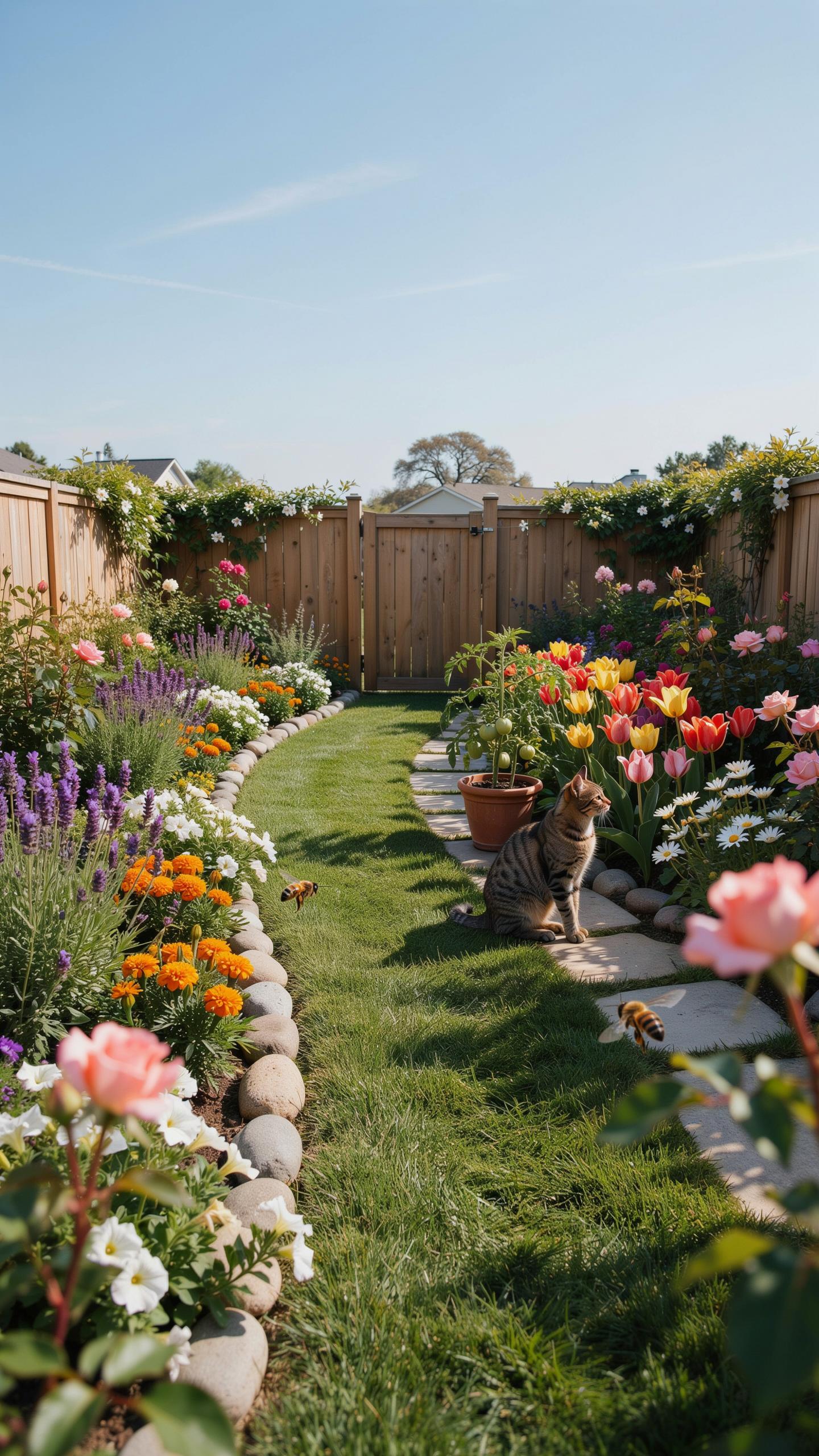
Using Curved Flower Beds To Soften Fences, Walls, And Pathways
Hard scaping creates rigid lines that look cold and industrial. Flat fences and concrete paths often make a yard feel like a box. Curved garden bed design breaks these harsh lines by introducing organic movement. You hide the base of a fence with deep curves to remove the visual boundary. This technique makes the garden feel larger because the eye cannot easily track the perimeter.
Strategically place curves where paths meet vertical structures. Use a garden hose to mark out wide radii for the best effect. Narrow curves look messy and are hard to mow. Professional designers use deep swells to create planting pockets. These pockets allow for layering plants by height. Taller shrubs go into the deep parts of the curve. Lower perennials sit on the edges to blend the bed into the walkway.
Creating Privacy And Structure With Curved Beds In Larger Garden Areas
Large open spaces often feel empty and lack a clear purpose. You can use curved beds to divide a massive lawn into functional outdoor rooms. Large sweeps of soil and mulch act as natural walls. They guide the flow of foot traffic without using heavy construction. High density planting within these curves blocks sightlines from neighbors. This adds private zones for seating or dining areas.

Anchor these large beds with mid sized trees or structural evergreens. These plants provide year round height and weight. Use a consistent curve radius to maintain a professional look across the property. Irregular shapes create too much visual noise. Instead, repeat specific curve patterns to bring harmony to the site. This approach builds a backbone for the landscape. It defines where the lawn ends and the intentional garden begins.
Have Inspiration From Nature Organic Shapes Driving Curved Bed Trends
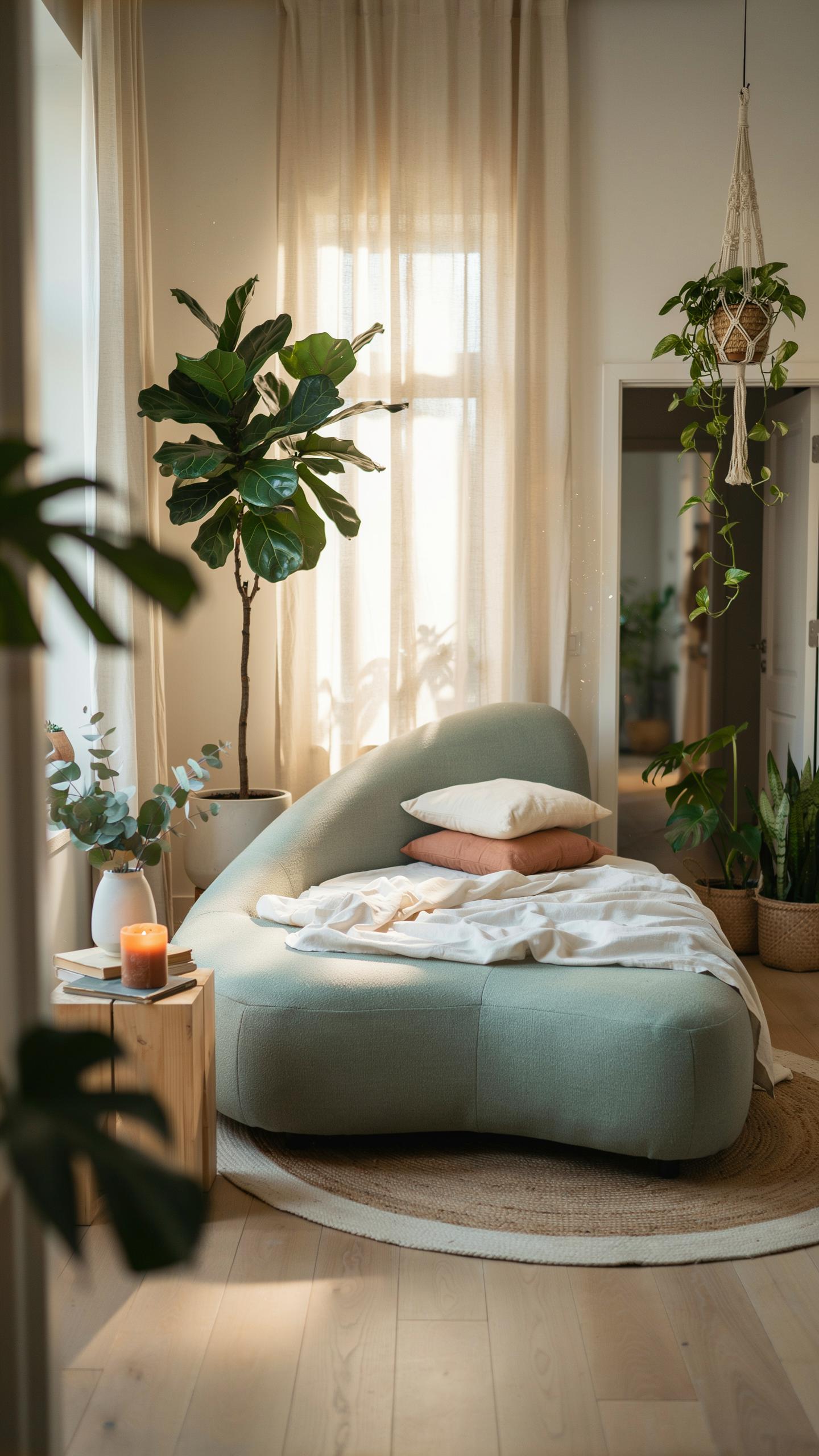
How Biophilic Design Principles Influence Curved Garden Bed Layouts
Biophilic design forces a connection between built environments and the natural world. Modern curved garden bed design uses these principles to lower human stress levels. Straight lines rarely exist in nature and often create visual tension. Designers now use soft radii to mimic the edges of forests or riverbanks. These shapes guide the eye naturally through a space without hitting harsh stop points or sharp corners.
Tactical implementation requires understanding how sightlines impact movement. You must place curves where the eye naturally wants to travel. This approach uses mathematical patterns found in shells and plants. Using these organic ratios ensures the garden feels like a cohesive ecosystem rather than an artificial construction. Proper layout improves the flow of foot traffic and prevents dead zones in your landscape. Follow the land’s natural rise and fall.
Drawing Inspiration From Natural Landscapes To Shape Your Garden Beds
Natural landscapes provide the blueprint for effective curved beds. Look at how water carves soil along a stream. Erosion creates sweeping arcs that stabilize the land. You should replicate these functional shapes to manage drainage and soil retention. Use wide curves for large open spaces to maintain scale. Tight curves work best in small corners to create a sense of depth and hidden discovery for the viewer.

Historically, the English Landscape Movement moved away from rigid geometry. This shift prioritized the illusion of untouched nature. You can apply this by mapping the existing topography of your yard before digging. Identify where water pools or where wind hits hardest. Draft your bed edges to follow these environmental cues. This strategy ensures the garden looks established rather than forced. It also reduces long-term maintenance by working with the terrain.
Curved Garden Planters Portable And Flexible Design Solutions
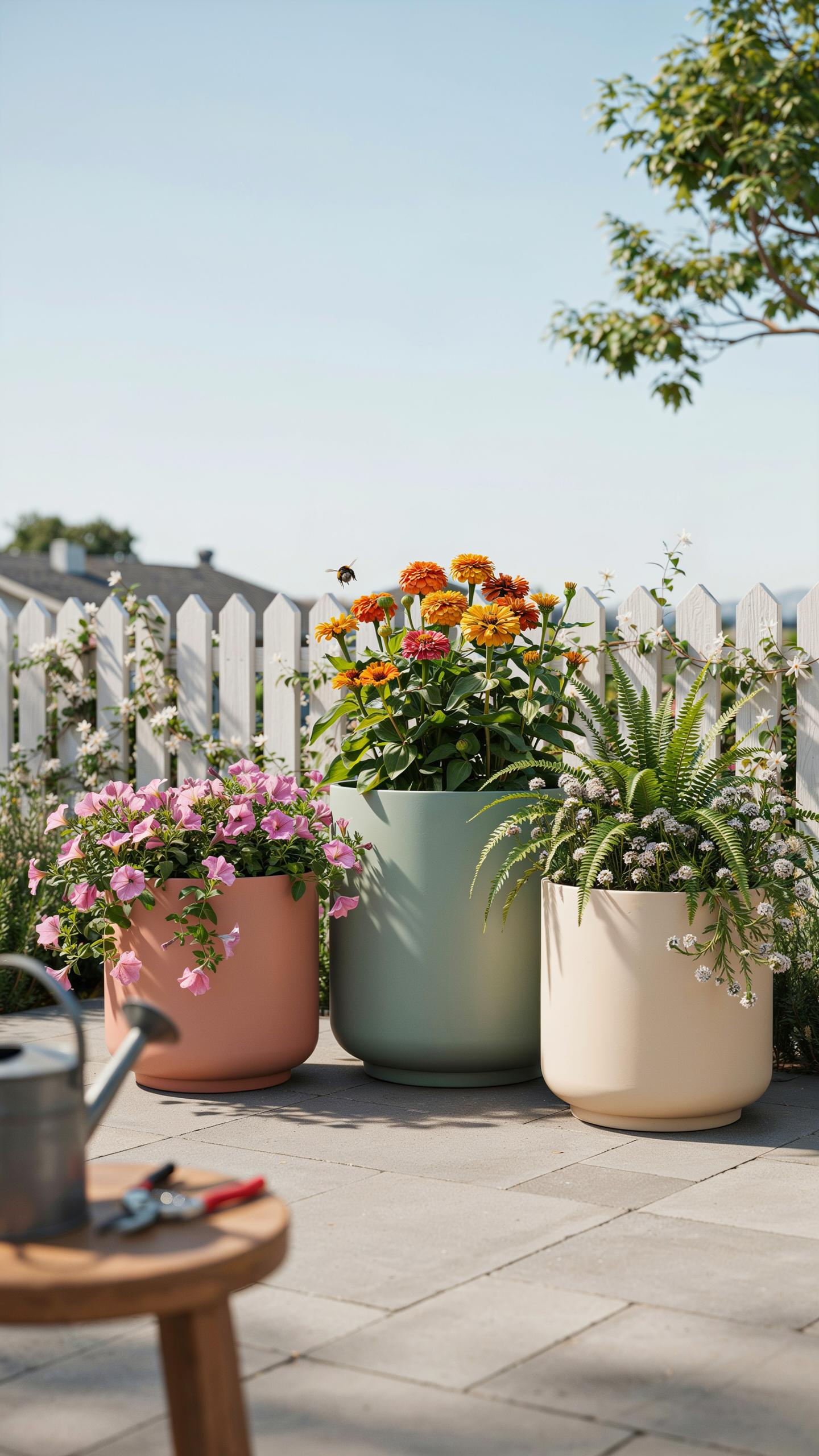
The Rise Of Curved Garden Planters For Patios, Decks, And Entryways
Curved planters solve layout problems in tight urban spaces. Flat walls and square tiles create harsh lines that feel cold. Circular or oblong containers break these patterns. They soften hard edges and direct foot traffic. These portable units allow you to test curved garden bed design without digging. Homeowners use them to frame doorways or soften the corners of a rectangular wood deck.
Modern landscaping favors modularity. Homeowners want the ability to rearrange their outdoor space for different events. Freestanding curved planters provide this flexibility. You can group three units to create a wave effect. This mimics a permanent garden border. Designers use varying heights to build depth. These containers hold moisture better than small square pots. They provide a stable environment for perennials and ornamental grasses.
Materials And Styles To Consider When Choosing Curved Garden Planters
Material choice dictates the lifespan and maintenance of your curved garden bed design. Planters must withstand soil pressure and weather changes. High-quality materials prevent cracking along the radius. Metal options offer thin profiles for a modern look. Masonry styles provide thermal mass to protect roots. Choose a material that matches the architectural era of your home to ensure visual consistency throughout the space.
- Weathering Steel: This alloy develops a protective rust layer that stops further corrosion. It offers a rugged industrial look that turns orange then deep brown over time. It holds tight curves without losing structural integrity or requiring paint.
- Glass Fiber Reinforced Concrete: This composite material is lighter than standard concrete but just as durable. It allows for smooth seamless curves and organic shapes. It handles freeze-thaw cycles well and does not crack easily even in extreme cold climates.
- Rotomolded Plastic: Manufacturers use high density polyethylene to create thick double walled containers. These units are lightweight and impact resistant. They come in many colors and often include UV inhibitors to keep the finish from fading under direct sun.
- Natural Terracotta: Traditional clay offers a classic Mediterranean aesthetic. It is a porous material that allows soil to breathe. This prevents root rot in many plant species. Low fired clay can crack in winter so choose frost resistant versions for year-round outdoor use.
- Galvanized Steel: Zinc coated metal resists rust and reflects heat. These planters often feature a corrugated texture that adds vertical interest to a curved shape. They are cost effective and work well in farmhouse or contemporary minimalist garden layouts.

Style selection should follow function. Heavy stone containers suit permanent locations near entryways. Lightweight resin or thin metal works best for balconies where weight limits matter. Ensure every planter has drainage holes to prevent waterlogged soil. Proper drainage is the most common failure point in container gardening. Select deep vessels for shrubs and shallow bowls for succulents. This ensures your plants thrive in their specific microclimate.
Practical Curved Flower Bed Ideas For Small And Compact Gardens
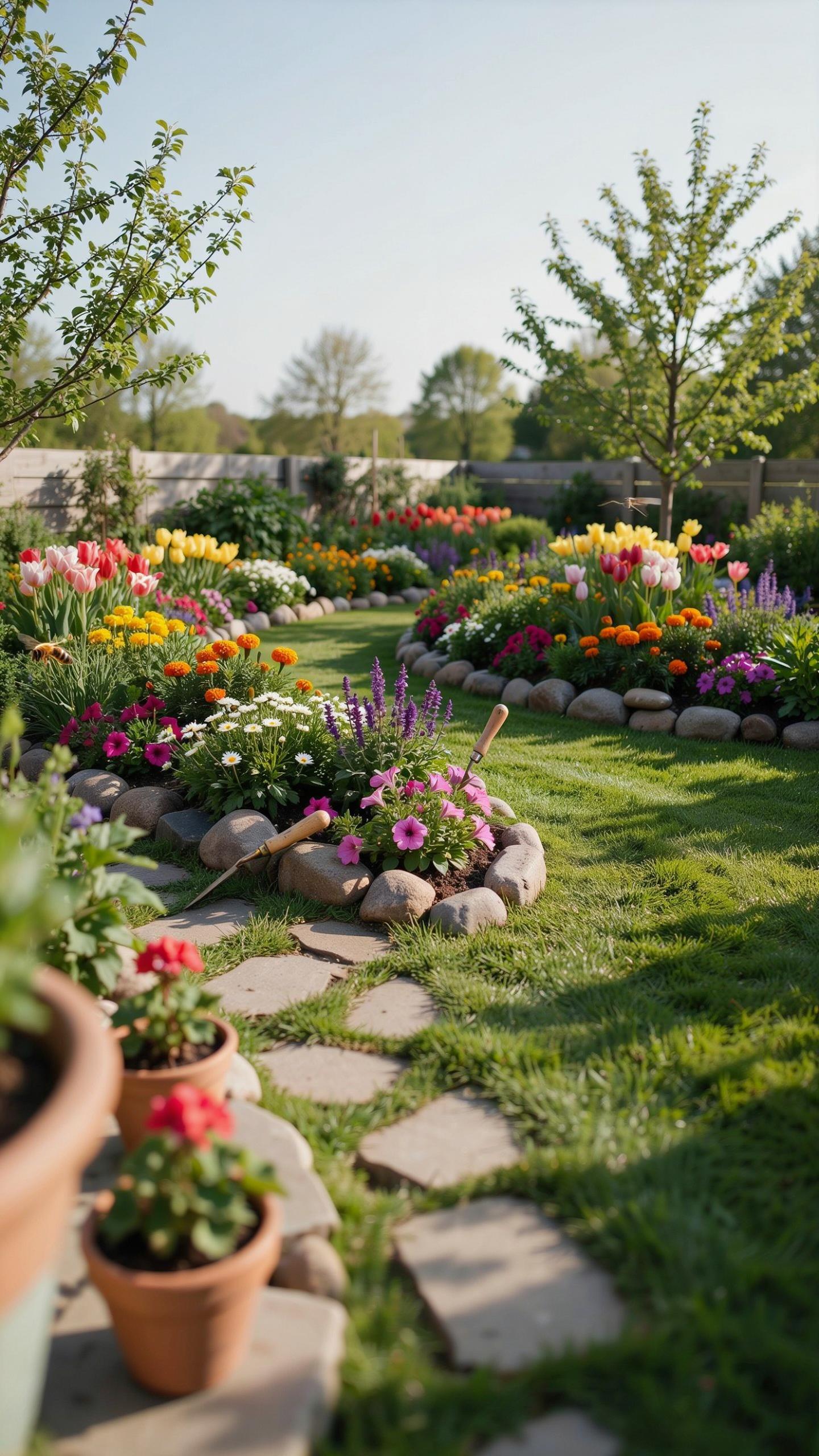
Maximising Limited Outdoor Space With Thoughtful Curved Flower Bed Ideas
Small gardens benefit from curves because they break up rigid boundary lines. Straight edges highlight tight dimensions and make spaces feel confined. A subtle convex curve pushes the garden bed into the lawn area to create depth. This technique forces the eye to follow a longer path. You maximize every square inch by using wide arcs rather than tight squiggles.
Install permanent edging to maintain the shape of your curved garden bed design. Use steel or recycled plastic strips to keep grass from invading the soil. Deep curves allow for layered planting even in narrow yards. Place taller specimens at the widest part of the curve to create a focal point. Ground covers should fill the tapered ends to soften the transition.
Low Maintenance Plant Selections That Suit Compact Curved Garden Beds
Choose plants with predictable growth habits for small curved beds. Invasive species or aggressive spreaders destroy the intended shape within one season. Select dwarf conifers or slow-growing shrubs like boxwood for structural permanence. These plants require minimal pruning to hold their form against the curve. Use evergreen varieties to ensure the bed looks defined during the winter months.

Focus on perennial species that offer multi-seasonal interest without high water needs. Sedum and lavender provide reliable color and thrive in confined root spaces. Avoid plants that require frequent staking or deadheading to look tidy. Tight clusters of ornamental grasses add movement without overstepping the edge. Constant maintenance defeats the purpose of an efficient design. Select hardy plants that thrive in your local climate.
Curved Landscape Design Principles That Anchor The Whole Garden Together
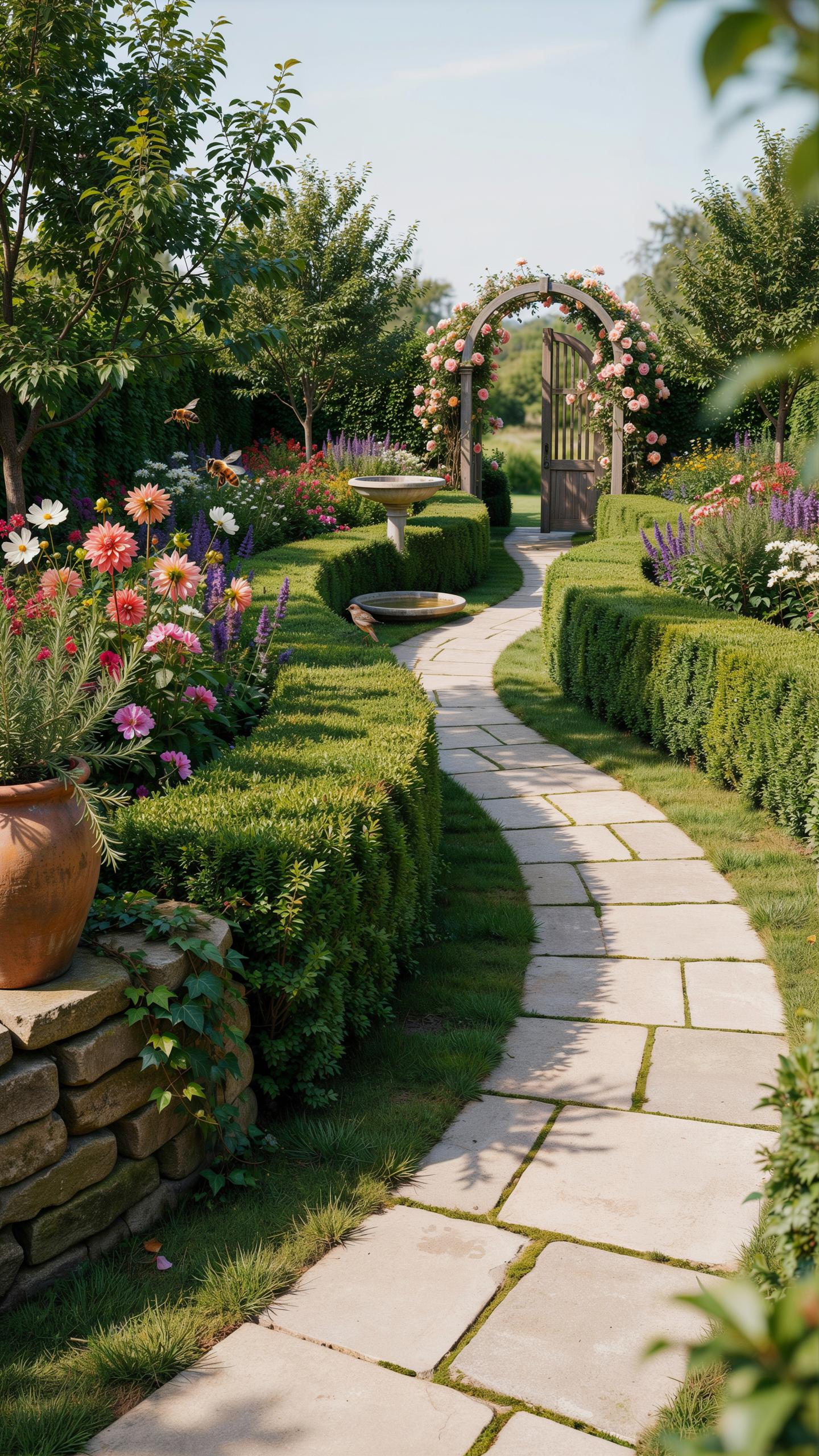
How Curved Landscape Design Creates Visual Harmony Across The Entire Property
Curved garden bed design mimics natural growth patterns to remove harsh property lines. Right angles draw the eye toward fence corners and stop visual movement. Curves force the eye to follow a continuous path along the perimeter. This technique makes small yards feel larger than they are. Strategic arcs mask the transition between the built environment and the natural landscape.
Visual harmony relies on the mathematical repetition of radius points. You must use consistent arc depths to tie separate garden zones together. A uniform curve language prevents the design from looking chaotic. These lines guide the viewer through the space without abrupt interruptions. Professionals use these shapes to soften the vertical lines of house walls. This creates a unified site plan that feels intentional.
Integrating Pathways Edging And Planting Zones In A Cohesive Curved Layout
Successful layouts align the edge of the path with the sweep of the flower bed. You must match the material transitions to the curve radius for a seamless look. Steel or heavy plastic edging maintains these clean lines over time. Gaps between the path and the bed break the visual flow. Proper integration ensures that every hardscape element supports the organic shape of the garden.

Planting zones must follow the height requirements dictated by the curve. Place taller structural shrubs at the widest part of the arc to ground the design. Use low groundcovers to highlight the narrowest points of the bend. This layering adds depth to the horizontal plane. Consistent spacing between the edging and the first row of plants prevents overgrowth issues. This tactical approach keeps the layout manageable.
Frequently Asked Questions

Why should I choose a curved garden bed design over a traditional rectangular layout?
Selecting a curved garden bed design helps soften the hard lines of your home and fencing, creating a more organic and inviting atmosphere. Unlike rigid straight edges, sweeping curves mimic the natural flow of the environment, which draws the eye along a visual journey through your landscape. This trend is perfect for making smaller yards feel more expansive and adding a sophisticated, professional touch to your outdoor sanctuary.
How do I accurately map out smooth curves for my new garden project?
To achieve a professional curved garden bed design, start by using a flexible garden hose or a long rope to test different shapes on your lawn. Once you are happy with the movement of the lines, use landscape spray paint to mark the edges clearly. This method allows you to visualize the flow before you begin digging, ensuring that the transitions between different sections remain fluid, balanced, and aesthetically pleasing.
Can I create a high-end curved garden look on a limited budget?
Absolutely! You can achieve a stunning look without a massive investment by using affordable materials like reclaimed bricks, natural stones found on your property, or simple wood-fiber mulch. Avoiding expensive pre-cast stone kits allows for more creative freedom. By focusing on smart plant placement and crisp, hand-edged borders, you can maintain a premium aesthetic that enhances your home’s curb appeal while keeping your seasonal landscaping costs manageable.