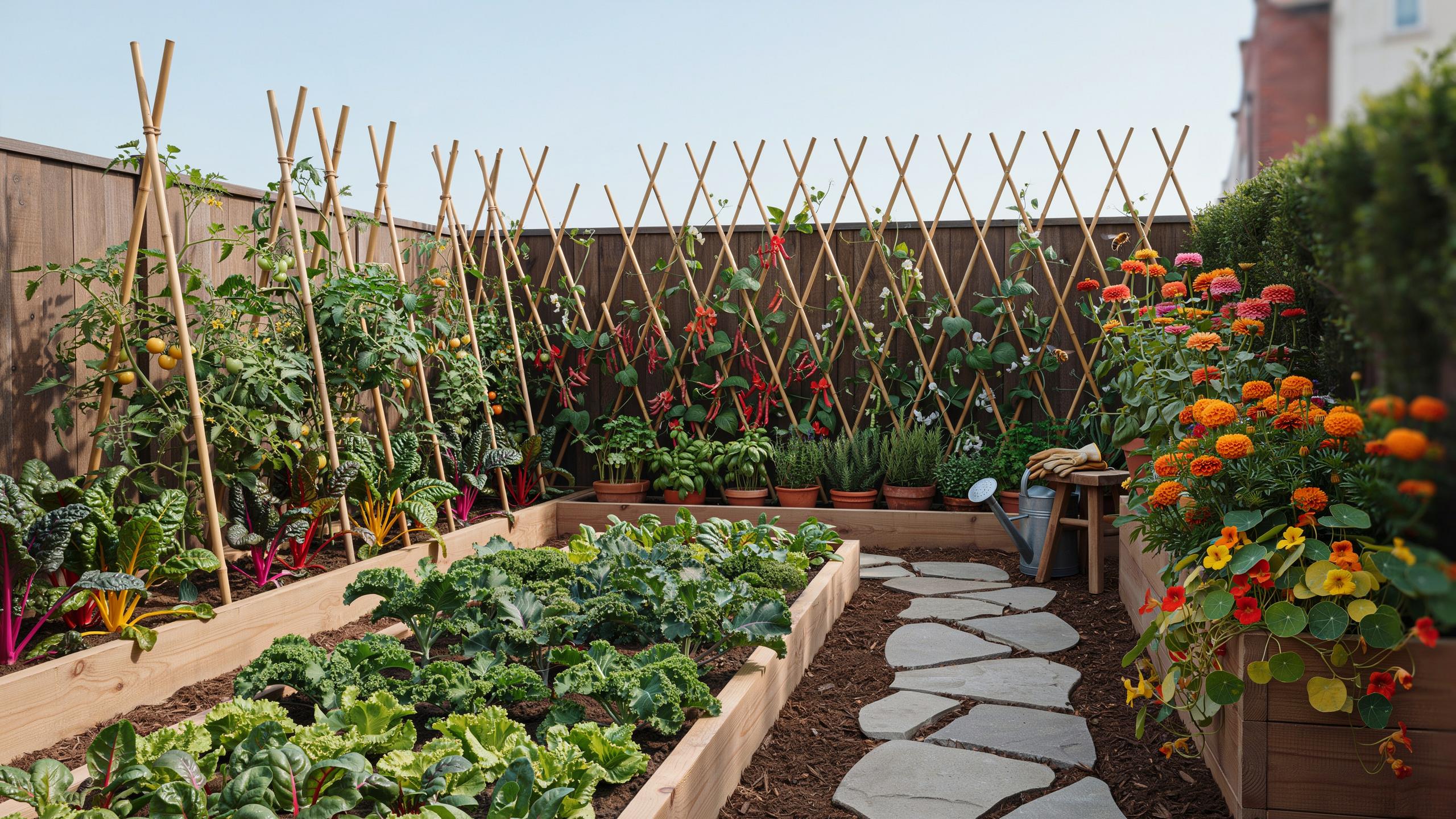
Understanding The Unique Challenges Of A Narrow Garden Before You Start Planning
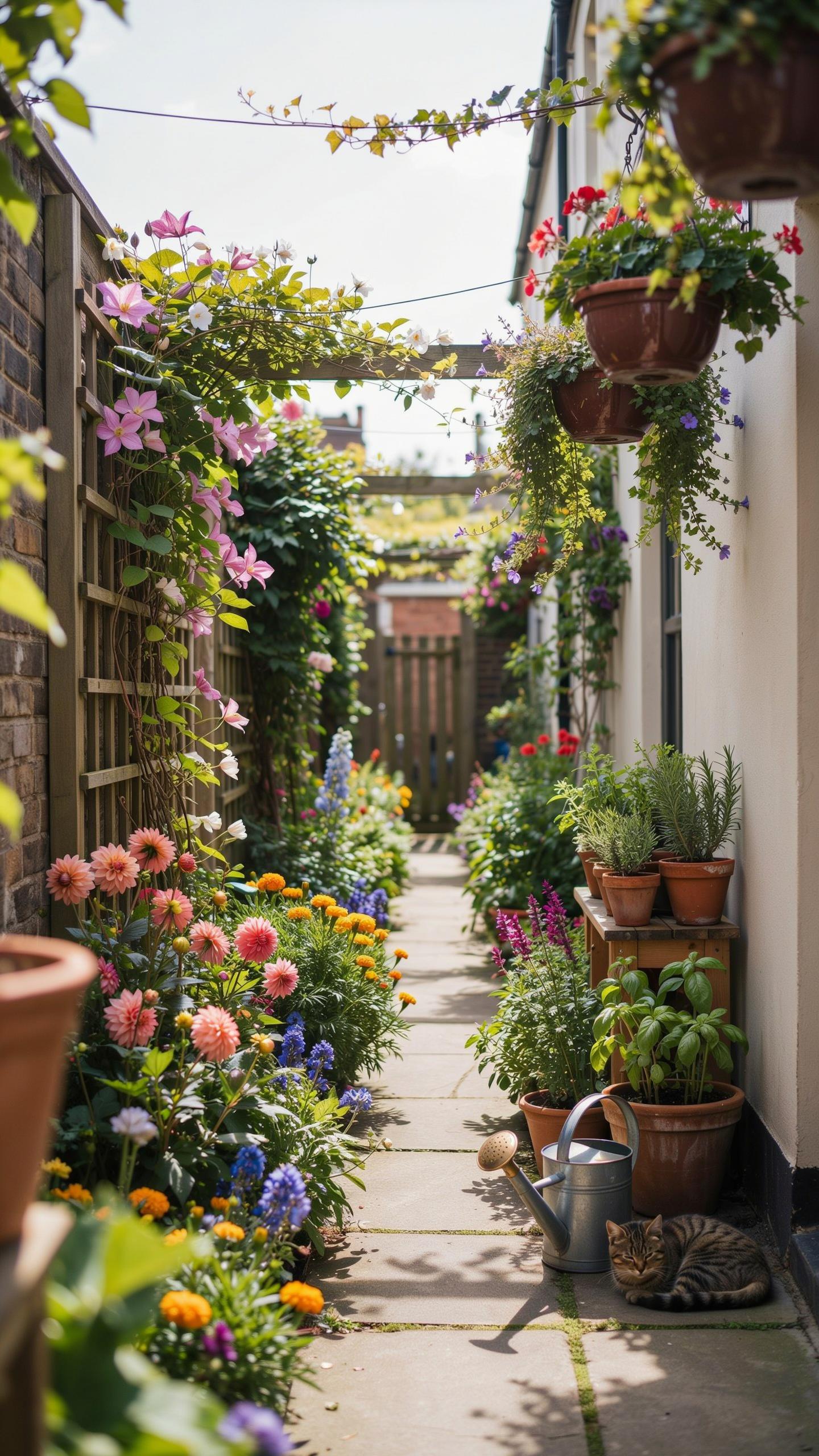
Why Narrow Yards Require A Different Design Mindset Than Standard Garden Spaces
Standard yards allow for central focal points and sprawling circular patterns. Narrow yards do not have this luxury. You must shift your focus from wide expansion to linear progression. This requires a tactical approach known as forced perspective. You treat the garden like a series of outdoor rooms. This strategy breaks the tunnel effect and makes a small plot feel much larger.
Successful designers use horizontal lines to lead the eye across the width. You must prioritize vertical space and multi-functional zones. Traditional layouts often waste the center of the yard. In a narrow space, you use every inch of the perimeter and the center effectively. You treat the boundary walls as primary design elements. This mindset turns a tight corridor into a functional living area.
Common Mistakes Homeowners Make When Approaching A Narrow Garden Layout For The First Time
The most common error is placing all features against the long side walls. This creates a bowling alley effect that makes the yard look longer and thinner. It highlights the restrictive width rather than hiding it. Many people also choose plants that grow too wide for the space. These plants eventually block paths and require constant pruning. This leads to high maintenance and poor aesthetics.
Another major mistake is neglecting the view from the house. Homeowners often plan the layout from the back of the yard looking in. You must plan the transition from the indoor space to the outdoor area. Poor drainage is also a frequent issue in narrow plots. Water often pools near the foundation because there is nowhere for it to go. You must address grading and runoff early.

How To Design A Narrow Garden By Working With Proportion Scale And Sight Lines
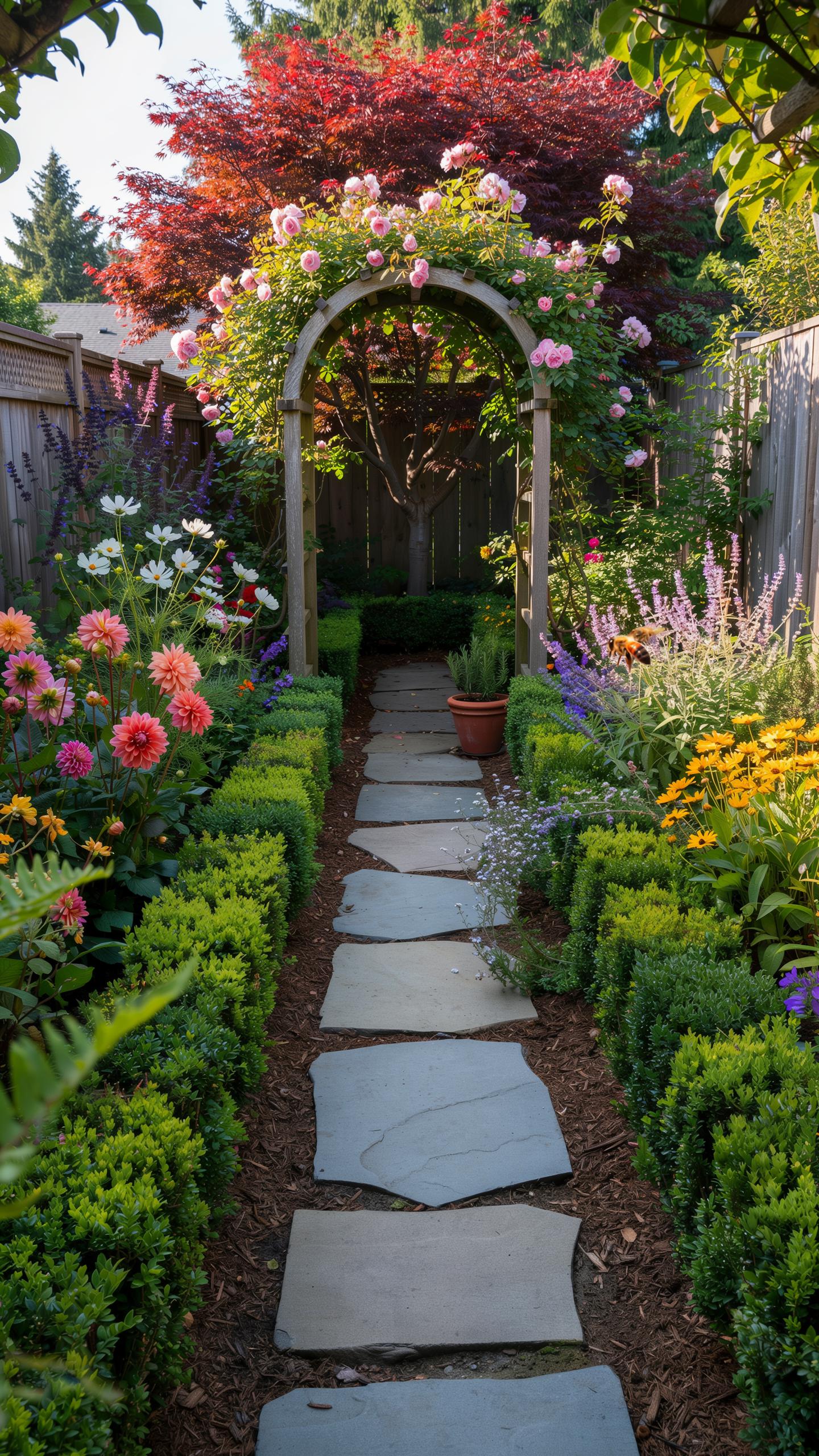
Using Perspective And Focal Points To Make A Narrow Space Feel Wider And More Inviting
Narrow yards suffer from the long corridor effect. You break this visual trap by manipulating sight lines. Use diagonal paving patterns or circular lawn edges to pull the eye across the width. Set a bold focal point like a stone sculpture or a dark evergreen at the far end. This creates a clear destination and anchors the view. This technique forces the brain to register depth rather than tight boundaries.
Strategic placement of vertical elements also disrupts the tunnel vision. Install pergolas or archways at intervals along the path. These structures slice the garden into distinct visual rooms. By partially obscuring the view of the back wall, you create curiosity and the illusion of a larger area. Use mirrors on side fences to bounce light and reflect greenery. This trick effectively doubles the perceived width of the planting beds.
How Selecting The Right Scale Of Plants And Structures Keeps A Narrow Garden Balanced
Scale determines how a body feels within a space. Oversized trees in a narrow yard create oppressive shade and physical clutter. Choose fastigiate or columnar plant varieties that grow up instead of out. These species provide height and privacy without consuming horizontal floor space. Maintain a strict ratio between hardscaping and softscaping. Too much stone feels cold. Too many plants can feel like a jungle.

Balance the size of your furniture with the garden dimensions. Bulky outdoor sofas block traffic flow and shrink the yard. Opt for slender metal frames and built-in bench seating along perimeter walls. This keeps the center open for movement. Use fine-textured foliage in the distance and coarse-textured plants near the entrance. This classic design movement uses atmospheric perspective to make the rear of the garden appear further away.
Long Narrow Garden Ideas That Divide Space Into Distinct Zones Without Feeling Cramped
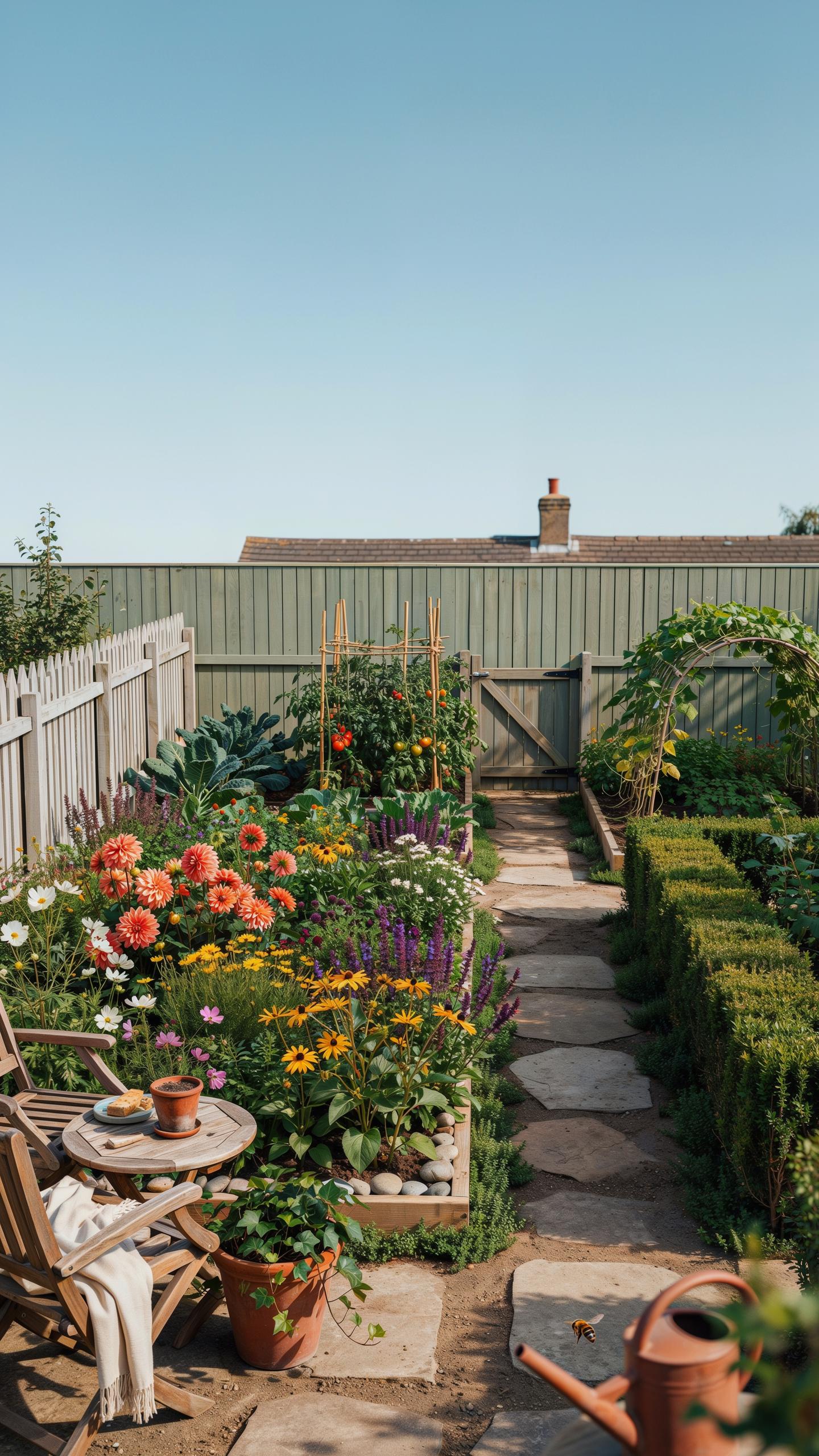
Creating Defined Zones Using Low Hedges, Gravel Paths, And Stepping Stones In Long Gardens
Physical barriers determine how people move through a narrow space. Low hedges act as permeable walls that stop the eye from seeing the entire yard at once. This technique creates a sense of mystery and depth. Use boxwoods or yews kept at knee height. These plants define edges without blocking light or air. They force the viewer to focus on the immediate area.
Narrow yards benefit from varied ground textures. Gravel paths provide a clear visual and audible boundary between zones. Mixing gravel with large stepping stones slows down the walking pace. This change in speed makes a short distance feel longer and more significant. Sharp edges between the path and soil prevent a messy look. Clean lines keep the narrow layout organized and functional.
How Strategic Zoning In Long Gardens Balances Seating, Growing, And Relaxation Areas
Place the primary seating area near the house for easy access. Locate the growing zone in the middle where sunlight is often strongest. Position the relaxation area at the far end to create a destination. This layout distributes weight and activity across the entire plot. It prevents the area near the door from becoming cluttered. Each zone should have a specific and clear purpose.

Transition zones between these areas prevent a cramped feeling. Leave small gaps of open space between the dining table and the vegetable beds. This air allows the eye to rest between different visual stimuli. Use vertical elements like obelisks or small trees to separate these functions. Verticality draws the eye up and away from narrow side walls. Balance high-activity spots with quiet corners for maximum utility.
Narrow Landscape Design Principles That Make The Most Of Every Square Foot
Layering Plants Vertically As A Core Narrow Landscape Technique For Depth And Interest
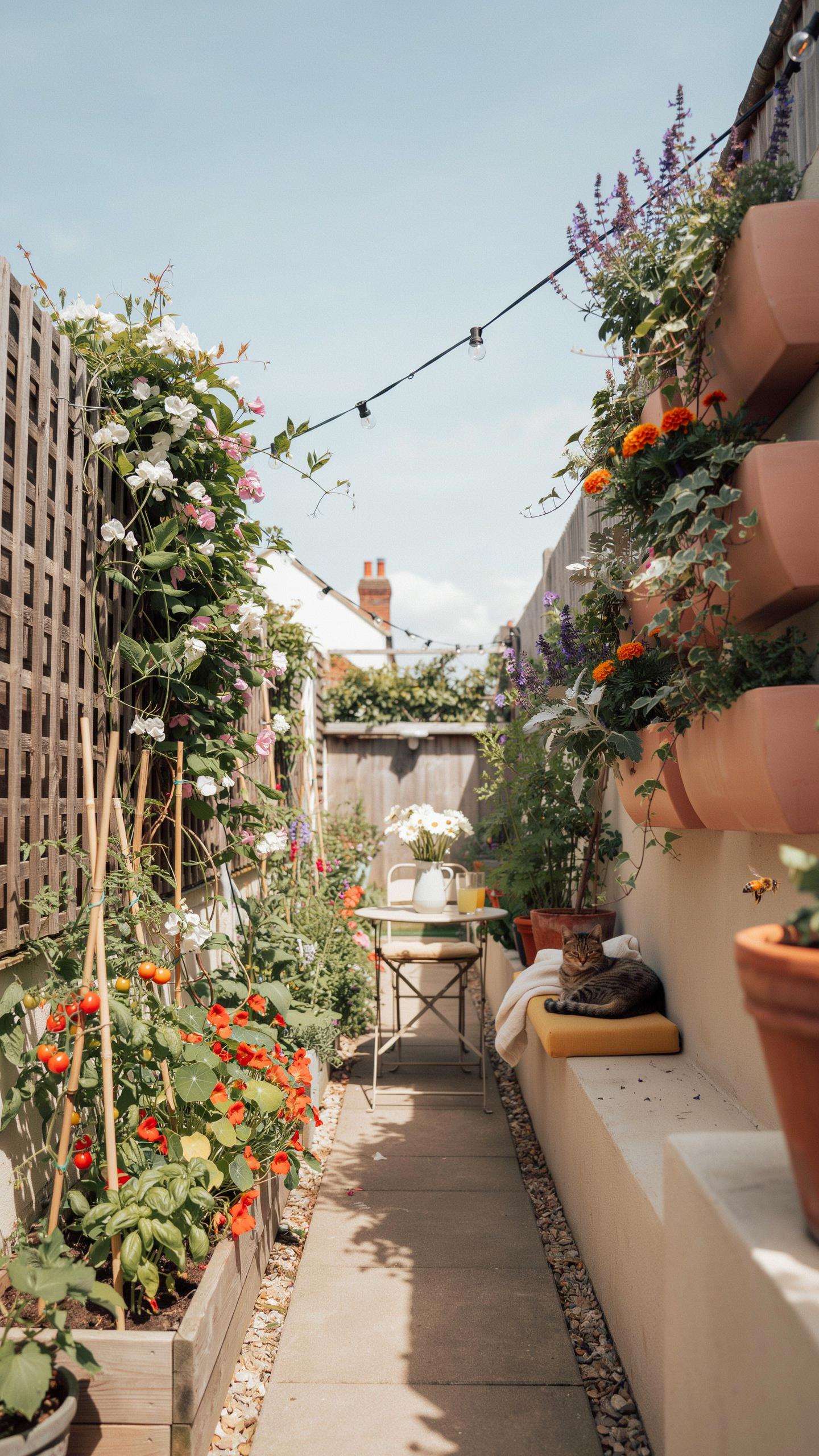
Vertical layering tricks the eye into seeing more space than exists. You must utilize the vertical plane to stop the walls from feeling like a cage. Use tall, columnar trees at the back to create height without taking up ground width. Place mid-sized shrubs in the center to bridge the gap. Finish with low perennials at the front to draw the viewer forward.
This technique builds a wall of green that hides physical boundaries. By stacking plants by height, you create a sense of deep perspective. Choose species with different leaf shapes and shades of green. This contrast adds texture and keeps the layout from looking flat. Proper layering ensures every plant gets sunlight and air. It maximizes the biological footprint in tight urban lot layouts.
Ground Covers, Gravel, And Hardscape Choices That Work Especially Well In A Narrow Landscape
Hardscape materials must focus on clean lines to expand the visual field. Use oversized pavers to reduce grout lines and make the floor look larger. Set stones in a running bond pattern perpendicular to the long walls. This draws the eye across the width of the yard. Natural stone or concrete provides a stable base for furniture while requiring zero maintenance.
Ground covers and gravel fill the gaps where grass fails to thrive. Fine-textured gravel creates a crunch underfoot that defines footpaths clearly. It also improves drainage and prevents soil erosion in high-traffic zones. Low-profile ground covers like thyme or sedum soften hard edges without blocking pathways. These materials work together to create a cohesive floor that feels intentional and organized rather than cluttered.
Landscape Narrow Backyard Solutions Using Vertical Growing Structures And Smart Planting
Trellises, Espalier Trees, And Climbing Plants That Expand Growing Space In A Narrow Backyard
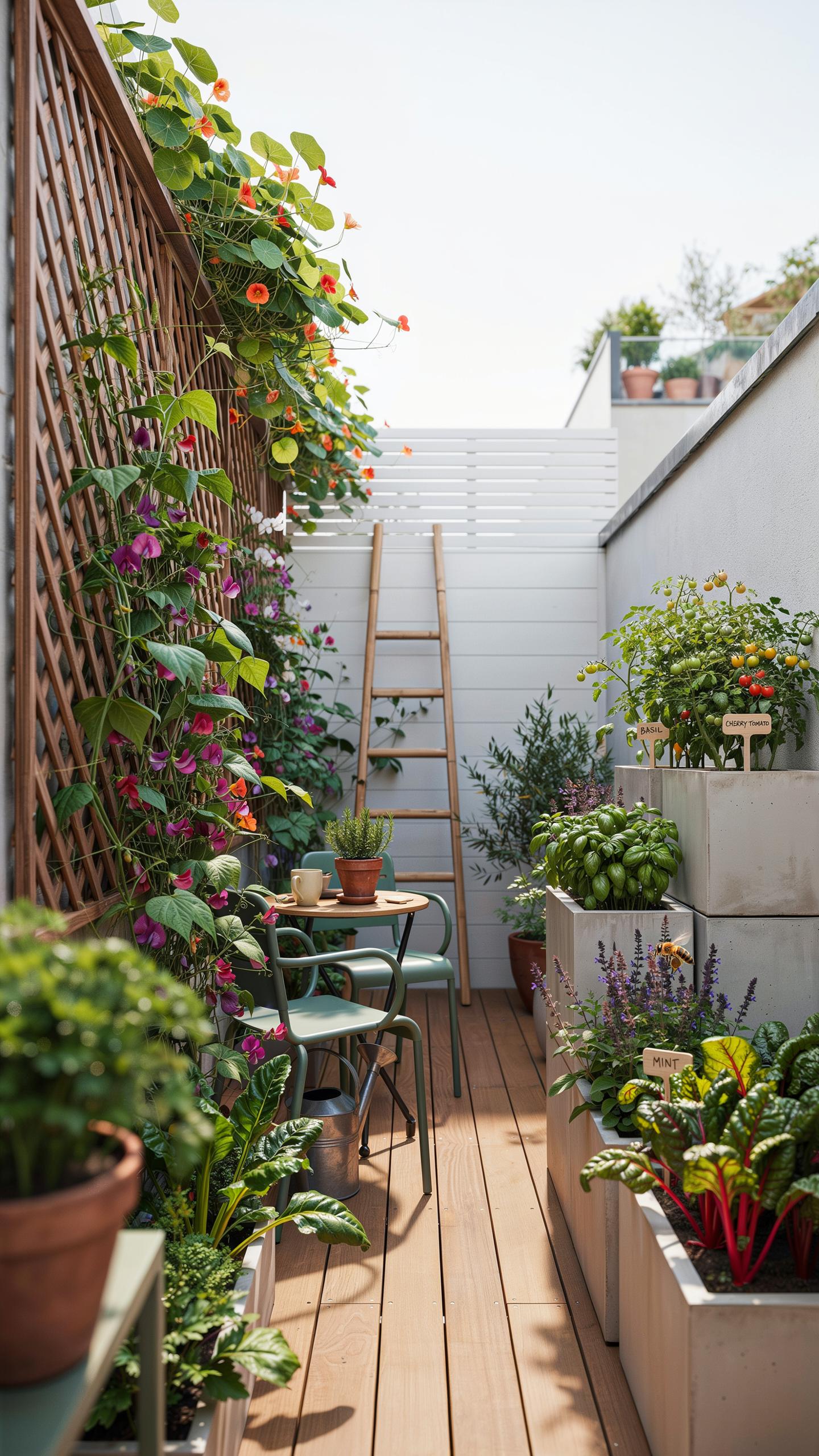
Vertical structures maximize the square footage of a tight footprint. Trellises and wire systems allow plants to grow upward instead of outward. This keeps pathways clear for foot traffic. Use sturdy materials like cedar or powder coated steel for longevity. Secure these structures directly to boundary walls or fences. This creates a living green layer without consuming valuable floor space in the yard.
Espalier is a formal pruning technique dating back to the Middle Ages. You train fruit trees to grow flat against a support. This method produces high yields in restricted spaces. It turns a functional orchard into a decorative wall feature. Use horizontal or fan shapes to control growth. This technique provides structural interest during winter months when leaves drop. It is a proven strategy for high density urban gardening.
Even the narrowest path becomes a journey of wonder when framed with the beauty of a well planned garden. A small space is not a limit but an invitation to create a vertical sanctuary of memories.
Best Plant Varieties To Choose When You Landscape A Narrow Backyard For Year Round Appeal
Select plants based on their mature width rather than height. Focus on columnar species that maintain a slim profile naturally. Mix evergreen shrubs with deciduous perennials to ensure the garden looks full in winter. Use plants with different leaf textures to create depth without adding bulk. Avoid aggressive spreaders that require constant pruning to keep pathways open. Smart selection reduces maintenance and keeps the layout clean.
- Sky Rocket Juniper: This evergreen grows in a tight vertical pillar. It reaches 15 feet in height but stays only 2 feet wide. It provides a permanent green screen without encroaching on the central walking path or seating area.
- Star Jasmine: This climbing vine uses tendrils to scale fences or trellises quickly. It offers dark green foliage throughout the year and fragrant white flowers in spring. It creates a thin living wall that occupies very little ground space.
- Columnar Apple Trees: These trees grow straight up on a single leader branch. They produce fruit on short spurs along the main trunk. You can plant them 2 feet apart to create a productive hedge in a very narrow strip.
- Boxwood Fastigiata: This upright shrub works well for formal structure or hedging. It grows slowly and maintains a narrow shape with minimal shearing. It provides reliable winter interest and serves as a solid backdrop for smaller perennial flowers.
- Clematis: This flowering vine provides intense color without the weight of woody climbers. It winds through wire supports easily. You can choose early or late blooming varieties to extend the visual appeal of your vertical garden across different seasons.

Layering these plants creates a professional look in a small area. Position the tallest specimens at the back against the fence line. Place lower textured plants in the mid ground. Use ground covers to hide soil and retain moisture. This tiered approach draws the eye upward and makes the yard feel larger. Stick to a disciplined color palette to avoid a cluttered or chaotic appearance.
Long Narrow Garden Bed Ideas That Add Color Texture And Structure Along Boundary Lines
How To Layer A Long Narrow Garden Bed With Tall, Mid, And Low Growing Plants Effectively
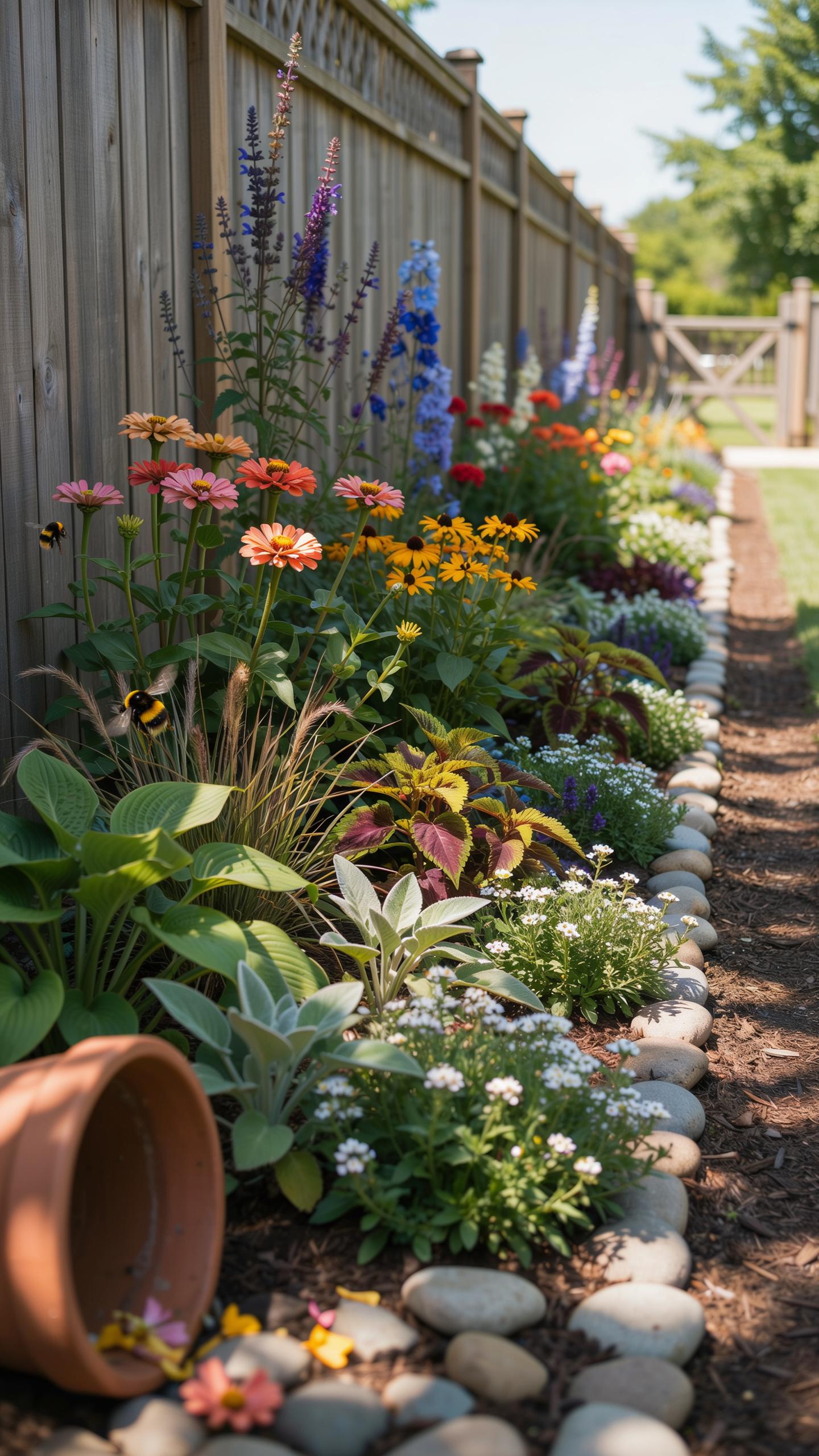
Vertical layering prevents a narrow bed from looking flat and one dimensional. Place the tallest plants against the boundary wall or fence to create a green backdrop. Use woody shrubs or tall grasses for this back row. These plants provide the skeleton for the entire bed. Keep them narrow or pruned to avoid encroaching on the limited walking space in the yard center.
The middle layer transitions the height down toward the ground. Choose perennial flowers and medium shrubs with distinct foliage. This layer hides the leggy stems of the taller plants behind them. Finally, use low-growing groundcovers or spilling plants at the front edge. These soften the hard lines of the lawn or paving. This three-step height grading makes the border feel deep and substantial.
Seasonal Planting Schemes For Long Narrow Garden Beds That Ensure Year Round Visual Interest
Effective designs use evergreen plants for at least forty percent of the bed. This ensures the boundary looks solid during winter months when perennials die back. Boxwood, yew, or holly provide rigid structure that holds the eye. Integrate spring bulbs and summer perennials around these anchors. This strategy prevents the garden from looking like empty dirt for half of the year.
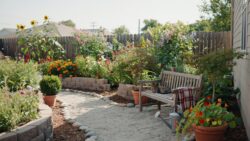
Focus on texture during the transition periods of autumn and winter. Deciduous shrubs with colorful bark or dried ornamental grass seed heads add visual value without flowers. Choose plants that peak at different times to stagger the color. This creates a rotating focal point within the narrow strip. A well planned sequence keeps the perimeter engaging through all four seasons without requiring extra space.
Side Return Garden Design Ideas That Transform Forgotten Passages Into Functional Spaces
What A Side Return Garden Is And Why It Deserves Thoughtful Design Attention
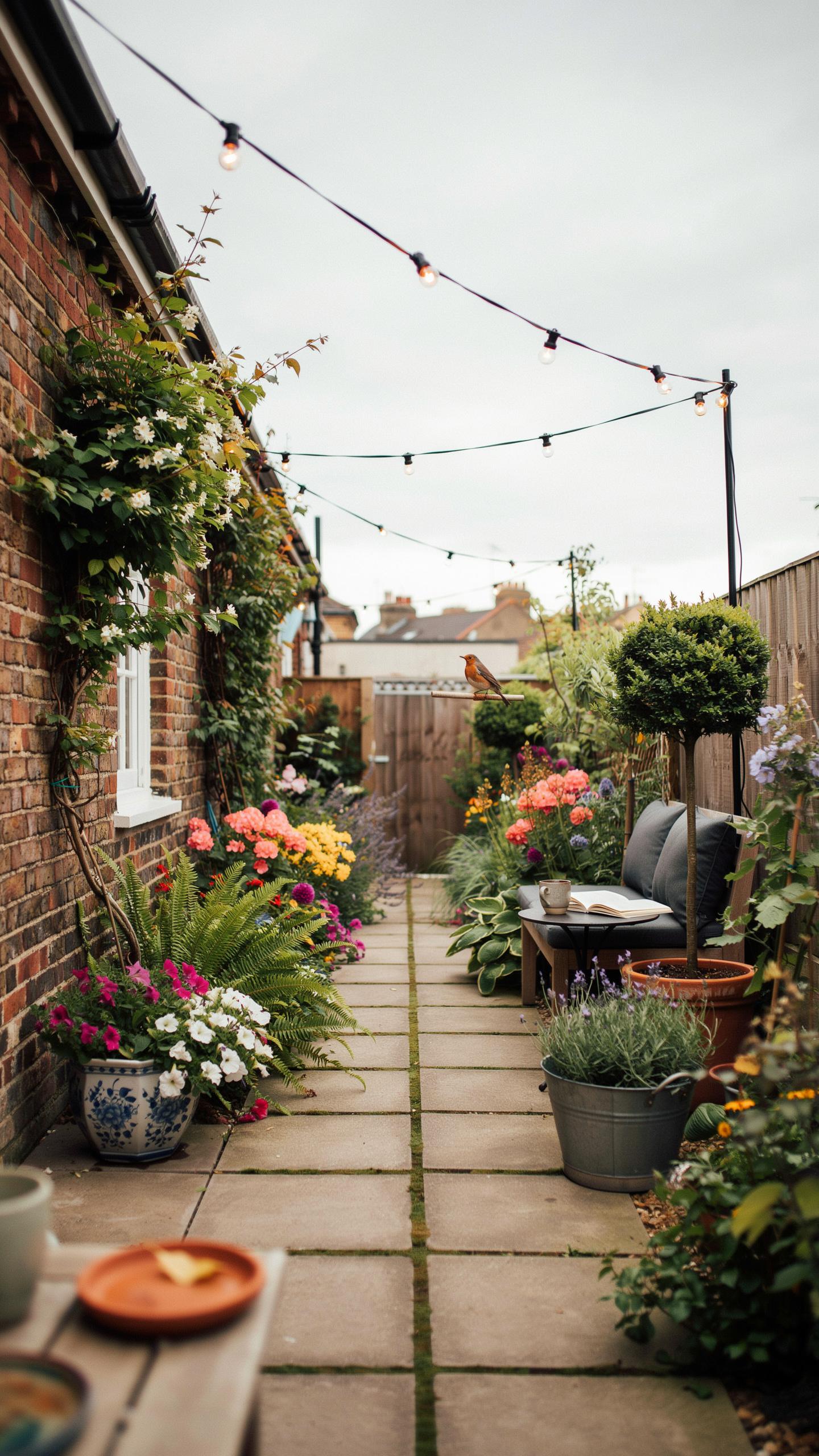
A side return garden is the narrow strip of land running alongside a building extension or a property boundary. Most Victorian terrace houses feature this specific architectural gap. Owners often treat this space as a dumping ground for trash bins or old equipment. This neglect wastes valuable square footage in narrow yards. Proper planning converts this dead zone into a vital link between different outdoor zones.
Neglecting the side return creates a visual bottleneck that makes a small yard feel even smaller. Designers prioritize this area to improve light penetration and airflow into the main house. A strategic layout uses the side return to extend the interior floor plan outward. High land prices make every square inch essential. Treating this passage as a primary room increases property value and improves daily movement.
Practical Layout Tips For Turning A Side Return Garden Into A Usable Outdoor Room
Maximize utility by treating the side return as a corridor with a specific purpose. Vertical space is your primary asset in these narrow channels. Install wall mounted planters or shelving to keep the ground clear for foot traffic. Choose materials that reflect light and resist moisture buildup. Use large format paving stones to create an illusion of width. Solid flooring prevents weeds and simplifies maintenance in tight spots.
- Vertical Greenery: Install modular green walls or timber trellises. These structures hold climbing plants like jasmine or ivy. This technique adds foliage without stealing floor space. It softens high walls and improves air quality in confined corridors.
- Recessed Seating: Build a narrow bench directly into the boundary wall or fence. Use hidden storage beneath the seat for garden tools. This provides a quiet resting spot. It keeps the center of the path open for walking and drainage.
- Custom Lighting: Mount low profile LED wall lights at knee height. Point the beams downward to illuminate the path safely. This adds depth to the garden at night. Good lighting removes the dark alley feel common in side returns.
- Mirror Placement: Secure large weather proof mirrors to the tallest boundary wall. Position them to reflect the most attractive parts of the main yard. This trick doubles the perceived width of the passage. It also draws more natural light into adjacent windows.
- Permeable Drainage: Use gravel or open joint pavers to manage water runoff. Side returns often face drainage issues due to proximity to the house foundation. Proper grading prevents pooling. Choice of material ensures the space remains dry and usable year round.

Zoning is the key to a functional side return layout. Divide the length into specific stations such as a potting bench or a beverage station. Use consistent materials to link the side return to the main garden area. This creates a seamless transition that guides the eye forward. Strategic design turns a cramped alley into a high performance outdoor asset that supports the entire household.
Narrow Gardens And The Role Of Lighting Mirrors And Materials In Expanding Visual Space
How Outdoor Lighting Placement In Narrow Gardens Creates Depth And Atmosphere After Dark
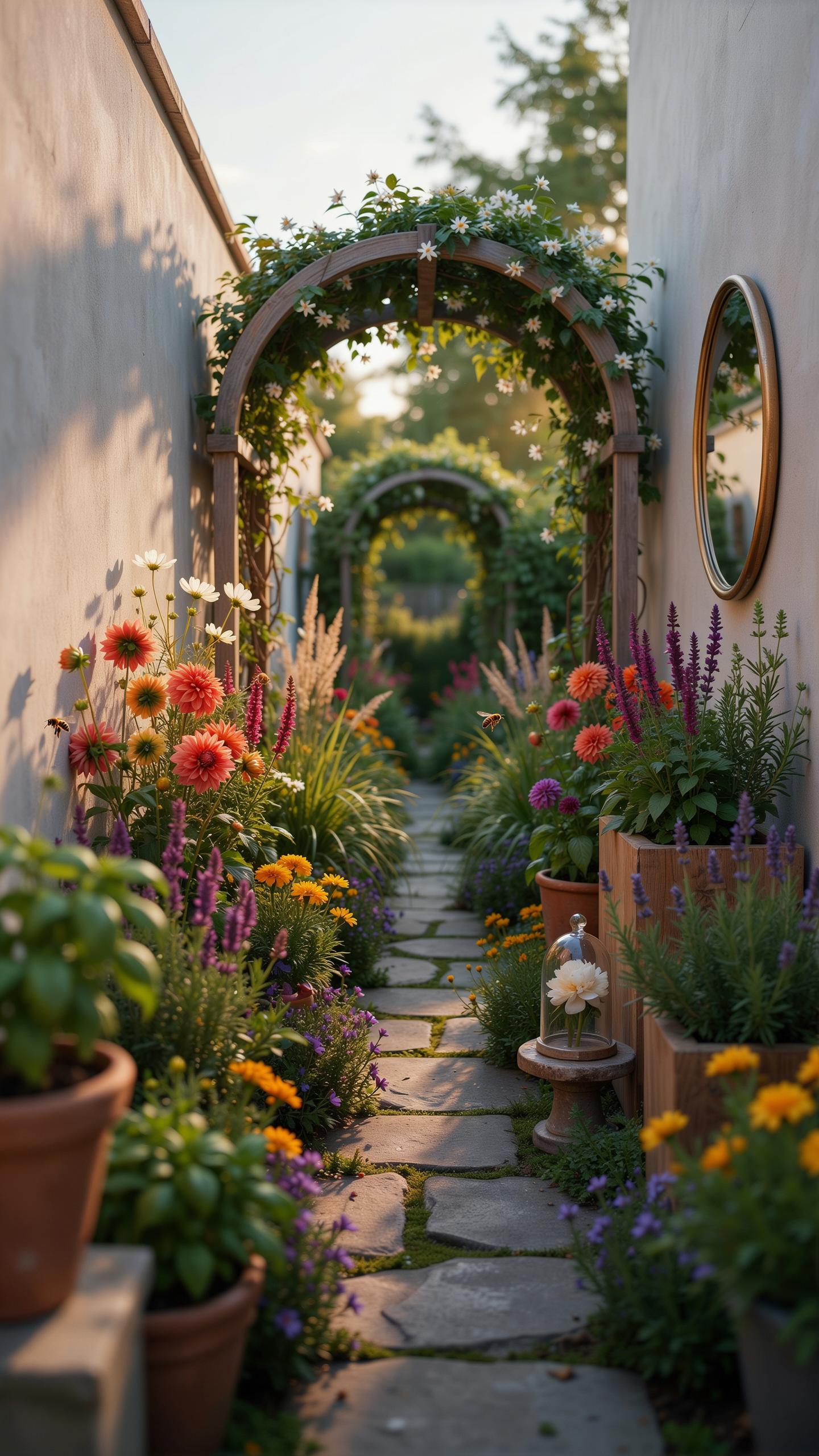
Strategic lighting eliminates the tunnel effect in narrow layouts. Use uplighting on vertical structures at the rear of the property to draw the eye away from the house. This technique establishes a clear focal point. It prevents the garden from feeling like a dark void at night. Position lights at different heights to add layers. This creates a sense of three-dimensional volume.
Avoid placing lights in a straight line along the path. Linear lighting emphasizes restricted width. Instead, stagger light sources on opposite sides of the plot. Use warm tones for seating areas to bring them forward. Cool white lights on distant trees make them appear further away. This contrast tricks the brain into perceiving more distance. High-quality LED fixtures provide the necessary precision for these angles.
Using Reflective Surfaces And Consistent Paving Materials To Visually Widen Narrow Gardens
Mirrors act as windows to double the perceived area. Place large glass panels on side walls to reflect greenery. This breaks up long, solid boundaries. Angling the mirror slightly prevents you from seeing your own reflection. This design trick comes from French formal gardens. It adds light to shaded spots. Always use safety-backed glass for outdoor durability. It must withstand wind and moisture.

Paving choices dictate the visual speed of a narrow garden layout. Lay rectangular stones horizontally across the width of the yard. This draws the eye sideways rather than forward. Use large format tiles with minimal grout lines to reduce visual clutter. Consistent materials across different zones unify the space. This prevents the yard from looking fragmented. Light-colored stones reflect natural light to brighten the entire area.
Practical Maintenance Strategies To Keep Your Narrow Garden Layout Looking Its Best Long Term
Choosing Low Maintenance Plants And Materials That Suit The Constraints Of A Narrow Garden
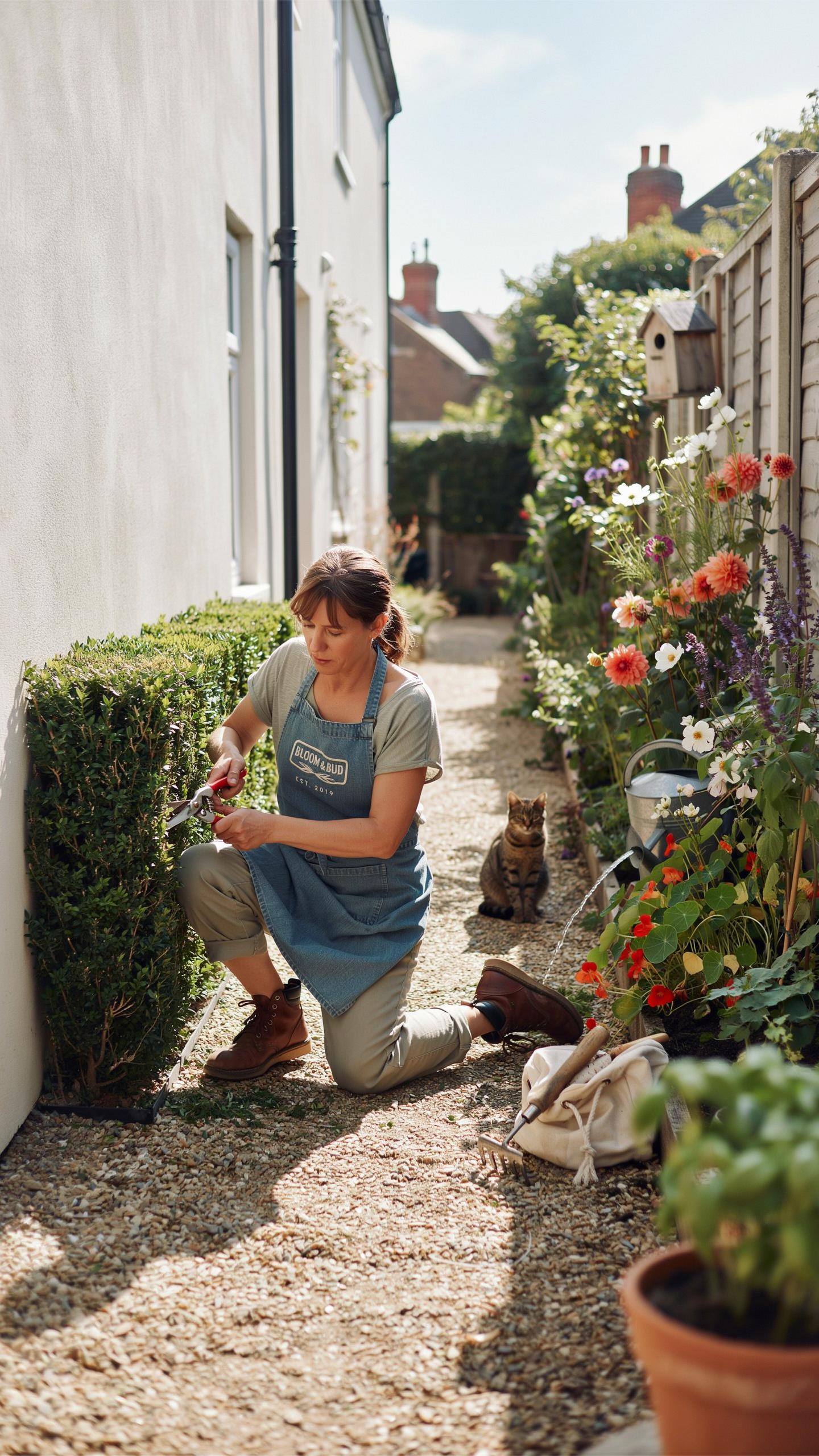
Select slow-growing columnar trees and dwarf shrubs to prevent overgrowth. Tight spaces become impassable when aggressive species take over walkways. Prioritize plants with high pest resistance and drought tolerance. Use hardscaping materials like composite decking or natural stone pavers that do not require frequent sealing. These choices reduce the time spent pruning and repairing structural elements in a restricted work area.
Avoid high-maintenance lawns in narrow strips because they are difficult to mow. Use gravel or mulch to suppress weeds and maintain clean lines. Vertical structures like powder-coated steel trellises offer durability without the rot issues of untreated wood. Focus on evergreen species that provide year-round structure without dropping excessive debris. This strategy keeps the layout functional and reduces the need for constant cleaning and debris removal.
Simple Seasonal Care Routines That Help A Narrow Garden Layout Stay Tidy And Thriving
Prune plants immediately after their flowering cycle to maintain the intended footprint of the garden. Thinning out internal branches improves airflow and prevents fungal diseases in stagnant narrow corridors. Clean pathways monthly to remove moss and organic buildup that creates slip hazards. Check irrigation lines for leaks or clogs before the summer heat. Proper hydration ensures plants stay healthy and maintain their compact shape naturally.
Monitor vertical growth weekly during the peak growing season to ensure vines do not block light or access. Apply a fresh layer of mulch every spring to regulate soil temperature and moisture levels. Remove dead leaves and spent blooms to prevent pests from nesting in tight corners. Document your pruning schedule to track which plants grow fastest. Consistent small actions prevent the garden from becoming an unmanageable jungle within a single season.
Frequently Asked Questions

How do I make a long, skinny backyard feel less like a corridor?
The secret to an effective garden layout for narrow yards is breaking the space into distinct “outdoor rooms.” Instead of a straight path that draws the eye to the back fence, use diagonal lines or circular lawn patches to create a sense of width. Using physical dividers like tall grasses or decorative screens helps distort the tunnel vision, making the entire area feel more balanced, spacious, and inviting for guests.
What plants work best for privacy in a narrow garden without taking up too much space?
Choose columnar or fastigiate varieties that grow tall instead of wide, such as Sky Rocket Juniper or Boxwood Fastigiata. These species deliver height and screening while staying just a foot or two thick, so they never encroach on your walking path. Climbing plants like Star Jasmine or Clematis on a trellis add another privacy layer without consuming any ground space at all. Sticking to a slim plant palette keeps the corridor feeling open rather than closed in.
How can I make a narrow garden look wider without any construction work?
Lighting and reflective surfaces do most of the heavy lifting here. Mounting a large weatherproof mirror on a side wall visually doubles the planting bed behind it, and staggered uplighting at varying heights breaks up the tunnel effect after dark. Laying rectangular pavers horizontally across the width, rather than lengthwise down the path, also pulls the eye sideways instead of straight to the back fence. These are all low-cost changes you can make to existing hardscaping.