Embracing The Off Grid Solar Power Revolution This Season
The Shift To Energy Independence
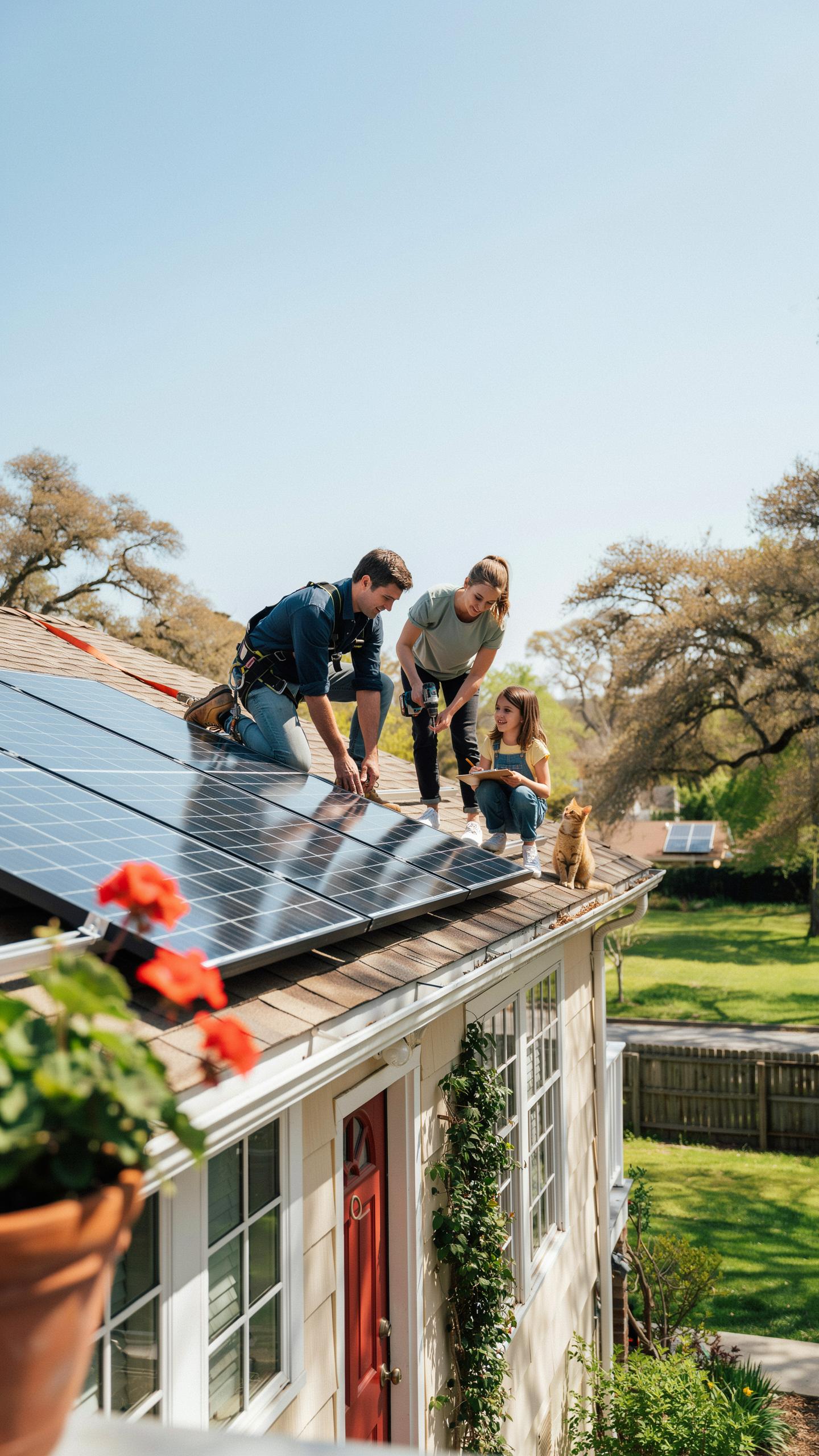
Homeowners and cabin builders are moving toward complete energy independence through off grid solar installations. These systems eliminate reliance on utility grids entirely. People disconnect from infrastructure prone to outages, maintenance delays, and rate increases. Off grid solar setups provide reliable power in remote locations where grid connection costs exceed installation expenses. The technology has matured enough that systems now function reliably across diverse climates and seasons.
Off grid power systems operate independently with solar arrays, battery storage, and charge controllers. Residents gain control over their energy production and consumption patterns. No utility bills arrive monthly. System owners maintain their own infrastructure and plan maintenance schedules. This autonomy appeals to those seeking stability and predictable energy costs over decades.
What Is Driving The Seasonal Surge
Battery chemistry improvements drive the current surge in off grid solar adoption. Lithium iron phosphate batteries now offer better cycle life and temperature tolerance than lead acid alternatives. Spring and summer months create ideal installation windows because longer daylight hours support faster system commissioning. Seasonal demand peaks as property owners prepare for summer power needs and capitalize on favorable weather for construction work.
Installers schedule projects during warmer months when climbing on roofs and working outdoors becomes safer and faster. Customers plan installations around seasonal property usage patterns. Vacation homeowners install systems before peak summer occupancy. Farmers and agricultural operations prepare systems before harvest seasons demand intensive power consumption. Weather conditions during spring and summer installation windows reduce project complications and accelerate system performance verification.

Key Elements Of An Off Grid Solar System Setup
Essential Components Checklist
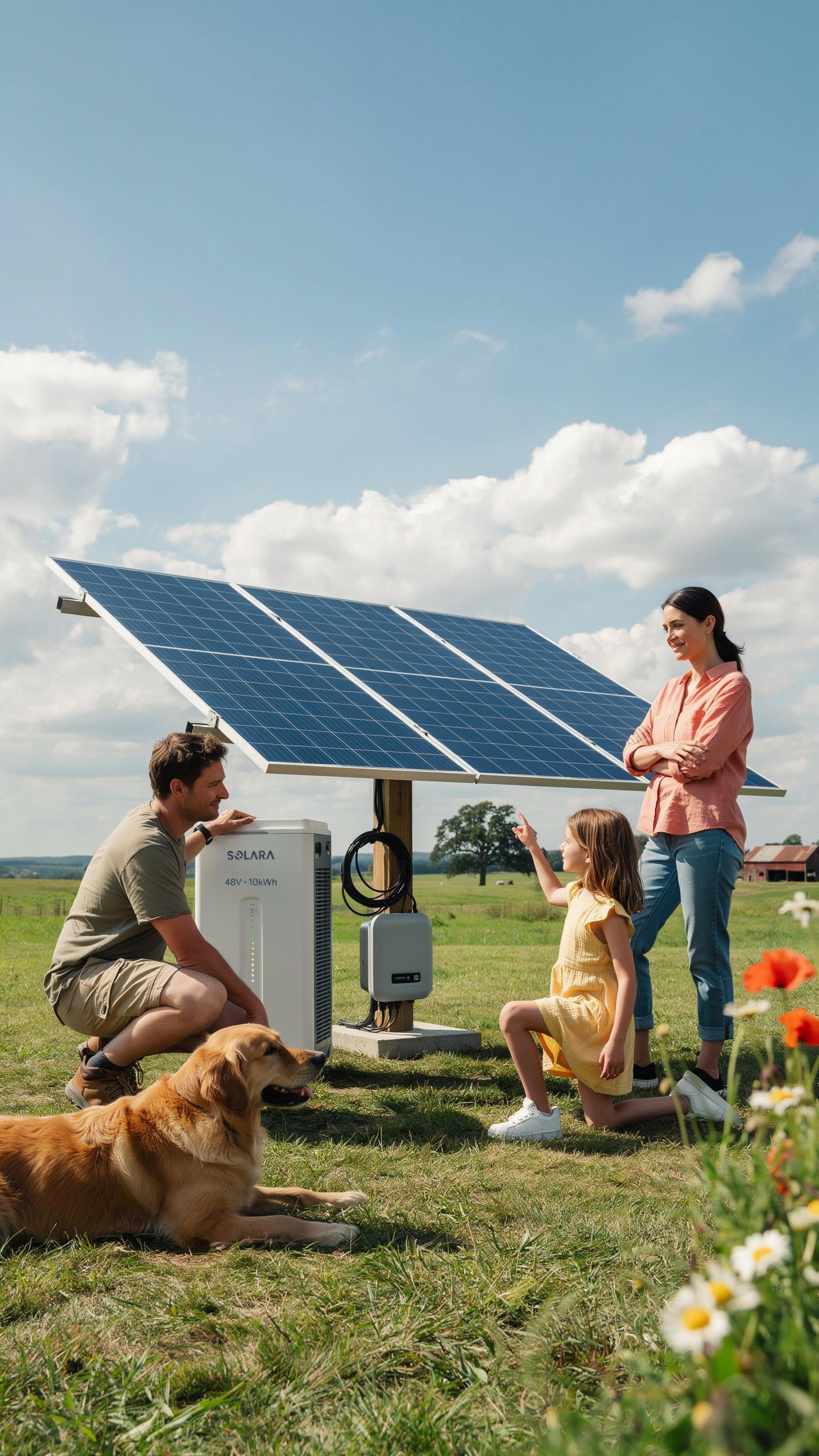
An off grid solar system requires four core components working together. Solar PV modules capture sunlight and convert it to electricity. A charge controller regulates power flow from the panels to your battery bank. Deep cycle batteries store energy for use when the sun isn’t shining. A pure sine wave inverter converts stored DC power into AC power for your appliances.
- Solar PV Modules: Capture sunlight and generate direct current electricity. Size depends on your daily energy needs and local sun exposure.
- Charge Controller: Regulates voltage and current from panels to batteries. Prevents overcharging and protects battery lifespan through multi stage charging.
- Deep Cycle Battery Bank: Stores energy for nighttime and cloudy periods. Lithium or lead acid batteries designed for repeated charge discharge cycles.
- Pure Sine Wave Inverter: Converts stored DC power into standard AC power. Operates sensitive electronics safely without voltage distortion or damage.
- Mounting Hardware And Wiring: Secures panels at optimal angles and connects all components. Proper gauge wiring prevents voltage drop and fire hazards.
All four components must work together or your system fails. Missing any single element means you cannot store or use solar power effectively. Quality components from established manufacturers reduce failure rates and downtime.
Sizing Your System Correctly
Calculate your daily watt hour usage first. List every appliance you use, record its wattage, and estimate daily runtime. Multiply wattage by hours used daily to get watt hours. Add up all appliances to determine total daily consumption in watt hours.

Peak load requirements matter as much as daily totals. Your inverter and charge controller must handle simultaneous high demand appliances. Plan for three to seven days of battery autonomy during extended cloudy periods. This buffer prevents system failure during winter months or weather events.
Innovative Solar Energy Design Principles For Maximum Yield
Optimizing Panel Angle And Orientation
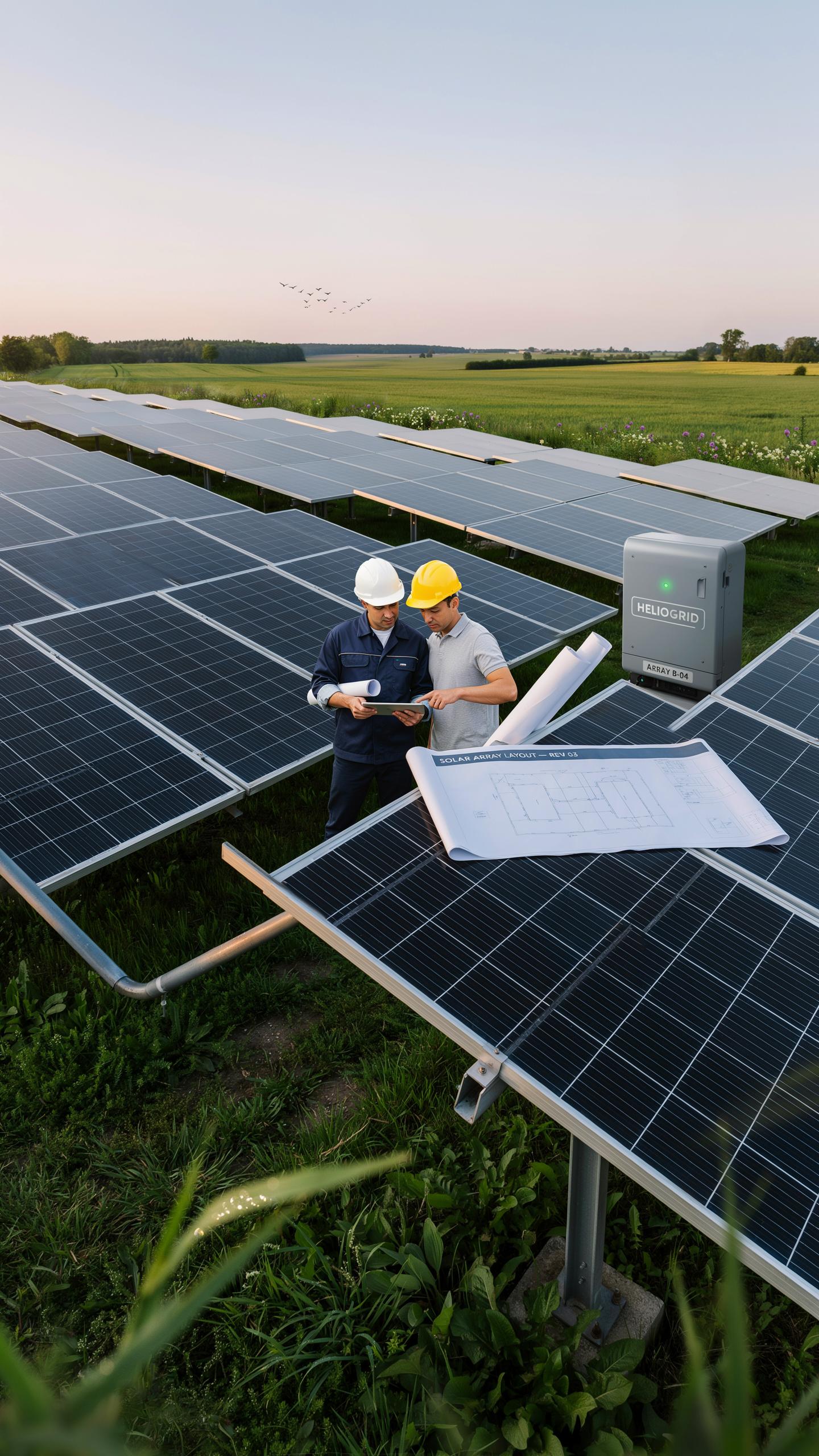
Solar panels deliver peak output when they face true south in the Northern Hemisphere and true north in the Southern Hemisphere. The tilt angle matters significantly. Adjust it seasonally to match your latitude for optimal sun capture. Winter requires steeper angles. Summer needs flatter positioning. Fixed installations typically use your latitude as the baseline angle year-round.
Your latitude determines the ideal tilt angle for maximum annual energy production. At 40 degrees north latitude, a 40-degree tilt captures the most sunlight over twelve months. Trackers adjust angles automatically throughout the day and season, boosting output by 25 to 35 percent compared to fixed systems. Trackers add cost and complexity, so evaluate whether the extra yield justifies the investment for your off-grid setup.
Mitigating Shade And Environmental Obstacles
Partial shade on a single panel tanks the output of the entire string if panels connect in series without protection. A shaded cell becomes a bottleneck that forces current through a smaller path, generating heat and reducing overall string performance. Microinverters or bypass diodes solve this by isolating shaded sections and letting the rest of the array operate at full capacity.

Bypass diodes redirect current around shaded cells, preserving energy production from unshaded panels in the string. Microinverters convert DC to AC at each panel individually, eliminating string-level losses entirely. For off-grid systems, microinverters pair with battery storage to manage variable production. Perform a shade audit before installation. Map shadows hourly and seasonally to identify problem areas and position your array accordingly.
Selecting The Best Off Grid Solar Panels And Technology
Monocrystalline Vs Polycrystalline Panels
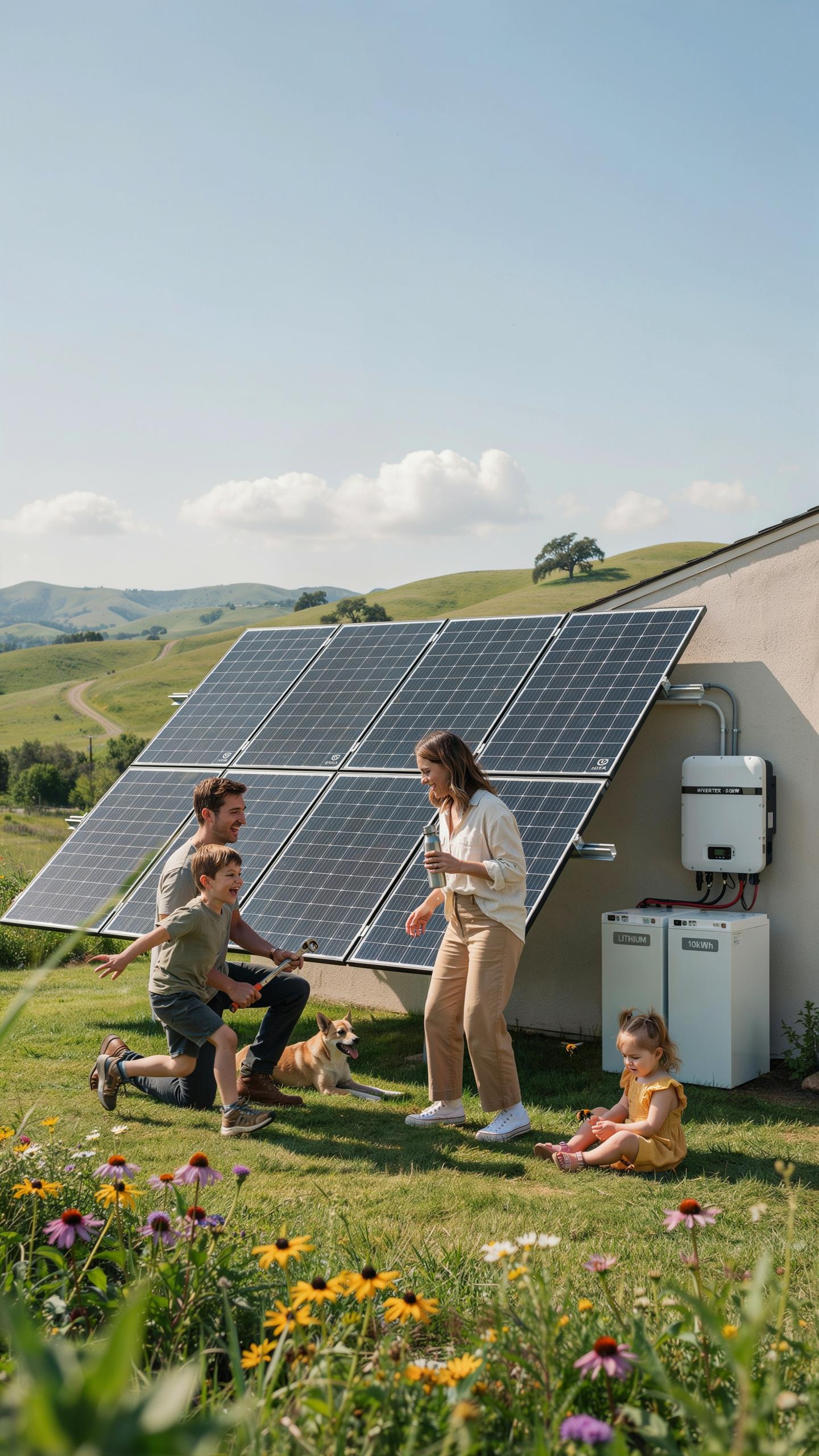
Monocrystalline panels deliver 15-22% efficiency ratings and require less roof space than polycrystalline alternatives. Single-crystal silicon construction makes these panels perform better in low-light conditions and heat. They cost more upfront but generate higher returns over time through superior output per square meter.
Polycrystalline panels cost 10-20% less than monocrystalline options and still perform reliably for off-grid systems. Multiple silicon crystals create lower efficiency rates around 13-18%, meaning you need more panels to match monocrystalline output. Choose polycrystalline when budget constraints matter more than available roof space.
The Rise Of Bifacial And Thin Film Options
Bifacial panels capture direct sunlight on the front side and reflected light from ground surfaces on the back. This dual-sided harvesting increases total energy output by 10-25% depending on ground reflectivity and installation angle. Reflective surfaces like white gravel or metal roofing underneath amplify the rear-side generation potential significantly.

Thin-film technology uses amorphous silicon or cadmium telluride instead of crystalline structures. These panels weigh less than traditional crystalline panels and flex around curved surfaces, enabling installation on unconventional mounting points. Lower efficiency rates of 7-13% require more panels overall, but installation flexibility often offsets this drawback for complex off-grid setups.
Starting A DIY Solar Power System Project Responsibly
Planning And Permitting Your Build
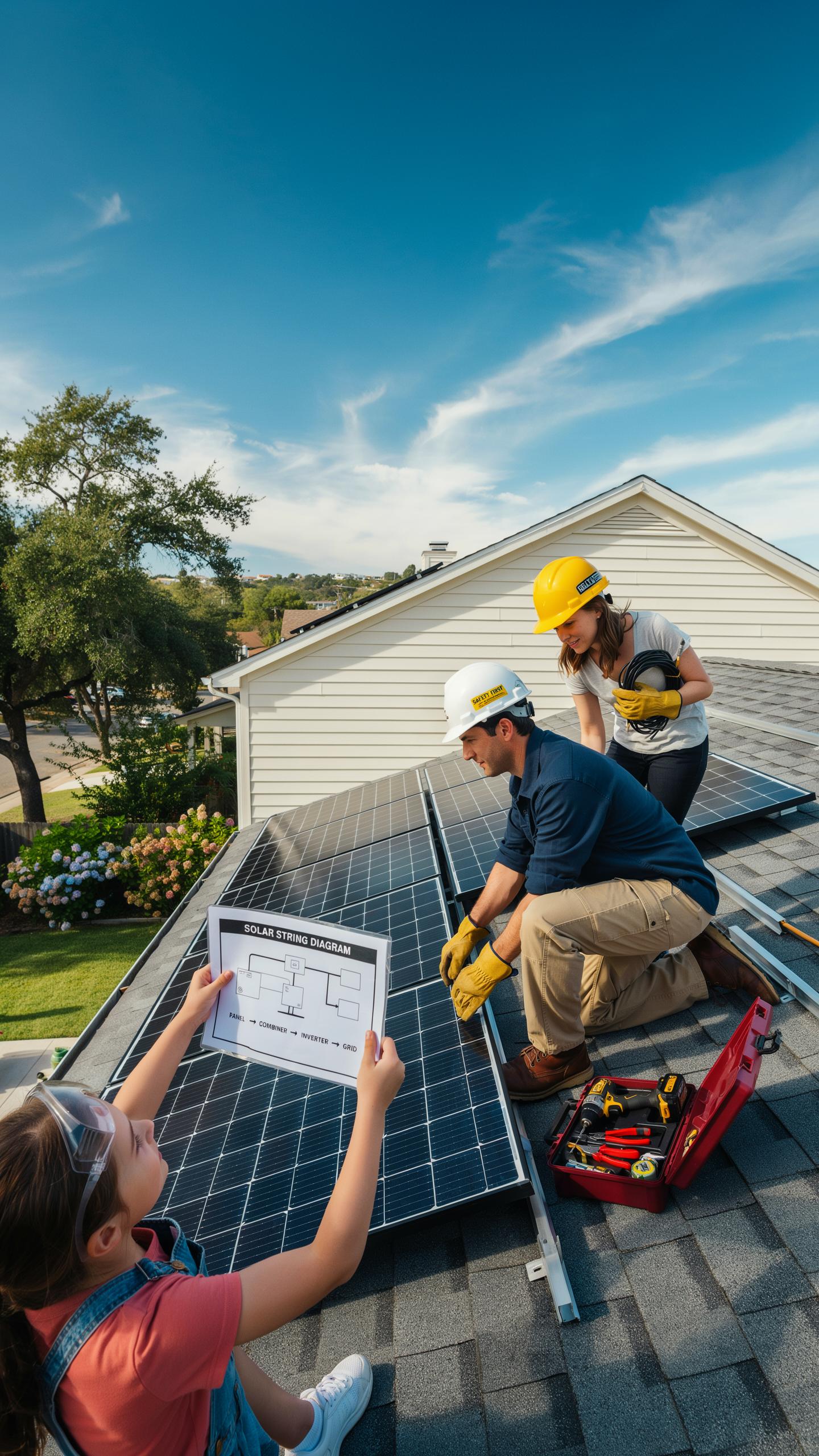
Start with your local building department before ordering any equipment. They enforce electrical codes that govern off grid systems in your jurisdiction. Most areas require permits for battery systems and backup generators. You need these documents for insurance claims and property sales. Non-compliance creates liability and voids coverage when problems occur.
National Electrical Code standards apply to off grid installations. Your system design must pass inspection before energization. Hire a licensed electrician to review plans if you lack experience. Permitting costs range from several hundred to a few thousand dollars depending on location. This investment prevents costly rewiring and safety violations later.
Sourcing Quality Electrical Components
Buy solar modules and inverters from manufacturers with established track records. UL listings verify that equipment meets electrical safety standards. Cheap components fail faster and create fire hazards through improper voltage regulation. Check datasheets for efficiency ratings and temperature coefficients before purchasing. Reputable distributors provide warranty documentation and technical support.

Overcurrent protection devices stop electrical fires when circuits fail. Use appropriately rated breakers and fuses for each system component. Battery disconnect switches isolate your batteries during maintenance and emergencies. Quality switchgear costs more upfront but prevents property damage. Skimping on protection hardware creates liability exposure and system failures.
Executing Step By Step Solar Power DIY Wiring And Assembly
Required Tools For Safe Installation
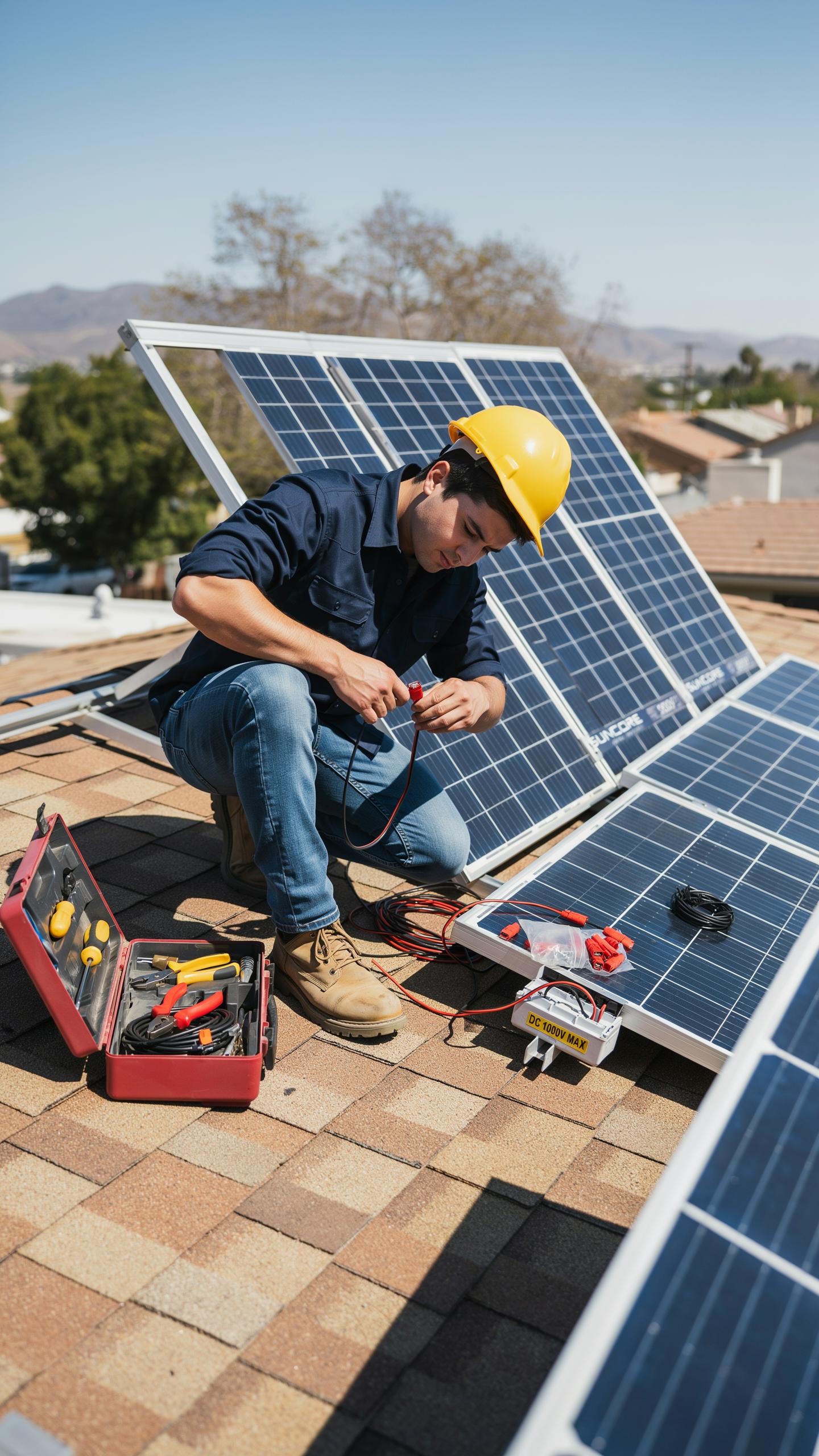
You need specific tools to wire your system correctly and protect yourself from electrical hazards. Skipping proper equipment creates fire risks and component damage. Gather everything before you start. This prevents interruptions and keeps your workspace organized for efficient work.
- Digital Multimeter: Measures voltage and amperage across circuits. Essential for verifying correct connections before energizing the system and troubleshooting issues.
- MC4 Crimping Tools: Creates secure connections on MC4 connectors used in solar installations. Improper crimps cause voltage drops and fire hazards.
- Wire Strippers: Removes insulation from wire ends without damaging the copper. Precision matters to ensure proper contact and prevent shorts.
- Insulated Screwdrivers: Protects you from shock when working on live circuits. Non-conductive handles are mandatory for off grid electrical work.
- Safety Goggles: Shields your eyes from wire fragments and debris during crimping and cutting. This is non-negotiable protection.
- Heavy Duty Work Gloves: Prevents cuts and provides grip on tools and connectors. Rubber content offers some electrical protection during work.
Having these tools ready eliminates delays and reduces mistakes. Poor tool choices lead to weak connections that degrade over time. Your system’s reliability depends on installation quality. Invest in proper equipment upfront rather than replacing failed components later.
As the seasons turn, there is a simple joy in capturing the sun’s timeless warmth to power our modern dreams of independence. Harnessing the light is like coming home to a more natural way of living.
Connecting Panels To The Charge Controller
Series and parallel wiring configurations change voltage and amperage outputs from your panels. Series wiring adds voltages together while keeping amperage the same. Parallel wiring adds amperages while keeping voltage constant. Your charge controller has maximum input voltage and amperage ratings that you cannot exceed.

Calculate your panel configuration before making connections. Check your controller’s manual for these limits. Exceeding maximum voltage damages or destroys the controller instantly. Undersizing voltage wastes panel potential and reduces system performance. Get the math right the first time to avoid costly component failures.
Mobile Freedom With RV Solar Power Configurations

Designing For Shock And Vibration Resistance
RV solar systems face constant mechanical stress from road conditions. Flexible solar panels absorb vibrations better than rigid glass panels. Mount them using rubber isolation pads and stainless steel brackets rated for dynamic loads. This setup prevents electrical connections from loosening and panels from cracking during travel.
Vibration damage compounds over time. A single loose connection creates resistance that generates heat and degrades performance. Inspect mounting hardware every 500 miles of travel. Use thread-locking compound on all fasteners to eliminate gradual loosening from continuous movement.
Managing Limited Roof Space On Vehicles
Vehicle roofs offer 30 to 60 square feet of usable space on average RVs. Air conditioning units, vents, and antennas occupy prime real estate. Monocrystalline panels produce 18 to 22 percent efficiency compared to 15 to 17 percent for polycrystalline options. This efficiency gap directly translates to more power from less roof area.

Map your roof layout before purchasing panels. Position panels to avoid shadows from roof features that reduce output by 25 to 75 percent per shaded cell. Flexible monocrystalline panels fit curved surfaces and contoured roofs better than rigid alternatives. Calculate your actual available space in square feet, then select panel wattage accordingly.
Integrating A DIY Generator For Hybrid Solar Backup
When Solar Alone Isn’T Quite Enough
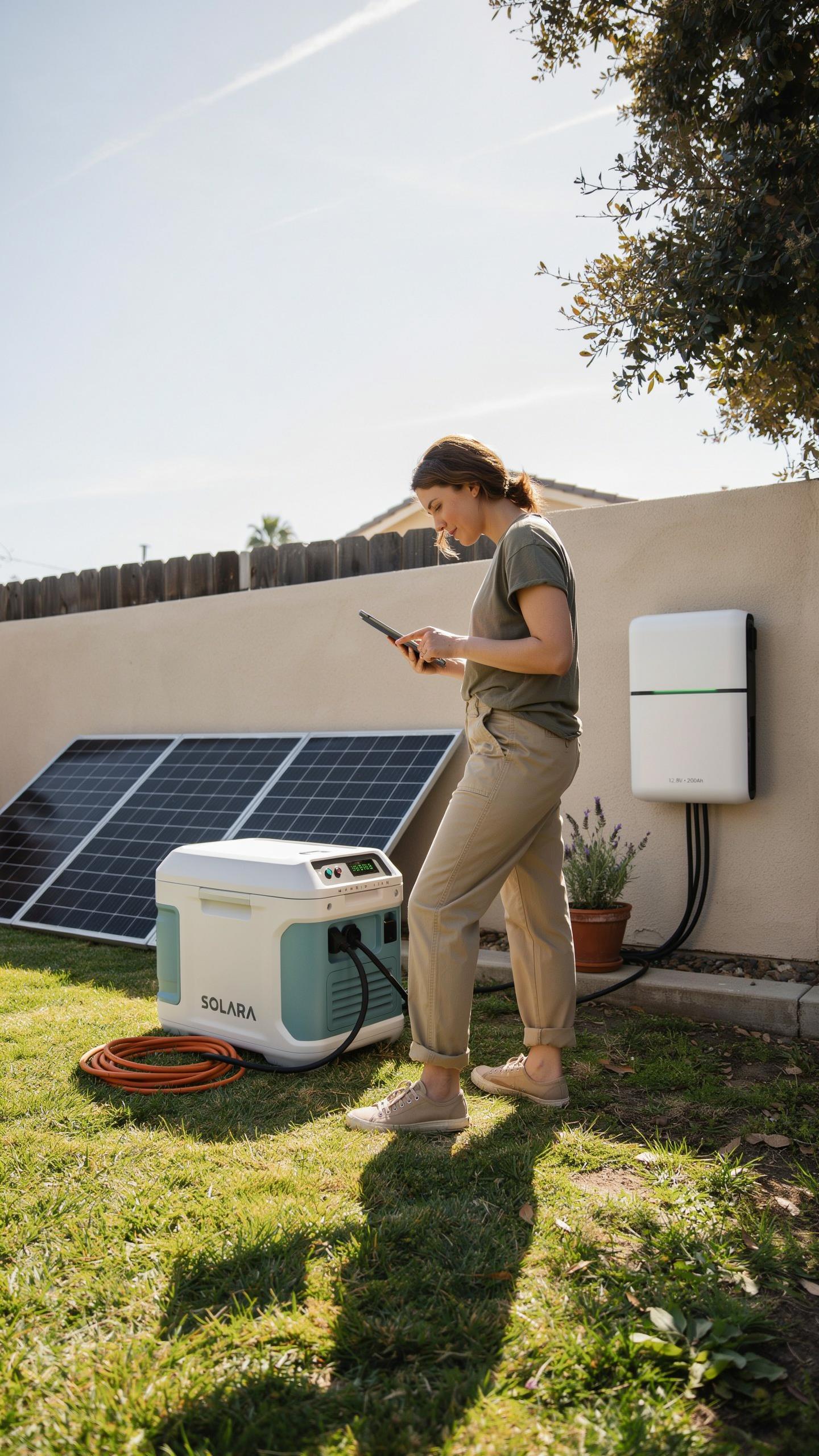
Solar systems depend on sunlight. Extended periods of heavy rain or dense winter snow deplete battery banks faster than they recharge. In climates with seasonal cloud cover or high latitude locations, solar production drops significantly for weeks. A backup generator bridges this gap and keeps critical loads running when batteries reach zero.
Hybrid systems combine solar with propane or diesel generators. This dual approach costs more upfront but eliminates blackouts during extended weather events. Off-grid homeowners in northern climates or rainy regions need this redundancy. Generator fuel stores indefinitely, providing insurance against prolonged dark periods that solar alone cannot handle.
Automatic Transfer Switches And Integration
An automatic transfer switch monitors your battery voltage in real time. When the bank drops to a preset threshold, typically 40 to 50 percent capacity, the switch signals the generator to start. This automation eliminates manual startup and prevents complete battery depletion that causes equipment damage.

The transfer switch disconnects the solar system from loads when the generator kicks on. This prevents backfeeding and protects inverters. Most quality units handle this switching in milliseconds, so appliances experience no interruption. Proper installation requires a licensed electrician familiar with off-grid systems and local electrical codes.
Innovative Solar Energy Projects And Future Trends

The Transition To Smart Home Energy Management
Modern off-grid systems use real-time monitoring software to track power consumption patterns across the home. These systems connect to inverters and battery controllers via WiFi or hardwired connections. Smart management software analyzes consumption data and adjusts loads automatically. This approach reduces battery strain and extends storage capacity by aligning energy use with solar production peaks.
Smart controllers shift high-draw appliances like water heaters or washing machines to midday hours when solar output peaks. Homeowners program priority loads so essential systems run regardless of conditions while discretionary loads only activate during surplus production. This coordination prevents battery overdischarge and reduces reliance on backup generators. Real-time dashboards show consumption, solar generation, and battery state of charge so users understand their energy position.
Next Generation Battery Storage Evolution
Lithium Iron Phosphate chemistry dominates modern off-grid installations because it delivers 3000 to 5000 charge cycles compared to lead-acid’s 500 to 1000 cycles. LiFePO4 cells maintain performance in cold temperatures and tolerate overcharge conditions without thermal runaway risk. The chemistry costs more upfront but cuts replacement frequency and total system cost over 20 years. Current commercial systems use modular LiFePO4 batteries ranging from 5 kilowatt hours to 20 kilowatt hours per unit.
Solid-state battery technology replaces liquid electrolytes with solid materials, promising 50 percent greater energy density and faster charge rates. These batteries remain in early commercialization stages with limited field data on long-term performance in off-grid applications. Energy density improvements would reduce physical battery size and weight for the same storage capacity. Expect solid-state options in premium off-grid systems within five to ten years as manufacturing scales and costs decline.
Frequently Asked Questions

What are the essential components needed for a basic off grid power setup solar panels system?
Starting your journey requires four main components: high-efficiency solar panels, a charge controller, a battery bank, and an inverter. The panels capture sunlight, while the controller prevents overcharging your batteries. Modern trends favor lithium iron phosphate batteries for their longevity. This complete off grid power setup solar panels kit allows you to generate and store your own electricity, providing total energy independence for your remote cabin or sustainable lifestyle.
How do I calculate the number of solar panels I need for my off-grid home?
To determine your requirements, first calculate your daily watt-hour usage by checking the labels on your appliances. Divide your total daily energy consumption by the average peak sun hours in your specific location. It is always wise to oversize your off grid power setup solar panels array by twenty percent to account for cloudy days and system inefficiencies, ensuring you have reliable power even during the shorter days of the winter season.
Is it possible to build an effective off-grid solar system on a limited budget?
Absolutely! You can save money by starting with a small, modular system and expanding as your budget allows. Many DIY enthusiasts begin with a portable power station and a few foldable panels before investing in a permanent rooftop installation. By focusing on energy-efficient DC appliances and prioritizing your most essential electronics, you can achieve a functional power solution without a massive upfront investment in high-end luxury equipment.