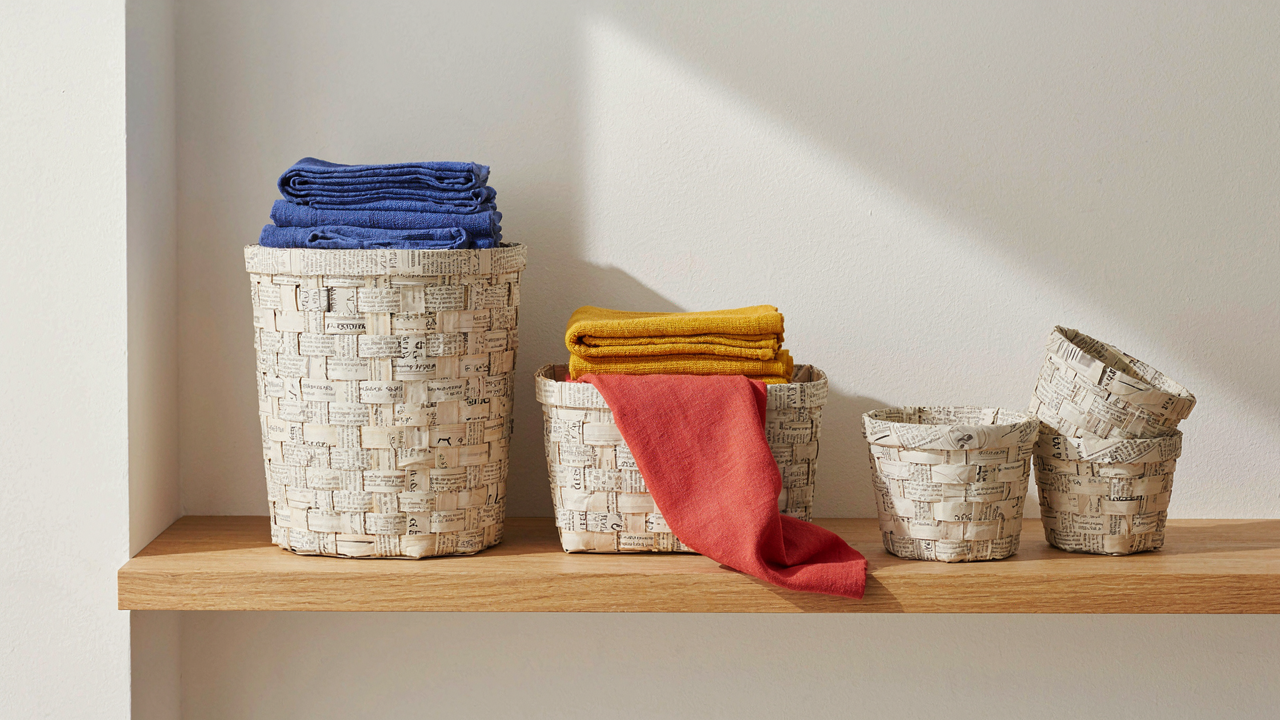
The Recycled Newspaper Basket Craft Hoax: Why Your “Pretty” Storage Fails

Aesthetics Over Structural Integrity
You want a basket that looks intentional on your shelf because you think it proves you have taste. The mechanism is simple: newspaper baskets photograph well but fail functionally. Magazine spreads and Pinterest boards show finished baskets styled with soft lighting. Nobody posts the same basket six months later, sagging under the weight of folded sweaters. The visual wins upfront because the failure happens gradually and privately.
Newspaper basket weaving relies on tight coiling and consistent tension to hold shape. Most people loosen their weave for speed or because maintaining pressure for hours exhausts their hands. A loose weave looks identical to a tight one until load-bearing happens. The basket then deforms unevenly, creating unsightly bulges where stress concentrates. Function determines aesthetics over time, not the reverse.
When Paper Meets Moisture And Weight
Treating paper like it behaves like wicker is the root error here. Wicker has cellular structure and flexibility that allows stress distribution. Newspaper has none of that. Paper fibers swell when exposed to humidity, then shrink as they dry, creating micro-fractures throughout your weave. These fractures compound every seasonal humidity shift. A basket built in winter and stored in a humid summer bathroom doesn’t survive the cycle.
Weight breaks newspaper baskets because paper lacks the tensile strength of natural fibers. A wicker basket holds ten pounds of socks indefinitely. A newspaper basket of identical size holds three before the walls begin separating. The coils slip against each other as tension releases. Adhesive binds the layers temporarily, but paper-to-paper bonds are fragile compared to the interlocking grain structure of actual wicker. Your storage solution becomes a project that requires replacement annually.
Beyond The Hobby: The Newspaper Basket Craft Project As A Functional System
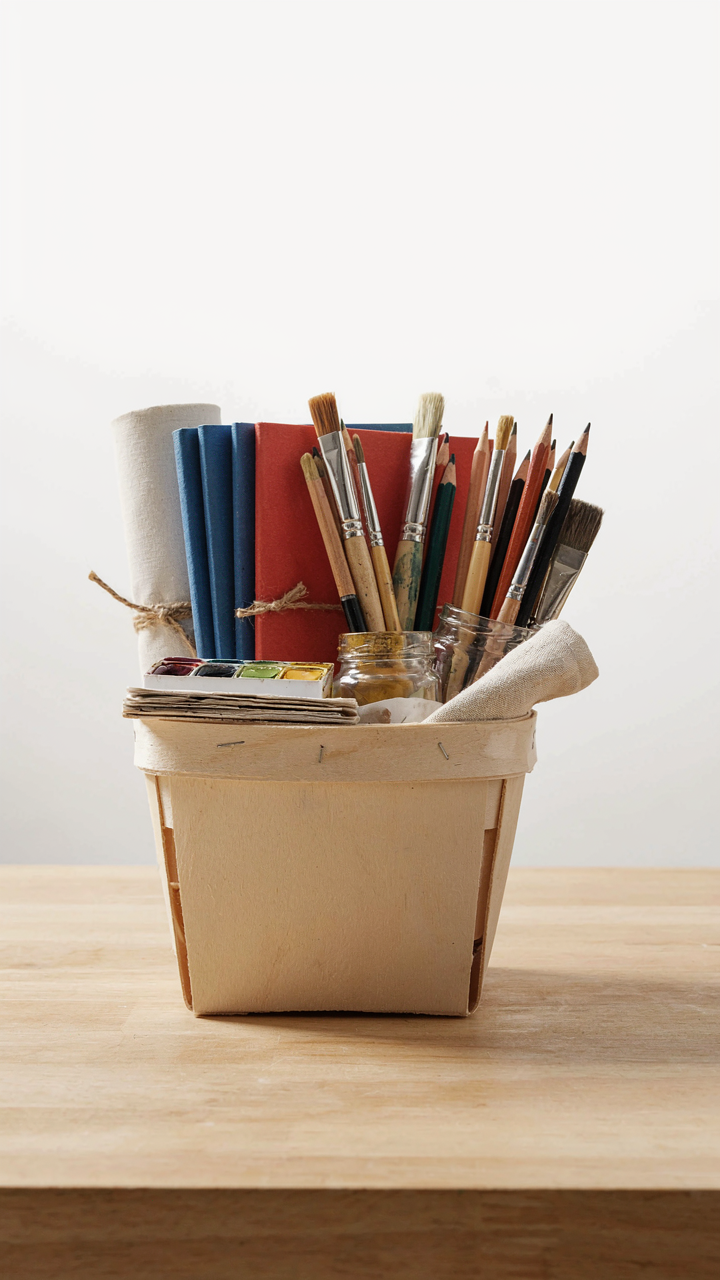
Weight Distribution Matters More Than Aesthetics
You want this to look good on the shelf without collapsing under actual use. That’s the real concern hiding under “pretty storage.” Engineering calls this load-bearing capacity, and newspaper baskets operate on the same structural principle: force spreads across the weave pattern, not down through a single point. Tighter weaves distribute weight evenly. Loose weaves concentrate stress at contact points and fail fast.

The coil diameter and wrap tension determine your load limit. A basket woven from quarter-inch paper coils with consistent tension holds ten to fifteen pounds without deformation. Half-inch coils with slack wrapping fail around five pounds. Test this by loading gradually and watching for bulging at the sides. If the basket expands outward, you’ve hit its limit.
Material Decay Is Your Real Timeline
Newsprint degrades on a predictable schedule, not some romantic timeline. Lignin in untreated paper oxidizes under light and air exposure, turning brittle within three to five years. Your storage basket doesn’t fail because it looks tired. It fails because the structural fibers lose tensile strength and snap under load.
Sealed baskets last longer because you’re blocking light and moisture, the two active variables. Boiled linseed oil or diluted polyurethane slows oxidation significantly. Without treatment, expect full brittleness by year four. Apply sealer within two weeks of completing the weave, not months later when oxidation has already begun.
The “Homemade Basket With Newspaper” Fallacy: What’s Really Being Stored?

What Actually Needs Containment
You want this to look intentional, like you’ve solved a problem instead of just hiding clutter. The mechanism is simple: people don’t buy newspaper baskets for storage. They buy them to control visual chaos without admitting they have too much stuff. The basket itself isn’t the solution—clarity about what goes inside is. Most people skip this step and end up with an attractive container full of random objects that defeat its purpose.
Before you fold a single newspaper strip, sort what’s actually landing in the basket. Junk mail, magazines, receipts, fabric scraps, yarn remnants—these are different categories demanding different containment strategies. Grouping unrelated items creates a basket that looks organized from the outside but functions as a catch-all. The basket only works if you’ve already decided what category it serves.
Volume Calculation Precedes Design
Sizing a newspaper basket is an engineering problem, not a design choice. Most guides ignore this and let you guess, which explains why baskets either sit half-empty or burst after two weeks. The real framework here is capacity planning from logistics: you’re calculating volumetric demand against available space. Measure the items you’re storing first—their height, width, depth—then add 20 percent buffer space to prevent compression and shape distortion.
Write down the actual volume you need: if you’re storing yarn for a weaving project, measure the coiled skeins in inches. If it’s fabric scraps, fold them and stack them, then measure that stack. Volume calculation stops basket building from becoming an aesthetic exercise that fails functionally. Once you know the dimensions, you size your newspaper strips and frame accordingly, building from the measurements upward rather than folding strips until something looks about right.
The Unspoken Cost Of Newspaper Crafts Diy Easy: Your Time Investment

What You’re Actually Trading Away
You want to believe newspaper basket weaving is “relaxing” because admitting it costs real time feels like you’re wasting it. Here’s the mechanism: every hour spent rolling, weaving, and finishing a basket is an hour you don’t spend on income, skill-building, or anything that compounds. Economics calls this opportunity cost, and newspaper baskets have a brutal one. A finished basket takes fifteen to twenty-five hours depending on size and complexity. That’s not a weekend project. That’s a work week stolen from something that actually builds your life forward.

The craft culture won’t tell you this because it doesn’t sell baskets. Instead it sells the feeling of productivity without the friction of real work. Newspaper weaving produces a physical object, which tricks your brain into believing you’ve accomplished something. You haven’t. You’ve just delayed something that matters. If you’re doing this for home storage, you’re paying premium time for budget materials when plastic bins solve the problem in five minutes and cost eight dollars.
Compress The Process, Don’t Romanticize It
The advice says to “take your time and enjoy the meditative experience.” That’s wrong. Meditation doesn’t require output. If you’re weaving anyway, speed matters because it returns your time faster. The real efficiency play is batching. Roll all your newspaper strips at once, not one at a time. Pre-cut everything before you touch the loom. Use a spray bottle to dampen paper uniformly instead of doing it piece by piece. These aren’t small tweaks. Batching cuts total project time by thirty to forty percent because you eliminate context switching and repetition friction.
The second lever is template standardization. Build one basket size and stick with it. Master the pattern. Your hands learn the weave rhythm and muscle memory kicks in. Don’t experiment mid-project with new dimensions or color schemes. Consistency is speed. Time your first basket. Note every bottleneck. Then time your second and third. You’ll watch the minutes drop. That’s not magic. That’s protocol refinement. When you know exactly what you’re building, you stop making decisions and start executing.
How To Make A Newspaper Basket: The Structural Integrity Protocol

Weave Patterns For Load Bearing
You want your basket to look intentional, not like you assembled it during a commercial break. But that’s not what matters here. What matters is whether it collapses under actual weight. Tight weaves distribute force across more contact points than loose ones. A newspaper strand under tension transfers load laterally to adjacent strands instead of buckling inward. The tighter your over-under pattern, the more redundancy you build into the system. This is basic tension distribution.

Consistent weave density prevents weak zones where the basket will fail first. Newspaper fibers have limited tensile strength, so you compensate by layering them properly. A checker weave or simple over-under pattern works better than irregular crossing because it creates predictable stress paths. Your basket won’t look fancy, but it will hold books without deforming. Consistency beats aesthetics when structure is the actual requirement.
Reinforcement Points And Load Paths
Physics calls it stress concentration, and newspaper baskets live or die by understanding it. The bottom corners and the base-to-side seam are where your basket fails because all weight funnels through those joints. You reinforce them by adding extra wraps of newspaper strips at those exact points, building up thickness and surface area where the load concentrates. A single-layer wall can’t handle sustained pressure. Multiple layers at stress points extend the basket’s functional lifespan by months.
The rim is your second critical zone. It receives load from handle tension and the weight pressing upward from contents. Wrap newspaper strips horizontally around the rim in overlapping passes instead of a single circuit. Tape reinforcement strips vertically along the inside perimeter where the walls meet the base. Your basket’s failure mode shifts from structural collapse to gradual stretching when you distribute load across multiple load paths instead of concentrating it.
Paper Basket Weaving: The Material Optimization Method
Which Newspapers Actually Hold Structure
You want to know which papers work because you’re afraid of spending hours weaving something that collapses in two weeks. The real mechanism is paper density. Newsprint varies wildly. Tabloids use lighter stock around 45-52 gsm, while broadsheets run 48-65 gsm depending on publisher. Denser paper resists compression and tear better under tension. The ink quality matters less than people think, but glossy supplements should be avoided entirely because the coating reduces fiber grip during weaving.

The papers that hold structure longest are those with higher mechanical pulp content and tighter fiber bonding. Check the newspaper’s weight by feel first. Hold two sheets side by side. The heavier one will perform better in your basket. Older newspapers, particularly from regional publishers, sometimes use heavier stock than major dailies. This isn’t sentiment. It’s material physics. Test a single woven strip under moderate tension before committing to a full basket.
Preparation That Actually Changes Durability
Everyone says to condition paper, which is vague enough to be useless. What they mean is controlling moisture and fiber plasticity. Paper absorbs and releases moisture constantly, causing dimensional changes that weaken weaves over time. The real prep is a humidity stabilization step. Store your newspaper in a consistent environment, ideally 45-55% relative humidity, for 24 hours before weaving. This prevents the paper from shifting shape mid-project and creating loose sections.
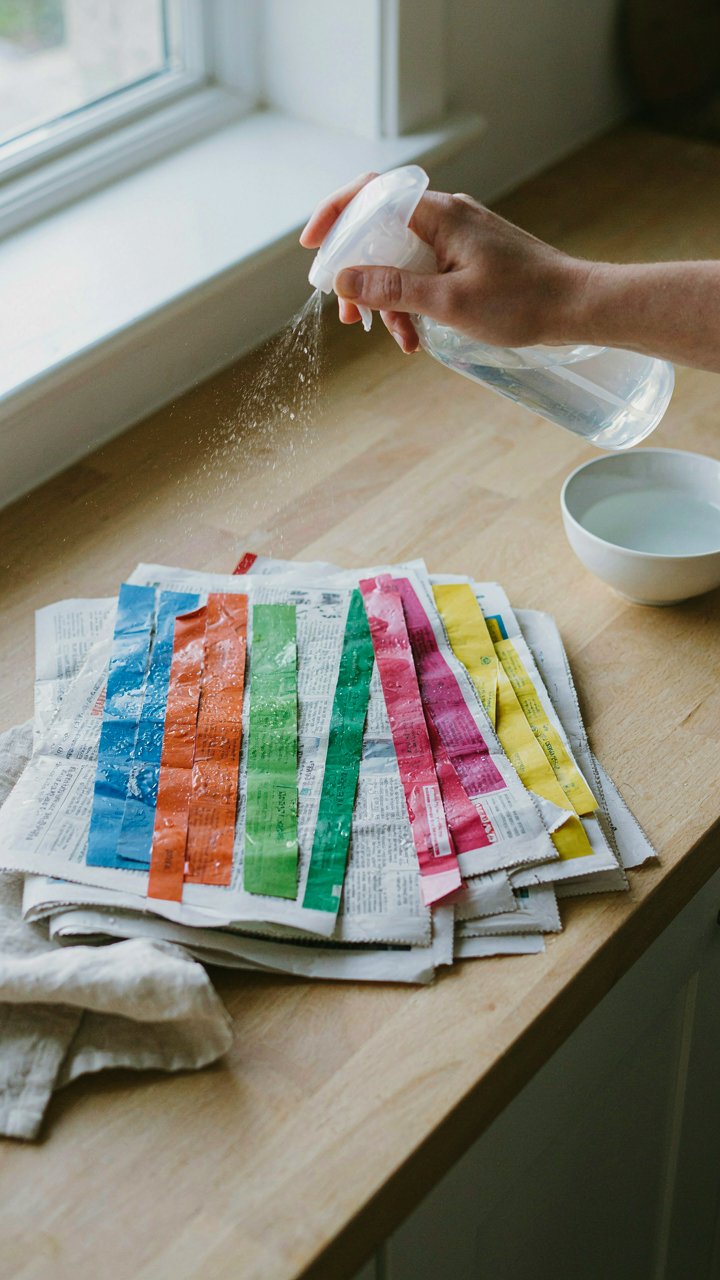
The second element is controlled dampening just before you weave, not after. Lightly mist newspaper strips with water using a spray bottle until they feel slightly damp but not wet. Damp fibers become more pliable and conform better to the weave tension. They also bond more effectively when strips cross each other. Let dampened paper sit for 10 minutes before weaving to allow even moisture distribution. This single step doubles the lifespan of most newspaper baskets by reducing stress fractures in the fiber structure.
The Newspaper Basket Trap: When DIY Becomes A Burden

Dust, Decay, And The Hidden Cost Of Upkeep
You’re drawn to this project because it feels like you’re gaining control, but what you’re actually doing is acquiring maintenance debt. Newspaper baskets degrade the moment they exist. Paper fibers absorb moisture from ambient humidity, which weakens the weave’s structural integrity over time. Dust settles into the woven gaps where no brush reaches easily. The dye in printed sections fades under UV exposure, making your basket look neglected within months regardless of how much you paid attention during construction.

The common advice says just dust them occasionally. That’s incomplete. You need to assess your home’s humidity level first, ideally between 30 and 50 percent. Store baskets away from direct sunlight and heating vents. Check them every two weeks for soft spots in the weave, which signal moisture penetration. This isn’t occasional maintenance. This is a recurring protocol that most people abandon after three weeks because they didn’t budget time for it upfront.
Planning For The Basket’s End
The disposal question exposes what people won’t admit: newspaper baskets have a finite lifespan, and you haven’t decided what happens when they reach it. Composting seems obvious, but most commercial composting facilities won’t accept printed newspaper due to ink residue and chemical treatments used in modern paper production. Your home compost bin works, but only if the basket has fully degraded into separate fibers, which takes years. Landfill is your default path, which means your DIY storage project becomes waste within a decade.
Before you weave a single basket, decide its endpoint. Will you disassemble it and recycle the paper components separately? Will you accept that it becomes landfill? Will you commit to composting despite the timeline? The basket’s utility is directly tied to this decision. Without clarity, you’re not making storage. You’re postponing the problem until you’re annoyed enough to throw it away.
Newspaper Crafts: Beyond The Basket Applying Systems Thinking
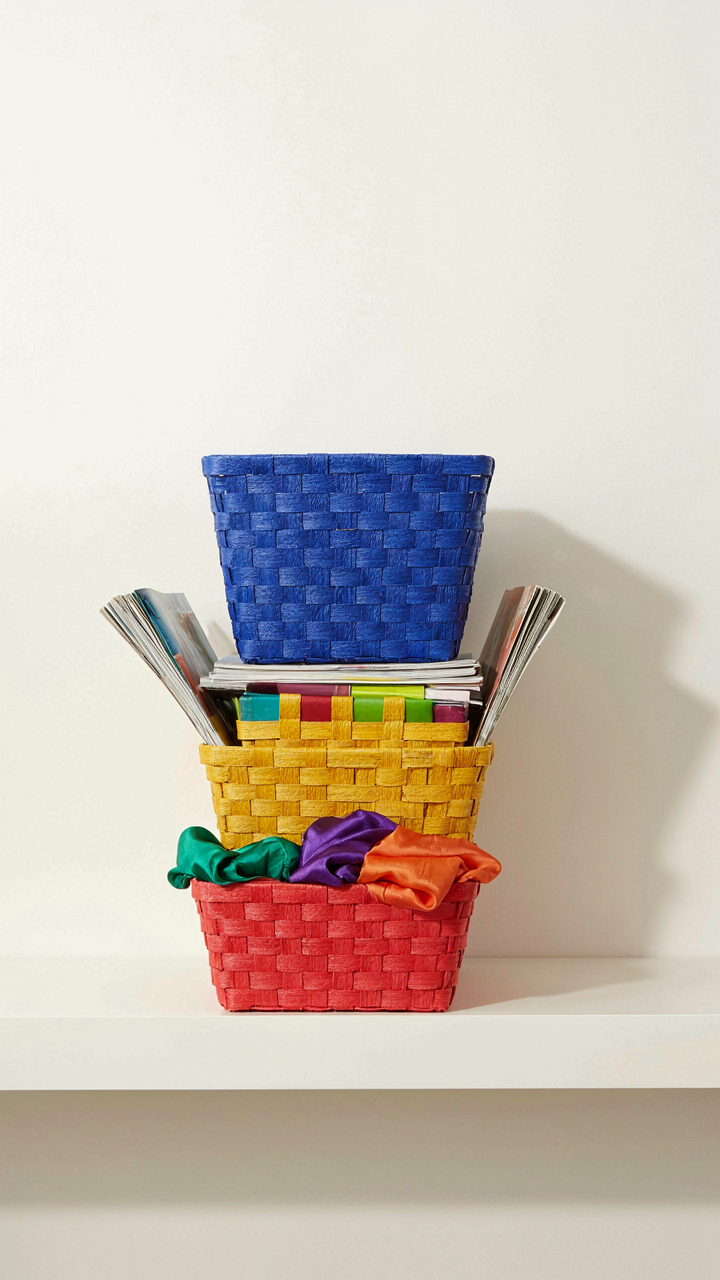
How Modular Units Stack Into Real Storage
You want permission to build something that won’t fall apart when life changes. That’s the real reason you’re reading this. The mechanism is modularity, borrowed directly from systems design in engineering. A modular newspaper basket system treats each woven unit as an independent component that connects to others without forcing the entire structure to collapse when you swap one out.

Newspaper baskets work best when you build them in standard sizes. A consistent width and depth means you can stack, nest, or arrange multiple baskets without gaps or wasted space. The weaving itself becomes the connector. Overlap your newspaper strips at predictable intervals during the weave so new baskets slot into existing ones with structural integrity intact. Your storage system scales up because the logic stays the same at every level.
Adaptation When Your Needs Shift
Most storage advice assumes your life stays static. It doesn’t. Feedback loops let you observe what’s actually in your baskets, then adjust the system without rebuilding it from scratch. You notice which basket gets accessed daily, which one collects dust, which dimensions prove too cramped. That data shapes your next weave.
Build your newspaper baskets in batches of three instead of one. Weave the first, use it for two weeks, document what works and what fails. The second basket incorporates those corrections. The third becomes your standard template. This cycle compresses months of trial into weeks of iteration. You’re not chasing perfection on the first attempt. You’re collecting real feedback, then baking it into your process.
The “Newspaper Basket” As A Tool, Not A Trophy

Stop Treating Storage Like Decoration
You want the basket to look intentional so guests think you have your life organized. That’s the real driver here. The mechanism is simple: a functional object becomes invisible when it works. A newspaper basket that holds what you actually use stops being decor and starts being infrastructure.

Most storage advice fixates on appearance first, function second. That’s backwards. A basket that sits empty except when company arrives isn’t storage—it’s a prop. Build the basket around what you genuinely need contained: old papers awaiting recycling, catalogs you’re sorting, craft materials, kindling. Use it daily or abandon the project.
- Paper recycling overflow: Newspapers pile up faster than weekly pickup. The basket catches the gap between collection cycles, preventing floor clutter.
- Magazine sorting station: Keep recent issues accessible while aging stock waits for donation. The basket becomes a staging area, not a graveyard.
- Fire starter storage: Shredded newspaper baskets occupy less space than traditional kindling. Dry, contained, ready to use year-round.
- Craft material staging: Newspaper sheets for projects, papier-mâché work, or pet bedding. The basket organizes raw material before use.
- Packing material: Store shredded newspaper between uses. One basket replaces scattered boxes taking up closet space.
The basket exists to solve a specific friction point in your home. If you don’t have that friction, don’t weave.
One Basket Per Actual Problem
Minimalism in storage isn’t about owning fewer things. It’s about removing redundancy. One well-made basket solves one real problem better than three mediocre baskets solving nothing.
Most people weave multiple baskets because they see the skill as the output, not the storage solution. Make one basket that handles ninety percent of your paper overflow. Size it for weekly volume, not theoretical capacity. A basket too large encourages hoarding. A basket too small fails immediately and you abandon the system. The right size creates a forcing function: when it fills, you act.
The Myth Of Effortless Organization: Real Solutions For Real Clutter
Build Systems Before Building Baskets
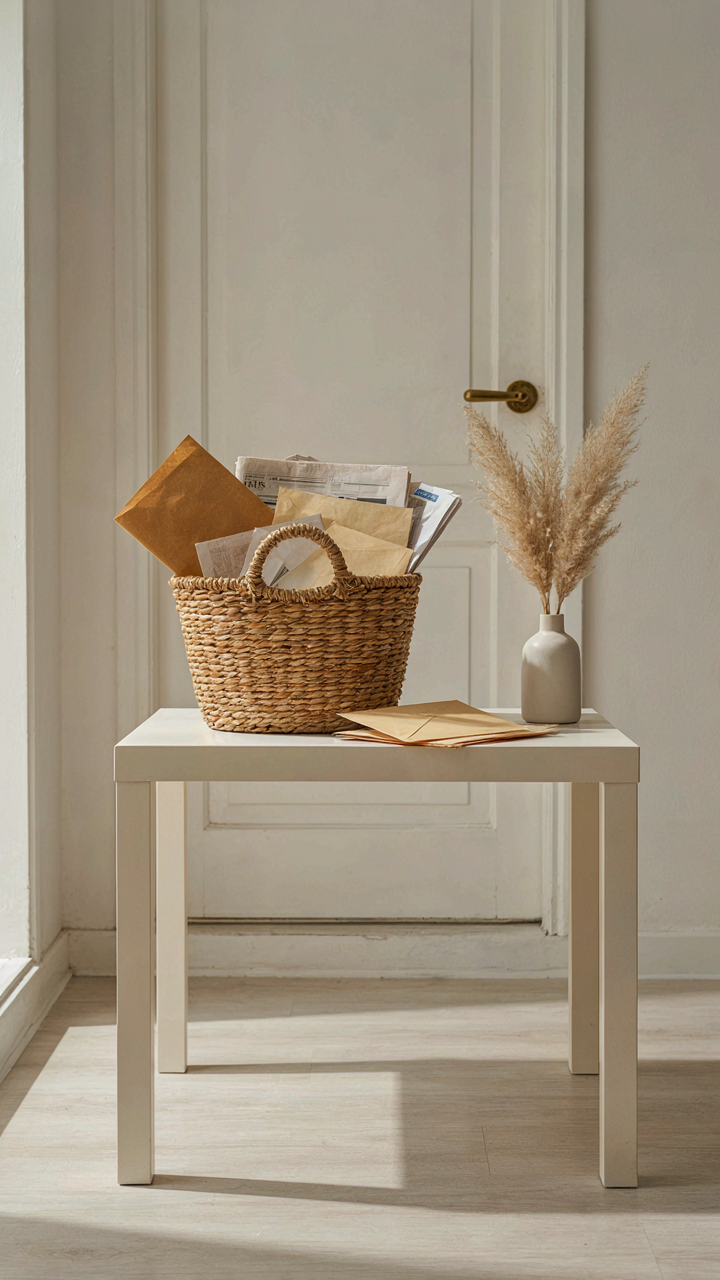
You want the aesthetic without the friction. That’s the real reason you’re reading this. Here’s what actually works: organization fails because people treat storage like decoration instead of a closed loop. Think of it in terms of inventory management—your home is a warehouse. Newspaper baskets are your containers, but the mechanism that matters is the input-output cycle. You decide what enters, where it sits, and when it leaves. Most people skip this step and wonder why their baskets fill with junk again in three weeks.
The system comes first. Before you weave a single basket, map where things originate. Mail enters through the door. Magazines stack on the coffee table. Kids’ papers accumulate on the counter. Each source needs a corresponding basket positioned at that exact point, not somewhere prettier or more convenient for you. The basket placement isn’t about interior design—it’s about reducing the distance between the thing and its container. When the distance shrinks, compliance happens naturally. This is friction reduction in its purest form.
Durability Over Disposability
Temporary storage breeds temporary habits. Flimsy baskets that collapse after two months train your brain to ignore the system entirely because the system keeps failing you. Newspaper basket weaving, done properly, creates something that lasts five to ten years under normal household use. The material—tightly wound newsprint or kraft paper—holds its structure when the weave is dense and consistent. Loose weaving looks softer but deteriorates fast. You’re choosing between a basket that works for a season or one that works for a decade.
The cost per year of a durable basket is negligible compared to replacing cheap containers quarterly. Invest the time in learning a tight weave pattern and building baskets with proper base support. A strong base prevents the collapse that happens when weight accumulates unevenly. After the basket is woven, seal it with a food-grade finish to protect against humidity and dust penetration. This single step extends lifespan dramatically and keeps newsprint from deteriorating into gray powder inside your storage system.
Your True Obstacle Isn’t Lack Of Craft; It’s The Illusion Of Effort Over Actual Utility

Most people weave newspaper baskets to feel productive, not to solve a storage problem. You buy supplies, spend hours folding, and end up with something that looks nice but holds nothing you actually need. Stop chasing the craft. Pick one drawer overflowing right now. Weave one basket today, fill it with what’s actually there, and notice if your life changed. That gap between busy hands and real results is where the truth lives.