The Unseen Value Of Cork Bottle Crafts: Beyond Decoration
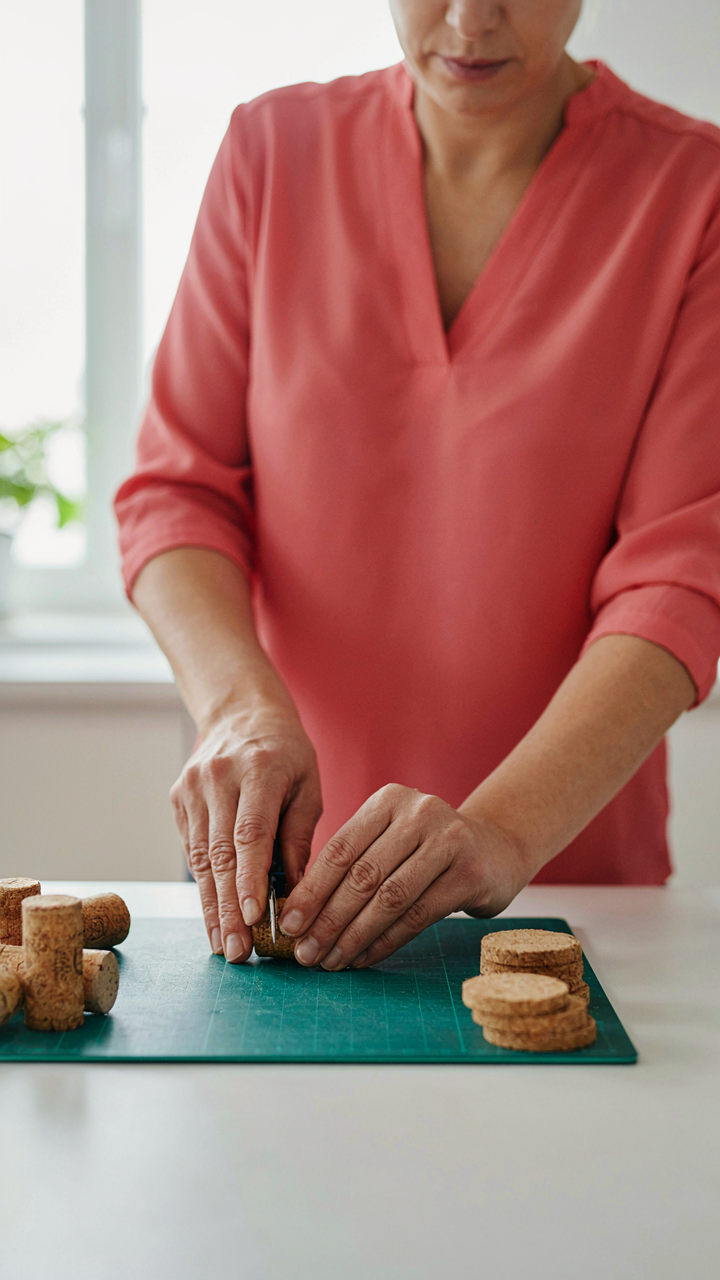
You Already Have The Materials
You want to feel resourceful without actually changing your consumption habits. Here’s the mechanism: cork is waste. Wine bottles end up in recycling or trash. Using them converts existing material into objects with perceived value, which feels productive while requiring zero lifestyle shift. The economics work because cork’s actual cost is already sunk. You paid for the wine. The cork itself has no resale value.
Cork’s material properties make this work in your favor. It’s lightweight, water-resistant due to its cellular structure, and doesn’t degrade quickly. You don’t need to buy supplies or learn new material handling. The barrier to starting is genuinely low compared to other craft mediums. Most people have corked wine bottles sitting around. That’s your entire inventory.
Building Real Capability Through Repetition
The common advice says cork crafts are relaxing or meditative. That’s incomplete. What actually happens is you develop hand control and spatial reasoning through repeated cuts, sanding, and assembly. This transfers to other making activities. Economics calls this “skill accumulation” – each project compounds your capability for the next one, even outside cork work.
Your first cork coasters will be uneven. By project five, your cuts are precise. By project fifteen, you’re solving design problems before they exist. You’re not just filling time. You’re building a repeatable process that works. The mechanism is constraint-driven improvement. Limited material forces you to optimize cuts and minimize waste, which sharpens your actual craft skills faster than open-ended projects do.
Deconstructing “Crafts With Wine Corks”: The Systems Approach
Simple Inputs, Complex Outputs
You want to believe that cork crafts are simple because you need permission to start without being an expert. Here’s the actual mechanism: cybernetics teaches us that systems produce disproportionate outputs from minimal inputs when feedback loops work correctly. Wine corks aren’t just raw material—they’re a constraint that forces design decisions. Their fixed dimensions, density, and porous structure eliminate bad ideas before you execute them.

The real work isn’t in the execution. It’s in understanding what the cork will and won’t do. Cork compresses under pressure but resists tearing when you cut perpendicular to the grain. It absorbs water slowly, making it viable for planters but unreliable for constant moisture exposure. When you design around these properties instead of against them, the output scales. A poorly designed cork coaster fails on the first wet glass. A well-designed one performs for years.
Design Iteration Through Material Response
Common advice says to “experiment and see what works.” That’s lazy. Real iteration uses material feedback as data. Cybernetics calls this negative feedback—when the system’s output influences its next input, creating correction cycles.
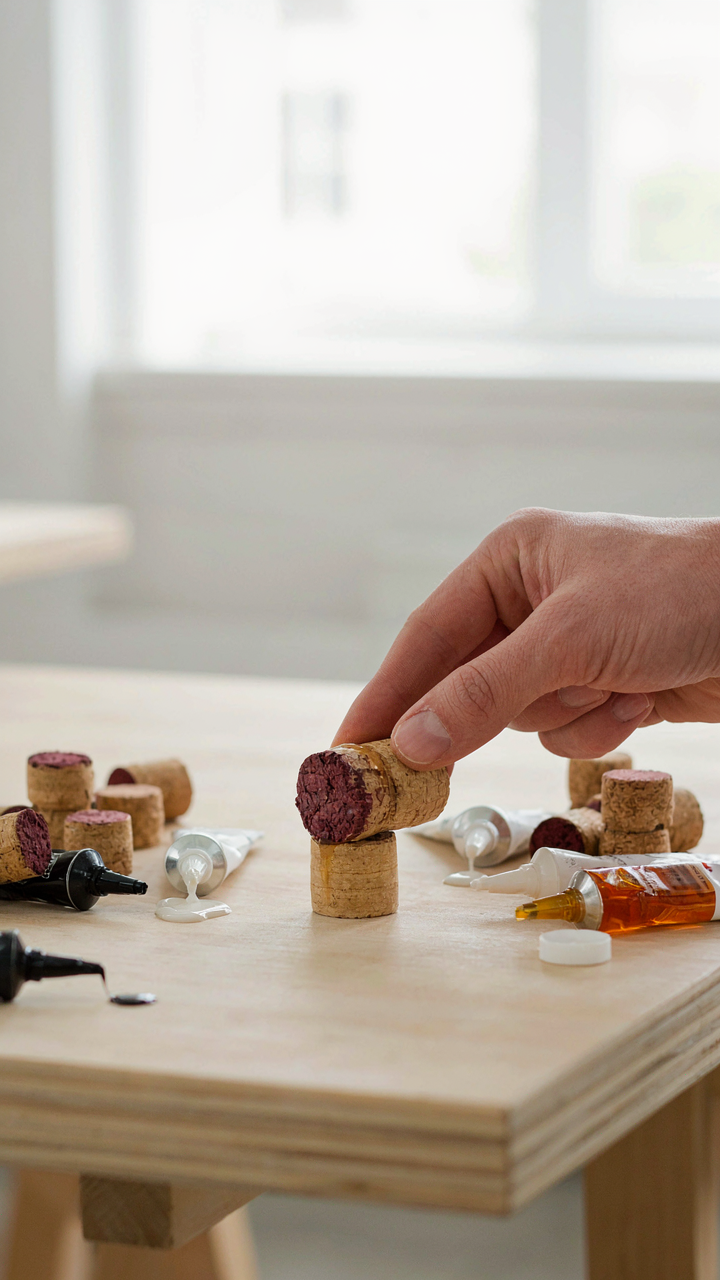
When you glue cork pieces together, the glue type determines whether the final object holds. Wood glue requires clamping and drying time. Hot glue bonds fast but fails under temperature shifts. Polyurethane glue expands slightly, filling gaps but creating squeeze-out. Each choice produces different outcomes with identical cork inputs. You don’t “experiment randomly”—you test one variable, measure the failure mode, and adjust the next prototype. This is protocol. Repeat this cycle three times before committing cork pieces to a full project.
Cork Crafts DIY: The Antidote To Generic Aesthetics
Why Mass Production Lost The Plot
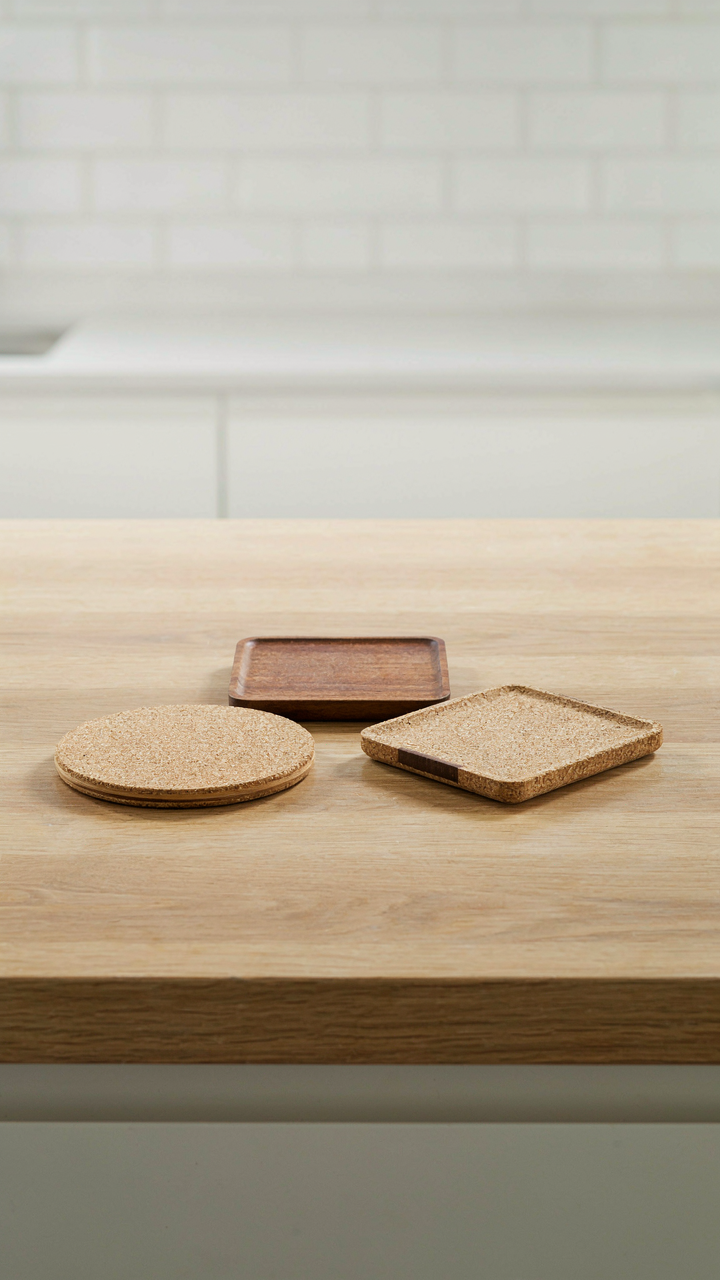
You want proof that your taste matters. That’s the real thing driving interest in handmade cork crafts—not sustainability theater or budget savings, but the status signal embedded in owning something nobody else has. Here’s the mechanism: mass production optimizes for replication, which kills differentiation. When your décor comes from the same factory as ten thousand others, it broadcasts compliance, not judgment. Cork crafts flip this. They start with raw material and your specific choices about proportion, color treatment, and assembly.
The common advice says cork crafts are about environmental consciousness or thriftiness. Wrong. Corks are waste byproducts from wine production—abundant and cheap. The real value isn’t scarcity. It’s that working with cork forces you to make micro-decisions about spacing, stain, finish, and placement. Mass production removes decision-making. DIY cork projects restore it. Each choice becomes visible in the final object, which is exactly why it reads as intentional rather than purchased.
Signature Through Constraint
Design operates like economics: constraint forces specialization. You can’t make everything, so you develop a recognizable approach. With cork crafts, the material itself constrains you—it won’t sand smooth like wood, it absorbs stain unevenly, it demands specific adhesives. Instead of fighting these limits, they become your signature. A designer who masters cork’s actual behavior, rather than fighting it, produces work that’s immediately identifiable.
Build your signature through repetition of one specific cork craft across three to five projects. If you choose cork trivets, make five versions with different cork cuts, stain depths, and edge treatments. The variations clarify your aesthetic. This isn’t abstract—document each iteration with photos of material selection and assembly steps. Your third trivet will reveal your actual taste because you’ll have eliminated the failed experiments from the first two. That accumulated knowledge becomes the foundation for a recognizable aesthetic that reads as intentional.
Cork Art: From Discarded To Deliberate Creation
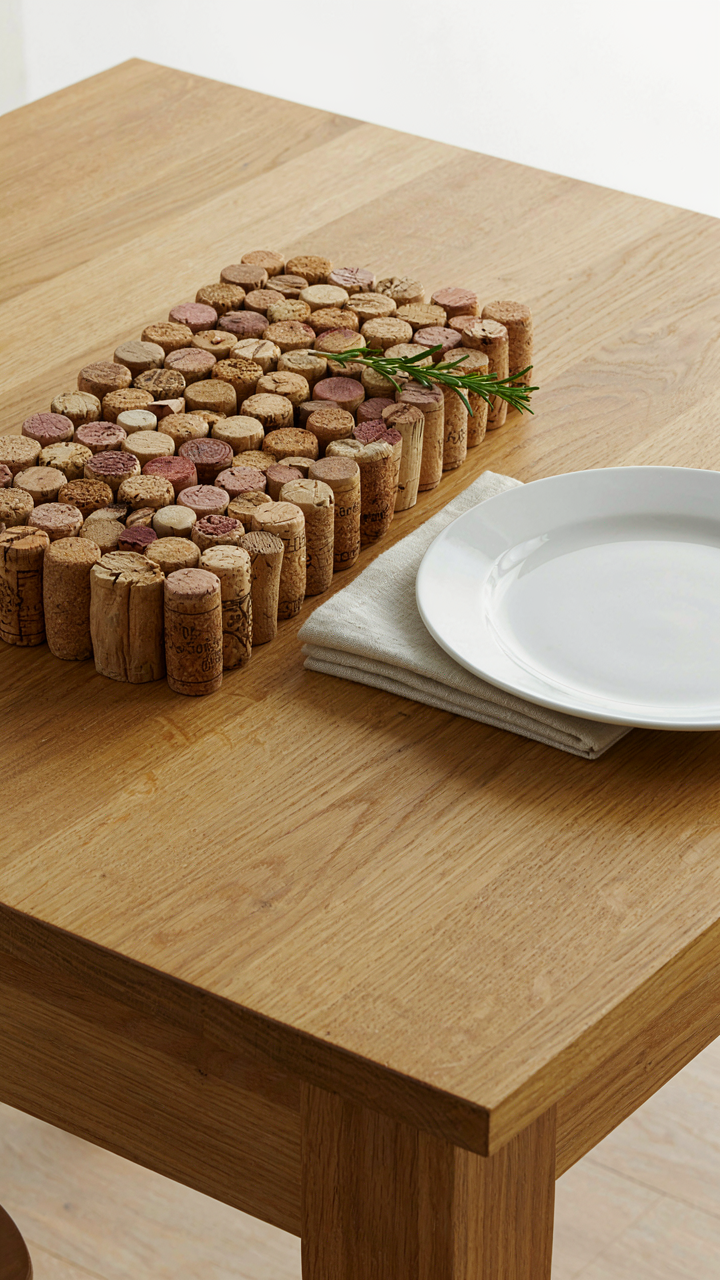
Why Cork Waste Becomes Design Material
You want permission to turn garbage into something valuable without feeling like you’re settling. The real mechanism is simple: cork becomes design-worthy the moment you stop seeing it as leftover and start treating it as a constrained material with actual properties. Natural cork is buoyant, insulating, and resistant to moisture and decay. These aren’t poetic qualities. They’re engineering facts that determine what you can actually build with it.

Wine corks have existed as a byproduct since cork oak trees became the standard closure for bottles in the 18th century. For most of that history, people threw them out. What changed wasn’t the cork itself but the decision to treat a constraint as a feature instead of a limitation. Design movements like Art Deco and later the postwar maker culture proved that material scarcity forces better thinking than unlimited resources ever could. The constraint becomes the entire project.
The Actual Driver Behind Making With Discards
Psychology calls this cognitive reframing, and in behavioral economics it maps onto the sunk cost fallacy inverted. Instead of wasting mental energy on guilt about waste, you redirect that energy into creation. That shift is the entire mechanism at play. When you make something from cork you already own, you’re not buying into sustainability theater. You’re solving a real friction: the object exists, your hands are available, and the output can be useful or decorative.
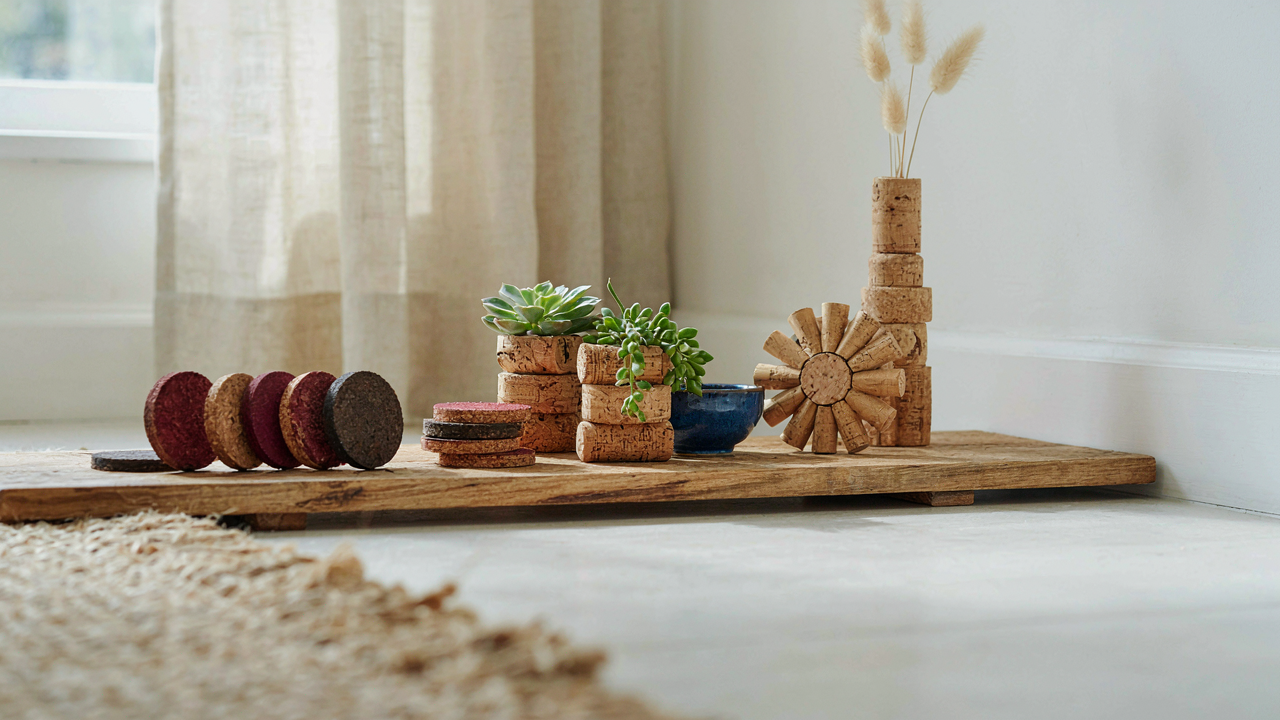
The appeal isn’t moral superiority. It’s ownership. Making cork art requires decision-making at every step because cork has real constraints. You can’t stretch it, mold it easily, or sand it smooth without technique. This friction produces intention. People who make cork placemats, trivets, or drawer organizers end up with pieces they actually use because they engineered them for purpose, not for the story they could tell about sustainability. The work teaches you what your space genuinely needs.
Wine Cork Crafts: The Investment In Manual Skill
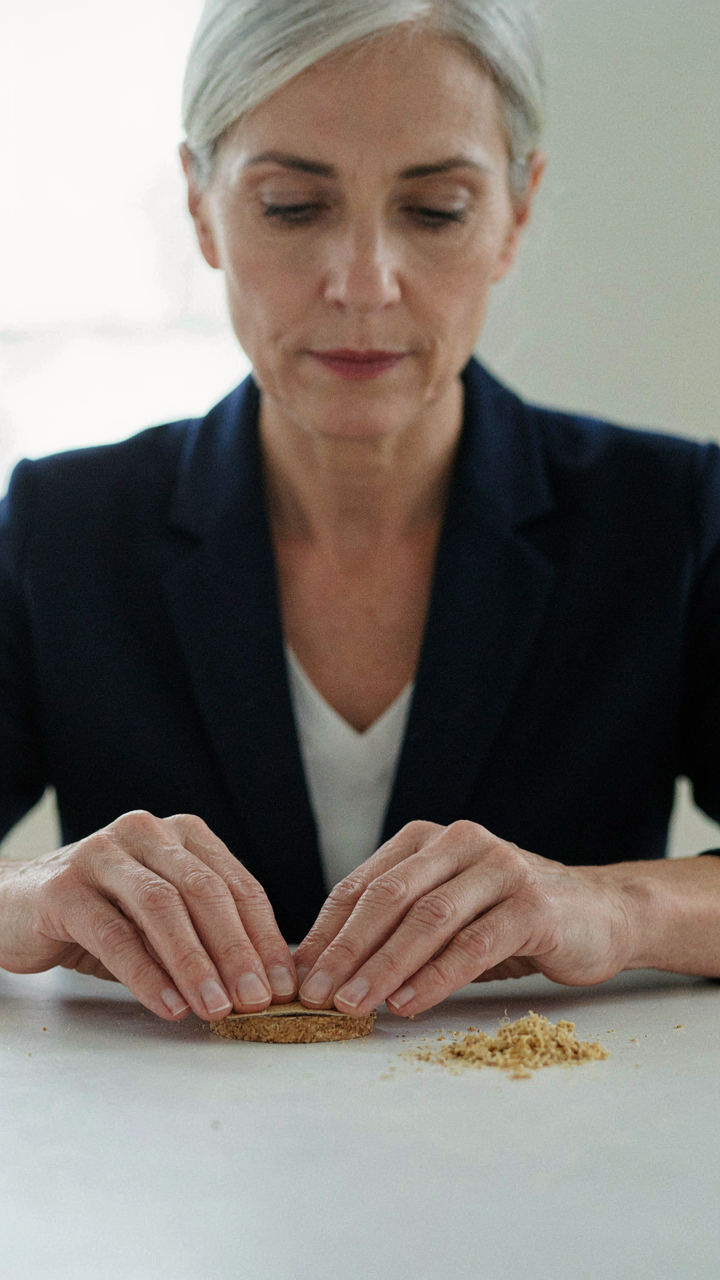
How Your Hands Learn What Your Brain Can’t Download
You want proof that you’re capable of something real. Everyone else has a skill that exists only in theory. Here’s the mechanism: wine cork crafts force the nervous system to build what neuroscience calls “motor learning”—the body’s ability to execute complex, precise movements without conscious thought. Unlike scrolling, this actually wires your hands to competence.

Cork is porous, irregular, and resistant. It won’t cooperate with rough handling. When you carve, slice, or glue cork pieces together, your nervous system receives constant feedback. The texture changes slightly between corks. The blade catches differently in each grain pattern. Your grip pressure shifts automatically. This feedback loop is what builds real skill. Generic hand exercises don’t create this. Cork crafts do because the material demands it.
When Precision Meets Delayed Reward
Most advice tells you that patience is a virtue. That’s incomplete. Patience in cork crafts isn’t spiritual—it’s structural. You’re building tolerance for the gap between intention and outcome, which is identical to the tolerance required for any high-output work. The cork won’t accept rushed glue application. The joints will fail silently if you skip drying time. Sloppy cuts compound into worse problems three steps later.
This compounds into a protocol: measure twice, cut once. Wait between glue layers. Test joints before assembly. Sand gradually rather than aggressively. The precision here is not about perfection—it’s about preventing catastrophic failure and wasted material. Cork crafts teach you that small variations in process create large variations in output. Transfer this discipline to whatever requires actual execution, and you’ll outpace people who think speed and intensity solve everything.
Wine Cork DIY Crafts: The Minimum Viable Product Method
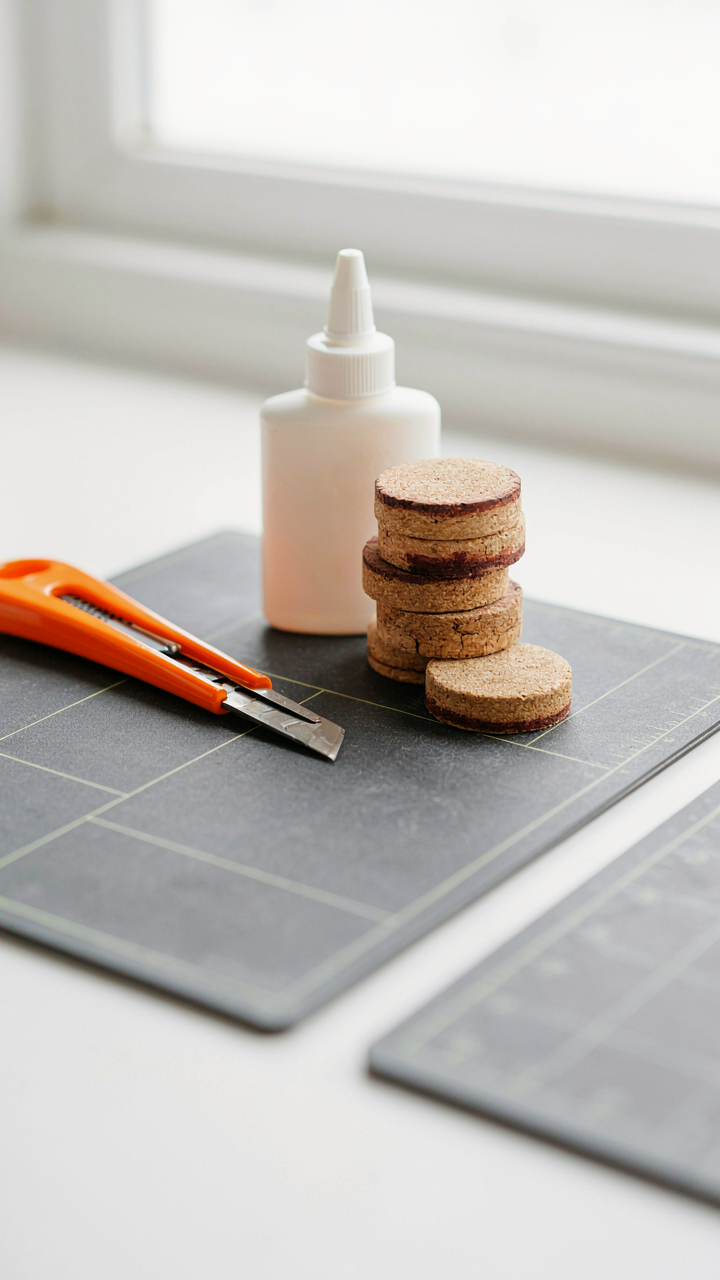
Start Small And Iterate On What Works
You want permission to make something without it being perfect first. That’s the real pull here. The mechanism is this: wine cork crafts follow the same build-test-refine loop that product designers use. You prototype with low material cost, identify what actually looks good in your space, then scale up once you’ve removed the guesswork.
Most people freeze at the blank canvas stage. They imagine a finished project and abandon it when execution doesn’t match the fantasy. Instead, commit to making three small cork pieces before attempting anything ambitious. A cork coaster. A cork plant marker. A cork triviet. Each teaches you how corks behave when cut, glued, and finished. You’ll learn which adhesives hold, which surfaces accept stain, and which designs reward the effort.
Essential Materials And Tools For Basic Builds
Before you accumulate a garage full of equipment, you need only four core items to execute 80 percent of cork projects.
- Sharp utility knife or cork cutter: Clean cuts matter more than tool cost. A standard utility knife with fresh blades outperforms dull specialty cutters. Replace blades frequently.
- Wood glue or contact cement: Wood glue works for most assembly. Contact cement bonds faster and handles vertical applications. Both dry clear and hold cork to cork reliably.
- Sandpaper assortment: 120-grit and 220-grit cover surface prep and finishing. Cork sands easily without splintering like wood, so light pressure is sufficient.
- Stain or sealant: Wine cork absorbs color quickly. Test any stain on scrap cork first. Polyurethane or food-safe sealant protects finished pieces from moisture and wear.
- Cutting surface: A self-healing mat or thick plywood prevents dulling blades and protects your table. Cork itself can be the cutting surface for soft materials.
The mistake people make is buying specialty cork tools before understanding cork behavior. Start with a utility knife, wood glue, and sandpaper. You’ll complete functional projects before you ever need a dedicated cork saw. Add tools only when a specific project demands precision you can’t achieve with what you have.
Projects With Wine Corks: Building A Personal Design Portfolio

Track Your Work Over Time
You want proof that you’re getting better at something. That’s the real reason you care about documenting your cork projects, and it matters because most people never actually look back at what they’ve made. The mechanism is simple: comparison creates clarity. When you photograph each cork project with consistent lighting and framing, you build a visual record that shows skill progression. Natural light, white background, same angle each time. No filters. After six projects, patterns emerge. You spot where your technique tightened, where your design decisions shifted, where you stopped making the same mistakes. This isn’t vanity. It’s feedback that guides what you build next.
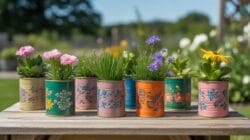
Keep a single folder with dated photos and brief notes about material choices and time invested. Cork projects from months ago reveal what stuck with you and what didn’t. You’ll notice if you’re repeating successful approaches or chasing dead ends. The portfolio becomes a decision-making tool, not a trophy case. When you return to cork crafting after a break, you see exactly where you left off and why certain techniques matter. This accelerates improvement because you’re not relearning the same lesson twice.
Show What’s Possible Before Words Exist
People absorb tangible work faster than explanation. A finished cork plant stand sits in a room and communicates function, proportion, and material knowledge without requiring someone to read instructions or hear your pitch. This is why cork crafts work as portfolio pieces: they’re complete, they’re real, and they solve a problem. The friction between what people imagine they could make and what they actually see made drops to zero. Skeptics become believers when they touch the weight of a cork trivet or see how a cork bath mat performs. Finished work removes doubt.
Post your cork projects in spaces where your audience already is. Instagram, Pinterest, a design blog, your home itself during gatherings. Tangible work attracts people who are ready to attempt something similar. They don’t need inspiration speeches. They need to see the result and know it’s achievable. When someone asks how you made a cork coaster set or notices a cork picture frame, you’ve already won the moment they decided to look closely. The object itself becomes your best marketing tool because it proves the craft is real, not theoretical.
Easy Wine Cork Crafts: The Gateway To Complex Mastery
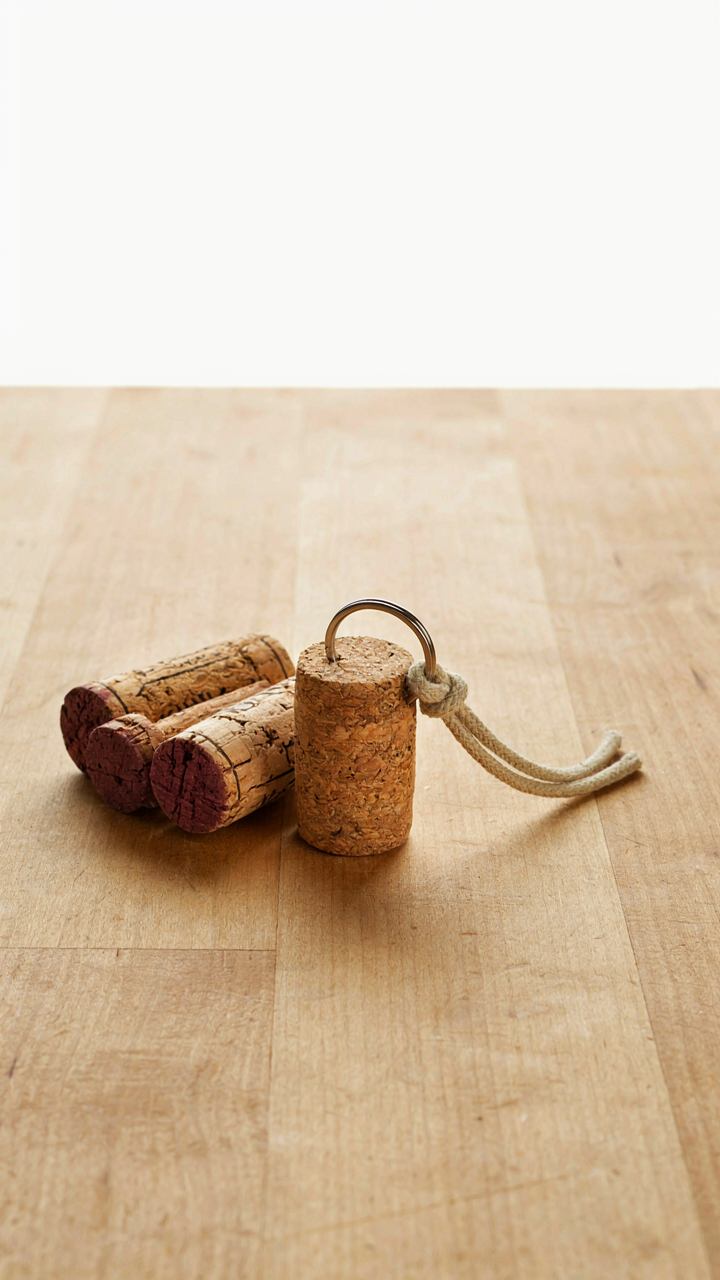
Start With The Projects That Finish
You want to feel productive without committing to a skill you might abandon. That’s the real reason you’re looking at beginner cork crafts. The mechanism is simple: immediate completion builds momentum. Choose projects that require under two hours and minimal tools. A cork keychain, a small plant marker, or a bath mat made from stacked corks all deliver visible results the same day. You see the finish line before you start, which means you actually finish.
The critical detail everyone skips: use corks that are at least a year old. Fresh corks contain moisture that makes them harder to cut cleanly and more prone to cracking during simple operations like slicing or drilling. Purchase wine corks from online suppliers or save them over time. A basic utility knife, a cutting board, and sandpaper handle ninety percent of entry-level projects. Skip the fancy rotary tools and compound saws until you know cork behaves differently than wood.
Building Skill Through Deliberate Difficulty
Skill progression in cork crafts works like load management in strength training. You don’t add weight randomly. You master one movement pattern before introducing new variables. After finishing five simple projects, your hands understand how cork compresses, splits, and absorbs. Now you can tackle cork trivets using heat tools to create patterns, or attempt small decorative boxes that demand precision cuts and assembly.
The jump happens when you move from static projects to functional ones that take impact or weight. A cork bath mat teaches you how corks perform under foot traffic. A cork coaster teaches you how repeated moisture exposure changes the material. A cork plant stand teaches you structural load distribution. Each step removes one assumption and replaces it with empirical knowledge. Document your failures by photographing the breaks and cracks. You’ll spot patterns faster than any guide can teach them.
The True Obstacle Isn’t A Lack Of Ideas Or Materials; It’s The Fear Of Starting Small And Imperfectly
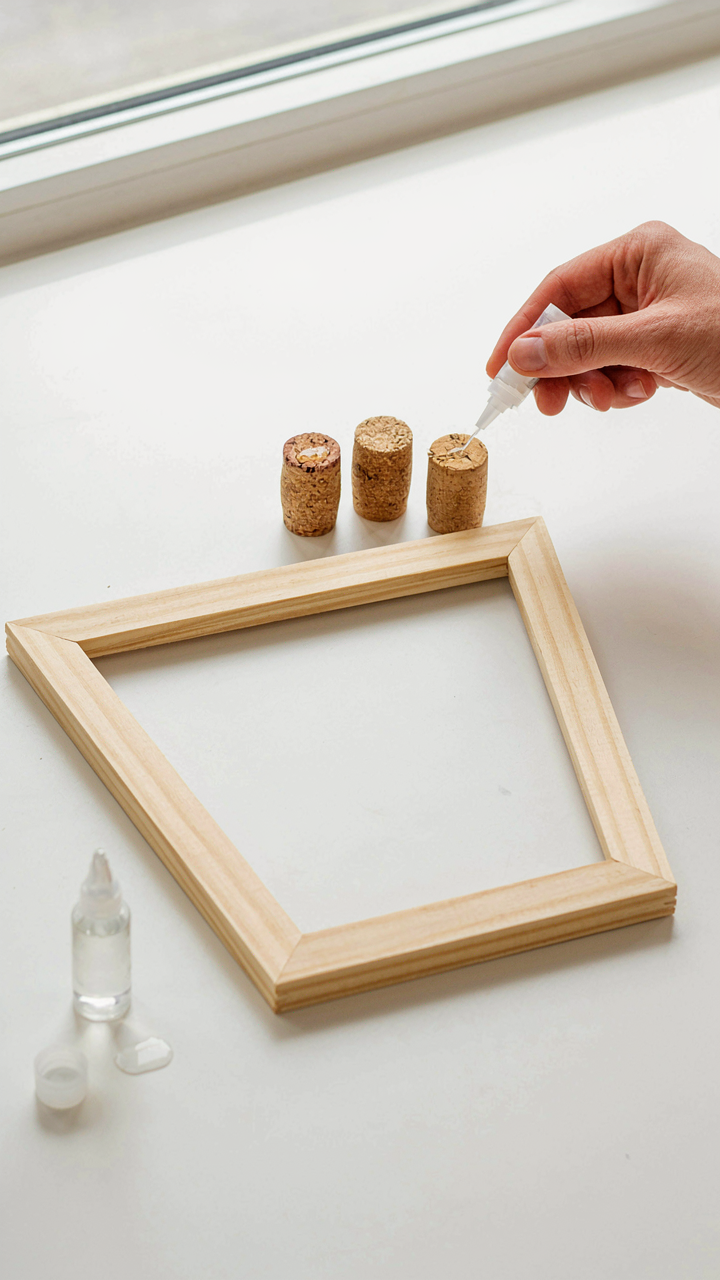
You already own the corks. Your kitchen drawer holds the glue. The gap between the person who makes wine cork crafts and the person who doesn’t isn’t talent or resources. It’s the willingness to make something mediocre today so you can make something good tomorrow. Stop waiting for the perfect project. Grab three corks right now and glue them to a picture frame. The imperfect versions you make today become the foundation for the pieces people actually want.