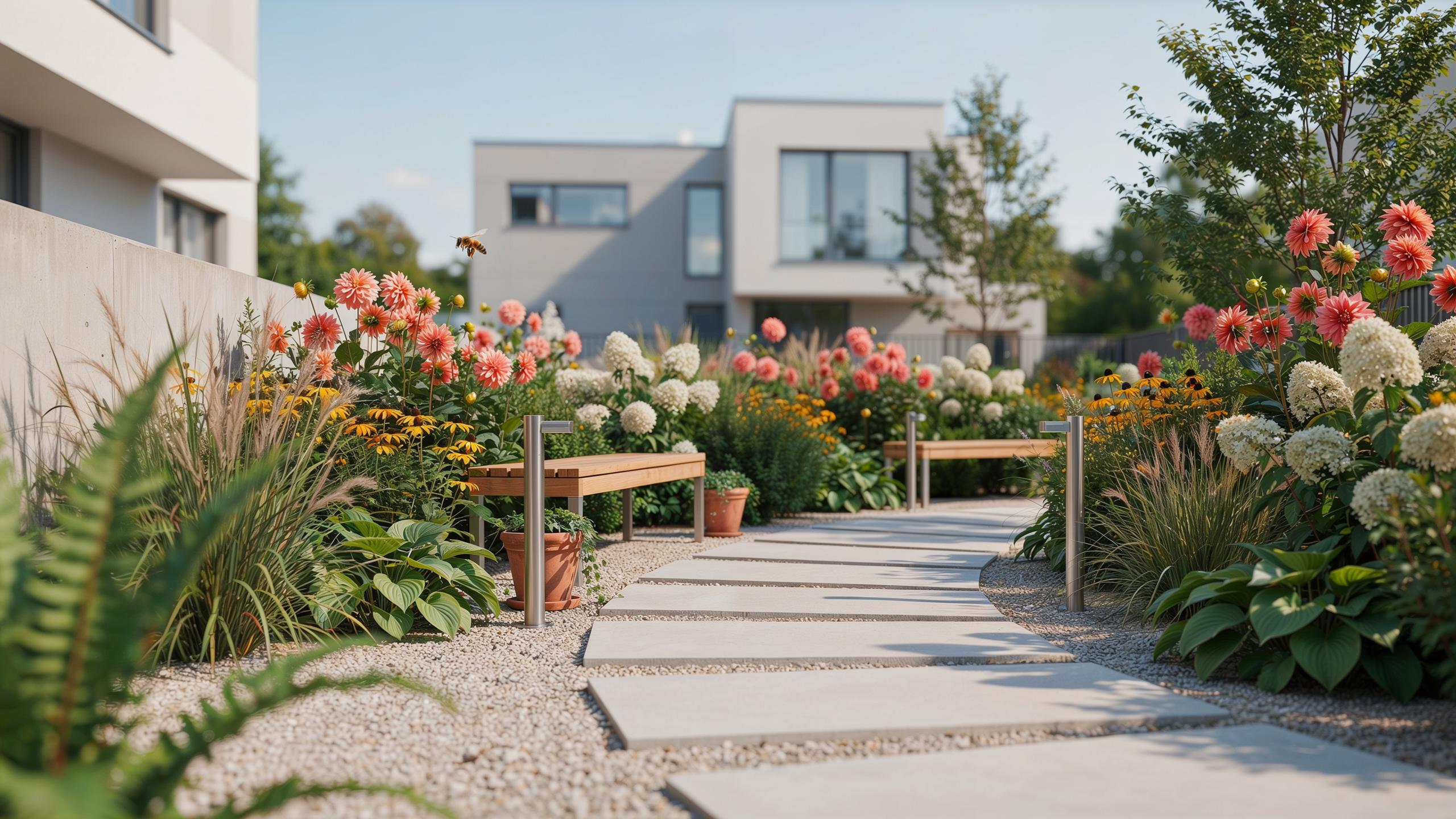
Defining The Modern Garden Aesthetic Pathway In Landscape Design House Projects
Minimalist Design Principles For Custom Homes
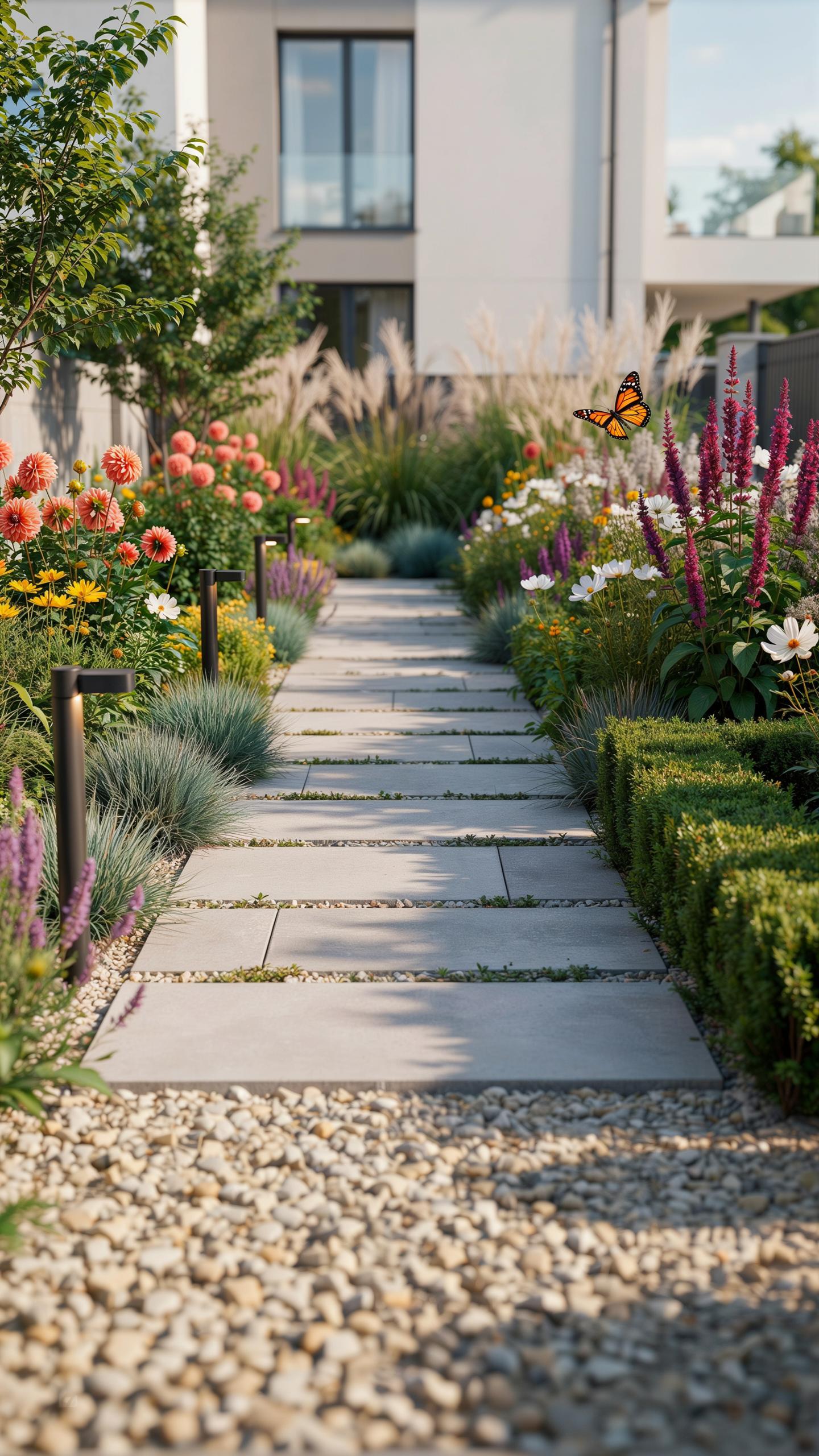
Modern architectural properties require pathways that function as visual anchors within the landscape. Clean geometry dictates straight lines or gentle curves that create intentional sight lines through the yard. The pathway integrates hardscape and softscape by maintaining consistent material planes and eliminating unnecessary decorative elements that compete with the home’s architectural facade.
Open space becomes the primary design asset in minimalist pathways. Flat surfaces eliminate visual clutter while establishing clear pedestrian movement. The pathway should occupy only the necessary square footage to connect functional zones without expanding into unused areas. This restraint reinforces contemporary design principles where every element serves a specific purpose within the overall composition.
Selecting Premium Materials To Match Your Residence
Material choice determines both durability and design coherence on modern properties. Structural poured concrete slabs offer uniform appearance and resist settling over time, maintaining flatness critical for contemporary aesthetics. Natural dark slate and basalt pavers complement modern facades by providing neutral color palettes that reflect contemporary architectural trends without fading or discoloring under weather exposure.
Premium materials withstand environmental stress while preserving visual integrity across seasons. Concrete, slate, and basalt all resist frost heave and shifting common in cheaper alternatives like gravel or wood chips. These hardscape options require minimal maintenance interventions, keeping pathways functional and visually consistent throughout their lifespan. Material selection directly impacts long term property appearance and usability standards.

Garden Ideas Simple Enough To Transform Elegantly
The Power Of Clean Geometric Walkway Lines
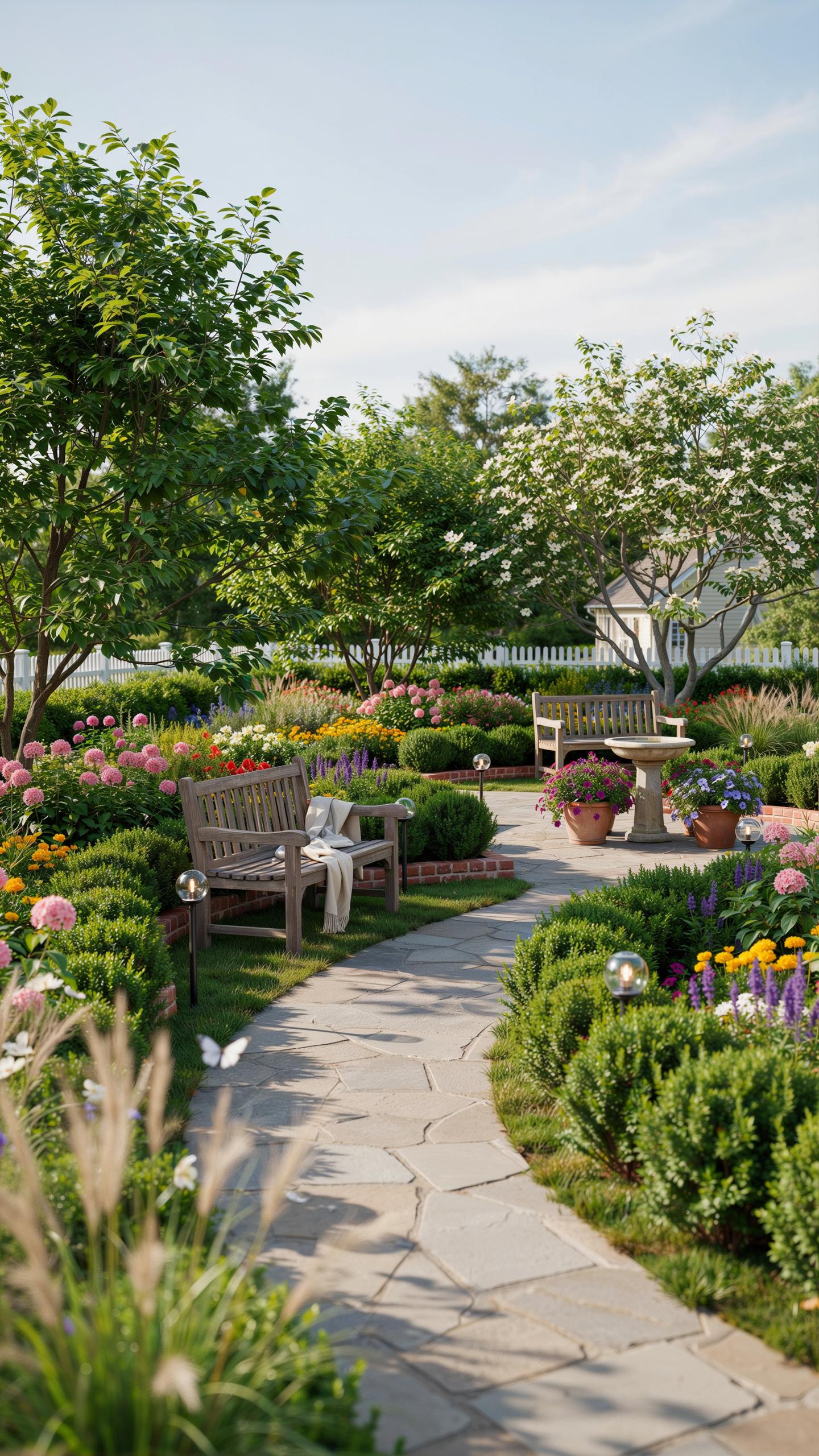
Modern garden design relies on straight lines and right angles. These shapes work because they’re easier to build, cheaper to install, and visually organize outdoor space. A straight pathway from your door to the garden requires fewer materials and less labor than curved alternatives. The geometric approach also creates clear sight lines that make small gardens feel larger and more intentional.
Ninety-degree transitions between pathway sections define contemporary landscape architecture. This method eliminates wasted space and reduces material waste. Your eye moves efficiently along the route without confusion or visual clutter. Precision in layout separates modern pathways from traditional curved designs that prioritize meandering movement.
Low Maintenance Ground Covers And Underlayment
Geotextile weed fabric stops weeds before they emerge without chemicals or constant pulling. Install the fabric directly over soil, then top it with fine basalt gravel to create a finished surface. This two-layer system blocks light from reaching weed seeds while allowing water drainage. The result is a pathway that stays clean for years with only occasional raking.
Fine basalt gravel provides both function and aesthetics in modern gardens. It compacts slightly when walked on, creating a stable surface that doesn’t shift like larger stones. The dark color complements contemporary design while reflecting less heat than light materials. Annual raking and occasional gravel topping keeps the pathway looking maintained with minimal effort.
Optimizing Small Spaces With Landscape Design Small Backyard Layouts
Using Stepping Stones To Create An Illusion Of Depth
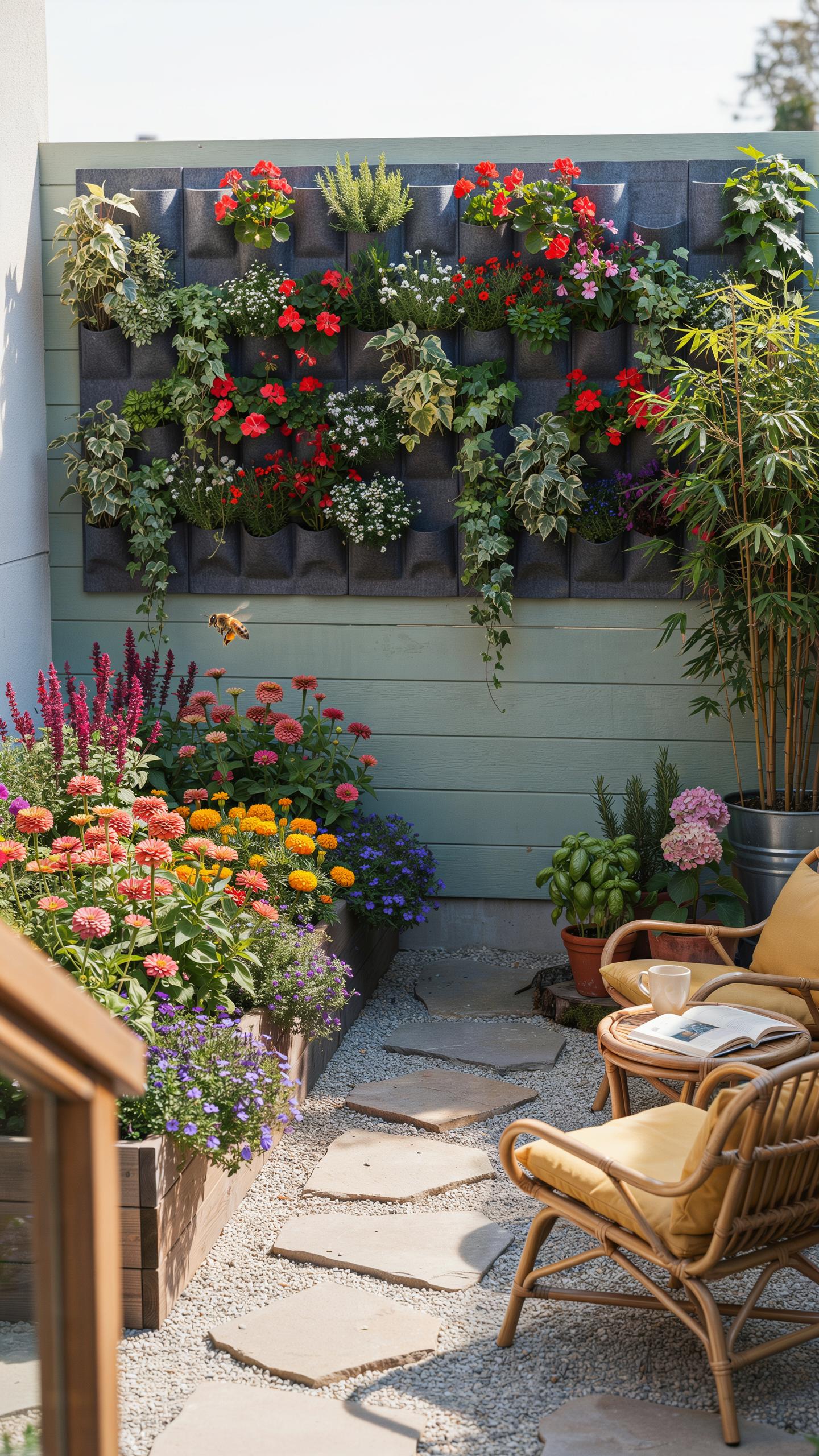
Oversized rectangular pavers arranged in a linear sequence with consistent spacing extend the visual length of compact yards. The eye follows the linear progression, making the space feel longer than it actually is. This technique works because it establishes a clear directional flow that naturally draws the viewer’s gaze deeper into the yard. The paver size matters. Larger stones create fewer visual breaks, which maintains continuity and strengthens the depth effect.
Spacing between pavers affects perception directly. Wide gaps force the eye to work harder, creating the impression of greater distance. This gap strategy also serves a practical function by allowing water drainage and reducing material costs in small areas. The technique is most effective when the pathway starts at the house and moves toward the rear boundary, maximizing the perceived distance.
Vertical Greenery To Frame Narrow Passages
Vertical garden panels and climbing plants like English ivy occupy wall space instead of ground space, which is critical in tight layouts. This approach frees up walking area while establishing strong visual boundaries. Vertical elements draw the eye upward, making narrow passages feel taller and less claustrophobic. The framing effect focuses attention on the pathway itself rather than surrounding constraints.
Climbing plants establish a natural corridor that guides movement through compact areas. Living walls also soften hardscape edges and reduce the visual weight of concrete or stone. The vegetation creates depth perception by layering elements along the pathway’s edge. This vertical strategy delivers both function and spatial optimization without adding ground clutter.
Integrating Your Pathway With Modern Backyard Landscaping Trends
Trendy Materials For Contemporary Walkways
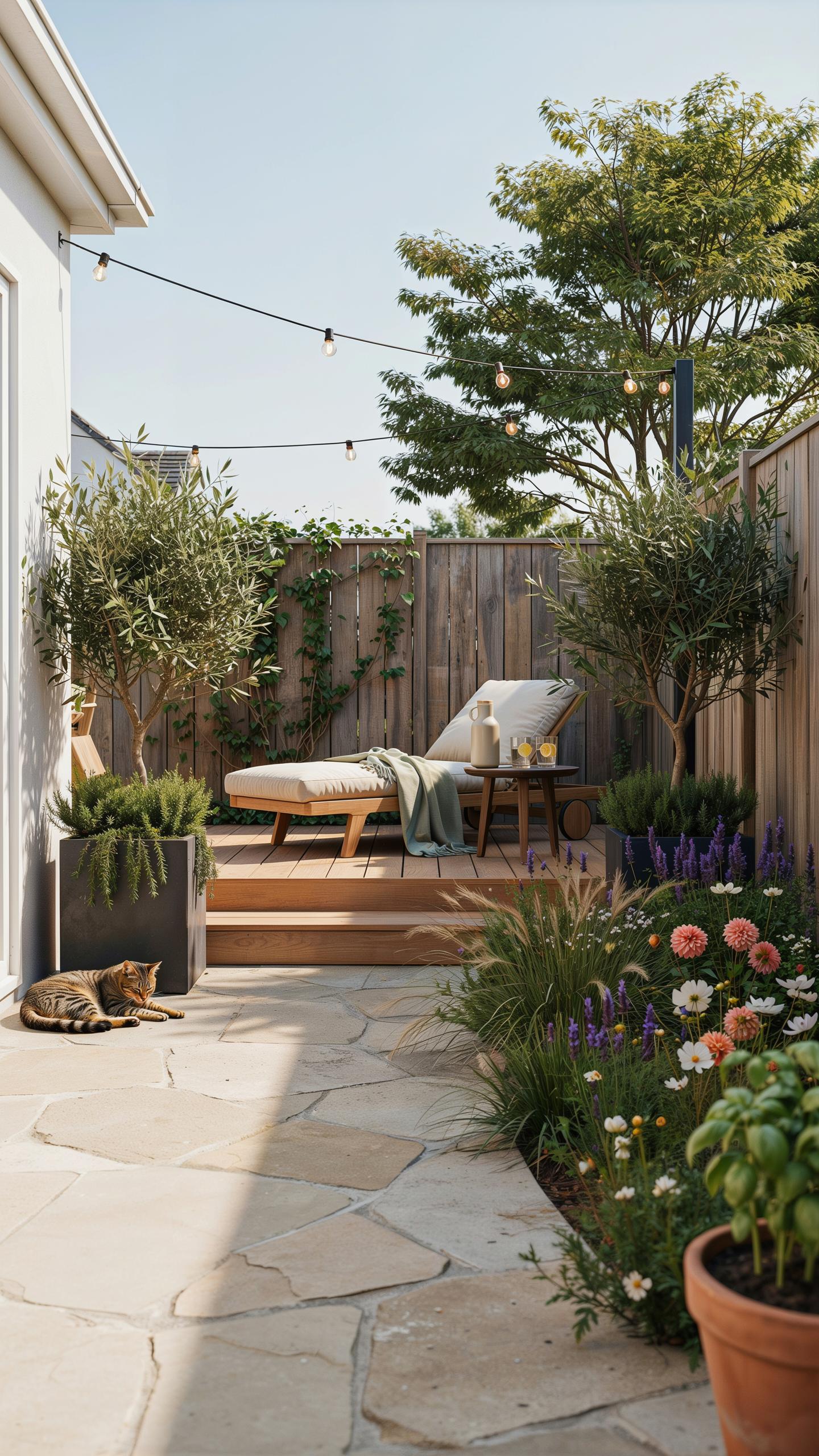
Modern landscape design pairs raw materials with clean lines. Your pathway material choice determines durability, maintenance demands, and visual impact. The right surface ties your home’s exterior to surrounding hardscape features and plantings. Material selection also affects water drainage and frost resistance in different climates.
- Large Format Concrete Pavers: Measure 24 inches or larger, reducing visible joints and creating seamless visual flow. They handle freeze thaw cycles well and cost less than natural stone alternatives.
- Dark Charcoal Basalt Flagstones: Quarried volcanic rock offering deep color that hides dirt and stains. Superior durability and slip resistance make this material practical for wet climates and high traffic areas.
- Premium Composite Timber Decking Planks: Wood polymer blends resist rot and insect damage without staining. They mimic authentic timber appearance while requiring minimal maintenance across 15 to 25 year lifespans.
- Polished Volcanic River Pebbles For Border Infill: Small rounded stones create textural contrast and define pathway edges. Install between larger pavers to add visual interest while improving drainage performance.
These materials work together in modern designs. Combine large concrete pavers with basalt accents for contrast. Edge systems with river pebbles separate your pathway from planting beds. This layered approach reflects current landscape architecture principles and increases property value.
Embedding Smart Outdoor Lighting Elements
Low voltage LED strip lights recessed under paver edges deliver subtle illumination without visible fixtures. Mount lights 12 to 18 inches apart along pathway edges for consistent coverage. This creates a floating paver effect while improving nighttime safety and visibility. Lights draw minimal power and operate on standard 12 volt systems with weatherproof transformers.
LED strips produce warm white light that complements modern minimalist designs. Position lights to graze paver surfaces rather than aim upward at eyes. This approach eliminates glare while establishing clear pathway boundaries. Recessed mounting keeps lights protected from foot traffic and water pooling during heavy rain or snow melt.
Creative Outdoor Gardens Design And Planting Schemes
Selecting Sculptural Foliage And Accents
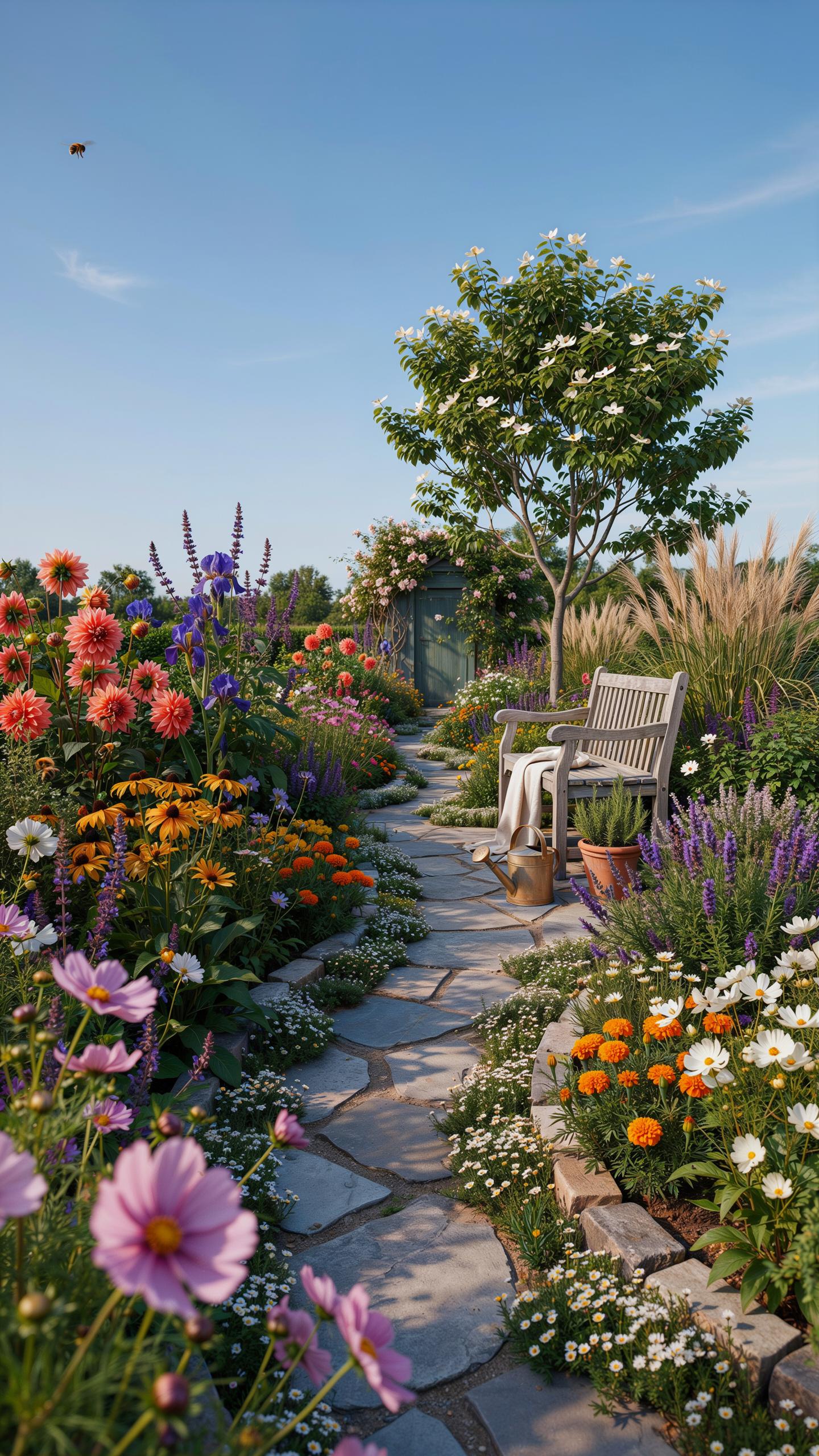
Architectural plants define modern garden pathways through structural integrity and year-round presence. Agave, ornamental grasses, and similar specimens maintain their shape without seasonal collapse. These plants provide visual weight that anchors paved surfaces and prevents the landscape from feeling flat or incomplete.
Pairing these sculptural elements with your pathway creates rhythm and purpose. The contrast between hard materials like concrete and the vertical or geometric forms of plants establishes clear visual zones. Low maintenance becomes a tactical advantage since these plants require minimal pruning or seasonal intervention to retain their impact.
Color Palettes That Coordinate With Concrete And Stone
Gray concrete and stone pavers demand restrained planting palettes to prevent visual clutter. Monochromatic greens paired with occasional white blooms create sophistication and allow the hardscape to function as the primary design element. This approach prevents competing colors from fragmenting attention across the pathway.
Neutral color schemes extend sightlines and make smaller properties feel more expansive. White flowering accents like hydrangeas or ornamental alliums punctuate green foliage without overwhelming the space. The strategy keeps focus on the pathway’s materiality and form rather than dispersing visual interest through excessive color variation.
Elevating Curb Appeal Through Professional Garden Landscape Design
Symmetrical Vs. Asymmetrical Walkway Layouts
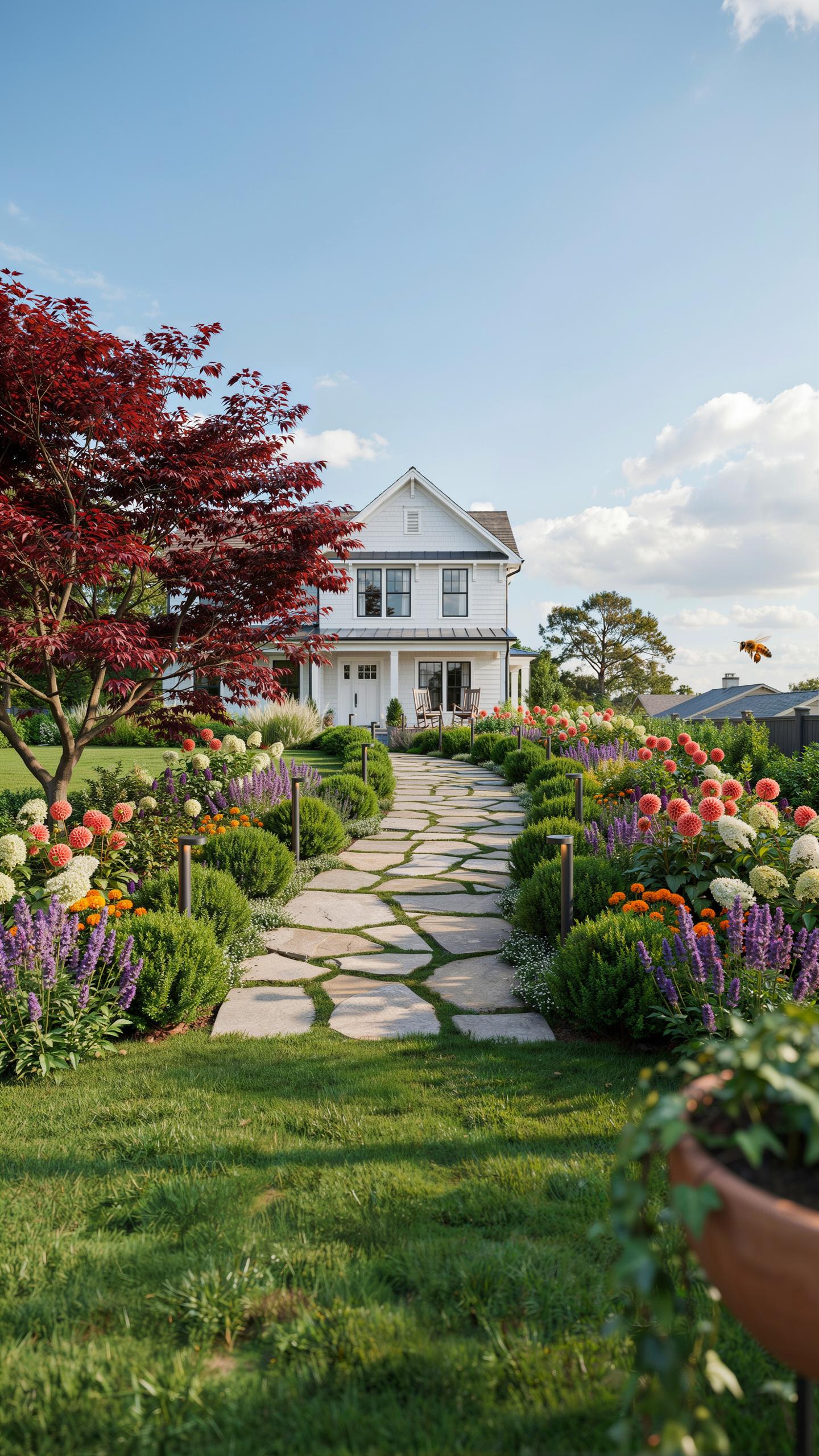
Symmetrical pathways create formality and order. They work from a central axis outward, establishing predictability and visual weight. This approach signals intentional design and cost investment. Property values increase when buyers perceive professional planning. Symmetrical layouts work best for traditional properties or formal garden spaces where structured entry matters.
Asymmetrical layouts follow natural contours and create movement. They guide visitors through varied garden zones without rigid predictability. This approach feels less staged and encourages exploration. Asymmetrical paths work for contemporary properties where organic flow trumps rigid geometry. Both styles achieve the same outcome: clear property zones and increased property value through deliberate pathway planning.
Managing Drainage And Water Runoff Effectively
Proper drainage protects pathway integrity and prevents root damage. Sloped grading directs water away from the hardscape surface. A 1-2 percent grade slope moves water safely without creating obvious tilting. Without adequate drainage, water pools beneath materials, causing freeze-thaw damage and structural failure. Professional installation includes grading calculations specific to your site conditions and local rainfall patterns.
Permeable joint materials absorb and disperse water instead of forcing runoff. Polymeric sand, gravel, and open-jointed systems allow water penetration while maintaining stability. These materials prevent water from pooling on the pathway surface. They also reduce stress on adjacent root systems by distributing moisture evenly. Combining proper grading with permeable joints creates a durable system that handles seasonal water movement effectively.
Architecture Moderne Influences On Walkway Layouts
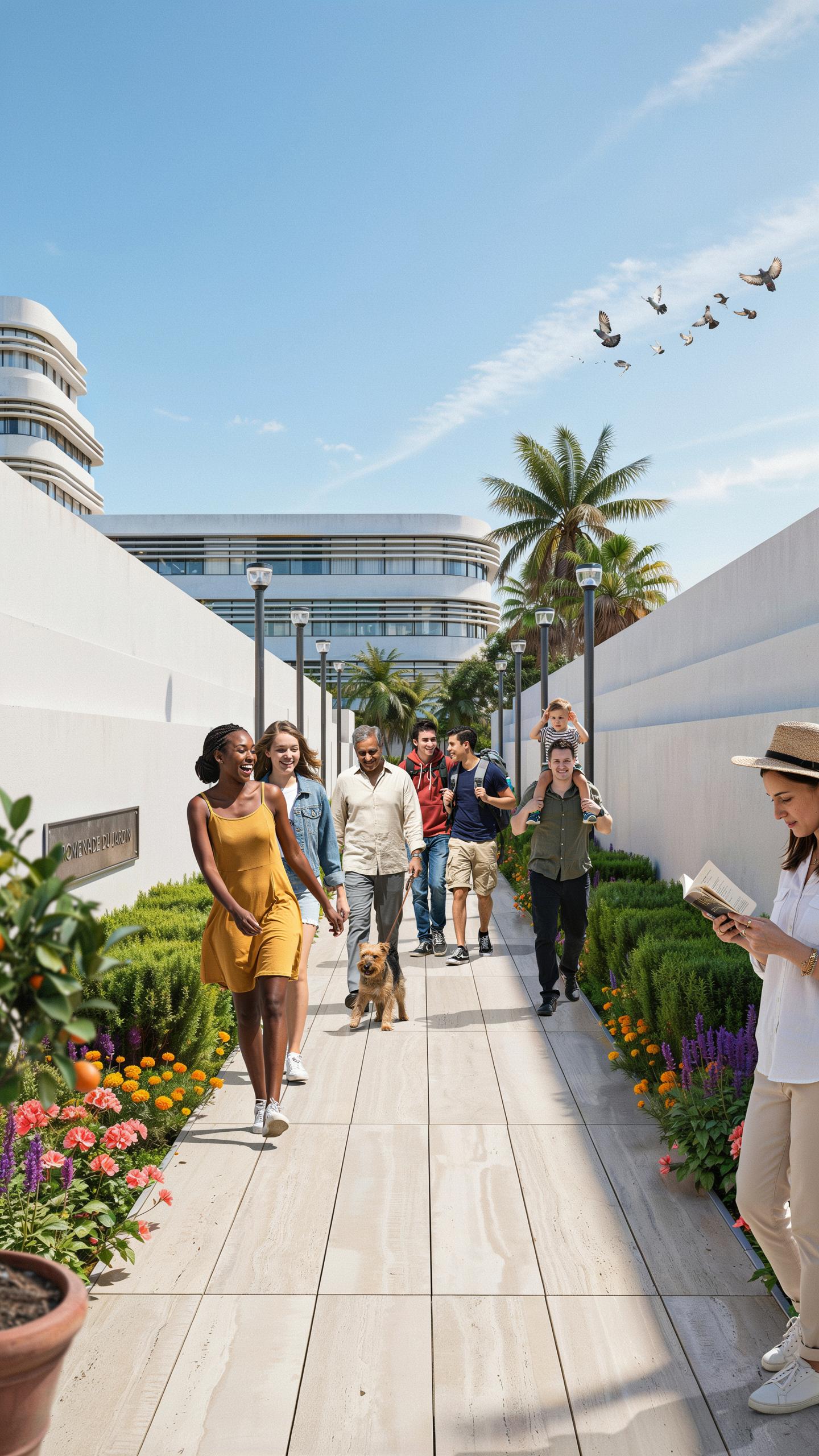
Embracing The Streamlined Functionalism Aesthetic
Functionalism emerged in early 20th century design as a direct rejection of ornamental excess. Modern pathways apply this principle by eliminating decorative elements that don’t serve a structural purpose. The result is a walkway that moves people efficiently from point A to point B without visual distraction. Clean lines and geometric clarity define the layout.
This approach demands precision in planning. You measure sight lines, foot traffic patterns, and drainage requirements before pouring a single step. Every curve, angle, and material choice answers a specific problem. The aesthetic emerges from solving real constraints, not from applying a predetermined style template to your landscape.
A garden path is more than a passage; it is a gentle invitation to slow down and rediscover the grace of home. To plant a garden is to believe in tomorrow, and a beautiful walk leads us there with charm.
Cantilevered And Floating Concrete Step Designs
Poured-in-place concrete allows structural engineering that creates the illusion of weightlessness. A cantilever step extends beyond its support point, with the recessed base hidden beneath grade or mulch. This technique mirrors the horizontal planes found in mid-century modern architecture. The floating effect reads as contemporary and intentional rather than accidental.
Engineering these steps requires proper reinforcement and load calculations. Steel rebar placement determines how far concrete can safely extend without cracking. A typical cantilever step overhangs its base by 4 to 8 inches depending on slab thickness and concrete strength. This small architectural gesture transforms a basic pathway into a design statement rooted in structural reality.
Maximizing Your Garden Area Design And Flow
Creating Functional Zones With Seamless Transitions
A pathway functions as the structural backbone of your landscape. It connects distinct functional areas like outdoor kitchens, fire pits, seating zones, and lawn spaces. Strategic pathway placement eliminates confused traffic patterns and guides movement through your property with intention. Without proper routing, foot traffic degrades plantings and creates worn patches in unexpected locations.
Intuitive flow reduces friction in daily yard use. Visitors and family members navigate naturally when pathways follow logical routes between destinations. This prevents shortcuts across planted beds and protects your hardscape investment. Design pathways to accommodate the width needed for comfortable passage, typically 3 to 4 feet for single-file movement and 5 to 6 feet for side-by-side walking.
Essential Steps To Construct Your Modern Pathway
Modern pathway installation demands precision and proper substrate preparation. Each layer serves a specific function in ensuring longevity and structural integrity. Skipping or rushing these steps results in settling, cracking, and premature failure within 2 to 3 years of installation.
- Excavate The Path Area: Dig to a depth of four to six inches. This depth accommodates all substrate layers and finished paver height while maintaining proper drainage slope.
- Compact The Soil Base: Tamp the exposed soil firmly using a hand tamper or mechanical compactor. Compaction prevents settling and creates a stable foundation for overlay materials.
- Install Geotextile Weed Barrier: Lay heavy-duty landscape fabric across the entire excavated area. This barrier blocks weed growth while allowing water drainage through the pathway system.
- Pour Gravel Substrate Base: Spread and compact a three-inch layer of gravel or crushed stone. This layer provides stability, facilitates drainage, and accommodates minor leveling adjustments.
- Set Pavers With Precision: Place pavers evenly across the prepared base using a spirit level for each row. Consistent height prevents tripping hazards and ensures water runoff flows properly away from structures.
- Fill Joints With Polymeric Sand: Apply polymeric sand between paver joints and activate with water according to manufacturer specs. This sand locks pavers in place and resists displacement from foot traffic and weather cycles.
Proper installation technique extends pathway life to 15 to 20 years or more. Each step builds on the previous one to create a system that handles freeze thaw cycles, weight distribution, and water management. Cut corners during installation guarantee costly repairs or complete replacement within five years.
Frequently Asked Questions

What exactly defines a modern garden aesthetic pathway?
A modern garden aesthetic pathway is characterized by clean lines, geometric shapes, and a minimalist color palette. Unlike traditional winding trails, these paths often use oversized pavers, sleek concrete slabs, or dark slate framed by crisp gravel. The focus is on creating a sense of order and intentionality, using high-contrast materials that make your greenery pop while providing a sophisticated, structured transition through your outdoor living space.
How do I choose the right materials for a modern garden aesthetic pathway?
When building a modern garden aesthetic pathway, prioritize durability and texture. Large-format porcelain or limestone pavers are excellent choices for a high-end look. To install them, ensure a level base of crushed stone and sand to prevent shifting. For a true contemporary vibe, space the pavers several inches apart and fill the gaps with black Mexican river pebbles or decorative groundcover like creeping thyme to add soft organic contrast.
Can I achieve a contemporary landscape look on a limited budget?
Absolutely! You can create a stunning visual impact without a massive investment by using affordable materials like poured concrete stepping stones or simple bark mulch paired with timber edging. Use symmetry to your advantage; even inexpensive gravel paths look high-end when laid out in straight, purposeful lines. Adding solar-powered LED strip lighting along the borders is another cost-effective way to instantly elevate your property’s nighttime appeal and safety.