Why The Right Container Gardening Soil Mix Makes Or Breaks Your Garden
How Soil Structure Directly Affects Root Health In Containers
Roots require a precise balance of oxygen and moisture to survive. In a confined container, the soil structure dictates this balance. Proper pore space allows water to move through while leaving pockets for air. Without these air pockets, roots suffocate and drown. A strategic mix keeps the medium loose enough for roots to expand rapidly. Faster root growth leads to larger plants and higher yields.
Healthy soil structure prevents the medium from turning into a solid block. Compaction stops root penetration and halts nutrient uptake. Most container failures stem from poor gas exchange at the root zone. You must use materials that resist breaking down over a single season. Coarse components maintain the structural integrity needed for drainage. This physical framework protects the plant from root rot and opportunistic soil pathogens.
Why Regular Garden Soil Falls Short When Used In Pots And Planters
Standard garden soil contains high levels of silt and clay. These small particles pack together tightly when placed inside a plastic or ceramic pot. Traditional soil lacks the drainage capacity required for container systems. Gravity pulls water down, but the small pores hold it like a sponge. This creates a saturated zone at the bottom of the pot. Your plants will likely die from lack of oxygen.
Native soil also introduces pests, weed seeds, and fungus into your controlled environment. It is too heavy for most portable containers and can break your equipment. Garden soil lacks the consistent porosity of a professional container gardening soil mix. It bakes hard in the sun and shrinks away from the container walls. This prevents water from reaching the root ball. Use engineered media to ensure predictable and successful results.
Understanding The Key Differences Between Garden Soil And Container Soil
What Makes A Garden Soil Mix Unsuitable For Confined Growing Spaces
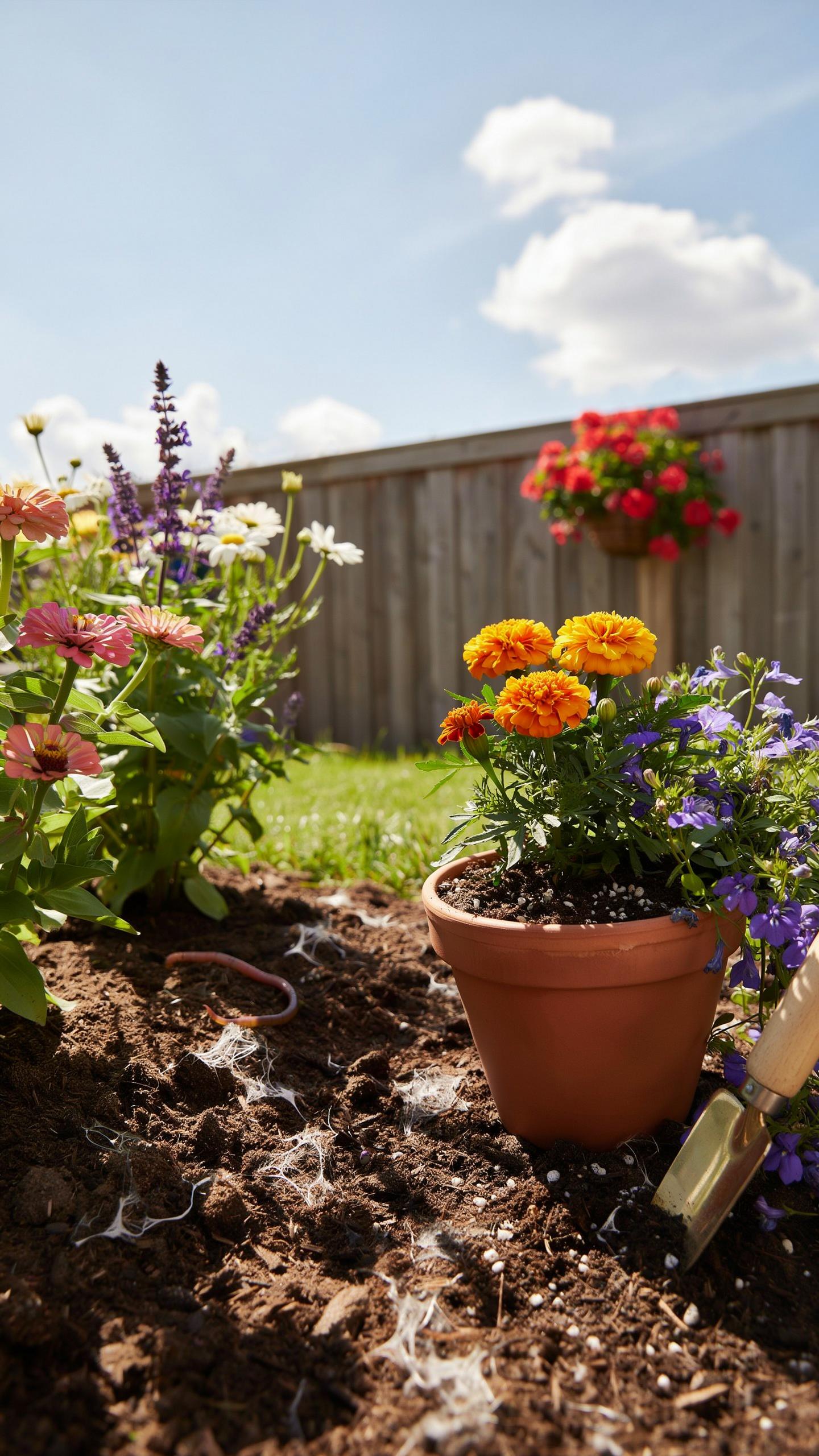
Garden soil consists of heavy minerals like clay, silt, and sand. In the ground, gravity and vast surface areas move water away from roots. Put this same soil in a pot and it collapses. The particles pack together tightly and eliminate air pockets. This creates a dense mass that prevents oxygen from reaching the root zone. Without oxygen, plant roots quickly suffocate and die.
Drainage failure is the primary reason garden soil kills potted plants. Traditional ground soil retains too much moisture when restricted by container walls. This leads to perched water tables where the bottom of the pot stays saturated. Fungal pathogens and root rot thrive in these anaerobic conditions. Professional growers avoid garden soil because it lacks the physical structure to maintain stability inside a rigid plastic or ceramic vessel.
The greatest gift of the garden is the restoration of the five senses, and it begins simply with the earth right beneath your feet. A handful of good soil is a miracle that belongs to everyone, regardless of what is in their pocket.
The Core Properties A Container Gardening Soil Must Have To Support Plant Growth
Container gardening soil mix must prioritize porosity and aeration over bulk density. Successful mixes use lightweight materials like peat moss or coconut coir to hold moisture without compacting. Components like perlite or vermiculite create permanent gaps for air and water movement. This structural integrity ensures the plant receives consistent hydration while allowing excess water to exit the drainage holes. High porosity supports rapid root expansion and nutrient uptake.
Stability is the final requirement for a functional container medium. The mix must resist breaking down into fine dust over a single growing season. It needs a balanced pH level to ensure nutrients remain chemically available to the plant. Unlike native soil, container media act as a sterile anchor. This allows the gardener to control the exact flow of water and fertilizers. Proper mixes provide the predictable environment necessary for high-yield growth.
Essential Ingredients Found In Any Good Potting Soil Mix Recipe
Breaking Down The Role Of Peat Moss Coconut Coir And Perlite In A Mix
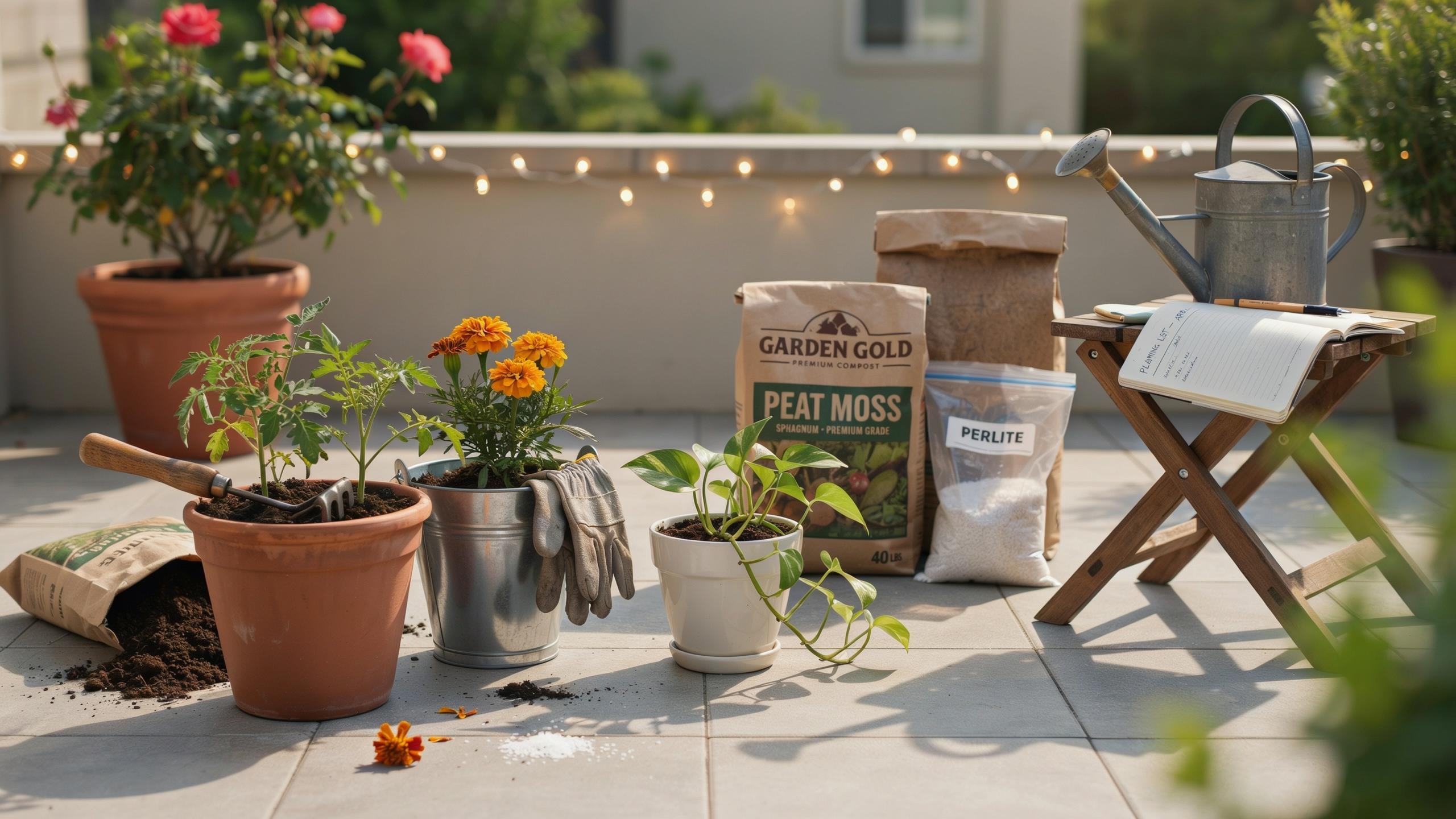
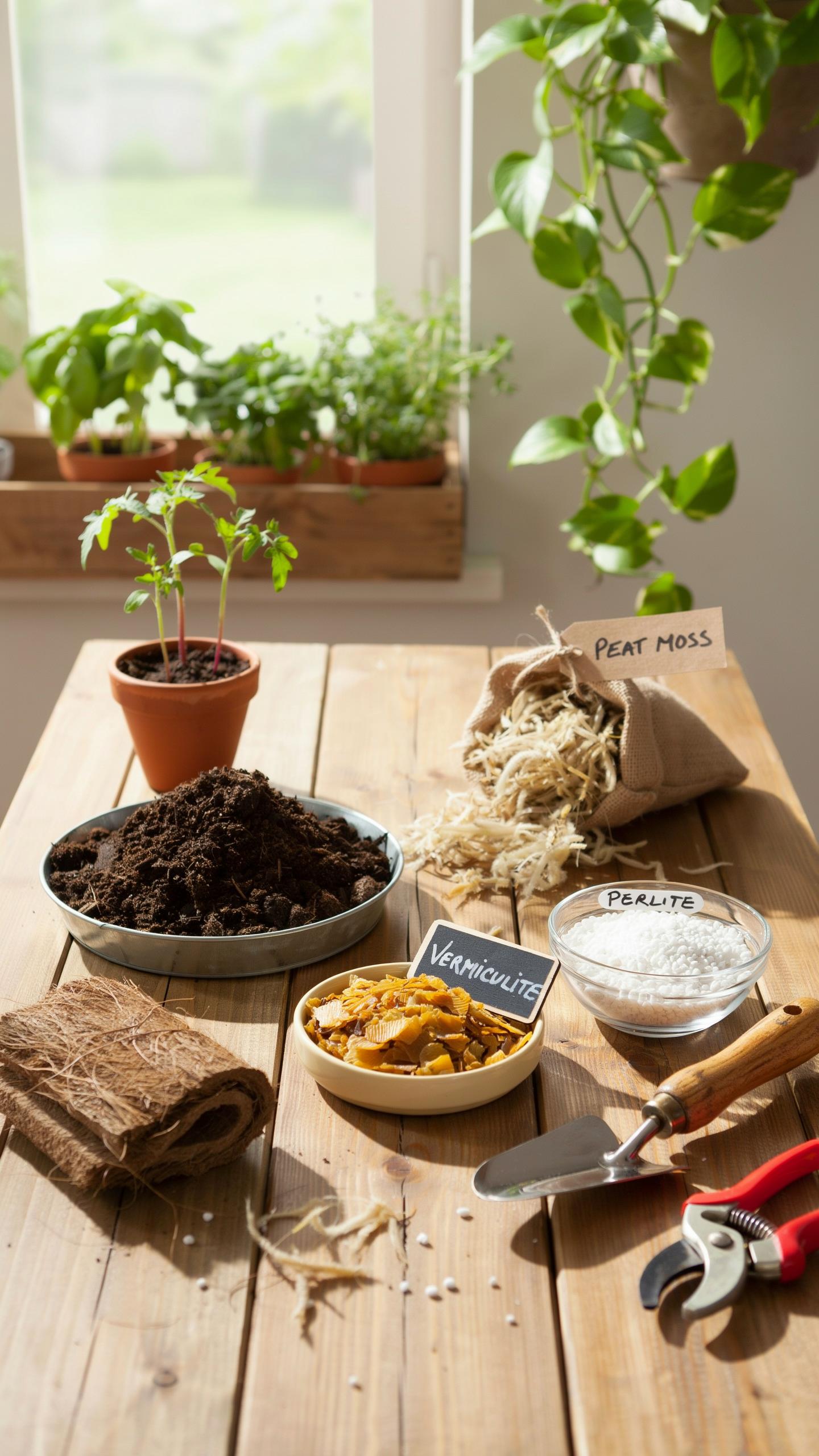
Peat moss and coconut coir serve as the structural foundation for moisture retention. Peat moss provides an acidic base and holds water well but resists rewetting once dry. Coconut coir offers a neutral pH and superior air space but contains higher salt levels. Both materials prevent the container gardening soil mix from compacting over time. Choosing one depends on your local price and specific plant needs.
Perlite provides the necessary aeration and drainage to prevent root rot. These white volcanic glass granules create tiny air pockets within the heavy organic matter. Without perlite, the mix stays too wet and suffocates plant roots. It is lightweight and does not decompose. You must balance these three components to ensure your plants receive both constant hydration and vital oxygen at the root level.
The Budget Friendly Ingredients You Can Source Locally Without Sacrificing Quality
Commercial mixes carry high markups due to branding and shipping costs. You can reduce expenses by sourcing raw materials in bulk from local agricultural suppliers or landscaping yards. Focus on basic components that provide volume without introducing pathogens or weeds. These local alternatives work just as well as premium bagged products when you combine them in the correct ratios for your specific climate.
- Pine Bark Fines: These small wood chips provide excellent structure and drainage at a fraction of the cost of peat. They decompose slowly and help maintain air gaps in large outdoor containers.
- Coarse Sand: Builder sand adds weight and improves drainage for cacti or succulents. Avoid fine play sand because it packs down and prevents water flow. Ensure the sand is washed to remove salts.
- Local Compost: Finished compost adds vital nutrients and beneficial microbes to your mix. Sourcing it from a municipal facility or your own backyard eliminates the need for expensive synthetic fertilizers in the initial stages.
- Rice Hulls: In many agricultural regions, rice hulls serve as a cheap substitute for perlite. They provide similar aeration and drainage benefits. They are a renewable byproduct that eventually breaks down and adds organic matter.
- Agricultural Lime: Use pulverized limestone to balance the high acidity of peat moss. This cheap mineral addition ensures your nutrient uptake remains efficient. It prevents the soil from becoming too sour for most vegetable crops.
Quality control is the most important factor when buying cheap local ingredients. Always inspect bulk compost for heat, which indicates it is still decomposing and might burn roots. Avoid any materials that have a foul odor or many visible weed seeds. Mixing these raw parts yourself gives you total control over the texture. This strategy saves money and results in a superior container gardening soil mix.
How To Build Your Own Potting Soil Mix At Home For Less
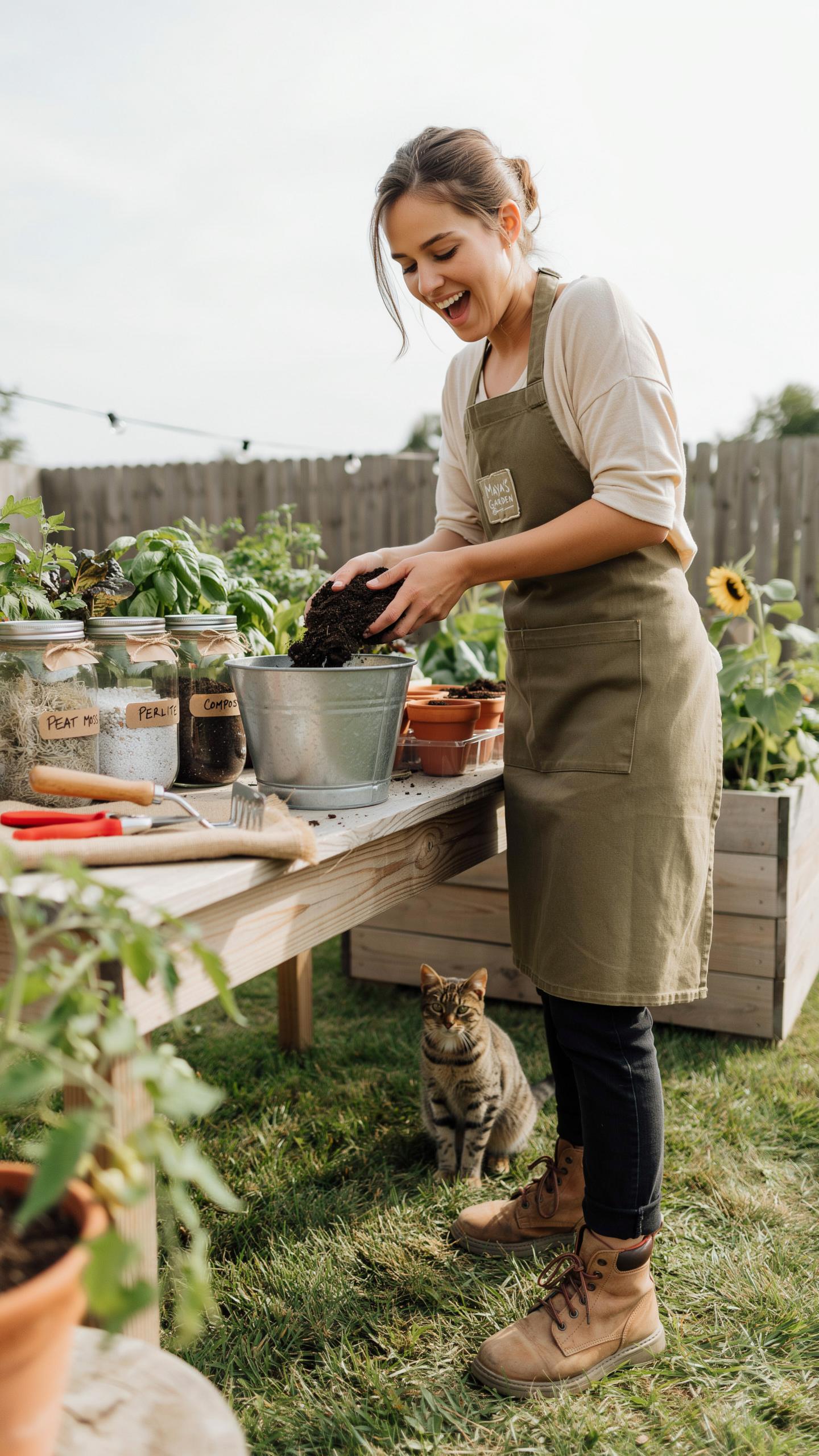
A Simple Step By Step Process For Mixing Your Own Container Soil At Home
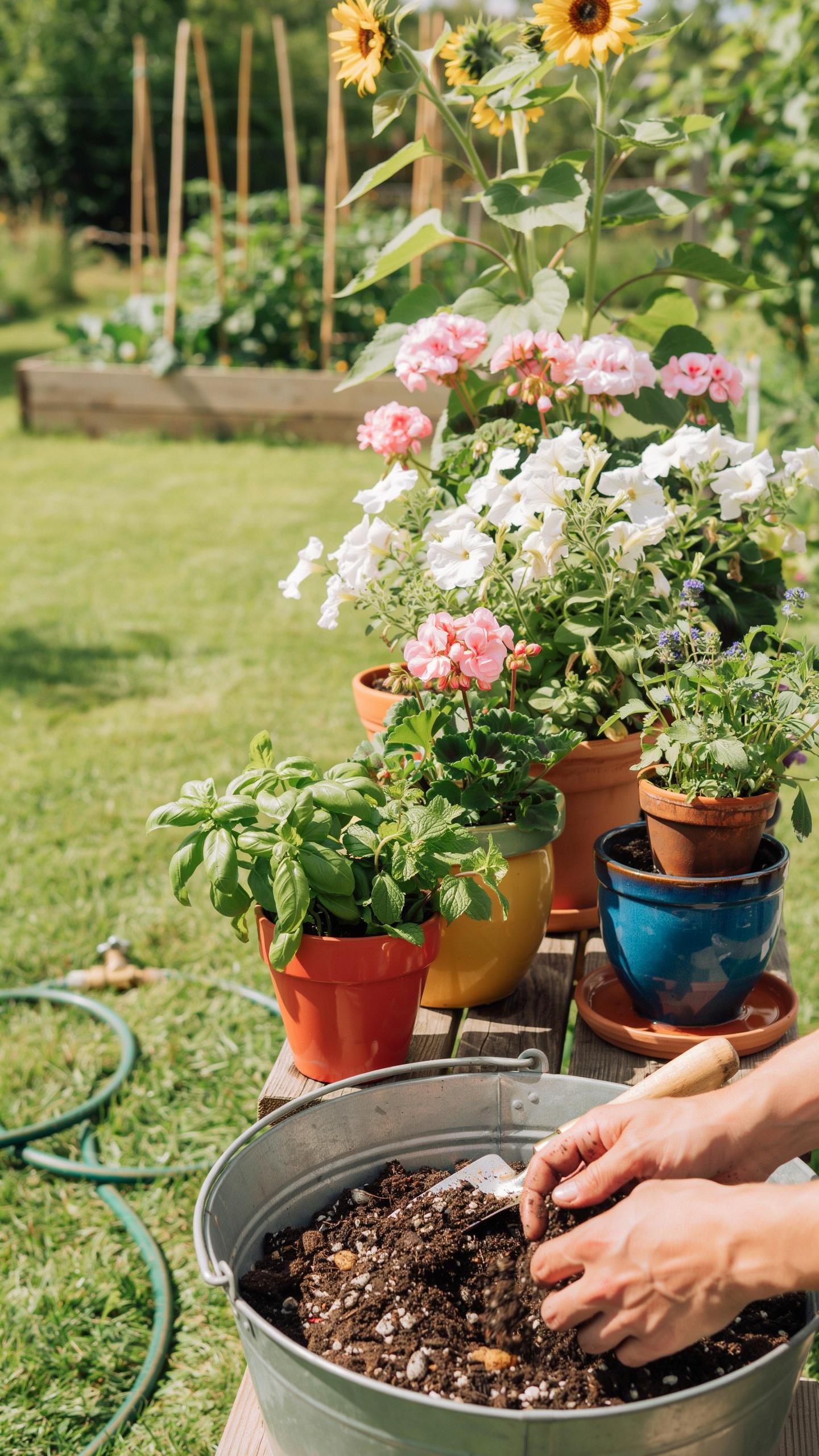
Mixing your own container gardening soil mix saves money and ensures material quality. You must control the ratio of aeration, moisture retention, and nutrients. Start with a clean tarp or a large plastic bin to prevent contamination from ground pathogens. Wear a mask to avoid inhaling fine dust from dry peat or perlite. Use a standard bucket as your measuring unit.
- Base Foundation: Start with peat moss or coconut coir for bulk. These materials hold water and provide the structural skeleton of your mix. Ensure you break up any large compressed clumps before adding other ingredients to the pile.
- Aeration Element: Add perlite or coarse sand to the base. This step prevents the soil from compacting over time. Good drainage is vital for root health and prevents the growth of anaerobic bacteria that cause root rot.
- Organic Nutrition: Incorporate high-quality compost or aged manure into the blend. This provides the essential nitrogen and microbial life needed for plant growth. Use finished compost that smells earthy rather than like rotting waste or ammonia.
- Moisture Balance: Adjust the ratio of vermiculite if your plants require high humidity at the root level. Vermiculite holds more water than perlite. It releases moisture back into the root zone slowly during high heat or dry spells.
- Thorough Homogenization: Turn the mixture multiple times with a shovel or garden fork. You want a consistent color and texture throughout the entire batch. Check the bottom of the pile to ensure no dry pockets of peat remain unmixed.
Hydrate the final mixture before putting it into pots. Dry peat moss repels water and can be difficult to wet once it is inside a container. Add water slowly and mix until the material feels like a damp sponge. Press a handful of soil together to check the consistency. It should hold its shape but crumble easily when you poke it.
How To Adjust Your Mix Ratios Based On The Plants You Are Growing
Standard vegetables like tomatoes or peppers need a balanced mix of one part peat, one part compost, and one part perlite. These heavy feeders require consistent moisture and high nutrient levels to produce fruit. Increase the compost portion if you are growing leafy greens. These plants need more nitrogen to develop foliage quickly before the summer heat causes them to bolt.
Succulents and cacti require a different strategy with the container gardening soil mix. You must double the amount of grit or coarse sand to ensure rapid drainage. These plants store water in their leaves and will rot if the soil stays wet for more than two days. Decrease the peat moss content to prevent water retention. Match the soil density to the native environment of your specific plant species.
Best Soil Mix For Container Gardening With Vegetables On A Budget
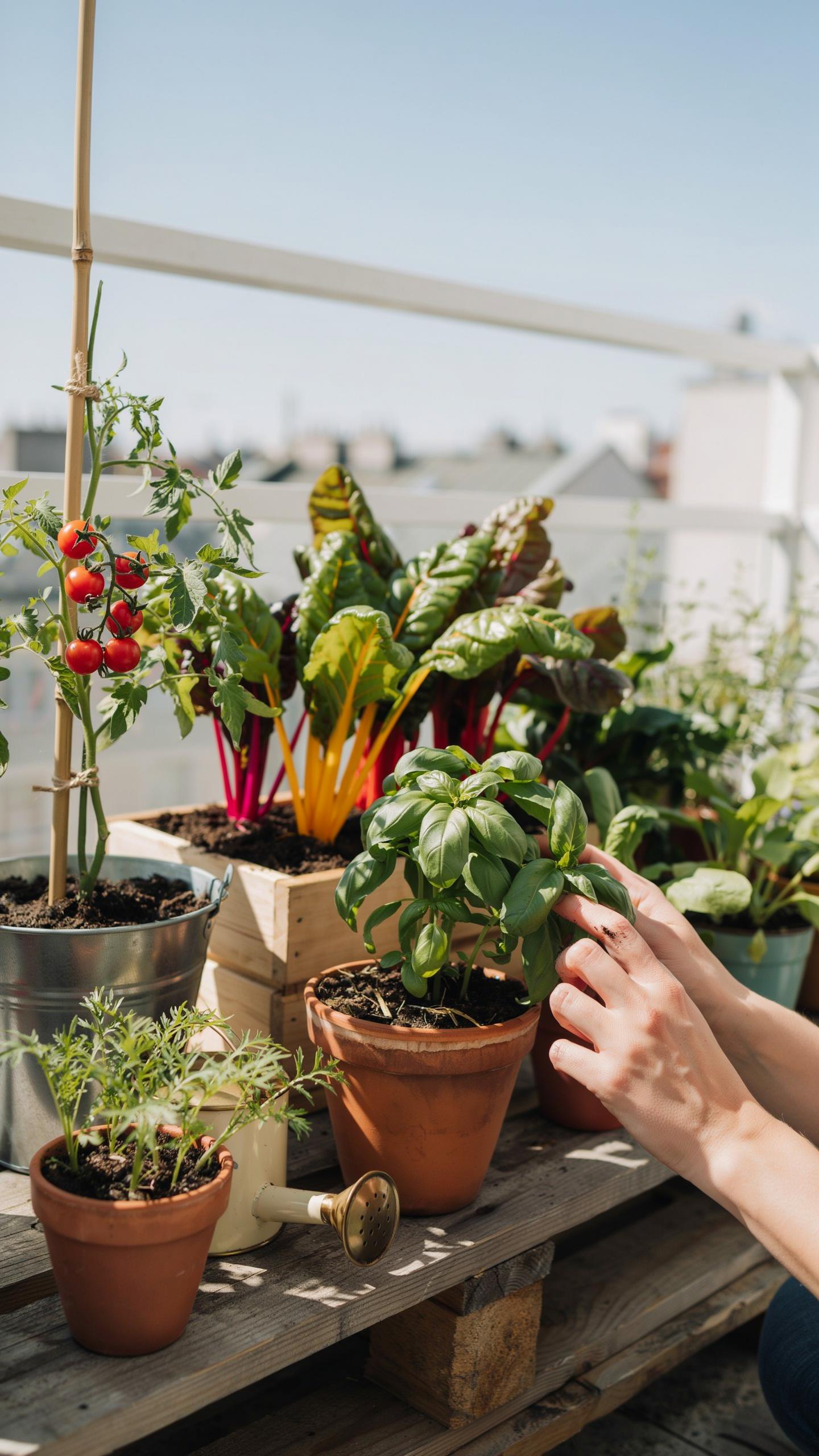
What Vegetables Thrive Best In A Well Balanced Soil For Container Vegetable Gardens
Heavy feeders like tomatoes and peppers require structural stability and high nutrient retention. A balanced container gardening soil mix provides the drainage needed to prevent root rot in these species. Peat or coconut coir maintains moisture while perlite creates necessary air pockets. This foundation supports aggressive root systems and heavy fruit production. Consistent soil structure ensures that water moves evenly to reach all roots.
Leafy greens and root crops thrive when the soil density remains low. Lettuce and spinach need a loose medium to expand their shallow roots quickly. Carrots and radishes require a grit-heavy mix to grow straight without hitting hard obstructions. A well-balanced mix prevents the compaction that stunts these plants. High porosity allows these vegetables to access oxygen and water with minimal resistance during growth.
How To Enrich Your Soil Mix For Container Gardening With Compost And Natural Amendments
Compost serves as the primary engine for nutrient delivery in budget container mixes. It replaces expensive synthetic fertilizers by providing a stable source of nitrogen, phosphorus, and potassium. You must incorporate finished compost at a ratio of twenty to thirty percent of the total volume. This organic matter improves the cation exchange capacity of the mix. This allows the soil to hold onto nutrients instead of leaching them.
Natural amendments like bone meal or wood ash target specific mineral deficiencies. Bone meal increases phosphorus levels to support strong root development and flowering. Wood ash provides potassium and raises the pH of acidic mixes. Use these materials sparingly to avoid nutrient toxicity or pH spikes. Integrating these local or household waste products reduces the total cost of your medium. Proper mixing ensures even distribution of these essential elements.
Using The Right Soil Mix For Container Gardening When Starting From Seed
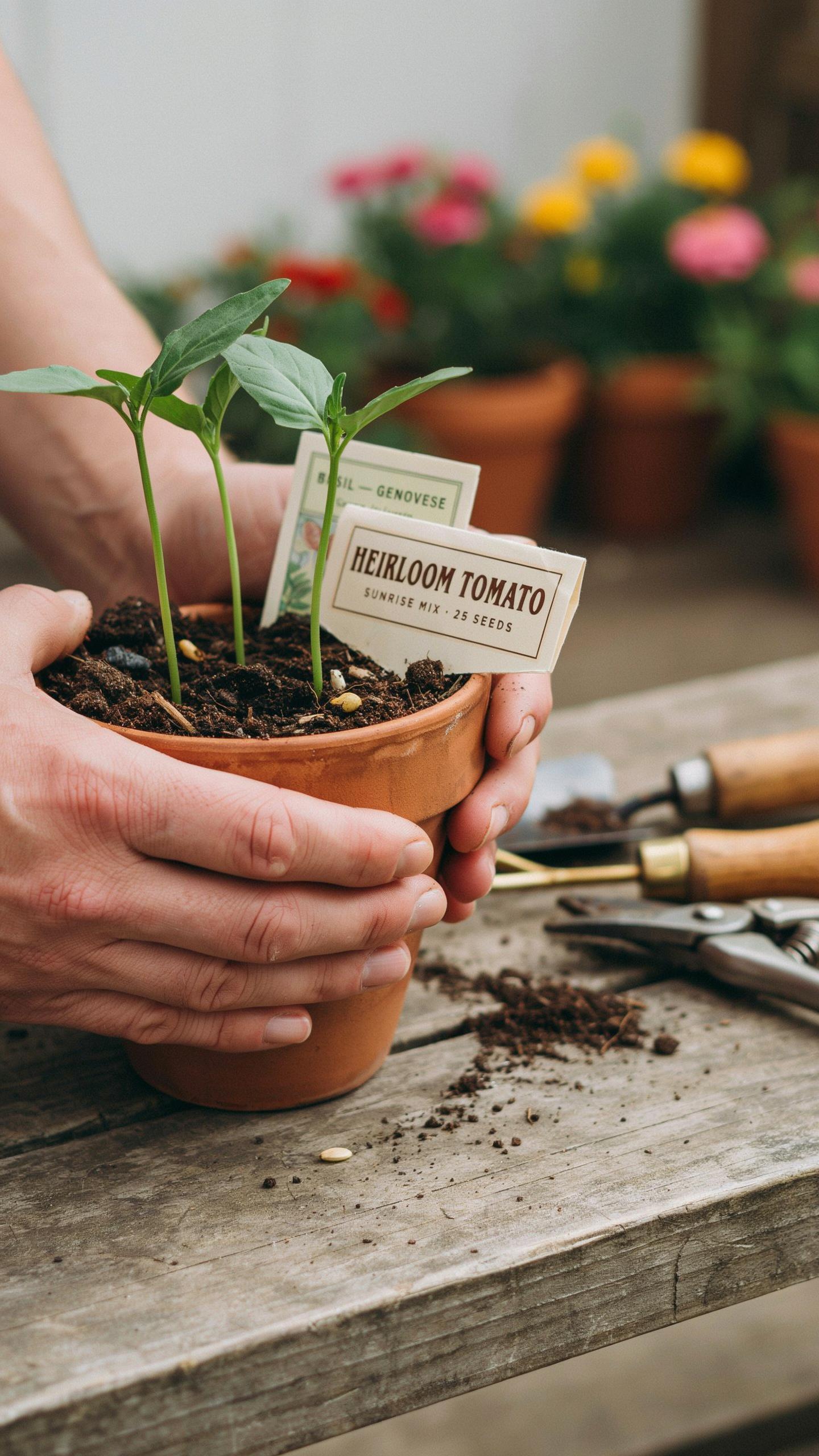
Why Seed Starting Requires A Finer And Lighter Soil Blend Than Standard Mixes
Seeds contain limited energy to push through the earth. Heavy garden soil or dense container gardening soil mix creates physical resistance that kills young sprouts. Seed starting mixes utilize fine peat moss or coconut coir to ensure zero obstruction. This lightweight texture allows tiny roots to spread quickly without hitting large wood chunks or heavy clay particles. Proper airflow prevents the seeds from rotting before they germinate.
Sterility and water management are the primary technical drivers here. Standard outdoor mixes often contain pathogens or fungi that attack vulnerable seedlings. A specialized starter mix usually lacks actual soil to avoid these biological risks. It also holds moisture more evenly than coarse mixes. This consistent hydration prevents the delicate root hairs from drying out. Use a fine-textured medium to guarantee a high germination rate for your vegetable crops.
How To Transition Seedlings From A Seed Starting Mix Into A Full Container Soil Mix
Seedlings must move to a nutrient-rich container gardening soil mix once they develop true leaves. Seed starting blends contain almost no fertilizer. The plant will stall if it stays in the sterile medium too long. You must time the transplant carefully to avoid root binding. Ensure the secondary mix has a balanced structure of drainage and organic matter. This supports the rapid growth phase of the maturing plant.
The transition requires a process called hardening off to prevent transplant shock. Gradually introduce the young plants to the stronger nutrients found in full-strength potting soil. Dig a hole in the new container large enough to fit the entire root ball. Pack the new soil firmly but do not compress it. This maintains the oxygen pockets needed for root respiration. Water the container immediately after transplanting to settle the soil around the roots.
Common Mistakes People Make With Container Gardening Soil And How To Avoid Them
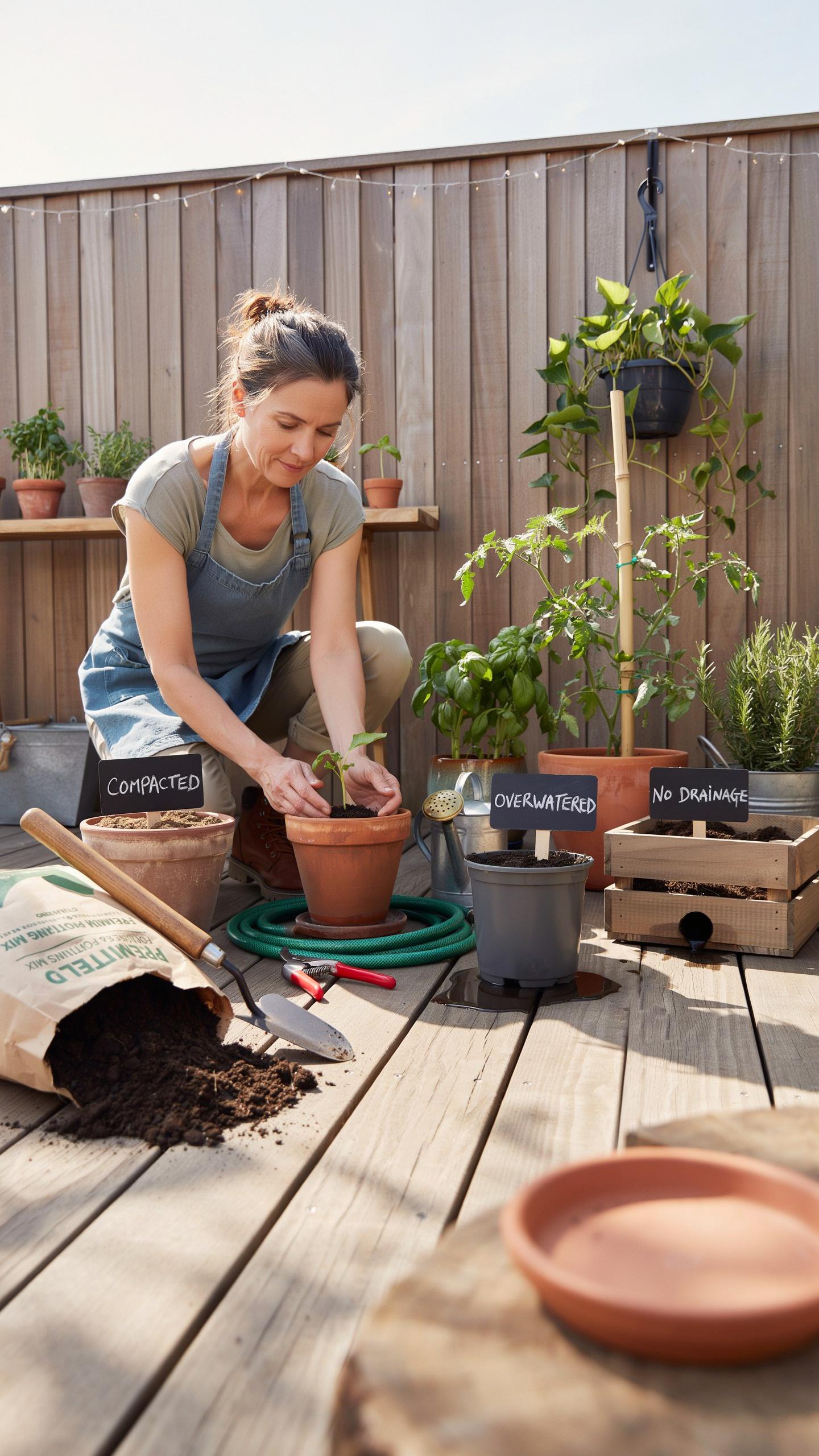
Why Overwatering And Poor Drainage Are Often A Soil Mix Problem, Not A Watering Problem
Gardeners often blame the watering can when plants rot. The real culprit is usually a heavy container gardening soil mix. Standard garden soil contains tiny particles that pack together tightly inside pots. These small particles eliminate the air pockets roots need to breathe. Without these gaps, water sits in the soil for too long. This creates a swampy environment that drowns the root system slowly.
Correct your drainage by adding coarse materials like perlite or rice hulls to your mix. These components create large pores that allow excess water to escape quickly. Gravity pulls the water through the container while the organic matter holds just enough moisture. If your soil stays wet for more than three days, your mix lacks structure. Fix the ratio of aeration to prevent root rot effectively.
How Compacted Or Nutrient Depleted Soil Silently Stunts Container Plant Growth
Soil compaction happens when organic matter breaks down and settles over time. As the mix loses its volume, it physically squeezes the roots of your plants. This pressure prevents roots from expanding to find water and food. You will see slow growth or yellow leaves even if you fertilize regularly. Dense soil also prevents nutrients from reaching the plant roots because water cannot move through.
Nutrient depletion occurs because containers are closed systems with limited resources. Plants quickly consume the available minerals in a small pot. Unlike ground soil, container gardening soil mix does not naturally replenish itself through deep earth cycles. You must add compost or slow release fertilizers to maintain the health of the mix. Failure to refresh the soil leads to weak plants that cannot resist pests.
How To Refresh And Reuse Your Potting Soil Mix Season After Season
Signs That Your Existing Container Soil Mix Needs To Be Refreshed Or Replaced
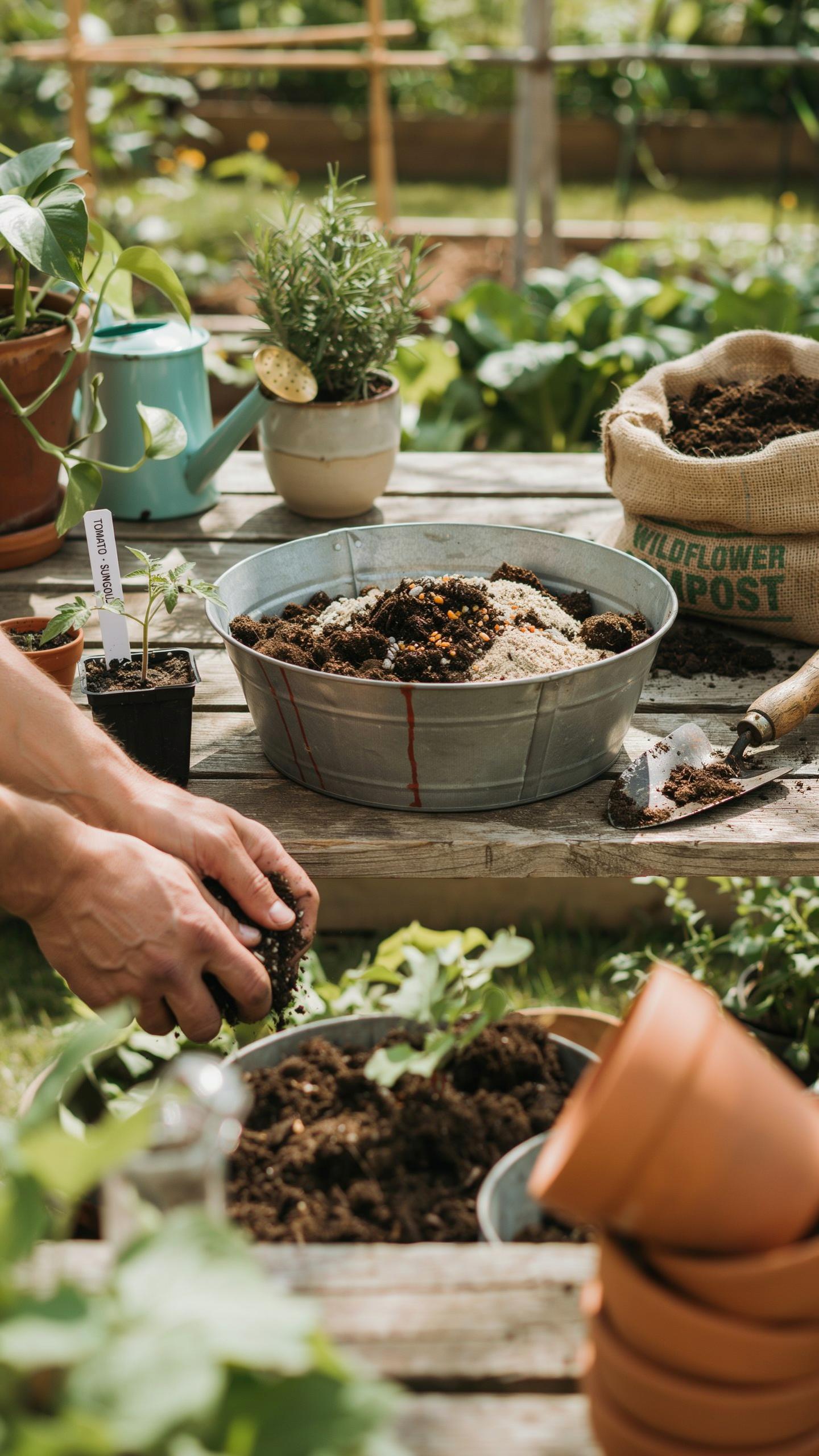
Old container gardening soil mix eventually loses its structural integrity. You will notice the soil level dropping in the pot as organic matter decomposes. Physical compaction occurs when the tiny air pockets disappear. This prevents oxygen from reaching the roots. If water pools on the surface instead of draining, the peat or coco coir has collapsed. These physical changes indicate the soil can no longer support healthy plant growth.
Chemical exhaustion is the second major sign of old soil. Salt buildup from synthetic fertilizers appears as a white crust on the surface or pot edges. Stunted growth and yellowing leaves suggest the soil lacks essential nutrients. If your previous plants suffered from soil-borne diseases or heavy pest infestations, do not reuse the mix. Pathogens survive in the medium and will infect new seedlings. You must recognize these signals to avoid total crop failure.
Budget Conscious Methods For Revitalizing Old Potting Soil Without Buying Entirely New Bags
Recharging old soil saves money and reduces waste. Start by dumping the old mix into a large bin or tarp. Break up large root balls and remove thick debris manually. You must replenish the lost organic material to restore aeration. Mix in thirty percent new compost or aged manure. This adds biology and nutrients back into the dead medium. This method provides a fresh start for a fraction of the cost of new bags.
Proper hydration and mineral balance are the final steps. Old soil often becomes hydrophobic and repels water. Slowly incorporate water until the mix feels like a wrung-out sponge. Add a handful of slow-release organic fertilizer or bone meal to replace lost minerals. Do not add more perlite or vermiculite unless the drainage is still poor. These minerals do not break down and usually remain in the old mix. Correcting the texture ensures your plants thrive all season.
Pro Tips For Getting The Most Out Of Your Soil Mix For Container Gardening Year Round
How Seasonal Changes Affect Your Container Soil And What Adjustments To Make
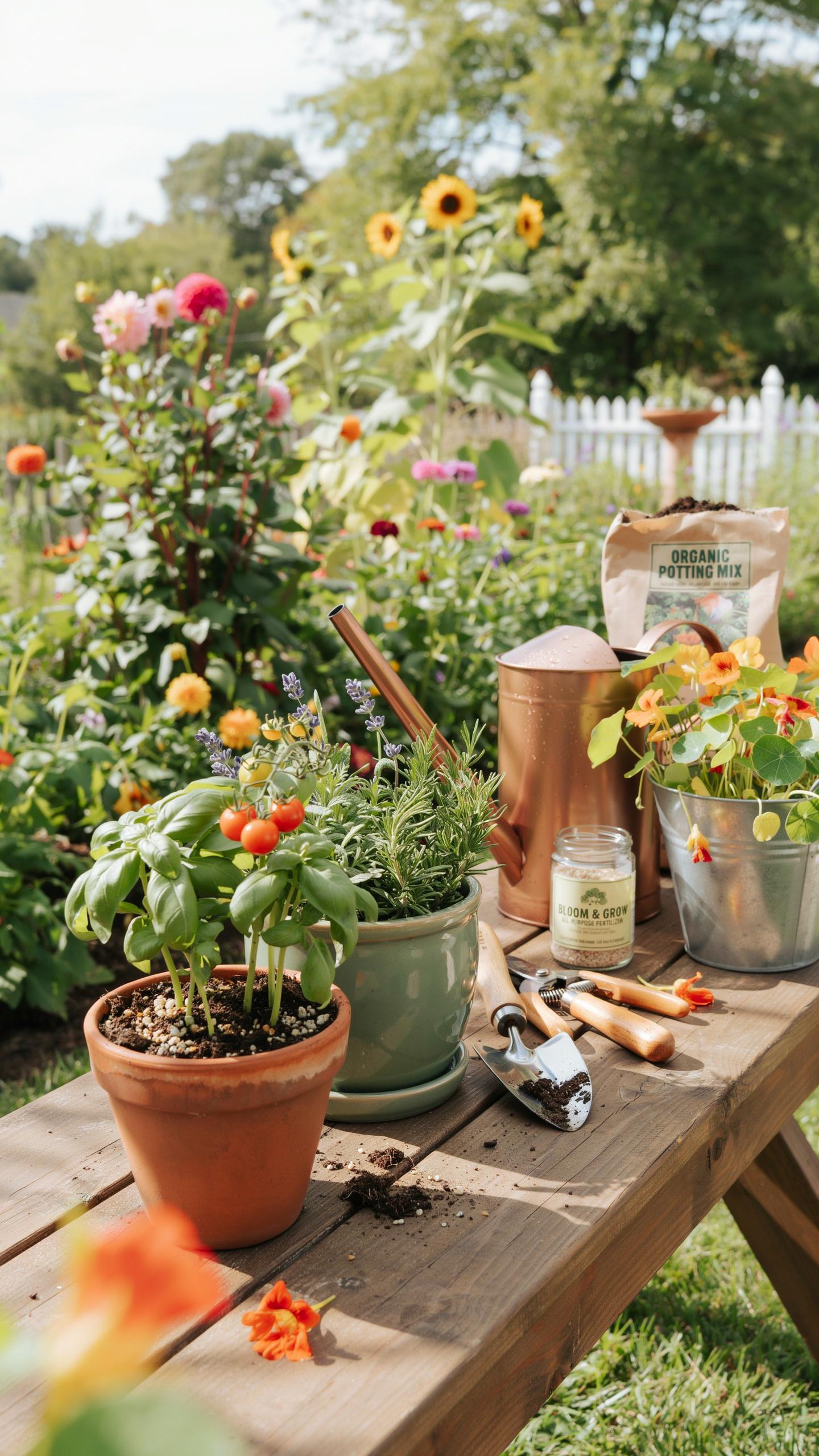
Temperature shifts alter the physical and chemical state of your container gardening soil mix. High summer heat speeds up evaporation and causes organic matter to decompose rapidly. This shrinkage reduces the total volume of your soil. You must monitor these levels to prevent root exposure. Rapid drying also leads to hydrophobic peat or coir. Water will run off the surface instead of soaking in.
Cold weather brings different challenges to your potting medium. Saturated soil expands when it freezes and can crack your pots or crush root cells. You must reduce watering as light levels drop and plants go dormant. Wet winter soil often leads to root rot because oxygen levels plummet in waterlogged dirt. Adjust your drainage layers or elevate pots to ensure excess moisture escapes during the rainy winter months.
Practical Habits That Keep Your Container Garden Soil Healthy And Productive Long Term
Healthy soil requires consistent monitoring and mechanical maintenance. You should test the pH levels of your containers every spring. Synthetic fertilizers can cause salt buildup over time and kill beneficial microbes. Flush your pots with clean water periodically to remove these excess minerals. This practice prevents nutrient lockout and ensures your plants can actually absorb the food you provide. Compaction is another silent killer you must address.
Refresh your containers by top-dressing with a layer of high-quality compost every few months. This replaces lost nutrients without the need for a full soil swap. Always aerate the top inch of your mix with a small hand tool to keep the surface from crusting over. This habit ensures that oxygen and water reach the root zone efficiently. Never leave soil bare between plantings. Use a thin mulch layer to protect the soil structure.
Frequently Asked Questions

Why can’t I just use regular garden soil for my potted plants?
Using soil straight from the ground is a common mistake for beginners. Natural garden soil is too heavy and compacts easily in pots, suffocating roots and preventing drainage. A proper container gardening soil mix is essential because it is engineered to be lightweight and porous. This ensures your plants get the necessary aeration and moisture retention required to thrive in a limited, confined environment without becoming waterlogged.
How do I make a basic container gardening soil mix at home?
You can achieve a high-quality result by mixing equal parts of peat moss or coconut coir, finished compost, and perlite. The peat provides structure, the compost offers vital nutrients, and the perlite ensures excellent drainage. Simply combine these ingredients in a large bucket or wheelbarrow and blend thoroughly. This simple DIY container gardening soil mix is much more effective and affordable than buying small, pre-mixed bags at the garden center.
What are some ways to save money when sourcing soil ingredients?
To keep costs low, buy your primary components like peat moss or perlite in large compressed bales rather than small bags. Additionally, making your own compost from kitchen scraps and yard waste provides the most nutrient-dense part of your mix for free. You can also look for community mulch programs or local farms that offer aged manure. These bulk strategies make creating a premium growing medium accessible for any budget.